Tag: DAISO

  • Daiso to Close Another Singapore Store in Four Months: An 18-Year Legacy Ends

    Daiso to Close Another Singapore Store in Four Months: An 18-Year Legacy Ends

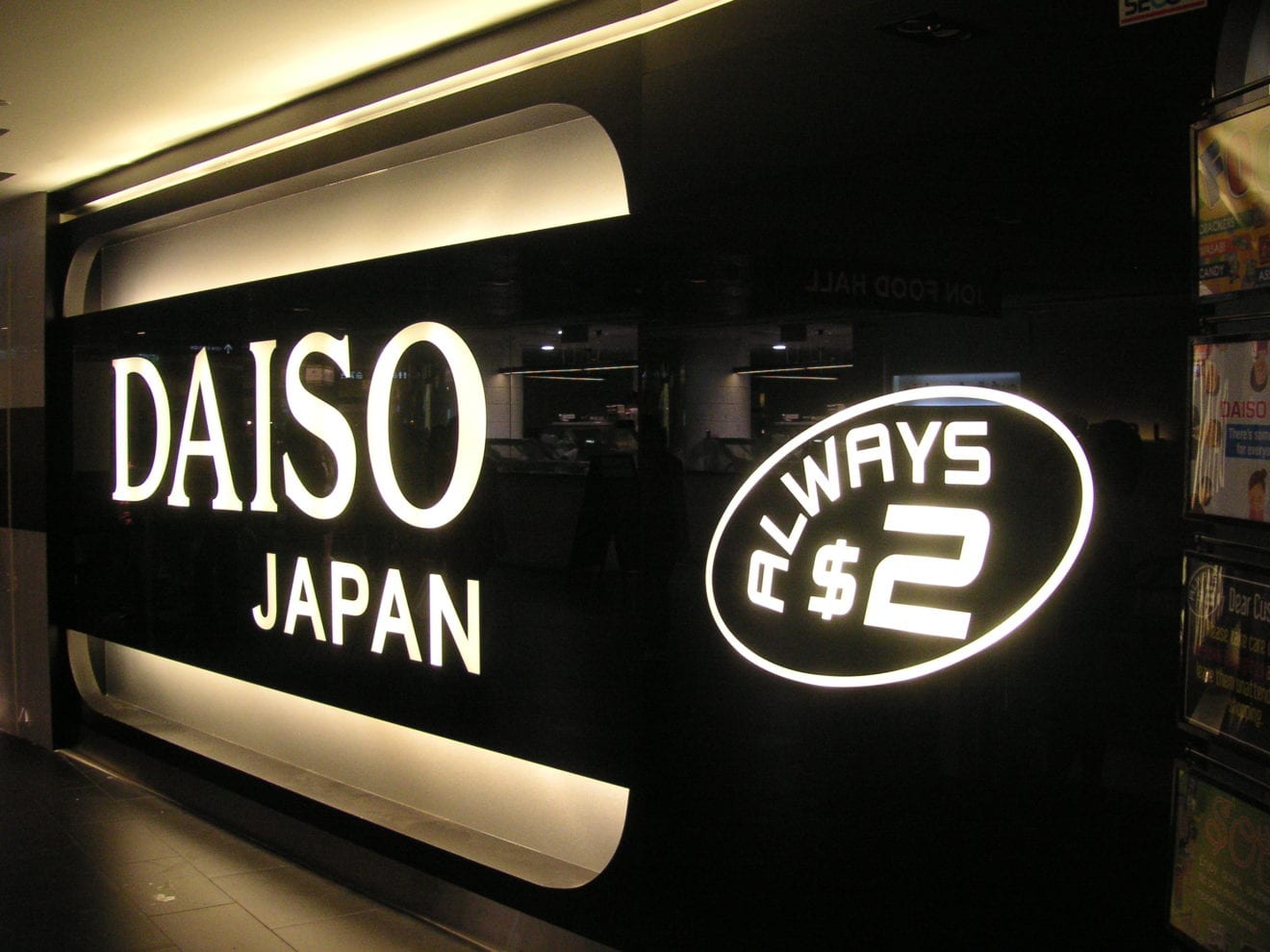
    Daiso, a well-known Japanese retail chain offering a variety of economical household items, is preparing to shutter its second store in a span of four months after a lengthy 18 years of operation. The Daiso Sembawang Shopping Centre location is scheduled to cease operations beginning April 6, 2026, according to an announcement from Daiso Singapore. The company has not provided an explanation for the impending closure.

    A Look at the Store’s History

    The Daiso Sembawang Shopping Centre first opened its doors in 2008 and underwent a significant expansion in 2021. This expansion introduced the Threeppy concept store, specializing in an array of “cute and fashionable” products.

    The upcoming closure of this location follows on the heels of two other recent closures — the Daiso outlets at the 100 AM mall, which closed in January, and the Kinex location in Tanjong Katong, which shuttered last July.

    Daiso’s Presence in Singapore

    As of March 26, Daiso maintains a notable presence in Singapore. The retail chain, renowned for its flat SGD2 (US$1.56) price point on its most affordable items, operates a total of 33 stores throughout the country. Daiso’s pricing can reach up to SGD20 for specialized items, with these prices not inclusive of tax.

    Daiso’s product line is diverse, encompassing a wide range of goods, from housewares, toys and stationery to decorations and gifts.

    Questions & Answers

    Why is Daiso closing its Sembawang Shopping Centre location?
    The company has not yet released a statement regarding the reason for the store’s impending closure.

    When did the Daiso Sembawang Shopping Centre location first open?
    The store first opened in 2008 and expanded in 2021 to include the Threeppy concept store.

    How many Daiso stores are in operation in Singapore as of March 26?
    As of this date, there are 33 Daiso retail stores in operation across Singapore.
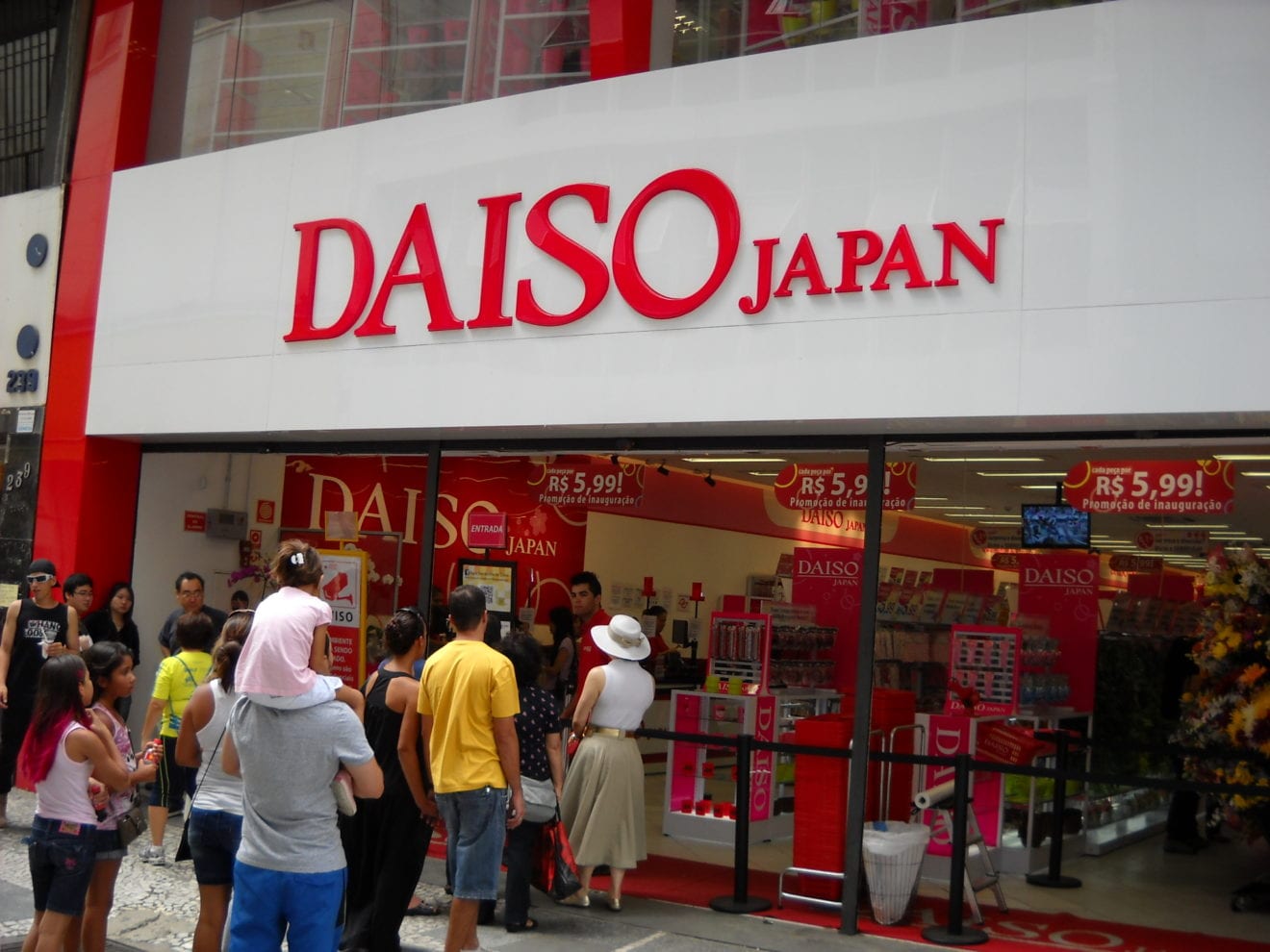
  • Daiso eyes increasing its US store network more than 10 fold

    Daiso eyes increasing its US store network more than 10 fold

    Japanese ¥100 shop operator Daiso Industries aims to increase the number of its stores in the United States more than 10-fold in the long-term, as soaring inflation has spurred more American consumers to look for high-quality products on a budget.

    The value retailer, which has won over customers in Japan during the country’s decadeslong deflation, currently operates more than 80 U.S. stores in states such as California and Texas.

    The operator said it will add about 30 more outlets in the state of Arizona and elsewhere during the next fiscal year, with plans to eventually bring the total number of its U.S. stores to 1,000.

    “We think high-quality, single-price products will catch on overseas, too,” a Daiso official said. “We will aggressively go into new areas abroad.”

    Daiso’s plan comes as dollar shops become increasingly popular in the country where runaway inflation is shrinking disposable income.

    Amid such a trend, the Hiroshima Prefecture-based company in July opened an outlet in the Manhattan district of New York City, its first in the area.

    The operator aims to attract more American customers by launching new products at frequent intervals and increasing its selection of goods, it said.

    Since opening its first overseas store in Taiwan in 2001, Daiso has accelerated its overseas expansion as the retailer’s wide range of inexpensive products — from toys to kitchen utensils to hardware — gained popularity.

    As of February, it operated about 2,300 stores in 25 countries and regions outside of Japan. Most are located in Asia, with South Korea boasting more than 1,300 outlets.

    Daiso expanded its business in deflation-afflicted Japan as stagnant wage growth made its stores a go-to place for daily necessities for many.

  • Daiso opens first store in Canada comeback

    Daiso opens first store in Canada comeback

    Japanese retailer Daiso has launched its first directly operated Canada store in downtown Vancouver.

    Taking over a former bookstore space, the debut Daiso Canada spans 4700sqft and features a selection of 12,000 products, ranging from seasonal items, stationery and cosmetics to homewares – mostly imported from Japan.

    JLL Canada will be responsible for Daiso’s further expansion in the country, identifying sites for further stores.

    This is the second time the Japanese retailer has entered Canada. It first launched in 2003 through a franchise agreement with Fairchild Group, however, in 2019, the store was taken over by Japanese variety store Oomomo.

    Daiso now operates more than 3000 stores in its home country and 5000 internationally.

    The company’s business model is the so-called ‘100-yen shop’ concept where all products are priced similarly.

  • Daiso Singapore app tells shoppers how busy the store is before they visit

    Daiso Singapore app tells shoppers how busy the store is before they visit

    Daiso Singapore has established an online service to let customers know in advance which of its outlets are crowded.

    The new website service – which builds on the brand’s previous crowding updates posted via Instagram – now allows customers to assess crowd levels before visiting any Daiso or Threeppy branch , allowing them to plan visits and avoid masses and queues.

    Daiso’s crowd data is posted in two-hour blocks, grading crowding levels with coloured squares to provide information at a glance. Green squares indicate no crowding, while red squares show a store has reached maximum customer capacity.

    On June 19, the $2 mega chain store attracted snaking queues upon reopening after the Singapore government’s lockdown to prevent the spread of coronavirus.

    Daiso Singapore currently operates 22 locations in Singapore.

  • Uniqlo, Coupang, Daiso weigh cost as Japan boycott grows

    Uniqlo, Coupang, Daiso weigh cost as Japan boycott grows

    Casual-clothing chain Uniqlo says its sales have been affected as the consumer boycott of Japanese goods intensifies in South Korea.

    Uniqlo, owned by Fast Retailing, will close a downtown Seoul store soon, but says this is due to a decision not to renew a lease rather than the Japan boycott as reported by Japanese news media.

    Uniqlo has close to 190 stores in South Korea where it sells around US$1.3 billion of clothes annually, accounting for 6.6 percent of its revenue.

    Meanwhile, the boycott is leaving some South Korean companies that some consumers have labeled as “Japanese companies” struggling to explain themselves.

    South Korean consumers are boycotting Japanese products from beer to pens in protest over Japan’s decision to impose restrictions on exports of key high-tech materials to its Asian neighbor. While Japan cited security concerns for the curbs, the move also been seen as retaliation after a South Korean court last year ordered Japanese companies to compensate Koreans who were forced to work for Japanese occupiers during World War Two.

    Japan has also removed South Korea from a list of favored trading partners.

    “It is not easy to clear up the misunderstanding as there are some complicated cases of stake relationships that are confusing even to consumers,” wrote D M Park of Korea Bizwire.

    For example, Daiso, a flat-priced household goods company run by Asung Daiso, has been dogged by constant attacks from some consumers saying it is a “Japanese company” since the beginning of the boycott campaign.

    Daiso originally started in May 1997 when Park Jung-won, a former office worker, opened a household goods store called “Asco Even Plaza” in Seoul. In November 2001, the company changed its name to Daiso Asung in cooperation with Daechang Co, a Japanese distributor of flat-price goods. Daiso is the Japanese pronunciation of Daechang. It later registered as a foreign-invested company under the Foreign Investment Promotion Act in March 2002.

    Currently, Park holds 50.02 percent of Asung HMP, the largest shareholder, while Japan’s Daechang Industrial holds 34.21 percent of the shares.

    The problem is that Japanese companies own more than 30 percent of the shares, and Japan also has more than 2900 stores of the same mutual, uniform price household goods company run by Daechang Industrial.

    “There is no relationship between Japan’s Daiso, Japan’s payment of royalties, personnel exchanges, nor participation in management except for equity investments,” stressed a representative of Asung Daiso.

    “Samsung Electronics also has a high foreign stake, but that does not make Samsung a foreign company,” the representative said.

    Coupang, a leading e-commerce company, also suffered from rumors that it was a Japanese company after Japan’s Softbank Vision Fund (SVF) made equity investments.

    Although Coupang, an unlisted company, has never made its exact stake public, industry sources estimate that SVF’s stake in Coupang will exceed 30 percent.

    Coupang responded quickly through its own promotional channel as such rumors spread quickly in the early days of the boycott and showed signs of affecting sales as well.

    “Foreign ownership of KB Financial Group is close to 70 percent, while foreign ownership of Samsung and Naver is also close to 60 percent,” Coupang explained.

    Coupang then laid out the similar logic of Daiso that high foreign investment in shares does not mean that a company is a foreign company, hoping to overcome impact from the Japan boycott.

  • Japanese retailer Daiso Launching in New Jersey

    Japanese retailer Daiso Launching in New Jersey

    Budget Japanese retailer Daiso will launch its first New Jersey store in Edgewater.

    The store will open on August 3 as the second Daiso store in the Tri-State area. Daiso is quickly expanding its presence on the East Coast, with this location opening within just five months of the very first store in Flushing, New York last March. Three more Daiso stores are scheduled to open in the area this year.

    The 7000sqft Daiso New Jersey store will feature products and styles including back-to-school, entertaining and organising supplies, and thousands of products including kitchenware, beauty supplies, stationery, gift wrap, greeting cards, electronics accessories, unique gift items, snacks, and party goods.

    Daiso Japan averages 10 to 20 new store openings globally every month.

  • Daiso launches its first Threeppy shop in Singapore

    Daiso launches its first Threeppy shop in Singapore

    Japanese discount retailer Daiso will launch its Threeppy store at Funan mall on Sunday.

    Japanese discount retailer Daiso will launch its Threeppy retail store at Funan mall on Sunday (July 14).

    Known as the ‘premium’ version of Daiso, the first Threeppy outlet in Singapore and Southeast Asia will offer kitchenware, household goods, and stuffed toys, among other items, with prices starting at US$5.80

    The new brand is hoping to attract family shoppers in Singapore with women in their 20s to 40s their main target.

    Daiso currently operates 22 Threeppy shops in Japan, and plans to add 30 stores every year.

  • Daiso to set up regional distribution centre in Malaysia

    Daiso to set up regional distribution centre in Malaysia

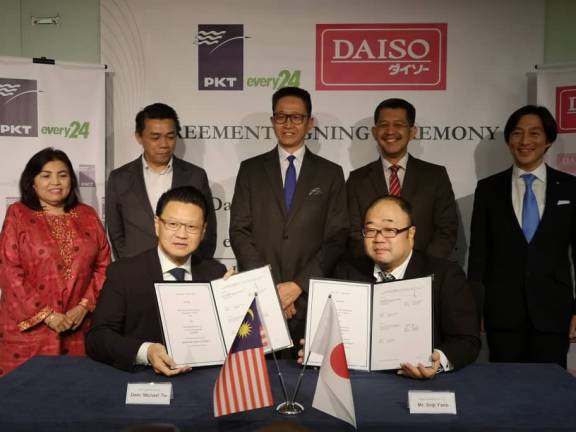
    PKT every24 Logistics Sdn Bhd (PKT) signed a service agreement with Daiso Industries Co Ltd (Daiso) to operate the latter’s regional distribution centre (RDC) located in Port Klang, commencing in the second quarter of this year. PKT is a joint venture company between PKT Logistics Group Sdn Bhd and Daisei every24 Co Ltd. Incorporated in February 2016, it was set up by both parties to explore joint business opportunities in Malaysia.

    PKT said in a statement, in order to serve Daiso in this RDC, it will be constructing a purpose-built warehouse at an estimated investment cost of RM250 million while creating 500 new jobs for the state of Selangor.

    PKT said it shall be providing Daiso haulage, freight forwarding and warehousing services for their transshipment and local cargo, reaching approximately several hundred containers per month.

    Meanwhile, Daiso president Seiji Yano said the group is confident that PKT will be a valuable logistics partner for the group to better serve its outlets and customers across the Middle East and Southeast Asia.

    “We are truly honored by Daiso’s confidence in Malaysia’s logistics capability but most importantly Daiso’s confidence in PKT to deliver quality logistics service to their outlets,” PKT chairman Datuk Wira Jalilah Baba said.

    Daiso is a specialty store retailer of private label products offering a vast lineup of up to 70,000 superior quality products.

    Headquartered in Hiroshima Japan, Daiso has more than 5,270 stores worldwide, served by 17 distribution centers located in Japan, China and Thailand.

  • Popular Japanese ‘100-yen’ store Oomomo opens in Toronto Canada

    Popular Japanese ‘100-yen’ store Oomomo opens in Toronto Canada

    Japanese discount retailer Oomomo has launched in Canada with plans for stores in most major cities. The first store opened in West Edmonton Mall in Alberta last month and was followed by another in Toronto this week, which attracted queues of customers to check out its eclectic mix of homewares, stationery, snacks and beauty products.

    More stores are planned in Vancouver, Burnaby in British Columbia and North Edmonton and Markham in Ontario.

    Oomomo translates into “big peach” in English and in Japan the chain is one of a group of retailers commonly referred to ‘100-yen’ stores. Most of its stock is priced at less than C$3.

    Some of the stock is sourced from Japanese retailer Daiso.

    View the gallery of the new store below (6 images) :

  • Daiso to limit its stationery sales

    Daiso to limit its stationery sales

    Daiso stores will be forced to stop selling individual items of stationery in a bid to try and help struggling small and medium enterprises, Korea Commission for Corporate Partnership (KCCP) said Thursday.

    The KCCP is set to hold a final vote on Oct. 10 on adding the franchise to the list of major companies that are restricted in conducting businesses closely linked to the fortunes of small companies.

    A KCCP spokesman said Thursday that the process is an administrative one and that the agenda is likely to be passed as Daiso and the organization have already reached an agreement.

    Daiso, which now has over 1,200 stores in Korea, has faced criticism in recent years from local stationery store owners, who complain that the store is threatening their business. Last month, the franchise decided to voluntarily join the ranks of major companies that have restrictions on stationery sales.

    Starting from mid-October, Daiso stores will sell 18 types of stationery in bundles, including pencils, erasers, sketch books and crayons. As the franchise’s products are priced at 5,000 won ($4.46) or under, the stationery bundles will also stay within that range. During the early days, both bundles and individual products will be placed on the shelves until the latter sells out, a company spokesman said.

    The rule, however, will not apply to every Daiso store in the country. Only branches directly run by the company’s headquarters will have to follow such restrictions, which account for 60 percent of Daiso’s entire 1,200 or so stores nationwide. The 450 stores operated by franchisees will be recognized as small businesses, allowing them to continue selling individual items of stationery.

    A private commission that mediates conflicts between large and small-sized businesses, the KCCP designates industries and product categories, from food to daily necessities, that should be reserved for small enterprises and local merchants. It also lists major companies that should be restricted from conducting business in such fields in order to prevent them from threatening the revenue of smaller enterprises.

    Stationery stores were designated as a protected sector in 2015. That year, Emart, Lotte Mart and Homeplus stopped selling 18 types of stationery as individual items.

    At the time, Daiso wasn’t big enough to be a threat. But the company grew rapidly over the last few years, leading to an increase in complaints from local stationery store owners.

  • Daiso Taiwan to face second import ban

    Daiso Taiwan to face second import ban

    Japanese retail chain Daiso Taiwan is expecting to face a second import ban.

    It was earlier slapped with a six-month ban for illegally importing food products from areas affected by the 2011 Fukushima nuclear disaster and selling them with falsified labels of origin in Taiwan in 2015.

    Known for selling food and discounted consumer products, Daiso was also fined NT$41.64 million (US$1.39 million) for falsifying transaction dates to obtain import permits, says Taiwan’s Ministry of Economic Affairs. A total of 694 import application documents were found to be fraudulent.

    Daiso Taiwan may also close its retail branch in Penghu, leaving it with 59 outlets.

    Regarding the new import ban, Daiso Taiwan said on its website it had improved its import procedures since the lapse in 2015.

  • Robinsons Place opened in Ormoc City

    Robinsons Place opened in Ormoc City

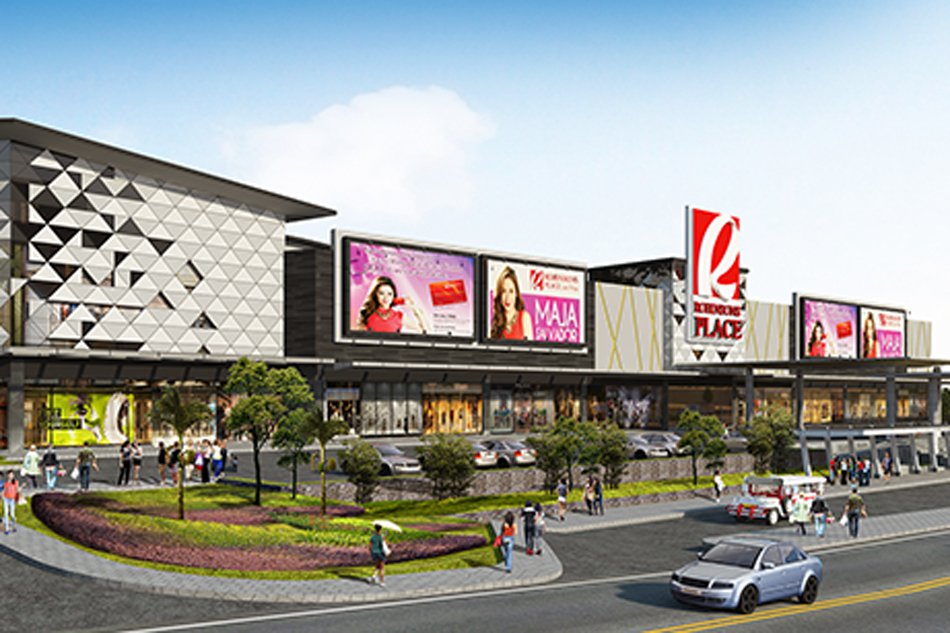
    Robinsons Malls has strengthened its presence in the Visayas region with the opening of Robinsons Place Ormoc, a three-level, full-service mall in Ormoc City.

    It offers a variety of national and global brands along with the chains of Daiso Japan, Handyman, Robinsons Department Store and Robinsons Supermarket.

    Its products and services extend to health and beauty, gadgets, banking, courier and government-related processes and requirements with its Robinsons Malls Lingkod Pinoy Center.

  • Daiso stores to penetrate Israeli retail market

    Daiso stores to penetrate Israeli retail market

    Japanese “dollar store” chain Daiso is about to enter the Israeli retail market, to be run by the Union Group, the franchise holder for Cos and H&M in Israel and the official importer for Toyota and Lexus.

    Founded in 1977, Daiso will be competing in Israel with chains such as Hastock and Max Stock. It is expected to offer 100,000 products at a fixed low price, including designer products and accessories for the home, toys, design aids, work tools, gardening tools, electronic products, auto products, sewing tools and animal accessories. Most are made exclusively for the Japanese chain’s private label.

    Daiso has 4900 stores in 26 markets, 3000 of them in Japan. The company’s revenue totalled $4 billion in 2015.

    Daiso’s most popular items are batteries and small products for the home.

  • KL Gateway has been launched

    KL Gateway has been launched

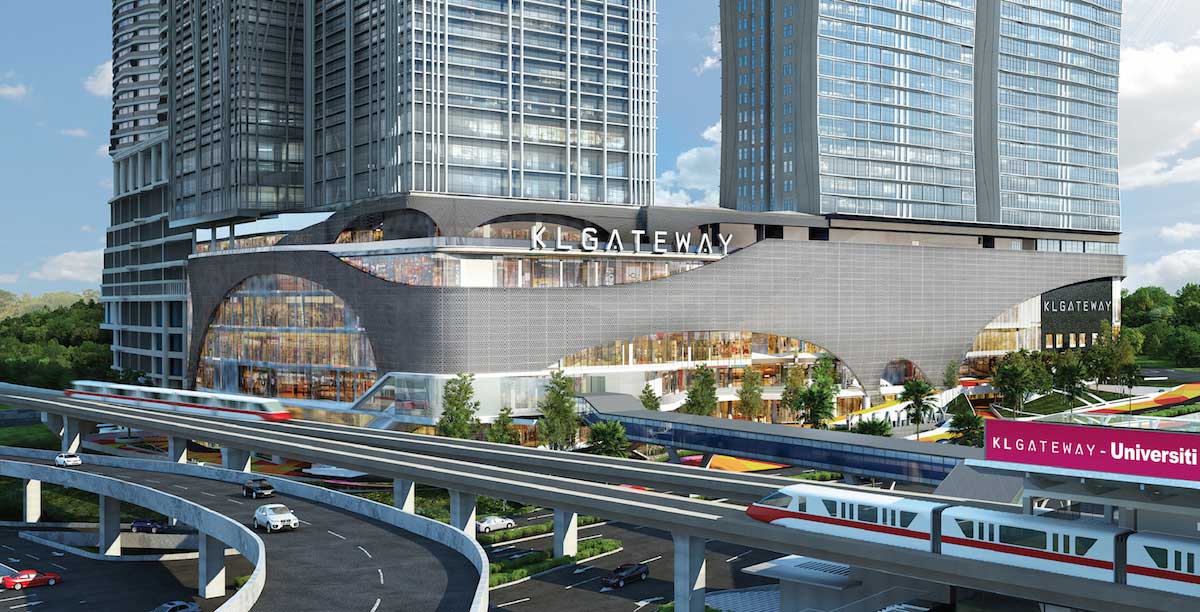
    Kuala Lumpur has a new mall, KL Gateway, with a gross floor area of about 500,000 sqft (46,451 sqm).

    Connecting with corporate office towers, KL Gateway has a 10,000 sqft outdoor landscaped garden and offers free Wi-Fi internet access in its common areas. A 100m link bridge connects the mall to the KL Gateway-Universiti LRT station.

    Tenants at the mall include Daiso, H&M, Home’s Harmony, Mr DIY, Times Bookstores and Village Grocer.

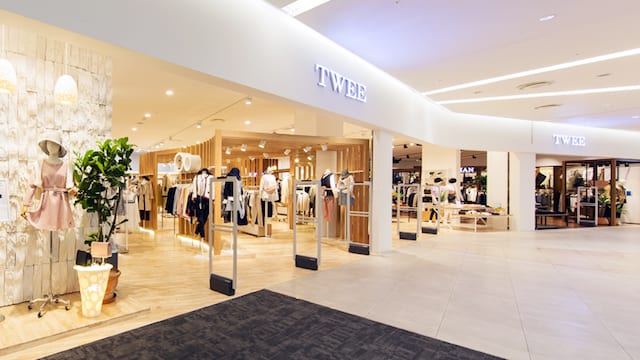
    Korean fashion brand The Twee will be opening its first flagship store for Southeast Asia on the ground floor. The store, with more than 929 sqm of retail space, will stock a broad range of trendy Korean apparel, accessories and footwear for both men and women.

  • The Twee flagship in Kuala Lumpur

    The Twee flagship in Kuala Lumpur

    Korean fashion retailer The Twee will open its first Southeast Asia flagship store at the new KL Gateway Mall in Kuala Lumpur.

    Set to open on January 12, the mall is part of the KL Gateway mixed development by Suez Capital in Bangsar South, Jalan Kerinchi.

    Along the Federal Highway, it offers a net lettable area of about 400,000 sqft (37,161 sqm) across seven levels, with more than 200 retail outlets.

    Covering about 11,000 sqft, The Twee flagship will be the brand’s biggest store in Southeast Asia, says Suez Capital head of asset management Michael Chee Soon Hin.

    Launched in 2009, The Twee has 28 fashion stores as well as kiosks in major department stores across Korea as well as in Shanghai. It targets women between 19 and 25 years old.

    Chee says the mall is already 80 per cent occupied and there are hopes it will achieve full occupancy by April. Secured tenants include Cotton On, Daiso, Doutor Coffee, H&M, Home’s Harmony, Mr DIY, Times Bookstore, Village Grocer, Yamazaki Bakery and Yubiso.

    There will also be free WiFi throughout the common areas of the mall.

    “The concept of the mall is based on a street mall – you will not be bored,” says Chee. Each floor is inspired by elements from different continents, and there will be an outdoor landscaped garden where residents in the residential units above the mall can grow vegetables.

    Suez Capital has invested in an automated car-park system for shoppers. “It will be the biggest automated car park in Southeast Asia with 1230 automated parking bays as well as 900 normal parking bays,” says Chee.

    The projected footfall for KL Gateway Mall is more than 10 million annually, with about 40 per cent from LRT (light-rail transit) commuters. A 100m covered, air-conditioned bridge will link the mall to the KL Gateway-University LRT Station.

    The integrated development includes four residential towers of more than 1180 units, which will be completed next year, while two Grade-A corporate office towers are being delivered in stages.