Tag: data

  • Unlocking Retail Growth: How Payment Data Transforms Customer Engagement Strategy

    Unlocking Retail Growth: How Payment Data Transforms Customer Engagement Strategy

    In the evolving retail environment, merchants are faced with an abundance of platforms and technologies to engage with customers. This, according to Mastercard’s SVP of consumer acquisition and engagement, Johann Suchon, has given rise to a new challenge: discerning where to allocate resources for tangible growth.

    The Changing Retail Ecosystem

    With an increasingly fragmented and competitive retail landscape, brands have numerous opportunities to connect with customers through both digital and physical channels. Navigating the optimal combination of platforms, technologies, and marketing tools, however, has become a complex task. The modern retail ecosystem is far more intricate than in the past, and retailers now face the challenge of identifying the most effective tools, along with those that best facilitate the management of their offers.

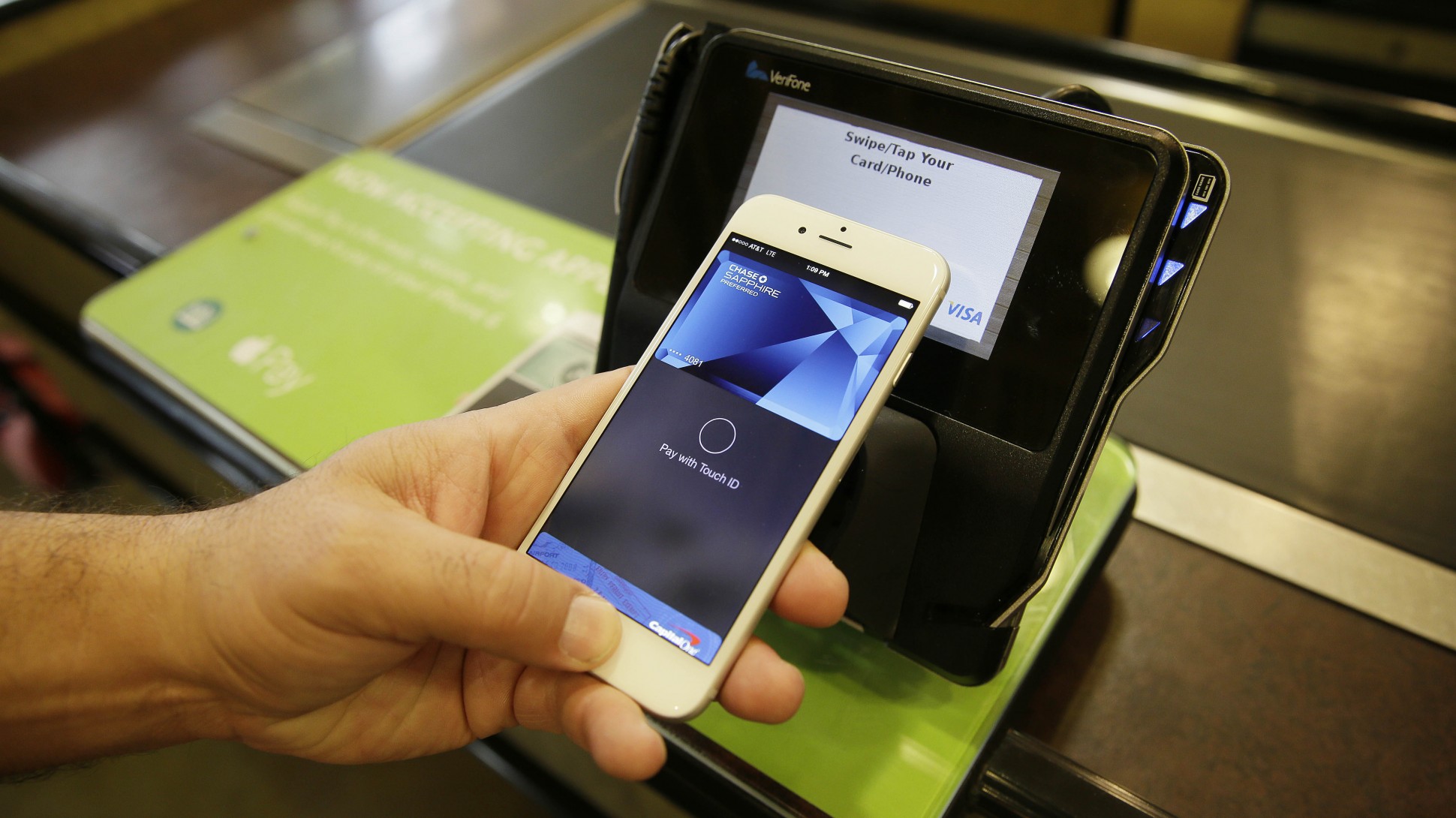
    Suchon asserts that retailers must begin influencing customer purchasing decisions early in the buying journey. Payments are evolving beyond a simple transactional function, morphing into a strategic engagement channel. Through payment data, brands can significantly influence customer behavior – a capacity that far exceeds what could be achieved by leveraging solely their first-party data.

    The Transformation of Loyalty Programs

    According to Suchon, loyalty programs are currently undergoing one of their most significant transformations. The key competitive edge lies not just in acquiring customers, but also in reaching the appropriate consumers with meaningful offers. Traditional loyalty programs, which typically offer uniform benefits to members, are becoming less effective as customers increasingly demand personalized experiences.

    By enriching their data with payment information, retailers can target offers much more accurately. Retailers who have previously invested in loyalty programs are in a strong position to transition, as their first-party data can be used to tailor communications and offers more effectively than brands without loyalty programs.

    The use of payment data also presents a broader view of customer behavior, allowing retailers to gain insights into spending patterns across various industries, thus identifying opportunities that may have otherwise been missed.

    Emerging retail trends also suggest a significant shift in cross-border spending in Asia-Pacific, with approximately 70% of transactions originating from local consumers. For retailers targeting inbound tourism, this offers a substantial opportunity to connect travelers with relevant offers before and during their visit.

    Questions & Answers

    What is the current challenge for retailers in term of customer engagement?
    The current challenge for retailers is discerning where to allocate resources for tangible growth amidst an abundance of platforms and technologies.

    How can payment data be utilized in the retail sector?
    Payment data can significantly influence customer behavior and offers a broader view of customer behavior, allowing retailers to gain insights into spending patterns across various industries, thus identifying opportunities that may have otherwise been missed.

    What is the future trend in loyalty programs in the retail sector?
    Loyalty programs are currently undergoing significant transformations, with a shift towards personalized experiences. By enriching their data with payment information, retailers can target offers much more accurately. This trend is likely to continue and evolve in the future.

  • Apple’s Key Supplier Tata Boosts Security Measures Amid Dark Web Data Leak Investigation

    Apple’s Key Supplier Tata Boosts Security Measures Amid Dark Web Data Leak Investigation

    Tata Electronics, a primary supplier for tech giant Apple in India, has increased its internal security measures following a potential leak of confidential client files on the dark web, according to a source from Tata and two industry representatives.

    In response to the incident, Tata has engaged an international consultant to perform a forensic audit. The company has also reported the incident to the Indian government and its customer base. The source from Tata chose to remain anonymous due to the sensitive nature of the situation.

    The cybercrime group known as World Leaks claimed responsibility for uploading over 200,000 files onto the dark web. These files allegedly include design documents for components used by both Apple and Tesla, another of Tata’s clients. The authenticity of the data remains unverified.

    Tata acknowledged the occurrence of a “cybersecurity incident” but assured that its operations were not affected, without providing further details.

    In addition to Apple and Tesla, the leaked data is believed to include at least 16 files and folders from Taiwan Semiconductor Manufacturing Co (TSMC) and 23 from Qualcomm. Both companies supply parts for iPhones.

    Increased Security Measures

    Following the breach, Tata Electronics strengthened security protocols across all its facilities and offices. Remote access to sensitive internal tools, such as those used for placing purchase orders, was limited to a select group of employees. Prior to the incident, these tools were more accessible. The updated protocols apply across Tata Electronics and are not limited to specific factories.

    The investigation into the breach continues, with Apple’s security team reportedly collaborating closely with Tata. The security enhancements include stricter regulations for accessing Tata’s official network from outside the company’s premises.

    Implications for Tata and its Clients

    Tata Electronics, led by former Intel and Applied Materials executive Randhir Thakur, is a critical part of Apple’s strategy to expand iPhone production outside China. However, the breach poses a significant setback to Apple’s supply chain. Tata is also facing scrutiny over alleged farmland contamination near one of its iPhone parts plants in India.

    World Leaks claimed to have published more than 204,341 files containing Tata Electronics data, amounting to over 630.4 gigabytes. The exposed documents include purported “product reliability test” details of a TSMC component and mechanical specifications for a power management integrated circuit from Qualcomm.

    Despite the challenges, India is expected to manufacture 26% of the world’s iPhones by 2026, a significant increase from the 6% it produced four years ago, as reported by research firm Counterpoint.

    Questions & Answers

    How has Tata Electronics responded to the data breach?
    Tata Electronics has increased internal security measures, limited remote access to sensitive systems, and engaged an international consultant for a forensic audit.

    What does the leaked data purportedly contain?
    The data allegedly contains design documents from Apple and Tesla, and files from Taiwan Semiconductor Manufacturing Co and Qualcomm.

    What are the potential impacts of the breach on Tata and its clients?
    The breach could interrupt Apple’s supply chain and increase scrutiny on Tata, which is already facing allegations of farmland contamination in India.

  • Global Hotel Giant Booking.com Hit by Customer Data Breach: Is Your Information Safe?

    Global Hotel Giant Booking.com Hit by Customer Data Breach: Is Your Information Safe?

    Travel booking platform, Booking.com, recently experienced a data breach, potentially exposing user data to unauthorized individuals. This discovery was made following the observation of suspicious activities related to several reservations. The compromised data might consist of booking details, user names, email addresses, phone numbers, and other information shared by customers during their booking process.

    Despite the security breach, the Netherland-based company assured its users that their financial data and home addresses were not compromised. The company said, “We have dedicated teams and employ machine learning tools to monitor, detect, and block suspicious activity around the clock. We are continuously working to enhance the robust security measures we have in place.”

    Scale of the Breach

    Booking.com, being one of the largest hotel reservation platforms globally, did not reveal more information about the extent of the breach, including the number of users affected.

    There have been reports from some customers who claim to have received phishing messages through WhatsApp that contained their booking details and personal information. This suggests that the hackers could be using the stolen data to target Booking.com customers.

    In response to this issue, Booking.com took immediate action to contain the situation and issued new PINs to users with reservations. They also cautioned their customers to stay alert to suspicious emails or phone calls pretending to be from the properties or the platform itself. The company emphasized that they would never ask for credit card details through an email, phone call, text message, or WhatsApp.

    History of Cybersecurity Challenges

    The recent breach is one of many cybercrime attempts targeting Booking.com, which has been dealing with an increase in scams on its platform. Fraudsters, posing as legitimate entities, have been known to ask for payment details under the guise of pre-authorization or trip verification, leading to sizeable unauthorized charges.

    A similar incident happened in 2018 when attackers used phishing techniques to gain login credentials from hotel employees in the United Arab Emirates. This breach allowed them to access booking information of over 4,000 users on the platform.

    Despite these security challenges, Booking.com has recorded a high number of bookings. Since 2010, it has facilitated reservations for about 6.8 billion customers, making it one of the leading players in the travel and hospitality industry.

    Questions & Answers

    What kind of customer information was potentially exposed in the data breach?
    Email addresses, phone numbers, booking details, and any other information shared by the customers during the booking process might have been compromised.

    What steps has Booking.com taken in response to the data breach?
    Booking.com has issued new PINs to affected users and taken immediate action to contain the issue. They have also warned their customers to be wary of suspicious communication that could be impersonating the platform or associated properties.

    Has Booking.com experienced cybersecurity issues in the past?
    Yes, Booking.com has faced challenges with cybercrime in the past. For instance, in 2018, attackers used phishing techniques to access the booking information of more than 4,000 users on the platform.

  • Coupang’s Q4 Revenue Takes a Hit Following Major Data Breach: Analysts’ Insight and Predictions

    Coupang’s Q4 Revenue Takes a Hit Following Major Data Breach: Analysts’ Insight and Predictions

    E-commerce behemoth, Coupang, endured a significant blow following a data breach in South Korea, leading to a loss in its fourth quarter. The company’s profits plummeted and its revenue failed to meet analyst predictions, reflecting the extensive impact of the breach.

    Financial Impact

    Coupang Korea, responsible for over 90% of the group’s total revenue, experienced severe backlash after a data breach was revealed in November. This breach impacted nearly 34 million customers. The revenue for the company for the time frame of October-December was reported at $8.8 billion, falling short of the anticipated $8.9 billion. The fourth quarter saw Coupang spiral into a $26 million loss, compared to a profit in the same period the previous year, although its New York-listed shares did see a 1.9% increase.

    CFO Gaurav Anand spoke out in an earnings call, indicating that active customers in their product commerce sector increased by 8% from the previous year to 24.6 million in the fourth quarter. However, this was a reduction from the third quarter’s 24.7 million, a change likely due to the data breach.

    Anand stated that they have observed stabilization since Q4’s end, with numerous customers reactivating their accounts and customer growth trends improving. Despite this, he expressed that growth and profitability are expected to remain subdued in the coming months due to the ongoing consequences of the data breach, but he anticipates that this impact will gradually diminish over the year.

    Details of the Data Breach

    The data breach led to the exposure of users’ names, phone numbers, and shipping addresses. However, Coupang confirmed that login credentials and payment details remained secure. The company pledged to take all necessary steps to mitigate future damage and strengthen preventative measures to avoid another breach.

    The interim head of Coupang’s South Korean division, Harold Rogers, assured customers that the company has not found any misuse of customer data linked to the incident or evidence of any further harm. Rogers explained that the breach was the result of a targeted attack by a former employee who exploited their knowledge of Coupang’s systems.

    Despite these claims, South Korea’s Science Ministry attributed the breach not to a sophisticated cyberattack, but to management failures at Coupang. In the wake of the incident, competitor platforms have capitalized on Coupang’s struggles, enticing customers away from the platform.

    Regulatory Challenges

    Additionally, Coupang is contending with proposed regulatory changes that could intensify competition in ultra-fast overnight deliveries, a sector that has been crucial to its market leadership. In a separate incident, South Korea’s antitrust regulator imposed a 2.2 billion won (US$1.53 million) fine on Coupang for pressuring vendors to reduce prices and carry extra costs to meet profit targets and delaying payments to suppliers. This penalty is not directly related to the data breach.

    Questions & Answers

    What steps is Coupang taking post-data breach?
    Coupang pledges to take all necessary measures to mitigate further harm and strengthen safety measures to avoid recurrence of such breaches.

    What caused the data breach at Coupang?
    The breach was attributed to a targeted attack from a former employee who exploited inside knowledge of Coupang’s systems.

    How has the data breach impacted Coupang’s financial standing?
    As a result of the data breach, Coupang’s revenue fell below predicted values, and the company reported a loss of $26 million for the fourth quarter.

  • Revolutionizing Telco Strategy: The Power of Mobile-First in Asia’s Data Consumption Boom

    Revolutionizing Telco Strategy: The Power of Mobile-First in Asia’s Data Consumption Boom

    The Asia Pacific continues to be a global hotspot for mobile innovation, acting as a catalyst for change in telco strategies due to the growing data consumption rate in the region.

    According to the Ericsson Mobility Report, global mobile network data traffic grew approximately 20% annually by the end of 2025. Significantly, 5G accounted for nearly one-third of the total mobile data traffic, a percentage that is swiftly increasing in the Asia Pacific region.

    It’s not just the volume of data consumption that’s driving change. The way people use data, the timing, and the reasons for their usage are also contributing factors. The increase in video-oriented lifestyles, app-based commerce, remote work, and digital public services have transformed mobile connectivity into a basic necessity. Thus, Asia’s telcos are realizing that their success isn’t merely about pursuing traffic growth but rather managing experience, intelligence, and value.

    Asia’s Data Growth Continues Unabated

    The Asia Pacific region contributes significantly to global mobile data growth, primarily due to its size. The region makes up over half of global mobile subscribers and continues to add new users, with total mobile data traffic set to quadruple by 2030.

    While mature markets in other parts of the world begin to level off, Asia’s blend of high population density, affordable smartphones, and aggressive data pricing keeps demand on the rise. For providers, this growth presents both an opportunity and a challenge. Although traffic volumes are increasing, the economics of delivering that data are becoming more complex.

    Video’s Impact on Network Regulations

    The most noticeable change is the emergence of a video-first economy, with traffic expected to account for 76% of all mobile data by the end of 2026. Short-form video, particularly TikTok, has become the new norm for mobile usage, necessitating an evolution of providers like AIS to become a “Cognitive Tech-Co”. This new model uses real-time AI analytics to autonomously adjust network capacity while partnering with platforms to cater to the high-data demands of the burgeoning tourist sector.

    Furthermore, providers like SK Telecom in South Korea have recognized that managing these fluctuations requires more than traditional capacity upgrades. AI-driven traffic forecasting, real-time optimization, and automated network controls are becoming essential. The network must now be capable of thinking, adapting, and responding independently.

    Hyper-Personalization and AI

    Telcos are incorporating hyper-personalization and AI into their strategies to differentiate their offerings, enhance engagement, and capture greater lifetime value. For example, Reliance Jio analyzes usage patterns across its 300+ million subscribers to provide personalized plans, content bundles, and contextual offers in real time.

    Additionally, Telkomsel uses AI-driven analytics and its chatbot to personalize interactions. Similarly, Airtel uses AI-based recommendation engines to push context-aware data and retention offers, improving engagement in high-churn segments. These shifts indicate that erratic data spikes driven by social trends or large-scale gaming releases are now managed using generative AI and machine learning.

    5G as National Infrastructure

    The growth in mobile data consumption in Asia has elevated 5G to the status of national infrastructure, as governments increasingly view high-capacity, low-latency networks as crucial to economic resilience, industrial digitization, and digital inclusion. As a result, telcos are restructuring their strategies around network intelligence to position themselves as foundational platforms for digital economies.

    Monetizing Experience Rather Than Megabytes

    In more developed markets like Australia, operators are experimenting with new ways to generate value from data-hungry users. Optus, for instance, has moved towards speed-tiered broadband plans, prioritizing consistent performance during peak periods rather than data caps. This shift reflects a wider understanding that across the Asia Pacific, customers are willing to pay for quality, low latency, high reliability, and predictable performance, especially for cloud gaming, remote work, and UHD streaming.

    Looking Ahead: Towards an Intelligent, Hybrid Future

    As Asia’s mobile-first journey moves forward, the next step will likely involve a deeper integration between terrestrial networks and satellite connectivity. The ultimate aim is to redefine telco strategy across Asia, competing not just on coverage or price but on the ability to transform networks into intelligent, hybrid platforms.

    Questions & Answers

    What is the key factor driving the transformation of Asia’s telco strategies?
    The key factor is not just the volume of data people consume, but how, when, and why they use it. Trends like video-led lifestyles, app-based commerce, remote work, and digital public services have made mobile connectivity a basic utility.

    Why is the rise of a video-first economy significant for telcos?
    The rise of a video-first economy is significant because it’s projected to account for 76% of all mobile data by the end of 2026. This surge in video consumption requires telcos to adjust their network capacities and strategies to accommodate the increased traffic.

    What does the future look like for telco strategies across the Asia Pacific?
    The future of telco strategies across the Asia Pacific will involve deeper integration between terrestrial networks and satellite connectivity. Telcos will compete not just on coverage or price but on their ability to transform networks into intelligent, hybrid platforms.

  • Philippines Telecom and Pay-TV Eye $9.7B Revenue Boom by 2029, Fuelled by Mobile Data and Broadband Growth

    Philippines Telecom and Pay-TV Eye $9.7B Revenue Boom by 2029, Fuelled by Mobile Data and Broadband Growth

    The Philippines’ telecommunications and pay-TV service sectors are set to experience a surge in revenue, increasing from USD 8 billion in 2024 to an estimated USD 9.7 billion by 2029, representing a compound annual growth rate (CAGR) of 3.8%. The expected growth can be attributed to the expanding mobile data and fixed broadband service sectors.

    Mobile Voice Service Revenue Facing a Decline

    Despite the overall projected growth in the telecom industry, mobile voice services are anticipated to experience a decline in revenue. This is a result of a consistent drop in the average revenue per user (ARPU) levels of mobile voice services. Consumers are increasingly turning towards internet or application-based communication platforms, and operators are providing complimentary voice minutes in their service plans.

    Promising Growth in Mobile Data Service Sector

    The mobile data service sector, however, is expected to witness substantial growth, with an anticipated CAGR of 7.1% over the forecast period. This growth is driven by an increase in mobile internet subscriptions, especially the upswing in 5G subscriptions, which will significantly enhance mobile data ARPU levels.

    The adoption of 5G services is expected to escalate rapidly in the coming years, with 5G projected to become the dominant mobile technology generation by subscriber base in 2029. This growth surge in 5G adoption can be credited to the ongoing 5G network expansion initiatives by operators across the country.

    Fixed Communication Services Sector

    In the fixed communication services sector, revenue from fixed voice services is likely to reduce due to a decrease in circuit-switched subscriptions and a decline in fixed voice ARPU levels. However, the fixed broadband service revenue is projected to grow at a CAGR of 4.7% from 2024 to 2029. This growth can be linked to the rising adoption of higher ARPU fiber-to-the-home (FTTH) broadband services.

    The increased adoption of FTTH broadband services in the Philippines is a response to the growing demand for high-speed broadband services and the ongoing expansion of fiber network coverage by operators.

    Projected Growth in Pay-TV Services Revenue

    The revenue from pay-TV services in the country is also predicted to increase over the forecast period, backed by robust growth in IPTV subscriptions and a steady rise in DTH subscriptions.

    Leading Telecom Market Players

    In the mobile services sector, Globe Telecom and PLDT are expected to retain their market leader positions by subscription share throughout the forecast period. This is due to their concentrated efforts on mobile network expansion and modernization. PLDT will continue leading in the fixed broadband sector, largely driven by its extensive fiber network coverage and increasing FTTH subscriber base.

    Questions & Answers

    What is contributing to the growth in the Philippine telecommunications industry?
    The growth in the industry is primarily due to the expanding mobile data and fixed broadband service sectors.

    Why is the mobile voice services revenue expected to decline?
    The projected decline is a result of a consistent drop in mobile voice service ARPU levels as consumers increasingly prefer internet or application-based communication platforms.

    Which telecom operators are expected to remain market leaders in the Philippines?
    In the mobile services sector, Globe Telecom and PLDT are expected to maintain their market leader positions due to their focused efforts on mobile network expansion and modernization.

  • AI-Driven Network Optimization Boosts Indosat Data Traffic, Fuelling Digital Surge across Indonesia

    AI-Driven Network Optimization Boosts Indosat Data Traffic, Fuelling Digital Surge across Indonesia

    Indosat Ooredoo Hutchison (Indosat) saw a significant increase in data traffic throughout 2025, propelled by a rise in digital consumption across Indonesia. From December 21, 2025, to January 1, 2026, national data traffic grew by approximately 15% compared to regular days and by over 20% in comparison to the same period the previous year. This increase showcases the growing scale of digital activities across various regions. With a robust network across thousands of strategic locations and constantly improving infrastructure, Indosat ensured uninterrupted service even during the high-traffic holiday period.

    Optimizing Network Through Digital Intelligence Operations Center (DIOC)

    Indosat’s efforts were enhanced by network optimization through the Digital Intelligence Operations Center (DIOC), an artificial intelligence-based operations center that allows real-time network performance monitoring. The surge in data usage emphasizes Indosat’s dedication to improving customer experience by extending network coverage and enhancing quality, particularly for seamless video streaming and gaming in remote areas and key tourist destinations. This technology allows for adaptive capacity adjustments in areas experiencing traffic growth, ensuring customers have a reliable and high-quality digital experience across Indonesia.

    Desmond Cheung, Director and Chief Technology Officer at Indosat Ooredoo Hutchison, said that data traffic growth is not merely a technical indicator, but a tangible reflection of Indonesia’s digital economic progress. Usage surges are not restricted to major cities, but are also occurring in tourist destinations and emerging economic centers. This demonstrates the expanding impact of Indosat, and with AI-powered technology at DIOC, technical teams can more swiftly respond to potential disruptions, ensuring consistent connectivity for all customers.

    Preparing for the Digital Surge

    In anticipation of the surge in digital activity, Indosat increased network capacity at strategic locations, especially in regions with the highest traffic growth. This period also saw an increased popularity of digital services, with apps like TikTok, WhatsApp, Instagram, Facebook, and YouTube recording the highest usage growth. These efforts are supported by over 208,000 4G BTS and 1,404 5G BTS deployed nationwide, leading to an expanded service coverage for customers across Indonesia.

    Continuing Connectivity Recovery in Disaster-Affected Areas

    Connectivity remains critical for supporting community activities during post-disaster recovery. Indosat is expediting the restoration of telecommunications network services in areas affected by recent disasters. The company’s recovery effort reflects its commitment to supporting communities, ensuring connectivity remains a vital element for coordination, access to information, and daily activities.

    Indosat has also increased the number of technical personnel deployed across affected areas. Working closely with the Ministry of Communications and Digital Affairs, the Indonesian National Board for Disaster Management, and local governments, Indosat is ensuring priority fuel supplies and access to areas previously isolated due to infrastructure damage. Standby teams have been deployed at strategic locations for maximum service quality maintenance.

    Questions & Answers

    What led to the surge in Indosat’s data traffic in 2025?
    The rapid increase in digital consumption across Indonesia throughout 2025 led to a surge in Indosat’s data traffic.

    How is Indosat responding to the growth in data usage?
    Indosat is responding to the growth in data usage by optimizing its network through the AI-based Digital Intelligence Operations Center (DIOC), expanding network coverage, and enhancing service quality.

    What steps is Indosat taking to restore connectivity in disaster-stricken areas?
    Indosat is expediting the restoration of telecommunications network services, deploying more technical personnel, securing priority fuel supplies, and maintaining standby teams at strategic locations.

  • Revolutionizing Data Centers: The Rise of Autonomous Robots in Asia Pacific Operations

    Revolutionizing Data Centers: The Rise of Autonomous Robots in Asia Pacific Operations

    Data centers in the Asia Pacific region are undergoing a significant transformation as they move away from conventional staffing models, typically made up of engineers conducting nightly rounds, to environments that are increasingly autonomous where robots take on crucial operational duties.

    Immediate Advantages of Robotic Systems

    Robotic systems offer immediate benefits to data centers, including the swift identification of thermal hotspots and leaks, a reduced dependence on routine staff, improved visitor management, and accurate remote operation capabilities at edge sites.

    Catalysts for Robotic Adoption in Data Centers

    Three primary trends are fueling the ongoing increase in data center robotics integration. Firstly, advanced hardware such as LiDAR, thermal cameras, and compact robotic arms allow the machines to safely navigate the aisles and gather detailed data. Secondly, advancements in computer vision and edge AI convert video feeds into actionable alerts for problems such as overheating, flooding, or loose cables, helping to reduce false alarms. Lastly, potent local networks, like private 5G and reliable LANs, empower robots to swiftly transmit large data volumes to analytics platforms and remote operators.

    Fujitsu’s private 5G robot trial in Yokohama and NTT Data’s Ugo inspection robots in Tokyo are examples of how advanced networks and robotics can work in tandem to achieve real-time remote inspections. Similarly, SK Telecom demonstrated autonomous robot technology using its Telco Edge AI infrastructure, focusing on crucial technologies for data centers and delivery robots requiring high-precision positioning.

    The Ecosystem and Solution Landscape of Robotics Vendors

    Data Bridge Market Research’s recent studies for 2024 indicate that modular robotics is being increasingly adopted across significant Asian markets, particularly in China, Japan, India, and Southeast Asia. The global modular robotics market is projected to grow at a CAGR of 14.1% from 2025 to 2032.

    Rapid industrialization and the growing need for automation are compelling manufacturers to seek flexible, scalable solutions. In 2024, Asia was responsible for 74% of new factory robot deployments, in contrast to 16% in Europe and 9% in the Americas. This trend is being fueled by increased investment in sectors such as automotive, electronics, pharmaceuticals, and precision engineering as businesses strive to enhance output and reduce labor risks.

    Meanwhile, robotics-as-a-service (RaaS) models are assisting in overcoming steep initial costs. RaaS allows companies to rent modular robotic systems and modify usage as needed, thereby lowering the entry barrier and enabling smaller facilities and regional operators to benefit from automation. This shift is anticipated to expedite the adoption of modular robots across the Asia Pacific in the coming years.

    Limited Use of Robots in Data Centers

    Despite the apparent benefits, robots are not a blanket solution for data center efficiency. Practical hurdles continue to impede widespread deployment. These obstacles include integration challenges with legacy DCIM and building management systems, privacy and security concerns related to cameras and facial recognition, and economic factors for small colocation facilities where capital and integration costs may prolong payback periods unless robotics are offered through RaaS models.

    Questions & Answers

    Why are robots being increasingly integrated into data centers?
    Robots bring immediate benefits to data centers, including accelerated detection of thermal hotspots and leaks, lessened reliance on routine staff, enhanced visitor management, and precise remote operation capabilities.

    What are the primary trends driving the rise in data center robotics integration?
    Three key trends are fuelling this rise: better hardware, improvements in computer vision and edge AI, and strong local networks.

    What are the challenges to broader deployment of robots in data centers?
    Challenges include integration issues with legacy systems, privacy and security concerns around cameras and facial recognition, and economic factors, particularly for smaller facilities.

  • Coupang CEO Steps Down Amidst South Korea’s Largest Data Breach Scandal: Security Measures Revamped

    Coupang CEO Steps Down Amidst South Korea’s Largest Data Breach Scandal: Security Measures Revamped

    In light of a severe data breach, one of the most significant in South Korea’s history, Coupang Corp’s CEO, Park Dae-jun, has resigned. The cyberattack exposed the personal details of approximately 33.7 million customers, including their names, email addresses, phone numbers, shipping addresses, and certain order histories. However, payment details and login credentials were not compromised in the breach.

    Park’s Tenure and Resignation

    Park Dae-jun had been a part of Coupang Corp since 2012, ascending to the position of co-CEO in 2020, and subsequently becoming the sole CEO in May amid a company-wide leadership restructuring. Following the data breach incident, Park accepted responsibility for the breach and its handling, expressing his deep regret for letting down the public. He announced his decision to resign from all his positions within the company.

    In response to the significant breach, the e-commerce giant issued an apology, expressing deep regret for the anxiety caused by the data leak. The company pledged to work diligently to regain customer trust and strengthen security protocols to prevent future data breaches.

    Leadership Transition

    In the wake of Park’s resignation, Coupang Inc., Coupang Corp’s US-based parent company, has appointed Harold Rogers, the company’s chief administrative officer, as the interim CEO for the Korean branch.

    The appointment comes in the aftermath of one of South Korea’s most devastating data breaches, believed to have originated in June.

    South Korean Prime Minister Kim Min-seok announced earlier this week that the government would be investigating any possible legal violations made by the company. In response, police subsequently initiated a raid on the company’s office in Seoul.

    Under the new interim CEO, the company’s key focus will be on relieving customer anxiety, resolving the data breach issue both from within and outside the company, and restoring stability to the organization. The leadership transition signifies the parent company’s proactive approach to managing the fallout from the data leak incident.

    Questions & Answers

    Why did Coupang Corp’s CEO, Park Dae-jun, resign?
    Park Dae-jun resigned from his position due to a major data breach that exposed personal information of about 33.7 million customers.

    Who has been appointed as the interim CEO following Park’s resignation?
    Harold Rogers, the chief administrative officer of Coupang Inc., the US-based parent company of Coupang Corp, has been appointed as the interim CEO.

    What are the company’s plans following the data breach?
    The company has pledged to restore customer trust, enhance security measures, and focus on resolving the data breach issue, both internally and externally, under the new interim CEO.

  • Coupang Executives Under Scrutiny for Stock Sales Post-Major Data Breach: A Potential Insider Trading Scandal?

    Coupang Executives Under Scrutiny for Stock Sales Post-Major Data Breach: A Potential Insider Trading Scandal?

    Concern is mounting over potential insider trading at Coupang, following the sale of company stock by two senior executives occurring after a massive data breach and before its public acknowledgment.

    Executives Sell Shares After Data Breach

    On November 10, Coupang’s Chief Financial Officer, Gaurav Anand, sold 75,350 shares at $29.0195 each, a transaction that reached approximately $2.19 million (around 3.2 billion won). Pranam Kholari, a former senior vice president with responsibilities for search and recommendations, also sold shares. On November 17, Kholari offloaded 27,388 shares for about $772,000 (1.13 billion won). Noteworthy to mention, Kholari resigned from his position just three days prior, on November 14.

    Interestingly, both transactions occurred after the unauthorized access to user accounts took place, but before the company went public with the extent of the breach. This timing has intensified scrutiny over the possibility of executives acting on nonpublic information.

    Massive Data Breach at Coupang

    Coupang, on November 29, announced that around 33.7 million customer accounts had been compromised in the data breach. The affected information included names, emails, phone numbers, addresses, and selected order details. Prior to this, on November 18, the company had reported a smaller breach affecting about 4,500 users.

    A report submitted to the Korea Internet & Security Agency reveals that Coupang detected the unauthorized access on November 6 at 6:38 p.m. However, the company did not identify the data breach until November 18, a 12-day delay that has invited questions from lawmakers and regulators.

    The timing of the stock sales and the subsequent delay in acknowledging the breach are expected to be a focal point of investigations into the data leak, which has been one of the largest in Korea’s e-commerce sector.

    Questions & Answers

    What are the implications of the stock sales by Coupang’s executives?
    The stock sales, given their timing, have raised concerns over potential insider trading, with both transactions occurring after the data breach but before its public acknowledgment.

    What information was compromised in the Coupang data breach?
    The compromised information includes customers’ names, emails, phone numbers, addresses, and selected order details, with approximately 33.7 million customer accounts affected.

    What prompted questions from lawmakers and regulators regarding the data breach?
    The company’s delay in identifying and disclosing the data breach, which was detected on November 6 but not formally acknowledged until November 18, has led to queries from regulatory bodies and lawmakers.

  • Coupang Data Breach: Unmasked Details of 33 Million Customers Sparks Privacy Fears

    Coupang Data Breach: Unmasked Details of 33 Million Customers Sparks Privacy Fears

    Increased apprehension has gripped South Korea following a significant data leak at e-commerce giant, Coupang. Officials have indicated that this breach could have been overlooked for an extended period.

    Scale of Data Leakage

    Coupang, a United States-listed merchant, revealed on a recent Saturday that the private information of 33.7 million consumers, essentially its entire client base, had been jeopardized. The vulnerable data encompass names, contact numbers, email addresses, and delivery locations. The company reassured that financial information, credit card specifics, and login details remained untouched.

    Based on Coupang’s findings, unauthorized infiltration into the delivery-related private data seems to have been carried out via foreign servers from June 24 onwards.

    Investigation Update

    Individuals familiar with the situation have shared that the police have pinpointed at least one suspect. The person is allegedly a former Chinese worker of Coupang who has since dissociated from both the company and the nation. The authorities initiated an inquiry after receiving a complaint.

    Coupang confirmed detecting the data leak on November 18 and informed the regulators within the subsequent two days. The corporation initially stated that approximately 4,500 accounts had been impacted.

    Implications of the Breach

    The magnitude of the data exposure, which is now proven to be considerably more extensive and long-standing than initially conveyed, has unsettled consumers. They are apprehensive that their data might be exploited for fraudulent activities or phishing strategies. The event now surpasses the cyber breach at SK Telecom in April, which affected data from 23.2 million users and led to a record penalty of 134.8 billion won.

    The final repercussions could escalate as the investigation progresses. A similar recent incident involving Lotte Card initially denied leakage of financial data following a breach in September. The company had to backtrack two weeks later and admit that credit card numbers and other critical data had indeed been laid bare.

    Questions & Answers

    What type of data has been compromised in the breach at Coupang?
    Names, phone numbers, email addresses, and delivery locations of customers have been exposed.

    Who has been identified as a possible suspect in this data breach incident?
    The police have identified a former Chinese worker of Coupang as a possible suspect.

    What are the possible implications of the data breach at Coupang?
    This breach has unsettled consumers who fear their personal data might be exploited for fraudulent purposes or phishing schemes. There is also a possibility of monetary penalties for the company.

  • Google Debunks Viral Rumors: Gemini AI Not Trained on Gmail Data

    Google Debunks Viral Rumors: Gemini AI Not Trained on Gmail Data

    Clarifying the Misunderstanding

    Recently, there has been a significant amount of attention given to rumors suggesting that Google has been utilizing personal emails to develop its Gemini AI. These rumors have been dismissed by the company itself via social media, assuring users that their personal emails are not being used for training the artificial intelligence (AI) system. The rumors seemingly originated from misconceptions about long-standing settings, rather than a covertly introduced policy change.

    If one has been active on social media platforms recently, they may have come across posts suggesting that Google is clandestinely using Gmail data to train its artificial intelligence models. Often, these posts refer to a setting in Gmail titled “Smart features and personalization,” urging users to disable it promptly. As a result, even some tech security platforms initially reported the story before later issuing corrections.

    To dispel any concerns, Google has issued a clarification, asserting that Gemini is not trained using Gmail content. They further explained that the “Smart features” setting, which powers functions such as tab sorting and Smart Compose, has been in existence for an extended period and is not a new tool intended to extract user data. The flurry of concern appears to be a typical example of internet misinformation becoming distorted and exaggerated.

    Addressing Privacy Concerns

    This incident underscores the current heightened sensitivity regarding AI and data privacy. Given the continuous scrutiny faced by companies such as OpenAI over web scraping and data usage, it is understandable why users are exceedingly vigilant. The competitive nature of the landscape further compounds this issue. For instance, Apple is marketing its forthcoming “Apple Intelligence” as a privacy-centric alternative that primarily processes data on-device to avoid the sort of fears associated with the potential misuse of cloud-stored data.

    For Google, navigating this space is a balancing act. While the company is deeply involved in AI and requires vast amounts of data to compete effectively, losing the trust of its billions of Workspace users is a risk it cannot afford to take. If users start to believe that their private communications are being used to train AI chatbots, they may begin to explore other options. This incident serves as a reminder to tech giants that they need to explicitly communicate the functions of their “smart” settings, or the internet will fill in the gaps with worst-case scenario assumptions.

    Restoring Confidence

    Google’s prompt reaction to clarify the situation was important. Understandably, many users were alarmed, considering that tech companies have not exactly established a trustworthy reputation in recent years. Speaking from a personal perspective, I depend on Gmail’s smart features frequently, with the priority inbox being a particularly valuable tool. The confirmation that these features do not supply my emails to Gemini for processing is reassuring.

    However, this serves as a wake-up call for Google’s UI team. If an existing setting is ambiguous enough to be misconstrued as a “spyware toggle” in a viral social media post, it might be time to reconsider the description provided.

    Questions & Answers

    Is Google using personal emails to train its Gemini AI?
    No, Google has explicitly stated that it does not use personal emails to train its Gemini AI.

    What caused the misconception about Google using personal emails for AI training?
    The misconception appears to stem from misunderstanding about the “Smart features and personalization” setting in Gmail, which has been around for a long period and is not a new tool designed to extract user data.

    What do Gmail’s smart features do?
    The smart features in Gmail power functions like tab sorting and Smart Compose. They do not feed user emails into any AI system for training or development purposes.

  • Thailand Ignites Digital Economy: Unveils $3.1B Investment in Data Center Boom & Cloud Revolution

    Thailand Ignites Digital Economy: Unveils $3.1B Investment in Data Center Boom & Cloud Revolution

    Thailand is propelling its efforts to establish itself as a premier hub for digital infrastructure in Southeast Asia. This move follows the Board of Investment (BOI) granting approval for four new data center projects valued at THB 100 billion (USD 3.1 billion). The country is gearing up to more fiercely compete with Singapore and Malaysia, as the demand for artificial intelligence (AI) and cloud services is growing across the region.

    Details on New Projects

    The BOI has confirmed that two of the approved projects are hyperscale facilities designed to support AI workloads. NextGen Data Center and Cloud Services, a subsidiary of DAMAC Digital based in Dubai, plans to construct an 84-MW hyperscale data center in the Navanakorn Industrial Estate in Pathum Thani Province. This project is expected to require an investment of THB 26.7 billion (USD 826.42 million).

    Meanwhile, Zenith Data Center and Cloud Services, a local firm, will dedicate THB 54.9 billion (USD 1.7 billion) towards developing a 200-MW hyperscale facility in the same location.

    Telehouse (Thailand), which is a division of Japan’s KDDI Corporation, has set plans in motion to build a 12-MW data center adjacent to its existing facility in the Huai Khwang District of Bangkok. This expansion will be funded by an investment of THB 7.55 billion (USD 233.64 million).

    Lastly, Vistas Technology, a subsidiary of ZDATA Technologies based in China, will invest THB 9.9 billion (USD 306.39 million) to construct an 80-MW facility in the Amata City Chonburi Industrial Estate. This will mark the company’s second project to receive approval from the BOI.

    Thailand’s Digital Infrastructure Strategy

    Narit Therdsteerasukdi, the Chairman of the BOI, indicated that the approval of these projects underscores Thailand’s strategy to draw hyperscale operators and augment its world-class digital infrastructure. He stated, “The kingdom is actively positioning itself as a key Southeast Asian hub for hyperscale data centers. These approvals demonstrate our commitment to facilitating world-class digital infrastructure investment.”

    In addition to these approvals, the BOI has also issued six licenses to recommence data center projects that had previously stalled, which are collectively valued at USD 9.2 billion. The agency’s goal is to resolve delays associated with power availability, access to industrial land, and the processing of visas or work permits. Therdsteerasukdi affirmed that this action would bolster investor confidence and promote job creation and economic growth.

    Context and Outlook

    Thailand has been observing a surge in data center investment since 2024, with companies such as AWS, Google, Microsoft, and ByteDance announcing substantial commitments. During the first half of 2025 alone, the sector attracted a total of THB 521.2 billion (USD 16.13 billion) in approved investments spanning 28 different projects.

    Officials project that this latest development will significantly increase Thailand’s data center capacity. It is expected to sustain the rising domestic and regional demand for AI and cloud services, and strengthen the nation’s stand in Southeast Asia’s rapidly expanding digital economy.

    Questions & Answers

    What is the total value of the four new data center projects in Thailand?
    The total value of the four new data center projects in Thailand is THB 100 billion (USD 3.1 billion).

    Who are some of the major companies investing in data centers in Thailand?
    Some of the major companies investing in data centers in Thailand include NextGen Data Center and Cloud Services, Zenith Data Center and Cloud Services, Telehouse (Thailand), and Vistas Technology.

    What impact will these projects have on Thailand’s position in the digital economy of Southeast Asia?
    These projects will bolster Thailand’s position in the digital economy of Southeast Asia by increasing the country’s data center capacity and meeting the growing regional demand for cloud and AI services.

  • Telkom and Singtel Celebrate Key Progress in Batam’s Rising Data Center Scene

    Telkom and Singtel Celebrate Key Progress in Batam’s Rising Data Center Scene

    NeutraDC, a division of Telkom Indonesia, and Nxera, Singtel’s regional data center branch, have completed the structural framework of a new data center located in Batam, Indonesia. The construction phase of the project, known as BTM-1, began in June of the previous year, with the facility expected to be operational by the first half of the upcoming year.

    A topping-out ceremony was recently held, with attendance from representatives of the Indonesian sovereign wealth fund, Danantara Indonesia, and Medco Power Indonesia, a renewable energy producer.

    Location and Capacity

    BTM-1 is situated within the Kabil Industrial Estate, a technological park on Batam Island, which is located close to Singapore. The data center is projected to offer over 50 MW of capacity.

    Telkom Indonesia, one of the largest telecommunications companies in the country, operates NeutraDC as its data center division. Meanwhile, Singtel, a leading communication group, operates Nxera as its regional data center branch.

    Other Developments

    Within the Kabil Industrial Estate, there is another facility managed by NeutraDC. In a recent development, an agreement was reached between the company and Indonesian utility PT PLN Batam. The agreement provides for the supply of 90 MVA of medium-voltage electricity to a 60 MW data center from 2025 through 2028.

    While the majority of Indonesia’s data centers are located around Jakarta on the island of Java, Batam’s close proximity to Singapore has attracted data center operators to the area, most notably at Nongsa Digital Park. Key players, including Telkom Indonesia & Etisalat, GDS, Gaw Capital Partners, Oracle, and BW Digital have established operations in this location.

    Questions & Answers

    Who are the operators of the new data center in Batam, Indonesia?
    The data center is operated by NeutraDC, the data center division of Telkom Indonesia, and Nxera, the regional data center branch of Singtel.

    What is the expected capacity of this new data center?
    This new data center is projected to offer over 50 MW of capacity.

    When is the data center expected to be operational?
    The data center is expected to be operational by the first half of the next year.

  • Spanish Retail Giant Mango Suffers Data Breach: Customer Marketing Data Compromised

    Spanish Retail Giant Mango Suffers Data Breach: Customer Marketing Data Compromised

    Mango, a global fashion retail corporation based in Spain, has recently announced a data breach. An external marketing service provider affiliated with the retailer experienced an unauthorized intrusion, compromising customer data.

    Details of the Data Breach

    On October 15, Mango informed its customers via email about the data breach incident. The breach compromised certain customer information used for marketing purposes. This included data such as first names, countries, postal codes, email addresses, and phone numbers.

    The company was quick to reassure customers that the breach did not involve financial information, passwords, or other identification details.

    Mango’s Response to the Breach

    Mango emphasized the continued security of its infrastructure and internal corporate systems. It also confirmed that the company’s operations are continuing uninterrupted.

    Upon learning about the breach, Mango immediately implemented all its security protocols. The company has also reported the issue to the Data Protection Agency and the Authorities, in accordance with current regulations and their internal protocol.

    As a precaution, Mango sent out a notice to its customers about the breach. It advised customers to be vigilant for suspicious emails or phone calls asking for personal information or prompting them to take unusual actions.

    Contacting Mango

    Clients who have any concerns about the breach can reach Mango’s customer service at [email protected]. Alternatively, they can make a direct phone call to +34 93 860 24 24.

    In closing, Mango expressed regret for the incident. The company conveyed their sincere apologies for any inconvenience caused by the situation.

    Questions & Answers

    What kind of customer data did the breach compromise?
    The breach compromised data used for marketing purposes, including customers’ first names, countries, postal codes, email addresses, and phone numbers.

    Did the breach involve any financial or identification information?
    No, the breach did not involve any financial information, passwords, or other identification details.

    What steps has Mango taken in response to the breach?
    Mango has implemented all its security protocols and reported the issue to the Data Protection Agency and the Authorities. The company has also advised customers to be alert for suspicious emails or phone calls.