Tag: data

  • APAC Sees Rapid Growth in IoT and M2M Connections Amidst 5G Expansion

    APAC Sees Rapid Growth in IoT and M2M Connections Amidst 5G Expansion

    The growth of machine-to-machine (M2M) and Internet of Things (IoT) cellular connections in the Asia Pacific (APAC) region is anticipated to soar, with an annual growth rate of 9.1% projected from 2025 to 2030, ultimately reaching a staggering 1.3 billion connections by the end of the decade.

    This surge can largely be attributed to advancements in 5G technology, the expansion of digital infrastructure, and the increasing integration of IoT applications, predominantly in the developed markets of the region, as reported by GlobalData.

    5G Push Drives Massive Connectivity

    According to GlobalData’s Asia-Pacific Total Mobile Broadband Forecast (Q2 2025), 5G mobile subscriptions are expected to expand at a phenomenal pace of 11.4% annually from 2025 to 2030. The expansion of network coverage, particularly in established mobile markets, is fueling this trend. Countries like South Korea, Japan, Singapore, and Australia are paving the way for 5G adoption, while regions like Hong Kong and China are poised to boast the highest 5G penetration rates by 2025.

    Kantipudi Pradeepthi, a Telecom Analyst at GlobalData, highlighted the monumental role of 5G networks, stating, “The ultra-low latency, high-bandwidth connectivity, and ability to connect vast numbers of devices crucial for M2M/IoT ecosystems will be pivotal for market growth over the forecast period. Developed markets, with their high 5G penetration and mature digital infrastructure, will undoubtedly lead in IoT adoption, resulting in increased M2M connections.”

    Sectoral Expansion: A Playground for Innovation

    The rising applications of IoT across diverse sectors—including manufacturing, healthcare, agriculture, transportation, and security—coupled with ambitious digital infrastructure projects ranging from smart cities to smart buildings, are set to escalate M2M/IoT adoption in the region. Telecommunications companies are also stepping up with dedicated connectivity plans to cater to these burgeoning demands.

    For instance, PLDT in the Philippines is actively providing M2M/IoT solutions targeting smart city initiatives, smart stores, smart buildings, and smart manufacturing. In New Zealand, Spark is delivering IoT-connected mobility solutions focused on sectors like healthcare, agriculture, and transportation, emphasizing device management, cost efficiency, and security. Meanwhile, in India, Bharti Airtel offers a diverse range of M2M SIM cards, including industrial-grade, consumer-grade, embedded M2M SIMs, and eSIMs tailored to meet specific deployment requirements.

    New Opportunities on the Horizon

    Pradeepthi concluded that the escalating demand for high-speed connectivity and enterprise-grade IoT solutions is set to dramatically reshape the mobile landscape across the APAC region. This evolution represents a golden opportunity for telecommunications companies to explore new revenue streams and diversify their offerings—after all, who wouldn’t want to ride the wave of innovation?

    Questions & Answers

    What is driving the growth of M2M and IoT connections in APAC?
    The growth is mainly driven by advancements in 5G technology, expanding digital infrastructure, and the increasing applications of IoT ecosystems, particularly in developed countries within the region.

    Which countries are leading in 5G adoption?
    South Korea, Japan, Singapore, and Australia are at the forefront of 5G adoption, with Hong Kong and China expected to achieve the highest penetration rates by 2025.

    How are telecommunications companies responding to this growth?
    Telecommunications companies are introducing diverse M2M and IoT solutions tailored for various sectors, providing dedicated connectivity plans to meet the demands of smart cities, healthcare, agriculture, and more, setting the stage for new revenue opportunities.

  • Sydney’s Data Centre Vacancy Rate Plummets to 5.2% in First Half of 2025!

    Sydney’s Data Centre Vacancy Rate Plummets to 5.2% in First Half of 2025!

    In a remarkable shift, Sydney’s data centre market is on the rise, evidenced by a drop in the vacancy rate from 9% to a striking 5.2%. This shift emphasizes the city’s growing stature as a regional hub for data centres, as highlighted in a recent report by Cushman and Wakefield. Even without significant increases in operational capacity during the first half of 2025, robust fundamentals are sustaining the market’s upward trajectory.

    Demand Surge Driven by Cloud Services and AI

    The report notes that sustained demand for cloud services and artificial intelligence (AI) workloads has been a key driver of this decline in vacancy rates. The development pipeline remains vibrant, with new players entering the data centre landscape. Notably, ISPT, a major real estate investment firm, has submitted plans for a 170MW data centre in North Ryde, reinforcing Sydney’s appeal as a strategic centre for data management.

    Major Investments Are Reshaping the Landscape

    Adding to the momentum, Macquarie Data Centres has initiated a deal to acquire a land parcel in Sydney valued at US$157 million, slated for a potential 150MW data centre campus. Meanwhile, Stack Infrastructure, with an eye on the future, is planning a substantial 450MW campus at Erskine Park, backed by an investment of US$405.3 million—one of the largest single-site developments in Sydney’s history. This isn’t just a case of numbers; it’s a multifaceted strategy where the data centre sector is becoming as enticing as a new flavor of bubble tea in downtown Sydney.

    Acquisitions Fuel Growth in Connectivity

    In a notable move, Partners Group has expanded its footprint by not only acquiring Digital Halo in Singapore but also GreenSquareDC in Australia for a hefty US$759 million. This investment signifies a commitment to establishing GreenSquareDC as a forward-thinking data centre platform, tailored to meet the burgeoning demands of hyperscalers and AI.

    Moreover, in the connectivity sector, Vocus Group is set to acquire TPG Telecom’s fibre infrastructure assets, alongside its Enterprise, Government, and Wholesale (EG&W) business. The Australian government has approved this US$3.42 billion acquisition, expected to finalize by year-end, marking a significant consolidation in the telecom landscape.

    Accelerating Cloud Adoption

    Cloud adoption continues to accelerate across industries in Australia. The Commonwealth Bank of Australia recently completed its migration to Amazon Web Services (AWS), heralding a new era of digital capabilities. Similarly, the Department of Defence has signed a five-year, US$324.71 million contract with Microsoft for cloud services, further solidifying partnerships within the tech ecosystem. CareSuper, a leading superannuation fund, is also transitioning its applications and data to Microsoft Azure.

    In conclusion, Sydney’s data centre market not only remains resilient but is also dynamically evolving, driven by strong demand, strategic investments, and an ongoing digital transformation across various sectors.

    Questions & Answers

    What has caused the decline in Sydney’s data centre vacancy rate?
    The sharp decline from 9% to 5.2% in vacancy rates is primarily driven by sustained demand for cloud services and AI workloads, reflecting a robust interest in data management solutions.

    What major developments are expected in Sydney’s data centre sector?
    Key developments include ISPT’s proposed 170MW data centre in North Ryde and Stack Infrastructure’s ambitious 450MW campus at Erskine Park, signaling significant investments in the region.

    How is cloud adoption changing in the Australian market?
    Cloud adoption is accelerating, as seen with the Commonwealth Bank’s migration to AWS and the Department of Defence’s substantial agreement with Microsoft, underscoring a broader trend of digital transformation in various sectors.

  • Malaysian Telcos Unite to Launch Federated API, Boosting Digital Security for Consumers

    Malaysian Telcos Unite to Launch Federated API, Boosting Digital Security for Consumers

    In a significant move to enhance online security and combat the rampant issue of digital identity theft, Malaysia’s telecommunication giants have united under the GSMA Open Gateway initiative. During the recent Digital Nation Summit in Kuala Lumpur, key players including CelcomDigi, Maxis, U Mobile, Telekom Malaysia, and YTL Communications unveiled their federated network service, setting a new standard for security in the digital landscape.

    A Smart Solution for Verification

    This collaborative initiative aims to empower enterprise developers, such as banks and online retailers, by providing them with federated access to the Number Verification API. This API, one of the GSMA Open Gateway offerings and built upon the international Camara standard, revolutionizes identity verification processes. It enables businesses to authenticate mobile users by matching their phone numbers with real-time network data, presenting a far more secure alternative to traditional SMS one-time passwords. It’s like swapping your old lock for a biometric safe—only better.

    Voices of Leadership

    CelcomDigi’s Acting CEO, Albern Murty, champions this collaboration as a pivotal leap for Malaysia’s digital ecosystem. “This collaboration is a technological milestone that represents how Malaysia’s operators can collectively lead in shaping a trusted and inclusive digital future,” he stated. Murty emphasized the importance of creating a seamless environment that not only protects consumers from scams but also fosters innovation throughout the ASEAN region.

    Maxis CEO Goh Seow Eng echoed this sentiment, highlighting their experience with the Number Verification API in combatting digital fraud, through initiatives like their Mobile Identity solution for Malaysian enterprises. “We are committed to this industry-wide collaboration to accelerate API-driven innovation, creating a more seamless mobile experience and building a more secure digital Malaysia for everyone,” he affirmed.

    U Mobile’s Chief Information Officer, Neil Tomkinson, pointed out that the multi-party engagement in this initiative is key to enhancing online safety: “Information sharing, along with strategic policy enforcement, will definitely enhance customer experience and safety online,” he asserted.

    Developers Rejoice: A Unified Approach

    The federated model introduced by this initiative allows developers to create digital services that operate across all participating telecom operators while each retains control over its own data and revenue streams. This is a welcome change from the current need for developers to integrate independently with each operator’s APIs, simplifying the development process significantly.

    Endorsing a Secure Future

    Amar Huzaimi Md Deris, TM Group CEO, remarked on the initiative as a vital step towards safeguarding businesses and consumers from digital fraud while propelling growth in the digital economy. He described the collaboration as essential for providing trusted and sovereign digital solutions.

    YTL Communications CEO Wing K. Lee added that their commitment to building a trusted digital economy will be bolstered through the GSMA Open Gateway programme. He highlighted their investment in AI Cloud infrastructure and innovative technologies as crucial for fostering an inclusive and secure digital ecosystem.

    Regional Impact and Challenges Ahead

    Julian Gorman, GSMA Head for Asia-Pacific, praised the Malaysian initiative, noting that standardized access to mobile network capabilities is vital for combating online crime. His remarks come on the heels of a similar collaboration in Indonesia, where key operators have also adopted a unified API protocol.

    This announcement coincided with new GSMA research outlining a rising consumer apprehension towards scams and fraud in Southeast Asia. Gorman cautioned that unless action is taken to address these issues, trust in digital services could be severely compromised. He called for a unified front consisting of governments, banks, and technology stakeholders to align on security protocols and enhance public awareness.

    Questions & Answers

    What is the purpose of the GSMA Open Gateway initiative in Malaysia?
    The GSMA Open Gateway initiative aims to strengthen online security by providing a federated network service that helps businesses identify mobile users, enhancing protection against digital fraud and identity theft.

    How does the Number Verification API work?
    The Number Verification API allows businesses to verify the identity of mobile users by matching their phone numbers with real-time data from the network, offering a more secure alternative to SMS one-time passwords.

    What benefits does the federated model offer developers?
    The federated model enables developers to create digital services that work seamlessly across participating operators without having to integrate separately with each operator’s APIs, making the development process more efficient.

  • Puma’s Data-driven Approach Boosts Customer Loyalty In Southeast Asia

    Puma’s Data-driven Approach Boosts Customer Loyalty In Southeast Asia

    In the retail and branding sector, data reigns supreme. It provides valuable insights that can be employed to boost personalisation and foster customer loyalty. Sportswear retailer Puma provides a case study for this, as it navigates customer relationship management (CRM) and lifecycle marketing in Southeast Asia.

    Understanding the Data Challenge

    A one-size-fits-all CRM strategy won’t suffice, especially in Southeast Asia’s diverse market. The key to any successful CRM strategy is the development of a robust database. Ankit Madhogaria, Puma’s director of e-commerce Southeast Asia, emphasizes the importance of gathering accurate consumer data both online and in physical stores. This data can then be integrated into software platforms to provide a comprehensive view of all customer interactions, transactions, and touchpoints.

    However, Puma has experienced difficulty in procuring data from its offline customers, with Madhogaria noting that customers are less inclined to share information unless they are given a compelling reason to do so. The data required can be categorized into three types: communication data (like phone numbers or emails), personal data (such as birthdays or purchase anniversaries), and behavioral data, which includes the channels customers use to make purchases. Madhogaria suggests that capturing these data types can present robust opportunities for future campaign creation and customer engagement.

    The Power of Personalisation

    Puma has been redefining personalisation at scale with the assistance of SAP Emarsys’ customer engagement platform. The platform has enabled Puma to execute smart lifecycle strategies customized to suit each market within the region, resulting in impactful omnichannel engagement.

    Madhogaria believes that successful personalisation is achievable with the right tools and an effective data capturing strategy. Using these tools, Puma can generate product recommendations that can be integrated into emails, thus driving increased click-through and conversion rates.

    Successful Campaigns and Strategies

    Madhogaria highlighted several successful campaigns driven by their data-driven approach. Puma has implemented cross-sell promotions in transaction-related emails, which generally have a higher open rate. For instance, if a customer purchased running shoes, Puma recommended complementary items such as a t-shirt or shorts. This strategy resulted in a 3% increase in returning customers within a month, translating to a near 20% rise in efficiency and a substantial boost in revenue.

    Puma’s Birthday Bash campaign was another major success, particularly in Southeast Asia. The campaign, celebrating Puma’s birthday with significant discounts, resulted in a nearly 60% uplift in offline revenue and nearly triple the online revenue. Notably, almost 60% of the campaign’s revenue came from repeat customers.

    Building Loyalty in Southeast Asia

    Understanding the nuances of different markets and consumers’ preferred communication channels is crucial for building loyalty. For instance, Viber is significant in the Philippines, Line in Thailand, and Zalo in Vietnam.

    Madhogaria stresses the importance of continuous experimentation to understand what strategies work best in each market. Puma’s approach demonstrates that successful CRM in Southeast Asia involves more than just data collection; it requires testing, learning, and delivering campaigns that resonate with local consumers.

    Questions & Answers

    What are the three types of data Puma gathers from customers?
    Puma gathers three types of data: communication data (like phone numbers or emails), personal data (such as birthdays or purchase anniversaries), and behavioral data, which includes the channels customers use to make purchases.

    How has Puma personalized its marketing strategy?
    Puma uses SAP Emarsys’ customer engagement platform to implement personalized lifecycle strategies tailored to each market. The tool also generates product recommendations that can be integrated into emails to customers.

    What successful campaigns have Puma executed in their CRM journey?
    Puma has executed several successful campaigns, including the Birthday Bash campaign that resulted in a nearly 60% uplift in offline revenue and nearly triple the online revenue. Another strategy involved integrating cross-sell promotions into transaction-related emails, which led to a 3% increase in returning customers within a month.

  • Fast Retailing Marks Historic Milestone: First Japanese Retailer To Hit 1 Trillion Yen In Domestic Sales

    Fast Retailing Marks Historic Milestone: First Japanese Retailer To Hit 1 Trillion Yen In Domestic Sales

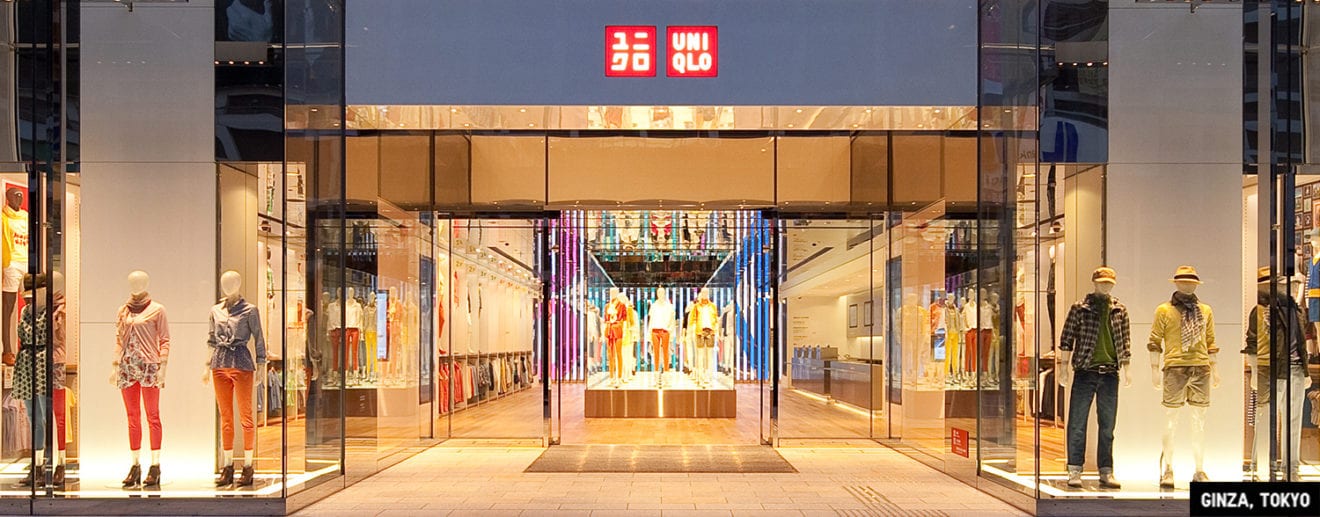
    Fast Retailing, the parent company of Uniqlo, has made history as the first Japanese clothing company to achieve domestic sales of 1 trillion yen. In the fiscal year ending in August, Uniqlo’s domestic sales increased by 10% to approximately 1.03 trillion yen, equivalent to $6.98 billion. By the end of August, Uniqlo had 784 stores in Japan, the first of which opened its doors in Hiroshima 41 years ago. These impressive domestic sales figures encompass revenue from physical stores, online sales from the brand’s e-commerce site, and 10 franchise locations.

    Fast Retailing’s sales have seen a marked uptick since the fiscal year of 2022, thanks to a series of store and product overhauls. Over the past five years, the company has shuttered 30 stores across Japan. At the same time, the average sales floor space per store has been expanded by 10%, allowing for a broader product display and stirring up customer demand. This strategy resulted in a 13% rise in average sales per store.

    Innovative Business Approach

    Among the company’s operational triumphs was the launch of the ‘Management Cockpit’ platform. This platform gathers product reviews from the online store and customer feedback from the support center. This data is then leveraged to enhance existing products, create new merchandise, and generate demand forecasts.

    The introduction of the platform has allowed Fast Retailing to swiftly manufacture in-demand products, consequently reducing the time from production to sale. Additionally, the platform helps to prevent an oversupply of items by cutting production of those with low demand.

    Future Projections

    Looking at the broader picture, Fast Retailing’s consolidated sales revenue is projected to grow by 10% to 3.4 trillion yen by fiscal year 2025. Net profit is also expected to rise by 10%, setting a new record at 410 billion yen.

    Currently, Fast Retailing holds the third position in the global apparel industry in terms of sales, trailing behind H&M in second place and Inditex, the parent company of Zara, in the top spot.

    Questions & Answers

    What sales milestone has Fast Retailing recently achieved?
    Fast Retailing has become the first clothing company in Japan to reach 1 trillion yen in domestic sales.

    What strategies has Fast Retailing used to boost their sales?
    Fast Retailing has increased the average sales floor space in their stores by 10% and introduced the ‘Management Cockpit’ platform to gather data and improve their product offering.

    What are Fast Retailing’s projections for future sales and profits?
    Fast Retailing anticipates its consolidated sales revenue will grow by 10% to 3.4 trillion yen in FY25, with a net profit increase of 10% to a record 410 billion yen.

  • Client data exposed in Gucci, Balenciaga and McQueen cyberattack

    Client data exposed in Gucci, Balenciaga and McQueen cyberattack

    Luxury brands Gucci, Balenciaga, and Alexander McQueen have fallen victim to a cyber attack, leading to the potential theft of millions of customer’s private details. The assault targeted Kering, the French corporation that owns these prestigious labels.

    Kering recognized and confirmed the breach but did not publicly name the brands impacted. In a statement made in June, they reported that “an unauthorized third party momentarily gained access to our systems and accessed limited customer data from some of our Houses”.

    This incident is not an isolated event but seems to be part of a broader trend impacting luxury brands and retailers throughout the year. Other brands that suffered similar breaches include Cartier, owned by Richemont, and labels under LVMH. In July, a data leak affecting approximately 419,000 customers at LVMH’s Louis Vuitton was being investigated by Hong Kong’s privacy watchdog.

    The stolen customer data reportedly includes names, email addresses, phone numbers, addresses, and the total amounts spent at the brands’ stores. Notably, Kering has reassured that no financial information, such as credit card or bank account numbers, was stolen during the attack.

    The hackers, referring to themselves as “Shiny Hunters,” allege to have data associated with 7.4 million unique email addresses.

    In response to the breach, Kering stated that its brands promptly reported the incident to the relevant authorities and notified customers in accordance with local regulations. However, Kering did not provide a response when questioned about the countries impacted by the cyber attack.

    Questions & Answers

    What brands were affected by the cyber attack?
    The affected brands include luxury labels Gucci, Balenciaga, and Alexander McQueen, all owned by French parent company Kering.

    What kind of customer information was stolen during the breach?
    Reportedly, the stolen client data includes names, email addresses, phone numbers, addresses and the total amounts spent at the brands’ stores. However, no financial information like credit card or bank account numbers were compromised.

    How did Kering respond to the cyber attack?
    Kering reported that its brands immediately disclosed the breach to relevant authorities and notified customers as per local regulations. However, they did not comment on the specific countries affected by the attack.

  • Australia Surpasses Who Sugar Guidelines: A Three-decade Journey To Healthier Diets

    Australia Surpasses Who Sugar Guidelines: A Three-decade Journey To Healthier Diets

    Australia has achieved the World Health Organization’s (WHO) sugar guidelines that suggest keeping sugar below 10% of daily energy intake. The Australian Bureau of Statistics (ABS) reveals that the country has reduced its consumption of sugar from food and beverages over the past three decades.

    In 1995, sugar constituted about 12.5% of our daily energy intake. This percentage fell to 10.9% in 2011-12 and further to 8.2% in 2023, even as our overall food and drink energy intake decreased by less than 5%.

    Reducing Sugary Drink Consumption

    Notably, Australians are consuming far fewer sugary drinks than in previous years. This includes beverages sweetened with sugar or artificial sweeteners, or both, such as soft drinks, cordials, fruit juices, and energy drinks.

    In 2011-12, approximately 42% of the population consumed at least one sugary drink daily. By 2023, this percentage had decreased to under 29%.

    In 1995, nearly three-quarters of children (72%) consumed a sugary drink every day. By 2023, this percentage had fallen to a mere 25%.

    Why Is Sugar Reduction Important?

    Consuming high amounts of sugar is detrimental to our health. Sugary foods and beverages are discretionary or occasional foods, offering little nutritional value while adding empty calories to our diet.

    Increased sugar intake can lead to obesity, type 2 diabetes, and tooth decay. Sweet beverages do not satiate us like regular meals do, making it easy to overlook the energy we are consuming.

    Average soft drinks contain about 40 grams (10 teaspoons) of sugar per serve, which is near the daily limit. Energy drinks may contain up to double that amount, while sports drinks may contain slightly less.

    Trends Over Three Decades

    Between 1995 and 2023, there was a 65.28% drop in children consuming sugary drinks. The percentage of adults consuming sugary drinks dropped from 40.2% in 2011-12 to 29.9% in 2023. However, adults still consume about 5% more sugary drinks than children.

    On average, Australians have less sugar in their diet than a decade ago. This shift isn’t just about soft drinks – we’re also reducing the sugar in our tea and coffee, eating fewer candies and desserts, and reaching less often for fruit juice.

    Children have seen the most significant changes. In the mid-1990s, children derived almost one-fifth of their daily energy from sugar. Today, that figure is closer to one-eighth, with our overall energy intake remaining quite similar.

    What’s Driving the Change?

    The new data suggests that efforts by individuals, families, communities, and some food manufacturers to reduce sugar intake over the past few years may be effective.

    A decline in sugary drink consumption may indicate growing awareness of the damaging effects of sugar, possibly due to social media campaigns, improved labelling on food and beverage products, increased public messaging, and industry changes, such as more brands offering lower-sugar alternatives.

    A Segment of the Larger Picture

    Despite a decrease in sugar consumption, obesity rates continue to rise among both children and adults.

    Research suggests that sugar is just one factor and that overall diet quality and broader eating patterns play a significant role in our health.

    Discretionary foods, including snacks, chips, convenience meals, chocolate, and other highly processed foods, still constitute around a third (31.3%) of the average Australian diet.

    This means many individuals are still regularly consuming sweet drinks and highly processed foods, which are sources of added sugars and excess energy, viewed as empty calories that pose their own health risks with little nutritional value.

    What’s Next?

    The new data shows progress in tackling the amount of sugar in our diets, but there’s still work to be done.

    To sustain these positive trends, we need to consider stronger government action to support all communities in addressing broader food system challenges, such as food insecurity and limited access to healthy food, which often results in people consuming more highly processed foods.

    Policies such as sugary drink taxes, restrictions on marketing junk food to children, and clear front-of-pack labels should be considered. Additionally, more incentives for industry to reformulate products to lower-sugar options where possible are needed.

    Education campaigns can help communities and schools where high-sugar habits are common to learn about healthier alternatives without stigma. Furthermore, collecting additional data to understand where dietary sugar comes from, beyond sugary drinks, is also necessary.

    Even though Australia may be shedding its historically high sugar consumption, ensuring a permanent change will require sustained effort.

    Questions & Answers

    What has been the trend in sugar intake in Australia over the past three decades?
    The Australian Bureau of Statistics reports a consistent decrease in sugar intake from food and drinks over the past thirty years in Australia.

    What are the health risks of high sugar intake?
    High sugar intake can increase the risk of obesity, type 2 diabetes, and tooth decay.

    What actions can be taken to sustain the positive trend in reducing sugar consumption?
    Actions that can help sustain the positive trend include stronger government action, implementing policies such as sugary drink taxes, clear labeling, promoting lower-sugar alternatives, educational campaigns, and further data collection.

  • Global eSIM Growth Soars, Fueled by Travel, Business, and IoT Innovations

    Global eSIM Growth Soars, Fueled by Travel, Business, and IoT Innovations

    Global eSIM adoption is witnessing a significant surge, propelled by the rising demand for travel services, innovative enterprise solutions, and the expansion of the Internet of Things (IoT), as highlighted in GSMA Intelligence’s latest report. This development paints a dynamic picture of how technology is reshaping our connectivity landscape.

    Travel Demand Fuels eSIM Growth

    Pablo Iacopino, Head of Research and Commercial Content at GSMA Intelligence, emphasized the momentum building among mobile network operators (MNOs). They are not only enhancing global travel services but also bolstering fixed wireless access (FWA) and strengthening wearable ecosystems while seamlessly integrating eSIM technology with 5G to meet the needs of business customers. In fact, travel eSIMs are currently the most significant catalyst for adoption, with many users in 11 major markets opting to activate the service while abroad. This shift is prompting a greater number of operators to roll out global offerings, a disruptive move that challenges traditional roaming revenue models.

    Beyond Travel: eSIM Expands Its Footprint

    But the story doesn’t end there; the adoption of eSIM technology is rapidly extending into connected devices and broadband services. By mid-2025, 161 operators across 78 countries are predicted to debut their 5G FWA services, a potentially game-changing development that could see household penetration levels exceeding 10% by 2030 in advanced markets like Australia, Germany, Japan, Saudi Arabia, the UK, and the US. Temporary connectivity is also gaining traction, providing agile solutions for events, broadcasting needs, and unexpected network outages — not unlike how a superhero swoops in to save the day.

    Smartphone Market: A Slow but Steady Rise

    On the smartphone front, the journey has been less straightforward. Despite remaining below earlier expectations, the growth of eSIM usage among smartphones is on the rise. As of 2024, only about 3% of global smartphone connections were utilizing eSIMs, far below the anticipated 15% made six years ago. Interestingly, nearly half of all eSIM users are in the United States, largely aided by Apple’s strategic shift to eSIM-only iPhones.

    Investment Surge Points to Bright Future

    The investment landscape surrounding eSIM technology is also flourishing, with 2025 poised to break records. According to GSMA, just over USD 300 million in funding was raised in the first half of 2025, identifying travel, enterprise, and IoT as the main drivers of this growth. As these sectors expand, the usage of eSIMs is expected to become increasingly mainstream, fundamentally transforming global mobile connectivity in the years to come.

    Questions & Answers

    What is currently driving eSIM adoption worldwide?
    The primary driver of eSIM adoption is the demand for travel services, with many users activating eSIMs while abroad, prompting mobile operators to innovate and launch global offerings.

    How are connected devices and broadband services contributing to eSIM expansion?
    eSIM technology is rapidly expanding into connected devices and broadband services, with projections suggesting significant adoption of 5G FWA services across multiple countries by 2025.

    What does the investment landscape look like for eSIM technology?
    Investment in eSIM technology is growing robustly, with over USD 300 million raised in the first half of 2025, indicating strong interest in travel, enterprise, and IoT as key sectors.

  • Intracom Telecom Drives APAC Wireless Connectivity Forward with Cutting-Edge Innovations

    Intracom Telecom Drives APAC Wireless Connectivity Forward with Cutting-Edge Innovations

    In the midst of a digital revolution across Asia Pacific (APAC), the demand for robust and adaptable wireless infrastructure is surging. This need is especially critical in regions where traditional fiber optics are either too expensive or logistically challenging to deploy. From bustling cities to secluded islands, Intracom Telecom is stepping up, delivering innovative solutions designed to enhance connectivity and bridge coverage voids.

    Recently, Retail News engaged with Barinder Chhabra, Head of Business Development for APAC at Global Commercial within Intracom Telecom, to explore how his team’s innovative wireless technologies are reshaping the network landscape in the region.

    Revolutionizing Connectivity with Cutting-Edge Technology

    At Intracom Telecom, the focus is clear: enabling ultra-fast and reliable connectivity throughout APAC, particularly in areas where fiber installation isn’t feasible. Their WiBAS™ G5 platform, which operates within the 26–28 GHz millimeter wave band, is a game-changer for multi-dwelling units (MDUs) and small to medium enterprises (SMEs), offering multi-gigabit broadband service over distances exceeding 8 km. Recently, a significant trial in Indonesia with a major telecom provider underscored this capability, with ongoing discussions with other Tier I operators aimed at promoting millimeter wave technologies for fixed wireless access (FWA). Impressively, their WiBAS™ 10.5 GHz systems have been delivering reliable performance since 2014 for key players in Indonesia and across Southeast Asia, even in extreme weather conditions.

    On the forefront of 5G transport innovation, the company holds a strong position with its UltraLink E-Band radios. The UltraLink-GX80 platform, currently offering speeds of 10 Gbps, is set to advance further to 15 Gbps and eventually 40 Gbps, meeting the high-capacity requirements for both 5G backhaul and fronthaul. Additionally, with solutions like OmniBAS, designed for both short and long-haul needs, Intracom Telecom is particularly well-positioned to serve island nations like Indonesia, where fiber deployment can be a logistical challenge.

    Adapting to Diverse Geographies and Demands

    APAC’s varied geography—ranging from congested urban landscapes to far-flung islands—demands wireless solutions that are high-performing yet adaptable. To that end, the WiBAS™ G5 platform is evolving to support frequencies surpassing 28.5 GHz, enhancing its functionality in urban settings while simultaneously ensuring that the long-trusted 10.5 GHz solutions remain pivotal in rural and inclement weather applications through intelligent software enhancements that optimize subscriber density and maintain service stability.

    Long-range connectivity is crucial in island nations, making the OmniBAS™ Long Haul (6–11 GHz) solution indispensable. This technology delivers multi-gigabit capacity over extensive distances by leveraging multiple channels and advanced signal techniques, which extend connectivity into remote areas while facilitating transitions to internet protocol (IP)-based networks.

    All these capabilities are supported by dedicated engineering and testing facilities within the company, ensuring compliance with the highest carrier-grade standards.

    Building Connections through Strategic Partnerships

    Collaboration is central to Intracom Telecom’s growth strategy in the region. A notable partnership with Dialog Axiata in Sri Lanka has mobilized WiBAS™-based solutions to enhance broadband access in underserved rural areas. Meanwhile, their work alongside Lintasarta in Indonesia exemplifies how strategic alliances promote effective and efficient wireless connectivity for enterprises, both urban and remote.

    These collaborative efforts are not merely transactional; they involve deep co-development, aligning joint planning with market demands to ensure lasting impact. Global deployments underscore their reach, with over 20,000 point-to-multipoint network hubs and 600,000 terminals shipped worldwide, alongside substantial contributions of microwave and E-Band radios—making Intracom one of the largest vendors in carrier-grade point-to-point technologies. These initiatives are instrumental in closing the digital divide and fostering digital inclusion across the Asia-Pacific.

    Future-Proofing for 5G and Beyond

    As the landscape shifts with 5G and eyes move toward 6G, Intracom Telecom is unwavering in its commitment to futureproofing its technologies. Chhabra emphasizes the importance of flexibility and scalability in their designs, ensuring that platforms can evolve with the changing demands of traffic and subscriber loads.

    Research initiatives into ultra-high-frequency wireless technologies combined with AI-driven management tools are paving the way for 6G, emphasizing the importance of low-latency connections and adaptive spectrum use. Through these pioneering efforts, Intracom Telecom is not just preparing for the future— it’s helping to define it in the rapidly evolving world of connectivity.

    Questions & Answers

    What innovative solutions is Intracom Telecom implementing to enhance connectivity in APAC?
    Intracom Telecom is deploying its WiBAS™ G5 platform for high-speed broadband service in both urban and rural settings, along with advancing its UltraLink™ E-Band radios for the anticipated demands of 5G.

    How does the geography of APAC influence Intracom Telecom’s strategy?
    The diverse landscapes in APAC necessitate versatile wireless solutions, prompting Intracom Telecom to adapt its WiBAS™ systems for urban expansion and long-range connections ideal for island nations.

    What role do partnerships play in Intracom Telecom’s expansion efforts?
    Strategic alliances with companies like Dialog Axiata and Lintasarta are crucial, enabling tailored, community-focused broadband access that addresses the needs of underserved areas across the region.

  • Vietnam Sets the Stage for 4G and 5G Growth with 700 MHz Spectrum Re-Auction

    Vietnam Sets the Stage for 4G and 5G Growth with 700 MHz Spectrum Re-Auction

    Vietnam is gearing up for a pivotal moment in its telecommunications landscape, re-launching the auction of two crucial frequency bands in the 700 MHz spectrum. This re-auction follows an earlier attempt that did not meet expectations, indicating a renewed urgency to boost 4G and 5G mobile services in the nation. The Ministry of Science and Technology has announced that the B1-B1’ (703–713 MHz/758–768 MHz) and B3-B3’ (723–733 MHz/778–788 MHz) bands are now available for bidding, starting at over VND 1.95 trillion (approximately USD 75 million). Licenses will grant operators rights for a period of 15 years.

    A Crucial Step for Connectivity

    This auction is more than just numbers on a spreadsheet; it serves as a crucial step in enhancing mobile network coverage, particularly in rural and underserved regions of Vietnam. The 700 MHz spectrum is internationally recognized for its long-range and high-penetration capabilities, making it an ideal candidate for improving service quality, not just in bustling urban centers but also in remote areas where connectivity can feel like a pipe dream.

    Notable Absence in the Bidding

    Interestingly, state-run Viettel Group, which snagged the B2-B2’ band in May 2025 in a spirited two-round bidding session, will sit this one out. That prior victory, which also spans 15 years, forms part of Viettel’s strategy to bolster nationwide 4G and 5G connectivity, essential for pioneering initiatives like smart cities and intelligent agricultural systems that could make even farmers do a double-take.

    Ready or Not, Here Come the Bidders

    Operators interested in tapping into this new wave of opportunity have 30 days from the official auction notice to validate their eligibility. This strategic reallocation of the 700 MHz band comes on the heels of Vietnam’s switch from analog to digital TV broadcasting, unlocking valuable spectrum for the mobile telecommunications sector.

    Racing Ahead with 5G

    As of January 2025, Viettel reported hitting a remarkable milestone of 4 million 5G subscribers in a mere few months after launching its service in October 2024. The telecommunications giant’s 5G network, supported by around 6,500 base stations, boasts impressive speeds of up to 1 Gbps and near-zero latency. With ambitious plans to install over 20,000 additional 5G stations by the close of 2025, Viettel aims to provide comprehensive coverage to 99% of the population by 2030.

    Innovation in the Lab

    In tandem with its ambitious rollout, Viettel has established two dedicated 5G labs in Hanoi and Ho Chi Minh City. These innovation hubs allow developers to experiment with new 5G and Internet of Things (IoT) technologies tailored for local applications. The telco’s infrastructure supports both standalone (SA) and non-standalone (NSA) architectures, covering a stunning array of over 130 use cases across various sectors, including logistics, healthcare, and energy.

    Competition Heats Up

    Viettel isn’t alone in this race; competitors such as VNPT and MobiFone have also stepped into the 5G arena. VNPT launched its 5G services in December 2024, followed by MobiFone in March 2025, utilizing the 3.8–3.9 GHz frequency band. Both operators are deploying a mix of NSA and SA 5G models, ensuring that the competition remains fierce and consumers stand to benefit.

    Looking Ahead to the Auction

    As Vietnam prepares for the renewed 700 MHz auction, industry insiders anticipate a wave of interest from operators eager to broaden their mobile reach and upgrade the nation’s digital infrastructure. The stakes are high, but so are the rewards — a vibrant, connected future awaits just around the corner.

    Questions & Answers

    What significance does the 700 MHz spectrum hold for Vietnam’s mobile services?
    The 700 MHz spectrum is essential for enhancing mobile network coverage, particularly in rural areas, as it offers long-range and high-penetration capabilities that improve service quality.

    Why is Viettel Group not participating in the upcoming auction?
    Viettel Group, which previously secured the B2-B2’ band, is ineligible to bid in this auction, allowing other operators a chance to expand their networks.

    How is Viettel planning to expand its 5G infrastructure?
    Viettel aims to install over 20,000 additional 5G base stations by the end of 2025, with an ambitious goal of covering 99% of the population by 2030 following rapid subscriber growth.

  • Vietnam Unveils NDAChain: A Pioneering Step Towards a Secure Digital Future

    Vietnam Unveils NDAChain: A Pioneering Step Towards a Secure Digital Future

    In a significant step towards enhancing the security and transparency of its digital landscape, Vietnam has officially launched NDAChain, its national blockchain platform. Developed by the National Data Association and overseen by the Data Innovation and Exploitation Center under the Ministry of Public Security, NDAChain serves as a vital backbone for data verification within both government and private sectors.

    Navigating the Digital Frontier

    NDAChain addresses the critical vulnerabilities of centralized data models, such as the risks of cyberattacks and limited scalability. By offering a decentralized layer of trust, the platform supports essential national systems, including e-government initiatives, finance, healthcare, logistics, and education. “Vietnam has chosen a hybrid data architecture that merges centralized and decentralized elements. NDAChain acts as a protective layer for our live data, crucial for our digital society and economy,” explained Mr. Nguyen Huy, Head of Technology at the National Data Association.

    The Rationale Behind a National Blockchain

    With a population of over 100 million rapidly embracing digital transformation, Vietnam generates data at an unprecedented scale. In response, the National Data Center is being established to serve as the primary repository for citizen and national information. Safeguarding this sensitive data from breaches and misuse necessitates an advanced verification system. Blockchain technology, known for its immutable records and transparency, offers a robust solution for tracking and validating data sources, especially during critical, multi-sector exchanges.

    Unpacking How NDAChain Functions

    NDAChain is a Layer-1 permissioned blockchain, backed by a consortium of 49 validator nodes that includes both public institutions and private enterprises. Key players encompass the National Data Center, Ministry of Public Security, and notable corporations like SunGroup, Zalo, and Masan. Each validator node keeps a distributed ledger, ensuring transparent transaction logging and incorporating smart contracts to optimize processes. Additionally, it features identity verification tools that tie into Vietnam’s VNeID and national identity databases.

    Utilizing a proof-of-authority (PoA) consensus mechanism empowered by zero-knowledge proofs (ZKP), NDAChain enhances security and privacy. The platform boasts the capacity to handle 3,600 transactions per second, resulting in low latency and high scalability for nationwide adoption. Who knew that a combination of high-tech wizardry and a strong Vietnamese spirit could tackle data challenges so elegantly?

    Empowering Digital Identities and Product Traceability

    NDAChain not only underpins e-government solutions but also fosters NDA DID, a decentralized identity system that allows individuals to verify identities in real-time during transactions, service access, or digital agreement signings. With the NDAKey app, users can authenticate identities in just seconds, drastically diminishing the risk of fraud.

    The platform also powers NDATrace, Vietnam’s system for product identification, authentication, and traceability. Each product is assigned a unique identifier (UID) that complies with GS1 standards, ensuring compatibility with the EU’s EBSI framework. This interoperability enables Vietnamese businesses to seamlessly integrate into global supply chains while enhancing consumer confidence in product authenticity.

    A Vision Beyond 2025

    By the close of 2025, NDAChain aims for full integration with the National Data Center, extending its reach to local government entities and educational institutions by 2026. This next phase will concentrate on talent development, fostering international collaboration, and launching Layer-2 applications tailored to specific industries.

    Thanks to its open and integrative design, NDAChain promises to be a catalyst for innovation, paving the way for startups and tech companies to create solutions like identity wallets and anti-counterfeiting tools.

    Aiming for Global Recognition

    More than 50 countries, including China, the EU, and South Korea, have rolled out national blockchain platforms. Vietnam distinguishes itself with a strategic focus on public-private partnerships, adherence to global standards, and deep integration with its national data ecosystems. NDAChain embodies Vietnam’s dedication to establishing resilient digital infrastructure and cultivating a dynamic digital economy.

    Questions & Answers

    What is NDAChain, and who developed it?
    NDAChain is Vietnam’s national blockchain platform developed by the National Data Association and managed by the Data Innovation and Exploitation Center under the Ministry of Public Security.

    How does NDAChain enhance data security and transparency?
    NDAChain provides a decentralized layer of trust that addresses the vulnerabilities of centralized data models, safeguarding essential national systems against cyber threats while ensuring transparency in data verification.

    What are the future plans for NDAChain?
    By the end of 2025, NDAChain is set to integrate fully with the National Data Center, expanding further to local government and educational institutions by 2026, with an emphasis on talent development and international cooperation.

  • U-Mobile and MICTH Join Forces to Speed Up 5G Expansion Across Malacca

    U-Mobile and MICTH Join Forces to Speed Up 5G Expansion Across Malacca

    U Mobile has officially partnered with Melaka ICT Holdings Sdn Bhd (MICTH) through a memorandum of understanding (MoU) that seeks to accelerate the deployment of U Mobile’s Next Gen 5G network within the region of Malacca. This collaboration is poised to bring faster, more reliable connectivity to consumers and businesses alike.

    Strengthening Infrastructure for a Digital Future

    Under the terms of this agreement, MICTH will provide U Mobile with access to its extensive tower and site infrastructure, along with essential support for site implementations throughout the state. The two organizations plan to leverage their combined expertise to establish an efficient rollout process for 5G technology, enabling a broader and quicker expansion of coverage.

    Woon Ooi Yuen, U Mobile’s Chief Technology Officer, expressed enthusiasm about the collaboration, emphasizing MICTH’s pivotal role in driving rapid deployment in the state. “As Malacca’s state-backed ICT leader, MICTH plays a vital role in accelerating deployment in the state, supporting our ambition to achieve 80% nationwide CoPA by the second half of 2026,” Woon remarked. He added that this partnership will significantly enhance 5G connectivity, propelling both consumer experiences and enterprise capabilities, while also aligning with Malacca’s broader digital transformation strategy to grow its digital economy.

    A Vision for Inclusive Connectivity

    Dr. Nazdiana Ab Wahab, CEO of MICTH, reiterated the organization’s commitment to fostering seamless and inclusive connectivity throughout Malacca. “MICTH remains steadfast in its commitment to ensuring seamless and inclusive connectivity across the state, supporting Malacca’s digital transformation and infrastructure development for the benefit of the economy and the people of Malacca,” she stated, encapsulating the ambition behind the partnership.

    The MoU was formalized during an appreciation ceremony held in Kuala Lumpur, coinciding with the Malacca State Telecommunication Synergy event. Key figures in attendance included U Mobile’s Head of Network Programs and Rollout, Jaime Chee Kar Yean, as well as Datuk Fairul Nizam Roslan, the Malacca Executive Council Member for Science, Technology, Innovation, and Digital Communication. The occasion was graced by the presence of Malacca Chief Minister, Datuk Seri Utama Ab Rauf Yusoh, and State Secretary, Datuk Azhar Arshad.

    Questions & Answers

    What is the primary goal of the MoU between U Mobile and MICTH?
    The main goal of the MoU is to accelerate the rollout of U Mobile’s Next Gen 5G network in Malacca, enhancing connectivity for consumers and businesses across the state.

    How will MICTH support U Mobile in this partnership?
    MICTH will provide U Mobile access to its tower and site infrastructure, along with comprehensive assistance for site implementations to facilitate the deployment of 5G technology.

    Who were the key figures present at the signing of the MoU?
    The signing was attended by notable figures including U Mobile’s Head of Network Programs, Jaime Chee Kar Yean, Malacca Executive Council Member Datuk Fairul Nizam Roslan, and Chief Minister Datuk Seri Utama Ab Rauf Yusoh, among others.

  • Qantas Faces Cyberattack: Personal Data of Six Million Customers Breached in Major Security Incident

    Qantas Faces Cyberattack: Personal Data of Six Million Customers Breached in Major Security Incident

    In an alarming development, Australian airline Qantas has confirmed a significant data breach that has jeopardized the personal information of up to six million customers. This breach came to light following a cyberattack on a third-party customer service platform linked to a call center based in Manila, Philippines.

    A Shocking Vishing Attack

    The cyber intrusion, detected on June 30, involved a sophisticated form of voice phishing known as vishing, where malicious actors masquerade as trusted entities over phone calls to extract sensitive information from unsuspecting victims.

    Exposed Information and Assurances

    The compromised customer service platform housed a trove of personal data, including customers’ names, email addresses, phone numbers, birthdates, and frequent flyer numbers. However, Qantas has reassured customers that no financial information, credit card details, or passports were stored within the affected system. Additionally, the integrity of frequent flyer account credentials, passwords, and PINs remains intact.

    Robust Response and Investigation

    Operations and flight safety have not been compromised, as the airline emphasized. In response to this breach, Qantas has notified Australian intelligence agencies, including the Australian Cyber Security Centre, and law enforcement agencies such as the Australian Federal Police. The Office of the Australian Information Commissioner has also been apprised of the situation.

    To bolster customer assurance, the airline has initiated a comprehensive investigation and established a dedicated support line and website to keep affected customers updated. Those impacted will receive direct communication from the company.

    A Heartfelt Apology

    Qantas Group CEO Vanessa Hudson publicly addressed the situation, offering an apology to customers. “Our customers trust us with their personal information, and we take that responsibility seriously. We are contacting them directly and offering necessary support,” Hudson stated. It’s clear that trust, once broken, can be harder to mend than a wing on a seasoned aircraft.

    Questions & Answers

    What was the cause of the Qantas data breach?
    The breach stemmed from a cyberattack on a third-party customer service platform in the Philippines, involving a voice phishing scheme known as vishing.

    What type of personal information was compromised in the breach?
    The exposed information included customers’ names, emails, phone numbers, birthdates, and frequent flyer numbers, but no financial data or passwords were at risk.

    How is Qantas responding to the breach?
    Qantas has launched a full investigation and established a support line for customers while notifying relevant authorities and directly contacting affected individuals.

  • Louis Vuitton hit by massive Hong Kong data breach

    Louis Vuitton hit by massive Hong Kong data breach

    Louis Vuitton’s Hong Kong branch faces scrutiny following a significant data breach that may have left the personal details of approximately 419,000 customers exposed.

    Investigation Launched

    The luxury brand’s Hong Kong office reported a data breach to the Office of the Privacy Commissioner for Personal Data (PCPD) on July 17. This was over a month after the company’s French head office first identified suspicious activity on June 13. The PCPD confirmed receipt of the report the following day.

    The initial analysis indicates that the compromised data includes personal information such as names, passport numbers, birth dates, addresses, email addresses, phone numbers, and detailed customer transactions including purchase history and product preferences.

    Despite not yet receiving any complaints or inquiries about the incident, the PCPD announced that a formal investigation had been initiated. The investigation will follow established procedures and will also look into whether there was a delay in reporting the breach.

    Swift Response

    Louis Vuitton Hong Kong has confirmed that an unauthorized entity accessed its customer data. However, it promptly responded by launching an investigation into the issue and taking steps to contain the breach, bringing in external cybersecurity professionals for assistance.

    In a statement, the company clarified that no payment information was included in the accessed database. The company also stated: “While our investigation is ongoing, we can confirm that no payment information was contained in the database accessed.”

    Louis Vuitton further affirmed its commitment to enhancing its security systems and ensuring communication with both relevant regulatory bodies and affected customers. “We sincerely regret any concern or inconvenience this situation may cause,” the company added.

    The PCPD also confirmed that it has begun an investigation into the incident at Louis Vuitton Hong Kong, giving particular attention to whether the company reported the breach in a timely manner. The PCPD reiterated that it has yet to receive any relevant complaints or inquiries in relation to the issue.

    Questions & Answers

    What personal information was exposed in the data breach at Louis Vuitton Hong Kong?
    The compromised data includes personal details such as names, passport numbers, birth dates, addresses, email addresses, phone numbers, along with purchase history and product preferences.

    Has Louis Vuitton Hong Kong received any complaints or inquiries related to the data breach?
    As of the current report, no complaints or inquiries have been received in relation to the data breach.

    What measures has Louis Vuitton taken in response to the data breach?
    Louis Vuitton has launched an investigation with the help of external cybersecurity experts. It is also working on upgrading its security systems and has promised to keep regulators and affected individuals updated.

  • Telin Unveils New Cable Landing Station in Manado-Minahasa, Boosting Indonesia’s Connectivity!

    Telin Unveils New Cable Landing Station in Manado-Minahasa, Boosting Indonesia’s Connectivity!

    PT Telekomunikasi Indonesia International (Telin) has officially unveiled its new cable landing station (CLS) in Kalasey, Minahasa, a development poised to enhance Indonesia’s international connectivity and digital infrastructure. This milestone is particularly crucial for the eastern regions of the country, as Telin continues to strive for improved digital integration.

    High-Profile Inauguration Ceremony

    The inauguration ceremony gathered notable executives from Telkom Group, including Honesti Basyir, CEO of CFU WIB Telkom Group, and Muhammad Rofik, President Commissioner of Telin, among others. The event also welcomed officials like Bambang A. Margono, Telin Commissioner, and several board members who play pivotal roles in steering the company toward its ambitious goals. The presence of key industry leaders emphasized the importance of this new facility in the broader context of regional digitalization.

    A Leap Forward in International Connectivity

    Central to this project is the CLS Manado-Minahasa, which forms an integral part of the Bifrost Cable System—an international subsea cable initiative developed alongside Keppel and Meta. This cutting-edge system enables a direct connection from Southeast Asia to North America, cleverly bypassing traditional transit routes by charting courses through significant maritime corridors like the Java and Celebes Seas. This new pathway reinforces Indonesia’s critical position within the global digital traffic network, much like a high-speed rail linking cities across a vast landscape.

    Milestones Achieved Since 2021

    Since the announcement of the Bifrost cable system in 2021, Telin has swiftly reached a number of crucial milestones. These include site selection, a groundbreaking ceremony in October 2024, and the successful landing of the cable in early 2025, followed by completing the construction of the CLS. After the Jakarta CLS’s cable landing last year, the Manado-Minahasa CLS is now primed for operation, ready to integrate seamlessly into Telkom’s expanding network and drive Indonesia further into the digital future.

    Positive Projections for Future Connectivity

    Honesti Basyir highlighted the strategic importance of this investment, stating,

    “The Manado-Minahasa cable landing station marks a bold step in positioning Indonesia as a vital digital gateway for the Asia Pacific. By connecting directly across the Pacific via Bifrost and preparing for future cables, we are building the foundation for a more connected, innovative, and prosperous digital future for our nation and region.”

    Meanwhile, Budi Satria Dharma Purba, CEO of Telin, concurred, emphasizing the role of the station in facilitating economic opportunities and technological advancements:

    “The Manado Cable Landing Station is more than just infrastructure; it is a gateway for Indonesia to lead in the digital era.”

    Infrastructure Built for Growth

    The CLS Manado-Minahasa boasts robust and scalable infrastructure designed to accommodate a variety of submarine cable systems. Equipped with beach manhole (BMH) integration and impressive front-haul connections, this facility is well-positioned to serve as a landing point for future subsea cables and digital platforms.

    The launch of the Manado-Minahasa cable landing station symbolizes a significant stride in Indonesia’s digital transformation journey. By bolstering Bifrost and supporting other international cable initiatives, this strategic asset is set to enhance regional connectivity, drive economic progress, and solidify Indonesia’s role as a crucial hub in the global digital landscape.

    Questions & Answers

    What is the significance of the new cable landing station in Minahasa?
    The cable landing station is a critical component in enhancing Indonesia’s international connectivity, particularly for the eastern regions of the country, and supports various upcoming international digital projects.

    How does the Bifrost Cable System affect Indonesia’s digital landscape?
    The Bifrost Cable System directly connects Southeast Asia to North America, bypassing traditional routes and significantly strengthening Indonesia’s position in the global digital traffic network.

    What are the future prospects for the CLS in Minahasa?
    With its advanced infrastructure designed for scalability and future connectivity, the CLS is poised to support multiple subsea cable systems and promote economic growth throughout the Asia-Pacific region.