Retail News CRM

Tag: delhi

  • AirAsia to operate flights on Patna-Delhi route from July

    AirAsia to operate flights on Patna-Delhi route from July

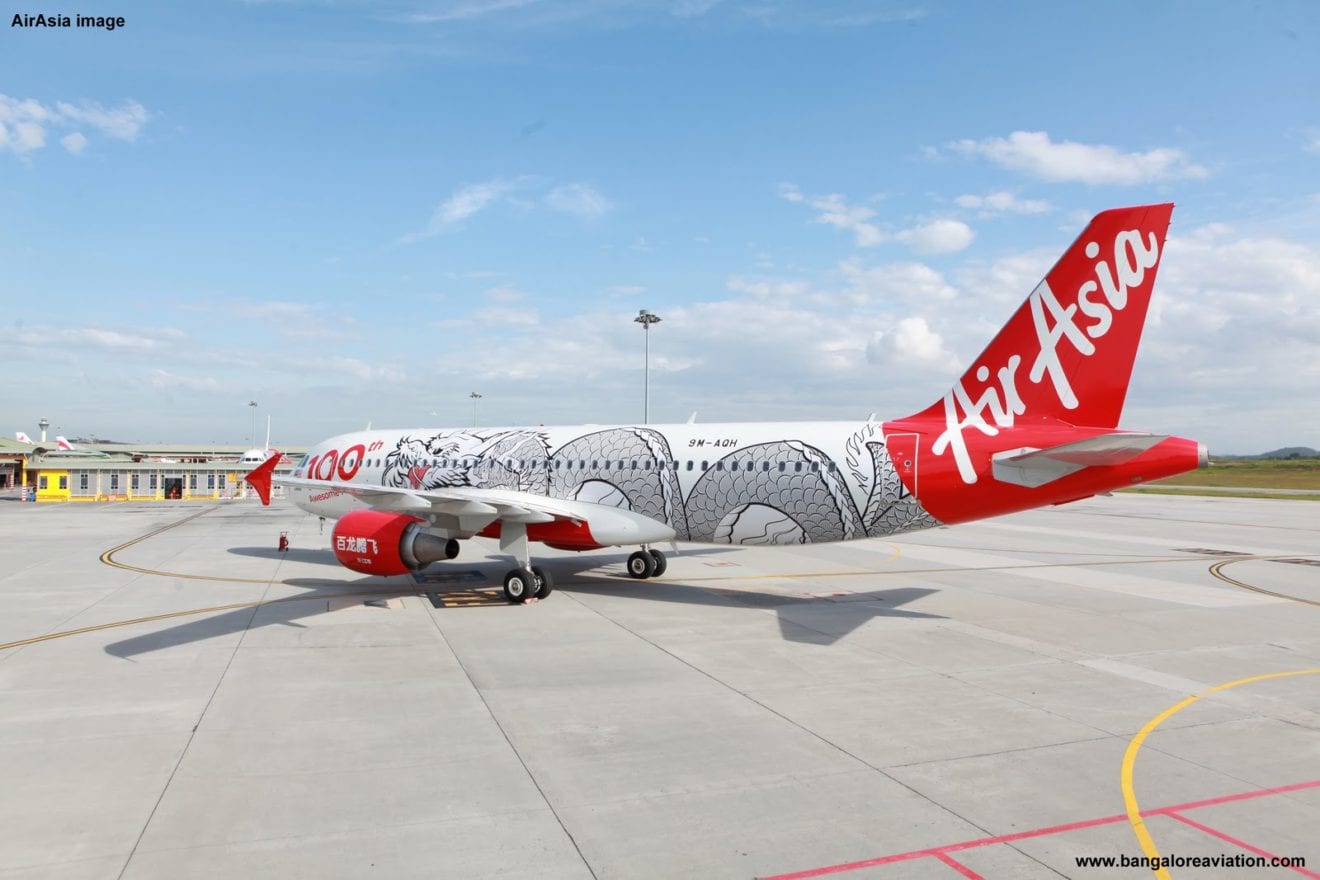
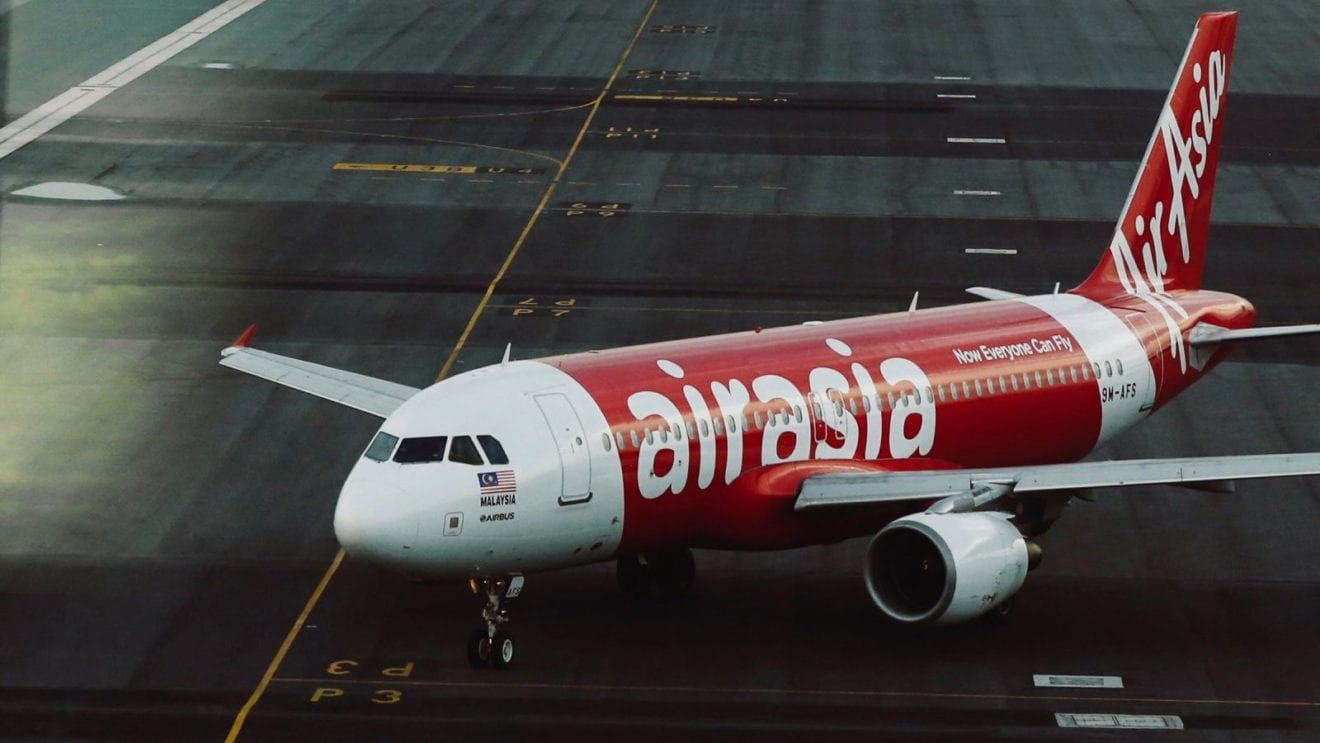
    Malaysian budget airline AirAsia is most likely to start its flight operations from Jayaprakash Narayan International Airport here in July. It will operate two flights on Delhi-Patna-Delhi route from July following a final nod from the Director General of Civil Aviation (DGCA).

    In fact, different airlines have made proposals to operate total 32 flights from Patna airport under the summer schedule. Twenty flights operate from Patna airport at present under the winter schedule, which is likely to end by February 15.

    Patna airport director Rajendra Singh Lahauria told TOI on Friday, “AirAsia has submitted a schedule to the DGCA for operating two flights between Delhi and Patna from July. The first flight will land here at 8:30am and the second at 8:30pm.”

    AirAsia apart, four other airlines operating from Patna airport — Air India, IndiGo, GoAir and Jet Airways — have also sought permission to increase their number of flights from Patna in July.

    As flights are mostly not allowed to land at the city airport before 10am due to foggy conditions normally from first week of November, most airlines had cancelled or rescheduled their morning flights and added in the afternoon under their winter schedule, which came into effect from December.

    IndiGo sources said the total number of flights has been proposed to increase from 11 to 14 from February 16 under their summer schedule. Its seven flights would operate on Patna-Delhi route.

    GoAir has also proposed to increase the number of flights from Patna from five to eight. Also, both Air India and Jet Airways have proposed to increase the number of flights from 2 to 4.

    Patna airport has witnessed a steep surge in aircraft traffic over the past few years as it has increased from 10 flights in 2010 to 20 at present. Altogether 26 flights were operating from the city airport last summer.

    The rise in number of flights has been attributed to the increase in passenger traffic. The passenger flow at the city airport increased from 14.5% in 2014-15 to 32.4% in 2015-16.

    Efforts are also being made to expand the terminal building at the city airport with two-storey swanky building with six aerobridges in order to accommodate an expected traffic of 30 lakh passengers per annum. Union cabinet on Tuesday approved the transfer of 11.35 acres of land to Bihar government in exchange of equivalent land of the Airports Authority of India (AAI) at Anisabad. Airport director Lahauria said construction work is expected to commence from June this year.

  • AirAsia India to connect Srinagar, Bagdogra, Pune with Delhi

    AirAsia India to connect Srinagar, Bagdogra, Pune with Delhi

    No-frills carrier AirAsia India today announced the launch of its services to Srinagar and Bagdogra from the national capital, commencing next month.

    The Bengaluru-based airline would also start a direct flight on Delhi-Pune route.

    The launch of two new destinations and one new route is aimed at improving regional connectivity and increasing the airline’s footprint in the country, AirAsia India said in a release.

    The new services will be rolled out from February 19, it said.

    “AirAsia India is consistently growing and is on a rapid business expansion mode. We ended 2016 on a highly positive note and are delighted to continue the same momentum in 2017 with the launch of two new sectors and an additional route,” AirAsia India chief executive officer Amar Abrol said.

    With the launch of these services, AirAsia India would now fly to 13 destinations through its hubs –Bengaluru and New Delhi — covering Chandigarh, Jaipur, Guwahati, Imphal, Goa, Pune, Vizag, Kochi, Hyderabad, Srinagar and Bagdogra.

    The airline also announced special fares from as low as Rs 1,999 for the New Delhi-Srinagar flights and Rs 2,499 and Rs 2999 for Bagdogra and Pune flights from New Delhi.

    AirAsia as a group strongly believes in enhancing connectivity and making air travel affordable for all, Abrol said, adding Bagdogra and Srinagar are key sectors for the airline’s further growth in the domestic market.

  • Ansals Plaza announces grand opening of its key brands

    Ansals Plaza announces grand opening of its key brands

    Delhi’s first mall, Ansal Plaza, repositioned as Delhi’s ultimate Sports and F&B Destination, has opened its door to its two anchor brands, Decathlon, the global sports retail giant and The Arena, Ultra Luxury lounge. During a daylong celebration, Ansal Plaza hosted the grand opening of one of India’s biggest two level Decathlon Khel Gaon store, which is equipped with smart LED screens and open space for sports activities. Agala evening party was also organized to announce the grand launch of The Arena.

    With a bagful of new and unique sporting events like Capoeria (Afro Brazilian marital arts), Blind Cricket, Free motion Ski, Basketball and Zumba , the Grand opening of the Decathlon Khel Gaon store at Ansal Plaza promises to be an exciting affair for the sports enthusiasts of Delhi. A unique costume run for kids and five to 10 km run for adults was also scheduled as a part of Decathlon Khel Gaon store’s Opening Run on Sunday, December 4, 2016.

    The Arena with approx. 13000 sq. feet extravaganza spread across two levels with indoor and outdoor party areas, private and VIP event space, great ambience and a fully stocked up bar. With a great dance floor, superior customer service and exceptional pricing The Arena is another wonderful reason to visit Ansal Plaza.

    Talking about the two grand openings on Saturday, Amit Phull, Head Retail Ansal API said, “We identified that sports shopping experience is one of the niches that lacks in other South Delhi malls and the event and experience that Ansal Plaza offers will help us live up to our promise of being the ultimate sports hub of Delhi. Also, the launch of The Arena along with other premium F&B Brands will help us in establishing the mall as an ultimate destination for various kinds of world cuisine.”

    Caroline Mulliez of Decathlon said, “We are proud to be associated with Ansal Plaza. The strategic location offers the best catchment of sports enthusiast and its vast open space also supports what Decathlon stands for, which is sporty fun at exceptionally affordable prices.”

    Mukul Bajaj, Co-founder, The Arena, said, “We are excited about the launch. We are definite that the prime location of Ansal Plaza at the heart of the city will draw the kind of patrons The Arena is looking for.”

    Sahil Madaan, Owner, Taksim, “Trends meet chic in our very own of serving world cuisine. Taksim, with its International concept offering fusion Turkish and Indian cuisine, is trying to find a balance between a cafe and a restro bar.”

    Ansal Plaza has been the hub of entertainment in Delhi since 1999 as the city’s first mall. With its prime location, excellent parking facility and vast green space, Ansal Plaza promises to continue the tradition of excitement and celebration in its new avatar.

  • DHL eCommerce will invest €70 million to expand its air hubs in Delhi and Mumbai

    DHL eCommerce will invest €70 million to expand its air hubs in Delhi and Mumbai

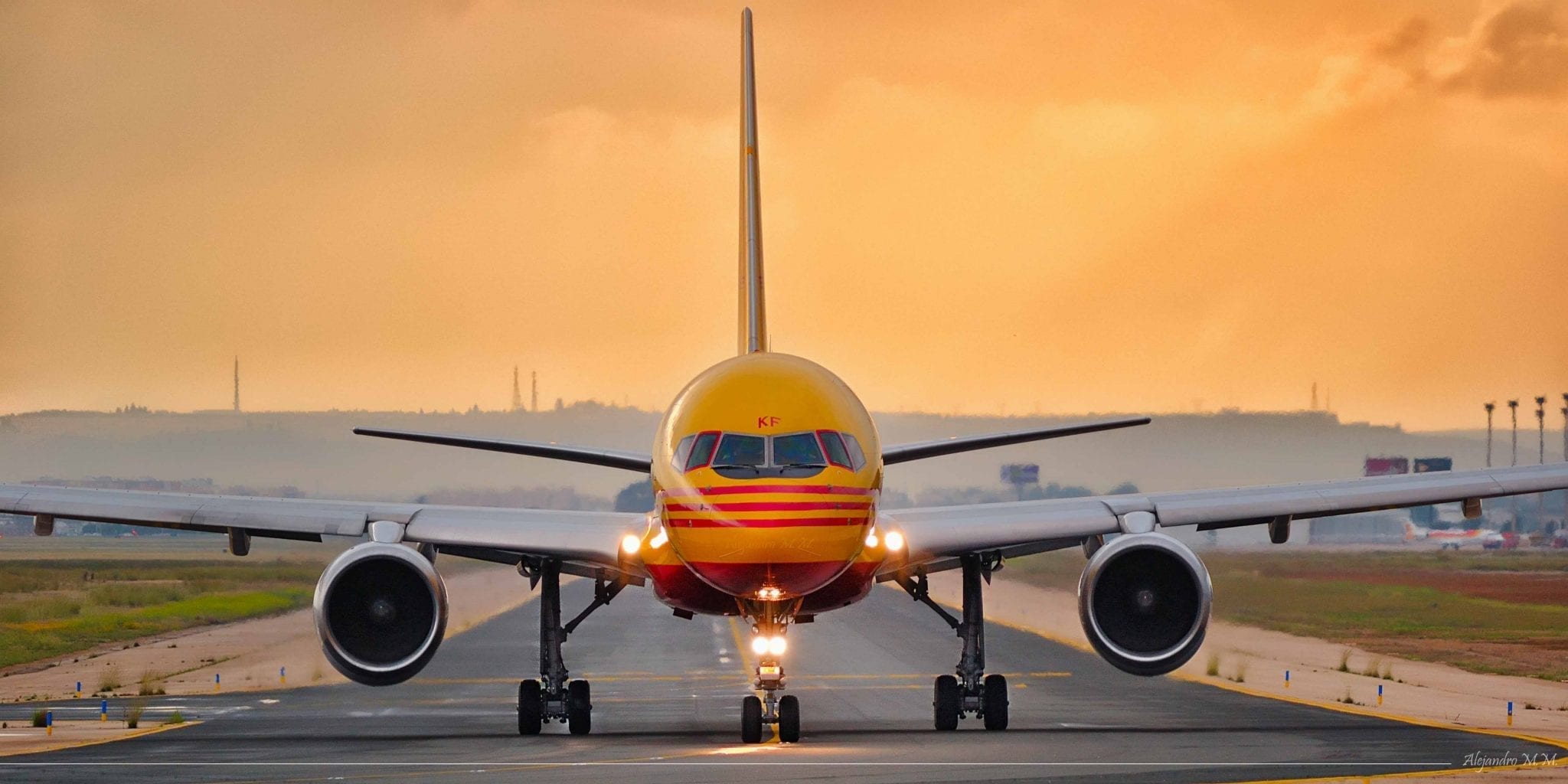
    DHL eCommerce will invest €70 million (US$75.1 million) to expand its air hubs in Delhi and Mumbai, supporting the growing e-commerce industry in India.

    According to DHL, the 5,761m2 Delhi hub and 4,274m2 Mumbai hub will be equipped with automation to handle a daily volume of more than 500 tonnes. The upgrade will allow Blue Dart Express, a subsidiary of DHL, to process more shipments faster and deliver them to Indian consumers by air.

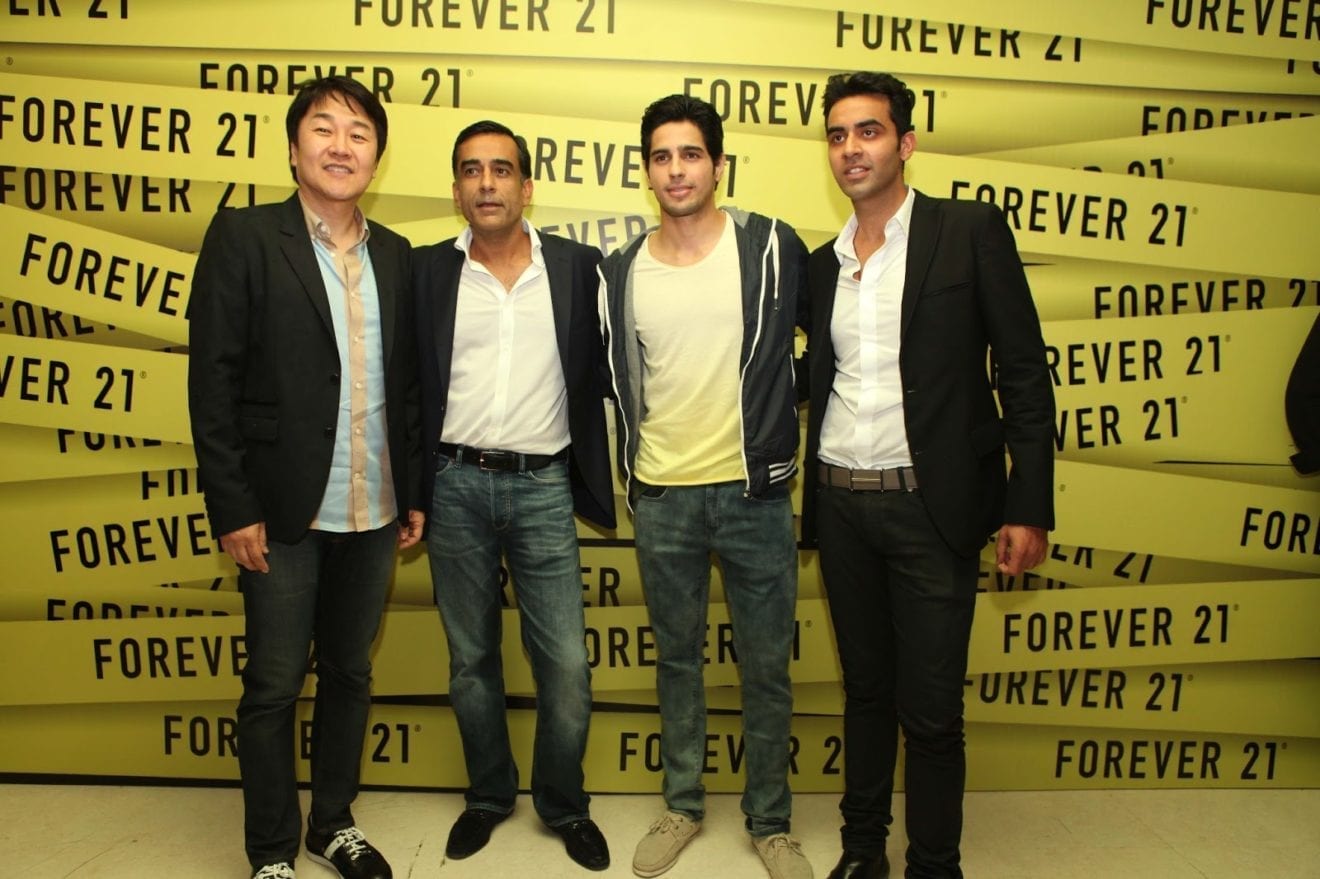
    “The e-commerce industry is an extremely exciting one that offers tremendous opportunities for businesses and consumers alike,” said Juergen Gerdes, CEO of post, e-commerce and parcel at Deutsche Post DHL Group [third from right in photo]. “The global B2C cross border e-commerce market will multiply in size to US$1 trillion in 2020. The growth is driven by increasing consumption from expanding middle classes, greater mobile and internet penetration and improving logistics and infrastructure as consumers increasingly shop online and expect shorter delivery times. With our added focus on innovation such as the StreetScooter and In-Car Delivery, we are gearing up to ensure we stay ahead of the game and be able to anticipate and meet the needs of the overall industry, e-tailers and end customers.”

    Charles Brewer, CEO of DHL eCommerce, said that the completion of the upgrades will mark another milestone in the expansion of the DHL eCommerce logistics network.

    “India is a really important market for us and is one of the fastest-growing, with B2C e-commerce expected to grow from €9.6 billion (US$10.3 billion) in 2016 to between €30-40 billion (US$32.2-42.9 billion) in 2020,” said Brewer. “This investment in India, as well as recent investments in the Americas and elsewhere in Asia Pacific this year, showcases our commitment to the e-commerce industry by delivering high quality, reliable logistics solutions to meet the rising demands of e-commerce consumers.”

  • DLF Brands quits luxury sector

    DLF Brands quits luxury sector

    India’s DLF Brands, which runs high-street fashion brands mall Emporio in Delhi, is quitting the luxury business.

    It has just shut down two of the seven stores of US fashion brand DKNY after parting ways earlier with such brands such as Giorgio Armani, Mango, Salvatore Ferragamo and Sephora.

    “We don’t have any plans to open more DKNY stores,” says DLG Brands MD Timmy Sarna. “And we don’t want to be in the high-fashion business. It’s difficult to scale up that business because there aren’t too many locations in the country where you can sell luxury.”

    Instead, DLF Brands, the retail arm of real-estate company DLF, wants to focus on mass brands. “We have profitable businesses in Kiko, Mothercare and Sunglass Hut,” says Sarna.

    DLF Brands has bought the franchise rights of UK-based Mothercare for 15 years, and plans to launch smaller stores, even in community-based markets, selling value-added products.

    “From 109 stores at present, we want to increase the number to 300. A major part of production is happening here now, so prices will eventually come down,” Sarna says. “Apart from this, our other brands such as Sunglass Hut, Claire’s and make-up brand Kiko are doing extremely well and are profitable.”

    DLF Brands started its exit from the luxury market in 2012, quitting its joint ventures with Ferragamo and Giorgio Armani. In 2014, it shut down stores of Italian menswear brand Boggi Milano, then last year parted with LVMH’s make-up and skincare brand Sephora, which was taken over by Arvind Lifestyle Brands.

    “You can either be in the fashion business or in the mass-brand business. You cannot have your finger in too many pies,” says Sarna.

  • Delhi’s Khan Market moves up two spots in global retail rank

    Delhi’s Khan Market moves up two spots in global retail rank

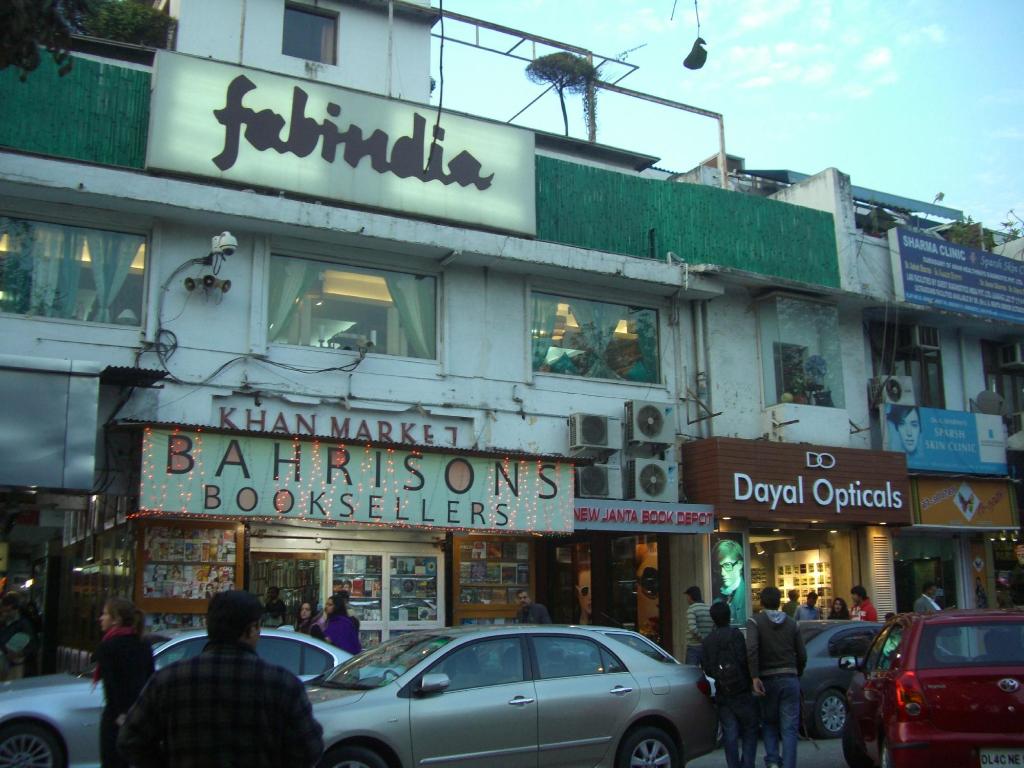
    With a rent of $ 235 per sq ft per year, New Delhi’s Khan Market moved up from twenty sixth place to twenty fourth place in the ‘Main Streets Across the World’ report by Cushman & Wakefield, which ranks world’s expensive retail locations.Within the APAC region, Khan Market was the 10th most expensive retail location.

    The top spot has been retained by New York’s Upper 5th Avenue followed by Hong Kong’s Causeway Bay on second spot and Avenue de Champs Elysess in Paris completing the top three.”Despite witnessing no change in the rental values of the location, Khan Market gained in rankings due to marginal changes in the rankings of other countries in the rankings,” Cushman & Wakefield said.

  • AirAsia X to resume Delhi flights

    AirAsia X to resume Delhi flights

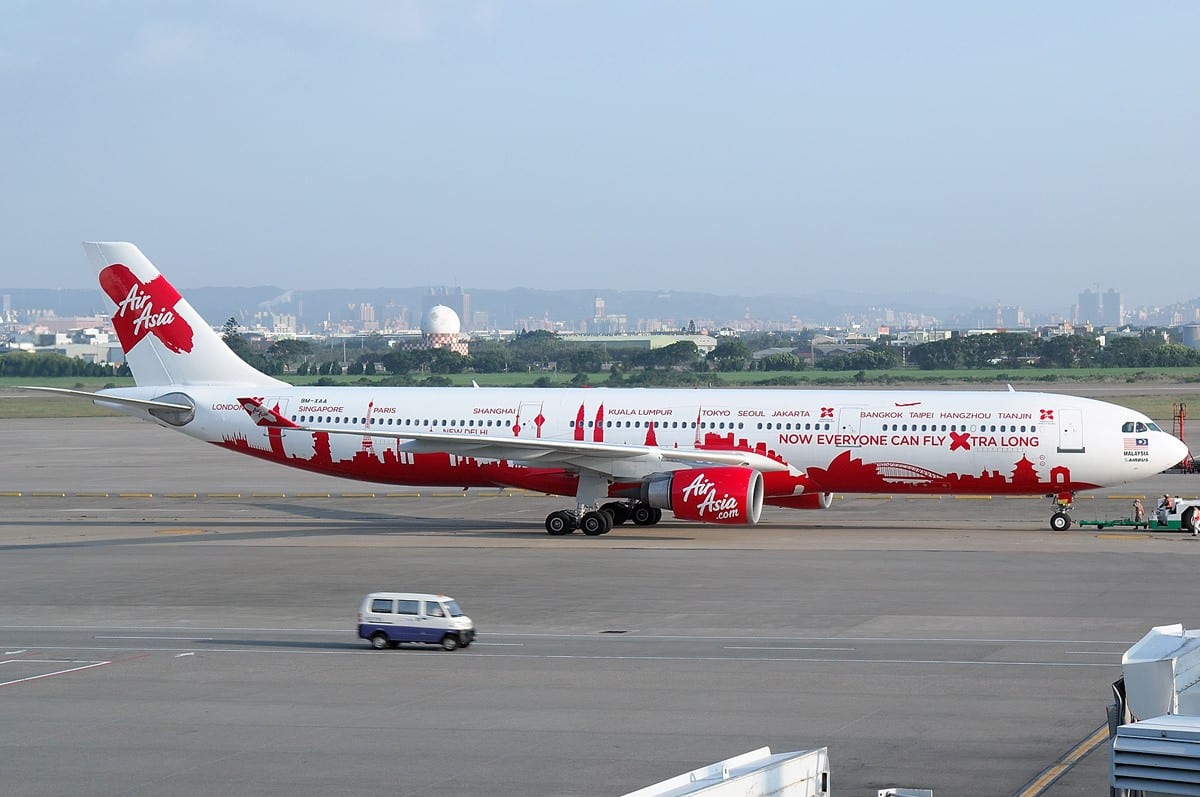
    AirAsia X will relaunch flights to Delhi in February 2016, four years after it suspended the service. The Malaysian low-cost carrier has confirmed that it will start operating four weekly direct flights between Kuala Lumpur and India’s capital on 3 February.

    Flights will depart KLIA every Monday, Wednesday, Friday and Sunday at 1900, arriving in Delhi at 2200. The return services will then leave the Indian capital at 2315, arriving back in KL at 0730 the next morning. The flight time is approximately five and a half hours.

    Like all other AirAsia X flights, the Delhi service will be operated using a 377-seat Airbus A330-300 aircraft, offering flat-bed seats in business class.

    AirAsia X pulled out of India in 2012, suspending its Delhi and Mumbai routes due to high operating costs. It will now compete with Malaysia Airlines and Malindo Air on the KL-Delhi route.

  • KidZania India enters Delhi

    KidZania India enters Delhi

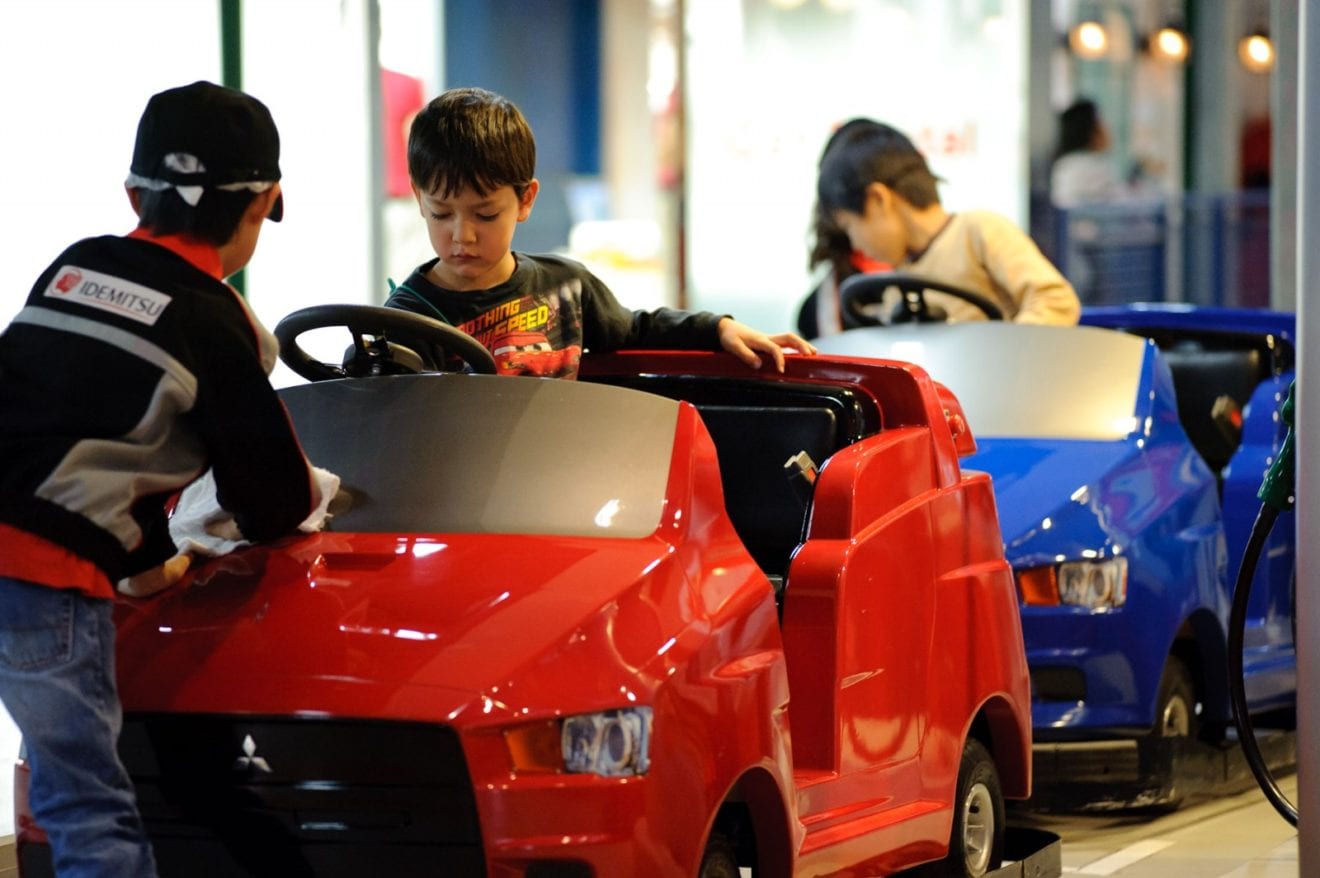
    KidZania, the global chain of role-play centres for children, will invest over US$15 million in a facility in Delhi-NCR, CEO Sanjeev Kumar, has said.

    “The project funding will be done through 70 per cent equity and 30 per cent debt, Kumar said.

    The new KidZania will be located on a 147-acre facility in Noida and will open in 2016.

    The Kidzania India franchise rights are owned by Imagination Edutainment. Singapore-based KidZ Inc, whose shareholders are Comcraft Group, Xander Group and Maxfield Management, owns 74 per cent of the franchise and actor Shah Rukh Khan the remaining 26 per cent.

    “We are very bullish about the Delhi NCR market. While we will be targeting kids between four and 14 years and their parents residing in Delhi, Noida and Gurgaon and we feel there is a great potential in the surrounding cities of Sonipat, Panipat, Mathura, Agra and Meerut.

    “Our feasibility report has also shown interest of inbound tourists and school groups from Punjab and Haryana. We are confident of hosting 600,000+ visitors in the first year,” said Kumar.

    The indoor theme-park, built-to-scale across three levels, will be spread over nearly 100,000 sqft and have a capacity for 1800 visitors a day – 65 per cent children and 35 per cent adults.

    The KidZania Delhi operation will follow on from the successful Mumbai destination which has now hosted 700,000 children in the last two years.

    But this one will feature new zones, including an underground archaeology facility, a stadium and a hanging aircraft at the entrance.

    There are now 20 KidZanias, operating in cities including London, Dubai, Jeddah, Lisbon, Tokyo and Santa Fe.

    KidZania Delhi facility has signed on brands including Parle-G for a biscuit factory, Bajaj Electricals for a culinary school and an energy conservation hub, Kellogg’s for a cereal factory, Big Bazaar for a supermarket, and E-Zone for an electronics store.

  • Hard Passage to India for China’s Phone Makers

    Hard Passage to India for China’s Phone Makers

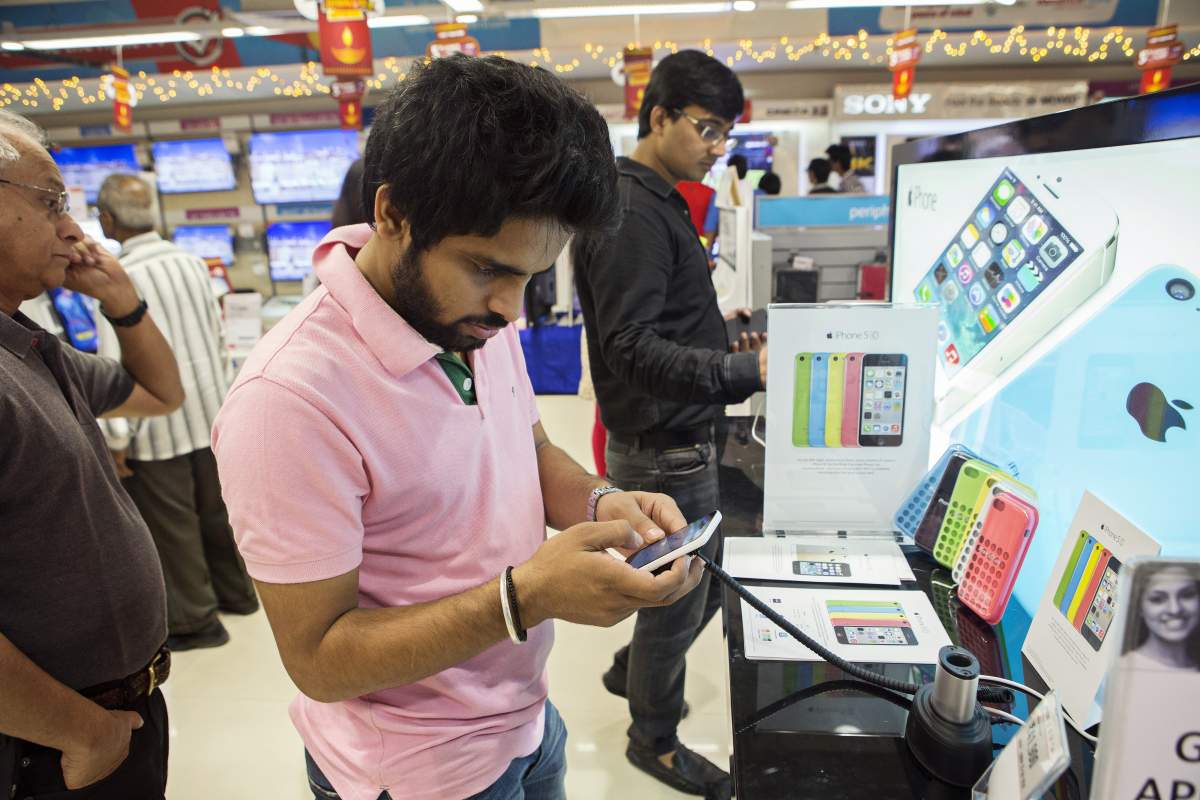
    For Chinese smartphone and mobile phone manufacturers, the crowded Karol Bagh market district in Delhi, India, is a key outpost for an exciting business frontier. Vendors in cramped shops peddle handheld devices from India and around the world. Most shops feature budget phones, although in recent years expensive smartphones have been added in increasing numbers to store shelves.

    Chinese smartphone makers such as Xiaomi Inc. and Huawei Technologies Co. Ltd. are working hard to unlock what they see as enormous sales potential at Karol Bagh and similar markets around India. Analysts think Indian sales of Chinese-made phones could explode very soon.

    Contributing to these expectations are figures from researchers such as Gartner Inc., which found only 115 million of India’s 1.2 billion people owned a smartphone at the end of 2014. It also found the country is home to about 610 million mobile phone users.

    Anshul Gupta, a researcher at Gartner, said he expects the Indian smartphone market to expand by 40 percent annually over the next two years.

    Kiranjeet Kaur, Asia-Pacific division director for the market research firm International Data Corp. (IDC), said Chinese phone makers have accelerated efforts to expand in India in order to offset a sales slowdown at home tied to the cooling economy.

    Officials at Chinese smartphone manufacturers echo those sentiments.

    “Today’s mobile phone market in India is just like China’s four or five years ago, with golden opportunities everywhere,” said a source at a mobile phone maker who asked not to be named.

    Chinese brands account for about one-quarter of mobile phone sales in India, said Gupta. But the Chinese market share is rapidly increasing, according to an IDC report. Brands including Lenovo, Xiaomi, Gionee and Huawei cornered a combined 12 percent of the market in the second quarter of this year, the report said, up from 6 percent during the same period last year.

    Although store sales are important in India, the role played by Internet shopping is growing. According to IDC, online sales accounted for 27 percent of all smartphone sales in India in the second quarter, rising from 10 percent in the same period 2014.

    Survival Tactics

    Chinese companies that are now growing their sales in India survived an assault that began a few years ago when competitors flooded the market with cheap knock-off brands. That attack dented business and the reputations of legitimate phone makers, including the first Chinese players in India, Gionee and Coolpad. Today, some Chinese phone brands are still plagued by a negative image.

    Chinese companies bounced back by investing in brand-building ads and retail sales networks. Another tactic, used by companies such as the relatively young phone maker Xiaomi, involved building Internet sales channels and social media promotions aimed at India’s diverse market.

    Another Internet-savvy smartphone manufacturer is Meizu Technology Co. Ltd., which in August became the latest Indian market player by premiering its MX5 model at a press conference in New Delhi. Meizu is selling devices online through Amazon and the Indian e-commerce website Snapdeal, foregoing the costly task of building on-the-ground sales networks.

    “Chinese companies want to take advantage of the opportunities presented by India’s market boom,” said the manufacturing source. “But building sales networks takes time and resources in the face of challenges from domestic brands in India. So using e-commerce channels is much safer for Chinese phone makers.”

    Xiaomi is relying on the Internet for sales and has opened an Indian operations headquarters in Bangalore, an e-commerce hub in India.

    Xiaomi’s strategy in India mimics its successful strategy China: “flash sales” through which consumers are offered a limited number of products during a single marketing event. Most flash sales are promoted through social media.

    Xiaomi’s first online sales event targeting Indian shoppers came in 2014 through a partnership with India’s largest e-commerce site, Flipkart.

    Manu Jain, the chief executive of Xiaomi’s India division, said 10,000 Xiaomi phones were sold through the Flipkart website in just two seconds in July last year. By early December, he said, Xiaomi has sold 1 million phones in India, making it India’s fifth-largest phone supplier.

    Xiaomi has hit some bumps on its fast road to success. The company’s sales surge in India caught the attention of its Swedish competitor Ericsson, which in December filed a complaint in the Delhi High Court claiming Xiaomi broke the law by using Ericsson-patented parts in its phones without paying royalties.

    The court agreed with Ericcson and barred Xiaomi from selling phones in India that are equipped with chips made by its parts supplier MediaTek. Devices equipped with Qualcomm-made parts were not covered by the ban.

    Indian courts are still considering the case, Jain said. And Xiaomi is still expanding in India through partnerships with retailers and e-commerce firms.

    Some Chinese phone makers have paid an even higher price in India. Shenzhen-based Coolpad has been in India since 2007, but has had a hard time competing against the Samsung, Nokia and Blackberry brands. The company is hoping its recently launched partnership with Amazon will, after years of lukewarm sales through Indian telecom tie-ups, boost online sales.

    Brand Building

    Coolpad’s plan for enhancing its image in India is to launch a new model every month and then sell the phones through e-commerce websites.

    “Unless we start building up the brand now, there will be no future opportunities” said Syed Taj, head of the company’s India division. “Coolpad has to catch up.”

    Not every smartphone manufacturer has switched to e-commerce sales. Some companies, such as Shenzhen-based Gionee, continue to rely on brick-and-mortar retailing for most sales in India.

    Arvind Vohra, head of Gionee’s India operations, said the online sales strategy pursued by many Chinese companies has quick effects but lacks long-term brand-building efforts. “It’s hard to say how it will go,” he said.

    Gionee has taken the old-fashioned route by building up a retail sales network in India. According to Vohra, the company has maintained contracts with 10 dealers operating 35,000 shops across the country since 2007.

    And Gionee’s retail effort has paid off. The company sold about 4 million devices last year in India, or about half of all Chinese-made devices in that country, pocketing US$ 300 million in revenues. And since the Indian smartphone market is only about three years old, Vohr said, there’s plenty of room for growth.

    Still, building a retail sales network in India from scratch means competing against established players such as Samsung, one of several international brands that dominate the market. It also requires navigating a retail environment characterized by a large number of phone dealers and retailers spread over a wide area.

    It’s easier to switch to an online sales strategy from a retail environment than the other way around, Vohra said, because consumers in stores are more brand-focused while those shopping online pay more attention to price.

    Samsung shipped more phones to India – 6 million – than any competitor in the second quarter of 2014, according to IDC, giving the South Korean company 22.6 percent of the market. Indian mobile phone manufacturers Micromax, Intex and Lava were the second, third and fourth largest, underscoring the fact that Chinese firms face an uphill climb.

    Chinese phone makers Vivo Electronics Corp. and Oppo Electronics Corp. have each spent hundreds of millions of yuan in India on retail marketing campaigns since the beginning of the year, an industry source who asked not to be named said. Yet “the effects of this huge investment have been limited.”

    Lenovo is also trying to break into the Indian market through store sales. The company’s devices are sold by more than 7,000 retailers across India, a number that Ye Zhuliang, vice president of Lenovo Group Ltd., expects will rise to 15,000.

    “Sales networks are quite complicated in India, which has more cities and greater regional differences” than China, said Ye.

    Yet brand-building may be the most important task for Chinese device-makers in India. And different companies are taking on that task in different ways.

    To get people talking about its phones, Gionee sponsors Bollywood movies and cricket matches. According to Vohra, the company also buys newspaper and TV ads that say its high-tech products are built for high-end consumers. These ads often stress that a Gionee phone costs about 20 percent more than Indian-made brands.

    To give the Chinese device maker even more support, Vohra said, Gionee plans to step up newspaper and TV ad spending, and look into expanding online sales.

    Xiaomi is trying a different approach, targeting young consumers through online marketing campaigns. It’s using an online forum and social media to connect with younger Indians, mirroring the company’s online marketing efforts in China. The firm also modified its phone operating system and added user functions designed for Indian users.

    It’s also common for Xiaomi to pitch its phones by mentioning the price tag can be half of what other brands charge, said Jain.

    Chinese phone makers also see the Indian frontier as a future production base.

    Gionee plans to invest US$ 15 million over the next three years to build phone production facilities, Vohra said. Xiaomi, through a partnership with electronics supplier Foxconn Technology Group, has started assembling smartphones in India. And Coolpad hopes to open a research and development office in India within two years.
     

  • Air India to start evening Surat-Delhi flight from Oct 1

    Air India to start evening Surat-Delhi flight from Oct 1

    This year’s Diwali is set to usher in loads of surprises for the high-flying Surtis.

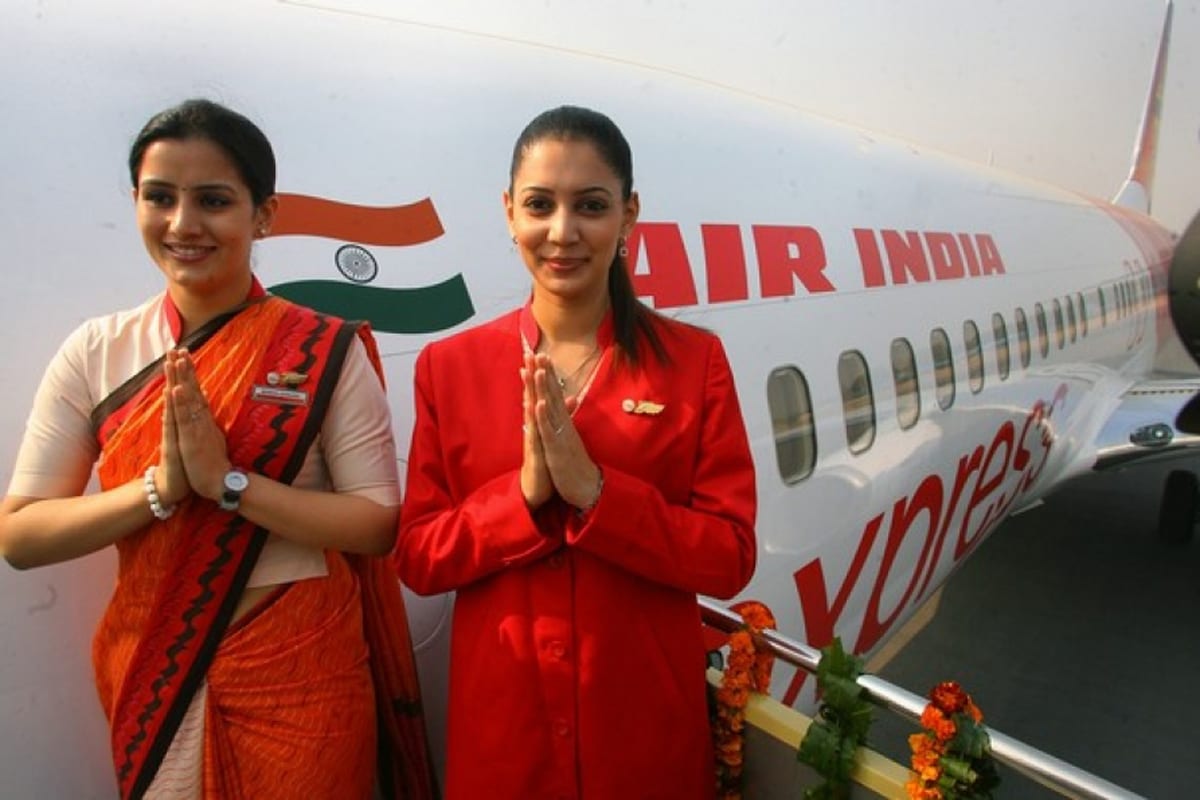
    Air India is preparing to introduce daily evening flight between Delhi and Surat by deploying the 168-seater Airbus-320 from October 1.

    This will be over and above the existing morning flight to Delhi. Hence, the Diamond City will have two daily flights to the national capital and same day return option will be available to business flyers at both ends. International connections to the USA, Europe and South East Asia will also be offered.

    By the end of October, Air India plans morning flight between Mumbai and Surat in its ATR aircraft.

    Thanks to the efforts of Surat and Navsari MPs — Darshana Jardosh and CR Paatil — frequent fliers from the Diamond City will get an opportunity to fly to Mumbai and Delhi after a break of more than 11 months.

    He added, “We also met Air Asia CEO Mittu Chandaliya who has agreed to introduce daily flights between Bangalore, Jaipur, Delhi and Surat this winter session.”

    Despite being the second largest city in the state, ninth in India and fourth fastest growing city in the world, Surat is very unfortunate in getting domestic as well as international air connectivity.

    Jardosh said, “We have been successful in convincing Air India authorities on introducing evening Delhi flight from Surat. We also met Prime Minister Narendra Modi in August and he instructed Air India CMD to take positive action. We are grateful to AirAsia CEO Chandaliya who is keen on starting flight operations from Surat.”

    Airport director Pramod Thakre said, “The DGCA will be sending the slot schedule of Air India’s evening flight to and fro from Delhi. The evening slot is open for smooth operation at the airport.”

  • Singapore-based DBS mulls expanding retail banking in India

    Singapore-based DBS mulls expanding retail banking in India

    Global turmoil may have forced many foreign banks to exit non-profit making India businesses but Singapore-headquartered DBS Bank has a different story to sell: retail banking.

    The lender is now planning to expand its retail footprints through remittance business between Singapore and India, and domestic secured and unsecured loans business.

    DBS is the only bank to have applied to RBI to convert its branches into a wholly-owned subsidiary.

    “The online remittance volumes from Singapore to India through our platform, DBS India Remit, have doubled over the past one year,” said Rahul Johri, managing director, head – consumer banking. “This not only generates fee income for DBS but also creates a platform to attract customers to other banking services of DBS.”

    “We are also planning to introduce personal loans, credit cards and multiple-currency foreign exchange cards in the next nine to 18 months,” he told ET.

    DBS India Remit, the online platform for inward foreign exchange remittances to India for DBS Singapore non-resident Indian clients, has brought down funds transfer time to just four hours for DBS India account holders. This service is now available in five metros.

    But it takes 48 hours to transfer funds in far-flung cities and towns in India. DBS will soon extend the service to smaller cities and towns as well.

    DBS now sees 60,000 transactions involving $150-160 million per month. The size and scale were half a year ago.

    “The service will become a differentiator for us to attract Singapore-based NRIs to bank with us as we grow our distribution reach,” Johri said. About 2.5 lakh NRIs bank with DBS in Singapore.

    DBS India offers home loans and loan against properties, launched last December. The lender expects to attain a book size of Rs 3,000 crore in the next three years from Rs 100 crore now. So far, it is selling such products primarily to affluent customers in five cities, including Pune, Mumbai, Delhi, Kolkata and Bengaluru.

    “As we garner more business and the processes become robust, we will enter new markets,” said Johri.

    “We would define a road map for branch expansion once we start operating under the subsidiary route subject to central bank approvals.”

    During 2014-15, the bank incurred a loss of Rs 275 crore as it wrote off loans in the construction and infrastructure sectors, which had gone bad. In the previous year, it had posted a profit of Rs 2 crore. Its overall loan book grew 4.55 per cent to Rs 15,845 crore. The bank did not grow its construction and infrastructure portfolio during the year.

    Asset quality improved due to write-offs and increased provisioning. Net non-performing asset ratio reduced to 4.15 per cent during the year, from 10.19 per cent in the previous year.

  • Ikea India buys site for first store

    Ikea India buys site for first store

    Ikea India has acquired the land for the first of 25 stores planned for the country.

    The Swedish home furnishings company says the 13 acre site is located close to the IT hub Hitec City and is close to public transport, including a metro line under construction.

    Further details were scant, except that the land was acquired from the Telangana government. Ikea India plans 24 more stores in the long term and is currently evaluating sites in Mumbai, Bengaluru and Delhi NCR.

    Each Ikea store will cost about $100 million to establish, including land and construction costs.

    Part of the arrangement allowing Ikea to open single brand stores in India is that it has to source product from within the country. The company already has about 50 suppliers in India employing some 45,000 people. Now it is actively searching for more suppliers to boost the proportion of locally-sourced stock.

    IKEA India CEO Juvencio Maeztu described India as a promising market because it offers the company the opportunity to source, retail, conduct CSR initiatives through Ikea charitable foundation and empower social entrepreneurs through next generation projects.

    “Our focus now is to bring all of it together in Hyderabad as we have bought our first land to build an Ikea store. We will bring a unique shopping experience through our inspiring stores offering affordable home furnishing products,” he said.

  • H&M to open first store in India

    H&M to open first store in India

    Swedish multinational retail-clothing company Hennes & Mauritz is to expand its presence to India, with the launch of the first store in the nation’s capital Delhi.

    The move follows H&M’s announcement in 2013 to invest around INR7bn ($109.3m) to open 50 single-brand retail stores in India.

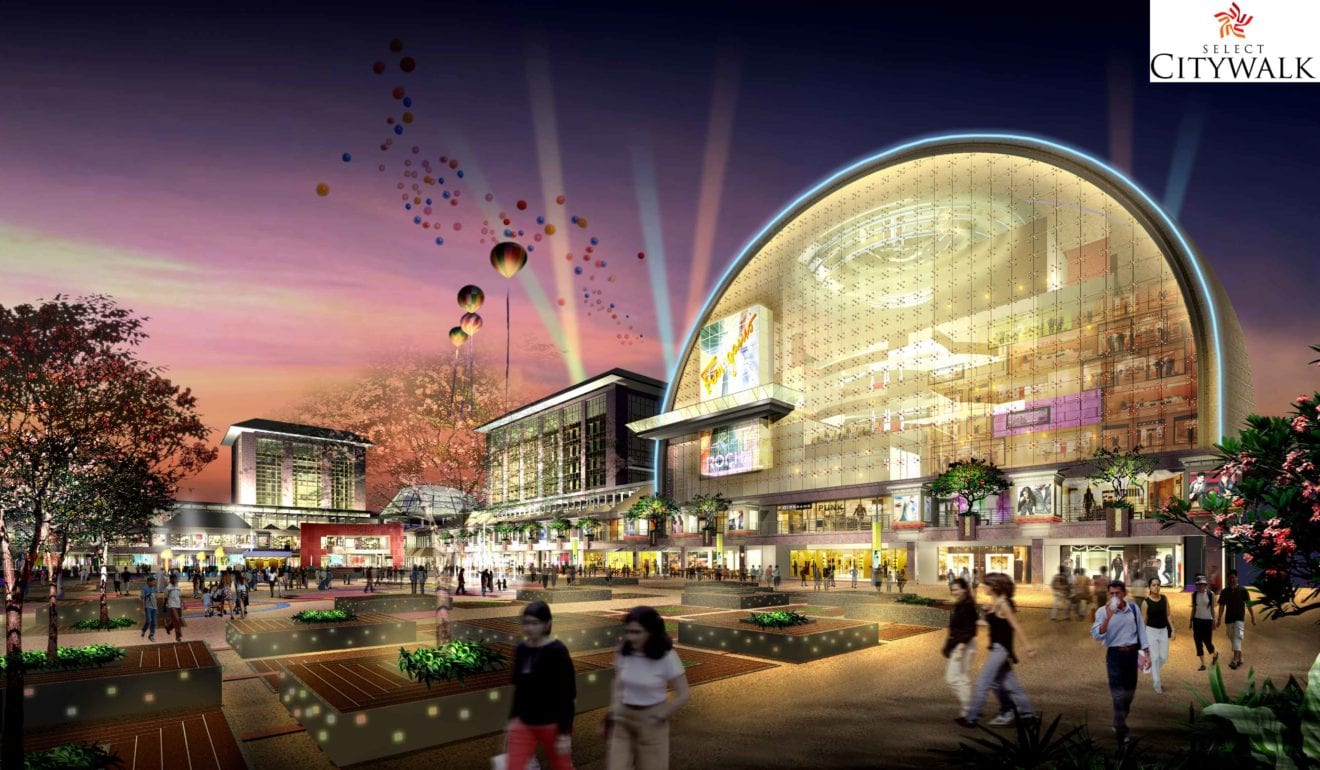
    Spread over an area of around 25,000ft2, the proposed store will be located in Select Citywalk mall in Delhi, besides other foreign fashion brands including Zara, Mango, Tommy Hilfiger and GAP.

    H&M Hennes & Mauritz Retail India country manager Janne Einola said: “This Fall, fashion will have a brand new address in India: from a world-class shopping destination to sustainable and quality fashion offerings at the best price, we are excited to present the complete H&M experience to our Indian customers.”

    Currently H&M operates more than 3,600 stores in 58 markets across the globe.

    The retailer generated around $22.33bn in sales last year.

  • Hole India makes debut

    Hole India makes debut

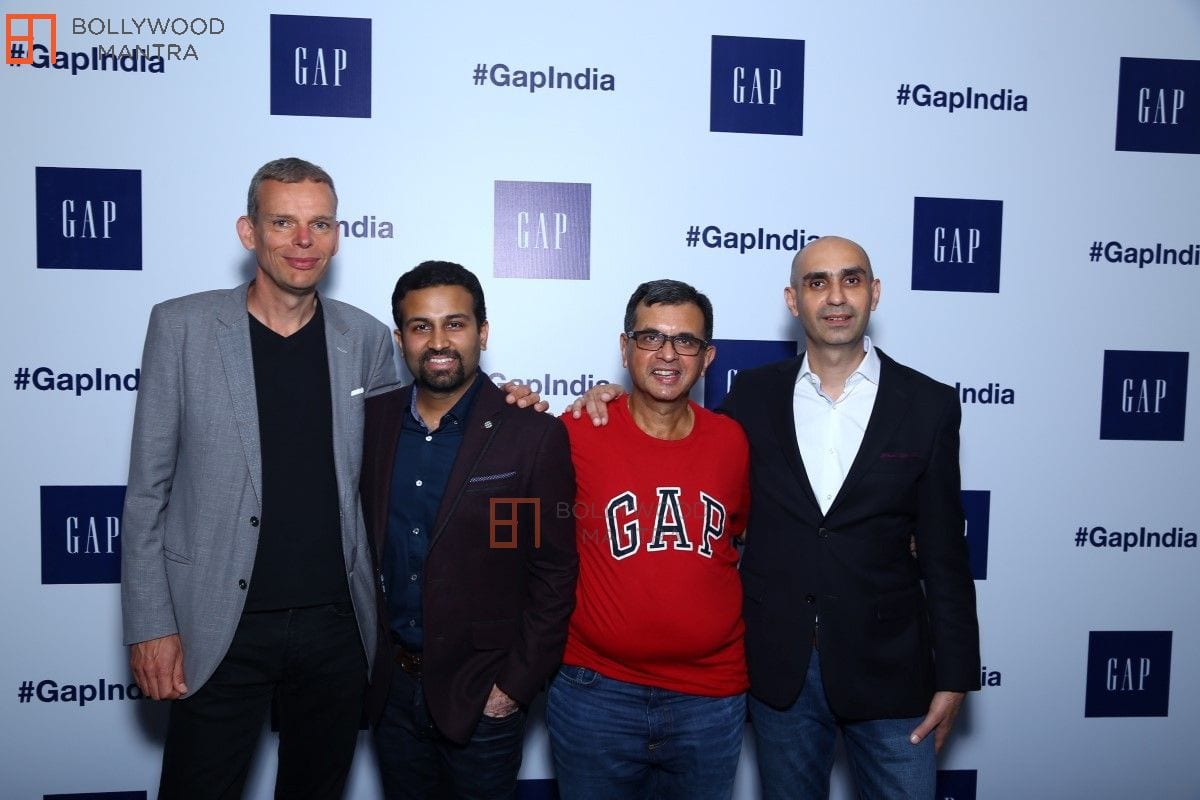
    Hole has lastly made its debut in India – opening its first retailer at Choose Citywalk in an upmarket suburb of Delhi on Saturday.

    India represents one of many final remaining main creating markets the US informal attire model had not entered. It trails Zara by 5 years however nonetheless arrived forward of Uniqlo and H&M who’re reportedly months, relatively than years, away from their very own debuts.

    India’s retail attire market is estimated to be value $41 billion by proper now, with progress of round 50 per cent predicted for 2020 as the center class continues its speedy enlargement, promising burgeoning disposable incomes.

    Hole India will open a second retailer in Mumbai inside about two months, in line with Indian information media stories. It has a 5 yr plan to open 40 shops in main cities.

    The model has been delivered to India by Arvind Group, which has already launched Calvin Klein and Tommy Hilfiger, amongst others, and boasts 1000 shops bearing totally different model names throughout the nation.