Retail News CRM

Tag: denim

  • Andrea Rigoglioso Climbs Corporate Ladder to CEO at Denim Giant Diesel, Marking Dynamic Leadership Shift

    Andrea Rigoglioso Climbs Corporate Ladder to CEO at Denim Giant Diesel, Marking Dynamic Leadership Shift

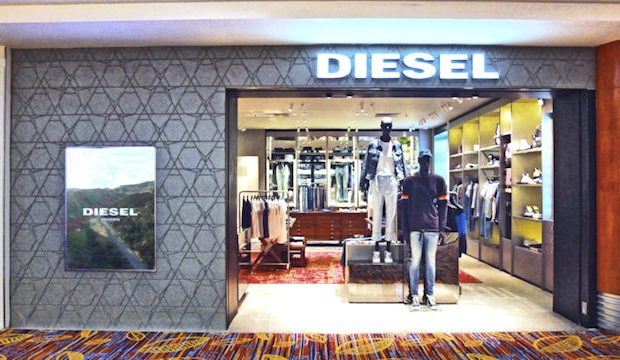
    Diesel, a denim brand owned by the OTB Group, has recently made strategic changes in its executive leadership, welcoming Andrea Rigogliosi as its new CEO. The move is part of the brand’s well-defined development strategy.

    New Leadership

    Rigogliosi will be reporting directly to Ubaldo Minelli, the CEO of the OTB Group. His appointment has been met with enthusiasm by the organization, with the founder of Diesel and chairman of the OTB Group, Renzo Rosso, extending a warm welcome to the new executive.

    Rosso expressed confidence in Rigogliosi’s abilities and stated, “Rigogliosi is joining Diesel at a critical juncture in the brand’s evolution. I am confident that, in collaboration with our team, he will significantly amplify Diesel’s potential.”

    Impressive Track Record

    Rigoglioso brings a wealth of leadership experience from the luxury, fashion, and retail sectors. His former role was global head of retail and commercial at Miu Miu, a part of the Prada Group. During this tenure, he successfully directed global business growth and boosted distribution expansion.

    His impressive career also includes top leadership roles within the LVMH Group. He served as the president of Europe at Fendi, and the General Manager at Christian Dior Couture for France & Monaco, as well as Italy. Further, his experience also includes managerial stints at Poltrona Frau Group and L’Oréal Luxury Products.

    A New Chapter for Diesel

    Rigoglioso’s appointment as CEO of Diesel fills a leadership void that was created in 2023, following Poletto’s departure. This change also followed Massimo Piombini’s three-year stint as CEO from 2020 to 2023.

    Questions & Answers

    Who has been appointed as the new CEO of Diesel?
    Andrea Rigogliosi has been appointed as the new CEO of Diesel.

    Who will Andrea Rigoglioso report to in his new role?
    Andrea Rigoglioso will report directly to Ubaldo Minelli, the CEO of the parent company, OTB Group.

    What does Andrea Rigoglioso bring to Diesel?
    Andrea Rigoglioso brings extensive leadership experience from the luxury, fashion, and retail sectors. He has previously held senior leadership positions at global brands like Miu Miu – Prada Group, LVMH Group, Poltrona Frau Group, and L’Oréal Luxury Products.
  • Levi’s unveils new Icon store at Palladium Mall Mumbai

    Levi’s unveils new Icon store at Palladium Mall Mumbai

    American denim brand Levi’s has opened an Icon store at Palladium Mall, in Mumbai.

    Spanning 5197sqft, the boutique features an indigo ombre facade, with the ceilings, walls, and pillars painted in indigo.

    The store aims to deliver an elevated shopping experience, offering bespoke alterations, custom embroidery, and distressing.

    At the same time, a spacious lounge area has been incorporated, allowing visitors to shop and engage at their own pace.

    Hiren Gor, GM for South Asia at Levi Strauss & Co, said the new Icon store supports the brand’s expanding direct-to-consumer strategy in India.

    “Mumbai remains a key market for us,” he said. “Palladium Mall, known for its premium luxury retail mix and fashion-forward consumers, provides the perfect setting for our latest Levi’s Icon store.”

  • Shein scales up eco-friendly denim production

    Shein scales up eco-friendly denim production

    Shein is scaling its adoption of Cool Transfer Denim Printing technology by 90 per cent to boost sustainability in denim production.

    This method – implemented in 2021 in partnership with NTX – significantly reduces water and energy consumption while streamlining the manufacturing process.

    Last year, approximately 380,000 pieces of Shein denim apparel were made using Cool Transfer Denim Printing, saving more than 10,000 metric tonnes of water compared to traditional production methods.

    Traditional denim production is resource-intensive, requiring large amounts of water and energy for dyeing, bleaching, and washing.

    In contrast, Cool Transfer Denim Printing eliminates these high-consumption steps, using less water, dye, and energy. The method transfers designs from paper to fabric without heat, with a soft-hand feel.

    Aside from the method’s sustainability benefits, Shein said it also improves worker safety by reducing exposure to harmful chemicals like chlorine and caustic soda, commonly used in conventional processes.

  • Li & Fung to launch Sanctuary denim under licensing partnership

    Li & Fung to launch Sanctuary denim under licensing partnership

    Li & Fung – a global brand distribution company based in Hong Kong – has teamed up with US apparel brand Sanctuary to create and distribute a new line of women’s denim under a licensing agreement.

    Sanctuary said the partnership will help the brand expand its denim category, reach more customers, and diversify its distribution channels.

    The collection will feature a various denim in different cuts and washes, as well as shorts, skirts, and jackets. The washes will include white, light, medium, dark, and black colour options.

    Additionally, the denim line will be made from responsibly sourced cotton and recycled materials, using innovative, eco-friendly washes to minimise water usage and chemical waste.

    Deb Polanco, co-founder and chief creative officer of Sanctuary, said the collaboration aims to leverage Li & Fung’s expertise to meet the growing demand for their products.

    “We are dedicated to providing perfectly fitting pants, building on our reputation as master pant makers and creators of the original 90s cult cargo,” Polanco added.

    “We are excited for our customers to explore the new denim collection this spring and find their new favourite jeans, shorts, or jacket.”

    The Li & Fung x Sanctuary denim collection is set to launch in February next year at department stores, specialty retailers, and online, and will also be available for wholesale.

    Sanctuary was founded in Los Angeles in 1997 by Polanco and her husband Ken. The company says on its website that its designs reflect “the laid-back aesthetic of California, the effortless attitude of New York, and the adventurous spirit of the world to inspire and guide women through their 24/7 style”.

  • Ukraine war to sully clothes sales from Levi to Ralph Lauren

    Ukraine war to sully clothes sales from Levi to Ralph Lauren

    Levi Strauss and Ralph Lauren are among U.S. apparel brands likely to be worst hit by Russia’s invasion of Ukraine which is again clogging supply chains in Europe where they derive at least a quarter of sales, Wall Street analysts say.

    American clothes firms’ European businesses were just recovering from two years of pandemic restrictions. But war-related Western sanctions on Moscow, airspace bans, and shipping route changes have put new squeezes on East-West supply chains.

    “Cargo checks are now one of the biggest disruptions to shippers, making sure they are not breaking sanctions at ports in the EU (European Union) and the UK,” said Jane Hali, CEO of investment research firm Jane Hali & Associates.

    Analysts see particular exposure to Calvin Klein and Tommy Hilfiger owner PVH, Levi Strauss, Ralph Lauren, Michael Kors owner Capri Holdings and Nike , who get roughly 25%-40% of sales from Europe.

    “Europe is definitely going to feel the brunt of the economic damage … which will impact consumer sentiment and consumer wallets,” CFRA Research analyst Zachary Warring said on the fallout for apparel retailers.

    Due to the war, Wedbush analysts have reduced yearly revenue growth estimates by anywhere from 100 to 400 basis points for Adidas AG. and at least eight U.S.-based companies including Skechers USA and Farfetch Ltd.

    The brokerage also downgraded ratings on PVH and Ralph Lauren’s stock to “neutral” from “outperform,” while reducing Nike’s price target.

    Adding to sales pressures, numerous brands have also halted operations in Russia altogether in protest or because of the newly-difficult operating environment. Chinese manufacturers had been sending more goods to Europe by rail across Russia.

    Companies with a smaller European presence, such as Carter’s, Bath & Body Works Inc and Kate Spade-owner Tapestry, are likely to be more insulated, analysts said, but the challenge remains sector-wide.

    “We’re afraid it won’t just be retailers with high exposure to Europe but most of retail,” CFRA’s Warring said.

  • Levi beats quarterly estimates as people refresh their wardrobes

    Levi beats quarterly estimates as people refresh their wardrobes

    Levi Strauss & Co on Wednesday beat third-quarter revenue and profit estimates, boosted by an uptick in demand for jeans from people refreshing their wardrobes as they returned to normal social life following easing pandemic restrictions.

    Shares of the jeans maker rose 2% in extended trading after the Dockers brand owner said its board had approved a $200 million share repurchase plan. The company has a market capitalization of $49.49 billion, according to Refinitiv data.

    With schools and offices reopening and people even going on vacations, as cases of coronavirus infections trend down, many are splurging on new apparel.

    Levi, which has been expanding at major retailers including Target and Nordstrom, has also benefited from a reopening of the economy in its European markets and investments in its direct-to-consumer business.

    Analysts expect Levi to faceless supply pressure than peers due to its minimal reliance on Vietnam, an apparel manufacturing hub that has seen several factories close due to COVID-19 outbreaks and lower usage of the congested West Coast port.

    “We have taken pricing actions and believe we have the pricing power to mitigate inflationary pressures,” Chief Financial Officer Harmit Singh said in a statement.

    Net revenue for the company rose to $1.50 billion from $1.06 billion in the third quarter ended Aug. 29. Analysts on average had expected $1.48 billion, according to IBES data from Refinitiv.

    Excluding items, Levi earned 48 cents per share, beating estimates of 38 cents per share.

    The company said it expects holiday-quarter net revenue growth of 20% to 21% from a year earlier, while analysts were expecting growth of 22%.

    Levi also said it expects fourth-quarter earnings per share to be between 38 cents and 40 cents per share, compared with analysts average expectation of 40 cents per share.

  • Levi Strauss forecast disappoints as pandemic resurgence shutters stores

    Levi Strauss forecast disappoints as pandemic resurgence shutters stores

    Levi Strauss & Co on Wednesday forecast first-quarter results below analysts’ estimates as the resurgence of COVID-19 shutters the denim maker’s stores in major markets, sending its shares 9% lower in extended trading.

    The spike in coronavirus cases from late last year has led to lower traffic at stores and fresh capacity restrictions for shopping centers in key regions such as California, denting retailers’ sales during the crucial holiday shopping season.

    Levi said 17% of its stores globally were still closed, with a new wave of lockdowns in Europe shuttering 40% of the company’s footprint there.

    The San Francisco-based company said it expects those stores to remain closed for the rest of the current quarter, resulting in a 10 cents to 12 cents hit to its earnings per share.

    Including that impact, Levi forecast first-quarter adjusted earnings per share of 20 cents to 24 cents, below expectations of 33 cents per share, according to Refinitiv IBES data.

    The company said it expects quarterly revenue to be down by a high-teens percentage in constant currency, more than estimates of an 11.9% drop.

    However, the company could return to pre-pandemic revenue levels by the end of 2021 if conditions do not worsen, Chief Financial Officer Harmit Singh said.

    Levi also beat estimates for the fourth quarter ended Nov. 29 as online sales soared.

    Total revenue in the quarter fell about 12% to $1.39 billion but beat expectations of $1.34 billion.

    Levi earned 20 cents per share on an adjusted basis, beating estimates of 15 cents per share.

    The company also reinstated its quarterly dividend at 4 cents per share.

  • VF Corp to relocate business operations out of Hong Kong

    VF Corp to relocate business operations out of Hong Kong

    VF Corp. (VFC), a provider of branded lifestyle apparel, footwear and accessories, announced a transformation plan for its Asia Pacific operations, with relocations over the next 12 to 18 months with the first moves expected in April 2021.

    VF plans to move the center of its brand operations from Hong Kong to Shanghai where the company currently employs approximately 900 office and retail associates.

    In addition, VF also plans to relocate its Asia Product Supply Hub from Hong Kong to Singapore.

    The company also plans to establish an additional shared services center for the region in Kuala Lumpur, Malaysia.

    VF noted that Hong Kong will remain a key retail market for the company and its brands.

    “Today’s announcement reinforces our commitment to investing in our business across the Asia Pacific region, while also supporting VF’s overall transformation plan to become a more consumer-minded, retail-centric, and hyper-digital enterprise,” said Steve Rendle, VF’s Chairman, President and Chief Executive Officer.

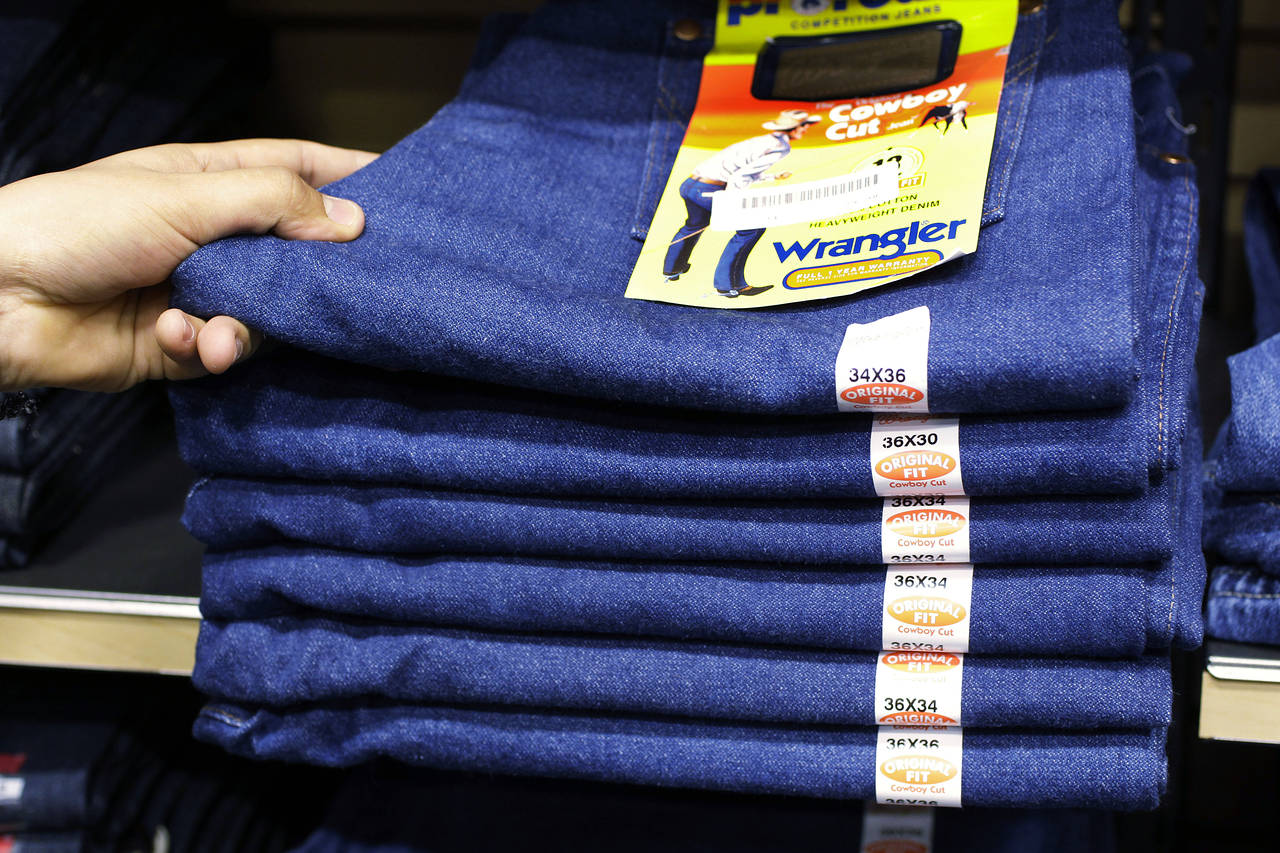
  • Denim brand Wrangler set the open stores in China

    Denim brand Wrangler set the open stores in China

    The global pandemic led Kontoor Brands to delay its initial plans to launch Wrangler in China earlier this year, but the day has finally come for the heritage brand.

    Kontoor announced Thursday that it has expanded Wrangler’s international reach to China by taking a digital-first approach. The initial product offering is available for consumers through Alibaba Group’s Tmall e-commerce site.

    Since becoming an independent, publicly-traded company in May last year, Kontoor has identified China as a key area of focus for its international expansion strategy. The company’s other heritage brand, Lee, has been in the region for 25 years, according to Bloomberg.

    Last fall, Kontoor Brands president and CEO Scott Baxter said Wrangler’s debut in China was on track for Q1 2020. The launch, however, was postponed shortly after Covid-19 began to spread around the world. At the time, Baxter pinpointed Fall 2020 as a time “we can more effectively optimize our go-to-market strategies, our interactive consumer engagement and better leverage our demand creation spent.”

    “One of Kontoor’s core strategic priorities includes expanding to new markets and geographies. Launching our iconic Wrangler brand in China, one of the fastest-growing consumer markets in the world is a key step toward that effort,” Baxter said. “As part of Kontoor Brands, the Wrangler brand is leveraging the collective experience that helped establish Lee as one of the leading denim brands in the Chinese market. This announcement marks an exciting milestone in the brand’s 70-plus year history.”

    Wrangler celebrated the launch with activation at Innersect, a multi-day consumer streetwear event in Shanghai. The event choice is indicative of where Kontoor sees an opportunity for Wrangler in China: among tech and pop-culture-savvy young consumers.

    “We’ve reimagined the adventurous optimism of Wrangler’s cowboy spirit for the Chinese market, developing a brand platform designed to resonate with China’s youth and young at heart,” said John Gearing, Kontoor Asia Pacific vice president and general manager.

    Kontoor plans to expand the product selection in Spring 2021 and launch additional consumer activations.

    “We are building awareness and demand for the brand through our initial digital product offerings,” Gearing added. “In the coming months, we will accelerate our focus on creating engaging and innovative experiences designed to introduce Wrangler’s best-in-class apparel products to the Chinese consumer.”

  • Vietnam fashion house Icon Denim to expand abroad

    Vietnam fashion house Icon Denim to expand abroad

    ICON DENIM Co., Ltd. officially launched its first store at 12-12 Bis Cach Mang Thang 8 Street, Ben Thanh Ward, District 1, Ho Chi Minh City.

    ICON DENIM brand was established in 2017, with the desire to bring the brand fashion closer to Vietnamese men. After 2019, ICON DENIM opened 3 large Flagship stores (showrooms) located in the front of the central districts: such as the store at Cach Mang Thang Tam Street – the junction of Phu Dong near New World Hotel, store at Su Van Hanh street – the busiest entertainment street for young people, store at Le Van Sy – the biggest fashion street in the city. The floor square of Flagship stores is from 150m2 to more than 200m2 to create a spacious and comfortable shopping area for customers. Founders of ICON DENIM Mr.

    Over the past year, ICON DENIM has affirmed its brand position, as well as created its own core values for the Vietnamese fashion communities. Aiming at the mid-range segment, ICON DENIM focuses on the “real value” of products, targeting customers who tend to shop for brands whose product prices are equivalent to the actual quality of goods. The models are diverse and are always in tune with world fashion trends. The company has ambition to create “real value” products in designing beautiful, trendy and diversified products; create high-quality, durable to high-end products with reasonable prices and value for money. That is ICON DENIM’s strategy in branding in the branded fashion market.

    To keep up with market trends, ICON DENIM always researches trend reports and consumer behavior reports of the industry to better understand the fashion needs of customers and listen to customers’ opinions. Since then, ICON DENIM has adjusted and developed its products to follow the market demand. Therefore, each month, this brand launches about 80 to 100 designs that follow the world’s trends, corresponding to thousands of products ranging from shirts, pants, accessories etc.

    With many years of experiences in the fashion industry and having a unique view on the fashion market, Mr. Tran Dai Duong – CEO of ICON DENIM said that the company is determined to build a men’s fashion brand with much diversity and differences in Vietnam. “Our key message is “Restyle. Reborn “is also the mission of ICON DENIM now as well as in the future – not only to become the choice of young Vietnamese people but also to reach to the level of international fashion brands.”

    The year 2020 also witnessed ICON DENIM’s efforts to perfect the Manufacturing Process, from design, production to image and display of the store. ICON DENIM always had a methodical process and strict control. With all dedication, when entering to any stores of ICON DENIM, customers will feel the difference of trendy fashion designs, new top styles, exclusive and the sincerity and enthusiasm given from each employee.

    Through a year of challenges and opportunities, ICON DENIM has been striving every day to improve its position in the hearts of customers. In Vietnam, in 2021, the brand will continue to open 4-5 stores in Ho Chi Minh City, and also expand to Hai PhongHanoi. The brand is also preparing to set up the first base for development in potential Southeast Asian countries such as ThailandCambodiaSingapore etc.

  • The R Collective teams with Levi’s in upcycled Denim Reimagined range

    The R Collective teams with Levi’s in upcycled Denim Reimagined range

    Upcycled fashion label The R Collective has launched its Denim Reimagined capsule collection at K11 Musea’s Levi’s store in Hong Kong.

    The Denim Reimagined collection, created by local designer Jesse Lee, uses surplus denim from Levi’s jeans and is being launched to coincide with the brand’s global #WearAndCare sustainable consumer care campaign. A virtual workshop conducted in English and Chinese is scheduled to be held on Wednesday next week to engage with locked-down, socially-distanced consumers on how to reduce the climate impact of the fashion industry via sustainable consumer care behavior.

    “I was inspired by how the ocean’s natural beauty plays a huge role in regulating the Earth’s climate,” said Lee at the Levi’s in-store launch. “Fashion inspires and designers must engage with customers, particularly during this uncertain time of socially-distancing, when we’re forced to reimagine the world we want to live in. Denim’s biggest climate impact is caused during consumer care and fabric production, and so Denim Reimagined tackles both upcycling and consumer care, so we can all have caring closets.”

    “Upcycling excess materials and extending the life of garments are two of the most sustainable things we can do with our clothing, as anyone who has owned a pair of vintage Levi’s knows,” said Levi Strauss & Co director of sustainability Liz Lipton-McCombie. “As such, we’re proud to support creative upcycling projects, like The R Collective’s Denim Reimagined, and are encouraged to see the progress they are making.”

    The collection features digital clothing care labels, which consumers can scan to learn more about the clothing item and receive one of four different sustainability messages: how the garment was made; how to care for clothes to reduce clothing’s climate impact; solutions for keeping fashion in use and out of landfills; and the collection’s story.

    “In a post-Covid-19 world,” said The R Collective founder/CEO Christina Dean, “consumers expect greater transparency and sustainability and so the value of having technology, like Denim Reimagined’s unique digital identities, allows us to interact with and, most importantly, educate consumers on how to care for their garments in a sustainable, climate-friendly way.”

  • True Religion back in bankruptcy as Covid-19 cripples sales

    True Religion back in bankruptcy as Covid-19 cripples sales

    Denim apparel retailer True Religion has filed for bankruptcy for the second time within three years.

    The brand’s latest crisis was brought on by the coronavirus outbreak, which has seen more than 95 percent of the American market under lockdown. In a statement, True Religion said it had found itself unable to wait out the pause in trading.

    The firm’s foremost lenders ABL and Term Loan are investing in the brand’s reorganization efforts under Chapter 11 bankruptcy proceedings, according to CEO Michael Buckley. The firm registered US$100 million in assets against $500 million in liabilities in its court filing this week.

    The firm emerged with a streamlined store network and a stronger financial position after its last bankruptcy, which had the support of lenders and came with an exit strategy pre-mapped out.

    “In the near term, and until our stores open up, we will be continuing as we have,” said Buckley, “to run our e-commerce businesses in the same way we did prior to filing for Chapter 11”.

  • Denim makers welcome novel sustainability initiatives

    Denim makers welcome novel sustainability initiatives

    Global denim makers have long faced questions over their sustainability credentials, but recent developments across the industry are helping to show it in a more positive light.

    From the amount of water required to produce a pair of jeans, to the chemicals used in production, the sector is starting to make a concerted effort to move away from the stigma it has attracted over the years.

    Among efforts to drive change is the move by denim conference Kingpins Transformers to become the Transformers Foundation, a non-profit entity focused on driving change in key areas of the denim supply chain such as social responsibility, sustainable cotton, responsible chemical management and consumer education.

    Elsewhere, experts from denim makers have contributed to the ‘Jeans Redesign Guidelines’ to help fashion brands and manufacturers make jeans that meet minimum requirements for durability, material health, recyclability and traceability.

    In terms of product development, Spanish manufacturer Tejidos Royo has collaborated on an environmentally friendly indigo yarn-dyeing process that uses foam instead of water. According to the firm, Dry Indigo uses zero water in the dyeing process, reduces energy consumption by 65 percent during manufacture, and uses 89 percent fewer chemical products. It is also said to completely eliminate wastewater discharge.

    Industry heavyweight Gap announced last summer its Banana Republic brand would pilot the technology.

    US start-up Tinctorium is also attempting to eliminate the need for toxic chemicals in the color production process by producing indigo dye using bio-engineered bacteria. The bacteria secrete an indigo precursor that is mixed with an enzyme to create a liquid indigo solution that can be directly applied using existing denim equipment.

    However, while there has been a marked shift in the sector, denim makers and fashion brands must not rest on their laurels. There remains a great deal of work to be done to further improve the denim supply chain.

  • Levi’s boosts margins by retaining same price levels online

    Levi’s boosts margins by retaining same price levels online

    Denim brand Levi’s plans to scale back shipments to off-price retailers in the US as it targets a further improvement in gross margin and long-term ambitions in the growing Chinese market.

    The company ended the year reporting US$1.57 billion in sales, slightly behind analyst estimates, but with a gross margin up by 100 basis points compared to the prior year.

    Sales in Europe rose by 5 percent and its operating profit thereby a healthy 47 percent, but sales in Asia rose by just 1 percent, and operating profit there took a 43-per-cent hit, largely due to civil unrest in Hong Kong and India.

    While the company expects to take a hit in Mainland China after closing about half of its stores there in response to the coronavirus outbreak, the company says its sales there account for just 3 percent of its global turnover.

    “It probably puts a damper – at least in the short-term – for our growth plans in China, but we are here for the long-term,” CFO Harmit Singh said. “We are still long on China.”

    Singh said the company would restrict shipments to off-price retailers like Ross Stores and TJ Maxx, which erode profit margins. It will sell more products into a joint venture with discount department store Target and into other higher-priced retailers like department stores.

  • J Crew to spin off Madewell denim jeans brand

    J Crew to spin off Madewell denim jeans brand

    The Madewell denim brand is set to be split off from J Crew as part of a planned IPO by parent Chinos Holdings.

    Documents lodged with the US Securities and Exchange Commission on Friday show Chinos plans to raise funds to pay off some of its US$1.7 billion in debt, although the volume of shares and their projected value have yet to be revealed.

    Under the plan, Chinos Holdings will be renamed Madewell Group.

    “We have consistently grown at Madewell, but we have retained both our focus and the start-up mentality of our earlier days, which allows us to remain nimble, challenges us to get creative and motivates us to always look toward the future,” said Madewell CEO Libby Wadle in a statement.

    The Madewell denim brand is considered to be more successful than its sister J Crew which has been struggling to maintain market share and brand appeal in recent years. In the second quarter of this year, Madewell sales rose 15 percent to $139.7 million with same-store sales up 10 percent. That followed a 28-per-cent rise in sales in the same quarter a year ago. J Crew sales, however, fell by 7 percent in the second quarter, to about $400 million, with comp-store sales down by 4 percent.