Tag: despite

  • Vietnam’s Coffee Exports Hit $4.78B Despite Challenges: A Closer Look at H1 2026 Results

    Vietnam’s Coffee Exports Hit $4.78B Despite Challenges: A Closer Look at H1 2026 Results

    In the first half of 2026, Vietnam’s coffee exports amounted to US$4.78 billion, marking a decrease of 14.4% compared to the same period in the previous year. This decline in value comes despite a 9.7% year-on-year increase in exported volume, reaching 1.1 million metric tons. June alone accounted for shipments of 150,000 tons, valued at $552.6 million.

    Coffee Export Market Dynamics

    The average coffee export price during the first half of the year was around $4,435 per ton, a 22% year-on-year decrease after a period of elevated prices in 2024-25, as reported by the Ministry of Agriculture and Environment. The three largest markets for Vietnam’s coffee exports remained Germany, Italy, and the U.S., accounting for 14.1%, 7.9% and 6.9% of total exports, respectively. However, the first five months of the year saw a decline in shipments to these markets by 21.7%, 9.6% and 2.2% in value respectively, compared to the previous year.
    On the other hand, exports to China experienced a significant 70.7% surge in value, representing the strongest growth among the top fifteen importers of Vietnamese coffee.

    Domestic Coffee Market and Global Trends

    Domestically, coffee prices have rebounded to over VND90,000 (US$3.42) per kilogram, but trading remains cautious as the remaining inventory is limited. The Vietnam Coffee Cocoa Association indicates that the global coffee market is moving into a challenging phase where supply growth, largely driven by Brazil, is outpacing moderate consumption growth.

    Moreover, the association predicts that the large supply will continue to put downward pressure on prices in the coming months, particularly in the Robusta segment, which is Vietnam’s principal export product. This situation poses a challenge to achieving the year’s export revenue target due to the continuous fall in export prices and the historically lower shipments in the second half of the year.

    However, the association also highlights an opportunity for the industry to shift its focus from increasing output to enhancing value. This can be done by exporting higher quality coffee beans with sustainability certifications, and increasing exports of roasted, instant, and blended coffee products. Currently, around 30% of Vietnam’s coffee-growing area is certified under sustainable production standards, which provides a strong basis for meeting the increasingly rigorous requirements in export markets.

    In addition to this, the association recommends stronger trade promotion in promising markets such as China, Russia, South Korea, Algeria, and Nordic countries. It also encourages expanding connections with major retail chains in Asia and Europe to foster processed coffee exports.

    Questions & Answers

    What is the current state of Vietnam’s coffee exports?
    The value of coffee exports from Vietnam declined by 14.4% in the first half of 2026 despite an increase in export volume.

    Who are the major importers of Vietnamese coffee?
    Germany, Italy, and the U.S. are the three largest markets for Vietnam’s coffee exports, but exports to these markets have declined in value. Alternatively, exports to China have surged by 70.7%.

    What adjustments does the Vietnam Coffee Cocoa Association suggest for the coffee industry?
    The association suggests a shift in focus from output expansion to value enhancement. This could be achieved by increasing exports of sustainably certified, high-quality coffee beans and boosting shipments of roasted, instant, and blended coffee products.

  • Vietnam’s Gold Prices Soar Despite Global Market Decline: A Week of Ups and Downs

    Vietnam’s Gold Prices Soar Despite Global Market Decline: A Week of Ups and Downs

    Vietnam’s gold market saw a modest rise in prices on Saturday, ending the week on a slightly high note. The day observed a 0.34% increase in the prices of gold bars from Saigon Jewelry Company, which closed at VND147.2 million (US$5,594.85) per tael. This showed a 0.14% increase over the week.

    Similarly, the prices of gold rings also rose, marking a 0.4% increase to VND147.2 million per tael. For context, a tael is a traditional Asian unit of weight, which is equivalent to 37.5 grams or 1.2 ounces.

    Global Gold Prices

    In contrast to Vietnam, global gold prices experienced a downward trend on Friday. The decline marked the third consecutive weekly fall for the yellow metal. The decrease in prices was influenced by the strengthening of the U.S. dollar and a hawkish stance of the Federal Reserve.

    Spot gold decreased by 0.9%, settling at $4,169.44 per ounce. This was after hitting its lowest level since June 11 at $4,119.78. Also, U.S. gold futures contracted by 1.4% to $4,186.50.

    Senior market analyst at Jefferies-owned Tradu.com, Nikos Tzabouras, commented on the situation. He noted that gold is at risk of sinking further into bear market territory, potentially falling below the $4,000/oz mark. He attributed this to the challenging market environment and the unfavorable effects of prolonged higher Federal Reserve expectations on non-yielding assets, which, however, is beneficial to the dollar.

    With regards to gold price projections, Goldman Sachs revised its forecast, lowering its December prediction to $4,900 per ounce from its earlier estimate of $5,400. The firm reasoned that while its price outlook remains generally positive, it is exercising caution due to potential near-term downside risk and medium-term upside risk.

    Questions & Answers

    What caused the rise in Vietnam’s gold prices?
    The increase in Vietnam’s gold prices is not attributed to a specific cause in the article. However, gold prices can rise due to various factors such as fluctuations in currency values, inflation, and geopolitical instability.

    What is causing the downturn in global gold prices?
    The global decline in gold prices is attributed to the strengthening of the U.S. dollar and the hawkish stance of the Federal Reserve, which has increased expectations for higher interest rates.

    What is Goldman Sachs’ revised forecast for gold prices by December?
    Goldman Sachs has revised its forecast for gold prices by December to $4,900 per ounce, a decrease from its previous estimate of $5,400 per ounce.

  • Domestic Demand Dwindles in China Despite Soaring Industrial Output

    Domestic Demand Dwindles in China Despite Soaring Industrial Output

    The second-largest economy in the world is currently experiencing a dual-speed growth pattern. While factories are flourishing due to robust exports, domestic demand is on a downward trajectory due to an ongoing slump in the property market.

    In May, retail sales, which serve as a critical measure of consumption, decreased by 0.6%, a significant drop from April’s 0.2% rise, and below the predicted 0.0%. This decline in retail sales marks the first reduction since December 2022. Even the extended Labour Day holiday was unable to boost consumer morale, and the government’s consumer goods trade-in initiative is gradually losing its effectiveness. An inflated base from the previous year’s May further added to this downturn.

    According to Zhiwei Zhang, chief economist at Pinpoint Asset Management, the disappointing retail sales data puts increased pressure on the government to contemplate policy measures aimed at stabilizing consumption. “Policy ‘fine tuning’ is anticipated around July, following the release of the second quarter GDP data,” Zhang added.

    On the other hand, data from the National Bureau of Statistics (NBS) revealed that industrial output in May grew by 4.5% compared to the previous year, an increase from the 4.1% growth recorded in April. This rise surpassed the projected 4.3% increase.

    Divides in the Economy

    A boom in global AI investment and related tech demand has allowed the world’s largest manufacturer to counterbalance the anticipated export blow from the Iran war. However, a 19.4% increase in exports has yet to positively impact domestic consumption.

    The economic weakness was particularly noticeable in the automotive sector, as domestic car sales suffered a decline for the eighth consecutive month in May. This trend hints at a diminishing demand in the world’s biggest car market, a pressure that is expected to linger throughout the year.

    Senior economist at the Economist Intelligence Unit, Xu Tianchen, identified several divisions in the May economy. “The divide between domestic and external demand, the divide between AI and traditional industries, and the divide between goods retail and services consumption,” he mentioned.

    He expects the second quarter’s economic growth to slow down to 4.5% from the first quarter’s 5%.

    Growing investment weakness and ongoing property drag

    Investment figures were also significantly weaker than expected. Fixed-asset investment dropped by 4.1% in the first five months of 2025, a fall from the 1.6% decrease recorded from January to April. Economists had anticipated a 2% decline.

    According to NBS spokesperson Fu Linghui, this fall is partially due to extreme weather conditions in several regions, as well as the shift from old to new growth drivers. Fu added that China still has substantial room for future investment, with urbanisation, rural revitalisation, the development of new quality productive forces, and public service improvements all requiring support.

    Questions & Answers

    What contributed to the decline in retail sales in May?
    Several factors contributed to the decline in retail sales in May, including a lack of consumer confidence, the waning effectiveness of the government’s trade-in scheme, and a high base from the same period last year.

    How are the car sales in China currently?
    Car sales within China have been on the decline, with May marking the eighth consecutive month of decreasing sales. This is indicative of a softened demand in the world’s largest auto market.

    What are the expectations for China’s economic growth?
    It’s anticipated that China’s economic growth may slow in the second quarter, dropping to 4.5% from 5% in the first quarter. While it might not be difficult to achieve a full-year growth target of 4.5-5%, the sluggish domestic demand may necessitate policy intervention in the second half of the year.

  • Meituan Sees Silver Lining as Food Delivery Battles Cool Down Despite Another Quarter Loss

    Meituan Sees Silver Lining as Food Delivery Battles Cool Down Despite Another Quarter Loss

    Meituan, China’s foremost food delivery company, reported its third consecutive quarterly loss this Monday. However, it did manage to meet revenue growth projections. The company has been weathering a particularly tough year, characterized by fierce, subsidy-driven competition in China’s one-hour delivery sector. However, the market shows signs of normalizing again.

    In earlier years, the rapid expansion and profits of Meituan were put under strain when Taobao, owned by Alibaba, and JD introduced their ‘instant retail’ services in 2025. Instant retail, also known as quick commerce, involves online purchases of items such as food, bubble tea, and daily essentials that are delivered within an hour.

    In 2026, after persistent disapproval from Chinese regulators who coined the term ‘race to the bottom’ to describe the fierce instant retail competition, the excessive discounting on food delivery platforms began to moderate. This shift indicated that the industry was moving into a phase of more regular growth.

    The revenue for Meituan for the quarter ending on March 31 was reported to be 91 billion yuan (equivalent to US$13.45 billion). This represented a 5.6% increase from the previous year and was in line with financial analysts’ predictions.

    The adjusted net loss of the company shrunk to 4.97 billion yuan, which was a significant improvement from a loss of 15.1 billion yuan in the last quarter. During the same period in the previous year, Meituan had reported a profit of 10.9 billion yuan.

    CEO Wang Xing addressed the situation optimistically, stating, “With industry-wide subsidies finally getting more rational, we are seeing a shift back to the fundamentals of operational efficiencies and user experience. This transition plays to our strengths.”

    However, the company has also faced regulatory challenges. In April, the Chinese market regulator imposed fines amounting to a total of 3.6 billion yuan on seven e-commerce platforms, including Meituan, for violating food delivery safety regulations.

    Last week, China’s State Administration for Market Regulation instructed local authorities to conduct a special inspection campaign until December on companies operating in sectors ranging from live-streaming to food delivery.

    Questions & Answers

    What is Meituan’s standing in China’s food delivery industry?
    Meituan is the leading food delivery company in China.

    What challenges has Meituan been facing in recent years?
    Meituan has been dealing with intense competition in the instant retail sector, regulatory penalties for food delivery safety violations, and financial struggles reflected in consecutive quarterly losses.

    What is the ‘race to the bottom’ that Chinese regulators refer to?
    The ‘race to the bottom’ refers to the extreme competition in the instant retail sector, characterized by excessive discounting by food delivery platforms.

  • Fonterras Positive Momentum Continues with $1.5B Q3 Operating Profits Despite Global Uncertainties

    Fonterras Positive Momentum Continues with $1.5B Q3 Operating Profits Despite Global Uncertainties

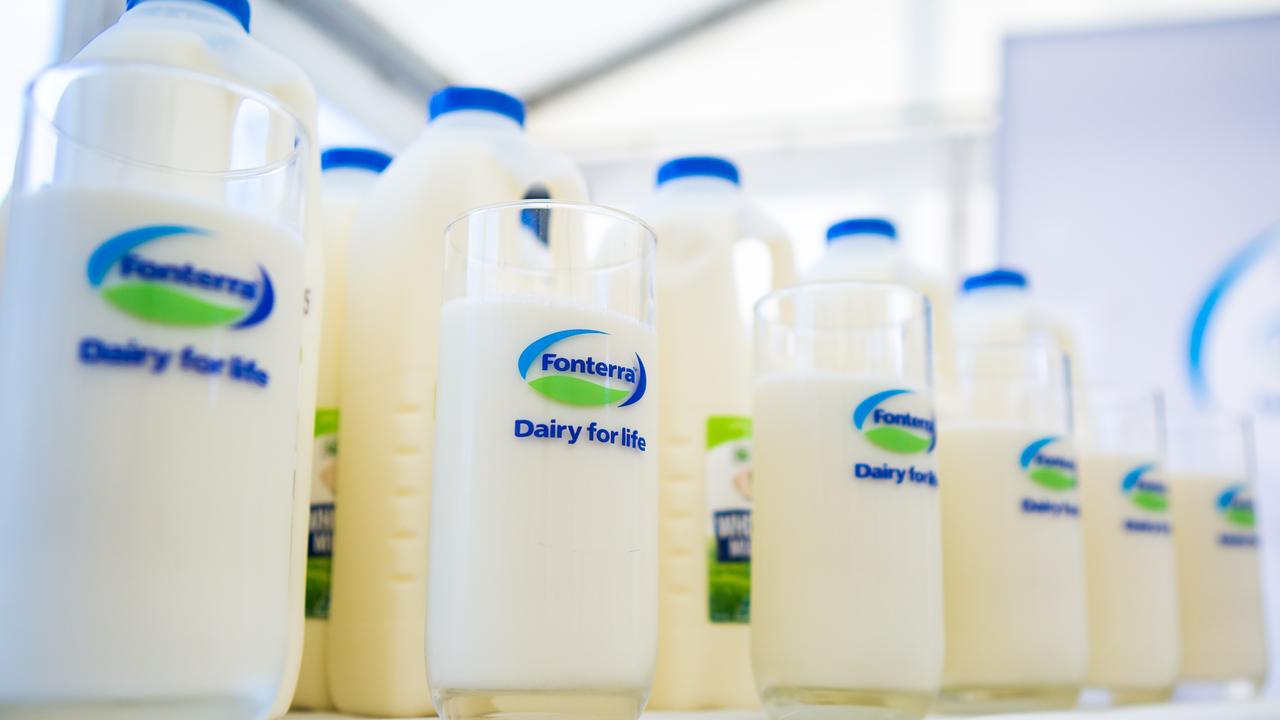
    New Zealand-based dairy cooperative, Fonterra, is exuding optimism about its future performance amid global uncertainties. The company’s third quarter results showed a promising $1.5 billion in operating profits, marking an impressive year-on-year increase of $85 million.

    Fonterra’s Stellar Performance

    Richard Allen, Fonterra’s CEO, proudly announced this significant achievement, describing the results as another demonstration of their strength. Despite the disruption of global supply chains, the company has seen a substantial rise in milk production this season. The organization’s sales book is well contracted, and its shipping volumes have been robust, recording the highest third-quarter shipment volumes in the past decade.

    Allen became the CEO succeeding a 25-year veteran, Miles Hurrell, who declared his retirement in December. Looking forward, Allen expects the company’s high milk collections to persist, much like the current season.

    “Our in-market sales teams foresee robust demand from across all regions amid possible fluctuations. This expectation is mirrored in our opening forecast range,” Allen stated.

    Resilience Amid Challenges

    Despite the approaching final quarter of the financial year, Allen expresses confidence in the company’s ability to maintain its momentum. He acknowledges the uncertainty prompted by the ongoing conflict in the Middle East and other global challenges, such as cost inflation and shipping disruptions.

    “Like our farmers and many others worldwide, we are navigating these challenges. However, we are confident that our deep relationships with customers and logistics partners will continue to assist us in overcoming these obstacles,” he commented.

    Questions & Answers

    What is Fonterra’s latest operating profit?
    Fonterra reported a $1.5 billion operating profit for its third fiscal quarter, growing its profits by $85 million year-on-year.

    What challenges is Fonterra facing?
    Fonterra is dealing with global challenges such as cost inflation, shipping disruptions, and uncertainties caused by the ongoing conflict in the Middle East.

    Despite the challenges, how does Fonterra view its future performance?
    Fonterra is optimistic about its future performance. The company expects to maintain its strong momentum, anchored by high milk collections and robust demand from all regions. They also express confidence in their deep relationships with customers and logistics partners that will help them navigate the current global challenges.

  • Alibaba Ramps Up AI Investment Despite Income Dip, Foresees Cloud Business Boom

    Alibaba Ramps Up AI Investment Despite Income Dip, Foresees Cloud Business Boom

    Alibaba, the Chinese tech behemoth, has announced that its projected artificial intelligence (AI) investment over the next triennium will surpass the initial estimation of 380 billion yuan (US$55.96 billion). This decision has been driven by promising preliminary returns on AI investments, which has encouraged the company to further bolster its cloud-computing capacity.

    Despite falling short of the market’s projected profit for the fourth quarter, Alibaba’s US-listed shares experienced a 7 per cent surge. This was in response to the company’s confident forecast for returns on AI spending in the next three to five years. Alibaba’s revenue from the Cloud Intelligence Group, in response to the burgeoning business demand for AI, grew by 38 per cent to 41.63 billion yuan ($6.13 billion) over the past year. While this growth is consistent with estimations, it does mark an increase from the preceding quarter’s 36 per cent growth.

    Investments and Future Plans

    The company’s CEO, Eddie Wu, on a post-earnings call, shared that their investments in AI, the Cloud, and e-commerce sectors were yielding clear returns. He emphasised that these technological investments were beginning to bear fruit commercially. However, Wu refrained from outlining a new spending target to replace the one that was announced in the early parts of last year.

    The company is also aiming to maintain a growth rate that surpasses the market average in an effort to secure a larger market share and further consolidate its market leadership. Wu was clear that these were the primary objectives, with profit margins currently taking the backseat. The company’s profit in the quarter to March was impacted by investments in AI and cloud infrastructure, as well as continuous spending in the quick commerce segment, which includes deliveries made within 60 minutes.

    AI demand and Alibaba’s Response

    Alibaba disclosed that AI-related products contributed to 30 per cent of external customer revenue in the cloud division in the quarter. The company anticipates AI-related revenue to become the main growth engine in the cloud business and contribute more than 50 per cent of revenues in about a year’s time.

    The company has earlier this year bifurcated its AI businesses from its cloud computing arm. Wu has been tasked with leading the “Alibaba Token Hub” group, as the company is keen on making its AI segment profitable.

    Alibaba’s net income for the quarter decreased by 99.7 per cent, with total revenue clocking in at 243.38 billion yuan. Yet, the company’s China e-commerce business, which includes the highly competitive quick commerce segment, reported a revenue of 122.22 billion yuan ($18 billion), surpassing the estimated figure of 119.85 billion yuan.

    Questions & Answers

    What is Alibaba’s outlook for AI spending in the next three to five years?
    Alibaba has a positive outlook for returns on AI spending in the coming years, which is why they are planning to increase their investment in this sector.

    What was the growth in the revenue from Alibaba’s Cloud Intelligence Group over the last year?
    The revenue from Alibaba’s Cloud Intelligence Group grew by 38 per cent to 41.63 billion yuan ($6.13 billion) over the past year.

    What are Alibaba’s plans for the AI segment of their business?
    Alibaba expects AI-related revenue to become the main growth driver in the cloud business, contributing more than 50 per cent of revenues in about a year. The company also plans to make its AI segment profitable.

  • Aussie Beverage Sector Toasts to a Profitable Summer Despite Economic Hurdles

    Aussie Beverage Sector Toasts to a Profitable Summer Despite Economic Hurdles

    Despite global economic instability and the strain of domestic living costs, Australia’s food and beverage manufacturers experienced a surge in revenue during last summer, according to the most recent Manufacturing Health Index published by Unleashed Software. This upturn in profits, especially during the holiday season, highlights the continued demand for premium Australian-made consumer goods.

    Boost in Manufacturing Sector

    The survey, which compiled data from over 500 local manufacturing companies spanning various sectors, including food and beverage, clothing and fashion, and construction, revealed a significant increase in average earnings for beverage manufacturers. The final quarter of the year saw an average revenue of $627,000, marking an almost $200,000 rise from the previous quarter. This peak in earnings is the highest ever reported since Unleashed Software began its data collection. Simultaneously, the gross profit margin also experienced a surge, climbing to 35.9% from 31.9% in the previous quarter and 27.8% in the same period of the prior year.

    In the food sector, the average revenue reached $709,831, slightly lower than the $733,000 recorded in the third quarter but significantly higher than the $546,229 reported in the same quarter of the previous year.

    Shifting Inventory Strategies

    The report also indicates that Australian manufacturers are modifying their inventory strategies to accommodate tightening supply cycles. While businesses in Australia are fine-tuning inventory levels, their counterparts in the UK and New Zealand are boosting restocking.

    Jarrod Adam, the head of product at Unleashed Software, explains that there is a noticeable shift towards just-in-time replenishment in Australia. Companies are not hoarding cash in inventory but are buying precisely what they need to meet immediate demand. The construction sector, in particular, shows a marked shift towards this inventory model.

    Adam further highlights the critical role of technology in enhancing productivity and managing these tighter cycles to prevent stock shortages during periods of heightened demand without compromising efficiency.

    The Continued Impact of Interest Rates and Energy Costs

    The manufacturing sector’s performance in the coming year is expected to be influenced significantly by interest rates. In February, the Reserve Bank of Australia (RBA) hiked the cash rate to 3.85%, marking the first increase since a period of consistent rate holding or reduction in 2025. The RBA anticipates inflation to top out at about 4.2% mid-year before settling back down to the 2.5% midpoint target by mid-2028.

    Rising energy costs might also lead to higher material and transportation expenses, exerting additional pressure on company margins. Modifications to shipping operations could potentially impact lead times. Despite these challenges, manufacturers are shifting their focus from cost management to the expansion of operations. Firms are increasingly employing automation and real-time data systems to manage purchasing cycles. While smaller companies may be more susceptible to global economic fluctuations, they may also be better positioned to adapt their operations swiftly.

    Questions & Answers

    What caused the rise in revenue for Australia’s food and beverage manufacturers during the previous summer?
    The increase in revenue for Australia’s food and beverage manufacturers during the previous summer was primarily due to the continued demand for high-quality, Australian-made consumer goods, despite global economic instability and domestic cost-of-living pressures.

    How are Australian manufacturers adjusting their inventory strategies?
    Australian manufacturers are modifying their inventory strategies to cope with tightening supply cycles. The shift towards just-in-time replenishment allows companies to avoid keeping cash tied up in inventory by purchasing precisely what they need to meet immediate demand.

    What factors are expected to influence the performance of the manufacturing sector in the future?
    The future performance of the manufacturing sector is expected to be significantly influenced by interest and energy rates. Rising energy costs might lead to higher material and transportation expenses, exerting additional pressure on company margins. Interest rates are also expected to remain a key factor, with the Reserve Bank of Australia recently increasing the cash rate.

  • Starbucks Eyes Major Global Expansion: China in Spotlight Despite Market Challenges

    Starbucks Eyes Major Global Expansion: China in Spotlight Despite Market Challenges

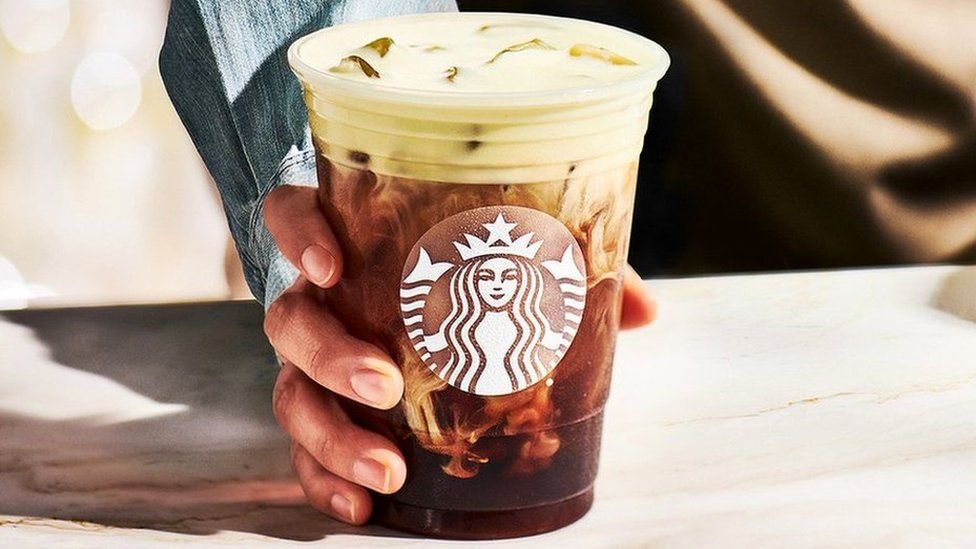
    Starbucks, the renowned coffee chain, is fast-tracking global expansion plans that extend beyond fiscal year 2028. The company considers China as the bedrock of its long-term development strategy, notwithstanding the increasingly competitive landscape and looming economic challenges.

    During the 2026 Investor Day, the coffee behemoth announced plans for significant expansion in both domestic and international markets.

    International Growth

    Starbucks intends to double its international cafe presence over time, aiming for nearly 40,000 non-US stores. China is anticipated to play a major role in this planned growth. Starbucks plans to open between 15,000 and 20,000 additional stores in the Chinese market over the long term.

    Brady Brewer, CEO at Starbucks International, provided insights on the company’s international strategy. He stated, “Our international business fills a very clear role. We are an asset-light growth driver for Starbucks that bolsters the company’s margins.”

    Challenges and Opportunities in China

    China, while being a strategic priority, continues to be one of the most challenging markets for Starbucks. Local competitors such as Luckin Coffee and Cotti Coffee are gaining traction via aggressive pricing strategies, swift expansion, and localized innovation. Simultaneously, economic slowdown is causing increased price sensitivity, challenging Starbucks’ premium positioning.

    In response to these challenges, Starbucks has reorganized its operations in China. The company has established a joint venture with Boyu Capital, transitioning to a licensed business model while maintaining a 40% stake.

    First Quarter Financials

    For the first quarter of fiscal 2026, Starbucks reported a revenue of US$9.9 billion. This shows an upward sales trajectory and continuous growth across the coffee giant’s global network of stores.

    Questions & Answers

    What is Starbucks’ plan for international growth?
    Starbucks intends to double its international store presence, targeting nearly 40,000 non-US locations.

    What role does China play in Starbucks’ expansion strategy?
    China is expected to account for a major portion of Starbucks’ international expansion. The company plans to open between 15,000 and 20,000 additional stores in the Chinese market.

    What changes has Starbucks made in its China operations?
    In response to increasing competition and economic challenges, Starbucks has restructured its China operations through a joint venture with Boyu Capital, transitioning to a licensed business model and retaining a 40% stake.

  • Vietnam’s Gold Prices Soar Despite Global Dip: Market Awaits US Fed Insight

    Vietnam’s Gold Prices Soar Despite Global Dip: Market Awaits US Fed Insight

    On Wednesday morning, the price of gold in Vietnam increased, while global bullion rates experienced a minor drop. Saigon Jewelry Company’s gold bar price rose by 0.94%, reaching VND150.7 million (US$5,713.52) per tael. Notably, local prices are approximately VND21 million per tael higher than global rates.

    Gold Ring Prices Also Increase

    The price of gold rings experienced a growth of 0.41%, reaching VND148.4 million per tael. For reference, one tael is equivalent to 37.5 grams or 1.2 ounces.

    Global Gold Trend

    On a global scale, gold prices slightly dropped on Wednesday due to a stronger dollar. Investors are currently awaiting the minutes from the Federal Reserve’s latest policy meeting and the upcoming U.S. jobs report, which can provide further insight into the trajectory of the central bank’s interest rates.

    Spot gold decreased by 0.2%, settling at $4,059 per ounce. Furthermore, U.S. gold futures for December delivery saw a marginal decline of 0.1%, falling to $4,061.60 per ounce.

    Market Analyst Perspective

    According to Tim Waterer, Chief Market Analyst at KCM Trade, the momentum of gold has been somewhat hindered by a stronger USD and uncertainties regarding the next Federal Reserve rate cut. However, he noted that gold remains attractive to investors as a safe investment during periods of market risk aversion, which has limited its decline.

    Economic Indicators

    Data released on Tuesday revealed that the number of Americans receiving unemployment benefits was at a two-month high in mid-October. The U.S. Federal Reserve reduced interest rates by 25 basis points last month, however, Chair Jerome Powell has expressed caution about another rate cut this year, due in part to a lack of data. It’s worth noting that non-yielding gold tends to perform well in a low-interest-rate environment and during times of economic uncertainties.

    Questions & Answers

    What factors have influenced recent gold prices?
    Recent gold prices have been affected by a combination of local and global factors, including a stronger USD, investor anticipation of Federal Reserve decisions, and economic uncertainties.

    Why does the price of gold increase during times of economic uncertainty?
    Gold is often seen as a safe haven investment by investors during times of economic uncertainty. As such, its price increases as demand for it grows.

    What is the significance of the U.S. Federal Reserve’s interest rate decisions on global gold prices?
    Decisions by the U.S. Federal Reserve regarding interest rates can significantly impact global gold prices. This is because these decisions affect the value of the USD, which in turn influences the attractiveness of gold as an investment.

  • Wealth Management Drives DBS to Record-Breaking Q3 Income Despite Global Tax Reform Impact

    Wealth Management Drives DBS to Record-Breaking Q3 Income Despite Global Tax Reform Impact

    DBS bank reported a record-breaking income for the third quarter of 2025, largely due to strong fee income from wealth management. However, the bank’s net profit experienced a slight dip of 2 percent year-on-year, almost S$3 billion ($2.3 billion). This was a result of the newly enforced global minimum tax reform. Notwithstanding this, the profit before tax rose by 1 percent, reaching an all-time high of S$3.5 billion.

    Revenue and Expenses

    The bank’s total income also saw a significant surge, increasing by 3 percent to S$5.9 billion, setting another record. Net interest income remained relatively stable, while fee income and treasury customer sales witnessed new peaks, primarily driven by the wealth management sector. Market trading income improved due to lower funding costs and a more favorable trading environment. Simultaneously, expenses escalated by 6 percent to hit S$2.4 billion. The increase was primarily fueled by enhanced staff costs as bonus accruals rose in sync with the improved performance.

    For the first nine months of the year, DBS’s profit amounted to S$8.7 billion, representing a marginal decline of 1 percent.

    Looking Ahead

    DBS’s CEO, Tan Su Shan, provided some insight into the bank’s future strategy. He stated that the bank would continue to adapt to the challenges of decreasing interest rates through agile balance sheet management. He also emphasized the bank’s ability to seize structural opportunities across wealth management and institutional banking, ensuring continued growth and success.

    Questions & Answers

    What factors contributed to DBS’s record-breaking income in the third quarter of 2025?
    The record-breaking income was largely due to strong fee income from wealth management. Additionally, the bank saw new highs in fee income and treasury customer sales.

    What was the impact of the newly enforced global minimum tax reform on DBS?
    The new global minimum tax reform led to a slight dip in DBS’s net profit by 2 percent year-on-year in the third quarter of 2025.

    How does DBS plan to navigate the pressures of declining interest rates?
    DBS plans to navigate the pressures of declining interest rates through agile balance sheet management. The bank also aims to seize structural opportunities across wealth management and institutional banking.

  • Vietnam Gold Prices Tumble Despite Global Stability: A Detailed Analysis Amid US Interest Rate Speculations

    Vietnam Gold Prices Tumble Despite Global Stability: A Detailed Analysis Amid US Interest Rate Speculations

    On Tuesday morning, the price of gold in Vietnam dropped, even as global rates remained stable. A notable drop was seen in the gold bar from Saigon Jewelry Company, which decreased by 0.53%, making its current price VND148.2 million (US$5,628.34) per tael.

    Changes in Local and Global Gold Prices

    There was also a decrease in the price of gold rings, with rates falling by 0.34%, establishing a current price of VND145.9 million per tael of 37.5 grams, or 1.2 ounces. Despite such recent drops, there has been a significant increase in the price of gold in Vietnam throughout the year, with a surge of 76% observed so far.

    On a global scale, gold prices remained largely unchanged as investors anticipated the U.S. private payroll data expected to be released later this week. This data is critical in assessing the potential for an additional interest rate cut from the U.S. Federal Reserve this year.

    Stability in Spot Gold Prices

    Spot gold displayed minimal changes, maintaining a steady rate at $3,993.10 an ounce. Edward Meir, an analyst at Marex, suggests that gold is in the process of establishing a trading range, potentially in the high 3000s to the mid-4000s. This range is considered a consolidation following a significant move in prices.

    Despite a sharp increase of 53% this year, there has been an 8% decrease in the price of the metal from the record high that was observed on October 20th. Ole Hansen, the head of commodity strategy at Saxo Bank, commented on the current trend in gold prices. He noted, “Gold’s pause still looks like a breather, not a breakdown. Seasonal softness, temporary Chinese policy noise, and a firmer dollar explain the short-term retreat, but none change the longer-term narrative.”

    Questions & Answers

    What is the current price for Saigon Jewelry Company’s gold bar?
    The current price for Saigon Jewelry Company’s gold bar is VND148.2 million (US$5,628.34) per tael.

    By how much has the price of gold in Vietnam increased this year?
    The price of gold in Vietnam has seen a substantial increase of 76% this year.

    What factors are contributing to the current global gold price trend?
    Several factors, including seasonal softness, temporary Chinese policy noise, and a stronger dollar, are contributing to the short-term retreat in global gold prices. However, these do not influence the longer-term narrative.

  • Coopers Brewery Defies Downturn: Annual Beer Sales Soar Despite National Decline

    Coopers Brewery Defies Downturn: Annual Beer Sales Soar Despite National Decline

    Coopers Brewery, a family-owned independent brewing company, has experienced a slight rise in its annual beer sales, outperforming the overall market that has seen a downturn.

    Annual Sales Report

    In the 2024-25 fiscal year, Coopers Brewery reported total beer sales of 80.6 million litres, marking a growth of 2.4% compared to the preceding year. This contrasts the 0.9% contraction witnessed within the national beer market during the same period.

    Growth in Keg and Packaged Beer Sales

    Sales of kegs, which account for approximately 12.4% of Coopers’ total beer sales, saw a substantial increase of 5.9%. Additionally, the sales of packaged beers also saw a modest uptick of 1.8%.

    Product-Specific Sales Performance

    Sales of malted barley and wheat saw an increase of 3.4%. However, there was a 17% drop in DIY brewing product volumes, a result of reduced consumer demand and restricted space on supermarket shelves.

    Statement from the Managing Director

    Michael Shearer, the Managing Director of the brewery, noted that the figures indicate a resilient performance throughout their beer portfolio. He highlighted considerable consumer demand for Dry 3.5 and Australian Lager, both relative newcomers to their range. Traditional ale products also continued their growth trajectory at 1.2%, while Stout saw a resurgence with a 3.3% rise compared to the previous year.

    Shearer admitted that cost-of-living pressures have made consumers more selective in their purchasing decisions. However, he was optimistic about achieving another year of solid sales growth in a challenging market, expressing it as a testament to the team and their craft.

    Regional Growth and Profit

    Over the course of the year, the company saw sales growth across all states and territories. SA emerged as the largest market in terms of sales volume, while Queensland experienced the most substantial growth at 4.8%.

    International beer exports, excluding New Zealand, which make up around 1% of total sales, fell by 22.3%. Conversely, sales to New Zealand grew by 2.6%.

    In terms of profitability, Coopers Brewery witnessed a decrease in pre-tax profits, which fell from $32.8 million in the previous year to $22.5 million. This shift reflects the investment in a new $70 million visitor center and its associated costs.

    The Visitor Center

    The company described the visitor centre as a generational investment and an integral part of its long-term strategy. In addition to housing a restaurant, the facility also includes a microbrewery and a whisky distillery. Since its inauguration in August of the previous year, the centre has welcomed approximately 60,000 visitors.

    Questions & Answers

    What contributed to the decrease in Coopers Brewery’s pre-tax profits?
    The pre-tax profit decrease reflected the brewery’s investment in a new $70 million visitor centre and its associated costs.

    What sales growth was seen across different product ranges at Coopers Brewery?
    Keg sales rose by 5.9% and packaged beer sales increased by 1.8%. Malted barley and wheat sales grew by 3.4%, but DIY brewing product volumes fell by 17%.

    Which areas experienced the most growth in terms of beer sales for Coopers Brewery?
    In terms of sales volume, SA was the largest market. However, Queensland recorded the highest growth rate at 4.8%.

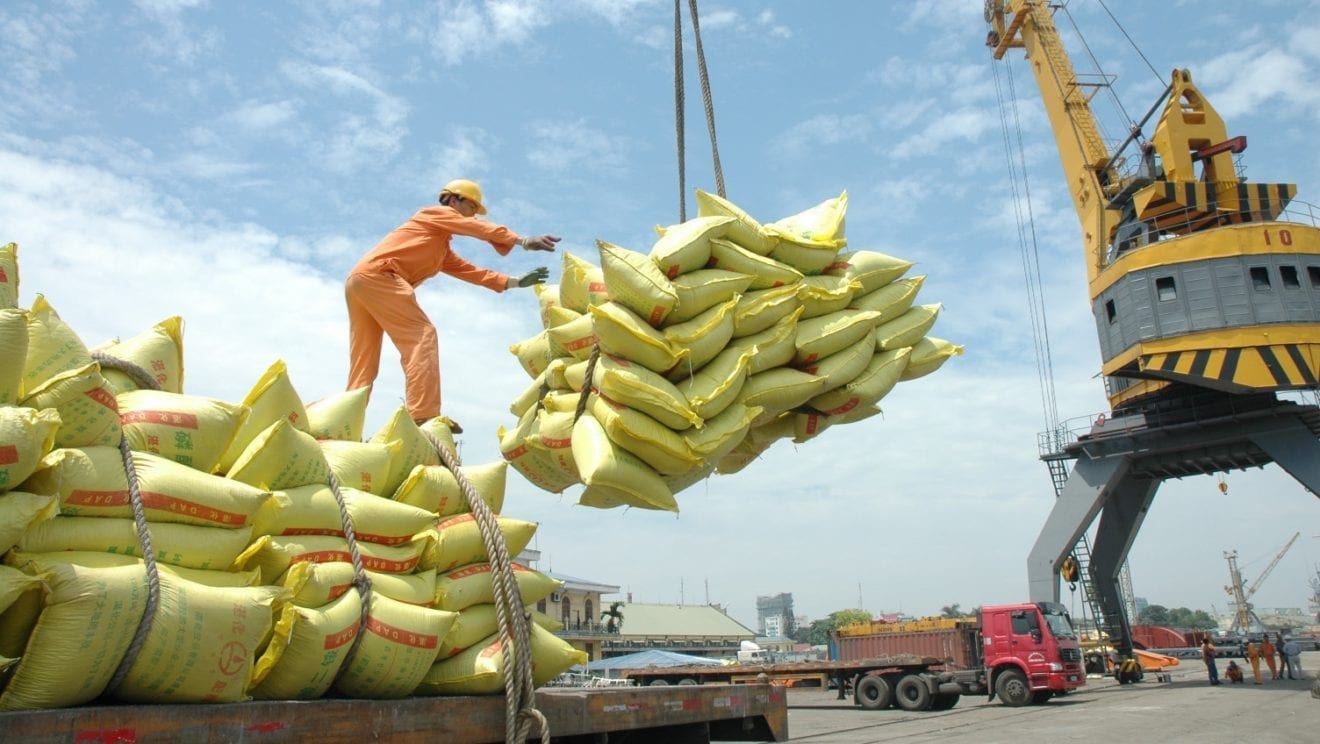
  • Despite Shipping 7 Million Tonnes, Vietnam Rice Exports Witness Slump Amid Falling Prices and Weak Global Demand

    Despite Shipping 7 Million Tonnes, Vietnam Rice Exports Witness Slump Amid Falling Prices and Weak Global Demand

    From the start of the year through October 15, Vietnam exported more than 7 million tonnes of rice. Despite this significant export volume, domestic paddy and rice prices have seen a decline due to reduced purchases from exporters.

    Rice Export Data

    The cumulative rice exports from Vietnam for the mentioned period were 7.02 million tonnes. These exports were valued at approximately $3.59 billion. When compared to the same time frame from the previous year, there was a 4.4% decrease in volume and a 21.9% reduction in value, according to data from the Vietnam Food Association (VFA).

    Last week, the cost of 5% broken jasmine rice was between $420 and $435 per tonne, which is close to a two-month low. A trader based in Ho Chi Minh City reported that domestic trading activity has been relatively stagnant. This is primarily due to many exporters slowing their paddy purchases from farmers as a result of weak overseas demand.

    Domestic Market Performance

    In the domestic market, jasmine paddy was trading at approximately $0.20 per kilogram, reflecting a decrease from the previous week. Conversely, the price of ordinary paddy saw an increase to an average of $0.20 per kilogram, as reported by the VFA.

    In Can Tho, a city in the Mekong Delta region, prices for various types of paddy remained steady. For instance, jasmine paddy was priced at $0.36 per kilogram, OM 18 at $0.29, IR 5451 at $0.27, and ST25 at $0.40, as per the data shared by the Institute of Policy and Strategy for Agriculture and Environment.

    In An Giang province, the Department of Agriculture and Environment reported that fresh paddy prices ranged from $0.21 to $0.25 per kilogram, depending on the variety. Retail rice prices within the province were observed to range between $0.52 and $0.95 per kilogram.

    Production Updates

    Regarding production, the Ministry of Agriculture and Environment stated that by October 20, nearly 1.24 million hectares of the 2025 summer-autumn crop were sown across the Mekong Delta provinces. Harvesting has been completed with an average yield of approximately 6.06 tonnes per hectare, or an estimated total of 7.51 million tonnes of paddy.

    For the autumn-winter crop, 763,000 hectares were planted, surpassing the planned area by 102.8%. Of this, 263,000 hectares have been harvested with an average yield of 5.68 tonnes per hectare.

    Questions & Answers

    What is the total volume of rice that Vietnam exported from the beginning of the year through October 15?
    Vietnam exported more than 7 million tonnes of rice during this period.

    How have domestic paddy and rice prices in Vietnam been affected?
    Domestic paddy and rice prices have seen a decline due to reduced purchases by exporters.

    What has been the impact on domestic trading?
    Domestic trading activity has been relatively stagnant due to many exporters slowing their paddy purchases from farmers because of weak overseas demand.

  • Chagee Holdings Stands Firm On Premium Pricing Amid Falling Sales And Rising Competition

    Chagee Holdings Stands Firm On Premium Pricing Amid Falling Sales And Rising Competition

    Chinese beverage company Chagee Holdings is maintaining its focus on premium products, even in the face of falling sales and profits as customers turn to more affordable competitors. The company’s co-founder, Shang Xiangmin, stated in a recent interview, “We haven’t been fully engaged in the price wars. Price wars may be a way to compete but we want to stick to our long-term strategy to build a premium brand.”

    Unchanged Pricing Strategy Amidst Competition

    Despite the growing competition from domestic companies like Luckin Coffee and Mixue Group, who are offering subsidized, deeply discounted beverages, Chagee Holdings remains firm on its pricing strategy. These competitors have teamed up with China’s tech giants to sell drinks at a fraction of Chagee’s price.

    Chagee’s flagship store in Hong Kong is experimenting with a new selection of drinks made from premium Chinese tea leaves. These drinks are brewed in-store by specialists and are sold at prices that are on par with single-origin coffee sold at Starbucks Reserve outlets in the city, ranging from HKD40 to HKD50 (US$5.2-6.4).

    Second Quarter Sales and Future Outlook

    The company’s adherence to its pricing strategy has seen second-quarter sales growth slow to 10%, down from 35% in the previous period. Adjusted operating income has also dropped by 10%, compared to the double-digit increases seen in the first quarter. This weak performance has wiped out nearly a quarter of its market value. Despite this, the company remains optimistic and is not deterred by the decrease in competitiveness. Chagee has decided to follow a development path similar to that of American coffee giant, Starbucks.

    “We’ve always wanted to go down the same path to take tea further,” said Shang, comparing Chagee’s ambitions to those of Starbucks.

    Expansion Plans

    Chagee opened its first U.S. store in Los Angeles in May, following its debut on the Nasdaq. The company operates more than 200 international outlets as part of its network of over 7,000 stores. It reported a 70% jump in overseas sales in the second quarter, with Southeast Asia being a key target for expansion.

    Questions & Answers

    What is Chagee Holdings’ strategy in the face of competition?
    Despite falling sales and profits, Chagee Holdings is maintaining its focus on premium products and has not engaged in price wars with its competitors.

    What are some of the offerings at Chagee’s flagship store in Hong Kong?
    The flagship store in Hong Kong offers drinks made from premium Chinese tea leaves, brewed in-store by specialists, and priced similarly to single-origin coffee at Starbucks Reserve outlets.

    What are Chagee’s future plans for expansion?
    Chagee plans to follow a development path similar to that of Starbucks. The company recently opened its first U.S. store in Los Angeles and is targeting Southeast Asia for further expansion.

  • Metcash Reports 5.1% Sales Increase Amidst Tobacco Sales Slump And Upcoming Marketing Campaign

    Metcash Reports 5.1% Sales Increase Amidst Tobacco Sales Slump And Upcoming Marketing Campaign

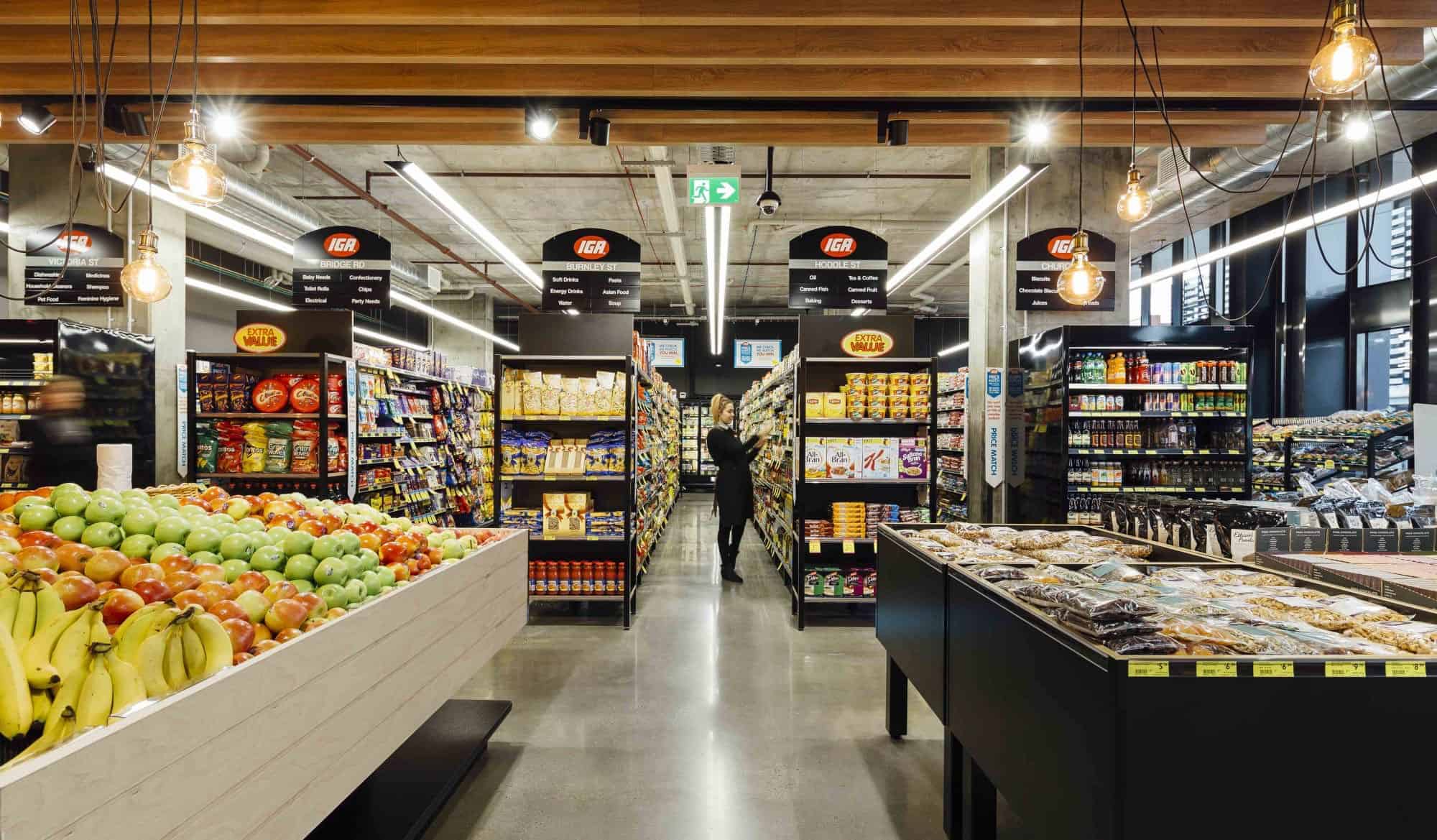
    Metcash, a prominent retail conglomerate, reported a notable 5.1% increase in group sales (excluding tobacco) for the 18 weeks leading up to August 31st this year. This growth coincides with the company’s plans to launch its first-ever cross-pillar marketing campaign, which is scheduled to impact over 3,000 bannered stores in the upcoming quarter.

    Uptick in Food Sales

    Metcash’s food division experienced an 8.6% growth in sales, with supermarket sales contributing to this increase with a 2.6% rise. This is largely owing to the company’s strategic focus on differentiated and localized offerings to consumers. However, the supermarket sector witnessed a significant slump in tobacco sales, with a larger than expected decrease of 32.1%. This drop is reflective of the company’s active efforts to diversify away from tobacco products.

    Convenience and Foodservice Sector Performance

    The convenience and foodservice division also demonstrated robust performance, with a sales surge of 29.5%. Within this sector, Campbells and Convenience reported a sales growth of 14.6%, while Superior Foods noted a 2.7% increase in sales.

    Liquor and Hardware Sales

    Metcash’s liquor division registered a modest growth of 1.5%, despite facing heightened competitive pressures and an influx of promotional activities from rivals. Concurrently, the company is nearing the conclusion of its acquisition process for Steve’s Liquor Warehouse Group.

    Meanwhile, the hardware department (IHG) reported a 2.2% sales growth, driven predominantly by the trade sector. Notably, builder’s hardware, building supplies, timber panels, and doors were the standout performers within this sector.

    Total Tools, however, only saw a minor 0.5% increase in sales, attributed to subdued trade activity and cost-of-living challenges. Nevertheless, the company’s network sales did witness a 3% growth.

    Questions & Answers

    **Why did Metcash’s supermarket segment experience a decline in tobacco sales?**
    The decline in tobacco sales is a result of Metcash’s strategic move to transition away from tobacco products due to increasing health consciousness among consumers.

    **What factors contributed to the growth of Metcash’s food division?**
    The growth in the food division can be attributed to Metcash’s focus on differentiated and localized offerings, which resonated with consumers’ preferences.

    **Why did Total Tools see only a marginal increase in sales despite the growth in Metcash’s hardware sales?**
    The marginal growth in Total Tools sales was due to subdued trade activity and cost-of-living challenges which impacted consumer spending. However, its network sales still managed to grow by 3%.