Retail News CRM

Tag: despite

  • Luxury Giant Lanvin Group Experiences 22% Revenue Drop Amid Global Luxury Demand Downturn

    Luxury Giant Lanvin Group Experiences 22% Revenue Drop Amid Global Luxury Demand Downturn

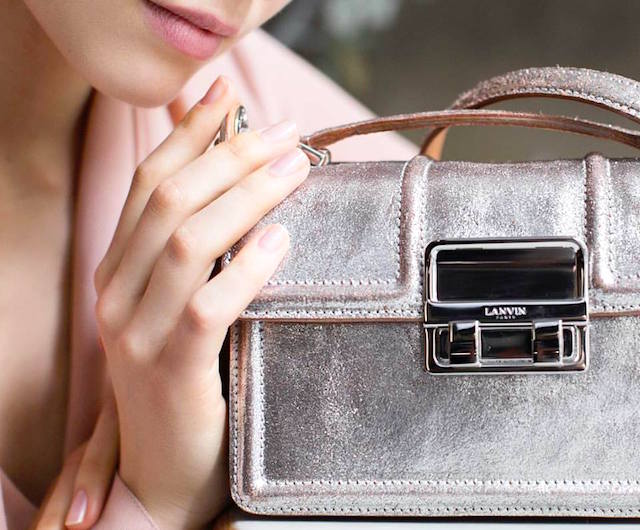
    Lanvin Group, which houses well-known luxury brands such as Lanvin, Wolford, Sergio Rossi, St John, and Caruso, recorded a decrease in revenue during the first half of the year. The group reported US$155.6 million in revenue, marking a 22% drop in comparison to the previous year. The drop was largely attributed to a global decrease in luxury demand.

    Impact on Sales

    The group’s sales were negatively influenced by a decline in wholesale performance in both EMEA (Europe, the Middle East, and Africa) and Greater China. Market pressures also contributed to the decline. Nevertheless, Lanvin Group expressed optimism, noting the positive impact of disciplined cost management and efficiency measures.

    The group achieved a gross profit of $84.2 million, with a profit margin of 54%. This was supported by efficient inventory management during a period of creative transition. Zhen Huang, chairman of Lanvin Group, stated that the group remained disciplined in cost management and strategic streamlining, despite a challenging luxury market in the first half of the year.

    Individual Brand Performance

    Among the brands under the Lanvin Group, Lanvin experienced the most significant decline, with revenue dropping by 42%. This was primarily due to a lack of enthusiasm from wholesale partners in EMEA. Still, the brand reported resilience in the region’s retail sector and noted progress in the Asia-Pacific region. Lanvin also reported a strong rebound in North American e-commerce, thanks to a new marketplace model.

    Wolford revenue declined by 23%, but wholesale sales rose by 14%. Lower production utilization and inventory clearance impacted the gross margin, but cost-saving measures helped cut general and administrative expenses by 18%.

    Sergio Rossi saw a 25% decrease in sales, with direct-to-consumer revenue and wholesale declining by 21% and 33% respectively. The gross margin narrowed by nine percentage points, but an improved second quarter saw retail sales increase by 17% and e-commerce sales increase by 10% compared to the previous quarter.

    St John maintained steady revenue, with a 4% growth in North America and an 11% increase in wholesale. The brand also managed to maintain a 69% gross margin and an 11% contribution margin.

    Caruso experienced an 11% decline in revenue, primarily due to a temporary slowdown in its Maisons business.

    Strategic Measures for Improvement

    Andy Lew, the executive president of the group, indicated that going forward, they plan to refine their retail footprint, strengthen wholesale partnerships, and invest in new creative leadership to drive growth in the second half of the year.

    Furthermore, the group intends to maintain operational discipline while focusing on future growth. By incorporating fresh creative direction across all their brands, supported by targeted marketing and refined channel strategies, they aim to build brand momentum and increase consumer engagement.

    Questions & Answers

    What was the total revenue reported by Lanvin Group in the first half of the year?
    The group reported a revenue of US$155.6 million.

    Which brand under the Lanvin Group experienced the most significant revenue decline?
    Lanvin brand experienced the sharpest revenue decline at 42%.

    What are some of the strategic measures the group plans to implement in the second half of the year?
    The group plans to refine its retail footprint, strengthen wholesale partnerships, and invest in new creative leadership. In addition, the group aims to maintain operational discipline, introduce fresh creative direction across their brands, and enhance marketing and channel strategies.

  • Lanvin Group Reports 22% Revenue Decline Amid Global Luxury Market Softening

    Lanvin Group Reports 22% Revenue Decline Amid Global Luxury Market Softening

    The luxury fashion conglomerate, Lanvin Group, which houses brands such as Lanvin, Wolford, Sergio Rossi, St John, and Caruso, has reported a decline in first-half revenue to US$155.6 million. This figure represents a 22% decrease compared to the same period last year due to the softening global luxury demand.

    Market Pressures and Cost Management

    The group cited several factors that contributed to the decrease in sales, one of which was weaker wholesale in the EMEA region and Greater China. However, disciplined cost management and efficiency measures have begun to show positive impacts. Despite these challenges, the group’s gross profit stood at $84.2 million, maintaining a margin of 54%, aided by precise inventory management during a challenging period of creative transition.

    Zhen Huang, the chairman of Lanvin Group, stated, “Despite facing a challenging luxury market in the first half, we remained disciplined in cost management and strategic streamlining. With new creative leadership and ongoing investment in product innovation, we are well-positioned to capture opportunities as the market environment improves.”

    Individual Brand Performance

    Lanvin saw the most significant drop in the group, with its revenue down by 42%, as wholesale partners in EMEA were more restrained. The brand noted some resilience in the retail sector in the same region and that its North American e-commerce platform showed strong recovery under a new marketplace model.

    Wolford’s revenue declined by 23%, although its wholesale sales rose by 14%. The brand’s gross margin was affected by lower production utilization and inventory clearance, but the company managed to cut general and administrative expenses by 18% under cost-saving measures.

    Sergio Rossi’s sales fell by 25%, with direct-to-consumer revenue down by 21% and wholesale sliding by 33%. It managed, however, to show some progress in Q2, with retail sales up by 17% and e-commerce climbing 10% from the previous quarter.

    St John maintained a stable performance, with revenues remaining broadly flat. The brand sustained a 69% gross margin and an 11% contribution margin.

    Caruso saw an 11% decline in its revenue, primarily due to a temporary slowdown in its Maisons business.

    Adjusted EBITDA for the period was a negative $60.8 million, reflecting the lower revenue. This figure was less favorable than the negative $49.1 million reported for the previous year.

    Future Plans

    Andy Lew, the group’s executive president, stated that the group plans to refine its retail footprint in the future, strengthen wholesale partnerships, and invest in new creative leadership to drive momentum in the second half of the year. “Our focus in the first half was on operational discipline and laying the foundation for future growth. We expect to build brand momentum and increase consumer engagement in the second half with fresh creative direction across our houses, supported by targeted marketing and refined channel strategies.”

    Questions & Answers

    What factors contributed to Lanvin Group’s decline in revenue?
    Answer: The decline in revenue was primarily due to weaker wholesale in the EMEA region and Greater China, along with general market pressures.

    Which brand in the Lanvin Group saw the most significant drop in revenue?
    Answer: Lanvin reported the most significant drop in revenue, with a decrease of 42%.

    What are Lanvin Group’s plans for the future?
    Answer: The group plans to refine its retail footprint, strengthen wholesale partnerships, and invest in new creative leadership to drive momentum in the second half of the year.

  • DFI Retail Group Surmounts Static Sales With Strong Profit Growth: Health And Beauty Sectors Lead The Way

    DFI Retail Group Surmounts Static Sales With Strong Profit Growth: Health And Beauty Sectors Lead The Way

    Despite relatively stationary sales figures, Hong Kong’s DFI Retail Group has reported robust profit growth in the first half of the fiscal year. Sharing profits with shareholders saw an impressive rise of 39 per cent to US$105 million in the six months concluding on June 30. Additionally, subsidiary profits also marked an increase by 3 per cent, reaching $75 million.

    Growth Drivers

    The management cites several reasons for this significant growth. Enhanced profitability in health and beauty sectors, increased contributions from associates, and steady revenue growth trends are the primary contributors to this success. For the first half of the year, subsidiary revenue totalled $4.4 billion, a marginal increase of 0.3 per cent on a comparable basis. This figure excludes the impact of the increased cigarette tax in Hong Kong and the sale of the Hero Supermarket business in Indonesia the previous year.

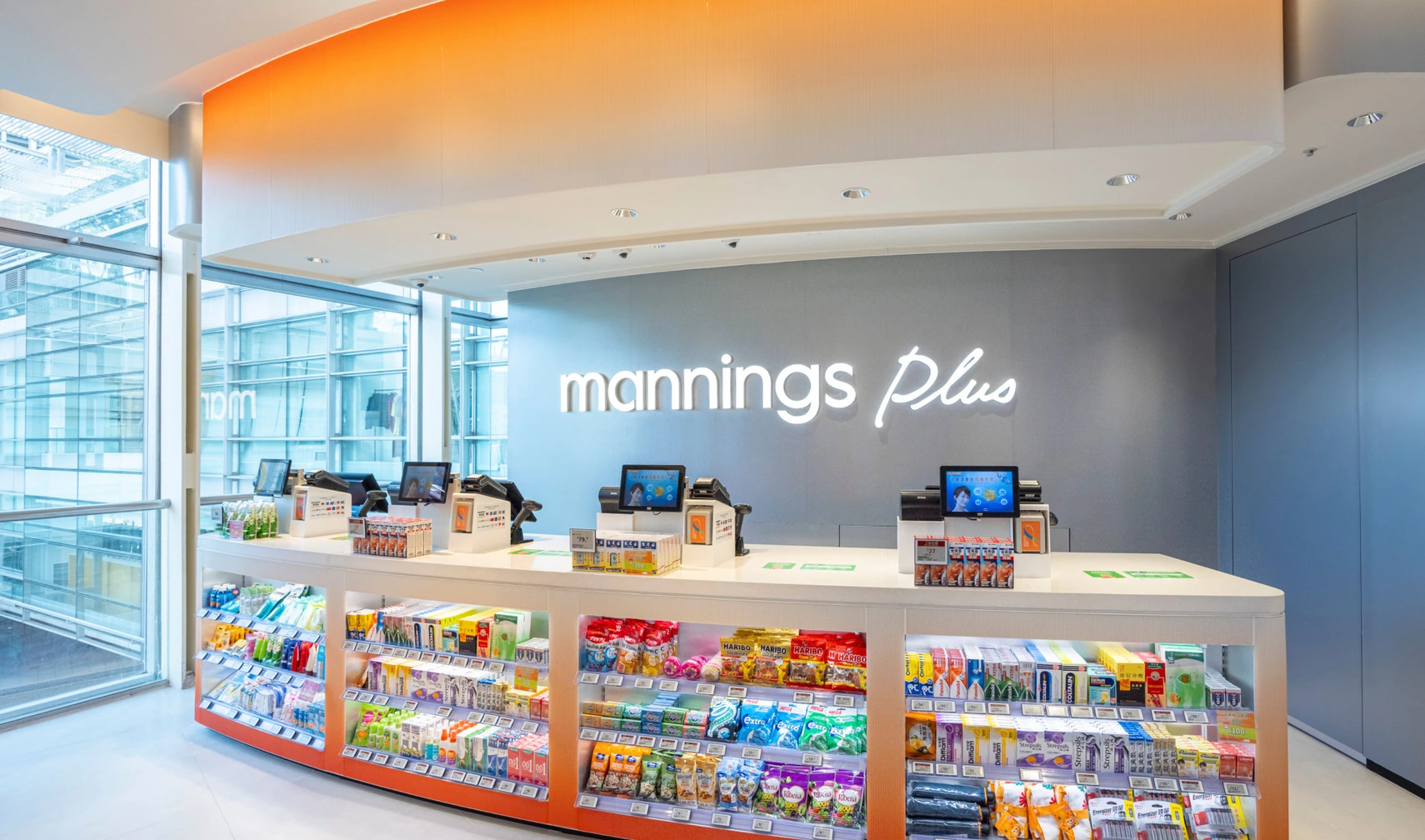
    Total revenue, accounting for 100 per cent of associates and joint ventures, noted a 1 per cent rise to $8.2 billion. The health and beauty division experienced a 4 per cent rise in sales, highlighting the growing brand value of Mannings and Guardian.

    Revenue Fluctuations

    On the other hand, the convenience segment, operating 7-Eleven stores in Hong Kong, Macau, Guangdong province, and Singapore, saw a 4 per cent revenue decline. The food division registered a slight dip in sales, not considering the sale of the Hero Supermarket.

    The home furnishings division, which runs Ikea in Hong Kong, Macau, Taiwan, and Indonesia, continues to face challenges due to fierce competition and changes in consumer purchasing patterns.

    CEO’s Remarks

    “Our ongoing portfolio evolution allows us to focus resources on high-profit businesses and growth initiatives. It also provides strategic flexibility for non-organic opportunities,” remarked Group CEO Scott Price.

    Despite lowering its revenue outlook for the full year, DFI has upgraded its profit guidance. Revenue growth is now anticipated to rise between 0.5-1 per cent, as opposed to the previously estimated 2 per cent. In contrast, an underlying attributable profit is expected to be within the range of $250-270 million, compared to the previously estimated $230-270 million.

    The group asserts its confidence in navigating the evolving market landscape, backed by strategic initiatives designed to increase market share and profit growth across all businesses.

    Questions & Answers

    What was the reason for the significant profit growth?
    Enhanced profitability in health and beauty sectors, higher contributions from associates, and steady revenue growth trends were the primary contributors to the growth.

    How did the convenience segment perform?
    The convenience segment, which operates 7-Eleven stores in various locations, reported a 4 per cent revenue decline.

    What are the expectations for the full-year revenue growth and profit?
    Revenue growth is now anticipated to rise between 0.5-1 per cent, while an underlying attributable profit is expected to be within the range of $250-270 million.

  • Chagee’s Return To Vietnam Spurs Renewed Criticism Amid Expansion Plans

    Chagee’s Return To Vietnam Spurs Renewed Criticism Amid Expansion Plans

    Despite facing an earlier boycott due to its utilization of a contentious ‘nine-dash line’ map in its mobile application, Chinese milk tea franchise Chagee has made a return to the Vietnamese market.

    New Store Opens

    Recently, Chagee set up shop in Tan Huong Ward, a location which was previously part of District 7 prior to the administrative reorganization implemented in Ho Chi Minh City on the first of July. In an effort to regain customer trust and loyalty, the company has been offering promotional discounts.

    In an official statement shared on its fanpage, Chagee expressed its commitment to its mission “Chagee Together!”. The company also outlined its goal to “bring a complete tea experience closer to Vietnamese customers”.

    Renewed Criticism

    Nevertheless, the company’s reintroduction into the Vietnamese market has provoked a renewed wave of public criticism. A number of Vietnamese consumers continue to be skeptical of Chagee due to the brand’s link to the unlawful maritime claim represented in its former mobile application.

    One Facebook user stated, “Vietnam has no shortage of great milk tea brands. We should be supporting local businesses.” Following this renewed backlash, Chagee has deactivated comments on its social media platforms.

    Expansion and Controversy

    Additionally, Chagee has developed a website catered to the Vietnamese market, showcasing a beverage menu with prices varying from approximately US$1.65 to $3.35. The company reportedly has plans for further expansion by setting up numerous stores throughout Ho Chi Minh City in the forthcoming period.

    Chagee, established in 2017 in Shanghai, has swiftly expanded throughout Southeast Asia. Earlier this month, it inaugurated its first Philippine outlet.

    Chagee’s original foray into Vietnam was marked by the opening of a flagship store located at the crossroads of Dong Khoi and Nguyen Thiep streets in downtown Ho Chi Minh City, an area formerly part of District 1, now known as Saigon Ward.

    However, this initial launch rapidly fell apart after internet users identified a map on the Chagee app that represented China’s controversial “nine-dash line”. After this revelation, the company deactivated its social media platforms without providing a public explanation.

    Questions & Answers

    Why did Chagee face an earlier boycott in Vietnam?
    Chagee faced a boycott due to the use of a controversial ‘nine-dash line’ map in its mobile application, representing China’s contentious maritime claim.

    How is Chagee handling the renewed criticism and backlash?
    Chagee has responded by disabling comments on its social media platforms to mitigate the negative feedback.

    What are Chagee’s plans for the Vietnamese market?
    Chagee has launched a website targeted at the Vietnamese market and is reportedly planning to establish multiple stores across Ho Chi Minh City.

  • Chow Tai Fook Overcomes Sales Slump With Increased Operating Profit: Unveils Expansion Plans

    Chow Tai Fook Overcomes Sales Slump With Increased Operating Profit: Unveils Expansion Plans

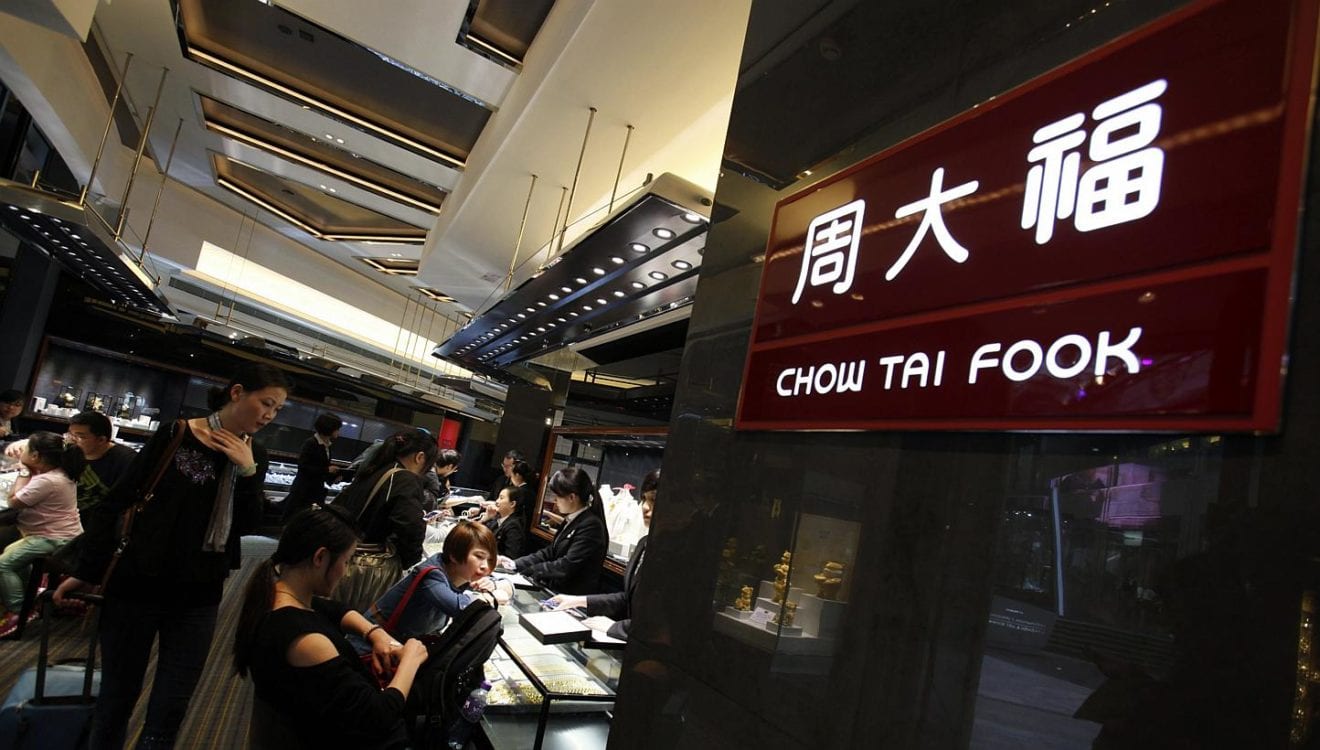
    Despite subdued consumer sentiment impacting its sales in the last fiscal year, Chow Tai Fook witnessed an increase in its operating profit.

    The company’s revenues for the fiscal year, ending on March 31, saw a significant decrease of 17.5 per cent, amounting to HK$89.6 billion (US$11.4 billion). The reasons behind this slump were attributed to wider macroeconomic factors and high gold prices, both of which contributed to dampening consumer sentiment.

    However, the company’s operating profit demonstrated resilience amidst these challenges, marking a 9.8 per cent increase and reaching HK$14.7 billion. This rise in profit can be attributed to a well-curated product mix, increased gold prices, and effective cost management strategies. Consequently, the operating profit margin also saw an enhancement of 400 basis points, rising to 16.4 per cent.

    Nevertheless, the profit assigned to shareholders witnessed a drop by 9 per cent, amounting to HK$5.9 billion. This was due to the fact that the growth in operating profit was overshadowed by the losses incurred through the revaluation of gold loan contracts.

    The company also highlighted that its same-store sales performance in Mainland China demonstrated a progressive improvement on a quarterly basis. Concurrently, the performance of stores in Hong Kong and Macau showed signs of stabilization towards the end of the fiscal year.

    Throughout the year, Chow Tai Fook made notable advances in its brand transformation strategy. The company launched five new stores featuring a premium format in Mainland China and Hong Kong. These were designed to augment brand desirability and enhance store productivity.

    In the upcoming fiscal year, the company is set to continue its strategic expansion by unveiling its new-format stores in Singapore and Canada. Additionally, it also plans to penetrate high-growth markets in Southeast Asia and prime locations.

    Questions & Answers

    What was Chow Tai Fook’s revenue for the year ended March 31?
    The revenue for Chow Tai Fook for the year ended March 31 was HK$89.6 billion (US$11.4 billion).

    What factors contributed to the increase in Chow Tai Fook’s operating profit?
    The rise in Chow Tai Fook’s operating profit can be attributed to an improved product mix, higher gold prices, and effective cost management measures.

    What are Chow Tai Fook’s expansion plans for the upcoming fiscal year?
    Chow Tai Fook’s expansion plans for the upcoming fiscal year include launching new-format stores in Singapore and Canada. It also plans to infiltrate high-growth markets in Southeast Asia and other prime locations.

  • Singapore retail vacancies rise despite steady demand for prime space

    Singapore retail vacancies rise despite steady demand for prime space

    In the first quarter of this year, Singapore experienced a rise in retail vacancy rates, a phenomenon attributed to the healthy demand for prime locations and steady rental growth, as reported by real estate specialists Savills.

    Increased Retail Vacancy Rate

    The retail vacancy rate across the island escalated to 6.8% during the first quarter due to the introduction of 323,000 square feet of new retail space, exhibiting an increase from the previous quarter’s 6.2%.

    Following five quarters of an upward trend in net take-up, the first quarter saw a net demand of -129,000 square feet, a result of a decrease in occupied space across most regions.

    The recent inauguration of Punggol Coast Mall and the refurbishment of The Cathay have further contributed to the rising vacancy rates, owing to the time that these establishments require to be fully occupied.

    Prime Mall Demand and Rental Rates

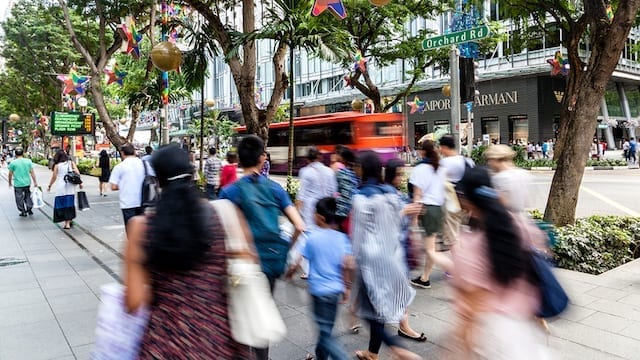
    On the other hand, landlords of prime malls situated along Orchard have reported a robust demand for lease renewals. This trend is particularly noticeable among luxury retailers, a scenario that has empowered landlords to negotiate higher rents due to a limited supply.

    The exiting of current tenants is balanced by the immediate occupation by new retailers entering the Singaporean market. An example of this is the Japanese thrift shop brand 2nd Street, which recently replaced Pomelo at a location in Somerset.

    Rental Pressure and Future Predictions

    The report identified early indications of rental rates coming under pressure in the Central Region, highlighted by a 0.2% quarter-on-quarter decline in the Central Area and a 1.1% decrease in the Fringe Area. The average monthly rent in the Orchard Area and Suburban Area remained static at SG$23.2 (US$18) per sqft and $14.7 per sqft respectively.

    In terms of future supply, the report anticipates a fairly consistent pipeline of about 597,000 square feet of retail space this year, compared to 679,000 square feet last year.

    For the entirety of the year, Savills predicts that rents in Orchard will touch the upper limit of the 1-2% forecast range, while suburban rents will lean toward the lower end of this range.

    According to Savills, the escalating global trade tensions could potentially cast a negative shadow on Singapore’s export-dependent economy, particularly in the latter half of the year. This could adversely affect business recruitment and wage growth, subsequently leading to a slump in retail sales. The report concludes that the retail sector is set to witness more churn this year as underperforming tenants either endure their leases before relocating or terminate their agreements prematurely if they find their business unsustainable.

    Questions & Answers

    What led to the rise in retail vacancy rates in Singapore?
    A surge in new retail space, coupled with the time required for new establishments to be fully occupied, resulted in an increase in retail vacancy rates.

    What trend was observed among landlords of prime malls in Orchard?
    Landlords of prime malls in Orchard observed a strong demand for lease renewals, especially from luxury retailers, enabling them to negotiate higher rental rates owing to limited supply.

    What is the effect of escalating global trade tensions on Singapore’s retail market?
    Escalating global trade tensions can negatively impact Singapore’s export-dependent economy, potentially affecting business hiring and wage growth, and leading to weakened retail sales.