Tag: diesel

  • Pakistan Lowers Petrol and Diesel Pump Prices for September 29

    Pakistan Lowers Petrol and Diesel Pump Prices for September 29

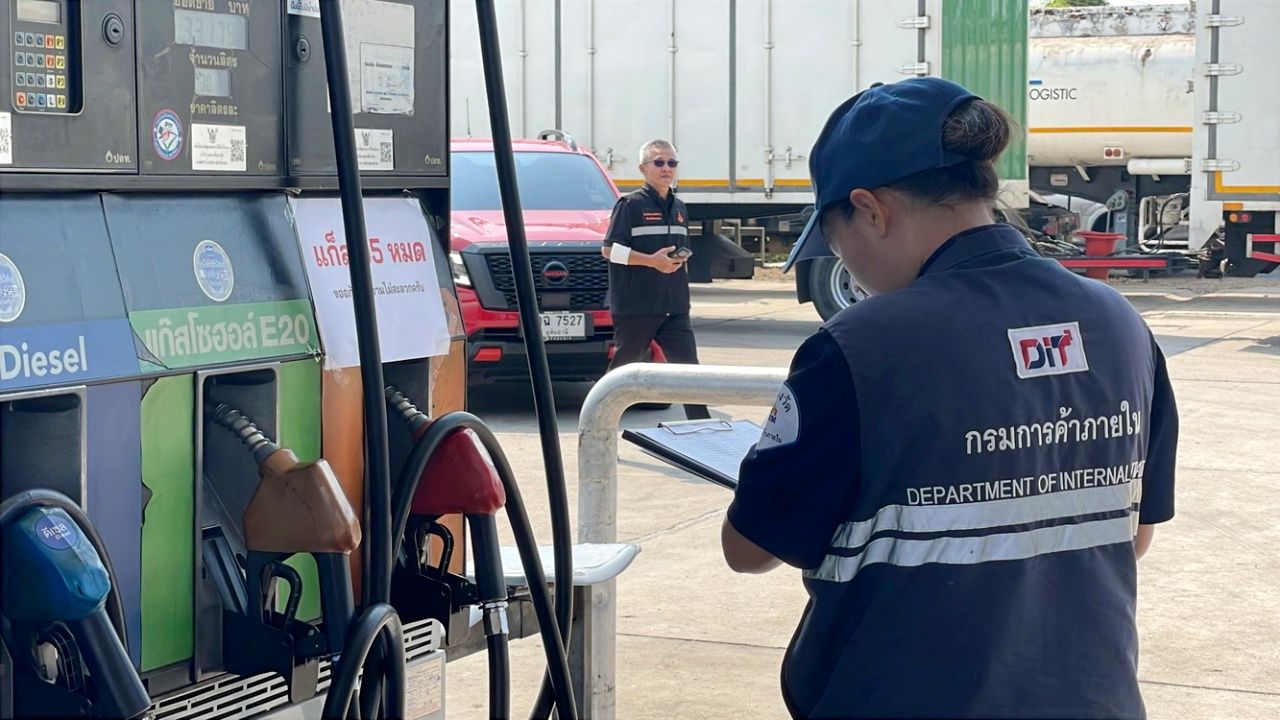
    Pakistan cut petrol prices by Rs2.27 per litre and high-speed diesel by Rs3.56 per litre on September 28, adjusting retail fuel rates for nationwide transport and retail supply chains.

    The revision sets the ex-depot price of petrol at Rs389.03 per litre and high-speed diesel at Rs404.97 per litre, with the updated rates taking effect on September 29.

    Tax burdens and daily pricing

    Official levies remain unchanged despite the downward revision. The federal government maintains Rs114 per litre in duties and taxes on petrol and Rs100 per litre on high-speed diesel, according to the Petroleum Division notification.

    Daily price adjustments now govern the pump rate under an arrangement handed to the Oil and Gas Regulatory Authority in July. Petroleum Minister Ali Pervaiz Malik introduced daily revisions to track swings in imported cargo costs directly, replacing the previous weekly adjustment framework established in March.

    Operating hours and transport pressure

    For commercial store operators and logistics fleets, fuel costs remain a heavy overhead. Petrol and high-speed diesel drive nationwide freight and personal transit, with monthly consumption running between 700,000 and 800,000 tonnes each, compared with roughly 10,000 tonnes for kerosene.

    Physical retailers face operational curbs alongside pump price volatility. The government has enforced early market shutdowns at 9pm to conserve energy, while cutting fuel quotas for official vehicles by 50 per cent over a three-month window.

    Trajectory from April peaks

    Pump rates remain below the record highs set earlier in the year. High-speed diesel traded at a peak of Rs520.35 per litre on April 3, climbing from Rs281 per litre before international market disruptions escalated in late February.

    Petrol followed an identical track, starting from Rs266 in early March to reach a record Rs458.41 per litre in April. Targeted subsidies introduced by Prime Minister Shehbaz Sharif on September 13 attempt to shield two-wheelers, auto rickshaws and passenger vehicles up to 800cc from high base rates.

    Supply monitor

    Commercial transport operators continue to watch the daily regulatory adjustments from the Oil and Gas Regulatory Authority. Further price notifications depend on international crude benchmarks and the duration of the current retail operating curbs.
  • Cambodia Sets Retail Fuel Caps at 5,150 Riel for Gasoline and 5,650 Riel for Diesel

    Cambodia Sets Retail Fuel Caps at 5,150 Riel for Gasoline and 5,650 Riel for Diesel

    Cambodia’s Ministry of Commerce set new retail fuel caps on October 1. The ceiling fixes regular gasoline at 5,150 riel per litre and diesel at 5,650 riel.

    Stations nationwide implemented the schedule at 1:00 PM. The rates run through October 11.

    Breakdown of the price schedule

    The adjustment covers Gasoline 92 alongside Gasoil 10ppm. State authorities calculate the figures using a formula tied to regional energy trading averages, updating domestic pump rates every ten days to reflect wholesale oil shifts.

    Subsidies remain in place to cushion consumers and commercial operators from international swings. The Ministry of Commerce said state support helps stabilise transport overheads while allowing retail networks to align station prices with global trends.

    Cost pressure across logistics and distribution

    Diesel at 5,650 riel per litre sets the baseline operating expense for freight hauliers, agricultural distribution networks, and inter-provincial bus operators. Heavy goods vehicles rely exclusively on gasoil. Any upward revision in the ten-day cycle feeds directly into wholesale delivery charges for packaged goods, fresh produce, and construction materials moving along national highways.

    Urban delivery platforms and motorcycle couriers bear the cost of 5,150 riel regular gasoline. In Phnom Penh and secondary urban hubs, last-mile couriers operating two-wheelers absorb these fuel expenses directly. That squeezes net margins across fast-food delivery and e-commerce fulfillment services.

    Supply chain impact for retail networks

    Fuel retailers operate within tight fixed margins under the mandatory price ceilings. Forecourt chains and independent operators must recalibrate point-of-sale software and physical pump displays across the country at every adjustment window. This prevents price gouging while stations manage terminal inventory bought at earlier wholesale rates.

    Importers and bulk storage operators face continuous cash-flow planning under the ten-day review mechanism. Rapid swings between cycles leave bulk distributors exposed to inventory holding risks whenever wholesale prices soften faster than retail ceilings update.

    Earlier pricing adjustments

    Officials carried out previous scheduled price revisions on September 11, August 11, and August 4. Those followed a drop in pump prices recorded in April after geopolitical tensions eased across international oil markets.

    Energy planners monitor international crude benchmarks ahead of the next window on October 11. The Ministry of Commerce will issue its subsequent ten-day fuel notification on that date.

  • Thailand Absorbs 92 Billion Baht Deficit to Cushion Retail Fuel and Cooking Gas

    Thailand Absorbs 92 Billion Baht Deficit to Cushion Retail Fuel and Cooking Gas

    Thailand is subsidising retail diesel by 4.95 baht and gasohol by 4.20 baht per litre. The support has pushed the state energy fund into a 92.2 billion baht deficit.

    Cooking gas is capped at 423 baht per 15-kilogram cylinder through 31 October. That ceiling shields transport fleets, households and street food operators from volatile crude markets.

    Deficit Pressures on the Oil Fuel Fund

    Accumulated net losses at the state-backed Oil Fuel Fund reached 92.2 billion baht on 20 September. Higher crude prices drained cash as the fund held down retail caps on transport fuel and liquefied petroleum gas nationwide.

    Energy permanent secretary Prasert Sinsukprasert confirmed the ministry will avoid sudden market pass-throughs. If crude stays high, authorities will raise pump prices in small increments to ease pressure on the state ledger.

    Biofuel Shift and Targeted Tax Relief

    Future tax relief will focus on renewable blends rather than blanket cuts across all transport fuels. Finance Minister Ekniti Nitithanprapas said upcoming excise reductions will target gasohol E20 and biodiesel B20, both made from domestic agricultural feedstock.

    Gasohol E20 blends 20 per cent ethanol derived from local cassava and sugar cane. Biodiesel B20 uses 20 per cent palm oil methyl ester. Both fuels receive higher fund subsidies than lower-percentage blends, tying relief directly to farm earnings.

    What It Means for Retail and Fleet Costs

    For logistics fleets, delivery operators and restaurant owners, the subsidy keeps overhead predictable. Street food vendors rely on 15-kilogram LPG cylinders to protect daily margins, making the 423 baht cap critical for urban food pricing.

    This strategy creates a commercial preference for domestic biofuels over imported petroleum. Commercial fleet operators will find stronger financial incentives to switch trucks and delivery vans to B20 and E20 as taxes align behind local crops.

    Power Tariffs and What to Watch Next

    Power regulators will use the fuel tariff adjustment mechanism to manage utility bills against imported liquefied natural gas costs. They review the rate every four months to reflect actual fuel expenses and policy costs.

    Any excise tax cuts from the Energy and Finance ministries will take effect in fiscal 2027, starting 1 October. Before then, the retail price cap on cooking gas expires on 31 October.

  • Vietnam Fuel Retailers Raise RON95 Gasoline to VND27,080 per Liter

    Vietnam Fuel Retailers Raise RON95 Gasoline to VND27,080 per Liter

    Vietnam raised retail fuel prices on Thursday afternoon, pushing the cost of popular RON95 gasoline up 5.67 per cent to VND27,080 ($1.04) per liter.

    The price adjustment by the Ministry of Industry and Trade and the Ministry of Finance also lifted E5 RON92 biofuel by 5.01 per cent to VND26,390 per liter.

    Diesel gained 1.84 per cent to settle at VND30,490 per liter, according to the joint ministerial pricing schedule.

    Global Market Pressures on Import Costs

    State regulators linked the domestic price adjustments to shifting international crude benchmarks and regional refined petroleum costs. Global RON95 gasoline traded up 0.7 per cent to $147.2 per barrel over the pricing window, while diesel refined products dropped 5.1 per cent to $173.3 per barrel.

    Geopolitical turbulence in the Middle East drove crude market volatility. Market pricing absorbed Iranian statements outlining conditions for resuming diplomatic talks with the United States, alongside escalating regional friction involving Houthi forces and Saudi Arabia.

    Refined fuel imports into Southeast Asian distribution networks reacted immediately to these shifts. Vietnam remains structurally dependent on imported refined fuels and raw petroleum components to cover domestic refinery shortfalls.

    Operating Costs for Retailers and Transport Fleets

    Higher fuel expenses flow directly into delivery and retail operating margins across Hanoi and Ho Chi Minh City. Last-mile motorcycle couriers, cold-chain trucks, and regional distribution networks face immediate cost increases as transport overhead expands.

    Fleet operators typically attempt to pass fuel surcharges along to commercial shippers. In a competitive retail consumer market where household budgets face food and energy inflation, absorbable price headroom remains narrow.

    Urban convenience store operators and supermarket chains must balance logistics surcharges against consumer basket sensitivity. Distribution networks that expanded fleet investments earlier in the year face higher baseline operational expenses this quarter.

    Supply Pressures and Pricing Cycles

    Vietnam regulates domestic pump prices through coordinated weekly reviews to align state-guided ceilings with Singapore market benchmarks. Prior to this adjustment, domestic fuel levels tracked lower than several neighboring Southeast Asian markets despite rising crude import costs.

    Global energy disruptions have sustained price pressure across international distribution channels throughout 2026. Domestic supply lines rely on continuous equilibrium between state-regulated retail margins and global cargo procurement pricing to prevent inventory drawdowns at independent filling stations.

    Regional power and industrial demand continue to absorb energy supplies across the wider ASEAN corridor, keeping refined fuel crack spreads firm. The next joint pricing determination from the Ministry of Industry and Trade and the Ministry of Finance will benchmark import costs entering October.

  • Pakistan Raises Petrol to Rs349 and Diesel to Rs374 per Litre

    Pakistan Raises Petrol to Rs349 and Diesel to Rs374 per Litre

    Pakistan raised the retail price of petrol by Rs2.84 per litre and high-speed diesel by Rs2.28 per litre, effective September 4.

    Petrol now costs Rs349 per litre. High-speed diesel stands at Rs374.31 per litre. State fuel taxes add Rs114 per litre in duties on petrol and Rs100 per litre on diesel.

    Daily Pricing and Middle East Volatility

    Fuel rates now change daily under a system the government introduced on July 17. Petroleum Minister Ali Pervaiz Malik instructed the Oil and Gas Regulatory Authority to adjust prices every day based on international crude fluctuations.

    Both fuels remain well below their spring records. High-speed diesel peaked at Rs520.35 per litre on April 3, up from Rs281 before hostilities between the United States and Iran escalated in late February. Petrol reached Rs458.41 per litre on that same April date after opening March at Rs266.

    Impact on Freight and Retail Transport

    Transport costs feed directly into retail operations across Pakistani cities. High-speed diesel fuels long-haul freight trucks, intercity logistics fleets, agriculture machinery, and backup commercial generators. Petrol runs commuter motorbikes and urban delivery networks.

    Monthly consumption of petrol and high-speed diesel combined runs between 700,000 and 800,000 tonnes, compared to 10,000 tonnes for kerosene. Fleet operators and logistics providers are watching the next daily OGRA notices as global oil benchmarks shift.

  • Pakistan Raises Petrol and Diesel Prices Under Daily Mechanism

    Pakistan Raises Petrol and Diesel Prices Under Daily Mechanism

    Pakistan raised the ex-depot price of petrol by Rs 1.12 and high-speed diesel by Rs 1.11 per litre, effective August 26, 2026.

    The adjustments lift petrol to Rs 343.10 per litre and diesel to Rs 371.80 per litre, according to notifications issued by the Oil and Gas Regulatory Authority and the Petroleum Division of the Ministry of Energy.

    Daily Pricing Adjustments

    Official pricing records show the revision extends the daily pricing mechanism introduced on July 21, when petrol stood at Rs 315.80 and diesel at Rs 367.58 per litre. Rates had held steady at Rs 341.59 for petrol and Rs 368.29 for diesel between August 22 and August 24 before rising slightly on August 25 to Rs 341.98 and Rs 370.69 respectively.

    Fuel rates remain substantially below their record peaks set on April 3, 2026, when petrol hit Rs 458.41 and diesel reached Rs 520.35 during the Strait of Hormuz supply disruption. Current rates, however, stay well above the pre-crisis baseline of Rs 266.17 for petrol and Rs 280.86 for diesel recorded on February 28.

    Transport and Retail Supply Chains

    For fleet operators and retail distribution networks across South Asia, frequent pump revisions complicate freight budgeting and last-mile consumer delivery margins. The shift from fortnightly reviews to daily pricing transfers global crude volatility directly to local commercial transport, forcing fast-moving consumer goods distributors to update their delivery surcharge formulas in real time.

    Market participants are now tracking whether daily adjustments will hold prices around current levels or push transport diesel closer to the Rs 400 threshold as regional energy markets stabilize.

  • Philippine Fuel Retailers Raise Diesel by P2.31 per Liter

    Philippine Fuel Retailers Raise Diesel by P2.31 per Liter

    Philippine fuel retailers will raise pump prices on August 25, adding P2.31 per liter to diesel and P1.08 per liter to gasoline.

    The adjustment extends a second consecutive week of increases across Metro Manila and provincial networks, following a sharp rise on August 18 when diesel jumped P3.84 and gasoline gained P2.49. Kerosene will also climb by P0.95 per liter for the week of August 25 to 31, according to Department of Energy pricing data.

    What Drives the Regional Surge

    Dubai crude climbed roughly $8.90 per barrel during trading between August 10 and 14, driving refined product benchmarks higher across Asia. International diesel prices climbed $11.40 per barrel over the same period, while international gasoline rose $6.50 per barrel.

    Shipping constraints through the Strait of Hormuz contributed to the tighter supply outlook. Tanker transits through the passage dropped from 17 vessels on August 10 to 16 on August 11, reflecting persistent friction between Iranian and US-Israeli forces.

    Transport Costs and Supply Chains

    Rising pump prices squeeze operating margins for regional delivery fleets and retail logistics networks across the archipelago. The Philippines imports almost all of its fuel requirements, making freight and retail transport immediately sensitive to movements in global oil benchmarks and foreign exchange rates.

    Current retail levels sit well above baseline figures recorded in February. Prior to the escalation in Middle East maritime disputes, common retail prices in Metro Manila stood at P55.00 per liter for diesel and P56.00 per liter for RON95 gasoline.

    Russia also maintained its export ban on diesel during the August trading cycle, limiting replacement cargoes for Asian buyers and keeping regional diesel prices firm.

    Energy authorities will monitor crude throughput and tanker traffic through the Persian Gulf during the next trading window to assess adjustments for the first week of September.

  • Gasoline Takes a Dip while Diesel Climbs: Fuel Price Fluctuations Amid Global Tensions

    Gasoline Takes a Dip while Diesel Climbs: Fuel Price Fluctuations Amid Global Tensions

    On Thursday afternoon, fluctuations in global rates resulted in a decrease in gasoline prices and an increase in diesel prices. The popular gasoline variant, E10 RON95, saw a 2.01% drop pricing it at VND20,000 (US$0.76) per liter.

    Diesel Prices Rise as Biofuel Demand Increases

    Contrarily, diesel prices experienced a 2.73% surge, amounting to VND21,740. Despite the recent increase, the cost of diesel has seen a significant reduction, dropping by half from its peak price in April of this year. In addition, Biofuel E5 RON92 saw a 2.69% increase, bringing the price to VND19,190.

    Global fuel prices have been considerably influenced by recent tensions in U.S.-Iran relations, as reported by the Ministry of Industry and Trade and the Ministry of Finance. Over the last week, the price of RON95 fell 2.6% to $97.5 per barrel, while diesel prices increased 4.2% to $116.5 per barrel. The cost of Mazut also decreased by 1% to $428.3 per ton.

    Vietnam’s Fuel Consumption Trends

    Vietnam authorities have announced that they will continue to eliminate fuel-related taxes, excluding the special consumption tax, through the end of September. Following the widespread introduction of E10 gasoline just a month ago, Vietnam has reported a consumption of approximately 980 million liters of biofuel gasoline. Out of this total, E10 gasoline made up for 924 million liters or 96%.

    Questions & Answers

    What changes were observed in the fuel prices recently?
    Gasoline prices fell by 2.01%, while diesel prices increased by 2.73%.

    What factors are influencing the global fuel prices?
    The recent U.S.-Iran tensions have had significant impacts on the global fuel prices.

    What has been the consumption trend for biofuel gasoline in Vietnam?
    In the past month, Vietnam consumed around 980 million liters of biofuel gasoline, out of which E10 gasoline accounted for 96%.

  • Diesel Powers Up Osaka Presence with Bold, New Flagship Store Location

    Diesel Powers Up Osaka Presence with Bold, New Flagship Store Location

    Italian lifestyle label Diesel has upgraded its flagship store in Osaka, Japan, shifting to a more prominent location as part of its strategy for enhanced visibility in the city.

    Store Relocation and New Design Theme

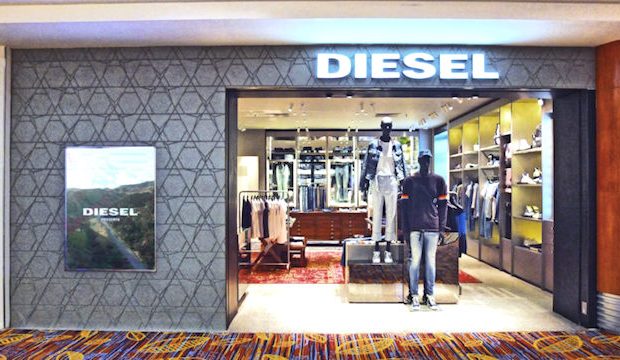
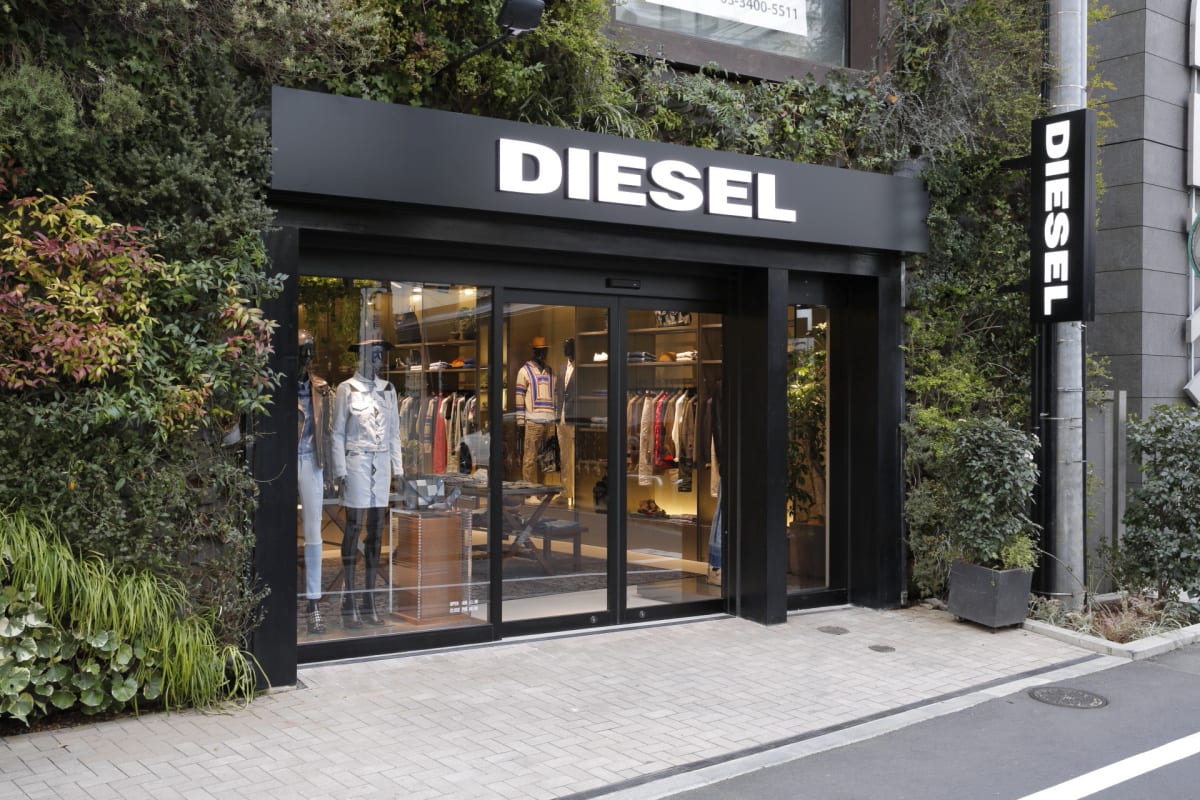
    Diesel’s new Osaka home is situated in Quartz Shinsaibashi, a multi-purpose edifice in the bustling Shinsaibashi district. The two-tiered store exhibits a distinct popcorn concrete exterior and proudly displays the recognizable Diesel ‘Biscotto’ logo. This striking exterior design embodies Diesel’s robust and dynamic visual identity.

    The interior of the store mirrors Diesel’s renegade spirit, utilizing materials such as metal-board-covered walls to create an engaging graphic environment. Central to the store’s layout is an illuminated red staircase, a standout feature that gives the space a unique character.

    Retail and Product Expansion

    The store presents a clear division of Diesel’s product lines, with womenswear occupying the first floor and menswear on the second. The store also showcases a limited-edition denim capsule collection, giving customers access to exclusive product offerings.

    This redesign was driven by the brand’s aspiration to increase its prominence and to mirror the evolving artistic direction led by creative director Glenn Martins. Apart from this standalone flagship, Diesel operates several other outlets within department stores and malls across Osaka, including Daimaru Shinsaibashi and Hankyu Umeda.

    Questions & Answers

    Why did Diesel decide to relocate its flagship store in Osaka?
    Diesel relocated its flagship store in Osaka to enhance its visibility and presence in the city.

    What is unique about the new store’s design?
    The Diesel store features a popcorn concrete exterior with the brand’s iconic ‘Biscotto’ logo. The interior incorporates materials that embody Diesel’s rebellious spirit, including metal-board-covered walls and a standout red staircase.

    What does the store’s product inventory look like?
    The store is divided into two floors, with womenswear on the first floor and menswear on the second. It also offers a limited-edition denim capsule collection.

  • Vietnam Witnesses 4-Week Diesel Price Dip Amid Global Crude Oil Declines

    Vietnam Witnesses 4-Week Diesel Price Dip Amid Global Crude Oil Declines

    On Thursday, diesel prices in Vietnam experienced a significant drop of 5.8%, reaching VND31,040 (US$1.18) per liter. This is the lowest price point for diesel since March 20. Conversely, gasoline prices saw a minor increase. The most commonly used fuel, RON95, rose by 0.93% to VND23,760, while biofuel E5 RON92 saw a 1.12% increase to VND22,590.

    Global Crude Oil Benchmarks

    Internationally, there was a decline in the prices of the two primary crude oil benchmarks by 0.3% early Thursday. The Brent crude went for $94.6 per barrel, while U.S. WTI crude fell to $90.9. These price reductions occurred in response to investors’ expectation of a potential peace agreement between the United States and Iran.

    Fuel Subsidies in Vietnam

    The Vietnamese government maintained its fuel subsidy during this adjustment period, with VND400 per liter allocated for diesel and VND800 per liter or kilogram for gasoline and mazut. In addition, the government provided an extra VND8 trillion from the state budget as an advance for the subsidy fund.

    Government Tax Waivers

    In an effort to control inflation, lawmakers sanctioned tax waivers on fuel from April 16 to June 30. These waivers, which included the environmental protection tax, value-added tax, and special consumption tax, are anticipated to reduce state revenue by an average of VND7.3 trillion monthly.

    Although this will impact state revenue, the government dubbed this as a “special fiscal measure applied in exceptional circumstances.” This action is intended to lessen the effects of energy price variations and to help maintain macroeconomic stability and social security.

    Questions & Answers

    Why did diesel prices drop in Vietnam?
    Diesel prices in Vietnam fell by 5.8% due to fluctuations in the global market, coupled with the national fuel subsidy.

    How did the Vietnamese government respond to these changes in fuel prices?
    The Vietnamese government subsidized fuel during this adjustment period and allocated extra funds from the state budget for the subsidy fund.

    What are the expected impacts of the tax waivers approved by the lawmakers?
    The tax waivers on fuel are expected to decrease state revenue by an average of VND7.3 trillion per month. However, they aim to control inflation and maintain macroeconomic stability and social security.

  • Andrea Rigoglioso Climbs Corporate Ladder to CEO at Denim Giant Diesel, Marking Dynamic Leadership Shift

    Andrea Rigoglioso Climbs Corporate Ladder to CEO at Denim Giant Diesel, Marking Dynamic Leadership Shift

    Diesel, a denim brand owned by the OTB Group, has recently made strategic changes in its executive leadership, welcoming Andrea Rigogliosi as its new CEO. The move is part of the brand’s well-defined development strategy.

    New Leadership

    Rigogliosi will be reporting directly to Ubaldo Minelli, the CEO of the OTB Group. His appointment has been met with enthusiasm by the organization, with the founder of Diesel and chairman of the OTB Group, Renzo Rosso, extending a warm welcome to the new executive.

    Rosso expressed confidence in Rigogliosi’s abilities and stated, “Rigogliosi is joining Diesel at a critical juncture in the brand’s evolution. I am confident that, in collaboration with our team, he will significantly amplify Diesel’s potential.”

    Impressive Track Record

    Rigoglioso brings a wealth of leadership experience from the luxury, fashion, and retail sectors. His former role was global head of retail and commercial at Miu Miu, a part of the Prada Group. During this tenure, he successfully directed global business growth and boosted distribution expansion.

    His impressive career also includes top leadership roles within the LVMH Group. He served as the president of Europe at Fendi, and the General Manager at Christian Dior Couture for France & Monaco, as well as Italy. Further, his experience also includes managerial stints at Poltrona Frau Group and L’Oréal Luxury Products.

    A New Chapter for Diesel

    Rigoglioso’s appointment as CEO of Diesel fills a leadership void that was created in 2023, following Poletto’s departure. This change also followed Massimo Piombini’s three-year stint as CEO from 2020 to 2023.

    Questions & Answers

    Who has been appointed as the new CEO of Diesel?
    Andrea Rigogliosi has been appointed as the new CEO of Diesel.

    Who will Andrea Rigoglioso report to in his new role?
    Andrea Rigoglioso will report directly to Ubaldo Minelli, the CEO of the parent company, OTB Group.

    What does Andrea Rigoglioso bring to Diesel?
    Andrea Rigoglioso brings extensive leadership experience from the luxury, fashion, and retail sectors. He has previously held senior leadership positions at global brands like Miu Miu – Prada Group, LVMH Group, Poltrona Frau Group, and L’Oréal Luxury Products.

  • Vietnam’s Gasoline Prices Surge Amid Global Market Tensions, While Diesel Hits Six-Week Low

    Vietnam’s Gasoline Prices Surge Amid Global Market Tensions, While Diesel Hits Six-Week Low

    The cost of gasoline experienced a slight rise on Thursday afternoon, while the price of diesel continued to experience a significant decline. The widely used fuel, RON95, saw an increase of 2.3% from the previous week, resulting in a new price per litre of VND20,460, equivalent to USD 0.78.

    Biodiesel E5 RON92 saw a moderate increase of 2.8%, bringing its price to VND19,820. Contrary to the aforementioned fuels, diesel experienced a drop in price, falling 3% to VND18,890. This price marks the lowest cost for diesel in the last six weeks.

    Global Market Impact

    The global petroleum market has been influenced by various factors over the past week. Notably, escalating tensions between the U.S. and Venezuela have thrown this market into fluctuation. In addition to this, the inability of the U.S. and Russia to negotiate a resolution to the ongoing conflict in Ukraine has further affected the market, according to the Ministry of Industry and Trade.

    The price of RON95 increased by 2.9%, reaching $81.9 per barrel. Meanwhile, diesel prices fell by 2.7% to $86.1 per barrel.

    Questions & Answers

    What is the new price of RON95 and diesel?
    The new price of RON95 is USD 0.78 per litre, while diesel has fallen to VND18,890, equivalent to $86.1 per barrel.

    What factors have influenced the global petroleum market recently?
    The escalating tensions between the U.S. and Venezuela, and the ongoing conflict in Ukraine due to the failed agreement between the U.S. and Russia are the main factors influencing the global petroleum market.

    How has the price of biodiesel E5 RON92 changed?
    Biodiesel E5 RON92 has seen a moderate increase of 2.8%, resulting in a new price of VND19,820.

  • Fuel Frenzy: Vietnam’s Gasoline and Diesel Prices Tumble Amid Global Petroleum Market Fluctuations

    Fuel Frenzy: Vietnam’s Gasoline and Diesel Prices Tumble Amid Global Petroleum Market Fluctuations

    On Thursday, Vietnam saw a decrease in its petrol and diesel prices, following a surge in the previous week. The frequently-used fuel RON95 saw a 0.15% drop in price, falling to VND20,540 (US$0.78) per litre from its price the preceding Thursday.

    Fuel Price Declines

    Additionally, Biofuel E5 RON92, another widely used fuel in Vietnam, experienced a 0.20% price decrease, bringing its price down to VND19,800. Diesel, another key fuel type, mirrored this trend with a 0.20% price drop, taking its price to VND19,820.

    Global Influence on Fuel Prices

    The global petroleum market, within the last week, was influenced by several factors which had an impact on Vietnam’s fuel prices. The Ministry of Industry and Trade cited the OPEC+ agreement to marginally enhance oil production in December, coupled with the reopening of the U.S. government, as major influences.

    RON95’s global price fell by 0.3%, landing at $82.4 per barrel. Diesel, too, followed suit and saw a 0.3% dip to $93.35 per barrel.

    Questions & Answers

    What was the percentage drop in RON95’s price?
    The price of RON95 fell by 0.15% from the previous week.

    What caused the global petroleum market to be influenced in the past week?
    The global petroleum market was affected by several factors including OPEC+’s decision to slightly increase oil production in December and the reopening of the U.S. government.

    What was the new price for Diesel?
    Diesel’s new price was VND19,820, marking a 0.20% drop.

  • Diesel Blends Fashion and Coffee in Unique Retail-Cafe Combo: New Flagship Store Opens in Seoul

    Diesel Blends Fashion and Coffee in Unique Retail-Cafe Combo: New Flagship Store Opens in Seoul

    Diesel, a renowned fashion brand, has inaugurated its first multi-purpose flagship store in Hannam, Seoul. This novel endeavor by the brand integrates a retail section and a café space under one roof.

    A Unique Design

    The store is housed within a two-story structure enveloped by a striking red glass facade that expands over 20 meters. Diesel’s signature is prominently displayed on the exterior. The interior design is marked by the use of concrete surfaces, artistic furniture pieces, and a spiraling staircase, providing a modern industrial vibe.

    Retail & Customization

    One half of the store’s floor space is dedicated to the retail segment. Here, customers can explore Diesel’s latest ready-to-wear, denim, and accessories collections. The store also features a special area where customers can personalize their denim pieces in line with their preferences.

    Café Experience

    The Diesel Café, adjacent to the retail section, was created in collaboration with Anthracite Coffee, a local Korean roaster. The café shares the store’s industrial design aesthetics, and introduces a gastronomic element to the shopping experience.

    Exclusive Collection

    Complementing the store’s launch, Diesel released a unique capsule collection exclusively available at the Hannam locale. This collection comprises four unisex items: a hoodie, two T-shirts, and a cap, all adorned with logo patchwork details.

    The introduction of this flagship store marks an important step in Diesel’s expansion strategy in Asia, coming after the recent reopening of its Tokyo Shibuya store, which was also conceptualized under the creative direction of Glenn Martens.

    Questions & Answers

    What is unique about the new Diesel store in Hannam, Seoul?
    The new Diesel store in Hannam, Seoul, is unique because it features both a retail and café space under one roof, a first for the brand in South Korea.

    What are the features of the Hannam store?
    The Hannam store is characterized by a red glass facade, an interior marked by concrete surfaces and artistic furniture, a retail section for Diesel’s collections, a customization area for denim, and a café developed in partnership with a local Korean roaster.

    What exclusive offerings are available at the Hannam store?
    Diesel has released an exclusive capsule collection of four unisex items, including a hoodie, two T-shirts, and a cap, available only at the Hannam store.

  • Despite Market Downturn, Diesel And Otb Group Increase Investment In China

    Despite Market Downturn, Diesel And Otb Group Increase Investment In China

    Italian denim icon Diesel and its parent company, OTB Group, are optimistic about the Chinese market and planning to increase their investments, according to founder and chairman Renzo Rosso.

    Investing in a Down Market

    Rosso, who was visiting China to mark Diesel’s 20th anniversary in the market, revealed that he continues to invest in the country despite a downward trend. As part of the strategic move, the company is reevaluating its retail footprint by closing some stores and opening new ones at better locations.

    “I am positive. I think if the market is going like this, it can be an opportunity because we can have a better space available for a better price that wasn’t available before,” Rosso stated. “My vision right now is to invest in the country. I believe in the country; it is so big, so important.”

    Faith in the Chinese Market

    While enjoying dinner with a panoramic view of Shanghai’s famous skyline, Rosso expressed his satisfaction with the company’s performance. “This year, we are doing well compared to the market. Everybody is minus, we are a little plus, so we are quite happy,” he said.

    Despite concerns about a long-term property market crisis and fears over job security and wage growth, China’s consumer demand remains a focal point for global brands. Luxury and high-end sectors particularly rely on Chinese nationals, who account for approximately one-third of global purchases.

    Market Impact

    Rosso’s optimism reflects the importance of China to the luxury market. Recent signs of improving Chinese demand have led to a significant market rally for the sector.

    OTB Group, also known as Only the Brave, houses luxury brand Jil Sander among others. In 2024, the group reported a total turnover of 1.8 billion euros ($2.11 billion), marking a dip of 4.4%.

    Despite postponing plans for a public listing that was originally scheduled for this year until 2026, Rosso doesn’t seem to be in a hurry. “First of all, I don’t need the money, I am cash positive,” he said. “There’s no rush, it can be one year, two years, I don’t care. If I feel good, then yes.”

    Questions & Answers

    Why is OTB Group optimistic about the Chinese market?
    OTB Group sees the current state of the Chinese market as an opportunity to secure better retail spaces at a more affordable price, given the downward market trend.

    What is the significance of the Chinese consumer market to global brands?
    Chinese nationals account for approximately one-third of global purchases, making China’s consumer demand highly crucial for global brands, especially those in the luxury and high-end sectors.

    What are OTB Group’s future plans regarding a public listing?
    Rosso, the founder and chairman of OTB Group, has postponed plans for a public listing and stated that there is no rush. It could happen in one year or two years, depending on when he feels the time is right.