Tag: diesel

  • Diesel Myanmar opens monobrand store

    Diesel Myanmar opens monobrand store

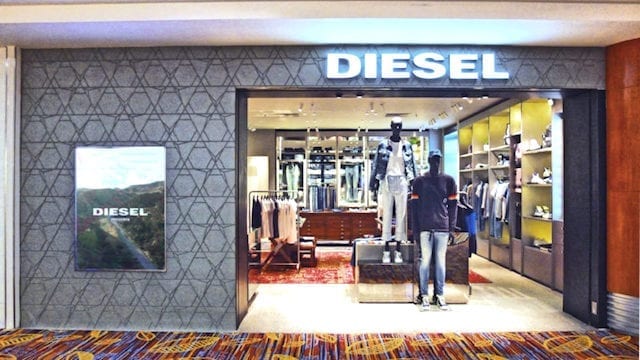
    Diesel Myanmar has opened its first monobrand store, at Yangon International Airport.

    With a new design concept, the 100 sqm outlet was conceived in collaboration with Japanese architectural firm Wonderwall, headed by interior designer Masamichi Katayama.

    In collaboration with Diesel artistic director Nicola Formichetti, the Tokyo team came up with the concept of an apartment space, like a “symbolic new house” for the brand.

    The Italian lifestyle brand says the design aims to create a distinctive atmosphere in which the customer can feel at home.

    The store’s opening coincides with launch of Diesel’s latest spring/summer collection.

    Meanwhile, Diesel plans further travel-retail openings in Singapore and Guam.

  • Diesel makes Myanmar debut at Yangon airport

    Diesel makes Myanmar debut at Yangon airport

    Diesel has opened a new monobrand store in Yangon airport as the brand makes its debut in the Myanmar market and reinforces its presence in global travel-retail.

    With the new 100sq m store, Diesel opens the doors to its renewed retail design concept. The store is the first monobrand boutique for Diesel across Asian travel-retail developed in collaboration with Japanese architect firm Wonderwall, headed by interior designer Masamichi Katayama.

    The Tokyo-based team, in collaboration with Diesel Artistic Director Nicola Formichetti, envisioned a simple yet unexpected concept: the idea of an apartment space, like a symbolic new house for the brand. The aim is to create a distinctive atmosphere, combining it with the brand’s identity, where the customer can feel “at home”.

    The new opening coincides with the perfect season for travellers to explore the Spring Summer 2017 Collection, ranging from apparel to accessories for women and men, not to mention the wide selection of denim and joggjeans. The Spring Summer offer is renewed every season with new fits and washes for denim, while innovative materials and unique fabrics are incorporated into  the authentic joggjeans.

    Diesel stated: “The travel-retail channel is extremely crucial for the brand, in fact Diesel is reinforcing its presence in the global travel-retail market and to confirm this, future openings are planned in Singapore, Waikiki and Guam.”

  • Innisfree to launch in Indonesia

    Innisfree to launch in Indonesia

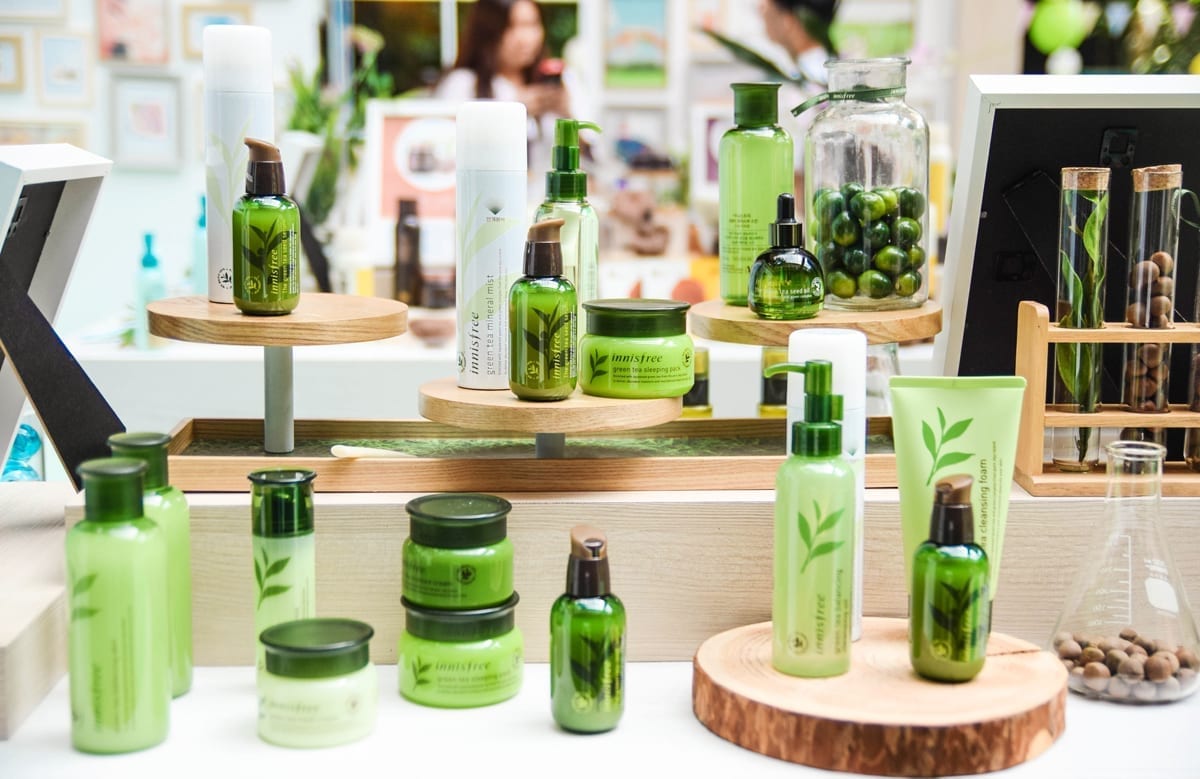
    Beauty products brand Innisfree is launching in Indonesia with brand curator Time International.

    Part of Korean global beauty company AmorePacific Group, Innisfree offers products made with natural ingredients from Jeju, a volcanic island off the southern coast of the Korean Peninsula.

    Innisfree’s first store will open at Central Park Mall Jakarta on March 24, following its introduction in such markets as China, Hong Kong, India, Malaysia, Singapore, Taiwan, Thailand and Vietnam.

    As well as skincare, Innisfree will offer colour cosmetics in Indonesia, says international business VP Chul Kim.

    Innisfree was launched by AmorePacific Group in 2000, joining its brands Laneige and Sulwhasoo.

    Founded in the 1960s, Time International manages multi-brand retail stores as well as mono-brand boutiques for such brands as Cartier, Chanel, Chopard, Diesel, Fendi, Fossil, Project X, Rolex, Sweet Monster and Tag Heuer.

  • Fossil wearables offering doubles

    Fossil wearables offering doubles

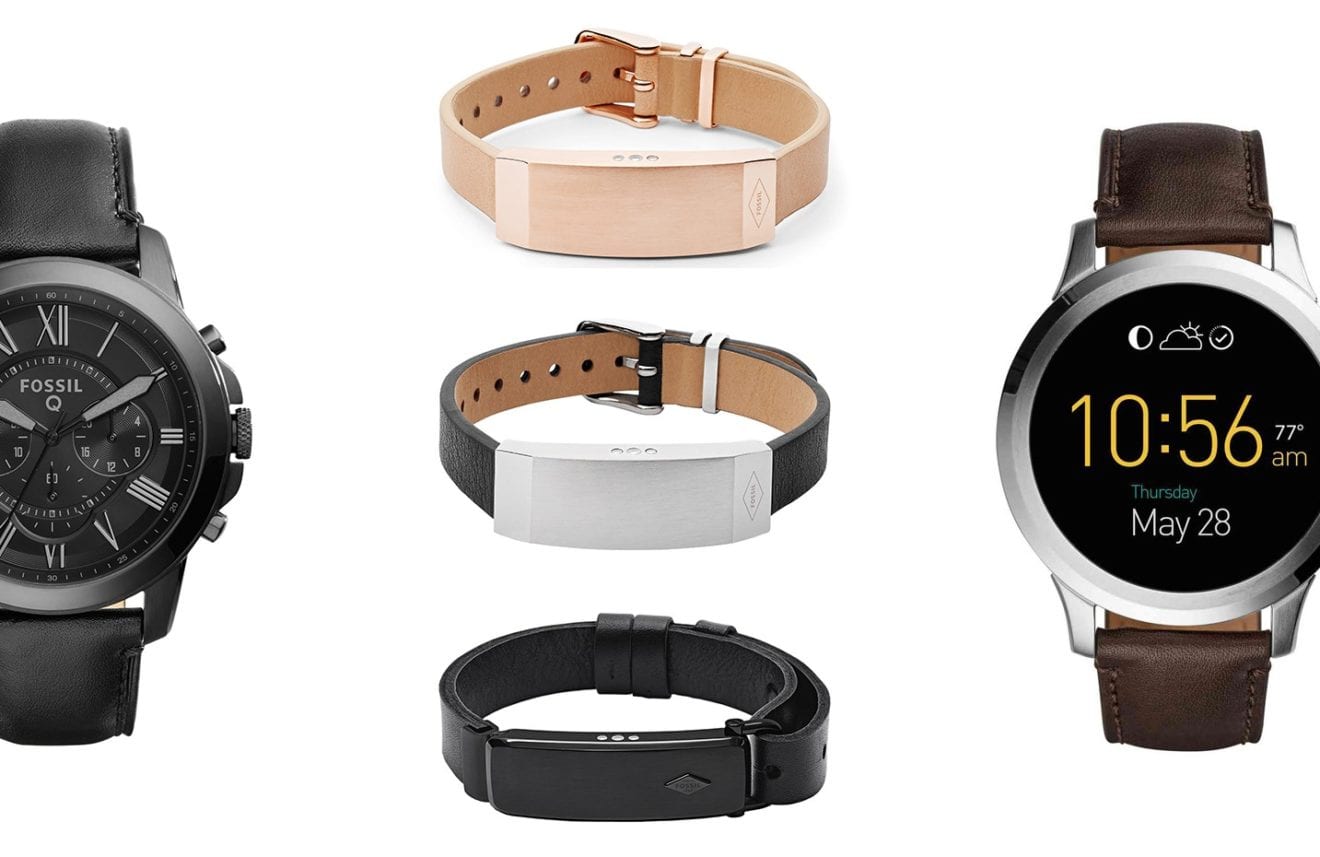
    Fossil Group will double its Fossil wearables production this year to 300 new products, plus add new brands.

    • Fossil Group has announced it will double its Fossil wearables production this year to an unmatched 300 new products, plus add new brands.
    • New connected products were also revealed by the US group’s brands…
      Armani Exchange has entered the wearables market with Armani Exchange Connected, a collection of hybrid smartwatches.
    • Fossil has extended its Fossil Q hybrid smartwatch line with Fossil Q Accomplice, with the brand’s slimmest case to date.
    • Skagen has introduced Hald and Jorn hybrid smartwatches, offering thinner cases.
      Misfit has unveiled Vapor, the brand’s first touchscreen smartwatch featuring heart rate, GPS and standalone music access.

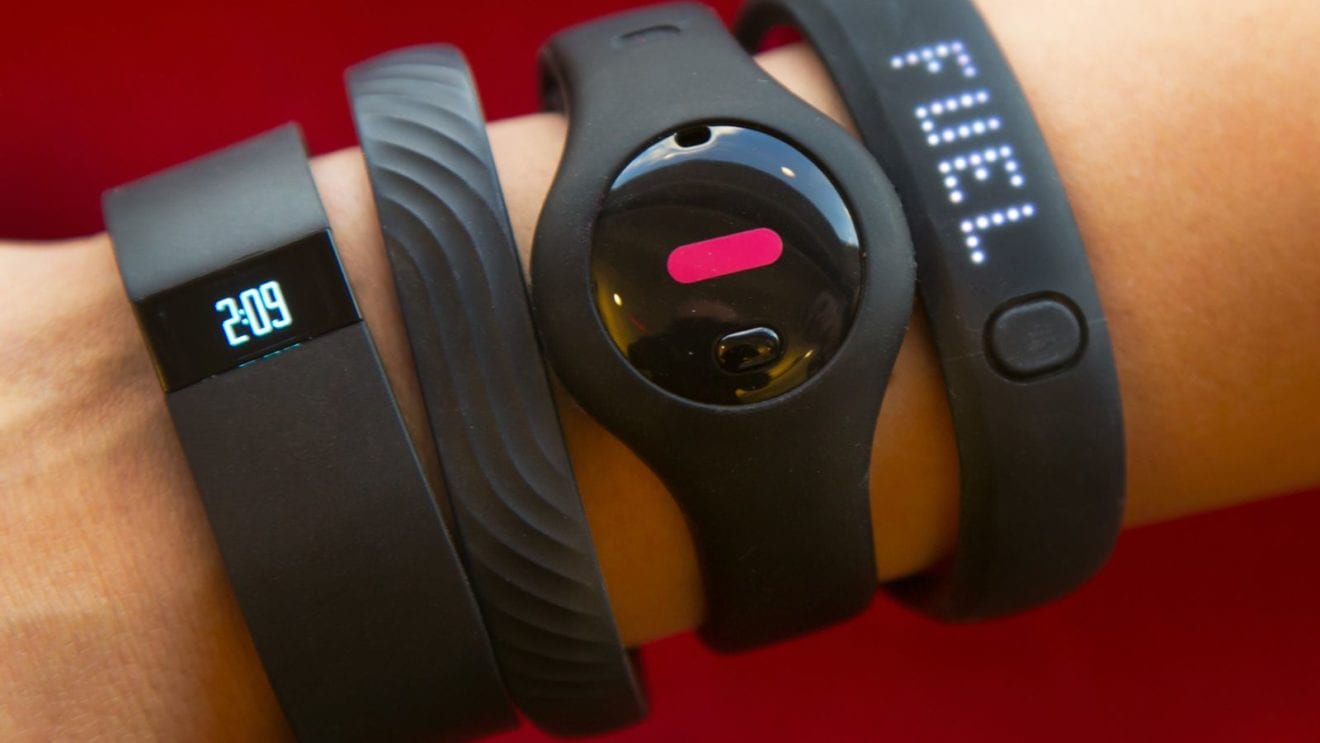
    Fossil Group’s wearables include touchscreen smartwatches, hybrid smartwatches and activity trackers.

    “Customers crave connectivity that doesn’t compromise style,” says Fossil Group chief strategy and digital officer Greg McKelvey. “We’re creating more options to seamlessly integrate desired tech features into our customers’ style and lifestyle.

    He says the group’s design, scale, speed to market and portfolio of fashion brands, coupled with its cloud and app platform plus tech and hardware innovation “have pulled us ahead of the wearables pack”.

    Fossil Group last year launched more than 140 wearables across Chaps, Diesel, Emporio Armani, Fossil, Kate Spade New York, Michael Kors, Misfit and Skagen brands throughout 40 countries and in 20 languages.

    “The success of our hybrid smartwatches has proven that our consumers want a balance of function and fashion,” says McKelvey. “We’ve effectively filled that gap in the market. Hybrids pack the power needed to efficiently accomplish daily tasks in a beautifully crafted timepiece.”

  • China’s diesel demand likely to rise ahead of Lunar New Year

    China’s diesel demand likely to rise ahead of Lunar New Year

    China’s diesel demand is likely to pick up pace ahead of the Lunar New Year as traders stock up barrels ahead of the festivities and as construction activity picks up in some areas, four trade sources said on Thursday.

    Implied diesel demand in October in China, the world’s second-largest oil user, rose to 3.4 million barrels per day, up 6.4 percent from September and 1.3 percent higher than the same time last year, according to Reuters calculations using official data.

    That is the highest level since at least March this year with implied diesel demand rising in only three months so far this year, the data showed.

    Demand for diesel in November to December is expected to be even higher, traders said.

    “China is having many policies to boost the economy now, so demand will pick up a bit, but by how much is a question,” said a source with a state-owned refiner.

    China’s economy looks set to hit its 6.5 percent to 7 percent growth target as increased government spending and increasing housing demand spur a construction boom.

    Diesel is used to power trucks for industry and for construction.

    First-quarter Chinese diesel demand may rise by 75,000 bpd from the year ago period, based on the industrial recovery, consultants JBC Energy said in a note on Thursday.

    Demand is also picking up ahead of the Lunar New Year period as traders start to stockpile the fuel and as winter consumption of the fuel has increased for heating and back-up power generation, a second source with a state-owned refiner said.

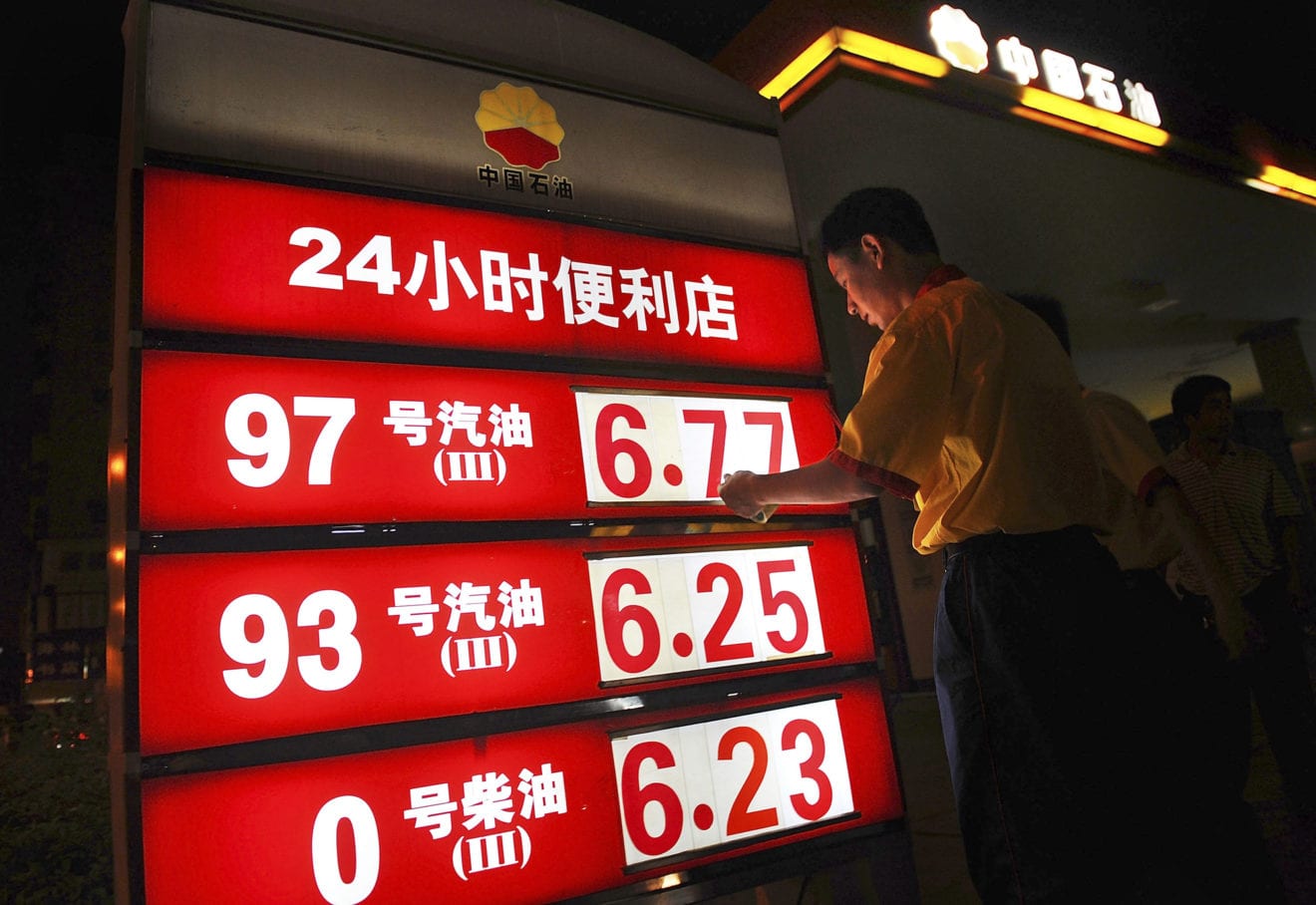
    “China has also been increasing the retail prices, so demand from traders is picking up as they start to fill up tanks,” the source added. China will raise retail diesel prices by 95 yuan ($13.66) per tonne from Thursday, its third increase since Nov. 30.

    China’s diesel stocks at the end of November fell to a record low after refineries tempered production while they upgraded facilities to produce higher-quality fuels in order to meet stricter emissions limits that the country is introducing from Jan. 1.

    Regulations introduced in September that imposed stronger penalties and ramped up inspections to prevent trucks being overloaded with goods also boosted demand for diesel, traders said.

    “The trucks have to make more trips, so this consumes more diesel,” a shipping source said.

  • Petrol, diesel prices go up in January

    Petrol, diesel prices go up in January

    As expected, retail fuel prices will see an increase across the board as of midnight. For January, RON95 petrol will be priced at RM2.10 per litre, marking an increase of 20 sen compared to December retail price. RON97 petrol will be priced at RM2.40 per litre, up by 15 sen.

    The same applies to diesel and Euro 5 diesel, which are priced at RM2.05 per litre and RM2.15 per litre respectively – an increase of 20 sen for both. These new fuel prices were confirmed by Petrol Dealers Association of Malaysia president Datuk Khairul Annuar Abdul Aziz. “Prices are in line with global petrol prices. However, the diesel prices which exceeded the RM2 mark will be a concern for the business community,” he told.

    The country’s petrol and diesel prices have been placed on a managed float system from Dec 1, 2014 following the removal of fuel subsidies. Yesterday, Finance Ministry Strategic Communications director Datuk Lokman Noor Adam reportedly said that the retail prices of RON95 and diesel would go up in Jan due to an increase in the price of crude oil in the world market.

    He said the retail price of RON95 and diesel were set according to the average prices of fuel in the world market for a month, as well as being influenced by the ringgit’s movement against US dollar.

  • Fiat Chrysler, Cummins reject diesel cheating suit

    Fiat Chrysler, Cummins reject diesel cheating suit

    Fiat Chrysler Automobiles NV and Cummins Inc said on Monday they will fight a class-action lawsuit filed against the companies accusing them of cheating on diesel emissions tests.

    On Monday, lawyers representing owners of older 2500 and 3500 Dodge Ram trucks filed a class-action lawsuit in U.S. District Court in Detroit, asserting the companies “conspired to knowingly deceive consumers and regulators of illegally high levels of diesel emissions in their vehicles.”

    The suit accuses the automakers of fraud, violating the Racketeer Influenced and Corrupt Organizations Act and consumer-protection laws by intentionally misleading the public, concealing emissions levels and illegally selling noncompliant polluting vehicles.

    The suit filed by Seattle lawyer Steve Berman said the emissions catalysts are not durable and do not meet emission standards, and that at times emissions are nearly 10 times legal limits.

    The class action suit comes as Fiat Chrysler and Cummins are fighting over the costs of an emissions recall involving a different, newer population of trucks.

    Fiat Chrysler said in a statement it “does not believe that the claims brought against it are meritorious” and the company “will contest this lawsuit vigorously.”

    Cummins spokesman Jon Mills said the lawsuit “has no merit. We are obviously disappointed in the effort to tarnish our image and we plan to vigorously defend ourselves.”

    The suit covers owners of 2007–2012 Dodge Ram 2500 and 2007–2012 Dodge Ram 3500 pickup trucks.

    Reuters reported on Oct. 10 that Fiat Chrysler and Cummins Inc have been fighting over the $200 million estimated cost for a recall of 130,000 newer 2500 Ram pickup trucks equipped with Cummins diesel engines that could exceed U.S. pollution limits.

    The U.S. Environmental Protection Agency and California Air Resources Board have demanded a recall of 2013-2015 model year Ram 2500 pickup trucks with 6.7L Cummins diesel engines because moisture can lead to the deactivation of the selective catalyst reduction system, causing excess nitrogen oxide emissions, Cummins said.

    Fiat Chrysler has sued Cummins to recover the $60 million it has spent to date repairing 42,000 trucks at its own expense, a company lawyer said in court documents. Settlement talks are ongoing.

    Cummins counter-sued, saying Fiat Chrysler would not cooperate in the recall “for one reason – money” and said the automaker was “holding both Cummins and its own customers hostage.”

    When the emissions system fails, the warning light goes on and if the vehicle isn’t fixed soon the vehicles go into “limp mode” that allow them to only be driven very slowly.

  • VW makes ‘substantial progress’ toward 3.0 liter diesel agreement

    VW makes ‘substantial progress’ toward 3.0 liter diesel agreement

    U.S. District Judge Charles Breyer said on Thursday that Volkswagen AG has made substantial progress in talks with the U.S. Justice Department and other government agencies toward resolving the fate of about 80,000 polluting diesel 3.0 liter vehicles.

    At a San Francisco court hearing, Breyer set a Dec. 1 deadline for a report on the status of the talks and said he is “very optimistic” an agreement will be reached. VW previously agreed to spend up to $16.5 billion, including as much as $10.3 billion to buy back up to 475,000 polluting 2.0 diesel vehicles.

    Volkswagen submitted proposed fixes for larger Porsche, Audi and Volkswagen diesel vehicles earlier this year and has been in intensive discussions with U.S. and California regulators. People briefed on the talks say VW may agree to buy back at least 21,000 older Volkswagen Touareg and Audi Q7 diesel vehicles and might only offer to repair the 60,000 newest ones if regulators agree, but no final agreements have been reached.

    If VW were required to repurchase all of the larger, more expensive 3.0-liter vehicles, its costs could increase by billions. They include the diesel Porsche Cayenne, Audi A6 Quattro, A7 Quattro, Audi A8 and Audi Q5.

    Among the undecided issues is how much Volkswagen may be willing to compensate owners of the 3.0 liter vehicles.

    VW agreed to offer owners of the 2.0 liter vehicles between $5,100 and $10,000 in compensation, in addition to the estimated value of the vehicle.

    The 2.0 liter diesel vehicles have software that allowed them to evade emissions rules in testing and emit up to 40 times legally allowable emissions in onroad driving. The 3.0 liter vehicles have an undeclared auxiliary emissions system that allowed the vehicles to emit up to nine times allowable limits.

    VW has been barred from selling diesel vehicles in the United States since 2015 and has said it has not decided whether it will resume U.S. diesel sales.

  • Multi-brand boutique Project X launches

    Multi-brand boutique Project X launches

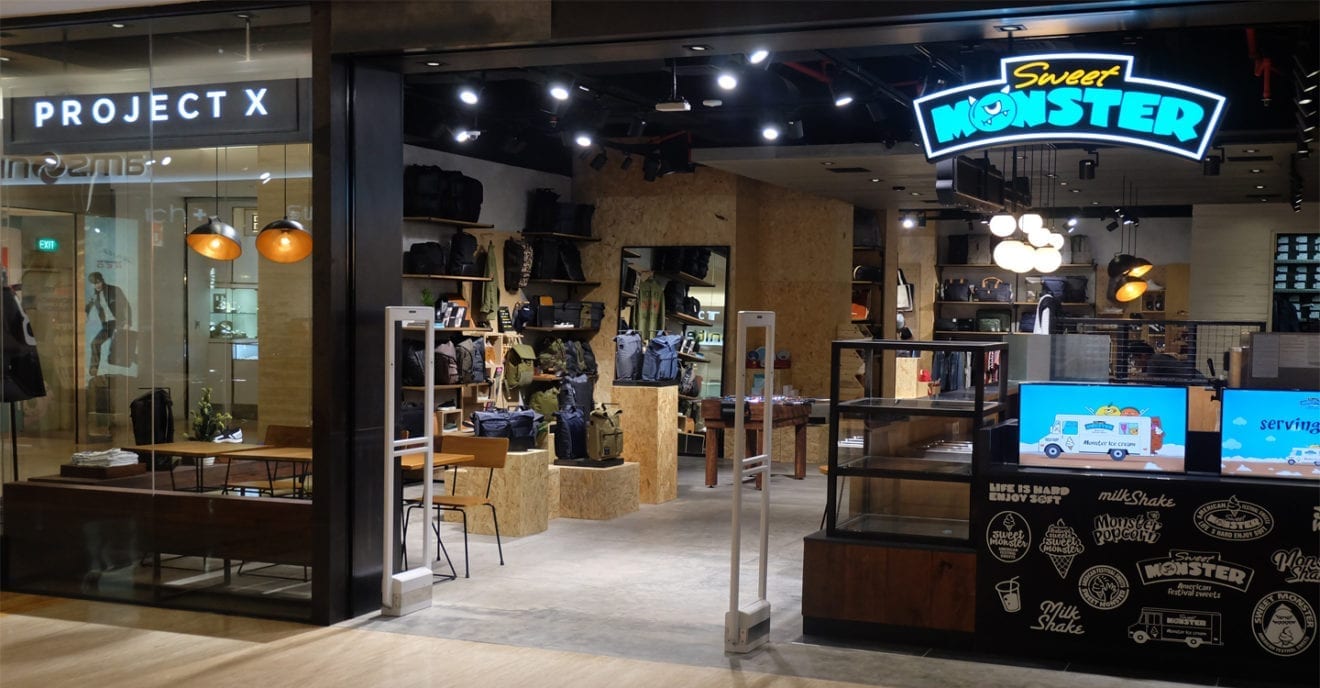
    Project X, a multi-brand boutique that caters to young creative minds, has launched at Plaza Indonesia in Jakarta.

    From Time International, Project X offers a new take on men’s and unisex casual fashion and lifestyle. Its curated retail concept introduces 22 international brands and includes innovative designs in apparel, bags, shoes and accessories such as sunglasses and watches.

    project-x


    From Australia, Japan, South Korea and the US, the products are displayed in fun and creative surroundings, including a dessert stall, Sweet Monster, which features popcorn soft ice cream.

    The store has a palette of white and grey with wooden accents.

    “People like to shop and discover edgy pieces, and they like to hang out. It is a lifestyle,” says Time International president director/CEO Irwan Danny Mussry. “We see an opportunity here.”

    A second Project X is planned for Pondok Indah Mall 2.

    Featured brands at the boutique are Andersson Bell (South Korea), Beyond Closet (South Korea), Blankof (South Korea), BLC & BLC Gray (South Korea), Buddy Happy (Japan), Kapten & Son (Australia), Kiruna (Japan), Lapiz+ (South Korea), Luccica (South Korea), Mascolanza (South Korea), Miel Homme (South Korea), Monofold (South Korea), National Publicity (South Korea), PKG (Canada), Rawrow (South Korea), Riokairyu (South Korea), Salad Bowls (South Korea), Supercomma B (South Korea), Thank You Studios (South Korea), Thread Etiquette (US) and Ul: Kin (South Korea), United by Blue (US).

    Founded in the 1960s, Time International manages and runs both multi-brand retail stores – including @Time, InTime, The Time Place and Urban Icon – as well as mono-brand boutiques for such brands as Cartier, Chanel, Chopard, Diesel, Fendi, Fossil, Liebeskind, Poney, Rolex, Tag Heuer and Tory Burch.

  • Fossil wearables teams with major fashion labels

    Fossil wearables teams with major fashion labels

    Fossil wearables has teamed with major fashion brands Chaps, Diesel, Emporio Armani, Fossil, Kate Spade New York, Michael Kors, Misfit and Skagen to launch in 40 countries in 2016.

    Fossil Group says it plans more than 100 wearables products – which include display- and non-display watches and trackers – will be available in 40 countries and more than 20 languages later this year. The category of wearables offered will vary by brand.

    Fossil Group will support the wearables with unique and branded apps across all brands, three product categories, and two operating systems. The 2016 launches are part of the company’s efforts to bring a fashion-first focus, innovation and an increased variety of products to the wearables industry.

    “One of the distinct advantages of a fashion company over traditional consumer electronics manufacturers is our product cycle,” said Greg McKelvey, chief strategy and digital officer with Fossil Group.

    “We demonstrate remarkable speed to market, from development to launch, in order to meet the retail industry’s seasonal new product deadlines.

    “The industry has been slow to adapt to growing consumer desires for new styles and options for wearables. With the diversity of major fashion brands we offer, customers will be delighted with the sheer volume of styles and options available when shopping for a wearable that fits their personal style.”

    With the look, feel and fashion appeal of traditional watches, Fossil Group’s digital display watches and non-display watches leverage the company’s core competency in making beautiful, quality watches.

    Since acquiring Misfit in November 2015, Fossil Group has increased capabilities for the development and production of the technology supporting its wearables products. The company’s wearable technology platform includes proprietary power management technology that enables coin cell battery-powered non-display watches and trackers to be deployed across the entire Fossil Group brand portfolio.

    Without the need for daily, weekly or even monthly charging, the new devices function much more like traditional watches and lifestyle accessories than as typical consumer electronic products that require daily maintenance.

    Concurrent with the advancement of Fossil Group’s owned technology and research and development capabilities, the company continues its strong partnerships with third-party technology partners, including Google and their Android Wear platform, to deliver on the company’s short- and long-term wearables strategy.

    Fossil Group this week displayed Fall products – including wearables, watches, jewellery, leather goods and other accessories – to business partners and media in its new European headquarters in Basel, Switzerland, during the annual Baselworld marketplace show for the world’s watch and jewellery industry.

    The new, 108,000 sqft, seven-floor Basel facility was constructed with modern geometric architecture. Three floors of brand showrooms present brand-immersive experiences for each of the company’s 17 owned and licensed brands, and a large auditorium and event space.
  • Marni Japan opens flower cafe

    Marni Japan opens flower cafe

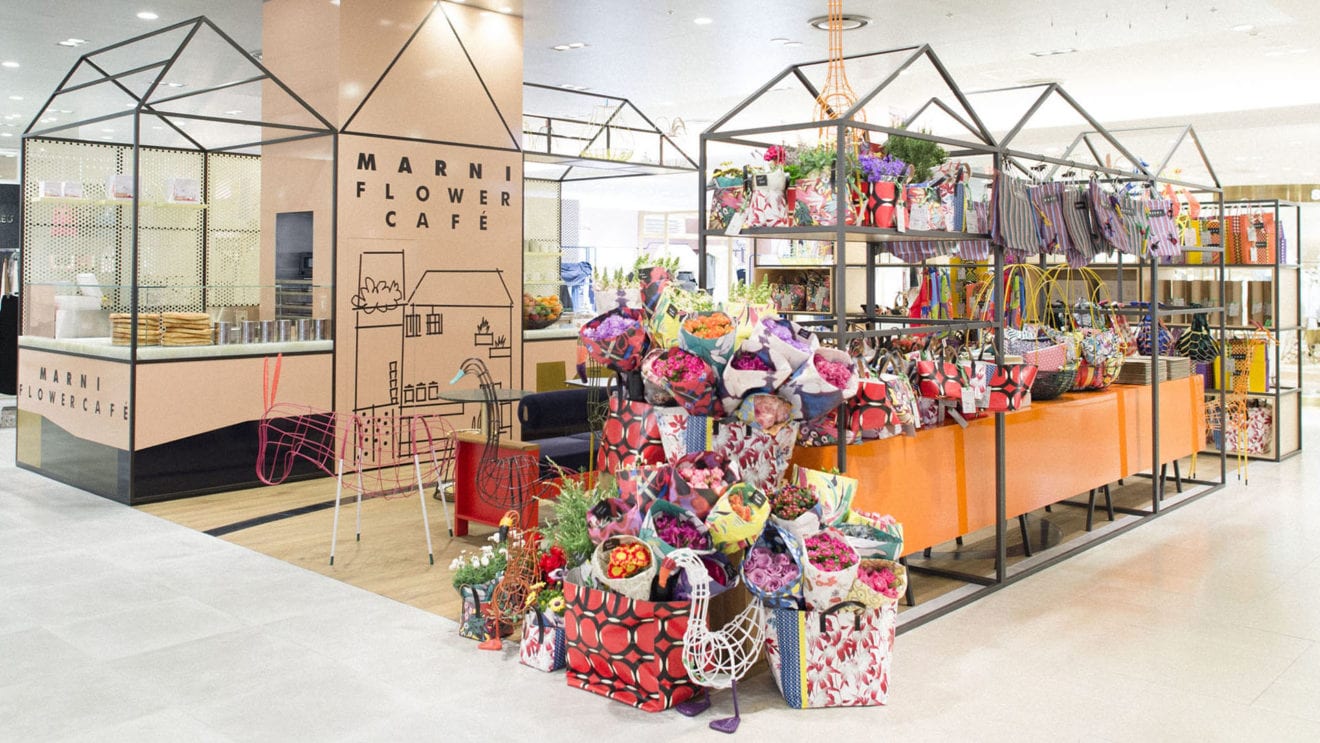
    Known for using fur in contemporary designs, Italian fashion brand Marni has opened its first flower cafe, in Osaka.

    On the third floor of the Umeda Hankyu Department Store, the 50 sqm (535 sqft) the Marni Japan cafe and shop combo is designed as a meeting place serving focaccia bread and Italian-styled cakes, as well as customised Marni products.

    Marni Flower cafe Japan 3

    It resembles a child’s playhouse, a reflection of the off-beat bohemianism associated with the creations of lead designer Castiglioni, who started the brand in 1994. Initially its focus was on womenswear “for women who eschew styling themselves sexy for men in favour of dressing for other women”.

    Marni Flower cafe Japan

    Marni went on to launch its own menswear line and now produces ready-to-wear clothing, handbags, eyewear and jewellery.

    Marni Flower cafe Japan 1Marni Flower cafe Japan 5

    At its opening event in Osaka, Marni Japan created a picnic set with wooden lunch boxes, multicoloured furoshiki (wrapping cloths), vacuum flasks, floral bags, PVC vases and porcelain sets featuring the company’s colourblock patterns. The store itself features a green onyx counter, interwoven PVC stools, small tables crafted from brass and green marble, and a bright blue sofa.
    The first of many Marni Japan stores planned, the cafe store will change its product lineup every four months.

    Marni Flower cafe Japan 4

    Part of the OTB Group that includes Diesel, Maison Martin Margiela and Viktor & Rolf, Marni has outlets in 16 countries with boutiques in Beijing, Hong Kong, Kuwait, Las Vegas, London, Los Angeles, Moscow, New York, Shanghai and Sydney.

  • Diesel unveils retail expansion plans

    Diesel unveils retail expansion plans

    Fashion brand Diesel is ramping up its global expansion, with plans to open an 80sq m standalone store in Haikou Meilan International airport in the Hainan district to complement its recent opening in Panama Tocumen International airport’s retail plaza.

    The retail expansion marks an exciting period for the company, with also another shop in shop opening planned at the end of the year at Tel Aviv Ben Gurion airport with JR Duty Free. The Italian brand is also to undergo a refit of its boutique outlet inside Qatar Duty Free’s Junction store at Hamad International airport.

    Head of Travel Retail Michele Turrin was very enthusiastic about the company’s expansion prospects: “Historically Japan has been our strongest market and in China we have plans of further developing our existing stores network both in domestic and travel-retail. Haikou is one of these projects” he told DFNIonline.

    “Middle East travel-retail is interesting with new developments in the region. We opened last year in Doha with a very successful POS in Qatar Duty Free Junction fashion store. We’re also looking very seriously at the Midfield Terminal in Abu Dhabi. We’re confident we can do well in the GCC [Gulf Cooperation Council] where we have nearly 40 domestic stores, the brand is well positioned and enjoys a good reputation.”

    The company says it is also in discussions with some key airports to deploy pop-up store units, although Diesel did not mention who and in which location when DFNIonline pressed on this issue.

    Diesel has had a successful retail operation in travel-retail. Its innovative product, the JoggJeans, has had superb traction in this space, representing already around 20% of an average turnover at Diesel’s travel-retail stores. Its dominance of the denim market is also profound, with the JoggJeans, in some locations, representing up to 60% of the jeans category turnover – and around 30% of its travel-retail store sales.

    “Usually denim is considered a difficult sell, but because of the strength of the brand, the denim category has achieved unexpected high sales at all of our stores. We initially thought not to dedicate denim as much space to an airport location, but after analysing the results we slightly changed our formats to accommodate enough space in this category. We are “masters of denim” and our JoggJeans represent our USP in the market.”

  • Evergreen to open children’s fashion stores

    Evergreen to open children’s fashion stores

    Evergreen International has secured brand rights to greater China for a portfolio of high profile childresnwear brands.

    Until now, a specialist in menswear, Evergreen targets the upper-middle and high-end segments of mainland China’s market.

    Now the group has secured the rights to Roberto Cavalli Junior, Simonetta and Diesel Kid to distribute children’s wear and accessories in mainland China, Hong Kong and Macau.

    It has also signed a preliminary agreement with Rykiel Enfant under Sonia Rykiel regarding the proposed distribution of that brand’s children’s wear and accessories in the same markets.

    Separately, Evergreen has signed a letter of intent with Fendi Kids and is currently evaluating opening Fendi Kids monobrand shops and stores-in-stores in Mainland China.

    Last August, the group opened a Roberto Cavalli Junior store at Ocean Terminal in Hong Kong’s Harbour City. The group plans to open about nine new stores to introduce premium brands of children’s wear and accessories into the first- and second-tier cities of mainland China in the first half of this year.

    The locations will include the shopping malls in Chengdu IFS, Qingdao MixCity, Shenzhen MixCity and Qingdao Hisense Plaza.

    It will also open four retail stores for children’s wear and accessories at the shopping mall of the Galaxy Macau resort in the first half of 2015.

    Evergreen says it will continue to negotiate with shopping centre owners with a view to opening more stores in Hong Kong, Macau and first and second tier cities in the mainland in the second half of 2015.

    Chan Yuk Ming, chairman and executive director of Evergreen, said the company is in discussions with other international premium fashion brands about the retailing and wholesaling of their children’s wear and accessories in Hong Kong, Macau and Mainland China.

    “We believe the group’s new business segment of high-end children’s wear and accessories will further diversify the portfolios of products and brands of its businesses of apparel and accessories, and will leverage the foundation of its existing menswear business, thus will be benefit to the company and its shareholders as a whole.”

    Evergreen currently owns and manages V.E. Delure and Testantin, targeting the markets for high-end business formal and casual men’s wear, the upper-middle fashion casual men’s wear and the high-end children’s wear.

    The group’s strategy is to open self-operated stores in key cities, while penetrating the markets of slower development through distributors. To cope with business expansion and raise operating efficiency, the group has strategically used a combination of self-operated retail stores as well as distributors of varying sizes to cater to different stages of development and target markets for each of its brands.

    As at December 31 2014, the group had 177 self-operated stores and 191 franchised stores in 30 provinces and autonomous regions, covering 171 cities.