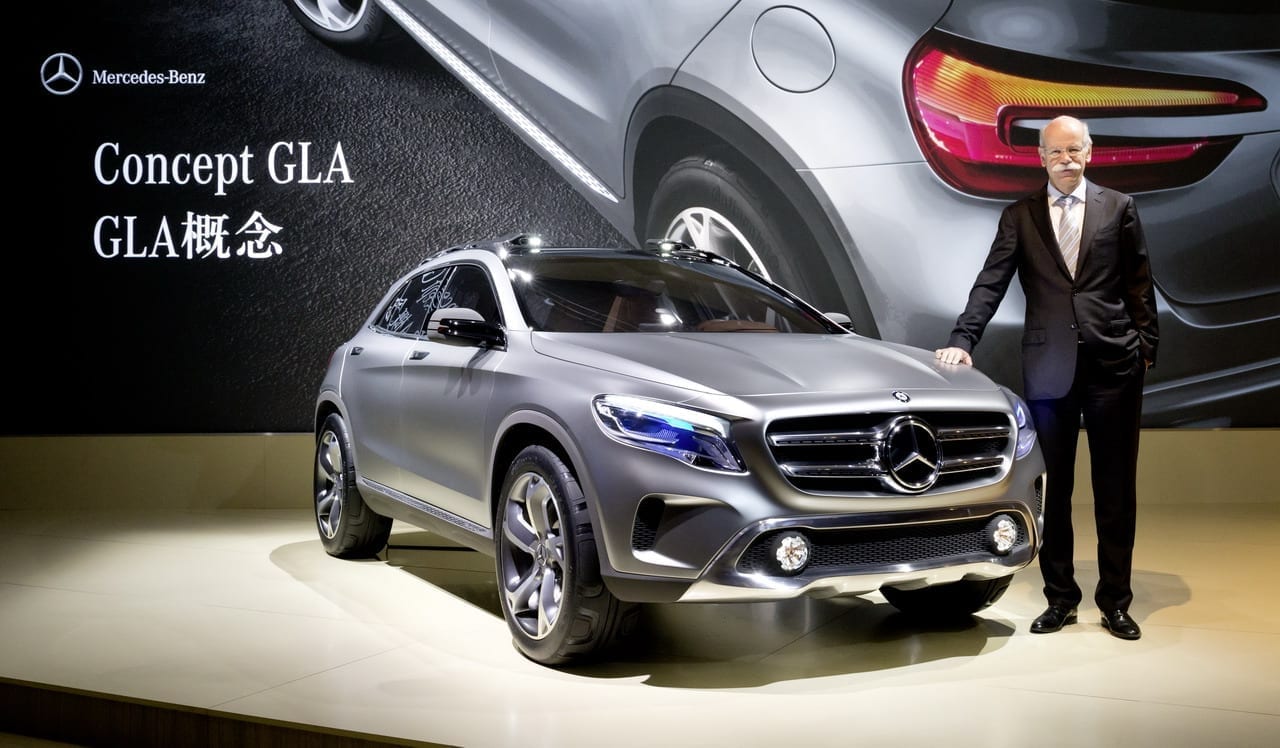
Daimler says to pay 870 mn euro fine over diesel recalls
Tag: diesel
-
US Fines Hyundai $47 Million Over Dirty Diesel Engines
South Korean automaker Hyundai will pay a $47 million fine for illegally importing and selling dirty diesel engines in violation of American environmental rules, US authorities announced Thursday.
Between 2012 and 2015, the company imported nearly 2,300 diesel-powered heavy construction vehicles with engines that did not meet US emissions standards, the US Justice Department said in a statement.
“Hyundai put profits above the public’s health and the requirements of the law,” Jeffrey Bossert Clark, head of the department’s environment and natural resources division, said in a statement.
“We will not tolerate such schemes that skirt the Clean Air Act, designed by Congress to improve air quality.”
The case began with a whistleblower tip submitted in 2015 to the US Environmental Protection Agency, which launched criminal and civil proceedings.
A US court earlier imposed a $2 million fine on the company for the clean air violations.
US officials say the Hyundai diesel engines were not certified to meet emissions standards for particulate matter and nitrogen oxide, both of which contribute to disease and premature death.
-
Prosecutors Fine Bosch 90 Million Euros For Illicit Emissions Software
Automotive supplier Bosch has agreed to pay a 90 million euros ($100.21 million) fine for lapses in supervisory duties which enabled carmakers to engage in emissions cheating, German prosecutors in the city of Stuttgart said on Friday.
Privately-held Bosch, the world’s biggest automotive supplier, delivered around 17 million technical devices equipped with engine management software, including tools that allowed carmakers to manipulate emissions tests, prosecutors said in a statement.
Bosch has accepted the fine and will not appeal the decision, they added.
Volkswagen used the software provided by Bosch to help the carmaker mask illegal pollution in diesel-engined vehicles.
Volkswagen has borne the brunt of penalties and fines for emissions cheating since carmakers, rather than suppliers are responsible for certifying that cars meet clean air rules
-
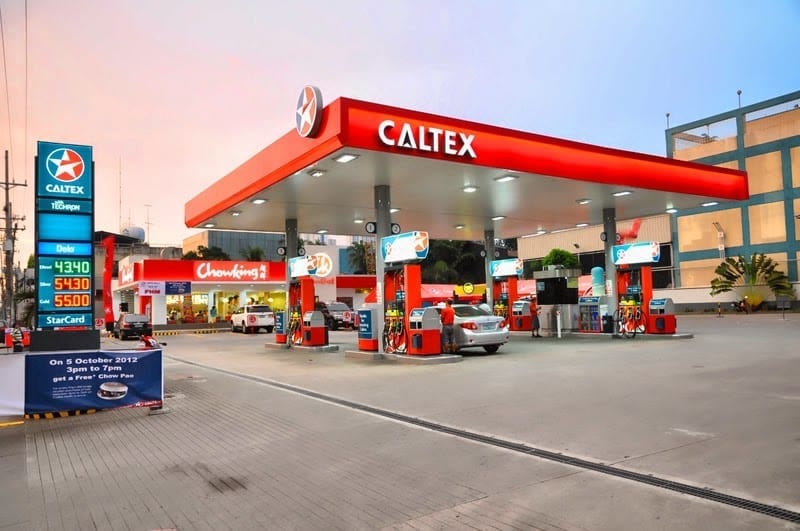
Caltex profit falls amid rising competition
Increased competition and the rising price of crude oil had a negative impact on convenience and petrol station owner Caltex’s first quarter earnings.
The retailer announced that earnings from both its fuels and infrastructure business and its convenience business were down in Q1 on the same period in 2018, which contributed to a net profit of $94 million, a 42.7 per cent drop on the $164 million in net profit it saw last year.
Fuel earnings before interest and tax (EBIT) fell to $109 million, down from $156 million last year, while convenience retailing fell by over 50 per cent to $40 million, compared to an EBIT of $90 million in the three months to March 31, 2018.
“Our result shows the impact of both lower refiner margins and a challenging retail environment this quarter,” said Caltex chief executive and managing director Julian Segal.
“Our businesses’ strengths, including a strong balance sheet and our extensive network, as well as our steady focus on the execution of our strategy provide the foundation for delivery of our strategy in 2019.”
Caltex said it will move ahead with the transition of franchise sites into company-owned operations, with over 70 per cent of the retail network now owned internally. The retailer also noted that agreements are in place for it to operate 99 per cent of sites by 2020, allowing the business to “better standardise and optimise the site’s performance.”
Segal laid out the retailer’s growth plans for the remainder of 2019 for shareholders at its annual general meeting on Thursday, May 9, stating a focus on execution and discipline would assist both facets of its business deliver a stronger result in a challenging retail environment.
“Fuels and infrastructure will continue to grow its earnings through its international business, [and] we will continue to run Australia’s largest transport fuel network safely and reliably,” Segal said.
“Convenience retail is refocusing on our core fuel offer and will improve the in-store experience across our network to ensure we attract and retain more customers in a competitive fuels market.”
-
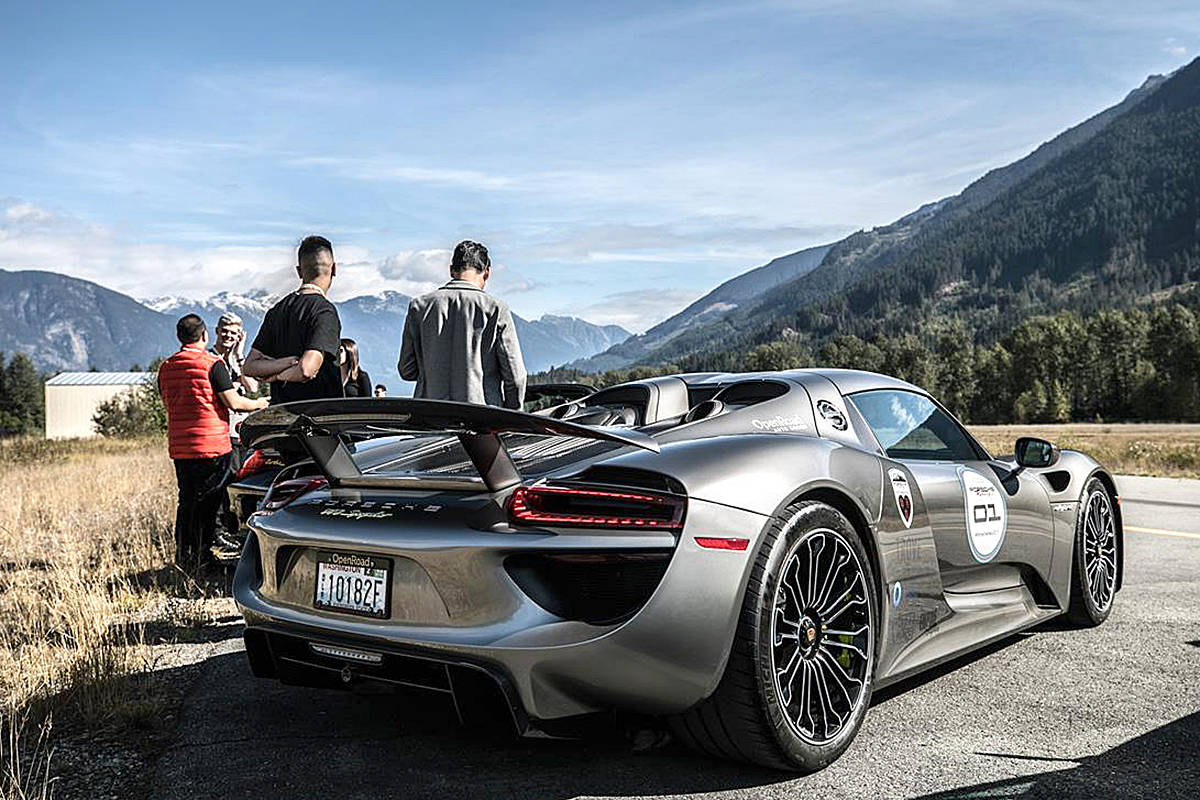
Porsche To Pay 535 Million Euro Fine Over Diesel Affair
German prosecutors have imposed a fine of 535 million euros ($598.99 million) on German luxury carmaker Porsche AG for neglecting supervisory obligations linked to diesel emissions cheating, they said in a statement on Tuesday.
Prosecutors in the southern city of Stuttgart said that the company’s development department had neglected its legal obligations, which ultimately led to the sale of diesel cars in Europe as well as other regions that did not comply with emissions rules.
Porsche, a subsidiary of Germany’s biggest carmaker Volkswagen, has not appealed, they added.
Porsche confirmed the fine and said that prosecutors’ proceedings against the company had now come to an end.
-
Ford India Will Continue To Sell Diesel Cars
Maruti Suzuki’s move to phase-out all diesel models within a year has certainly raised eyebrows. Tata Motors also in the past has said that it will only convert its 1.5-litre and above displacement diesel engines to BS6 and the low displacement diesel engines won’t make it beyond the timeline. There were several speculations about other carmakers as well. However, Ford India has stated that it will go ahead with diesel models in India and won’t pull the plug on any model. The American carmaker will be ready with BS6 powertrains well ahead of the April 1, 2020 deadline.
Speaking with PTI, Vinay Rana, Executive Director, Ford India said, “We will continue to offer the power of choice to consumers and will not stop diesel models. Ford will also be fully ready with its range of BS-VI compliant diesel powertrains ahead of April 2020 implementation.” Raina believes that customers of Utility Vehicles traditionally prefer diesel engines. He added, “For instance, over 65 per cent of the consumers today buy EcoSport diesel variants compared to petrol. Despite government lifting subsidies on diesel over the years, we have seen the demand for diesel stay and expect the same to continue in 2020 and beyond.” However, he said that the company is expecting the prices of passenger vehicles in the industry to increase by up to 8 to 10 per cent.
He also pointed out that Ford has launched its first CNG vehicle- the Aspire to support any possible shift from diesel and will continue to launch petrol versions of the models to complement diesel cars. “Ford – with the introduction of EcoSport in 2013 – was among the first to bring petrol engines into the consideration set of UV buyers. To complement the diesel technology, we will continue to deepen the portfolio of petrol engines and offer more BS-VI compliant petrol engines options to our consumers,” Raina added.
Ford has also tied up with Mahindra to develop a new C-segment SUV for India and other developing markets. The new SUV will be developed on Mahindra’s platform and it will also supply the powertrain to Ford.
-
Indian Consumers Face Post-Election Fuel Price Shock
Surging global oil prices will pose a first big challenge to India’s new government, whoever wins an election now under way, especially as domestic prices have been allowed to lag, meaning consumers are in for a painful surge as they catch up.
For oil-import dependent India, higher global prices could lead to a weaker rupee, higher inflation, the ruling out of interest rate cuts and could further weigh on twin current account and budget deficits, economists warned.
But compounding the future pain, state-run fuel suppliers and retailers have held off passing on to consumers the higher prices during a staggered general election, which began on April 11 and ends on May 23, according to sources familiar with the situation.
That delay is expected to be unwound once the election is over. And there could be additional price increases to make up for losses or profits missed during the period of delayed increases, the sources said.
In some major Asian countries, such as Japan and South Korea, pump prices are adjusted periodically so they move largely in tandem with international crude prices.
That was what was supposed to happen in India but the election means there have been many days when pump prices have been unchanged.
In New Delhi, for example, while crude oil prices have gone up by nearly $9 a barrel, or about 12 percent, in the past six weeks, gasoline prices have only risen by 0.47 rupees a litre, or 0.6 percent.
State-controlled fuel suppliers and retailers declined to say why they had delayed price increases, or discuss whether there has been any pressure from the government of Prime Minister Narendra Modi.
A government spokesman declined to comment.
The opposition Congress party said Modi’s government was violating its own policy of daily price revision by advising the state oil companies to hold prices steady.
“The government should cut fuel taxes otherwise consumers will have to pay much higher oil prices once the elections are over,” said Akhilesh Pratap Singh, a senior leader of the Congress party.
Nitin Goyal, treasurer at the All India Petroleum Dealers Association, representing fuel stations in 25 states, said prices were similarly held down for 19 days in the southern state of Karnataka last year, when it held state assembly elections. Only for them to surge after the vote.
“Consumers should be ready for a rude shock of a massive jump in retail prices, similar to the level we have seen in the Karnataka state election,” Goyal said.
Sri Paravaikkarasu, director for Asia oil at Singapore-based consultancy FGE, said retail prices of gasoline and gasoil prices would have been up to 6 percent, or about 4 rupee, higher if they had been allowed to rise in line with global prices.
“Indian pump prices have failed to keep up with the recent uptrend in crude prices,” Paravaikkarasu said.
“With the country’s general elections underway, the incumbent government has been keeping pump prices relatively unchanged.”
India had switched to a daily price revision in June 2017 from a revision every two weeks, as the government allowed retailers to set prices.
But the government faced protests last October when retailers raised prices by up to 10 rupees a litre after the crude oil price went above $80 a barrel, forcing it to cut fuel taxes.
Global prices rose to their highest level in 2019 on Thursday, days after the United States announced all Iran sanction waivers would end by May, pressuring importers including India to stop buying Tehran’s oil. [O/R]
Higher oil prices will mean Asia’s third largest economy is likely to see growth of less than 7 percent rate this fiscal year, economists said. Growth slowed to 6.6 percent in the October-December quarter, the slowest in five quarters.
Rating agency CARE has warned that a 10 percent rise in global oil prices could increase demand for dollars, putting pressure on the rupee and widening the current account deficit.
India’s oil import bill rose by nearly one-third in the fiscal year ending March 31 to $140.5 billion, against $108 billion the previous year.
“The increase in international oil prices is a credit negative for the Indian economy,” ICRA, the Indian arm of the Fitch rating agency, said in a note.
“Every $10/ bbl increase in crude oil prices increases the fiscal deficit by about 0.1 percent of GDP.”
Any big price rise would also build a case for the central bank to keep rates steady, or even raise them.
The Reserve Bank of India’s Monetary Policy Committee, which cut the benchmark policy repo rate by 25 basis points this month, warned that rising oil and food prices could push up inflation.
Policymakers are worried that a sustained increase in the oil price in the range of $70-75/barrel or higher can move the rupee down by 3-4 percent on an annual basis.
The rupee has depreciated by 1.24 percent against the dollar since a year high in mid-March.
-

Maruti Suzuki Ertiga Launched With The New 1.5-Litre Diesel
Just days after announcing phasing out of diesel engines within a year, Maruti Suzuki has launched the 2019 Ertiga with its in-house developed 1.5-litre, DDiS 225 diesel engine. Maruti is offering the Ertiga 1.5 in three variants- VDI, ZDI and ZDI+ with prices starting at ₹ 9.86 lakh for the base trim and going up to ₹ 11.20 lakh for the top-end variant, all prices ex-showroom, Delhi. The DDiS 225 which will eventually replace the Fiat-sourced 1.3-litre DDiS 200 made its debut in the Maruti Suzuki Ciaz. At present, the 1.3-litre DDiS 200 engine will be offered alongside the new engine.
It’s a 1498 cc, four-cylinder, turbocharged engine which churns out 94 bhp at 4000 rpm and 225 Nm of peak torque at 1500 – 2500 rpm. In fact, the DDiS 225 nomenclature alludes to the maximum torque the new engine puts out. Maruti has used Dual-Mass flywheel as a linkage between the engine and the transmission which helps to channelize the torque evenly, in-turn adding to the refinement. This engine in the Ertiga is mated only to a six-speed manual gearbox as standard and an automatic transmission is not on option as of now.
The Maruti Suzuki Ertiga is India’s best-selling MPV and commands a market share of 39 per cent in its segment.The second-generation Maruti Suzuki Ertiga was launched last year in November and has been India’s best-selling MPV since then. It commands a market share of 39 per cent in the segment and Maruti Suzuki has sold over 40,000 units since its launch which is a year-on-year growth of a whopping 150 per cent in the November-April period.
Maruti Suzuki in its last quarter financial result announcement had said that it will phase-out all its diesel models by April 2020 when the BS6 norms will kick-in, pertaining to the high transition cost. However, the company’s Chairman R C Bhargava did mention that the 1.5-litre engine may have future in bigger models if the market demand is there. After the Ertiga, we also expect the DDiS 225 engine to make its way in the S-Cross which is Maruti’s only model above four metres, yet to get the new 1.5-litre DDiS 225 diesel engine.
-
Suzuki Ertiga Black Edition Just Launched In The Philippines
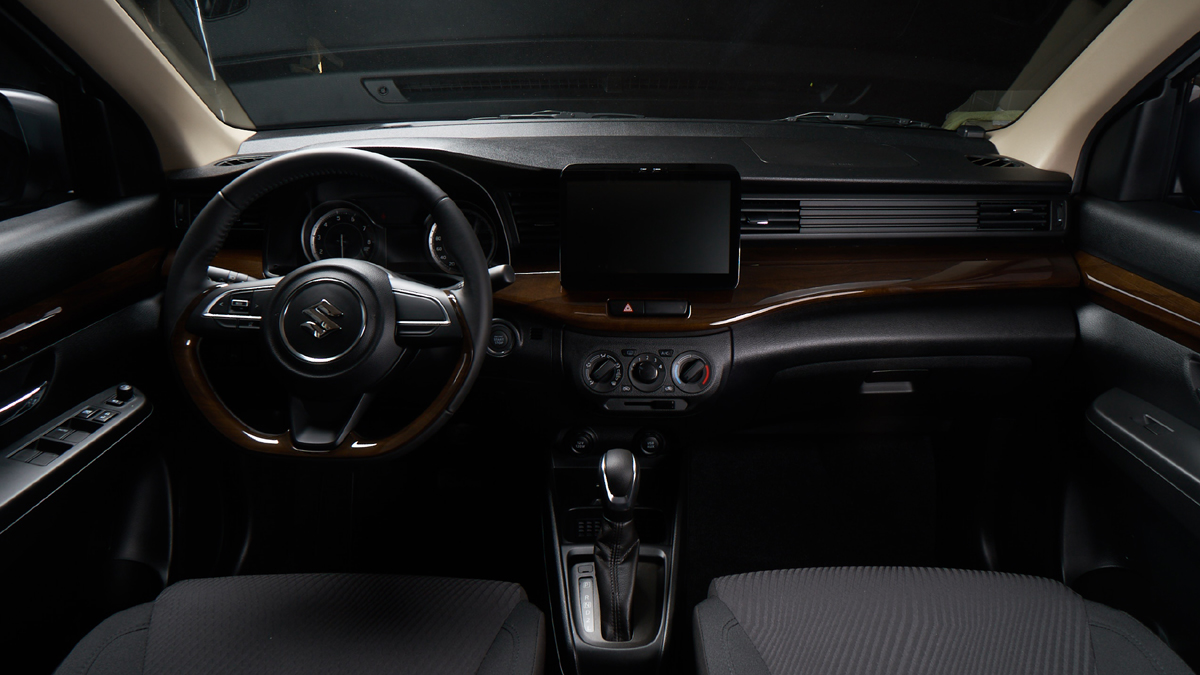
The Maruti Suzuki Ertiga was introduced in India last year and is sold in a number of markets including several South East Asian countries. The new generation model is being offered with several upgrades overseas and latest one is a new special edition model for Philippines. The Suzuki Ertiga Black Edition brings an all-black interior to the MPV without making any changes to the exterior of the vehicle, which can otherwise be seen on the special edition Ertiga GT set for debut later this month in Indonesia.
Coming to the changes on the Suzuki Ertiga Black edition for Philippines, the model gets the all-black treatment in place of the beige themed cabin on the standard version. The automaker has also used darker wood trims on the dashboard to match the overall theme, while the plastics inside the cabin are black as well. The wood finished multi-function steering wheel continues to be on offer. The car continues to be offered as a seven-seater with the 2+3+3 layout. Internationally, the Ertiga misses out on the SmartPlay Studio infotainment system but does get a 10-inch touchscreen display with with Bluetooth, USB and AUX connectivity.
Under the hood, the Philippines-spec Suzuki Ertiga draws powered from the 1.5-litre K-Series petrol engine tuned for 103 bhp, and is paired with a 5-speed manual and 4-speed automatic transmission. The engine is also offered in India alongside the 1.3-litre DDiS diesel motor with 89 on tap. That said, reports suggest that the Maruti Suzuki Ertiga for India is all set to get the new Suzuki-developed 1.5-litre diesel engine under the hood. The new motor will meet the stringent BS6 norms and will effectively replace the 1.3 Fiat-sourced mill across the Maruti Suzuki vehicle range. There are also reports of a more premium six-seater version coming later this year and could be sold exclusively via the Nexa outlets.
-
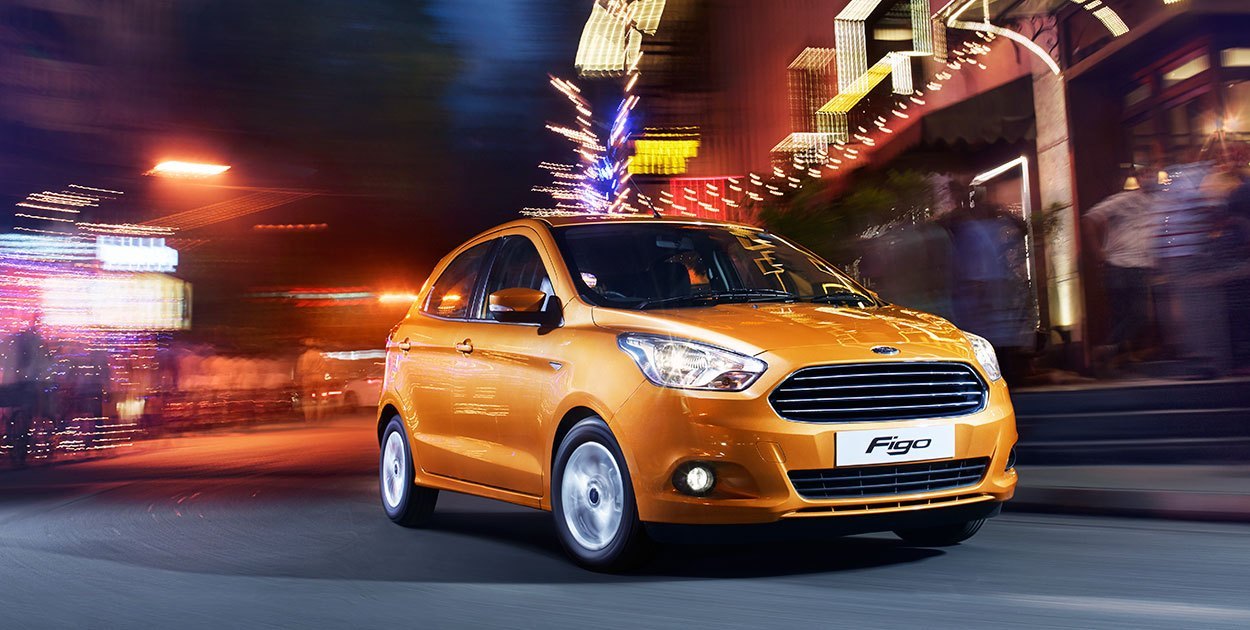
2019 Ford Figo Facelift Launch Date Revealed
The 2019 Ford Figo facelift is all set to go on sale in India on March 15, 2019. The car is set to receive an update over three years later and the facelifted Figo will come with a bunch of cosmetic changes, sharing most of its cues with the Aspire facelift, along with some new and updated features. In fact, a production-spec unit of the 2019 Ford Figo facelift has already been spotted testing in India. Furthermore, the updated Figo is also likely to come with powertrain options, which will also come from the updated Ford Aspire subcompact sedan.
The revised engine options are likely to include the new 1.2-litre, three-cylinder petrol engine from the Dragon family that was first introduced with the Ford Freestyle. The motor is capable of producing 95 bhp and develops 120 Nm of peak torque while mated to a 5-speed manual gearbox. The 2019 Figo is also expected to get the bigger 1.5-litre three-cylinder unit that was introduced with the EcoSport facelift, which makes 123 bhp and 150 Nm of torque, with the new 6-speed torque converter.
Of course, Ford will continue to offer the tried and tested 1.5-litre four-cylinder diesel engine, which continues to be the most popular choice among these models. The motor is tuned to churn out a maximum output of 99 bhp and 215 Nm of peak torque, and it comes paired with the same 5-speed manual gearbox as standard.
Visually, the Figo facelift comes with a new honeycomb-pattern grille with chrome surrounds, the tweaked headlamps, with halogen units, and a new front bumper with the large end-to-end horns-like black element, with round foglamps and a wide airdam. The spy images also revealed that the car will come with new, sporty black alloy wheels, revised taillamps and similar black element as on the tailgate.
The cabin design, on the other hand, is also likely to be identical to the new Aspire, but we do expect to see an all-black theme instead of the beige interior on the latter. Also, the car is likely to feature a new infotainment system, a floating unit that will support Ford’s in-car connectivity system SYNC3 in addition to Apple CarPlay and Android Auto. The car also comes with new air con vents along with illuminated USB sockets, auto climate control and a start-stop button.
-
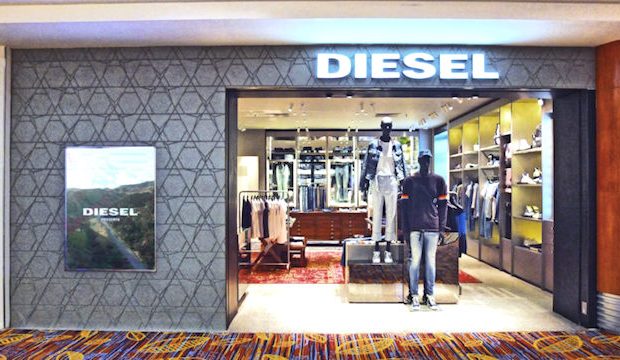
Diesel files for bankruptcy
Famed denim streetwear brand Diesel USA has collapsed, filing for bankruptcy protection in Delaware.
According to papers filed with the court, the company has up to $100 million in assets and as much as $50 million in debts. The company filed for bankruptcy after unsuccessfully lobbying landlords for rent reductions.
However under a three-year proposed restructuring program, Diesel says it does not plan to reduce its store network, rather to find more affordable locations.
Diesel USA has 28 retail stores across the country and about 380 employees. It also wholesales through department stores and specialty retailers
In the 1990s and early 2000s, Diesel USA, the North American unit of Italian-headquartered Diesel SpA, was at its peak, “dominating pop culture”. As a result it was commanding a high premium for its clothes and could justify seeking high-profile – and thus high-rent – locations in major cities across the US.
Now those leases are no longer affordable and landlords seem reluctant to reduce rents to maintain a tenant no longer at its peak of popularity. The company has managed to get a reduction on only a single store despite a year of negotiations.
Bloomberg reports the company had also been affected by several instances of cyber fraud and theft, costing it about $1.2 million.
-
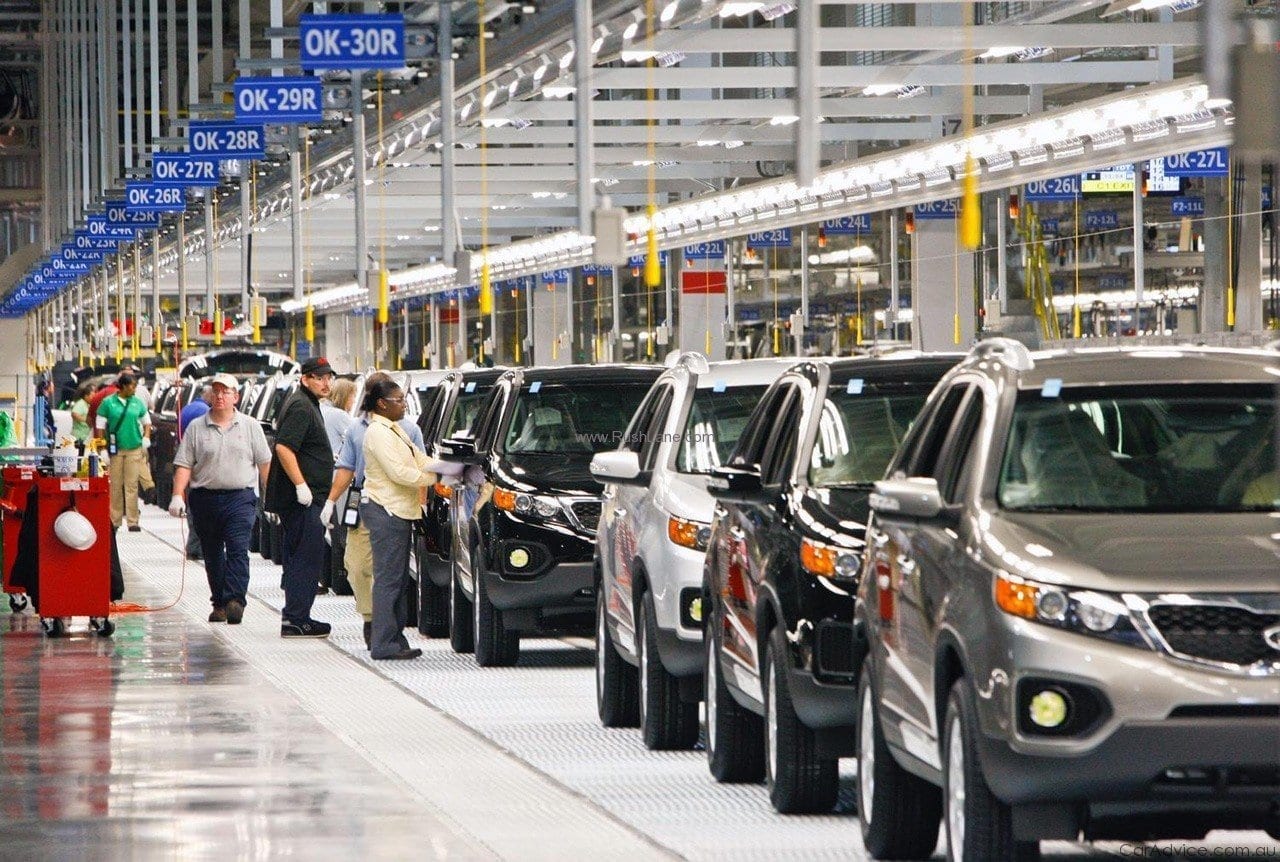
Hyundai Korea recalls diesel vehicles for emissions issue
Hyundai Motor will recall about 79,000 diesel-powered vehicles to fix faulty emission-related components, the Environment Ministry said Tuesday.Korea’s biggest carmaker by sales is expected to recall 78,721 vehicles encompassing three different models due to problematic parts that emit excessive nitrogen oxide into the air. The recall will start Wednesday and be carried out for one and a half years, an official at the Ministry of Environment said.
The three models are the 2.2-liter diesel-powered Grandeur sedan, the Megatruck and the Mighty truck.
“The ministry recommended Hyundai to recall 30,945 units of the Grandeur diesel sedan due to a faulty emission part,” the official said over the phone.
“As for the two truck models, however, the carmaker has voluntarily submitted its recall plan to the ministry, with an approval due to be made this week.”
Hyundai’s recall plan is in line with the government’s push to reduce diesel-powered vehicles on roads and fine dust, which is harmful to your health.
-
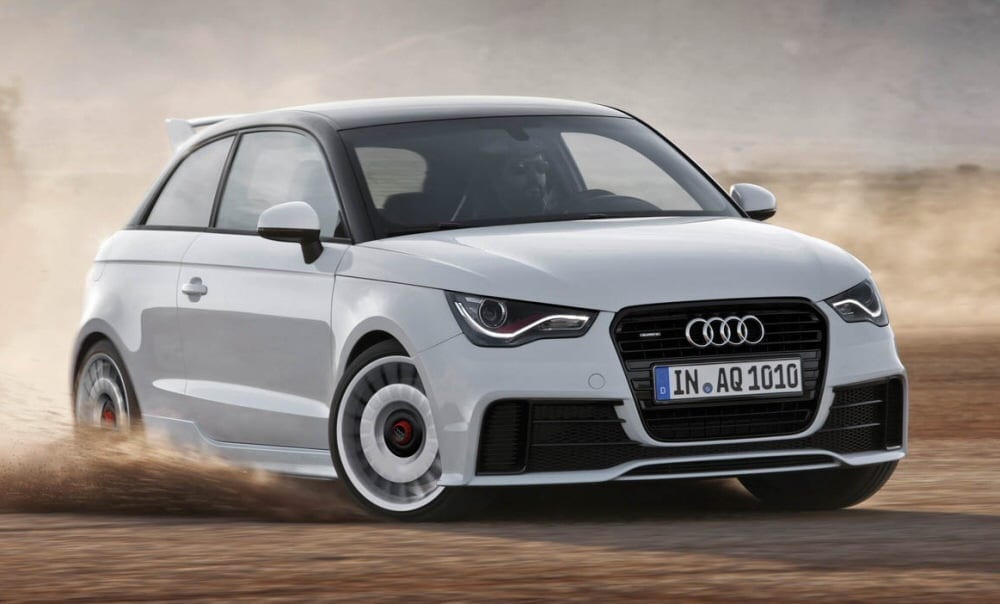
Audi recalls 5,000 diesel cars to fix emissions control software
Audi is recalling almost 5,000 cars in Europe for a software fix after discovering they emitted too much nitrogen oxide, the polluting gas that parent Volkswagen concealed from U.S. regulators in its devastating 2015 “dieselgate” scandal.
The luxury carmaker said on Thursday it had reported the matter to Germany’s road transport authority KBA, which was concerned about the possible illegal manipulation of emission levels.
The KBA had no immediate comment.
Audi said it would update the software of the 4,997 A8 model vehicles with 4.2 litre V8 diesel engines, of which 3,660 are in Germany and were made between September 2013 and August 2017.
The software updates will likely be available in the first quarter of 2018 after winter testing.
“Among other things, the update should ensure that after cold starts the engine more quickly reaches optimal operating conditions for the exhaust-gas treatment system so that its emissions are improved in real driving conditions,” it said.
“During the testing, it will be ensured that the new software has no disadvantages for customers in terms of fuel consumption or performance.”
Volkswagen was found in 2015 to have illegally manipulated engine software so that vehicles would meet nitrogen oxide (NOx) emissions standards in laboratory testing but not in real-world conditions, where they could emit up to 40 times the permitted levels.
Several Audi models were affected and Audi has been accused in media reports of having devised the so-called defeat devices years earlier but not to have installed them in its vehicles at that time. Audi and Volkswagen have never commented on the matter.
Volkswagen’s shares plunged more than 20 percent when the scandal broke. They climbed back to pre-crisis levels for the first time on Thursday.
-
Diesel Ginza re-opens after top-level redesign
Launched in 2008, the Diesel Ginza store in Tokyo has re-opened after being restyled by the brand’s own design team.
A showcase for the Italian brand, the store covers three floors at the 12-storey Ginza Glasse shopping mall. The ground floor, which features a gate-shaped LED screen, matches contemporary elements with rustic-inspired props, such as steel fixtures paired with rugs, concrete flooring with wooden ceilings, and antique furniture.
This floor and the second level offer the full range of men’s and women’s collections of denim, apparel, bags, shoes and accessories.
On the third floor are areas dedicated to the Diesel Black Gold and Diesel Living collections, set against industrial furnishings and concrete flooring. The Black Gold section has wallpaper as a backdrop, while the Diesel Living features a boombox and wooden planks.
The store features exclusive pieces such as leather jackets and denim.
-
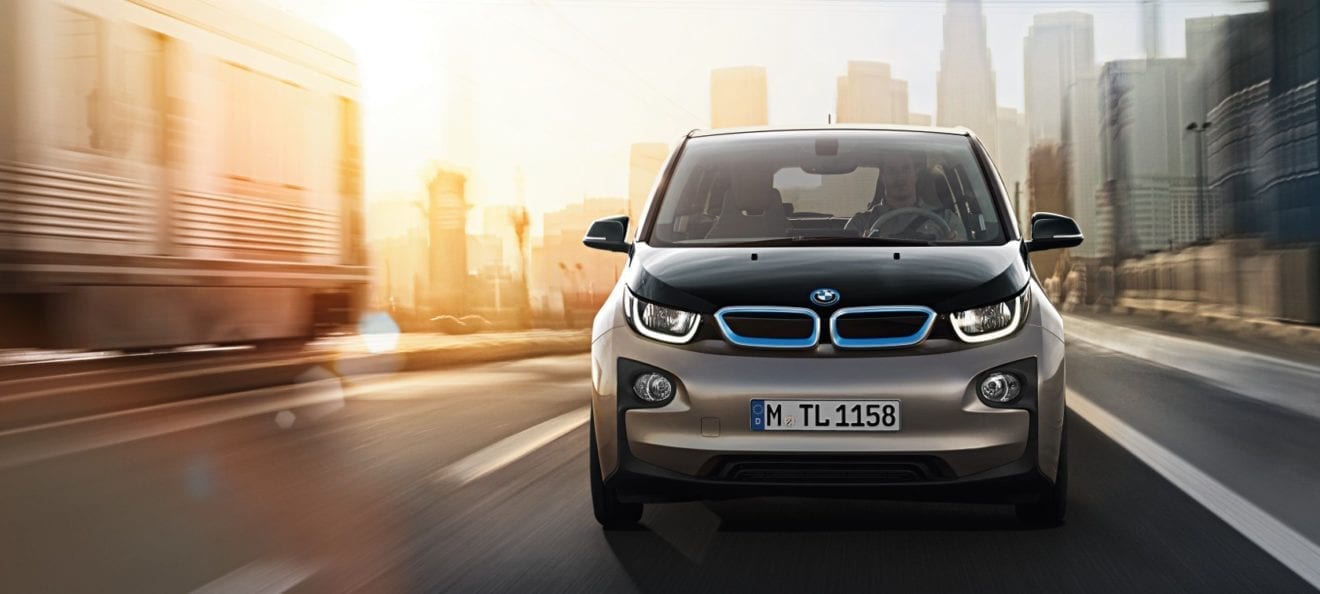
BMW denies collusion on diesel emissions
BMW said that none of its models had been ‘manipulated’ or violated industry regulations. German luxury carmaker BMW on Sunday denied any collusion with industry rivals on emissions from its diesel engines, saying none of its models had been “manipulated” or violated industry regulations.
As revelations about polluting exhaust continue to buffet Germany’s all-important auto sector, the Munich-based giant sought to distance itself from what it called the “scandaliation of diesel motors”.
“The fact is that automobiles from the BMW group are not manipulated and comply with the relevant legal requirements,” the company said in a statement.
“This of course also applies to diesel automobiles. This is confirmed by the relevant results from tests by national and international authorities.”
Der Spiegel magazine had reported Friday that German carmakers Volkswagen, Audi, Porsche, BMW and Daimler had secretly worked together from the 1990s onwards on issues including polluting emissions from diesel vehicles.
Volkswagen, which is facing tens of billions of dollars in compensation and fines after admitting in 2015 to cheating on diesel emissions, had reported the cartel to German competition authorities in a letter seen by the weekly, as did Mercedes-Benz maker Daimler.
According to the report, carmakers held “innumerable meetings” from 2006 onwards about diesel exhaust processing systems designed to reduce emissions of harmful nitrogen oxides (NOx).
Carmakers agreed to install only small tanks of a treatment solution, AdBlue, used to convert the gases into harmless water and nitrogen, as larger tanks would have been more expensive.
The size of the AdBlue tanks agreed on was too small to clean exhaust gases by the necessary amount — “laying the foundations for the diesel scandal,” Spiegel reported.
However BMW said it “firmly dismissed the accusation” that its AdBlue tanks were insufficient, meaning that any “recall or retrofitting for the Euro 6 diesel cars is unnecessary”.
Volkswagen admitted in September 2015 to installing software in 11 million cars worldwide that reduced NOx emissions when it detected that cars were undergoing regulatory tests.
More recently, authorities’ suspicion fell on Mercedes-Benz and Smart maker Daimler, with investigators raiding sites belonging to the group in late May.
The firm recalled some three million cars last week for a software update designed to reduce emissions.
Meanwhile, VW subsidiary Audi on Friday recalled up to 850,000 cars fitted with its diesel engines for a similar software update.