Retail News CRM

Tag: dining

  • Vivienne Westwood Debuts Spectacular Four-Storey Flagship With Fine Dining and Bridal Salon in Beijing

    Vivienne Westwood Debuts Spectacular Four-Storey Flagship With Fine Dining and Bridal Salon in Beijing

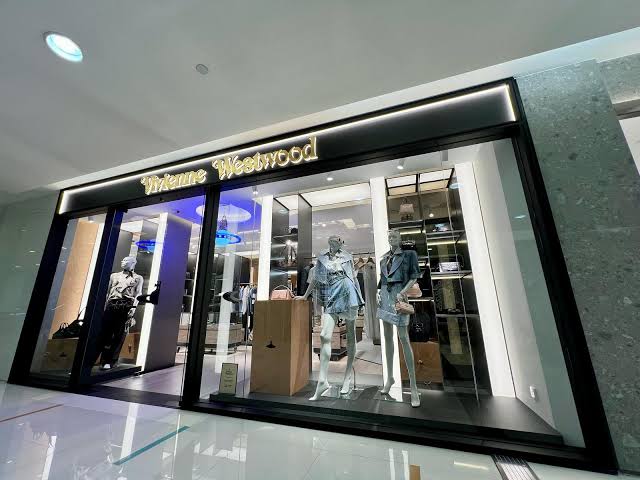
    British luxury fashion brand, Vivienne Westwood, recently opened the doors of its first flagship store in mainland China. Located in Beijing’s Huamao district, the multi-story establishment effortlessly combines facets of fashion, hospitality, and dining in one comprehensive setting.

    Design and Offerings

    Situated across four floors, the boutique harmoniously blends raw industrial elements with eco-friendly materials, creating a modern space that embodies the distinctive aesthetic of the renowned fashion house.

    The store features an extensive selection of the brand’s offerings, ranging from womenswear, menswear, and accessories to a diverse array of classic and seasonal jewellery.

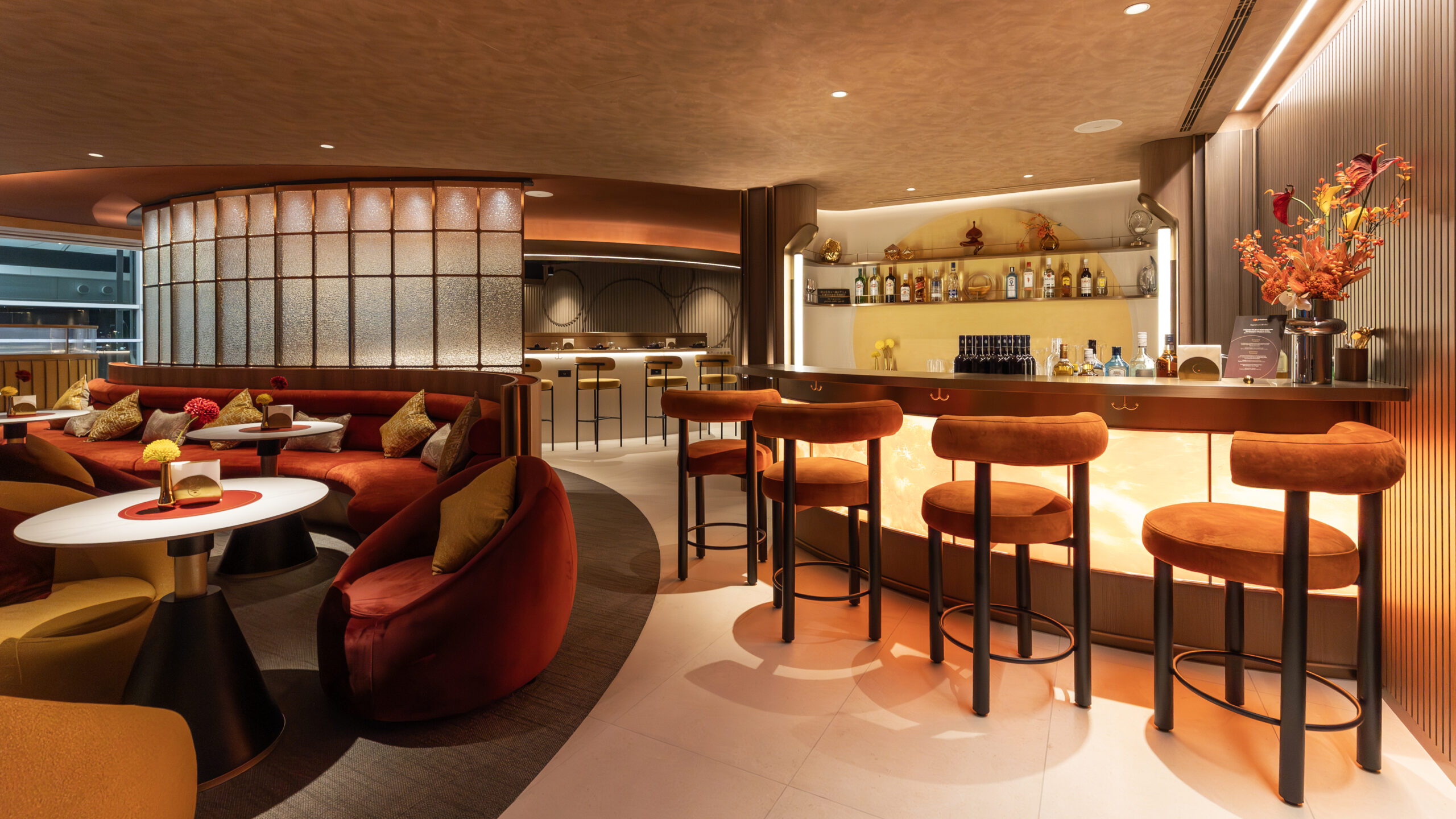
    On the third floor, customers can find the Vivienne Westwood Club. This 54-seat restaurant is built around an elegant marble bar featuring a unique gold-veined finish. The setting is further accentuated by dark timber interiors, comfortable banquette seating, and an exclusive chef’s table that can accommodate up to eight guests.

    Patrons of the restaurant can enjoy a diverse menu that blends European-inspired cuisine with Chinese touches. Among the culinary delights on offer are the Grilled Avocado Shrimp Salad and the Burrata ‘Clouds of Summer’. The restaurant also serves an array of cocktails, delectable desserts, and an assortment of bar snacks.

    Moving to the lower ground floor, there is a minimalist bridal salon that displays the exclusive Bridal 2026 collection. This collection includes 14 intricately designed gowns, separates, and accessories, all meticulously handcrafted in England and Italy.

    Additionally, the street-level floor hosts a Vivienne Westwood Cafe that offers a variety of takeaway beverages and light snacks for the convenience of shoppers on-the-go.

    Andreas Kronthaler, the creative director of Vivienne Westwood, expressed his enthusiasm about the new location, stating that Beijing’s rich cultural heritage made it a fitting location for the brand’s first flagship store in mainland China. He described it as a significant moment for the company to have a presence in Beijing and to offer the full spectrum of the Vivienne Westwood world to customers.

    Questions & Answers

    Where is Vivienne Westwood’s first flagship store in mainland China located?
    The store is located in Beijing’s Huamao district.

    What does the new Vivienne Westwood flagship store offer?
    The store offers a wide range of products including womenswear, menswear, accessories, classic and seasonal jewellery, as well as a bridal salon and a 54-seat restaurant.

    What cuisine does the restaurant in Vivienne Westwood’s flagship store serve?
    The restaurant serves European-inspired cuisine with Chinese influences. Key dishes include the Grilled Avocado Shrimp Salad and the Burrata ‘Clouds of Summer’.

  • Experience Luxury Dining: Tiffany & Cos Inaugural Blue Box Cafe in Southeast Asia to Open in Singapore

    Experience Luxury Dining: Tiffany & Cos Inaugural Blue Box Cafe in Southeast Asia to Open in Singapore

    Tiffany & Co, the prestigious luxury jeweller, announced their plans to launch their first-ever Blue Box Cafe in Southeast Asia. Set to make its debut in Singapore’s flagship store next month, this move is meant to elevate the brand’s presence within the region.

    Details of the Blue Box Cafe

    Slated to open its doors in mid-July, the Blue Box Cafe will take over the top floor of the recently revamped Ion Orchard store. Taking inspiration from its original New York-based Blue Box Cafe, the Singaporean outpost will boast an American-French menu. This gastronomic offering is the brainchild of Julien Royer, renowned chef and owner of Odette, a three-Michelin-starred restaurant.

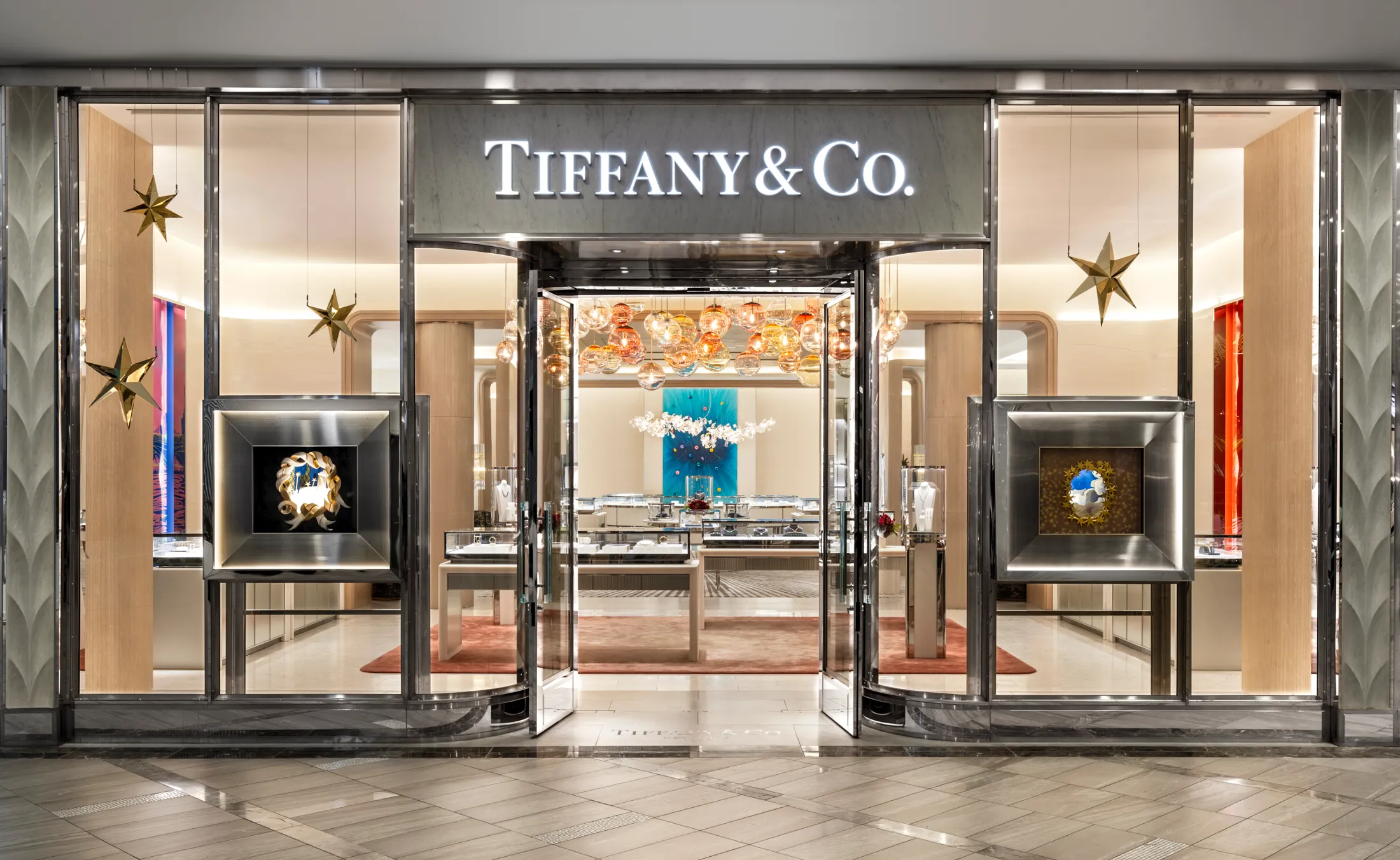
    The Ion Orchard branch of Tiffany & Co has recently undergone a significant facelift and is now the only triplex boutique of the brand in Singapore. The store’s refurbishment began in September of the previous year. Its design shares similarities with Tiffany’s Landmark flagship store in New York, featuring a dynamic light installation by British architect, Hugh Dutton, gracing the store’s facade.

    Highlights of the Renovated Store

    This boutique not only houses the first Tiffany watch salon in Singapore, but it also encompasses private VIP suites, and the Schlumberger Gallery. This exclusive space showcases the works of notable jewellery designer, Jean Schlumberger.

    In addition to these offerings, the store also features artworks by ceramic artist Peter Lane and exhibits the Monumental Bronze-Mounted Vase. This historic masterpiece, created in 1898, is the work of Louis Comfort Tiffany, after whom the brand is named.

    Yeo Mui Hong, CEO of Orchard Turn Developments, expressed his pride in housing the first Blue Box Cafe in Southeast Asia at Ion Orchard. He affirmed the company’s commitment to enhancing the shopping experiences of its patrons and members. This introduction of the Blue Box Cafe follows the successful opening of a similar cafe earlier this year at Tiffany & Co’s Lee Gardens boutique in Hong Kong.

    Questions & Answers

    What is the Blue Box Cafe?
    The Blue Box Cafe is a dining concept by luxury jeweller Tiffany & Co. The cafe is designed to complement the shopping experience with a unique gastronomic offering.

    Where will the first Blue Box Cafe in Southeast Asia be located?
    The first Blue Box Cafe in Southeast Asia will be located on the top floor of the Tiffany & Co store in Ion Orchard, Singapore.

    What unique features does the renovated Ion Orchard store offer?
    The renovated Ion Orchard store houses Singapore’s first Tiffany Watch Salon, private VIP suites, and The Schlumberger Gallery, showcasing creations by jewellery designer Jean Schlumberger. It also features a kinetic light installation on its facade and several noteworthy art pieces.

  • Chinese Dining Chains Spice Up South Korea’s Restaurant Scene with Explosive Growth

    Chinese Dining Chains Spice Up South Korea’s Restaurant Scene with Explosive Growth

    Chinese restaurant chains are accelerating their growth in South Korea, capturing customers in the major tourist regions of Seoul with genuine Chinese food. This development is fueled by a boost in sales.

    Emerging Leaders in the Industry

    Among the most rapidly developing contenders is the hot pot franchise Tanghuo Kungfu Malatang. Since the inauguration of its initial franchised store in Suwon in 2012, the chain has expanded exponentially, boasting over 560 locations in South Korea as of the end of March. These locations encompass both franchised and company-managed stores.

    Tanghuo Kungfu Korea reported an impressive KRW22.2 billion (US$14.7 million) in revenue in 2024, an increase of 21% from the previous year. The company’s operating profit skyrocketed elevenfold to KRW10.5 billion during the same timeframe.

    Now, the company’s establishments are primarily located in the main tourist hotspots of Seoul, such as Gangnam Station, Myeong-dong, Hongdae, Seongsu, and Daehangno.

    The company is also offering incentives for new partners by exempting franchise, training, and royalty fees and providing free serving bowls.

    A spokesperson for Tanghuo Kungfu Korea stated, “As the malatang market in Korea continues to grow, we aim to appeal to potential entrepreneurs and share with them our brand’s operational expertise and practical support benefits. We look forward to active involvement by local restaurant owners so we can jointly spearhead malatang’s market growth here.”

    Other Key Players

    Other Chinese brands are also on the rise. The hot pot chain Haidilao reported sales of over KRW100 billion last year, a significant increase compared to KRW78.1 billion in 2024. The brand, recognized for offering customers complimentary nail art services and entertainment shows, has grown to ten locations since its introduction into South Korea in 2024.

    Bantianyao Grilled Fish has established six outlets since it entered the market in 2020, while Haihai Kaochuan, a skewer barbecue chain managed by Haidilao, inaugurated its first Seoul outlet in Myeong-dong this past January.

    These restaurant chains are emulating the expansion strategy of major Chinese tea brands, which have demonstrated their success in China with thousands of stores. Their push into South Korea is a strategic move, given that China’s domestic market is nearing saturation.

    Milk tea brand Chagee announced plans to launch three outlets in Seoul by the end of June, marking its first expansion into East Asia outside China. Other brands, such as Chabaido, HeyTea, and Mixue, are also extending their reach in the country.

    Market Outlook

    Market analysts regard South Korea as a desirable entry point for global expansion, attributing its appeal to the country’s significant cultural influence through trends like K-pop, K-food, and K-beauty. This positions the country as an ideal testing ground for new brands prior to broader international deployment.

    Questions & Answers

    What are some Chinese restaurant chains expanding in South Korea?
    Some Chinese restaurant chains expanding in South Korea include Tanghuo Kungfu Malatang, Haidilao, Bantianyao Grilled Fish, and Haihai Kaochuan.

    What strategies are these chains employing for their expansion?
    These chains are waiving franchise, training, and royalty fees for new partners, providing complimentary offerings, and focusing on locations in major tourist areas. They are also following the successful expansion strategies of Chinese tea brands.

    Why is South Korea considered an attractive market for these expansions?
    South Korea is considered an attractive market due to its strong cultural influence and trends such as K-pop, K-food, and K-beauty. These aspects position the country as a potential testing ground for brands before broader international rollout.

  • Coach Unveils Chic Dining Experience with New Flagship Restaurant at Jewel Changi Airport

    Coach Unveils Chic Dining Experience with New Flagship Restaurant at Jewel Changi Airport

    Coach, the well-known American fashion brand, has expanded its horizons into the hospitality industry by introducing The Coach Restaurant in Singapore’s Jewel Changi Airport. This venture is a part of the brand’s wider lifestyle strategy.

    Design Inspired by New York Heritage

    The Coach restaurant’s design takes inspiration from the brand’s New York roots. The establishment offers breathtaking views of Jewel’s Rain Vortex. It includes a spacious 56-seat dining room, a 10-seat bar, and a chef’s counter with 10 seats, all built around a centralized, open woodfire kitchen.

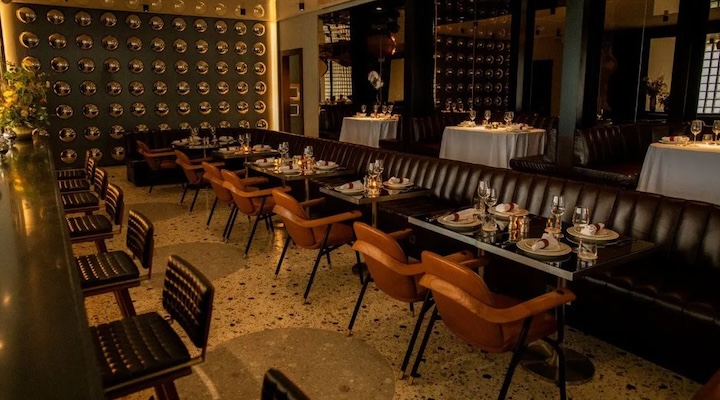
    The interior design showcases a harmonious blend of bronze mirrors, terrazzo floors, and tropical wooden louvres. Leather accents have been thoughtfully utilized in menu covers and staff aprons, adding to the restaurant’s sophisticated ambiance. A noteworthy feature is a full-sized yellow taxi cab hanging above the dining area, serving as a focal point and a nostalgic nod to the brand’s origins.

    Singapore: A Natural Choice for Coach’s Venture

    Marcus Sanders, the Vice President of Global Food and Beverage at Coach, shared his excitement about the brand’s new venture. He highlighted that Singapore’s vibrant food culture and diverse international community made it an excellent choice to host their hospitality concepts.

    Sanders expressed his desire to create a space where guests can gather, celebrate, and experience Coach in a manner that feels both traditional and innovative.

    Building on Previous Successes

    The new restaurant is an extension of Coach’s earlier forays into the food and beverage sector. It enhances the brand’s in-house coffee shop and its refurbished retail store, both located at Jewel. These three distinct spaces are strategically devised to bolster the brand’s most extensive integrated lifestyle concept in Asia.

    Questions & Answers

    What is the inspiration behind the design of The Coach Restaurant?
    The design of the restaurant is inspired by Coach’s New York Heritage. It features bronze mirrors, terrazzo flooring, and tropical wooden louvres alongside leather accents used in menu covers and staff aprons.

    Why did Coach choose Singapore for their hospitality venture?
    Coach chose Singapore due to its dynamic food culture and globally diverse community, which aligns with Coach’s broader lifestyle strategy.

    How does the new restaurant enhance Coach’s integrated lifestyle concept?
    The new restaurant, along with Coach’s coffee shop and refurbished retail store at Jewel Changi Airport, strengthens the brand’s largest integrated lifestyle concept in Asia.

  • Seoul’s Fashion District Transforms As Gucci And Louis Vuitton Ignite Luxury Dining Rivalry

    Seoul’s Fashion District Transforms As Gucci And Louis Vuitton Ignite Luxury Dining Rivalry

    In a fashionable district of Seoul, two premier luxury brands are shifting their rivalry from the fashion world to the restaurant industry.

    Gucci is set to open its redesigned and relocated restaurant, Gucci Osteria da Massimo Bottura Seoul, within its flagship store in Cheongdam. The restaurant, which will replace the brand’s former establishment in Itaewon that was launched in 2022, is located on the fifth floor. According to Gucci, the new space is conceptualized with exquisite interiors and a carefully selected menu to engage diners with the brand’s identity.

    This development comes hot on the heels of Louis Vuitton’s recent opening of Le Café Louis Vuitton in its Maison Seoul boutique, also situated in Cheongdam. The café, which is an extension of the brand’s burgeoning “culinary community” spanning across Paris, New York, Tokyo, Milan, and Bangkok, has been garnering attention for serving dishes branded with Vuitton’s trademark monogram – even featuring the iconic pattern on dumplings.

    The two new dining establishments are located just blocks away from each other on Apgujeong-ro, transforming the neighborhood into a hot spot for luxury dining. Other high-end fashion houses, such as Hermès with its Café Madang in Sinsa and Dior with Café Dior in Seongsu and Cheongdam, have already ventured into the food and beverage sector.

    Industry experts view this trend as more than just a simple venture into the hospitality realm. By providing immersive experiences at relatively affordable price points, luxury brands aim to foster customer loyalty and extend their cultural influence beyond their high-end products. As some experts put it, “Dining allows consumers to taste…”

    Questions & Answers

    Why are luxury brands like Gucci and Louis Vuitton opening restaurants?
    Luxury brands are exploring the hospitality sector as a means to expand their cultural influence and foster stronger customer loyalty.

    What is unique about the new Gucci and Louis Vuitton dining establishments in Seoul?
    These dining establishments are strategically located in a fashionable district in Seoul and provide immersive brand experiences for diners. Louis Vuitton’s café, for instance, serves dishes branded with its trademark monogram.

    Are other luxury brands also venturing into the food and beverage industry?
    Yes, other luxury brands such as Hermès and Dior have also established their own dining establishments in Seoul.

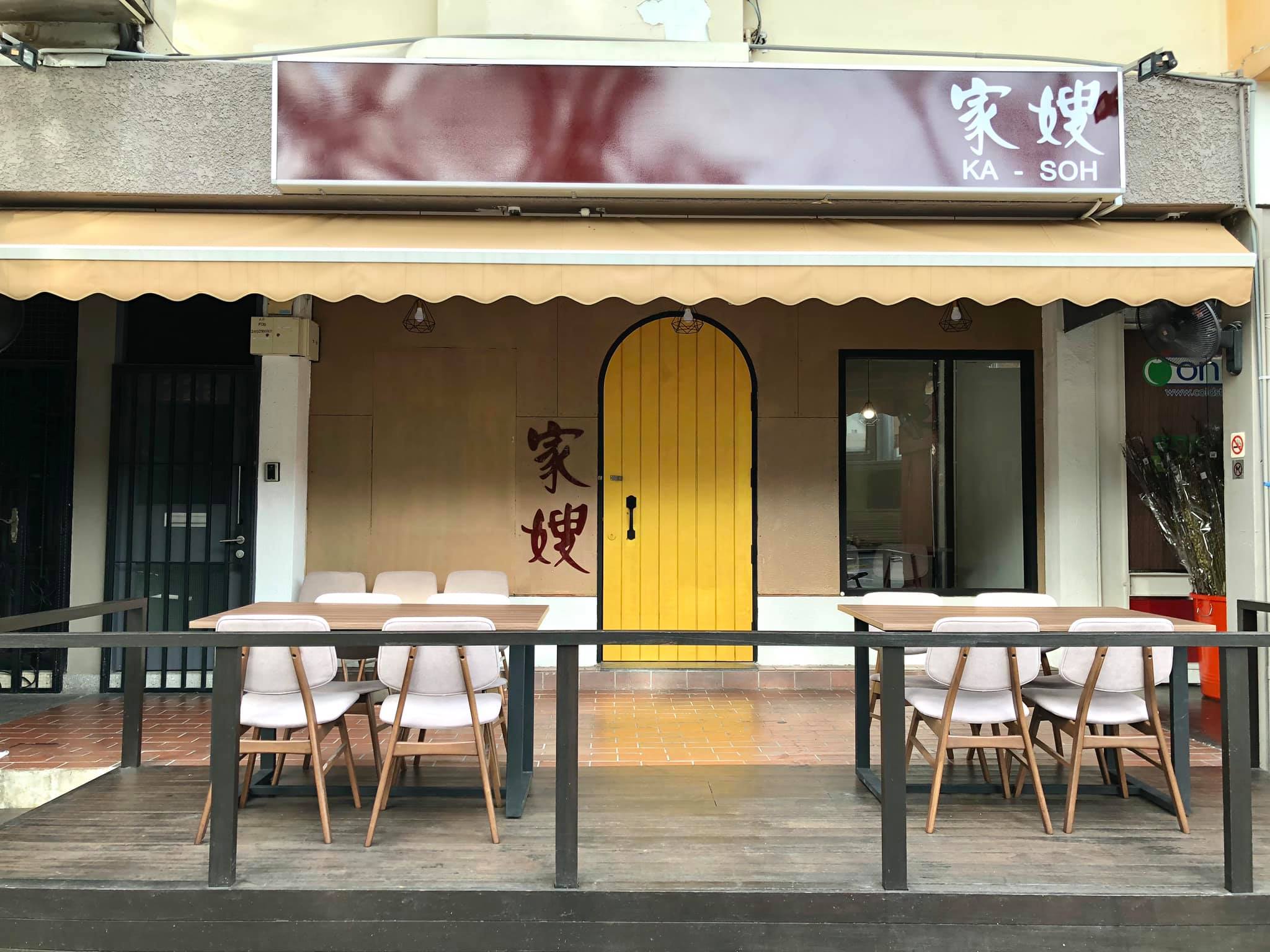
  • Beloved Singaporean Eatery Ka-Soh Bids Farewell After 86 Years of Serving Iconic Cantonese Fish Soup

    Beloved Singaporean Eatery Ka-Soh Bids Farewell After 86 Years of Serving Iconic Cantonese Fish Soup

    In a heartfelt message posted on Facebook, Ka-Soh has announced it will close its Greenwood Avenue location, marking the end of an era come September 28, 2025. This decision comes after years of serving sumptuous Cantonese-style zi char dishes, beloved in both Singapore and Malaysia for their homey appeal and shared dining experience, as recognized by the Michelin Guide.

    Ka-Soh is particularly famous for its signature fish soup, a culinary masterpiece featuring a velvety, milky broth crafted from hours of boiling fish bones. And let’s not forget the prawn paste chicken — a dish that many loyal patrons hail as the best in Singapore, proving that food can inspire both nostalgia and deep cravings.

    In its announcement, Ka-Soh expressed immense gratitude to its loyal customers who have supported the restaurant for generations, moving with it from Chin Chew Street to Amoy and out to Outram before settling in Greenwood.

    Cedric Tang, the third-generation owner at the helm, shared his struggles with survival in today’s competitive food landscape. Just this month, he revealed to The Straits Times that the restaurant has been grappling with slim margins, admitting that he has had to take a salary cut while the earnings have dwindled to barely breaking even, a significant shift from the once-thriving profits of 30-40% seen decades ago.

    The Legacy of 86 Years

    The journey of Ka-Soh began in 1939 when Cedric’s grandfather, Tang Kwong Swee, launched the original eatery, Swee Kee. Following the disruptions of World War II, he reinvented himself as a street hawker along Chin Chew Street before eventually securing a shophouse to reopen his business. As demand grew, he hired a head waitress and her daughter-in-law, who helped shape the restaurant’s character, lending their name to what would become “Ka-Soh,” meaning “daughter-in-law” in Cantonese.

    The restaurant transitioned to Cedric’s father in the 1980s, relocating to Amoy Street in 1996, and saw a new chapter in 2007 with the launch of Ka-Soh as a slightly more upscale offering. At the peak of its popularity, Swee Kee attracted a blend of local patrons and international celebrities, including Hong Kong’s Four Heavenly Kings — Jacky Cheung, Andy Lau, Aaron Kwok, and Leon Lai — who dined there after their performances in Singapore, according to MustShareNews.

    Over the years, Swee Kee operated six outlets, including its flagship location on Amoy Street, earning multiple Michelin Bib Gourmand awards for providing quality food at reasonable prices. Yet, as economic realities set in, including increasing operational costs, Ka-Soh had to make the painful decision to close, nearly all of its outlets falling to the wayside, leaving just one standing.

    In a candid interview with 8days, Cedric articulated the harsh truths faced by traditional eateries in Singapore. Rising costs, persistent staffing challenges, and evolving customer expectations create a perfect storm of difficulties, particularly when price adjustments become necessary. “Being a heritage brand doesn’t pay the bills,” he lamented. Despite the emotional weight of closing the restaurant, Cedric remains hopeful that the spirit of their culinary legacy will endure, acknowledging the hard work he and his brother Gareth have poured into it.

    “Of course, it’s not easy,” he concluded somberly. “But we know we gave it everything we had.”

    Questions & Answers

    What is the significance of Ka-Soh’s closure for the local dining scene?
    Ka-Soh’s closure represents the loss of a beloved heritage brand that has served Singaporeans for decades, highlighting the challenges traditional eateries face in a rapidly changing economic landscape.

    How did Ka-Soh become popular in the first place?
    Ka-Soh became popular due to its authentic Cantonese-style zi char dishes, particularly its acclaimed fish soup and prawn paste chicken, attracting a loyal customer base over its 86-year history.

    What challenges is the restaurant industry facing today?
    The industry is grappling with rising operational costs, staffing issues, and shifting customer expectations, making it tough for heritage brands like Ka-Soh to adapt and thrive.

  • Malaysians get a taste for in-car dining during lockdowns

    Malaysians get a taste for in-car dining during lockdowns

    Diners in Malaysia can now enjoy restaurant meals from the safety and comfort of their vehicles after an eatery started a drive-in service for people eager to eat out during a COVID-19 lockdown.

    The Southeast Asian nation is in its fourth week of nationwide restrictions imposed as it grapples with a surge in coronavirus infections that has pushed the cumulative total to more than 230,000 cases, with more than 800 deaths.

    In Cyberjaya, a satellite city on the outskirts of the capital Kuala Lumpur, customers drive into the parking lot of Padi House restaurant and order from laminated menus through the vehicle windows.

    Each set meal comes on a customized tray that fits in the narrow space between the driver seat and steering wheel.

    “I work at the bank so its not a suitable environment for me to eat. I prefer to go out and sometimes we need a change in scenery so that I can enjoy my food, even in a car,” said Nor Shekin Nor Razali, who had lunch with a colleague on Thursday (Feb 4).

    The restaurant has closed its dine-in service and, like most eateries in Malaysia, had been offering takeaways only.

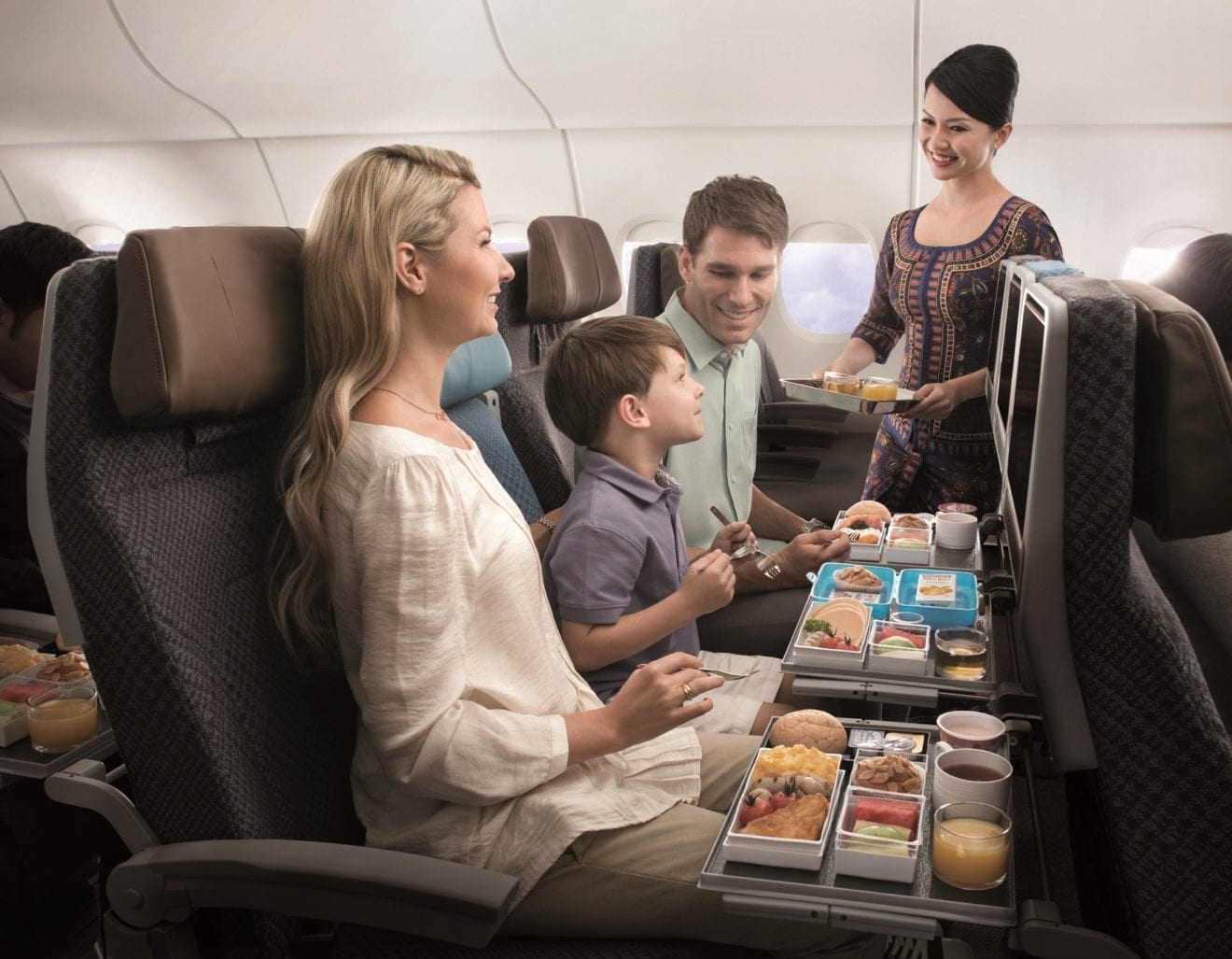
    Owner Leow Kim Ngan said the inspiration came from airline meals after business dropped 80per cent due to the pandemic.

    “It’s very challenging, we have to think of a new way to find more income,” said Leow.

    Malaysia is currently at its peak of infections, averaging more than 4,600 new cases per day.

    Infection numbers have been climbing steadily since the end of September. A second nationwide lockdown, which bans social activities and inter-state travel, is due to end on Feb 18.

  • Yum acquires Chinese casual dining chain Huang Ji Huang

    Yum acquires Chinese casual dining chain Huang Ji Huang

    Restaurant operator Yum China, which operates KFC and Pizza Hut in the territory, has purchased a controlling interest in Chinese-style casual dining franchise Huang Ji Huang.

    The brand, launched in 2004, has more than 640 restaurants within China and overseas operating primarily under a franchise model, offering simmer pot and localized fast-food cuisines.

    After settling the purchase, Yum China says it will now establish a Chinese-dining business unit that will involve its three core Chinese dining brands – Little Sheep, East Dawning, and now Huang Ji Huang.

    The company hopes the new business unit will build a significant share of the Chinese-style dining market within Mainland China, building on its own scale and operational network, complemented by Huang Ji Huang’s track record and skills in product research and development, franchisee management, and Chinese dining expertise.

    As of the end of last year, Yum China had 9200 restaurants in more than 1300 cities.

  • Tao Heung shuts 48 restaurants for a fortnight in coronavirus fight

    Tao Heung shuts 48 restaurants for a fortnight in coronavirus fight

    Chinese restaurant operator Tao Heung will shutter all 48 of its venues for more than a month following tightening restrictions on dining in Hong Kong.

    As the territory’s administration has now moved to limit the maximum number of diners per table to four – at tables spaced 1.5 meters apart – in an effort to curb the coronavirus outbreak, the group decided to close all of its restaurants through to April 10.

    “For everyone’s health and safety, from today, our restaurants will not serve anyone under mandatory quarantine,” read an announcement on the group’s Facebook page.

    Tao Heung’s venues mainly serve traditional Chinese delicacies. The business also operates venues in Mainland China.

    The group is one of several major F&B chains to respond to the official measures in the midst of the pandemic.

    Hong Kong’s total number of coronavirus cases has already passed the 500 mark, prompting more stringent social distancing measures on the part of the government, including a proposed ban on alcohol sales at Hong Kong’s licensed bars and clubs that has since been withdrawn after an outcry from the industry.

    Restaurants are now restricted to operating at half their capacities and must institute mandatory temperature checks and hand sanitization.

    Venues failing to comply with regulations will face maximum fines of HK$50,000 (US$6450) and six months in prison.

  • New dining experiences at Hong Kong International Airport

    New dining experiences at Hong Kong International Airport

    Hong Kong International Airport (HKIA) has become a “foodie destination” after welcoming seven new restaurants and outlets together with a revamped East Hall Food Court.

    Seven new culinary concepts include the debut of the Californian-inspired restaurant, Wolfgang Puck Kitchen, where customers can enjoy Wolfgang Puck’s pizzas cooked at an open kitchen, along with American-style foods such as Chicken Pot Pie or Bacon Wrapped Meatloaf.

    British chef Gordon Ramsay has opened his very first airport-based restaurant in Asia at HKIA. Gordon Ramsay Plane Food To Go offers British-style cuisine, created exclusively for HKIA.

    The Michelin-starred restaurant Jardin de Jade opens at HKIA, featuring authentic regional Chinese and Shanghainese dishes along with an airport apron view.

    Following the successful launch in Hong Kong’s Central, Cantonese restaurant Duddell’s opens its doors at the airport, offering a casual and approachable dining concept.

    The fifth restaurant to open is Sushi Saito’s sister brand, Sushi and Sake Bar Taka, featuring fresh sushi sourced from the Yamayuki group.

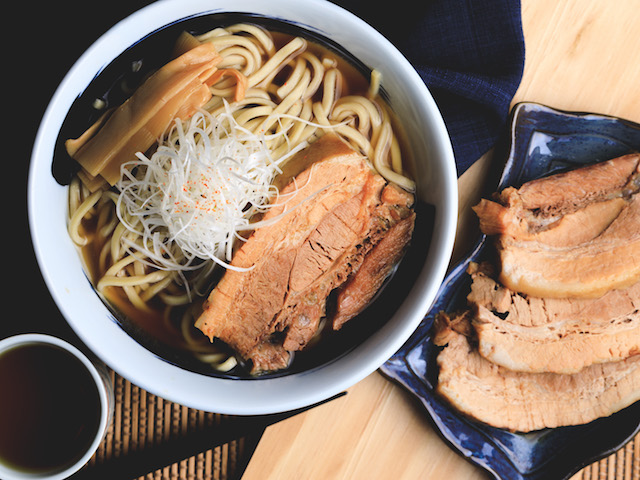
    Another Japanese restaurant arrived HKIA called Bari-Uma, the largest ramen chain in Hiroshima, while SinsaEat Korean Kitchen brings further diversity to HKIA’s revamped new food court experience with authentically spicy Korean delights.

  • Singapore Airlines To Trial Business Class Dine On Demand

    Singapore Airlines To Trial Business Class Dine On Demand

    For decades Singapore Airlines has been known for being one of the best airlines in the world, though I can’t help but feel like they’ve somewhat been resting on their laurels. I feel like the airline used to be super innovative, but is less innovative nowadays:

    • For the most part, I don’t find Singapore Airlines’ new cabins to be that cutting edge, and their business class seat hasn’t evolved that much in the past decade
    • Their meal services in business class are good, though nothing special
    • I will say that their cabin crew are consistently exceptional, and they’re one of the best parts of flying with the airline

    This is due to customer feedback, though Singapore Airlines is careful to note that they want to make sure they develop a system that works before fully implementing this.

    Part of that will be ensuring that flight attendants can deal with the increased work required from dine on demand while maintaining high levels of customized service.

    Is Business Class Dine On Demand A Good Thing?

    On the surface, the addition of dining on demand sounds like a good thing. Especially for an airline like Singapore Airlines, where I sometimes can’t figure out the flow of their meal service.

    But I’ve also sometimes in the past noticed that I don’t always think a dine on-demand system is best. Sure, in an ideal world dine on demand is great, but there are some downsides:

    • It significantly increases the workload for the crew, and will make them more stressed, and perhaps not provide the same level of service
    • If you’re like me and are a sensitive sleeper, I find that the sounds, lights, and smells, from people dining throughout the flight, can make it much harder to sleep

    So while I’m generally in favor of dine on demand, there are also some downsides that are at least worth acknowledging.

    I’d note that quite a few airlines have done dine on-demand trials in business class, but ended up deciding against it. Take Emirates, for example — they trialed it for a while, but then decided not to implement it on a widespread basis (meanwhile both Etihad and Qatar offer dine on demand).

    Bye Bye Lobster Thermidor?

    Singapore Airlines offers a “Book The Cook” menu, where you can order from a much larger menu before your flight. One of the most popular options is their lobster thermidor dish.

    It looks like that may not be on the menu forever in its current form:

    “Like everything, the Book The Cook programme evolves. The lobster thermidor is a perennial favourite but we’re looking at opportunities to modernise that, whether it be a lobster thermidor-type of dish or something similar and lobster- themed which is a little bit more modern, a little bit more healthy perhaps.

    People like lobster, but we’re moving to an environment where people are becoming more health-conscious so maybe the creamy lobster dish is not the right one… maybe a beautiful grilled lobster with fresh asparagus or veggies might be another alternative, as long as we maintain the integrity of the dish.”

    Bottom Line

    I’ll be curious to see what kind of a dine on-demand trial Singapore Airlines runs, and how successful it is. Generally, I’d say dine on demand would be a positive development, though assuming it allows the crew to maintain their high service standards.

    As someone who struggles to sleep without perfect conditions, I’m also generally somewhat apprehensive about dine on demand, though I realize that’s mostly just my problem.

  • Yum China buys Chinese retail chain Huang Ji Huang

    Yum China buys Chinese retail chain Huang Ji Huang

    Yum China Holdings has entered into a definitive agreement to acquire a controlling interest in Huang Ji Huang group, a leading Chinese-style casual-dining franchise business.

    Subject to the satisfaction of closing conditions and regulatory approvals, the transaction is expected to close early next year.

    Founded in 2004 and headquartered in Beijing, Huang Ji Huang has more than 640 restaurants in China and internationally. The group operates primarily under a franchise model and its brand portfolio consists of simmer pot brand “Huang Ji Huang” as well as “San Fen Bao”, a newly launched Chinese fast food concept.

    Yum China is the largest restaurant company in China, with more than 8700 restaurants as of June 30. With the addition of Huang Ji Huang, Yum China aims to gain a stronger foothold and enhanced knowhow in the Chinese dining space, which represents a significant share of the dining market in China.

  • The Salted Plum opens at Suntec City

    The Salted Plum opens at Suntec City

    Southern Taiwanese restaurant The Salted Plum has opened its second outlet in Suntec City.

    The outlet features a spacious dining area with a street ambiance, a self-service system and new dishes exclusive to the venue. The brand, which serves tapas-style Taiwanese dishes, began as a pop-up called FiveTen before launching its first permanent location on Circular Road.

    “The Salted Plum is the embodiment of how a great zi-char restaurant should be; home-style cooking that is full of comforting flavors, hearty, affordable, satisfying and above all, enjoyed with the people you love,” said founder and MD Shawn Kishore.

    “We are excited at the opportunity to welcome larger groups of diners at our new outlet while maintaining our essence and commitment to serve quality food at a reasonable price. With the ongoing labor crunch in Singapore, our self-service system is one of the ways for us to pass on the savings to our customers and ensure that they do not need to break the bank for a wholesome meal in the city.”

    The new 76-seat venue is described as “a pimped-up version of the flagship outlet”, offering diners the option of all-day Taiwanese dining experience on a budget. After placing orders at the cashier, guests are assigned order numbers for self-collection; made easy with single tray pick-ups – all dishes ordered will be placed onto a single tray.

    The Salted Plum Suntec City is decked out with communal-style high-top tables, high ceilings and street-style decor against navy-blue walls featuring vivid illustrations of signature dishes; all aesthetically lighted to capture the mood of outdoor city dining. Countertop seats and small tables are designed for a quick bite while the restaurant’s larger tables can accommodate bigger parties.

  • Smashburger weighs down Jollibee results

    Smashburger weighs down Jollibee results

    Jollibee’s Smashburger and Red Ribbon business units significantly dragged down the restaurant operator’s first-half profits.

    Jollibee Foods Corporation says the company’s net income attributable to shareholders was P1.1 billion (US$21.1 million) in the second quarter – half that of the preceding three months. First-half profit was down 34 percent on the same period last year.

    The company blamed the decline on losses relating to the Smashburger chain and lower sales by its Red Ribbon bakery business.

    “On Smashburger, we introduced major changes that created short-term disruption in sales and profit but will drive sustainable sales growth and strengthen the brand health,” said Jollibee CFO Ysmael Baysa.

    While Smashburger, a relatively recent acquisition for the company, was not yet performing, Baysa says Jollibee has considerable experience restructuring businesses it buys into more profitable operations, namely Yonghe King and Hong Zhuang Yuan in China, and the Highlands Coffee business in Vietnam.

    The poor performance of Red Ribbon during the quarter was attributed to a shortage of supplies relating to the transfer of the company’s commissary kitchen to new premises south of Metro Manila.

    Last month, Jollibee announced the purchase of California cafe chain The Coffee Bean & Tea Leaf for US$350 million. It expects that business to contribute to Jollibee’s bottom line within 12 to 18 months.

    Global sales by Jollibee rose 13.8 percent in the first half, to P113.8 billion (US$2.11 billion) . Most of that growth came from its international operations, which grew by 24.9 percent, far faster than the 13.8 percent of its domestic business.

    Between January and June, the company opened 170 stores, 111 of those in its home market.

  • Tim Ho Wan to launch in Texas

    Tim Ho Wan to launch in Texas

    Dim sum restaurant brand Tim Ho Wan is launching its first Texas location at NewQuest Property’s Katy Grand development.

    The new Katy store is the group’s fourth US location and is expected to open later this year or early 2020. The lease for the 5160sqft outlet has been signed, with plans to include a Zen garden, bringing total leasing of the first of two buildings for Phase 2 of the Katy Grand development to 100 percent.

    Other tenants at the complex are to include 85°C Bakery & Cafe, Kura’s Revolving Sushi Bar and Kinokuniya Books.