Retail News CRM

Tag: dior

  • Dior Unveils Largest Southeast Asia Outlet In Bangkok: A New Era Of Luxury Retail Experience

    Dior Unveils Largest Southeast Asia Outlet In Bangkok: A New Era Of Luxury Retail Experience

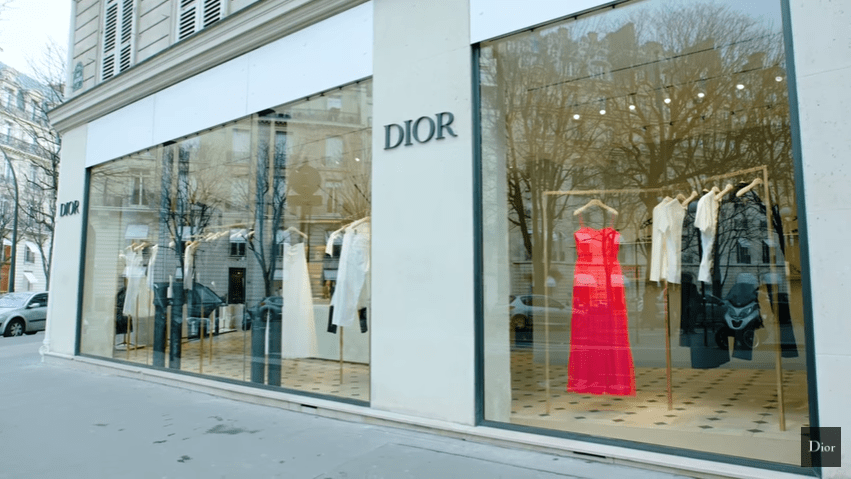
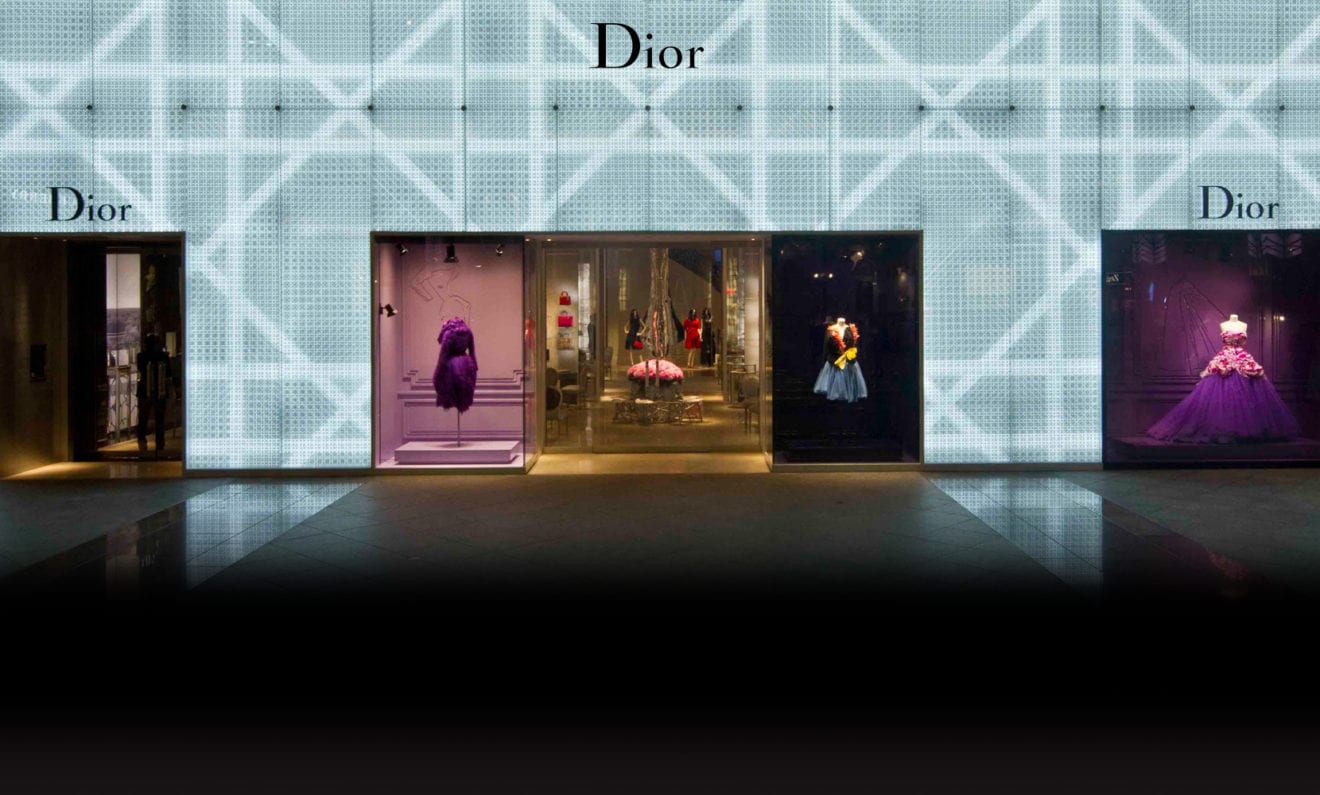
    Dior Beauty has unveiled its most expansive outlet in Southeast Asia, located in the Siam Takashimaya section of Bangkok’s IconSiam center. This move marks a strategic expansion in one of the most significant luxury consumer markets in the region.

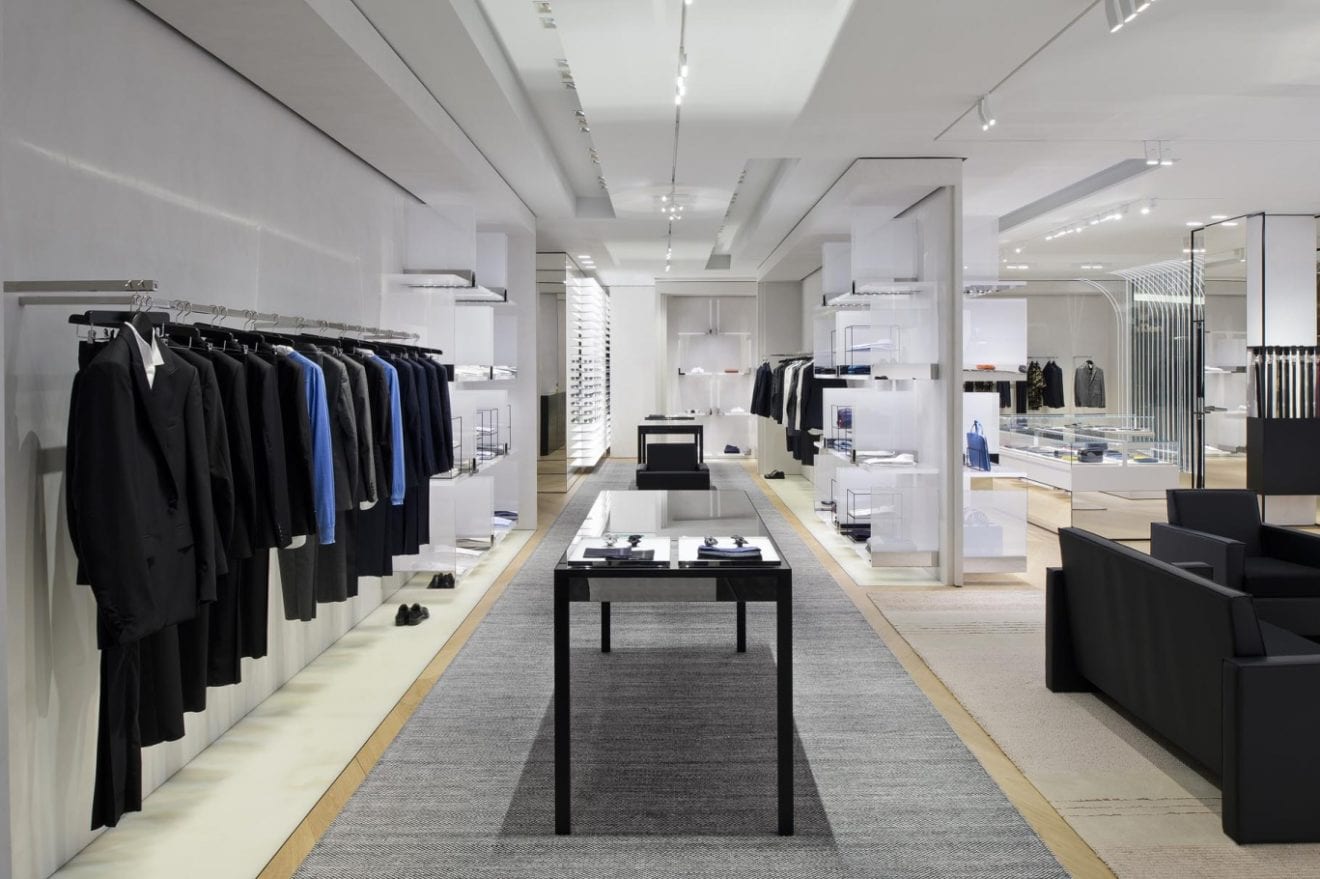
    The latest Dior store exemplifies the firm’s innovative global retail strategy. It offers a curated selection of fragrances, makeup, and skincare products, all under one roof. The focus is on delivering a tailored and immersive retail experience for the brand’s discerning customers.

    A standout feature of the boutique is the private VVIC Lounge, a space meticulously designed for personalized beauty consultations. Additionally, beauty enthusiasts can indulge in Dior La Suite, an exclusive room offering bespoke facials using the brand’s cutting-edge skincare technology.

    Fragrances play a pivotal role in the store’s unique ambiance. The exquisite La Collection Privee Christian Dior is showcased in a distinct area, shaped in collaboration with the celebrated perfume creation director, Francis Kurkdjian. The boutique offers a host of customization services, such as refillable Amphora bottles and engraving.

    The boutique’s makeup area features top-tier products crafted under the guidance of Peter Philips, the creative and image director for Dior Makeup. This includes popular items like Rouge Dior and Dior Forever. Moreover, skincare ranges like Dior Prestige, Dior Capture, and L’Or de Vie are displayed with innovative digital diagnostic tools that help customers select suitable products.

    Since the dawn of the Year of the Horse, IconSiam has seen a rise in its luxury portfolio with several upscale brand debuts. One such example is Moncler, which opened its first company-owned store in Thailand at the IconSiam retail complex.

    Questions & Answers

    What is the standout feature of the new Dior Beauty boutique?
    The standout feature is the private VVIC Lounge, a space designed for personalized beauty consultations.

    What are some of the personalization services offered at the boutique?
    The boutique offers a host of personalization services such as refillable Amphora bottles and engraving.

    What are some of the featured product ranges at the store?
    The store features popular makeup items like Rouge Dior and Dior Forever as well as skincare ranges like Dior Prestige, Dior Capture, and L’Or de Vie.

  • Pieter Mulier: From Dior and Calvin Klein to Versace’s New Chief Creative Officer

    Pieter Mulier: From Dior and Calvin Klein to Versace’s New Chief Creative Officer

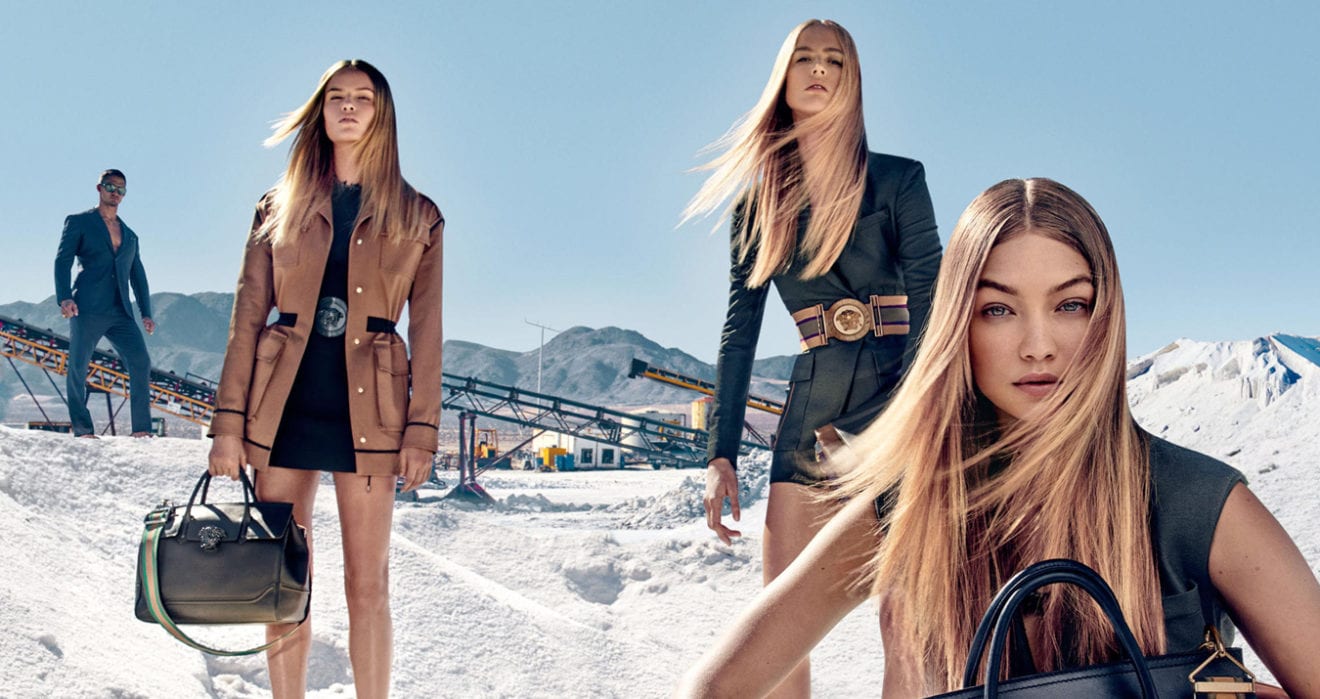
    The Prada Group, a leading player in the world of luxury goods, has appointed Pieter Mulier to the position of Chief Creative Officer for Versace. This new appointment is set to come into effect from July 1 onwards.

    Mulier’s impressive portfolio includes senior roles at renowned fashion brands such as Dior, Raf Simons, Jil Sander, Calvin Klein, and most recently as the creative director at Alaia.

    In his new designation with Versace, he will be answerable to the Executive Chairman, Lorenzo Bertelli.

    According to Bertelli, Mulier was identified as the ideal candidate for the brand during the acquisition process of Versace by Prada Group. He expressed strong confidence in Mulier’s capabilities to fully harness the potential of Versace, and believes that Mulier will effectively engage in meaningful dialogue with the brand’s rich legacy. Bertelli also expressed his excitement about beginning this new journey with Mulier.

    Questions & Answers

    Who has been appointed as the new Chief Creative Officer for Versace?
    Pieter Mulier has been named as the new Chief Creative Officer for Versace.

    Who did Pieter Mulier serve as the creative director for before this new appointment?
    Before his appointment at Versace, Pieter Mulier served as the creative director for Alaia.

    Who will Pieter Mulier report to at Versace?
    In his new role at Versace, Pieter Mulier will be reporting to the Executive Chairman, Lorenzo Bertelli.

  • Experience Nature and Luxury: Dior’s Botanical Pavilion Debuts in Tokyo

    Experience Nature and Luxury: Dior’s Botanical Pavilion Debuts in Tokyo

    Dior, a renowned luxury fashion brand, is poised to establish an immersive, botanical-themed pavilion in Tokyo. This development is in line with the brand’s previous initiatives of similar nature in Bangkok and Seoul.

    A Glowing Facade with a Parisian Touch

    The exterior of the new store takes its cues from Dior’s Paris flagship location, integrating elements of the original design into a stunning, bamboo-inspired golden facade. This captivating design not only embraces the brand’s roots but also assimilates local aesthetics, creating a harmonious blend of French elegance and Japanese simplicity.

    Embracing Nature and Art

    This project’s heart lies in a massive 19,000 square feet indoor green space, conceptualized by floral artist Azuma Makoto. The space features a tranquil Zen garden by landscape architect Seijun Nishihata, alongside a terrace and a pond populated with luminous glass koi carp. The interior design includes Versailles parquet flooring, washi paper-clad walls and ceilings, and lanterns that pay homage to the iconic Lady Dior bag.

    A Showcase of Dior Collections

    Within the pavilion, visitors will have the chance to explore Dior’s women’s and men’s collections, crafted under the direction of creative director Jonathan Anderson. The range extends from ready-to-wear clothing to leather goods, shoes, accessories and jewellery. An exclusive area will also be set up for customers to personalize their Lady Dior and Book Tote bags.

    More than Retail: A Gastronomic Experience

    In addition to offering a shopping experience, the pavilion will feature Café Dior, where visitors can dine on an exclusive menu curated by Michelin-starred chef Anne-Sophie Pic.

    Art and Design Collaborations

    The boutique will also serve as a gallery, showcasing works by contemporary designers and studios such as Takt Project, Sho Ota, Ayumi Shibata, We+, Hana Mitsui and Chikaken.

    Questions & Answers

    What is the theme of the new Dior store in Tokyo?
    The store will have a botanical theme, with design elements inspired by bamboo and a large indoor green space.

    What unique features does the store offer aside from retail?
    Apart from shopping, visitors can enjoy a meal at Café Dior, which features a menu developed by Michelin-starred chef Anne-Sophie Pic. The store also features works from contemporary artists and designers.

    What special services will be available for customers?
    Customers will have the opportunity to personalize their Lady Dior and Book Tote bags in a dedicated space within the store.

  • Ho Chi Minh City Ceo Arrested: Accused Of $570,200 Counterfeit Perfume Operation

    Ho Chi Minh City Ceo Arrested: Accused Of $570,200 Counterfeit Perfume Operation

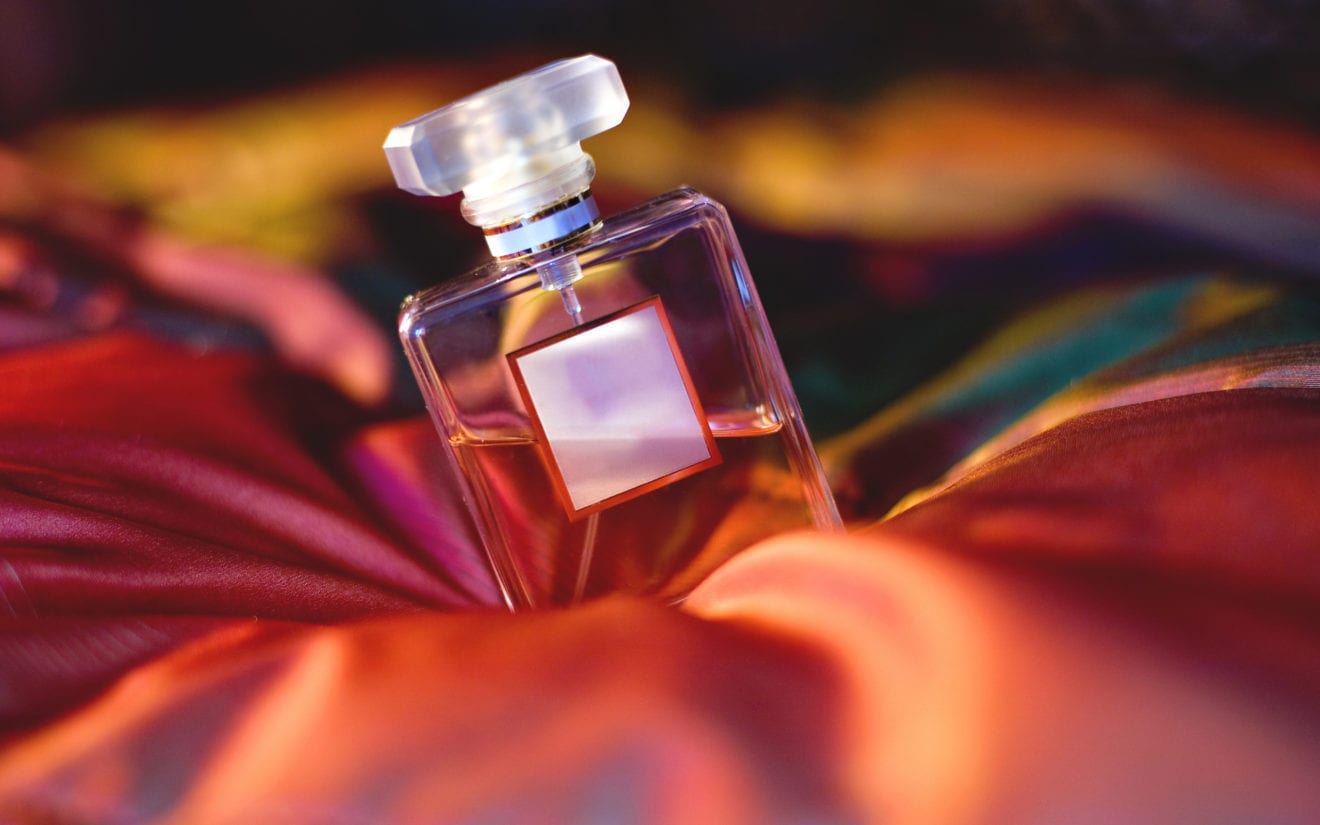
    In a recent turn of events, a CEO and his spouse based in Ho Chi Minh City (HCMC) have been apprehended by the police on the grounds of allegedly manufacturing and marketing tens of thousands of fraudulent perfume bottles. These counterfeit products bore the labels of well-known luxury brands such as Chanel, Gucci, and Dior, among others. The illicit profits gathered from this illegal enterprise are estimated to be around VND15 billion (US$570,200).

    The Masterminds and Their Accomplices

    The individuals caught in this scandal are Nguyen Ngoc Tho, the CEO of Nguyen Huong, and his wife, Truong Thi Mai Hien. Along with them, nine other people were also taken into custody by the HCMC police on charges related to the production and sale of fraudulent goods.

    The couple has been identified by the authorities as the key instigators behind this significant counterfeit perfume production ring.

    The Raid and Confiscation

    During a recent operation at the company’s production site within the city, the law enforcement officers seized 20,000 imitation perfume bottles carrying the tags of elite luxury brands. The authorities also confiscated various perfume-making equipment and tools used in the fraudulent operations.

    The Counterfeit Scheme

    The authorities have accused the couple of initiating this scheme since the beginning of last year. Apparently, Tho observed a surge in perfume demand and started researching and creating formulas for counterfeit perfumes online.

    Together with his wife, Tho procured machinery, raw materials, and perfume bottles. They rented a production facility and mainly hired family members to blend, fill, label, and package the fake perfumes.

    They promoted these spurious products on social media platforms and distributed them in vast quantities across numerous provinces.

    Questions & Answers

    What are the legal implications of the case?
    Given the scope of the fraudulent operation and the brand value of the companies affected, significant legal implications can be anticipated. This includes potential jail time, hefty fines, and possible lawsuits from the affected brands.

    What was the primary market for these counterfeit products?
    The couple leveraged the internet and social media platforms to market these counterfeit products, targeting customers in several provinces.

    Who were involved in the production process of these counterfeit perfumes?
    The CEO and his wife led the operation, hiring mainly family members in their production facility to create the counterfeit perfumes.

  • Dior Amplifies Luxury Retail Presence With Innovative Boutique In Bangkok’s Iconsiam

    Dior Amplifies Luxury Retail Presence With Innovative Boutique In Bangkok’s Iconsiam

    In a bold move that underscores the dynamic landscape of Asian retail, luxury fashion powerhouse Dior has announced plans to open a stunning new boutique in Bangkok’s prestigious Iconsiam shopping complex. Set to launch in early 2024, the new store will not only showcase Dior’s exquisite collections but also serve as a gathering place for fashion aficionados and tourists alike in the Thai capital.

    A New Landmark for Luxury Shopping

    Positioned on the banks of the Chao Phraya River, Iconsiam is already a hub of luxury and culture, drawing both locals and international visitors with its impressive range of high-end brands and artistic installations. Dior’s upcoming boutique will feature a design that harmonizes seamlessly with the complex’s contemporary architecture while paying homage to traditional Thai craftsmanship, reinforcing the brand’s commitment to cultural appreciation.

    Dior’s Personal Touch in Bangkok

    This new store is expected to provide a personalized shopping experience, complete with exclusive collections tailored for the Asian market. The boutique’s layout will invite customers to explore Dior’s iconic lines, ranging from haute couture to the latest handbags and accessories, all while enjoying a luxurious atmosphere that promises to seduce the senses. As an exciting twist, rumor has it that the opening could feature a surprise performance by a renowned artist, turning retail into a theatrical experience.

    Embracing the Asian Retail Renaissance

    Dior’s Bangkok foray is part of a broader strategy to deepen its roots in Asia, a region where luxury spending continues to flourish. Data indicates that Asian consumers are increasingly becoming the frontrunners in global luxury consumption, driven by an appetite for both brand heritage and modern innovation. With this move, Dior not only aims to capture a larger share of the market but also to provide a platform for cultural dialogue, showcasing how fashion can bridge borders.

    As the retail landscape continues to evolve, brands like Dior are embracing opportunities to not just sell, but also engage with their audience in meaningful ways. The buzz surrounding the store’s launch is palpable, and with it comes the promise of elevating Bangkok as a key player on the global luxury map.

    Questions & Answers

    What makes Iconsiam a prime location for the new Dior boutique?
    Iconsiam is positioned along the Chao Phraya River and is known for its luxurious ambiance, attracting both local shoppers and international tourists, making it an ideal site for high-end brands like Dior.

    What can customers expect from Dior’s new boutique in Bangkok?
    Customers can look forward to exclusive collections designed specifically for the Asian market, alongside a personalized shopping experience that merges luxury with cultural elements of Thailand.

    How does Dior’s expansion in Asia reflect broader retail trends?
    Dior’s expansion in Asia capitalizes on the region’s booming luxury market, where consumers increasingly desire both traditional brand heritage and innovative experiences, positioning themselves as key players in the global luxury scene.

  • Dior taps Jonathan Anderson as creative director

    Dior taps Jonathan Anderson as creative director

    Dior has announced the appointment of Jonathan Anderson as its latest creative director. This strategic move allows Anderson to oversee the brand’s women’s, men’s, and haute couture collections.

    Historical Milestone for Dior

    This appointment marks a significant paradigm shift in Dior’s history. For the first time since its inception by Monsieur Dior, a creative director will now lead all significant creative verticals across the brand. Anderson takes over the reins from Maria Grazia Chiuri, who had been part of Dior since 2016, serving as the artistic director of women’s couture, ready-to-wear, and accessories. Chiuri’s departure from her role as the women’s wear creative director preceded Anderson’s appointment.

    About Jonathan Anderson

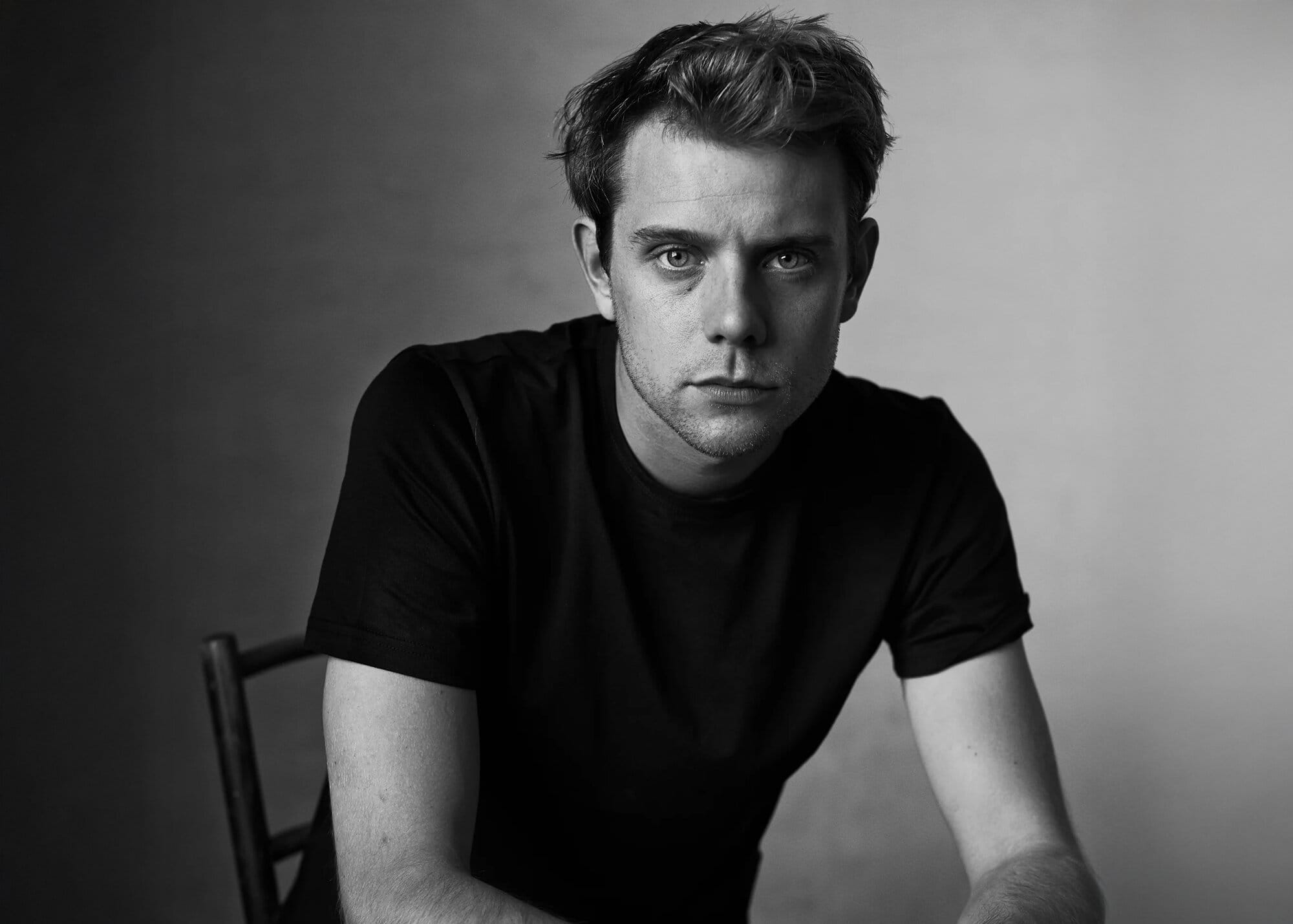
    Jonathan Anderson, born in 1984, is celebrated as one of the most impactful designers of his era. He established his own label in 2008, which soon caught the attention of luxury conglomerate LVMH. This led to LVMH purchasing a minority stake in his brand in 2013, followed by his appointment as creative director of the Spanish luxury house Loewe. Anderson served in this capacity for over a decade before stepping down in March this year.

    Delphine Arnault, chairman and CEO of Christian Dior Couture, praised Anderson in an official statement, highlighting his notable career growth since joining the LVMH group over a decade ago. Arnault expressed her belief that Anderson would infuse a creative and modern vision into Dior, drawing inspiration from the legendary story of Monsieur Dior and the unique codes he established. She assured that the experienced teams and skilled ateliers of Dior would support Anderson in bringing his creative ideas to life.

    Anticipating Anderson’s Debut Collection

    Fashion enthusiasts eagerly await the British designer’s first collection for Dior, the Dior Men Summer 2026, which is set to debut on June 27 in Paris.

    Questions & Answers

    Who is Jonathan Anderson?
    Jonathan Anderson is a renowned British designer, celebrated as one of the most impactful designers of his era. He launched his own label in 2008 and served as the creative director of Loewe for over a decade.

    What is significant about Jonathan Anderson’s appointment at Dior?
    This appointment marks a significant shift in Dior’s history. For the first time since its inception, a creative director will lead all major creative lines across the brand.

    When will Jonathan Anderson debut his first collection for Dior?
    Jonathan Anderson will debut his first collection for Dior, the Dior Men Summer 2026, on June 27 in Paris.

  • Dior creative director Maria Grazia Chiuri steps down

    Dior creative director Maria Grazia Chiuri steps down

    Maria Grazia Chiuri, the first woman to assume the role of creative director of women’s collection at Dior, has stepped down, marking one of the significant changes triggered by the LVMH board in the brand.

    Chiuri, who brought a powerful feminine touch to the brand, joined Dior in 2016, establishing a strong presence in the industry. Her final act as creative director was to oversee the Dior cruise fashion show in Rome earlier this week.

    Prior to her tenure with Dior, Chiuri brought her unique design insights and feminist approach to notable fashion powerhouses like Valentino and Fendi. Her impact was immediately felt at Dior, as seen in the collection she introduced during her inaugural show.

    Delphine Arnault, the chairman and CEO of Christian Dior, recognized Chiuri’s substantial contribution to the brand. He commented, “She has left an indelible mark on the history of Christian Dior, significantly boosting its growth and becoming the first woman to spearhead the creation of women’s collections.”

    Dior has not yet announced who will succeed Chiuri in her trailblazing role. However, Jonathan Anderson, who recently vacated the position of creative director at Loewe, has been named Dior’s menswear creative director. Fashion enthusiasts are eagerly anticipating his first collection, which will be unveiled on June 27 during the Paris Fashion Week.

    Questions & Answers

    What position did Maria Grazia Chiuri hold at Dior before her resignation?
    Maria Grazia Chiuri was the creative director of Dior’s women’s collection.

    Who has been appointed as the new menswear creative director at Dior?
    Jonathan Anderson, the former creative director at Loewe, has been appointed as the new menswear creative director at Dior.

    When can we expect Jonathan Anderson’s first collection to debut?
    Jonathan Anderson’s first collection for Dior is scheduled to debut on June 27 during the Paris Fashion Week.

  • Dior opens reinvented Galaxy Macau boutique

    Dior opens reinvented Galaxy Macau boutique

    Luxury fashion house Dior has launched its revamped Galaxy Macau boutique, offering more exclusive shopping experiences.

    The store, located at one of the finest shopping locations, Galaxy Promenade, has two floors and offers a varied range of items such as ready-to-wear and accessories designed by Maria Grazia Chiuri and Kim Jones, as well as watches and jewellery.

    The venue also features the My Dior fine jewellery line, the Dior autumn-winter 2024-2025 ready-to-wear collection with 30 Montaigne models, and Victoire de Castellane’s Rose des Vents and My Dior designs.

    The second store features men’s clothes from the Dior Winter 2024-2025 collection, as well as the Lifestyle Capsule, which focuses on board sports.

    In addition, the boutique offers VIP private shopping spaces.

  • Dior to open its largest store in South Korea

    Dior to open its largest store in South Korea

    Following the launch of its concept store in Seoul’s Seongsu-dong district last year, LVMH-owned luxury house Dior will open its largest brick-and-mortar store in South Korea in the second half of this year.

    Located inside one of the country’s largest department stores Hyundai Department Store Pangyo, Dior’s new flagship store will mark the largest among women’s boutiques, except for the men’s/women’s boutiques ‘House of Dior,’ ‘Dior Sung Soo,’ and The Hyundai Seoul Dior Boutique.

    Christian Dior Couture Korea’s net income swelled 54.8 percent on-year to $184 million last year, while its operating profit and sales in South Korea both rose over 50 percent on-year, according to its regulatory filing.

    Hyundai Department Store said last year it planned to invest approximately 200 billion won in upgrading its six branches: Apgujeong, The Hyundai Seoul, the Trade Centre branch, the Mok-dong branch, the Pangyo branch, and the Daegu branch.

    Dior has also just named Haerin, a member of the Kpop group NewJeans, as its new brand ambassador for Jewellery and House Ambassador for Fashion and Beauty at Dior.

    International luxury brands are paying close attention to the South Korean market as they employ various strategies to gain more customers, particularly those in Gen Z. According to Morgan Stanley, South Koreans were the world’s biggest spenders on personal luxury goods with the nation’s per capita spending amounting to US$325.

  • LVMH names new CEOs for Louis Vuitton and Dior

    LVMH names new CEOs for Louis Vuitton and Dior

    LVMH Moët Hennessy Louis Vuitton SE, Europe’s most valuable company, is embarking on one of its biggest management shake-ups in years, elevating Pietro Beccari to lead Louis Vuitton and tapping Delphine Arnault, daughter of Chief Executive Bernard Arnault, to run Christian Dior.

    The changes announced Wednesday, effective Feb. 1, involve two of the luxury giant’s largest brands and some of its best-known managers. Both Louis Vuitton and Dior have been on a tear, most recently riding a postpandemic boom in luxury spending that so far has shown little sign of easing.

    LVMH emerged from the pandemic as Europe’s largest company by market value, far ahead of the continent’s industrial stalwarts such as Shell PLC, Airbus SE and Volkswagen AG. Mr. Arnault, meanwhile, has recently usurped Elon Musk as the world’s richest person.

    This year, loosened Covid-19 restrictions in China—one of the luxury industry’s biggest markets—have further boosted LVMH’s shares, which rose as much as 2% on Wednesday to hit a record intraday high, bringing year-to-date gains to 13%.

    In taking the helm of Louis Vuitton, Mr. Beccari succeeds Michael Burke, who has led the fashion brand for a decade. Mr. Burke is one of the most trusted lieutenants of Mr. Arnault—LVMH’s CEO and controlling shareholder—having worked with him since the 1980s. LVMH said Mr. Burke, 66 years old, would now assume new duties, reporting directly to Mr. Arnault.

    Mr. Beccari currently leads Dior, where he will be succeeded by Delphine Arnault, the eldest of Mr. Arnault’s five children.

    The management changes mark a homecoming of sorts for Ms. Arnault, who worked for 12 years at Dior before joining Louis Vuitton as No. 2 in 2013. It is also the first time she takes on a CEO job at one of LVMH’s brands. At Louis Vuitton, Ms. Arnault was in charge of all product-related activities. She was recently responsible for a collaboration between the brand and Japanese artist Yayoi Kusama for a major new collection.

    Ms. Arnault’s elevation will be closely watched in Paris business circles, where monitoring the progress of Mr. Arnault’s children with a view to potential succession is a favorite pastime. All of Mr. Arnault’s children have responsibilities at the luxury conglomerate that he has built over decades. Last month, Mr. Arnault named his eldest son, Antoine Arnault, CEO of the family holding company that owns the bulk of the family’s stake in LVMH.

    The challenge for both Ms. Arnault and Mr. Beccari will be to keep the growth humming at Louis Vuitton and Dior as the global economy confronts challenges ranging from high inflation to Covid-related disruption in China and the war in Ukraine. In November, consulting firm Bain & Co. forecast that sales of personal luxury goods would rise between 3% and 8% in 2023, a sharp slowdown on last year’s growth that it estimated would be 22%.

    The strength of Louis Vuitton and Dior, which in recent years have both proved popular with shoppers regardless of the fashion trends of the day, have been instrumental in helping LVMH become the world’s biggest purveyor of luxury goods, extending its lead over rivals such as Gucci-owner Kering SA and Cie. Financière Richemont SA, which owns Cartier.

    In returning to Louis Vuitton, Mr. Beccari rejoins a leather-goods juggernaut that he first joined in 2006. In recent years, the Italian executive has overseen remarkable growth at Dior, where analysts estimate revenue has more than tripled over the past five years. At Dior, Mr. Beccari’s achievements include the opening of a huge new flagship store in Paris’s luxury shopping district that extends over five levels.

    Mr. Beccari has also become known for pushing an array of high-visibility projects around the globe. Recent examples include a fashion show last month in front of Egypt’s ancient Giza pyramids as well as a major partnership with Harrod’s, the luxury British department store, for the Christmas season.

    Mr. Beccari now takes responsibility for LVMH’s biggest brand. LVMH doesn’t disclose revenue for individual brands, though analysts at Citi estimate that revenue at Louis Vuitton rose to 21.8 billion euros, equivalent to $23.40 billion, last year. “Vuitton has become one of the strongest and most resilient luxury brands,” they said Wednesday.

    That rise has come under the leadership of Mr. Burke, whose tenure at Louis Vuitton included the brand’s much-hyped collaboration with cult streetwear brand Supreme in 2017 as well as tapping the late Virgil Abloh as menswear artistic director the following year.

    On Wednesday, Mr. Arnault credited Mr. Burke with extending Louis Vuitton’s lead over its competitors and promoting the brand’s heritage while anchoring it in modernity.

    A dual French-U.S. citizen, Mr. Burke has worked for Mr. Arnault since graduating from business school, initially on real-estate investments in the U.S. before taking the helm of Christian Dior USA in 1986.

    He also oversaw the integration of U.S. jeweler Tiffany’s into LVMH. As part of the organizational changes announced on Wednesday, Tiffany’s—which LVMH bought for more than $15 billion in 2021—will now be housed in the group’s watches & jewelry division.

  • Some luxury brands thriving in Korea despite pandemic

    Some luxury brands thriving in Korea despite pandemic

    Expensive luxury brands are racking up strong sales in South Korea, despite the coronavirus outbreak.

    Consumers, denied overseas travel, have resorted to spending on luxury goods instead, gaining popularity among the MZ Generation (millennials and Generation Z) in particular.

    The Financial Supervisory Service reported that Christian Dior Couture Korea Co, the South Korean branch of French luxury brand Christian Dior, generated operating profits of 104.7 billion won (US$93.6 million) last year, 2.4 times more than the previous year.

    The company reported 328.5 billion won in sales and 77.7 billion won in net income, up by 75.8 percent and 253.4 percent, respectively.

    Moncler Korea, the operator of the puffer jacket brand Moncler, generated 31.7 billion won in operating profits and 23.1 billion won in net income last year, up by 57.4 percent and 59 percent from the previous year.

    The Ministry of Trade, Industry, and Energy reported that last year’s luxury sales at major department stores jumped by more than 15 percent from the previous year.

    Out of all products sold at department stores, only products from famous foreign brands and household goods saw a rise in sales.

    There are other high-end brands, however, that failed to demonstrate better performance.

    Ferragamo Korea, the South Korean branch for the luxury shoes brand Salvatore Ferragamo, reported 4.5 billion won in operating profits last year, a drop of more than 50 percent from the previous year.

    The company generated 105.6 billion won in sales and 3.5 billion won in net income, dropping by 29.7 percent and 56.9 percent.

  • BlackPink’s Jisoo appointed as global ambassador for Dior

    BlackPink’s Jisoo appointed as global ambassador for Dior

    French luxury giant Dior has appointed Kim Ji-soo, better known to Blackpink fans mononymously as Jisoo, its new global ambassador for both fashion and beauty, the brand has announced on its social media channels.

    As part of the announcement, Dior said Jisoo was a key inspiration for designer Maria Grazia Chiuri’s autumn-winter collection, which is due to be shown online today.

    European luxury brands have been increasingly turned to Asian stars for ambassador roles, with K-pop idols proving popular with brands from Givenchy to Gucci.

    With 37 million Instagram followers, as well as an existing role working with Dior Beauty, Dior is obviously hoping the incredibly popular singer and actress will be useful in amplifying its online fashion activities in an era in which brands are forced to compete fiercely for social media attention and traction for online fashion shows.

  • Dior takes Maison concept to Isetan in Tokyo

    Dior takes Maison concept to Isetan in Tokyo

    Luxury fashion brand Dior has launched a pop-up at Isetan in Tokyo.

    The pop-up is the second location in the territory to feature the brand’s Maison concept. The collection, which includes accessories, candles, perfumes and furniture, is also available in Dior’s flagship location in Ginza.

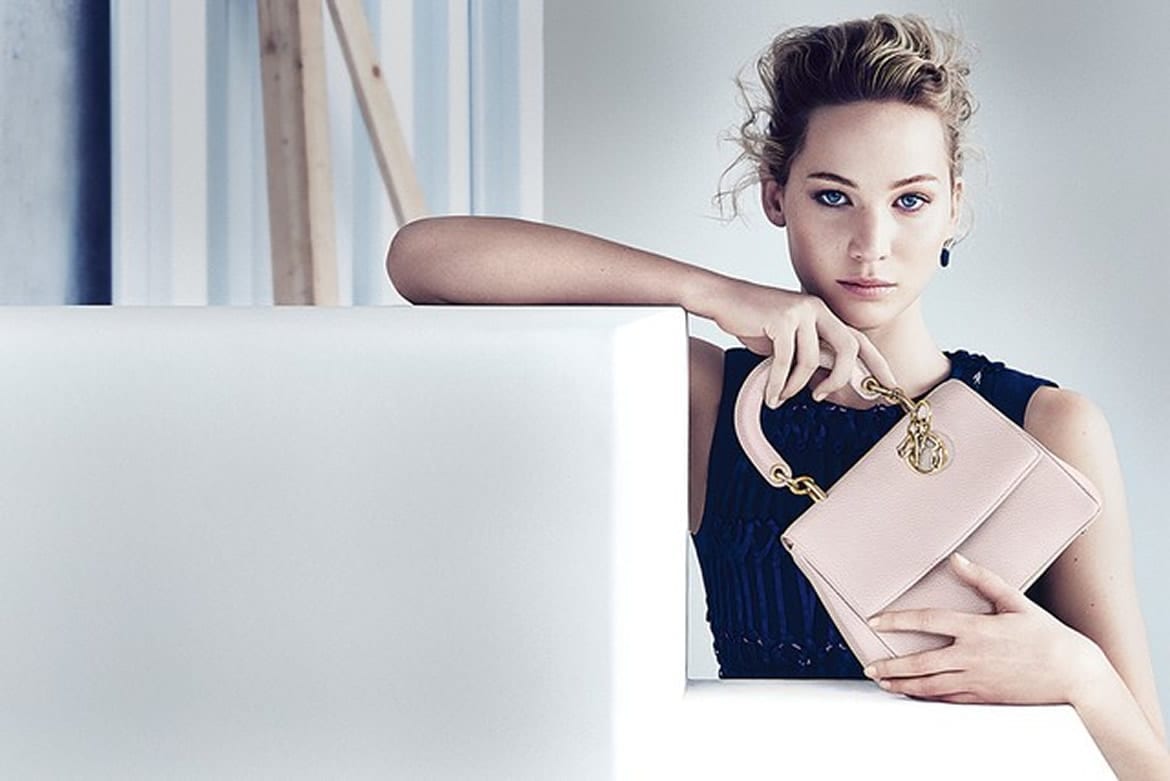
    The LVMH-owned brand’s pop-up at Isetan in Tokyo offers the entire Maison collection as well as its recently launched personalisation service, ABCDior. The service offers three embroidered letters on the reverse of a Dior book tote and is only available at the pop-up store.

    Christian Dior now has 166 points of sale in Japan, including 80 in Tokyo.

  • ABCDior pop-up Opening in Singapore

    ABCDior pop-up Opening in Singapore

    French fashion house Dior will launch its personalised ABCDior pop-up store in Singapore.

    Located at the Dior boutique in Marina Bay Sands, the pop up will allow customers to embroider their names, initials or letters on a selection of Dior goods, ranging from its Book Tote, the Diorcamp bags, as well as the Walk ‘n’ Dior sneakers.

    These items are made in the Oblique canvas, featuring the interlocking Dior logo.

    The pop-up will run from June 20 to July 14.

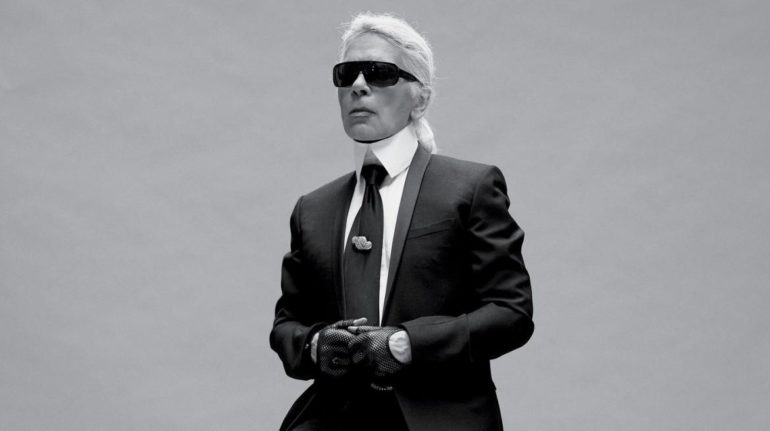
  • Karl Lagerfeld dies at 85

    Karl Lagerfeld dies at 85

    Karl Lagerfeld, arguably the world’s most iconic designer and undoubtedly the most prolific, has died in Paris. He was 85. In a seven-decade career as fashion’s ultimate free agent, Lagerfeld created collections simultaneously for the celebrated houses of Chanel and Fendi, in addition to his signature label, at a pace without rival in the luxury industry.

    Virginie Viard, director of Chanel’s design studio and Lagerfeld’s closest collaborator for more than 30 years, will take the creative reins at the storied brand’s fashion business. A succession plan has yet to be announced at Fendi.

    For Lagerfeld, to design was to breathe, “so if I can’t breathe, I’m in trouble,” he often quipped to journalists who were astonished by his inexhaustible work ethic and his insistence that he would never retire.

    In fact, his creative output seemed only to become more bountiful in his golden years, a period during which his extravagant runway productions at the Grand Palais in Paris achieved a staggering level of theatrical opulence. At a cost of millions of dollars per season, the events surpassed the mundane boundaries of a fashion show to become something more like large-scale performance art — media spectacles where Lagerfeld, as both gifted designer and visual provocateur, could best demonstrate his ability to interweave the superficialities of fashion with matters of great depth, while also parading seemingly endless ways to keep Chanel’s classic tweeds looking modern and fresh.

    His Autumn/Winter 2017 collection featured a 115-foot-tall mechanical rocket ship that simulated blast off. For Fall 2014, he built a Chanel shopping centre, its superstore-like aisles bursting with more than 500 different products that included a Chanel-logo chainsaw, doormats, candy, and ketchup. For Fall 2010, he imported enough snow and ice from Sweden to create a 265-ton indoor iceberg. Backdrops of a man-made beach with rippling waves (Spring 2019), a scale rendering of the Eiffel Tower (Fall 2017 Couture), a French brasserie with uniformed bartenders (Fall 2015) and an enormous model of a passenger ship (Cruise 2019) suggested no idea was too fantastical, nor expense too decadent.

    His incredible longevity and success as a designer, and, following his logic, the fortunes of the companies for which he worked, owed at least partly to Lagerfeld’s intentional detachment from the business side of fashion. He claimed never to discuss sales figures or budgets with management. “I am a hired gun, even in my own business,” he said in a BBC interview, noting that his contracts with Chanel and Fendi allowed him to do whatever he wanted on the side. “I work my own marionette in a way, my own puppet,” he told The New York Times. “It’s something I control.” That extraordinarily rare freedom from the restraints of financial responsibility enabled him to continually make clothes that inspired consumers to dream.

    “We created a product nobody needs, but people want,” he said. “If you need an ugly old car, it can wait, but if you want a new fashion item, it cannot wait.”

    As designers half his age complained of burnout from fashion’s maddening pace, Lagerfeld made himself even busier by dabbling in a constant stream of publishing, photography, film and design projects, including a rule-breaking “fast fashion” collaboration with the mass retailer H&M in 2004 that predated the industry obsession with disruption by more than a decade. Ignoring the traditional expectations of a luxury player, he also designed hotel rooms, video games, motorcycle helmets, a BMW, and a cosmetics range inspired by his also-famous cat, Choupette, and directed an ad campaign for Magnum ice cream bars that featured a life size sculpture of model Baptiste Giabiconi rendered in chocolate. More than most of his sober-minded peers at fashion’s pinnacle, he relished his iconic status both within the industry and in popular culture. Despite all this extra-curricular output, though, he was driven by one thing in fashion, he said, which was to make his designs better than they were the season before.

    As most profiles of Lagerfeld have noted, another thing that drove him was a desire to know everything. He filled his numerous homes, in Paris, Biarritz, and Saint-Tropez among others, with stacks of history books and biographies, iPods loaded with various types of music, and museum-worthy collections of artwork and furniture that he would, unceremoniously, dispose of every few years, once a new period or style captured his attention. With his vast memory and a rapid-fire way of working and speaking, he could summon details and themes on command, exploit them ruthlessly in a collection, and then immediately move on to the next thing. He once said he had a “Google mind.”

    “Whatever it is, good or bad, it influences fashion,” Lagerfeld said. “You can see that in fashion quicker than in any other thing going on. Fashion is something that reflects our lives and times with the shortest release, because, cars, design and architecture take years to realise.”

    Lagerfeld was, in many ways, a self-drawn caricature of what a powerful designer should look and sound like, a stylistic god who was worldly and intellectual, commanding and capricious. His bitchy quips (“sweatpants are a sign of defeat,” “trendy is the last stage before tacky,” “I think tattoos are horrible — it’s like living in a Pucci dress full-time,” and many, many nasty digs at celebrities he considered fat or unattractive) became as much a part of the Lagerfeld mystique as were his signature white powdered ponytail and dark sunglasses, or his habit of drinking only Coca-Cola (later, Diet Coke or Coke Zero). But his penchant for flamboyance, combined with occasionally reckless comments in recent years, also resulted in backlash for Chanel. His critiques of Angela Merkel drew particular outrage, as when he evoked the Holocaust on a French talk show in 2017 while protesting Germany’s open-door policy toward Muslim refugees fleeing the Syrian civil war. In any event, there had never been any serious repercussions for the designer nor attempts to unseat him, likely as a result of his outsize stature in the industry and his long history of accomplishments.

    He was best known for his work, since 1983, as artistic director at Chanel, which became one of the most profitable and admired luxury brands in the world under his tenure. While the company remains privately held by brothers Alain and Gérard Wertheimer, Chanel took the unusual step of releasing its annual results for the first time last year, stating its sales of $9.6 billion were larger than those of Gucci and approaching those of Louis Vuitton. Chanel’s sales for 2017 were up 11 percent, driving operating profit of $2.69 billion. Chanel said it had decided to reveal its financial strength in response to speculation that the company could be a takeover target, and to demonstrate it was determined to remain independent.

    When Lagerfeld was first approached by the Wertheimer family, which had created the Chanel fragrance business and its blockbuster No. 5 scent in the 1920s, and took control the fashion house after World War II, it had been more than a decade since the death of its founder, Gabrielle “Coco” Chanel. Chanel’s hallmark tweed bouclé jackets and dresses, once viewed as liberating, by then seemed old-fashioned and bourgeois, and the company was in need of new direction. Lagerfeld was already well-known for the soft and poetic party dresses he had been making at Chloé in the 1970s, which was during the dynamic growth of European ready-to-wear movement for easy-to-wear and less precious clothes. At the same time, Lagerfeld, since he first arrived in Paris, had harboured a burning desire to work in high fashion as a couturier, and Chanel’s established atelier offered that chance.

    “People tend to forget that once upon a time, Chanel was old hat,” Lagerfeld said. “It was only Parisian doctors’ wives who still wore it.” But it was Lagerfeld’s belief that the image could be changed with a sense of humour and a lack of nostalgia, in order to make customers forget everything that had come before.

    “Because fashion is about today,” Lagerfeld said in a 2007 New Yorker profile. “You can take an idea from the past, but, if you do it the way it was, no one wants it.”

    Lagerfeld described his first collections for Chanel as reflecting a modern and “chic-sexy” approach, with longer and thinner proportions, unlike Coco’s boxy-proportioned precedent. For his spring 1984 ready-to-wear show, he re-imagined classic suits and dresses with matching hats — all in denim, and for fall that year he added a hockey uniform worn with pearls and a skiing outfit in gaudy, glittering silver and red. His transformation of the brand would combine elements of the alluring (softly tailored pantsuits and charming white camellias affixed to tweed suits) with the shocking (oversize logos, micro-miniskirts, sequinned running shoes, heels moulded to look like pistols). The phenomenal transformation of Chanel became an industry model for how to turn an aging fashion house into a status symbol as its sales continued to soar. Lagerfeld’s role was so secure there he was contractually considered its “designer for life.”

    “Why should I stop working?” he mused to anyone who dared broach the subject of retirement. “If I do, I’ll die and it’ll be all finished.”

    Karl Lagerfeld was born Karl-Otto Lagerfeldt in Germany, and raised in the countryside near Hamburg, on Sept. 10, 1933, according to most recent biographies and some of his relatives, although Lagerfeld had for many years claimed he had been born in 1938 or 1935. In her 2006 book, “The Beautiful Fall,” which chronicled the heady decadence of fashion in the 1970s, the writer Alicia Drake argued that Lagerfeld had inflated many details of his childhood as part of a self-invention as a German aristocrat upon his arrival in the Paris demimonde. Lagerfeld sued the writer for invasion of privacy, but his case was thrown out of court.

    Lagerfeld, who changed the spelling of his name for commercial reasons, himself frequently joked about the discrepancy of his age, saying his mother, Elisabeth, a trim, stylish violinist who was highly critical of her son in his childhood, had chosen the date because it was easier to write. (As recently as 2013, Lagerfeld told Paris Match that he was born in 1935.) Further confusing matters, his father, Christian Ludwig Otto Lagerfeldt, was the wealthy managing director of a company that distributed condensed milk from the United States, and had moved the family to the countryside to shelter them from the hardships of the war years under Hitler, leaving little reliable evidence from the early years of Karl, an older sister, Martha Christiane, and a half-sister, Thea, from Lagerfeldt’s previous marriage.

    In the end, Lagerfeld described his childhood as a misery. He was a gifted scholar and loved to sketch, thinking he would pursue a career in illustration, but he had few friends and his mother often complained about his looks, telling him he should not smoke because his hands were unattractive, and that his nose was so large he should order curtains for his nostrils. Nevertheless, his parents supported his artistic ambition and sent him to Paris, where Lagerfeld found immediate success in fashion. In 1954, he won a design contest, called the International Woolmark Prize, based on the sketch of a coat he submitted that was produced for the competition by the designer Pierre Balmain. Of particular note, a young Yves Saint Laurent also won that year in the dress category, foreshadowing what would become a lifelong rivalry between the two designers.

    In their younger years, Lagerfeld and Saint Laurent were close friends. Whereas Saint Laurent was the tortured, fragile artiste who ascended to the coveted role of couturier at Christian Dior following Dior’s sudden death in 1957, Lagerfeld was a pragmatic mercenary. After working for three years for Balmain, who had hired him as an assistant, Lagerfeld designed collections for Patou, Chloé, Krizia, Charles Jourdan, Mario Valentino, and, beginning in 1965, Fendi, the Italian fur company where he contributed designs for an astounding 50 years. Fendi’s sales were estimated by analysts at $1.3 billion in 2017, while the company, acquired by LVMH in 2001, has experienced a major street style moment over the last year with its logo-driven FF Reloaded collection. (In January, Silvia Venturini Fendi, creative director of accessories and menswear, paid tribute to Lagerfeld’s contributions to the house with a fall men’s collection inspired by him, including styles he designed.)

    By the 1980s, Lagerfeld was widely known to the public, even as he was just beginning to design under his own name (Saint Laurent had started a signature company that popularised the French concept of ready-to-wear in the 1960s). Lagerfeld’s own label, called at different times Lagerfeld Gallery or Karl Lagerfeld Paris, has existed on and off as a licensing venture through various partnerships, including a high-profile venture with Tommy Hilfiger in 2004 and most recently with G-III Apparel Group in the United States since 2016, though it has always been perceived as a side project for the designer.

    Still, Lagerfeld was the more disciplined of the two when it came to image and self-control; he was cast as an aristocratic German designer in one of Andy Warhol’s more obscure films, the 1973 “L’Amour,” playing up his persona as the ringleader in the absurdist circus of fashion. His personal iconography included tightly fitted blazers over starched white shirts with startlingly tall collars, and skinny jeans – a complete look he perfected in the 1990s, only after undertaking a dramatic diet. He said he lost 92 pounds in order to fit into the prevailing silhouette of the day, a modern rock-and-roll style orchestrated by Hedi Slimane, who was then at Dior Homme. Lagerfeld became so recognisable for this look that he started using his own likeness as a logo on T-shirts, handbags and furry key chains for Fendi.

    While his competition with Saint Laurent intensified throughout their lives, until Saint Laurent’s death in 2008, Lagerfeld’s ultimate success with Chanel gave him immense confidence and enabled him to pursue opportunities that no other designer would dare touch. His 2004 collection for the Swedish retailer H&M was especially risky, given the fate of other luxury brands like Halston that had lost their credibility after making a mass play. Lagerfeld described the one-off collaboration, which included slim blazers and T-shirts emblazoned with a cartoon logo of his face, as “mass elitism, which has long been my dream… It’s the future of modernity.”

    The collection was an enormous hit, selling out in many markets, unleashing all manner of unorthodox designer crossovers to follow, and further fuelling Lagerfeld’s fame. He was also the subject of at least three documentaries, “Lagerfeld Confidential” (2007), “Un Roi seul” (2007), and “Karl Lagerfeld se dessine” (2013), and several books, including a compilation of his quotations, “The World According to Karl,” from Flammarion (2013), and “The Karl Lagerfeld Diet,” a weight-loss book he published with his physician, Jean-Claude Houdret (2002). For many years, Lagerfeld ran his own publishing imprint, 7L, photographed his own advertising campaigns, and directed short films that imagined the life of Coco Chanel and highlighted connections from Chanel’s history to his own work.

    At Chanel, Lagerfeld was given the artistic license and financial resources to acquire the best talent, including his longtime collaborators Virginie Viard, the creative studio director and tipped as a likely internal candidate to succeed him as Chanel’s designer, and Eric Pfrunder, Chanel’s director of image. At Lagerfeld’s urging, the company also embarked on a campaign to acquire many specialised French craft ateliers, like Lesage for embroidery, Lemarié for feathers and artificial flowers, Maison Michel for millinery, and Causse for glove making. Those resources were celebrated with lavish Métiers d’Art fashion shows held in far-flung destinations, including in Edinburgh, Shanghai, Hamburg, and most recently at the Metropolitan Museum of Art in New York City in December, while Chanel’s cruise collections have been staged from Dubai to Havana, Cuba, reflecting Lagerfeld’s approach to making Chanel’s interlocking “CC” mark recognisable around the world.

    “Logos are the Esperanto of marketing, luxury, and business today,” he said.

    Lagerfeld often said that his only love in life was his work. But he showed his softer side near the end of his life by casting his godson, Hudson Kroenig, the older son of the model Brad Kroenig, in his runway shows. He also gleefully promoted his lavishly spoiled cat, a gift from Kroenig, in interviews and on social media. He once said he wished he could marry Choupette, in what was presumably a humorous jab at his own cartoon-like image.

    “There is no secret to life,” Lagerfeld said. “The only secret is work. Get your act together, and also, perhaps, have a decent life. Don’t drink. Don’t smoke. Don’t take drugs. All that helps.”