Retail News CRM

Tag: dior

  • Valentino and Dior Men to run show in Japan?

    Valentino and Dior Men to run show in Japan?

    Pierpaolo Piccioli, creative director of Valentino, was in Tokyo last week to celebrate the brand’s Ginza Six store opening and its Pre-Fall 2019 runway show, titled “Valentino TKY,” of which Japan’s wabi-sabi aesthetic was credited as one inspiration.

    Kim Jones was also in town to present Dior Men’s Pre-Fall 2019 collection and a pop-up store Thursday evening, although his nod to Japan was a fraction subtler, having mined the Dior womenswear archives for Japanese influences to reinterpret as men’s garments.

    It’s not the first time that luxury brands have turned to Japan: Last October, Tokyo was also the site of Valentino’s Resort 2018 pop-up, while Dior’s haute couture Spring/Summer 2017 show bowed in April. In May 2017, Louis Vuitton took their cruise collection a few hours away to Kyoto.

    It’s also not unexpected that most designers who stage their collections in Japan find a way to reference the country on the catwalk, however fleetingly.

    The nation is home to inspiration galore: eclectic street style subcultures, unparalleled artisanship, a thriving beauty industry and icons of design and architecture all makes the country a mecca for creatives of all persuasions.

    But beneath the surface of very real enthusiasm that fashion creatives harbour for Japan, there is of course a carefully calculated business rationale for their choice of locale.

    As Asian markets now account for a disproportionately large share of luxury sales, it is clear that brands need to find ways to launch meaningful marketing activations in the region on a regular basis. Such shows have become a tried-and-tested formula.

    Unlike Korea, whose popularity as a location for pre-collection shows appears to have peaked, Japan is emerging as a perennial favourite. And although China continues to attract many brands looking for a place to present their catwalk shows in the world’s largest luxury market, recent examples tend to be repeats of shows that already had a debut elsewhere like last week’s re-staging of Miu Miu Resort 2019 in Shanghai or Chanel’s Cruise 2018 collection reappearing in Chengdu after also debuting in the French capital.

    Japan, by contrast, is not in the habit of staging re-runs.

    The value that luxury brands gain by using Japan as a staging post between their shows in Europe comes from several sources.

    Logistical efficiency is one not-so-romantic reason for its popularity as a transseasonal show location. By bringing their pre-collection activation to Japan, brands embellish a requisite part of their global marketing strategy while creating an opportunity to meet local partners and management in Asia’s most mature luxury market — and the world’s third largest.

    Piggybacking off the show in this way sends an important message at the consumer level too.

    Having been eclipsed by the Chinese, Japanese consumers are no longer the object of affection and attention to the degree that they once were. Luxury brands are increasingly stretched, unable to devote as much time to Japanese activations as they once were. With so many emerging markets in Asia and around the world to tend to, they are less able to provide Japanese kokyaku (VIP consumers) with intimate access to designers or face time with the press.

    With China consuming a third of the global luxury market, brands have been investing in strategic WeChat campaigns, optimising retail channels and desperately finding new ways of understanding the proverbial Chinese luxury consumer.

    Yet unlike China, where brands are rapidly opening retail and digital storefronts, online luxury sales are less developed in Japan, with only 7 percent penetration, according to McKinsey & Co. With consumers preferring to shop offline, Japan’s department stores remain dominant luxury distributors.

    The icing on the cake is that Japan remains one of the most attractive destinations for other Asians — and Asian fashion industry leaders are no different.

    Whether they be the brands’ joint-venture partners from Vietnam, distributors from Singapore, fashion editors from Indonesia or influencers from Thailand, Japan has the magnetism needed to draw in brand stakeholders in a way that other markets can’t emulate across the continent.

    Omotenashi — the philosophy of Japanese hospitality — usually tips the scales for potential show-goers in the region who may be wavering over an invitation.

    According to the latest report by Bain & Company, luxury purchases in Japan softened slightly this year, pushing brands to find new solutions to bring consumers back to stores. Retail sales in Japan grew at 3 percent at current exchange rates to €22 billion ($25 billion).

    Bringing an olive branch in the form of a pop-up or capsule collection to Japan is a way of balancing out the China-heavy luxury narrative, and assuring local consumers that they are still a priority for foreign brands and retailers. It’s also worth noting that Japan is a favourite holiday destination for Chinese luxury consumers.

    In light of the 2020 Tokyo Olympics, tourists are expected to further boost the luxury market — especially if the Japanese government takes key measures to improve the nation’s attractiveness.

    However, following Beijing’s latest efforts to boost domestic consumption of imports, Chinese shoppers’ holiday purchases may see a drop. How this affects travel hotspots such as Japan remains to be seen.
  • Celine and Givenchy joins Paris menswear show schedule

    Celine and Givenchy joins Paris menswear show schedule

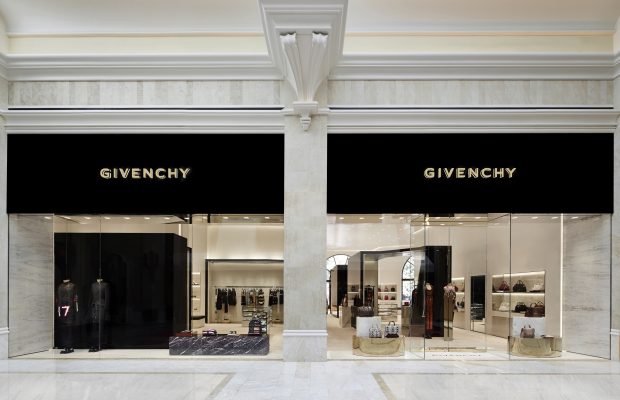
    After Hedi Slimane premiered Celine menswear via a co-ed catwalk show on September 28, the brand has announced that it will join the Paris menswear calendar in January 2019. Celine is currently negotiating a show date with the Fédération de la Haute Couture et de la Mode, and it is not yet known whether the brand will present solely menswear, or whether Slimane will pepper the offering with womenswear as per his debut.

    The move is indicative of the fact that Celine’s parent company LVMH has got its sights set on the burgeoning menswear market.

    When Slimane took the helm in February 2018, it was made clear that the new category will be a key sales driver, along with leather goods, accessories and fragrances.

    “The objective with him is to reach at least two billion to three billion euros, and perhaps more, within five years,” LVMH chairman and CEO Bernard Arnault said of Slimane’s appointment.

    In the last year, LVMH has appointed new head designers at Berluti, as well as the menswear divisions of Louis Vuitton and Dior. And, just weeks ago, Givenchy, another brand within the French conglomerate’s stable, announced that it will rejoin the menswear calendar for the autumn/winter 2019 season.

    As a growing number of brands, including Maison Margiela, Stella McCartney, Balenciaga, Haider Ackermann and Sonia Rykiel, merge their menswear and womenswear for the sake of presentations, LVMH is making great strides to make a splash on both schedules and to take a hold of both markets.

  • Dior Backstage pop-up for KLIA

    Dior Backstage pop-up for KLIA

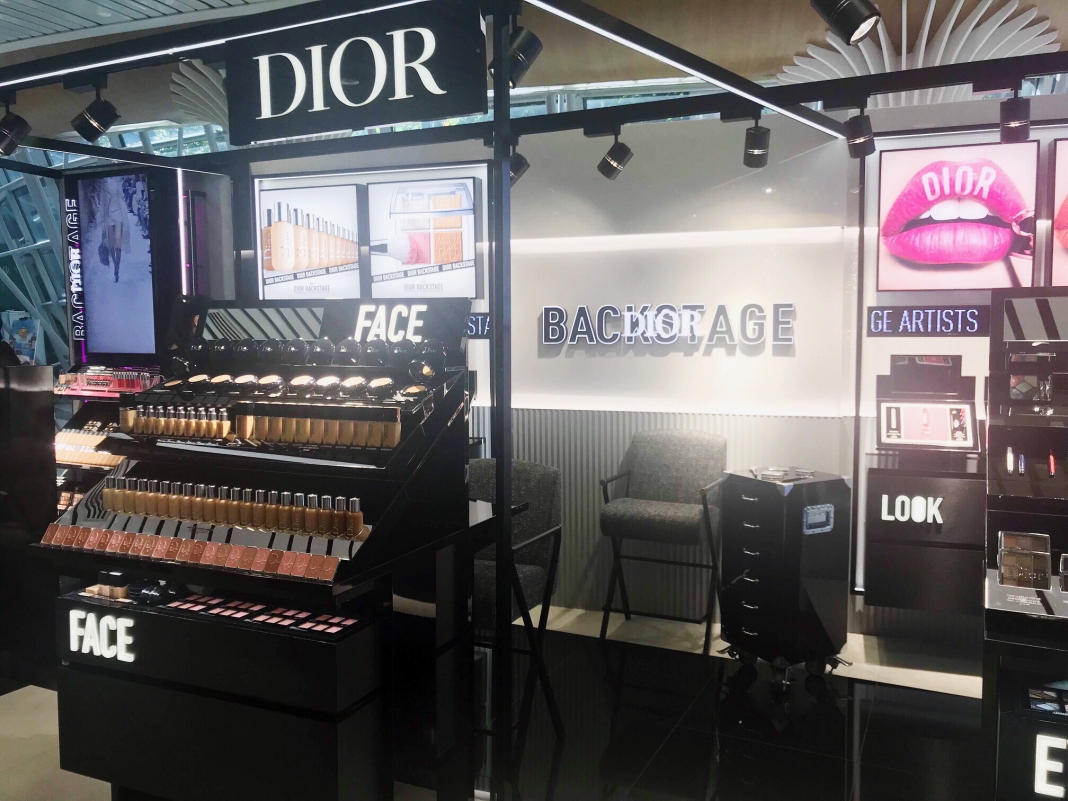
    A Dior Backstage pop-up store is being opened at Kuala Lumpur International Airport (KLIA).

    A partnership between Malaysia Airports, Parfums Christian Dior and Colour & Fragrances, the signature black lacquer store is positioned at KLIA’s international departures as a novel cosmetics concept inspired by the theatre backstage setting.

    It is the first Dior Backstage in Southeast Asia.

    Malaysia Airports senior GM for commercial services Nazli Aziz said: “It is very much in line with our mission of enhancing the total airport experience by continuously introducing unique products and services for travellers.”

    He added that the continued introduction of prestigious and international brands at KLIA will boost the overall retail revenue per passenger.

    Sales revenue for perfumes and cosmetics is forecast to reach RM450 million (US$109.7 million) this year.

    The pop-up will be staffed by a Dior stylist and a team of beauty consultants.

  • A Dior Saddle Bag Campaign Video is Perceived Tacky in China

    A Dior Saddle Bag Campaign Video is Perceived Tacky in China

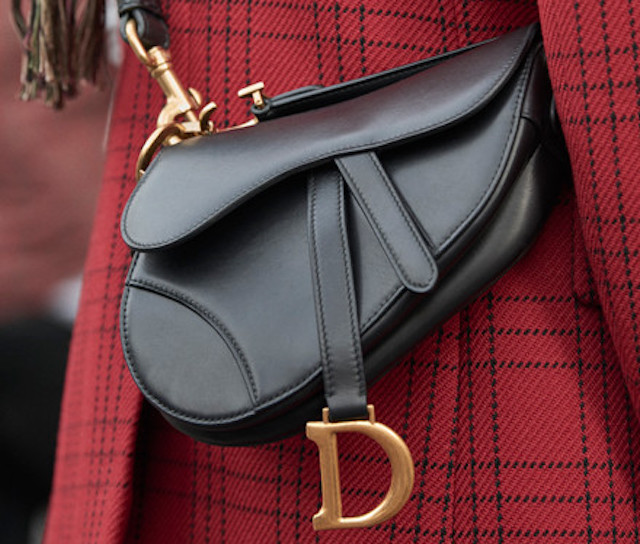
    French luxury retailer Christian Dior has suffered a PR setback in China with the relaunch of its Saddle Bag, one of the brand’s most iconic items.

    Timed to coincide with a global influencer campaign, the launch was marred by a poorly-received advertisement that many Chinese netizens felt made the product – which retails for about US$2650–$6000 – look cheap.

    “Is Dior serious? The shooting angle and lighting of the video is absolutely kitsch, and it makes the bag look so cheap,” one person wrote on social media after seeing the video. Another, named “kaichequBBQ” made fun of it, writing “I thought this lady will teach us how to find discounts and coupons to buy it.”

    A spokesperson for Dior China said that the video was an outside production, saying “This is not a part of the official ad campaign for the Saddle Bag in China, but footage of how fashion influencer Elle Lee presents the bag. Elle Lee, as a winner of the Miss Hong Kong Pageant (last year), is active in the fashion circle and maintains a good relationship with Dior China.”

    The Saddle Bag first debuted in 1999, and was relaunched globally on July 19.

  • Givenchy Beauty debuts in Korea with Hyundai

    Givenchy Beauty debuts in Korea with Hyundai

    Givenchy Beauty will open its first South Korean store this month.

    The cosmetics and skin-care line of the French luxury fashion house Givenchy has taken space in the Hyundai Department Store in the trendy southern Seoul district of Apgujeong.

    The first store will open on July 31 and a second, at another Hyundai Department store in Sinchon, northern Seoul, will open next month.

    With the huge growth of the Korean beauty industry over recent years, Givenchy Beauty believes its broad range of makeup, skincare and perfume products will appeal to local women comfortable spending on premium solutions.

    Once the Givenchy Beauty stores are open, Hyundai Department Store will become the first Korean retailer to host stores from five global premium beauty brands, the others being Dior, YSL, Chanel and Tom Ford.

  • Here’s Why Pre-Owned Luxury Fashion Are Growing In Asia

    Here’s Why Pre-Owned Luxury Fashion Are Growing In Asia

    Asia’s pre-owned luxury fashion market is continuing to grow, with shoes and t-shirts gaining ground, according to multichannel retailer Reebonz.

    Although bags continued to dominate, with an average of 77 per cent of total transactions in 2016 and 2017, both shoes and apparel achieved steep sales growth throughout the region, according to Reebonz’s now annual Asia Luxury Index.

    In Hong Kong, for example, sales of used branded sneakers rose 48 per cent last year, while “luxury t-shirt” sales soared six-fold.

    The report is based on Reebonz’s own trading data across Australia, China, Hong Kong, Indonesia, Malaysia, New Zealand and Singapore, along with unspecified “industry reports”.

    Reebonz says millennials are driving the sector’s growth, “tilting the scales in favour of a pre-owned luxury market that continues its growth trajectory”.

    Chanel, the most-purchased pre-owned brand by millennials, recorded more than double the total sales value on Reebonz last year over 2016.

    The report said the changing perceptions towards pre-owned luxury have altered the state of resale and how consumers shop today, contributing to 40 per cent sales growth in the pre-owned category at Reebonz.

    “The growing demands of buying from the resale market cleverly gives rise to a community of individual sellers, injecting the luxury ecosystem with products that meet these needs,” said Reebonz cofounder Daniel Lim.

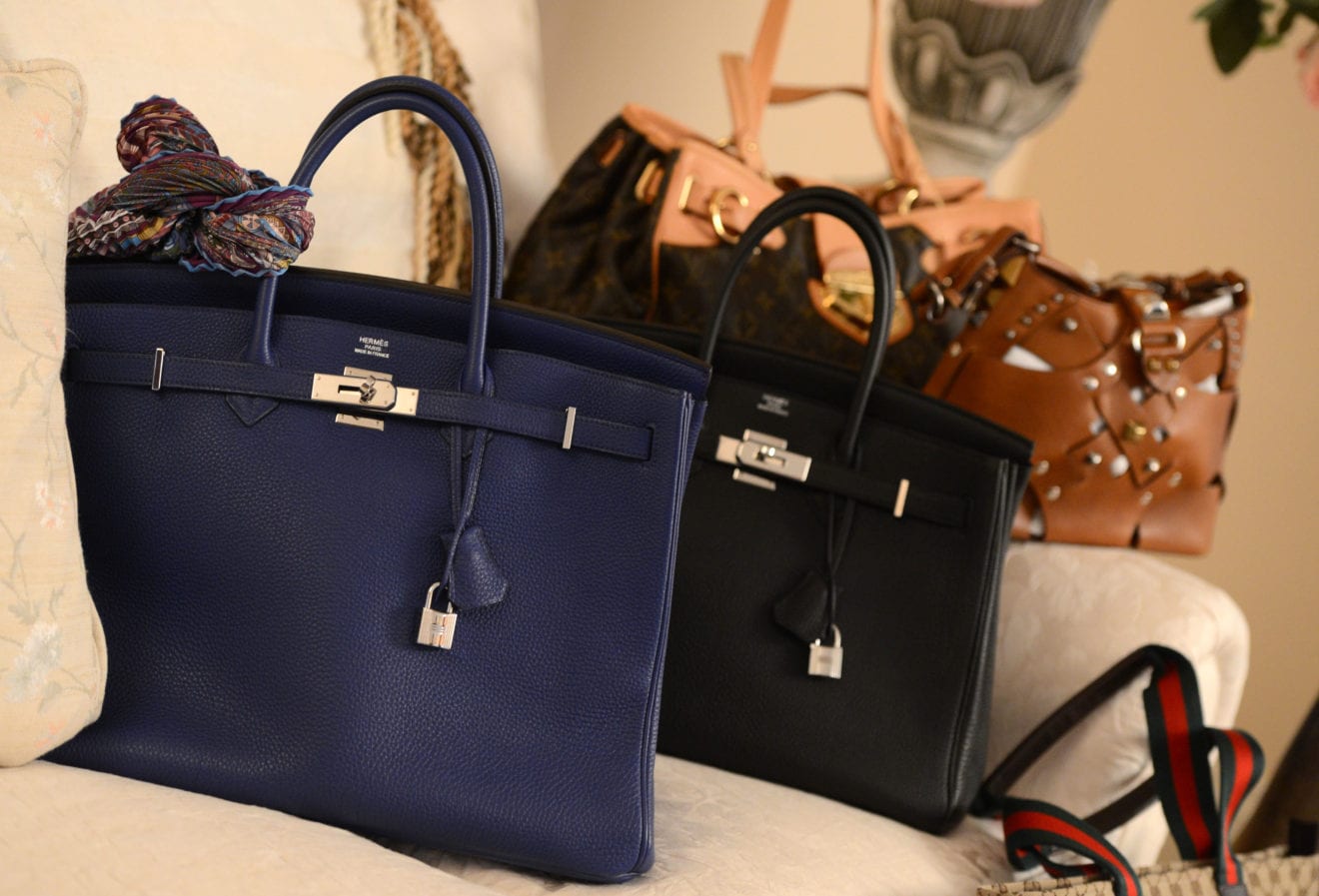
    Louis Vuitton, Hermes and Chanel were the three top-selling brands on Reebonz last year, fetching resale values as high as 125 per cent of their original retail price in the secondary market. Gucci, Celine and Dior were also among the top 10.

  • Sidney Toledano to Step Aside at Dior as LVMH Shakes Up Senior Ranks

    Sidney Toledano to Step Aside at Dior as LVMH Shakes Up Senior Ranks

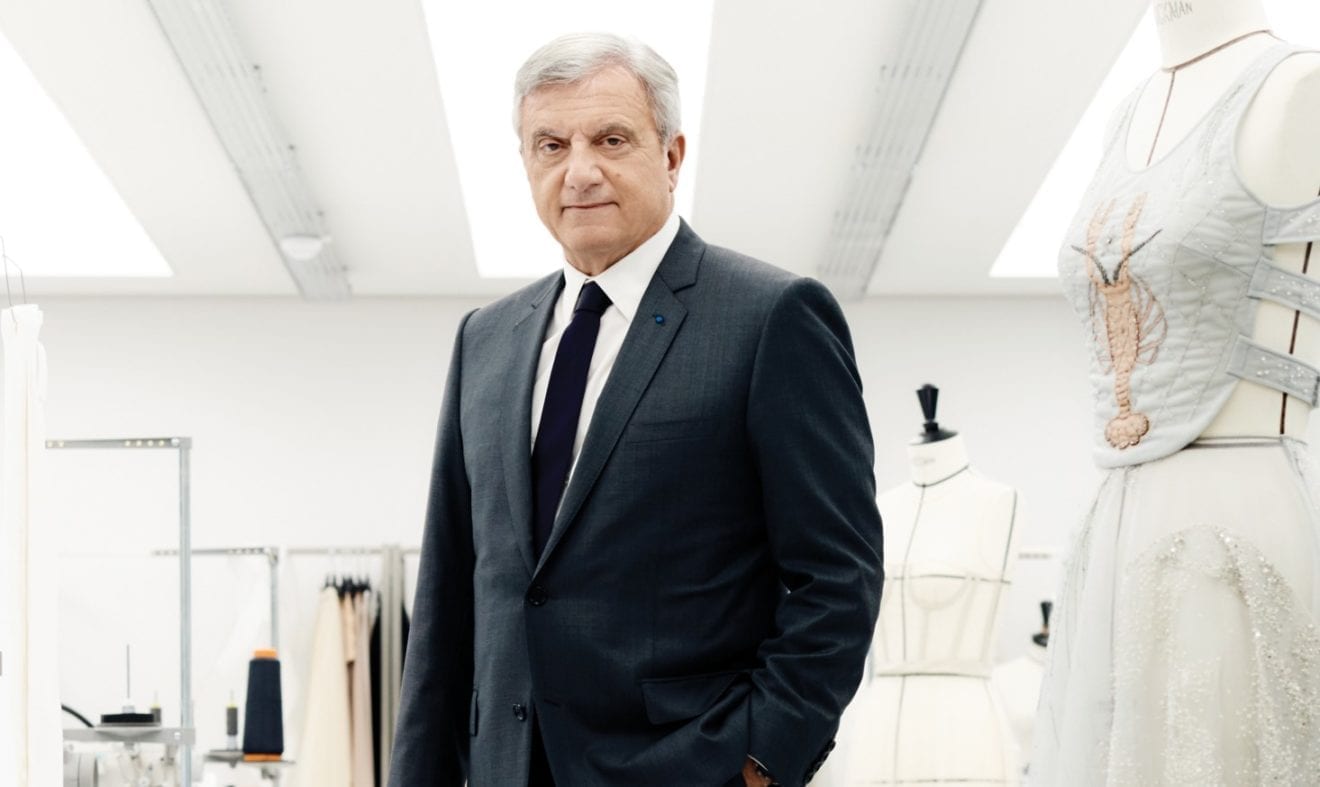
    Sidney Toledano plans to step aside after 20 years as chief executive of Christian Dior Couture as corporate parent LVMH Moët Hennessy Louis Vuitton seeks to inject new blood into its senior ranks.

    Wednesday’s announcement marks the end of an era at Dior, during which Mr. Toledano, 66 years old, turned the elite brand into a global fashion powerhouse with annual sales of more than EUR2 billion ($2.3 billion).

    Pietro Beccari, the current chief executive of Fendi, also part of LVMH, was named to replace Mr. Toledano. Mr. Beccari is highly regarded within LVMH for having engineered a turnaround at Fendi. Under his tenure, sales grew from an estimated EUR600 million to EUR1 billion.

    “Pietro has an excellent track record,” said Bernard Arnault, the French billionaire who is chief executive and controlling shareholder of LVMH.

    Mr. Arnault gave Mr. Toledano a new job as head of LVMH Fashion Group, which manages some of the brand’s smaller fashion labels including Celine, Givenchy and Marc Jacobs. Mr. Arnault suggested the move to Mr. Toledano, and he agreed, Mr. Toledano said. He will start the new role early next year.

    “He never imposed something on me,” Mr. Toledano said in an interview. “I said I want a new challenge.”

    Wednesday’s move is the first major shake-up at Dior since Mr. Arnault earlier this year spent EUR12 billion to unite the fashion house with LVMH. Previously, the Arnault family owned part of Dior through a holding company that also owned part of LVMH. But Dior the brand was independent from LVMH, even though the companies cooperated extensively under Mr. Arnault’s control.

    When Mr. Toledano took over at the brand in 1998, annual sales were around EUR200 million. He embarked on a store-building spree and expanded the business dramatically in Asia. He also anchored the company as designers came and went. He clashed with Hedi Slimane and fired John Galliano after the designer was recorded shouting anti-Semitic insults at a bar in Paris. Mr. Galliano apologized and said he was seeking help.

    The move elevates Mr. Beccari to one of the top spots in the fashion world and Mr. Arnault’s luxury empire. Dior’s sales have surged in recent years, propelled by strong demand in Asia. The brand, however, is significantly smaller than French rival Chanel and should have room to grow, says Luca Solca, analyst at Exane BNP Paribas.

    “The benchmark for Dior is Chanel,” Mr. Solca said. “It has a similar allure and sophistication and it’s coming from the same background, which is couture.”

    The move leaves a leadership hole at Fendi, which has become LVMH’s third-largest fashion brand after Louis Vuitton and Dior. Mr. Beccari helped turn around Fendi by boosting its digital-marketing efforts and introducing a line of new bags that could be accessorized with pompoms and shoulder straps.

    “The big thing will be how they’re going to replace Beccari,” Mr. Solca said. “Fendi needs to maintain its momentum.”

    Mr. Toledano will now devote his attention to smaller brands that collectively comprise a significant chunk of revenue for LVMH and are seen as growth opportunities for the company. The division also houses Marc Jacobs, which has been underperforming in recent years.

    “I will have to meet the team, talk with Marc, talk with the CEO,” Mr. Toledano said.

  • Dior launched new Tokyo store

    Dior launched new Tokyo store

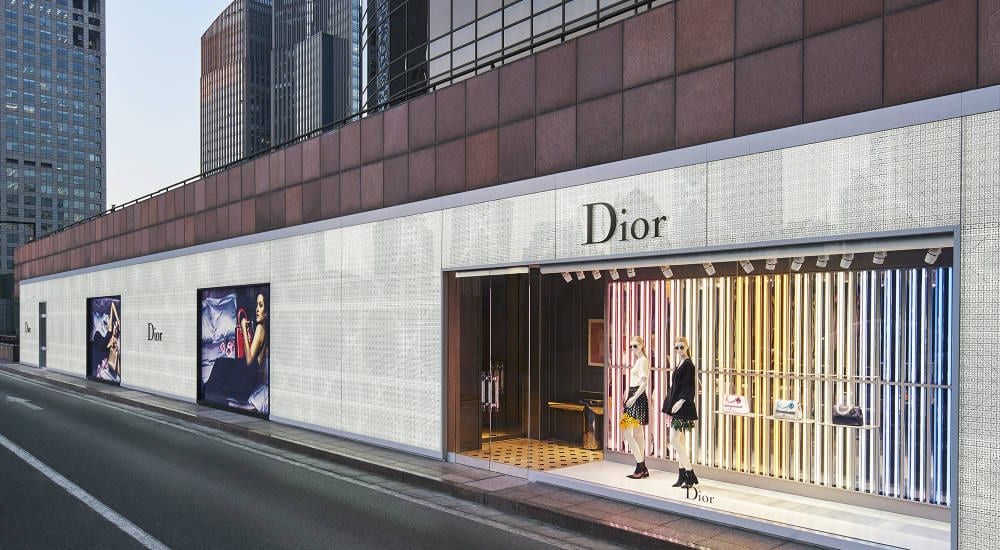
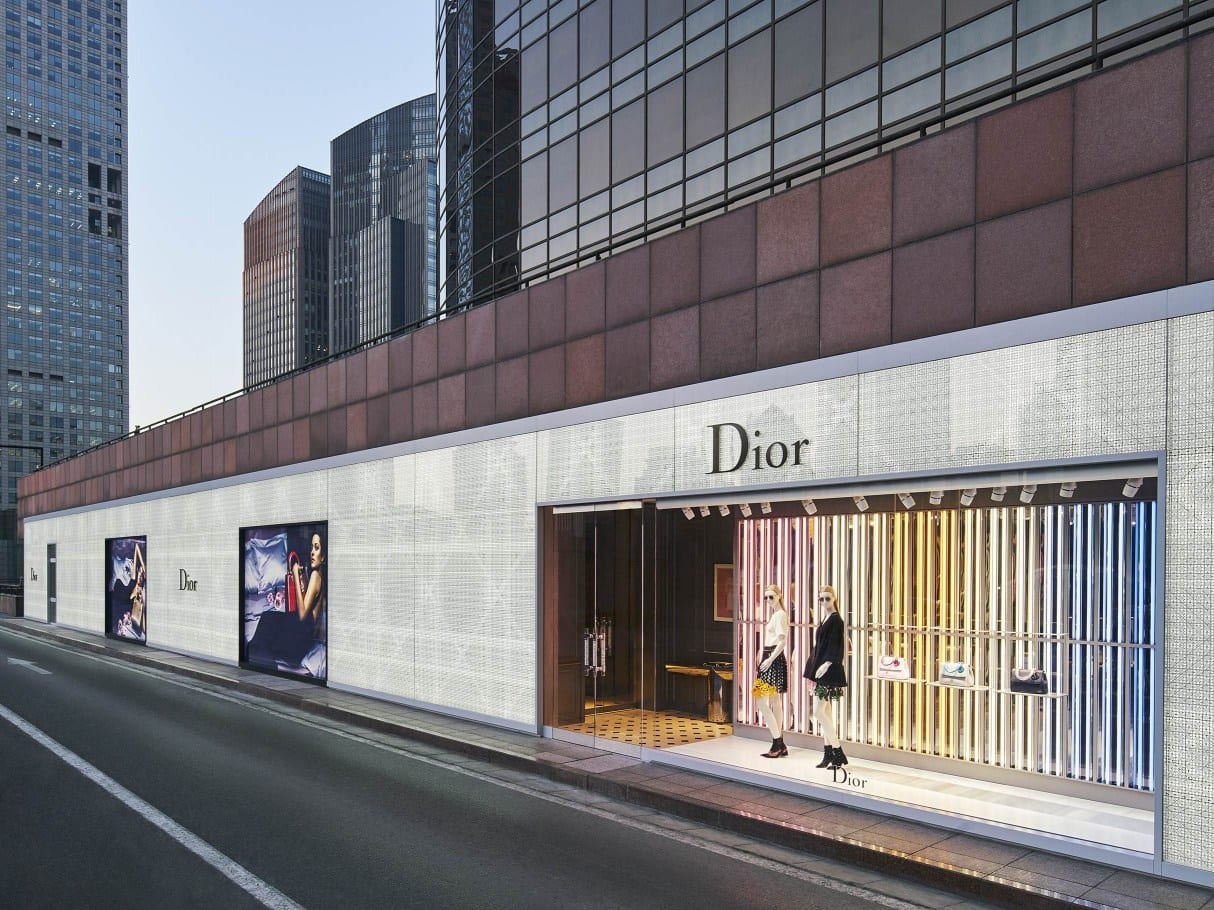
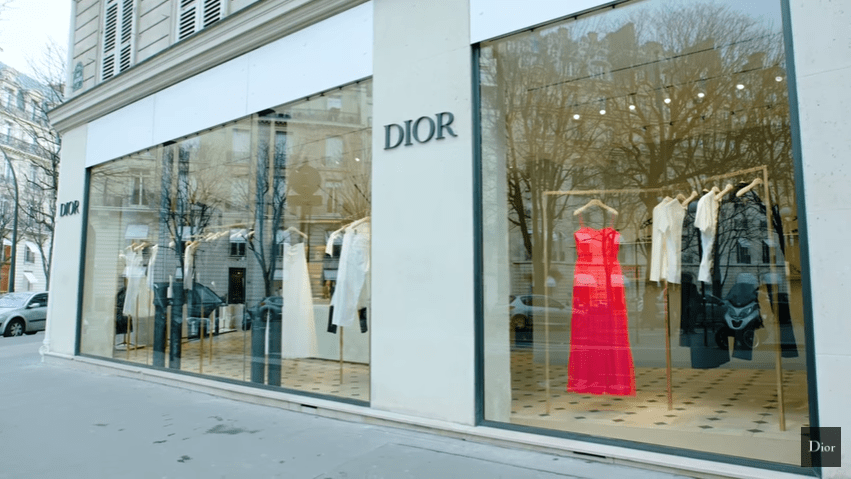
    Christian Dior launched its new Tokyo store with a fashion show in the rooftop gardens of a luxury mall, where models showed new looks from its creative director Maria Grazia Chiuri.

    Underlining Dior’s connection with Japan, which is an “important market” for the fashion brand, Chiuri drew her inspiration from cherry blossoms and Christian Dior’s 1953 “Jardin japonais” dress for her latest creations.
    Dior Ginza’s champagne-fuelled opening on Wednesday came as spending by visitors to Japan reached record levels, but growth has slowed due partly to Chinese tourists buying less.

    But Sidney Toledano, chief executive of Christian Dior Couture, said on Wednesday he was not concerned about cycles in tourism, which he has seen go through many phases during two decades running the French fashion house.

    “What we want to do in Japan is look for the local market. We look for the Japanese customers,” who have long been “super customers for luxury and high fashion,” he said.

    “Our business is not based on the tourist business … my objective always in a country is to have a very strong local plan,” said Toledano, who is also CEO of Christian Dior SE, the holding company for luxury group LVMH.

    As well as revealing the eight new lines from Chiuri, Dior used the occasion to present the autumn 2017 collection from Dior Homme for the first time.

    The new boutique occupies five floors in Ginza Six, the largest retail facility in the popular Tokyo shopping district with 241 stores, half of which are flagships. Other luxury brands’ stores include Celine, Saint Laurent and Valentino.

    Ginza Six sees tourists as a key target as the Japanese government aims to nearly double the number of overseas visitors to an annual 40 million by 2020, when Tokyo hosts the Olympics.

    Japan‘s market for personal luxury goods was worth €22 billion ($23 billion) in 2016, ranked second after the United States, with tourists accounting for 30% of revenue, according to Bain & Company.

  • Luxury spenders defy Japan’s tight-fisted reputation

    Luxury spenders defy Japan’s tight-fisted reputation

    Tight-fisted shoppers, unsteady economic growth and a shrinking population: Japan doesn’t exactly fit the image of a spending powerhouse these days.

    But you would never know it in Ginza — Tokyo’s answer to the Champs-Elysees or Fifth Avenue — where a new 13-storey upscale mall is proving that Japan is still a whale in the luxury business. The country logs some $22.7 billion in annual spending on top-end goods made by brands including Chanel, Dior, and Prada, ranking it as the world’s number two luxury market behind the United States.

    “Luxury products may be more expensive, but they are very well-made,” said 79-year-old Toshiko Obu, carrying her longtime Fendi bag outside the Ginza Six building, which has been drawing big crowds since last week’s opening.

    Japan is renowned among the world’s priciest retailers for its discriminating clientele — Chanel tries to keep local customers physically separated from tourists packing more cash than class.

    “You shouldn’t forget that a big portion of the luxury clientele is here in Japan,” Sidney Toledano, chairman and CEO of Christian Dior Couture, told at the opening of the 241-store building.

    “It remains a strategic market for luxury and, I’d say, true luxury.”

    – ‘Biting their fingernails’ –

    Dior is counting on Japan’s luxury market to rise this year, while rival Chanel is also expecting an upbeat 2017, after global sales of personal luxury goods barely grew last year.

    “We did not lose our character,” said Richard Collasse, head of Chanel in Japan. “There are brands that are suffering — the ones that at some stage stopped investing in Japan because China was the new El Dorado. And today they are biting their fingernails.”

    Few brands predicted that deep-pocketed Chinese shoppers visiting Japan would support its luxury market — tourists account for about one-third of top-end spending.

    Japan is hoping to land 40 million visitors in 2020, the year that Tokyo hosts the Olympics. Last year, some six million Chinese visited, compared with 2.4 million in 2014.

    “Historically, (Japan has) been a very insular luxury market where 90 to 95 percent of the spending was by locals,” said Joëlle de Montgolfier, Paris-based director of consumer and luxury product research at consultancy Bain & Company.

    But now some 30 percent of sales are generated by foreign visitors owing to tourism, she added. A stronger yen dented visitors’ purchasing power last year, with luxury sales down one percent, after a 9.0 percent rise in 2015.

    Dior’s Toledano said it is an opportunity to refocus on Japanese clientele. “We don’t ignore tourists, of course, but we’re not a duty-free shop,” he added.

    – ‘Touching everything’ –

    Some other Chanel shops in Tokyo have a separate cosmetics and perfume section reserved for top Japanese customers, in a bid to keep them away from the nouveau riche crowd.

    It also tips off local clientele about the expected arrival time of tourist buses so they can avoid them.

    “The loyal Japanese clients tend to run away from customers who were not very well raised and are wearing whatever or lying all over the sofa, touching everything,” said Chanel’s Collasse.

    Dior’s haute couture show at the new mall’s opening featured Japanese-inspired dresses, underscoring a focus on the local market. But warning signs lurk behind smiling clerks and glitzy interiors at the new property on one of the world’s priciest shopping streets.

    Japan has struggled to reverse a decades-long economic slump while a falling population continues to shrink its labour force — and the pool of future luxury consumers.

    Younger people, many on tenuous work contracts, don’t have the money or the same interest in luxury brands anymore, especially since top-end goods can now be rented online instead, said Naoko Kuga, a consumer lifestyle analyst at Tokyo’s NLI Research Institute.

    “When you look at consumer purchasing behaviour, younger people put less value on luxury brand products” than previous generations, she said.

  • LVMH sales soar as shoppers return to luxury

    LVMH sales soar as shoppers return to luxury

    LVMH sales surged 15 per cent in the latest quarter to €9.88 billion (US$10.477 billion).

    That was nearly €400 million more than analysts had been expecting, with the result driven across all of the luxury group’s business units.

    Fashion and leather goods, which account for more than half the company’s turnover, rose 15 per cent during the quarter. That compares with static growth the same quarter last year. Fendi and Louis Vuitton were singled out by analysts as strong performers, with Celine, Kenzo, Loewe and Berluti also showing progress.

    LVMH’s leather and fashion brands also include Dior, Emilio Pucci, Fendi, Givenchy, Louis Vuitton, Marc Jacobs, Moynat, Rimowa and Thomas Pink.

    ‘Selective retailing’,  the group’s second-largest division, had been dragged down by DFS in prior quarters, offsetting a strong performance by Sephora cosmetics chain, observed Deborah Aitken, an analyst with Bloomberg Intelligence. But the latest quarter it showed improvement of 11 per cent. Sephora continued to gain market share globally and recorded double-digit revenue and profit growth for the quarter.

    “This could be an important turnaround,” said Aitken.

    Liquor – including brands such as Cape Mentelle, Chandon, Cloudy Bay, Dom Pérignon, Glenmorangie, Hennessy, Krug, Moët & Chandon and Veuve Clicquot – was the second best performing sector, up 13 per cent organically. Hennessy was a star performer.

    Sales of watches and jewellery also rebounded, rising 11 per cent. Bulgari continued to gain market share and Tag Heuer successfully launched its new Connected Modular 45 watch.

    And the perfume and cosmetics business grew sales by 12 per cent.

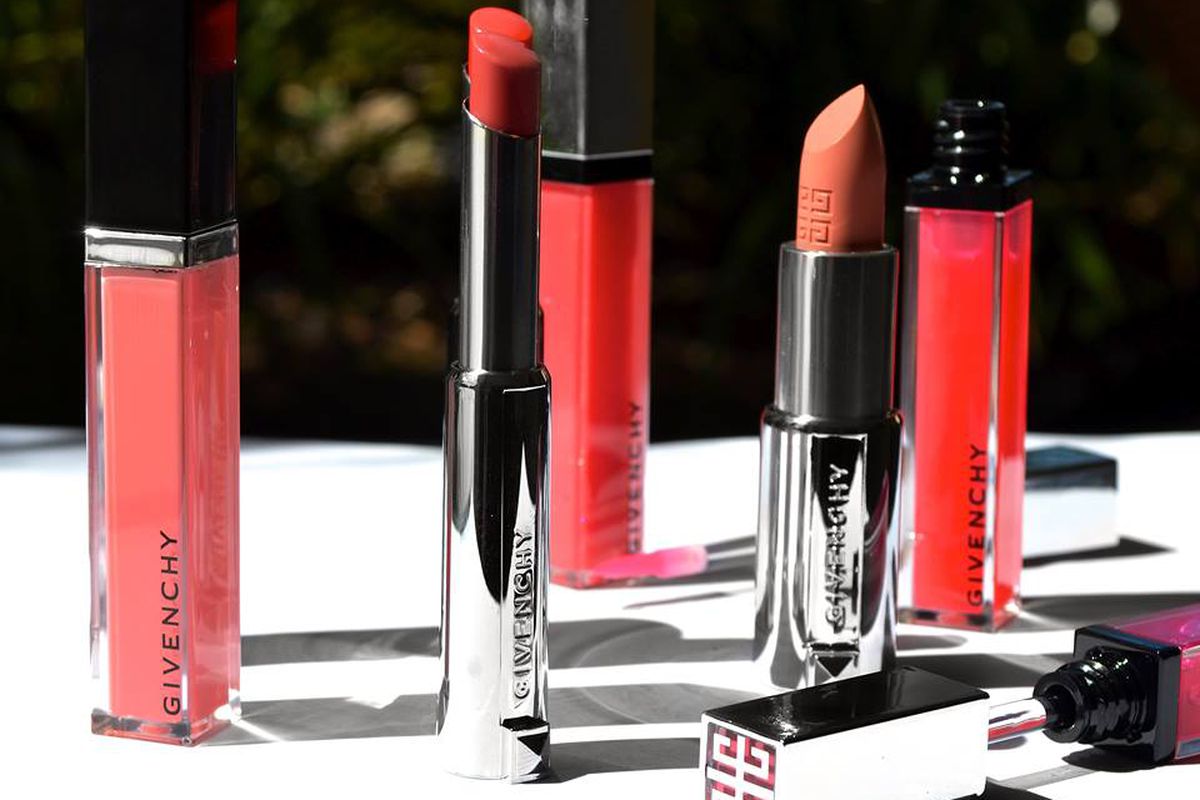
    Fung Global Retail observed that Parfums Christian Dior reported good growth and Guerlain launched a new women’s fragrance called Mon Guerlain during the quarter. Parfums Givenchy benefited from the success of lipstick lines, which saw rapid development in Asia. In addition, the Kat Von D brand launched exclusively in January 2017 at Sephora in France.

    Managing expectations

    While the company was clearly pleased with its results it did warn shareholders to keep their expectations modest, pointing out the growth had come against a 2016 quarter when the industry was struggling with Paris terror attacks. It said such levels of growth should not be expected for the full year.

    LVMH shares rose to a record in Paris after the results were announced.

    The LVMH figures will set the standard for a raft of luxury retail earnings due to be released in the coming days. Prada reports results today and Kering, parent of Gucci, on April 25.

  • Maria Grazia Chiuri collection for Dior pop-up

    Maria Grazia Chiuri collection for Dior pop-up

    Singapore is among seven international cities where Dior is launching pop-up stores to unveil its spring/summer ready-to-wear collection, the first designed by its new creative director Maria Grazia Chiuri.

    Dior pop up4

    Dior pop up3

    Dior pop up2

    Dior pop up

    The pop-ups revisit the Dior heritage in a contemporary spirit with a message, says the French luxury group.
    Los Angeles and Paris are first with the stores, with the roll-out continuing in Japan, Dubai, Seoul, Beijing and Shanghai.

    Singapore’s Dior pop-up opens at Ion Orchard on Thursday and will be open until March 22.

  • DFS Group completes City of Dreams store

    DFS Group completes City of Dreams store

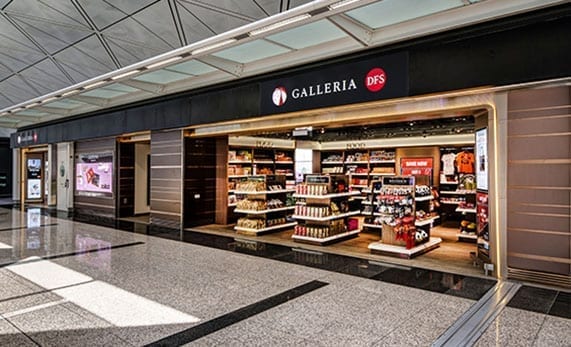
    Luxury travel retailer DFS Group has unveiled the final phase of T Galleria by DFS, City of Dreams store in Macau following a year-long expansion.

    DFS Group chairman/CEO Philippe Schaus says the the store offers travellers the breadth of a luxury shopping mall with the personalised service of a high-end department store.

    An expanded jewelry offering was also unveiled in December, bringing key luxury jewelry brands Tiffany & Co. and Van Cleef & Arpels to T Galleria by DFS, City of Dreams as well as new watches boutiques from Audemars Piguet and Vacheron Const
    An expanded jewelry offering was also unveiled in December, bringing key luxury jewelry brands Tiffany & Co. and Van Cleef & Arpels to T Galleria by DFS, City of Dreams as well as new watches boutiques from Audemars Piguet and Vacheron Constantin

    Opening in 2009, T Galleria by DFS, City of Dreams expanded throughout last year to more than three times its original size. Stretching across 173,000 sqft (16072 sqm), the expanded store includes the group’s debut shoe hall. The largest shoe floor in Hong Kong and Macau, it features more than 50 men’s and women’s shoe brands across two levels, including exclusive-to-Macau brands such as Aquazzura and Rupert Sanderson.

    Men can also enjoy a dedicated multi-branded, lifestyle area that mixes ready-to-wear, accessories, shoes, watches and grooming all in one space to allow shoppers to complete a head-to-toe look with ease
    Men can also enjoy a dedicated multi-branded, lifestyle area that mixes ready-to-wear, accessories, shoes, watches and grooming all in one space to allow shoppers to complete a head-to-toe look with ease


    There are more than 40 fashion and accessories brands in the outlet, including Dior, Fendi, Louis Vuitton, Miu Miu and Prada. The expanded beauty offering comprises two wings across 23,000 sqft and nearly 70 beauty and fragrance brands, making it the largest beauty hall in southern China. Highlights include Korean brands Hera, Laneige and Sulwhasoo.

    DFS Macau, City of Dreams – beauty

    For men there is a multi-branded lifestyle area that mixes ready-to-wear, accessories, shoes, watches and grooming in one space.

    DFS Macau. 1

    DFS Macau. 3

    An expanded jewellery offering was unveiled in December, bringing in such brands as Tiffany & Co and Van Cleef & Arpels. There are also new watch boutiques from Audemars Piguet and Vacheron Constantin.

    DFS Macau, City of Dreams - WJA Event

    T Galleria by DFS, City of Dreams is one of four T Galleria stores in Macau, including T Galleria by DFS, Shoppes at Four Seasons; T Galleria by DFS, Studio City; and the standalone beauty hall T Galleria Beauty by DFS, Galaxy Macau.

  • Lotte Duty Free re-launches at Gimhae airport

    Lotte Duty Free re-launches at Gimhae airport

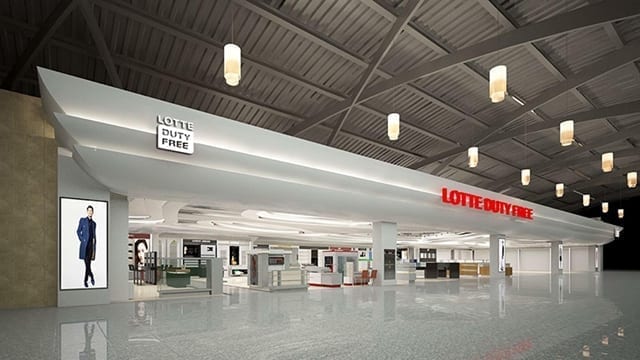
    After winning a Korea Airports Corporation (KAC) tender, Lotte Duty Free has officially re-launched at Gimhae airport.

    The retailer now has 980.44 sqm of space, an increase of 329.2 sqm over its area last year. Lotte Duty Free had a 158.34 sqm presence at the terminal when it opened in 2007 until early 2014.

    Fellow Korean retailer Shinsegae, which was at the airport until last month, is believed to have terminated its contract to focus on the city – it plans to open a 13,350 sqm store in the city centre – and its Incheon airport outlets.

    Meanwhile, Lotte is targeting sales of W120 billion ($US99.2 million) at the airport this year with daily sales of W200 million.

    Following an analysis of consumer shopping trends at Gimhae airport, the cosmetics area has been expanded by 40 percent with the introduction of such brands as Giorgio Armani, Jo Malone and Tumi.

    In its entirety, the Lotte offers more than 120 food, electronics and accessories brands at the airport, along with fragrances and cosmetics labels such as Chanel, Dior and Sulwhasoo.

    A special promotion to commemorate the grand opening at the airport offers as a grand prize for each of 30 Korean nationals and their partners a trip to Okinawa to watch the Lotte Giants baseball team train.

    Other customers can win pre-paid shopping cards, movie tickets, drinks coupons and gift certificates.

    Dufry Group also runs a duty-free concession at the airport.

  • How to grow for Luxury brands

    How to grow for Luxury brands

    Luxury brands need to use new technologies and offer experiences for their customers, the second Luxury Society keynote event in Shanghai has been told.

    UCO Cosmetics CEO Arthur Zhang told the event that the early-stage eCommerce model of simply providing a platform for selling products online is dead.

    He said key technologies being experimented and improved upon in China include augmented reality, virtual reality and live-streaming.

    “The millennial generation in China, which already numbers about 300 million people, seeks experiences and emotional connection – they are not just bystanders,” DLG China partner/MD Pablo Mauron told the audience of more than 150 luxury-industry brand executives. “As a result, live-streaming has become a medium for them to express themselves.”

    He told how brands such as Maybelline, Montblanc and Swarovski are taking advantage of these new opportunities.

    Underlining the key message of the event that eCommerce is changing, CEO Thibault Villet of luxury fashion eCommerce platform Mei.com told how a live-streamed show in collaboration with TMall resulted in 65 per cent of the products featured quickly selling out.

    Meaningful data

    Social customer-relationship management (CRM) makes highly targeted messaging and engagement possible, the event was told by Four Seasons Hotels Asia Pacific director of marketing communications John Hamilton. He said the luxury hotel chain has been gaining meaningful data about its customers, which in turn has driven growth. In the past year, through trial-and-error and optimisation, the group has defined a CRM-led content strategy on WeChat.

    Celebrity and key-opinion-leader partnerships can make a big impact in China, said East Entertainment commercial director Qing Dai, who spoke of her experience of partnering luxury brands with appropriate celebrities. One of Easy Entertainment’s most successful was in linking up Cartier with singer/actor Lu Han.

    Baidu GM for East China Wan (Grace) Zhang said Cartier was the most-searched luxury watch brand among the generation born between 1990 and 2000, linked to Cartier’s collaboration with Lu Han.

    Other speakers at the event included Four Seasons Hotel Pudong (Shanghai) GM Arthur Ho, writer Casey Hall of Women’s Wear Daily, Digital Luxury Group founder/CEO David Sadigh and MD for China Pablo Mauron, Baidu senior project manager Di Fu and Sephora China digital manager Vanessa Qian.

    Attendees included representatives of Alexandre de Paris, Baume & Mercier, Bottega Veneta, Bulgari, Cartier, Chanel, Chaumet, Conde Nast, De Beers, Dior, Hublot, Loewe, LVMH, Marc Jacobs, Massimo Dutti, Michael Kors, Montblanc, Nars, Net-a-Porter, Nike, Sephora, Shiseido, Swarovski, TAG Heuer, Tiffany & Co and Vacheron Constantin.

    Luxury Society, published by Digital Luxury Group, is an online destination for luxury-brand executives covering digital and technology matters and with more than 40,000 members across 150 countries.

  • Yaok offers online service for luxury boutiques

    Yaok offers online service for luxury boutiques

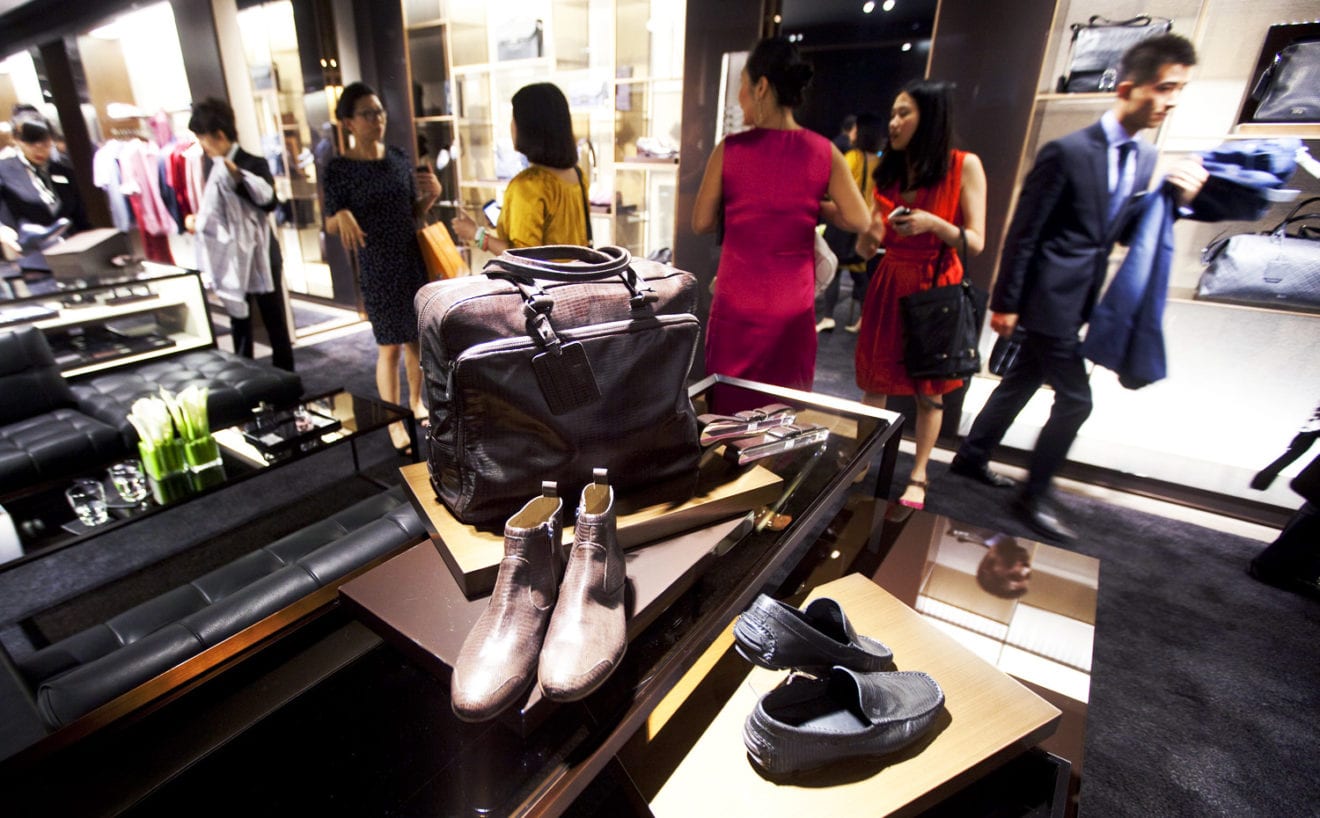
    Chinese company Yaok has built an online reservation service for offline brand boutiques to tackle the online/offline conflict.

    It is the result of 10 years of market research the preparation, including five years of in-depth communication with more than 100 luxury brands.

    Founder/CEO Steven Yao says that many luxury brands, including Chanel and Dior, have realised the importance of the internet, but while finding online partners still have concerns about brand image.

    “Everyone is looking for an online solution, especially one that’s appealing to Chinese consumers,” he says. “Unfortunately, current Chinese online players can’t fulfill luxury-brand needs because of false brand perception, unfit target audience, and lack of control on product authenticity.

    “Some chose to set up their own eCommerce platforms, but found it difficult to attract traffic with one single brand.”

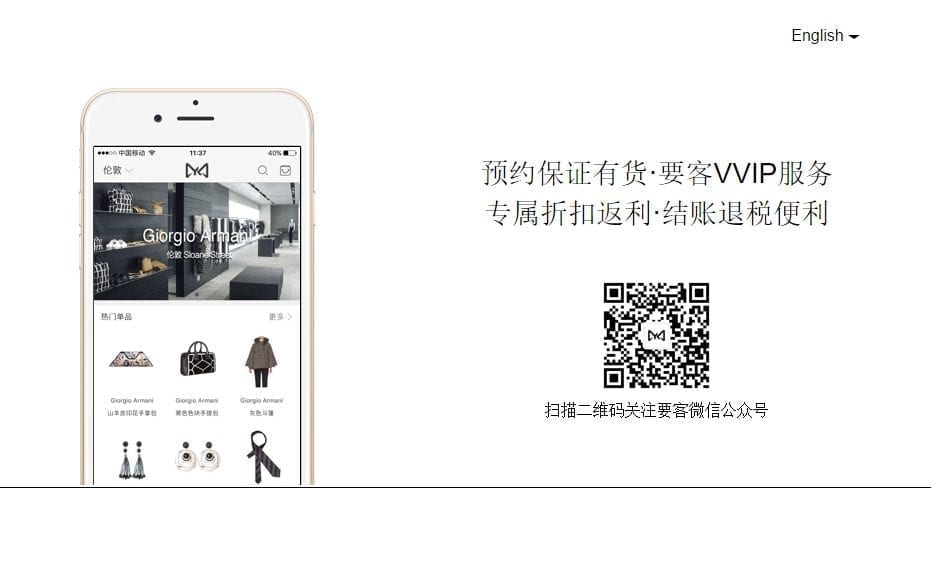
    Through Yaok, a brand can have its own official reservation platform, giving it absolute control in managing its image, product inventory, order status and customer database. It also allows instant communication between brand and customer.

    According to the China’s Fortune Character Institute, 73 per cent of Chinese consumers have a shopping list before overseas travel, 45 per cent of which cannot be fulfilled because of such factors as lack of desired size or model, resulting in loss of sales and unsatisfying customer experiences.

    Agreements in place

    Yaok lets customers reserve products in advance and have VIP services in store. Already the company has global or regional collaboration agreements with most international luxury brands.

    Yao says that when the platform officially launches at the end of next month, products from 80 per cent of luxury brands will be available. Users will be able to make VIP reservations in nine countries and regions.

    He estimates that 500,000 shoppers, all with a net wealth exceeding $2 million, will use Yaok to buy luxury goods globally. Its prestige service is either by invitation only or for current brand VIPs. Applications can be submitted via Yaok app or WeChat, but acceptance is not guaranteed.

    Yaok has completed two rounds of fundraising, with Feng Ye as angel investor.

    Yao was the first CEO for the Hurun Report, the magazine known for its “China Rich List”. Other core Yaok members have also worked in brand houses like Giorgio Armani or Louis Vuitton for more than 10 years.

    Yaok is affiliated to the Fortune Character group, founded in 2008, which specialises in researching the luxury market.