Retail News CRM

Tag: drinking

  • Coopers Brewery Defies Downturn: Annual Beer Sales Soar Despite National Decline

    Coopers Brewery Defies Downturn: Annual Beer Sales Soar Despite National Decline

    Coopers Brewery, a family-owned independent brewing company, has experienced a slight rise in its annual beer sales, outperforming the overall market that has seen a downturn.

    Annual Sales Report

    In the 2024-25 fiscal year, Coopers Brewery reported total beer sales of 80.6 million litres, marking a growth of 2.4% compared to the preceding year. This contrasts the 0.9% contraction witnessed within the national beer market during the same period.

    Growth in Keg and Packaged Beer Sales

    Sales of kegs, which account for approximately 12.4% of Coopers’ total beer sales, saw a substantial increase of 5.9%. Additionally, the sales of packaged beers also saw a modest uptick of 1.8%.

    Product-Specific Sales Performance

    Sales of malted barley and wheat saw an increase of 3.4%. However, there was a 17% drop in DIY brewing product volumes, a result of reduced consumer demand and restricted space on supermarket shelves.

    Statement from the Managing Director

    Michael Shearer, the Managing Director of the brewery, noted that the figures indicate a resilient performance throughout their beer portfolio. He highlighted considerable consumer demand for Dry 3.5 and Australian Lager, both relative newcomers to their range. Traditional ale products also continued their growth trajectory at 1.2%, while Stout saw a resurgence with a 3.3% rise compared to the previous year.

    Shearer admitted that cost-of-living pressures have made consumers more selective in their purchasing decisions. However, he was optimistic about achieving another year of solid sales growth in a challenging market, expressing it as a testament to the team and their craft.

    Regional Growth and Profit

    Over the course of the year, the company saw sales growth across all states and territories. SA emerged as the largest market in terms of sales volume, while Queensland experienced the most substantial growth at 4.8%.

    International beer exports, excluding New Zealand, which make up around 1% of total sales, fell by 22.3%. Conversely, sales to New Zealand grew by 2.6%.

    In terms of profitability, Coopers Brewery witnessed a decrease in pre-tax profits, which fell from $32.8 million in the previous year to $22.5 million. This shift reflects the investment in a new $70 million visitor center and its associated costs.

    The Visitor Center

    The company described the visitor centre as a generational investment and an integral part of its long-term strategy. In addition to housing a restaurant, the facility also includes a microbrewery and a whisky distillery. Since its inauguration in August of the previous year, the centre has welcomed approximately 60,000 visitors.

    Questions & Answers

    What contributed to the decrease in Coopers Brewery’s pre-tax profits?
    The pre-tax profit decrease reflected the brewery’s investment in a new $70 million visitor centre and its associated costs.

    What sales growth was seen across different product ranges at Coopers Brewery?
    Keg sales rose by 5.9% and packaged beer sales increased by 1.8%. Malted barley and wheat sales grew by 3.4%, but DIY brewing product volumes fell by 17%.

    Which areas experienced the most growth in terms of beer sales for Coopers Brewery?
    In terms of sales volume, SA was the largest market. However, Queensland recorded the highest growth rate at 4.8%.

  • Wala Wala Cafe Bar in Singapore Abandons Closure Plans Thanks to Incredible Community Support!

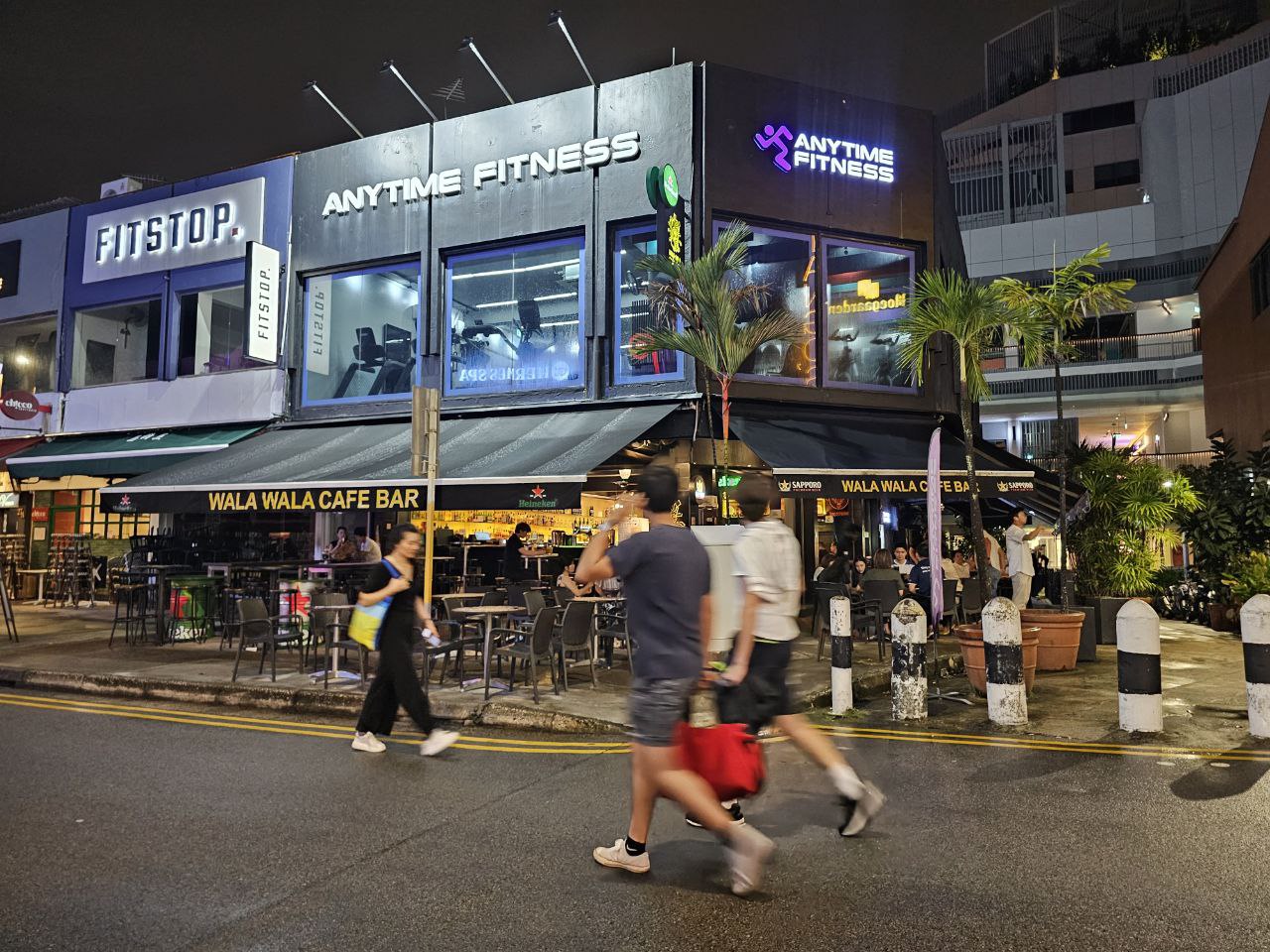
    Wala Wala Cafe Bar in Singapore Abandons Closure Plans Thanks to Incredible Community Support!

    Stanley Yeo, the owner of Wala Wala Cafe Bar, recently shared that he was contemplating calling it quits due to declining visitor numbers, a challenging labor market, and soaring operational costs that have pushed rent for the venue’s 1,700-square-foot ground floor up by 9% over the past two years to S$28,000 (US$21,700) per month. However, the tide turned as the community rallied in support of the beloved establishment.

    By July, the bar saw a “significant increase” in foot traffic, reviving its fortunes. A heartwarming Instagram post last Tuesday revealed that Wala Wala’s landlord had “kindly offered revised terms that make it feasible” for the cafe bar to continue operating in Holland Village.

    “We have been deeply moved by the overwhelming support from our community — customers, friends, suppliers, and neighbors alike,” the post announced. “Today, we are heartened to share that Wala Wala Cafe Bar will remain in Holland Village.”

    Established in 1993, Wala Wala has been a cherished local gem, known for its hearty fare, draft beers, and lively weekend atmosphere. Once famous for hosting live music on its second floor — now closed since 2021 — the venue has since refocused on its food and beverage offerings, as noted by Bandwagon Asia.

    The decision to keep Wala Wala open is a sigh of relief for Holland Village, an increasingly popular dining and shopping hotspot currently facing a wave of closures. In recent months, local businesses such as Thambi Magazine Store, Lim’s Holland Village furniture shop, party store Khiam Teck, and soft-serve ice cream haven Sunday Folks have all shut their doors, as outlined by Channel News Asia.

    These closures highlight a troubling trend in Singapore’s food and beverage scene, where several beloved establishments are now bidding farewell. Two Michelin-starred restaurants — Euphoria and Alma by Juan Amador — closed this month, while well-known dessert spots Flourish Bakehouse and Fluff Bakery announced similar plans for September. Additionally, heritage eatery Ka-soh, noted for its Cantonese-style fish soup, will shut its last location later this month.

    Questions & Answers

    What factors led Stanley Yeo to consider closing Wala Wala Cafe Bar?
    Yeo cited falling visitor numbers, a tough labor market, and a significant rise in operating costs as the primary reasons behind his contemplation of closure.

    How has the local community reacted to Wala Wala’s potential closure?
    The community showed overwhelming support, resulting in a notable increase in foot traffic, which ultimately encouraged the landlord to offer revised terms that allowed the cafe bar to continue operations.

    What recent closures in Holland Village reflect a broader trend in Singapore’s F&B sector?
    Recent closures include popular local spots like Thambi Magazine Store and Lim’s Holland Village, mirroring a concerning trend where several well-known dining establishments, including Michelin-starred restaurants, have also announced their shutdowns.

  • Luckin Coffee may launch in the US as early as next year

    Luckin Coffee may launch in the US as early as next year

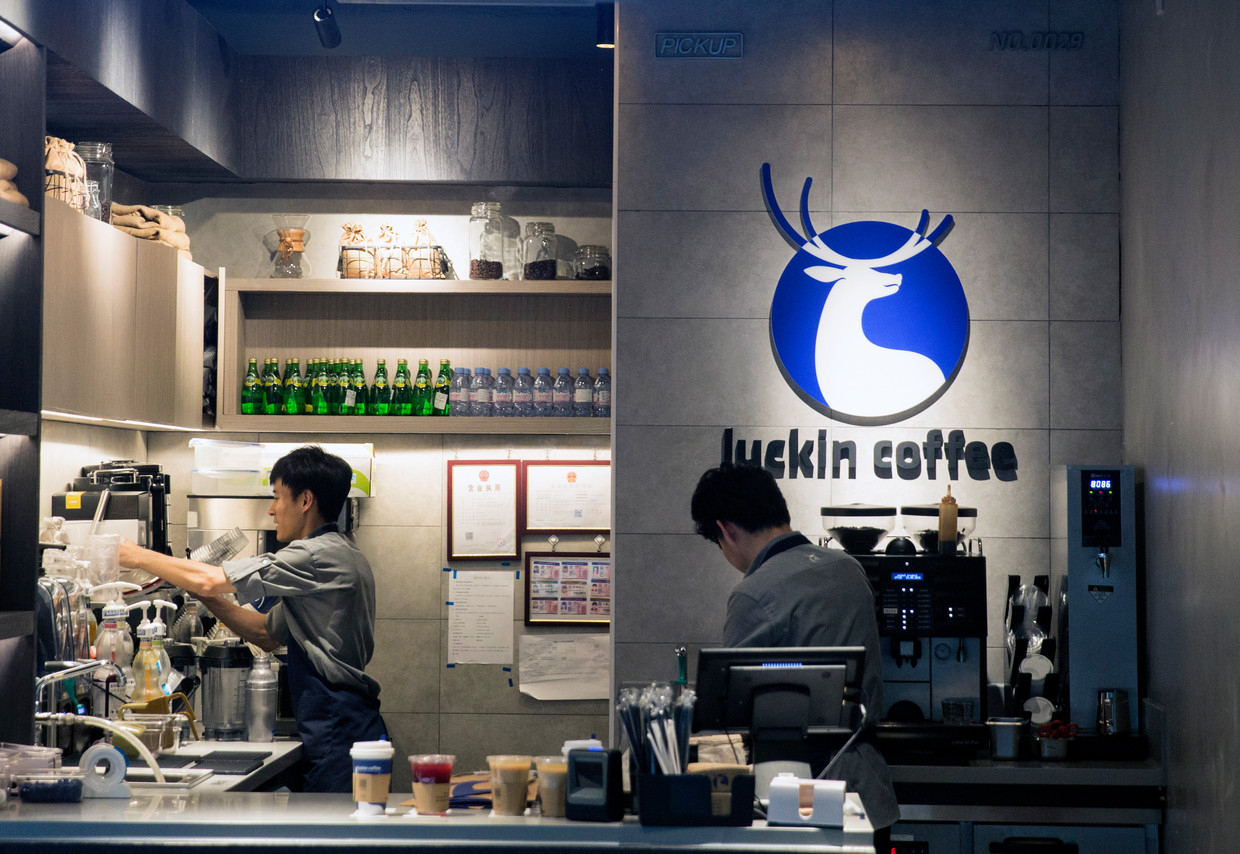
    Chinese coffee chain Luckin Coffee is exploring potential expansion into the US, with a launch possibly as early as next year.

    During an earnings call, Luckin Chairman and CEO Guo Jinyi emphasised both the promise and challenges of overseas growth.

    “The international market is filled with opportunities, but also presents significant challenges that require patience, time, and continuous investment,” Guo said.

    “We remain both patient and confident in our ability to succeed. We are actively evaluating opportunities in the US and other markets.”

    A report from the Financial Times suggests that Luckin may target cities in the US with sizeable Chinese student populations and tourist presence, such as New York.

    The company also aims to undercut major US coffee brands by offering drinks priced around US$2 to $3, potentially attracting budget-conscious consumers.

    Luckin has already begun overseas expansion in Singapore, opening eight new stores last quarter, taking its total in that market to 45. It also has stores in Malaysia.

    Although initial operations in the country incurred financial losses, Guo said these experiences provided valuable insights into the complexities of managing international ventures.

    The company plans to expand abroad, focusing on store network growth, supply chain management, and brand building.

    “Considering the maturity and competitiveness of the US coffee market, Luckin intends to approach its expansion strategy there with careful consideration and a disciplined execution plan,” Guo added.

    However, the potential US expansion may face reputational challenges.

    Jason Yu, GM at consumer research firm Kantar Worldpanel China, pointed out that Luckin’s past scandal, involving inflated sales data, could impact its brand image in the US.

    In 2020, Luckin admitted to fabricating approximately $310 million in sales in 2019, leading to multiple short-selling attacks and ultimately its delisting from NASDAQ.

    “With fierce competition in the Chinese coffee sector, overseas expansion and the possibility to regain trust from the capital market might be strategic options for Luckin,” Yu said.

  • Sabeco to install rooftop solar panels at 9 breweries

    Sabeco to install rooftop solar panels at 9 breweries

    Sabeco has partnered with SP Group, a leading utilities group in the Asia Pacific, for the second phase of its rooftop solar energy system installation and operation.

    Saigon Beer-Alcohol-Beverage Corporation (Sabeco) and SP Group signed a Memorandum of Understanding on Thursday to carry out rooftop solar energy system installation and operation with a maximum output of 10.44 MWp (Megawatt-peak) at nine Sabeco’s breweries.

    This will bring the number of Sabeco breweries adopting solar energy by the end of 2023 to 17.

    “This partnership demonstrates our commitment to facilitating the clean energy transition of manufacturing facilities. Leveraging our comprehensive range of sustainable energy solutions, we look forward to supporting Sabeco towards their energy efficiency goals and co-creating a more sustainable future for Vietnam,” Brandon Chia, Managing Director, Sustainable Energy Solutions (Southeast Asia & Australia), SP Group, said.

    The first phase kickstarted in 2020, receiving VND107 billion ($4,7 million) investment from Sabeco with a maximum output of 9 MWp at Cu Chi, Dak Lak, Phu Yen, Quy Nhon, Song Lam, Khanh Hoa, Can Tho, Soc Trang and Ben Tre breweries.

    Under the new MoU, SP has been commissioned to install and operate the rooftop solar panels at nine breweries in Lam Dong, Ha Tinh, Ha Noi, Tay Do, Vinh Long, Nguyen Chi Thanh, Bac Lieu, and Quang Ngai, and expand the system in Cu Chi.

    The installment is scheduled to be completed and operational by the end of Q3. The system of 17 breweries is estimated to provide almost 23% of electricity consumed at the breweries, or 25 million kWh, equivalent to a reduction of 18,000 tons of CO2 emitted annually.

    “The company has sought to implement initiatives and solutions that support sustainable business over the past few years. We have already embarked on various ESG (Environment, Society and Governance) initiatives through our 4C corporate social responsibility pillars (Consumption, Conservation, Culture and Country). We also have implemented Best Brewery Awards to encourage our breweries to embed sustainability mindset,” Bennett Neo, General Director of Sabeco, said.

    Apart from energy usage, Sabeco has implemented other initiatives to mitigate environmental impacts. The company reduced waste used per liter of beer from 5 liters in 2018 to below 3 liters in 2022.

    Sabeco has embarked on plant-based biomass fuel (rice hulls, sawdust, cashew shell, and leaves) usage instead of using fossil fuel-powered boiler, applying the CIP wastewater treatment system; using sustainable packaging (downgauged cans, lightweighted carton boxes and bottles) and reusing beer glasses and cans.

    Sabeco also promotes other sustainability initiatives which focus on local communities where it operates. The recent project “Light up the Rural”, a part of the three-year strategic partnership between Sabeco and the Central Committee of the Ho Chi Minh Communist Youth Union, has constructed 34km of street lighting that uses solar power in 34 rural areas in 34 provinces across the country.

    This initiative aims to improve socio-economic infrastructure to more than 210,000 households. The project will be expanded in 2023 with more than 39 km of solar street lights to be installed.

    Sabeco operates 26 breweries, 11 member trading companies and a network of hundreds of thousands of selling points across the country.

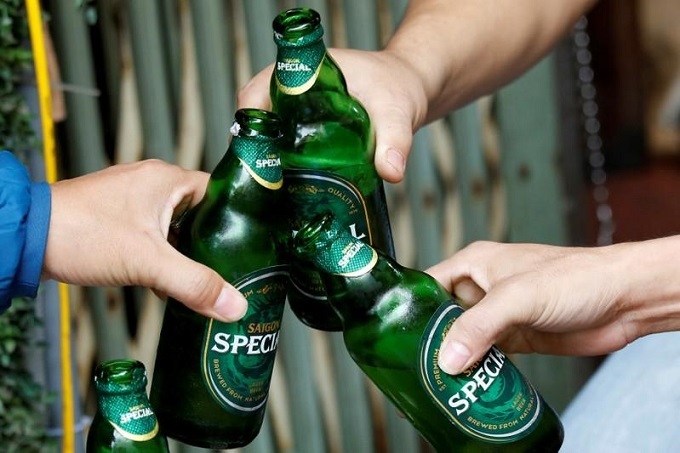
    Sabeco has a wide portfolio of beer brands that are beloved by the people of Vietnam, which includes Bia Lac Viet, Bia Saigon Chill, Bia 333, Bia Saigon Special, Bia Saigon Export, Bia Saigon Lager and Bia Saigon Gold.

  • Chinese cafe chain Mellower Coffee exits Vietnam

    Chinese cafe chain Mellower Coffee exits Vietnam

    Café owner Liu Houjun gained a little online fame with his unique coffee brewing bravura. Formerly the director of a listed company, the coffee lover, in his 50s, decided to quit his job and open a coffee shop to develop innovative blends.

    “Different regions in the world all have their own ways of making a cup of coffee with local characteristics. I figured maybe we, as Chinese, could also invent our own unique coffee extraction method,” Liu said. And invent he did. After slowly adding water to the ground coffee powder, he puts the container into a pressure cooker filled with water and boils it extensively to complete the extraction.

    He explained that this process leaves the coffee with a smoother and lighter taste, much to the palate of many customers, contributing to the shop’s 70 percent returning customer rate. Apart from his special coffee-brewing technique, Liu has fashioned a range of innovative coffee products, like espresso made with the help of yogurt and rice wine.

    “I hope more of these Chinese-style coffee varieties can reap some worldwide recognition,” Liu said.

    According to YiMagazine, a financial media outlet in China, Shanghai currently has about 7,000 coffee shops, excluding coffee services in convenience stores and fast-food restaurants, ranking first nationwide—or even worldwide. The number of coffee hangouts per 10,000 people in Shanghai is 2.85, similar to that in London, the UK, New York, the U.S., and Tokyo, Japan.

    Major chains like Starbucks and Costa Coffee account for 35 percent of total coffeehouses in Shanghai, the report added. Luckin Coffee, one of China’s largest coffee chains established in 2017, quickly expanded by weaving some marketing magic combining expedient delivery service and discounts.

    “Many people believe it was Luckin that showed Chinese customers who had been less familiar with coffee the ropes, lifting the entire market to its next level,” said Zhang Mingzhu, General Manager of Mellower Coffee, a Chinese specialty coffee company.

    To attract more customers, many café proprietors are seeking state-of-the-art suggestions to give their place that little extra pizzazz. Coffee is mixed with more commonly spotted ingredients sitting next to a traditional Chinese meal, like soybean milk, tangerine peel, or even Moutai, a prominent brand of distilled Chinese liquor. Among the innovations, latte with sweet-scented osmanthus, the aromatic flower that is native to China and prized for its intoxicating, apricot-like scent, proved most popular, with more than 60,000 searches on Dianping.com, a Chinese restaurant review site, in 2021 alone. The search term “Chinese-style coffee” was entered over 280,000 times.

    According to another Dianping.com report released in December 2021, specialty coffee, often called quality coffee, is gaining popularity among customers in Shanghai. The term refers to coffee that has scored over 80 points on a 100-point scale by the Specialty Coffee Association of America.

    The group aged between 20 and 40 is the main consumers of this coffee type in Shanghai, with women accounting for 60 percent. Compared with 2019, the proportion of student consumers in the past year has increased by nearly 2.4 times. They usually opt for a boutique coffee shop to study, socialize, or take a break. People over the age of 50, too, have become more curious about and fond of specialty coffee. Compared with 2020, this group’s orders have increased by nearly 143 percent.

    “The quality of coffee beans is not the only customer focus; the ways of brewing and extraction, as well as the uniqueness and creative designs of coffee shops, all play a vital part,” said Zhang Xueqiang, Chairman of the Coffee Professional Committee of the Shanghai Food Industry Association, adding that Shanghai specialty coffee is entering a golden age of development.

    Shanghai-based entrepreneur Wu Yue told Beijing Review that in the past, he would invite potential business partners to a restaurant to talk shop; they might even go out for some drinks after. “But today, I usually take my prospective business partner to a coffee or tea shop, as it is healthier and more efficient. I’ll take a date there as well,” 28-year-old Wu said.

    Ample supply

    Many coffee shops in Shanghai flourish on an ample supply of coffee beans from Yunnan Province. One such example is Mellower Coffee, established in 2011 in Kunming, capital of Yunnan, and now headquartered in Shanghai, with chain stores in other parts of China, as well as in Singapore and the Republic of Korea. Yunnan is the largest coffee-growing province in China and, for years, the province’s yield has accounted for more than 98 percent of the country’s total. According to the Yunnan provincial department of agriculture and rural affairs, 131,000 tons of coffee beans were produced in the province in 2020.

    Pu’er City is one of Mellower Coffee’s main sources of coffee beans aside from other places in major coffee-producing regions like Ethiopia, Kenya, Colombia and Guatemala. The city’s coffee plantation area, output and value ranked No.1 in the nation in 2021. And it’s also a famous tea-growing area.

    Yunnan’s coffee history dates back to the 1950s, when scientists began researching planting there. The year 1988 was the starting point for Yunnan coffee to make its mark beyond China, when the local government launched a coffee assistance project, assisted by the United Nations Development Program and the World Bank. Swiss food and beverage giant Nestlé introduced new bean varieties and smart production technologies to Pu’er, and other places, transforming Yunnan into a global golden belt for its coffee cultivation.

    Coffee grows in semi-tropical climates with an average temperature of 20 to 27 degrees Celsius and abundant rainfall, making Pu’er the perfect candidate.

    However, Yunnan coffee was considered a relatively mediocre variety in the past as its quality fluctuated due to inexperienced production, unexpected bad weather occurrences and insect plagues, according to Hua Runmei, a coffee entrepreneur in Pu’er.

    A price drop further dampened the incentive to improve its quality. “With the development of the global coffee market, mechanization and large-scale production and processing in Brazil, Viet Nam and other countries, the price of traditional commercial coffee beans has gradually fallen, making it less profitable for farmers,” she said.

    Hua can recall her grandfather and parents growing coffee beans for a living ever since she was little. “Though they were cultivating it, farmers of their generations never actually tried the coffee, let alone study it and see how to improve the taste, which is vital in market competition,” Hua said. She added that the younger generation today can open up more possibilities for coffee plantation by transforming it, developing specialty varieties and adopting digital technology throughout the entire process, rendering product quality high and unwavering.

    Hua is currently preparing to launch her own brand, creating more coffee-related products and contributing her share to making quality Pu’er coffee known across the globe.

  • Sabeco profits soar by 40%

    Sabeco profits soar by 40%

    Brewer Sabeco said its after-tax profit rose by 40% last year to VND5.5 trillion. Vietnam’s biggest brewer had net revenues of VND34.98 trillion, an increase of 32% from 2021.

    These are significant achievements compared to the 2021 results.

    The 2022 profit figure was the highest in the company’s history, and was achieved despite the challenging market conditions and various post-pandemic difficulties.

    The year also marked an important milestone for Sabeco as it entered phase 2 of its transformation journey, focusing on sales, branding & marketing, production, and supply chain.

    The 2022 results also reflected Sabeco’s accomplishments in transforming its core business processes and accelerating its marketing and sales initiatives.

    It is improving cost management and operational efficiency across the entire supply chain by implementing Sabeco 4.0.

    Given the record profit, the board proposed a special dividend of 15%, which was approved at the AGM, bringing the full-year dividends for 2022 to 50%.

    To further enhance shareholder value, it was proposed to issue bonus shares at a ratio of 1:1, and was also approved.

    Sabeco expanded its mid-to-long-term strategic investment initiatives in 2022 to support sustainable business growth as part of its long-term growth plans.

    This includes recent strategic moves to increase ownership in Saigon Binh Tay Beer Group JSC and Saigon Packaging Group JSC. The two companies will become subsidiaries when the process is completed.

    Sabeco also announced plans to increase its stakes in the Western-Saigon Beer JSC from 51% to more than 70%.

    At the meeting, general director of Sabeco, Bennett Neo, said 2022 was a breakthrough year with record profits.

    “We grew our market share and net revenues, and profit after tax reached VND5.5 trillion, an increase of 40% over 2021. This is a result of our collective efforts to drive sales, the right investment strategy and efficient cost management.”

    For 2023 Sabeco has a revenue target of VND40.272 trillion and a profit target of VND5.775 trillion, increases of 15.1% and 5% from the previous year.

    The company said it would continue to strengthen its 4Cs sustainable development commitment, which includes driving ESG initiatives that are in line with its corporate goals and Vietnam’s national strategies.

    The corporation is committed to continuing its efforts as a proud, prominent and responsible corporate citizen to bring out the best in Vietnam.

    The chairperson of the AGM and board member Michael Chye said the business environment remains challenging with various uncertainties caused by the global economy and unpredictable but fierce competition.

    However, he said Sabeco remains committed to investing in opportunities that drive long-term growth and increase shareholder returns.

    “This will enable us to reward our shareholders with sustainable dividends and in line with the company’s long-term growth prospects.”

    A change of general director was also announced at the annual general meeting and will be effective from October 1, 2023. Lester Tan Teck Chuan will become the new general director.

    Lester is currently Senior Vice President, Chief Beer Business, at Thai Beverage PLC and has been at this role since 2020.

  • Asahi Beverages to close Green Beacon brewery

    Asahi Beverages to close Green Beacon brewery

    Asahi Beverages will close its Green Beacon brewery’s operations in North Brisbane in around 10 weeks.

    The closure follows several years of “excellent growth” for Green Beacon, according to the company, and is part of a plan to ensure the company’s growth by boosting brewing capacity across various sites.

    Asahi Beverages will invest in Green Beacon’s original location at the Teneriffe brewpub to increase brewing capacity. The majority of Green Beacon brewing will be moved to Asahi Beverages’ other Fire & Earth Ventures locations in Australia, including Pirate Life in Port Adelaide and 4 Pines in Brookvale, NSW. These additional sites are equipped to handle Green Beacon’s continued expansion.

    The closing of Geebung will lead to the departure of three full-time and two casual employees. The remaining Geebung employees will be transferred to the Teneriffe microbrewery.

    “Geebung has been our home for more than six years and has driven much of our recent success,” said Green Beacon’s GM Richard Shrosbery.

    “However, we are experiencing significant growth and have now outgrown the site. Today’s announcement means Green Beacon can continue its growth trajectory by unlocking capacity constraints, which will help ensure we continue to get it to lovers of Green Beacon everywhere.”

    The company said it will assist employees affected by redundancy and is looking at replacement roles within the Asahi Beverages group.

    Last year, Asahi Beverages acquired Byron Ba premium mixer brand StrangeLove as consumer demand for better-for-you beverages grows.

  • Carlsberg CEO Cees ‘t Hart to retire

    Carlsberg CEO Cees ‘t Hart to retire

    After eight years as CEO of the Carlsberg Group, Cees ’t Hart has informed the supervisory board of his intention to leave the Group by the end of Q3 2023.

    Since beginning his position at the beer giant, the company has been “significantly strengthened,” with 2022 seeing Carlsberg deliver an all-time high revenue and operating profit of DKK 70.3bn and DKK 11.5bn (approx. $1.65bn), respectively.

    In 2017, Carlsberg became one of the first ten companies – and the first brewer – in the world to introduce science-based targets aligned with the 1.5°C goal in the Paris Agreement. The company has achieved relevant progress on its sustainability targets, including a 57% reduction in carbon emissions.

    Chair of Carlsberg’s supervisory board, Henrik Poulsen, said: “Cees ’t Hart has delivered remarkable results during his time at Carlsberg…Under his leadership, the Group has navigated significant challenges, including the difficult Covid-19 years, the war in Ukraine, and the ongoing sale of Russian business. Cees leaves behind a purpose-led and performance-driven company with solid strategic, financial, organizational, and societal health.”

    Cees ‘t Hart said: “It has been a privilege leading Carlsberg the past eight years. I’m immensely proud of the organization and the results we as a team, have achieved. I’m confident the successful journey of Carlsberg will continue well into the future.”

    He continued: “Staying on board for another half a year will allow me and the team to continue delivering on our challenging plans for 2023 and accomplishing the sale of the Russian business before the summer. Thereafter, I’ll focus on some interesting non-executive roles.”

  • Casella Family Brands sells 35 vineyards

    Casella Family Brands sells 35 vineyards

    Southern Premium Vineyards has acquired 35 vineyards from wine group Casella Family Brands. The sale comprises 7215 hectares across South Australia and NSW, including water entitlements and plant and equipment attached to the vineyards. The vineyards are located across the Clare Valley, Langhorne Creek and Limestone Coast regions of South Australia, and the Riverina precinct in NSW.

    Southern Premium Vineyards (SVP) already owns about 460 hectares of vineyards in the Coonawarra in South Australia’s south-east and the Barossa Valley. Public Sector Pension Investment Board owns it is one of Canada’s largest pension investment managers. SPV director Nick Gill said, “SPV’s strategy is to offer wine companies a multi-regional grape supply solution for their winegrape sourcing as an alternative to owning or leasing vineyards – and a partnership with Casella is a perfect fit with this strategy.”

    John Casella said: “We are pleased to be entering this partnership with SPV, a platform of PSP Investments, which is an investor with a proven track record of successful long-term investment in agribusiness in Australia and around the world.

    “We are confident that SPV will continue to deliver the quality and consistency of the grapes we require, safeguard and preserve the vineyards and ensure the wellbeing of employees.”

    Marc Drouin, senior managing director, Real Assets and Global Head of Natural Resources Investments, PSP Investments, said, “Our commitment to sustainable farming combined with our long-term investment horizon allows PSP Investments to lever Australia’s unique global competitive position for its quality winegrapes.

    “Casella is a best-in-class group with an impressive portfolio of vineyards in some of the country’s most highly regarded wine regions.

    “This acquisition is a cornerstone investment for both SPV and PSP Investments’ global wine portfolio.”

    Casella put most of its vineyards in NSW and South Australia on the market in May, following a strategic review of the business.

    The review by Australia’s largest privately owned winemaker led to a decision to divert the company’s funds into brand-building rather than running vineyards. The Australian described the move as “the biggest single sale of vineyards as one lot in living memory in Australia”, which is anticipated to raise tens of millions of dollars for Casella. Casella has entered into long-term grape supply agreements for all 35 vineyards to ensure ongoing supply for its established brands.

    John Casella said: “The company is in a sound financial position, having recently experienced global record sales for Yellow Tail during the COVID-19 pandemic.

    “While demand has stabilised, we are forecasting future growth due to ongoing investment in our brands supported by a strategic innovation pipeline.

    “The intended strategic partnership will allow us to focus on strengthening our brands globally, and therefore deliver positive outcomes for the Australian wine ­industry.”

    Some Casella-owned vineyards located in the Riverina and Barossa were not included in the sale, as well as its Victorian vineyards, which include Baileys of Glenrowan and Morris of Rutherglen. The company plans to use the funds to build its growing wine brand portfolio, create new alcoholic beverage brands – in categories such as spirits, beer and seltzer – and expand its whisky distilling business.

    Coca-Cola Europacific Partners sold its stake in Australian Beer Co (ABCo), which is located next door to the Casella winery in Yenda, NSW, to Casella Family Brands in January.

    Coca-Cola Europacific Partners vice-president and general manager for Australia, Pacific & Indonesia, Peter West said: “Casella Family Brands is a highly respected partner, and when we approached them as part of our strategic review of our beer and cider strategy, John and his team were keen to explore the opportunity to take full ownership of ABCo. We have had a terrific partnership with Casella Family Brands for almost a decade now and exit on good terms. We genuinely wish them
    the very best for the future.”

    John Casella said: “ABCo is an exciting business led by a state-of-the-art brewery, and we welcomed the opportunity to acquire full ownership. We will endeavor to maintain the excellent relationships the CCEP team has established with customers in the beer and cider category in Australia. We have enjoyed partnering with CCEP to grow ABCo’s business, and we both leave the joint venture arrangement on excellent terms.”.

    Casella Family Brands took over full ownership of the Australian Beer Co on July 1.

  • Brewer Sabeco profits fall to lowest level since Thai acquisition

    Brewer Sabeco profits fall to lowest level since Thai acquisition

    Vietnam’s largest brewer Sabeco said after-tax profit fell by over VND1 trillion (US$443 million) last year to VND3.93 trillion, the lowest since it was acquired by a Thai billionaire.
    Its revenues were VND26.37 trillion, a decline of 6 percent. Thaibev owned by Charoen Sirivadhanabhakdi acquired the company in late 2017.

    The firm blamed the Covid-19 outbreaks and subsequent restrictions in many provinces and cities across the country for the decline in performance.

    The firm has undistributed profits of over VND13.66 trillion.

    Vietnamese consumed 1.3 liters of beer per capita in 2020, according to the General Statistics Office. The country has a population of over 98.5 million.

  • Cognac sales jump 31 per cent as drinkers go upmarket

    Cognac sales jump 31 per cent as drinkers go upmarket

    Cognac sales surged by nearly a third last year as American and Chinese drinkers guzzled old vintages, in the latest sign premium drinks makers are putting the pandemic behind them.

    Sales of the brandy, produced in the Cognac region of France, rose by almost 31 percent in value to €3.6 billion (US$4.1 billion), industry group BNIC said on Monday.

    Volumes were up 16 percent to 223.2 million bottles.

    “This growth reflects a real recovery of cognac, as well as new consumption habits,” BNIC said in a statement, noting sales had also risen compared with 2019, before the pandemic struck.

    The outlook should remain positive in the coming months for all destinations, BNIC added.

    The news comes after France’s champagne industry said last month it expected record sales in 2021, and follows strong results from several spirits companies.

    Cognac sales to its largest market, the United States, climbed 11 percent, with 115 million bottles shipped in 2021.

    Sales to China, its second-biggest, leapt 56 percent with 34 million bottles shipped, while European sales were up 8 percent to reach 37.1 million bottles.

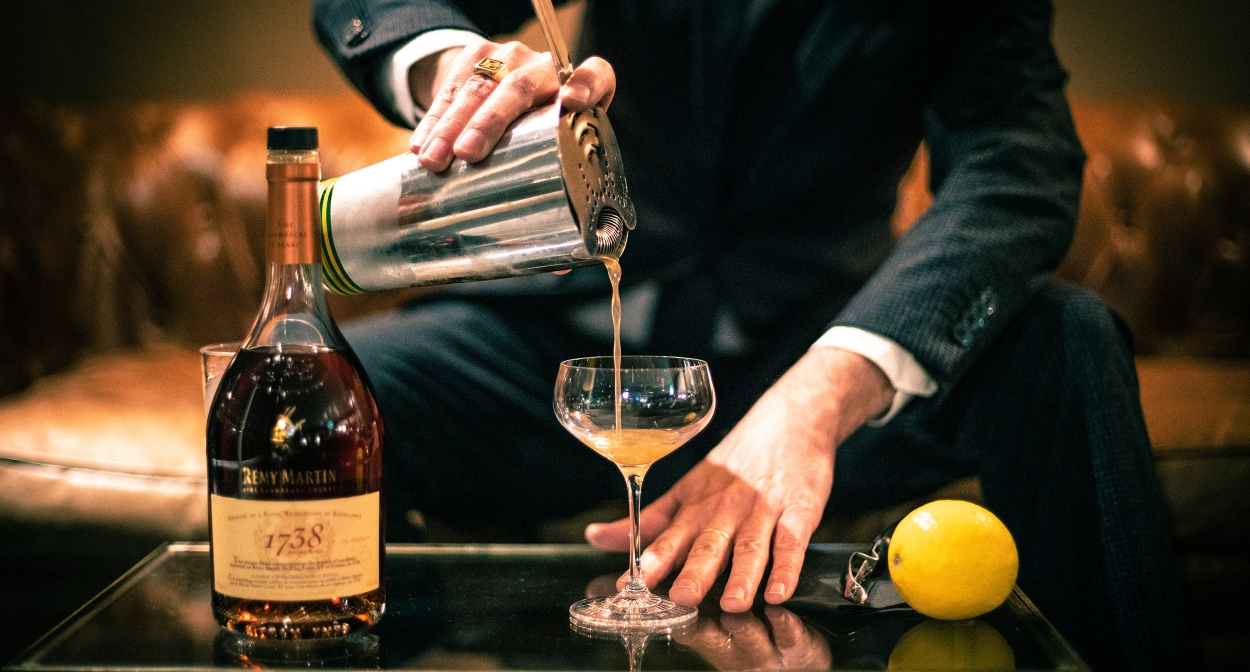
    In late November, spirits group Remy Cointreau raised its full-year profit forecast after a better-than-expected first half, driven by strong demand for its premium cognac in China, the United States, and Europe.

    Pernod Ricard, which owns Martell cognac, also pointed to a jump in sales in China.

    The 2021 harvest, at 867,312 hectolitres, was within the 10-year average and should support further growth for the sector, BNIC said.

  • Treasury Wines warns performance is still lagging in key markets

    Treasury Wines warns performance is still lagging in key markets

    Major winemaker Treasury Wine Estates has warned investors its performance in markets heavily impacted by the pandemic is running behind expectations as lockdowns and soaring case numbers continue to hinder sales.

    Treasury, which makes wine brands such as Penfolds and 19 Crimes, held its annual general meeting on Friday. In a speech, chief executive Tim Ford told shareholders while overall performance through the first quarter of fiscal 2022 was solid, parts of the business were not performing as well as hoped.

    Mr. Ford pointed to the company’s key luxury channels in America, Australia, and Asia where the COVID-19 pandemic is still causing delays in the recovery of wine consumption in bars, pubs, and restaurants.

    He said this issue was particularly prevalent in the US, where re-openings were continuing at a “gradual pace”, slower than the company had anticipated.

    “In Australia extended lockdowns in Sydney and Melbourne have resulted in the closure of the on-premise channel, delaying our execution plans outside of the large retailers, particularly for Penfolds,” he said.

    “While the momentum in these channels is slightly behind, we remain confident that as vaccination programs gain momentum and restrictions ease across these key premium and luxury wine sales channels that we are well-placed to execute our plans to deliver growth.”

    In lieu of these channels being open, online and e-commerce sales have somewhat filled the gap, he said, but noted that growth rates were down last year.

    Shares fell 5.4 percent to $11.63 on the back of the warning. Shareholders had previously been impressed by Treasury’s resilience through both the pandemic and shock Chinese tariffs on its wine. Analysts at UBS recently put a ‘buy’ rating on the stock, saying it was well-placed to benefit from COVID reopenings.

    Treasury has also seen, like many other retailers, significant disruption to its supply chain and logistics systems due to the pandemic. Mr. Ford said shipping delays and container availability issues were becoming “more pronounced” and that he expected the challenges would be ongoing.

    However, the company’s underlying performance in its key regions was solid for the first quarter, with sales in Asia, excluding China, growing 18 percent for the three months to the end of August. Sales at the company’s US divisions grew 3 percent for the three months to September 19 against a broader industry decline of 5 percent.

    “Globally, our underlying business is performing in line with expectations, however, the pandemic-related factors will continue to have a bearing on our performance in the short term,” Mr. Ford said.

    Sales of its premium Penfolds range have also remained consistent, with Mr. Ford saying the company had successfully reallocated all the sales it lost after China, Treasury’s largest market, unexpectedly slapped tariffs of up to 200 percent on Australian wine.

    In his address to shareholders, chairman Paul Rayner said the company remained committed to the Chinese market in the long term despite its “effective closure” in 2019, and appeared to call on the Australian government to do more to repair its frayed relationship with the country.

    “Trust is critical to building relationships and brands and is therefore essential to our long-term success,” he said. “I think this will be particularly important in the post-COVID world, as governments consider how they stimulate domestic economic recovery and the role of international trade relationships in driving economic growth.

  • Hanoi Beer producer profits to slump to 10-year low

    Hanoi Beer producer profits to slump to 10-year low

    The producer of Hanoi Beer expects sales to be badly hit by the Covid-19 pandemic this year and profits to fall to a 10-year low as a result.

    The Hanoi Beer Alcohol and Beverage Jsc forecast post-tax profits of VND255 billion ($11 million), down 59 percent from 2020.

    Habeco said in a report that tourism companies, hotels, and restaurants continue to suffer due to Covid-19, and this would directly cause a decrease in consumption of alcoholic beverages.

    Another difficulty it cited was the rising competition with many brewers introducing new products in the popular market segment in which Habeco mainly operates.

    But it said it would strive to maintain its position as one of the biggest brewers in the northern and central regions.

  • Almost three in four people are drinking less alcohol in APAC

    Almost three in four people are drinking less alcohol in APAC

    More people are shying away from alcoholic drinks in Asia-Pacific, according to new research from GlobalData.

    Approximately three out of four people in the region said they were drinking less alcohol in August 2020, GlobalData said, and a third are likely to replace them with products that claimed to have a positive health impact.

    “APAC consumers are turning away from alcohol-driven by concerns around physical and mental health,” GlobalData consumer analyst Carmen Bryan said.

    “While general health concerns take precedence, back by almost half (49 percent) of the region’s population, weight management, fitness, physical appearance, and emotional wellbeing are all considerable factors driving low or no-alcohol innovations.”

    Around 20 percent of people in the region have stopped drinking alcohol altogether. Much of these changes have been driven by the ongoing Covid-19 pandemic, according to Bryan, as pubs and bars were shut down and people were forced to reassess their own priorities and lifestyles while in lockdown.

    “Trends are shaping new home-bound leisure and social occasions where consumers seek the same taste and feel of mature drinks without the negative implications,” Bryan said.

    “It will be crucial for brands to blur these lines further, emphasizing the positive health credentials that will help reassure consumers, both mentally and physically, to tap into multiple consumption occasions and justify a potentially higher price mark up.”

  • R&B Tea expanding in the Philippines 

    R&B Tea expanding in the Philippines 

    Singapore-based Koufu Group is taking R&B Tea to the Philippines with Shakey’s Pizza.

    Under the franchise agreement, Shakey’s will sell selected R&B Tea drinks in Shakey’s and Peri Peri stores in the first year of business, and subsequently open at least five stand-alone R&B Tea outlets in the Philippines.

    “This marks our second milestone this year, following the acquisition of Deli Asia Group, despite the challenging market conditions from the impact of the Covid-19 pandemic,” said Pang Lim, executive chairman, and CEO at Koufu.

    “We have carefully considered the market trends and found the conditions in the Philippines to be favorable, with a growing receptiveness towards the bubble-tea culture in recent years.”

    R&B Tea is one of Asia’s most popular bubble-milk tea brands, operating more than 1000 outlets across China, the US, Singapore, Cambodia, Vietnam, Malaysia and Indonesia.

    “This co-branding initiative is likewise in line with our renewed focus on out-of-store consumption, enhancing sales through these channels with minimal additional investment and maximizing the use of our existing assets,” said Vicente Gregorio, president and CEO of Shakey’s.

    Gregorio is confident the bubble-tea sector can create a third pillar of growth for Shakey’s.

    Shakey’s is the Philippines’ largest casual dining restaurant brand