Retail News CRM

Tag: drinking

  • Vietnam says no more drinking scenes in movies

    Vietnam says no more drinking scenes in movies

    Scenes of actors drinking alcohol in films will be restricted under a new decree guiding the alcohol law.

    Cinemas will only show actors drinking if they are playing historical characters or acting in scenes that criticize alcohol addiction, Decree 24, which took effect on Monday to guide several provisions of the Law on Preventing Alcohol’s Harmful Effects, lays down.

    Movies are not allowed to admire or praise individuals and organizations achieving success by producing alcohol or doing any business related to alcohol.

    In June last year lawmakers approved time restrictions for advertising liquor on television and radio. According to the decree, advertisements for alcoholic drinks will be banned from 6 p.m. to 9 p.m. and immediately before and after and during children’s programs.

    Decree 24 relaxes it slightly and permits beverages with an alcohol content of under 5.5 percent and made by sponsors of regional, continental or global sporting events held in Vietnam to be advertised between 6 p.m. to 9 p.m.

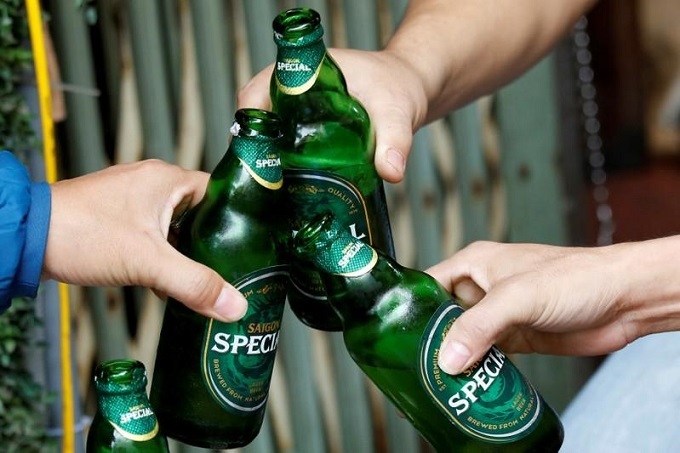
    Producers of drinks with less than 15 percent alcohol must add warnings saying drinking alcohol can lead to traffic accidents, affect the fetus and those under 18 are not allowed to drink under the law.

    If an advertisement appears on TV or radio, the warning must be read out aloud at a speed equivalent to that of other content.

    If it is advertised on a website, social media or print publications, the warning must make up at least 10 percent of the advertisement’s content and be in a color that makes it easy to read.

    A ban on advertising hard liquor has been in place for long.

    The new drunk driving law, which came into effect on January 1, doubled existing fines and revokes driving licenses for up to two years.

    There are fines for the first time for cyclists and electric bicycle riders, and anyone caught driving under the influence will have to pay VND400,000-600,000 ($17-26).

    Motorcyclists and car drivers could be fined VND6-8 million and VND30-40 million (VND1,730) and lose their licenses for 22-24 months.

    The country consumed some 4.6 billion liters of beer in 2019 after rising 10 percent from 2018, but growth could fall to 6-7 percent this year due to the tough new penalties, top brokerage SSI Securities Corporation (SSI) said last month.
  • Sustainable wines gaining popularity in SEA

    Sustainable wines gaining popularity in SEA

    As Chinese wine consumers – and those across Southeast Asia – are growing a taste for wine, so too they are embracing sustainable wines.

    Although global wine consumption continues to rise, disruption to the wine industry is resulting in changes to production methods, packaging, and marketing techniques. Discerning wine consumers are increasingly looking for good quality wine that is produced with minimal impact on the environment. As a result, new innovations are improving sustainability which is helping winemakers connect to a wider audience.

    Analysis of wine drinking by The International Wine and Spirit Research predicts that within the next three years, the global consumption of organic wine will reach 1 billion bottles. China’s demand for wine, increasingly being met through online sales, is still growing, and research undertaken by the University of Adelaide predicts a continuing rise in Southeast Asia’s consumption of fine wine. Meeting these consumer demands responsibly, but without compromising on taste and quality, is now a priority for wine producers.

    Accessing high-quality, sustainable wine

    As wine consumption continues to rise in Asia, China has recently overtaken the US to become the world’s number one buyer of online wine, creating great opportunities for internet wine retailers. Through ordering a wine subscription box online, consumers can enjoy carefully selected, high-quality wine that is chosen to match personal preferences and taste profiles.

    More wine producers are using sustainable farming techniques such as natural pest control, composting and crop rotation, that are not only ecologically beneficial but economically and socially responsible too. By bottling their own wine produced using these techniques, a company that fulfills subscription orders itself can ensure the delivery of quality wine that is produced in an efficient and environmentally friendly manner.

    Reading wine labeling now goes beyond understanding and recognizing the basic appellation credentials. Increasingly, consumers are also looking for signs that a glass of wine is naturally produced or organically grown, reflecting the efforts made to reduce the environmental impact of wine production. Natural wines are made without chemical additives, and organic wines are grown from grapes untouched by pesticides or synthetic fertilizers.

    As well as being more environmentally friendly, a recent paper looking at the reasons behind Chinese consumers’ organic wine purchase found that the health benefits of increased natural production methods were also highly appealing. Although wine manufacturers are not required to ingredients on wine labels, on wine that is produced naturally in the US, the Department of Agriculture’s organic label reassures consumers that the wine contains no added preservatives, sulfites, or sugar.

    Reducing the impact of transportation

    Discerning taste in fine wine is increasingly being coupled with a desire to minimize environmental impact. Another way for consumers to reduce the environmental impact of wine drinking is to purchase more wine from local sources.

    Although connections with French wine producers are strong, already 80 percent of all the wine that is enjoyed in China is domestically produced. Half of this wine is produced in The Yantai-Penglai region alone, where over 140 different wineries can be found.

    Through supporting local wine producers in the Yamanashi wine region in Tokyo, or buying from wineries based in the Asoke Valley near Bangkok, Japanese and Thai consumers can enjoy distinctive local wines while minimizing the financial and environmental costs of transportation. However, with the introduction of biodegradable and plastic-free bottles made from innovative, sustainable materials, in the future, these costs could be drastically reduced even when importing wine from abroad.

    As global wine consumption continues to grow, discerning drinkers are increasingly looking to look for evidence of organic production and sustainable manufacturing methods. Wine producers are responding by producing high-quality wines grown without chemicals and unnecessary additives and made easily available to both local and wider markets worldwide.

  • Starbucks China staff benefits programme offers education, health and pet care

    Starbucks China staff benefits programme offers education, health and pet care

    A new Starbucks China staff benefits program has been launched, with a range of support options for employees who have served two years.

    From January 1, qualifying partners (employees) will each be given credits they can use to select from a range of benefits. Each benefit has been designed to meet the needs and aspirations of different partners in the increasingly diverse Starbucks China Family.

    With an estimated 18,500 partners eligible for the Starbucks China staff benefits program, dubbed Flex Star Benefits, the initiative constitutes a significant investment for the company.

    To support partners’ physical and mental well-being, Starbucks encourages them to use their credits to learn a new skill, or take up a hobby that relaxes the mind and body amid the hustle and bustle of everyday life. Partners may also simply apply for a five- or 10-day mini ‘coffee break’ to recharge their batteries.

    Protecting partners’ health is another area the new program covers. Partners may use credits for HPV vaccinations that protect against diseases like cervical cancer. The benefit can be extended to partners’ female family members and even friends, a first for Starbucks. In addition, the credits can be used to upgrade partners’ current benefits such as annual health checkups.

    The Starbucks China staff benefits program also supports partners in taking care of those who matter most to them. For partners working away from their hometowns, the program allows up to three additional days of paid leave so that they can spend more time with their families on their home visits. They also have the option to use their credits for discounted travel tickets, to allay any financial concerns should they need to return home in the event of a family emergency.

    In addition, Flex Star Benefits expand Starbucks existing schemes to cover ‘life partners’ beyond the immediate family – regardless of status or gender. Another inclusion is ‘paternal care’ benefits for pets. Under the new program, pet-owning partners may enroll their pets into an insurance scheme or claim reimbursement for their pets’ medical expenses. Partners who adopt pets will be granted an additional day of annual leave.

    Finally, Starbucks encourages partners to contribute to local communities, allowing them to earn additional credits by participating in social impact activities. They can also donate their credits to the Starbucks China Cup Fund, to help fellow partners in urgent need of financial assistance.

    “Starbucks success in China is down to the passion and dedication our partners bring to work every day – in every cup of coffee they brew, and every customer connection they make,” said Starbucks China chairman and CEO Belinda Wong.

    “Since entering China 20 years ago, Starbucks has always strived to be a different kind of company. We want to share our success with all partners, in a timely and thoughtful manner that recognizes their individual needs – because each of our 55,000 partners is special.”

    Over the years, Starbucks has introduced benefits such as comprehensive insurance for spouses and children of all partners, and critical illness insurance for parents. Housing subsidies are provided to 26,000 partners who work away from their hometowns, while partners may also apply to return to work in newly-opened Starbucks stores in their hometowns under the Coming Home program.

    In addition, Starbucks China also offers partners opportunities to expand their horizons through a talent exchange program, which has helped more than 100 partners complete short-term work experience in other cities across China and overseas. And, under its global Bean Stock initiative, Starbucks granted US$21 million worth of its shares to partners across China last year.

    Partners can access the Starbucks China staff benefits program through the China Green Apron partner mobile app.

  • Masan struggles to grow in Vietnam’s competitive beer market

    Masan struggles to grow in Vietnam’s competitive beer market

    Vietnamese food giant Masan is struggling to grow its beer business, which is suffering losses and could drop out of the domestic market.

    Masan expects a loss of $15 million this year from its White Lion beer brand, Danny Le, board member of Masan Consumer Holdings, said at an investors’ meeting last month.

    If the company cannot create a new and competitive product, it will have to withdraw from the market, he added.

    “The beer business costs a lot of advertising money, and we do not want to spend tens of millions of dollars a year for a brand that cannot be in the top 3,” he said.

    Masan’s beer brand, White Lion, launched five years ago, is becoming less significant in the group’s financial reports as longer-established players retain a firm hold in the market.

    When it was first launched, a crate of White Lion cost VND40,000 ($1.7) less than the cheapest domestic brand at the time, resulting in large sales in the southern region.

    Orders were so high that Masan’s beer factory, which it acquired from another beer producer in 2014, was operating at maximum capacity of at 50 million liters a year in the first year, but still failing to keep up with demand.

    The company then built a second plant with four times the capacity in the southern province of Hau Giang.

    Helped by regular promotions featuring celebrities and gifts, sales reached VND1 trillion ($43 million) after two years, and industry observers at the time considered White Lion a threat to major brewers such Sabeco and Heineken.

    “Consumers welcoming the product is the foundation for Masan Consumer Holdings to expand its market nationwide and to enter the high-end beer segment,” the company said in a report in 2017.

    But the company’s expansion strategy has hurt sales badly.

    In order to reduce inventory to launch new products, Masan increased the commission for distributors, making its 2017 H1 beer revenue falling 15 times year-on-year.

    Although the company targeted revenue of VND1-1.2 trillion ($43-51.6 million) in 2018 with new products, its leaders admitted that expanding the business could take 12-18 months as they had to restructure a distribution system and employ experienced salespeople.

    At the end of last year, White Lion revenue was VND388 billion ($16.7 million), just 39 percent of its annual target.

    The company had planned to employ about 150-200 salespeople this year to focus on marketing in street eateries, targeting double last year’s revenues. But by September, its revenue had fallen 7 percent year-on-year.

    Meanwhile, top brewer Sabeco’s nine-month revenues rose 10 percent year-on-year to VND28.3 trillion ($1.22 billion), while that of the Hanoi Beer Company (Habeco) also posted a 10 percent increase to VND2.7 trillion ($114.89 million).

    Vietnam consumed 4.1 billion liters of beer in 2017, making it the biggest alcohol market in Southeast Asia and the third biggest in Asia after Japan and China, according to the Ministry of Health.

  • Chivas Celebrates Blended is Better with Manchester United Team at ICC 2019 Tournament

    Chivas Celebrates Blended is Better with Manchester United Team at ICC 2019 Tournament

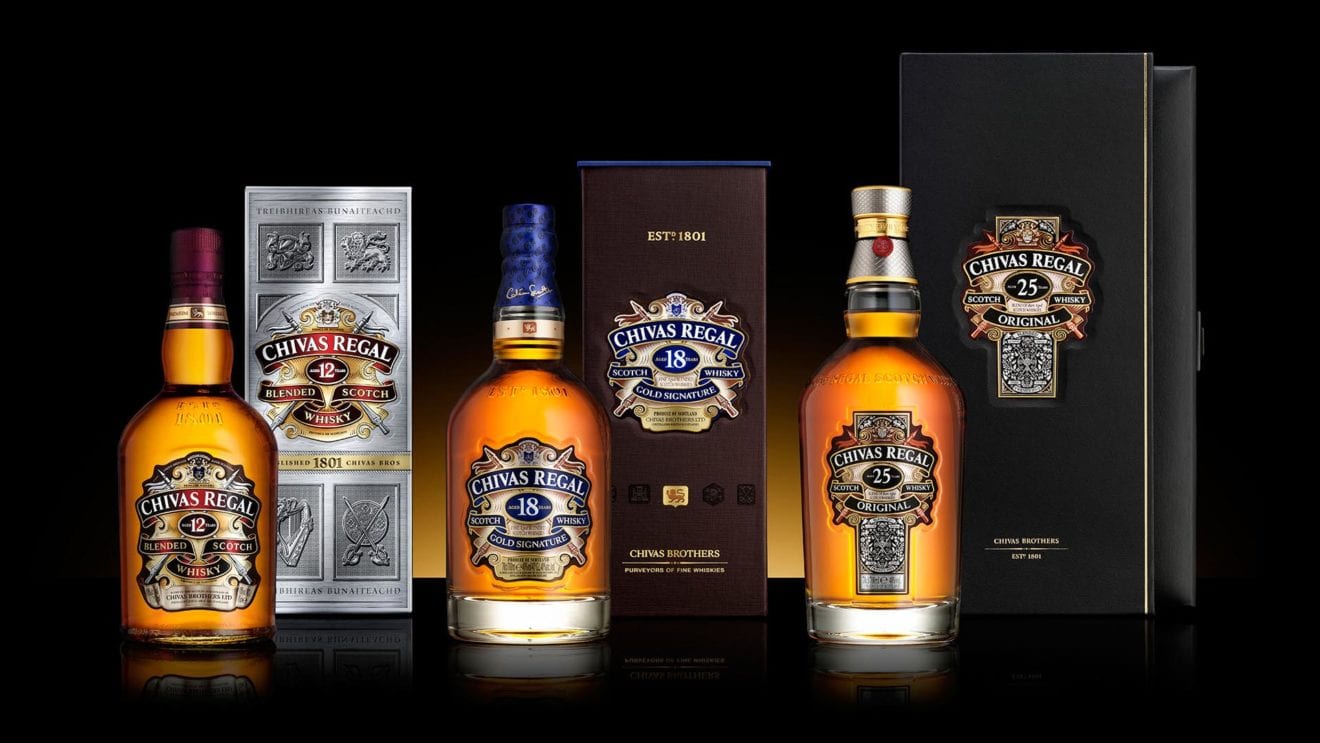
    Original luxury blended Scotch whisky, Chivas will welcome one of the world’s biggest football clubs, Manchester United to Singapore, when the team arrives to participate in the International Champions Cup (ICC) from 20th-21st 2019. Fans of premium blended whisky and Manchester United will be hosted a special Chivas Party at one of the Singapore’s premium music clubs, where guests will be treated to a special meet-and-greet with selected first team players as well as Manchester United Ambassador, Denis Irwin.

    “We are excited to present to our Asian football fans the football extravagance from Chivas with the ICC 2019 Tournament showcasing one of the world’s greatest football teams, Manchester United. The collaboration between Chivas and Manchester United reinforces the collective belief that great things can be achieved when we come together – blended is better – in life, football and Scotch. From balancing the perfect blend of malt and grain whiskies that go into our Scotch, to using the perfect combination of players’ on the pitch.. We look forward to using our spirit to help showcase the spirit of the Club and its fans in the Asian region.” Janelle Tong, Marketing Director for Pernod Ricard Singapore commented.

    To demonstrate that blended is better, Chivas hopes to encourage fans to celebrate the blend that makes them unique. Chivas football supporters from around the region will be treated to the best seats to watch the ICC 2019 football match between Manchester United team and Inter Milan. The match will be held on 20 July 2019, 7.30pm at the Singapore National Stadium.

    Chivas guests can also anticipate an exciting exclusive after-match party, lined-up at Singapore’ renowned music club. Party-goers can expect a unique experience featuring a dazzling 3D light showcase, a delectable treat of unique Chivas cocktails, and dance to non-stop to the beats of a renowned DJ to celebrate the special occasion.

    Closing the exciting weekend on a high, die-hard fans are invited to spend the Sunday afternoon off-pitch, with three of the club’s first team players, at a post-game Meet-and-Greet session hosted by Chivas. The exclusive by-invite only session will be on 21 July 2019. Attendees can also look forward to exclusive limited edition autographed mementos to commemorate this special occasion.

    As a lead-up to the exciting ICC 2019 weekend, Chivas will bring to life the message that ‘Blended is better’ through a campaign activated across all local bars and partners from now till 12 July 2019. Chivas will be giving away five (5) pairs of VIP tickets for Manchester United fans to have a chance to watch their favourite players on pitch, off-pitch as well as a chance to enjoy the Chivas party.  Chivas branding will also be displayed on digital perimeter boards at Singapore Stadium as well as throughout the stadium during the showcase game on Saturday.

  • Changi Airport liquor & tobacco concession Open

    Changi Airport liquor & tobacco concession Open

    The Changi Airport liquor & tobacco concession is up for grabs after DFS Venture opted not to proceed with a two-year extension.

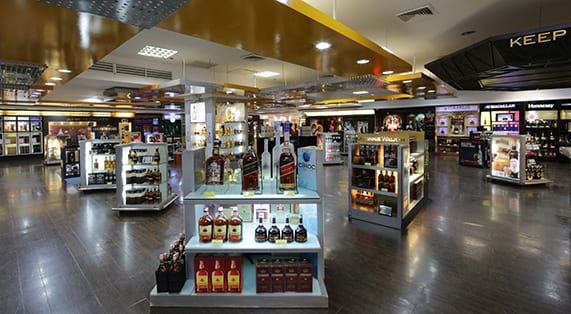
    Changi Airport Group (CAG) will launch a tender for the concession on June 4, covering 18 stores, spanning more than 8000sqm of retail space across the airport’s four terminals. It will run for six years from June 9 next year.

    CAG is seeking a strong partner with retail concepts to augment the passenger experience for the liquor and tobacco concession.

    From store design and product range, to in-store activations and e-commerce strategy, the retailer should put forth a robust and compelling proposal, leveraging new technologies and innovations, to elevate travel retail at Changi, CAG said.

    The Changi Airport liquor & tobacco concession will serve more than 66 million international travellers who pass through Changi Airport annually.

    “We look forward to new retail concepts to take the liquor & tobacco concession to new heights,” said CAG VP for commercial, Lim Peck Hoon.

    “Changi is fully committed to growing with our concession partners through impactful innovation and effective collaboration. There will be a wealth of opportunities for the liquor & tobacco partner to showcase its offerings to Changi’s global audience, delivering revolutionary best-in-class retail experiences, to build and grow its business.”

    Interested retailers will be required to attend a compulsory tender briefing and site visit scheduled on June 25. The deadline for submissions is August 5.

  • Blue Bottle Coffee Taking Off in Seoul

    Blue Bottle Coffee Taking Off in Seoul

    The first South Korean cafe for Blue Bottle Coffee has launched today.

    The brand’s 14,000sqft headquarters in Seoul includes a roastery and training lab, which is open for public tours, classes, and tastings. Blue Bottle will open a second cafe in Seoul later in the second quarter and has plans for more by the end of the year.

    South Korea is the second international market for the company, which opened its first Tokyo cafe in 2015, inspired by the hospitality of traditional Japanese kissaten (coffee house) culture.

    “Every time we visit Korea, we are deeply honored by the enthusiasm and love for our brand,” said Blue Bottle Coffee CEO Bryan Meehan. “Our Instagram account has more followers in Seoul than any other city in the world. South Korean guests have travelled thousands of miles to meet us in the US and Japan. Finally, we are bringing Blue Bottle to our loyal Korean guests.”

    The industrial, red-brick building that Blue Bottle Korea has launched in is located in the Seongsu neighbourhood, often referred to as the “Brooklyn” of Seoul. The space, designed by Jo Nagasaka of Schemata Architects, displays the brand’s signature emphasis on natural light and warm minimalist design.

    Featuring an open atrium with glass separating the first and second floors, the building offers a transparent view from street level into Blue Bottle’s roastery. Guests may descend a staircase into the intimate below-ground cafe featuring classic walnut chairs and tables.

    Seongsu is situated next to the idyllic Seoul Forest, an urban green space frequented by families of all generations.

    Blue Bottle sees huge potential for growth in the Korean coffee market, which is quickly emerging as an international destination for specialty coffee. Koreans consume more than 25 billion cups of coffee per year, and more than half of the world’s Q-graders – coffee specialists licensed to purchase premium green coffee beans – live in South Korea.

    With more than 18,000 coffee shops already trading in Seoul alone, Blue Bottle Coffee has entered a highly competitive market. It intends to differentiate itself by quality and sustainable practices, bringing expressive blends and rare single origins sourced through direct trade to the country.

  • China’s Coffee Consumption Keeps Growing

    China’s Coffee Consumption Keeps Growing

    China’s coffee craze has gained pace with the growth rate in consumption on premise 25 per cent higher last year.

    According to research from Mintel, China’s on-premise coffee market value reached RMB64.7 billion (US$9.6 billion) last year, up 7.5 per cent on the year prior, when the growth rate was 6 per cent. It is predicting growth to resume to 6 per cent annually from this year until 2023.

    However, while sales by value are thriving, Mintel estimates that the number of on-premise coffee house outlets shrank by 2 per cent as fewer new stores opened than closed. But that is half the decline of a year earlier.

    “Like many industries across China, the on-premise coffee market is not immune to the influence of New Retail,” said Belle Wang, associate food and drink research analyst at Mintel.

    “The quick expansion of New Retail coffee businesses across the country has stimulated more coffee consumption among consumers, resulting in strong sales volume. With the growing momentum of New Retail coffee shops, and an increasing number of international and domestic brands entering the market, consumers today have more options when it comes to coffee. As such, the industry will see positive growth rates over the next two years.

    “However, this growth will slow down, largely due to Chinese consumers’ traditional behaviour of drinking tea and the country’s thriving tea shops,” said Wang.

    Mintel expects positive volume growth in the next two years, at 0.6 per cent from last year to this year and a further 1.2 per cent between this year and next, to reach an estimated 74,000 coffee houses by 2020.

    Convenience versus traditional

    When it comes to choosing where to get their caffeine fix, more Chinese consumers today are purchasing coffee from convenience stores than traditional coffee house chains. Mintel’s research reveals that 52 per cent of Chinese consumers (survey sample of 3000) buy coffee at convenience stores compared to just 44 per cent who purchase it from a traditional coffee-house chain.

    About 23 per cent of consumers who drink on-premise coffee at least once a month have done so at new retail coffee houses.

    “Our research shows that more on-premise coffee users get their coffee from convenience stores than from traditional chain coffee houses. This is perhaps due to Chinese consumers associating convenience stores with a full range of breakfast options. Convenience stores are also viewed as easily accessible and more affordable. Given this upward trend, other coffee vendors could introduce unique features, like providing various food and coffee pairings, in order to compete,” said Wang.

    “While New Retail coffee is experiencing a lot of growth at the moment, consumer engagement remains low – partially because they are still relatively new. However, there is an opportunity for New Retail coffee houses to catch up in terms of popularity by offering aggressive discounts and delivery service.”

    That said, big discounts alone will not be sufficient, as discounting is neither the best nor a sustainable strategy for a long-term business plan. There needs to be other merits such as offering healthy mix-and-match meal deals,” Belle added.

    Latte the top choice

    Mintel’s research reveals the favourite coffee beverages consumed in China’s coffee craze. More than half of on-premise coffee consumers order lattes (54 per cent) or cappuccinos (52 per cent). These are followed by mocha (45 per cent), Americano (38 per cent), flavoured coffee (36 per cent), espresso (26 per cent) and cold-brew coffee (23 per cent).

    A relatively new concept in China’s coffee craze is coffee mixed with plant-protein milk, with 22 per cent of on-premise coffee consumers ordering it.

    “Lattes and cappuccinos are the most popular drinks in coffee houses as they are generally very palatable due to their creamy texture and rich dairy flavour. Furthermore, as they are usually widely available, they are often a first step into coffee appreciation,” said Wang.

    “Once consumers fully appreciate these basic beverages, they are more likely to try non-milk based drinks, like an Americano or cold brew coffee. However, only offering basic coffee selections makes it difficult to stand out in the homogenous coffee marketplace and attract more coffee consumers.

    “As such, coffee houses can take inspiration from tea shop drinks by making their offerings more visually appealing and ‘instagramable’ in order to draw attention and pique consumer interest,” Belle concluded.

  • Zarraffa’s Coffee Open Two New Shops

    Zarraffa’s Coffee Open Two New Shops

    Coffee chain Zarraffa’s Coffee will open two new stores this month, one in Clarkson, WA, and the other in Bankstown, NSW.

    The chain’s Clarkson store, which will be the retailer’s first purpose-built location in the Perth area, will feature a comfortable in-store environment and a full-service drive through.

    Zarraffa’s new drive through brings the total to six in Western Australia, with the other five stores located in various suburbs across Perth, including Ellenbrook, Canning Vale, Currambine, Peppermint Grove and in Kalgoorlie.

    “The Clarkson store typifies what Zarraffa’s customers experience on the East Coast where the brand has been built steadily since 1996,” said founder and managing director Kenton Campbell.

    The Bankstown store will be the retailer’s fourth store under the NSW area developer arrangement, Zarraffa announced.

    The retailer said more stores have been proposed this year for the company.

    “We are not interested in growth for growth’s sake,” Campbell said.

    “Zarraffa’s has built its reputation on creating small business opportunities, through specialised training, operational consistency and great products and service – year on year.”

  • New law to stop minors in Hong Kong buying alcohol from shops

    New law to stop minors in Hong Kong buying alcohol from shops

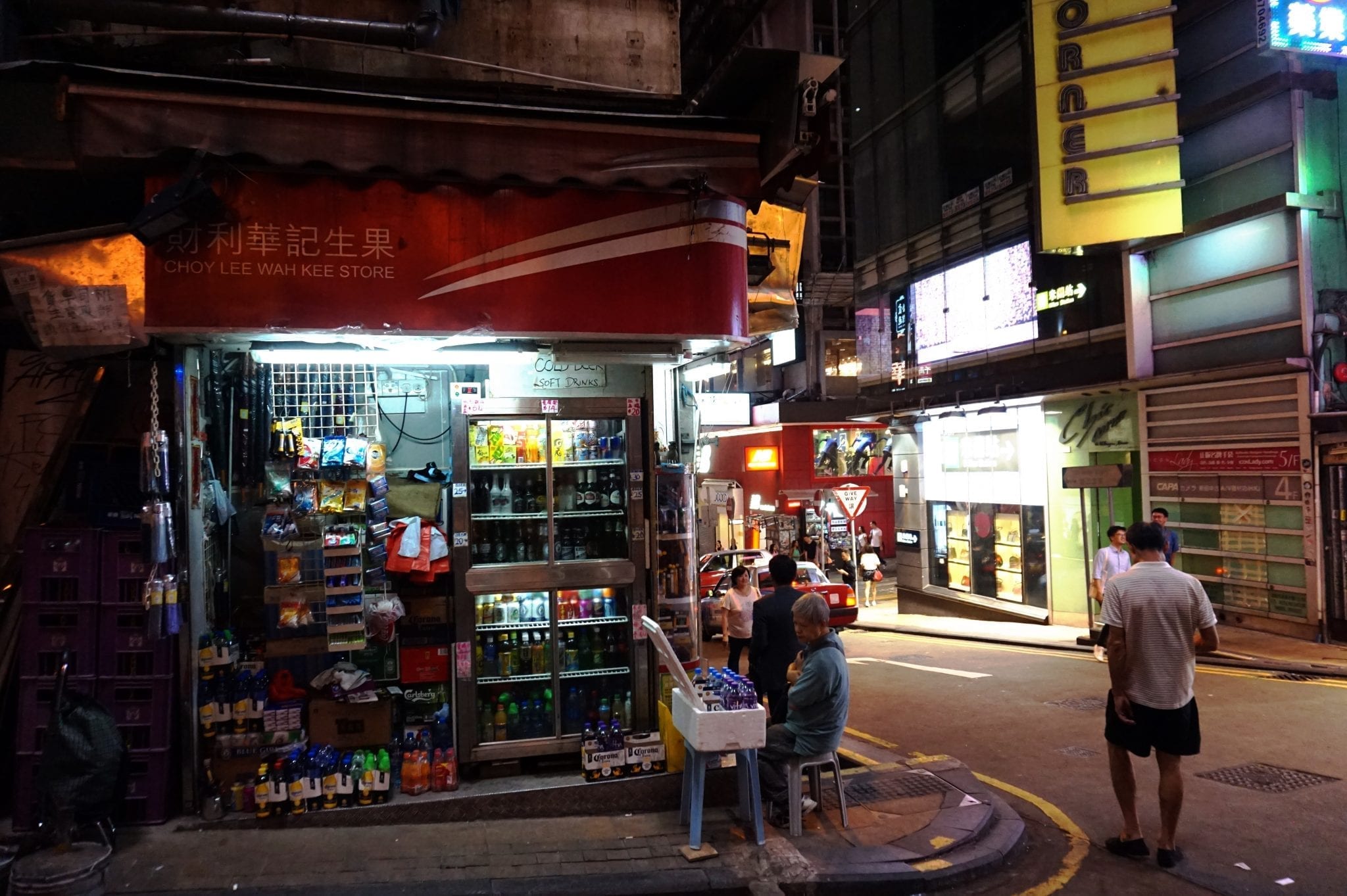
    Convenience stores and shops across Hong Kong will be banned from selling alcohol to minors under new legislation to be proposed by the government this year as it steps up efforts to tackle a rise in underage drinking.

    The law, if passed by the Legislative Council, will prohibit retailers from selling liquor to anyone under the age of 18 – the same as the current restriction on the sale of tobacco.

    Although the city’s bars and clubs are already banned from serving or selling alcoholic drinks to minors, retailers do not have to follow the rule. Leading retail chains such as 7-Eleven have agreed ­voluntarily to refuse to sell liquor to anyone below 18, but staff seldom bother to check the age of customers. This is a problem that has been confirmed by various studies and demonstrated in a test conducted.

    The new move by the Food and Health Bureau comes amid criticism that Hong Kong is slipping behind other developed cities in its handling of underage drinking, and that it remains easy for teenagers to enjoy a tipsy night.

    “The proposed statutory regulatory regime will cover all forms of commercial sale and supply of alcohol, including internet sale … and from the vending machine,” a spokeswoman for the bureau said, confirming the plan to table the legislation this year.

    Sellers will also have to display signs stating that no alcohol may be sold or supplied to anyone aged below 18.

    A government poll in 2014 found that 56.2 per cent of the city’s students had tried alcohol, with 21.9 per cent of those aged 10 or below saying they had done so.

    Last year the Centre for Health Protection found that 43.1 per cent of 1,630 people polled had taken their first sip of alcohol before the age of 18. It also showed a worrying rise in binge drinking among students.

    The Medical ­Association, the city’s largest doctors’ group, said 77 per cent of the 1,003 people it polled supported banning the sale of alcohol to those below 18.

    Allan Zeman, ­chairman of the Lan Kwai Fong Group, supported the move, saying anti-social behaviour among the young at nightspots might damage Hong Kong’s image abroad.

    “Some of the retail chains are very powerful here. I think we should look at what other cities in the world have done and get tough about this,” Zeman said.

    A 7-Eleven spokesman said the chain supported legislation banning the sale of alcohol to those aged below 18.

    The Hong Kong General Chamber of Wine & Spirits has previously said it supports an age limit on the sale of alcohol, but it should be set at 16.