Retail News CRM

Tag: drugs

  • Billionaires’ Battle: India’s Race to Revolutionize Weight-Loss Drugs with Affordable Alternatives

    Billionaires’ Battle: India’s Race to Revolutionize Weight-Loss Drugs with Affordable Alternatives

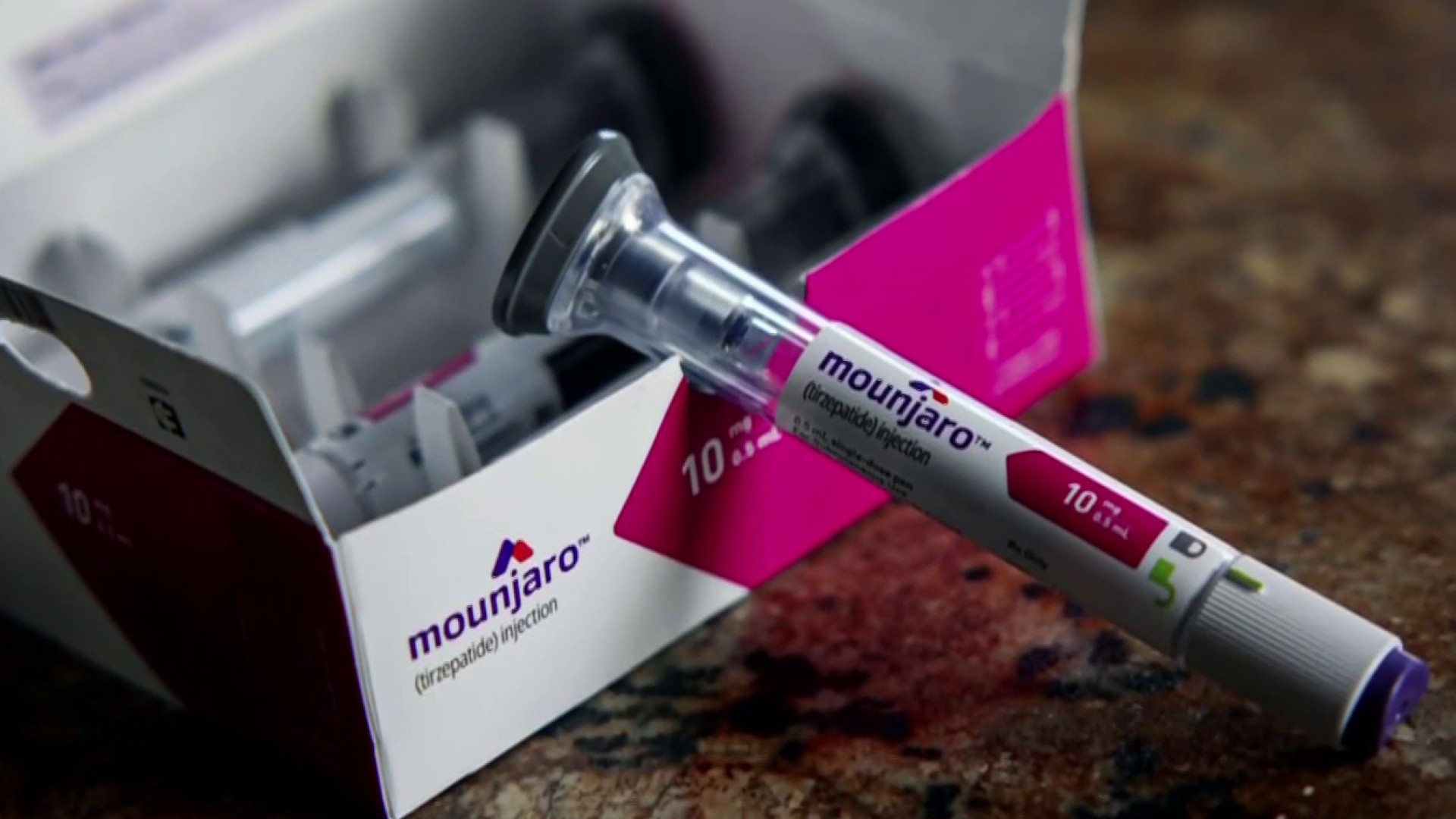
    Indian billionaires are vying to introduce cost-effective medications for diabetes and obesity in response to the escalating demand for reasonably priced alternatives to the well-known weight-loss drug, Ozempic. Sun Pharmaceutical Industries, established by billionaire Dilip Shanghvi, has recently released weight-loss pen injections under the Noveltreat and Sematrinity brands.

    Competitive Pricing

    Priced at approximately INR3,600 (US$38.3) per month for the lowest dose, Noveltreat competes directly with higher-priced options. Sematrinity offers a similarly affordable alternative at INR3,000 monthly, less than half the cost of Ozempic and Wegovy, notable weight-control medications manufactured by the Denmark-based company, Novo Nordisk.

    Kirti Ganorkar, Sun Pharmaceutical’s Managing Director stated, “With the launch of Noveltreat and Sematrinity, we are striving to offer a high-quality, cost-effective therapy to a broader patient demographic in India.”

    Expanding Treatment Options

    Dr. Reddy’s Laboratories, the brainchild of billionaires Satish Reddy and G. V. Prasad, has also launched Obeda, an injectable drug for managing type 2 diabetes, priced at INR4,200 per month. In addition to Obeda, the firm plans to create an integrated care ecosystem including metabolic centres aimed at enhancing diabetes treatment and associated metabolic conditions.

    Erez Israeli, CEO of Dr. Reddy’s, expressed that Obeda reinforces the company’s vision of “ensuring advanced diabetes treatments are not only accessible but affordable.”

    Similarly, Torrent Pharmaceuticals, led by billionaire brothers Sudhir Mehta and Samir Mehta, has introduced both injectable and oral weight-loss drugs under the Sembolic and Semalix brands, priced at INR3,999 per month.

    CEO Amal Kelshikar said, “Our entry into the GLP-1 therapy segment reflects Torrent’s commitment to expanding treatment options available to healthcare professionals managing complex metabolic conditions at affordable prices.”

    The Market Landscape

    A study conducted in 2023 by the Indian Council of Medical Research revealed that over 100 million people in India have diabetes, and the World Health Organization estimates that approximately 8% of the population is obese.

    These companies are part of a larger group of at least eight significant pharmaceutical manufacturers that have introduced semaglutide copies. The market has quickly become competitive, with research firms estimating that up to 40 companies could eventually enter the segment.

    As a result, a price war is predicted, with analysts projecting that intense price competition could reduce the cost of some weight-loss drugs in India by up to 90%. Investment bank Jefferies referred to the development as a “magic pill moment” for India, predicting the market could grow to $1 billion.

    India, often referred to as the “pharmacy of the world,” is now emerging as a crucial low-cost supplier in the global fight against obesity, much like its past role in reducing the cost of HIV treatments and expanding access worldwide.

    Regulatory Oversight

    The increase in new product launches has led to heightened scrutiny from regulatory bodies. Concerns have been raised about the availability of generic versions of weight-loss drugs through various channels, such as retail pharmacies, online platforms, wholesalers, and wellness clinics.

    The Ministry of Health in India has cautioned that these drugs, when used without proper medical supervision, could potentially lead to serious adverse effects and related health risks. The ministry has also imposed restrictions on marketing such drugs, banning indirect promotional activities that could mislead consumers or promote off-label usage.

    There are concerns that patients may view these weight-loss drugs as a “magic pill” solution and may rely on them indefinitely. Mumbai-based diabetologist Rahul Baxi cautioned that these medications are not a substitute for a proper diet or lifestyle change.

    Questions & Answers

    What is the price of the new weight-loss medications?
    Noveltreat is priced at approximately INR3,600 (US$38.3) a month, while Sematrinity costs INR3,000 a month. Obeda, a diabetes medication, is priced at INR4,200 a month.

    Is there a predicted price war in the pharmaceutical industry?
    Yes, analysts project intense price competition could decrease the cost of some weight-loss drugs in India by up to 90%.

    What are the concerns raised by the Ministry of Health in India?
    The Ministry of Health has raised concerns about the availability of generic weight-loss drugs without proper medical supervision, which could potentially lead to serious adverse effects and health risks. It has also expressed worry about potentially misleading or indirect promotional activities for these drugs.

  • American man in Bali faces death penalty over drugs

    American man in Bali faces death penalty over drugs

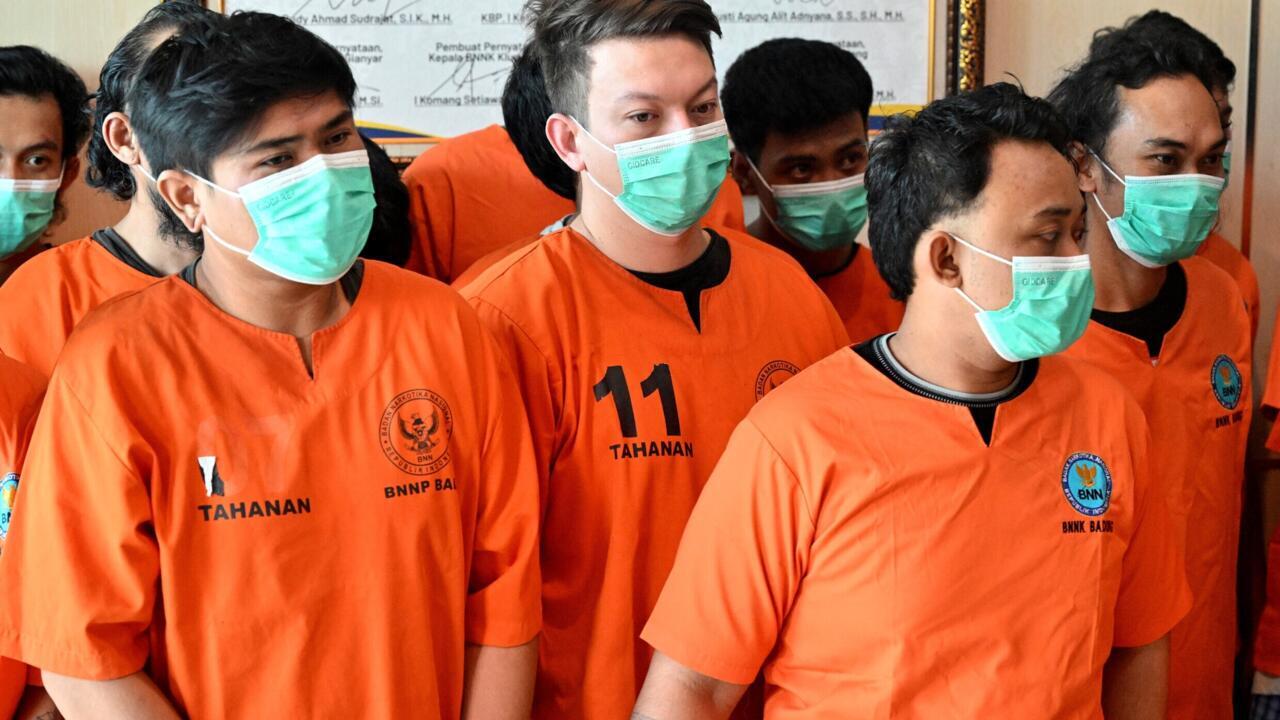
    An American citizen, alongside two individuals from Kazakhstan, are potentially facing the death penalty on accusations of drug-related offenses in the popular Indonesian vacation destination of Bali, according to local authorities. The announcement was made on Thursday, underscoring the severity of Indonesia’s narcotics laws, which are among the harshest globally.

    Although Indonesia is known for its stringent penalties for drug-related crimes, including previously executing foreign nationals, the country has maintained a moratorium on capital punishment since 2017.

    American National Arrested

    William Wallace Molyneaux, an American national, was apprehended on May 23, suspected of possession of seven packages containing a total of 99 amphetamine pills, as informed by Bali’s narcotics agency to media representatives in Denpasar, the provincial capital. Molyneaux is facing several charges, including drug distribution, a crime punishable by death.

    Two men from Kazakhstan were also detained in April, purportedly in possession of approximately 49 grams of crystal methamphetamine. The allegations suggest they planned to deliver the drugs as part of a deal. They were charged with drug trafficking, a crime carrying the death penalty as the harshest possible punishment.

    Neither the American nor the Kazakh embassies in Jakarta responded immediately to requests for comments.

    Increasing Drug Cases in Bali

    The narcotics agency shed light on the discovery of 15 drug cases in Bali between April and May, leading to 21 arrests, five of which involved foreign nationals.

    Other significant cases included an Australian man arrested with nearly 200 grams of hashish and 92 grams of THC in Denpasar, and an Indian man apprehended at Bali’s international airport with 488 grams of marijuana in his possession. Both individuals could face lengthy prison sentences.

    This news follows the commencement of the trial of three British nationals on Tuesday. All three are accused of drug smuggling or involvement in a drug deal, potentially leaving them facing the death penalty as well.

    The Indonesian administration under President Prabowo Subianto has recently initiated efforts to repatriate several high-profile prisoners, all convicted for drug offenses, to their home countries. As per the reports from Indonesia’s Ministry of Immigration and Corrections, over 90 foreign nationals are currently on death row in the country, with all cases being drug-related.

    Questions & Answers

    What are the consequences of drug-related offenses in Indonesia?
    Indonesia has some of the world’s most stringent narcotics laws. The country imposes severe penalties for drug-related crimes, including death by execution.

    Who are the foreign nationals currently facing drug-related charges in Indonesia?
    William Wallace Molyneaux, an American national, and two men from Kazakhstan are facing charges related to drug possession and distribution. Three British nationals are also on trial for alleged involvement in drug smuggling or deals.

    How many foreign nationals are on death row in Indonesia for drug-related crimes?
    According to the Ministry of Immigration and Corrections, over 90 foreigners are on death row in Indonesia, all on drug charges.

  • Pharma firms see profits soar post-Covid

    Pharma firms see profits soar post-Covid

    Many pharmaceutical firms have reported record profits in 2022 thanks to high demand for drugs and other healthcare products post-Covid.

    DHG Pharma reported a profit of VND988 billion (US$42.1 million), a 27% increase from 2021 and 29% higher than the management’s target. It is the highest profit it has reported since it started making its accounts public in 2005.

    OPC and Imexpharm also earned record profits.

    OPC’s profits increased by 16% from 2021 to over VND140 billion, and Imexpharm’s by 24% to VND230 billion.

    High demand for healthcare products following the pandemic was the main reason for the soaring profits.

    A Vietnam Report survey in October-November found that around 90% of businesses that manufacture, distribute and sell pharmaceutical products reported higher revenues and around 80% reported profit growth in the first nine months of 2022.

    Besides, they also benefited from government policies to support drug retailers and modern drugstores.

  • Snapchat announces changes to protect teens from strangers, drugs

    Snapchat announces changes to protect teens from strangers, drugs

    It’s a jungle out there, and in the 21st century, it’s a cyber jungle we’re talking about. According to research done by Pew Research Center back in 2018, “95% of teens have access to a smartphone, and 45% say they are online almost constantly.”

    The most popular platforms among teenagers are YouTube, Instagram, and Snapchat, and the companies behind these services are constantly launching new features in order to protect the youth.

    Instagram, for example, introduced a slew of features back in December last year that let parents set time limits, and urge teens to “take a break.” And now it’s time for Snapchat to follow suit. The company announced on its official blog a couple of changes aimed to protect teens from strangers, potential harassment, and drugs. A new feature has been added to Quick Add –
    Snapchat will no longer show users aged 13-17 as friend suggestions to other people unless they have a certain number of friends in common.

    “We recently added a new safeguard to Quick Add, our friend suggestion feature, to further protect 13 to 17-year-olds. In order to be discoverable in Quick Add by someone else, users under 18 will need to have a certain number of friends in common with that person — further ensuring it is a friend they know in real life,” reads part of the official announcement.

    Another sensitive topic when it comes to minors is drugs. Eight teens lost their lives after overdosing on drugs allegedly bought on Snapchat during the past two years, and the company faced heavy criticism and demand to up its drug-fighting game.

    In the latest update, Snapchat shared the progress it made with its drug-detecting algorithms, and also introduced two new partners to the Heads Up portal – Community Anti-Drug Coalitions of America (CADCA), and Truth Initiative.

    “88% of drug-related content we uncover is now proactively detected by our machine learning and artificial intelligence technology, with the remainder reported by our community. This is an increase of 33% since our previous update. When we find drug dealing activity, we promptly ban the account, use technology to block the offender from creating new accounts on Snapchat, and in some cases proactively refer the account to law enforcement for investigation,” wrote the company.

    Snapchat is also working on new parental control features that will allow parents to monitor their children’s activity on the app. These tools have been in the making since last Fall, and according to Snapchat, they will be rolling out in the coming months.

    “In the coming months, we will be sharing more details about the new parental tools we are developing, with the goal of giving parents more insight into who their teens are talking to on Snapchat, while still respecting their privacy.”

    Snapchat started the year with a slew of new features – including Bitmoji reactions, Poll Stickers, Chat Reply, and an improved Calling interface, although they are all related to the user experience on the platform. It’s nice to see that the company is also trying to make the popular chatting app a safer place for teens.

  • Amazon launches Pharmacy subscription offer in US

    Amazon launches Pharmacy subscription offer in US

    Amazon.com Inc said on Tuesday it was now offering six-month prescriptions starting at $6 for medications of common health issues through its pharmacy.

    The company said prime members would get additional savings when paying without insurance. Customers can pay as low as $1 per month for select medications, including drugs to treat diabetes and blood pressure, and will get free two-day delivery.

    The e-commerce giant launched an online pharmacy in November for delivering prescription medications in the United States and stirring up competition with drug retailers such as Walgreens Boots Alliance, CVS Health and Walmart.

    Shares of pharmacy chains and drug wholesalers fell in morning trading as Amazon’s launch of online pharmacies has been a threat to brick-and-mortar pharmacies at a time when e-commerce has surged due to Covid-19 restrictions.

    Shares of Walgreens and CVS were down 1.2% each, and those of drug distributors AmerisourceBergen Corp and McKesson Corp fell 1% and 1.7%, respectively.

    Amazon is also looking at launching physical pharmacies in the United States, the Insider reported last month.

    Under the new offering, customers can search for their medication by name and find out if it’s eligible for a six-month supply and what the price it will be when using the Prime prescription savings benefit, the company said.

    It added that the supplies would be available only for customers who have a prescription from their healthcare providers.

    Amazon has been trying to enter the pharmacy market since its 2018 acquisition of PillPack, which is a platform used by customers who need pre-sorted doses of multiple drugs.

    Rival Walgreens offers free same-day and next-day delivery options for drugs.

  • Pharma industry growth slows down

    Pharma industry growth slows down

    The pharmaceutical industry’s revenues rose by just 3 percent in 2020, down from an average of 11.8 percent in the previous five years.

    But it was a notable year for mergers and acquisitions. According to analysts at SSI Securities, the total value of M&A was VND1.68 trillion ($73 million) last year and involved a number of foreign investors.

    In May, South Korean conglomerate SK Group, which makes anti-cancer and cardiovascular drugs and mental health medications, paid VND920 billion to acquire a 25 percent stake in Imexpharm Pharmaceutical Joint Stock Company.

    In August, Japan’s Aska Pharmaceutical acquired a 24.9 percent stake in Ha Tay Pharmaceutical Joint Stock Company (Hataphar).

    In December, German generic drugmaker Stada paid VND400 billion to increase its stake in Pymepharco by 6 percent to nearly 76 percent.

    SSI analysts estimated the pharmaceutical industry to grow by 15 percent in 2021 mainly due to a rapidly aging population and rising incomes.

  • Amazon US launches online pharmacy in new contest with drug retail

    Amazon US launches online pharmacy in new contest with drug retail

    Amazon.com Inc on Tuesday launched an online pharmacy for delivering prescription medications in the United States, increasing competition with drug retailers such as Walgreens, CVS and Walmart.

    Called Amazon Pharmacy, the new store lets customers price-compare as they buy drugs on the company’s website or app. Shoppers can toggle at checkout between their co-pay and a non-insurance option, heavily discounted for members of its loyalty club Prime.

    The move builds on the web retailer’s 2018 acquisition of PillPack, which Amazon said will remain separate for customers needing pre-sorted doses of multiple drugs.

    Over the past two years, Amazon has worked to secure more state licenses for shipping prescriptions across the country, which had been an obstacle to its expansion into the drug supply chain, according to analyst notes from Jefferies Equity Research.

    The company founded as an online bookseller has disrupted industries including retail, computing and now potentially pharmaceuticals, drawing criticism of its size and power from labor groups and lawmakers along the way.

    TJ Parker, PillPack’s CEO and vice president of Amazon Pharmacy, said in a statement the retailer aimed to bring “customer obsession to an industry that can be inconvenient and confusing.”

    Amazon faces entrenched competition from Walgreens Boots Alliance Inc, CVS Health Corp, Walmart Inc, Rite Aid Corp , Kroger Co and others. Take-up of online ordering of drugs has been low, according to market research from J.D. Power.

    Should Prime members prefer buying in person, Amazon said its discounts on non-insurance purchases apply at more than 50,000 brick-and-mortar pharmacies – including those run by rivals. Inside Rx, a subsidiary of Cigna Corp’s Evernorth, administers that benefit, Amazon said.

    Still, the pandemic may help bring drug orders online. E-commerce has surged this year as governments told people to stay home to stave off infections of COVID-19, and Prime members – more than 150 million globally – may be receptive to buying medication online now that it’s from Amazon.

    The company said Prime subscribers get up to 80% off generic and up to 40% off brand drugs when they pay without insurance, as well as two-day delivery.

    Amazon’s online pharmacy is not yet available in Illinois, Minnesota, Louisiana, Kentucky, and Hawaii, a spokeswoman said.

  • JV arrives to create US$7.9bn Chinese pharmacy giant

    JV arrives to create US$7.9bn Chinese pharmacy giant

    China’s Laobaixing and Yixintang Pharmaceutical Group are in advanced talks to create the country’s biggest drugstore chain via a share swap, three people familiar with the matter said.

    Laobaixing’s founders, Xie Zilong and Chen Xiulan, are expected to have a bigger stake in the merged firm than Yixintang’s founder Ruan Hongxian, said two of the people. Shanghai-listed Laobaixing, formally known as LBX Pharmacy Chain Joint Stock Company and which boasts Tencent Holdings as a backer, has a market value of around US$4.4 billion, while Shenzhen-listed Yixintang is valued at about $3.5 billion.

    The talks have been ongoing for more than three months, the two people said. One person said the firms are aiming to finalize and announce the deal in the coming days, adding that Laobaixing would remain the listed entity.

    The sources declined to be identified as the discussions were not public. Laobaixing, Yixintang did not immediately respond to requests for comment.

    Tencent, which took a 1-per-cent stake in Laobaixing to become a strategic partner this year, has endorsed the merger and is planning to work with the combined firm to speed up implementation of a “smart retail” strategy, according to two people.

    The tech giant is looking at helping with the integration of their online and physical store businesses and will help drive traffic through its messaging service WeChat as well as other platforms, said one person.

    Laobaixing, also backed by private equity firms FountainVest Partners and Primavera Capital, had 6.7 billion yuan ($1 billion) in revenue for the first half, while Yixintang had 6 billion yuan, filings show.

    Together they exceeded the 8.6 billion yuan in first-half sales for a current industry leader, state-backed Sinopharm Holding Guoda Drugstores. Their combined number of stores at around 13,100 would also be more than double Guoda’s.

    China’s drugstore market is, however, highly fragmented. According to market research firm Qianzhan, Guoda had a market share of 2.9 percent last year, ahead of Laobaixing with 2.6 percent and Yixintang with 2.4 percent.

    Both Laobaixing and Yixintang sell pharmaceuticals, traditional Chinese medicine, nutritional supplements, and medical equipment. They also complement each other geographically with Laobaixing strong in central and eastern China while Yixintang has focused on the southwest of China, particularly it’s home province of Yunnan.

    Laobaixing, established in 2001, is 33-per-cent held by its founders. For years it counted EQT as a key backer but the Swedish private equity firm sold its 25 percent stake to FountainVest and Primavera for $557 million a year ago.

    Yixintang, founded in 1981, is 31-per-cent owned by founder Ruan.

  • Dairy Farm sells Rose Pharmacy chain to Robinson Retail

    Dairy Farm sells Rose Pharmacy chain to Robinson Retail

    Listed Robinsons Retail Holdings reported on Friday that it acquired local drugstore chain Rose Pharmacy Inc. through its subsidiary South Star Drug Inc.

    In a disclosure, the Gokongwei-led retailer said South Star Drug and Dairy Farm International Holdings Inc. subsidiary Mulgrave Corp. B.V. (MCBV) signed a share purchase agreement to buy Rose Pharmacy.

    Dairy Farm acquired a 49-percent share in Rose Pharmacy in 2015 before increasing it to 100 percent in November 2018.

    “I am delighted that Rose Pharmacy will be part of our portfolio as it takes us back to our hometown in Cebu, where my father and JG Summit Holdings and RRHI founder John Gokongwei Jr. started as an entrepreneur. Mr. John also admired Rose Pharmacy for its strong brand reputation in the Visayas and Mindanao,” Robinsons Retail President and Chief Executive Officer Robina Gokongwei-Pe said in the disclosure.

    “The deal also further bolsters our strategic partnership with Dairy Farm to strengthen our position in Philippine multiformat retailing. We first worked with Dairy Farm for the acquisition of Rustan Supercenters Inc. in 2018, which deepened our footprint in the premium supermarket space. Our acquisition of Rose Pharmacy yet again offers ripe opportunities for innovation through strategic synergies,” she added.

    Rose Pharmacy was established as a family-run drugstore in Cebu City in 1952. It generated P9 billion in net sales last year and has over 300 branches in the Visayas and Mindanao.

    “Rose Pharmacy is a very strategic addition to our drugstore portfolio with its highly regarded brand in VisMin and complementary network to South Star Drug’s strong presence in Luzon and Metro Manila,” South Star Drug Managing Director David Goh said.

    “Together, we can leverage our scale and synergies to drive wider product assortment, better customer service and offer greater value to our customers across Philippines when they need it most,” he added.

  • Vietnam’s Pharmacity eyes 1000 stores by end of 2021

    Vietnam’s Pharmacity eyes 1000 stores by end of 2021

    Vietnam’s largest pharmacy retailer Pharmacity has raised VND730 billion (US$31.8 million) in a fresh funding round as it ramps up its expansion plans.

    According to a statement, the new funding will be used for further store network expansion. However, the identity of the investors was not revealed.

    Pharmacity, which previously has received backing from Mekong Capital, aims to open 350 new stores this year and reach 1000 stores by the end of next year.

    The company is targeting more than VND3 trillion (US$130 million) in revenue.

    Last year, Pharmacity achieved revenue growth of 129 percent year on year, it said in a statement.

    Prior to the latest funding round, Pharmacity had successfully raised VND150 billion (US$6.44 million).

  • Chinese pharmaceutical group may bid for ailing GNC

    Chinese pharmaceutical group may bid for ailing GNC

    Chinese firm Harbin Pharmaceutical Group is poised to take over and privatize US vitamin and retailer supplier GNC.

    The firm acquired a 40-per-cent shareholding in the company last year, initiating an e-commerce business in joint venture with GNC in China. Harbin currently owns its stake as convertible preferred shares.

    The potential takeover is complicated by GNC’s heavy debt load, which four months ago stood at US$900 million, and the current political climate between China and the US. GNC has lost more than half its value over the past year.

    GNC operates more than 4800 stores in the US and has franchises in 46 international territories. It is expected to shutter 900 outlets by the end of next year.

  • Indian pharmacy MedPlus new openings in Mumbai

    Indian pharmacy MedPlus new openings in Mumbai

    Indian pharmacy retail chain MedPlus is preparing to launch in Mumbai.

    The firm, which already has around 1700 locations predominantly in South India, plans to open 100 stores annually in the new territory. A hundred of its current locations are run as franchises.

    “In Mumbai, we will be setting up our own stores,” said MedPlus founder and CEO Madhukar Gangadi.

    The brand’s stores are serviced by hub warehouses linked via digital technologies to optimise supply-chain management.

    Department of Industrial Policy and Promotion data suggests that the Indian pharmacy retail sector is worth roughly US$18 billion, and should reach $50 billion by 2025. There are around 850,000 retail pharmacies in the country, only 6000 of which are structured pharmacy stores.

    “The combined market share of the big four e-pharmacies isn’t more than 2.4 per cent,” said Gangadi, “and that is on top of basically losing money like crazy, because they don’t have any value proposition … Now they have started talking about omnichannel; we are already omnichannel.”

    The firm raised around US$28.25 million from Wipro Chairman Azim Premji’s family office PremjiInvest last April.

  • TerryWhite Chemmart appoints new CEO as Anthony White steps down

    TerryWhite Chemmart appoints new CEO as Anthony White steps down

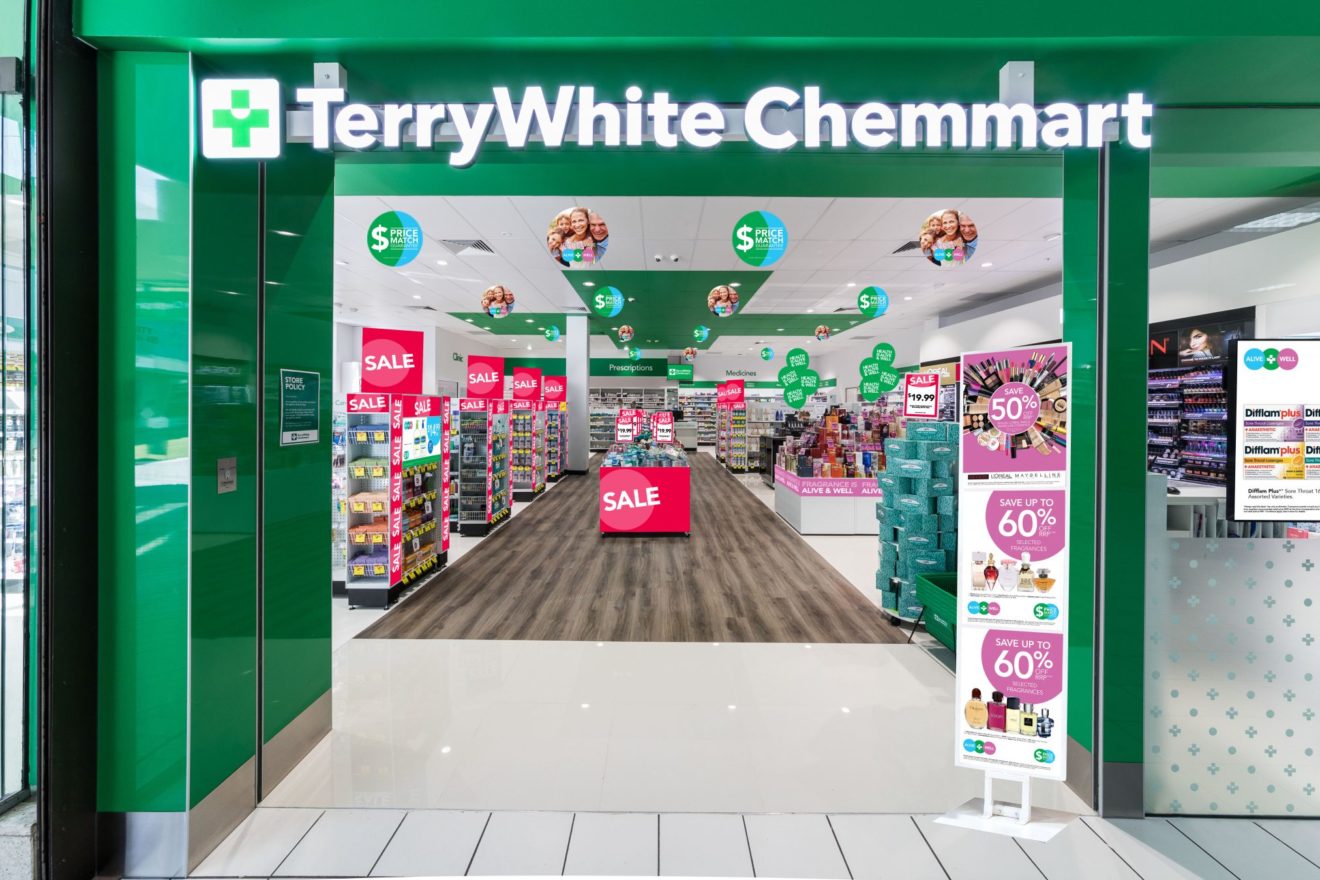
    TerryWhite Chemmart (TWC) announced Duncan Phillips as the new chief executive of the pharmacy retailer on Tuesday, following Anthony White’s decision to step down after 11 years at the helm.

    White said in a statement on Tuesday that it has been “an absolute privilege” to lead the company but that the time is right for fresh leadership. He will remain with the business, moving into the role of executive director of pharmacy network development, which includes more than 450 pharmacies across Australia.

    “I’m very fortunate to have worked with so many talented pharmacy owners and the dedicated team at the support centre over the years,” White said.

    “It’s been an absolute privilege and I look forward to supporting the further
    development of the network in my new role. In particular, it’s been great working closely with Duncan on a wide range of initiatives to grow the Group substantially over this period and I wish him every success in the future.”

    White ic credited for leading TWC through a dramatic period of change and growth including the network rebrand and sale to EBOS Group.

    White’s successor Duncan Phillips, who takes up the role effective immediately, has up to now held the chief operating officer role at TWC.

    The retailer said in a statement that Phillips brings both domestic and international experience as well as strong industry contacts.

    The company said its core focus now is building further value for network partners.

    Chief executive of EBOS Group John Cullity paid tribute to White on Tuesday.

    “Anthony has decided after 11 exciting and demanding years as CEO for TWC that it’s time for a change. He has worked tirelessly in his tenure as CEO and leaves the TWC network in great shape and on the cusp of further growth” Cullity said.

    Ebos Group took full ownership of Terry White Group in December 2018.

  • Boots store of the future opens in London

    Boots store of the future opens in London

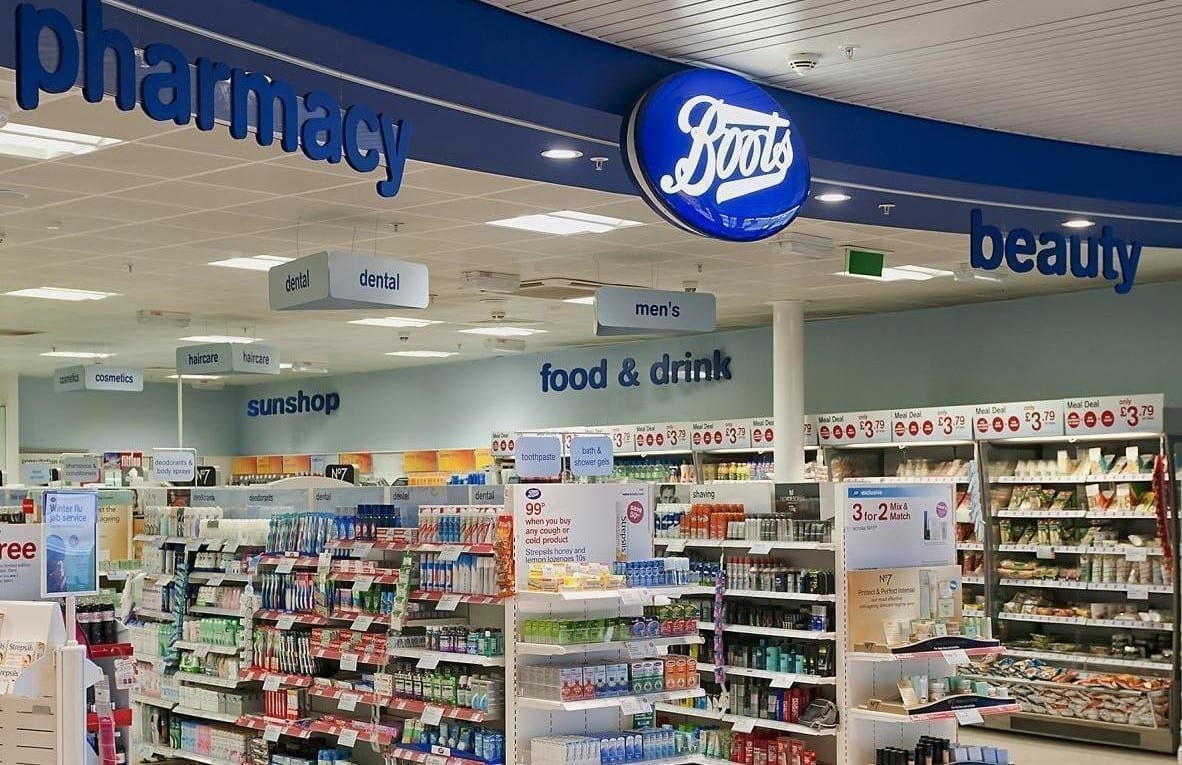
    Boots has launched its new format store in Covent Garden, foreshadowing expected upgrades in its international operations.

    The new format’s “Beauty and Wellness Halls” will introduce more than 300 brands, as well as innovative experiences and access to expert advice. They also feature Instagram points and two beauty studios.

    Covent Garden is now also home to Boots’ biggest-ever wellness range, with 32 new brands including Beauty Kitchen and Equi. There is a rehydration point for refilling water bottles and an Innocent bar for customers to pick up snacks, as well as express pickup lanes, extra advice and consultation spaces in the pharmacy section.

    This new opening has created 130 new jobs within the 28,524sqft store. No single-use plastic bags are being used on the premises; they have been replaced with unbleached paper bags in line with the firm’s commitment to reduce plastic use globally by more than 1000 tonnes this year.

    “Our new Covent Garden store starts a journey of reinventing Boots for the future,” said Boots UK and ROI MD Sebastian James.

    “The store is full of exciting beauty brands, ideas for living well and services to help you get better, all with the great care that Boots colleagues give. We will learn what people love and want from this shop and this will help us shape a blueprint for our whole 2500 store estate.”

  • Ecmoho Pharmacie plans US$100 million IPO

    Ecmoho Pharmacie plans US$100 million IPO

    Chinese online pharmacy Ecmoho is seeking to list on the New York Stock Exchange in order to raise US$100 million for expansion.

    According to sources cited by Bloomberg, the IPO may take place as early as this year.

    The company has declined comment on the matter and sources say the exact timing and the target to be raised may yet change.

    Based in Shanghai, Ecmoho distributes supplements and pharmaceuticals online. As well as selling direct it has stores on JD and Alibaba’s platforms.

    Ecmoho launched in 2002 as an online marketing service, transitioning into e-commerce in 2006, before sharpening its focus on the health sector in 2011. It sells products from domestic manufacturers and global brands.

    Besides Mainland China and Hong Kong, the company operates in the US, Europe and Asia Pacific.