Retail News CRM

Tag: drugs

  • Sigma chairman Resigns after remuneration protest

    Sigma chairman Resigns after remuneration protest

    Brian Jamieson, chairman of Sigma Healthcare, has said he intends to step down within the next 12 months after shareholders protested the remuneration report at Sigma’s annual general meeting on Wednesday.

    Shareholders delivered an 18 percent vote against the report during the meeting, while also opting to re-elect Jamieson, as well as David Manuel, as directors.

    The vote signalled shareholders’ frustration over Sigma’s decision to reject a takeover offer by rival healthcare business Australian Pharmaceutical Industries, as well as a protest against the remuneration report itself, which included bonuses for board members in a year that has seen Sigma’s share price fall from 80 cents per share in June 2018 to 53 cents per share.

    “This has been a defining year for Sigma,” Jamieson told shareholders at the business’s AGM.

    Over the course of the year, Sigma walked away from a supply contract with Chemist Warehouse Group, causing a major fall in the business’s share price hasn’t been recovered.

    Sigma also walked away from the proposed merger with API, which Jamieson told shareholders was “somewhat opportunistic, with Sigma at its most vulnerable” after dropping the Chemist Warehouse Group supply contract.

    “To agree to proceed may have been the easy decision, but our detailed analysis supported our view that it was not the right decision for mid to long-term shareholder value,” Jamieson said.

  • Vietnam cracks down on drugstores selling without prescriptions

    Vietnam cracks down on drugstores selling without prescriptions

    The Ministry of Health has ordered that all drugstores should be connected to the national medicine database via the Internet by Monday, a move aimed at preventing the sales of drugs without prescription.

    But in Ho Chi Minh City, which has the highest number of pharmacies in the country at over 6,000, only 61 percent have linked up, according to the city Department of Health. In Hanoi, 90 percent of its over 4,600 drugstores have done so.

    Many pharmacy owners said they do not have a computer or Internet. Tran Thi Nhi Ha, deputy director of the Hanoi Department of Health, said the regulation requires pharmacies to invest in infrastructure and this takes time.

    Tang Chi Thuong, her HCMC counterpart, said inspectors would soon carry out checks to ensure compliance. “Licenses will be taken away from pharmacies that continue to disobey.”

    Most pharmacies in Vietnam sell drugs without prescriptions. In fact, around 88 percent of all antibiotics sold in urban areas are without prescriptions while the rate is 91 percent in the countryside, the health ministry said.

    The World Health Organization has listed Vietnam among the list of countries with the highest rate of antibiotic-resistant infections, with 33 percent of all patients suffering from them.

  • API doubts Sigma plans

    API doubts Sigma plans

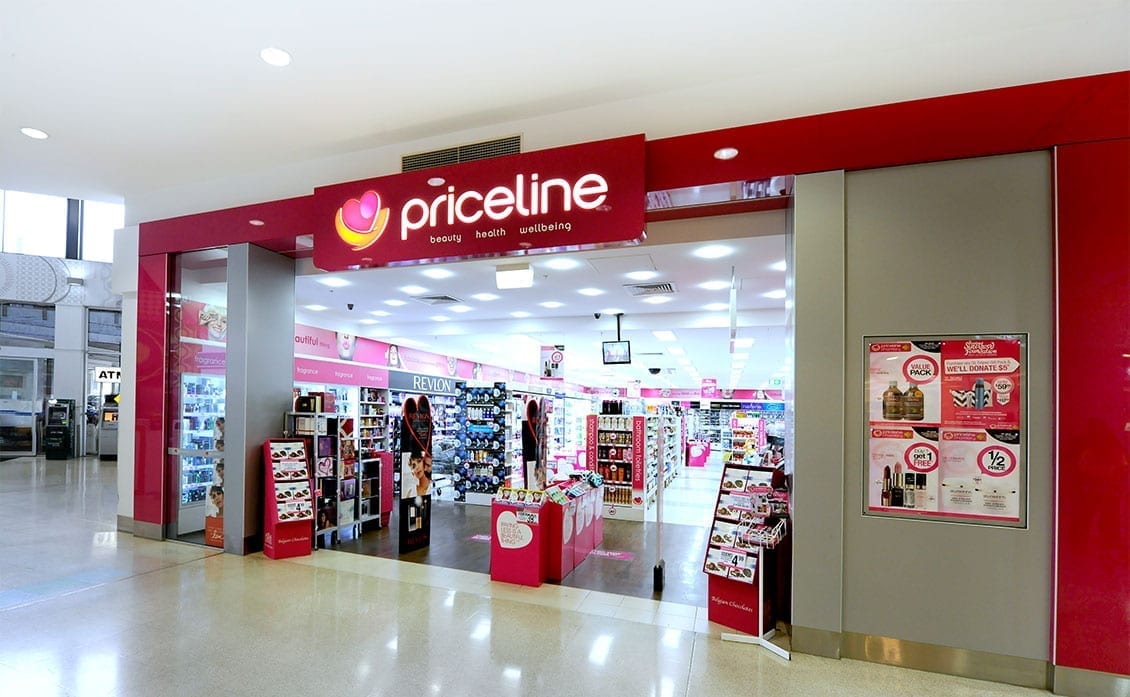
    The proposed merger between the owners of the Priceline and Amcal pharmacy chains is off after Sigma Healthcare rebuffed an approach by its rival.

    Amcal owner Sigma, which is restructuring after losing a contract to supply Chemist Warehouse, said on Wednesday that October’s cash-and-scrip approach by Australian Pharmaceuticals Industries had undervalued its long-term prospects.

    Instead of responding with an increased offer, API questioned Sigma’s plans and said it would now decide what to do with the 12.85 per cent stake it bought late last year.

    “The Sigma Board has chose a path to restructure its significantly downsized business, rather than pursue a merger to create a future that benefits consumers, pharmacists and both sets of shareholders,” API said.

    Sigma said it agreed the tie-up could save the combined company $60 million a year through supply chain consolidation, but that a business review completed last month found $100 million in potential savings through cost-cutting as a stand-alone company.

    It also said that a decline in API’s share price also meant the offer was worth 12 per cent less than when it was made in October.

    The offer was worth about $727 million when it was made public in December.

    API countered by saying the cost savings that Sigma was citing were uncertain and unclear, and would mostly be offset by revenue lost by Chemist Warehouse’s decision to take its business elsewhere.

    It also pointed out its offer represented a 41.8 per cent premium to the average price of Sigma shares in the month before the offer was announced.

    “API notes that very little information has been provided by Sigma in relation to its intended restructure,” API said.

    Sigma shares slumped on the development, dropping 14 per cent to 52.5 cents by 1423 AEDT, their lowest since before the merger proposal was made public.

    API shares were down 3.57 per cent, at $1.35.

    Sigma is the owner of franchise brands Amcal, Chemist King, Discount Drugs and Guardian.

    API owns the Priceline, Soul Pattinson and Pharmacist Advice brands.

  • Improved penalty rates and conditions for Priceline workers

    Improved penalty rates and conditions for Priceline workers

    Retail workers’ union SDA has secured a new agreement for Priceline Pharmacy workers that improves penalty rates and leave conditions for staff.

    The new agreement, which came into effect on Friday March 8, will see annual pay increases backdated from July last year, through to July 2020.

    “Wage growth for Australian workers is at an all time low and we’re proud we’ve been able to lock in strong annual pay increases for Priceline workers for the next three years,” SDA national secretary Gerard Dwyer said.

    “Priceline workers will receive an immediate 3.5 per cent pay increase backdated from 1 July 2018, and 3 per cent pay increases from 1 July 2019 and 1 July 2020. This means the permanent hourly rate for Priceline workers will increase to A$21.81 and the casual hourly rate will increase to A$27.26 per hour. With the rate of inflation at 1.8 per cent these pay increases will make it a little easier for Priceline workers and their families to make ends meet.”

    The new agreement also includes five days paid and five days unpaid Family and Domestic Violence Leave for all employees per year.

    “Unions, employers and government must all take responsibility for addressing family and domestic violence and we’re pleased we’ve taken the first steps in this agreement,” said Dwyer.

    Workers will also be paid superannuation on all paid leave, including paid parental leave. The SDA said this will help address the gender pay gap, as previously superannuation was not paid when parental leave was taken.

  • Global legal cannabis market growth stable

    Global legal cannabis market growth stable

    The volume of the legal cannabis market is expected to soar nearly 14-fold within six years according to research by Euromonitor International. Legal cannabis sales reached US$12 billion globally last year with exponential growth ahead, will reach $166 billion by 2025, based on Euromonitor’s projections.

    The global cannabis market, both legal and illicit, stands at $150 billion today, according to the firm’s new white paper. By 2025, legal cannabis will represent 77 per cent of the global market.

    “Within 10 years, cannabis will be a regular part of daily routines,” said Zora Milenkovic, head of drinks and tobacco at Euromonitor International. “From a functional ingredient to an intoxicating buzz, cannabis will reshape fast-moving consumer goods, with food, beverages, beauty, health and tobacco having the most potential for disruption.”

    The greatest potential for cannabis is to capitalise on health and wellness trends that are shifting consumption habits and consumer preferences across industries.

    The growth of low- and non-alcoholic beverage consumption and the shift from cigarettes to vaping provide an opportunity for cannabis to replace alcohol and tobacco in social occasions.

    From 2018 to 2025, legal cannabis is estimated to grow more than 2000 per cent globally, compared to alcoholic drinks at 1.4 per cent and tobacco at 1.2 per cent, according to the report.

    In consumer health, Euromonitor expects vitamins and dietary supplements to be the largest cannabis-related category by 2025, with 2 per cent of sales to come from products containing THC or cannabidiol, better known as CBD. It projects global sales of packaged food with CBD to double over the next two years, further blurring the lines between consumer health and food.

    Last week a US analyst singled out Starbucks as one of the first major companies globally to adopt CBD ingredients in consumer products, however the Seattle-based company denied it had any plans to develop such beverages at this time.

  • Korean drug companies anticipate a strong 2019

    Korean drug companies anticipate a strong 2019

    Korean pharmaceutical companies are entering 2019 with high expectations as several domestic drugs are expected to gain approval from overseas regulators this year. Though the Samsung BioLogics accounting fraud scandal made 2018 a less-than-stellar year for the pharmaceutical industry, bio firms are ready to get back on their feet with new drugs and licenses.

    Daewoong Pharmaceutical is one firm hoping to get the green light for sales of a product in the United States and Europe this year. Nabota, a botulinum toxin, or botox product, was submitted for approval to the U.S. Food and Drug Administration (FDA) and the European Medicines Agency in 2017.

    Last August, Nabota became the first domestic botox product to gain sales approval in Canada after Daewoong acquired the necessary permit from the country’s health authorities.

    Green Cross is another company awaiting FDA approval. Its I.V.-Globulin SN, an immunoglobulin product that treats immune deficiencies, is being reviewed by the agency.

    Though the FDA postponed approval of the drug last September when it requested supplementary documents from the company, Green Cross is optimistic that it will eventually get the go-ahead since I.V.-Globulin SN is already being sold in both Korea and overseas markets, such as Brazil.

    SK Biopharmaceuticals is waiting for the FDA to approve Cenobamate, an antiepileptic drug. Cenobamate is the first drug for which a Korean company has applied for FDA approval independently without going through global partner companies.

    If the drug is approved, SK expects that Cenobamate will become a huge cash cow that can generate up to 1 trillion won ($898.8 million) in annual sales just in the United States. The United States is the world’s largest market for epilepsy drugs.

    Last Thursday, Hanmi Pharmaceutical filed a license application for Rolontis, a drug intended to treat chemotherapy-induced neutropenia, with the FDA through Spectrum Pharmaceuticals. Hanmi is hoping to gain approval by the first half of 2020.

    Korean drug makers are hoping to make progress with clinical trials and technology exports this year.

    Yuhan is currently working with Janssen Biotech to conduct clinical trials for lung cancer drug Lazertinib. Two months ago, Janssen purchased out-licensing rights from Yuhan for Lazertinib in a deal valued at $1.25 billion.

    One of Chong Kun Dang Pharmaceutical’s most highly anticipated drug candidates is the CKD-702 bispecific antibody, an artificial protein used for cancer immunotherapy. Given the growing interest in bispecific antibodies around the world, industry experts predict Chong Kun Dang will be able to export the drug technology as early on as the pre-clinical stage.

    Hanmi and Jeil Pharmaceutical are also expected to complete Phase 2 clinical trials for their obesity drug HM15211 and stroke treatment JPI-289 this year, while SillaJen is due to complete Phase 3 clinical trials for its cancer treatment Pexa-Vec in the coming months.

    “Domestic pharmaceutical firms have tried to venture into the United States, the world’s biggest drug market, and their efforts will lead to real results next year,” said one spokesman from a pharmaceutical firm.

  • LG Chem signs deal to distribute cancer drug

    LG Chem signs deal to distribute cancer drug

    LG Chem has partnered with U.S. bio company Cue Biopharma to develop immunotherapy drugs to treat cancer, the local company announced Monday. Immunotherapy drugs help patients fight diseases like cancer by enhancing their immune system. It is a relatively unusual form of cancer therapy that differs from the conventional approach of using medication to directly fight the cancer cells inside the human body.

    Based in Boston, Cue Biopharma is a Nasdaq-listed company that specializes in developing biologics for immunotherapy. The companies will co-develop and distribute three immunotherapy drugs which were previously developed by Cue Biopharma: its lead product CUE-101, currently in the preclinical stage, and two other cancer antigens that are at an earlier stage of development.

    Cue Biopharma’s core technology is the Immuno-STAT platform that inserts information about a specific cancer cell into a T cell, a white blood cell that will then find and attack the disease. Before the platform existed, T cells had to be pulled out of the human body to have the information injected into them, but Cue Biopharma’s technology allows the process to happen internally.

    Under the agreement, LG Chem will obtain exclusive distribution rights for the three treatments in Asia once they are fully developed. Cue Biopharma will take charge of distribution in other regions.

    LG will offer a maximum of $400 million to the U.S. bio company including milestone payments given at each stage of clinical testing in the development process. Once the treatments are commercialized, Cue Biopharma will additionally receive license fees proportional to sales in the Asia region while LG, in return, will receive royalties from the Asia sales.

    This is the first time in its three decades of history in the bio pharmaceuticals industry that LG Chem has partnered with another company to work on a new drug.

    “We are very pleased to enter this strategic collaboration with Cue Biopharma; it is more than a licensing deal, it is a partnership with a shared vision and great strategic fit,” said Dr. Son Jee-woong, president of LG Chem Life Sciences.

    For Cue Biopharma, the advantage of working with LG is its experience in developing and manufacturing bio pharmaceuticals in the past as well as its business know-how in the Asia region.

    Under the partnership, LG will also conduct development in mass production and quality control methods for the immunotherapy drugs.

  • Hong Kong Sees Signs of Improving Retail Sales

    Hong Kong Sees Signs of Improving Retail Sales

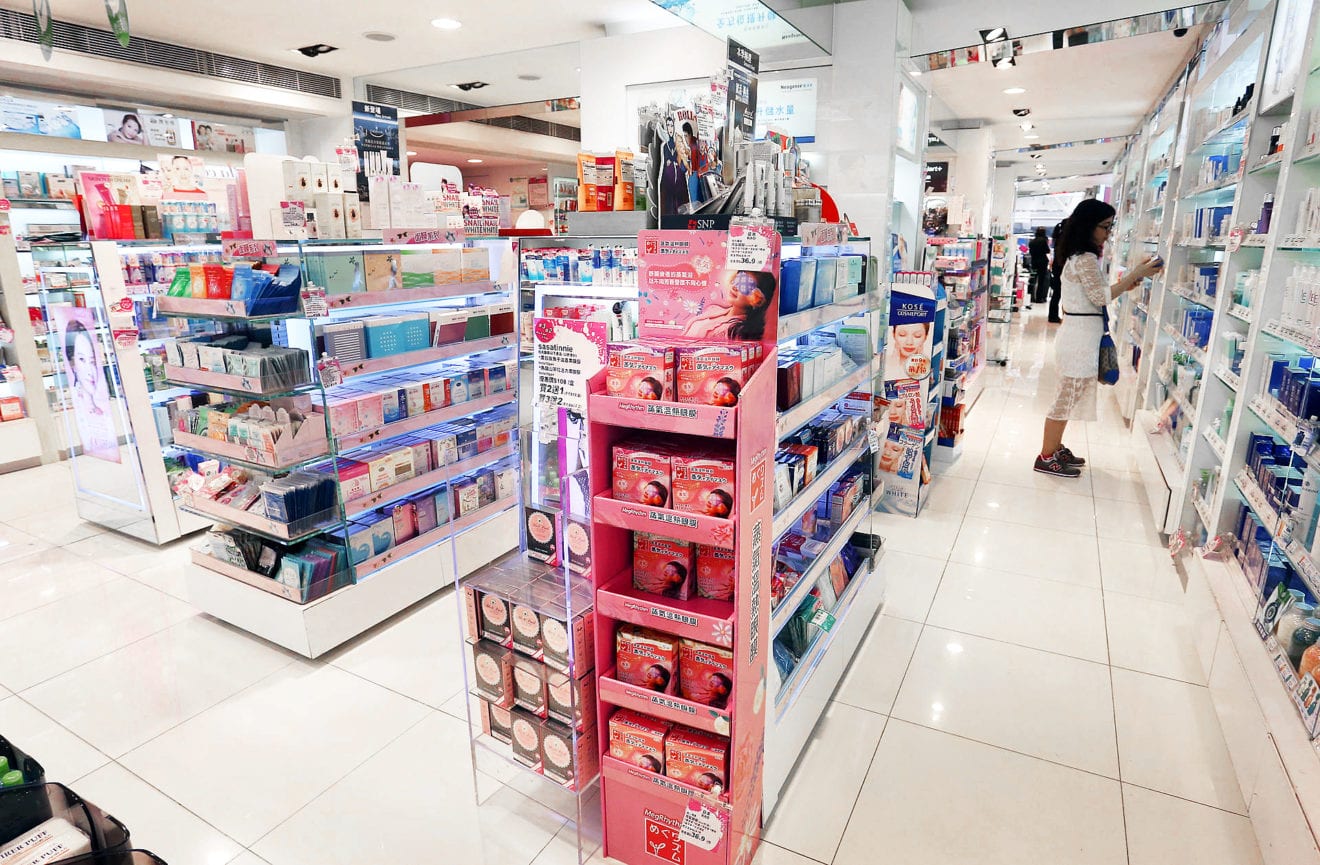
    The latest figures show retail sales in Hong Kong continued falling in March. However, signs of improvement are in sight, with sales of drugs and cosmetics rising slightly.

    However, the biggest question on the minds of many in Hong Kong is how long the overall downturn in Hong Kong’s economic fortunes is going to continue.

    Retail sales in Hong Kong have been suffering through a year-long contraction, the longest decline since 1999. Overall retail sales are down around 10 percent in March compared to a year ago. However, March’s figures are far better than the 20-percent drop in sales registered through February.

    Through the first quarter of this year, retail sales in Hong Kong have fallen 12.5 percent compared with the same period last year. The Hong Kong government attributes the severe drag on retail sales to the slowdown in inbound tourism.

    However, there are some signs of life for the struggling city. The just-concluded three-day May Day holiday saw tourism numbers from the mainland come in 10 percent higher than most observers had been forecasting.

    At the same time, cosmetics firm Sasa has registered a slight growth in same-store sales. Cheng Wai Hung, Head of Hong Kong’s Retail Management Association, says even though there are signs of improvement, retailers still need to do more to keep people buying.

    “Retailers know it is hard to run businesses this year, so stores will start promotions earlier than usual to make up for the losses. It is likely that we will see sales starting from this month. Even some big brands will follow suit.” However, Banny Lam, co-Head of Research at Agricultural Bank of China International Securities, believes retail sales in Hong Kong are not likely to pick up in the short term.

    “I believe the rate of decline will narrow a little bit, but it won’t be a significant change, and sales won’t get back to positive territory any time soon. The current economic environment is rather weak, which has led to a sluggish overall retail performance. Another factor that’s worth noting is that the Disneyland in Shanghai is going to open soon. So the question is, is this going to affect Hong Kong’s tourism? ”

    At the same time, Deputy Director of Hong Kong Department Stores and Commercial Staff General Union, Tung Cheong Sing, says retailers in Hong Kong have to transform their business models to appeal to the changing demands of mainland tourists.

    “For example, stores should be selling middle or low-range priced watches, rather than luxury ones. Despite a decline in rents, many stores may have to close down some of their branches to adapt to the new environment.”

    Even though times have been tough for Hong Kong retailers, some are performing better than others.

    One store selling Japanese products has witnessed a 30 percent spike in sales through the first three months of this year.

    Store Manager Chuang Tin Chi says they’ve been able to keep their finger on the pulse of what’s been trendy this year.

    “There have been a number of movies released over the past couple of months which have featured a wide range of digital, video products or cell phone accessories. So to capitalize on that, we order in these products right away into Hong Kong from Japan, which has significantly increased our sales.”

    One bright spot for Hong Kong retailers has been the recent rise in the value of the renminbi to the US dollar, as the Hong Kong dollar remains pegged to the value of the greenback.

    This means mainland shoppers are getting a more favorable exchange rate when converting from the yuan into Hong Kong dollars, which may prompt more shoppers to cross the border.

     

  • Alibaba Group’s Quest for China’s $100 Billion Retail Drug Market Stalls

    Alibaba Group’s Quest for China’s $100 Billion Retail Drug Market Stalls

    Alibaba Group Holding Ltd. has sailed into headwinds in its plans to conquer China’s medical market by prescribing and selling drugs through an online platform. Chinese officials shut down a government-owned drug tracking system that was created and operated in partnership with Alibaba’s health-care division, Alibaba Health Information Technology Ltd.

    The news saw the unit’s shares take a hit, falling 14% to 4.10 Hong Kong dollars (HKD) on Monday, before rising slightly to close at 4.17 HKD Tuesday.

    The system is owned by China’s Food and Drug Administration, which helps it monitor drugs’ manufacturing, regulatory, expiration and composition data. However, the FDA suspended the system due to complaints from pharmaceutical companies that are jittery over Alibaba’s involvement.

    Meanwhile, the FDA has said that it is reviewing drug-monitoring rules to accommodate the dissenting voices, reported Wall Street Journal.

    Alibaba teamed up with a private-equity startup linked with its founder, Jack Ma, known as Yunfeng Capital Ltd to purchase a controlling 54 percent share in Citic 21CN, which dealt in management of pharmaceutical products data. The new company, Ali Health, subsequently started dealing in Alibaba’s e-commerce sales of over-the-counter drugs.

    It also created an app that links patients with hospitals and community doctors.

    Cure for Country’s Ailing Healthcare Industry

    Ali Health has touted itself as the cure for most problems ailing China’s health-care industry, which is characterized by overcrowding in public hospitals and too much reliance on drugs.

    Data by management consulting firm Bain & Co. shows hospitals in mainland China rely on sales of drugs for 80 percent of their revenues, opening a loophole for corruption to thrive.

    Ali Health ensures local pharmaceutical industry players maintain standards of drug safety as it strives to gain an early market lead over potential rivals should China allow retailers to sell drugs through online platforms.

    This fact hasn’t escaped the eye of drugs firms, who have increasingly expressed dissatisfaction over Alibaba’s participation.

    A provincial pharmacy chain Yontinhe Group sued China’s FDA in January, saying it was creating an uneven playing field by co-operating with Ali Health. It cited provision of big-data view of all medicines produced by all pharmaceutical firms in China to Ali Health as one area it was favoring the latter in, among other accusations.

    Responding to Yontinhe’s claims, the FDA issued a statement on Jan. 26, saying that it backed the drug-monitoring system. Nonetheless, it appears to be responding to the complaints with its decision to seek views of all market participants concerning how to review the drug-monitoring system.

    China’s prescription drugs market is estimated to register sales valued at $100 billion, according to a study by consultancy firm Deloitte.

    Ali Health attributed its involvement in the tracking system for almost all the revenue of US$4.8m (37m HKD) it earned in the year through March 31, 2015. It says its role is to operate the system, while the FDA owns it in a partnership aimed at eliminating counterfeits in the Chinese health-care market.