Retail News CRM

Tag: drugstore

  • JV arrives to create US$7.9bn Chinese pharmacy giant

    JV arrives to create US$7.9bn Chinese pharmacy giant

    China’s Laobaixing and Yixintang Pharmaceutical Group are in advanced talks to create the country’s biggest drugstore chain via a share swap, three people familiar with the matter said.

    Laobaixing’s founders, Xie Zilong and Chen Xiulan, are expected to have a bigger stake in the merged firm than Yixintang’s founder Ruan Hongxian, said two of the people. Shanghai-listed Laobaixing, formally known as LBX Pharmacy Chain Joint Stock Company and which boasts Tencent Holdings as a backer, has a market value of around US$4.4 billion, while Shenzhen-listed Yixintang is valued at about $3.5 billion.

    The talks have been ongoing for more than three months, the two people said. One person said the firms are aiming to finalize and announce the deal in the coming days, adding that Laobaixing would remain the listed entity.

    The sources declined to be identified as the discussions were not public. Laobaixing, Yixintang did not immediately respond to requests for comment.

    Tencent, which took a 1-per-cent stake in Laobaixing to become a strategic partner this year, has endorsed the merger and is planning to work with the combined firm to speed up implementation of a “smart retail” strategy, according to two people.

    The tech giant is looking at helping with the integration of their online and physical store businesses and will help drive traffic through its messaging service WeChat as well as other platforms, said one person.

    Laobaixing, also backed by private equity firms FountainVest Partners and Primavera Capital, had 6.7 billion yuan ($1 billion) in revenue for the first half, while Yixintang had 6 billion yuan, filings show.

    Together they exceeded the 8.6 billion yuan in first-half sales for a current industry leader, state-backed Sinopharm Holding Guoda Drugstores. Their combined number of stores at around 13,100 would also be more than double Guoda’s.

    China’s drugstore market is, however, highly fragmented. According to market research firm Qianzhan, Guoda had a market share of 2.9 percent last year, ahead of Laobaixing with 2.6 percent and Yixintang with 2.4 percent.

    Both Laobaixing and Yixintang sell pharmaceuticals, traditional Chinese medicine, nutritional supplements, and medical equipment. They also complement each other geographically with Laobaixing strong in central and eastern China while Yixintang has focused on the southwest of China, particularly it’s home province of Yunnan.

    Laobaixing, established in 2001, is 33-per-cent held by its founders. For years it counted EQT as a key backer but the Swedish private equity firm sold its 25 percent stake to FountainVest and Primavera for $557 million a year ago.

    Yixintang, founded in 1981, is 31-per-cent owned by founder Ruan.

  • China Jo Jo Drugstores turns to profit in December quarter

    China Jo Jo Drugstores turns to profit in December quarter

    Online and offline pharmaceutical and healthcare retailer and wholesaler China Jo-Jo Drugstores boosted revenue by 7.9 percent in the December quarter

    “We delivered outstanding financial results for the third quarter of 2020, with revenue recording $33.36 million,” said chairman and CEO Lei Liu.

    “Benefiting from the growth in retail drugstores and online pharmacy businesses as well as our strong competitive position in the industry, all of our core businesses performed in line with our expectations.”

    Liu said China Jo Jo was preparing for the coronavirus outbreak by trying to optimize its inventory and ensure it had effective distribution channels to meet the strong domestic demand of pharmaceutical and other healthcare products and services.

    China Jo Jo’s gross profit increased by 2.1 percent to $7.28 million for the quarter, but gross margin decreased by 1.3 percentage points to 21.8 percent.

    Net income for the US-listed company was $460,000, compared to a loss of $2.21 million during the same period a year earlier.

  • Ebos confident about future growth

    Ebos confident about future growth

    Christchurch-based pharmacy and animal healthcare firm said it is confident it will see a significant increase in earnings in FY20 after reporting a less than stellar result for the year ending June.

    Company chief executive John Cullity said 2019 was a year of high activity and strategically important for the group, as it set the foundation for the next wave of growth.

    “The group continues to operate in highly competitive markets and this year was no exception,” Cullity said. “We have withstood the changing market dynamics and competitive pressures and delivered both solid underlying earnings growth and another strong cash result.”

    Ebos has posted an increase in annual net profit to $137.7 million from the $137.3 million on the previous year while sales fell 0.8 per cent to $6.93 billion, reflecting lower hepatitis C medicine sales in Australia and the impact of reform of Australia’s pharmaceutical benefits scheme. The two combined have caused reduced revenue by $425 million.

    The company posted a 5.2 per cent increase in its underlying profit.

    A loss on the sale of surplus property, transition costs for new major warehouses and transaction costs all had a $6.7 million one-off impact on the bottom line.

    Ebos spent $93.6 million on acquisitions and raised $175 million in fresh capital during the year.

    “We commenced operations in two brand new facilities in Brisbane and Sydney providing further warehouse capacity,” Cullity said.

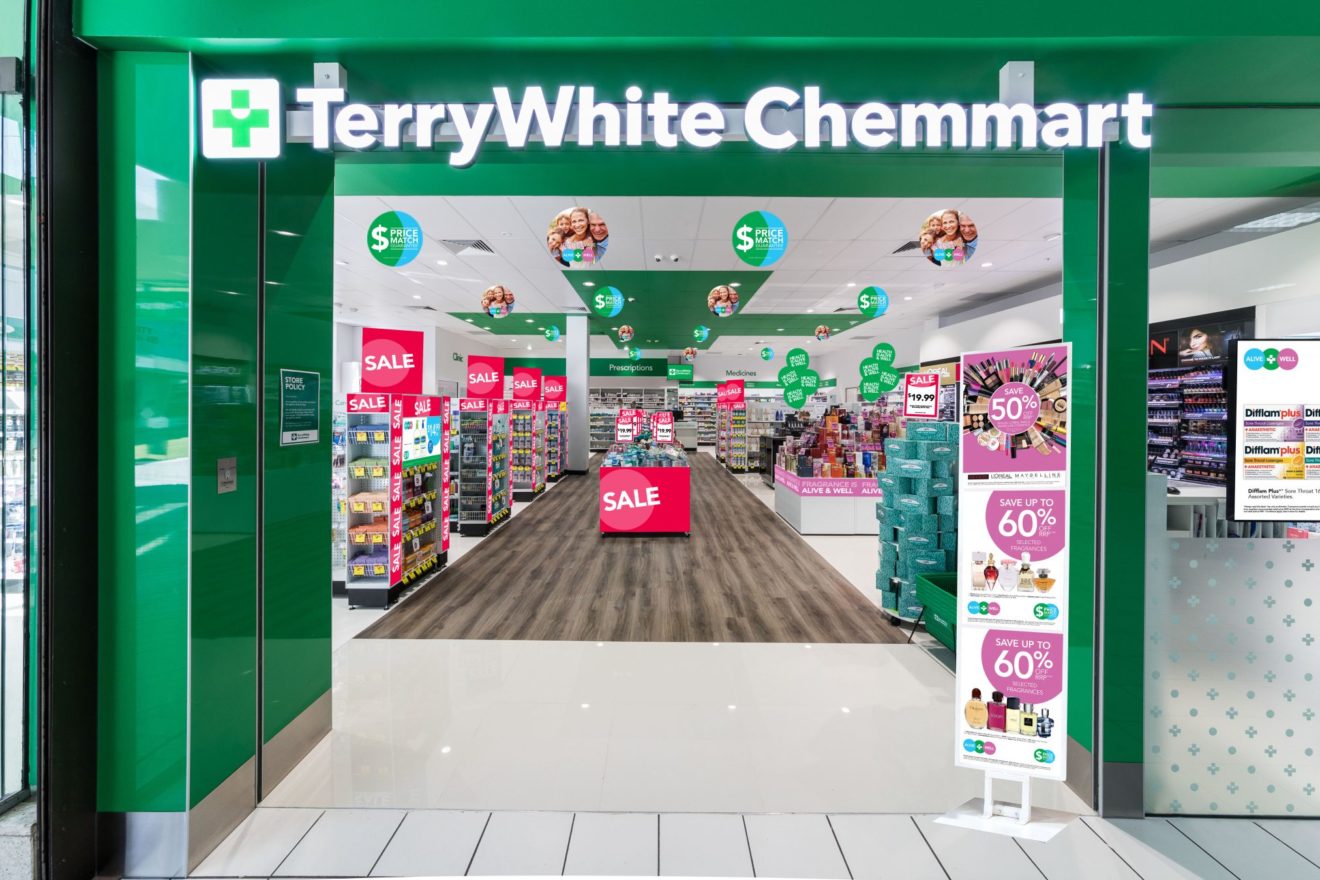
    “We also moved to 100 per cent ownership of TerryWhite Chemmart, signed the Chemist Warehouse Group pharmaceutical contract and retained Blooms The Chemist, one of our largest independent pharmacy group customers. These were all great outcomes for our Community Pharmacy division.”

    The group’s healthcare segment generated a 4.6 per cent increase in underlying EBITDA for the year, underpinned by solid growth from their Australian business unit. In Australia, healthcare revenue declined by 3.5 per cent to $183 million, however excluding the impact of the reduction in hepatitis C sales and the impact of PBS price reforms, revenue growth increased 5.2 per cent.

    The company said the New Zealand healthcare segment delivered earnings in line with last year, with revenue growth of 8.7 per cent largely offset by higher labour and freight costs in our wholesale businesses.

    Revenue growth in community pharmacy, excluding the impact of lower Hepatitis C sales and PBS reforms, rose 3.0 per cent.

    Ebos has also announced Mark Waller will retire as director and company chair at the end of the annual meeting scheduled for October 15.

    Waller, who joined Ebos in March 1984 as chief financial officer before assuming the position of executive officer in 1987, led the group on an ambitious yet disciplined growth strategy, overseeing many successful mergers and acquisitions, including the purchase of Symbion in 2013 for $1.1 billion.

    According to the company, under Waller’s leadership, Ebos grew to become the largest trans-Tasman healthcare and animal care company with revenues in excess of $6 billion.

    After handing over the reins as CEO in 2014, Waller remained on the board before assuming the position of chairman in 2015.

  • TerryWhite Chemmart appoints new CEO as Anthony White steps down

    TerryWhite Chemmart appoints new CEO as Anthony White steps down

    TerryWhite Chemmart (TWC) announced Duncan Phillips as the new chief executive of the pharmacy retailer on Tuesday, following Anthony White’s decision to step down after 11 years at the helm.

    White said in a statement on Tuesday that it has been “an absolute privilege” to lead the company but that the time is right for fresh leadership. He will remain with the business, moving into the role of executive director of pharmacy network development, which includes more than 450 pharmacies across Australia.

    “I’m very fortunate to have worked with so many talented pharmacy owners and the dedicated team at the support centre over the years,” White said.

    “It’s been an absolute privilege and I look forward to supporting the further
    development of the network in my new role. In particular, it’s been great working closely with Duncan on a wide range of initiatives to grow the Group substantially over this period and I wish him every success in the future.”

    White ic credited for leading TWC through a dramatic period of change and growth including the network rebrand and sale to EBOS Group.

    White’s successor Duncan Phillips, who takes up the role effective immediately, has up to now held the chief operating officer role at TWC.

    The retailer said in a statement that Phillips brings both domestic and international experience as well as strong industry contacts.

    The company said its core focus now is building further value for network partners.

    Chief executive of EBOS Group John Cullity paid tribute to White on Tuesday.

    “Anthony has decided after 11 exciting and demanding years as CEO for TWC that it’s time for a change. He has worked tirelessly in his tenure as CEO and leaves the TWC network in great shape and on the cusp of further growth” Cullity said.

    Ebos Group took full ownership of Terry White Group in December 2018.

  • Sigma chairman Resigns after remuneration protest

    Sigma chairman Resigns after remuneration protest

    Brian Jamieson, chairman of Sigma Healthcare, has said he intends to step down within the next 12 months after shareholders protested the remuneration report at Sigma’s annual general meeting on Wednesday.

    Shareholders delivered an 18 percent vote against the report during the meeting, while also opting to re-elect Jamieson, as well as David Manuel, as directors.

    The vote signalled shareholders’ frustration over Sigma’s decision to reject a takeover offer by rival healthcare business Australian Pharmaceutical Industries, as well as a protest against the remuneration report itself, which included bonuses for board members in a year that has seen Sigma’s share price fall from 80 cents per share in June 2018 to 53 cents per share.

    “This has been a defining year for Sigma,” Jamieson told shareholders at the business’s AGM.

    Over the course of the year, Sigma walked away from a supply contract with Chemist Warehouse Group, causing a major fall in the business’s share price hasn’t been recovered.

    Sigma also walked away from the proposed merger with API, which Jamieson told shareholders was “somewhat opportunistic, with Sigma at its most vulnerable” after dropping the Chemist Warehouse Group supply contract.

    “To agree to proceed may have been the easy decision, but our detailed analysis supported our view that it was not the right decision for mid to long-term shareholder value,” Jamieson said.

  • AS Watson reports success with predictive modelling marketing

    AS Watson reports success with predictive modelling marketing

    International health and beauty retailer AS Watson Group says its use of predictive modelling technology is delivering successful product launches. The firm has worked in close partnership with brands to help them penetrate specific demographics or enter new markets. Recently this included Jeffree Star Cosmetics launching exclusively at ICI Paris XL in Europe, and in Asia a continuing long-term partnership with Maybelline at Watsons Thailand – both of which achieved targeted results.

    “At AS Watson, due to our extensive global knowledge of the beauty industry and CRM data, we are able to help niche brands like Jeffree Star and major brands including Maybelline launch products onto the market,” explains Malina Ngai, AS Watson Group COO.

    “Using our integrated online and offline model, this allows us to create these types of brand partnerships to specifically target and engage the right customers.”

    L’Oreal and AS Watson Group developed a long-term partnership working together to drive sales, while in 2018, Watsons Thailand partnered with Maybelline on a year-long CRM program.

    Supported by the AS Watson DataLab, the group’s customer intelligence team, this campaign was designed to communicate offers to relevant customers through electronic direct mail. Watsons targeted members in three phases in order to recruit new category shoppers, grow each customer’s basket value and engage customers in new product offers.

    To ensure the campaign built on data insight to target the right members, Watsons used a three-stage approach to accurately identify customers and ensure they were provided with the most attractive offers.

    This three-stage campaign saw more than 3.5 million emails delivered to members, attracting more than 170,000 customers to buy into the brand. This targeted and focused approach saw double-digit percentage of the brand’s sales directly attributable to this campaign. In addition, Maybelline’s sales and the number of members recorded double-digit growth compared to the previous year.

    L’Oreal Thailand’s GM consumer products division Geoff Bellingham said two of the biggest challenges a brand faces are acquiring new customers and then having those customers shop again with the brand.

    “Our Watsons Thailand CRM program allowed us to successfully achieve both of those goals for Maybelline. All customers and especially beauty shoppers want relevant, more personally curated offers and this partnership was carefully created to ensure the right offers for right people.

    “The activity is just one example of the close and successful collaboration between Watsons and L’Oreal”.
    ICI Paris XL launched world-renowned beauty influencer Jeffree Star’s cosmetic range in November, exclusively to customers in The Netherlands and Belgium. To launch the brand ICI Paris XL created a digital campaign to target customers whose data and insight profile indicated they would love the new brand, as well as looking to capture new customers. The digital campaign was created to specifically target those under 35, as this is the brand’s core target market.

    Predictive modelling technology was used to identify and communicate with members who had a high tendency to shop for new makeup brands and trends, and these people received customised emails announcing the launch, bringing the social media personality to life, as well as highlighting hero elements of the cosmetics range. This targeted approach saw more than 300,000 customers receive personalised emails, leading to an open rate of 25 per cent.  Following this, 40 per cent then visited the brand’s page on the ICI Paris XL website with the result that 70 per cent of members under 35 bought into the range during the launch period.

    “Following the success of my brand in the the US, I really wanted to extend my brand’s reach into Europe,” said Jeffree Star. “AS Watson has provided me with an efficient distribution platform as well as the tools to be able to target my fans and beauty lovers that like to create bright, fun and innovative beauty looks.”

  • Watsons Vietnam opens first store this month

    Watsons Vietnam opens first store this month

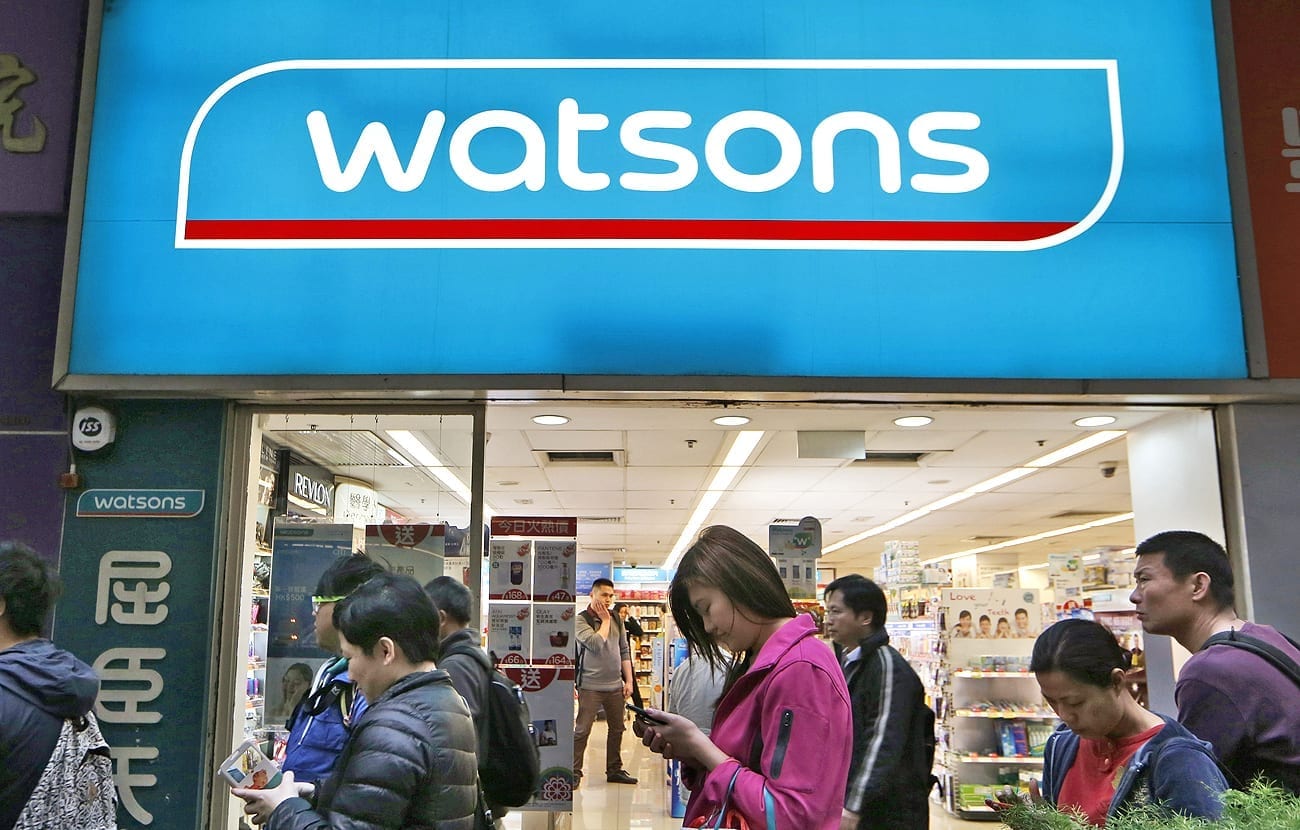
    Hong Kong-headquartered healthcare and beauty retailer Watsons is to launch in Vietnam. The first Watsons Vietnam store will open on January 17, in the lower floors of the high-profile Bitexco tower in downtown Ho Chi Minh City. The store will take up at least one floor of a two-storey space recently vacated by Topshop. Teasing the launch, a huge backdrop with the slogan “Look good, Feel great” has been built outside the space, attracting many Vietnamese youngsters to take selfies and check in on social media.

    On its LinkedIn page, Watsons Vietnam has been recruiting staff for the store and featuring the same artwork as on the Bitexco backdrop.

    Watsons Vietnam will compete with rival Hong Kong healthcare and beauty chain Guardian, owned by Dairy Farm International, which launched in Ho Chi Minh City in 2011 and now claims to have more than 60 stores in four cities.

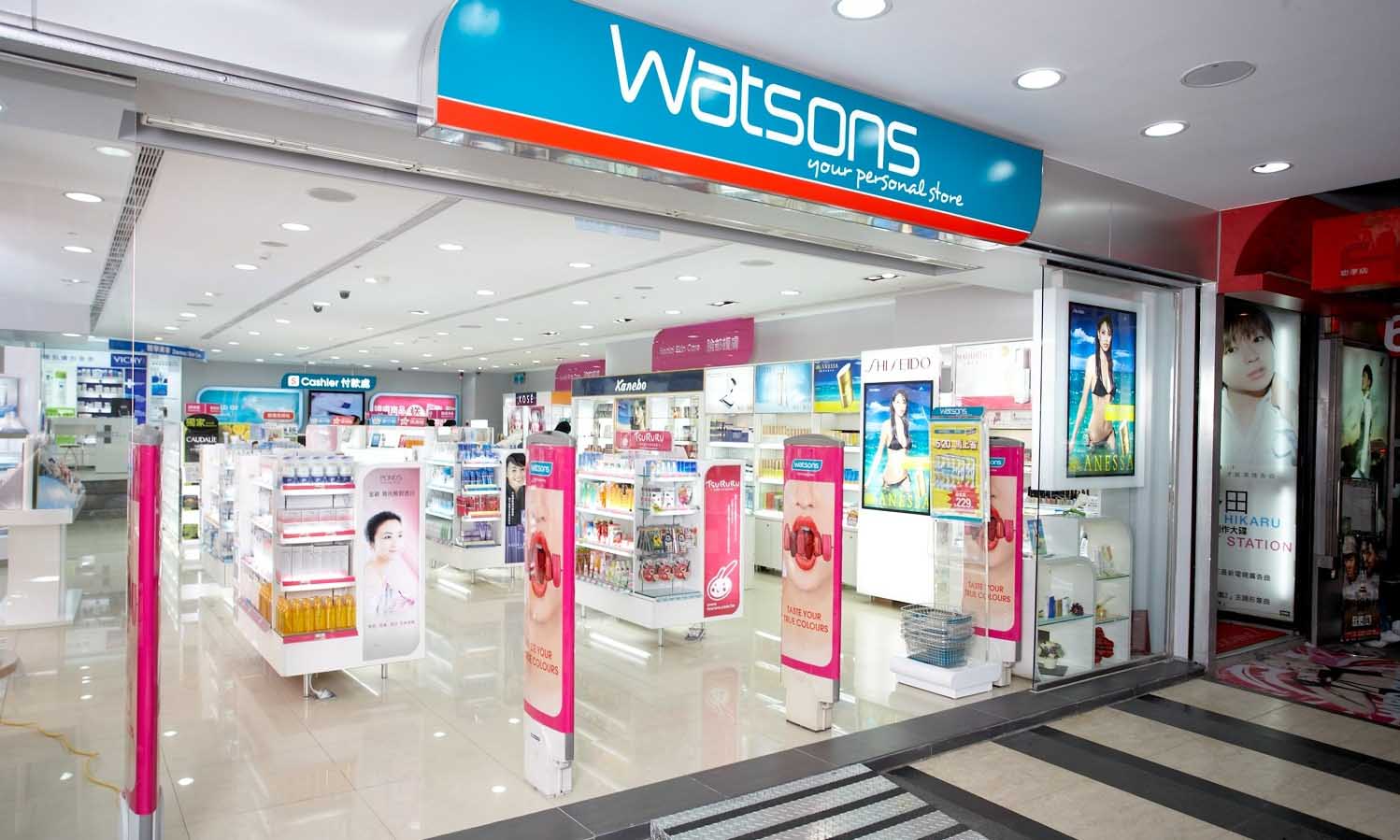
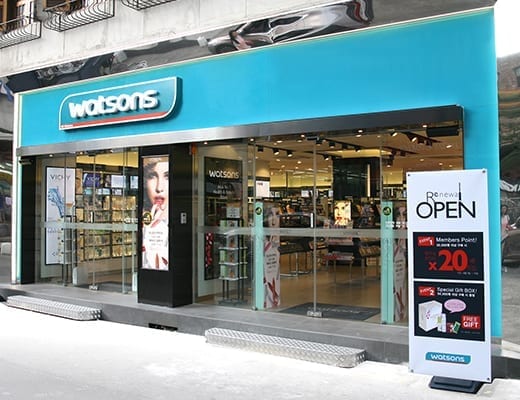
    Watsons is operated by AS Watson, a subsidiary of retail and telecommunications giant CK Hutchison which is quarter-owned by Singapore sovereign investment fund Temasek Holdings. AS Watson has some 6800 Watsons health and beauty stores in 12 markets in Asia and Europe, including Hong Kong, Mainland China, Taiwan, Macau, Thailand, Singapore, Malaysia, the Philippines and Indonesia. The broader AS Watson group has 14,500 stores, including electrical retailers and grocery stores.

    Watsons has just celebrated the opening of its 500th store in Bangkok, Thailand. The store photo accompanying this story is of Watson’s new-generation store at IconSiam in Bangkok.

  • Temasek plans to sell AS Watson stake

    Temasek plans to sell AS Watson stake

    Singapore’s Temasek Holdings is reportedly looking to quit its stake in Hong Kong-headquartered beauty products retailer AS Watson. Temasek spent US$5.6 billion to acquire a 25 per cent share of AS Watson in 2014 from Hong Kong’s CK Hutchison, which retains the majority stake. According to report, Temasek made the investment expecting the business to be listed within three years. But softening investor sentiment towards retail sector listings has weakened since that plan was first envisaged. Investors are spooked by the demise of a slew of brick-and-mortar-focused brands across developed markets.

    AS Watson has some 14,500 stores in 24 markets around the world, and has market leadership in 15 of those. That could make the business an attractive target for private equity funds, despite the company appearing to be focused more on opening new stores than migrating online, where consumers are buying more beauty and healthcare products.

    Bloomberg says in an analysis published online, that a private equity business would be among the more likely buyers for the Temasek stake, given the amount of industry money that’s sitting idle.

    “That said, any acquirer will still be in a minority position, even if the entire 25 per cent is sold. Along with the business’s poor growth prospects, the absence of control is likely to be reflected in the valuation. This is one retail sale that will need a discount to be attractive.”

  • China Jo-Jo Drugstores Reports Fiscal 2017 First Quarter Results

    China Jo-Jo Drugstores Reports Fiscal 2017 First Quarter Results

    China Jo-Jo Drugstores, Inc. (CJJD) yesterday announced financial results for its first fiscal quarter ended June 30, 2016.

    FY 2017 First Quarter Highlights:

    • Revenue was $20.9 million compared to $21.3 million a year ago
    • Gross profit increased 2.4% year-over-year to $4.5 million
    • Gross margin increased 90bps year-over-year to 21.4%, retail pharmacy gross margin increased 280 bps to 28.5% from a year ago
    • GAAP net income was $131,153 or $0.01 per diluted share compared to net income of $110,611 or $0.01 per diluted share a year ago
    • Adjusted net income was $754,000 or $0.04 per diluted share compared to adjusted net income of $277,481 or $0.02 per diluted share a year ago

    China Jo-Jo’s Chairman and CEO, Mr. Liu Lei commented, “Our results in the first quarter were temporarily impacted by lower pharmacy traffic due to preparation for the G20 summit in Hangzhou, and the unexpected disruption in the Yikatong referral business. We are proactively seeking referral arrangement with alternative providers of Pharmacy Benefit Management. We remain focused on increasing our gross margin and expanding the online and offline integration of our wellness offerings.”

    Net revenues for the quarter were $20.9 million compared to $21.3 million in the same quarter a year ago, a decrease of $375, 377 or 1.8%. Retail drugstores sales were $12.7 million and increased 4.4% compared to the prior year period. The Company continues to launch in-pharmacy virtual doctor clinics, provide access to mobile payment and implement other operational strategies to promote same store growth. The pharmacy store count increased to 61 as of June 30, 2016, compared to 59 stores a year ago.

    Online pharmacy sales for the quarter were $5.1 million compared to $6.0 million in the same quarter a year ago, a decrease of $894,689 or 15.0%. The decrease was mainly due to the decline in referral transactions from Yikatong on the Company’s own online pharmacy website. Excluding the RMB depreciation, sales via e-commerce platforms increased by 6.0% year over year. The Company is proactively seeking referral arrangements with alternative providers of Pharmacy Benefit Management.

    Net income was $131,153 or $0.01 per diluted share compared to last year’s first quarter net income of $110,611 or $0.01 per diluted share.

    Adjusted net income was $754,000 or $0.04 per diluted share compared to last year’s first quarter adjusted net income of $277,481 million or $0.02 per diluted share.

  • China Jo-Jo Drugstore expansion drives revenue

    China Jo-Jo Drugstore expansion drives revenue

    China Jo-Jo Drugstore expansion drove revenue up 15.8 per cent in the year to March 31.

    Online sales soared 77.8 per cent year-on-year to US$26.5 million and now accounts for 29.7 per cent of the group’s sales.

    New stores helped offline retail sales rise 4.9 per cent with total group revenue reaching $89 million. Same-store sales rose 6.4 per cent.

    But net profit was down from $856,000 to $447,000, largely due to continuing expansion costs.

    US-listed China Jo-Jo Drugstores now has 58 retail pharmacies in China’s Zhejiang Province and the business also distributes drug and other healthcare products to other drugstores and vendors.

    Chairman and CEO Liu Lei described the results as “solid”.

    “We consolidated the operations of our retail drugstores and implemented key initiatives such as increasing product adaptability, providing access to mobile payments, and launching in-pharmacy virtual doctor clinics to drive sales and provide value-added services to our customers. We maintained profitability while migrating our product mix to higher margin pharmaceutical and health and wellness products.

    “At the same time, our expansion in the fast-growing online pharmacy markets in China continues to outpace the industry. Our online pharmacy sales continued to grow rapidly through both third-party eCommerce platforms and our own online pharmacy website.”

    He said moving forward, the company will focus on opening or acquiring more stores, creating deeper relationships with its customers, holding regional dominant market share in retail pharmacy, while taking a data-driven approach in identifying popular products and enhancing its abilities to promote online sales.

    “We believe we have the right strategy for succeeding as a leading online and physical retail chain pharmacy stores in China.”

  • China Jo-jo Drugstores Inc Institutional Investor Sentiment Worsened in Q1 2016

    China Jo-jo Drugstores Inc Institutional Investor Sentiment Worsened in Q1 2016

    China Jo-jo Drugstores Inc institutional sentiment decreased to 0.75 in 2016 Q1. Its down -0.25, from 1 in 2015Q4. The ratio turned negative, as 3 hedge funds increased or opened new stock positions, while 4 reduced and sold holdings in China Jo-jo Drugstores Inc. The hedge funds in our partner’s database now possess: 148,237 shares, up from 123,312 shares in 2015Q4. Also, the number of hedge funds holding China Jo-jo Drugstores Inc in their top 10 stock positions was flat from 0 to 0 for the same number . Sold All: 2 Reduced: 2 Increased: 1 New Position: 2.

    China Jo-Jo Drugstores, Inc. is a retailer and distributor of pharmaceutical and other healthcare products found in a retail pharmacy in the People’s Republic of China. The company has a market cap of $28.55 million. The Company’s operating divisions include retail drugstores, online pharmacy, wholesale business selling products similar to those the Company carries in its pharmacies, and farming and selling herbs used for traditional Chinese medicine . It has a 32.5 P/E ratio. The Firm has 59 store locations under the store brand Jiuzhou Grand Pharmacy in Hangzhou.

    About 6,781 shares traded hands. China Jo-Jo Drugstores Inc has declined 14.29% since November 10, 2015 and is downtrending. It has underperformed by 14.11% the S&P500.

    According to Zacks Investment Research, “China Jo-Jo Drugstores, Inc., through its contractually controlled affiliates, operates a retail pharmacy chain in China offering both western and traditional Chinese medicine. Its contractually controlled affiliates include Hangzhou Jiuzhou Grand Pharmacy Chain Co., Ltd., Hangzhou Jiuzhou Clinic of Integrated Traditional and Western Medicine General Partnership, and Hangzhou Jiuzhou Medical & Public Health Service Co., Ltd. The chain has stores throughout Hangzhou, the provincial capital of Zhejiang Province.”

    California Public Employees Retirement System holds 0% of its portfolio in China Jo-Jo Drugstores Inc for 29,300 shares. Citadel Advisors Llc owns 25,965 shares or 0% of their US portfolio. Moreover, Citigroup Inc has 0% invested in the company for 434 shares. The New York-based Morgan Stanley has invested 0% in the stock. Renaissance Technologies Llc, a New York-based fund reported 79,800 shares.

  • China Jo-Jo Drugstores launches remote hospital network in Zhejiang

    China Jo-Jo Drugstores launches remote hospital network in Zhejiang

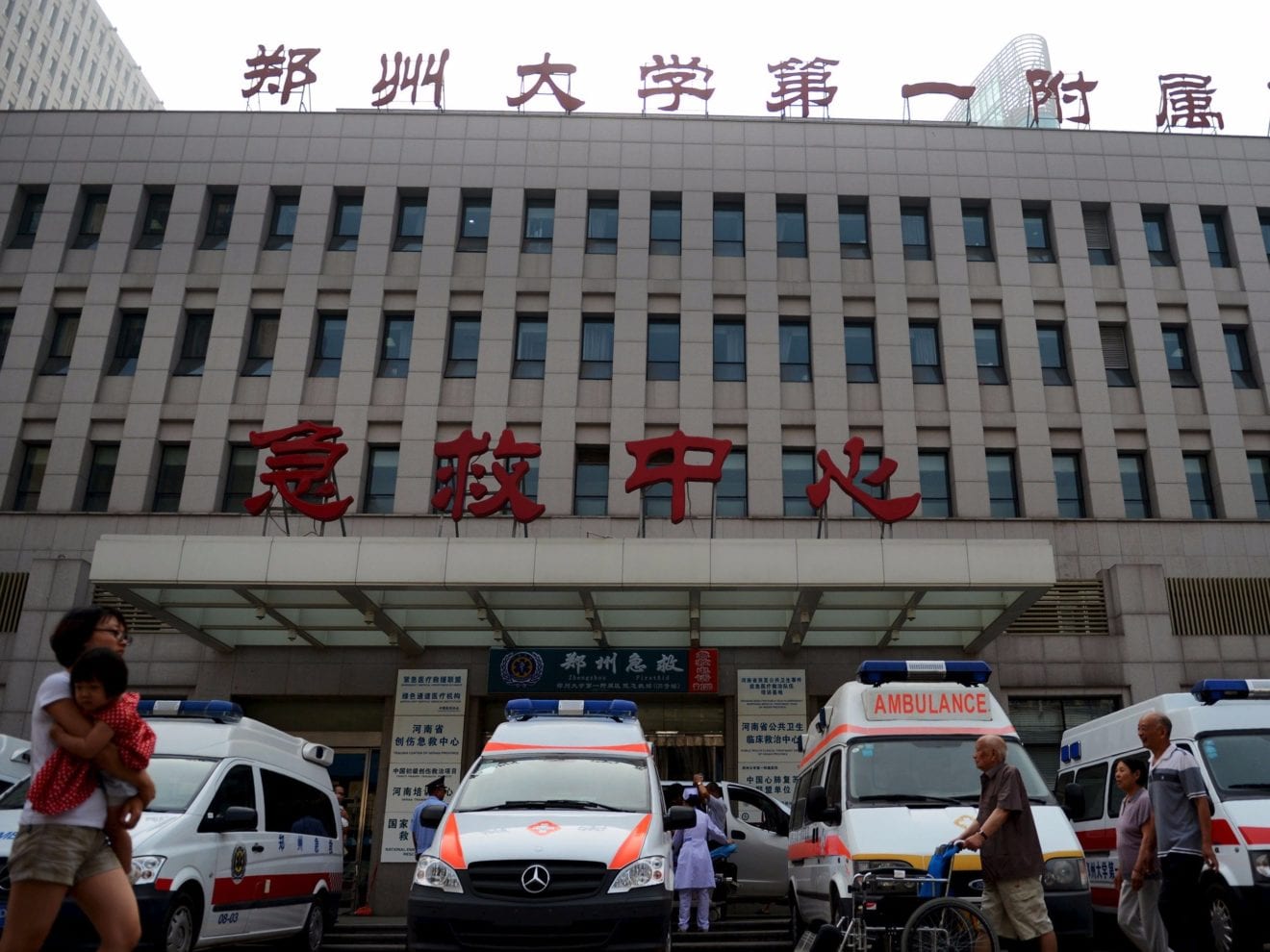
    China Jo-Jo Drugstores has launched the first Internet-based Remote Hospital Network platform in Zhejiang Province, China.

    The virtual physician platform will be offered onsite at its retail pharmacy locations.

    This would allow the company to partner with virtually any accredited physician or hospital in providing medical consultation to customers who would then have immediate access to printed prescriptions and pharmacy dispensary services at the drugstores.

    China Jo-Jo said it is currently in discussion to secure exclusivity for the Internet hospital platform in Zhejiang province and is in negotiations with an accredited regional hospital to provide physician services on the platform through a profit sharing agreement.

    Lei Liu, Chairman and CEO of China Jo-Jo, said roughly 90 percent of China’s pharmacy prescriptions are handled by hospital dispensaries. The goal of the program is to increase transaction volume at China’s Jo-Jo retail locations while driving healthcare reform and innovation in the retail and online pharmacy business in China.

    “In alignment with the recent healthcare reform in China, we continue to meet the needs of consumers by increasing products and services that expand prescription dispensary services from the hospital system into local communities,” he said in a news release. “As the Chinese government pushes for healthcare reform we will continue to provide ways to increase access and to provide competitive pricing for prescription drugs, especially for residents who do not live in major cities.”

  • Malaysia’s Caring Pharmacy value soars

    Malaysia’s Caring Pharmacy value soars

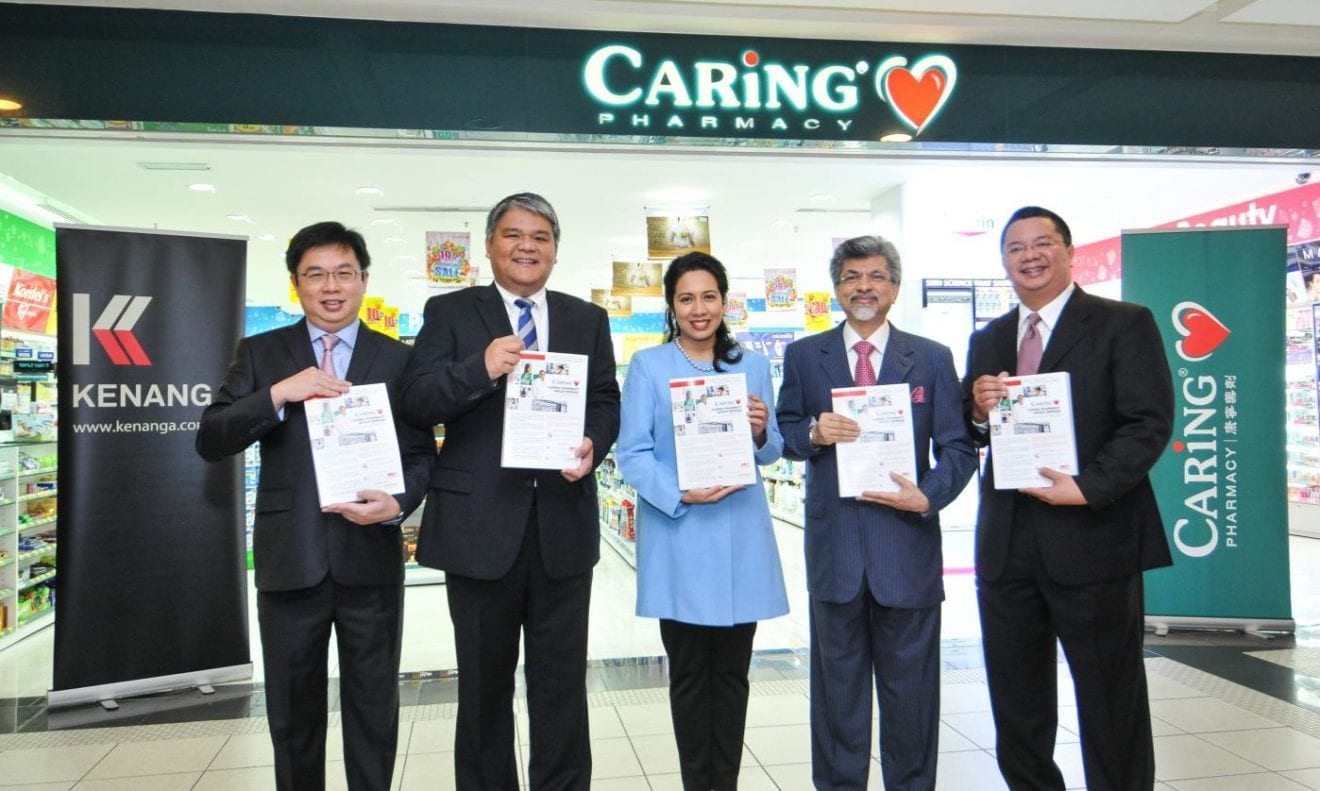
    Malaysian listed retailer Caring Pharmacy has seen its share value soar 85 per cent in just two months.

    And no one seems to know why…

    The company has 106 pharmacies across Malaysia, just two more than it had three months ago, and has projected expansion at a rate of 10 to 12 outlets next year – barely one a month.

    Even more remarkable, is that such a rise has occurred in a depressed retail climate and a decidedly sluggish business environment, at best.

    A survey released by Nielsen this week showed consumer confidence in the country has reached a 10 year low of 78 points – 11 points lower than three months ago. That seems driven by the unpopularity of the GST introduced on April 1 and a massive depreciation in the local currency – in part at least, linked to evidence of massive corruption in government leadership.

    The only theory behind Caring Pharmacy’s sudden popularity is that the chain may have been marked down unfairly in a generally bearish market, and its value is now being restored to reasonable levels.

    Year on year, the company has delivered a net profit in the latest first quarter jumping 83.94 per cent to RM1.02 million from RM 554,000 a year ago.

    One analyst urges caution” Hong Leong Investment Research (HLIR) said Caring Pharmacy could yet face further challenges ahead.

    “We feel there will be more downside risk on its expansion plans due to high competition and start-up costs,” HLIR said in a research note.

    “Also with inflationary cost pressure as well as weak consumer sentiment, we believe its profit margin will be under pressure with longer gestation period.”

  • Matsumotokiyoshi Thailand to launch in Bangkok

    Matsumotokiyoshi Thailand to launch in Bangkok

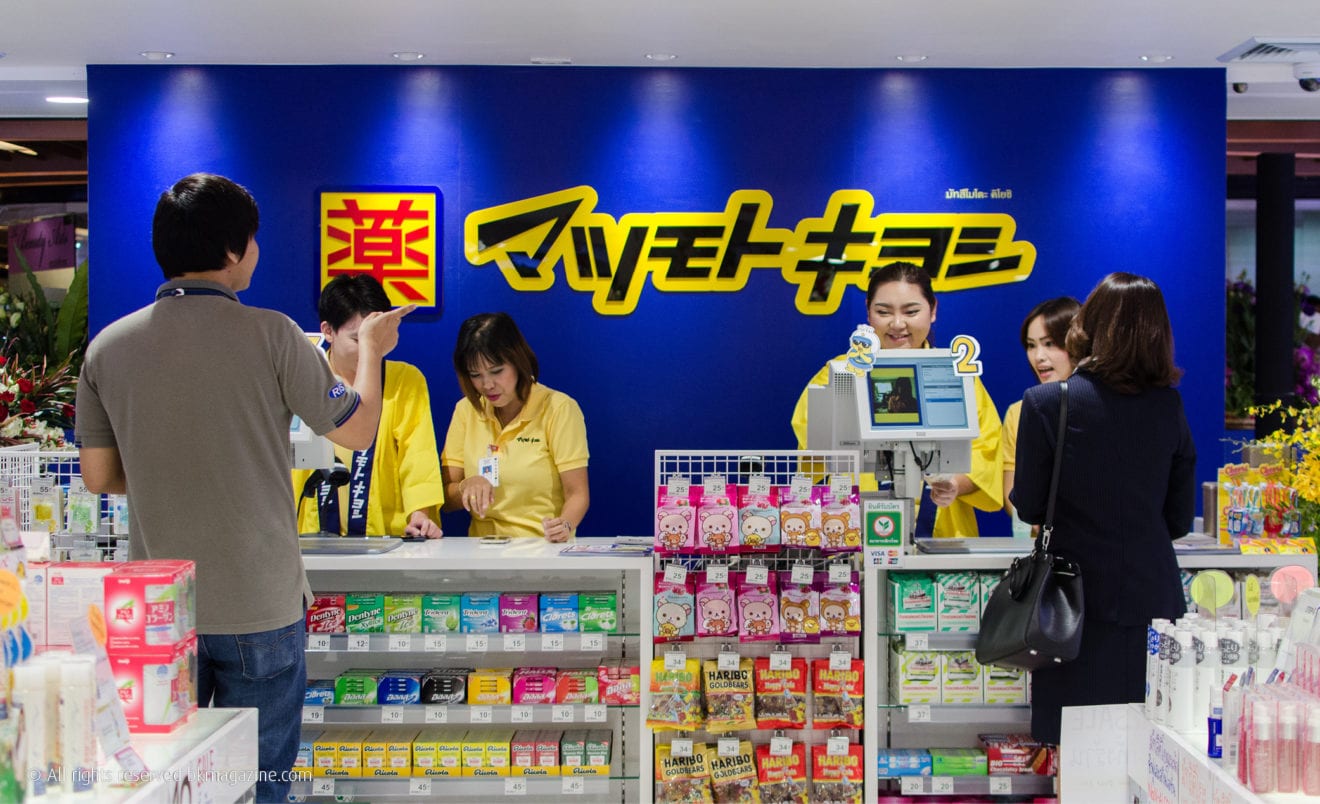
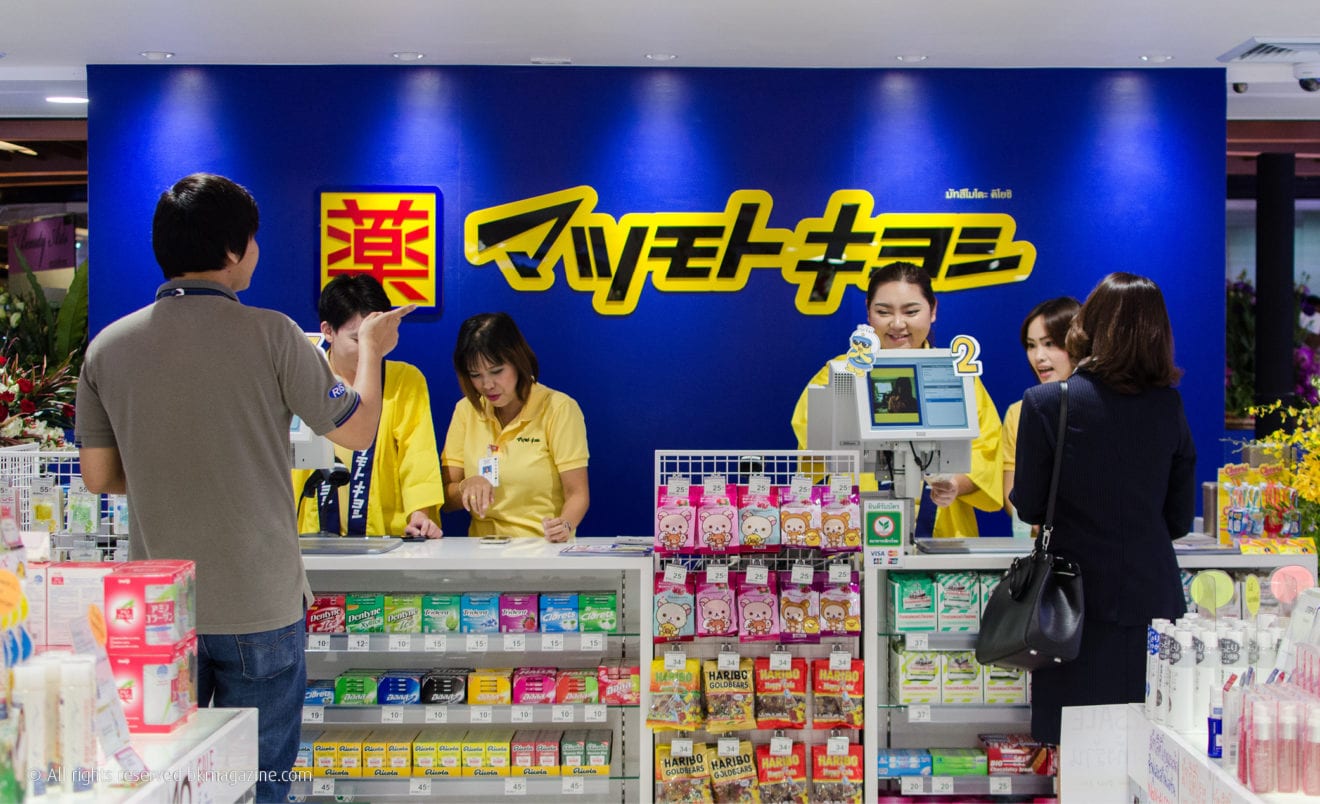
    Japan’s largest drugstore Matsumotokiyoshi has chosen Thailand for its first international foray.

    Matsumotokiyoshi Thailand is a joint venture between the Japanese company and Thai retail conglomerate Central Retail Food Corp who have formed Central & Matsumoto Kiyoshi Corp. Central owns 51 per cent.

    The first store will open in Bangkok at Central Plaza Ladprao this week and will be followed by a second before the end of the year.

    “We are confident to be successful here,” Junichi Tateno, CEO of the JV told a press briefing.

    Tateno says Thailand’s health and beauty market is worth 85 billion baht, or US$2.4 billion, annually and is continuing to grow. Thais, he says, have an interest in Japanese culture and products.

    Central has been test marketing some 200 Matsumotokiyoshi products in 23 Bangkok supermarkets for about a year to assess interest in Japanese beauty products. The results prompted the two companies to proceed with standalone stores, which will stock about 2000 SKUs from the Japanese company’s mainstream offer, together with products sourced from elsewhere.

    Matsumotokiyoshi, launched 85 years ago, has 1500 stores in Japan.

    The second Thai store will open at Central Plaza Pinklao and there are plans to open concessions in department stores from next year.

  • Matsumotokiyoshi set to open first drugstore abroad in Bangkok

    Matsumotokiyoshi set to open first drugstore abroad in Bangkok

    Japan’s largest drugstore operator, Matsumotokiyoshi, will open a store in Bangkok this week, its first abroad, and a second one by the end of the year, the head of the company’s new joint venture here said Tuesday.

    “We are confident to be successful here,” Junichi Tateno, chief executive officer of Central & Matsumoto Kiyoshi Corp., a joint venture between Matsumotokiyoshi Holdings Co. and Thailand’s Central Food Retail Corp., told a press conference.

    He cited Thailand’s status as Southeast Asia’s leading health-and-beauty market, worth 85 billion baht ($2.4 billion), and one that has been growing steadily despite periods of political instability.

    Noting the Thai people’s fondness for Japanese culture and products, Tateno said the store will initially introduce around 2,000 Japanese health-and-beauty products to Thai customers.

    The new store will be the first to be opened abroad by Matsumotokiyoshi, which has more than 1,500 branches in Japan, since the company was founded 85 years ago.

    Since 2014, the company has done market testing in Central’s 23 supermarkets in Bangkok and other major cities and some 200 daily-use products and cosmetics being sold were received well by customers, according to Tateno.

    He said the marketing data helped the company to cater suitable products for Thai customers.

    Central Food Retail Co., the largest supermarket chain in Thailand with around 150 branches, has a 51 percent stake in the joint venture, with Matsumotokiyoshi holding the remainder of shares.

    The first branch will be opened at Central Plaza Ladprao, offering commodities and beauty products from Japan and other countries. Another will be opened at Central Plaza Pinklao by year-end, with plans to expand to other department stores in the future.