Tag: E-Commerce

  • Amazon reveals Singapore date for Prime Day

    Amazon reveals Singapore date for Prime Day

    After a delay of a few months, Amazon has officially confirmed when its Prime Day shopping event is taking place. Amazon Prime Day 2020 will, once again, actually run for two days. Following a postponement from the usual mid-July period, the first discounts will launch at 00:01 on Tuesday, October 13, with offers running until 23:59 on Wednesday, October 14.

    It’s been confirmed that Prime Day will run on these dates in the UK, the US, Canada, Australia, Spain, Italy, Germany, France, the Netherlands, Belgium, Austria, Luxembourg, Singapore, UAE, Mexico, China and Japan. First-time Prime Day events in Turkey and Brazil will also run on October 13 and 14.

    The annual sale, which first happened in 2015, usually features a selection of spotlight deals running for either 24 hours or (as was the case for some products during 2019’s two-day event) 48 hours, plus shorter flash sales which may only last for a few hours. Discounts are available across a broad variety of departments – home, fashion, beauty, tech and much more.

    Prime Day is, as you’ve probably guessed from the name, exclusive to Amazon Prime members.

    An Amazon Prime subscription costs £7.99 per month, or £79 per year, for UK customers, and the perks that come with it include free delivery, Prime Video access (with content ranging from original TV shows like The Boys to selected live Premier League football games), unlimited music streaming, and Prime Reading, which features a regularly-rotating selection of books and magazines.

    This year, you can also take advantage of an offer where if you spend £10 with selected small businesses in the run-up to Prime Day, you can claim £10 credit to spend on October 13 or 14. Terms apply, and more details about the pre-Prime Day small business promotion are available here.

    It’s been a busy few days for Amazon, with the announcement of an all-new Echo range (including a sphere-shaped Echo Dot) and new Fire TV sticks.

    The company, which already owns Twitch, also recently unveiled its own gaming streaming service called Luna.

  • Ruten Japan launches international website

    Ruten Japan launches international website

    Japanese e-commerce platform Ruten has launched a global website, offering more than 60 million Japanese including snacks, supplements, kitchen appliances, beauty products, and fashion to 13 markets.

    The site is now shoppable from markets including Singapore, Hong Kong, Canada, Indonesia, South Korea, and New Zealand and Ruten Japan says it will expand its product range and add more countries in the future.

    The idea started after Yun Su, CEO of Ruten, saw the increasing demand for Japanese products after traveling became almost impossible with the advent of Covid-19.

    The company has also dedicated a separate category for Covid-19 related products, including facial masks, automatic liquid soap dispensers, infrared thermometers and anti-splatter protective face shields.

    In celebration of its global launch, customers will enjoy free international shipping for orders more than US$50. According to the company, the average delivery time within Asian countries is seven working days.

  • Shopify data stolen by its own employees

    Shopify data stolen by its own employees

    Shopify has seen customer data stolen by “rogue” employees, the e-commerce provider announced.

    Two members of Shopify’s support team were engaged in a scheme to obtain customer transactional records of certain merchants – less than 200, according to Shopify.

    Once the business became aware of the scheme the team members’ access was immediately terminated, and an international investigation began with the assistance of the FBI and other agencies that will seek to find if, when, and where the data was used – if at all.

    “This incident was not the result of a technical vulnerability in our platform, and the vast majority of merchants using Shopify are not affected. However, those whose stores were illegitimately accessed may have had customer data exposed,” Shopify said in a statement.

    “This data includes basic contact information, such as email, name, and address, as well as order details, like products and services purchased. Complete payment card numbers or other sensitive personal or financial information were not part of this incident.”

    Shopfiy added that it has zero tolerance for platform abuse, and will take the necessary action.

    “To put it simply, we are committed to protecting our platform, our merchants, and their customers and will continue to work hard to earn your trust every day,” Shopify said.

  • Temenos, Alibaba Partner

    Temenos, Alibaba Partner

    The banking software company is joining up with the Chinese internet giant on cloud-based services. The deal opens a huge new potential market for Geneva-based Temenos: it is joining Alibaba’s cloud services, the company said in a statement on Thursday. In effect, banks can adopt Temenos’ software – Transact – on the Chinese firm’s cloud infrastructure.

    The move represents a massive step forward in so-called software as a service or SaaS. Providers like Temenos are moving towards more piecemeal sales and away from large one-time installations. Much of this is cloud-based, meaning banks can easily and less expensively grab what they need quickly. The technology providers hope for increased recurring revenue as well as scale effects.

    Alibaba and Temenos are currently testing with banks to establish so-called proof of concept, and already have joint customers in the wider Asia-Pacific region, they said. Transact is set up to be compatible with as many data clouds as possible.

    Alibaba, strongly anchored as China’s leading e-commerce and payments firm, is also the leading domestic cloud provider. The cloud subsidiary recently pledged an $28 billion investment in expanding, including hiring 5,000 new staff.

  • Most Asia-Pacific consumers unhappy with delivery experiences

    Most Asia-Pacific consumers unhappy with delivery experiences

    Only 22 percent of Apac consumers report having product delivery experiences that meet their expectations every time, according to a new study by BluJay Solutions.

    The research finds that with contactless delivery options becoming more prevalent against the backdrop of the coronavirus pandemic, consumers’ expectations for transparent, reliable, and accurate delivery information is greatly enhanced. In spite of this, deliveries often fall below expectations.

    “With consumers stuck at home due to Covid-19 restrictions, we’re seeing a shift in delivery needs and preferences towards contactless ‘click and collect’ in addition to increased demand for precise collection and delivery times,” said BluJay Solutions GM Apac Katie Kinraid.

    “However, the delivery experience is being hindered by issues such as delayed deliveries, long wait times, and a lack of proactive communications.”

    The research also indicated that consumer age groups previously reluctant to switch habits to shopping online are now making e-commerce purchases on a fortnightly basis, predominantly purchasing clothing, footwear, small electronics, groceries, and supplements/beauty products. Half of all Apac consumers surveyed reported shopping more online since the outbreak.

    A significant problem is a delay in delivery, with only 14 percent of respondents reporting regular timely deliveries. While 87 percent of consumers check the cost before completing purchases, 71 percent check the delivery timeframe and 51 percent consider delivery tracking functions.

    BluJay surveyed more than 7000 shoppers throughout the region, including Australia, New Zealand, Singapore, Thailand, Philippines, Malaysia, and Indonesia in the course of the report.

    “Retailers and carriers must adapt to suit consumer preferences that have transformed as a result of this pandemic,” said Kinraid. “Returns policies, for instance, will become more important as consumers increase their online shopping.

    “With consumers now preferring contactless, same-day delivery, retailers and carriers need to reassess how they will manage the new model moving forward,” she said.

    “Areas for improvement that retailers and carriers should consider include the need for new communication channels with customers, as well as the need for greater transparency and accuracy on the delivery and collection times. Most importantly they will need to look at how they can help ensure a seamless and safe delivery that maintains zero contact and reduces the potential for theft.”

  • Zalora selects regional chief people officer

    Zalora selects regional chief people officer

    Online fashion platform Zalora has appointed Louise Pender as chief people officer, essentially a head of HR role.

    With the new role, Pender will oversee “the people and culture teams” across all markets, the online retailer said in a statement. She will also be responsible for human resources functions, including talent acquisition, talent development, workforce planning and strategic business partnering.

    “Louise is a leader with a record of building and empowering high performing teams,” said Gunjan Soni, CEO of Zalora. “Her career has centered around her passion for helping organizations and individuals reach their full potential. Since joining Zalora in March 2016, Louise has championed a number of People initiatives, including diversity and inclusion.”

    She will concurrently head the Legal and Sustainability team, in her existing role as Zalora’s General Counsel, according to the company.

    Prior to Zalora, Louise worked in senior roles at United Group Services and Siemens in Australia, Gate Group Holdings in Switzerland, and Gate Gourmet Inc in the USA. She has more than 20 years of experience in legal and business advice after graduating with a law degree in her native New Zealand.

  • Tmall seeks to boost engagement with Chinese Gen Z luxury consumers

    Tmall seeks to boost engagement with Chinese Gen Z luxury consumers

    High-end Chinese e-commerce platform Tmall Luxury has implemented new features to boost its brands’ appeal for Gen Z consumers in the region.

    The three new features include a daily live streaming service on luxury topics, a content-rich magazine channel featuring fashion news, and an upgraded membership program offering personalized services. The features are a response to the strong spending power for luxury items exhibited by consumers within the Gen Z age group, spending on average US$3600 annually on high-end goods.

    Data collected by Tmall Luxury shows that four-fifths of its user base are below the age of 35, with the number of luxury consumers aged 18–25 age group more than doubling between July 2018 and June last year. The emerging consumer dynamic has attracted top brands in the category such as Valentino and Balenciaga to collaborate with the platform.

    “By providing Tmall’s unparalleled analytics and insights on luxury consumption in China, we empower luxury brands with a deeper and more accurate understanding of local consumer preferences,” said Alibaba VP and GM of Tmall luxury, fashion, and FMCG Mike Hu. “These insights allow luxury brands to precisely tailor their communications to Chinese young audiences while staying true to their brand identities.”

    Almost 200 brands have opened flagship stores on the Tmall Luxury platform.

  • Alibaba thrives after emerging from virus challenges

    Alibaba thrives after emerging from virus challenges

    Chinese e-commerce giant Alibaba Group’s revenue soared 34 percent to US$21.762 billion in the June quarter as the company emerged strongly from the impact of the Covid-19 pandemic in its home market.

    “Our domestic core commerce business has fully recovered to pre-Covid-19 levels across the board, while cloud computing revenue grew 59 percent year-on-year,” CFO Maggie Wu said in a statement.

    “We delivered a very strong start to our new fiscal year.”

    Net income attributable to ordinary shareholders was $6.736 billion, exceeding analysts’ estimates and justifying the 23-per-cent rise in the group’s stock value so far this year.

    Chairman and CEO Daniel Zhang said the company is well placed to take advantage of the ongoing digital transformation which has been sped up by the pandemic.

    “We mobilized our entire digital infrastructure to support the economic recovery of businesses across a wide range of sectors while broadening and diversifying our consumer base by addressing their changing preferences in a post-Covid-19 environment,” he said.

    The company reported 874 million mobile monthly active users on its Chinese digital marketplaces in June which represented an increase of 28 million, quarter on quarter.

    In Southeast Asia, Alibaba’s Lazada Group achieved more than 100-per-cent quarter on quarter growth in orders, with general merchandise, FMCG, and electronics the driving categories.

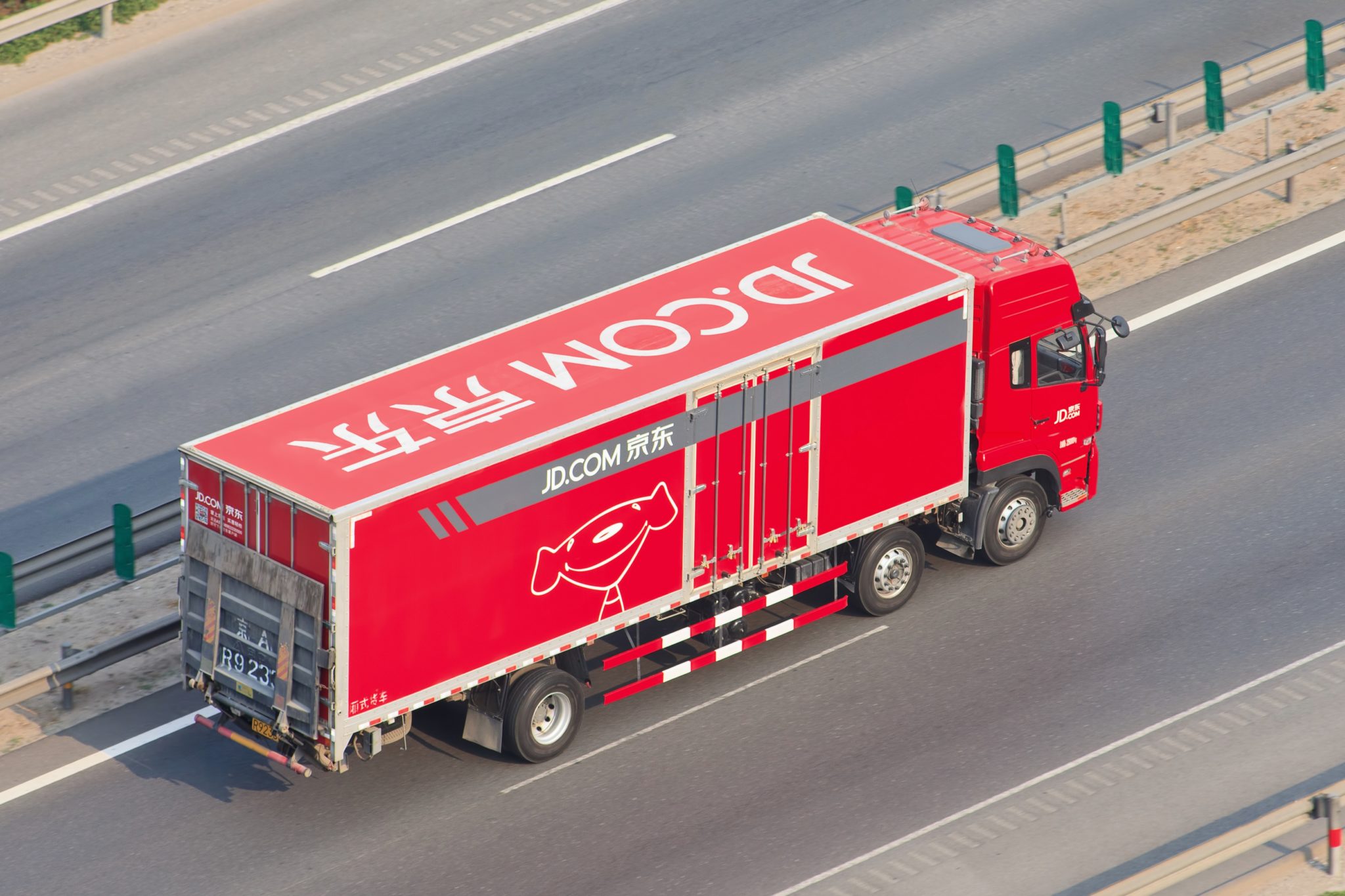
  • JD sales beat estimates as customers move online

    JD sales beat estimates as customers move online

    China’s JD beat analysts’ estimates for quarterly sales, as the firm benefited from a shift in shopping habits of domestic consumers who have largely moved to online ever since the outset of the Covid-19 pandemic.

    The results coincide with growing tensions between Beijing and Washington. Several Chinese companies are putting off plans for US listings amid tensions between the world’s top two economies, while those listed in New York are seeking to return to exchanges closer to home. In June, JD raised about $3.87 billion in its Hong Kong secondary listing.

    JD executives did not offer any comments on US-China tensions on a conference call with analysts on Monday.

    China, which has under a thousand active Covid-19 cases currently, has largely emerged out of lockdowns but demand is still picking up in many sectors.

    Retail sales in the world’s second-largest economy slipped in July, dashing expectations for a modest rise, as consumers failed to shake off wariness about the coronavirus, while the factory sector’s recovery struggled to pick up the pace.

    The company’s net product revenue, which includes online retail sales, rose 33.5 percent to $25.74 billion in the second quarter.

    Net income attributable to shareholders rose to $2.38 billion from $89.4 million a year earlier.

    The company’s total net revenue rose 33.8 percent to $28.98 billion in the quarter ended June 30.

  • JD outlines aggressive expansion strategy for Mainland China

    JD outlines aggressive expansion strategy for Mainland China

    Chinese e-commerce giant JD is planning on a widespread store network expansion within five years.

    The firm will open 20 E-Space experience stores in first-tier cities, 300 home-appliance flagship stores in prefectural-level cities and 5000 stores in towns and villages by 2025, according to the firm’s senior VP Yan Xiaobing.

    Yan made the announcement at a press conference marking the completion of JD’s full acquisition of home-appliance chain 5Star, commenting that the complete store network “will create a new offline JD”.

    The E-Space stores, known for allowing consumers to try anything in store, will be 50,000–100,000sqm in size, while the home-appliance stores will be 10,000–20,000sqm each.

    5Star, to be renamed JD 5Star, is the third-largest home-appliance chain in the territory, with annual sales of more than US$2.6 billion.

    “The Covid-19 pandemic took its toll on the home appliance industry in the first of this year,” said China Household Electrical Appliances Association director Jiang Feng. “JD’s acquisition of 5Star could play a key role in driving the industry’s transformation.”

  • Amazon Project Zero Launches in Seven New Countries

    Amazon Project Zero Launches in Seven New Countries

    Amazon announced the expansion of Project Zero to seven new countries – Australia, Brazil, Netherlands, Saudi Arabia, Singapore, Turkey, and the UAE – making it available in 17 countries where Amazon has a store. Project Zero combines Amazon’s advanced technology, machine learning, and innovation with the sophisticated knowledge that brands have of their own intellectual property so we can together drive counterfeits to zero.

    Launched in 2019, Project Zero builds on Amazon’s long-standing work and investments to ensure that customers always receive authentic goods when shopping on Amazon. Over 10,000 brands – from large, global brands to emerging entrepreneurs including Arduino, BMW, ChessCentral, LifeProof, OtterBox, Salvatore Ferragamo, and Veet – have already enrolled in Project Zero.

    “Amazon is committed to protecting our customers and the brands we collaborate with worldwide,” said Dharmesh Mehta, Vice President of Worldwide Customer Trust and Partner Support. “Project Zero has been a leap forward in protecting brands, especially for those that use all three of its components.”

    BMW, one of the world’s leading automotive brands with a portfolio of global trademarks, said: “Project Zero has been a very easy and effective tool at protecting BMW on Amazon. We are very appreciative of the tools Amazon has built to enable us to protect our brand.”

    “We are excited to see that Project Zero is expanding into the new marketplaces,” said Adrienne McNicholas, Co-Founder and CEO of Food Huggers. “The program has already had a very positive impact on our enforcement efforts and we are glad to see Amazon’s continued commitment to protecting our brand across the world.”

    Brands that are enrolled in Amazon Project Zero and already have a trademark enrolled in one of the newly launched countries will automatically be able to use Project Zero in these additional stores. New brands can learn more about and enroll in Amazon Project Zero at: https://projectzero.com/sg.

    Project Zero uses three key components to protect and empower brands:

    • Amazon’s automated protections proactively and continuously scan more than 5 billion attempted daily product listing updates globally to look for suspicious listings. These automated protections are powered by Amazon’s machine learning and are continuously fed new information, so we continue to get better in automatically preventing and blocking potential counterfeit listings.
    • We have invested significant resources over the years to proactively prevent counterfeits and continue to innovate and build technology-based solutions. Project Zero goes further with a self-service tool to empower brands and provides them with an unprecedented ability to directly remove listings from our store. These removals also feed into our automated protections, so we can better catch potential counterfeit listings proactively in the future.
    • Product serialization is enabled by a unique code that brands apply within their manufacturing or packaging process, and it allows us to individually scan and confirm the authenticity of every single purchase of a brand’s enrolled products from Amazon’s stores. While product serialization is optional, brands enrolled in Project Zero are seeing the best results when using product serialization.

    Project Zero is among a suite of tools Amazon has introduced to empower brands to protect their IP.

    • Amazon IP Accelerator helps businesses more quickly obtain intellectual property (IP) rights and brand protection in Amazon’s stores. The program was designed specifically with small and medium businesses in mind and is available to entrepreneurs worldwide that are looking to secure intellectual property in the U.S. IP Accelerator connects entrepreneurs with US law firms with expertise in trademark applications. Entrepreneurs also benefit from pre-negotiated rates. To learn more: https://brandservices.amazon.com/ipaccelerator
    • Amazon Brand Registry, a free service that gives brand owners access to a powerful set of tools that help them deliver an accurate and trusted customer experience on Amazon while protecting a brand’s IP. To enroll and learn more: https://brandservices.amazon.com/
  • E-wallets seek to grab opportunity as pandemic keeps people shopping online

    E-wallets seek to grab opportunity as pandemic keeps people shopping online

    Businesses are pushing cashless payment services amid demand triggered by social distancing measures imposed to curb Covid-19. MoMo announced on Tuesday that it plans to tie up with ride-hailing company Be Group to offer its popular e-wallet services to the latter’s customers. SmartPay earlier this month signed a deal with Viet Capital Bank to allow the lender’s customers to open saving accounts using its e-wallet.

    The company, which entered the market in May last year, targets big in Vietnam’s increasingly crowded e-payment market. It seeks to increase the number of users from 1.7 million to 4 million in the near future.

    Another player, AirPay, which has been partnering with online shopping platform Shopee for months, is offering gifts worth hundreds of thousands of dong to attract customers.

    Shopee said its cashless transactions, through credit cards and AirPay, have been rising rapidly in number since Vietnam reported the first Covid-19 case early in the first quarter. Eighty percent of cashless transactions in Hanoi, Da Nang, and central Thua Thien Thue Province are done by users aged 18-34, Shopee said.

    Industry insiders said fintech companies and banks are seeking to boost cashless payment as people refrain from going to physical stores amid pandemic fears.

    “Banks have been increasing partnerships with fintech companies during the pandemic for payment and other types of financial services,” Do Thanh Nam, director of Viet Capital Bank’s digibanking department, said.

    His bank saw online savings increase six-fold year-on-year in the first half, he revealed. An estimated 10.6 percent of the population aged above 15 use e-wallets, compared to 10.7 percent in Thailand, 17.1 percent in Singapore, and 35.2 percent in China, according to global consulting firm Boston Consulting Group.

    The government has been seeking to promote cashless payments for transactions like payment of electricity bills and tuition.

  • Victoria Beckham Beauty range launched on Tmall Global

    Victoria Beckham Beauty range launched on Tmall Global

    Victoria Beckham Beauty has launched a flagship store on Alibaba’s Tmall Global platform, marking the brand’s debut in China.

    The Victoria Beckham Beauty online store features a wide range of skincare and makeup products, including the brand’s exclusive skincare line Power Glow Set, on Tmall Global platform.

    To celebrate the launch, the brand has signed up one of China’s biggest influencers, Viya, to Livestream on Tmall Global.

    “You can’t be a successful global brand without a solid China business – it’s just not possible these days,” said Sarah Creal, co-founder and CEO of Victoria Beckham Beauty. “So when we began to think about expanding to China, we knew that we wanted to partner with Tmall Global because it represents the best.

    “We’re focused on building a strategic luxury beauty brand that is very modern, forward-thinking and fresh, and this is the next key step to our growth strategy,” she said

    Sarah met Victoria Beckham during a makeup collaboration with Estee Lauder in 2016 and teamed up to create the cosmetics brand last year.

  • Covid-19 fuels breakthrough in Hong Kong e-commerce scene

    Covid-19 fuels breakthrough in Hong Kong e-commerce scene

    The popularity of e-commerce has risen in Hong Kong as a result of the coronavirus pandemic, despite the market’s longstanding preference for physical stores.

    Analytics firm GlobalData says its research shows that the e-commerce market in the territory will grow at a compound annual growth rate of 9.9 percent by 2024 to reach US$29 billion. This year, e-commerce payments are likely to show a rise of 13.4 percent as a result of consumers practicing social distancing.

    “While the pandemic led to a decline in consumer spending, this is being partially offset by a rise in online spending, as wary consumers continue to stay at home and use online channels to purchase goods,” said GlobalData banking and payments lead analyst Ravi Sharma. “The pandemic has resulted in a change in consumer buying behavior too as they are avoiding visiting shopping centers and choosing online platforms for their day-to-day purchases.”

    Globaldata expects that the new trend will benefit e-payment software companies such as AlipayHK, WeChat Pay, and PayPal, while bank and card companies will capitalize on the shift in consumer behavior with their own new products. Citibank has already entered into a collaboration with local e-commerce player HKTVmall to establish a co-branded credit card offering exclusive benefits to online shoppers.

    “Hong Kong has a robust e-commerce market with high internet penetration and high preference for online shopping among consumers, especially younger demographics,” said Sharma.

    “The Covid-19 pandemic further accentuates this shift towards online shopping, supporting the payments market growth in the country”.

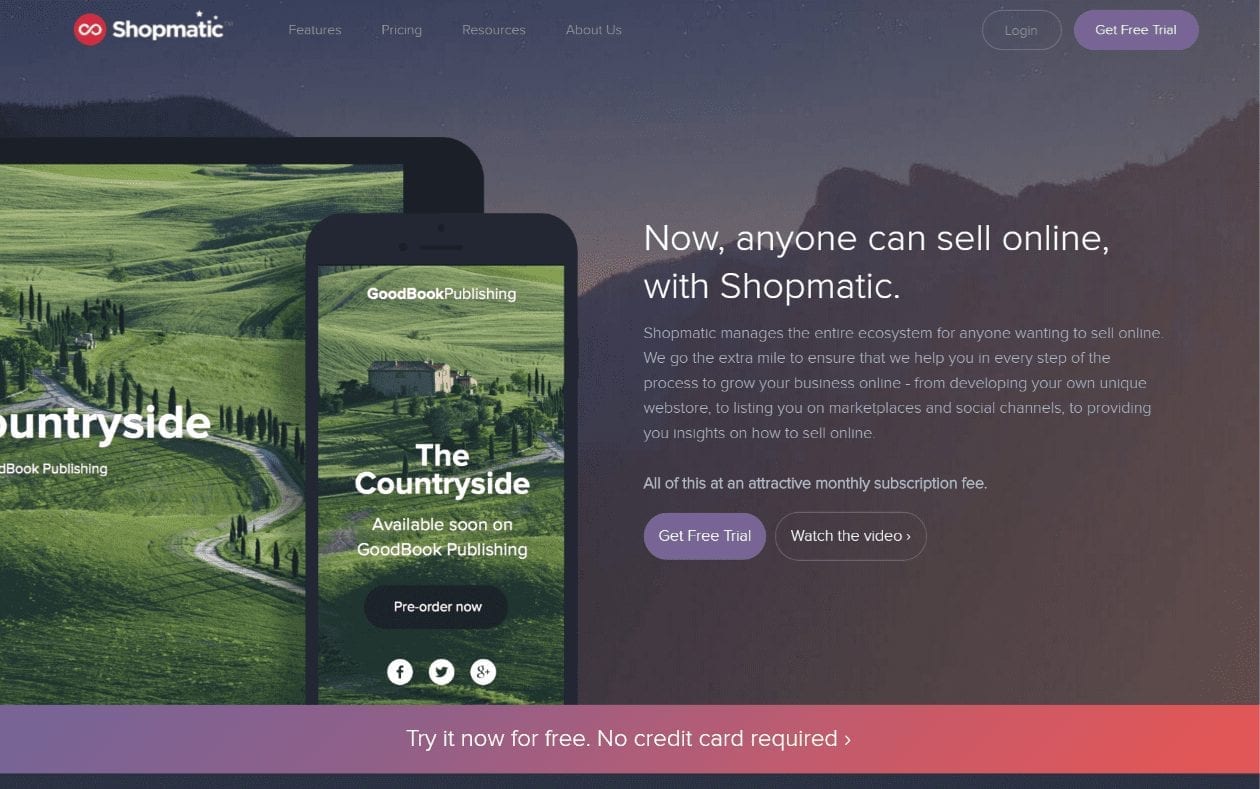
  • Shopmatic revenue soars 200 percent

    Shopmatic revenue soars 200 percent

    Singaporean e-commerce platform Shopmatic has registered 200-per-cent growth in revenues, transactions, and GMV during the last financial quarter in spite of the global impact of the coronavirus pandemic.

    The firm works to bring various elements of the e-commerce landscape onto its standalone platform, allowing customers to create a customized online store and sell through social and chat commerce on multiple marketplaces.

    During the pandemic, Shopmatic launched tailored solutions for India’s kirana stores and Singapore’s grocery stores, providing options to use pre-developed catalogs, among other services.

    “Going digital is not an option anymore, but an imperative,” said Shopmatic CEO & co-founder Anurag Avula, “and we have been able to contribute to our merchants’ success by launching relevant solutions like the kirana/grocery store special. In the five years since we launched, we have been driven by our vision to enable online and offline success for our merchants by creating an omnichannel experience for our customers.

    “I am delighted that it has brought significant transaction growth to our customers. This inspires us to deliver even more innovative and compelling game-changing solutions for our merchants which we will be launching in the next few months.”

    Shopmatic currently reports more than 120,000 active merchants on its platform.