Tag: E-Commerce

  • JD Worldwide to introduce more Korean brands in China

    JD Worldwide to introduce more Korean brands in China

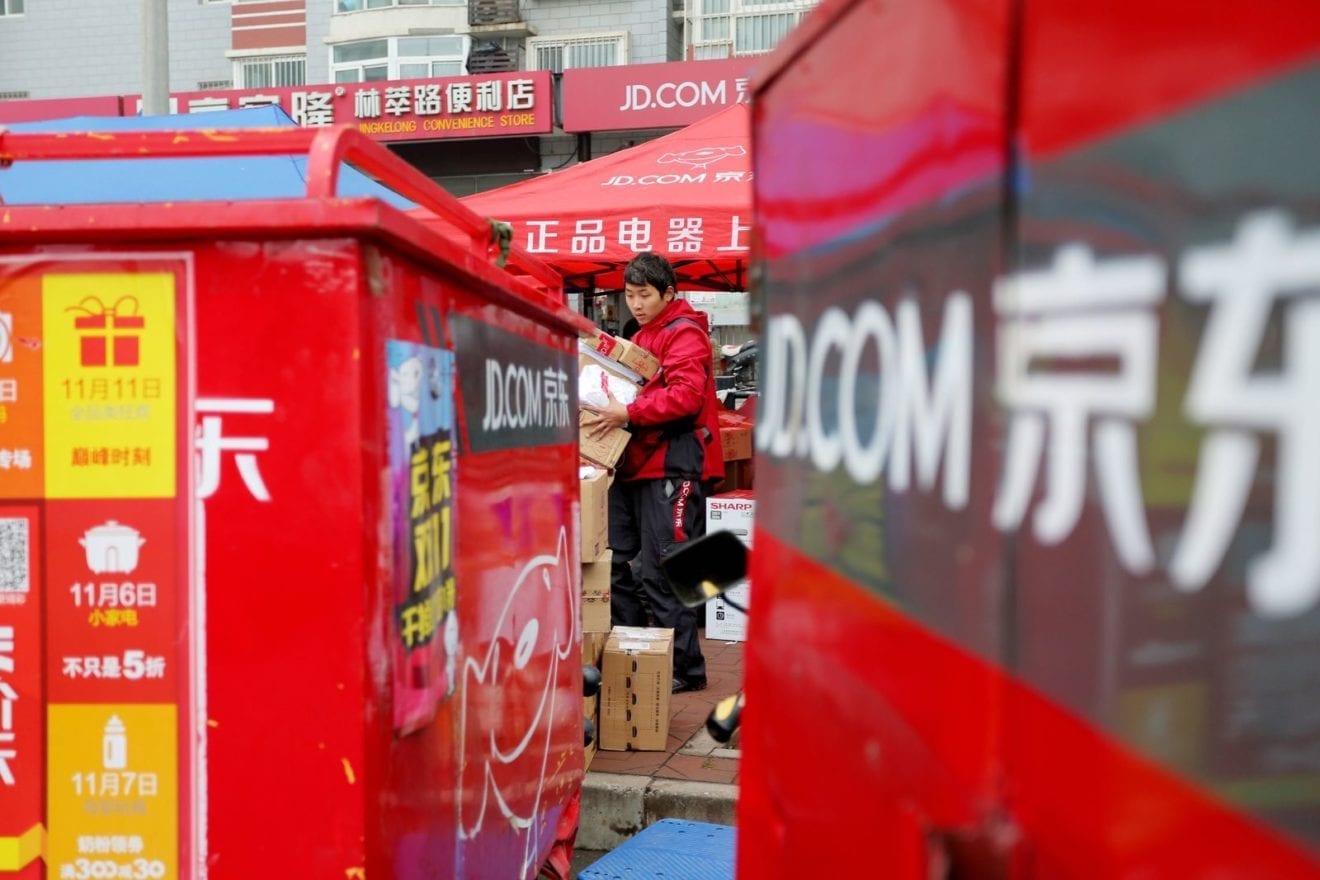
    JD Worldwide has teamed with LG and Korea International Trade Association (KITA) to introduce more Korean brands to Chinese customers.

    “The epidemic has encouraged more Chinese consumers to shop online. With this trend, we will put more effort into helping South Korean brands export to China through e-commerce platforms,” said Park Min Young, chief KITA Beijing representative.

    Under the partnership, LG will be responsible for supply-chain management to provide South Korean products to JD while KITA will support SMEs entering Chinese market.

    “Since the epidemic, we have been working closely with organizations and enterprises from all over the world to introduce more international brands on JD,” said Frank Yu, head of marketing and operations at JD Worldwide

    “We believe this partnership will not only help brands find a new sales channel during this challenging time, but also bring more high-quality, authentic Korean products to over 380 million JD customers.”

    In May, more than 250 Korean brands joined a recruitment conference for the launch on JD Worldwide.

  • Amazon Prime Day delayed until October

    Amazon Prime Day delayed until October

    It was already understood that Amazon Prime Day will not take place in July as it usually does every year, with the most recent report hinting that it might get delayed until September. According to a new report, the annual sales event will be held in October.

    The company has supposedly given sellers a placeholder date of the week of October 5. A definitive date will likely be announced later.

    Those details were apparently shared by Amazon in an e-mail to third-party sellers. Officially, the e-tailer has not said anything about this year’s Prime Day. In recent weeks, the coronavirus has shown signs of resurgence, prompting many businesses that had reopened to close their doors again. Amazon is apparently postponing Prime Day again because it fears its supply chain could get negatively affected because of the spike.

    At the beginning of the pandemic, Amazon suspended shipments of nonessential items to its warehouses as it struggled to deal with increased demand following the outbreak. The e-commerce giant prioritized essentials such as medical supplies and household items during that time.

    Towards the end of April, the company said it would allow third-party sellers to resume shipments of nonessential products.

    Last month, the company organized a fashion-oriented sale to help sellers reeling from the effects of the pandemic and clear inventory in preparation for the Prime Day.

    Now as coronavirus cases are rising again, Amazon’s logistical challenges have resurfaced. Although the future is uncertain, a former Amazon executive does not think Prime Day will be delayed beyond October as the company wouldn’t want its biggest sale event to coincide with the holiday shopping season.

  • Online marketplace Tiki gets US$130 million funding

    Online marketplace Tiki gets US$130 million funding

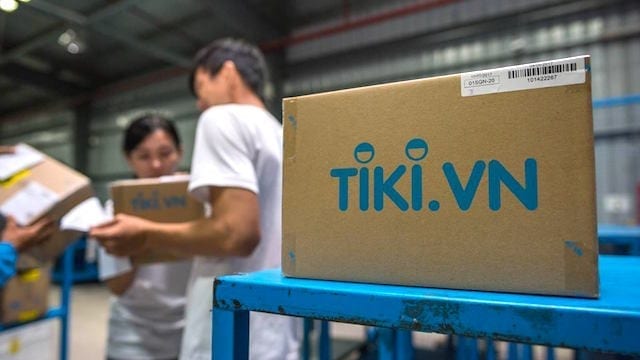
    Vietnamese online marketplace Tiki has successfully raised US$130 million in its latest funding round led by Northstar Group.

    According to Deal Street Asia, the total value of the investment may increase by a further $20 million.

    Founded in 2003, Northstar Group is a Singapore-based private equity firm, currently investing US$3 billion in more than 30 companies across Southeast Asia.

    Recently, online marketplace Tiki and rival platform Sendo informed authorities of a proposed merger scheme amid intense competition in Vietnam’s e-commerce market, with two strong rivals Lazada and Shopee. However, neither company has commented further on the plan.

    Although Tiki has received large investment amounts, the company is locally referred to as a “money-burning machine”. It accumulated a loss of $60.9 million last year.

  • Liverpool FC opens E-commerce platform in Japan

    Liverpool FC opens E-commerce platform in Japan

    Liverpool FC has partnered with soccer shop Kamo to launch its first online store in Japan.

    The Liverpool FC online store offers a wide range of replica kits and the brand’s authentic merchandise, apparel and fashion accessories, including the exclusive Hello Kitty x LFC Collection.

    “As a key player in the football and sports-retail industry, we know this store has been a long time coming for Liverpool FC fans here,” said Ken Kamo, president of Kamo.

    “We’re looking forward to working together to bring supporters here closer to the club they love.”

    Launched in 1968 as a small football shop, Kamo operates 23 brick-and-mortar stores and an e-commerce site, offering a selection of sport brands including Puma, New Balance and Adidas.

    Senior VP at Liverpool Football Club Mike Cox, said: “I’ve been able to see first-hand how passionate our fanbase is here and as one of the world’s premier shopping destinations, it’s an exciting opportunity for the club to connect with supporters in the region.”

  • Flipkart loses bid to sell food online

    Flipkart loses bid to sell food online

    Amazon-owned Flipkart has been blocked from entering the food-retail business by Indian regulators who had deliberated for almost a year on an application.

    Subsidiary Flipkart FarmerMart had applied to sell foodstuffs grown or manufactured in India online via its marketplace and on apps. However the company was told by the Department for Promotion of Industry and Internal Trade (DPIIT) marketplace, it cannot add food to its platform as a foreign-owned retailer.

    Foreign direct investment in retail has long been a controversial issue in India and only in the last several years have multinational retail giants been allowed to enter the market, usually with strict requirements for a proportion of goods they sell to have been manufactured in India.

    The government has recently tried to tighten laws to ensure companies like Amazon only act as third-party marketplaces, allowing local companies to sell on its platforms, rather than develop their own inventories and become retailers in their own right.

    Flipkart had, however, been hoping to form supplier alliances with farmers and growers to create its own brands – rather than import all of the products it would sell.

    Establishing such strong supply agreements would also potentially have helped Flipkart expand into the brick-and-mortar retail market.

  • Alibaba GMV surpasses US$1 trillion

    Alibaba GMV surpasses US$1 trillion

    Chinese retail behemoth Alibaba Group shrugged off the impact of the Covid-19 crisis to report a 35-per-cent increase in sales in the year to March, and achieving its five-year-old goal of surpassing US$1 trillion in GMV.

    Revenue for the year reached $71.4 billion, as the company expanded its global customer base to 960 million active consumers.

    In the March quarter, when the Covid-19 crisis was at its peak, revenue was up 22 percent, to $16.1 billion, a rate lower than for the rest of the year, but driven by its mainland China online ventures which drew increased custom from people unable to visit physical stores.

    Adjusted earnings before tax grew 29 percent to $22.3 billion.

    Chairman and CEO Daniel Zhang said Covid-19 has “fundamentally altered consumer behavior and enterprise operations, making digital adoption and transformation a necessity”.

    “We are well-positioned and prepared to help large and small businesses across a wide spectrum of industries achieve the digital transformation they need to survive this difficult period and eventually prevail in the new normal. By focusing on the long term and investing in value creation for our consumers and business customers, we believe we will emerge from this crisis stronger and be ready to capture more growth in the future,” he said.

    CFO Maggie Wu added that while the pandemic negatively impacted most of Alibaba’s domestic core-commerce businesses starting in late January, a steady recovery has been evident since March.

    “Based on our current view of Chinese domestic consumption and enterprise digitization, we expect to generate over $91 billion in revenue in fiscal year 2021,” she said.

  • Alibaba launches Luxury Soho

    Alibaba launches Luxury Soho

    Luxury Soho targets value-conscious consumers and helps brands quit surplus stock. Alibaba has launched a new platform Luxury Soho, targeting value-conscious aspirational shoppers, and helping high-end brands quit surplus inventory. Accessible via Mobile Taobao and the online flagship stores of partner brands, Luxury Soho is positioned as an online gathering place for young consumers – as well as those new to luxury purchasing – to discover designer brands and potentially make their first luxury purchase.

    The new service is also “a response to the need in the fashion industry for brands to be able to efficiently manage their inventory and stock – an issue that’s been compounded by the Covid-19 outbreak,” said Tmall’s head of fashion and luxury in Europe Christina Fontana.

    “Restricted movements led to reduced foot traffic in brick-and-mortar stores – including from Chinese tourists who were not able to travel to brands’ boutiques and outlets in Western countries like they used to. So brands are now sitting on a worldwide abundance of stock and are also needing to find ways to reach new consumers,” she said.

    “With Luxury Soho, brands can now move select products and collections onto an online outlet store and bring them in front of a specific audience that is waiting to discover new products and brands.”

    Alibaba’s Tmall Luxury Pavilion was designed to serve as a second website for brands in China, focused on branding and aimed at a more affluent class of consumers. By contrast, Luxury Soho targets younger, newer luxury consumers – such as those from China’s lower-tier cities or Gen Z shoppers who are just entering the world of luxury.

    “Luxury Soho also plays into brands’ existing outlet strategies,” added Fontana. “It can empower them to diversify their strategies in China to handle excessive inventories with more flexibility. As a platform, we offer the tools for brands to run their own stores with full control over their pricing, product selection, strategy and look and feel. They can engage consumers in new ways using innovative features, from live streaming, augmented reality and 3D interactive technologies to virtual icons and flexible payment solutions. Brands can even tap their offline store associates to engage with consumers online to showcase certain products and answer questions,” said Fontana.

    “In the past, luxury brands might have operated multiple stores across China to be able to reach more consumers. But the coronavirus outbreak has exposed some underlying vulnerabilities in this model and accelerated changes in consumer behavior, including the shift from shopping in-store to shopping at home. To build resilience and meet consumers where they are at, more luxury brands will think about how to move their in-store experiences online.”

    She says brands impacted by the Covid-19 crisis need to consider how to turn their focus towards China’s domestic market and explore new ways to market to consumers there.

  • Shopee Malaysia starts selling Covid-19 test kits

    Shopee Malaysia starts selling Covid-19 test kits

    Malaysian online medical service DoctorOnCall has entered into a partnership with Shopee Malaysia to sell Covid-19 tests online.

    The rRT-PCR tests will be available for purchase at Shopee’s DoctorOnCall store, where customers will also be able to buy vouchers for home-delivered medication. In the coming months, Shopee will work with DoctorOnCall to extend usage of the vouchers to book online consultations.

    The partners will inaugurate the service with a health education and awareness series on the platform’s in-app live streaming feature Shopee Live, beginning tomorrow with a talk on Covid-19 and the various testing options by Qualitas Medical Group, including a home-visit screening program designed by Qualitas in collaboration with DoctorOnCall.

    “DoctorOnCall’s decision to expand its digital reach and offer more Malaysians the accessibility to healthcare services especially during this difficult time is commendable,” said Shopee’s regional MD Ian Ho.

    “At the same time, by leveraging our technology and marketing tools such as Shopee Live, DoctorOnCall is able to bring curated content to viewers at home, educating and creating awareness on the importance of hygiene as well as ideas on having a healthy Ramadan. This is what people need right now.”

    “We believe that DoctorOnCall is the first medical platform to collaborate with a digital marketplace and allow access for Shopee Malaysia’s extensive customer base to digital health seamlessly,” said DoctorOnCall’s COO Chiak Tang.

    “In conjunction with this collaboration, we will also initiate a health education series specifically for Shopee users. We pride ourselves as the leading provider of health-related content in Malaysia and are pleased to work with Shopee and our partners, on this educational initiative to reach a greater audience.”

  • WeChat launches plan to stimulate retail growth

    WeChat launches plan to stimulate retail growth

    Chinese social-media and mobile-payment app WeChat has introduced measures aimed at boosting the recovery of the retail industry.

    The firm’s Wechat Retail Growth Plan is intended to help global businesses and brands strengthen their understanding and use of WeChat’s tools and functions to better resolve the challenges created by the coronavirus pandemic.

    The plan uses several recent services launched by WeChat, including WeChat Live for businesses – which allows them to interact with customers and generate sales via live streaming – and WeChat Work 3.0, which has become a key platform for remote working during the pandemic, connecting enterprises with customers.

    WeChat’s key services promoted by the growth plan also include 1 on 1 Consultant – which allows retailers to tap into existing user bases and manage fans as well as initiate direct conversation with followers – and WeChat Pay, which has encouraged cross-border e-commerce, local orders, and scan-and-go self-service during the pandemic.

    The firm has also launched a range of supportive policies for merchants facing challenges during the coronavirus outbreak.

    More than 1 billion Chinese consumers use WeChat’s platform.

  • Singapore E-commerce Programs break barriers to shop online

    Singapore E-commerce Programs break barriers to shop online

    Enterprise Singapore (ESG) has launched the Singapore E-Commerce Programme to support SME retailers with little or no e-commerce experience to commence online trading.

    The group’s program is set up to cover 90 percent of costs up to SGD9000 (US$6300) for retailers to use e-commerce platforms for domestic and/or overseas markets, as well as providing additional manpower if needed.

    The Singapore E-Commerce Programme has been built in collaboration with e-commerce platforms Amazon, Lazada Singapore, Qoo10 and Shopee, which will provide assistance in curating and listing products for up to six months.

    The move aims to assist retailers in upgrading and diversifying their business model beyond traditional brick-and-mortar, of particular relevance during the coronavirus pandemic.

    “It is more crucial now for retailers to diversify revenue streams by using e-commerce channels,” said ESG deputy CEO Ted Tan. “The Singapore E-Commerce Programme primarily helps retailers with little e-commerce knowledge and capabilities to start using online channels. Our partnership with the established e-commerce platforms both in Singapore and overseas ensures a good-sized market for these retailers to tap on. We want to empower all retailers to develop long-term and sustainable e-commerce strategies that will ensure business resilience beyond Covid-19.”

    Eligible retailers are invited to sign up for the package directly with the respective e-commerce platforms by September 30.

  • Shopee Malaysia launching additional support package for Etailers

    Shopee Malaysia launching additional support package for Etailers

    Shopee Malaysia has announced an RM15 million (US$3.5 million) support package for sellers on its network.

    The online retail platform’s package aims to assist around 70,000 SMEs in the territory trading in a range of sectors and is an outcome of engagements between itself, retail associations, business owners and chambers of commerce.

    “These SMEs need assistance or a partner that can provide them a clear instruction set to ensure they succeed with online selling,” said Shopee’s regional MD Ian Ho, who expressed concern that smaller businesses lack knowledge critical to digitalization.

    Benefits in the package include discounts for sellers in promotional programs to help lower operating expenses for business owners.

    “Shopee has allocated RM6 million ($1.4 million) in the form of vouchers and free paid advertising credits,” said Ho. “Sellers stand to benefit from RM100,000 ($23,000) worth of dedicated campaign vouchers every week and receive up to RM400 ($92) each in free paid advertising credits to get more exposure for their products and stores.

    “Shopee wants to drive the digitalization of traditional businesses and bring them online,” he said.

    “The package will support all its sellers by creating sales and growth opportunities, reducing operational costs and facilitating sustainable development through funding, subsidies and education.”

  • Citi Partners With Major Hong Kong E-Shopping Platform

    Citi Partners With Major Hong Kong E-Shopping Platform

    Citi is the latest in Asia to tap into the digital commerce channel amidst the coronavirus pandemic, partnering with major Hong Kong e-shopping platform HKTVmall. Citi Hong Kong’s partnership with the renowned HKTVmall will include a specialized credit card that leverages API technology to enable instant application and approval. The Citi HKTVmall Credit Card also provides other benefits such as discounts and additional points on specific days of the week, according to a Citi statement.

    The partnership is timely as HKTVmall has emerged as a major player for homebound Hong Kongers who use the platform to purchase daily necessities. The firm estimates that it has registered $155 million worth of orders in the first quarrier – double of last year – and is set to witness even more demand as it recently announced a decision to start selling surgical masks on the platform as well.

    Citi Hong Kong has long collaborated with HKTVmall to enhance customers’ spending experience through Open API,» said Lawrence Li, Citibank Hong Kong’s head of cards and unsecured lending, adding that the latest move furthers the development of smart banking.

    Citi is the latest player to leverage digital capabilities to capitalize on the scarce number of potential opportunities available in the struggling economy. Last week, DBS launched a new offering to support F&B businesses by launching a homegrown platform that will enable online ordering and delivery for its SME clients.

    The retail industry in Hong Kong is facing unprecedented challenges at the moment. With the changes in the social environment and technological advancement, Hong Kong consumers are now shifting their consumption habits to online shopping, said Ricky Wong, CEO of HKTV.

    While it is all about total customer experience for online shopping, every single detail in marketing and promotion, payment and delivery that counts.

  • JD Super boosts tea sales through live streaming

    JD Super boosts tea sales through live streaming

    Chinese online supermarket JD Super has used live streaming to achieve a 100-per-cent increase in tea sales.

    During a recent tea festival, the JD subsidiary invited social influencers and experts to participate in live streams to promote a deeper understanding of Chinese tea among enthusiasts. More than 200 live broadcasts were hosted by intangible cultural heritage tea authorities and tea experts from major brands.

    One popular video stream attracted nearly 70,000 viewers, generating sales of RMB300,000 (US$42,300).

    “JD Super has strict standards for selecting tea and provides tea brands with support in big data, traffic and operations,” said the firm. “These act as the guarantor for Chinese consumers to access high-quality tea products on JD.com.”

    The firm’s logistics arm JD Express has also developed a rapid supply chain solution for spring tea, including tea collection, packaging and delivery to tea gardens.

  • China will drive massive global e-commerce transaction growth by 2024

    China will drive massive global e-commerce transaction growth by 2024

    Chinese growth will drive e-commerce transaction values up 43 per cent to US$4.8 trillion by 2024, according to new reporting by Juniper Research.

    The research showed Chinese e-commerce undergoing 62 per cent value growth over the next four years, bolstering global e-commerce value along with emerging markets in Latin America, Africa and the Middle East, among others.

    The report found that improvements in connectivity will enable the rise of e-commerce in new markets, thus urging payment providers to seek fresh revenue streams in emerging regions to offset slow growth in developed markets – with a particular emphasis on the potential of mobile payments that do not require a linked bank account, as mobile handset penetration is rising faster than banking penetration in young markets.

    “The popularity of mobile wallets is having a disruptive effect,” read material released by the firm, “with physical cards becoming less important to the payments market.”

    Accordingly, the research suggests that card networks must be proactive, by looking beyond the card, becoming involved in open banking initiatives and delivering omnichannel experiences for users.

    “Card networks must leverage their ability to invest in, and forge partnerships with, key players to gain scale in new areas, or they will fail to diversify their revenue streams and will be vulnerable to future disruption,” said research author Susannah Hampton.

    Juniper’s findings are published as Strategies for Payment Providers: Industry Trends, Opportunities & Recommendations 2020-2024.

  • Coronavirus Drags Car Dealers Into Digital Commerce

    Coronavirus Drags Car Dealers Into Digital Commerce

    Auto retailers have been slow to embrace e-commerce, but the coronavirus pandemic is changing that. Online traffic has risen even as in-person showroom traffic has disappeared. Auto dealers are embracing digital tools to close deals without a handshake and arranging for vehicles to be picked up or delivered without requiring customers to come to their stores.

    U.S. new vehicle sales will be hit hard by the pandemic. Demand dropped 13% in the first 19 days of March, according to research firm J.D. Power. In especially hard-hit markets like Seattle, San Francisco, Los Angeles and Chicago, where the virus has spread quickly, demand slumped as much as 22%.

    Moody’s Analytics said on Friday the new and used vehicle markets could slump by as much as 20% from 2019 levels and stay depressed into 2021.

    New and used vehicle markets could slump by as much as 20% from 2019 levels and stay depressed into 2021.

    Based on a survey of some 40 dealers, analysts at Evercore ISI on Monday estimated the March U.S. seasonally adjusted annual selling rate could be 11 million to 12 million vehicles, on par with levels seen during the 2008/2009 financial crisis.

    However, online traffic for the 1,000 U.S. and Canadian dealers served by Roadster, which provides a digital sales platform for everything from financing paperwork to vehicle delivery, was up about 6%.

    “Many dealerships are going to get caught with their pants down,” said Brian Benstock, a dealer in the New York City borough of Queens. “This will be a watershed moment for the dealership industry.”

    Dealers have been doing business online for years, but it has never been a major focus. Only 15% of all transactions are online, according to a November survey of 540 dealers commissioned by the National Automobile Dealers Association. However, they expect online car sales to double by 2025.

    Benstock, who began moving most of his sales online in 2015, said companies like Tesla Inc and retailer Carvana Co, which does all its business online, have begun to change consumer expectations.

    Tesla has always relied on internet orders for its vehicles. It is implementing “touchless deliveries” in many locations, allowing consumers to unlock cars using the Tesla App, sign any relevant paperwork and return it to a drop-off location.

    Carvana, which sells used vehicles, expanded the number of cars it sold to retail customers by 89% in 2019 from 2018.

    Despite a sharp decline in its shares, Carvana has a market capitalization twice that of AutoNation Inc, the largest bricks and mortar U.S. retail vehicle chain. AutoNation started boosting investment in its online selling capability well before the virus shock.

    David Smith, chief executive of dealership chain Sonic Automotive Inc, said most customers still want to visit a showroom to see the cars they are buying.

    “There’s only a small percentage of the market who want to buy their car entirely online and have it delivered,” he said.

    “It’s what people wanted going into this,” she said, citing a Cox January survey that found consumers cited vehicle pick-up and delivery as their top desire.

    Matthew Zappone, general manager of a Chrysler Jeep Dodge Ram dealer outside of Albany, New York, is encouraging his sales staff to use FaceTime to show customers the vehicle features they want to see without visiting the store.

    “If you haven’t been doing it to this point, you’re under-prepared,” Zappone said.