Retail News CRM

Tag: E-tailing

  • WeChat use by retail investors poses headache for regulators

    WeChat use by retail investors poses headache for regulators

    The growing popularity of messaging and social media app WeChat among China’s stock market investors is posing a problem to regulators, who now find it harder to monitor trades and spot illegal activity, Reuters reports, citing traders and investors.

    While using apps for trading is not unlawful in China, regulations require reliable monitoring and recording of trades to prevent activities such as insider trading or market manipulation, and to keep regulators on top of threats to market stability such as excessive margin trading.

    The China Securities Regulatory Commission has been clamping down on breaches, including fining four brokerages in September for failing to collect information about the identities of clients who traded stocks through external systems. 

    It also shut down third-party trading software used by brokers that helped traders skirt regulations by dividing one account into many sub-accounts without the need to register a name, the news agency said, citing local media reports.

    Even so, using apps to buy and sell stocks over mobile phones is common in a country where retail investors account for 80 percent of share market volume.

    Despite closer scrutiny from China’s regulators, brokerages including large firms like China Galaxy Securities (06881.HK) and smaller entities such as Great Wall Securities, started offering WeChat share trading account services last year in a bid to access the growing pool of retail traders.

    Overall account openings swelled to around 46 million in the first half of 2015, from around two million over the same period in 2014, according to official data.

    For brokers, the advantages of using WeChat are obvious, since it is the preferred means of communication for many of its 600 million users.

    But a case in Hong Kong last month highlights regulators’ concerns with the trend.

    The regulator there suspended a trader for receiving a buy order on WhatsApp, a messaging app owned by Facebook Inc., in breach of the internal communication policies of the firm he then worked for, BTIG, noting that the company had no control over the recording and retention of such messages.

    While the Hong Kong Securities and Futures Commission code of conduct does not prohibit the use of social messaging apps, it encourages the strict recording and time stamping of all communications and says the use of mobile phones for orders is “strongly discouraged”.

    Some of China’s institutional investors are also using WeChat to instruct their brokers.

    “In practice lots of people don’t care about compliance and take orders on WeChat,” said a Hong Kong-based institutional sales trader specializing in China.

    Such concerns are not limited to China.

    Clara Shih, chief executive and founder of Hearsay Social, a San Francisco-based social media compliance company, said messaging apps are also a potential gap in the compliance systems that US financial services firms have spent years building.

    US brokerages must monitor and store copies of employees’ electronic communications for three years and have a duty to protect clients’ personal information and confidentiality, tasks made more complicated by the proliferation of social media platforms.

    Technology has evolved in recent years to make it easier for companies to monitor employees’ activity on traditional social media platforms such as Facebook and Twitter. But WhatsApp and WeChat are not compatible with that technology, Shih said.

    Using social media for business is a growing trend but also a growing risk for compliance, said Craig Brauff, chief executive of Erado, a social media compliance company in Renton, Washington.

    “Regulations are designed to keep honest people honest. If someone really wants to be dishonest, there are lots of ways around it,” he said.


     

  • India’s direct selling industry likely to reach Rs 645 bn by 2025

    India’s direct selling industry likely to reach Rs 645 bn by 2025

    A report titled, ‘Direct 2015 – Direct selling: Mapping the industry across Indian states’ by FICCI-KPMG says that direct selling, the oldest and traditional forms of selling, is today a successful industry operating in over 100 countries, with a market size of $180 billion.

    In India, the market is estimated at Rs 75 billion (2013-14), and accounts for 0.4 per cent of the total retail sales in the country. The direct selling industry in the country has the potential to reach Rs 645 billion by 2025.

    As per the report, North India is the largest region by market size accounting for direct sales worth Rs 22 billion in 2013-14; South India holds the second highest share of the direct selling market is worth Rs 19 billion in 2013-14. While the north east is the smallest market, it has recorded the highest growth rate of 14 per cent in India with revenues of Rs 9 billion.

    The growth in direct selling has primarily been driven by rising income levels, high rate of urbanisation and growing consumerism in the states. The report claims that despite witnessing growth, direct selling industry faces multiple changes, one of the biggest being the lack of regulatory clarity.

  • Koreans Embrace Mobile Shopping

    Koreans Embrace Mobile Shopping

    The total value of purchases made through mobile phones hit a record in November 2015.

    According data from Statistics Korea on Monday, the amount of mobile transactions surged 52.3 percent on year to W2.44 trillion (US$1=W1,190).

    That is almost half of the total online purchases in November, which also hit a record of W4.97 trillion, up 19.5 percent compared to the same month of 2014.

    Online purchases accounted for 15.4 percent of total retail sales.

    By product, purchases of office supplies and stationery surged 132.7 percent and 138 percent, respectively, perhaps ironically using new-generation technology to pay for the products it is gradually replacing.

    Sales of cosmetics and groceries also surged 38.2 percent and 35.4 percent.

    By retail sector, sales at convenience stores rose 33.8 percent compared to the average 4.2-percent rise in overall retail sales, while sales at supermarkets and department stores more or less stagnated.

  • How China’s online retail appetite is eating our lunch

    How China’s online retail appetite is eating our lunch

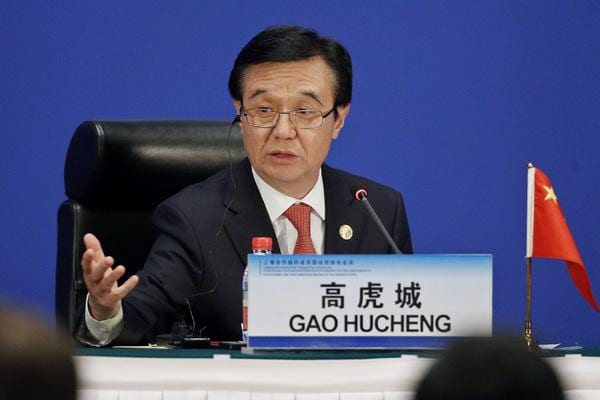
    Commerce Minister Gao Hucheng (pictured) boasts online sales will reach four trillion yuan (US$16 billion) this year.

    China has attained the key targets (outlined in the 12th Five-Year Plan) by the end of 2015 to become a genuine giant trader, Gao said at a national meeting on commerce. As a result it has outpaced its global competitors.

    chinese commerce minister

    China is now home to over 80,000 trade markets and total retail sales of consumer goods would each 30 trillion yuan this year with consumption contributing to about 60 percent of total GDP growth, he added.

    In the past five years, China’s exports of goods grew at an annual average of 6.5%, with its share in the global market rising from 10.4% in 2010 to about 13.2% in 2015, faring much better than major global economies. Service trade grew over 13.6% each year,marking the world’s second largest service trader.

    China’s actual use of foreign capital during the 20102015 period is expected to reach $620billion with the tertiary sector taking over 60% of total foreign capital. Outbound direct investment grew at 14.2 % annually.

    China is expected to receive foreign direct investment worth $135 billion both in financial and non-financial sectors in 2015, according to Gao.

  • Malaysia eCommerce poised for boom

    Malaysia eCommerce poised for boom

    There are 252.4 million internet users located around Southeast Asia – and Malaysia has already emerged as the country with the third highest percentage of Internet users (67 per cent) after Singapore and Brunei.

    The promising internet penetration result indicates Malaysia’s enormous potential for eCommerce market growth. Leveraging on the rise of internet usage, 2015 has been a fruitful year for all online businesses and eCommerce as Malaysia recorded one of the highest online transactions per capita in Southeast Asia.

    Nevertheless, this only represents the tip of an iceberg – Malaysia’s eCommerce market accounts for just two per cent of the total retail market and countless opportunities still remain untouched if we look at what has been accomplished in other advanced eCommerce markets such as Korea, where online now accounts for about 15 per cent of total retail sales.

    Over the past five years (2010-2014), Malaysia’s eCommerce market size has increased by 31 per cent on CAGR basis. Viewed from a logical standpoint, it should follow a similar growth rate and achieve US$3.1 billion by 2018. As for 2016, expect to see mobility, better internet connectivity and logistics and security to be the three key drivers to drive the local eCommerce development.

    The ‘mobility’ trend will continue to grow

    Mobile penetration in Malaysia reached 136 per cent in 2015, and the growth of connected devices has paved the way for a positive increase in the eCommerce sector with 47 per cent of Malaysians using their smartphones to shop online.

    Furthermore, Malaysia ranks third in the rate of growth of mobile shopping in Asia (over 20 per cent; from 25.4 per cent in 2012 to 45.6 per cent in 2014)  according to a Mobile Shopping Survey. Given these results, it is not surprising to learn that more than 50 per cent of traffic to 11street is generated on mobile devices.

    Internet penetration and improved logistics will further enhance local eCommerce activities

    The Malaysian government has allocated RM1.2 billion to the Malaysian Communications and Multimedia Commission (MCMC) to offer high-speed broadband to rural areas starting next year. This marks a crucial element to boost the eCommerce development in Malaysia.

    Driven by the progressive eCommerce landscape, the logistics industry, especially the courier segment, has experienced exponential growth over the past year. For instance, courier services contributed 60 per cent of POS Malaysia’s total earnings in 2015, compared with 41 per cent in 2014.

    These supportive initiatives will help sellers meet future demands by providing shoppers with a seamless online buying experience with more timely delivery service.

    User confidence, especially safe and secure online shopping is a priority for shoppers

    Security issues are still a barrier to many shoppers heading online. Malaysia Computer Emergency Response Team (MyCERT), a department within CyberSecurity Malaysia, has reported that the number of online scams in the country is on the rise. A total of 743 fraud cases were received in the first quarter of 2015.

    Shoppers are always urged to make transactions with only trusted platforms that offer product return policies, customer reviews on products, seller’s rate or scoreboard, as well as a trustworthy payment system. Online sellers and marketplaces have to bear this in mind and update their security measures from time to time in order to establish shoppers’ confidence.

    A budget-conscious year ahead

    Malaysians will remain budget-conscious next year, in view of the rising cost of living caused by the implementation of GST and the ringgit’s devaluation.

    Cross-border trading growth can be observed from the increasing searches for popular international products on the Internet in Malaysia. However, with the higher exchange rates and international shipping fees, today local shoppers might find it challenging to get their favorite overseas brands or items.

    Undeniably, the overall eCommerce market in Malaysia is poised to flourish positively. The next step will be to sustain the market potential and all industry players need to work together to ensure this. Sellers should stay alert to evolving mobile and purchasing trends in the market to give shoppers a satisfactory experience, as this will build upon Malaysia’s vibrancy as a profitable market for eCommerce.

    • Hoseok Kim is CEO of 11street, Malaysia. 11street launched in Malaysia in April 2015, and within eight months has expanded its product range to more than 7 million units and achieved top 29 rank at Alexa.

    Hoseok Kim, CEOof 11street (light)

  • Rakuten to open on JD.com

    Rakuten to open on JD.com

    Rakuten, Japan’s largest eCommerce company, is to open an online flagship on Chinese cross-border eCommerce platform JD.com.

    The Japanese company says it aims to take “the best Japanese products to Chinese consumers”. It launched a beta version of the new marketplace on JD Worldwide earlier this month. Plans are under way to expand the merchandise range over coming months, with an initial focus on categories such as cosmetics, snacks and health food products.

    Masato Takahashi, managing executive officer of Rakuten, said the partnership between Rakuten and JD.com will promote cross-border trade by connecting Chinese consumers with authentic and popular Japanese products from a top selection of Rakuten’s merchants from around Japan, both small and large.

    “Rakuten will continue to work to expand our offering to Chinese consumers.”

    Haoyu Shen, CEO of JD Mall, said imported Japanese products have proven popular in China to date.

    “Our focus remains on partnering with the most trusted retailers in key overseas markets to meet the growing demand for premium imported products.”

    Expansion of the product line-up will continue over the coming months.

  • Woolworths plans to sell online in China

    Woolworths plans to sell online in China

    Supermarket titan Woolworths considers taking advantage of China’s voracious interest for Australian food and grocery items.  Australia’s biggest general store chain has connected with China-based eCargo Holdings to construct and operate a Woolworths storefront on Alibaba’s Tmall business-to-customer online marketplace.

    eCargo will likewise facilitate Woolworths’ stock, packing and dissemination requirements, counsel on brand strategy and embrace an extensive variety of online and social advertising exercises for the retailer. Woolworths has a vicinity in the Chinese market after obtaining alcoholic beverages merchant Summergate a year ago for $US25 million. Rising interest among China’s well-to-do white collar class in food and dairy items delivered from abroad has opened up a substantial business sector for Australian food and dairy items.

    eCargo Chairman John Lau said in an announcement that they trust the food and grocery market will encounter enormous development in the coming years in between Australia and China, as cross-outskirt exchange limitations ease and the China Australia FTA produces results.

    Woolworths online invasion into China takes after a comparative move by smaller local opponent Metcash, which set up shop on Tmall not long ago to sell items like Weet-Bix, Tim Tams, long-life milk and newborn child formula.

    As of late, a few well known worldwide brands including Amazon, Macy’s and Germany’s Metro have set up shop in the online market place operated by Alibaba and rival JD.com, with an end goal to take into account China’s growing interest for imported customer items. The Chinese e business sector is conjecture to more than twofold throughout the following three years to $US1.5 trillion, as indicated by New York based research firm eMarketer.

    Woolworths has struggled in the domestic market over the previous year in the wake of taking a profit hit from its price war with adversary grocery store titan Coles and German discounter Aldi.

  • Foodpanda HK axes Foodora after just two months

    Foodpanda HK axes Foodora after just two months

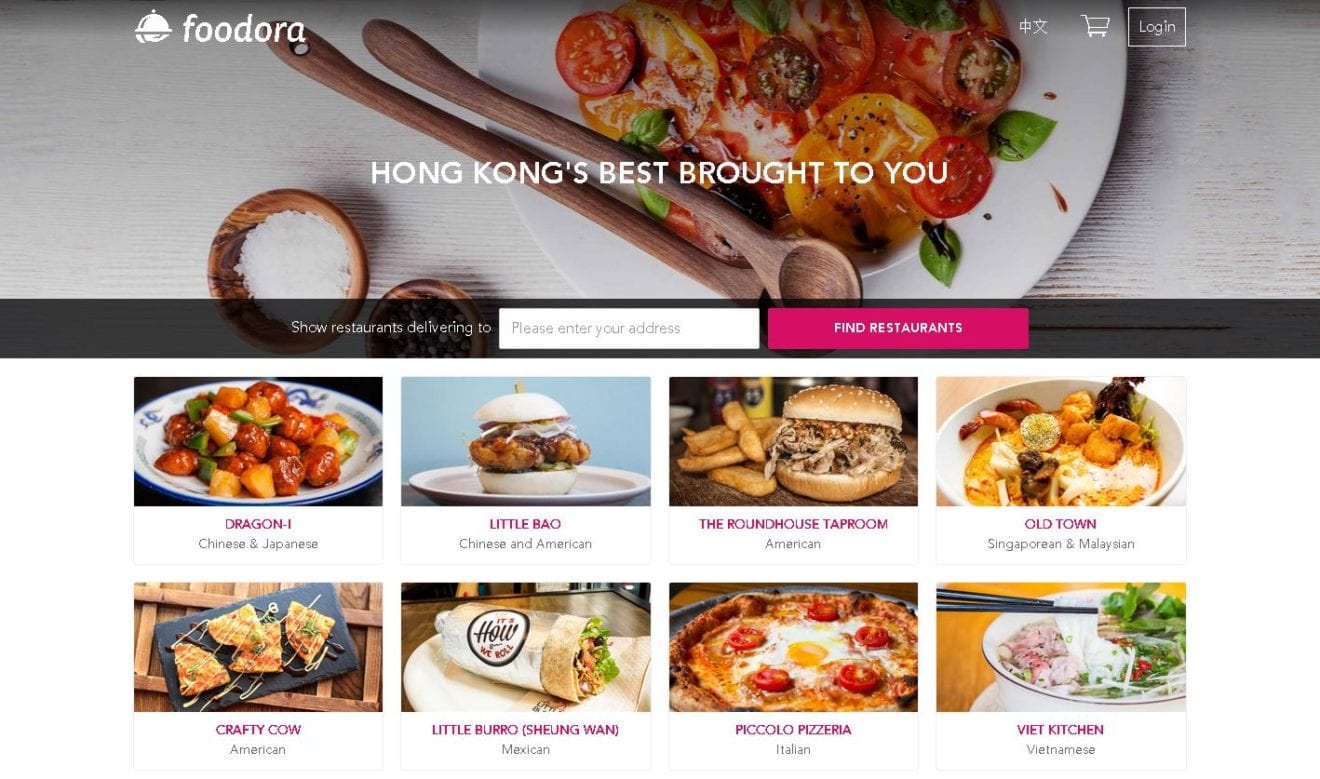
    Just two months after its launch, Foodora, the upmarket sister site of Foodpanda Hong Kong has been axed.

    Inside Retail Hong Kong broke news of Foodora’s launch in late September and the company officially unveiled the concept in early October, saying it had 100 restaurants signed up after a trial in two suburbs: Central and Sheung Wan.

    “The company has set itself apart from traditional delivery services by working with big names in the restaurant scene, including the likes of Dragon-i, Iberico, Check-In Taipei,The Boss and Social Place. Restaurants such as Little Bao will for the first time offer hungry Hong Kongers an alternative to waiting in a queue for superior eats,” Foodora said at the time.

    But today, Foodpanda said those restaurant brands will now be listed alongside fastfood brands like Pizza Express on the parent site.

    It disguised the axing of the two month old project in a media statement proclaiming it has “drastically reduced delivery time” of all its orders to “an average” of 30 minutes, a key marketing plank of Foodora.

    “Sister company Foodora, launched in October this year, is also now integrated into the Foodpanda business, in order to have natural synergies and premium expertise. This new integration is an additional step to reinforce Foodpanda’s philosophy and expertise on providing the best food delivery services,” the statement said.

    The company says it has developed proprietary rider and restaurant software technology, using an advanced algorithm to optimise delivery courier routes and restaurant operations.

    “The company is now able to ensure that steps in the food ordering process occur faster than ever, bringing average delivery down to 30 minutes after the order confirmation.”

    Announcing the addition of Pizza Express, Oolaa, Mana Raw and Nosh by Secret Ingredient, among others, to its offer, Foodpanda Hong Kong MD Alexander Roth said it is Foodpanda’s mission “to deliver the best meals from the best restaurants to our customers as quickly as possible”.

    Foodpanda is encountering increasing difficulties rolling out its business model in Asia. Last month it closed its Vietnam operation after failing to make a dent in the market share of more efficient, established rivals (subsequently selling its database to one of them).  In Kuala Lumpur it is struggling to win customer confidence after buying up its rivals and shutting them down and operating a monopoly widely criticised for delivery times of often more than an hour, complaints of cold food and poor customer service.

  • WearYouWant Thailand sales soar

    WearYouWant Thailand sales soar

    WearYouWant Thailand – the Bangkok based online fashion marketplace – has reported a 150 per cent growth in revenue this year.

    “It has been an astounding year for WearYouWant,” says Julien Chalté, co-founder and Co-CEO.

    “We have outperformed our budget for the last 11 months and believe we will end this year on a strong note.”

    WearYouWant Thailand has been working hard this year to build brand awareness, including an advertising campaign on the BTS Skytrain network, which has boosted site traffic by 30 per cent.

    The raised brand awareness has encouraged brands such as Mac Jeans and Aldo to supply the site.

    “Our advertising campaign has shown remarkable results in terms of visibility. In addition to generating more traffic and conversions, it has also created trust on the B2B side, which has resulted in an increase of new partners joining our platform,” Martin Sørensen, fellow co-founder and co-CEO added.

    The Thai fashion market place now boasts about 500,000 visits per month and aims to create a high-quality, brand-led seamless online retail experience, which they have achieved for the platform in 2015 on both the B2B and B2C side.

    “We have had immense growth in 2015 on the partner side and on the end user side. One of the important strategic focus points for WearYouWant will remain to continue growing our B2B market  at the same pace as we grow our B2C database; that is key for being successful in a B2B2C setup as ours,” explains Sørensen.

    A fourth anniversary birthday campaign this month has set a new sales record for the site, which has achieving nearly 50 per cent of the total sales forecast for December less than half way into the month.

    The team behind WearYouWant: from left, Christian Skoglund CFO, Julien Chalté, Martin Toft Sørensen, co-founders and co-CEOs, and Thomas Kroman, chief marketing officer.

  • Shoppers catch Zalora online fever

    Shoppers catch Zalora online fever

    Asian online fashion retailer Zalora recorded sales six times higher than any day ever before during its December 12 Online Fever promotion last weekend.

    Zalora sells in eight Asian markets: Singapore, Malaysia, Indonesia, Philippines, Thailand, Vietnam, Hong Kong and Taiwan.

    The 12.12 Online Fever promotion was positioned as Asia’s answer to North America’s Cyber Monday, with Zalora aiming to boost eCommerce across the region, offering shoppers cut-price deals to encourage online purchasing and hoping to convert traditional consumers into e-consumers. This year, 32 per cent of 12.12 Online Fever shoppers were first-time Zalora customers.

    “12.12 Online Fever 2015 was a great success not only for Zalora, but for all the partners we worked with to make this initiative possible and for consumers who got their favourite fashion brands on great price point,” said CEO Michele Ferrario.

    As Southeast Asia, Hong Kong and Taiwan are enjoying immense economic growth, we wanted to engage consumers and help boost the growth of e-Commerce in the region. This online sales day will give them a push, sparking consumer spending by offering their favourite items at the best prices. Last year’s record sales attested that such a cyber event resonates well with consumers in the region, and we are happy that we managed to engage more consumers this year.”

    To ensure timely packing and delivery of orders, Zalora increased staffing in operations working 24/7 in order to ship 100 per cent of the packages received in its warehouses within 24 hours. This resulted to having 30 per cent of packages delivered to customers within the next day and more than 50 per cent of packages by the end of yesterday, (December 14), across the region.

    One of the big surprises from the sale was the high percentage of shoppers using their mobile devices to browse and purchase – 78.5 per cent of shoppers on Saturday were using mobiles, just 21.5 per cent desktops or laptops – the number of mobile shoppers rose 250 per cent year on year.

    Females accounted for 74 per cent of shoppers.

    The most popular categories for both males and females were apparel, footwear and accessories. Favourite brands among women include Rubi, Mango, Dorothy Perkins and Something Borrowed while Sperry, Herschel, Onitsuka Tiger and Topman were popular brands for men.

    Netizens were also talking about 12.12 Online Fever in their social media posts, a few of them commending Zalora’s quick delivery service and alerting their friends to join in. 12.12 Online Fever received more than 1.6 million of impressions on popular social media sites Facebook, Instagram and Twitter.

    This year’s 12.12 Online Fever also saw an increase in number of partners with 376 participating across the region, covering industries ranging from food, home, entertainment and travel to beauty.

  • Singapore’s Honestbee launches in Japan

    Singapore’s Honestbee launches in Japan

    Honestbee, the fast-growing on-demand grocery concierge and delivery service company founded in Singapore just last July, has launched its service in Japan.

    The first Japan stop of many to come, visiting tourists can now enjoy the convenience of grocery shopping via the online portal honestbee.jp in Niseko, Hokkaido, Japan, from now until February 29.

    Honestbee’s point of difference to other online grocery shopping services is that it partners with retailers to offer a high-quality array of products and uses concierge shoppers to fulfil orders on demand – and then deliver them. It expanded into Hong Kong in October, and its next market is Taiwan, where it launches in a fortnight.

    “Niseko is one of the most popular ski destinations in the world which sees a great amount of tourist visits every season. While these families look forward to grocery shopping, the closest supermarket in the area is an hour away,” said Joel Sng, co-founder and CEO, Honestbee.

    “With technology and software, we plan to offer our customers the same level of convenience they have back home by travelling alongside them. Now they can better spend their time skiing or sipping hot chocolate somewhere else.”

    With the launch of this service, ski-lovers and snowboarders can now spend more time skiing on the powdery slopes of Niseko and have their groceries covered by Honestbee.

    As the third-largest economy in the world, Japan presents a wealth of opportunities for Honestbee’s expansion. Niseko is a world-renowned region in the Hokkaido prefecture. With the launch of the New Chitose Airport, increased direct flights to Sapporo from neighbouring cities have contributed to the dramatic rise of international tourists to about 1.5 million throughout the year. Foreign investments in properties in the ski areas have also fuelled economic growth in Niseko.

    Maintaining its commitment to offering a one-stop shop for a range of highly curated and specialty products, customers in Niseko will be able to shop for the freshest groceries, local Hokkaido and international products at major brands well-loved by the locals.

    While the Hokkaido launch may be perceived as something of an experiment or publicity stunt, Honestbee has confirmed it will offer a permanent service in more Japanese cities next year.

  • China ranked first in the world for online retail trade

    China ranked first in the world for online retail trade

    The period from January to October, witnessed China clinching the world no 1 spot for online retail trade, according to the “Internet Development in China over the Last Two Decades” report, which was published on Tuesday.

    The report was published prior to the World Internet Conference to be held in Wuzhen, China, from 16-18 December, according to the people.cn website.

    The total number of netizens in China reached an estimated figure of 668 million — the world’s largest online population. “The four Chinese companies which made it to the list are Alibaba, Tencent, JD.Com and Baidu,” said head of Chinese Academy of Cyberspace, Yang Shuzhen.

    China’s online retail sales skyrocketed at 2.8 trillion yuan in 2014, as reported by the en.people website. But the figures have more than doubled in 2015, with total transaction reaching 2.95 trillion yuan.

    In the month of November, an online shopping sale was conducted by Alibaba which recorded a sale of 91.2 billion yuan, according to the report.

    Internet has been the biggest boon to the Chinese economy, contributing 7% to the GDP.

    According to statistics, the number of people who shop online now is 307 million.

    China’s cross-border retail transactions reached 449.2 billion yuan in 2014 alone, people.cn reported. China has 321 Internet-related companies (listed) whose market value was estimated at 7.85 trillion yuan—equivalent to 25.6% overall stock market value, according to the website.

    Since the last year, online sales in China have increased 44%.

    Mobile internet is also rapidly developing in China. According to statistics, there were 594 million phone users who accounted for 88.9% of all netizens, as reported by people.cn.

    The development of mobile internet services in China has also brought a boost to travel industry, as well as car rental and medical services.

  • Foodpanda Vietnam gobbled up by rival

    Foodpanda Vietnam gobbled up by rival

    Days after announcing it was shutting down, Rocket Internet’s Foodpanda Vietnam has been bought by local rival Vietnammm.

    Vietnammm, the original online food delivery service in the commercial hub of Ho Chi Minh City, has paid an undisclosed amount to acquire Foodpanda’s customer base and 1000 restaurant partners.

    “This deal enables Foodpanda’s customers and listed restaurants to keep making and receiving orders online in Vietnam,” the company said in a statement sent to Tech in Asia.

    The deal also marks a consolidation in Vietnam’s online food delivery space, which now becomes a battle between homegrown brands Vietnammm and Eat.vn.

    Vietnammm, established by young expat entrpereneuers, is now a subsidiary of one of the world’s largest online food delivery websites Takeaway, and Eat.vn is backed by VC Corp, one of the most prominent Vietnamese online media companies.

    Ralf Wenzel, co-founder and CEO of Foodpanda group, said: “Foodpanda has always been in the front line of market consolidation in the online food delivery sector by establishing clear number one positions in the vast majority of its countries and by conducting a number of complementary acquisitions in the past. This time we contribute our business in Vietnam which allows us to focus instead on more attractive core markets and helps Vietnammm to become the strongest local player.”

    Vietnammm CEO Jochem Lisser added: “We welcome all new customers and restaurants and will do everything we can to ensure a smooth transition to Vietnammm.com.”

    Last week, Foodpanda global head for communications Tim Schefenacker confirmed to Tech in Asia that they closed down the business in Vietnam because “we saw a smaller and rather long-term opportunity.”

    A December 2 notice of termination Foodpanda sent its partner restaurants stated that the company was suffering from a “financial situation” and “facing many difficulties” in the country. It further said that five days following the announcement – on December 7 – the company would have ceased all business activities, primarily its website Foodpanda.vn.

    Foodpanda launched in Vietnam under the HungryPanda banner in 2012, a time when competition in this sector was already heating up around Asia. In Vietnam, the company took a beating from the strong homegrown brands, forcing it to amp up marketing and advertising spend.

    Around the globe, Foodpanda and sister site Hellofood are competing head-on with a variety of meal delivery sites and apps. Foodpanda has gobbled up competitors in Mexico, Russia, Brazil, Eastern Europe, India, and Southeast Asia, bringing its restaurant partners to more than 38,000 in 500 cities worldwide at the latest count.

  • Le Saunda sales slip

    Le Saunda sales slip

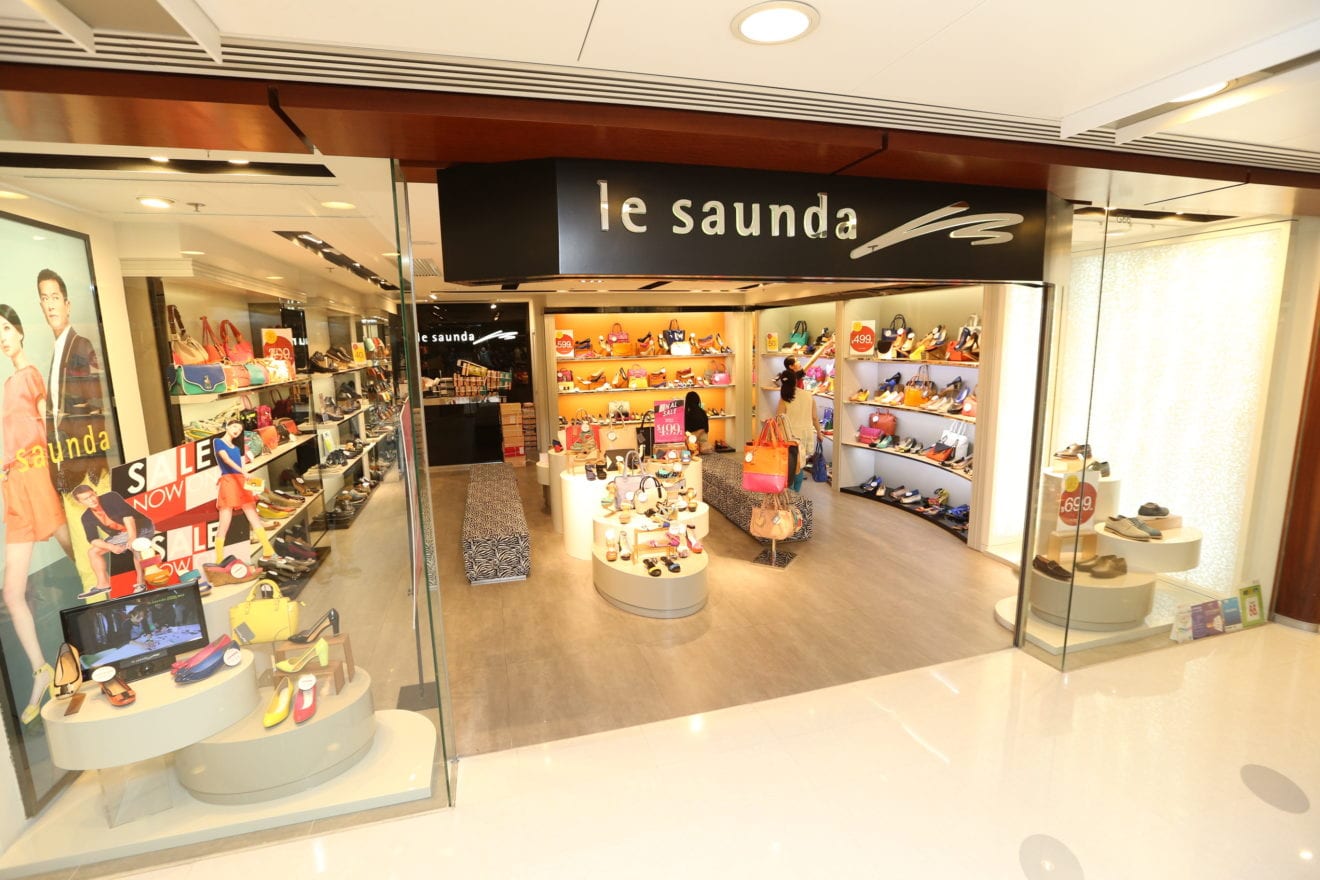
    Footwear retailer Le Saunda says same store sales in its own stores slipped eight per cent in the third quarter.

    But the company’s online turnover soared 26.7 per cent reflecting rising popularity of online shopping across Greater China.

    Total sales declined 6.1 per cent year on year.

    As at the end of November Le Saunda had 897 retail outlets in Mainland China, Hong

    Kong and Macau – 13 more than at the same time last year. These included 789 self-owned outlets in Mainland China, Hong Kong and Macau and 108 franchised outlets in Mainland China.

    Le Saunda has only released unaudited operational data for its retail business at this stage, not detailed financial data.

  • Foodpanda Vietnam to shut down

    Foodpanda Vietnam to shut down

    Foodpanda – relentlessly marching its way across Southeast Asia, gobbling up rival food delivery businesses and creating monopolies – has shocked the online community by closing its Vietnam business.

    According to a report in online business news website Deal Street Asia the Rocket-Internet backed company has told its Vietnamese partners the operation will close on Wednesday after three years.

    “Through this notice, we would like to inform you that our company will terminate the business in Vietnam due to the difficulties in financial situation,” Foodpanda said in the letter.

    Deal Street Asia’s Vietnam-based writer was unable to reach Foodpanda Vietnam staff for further comment.

    One of the possible reasons for the market exit is that Foodpanda was a latecomer to the sector with the original, well-liked local service Vietnammm launched as long as five years ago and collaring the expat market which has the disposable income. Other rivals included Eat.vn and Deliverynow.vn.

    Furthermore, Foodpanda’s business model is to attain market dominance by buying out rivals, thus gaining insulation from poor customer service, slow delivery times and other faults – the exact situation in Malaysia which has now left it with brand reputation issues.

    Deal Street Asia says experts say Foodpanda’s business model is not relevant to Vietnamese consumers, where the younger demographic prefer to eat out and local food outlets offer their own delivery service. Others said Foodpanda had struggled with its communications strategy, which was not helped by changing its brand name within a year of launching there.

    Meanwhile, in India Foodpanda is in trouble over alleged fake listings, non-payment of money to restaurants, failure to refund customers for undelivered orders and corporate governance issues, according to website e27.co.