Tag: ecommerce

  • Inferno Engulfs Coupang Warehouse: 52-hour Blaze Sparks Major Evacuation in Seoul

    Inferno Engulfs Coupang Warehouse: 52-hour Blaze Sparks Major Evacuation in Seoul

    A significant fire broke out at Coupang’s No. 32 logistics center located in Incheon, west of Seoul, prompting an evacuation of surrounding businesses and factories due to structural collapse concerns. The fire, which originated on the building’s sixth floor and spread to the seventh, burned for over 52 hours.

    The Incident at Coupang’s Fulfillment Center

    The blaze commenced at approximately 6:54 am local time on Saturday. The fulfillment center, which serves the Seoul metropolitan area, primarily stores goods purchased directly by Coupang for their fast-delivery service. Spanning eight floors and covering an area of around 299,000 square meters, the centre’s vast size is equivalent to about 42 football fields. The fire’s cause remains unclear, however, the building contains numerous flammable items such as household goods, paper boxes, and vinyl packaging. An investigation will commence as soon as the fire is entirely extinguished.

    Despite the adverse conditions, all workers present in the building at the time of the fire were safely evacuated, according to the company. Surveillance footage taken on Monday morning showed an ongoing situation, with dozens of fire trucks still present and smoke continuing to pour out of the building, even amid rainfall.

    Late on Sunday, the authorities ordered an evacuation for businesses and factories within 116 meters (around 127 yards) of the warehouse’s ramp area due to fears of a partial building collapse. Coupang Corp, a subsidiary of the U.S.-based Coupang Inc, and South Korea’s most extensive e-commerce firm, has yet to publicly quantify the expected operational disruption or financial damage.

    In a recent fact sheet, Coupang revealed that it operates over 100 logistics centers across more than 30 regions in South Korea.

    A Message from Coupang’s Leadership

    The head of Coupang Fulfilment Services, Jeong Jong-cheol, issued a public apology on Saturday. He affirmed the company’s commitment to cooperating with authorities, supporting firefighting efforts, and assisting nearby residents affected by the incident. The company has declined further comment at this time.

    Questions & Answers

    What is the current status of the fire at Coupang’s logistics center?
    The fire burned for over 52 hours and has led to the evacuation of the center and surrounding businesses and factories.

    What caused the fire at the Coupang fulfillment center?
    The cause of the fire remains unknown, with an investigation pending once the blaze is fully extinguished.

    What has been the response from Coupang’s leadership?
    The head of Coupang Fulfilment Services, Jeong Jong-cheol, has issued a public apology and affirmed the company’s commitment to cooperating with authorities, supporting firefighting efforts, and assisting local residents affected by the incident.

  • Chairman Tang Steps Down as Shein Gears Up for Hong Kong IPO

    Chairman Tang Steps Down as Shein Gears Up for Hong Kong IPO

    Donald Tang, executive chairman of Shein, the global fast-fashion retailer, is preparing to step down as the company nears its public offering, according to sources with first-hand knowledge of the situation. Tang has been the public face of the company for the past three years, acting as a Western representative for Shein’s founder and CEO, Sky Xu.

    Tang’s Role and the Company’s Leadership Transition

    Tang, a Chinese American billionaire with a background in banking, has worked closely with Xu, interacting with politicians, regulators, and investors globally and representing the e-commerce giant at conferences and public events.

    As Tang steps down, CEO Sky Xu is set to assume the role of chairman and will spearhead the investor roadshow before Shein’s listing on the Hong Kong stock exchange. The company’s hearing with the exchange is scheduled for this Thursday.

    Tang will maintain a close relationship with the company’s leadership as a senior adviser for the foreseeable future, a source revealed. Despite his considerable contributions, Tang’s name will not appear in Shein’s public filing among the company’s top leadership, the sources noted.

    Previous Public Offering Attempts and Regulatory Challenges

    Initially, Tang aimed to list the company in New York and even relocated to Washington, D.C., to lobby politicians. However, as controversies surrounding Shein’s use of the ‘de minimis’ customs duty waiver grew, he voiced his support for removing the waiver in July 2023.

    Tang has also defended Shein against allegations linking its supply chain in China to forced labor, an issue strongly denied by Beijing. Shein maintains a zero-tolerance policy towards forced labor.

    Following the unsuccessful New York IPO attempt, Shein turned to London for a potential listing. Despite receiving approval from Britain’s Financial Conduct Authority, the plan fell through due to the China Securities Regulatory Commission withholding its approval. As a result, the company decided on a Hong Kong listing.

    Questions & Answers

    What has been Donald Tang’s role at Shein?
    Donald Tang has acted as the Western representative of Shein, liaising with global politicians, regulators, and investors, and representing the company at public events.

    Who will take over the role of chairman once Tang steps down?
    The current CEO of Shein, Sky Xu, will assume the role of chairman as Tang steps down.

    What were the challenges faced by Shein in their previous attempts at an IPO?
    Shein initially planned for an IPO in New York but faced criticism over its use of the ‘de minimis’ customs duty waiver. The company then pivoted to London, but the IPO was halted due to the China Securities Regulatory Commission withholding its approval. This led Shein to opt for a listing in Hong Kong.

  • Fast-Fashion Leader Shein Secures Approval for High-Profile Hong Kong IPO after Setbacks

    Fast-Fashion Leader Shein Secures Approval for High-Profile Hong Kong IPO after Setbacks

    Fast-fashion retail giant Shein has received authorization for its much-anticipated Initial Public Offering (IPO) process in Hong Kong, bringing it one step closer to a listing after unsuccessful runs in both New York and London. This news came from the China Securities Regulatory Commission (CSRC) on Friday, offering Shein the endorsement it has been seeking for over a year.

    Shein’s journey to the IPO stage has been hindered by a variety of factors, including weak investor sentiment and conservative spending habits among lower to middle-income consumers. The retailer’s journey to the stock market is therefore noteworthy, with many other consumer brands opting to postpone their IPOs in the current financial climate.

    Shein’s Journey to the IPO

    Shein was established by Sky Xu, a Chinese-born entrepreneur, in 2012. The IPO approval was contingent upon approval from the highest echelons of the ruling Communist Party in China, due to various controversies surrounding the brand. The controversies included a scandal involving a sex doll in France and allegations of poor labor standards in its supplier factories in China.

    Despite these scandals, Shein has shown resilience. The IPO’s confidential nature and the company’s decision not to make the filing documents public suggests that the retail giant is embracing its Chinese origins, rather than distancing itself. This is contrary to the strategies of many Western fashion companies, which have sought to reduce their Chinese exposure.

    Shein’s Current Financial Status

    Shein was valued at a staggering US$100 billion in 2022. However, as the online shopping boom brought on by the pandemic began to wane and a customs duty loophole for e-commerce parcels in the US was closed, the brand’s value decreased. In the latest fundraising round in May 2023, Shein was valued at just $66 billion.

    Shein’s IPO goal is speculated to be between $40 billion to $50 billion. The company plans to sell up to 8 percent of its shares, but the final stake sold is expected to be lower, thus generating low single-digit billions of dollars.

    Shein’s unsuccessful attempts to list in New York and London indicate the challenges faced by Chinese-linked companies due to geopolitical tensions. Despite moving its headquarters to Singapore in 2022, Shein is still subject to Chinese IPO rules as its products are largely manufactured by third-party suppliers in China.

    Questions & Answers

    What controversies has Shein faced?
    Shein has been involved in several controversies, including a scandal involving a sex doll in France and allegations of substandard labor practices in its supplier factories in China.

    What is the projected worth of Shein’s IPO?
    Shein is targeting an IPO valuation of between $40 billion and $50 billion.

    Why has Shein’s valuation decreased since 2022?
    Shein’s valuation has decreased due to the diminishing online shopping boom brought on by the pandemic and the closure of a customs duty loophole for e-commerce parcels in the US.

  • EU Imposes New €3 Duty on Chinese E-commerce Imports, Shaking up Online Retail Giants

    EU Imposes New €3 Duty on Chinese E-commerce Imports, Shaking up Online Retail Giants

    As part of its agenda to curb perceived unfair competition from online retailers like Shein, Temu, and AliExpress, Europe has initiated a €3 charge on low-value e-commerce imports from China that were previously duty-free. This move constitutes a significant challenge for platforms which leveraged customs exemptions in order to offer goods at extremely competitive rates, driving fast-paced growth. The new charges, effective since Wednesday, apply to each customs classification within a shipment. For instance, the total fee for a shipment with three different item categories would be €9, while a single-category shipment, such as multiple dresses or toys, will cost €3.

    Duty Exemptions and e-Commerce

    Duty exemptions for low-value imports have been a norm for many years, with the current threshold of €150 introduced in 2008. However, the surge in the number of e-commerce parcels entering the European Union under exemption rules has led to a rethink. The number of such parcels increased from 1.4 billion in 2022 to 5.8 billion by 2025. Dirk Gotink, an EU lawmaker spearheading customs reform in the European Parliament, argued that these exemptions were manipulated on an industrial scale to secure a competitive edge at the expense of EU businesses. He stated that the old trading world, which justified these exemptions, has been upended by the rise of e-commerce, particularly from China.

    Impact on Air Cargo and Consumer Prices

    In the aftermath of this decision, experts predict that e-commerce air cargo volumes to the EU could decrease by 10% to 35%. This could have wider repercussions on global air cargo volumes. Online platforms may also pressurize suppliers to offset some of the additional costs to avoid significant price hikes for consumers and maintain profitability.

    The €3 charge is a temporary measure, slated to be replaced by category-specific duties from July 1, 2028, in accordance with the new EU Customs Authority’s operational timeline. Consumer prices are likely to increase as platforms pass on some of the additional costs to buyers. Amazon, after its rival platforms Temu and Shein’s rapid growth, has argued that 97% of its EU shipments last year were delivered from warehouses within the bloc.

    Questions & Answers

    What is the new charge imposed by Europe on low-value e-commerce imports from China?
    A €3 fee has been imposed on each customs classification within a shipment of low-value e-commerce imports from China.

    What was the reason behind the implementation of this new charge?
    The charge is designed to curb what Europe perceives as unfair competition from online retailers who leveraged customs exemptions to offer goods at extremely low prices.

    How might this charge impact consumers?
    With the imposition of this charge, consumer prices are likely to increase as platforms pass on some or all of the additional costs to buyers.

  • Unlocking Sustainable Growth in Southeast Asia: The Power of Multi-Channel Logistics for Brands

    Unlocking Sustainable Growth in Southeast Asia: The Power of Multi-Channel Logistics for Brands

    The e-commerce sector in Southeast Asia is witnessing significant growth, with its Gross Merchandise Value (GMV) projected to reach around US$350 billion by 2030 and escalate to US$630 billion by 2035.

    For businesses aiming to tap into this growth, achieving success is no longer merely about attracting customers. It is equally critical to ensure a consistent customer experience, regardless of where the consumers decide to make their purchases. This applies to all sales channels, whether consumers purchase through online marketplaces, direct-to-consumer websites, social commerce platforms, or physical stores. They anticipate a seamless shopping experience, speedy and dependable delivery. This demonstrates that logistics isn’t just a back-end operation anymore; instead, it significantly influences the customer’s buying experience and impacts their perception and interaction with a brand, both online and offline.

    To cater to these expectations, logistics providers are rethinking the traditional fulfillment styles centered around specific platforms. They are investing in more comprehensive solutions that can meet customers’ expectations on a larger scale.

    Challenges in Managing Multi-Channel Operations in a Diverse Region

    In Southeast Asia, brands are broadening their omnichannel presence. The region’s diverse market landscape poses unique operational challenges. Brands need to handle different consumer expectations, various levels of infrastructure maturity, unique regulatory environments, and diverse operational requirements across multiple markets.

    Brands also must manage inventory across various sales channels and logistics providers. Separate warehousing arrangements, fragmented stock pools, and disconnected fulfillment systems can directly impact the customer experience, leading to delayed deliveries, inaccurate stock information, and inconsistent service across channels. These gaps can lead to increased costs, reduced stock visibility, and complicate demand planning.

    A Streamlined Approach to Scaling through a Unified Fulfillment Infrastructure

    Lazada Logistics acknowledged the growing need for more integrated fulfillment solutions and introduced its Multi-Channel Logistics (MCL) offering. The MCL enables brands to streamline fulfillment operations across channels through a single logistics network.

    The MCL is available across several countries in Southeast Asia, including Singapore, Thailand, Vietnam, Indonesia, the Philippines, and Malaysia. It combines Lazada Logistics’ proprietary regional infrastructure with an extensive third-party logistics network to provide comprehensive inventory management, warehousing, and fulfillment services on a larger scale. This allows brands to rapidly respond to fluctuating consumer demand while maintaining consistent service standards across the region.

    Thanks to MCL, brands can optimize logistics costs without compromising service quality, allowing them to concentrate resources on customer acquisition, product development, and market expansion. With a simplified fulfillment structure and more efficient inventory utilization, businesses can strike a balance between cost management and customer experience objectives.

    Questions & Answers

    How is the e-commerce market in Southeast Asia growing?
    The e-commerce sector in Southeast Asia is expanding significantly, with its Gross Merchandise Value (GMV) projected to hit around US$350 billion by 2030 and increase to US$630 billion by 2035.

    What challenges do brands face in managing multi-channel operations?
    Brands must deal with various consumer expectations, different levels of infrastructure maturity, unique regulatory environments, and diverse operational requirements across multiple markets. Additionally, they need to handle inventory across various sales channels and logistics providers.

    How does Lazada Logistics’ Multi-Channel Logistics (MCL) help brands?
    The MCL offering by Lazada Logistics enables brands to consolidate fulfillment operations across channels through a single logistics network. It helps brands optimize logistics costs without compromising service quality, allowing them to concentrate resources on customer acquisition, product development, and market expansion.

  • Boost in Personalized E-Commerce Experience Demanded by Savvy Singapore Shoppers

    Boost in Personalized E-Commerce Experience Demanded by Savvy Singapore Shoppers

    Singaporean consumers are increasingly expecting more from their online shopping experiences, favoring personalised and relevant product discovery over novelty. This finding is according to a recent report called the Spark of Discovery 2026.

    Efficiency and Personalisation

    The study shared that Singaporeans are progressively seeking out efficient, customised experiences. Nearly half of the respondents (43%) stated that a swifter, more streamlined shopping process would be the most valuable improvement that retailers could offer them.

    In addition, the survey indicated that 63% of surveyed participants still find enjoyment crucial in online shopping, 62% prefer to stick with planned purchases, and 60% remain open to discovering new items. These data points signify a more purposeful approach to online browsing and purchasing.

    Trust Over Influence

    Trust is more important than influence when it comes to online shopping. Only 28% of Singaporean consumers admitted that content from influencers generates excitement about brands, which falls below the Asia-Pacific average of 34%. Meanwhile, positive reviews and readily accessible customer support emerged as the strongest factors driving engagement.

    Singapore is seen as a key indicator of the direction in which e-commerce in the Asia-Pacific region is moving, according to Sukesh Singh, MD, SEA at Criteo. Singh goes on to explain: “Consumers here are highly digitally literate; they know exactly what a great shopping experience looks like, and they have no patience for anything less. They want discovery to find them at the right moment, not interrupt them at the wrong one.”

    Artificial Intelligence and Personalisation

    These findings have emerged as retailers are boosting investments in artificial intelligence to enhance personalisation. Over half of the respondents declared that they are comfortable with brands leveraging their purchase history to provide customised recommendations, while 44% noted that timely and relevant advertisements enhance the shopping experience.

    On the retailer side, the report found that a vast majority (92%) plan on utilising AI to improve customer experiences, while 91% intend to employ it to make product discovery more efficient. These figures suggest that retailers are increasingly shifting their focus towards data-driven targeting as opposed to broad-reaching campaigns.

    The report also underscored the significant influence of shopping festivals on Singapore consumers, with 85% stating that they are swayed by such events. This reinforces the importance of providing pertinent recommendations during peak spending periods.

    Questions & Answers

    What value do Singaporean consumers see in online shopping experiences?
    Efficiency and personalisation are highly valued by Singaporean consumers in their online shopping experiences. A streamlined, less time-consuming shopping process is seen as the most valuable improvement that retailers could offer.

    How important is trust for Singaporean consumers when shopping online?
    Trust is crucial for Singaporean consumers when shopping online. Positive reviews and accessible customer support are among the strongest factors driving engagement.

    How are retailers responding to the demand for personalised experiences?
    Retailers are increasingly investing in artificial intelligence to enhance personalisation. They plan to utilise AI to improve customer experiences and make product discovery more efficient.

  • Chinese Beauty Brand Judydoll Conquers Europe via Joybuy E-commerce Platform

    Chinese Beauty Brand Judydoll Conquers Europe via Joybuy E-commerce Platform

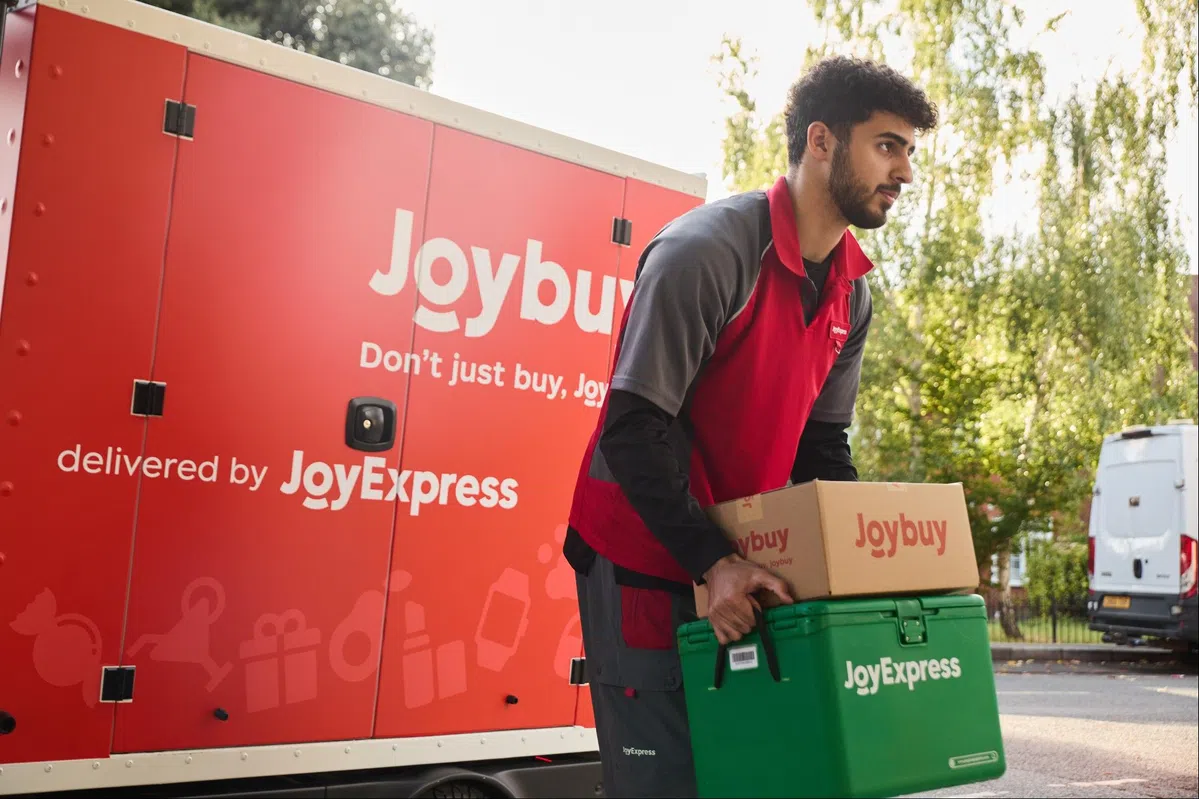
    Judydoll, a renowned beauty brand from China, has made its grand entrance into the European market. This move was achieved through a successful launch on the e-commerce platform, Joybuy, spanning multiple countries including the UK, Germany, the Netherlands, France, Belgium, and Luxembourg.

    Established Origins and Expanding Presence

    Having its roots in Shanghai, Judydoll was established under the Joy Group in 2017. Recognized for its economically priced color cosmetics, Judydoll has been able to solidify its presence through various online marketplaces such as Tmall and Taobao. Subsequent to this online success, the brand ventured into physical retail, growing its network of stores.

    Presently, Judydoll operates over 100 stores throughout China. Furthermore, it has managed to broaden its international footprint by opening flagship stores in Singapore, along with retail collaborations throughout the Gulf Cooperation Council region.

    European Expansion Supported by Efficient Logistics

    Judydoll’s launch in Europe is backed by Joybuy’s effective logistics network. This collaboration ensures local fulfillment along with the promise of next-day delivery, making it easier for customers to access their products.

    In the company’s words, “Judydoll and Joybuy’s collective effort is aimed at bringing superior beauty products closer to European consumers.”

    Questions & Answers

    When was Judydoll established and by whom?
    Judydoll was established in 2017 by the Joy Group.

    How did Judydoll establish its initial presence?
    Judydoll initially established its presence through online marketplaces such as Tmall and Taobao, and later expanded into physical retail.

    What facilitates Judydoll’s launch in Europe?
    Judydoll’s European launch is facilitated by Joybuy’s logistics network, ensuring local fulfillment and next-day delivery.

  • Shein and BHV Call it Quits: End of Controversial Fashion Partnership in Paris

    Shein and BHV Call it Quits: End of Controversial Fashion Partnership in Paris

    The partnership between French department store BHV and online fast-fashion retailer Shein has concluded, following a brief and controversial seven-month duration. The collaboration was marked by contention from the beginning, as the establishment of a permanent Shein retail spot within the Parisian department store sparked widespread debate.

    Change in Store Ownership and End of Partnership

    Societe des Grands Magasins (SGM), the organization responsible for managing BHV in Paris since 2023, has announced its decision to sell the department store to its current management team, led by Karl-Stéphane Cottendin. The decision to end the partnership with Shein was described as rectifying an error, according to a spokesperson for Cottendin.

    The alliance between BHV and Shein was a point of contention, primarily due to the business practices of the Singapore-based online retailer. Shein’s business model, characterized by extremely low pricing and alleged sales of illicit products, was viewed unfavorably by critics.

    However, Shein maintains that their collaboration with SGM was designed to be short-term from the onset.

    Controversy and Challenges

    The launch of Shein within BHV in November was met with significant opposition. On the day of the launch, the French government attempted to close its platform, a decision later overturned by a court in Paris.

    Shein’s loyal customer base also expressed disappointment with the retail store’s offerings. Many noted that the prices were considerably higher than those listed on Shein’s expansive online platform, renowned for its $5 dresses and $10 jeans.

    Even before the partnership with Shein, SGM faced financial difficulties and was lagging in payments to its suppliers. The controversial Shein launch resulted in several brands withdrawing from the department store in protest.

    Despite the end of the partnership, Shein expressed respect for BHV’s decision and noted it was unfortunate that customers had to deal with ongoing construction works in the department store.

    Questions & Answers

    Why did the partnership between BHV and Shein end?
    The collaboration ended due to widespread criticism and controversy surrounding Shein’s business practices and the significantly higher in-store prices compared to its online platform.

    Who will take over the ownership of BHV?
    The current management team of BHV, led by Karl-Stéphane Cottendin, will take over the ownership from Societe des Grands Magasins.

    What was the public response to Shein’s launch at BHV?
    The launch was met with significant opposition, including an attempt by the French government to close the platform. Loyal Shein customers were also disappointed with the higher prices in the retail store compared to Shein’s online offerings.

  • South Korea Slaps Coupang with Record $409M Fine Over Unprecedented Data Breach

    South Korea Slaps Coupang with Record $409M Fine Over Unprecedented Data Breach

    South Korea has handed down a massive fine of 625 billion won (US$409.30 million) to e-commerce behemoth, Coupang. This follows an extensive breach of customer information and illicit collection of personal data, marking the country’s most substantial data violation penalty ever levied on a corporation.

    The nation’s Personal Information Protection Commission revealed that the New York-listed company had leaked the personal data of over 33 million customers. Notably, the company failed to identify and address the leak within the legally mandated 72-hour window.

    The fine represents approximately 1.4 per cent of Coupang’s revenue of 45 trillion won in 2025. The commission’s chairperson, Song Kyung-hee, pointed out during a Thursday briefing that the data breach happened due to Coupang’s inadequate safety measures and systems – not because of advanced hacking techniques.

    Acknowledgement and Apology

    In response to the announcement of the fine, Coupang expressed regret and offered an apology for the public distress and concern caused to its customers. Although, the company expressed disappointment that their proactive efforts to mitigate the aftermath of last year’s data leak were not fully recognized by the regulatory body’s decision.

    Coupang, headquartered in Seattle, generates the majority of its earnings in South Korea by offering speedy delivery of groceries, food, and other goods. The penalty comes on the heels of a government-led investigation earlier this year, attributing the data breach to a managerial failure.

    Investigation Findings and Implications

    The science ministry in South Korea reported that a former employee, a Chinese national, had unlawfully procured a security key, allowing unauthorized access to customer accounts. Song noted that Coupang’s flawed security system allowed a hacker to undeterredly access the personal information of all customers, even after the alleged culprit had left the company.

    In addition to the breach, the firm did not notice an abnormal increase in traffic to its customer data until alerted by a customer inquiry. Moreover, the regulator discovered that Coupang’s marketing program had illicitly collected information on the online activities of around 11 million customers without obtaining their consent.

    Song remarked that Coupang had significantly expanded its e-commerce service based on extensive customer data. However, despite its business scale, the company lacked a system to protect and manage customer information.

    Questions & Answers

    Why was Coupang fined 625 billion won by South Korea?
    Coupang was fined for a substantial breach of customer data and illegal collection of personal information, marking the largest data violation penalty ever issued by South Korea.

    What are the details of the data breach?
    The company leaked the personal data of over 33 million customers and failed to identify and address the breach within the legally mandated 72-hour window. A former employee was found to have unlawfully accessed customer accounts.

    What was Coupang’s response to the fine?
    Coupang apologized for the concern caused to the public and its customers. However, the company expressed disappointment that their proactive efforts to prevent further harm from the data leak were not fully acknowledged by the regulatory authority.

  • Meituan Sees Silver Lining as Food Delivery Battles Cool Down Despite Another Quarter Loss

    Meituan Sees Silver Lining as Food Delivery Battles Cool Down Despite Another Quarter Loss

    Meituan, China’s foremost food delivery company, reported its third consecutive quarterly loss this Monday. However, it did manage to meet revenue growth projections. The company has been weathering a particularly tough year, characterized by fierce, subsidy-driven competition in China’s one-hour delivery sector. However, the market shows signs of normalizing again.

    In earlier years, the rapid expansion and profits of Meituan were put under strain when Taobao, owned by Alibaba, and JD introduced their ‘instant retail’ services in 2025. Instant retail, also known as quick commerce, involves online purchases of items such as food, bubble tea, and daily essentials that are delivered within an hour.

    In 2026, after persistent disapproval from Chinese regulators who coined the term ‘race to the bottom’ to describe the fierce instant retail competition, the excessive discounting on food delivery platforms began to moderate. This shift indicated that the industry was moving into a phase of more regular growth.

    The revenue for Meituan for the quarter ending on March 31 was reported to be 91 billion yuan (equivalent to US$13.45 billion). This represented a 5.6% increase from the previous year and was in line with financial analysts’ predictions.

    The adjusted net loss of the company shrunk to 4.97 billion yuan, which was a significant improvement from a loss of 15.1 billion yuan in the last quarter. During the same period in the previous year, Meituan had reported a profit of 10.9 billion yuan.

    CEO Wang Xing addressed the situation optimistically, stating, “With industry-wide subsidies finally getting more rational, we are seeing a shift back to the fundamentals of operational efficiencies and user experience. This transition plays to our strengths.”

    However, the company has also faced regulatory challenges. In April, the Chinese market regulator imposed fines amounting to a total of 3.6 billion yuan on seven e-commerce platforms, including Meituan, for violating food delivery safety regulations.

    Last week, China’s State Administration for Market Regulation instructed local authorities to conduct a special inspection campaign until December on companies operating in sectors ranging from live-streaming to food delivery.

    Questions & Answers

    What is Meituan’s standing in China’s food delivery industry?
    Meituan is the leading food delivery company in China.

    What challenges has Meituan been facing in recent years?
    Meituan has been dealing with intense competition in the instant retail sector, regulatory penalties for food delivery safety violations, and financial struggles reflected in consecutive quarterly losses.

    What is the ‘race to the bottom’ that Chinese regulators refer to?
    The ‘race to the bottom’ refers to the extreme competition in the instant retail sector, characterized by excessive discounting by food delivery platforms.

  • EU Slaps Chinese Retailer Temu with $232M Fine for Failing to Halt Sale of Illegal Products

    EU Slaps Chinese Retailer Temu with $232M Fine for Failing to Halt Sale of Illegal Products

    Temu, a prominent Chinese online retailer, has been penalized with a €200 million (US$232 million) fine by European Union (EU) tech regulators for their apparent laxity in addressing the sale of prohibited products on its platform. The judgement came as part of an extensive investigation’s initial phase, conducted under the guidelines of the Digital Services Act. This legal standard necessitates major online companies to exert more effort to suppress unlawful and harmful content on their platforms.

    The ongoing probe began almost two years ago and could result in additional sanctions in the coming months. Temu came under the regulators’ lens after BEUC, a pan-European consumers’ organization, and 17 of its national members lodged complaints against them.

    EU Commission’s Allegations Against Temu

    The EU executive, the European Commission, criticized Temu for its perceived failure to systematically identify, scrutinize, and gauge the ramifications of illegal products marketed on its site, which consequently posed a threat to consumers within the EU. The commission also reproached Temu for its apparent lack of assessment in how its recommendation systems and product marketing strategies, led by affiliated influencers, could escalate the risk of illegal product sales.

    Despite the regulatory judgement, Temu maintained its disagreement with the European Commission’s decision, deeming the imposed fine to be excessive. In their official statement, Temu acknowledged the objectives of the Digital Services Act and the necessity for solid, uniform regulations throughout the digital industry. However, the company argued that the decision was based on their initial DSA evaluation in 2024 and does not exhibit the current state of their systems.

    Temu confirmed that they have been actively engaged with the Commission throughout the process and have since amplified their efforts to bolster risk assessment, platform governance, and user protection initiatives. They also expressed their intent to maintain engagement with regulators and are contemplating all potential responses to the matter.

    Commission Awaits Temu’s Action Plan

    The Commission has given Temu until August 28 to submit a comprehensive action plan for regulator appraisal, and a decision regarding the company’s compliance with the DSA is anticipated in two months. EU tech chief Henna Virkkunen emphasized the importance of risk management under the DSA and noted that the decision sends a powerful message to Temu.

    She also confirmed that regulators will persist in investigating whether Temu’s service design is excessively addictive and if it continues to sell prohibited products. The access of Temu’s recommenders and researchers to data is also under scrutiny. Non-compliance with DSA rules may result in penalties amounting to as high as 6% of the company’s global annual turnover.

    Temu’s penalty is the second instance of DSA violation, following a €120 million fine imposed on Elon Musk’s social media network, X, last December.

    Questions & Answers

    What is the reason behind Temu’s €200 million fine?
    The European Union tech regulators have fined Temu for their perceived failure in preventing the sale of illegal products on their platform, as per the guidelines of the Digital Services Act.

    What are the potential implications for Temu if they do not comply with the DSA?
    If Temu fails to comply with the DSA, they could face further penalties, including fines amounting to as much as 6% of their global annual turnover.

    What further steps has the Commission required of Temu?
    The Commission has given Temu until August 28 to deliver an action plan for regulator assessment, which will determine whether the company has adequately complied with the Digital Services Act.

  • Chinese E-commerce Titan JD Eyes £2 Billion Acquisition of UKs The Very Group

    Chinese E-commerce Titan JD Eyes £2 Billion Acquisition of UKs The Very Group

    JD, the Chinese e-commerce titan, is reportedly considering a significant expansion within the UK market, with a potential £2 billion ($2.69 billion) acquisition bid for the British online retail platform, The Very Group.

    JD’s Expansive Strategy in the UK

    This move is the latest in a series of attempts by JD to strengthen its foothold in the UK market. Previously, the company had made a failed attempt to acquire the electricals group Currys and, in 2020, had withdrawn from negotiations aimed at acquiring Argos from Sainsbury’s. These activities indicate JD’s strong interest in expanding its operations in the UK, despite previous setbacks.

    Representatives from JD and The Very Group have refrained from commenting on these market speculations.

    The Very Group’s Recent Ownership Changes

    The owner of The Very Group, Carlyle, was reported earlier this year to be planning a £2 billion sale of the enterprise. This news came just a few months after Carlyle assumed ownership from the Barclay family, who had been long-time stakeholders in the business.

    Questions & Answers

    What is the estimated value of the deal between JD and The Very Group?
    The value of the potential deal is speculated to be around £2 billion ($2.69 billion).

    What other UK ventures has JD been involved in?
    In the past, JD has attempted to buy the electricals group Currys and also entered negotiations to acquire Argos from Sainsbury’s.

    Who is the current owner of The Very Group?
    The Very Group is currently owned by Carlyle, which took over from the Barclay family last year.

  • Revolutionizing E-Commerce: Alibabas Qwen AI Changes the Game in Online Shopping Experience

    Revolutionizing E-Commerce: Alibabas Qwen AI Changes the Game in Online Shopping Experience

    Alibaba, the Chinese technology behemoth, is set to revolutionize the way consumers search for products online. The company plans to link its artificial intelligence (AI) system Qwen to Taobao and Tmall’s online catalogues, which together comprise over 4 billion products. The Qwen-powered shopping assistant will be directly integrated into the Taobao app, allowing users to ask comprehensive questions, receive personalized suggestions, compare different options, and execute transactions, without ever leaving the chat interface.

    Revolutionizing E-commerce Infrastructure

    The impact of Alibaba’s latest innovation is best understood by examining the scale of its implementation. Taobao and Tmall, the world’s largest e-commerce marketplaces in terms of gross merchandise value, handled an estimated combined total of US$1.4 trillion in transactions last year. This figure eclipses Amazon’s third-party marketplace by nearly three times.

    What sets Alibaba’s approach apart is that it is not simply adding an AI feature to an existing platform, like OpenAI’s third-party plug-ins or Amazon’s AI-powered recommendations. Instead, Qwen, which has been trained using over two decades of Alibaba’s proprietary transaction data, merchant operations, and consumer behaviour, is woven into the transaction layer of the company’s e-commerce platform.

    The integration of Qwen addresses the challenges faced by global AI platforms trying to enter the e-commerce space. While they have to start from scratch, building trust and personalization, Alibaba already holds the keys: owning the data, the catalogue, the payment infrastructure through Alipay, and the logistics network through Cainiao. Qwen is the final piece of the puzzle, the conversational interface that ties everything together.

    A New Shopping Experience

    Qwen’s integration offers consumers a novel shopping experience. It goes beyond providing keyword-based search results. For instance, if a user is unsure what to buy for a friend’s birthday, Qwen can suggest appropriate gifts based on the user’s budget and their friend’s preferences. Similarly, someone looking to redecorate a small apartment can describe their needs, to which Qwen responds with a curated bundle of products and styling suggestions.

    Moreover, Qwen can provide detailed product comparisons for specific queries, from children’s camping gear to electric toothbrushes for sensitive gums. With the help of Alibaba’s multimodal model, it can even simulate how a garment would look on a user’s photo. The company plans to extend this feature to include footwear and accessories.

    Qwen can also assist users financially. It can aggregate platform discounts during major shopping events, recommend the best coupon combinations at checkout, and track the price of a specific item over a 30-day period, automatically placing the order when the price reaches the user’s target.

    All these features cumulatively signal a fundamental shift in e-commerce: from a passive model that waits for the consumer to make a decision, to a proactive model that monitors conditions and acts on behalf of the consumer.

    Alibaba is not alone in pushing for this paradigm shift. Other Chinese tech companies, like ByteDance, Tencent, and JD.com, are also integrating AI more deeply into their consumer interfaces.

    Questions & Answers

    What is Alibaba’s new initiative in e-commerce?
    Alibaba is integrating its AI system, Qwen, into the Taobao app. This will allow users to ask detailed questions, get personalized recommendations, compare products, and make purchases, all within a chat interface.

    How does the Qwen integration differ from other AI implementations in e-commerce?
    Qwen has been trained on over two decades of Alibaba’s transaction data, merchant operations, and consumer behaviour. It is not merely an add-on to Alibaba’s platforms, but is deeply woven into the transaction layer, enabling a more seamless and personalized shopping experience.

    What are some of the features of the Qwen Shopping Assistant?
    Qwen offers detailed product comparisons, simulates how clothing would look on a user’s photo, aggregates discounts during major sale events, recommends optimal coupon combinations at checkout, and tracks product prices over a 30-day period, automatically placing the order when the price matches the user’s target.

  • Shopee Slapped with $7700 Penalty for Misleading Free Shipping Promotions in Vietnam

    Shopee Slapped with $7700 Penalty for Misleading Free Shipping Promotions in Vietnam

    Shopee, Singapore’s leading online retail platform, has recently been penalized VND200 million (US$7,700) by the Vietnam Competition Commission (VCC) due to deceptive advertising practices linked to a free shipping campaign initiated in August 2025.

    Confusing Advertising Practices

    The charge came after the e-commerce giant used phrases like “Free Shipping for All Orders,” “Everything Ships Free,” and “Wherever We Deliver, Shipping Is Free for All Orders,” in their promotional materials. Despite disclaimers outlining the conditions for the free shipping offer, several advertisement interfaces didn’t fully disclose the terms and exclusions, leading to confusion amongst customers.

    During the promotional period, roughly 94% of orders were shipped free of charge. The remaining orders either obtained partial shipping discounts or no discount at all due to non-compliance with the required conditions.

    Throughout the investigation, Shopee was cooperative, providing necessary information and documents to the VCC. Apart from the financial penalty, the online platform has updated information on its website, mobile application, and related social media pages to rectify this.

    Addressing the Issue and Future Plans

    Shopee has expressed its commitment to review and enhance the transparency of its communication strategies moving forward. This is with the aim of ensuring that details about promotional campaigns are precise and comprehensive.

    Despite the penalty, Shopee continues to be a formidable force in the Southeast Asian e-commerce landscape. A 2025 report shows the platform managed to sustain its dominant position within Vietnam’s online retail marketplace. It accounted for a staggering 58% market share, registering a gross merchandise value of over $11.8 billion. Competitor platforms, TikTok Shop, Lazada, and Tiki collectively made up the remaining market share.

    Questions & Answers

    What was the cause of the fine imposed on Shopee?
    Shopee was penalized due to misleading advertising related to a free shipping promotion. The company failed to clearly outline the conditions and exclusions of this offer.

    What steps has Shopee taken following the penalty?
    Shopee has rectified the information on its website, mobile application, and social media pages. Additionally, it is committed to improving the transparency of its communication activities for better clarity on promotional campaigns.

    Despite the penalty, how is Shopee performing in the e-commerce market?
    Shopee continues to lead in the Southeast Asian e-commerce market, particularly in Vietnam. In 2025, it recorded a gross merchandise value of over $11.8 billion and accounted for a 58% market share.

  • Alibaba Ramps Up AI Investment Despite Income Dip, Foresees Cloud Business Boom

    Alibaba Ramps Up AI Investment Despite Income Dip, Foresees Cloud Business Boom

    Alibaba, the Chinese tech behemoth, has announced that its projected artificial intelligence (AI) investment over the next triennium will surpass the initial estimation of 380 billion yuan (US$55.96 billion). This decision has been driven by promising preliminary returns on AI investments, which has encouraged the company to further bolster its cloud-computing capacity.

    Despite falling short of the market’s projected profit for the fourth quarter, Alibaba’s US-listed shares experienced a 7 per cent surge. This was in response to the company’s confident forecast for returns on AI spending in the next three to five years. Alibaba’s revenue from the Cloud Intelligence Group, in response to the burgeoning business demand for AI, grew by 38 per cent to 41.63 billion yuan ($6.13 billion) over the past year. While this growth is consistent with estimations, it does mark an increase from the preceding quarter’s 36 per cent growth.

    Investments and Future Plans

    The company’s CEO, Eddie Wu, on a post-earnings call, shared that their investments in AI, the Cloud, and e-commerce sectors were yielding clear returns. He emphasised that these technological investments were beginning to bear fruit commercially. However, Wu refrained from outlining a new spending target to replace the one that was announced in the early parts of last year.

    The company is also aiming to maintain a growth rate that surpasses the market average in an effort to secure a larger market share and further consolidate its market leadership. Wu was clear that these were the primary objectives, with profit margins currently taking the backseat. The company’s profit in the quarter to March was impacted by investments in AI and cloud infrastructure, as well as continuous spending in the quick commerce segment, which includes deliveries made within 60 minutes.

    AI demand and Alibaba’s Response

    Alibaba disclosed that AI-related products contributed to 30 per cent of external customer revenue in the cloud division in the quarter. The company anticipates AI-related revenue to become the main growth engine in the cloud business and contribute more than 50 per cent of revenues in about a year’s time.

    The company has earlier this year bifurcated its AI businesses from its cloud computing arm. Wu has been tasked with leading the “Alibaba Token Hub” group, as the company is keen on making its AI segment profitable.

    Alibaba’s net income for the quarter decreased by 99.7 per cent, with total revenue clocking in at 243.38 billion yuan. Yet, the company’s China e-commerce business, which includes the highly competitive quick commerce segment, reported a revenue of 122.22 billion yuan ($18 billion), surpassing the estimated figure of 119.85 billion yuan.

    Questions & Answers

    What is Alibaba’s outlook for AI spending in the next three to five years?
    Alibaba has a positive outlook for returns on AI spending in the coming years, which is why they are planning to increase their investment in this sector.

    What was the growth in the revenue from Alibaba’s Cloud Intelligence Group over the last year?
    The revenue from Alibaba’s Cloud Intelligence Group grew by 38 per cent to 41.63 billion yuan ($6.13 billion) over the past year.

    What are Alibaba’s plans for the AI segment of their business?
    Alibaba expects AI-related revenue to become the main growth driver in the cloud business, contributing more than 50 per cent of revenues in about a year. The company also plans to make its AI segment profitable.