Tag: ecommerce

  • JD.com Defies Odds with Rising Q1 Revenue Amidst Chinas Economic Headwinds

    JD.com Defies Odds with Rising Q1 Revenue Amidst Chinas Economic Headwinds

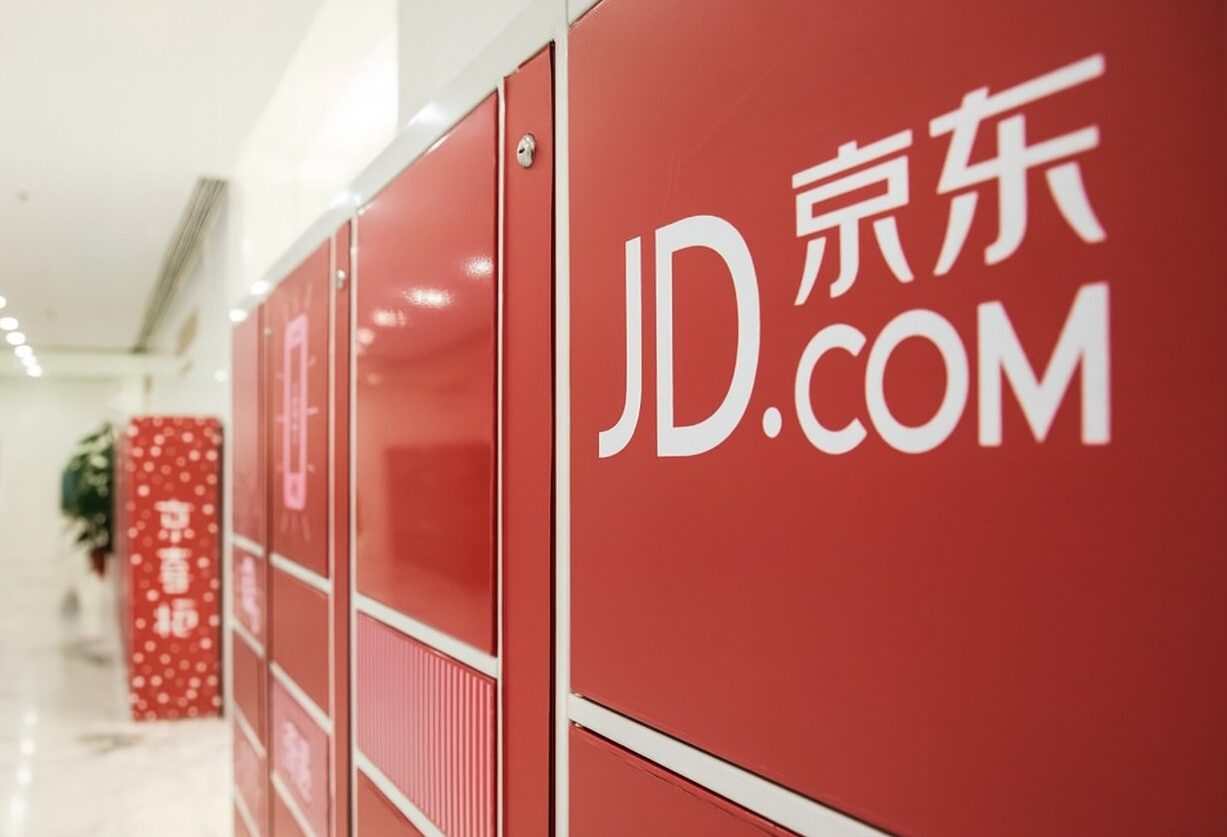
    JD.com, a major player in the Chinese e-commerce sector, has surpassed first-quarter revenue and profit expectations, provoking interest among investors about the role of Beijing’s subsidy program in maintaining this positive trend amidst rising tariffs and consumer demand issues.

    Shares of JD.com, listed in the US, showed a slight increase in early trading. CEO Sandy Xu informed analysts that although revenues from electronics and home appliances had decreased 8.4% year-on-year in the first quarter, there was still an observable sequential improvement.

    Despite facing external challenges in Q2, Xu expressed confidence in the potential for stronger performance in the electronics and home appliances sector in the latter half of the year.

    China, which holds the position of the world’s second-largest economy, continues to grapple with low consumer confidence. This is largely due to a protracted property slump and increased tariffs levied by the US on a variety of Chinese goods. The ongoing conflict between the US and Iran has also resulted in rising fuel prices and living costs, subsequently reducing consumer spending power.

    However, JD.com, the leading retailer of appliances and electronics, may have been able to moderate revenue losses with the help of subsidies from local governments. These subsidies encourage consumers to trade in their old appliances and electronics.

    Financial Implications

    The quarterly revenue for the period ending in March stood at $46.47 billion, outperforming the LSEG consensus estimate of $45.9 billion, which was calculated from the opinions of 15 analysts.

    Yet, increased expenses, including fulfillment costs, research and development, and marketing, led to a decrease in net income. JD.com’s net income attributable to its ordinary shareholders was $750.872, surpassing expectations of $496.164.8, but representing a 53% decline from the previous year.

    The preceding quarter saw a net loss of $398.993, partly attributable to significant investments in food delivery. As a means of generating new revenue sources amidst fierce e-commerce competition, the company ventured into the food delivery sector last year, going up against established competitors like Meituan and Alibaba. This move, however, added to the pressure on profits.

    Xu stated that the food delivery business of JD.com is already demonstrating its strategic value by contributing an additional 3% to advertising revenues in Q1. The company also reported that investment in JD Food Delivery has “significantly narrowed on a sequential basis.”

    Questions & Answers

    What were JD.com’s first-quarter revenue and profit results?
    The company exceeded first-quarter revenue and profit expectations, reporting a quarterly revenue of $46.47 billion.

    What challenges is JD.com facing in generating profits?
    JD.com is struggling with increased expenses in several areas, including fulfillment costs, research and development, and marketing. The company also faced a net loss in the preceding quarter due to heavy investments in food delivery.

    How is JD.com strategizing to combat these challenges and generate new revenue?
    JD.com entered the food delivery market last year to develop new revenue streams. Despite the high costs, the company’s food delivery business is already contributing an additional 3% to advertising revenues.


  • Fast-Fashion Rivals Shein and Temu Ignite Global Legal Showdown Over Massive Copyright Infringement Allegations

    Fast-Fashion Rivals Shein and Temu Ignite Global Legal Showdown Over Massive Copyright Infringement Allegations

    The fast-fashion online market is currently in the spotlight as a significant legal tussle unfolds between two rapidly growing competitors, Shein and Temu. The case, presently in motion at London’s High Court, erupted after Shein accused Temu of large-scale copyright infringement. In response, Temu alleges that Shein is employing litigation tactics to cripple the competition.

    This legal conflict has global implications, potentially affecting e-commerce platform practices, supplier relationships, and the enforcement of intellectual property rights within the industry.

    Allegations and Counterclaims

    Shein asserts that Temu has exploited thousands of their original photographs to promote replicas of Shein’s proprietary clothing line on its platform. Shein’s legal representative, Benet Brandreth, characterized this move as an attempt to illicitly gain an upper hand by taking advantage of an established competitor. Temu, however, refuses to accept the allegations.

    Brandreth informed the court that Temu has retracted its defense against Shein’s copyright claims involving roughly 2300 photographs taken by Shein employees. He likened this to a defendant waiting to see if the witnesses appear in court, only to later confess to the allegations.

    Meanwhile, Temu, a subsidiary of PDD Holdings, has lodged a counterclaim seeking damages. This move came after Shein obtained an injunction, which resulted in Temu having to delist thousands of products. Temu has also accused Shein of violating competition laws by compelling fast-fashion suppliers into exclusive contracts. This portion of the lawsuit is scheduled for trial in the coming year.

    According to Temu’s legal team, Shein’s lawsuit is not a genuine effort to prevent copyright infringement. Instead, they contend that it is a strategic move aimed at securing a competitive edge.

    Impact and Implications

    The London trial is only the latest episode in the ongoing legal feud between Shein and Temu, which has seen lawsuits filed in the United States as well. Amidst escalating regulatory scrutiny, this feud throws light on the intensified competition in the fast-fashion industry.

    Both Shein and Temu have seen rapid expansion in international markets due to their affordable clothing, accessories, and gadgets. However, the growth of both companies could be hindered by policy changes, such as the revocation of a US customs exemption on low-value e-commerce parcels last year, and the European Union’s plan to implement a similar measure in July.

    Questions & Answers

    What are the allegations made by Shein against Temu?
    Shein accused Temu of copyright infringement, alleging that Temu used thousands of Shein’s own-brand clothing photographs to advertise copies on its platform.

    What is Temu’s response to Shein’s allegations?
    Temu denies the allegations and counters by claiming that Shein is using litigation to stifle competition. Temu also accuses Shein of breaking competition law by tying fast-fashion suppliers to exclusive agreements.

    What could be the implications of this legal battle for the fast-fashion industry?
    The legal dispute has potential global implications and could impact platform practices, supplier relationships, and the enforcement of intellectual property rights across the e-commerce industry.

  • Coupang Bounces Back: Q1 Shows Promising Growth Amidst Ongoing Recovery Efforts

    Coupang Bounces Back: Q1 Shows Promising Growth Amidst Ongoing Recovery Efforts

    Coupang, the South Korean e-commerce giant, has made a steady start to Fiscal Year 2026, according to its first quarter results. The data indicates a slow but steady recovery following disruptions experienced towards the end of last year.

    Stronger Financial Performance

    The Q1 results unveiled a noticeable growth in the company’s revenue, which rose to $8.5 billion. This marks an 8 percent year-over-year increase, slightly outpacing analysts’ expectations. Coupang’s financial performance improved during February and March, following a less-than-stellar beginning to the year.

    Management indicated that January was the most challenging month, with a decline in order frequency, membership engagement, and overall customer interactions. However, these metrics consistently improved throughout the quarter, pointing towards a positive trend.

    Despite this promising uptick in performance, executives were quick to point out that the recovery process is not yet fully complete. According to founder Bom Kim, the company is committed to enhancing the customer experience that initially attracted shoppers to Coupang. The focus is not only on product commerce but also on the development of new offerings.

    Challenges and Future Prospects

    While the revenue showed positive growth during the quarter, the company’s profitability took a hit. Lower earnings were reported, driven by a variety of temporary factors and investment-related activities. The company’s management cited multiple pressures that are currently impacting margins, including increased promotional campaigns to re-engage customers during this recovery phase.

    Coupang remains optimistic about its future, reiterating its commitment to expanding new offerings and penetrating international markets, despite the potential impact on profitability. In Taiwan, for example, the company is laying the groundwork for an enhanced customer experience.

    Kim highlighted the company’s last-mile delivery network, which guarantees next-day delivery, saying it now covers the majority of their volume and is continuously expanding. This initiative is still in its early stages in Taiwan, but early feedback from customers has been overwhelmingly positive.

    Looking forward, Coupang is anticipating continued improvement during the second quarter with minimal lingering effects from previous disruptions.

    Questions & Answers

    What challenges did Coupang face in the beginning of Fiscal Year 2026?
    Coupang faced disruptions that resulted in a weak start to the year, particularly in January. Order frequency, membership engagement, and customer interactions declined during this period.

    How is Coupang planning to improve customer experience?
    Coupang’s founder, Bom Kim, stated that the company is focusing on enhancing the shopping experience that initially attracted customers to Coupang. This will involve improvements in product commerce as well as the development of new offerings.

    What are Coupang’s plans for expansion in international markets?
    Coupang has reaffirmed its commitment to scaling newer offerings and expanding into international markets, despite potential impacts on profitability. One such expansion is in Taiwan, where the company is working on enhancing its customer experience and expanding its last-mile delivery network.

  • Grab Defies Fuel Crisis with Double-Digit Growth: Record Earnings and Soaring Demand in Q1

    Grab Defies Fuel Crisis with Double-Digit Growth: Record Earnings and Soaring Demand in Q1

    Singapore-based Grab Holdings kicked off the new financial year on a high note, reporting double-digit growth in its first-quarter revenue and earnings, reflecting the company’s robust resilience in the face of market fluctuations.

    Impressive First-Quarter Results

    Grab’s revenue for the first quarter, ending March 31, climbed by 24%, amounting to US$955 million. This represents a 19% increase when considered on a constant currency basis.

    The gross value of the company’s on-demand merchandise, a key indicator of transactions from Grab’s mobility and delivery branches, also witnessed a significant jump. It surged by 24% according to reported figures and 21% on a constant currency basis.

    The firm recorded a striking 46% increase in its Adjusted EBITDA, reaching a record-setting figure of $154 million. Profits also displayed an upward trend, going from $10 million in the previous year to $120 million.

    Grab’s Group CEO and Co-founder, Anthony Tan, attributed these strong outcomes to the resilience of the company’s platform, particularly in the face of Southeast Asia’s unpredictable macroeconomic climate, which is currently grappling with a fuel crisis.

    Supporting Driver-Partners Amid Rising Fuel Prices

    Grab acknowledged an increase in its on-demand incentives during the quarter. This move was taken to bolster the earnings of driver-partners as fuel costs across the region spiral upwards. It also aimed to cater to the increased demand during the festive season.

    Segment-Wise Performance

    Looking at the performance of different sectors, the delivery revenue witnessed a 23% surge, totaling $510 million. The mobility revenue increased by 19%, amounting to $337 million. The financial services sector also saw a boost in revenue, with a 43% rise that led to $107 million.

    Outlook for the Full Year

    For the upcoming year, Grab maintains its revenue forecast, predicting a figure between $4.04 billion and $4.10 billion, indicating a 20-22% rise. The Adjusted EBITDA is also expected to grow by 40-44%.

    As the company moves forward, it reaffirms its commitment to ensuring durable, profitable growth while standing in solidarity with its communities. According to Tan, the company plans to leverage AI to deliver hyper-personalized experiences for users while creating more sustainable earning opportunities for ecosystem partners.

    Expansion Beyond Southeast Asia

    Earlier this year, Grab made its debut outside Southeast Asia by acquiring Delivery Hero’s Foodpanda business in Taiwan for $600 million.

    Questions & Answers

    What was Grab’s first-quarter revenue?
    Grab’s revenue for the first quarter was US$955 million, representing a 24% increase.

    What steps has Grab taken to support its driver-partners amid the fuel crisis?
    Grab has increased its on-demand incentives to bolster the earnings of driver-partners affected by rising fuel costs.

    What are Grab’s revenue predictions for the upcoming year?
    Grab estimates its revenue to be between $4.04 billion and $4.10 billion, indicating a 20-22% rise.

  • Temu Bolsters Global IP Protection: Joins IACC in Fight Against Counterfeiting and Piracy

    Temu Bolsters Global IP Protection: Joins IACC in Fight Against Counterfeiting and Piracy

    Temu, a global e-commerce platform based in Boston, has recently become a member of the International AntiCounterfeiting Coalition (IACC) in a bid to bolster its intellectual property protection efforts while simultaneously widening its global presence.

    Joining Forces with the IACC

    By partnering with IACC, Temu is joining a robust network of over 250 companies and organizations spanning across more than 40 countries, all diligently working to combat counterfeiting and piracy. This membership is a step forward for Temu in its broader intellectual property enforcement program, a program that has seen significant growth since its inception in 2022.

    According to a representative from Temu, “Safeguarding intellectual property is a critical aspect of creating a marketplace that is trustworthy for both consumers and brands. By becoming a part of the IACC, we are reaffirming our dedication to IP protection. We are eager to engage in productive collaborations with our counterparts in the industry as well as other stakeholders.”

    Collaborative Approach to Counterfeiting

    As part of its role in the IACC, Temu will be actively working in cross-industry groups and forging collaborations with brands, associations, and enforcement agencies. This initiative comes on the back of an earlier partnership between Temu and the IACC, which was formalized last year.

    Bob Barchiesi, the President of the IACC, expressed his views on the issue of counterfeiting by saying, “To tackle counterfeiting effectively, a coordinated effort across industries is essential. The IACC serves to bring all stakeholders to the same table to align their efforts and share best practices. We are excited for Temu’s active involvement in our network as we strive to create a safer and more trusted online ecosystem globally.”

    Comprehensive Enforcement System

    Temu’s enforcement system covers the entire platform lifecycle, including the vetting of sellers, pre-listing screening, and persistent monitoring. The company asserts that over 99.9% of takedown requests are addressed within a span of three business days. In 2024, Temu launched its Brand Guardian Initiative, which now offers support to more than 1500 brands.

    Presently, Temu operates in over 90 markets, bridging the gap between consumers and manufacturers, brands, and sellers worldwide as it continues to expand both its platform and compliance capabilities.

    Questions & Answers

    What is the main reason behind Temu’s membership in the IACC?
    Temu has joined the IACC to strengthen its intellectual property protection efforts and further expand its global presence.

    How will Temu’s membership with the IACC benefit its fight against counterfeiting?
    Joining the IACC allows Temu to collaborate with over 250 companies and organizations across more than 40 countries, sharing best practices and aligning efforts to combat counterfeiting and piracy on a global scale.

    What is Temu’s approach to enforcing intellectual property rights on its platform?
    Temu’s enforcement system spans the entirety of its platform’s lifecycle, including thorough vetting of sellers, pre-listing screening, and continuous monitoring. Additionally, it asserts a quick response time to takedown requests and has introduced the Brand Guardian Initiative to further support brands.

  • J&T Express Sees Stellar 18.5% Revenue Growth in 2025, Marks Profitability in New Markets

    J&T Express Sees Stellar 18.5% Revenue Growth in 2025, Marks Profitability in New Markets

    In 2025, global logistics service provider, J&T Global Express Limited (J&T Express), reported robust financial results. For the first time, the company’s total parcel volume breached the 30-billion mark, reaching 30.1 billion, a 22.2% increase from the previous year. The full-year total revenue also experienced significant growth, reaching US$12.2 billion – an 18.5% year-over-year (YoY) increase. These figures underscore the consistent growth momentum of the company’s global network, which spans across 13 countries.

    Continued Profitability and Expansion

    J&T Express reported continuous improvements in profitability, with an adjusted net profit of US$425 million, marking a 112.3% YoY increase. The Southeast Asia market, in particular, saw substantial growth, achieving what the company refers to as a “trifecta” of volume growth, market share expansion, and profit improvement. The adjusted Earnings Before Interest and Taxes (EBIT) in this market alone surged 77.5% YoY to US$538 million.

    In new markets, the company also reported positive figures with an adjusted EBIT of US$4 million, just three years after launching operations in 2022. Meanwhile, in the China market, despite intense competition and a challenging policy backdrop, the company maintained profitability through effective cost control, posting an adjusted EBIT of US$94 million.

    Dominance in Southeast Asia

    J&T Express further solidified its leadership position in the Southeast Asia market in 2025. The company’s parcel volume in this region reached 7.66 billion, a four-year high growth rate of 67.8% YoY. The revenue also soared 39.8% YoY to US$4.5 billion. By parcel volume, J&T Express increased its market share in Southeast Asia to 34.4%, ranking as the top express delivery operator in the region for six consecutive years since 2020.

    Growth in China

    In the China market, J&T Express reported high-quality growth in 2025, with business volume ranking fifth and revenue increasing 5% YoY to US$6.71 billion. The company handled 22.07 billion parcels, up 11.4% YoY. The company’s cost per parcel decreased YoY to US$0.28, maintaining the profit resilience of the business.

    New Markets

    In new markets, such as Saudi Arabia, UAE, Mexico, Brazil, and Egypt, J&T Express reported a parcel volume increase of 43.6% YoY to 404 million and a revenue rise of 51.2% YoY to US$870 million. The adjusted EBIT improved significantly from the same period last year to a profit of US$4 million, marking an important milestone in the company’s globalisation strategy.

    Questions & Answers

    What was the total revenue of J&T Express in 2025?
    The total revenue of J&T Express in 2025 was US$12.2 billion.

    What was the parcel volume of J&T Express in Southeast Asia in 2025?
    The parcel volume of J&T Express in Southeast Asia in 2025 reached 7.66 billion.

    What were the new markets for J&T Express in 2025, and how did they perform?
    The new markets for J&T Express in 2025 included Saudi Arabia, UAE, Mexico, Brazil, and Egypt. They reported a parcel volume increase of 43.6% to 404 million and a revenue rise of 51.2% to US$870 million. The adjusted EBIT improved significantly from the previous year to a profit of US$4 million.

  • Meituan Faces Second Quarter Loss Amid Intense Food Delivery Competition in China

    Meituan Faces Second Quarter Loss Amid Intense Food Delivery Competition in China

    In a fiercely competitive market, Chinese food delivery titan Meituan has reported a second consecutive quarterly loss, slightly missing projected revenue growth. Over the past year, the company has weathered intense competition sparked by aggressive subsidy tactics in China’s burgeoning one-hour delivery sector.

    The Rivals and the Battle

    The company’s profit margins and revenue growth have faced significant challenges following the emergence of ‘instant retail’ platforms introduced by e-commerce behemoths Taobao and JD, both subsidiaries of Alibaba, in early 2025. Instant retail, also known as quick commerce, is characterized by online orders—typically food, bubble tea, or daily essentials—delivered to customers within an hour.

    A Glimmer of Hope in 2026

    Despite the tough conditions, the early months of 2026 have shown promising signs that the cutthroat price competition in the instant retail sector may be easing. This phenomenon, which has been disparaged by Chinese regulators as a destructive ‘race to the bottom’, has begun to show signs of abating.

    Meituan’s Financial Status

    Meituan’s revenue for the quarter ending December 31 amounted to 92.1 billion yuan (US$13.3 billion), marking a 4.1% increase over the previous year. This figure fell slightly short of the 92.2 billion yuan forecasted by industry analysts. Meanwhile, the company’s adjusted net loss narrowed to 15.1 billion yuan from 16 billion yuan in the previous quarter. A year earlier, Meituan had reported a profit of 9.8 billion yuan.

    Regulatory Guidance and Market Health

    During a post-earnings call with analysts, Meituan’s CEO, Wang Xing, stated that the regulatory guidance regarding the price war in the instant retail sector is “already quite clear.” He also noted that regulators strongly oppose the relentless ‘neijuan’, or involution, competition and are focused on fostering a healthy, orderly market. The term ‘neijuan’ represents a form of competition where entities are forced to engage in increasingly intense rivalry that yields minimal benefits.

    In the wake of a state media editorial calling for an end to China’s food delivery price wars being republished by Chinese regulators, Meituan’s shares experienced a significant 14% surge. Industry observers viewed this as a sign of official approval.

    Questions & Answers

    What is the instant retail or quick commerce model?
    This refers to online purchases, often consisting of food, bubble tea, and daily necessities, which are delivered to customers within 60 minutes.

    What is meant by ‘neijuan’ competition?
    ‘Neijuan’, or involution, indicates a situation where individuals or companies are compelled into increasingly intense competition that offers little benefits.

    How did the market respond to regulatory intervention in the price war?
    Following a state media editorial urging an end to the food delivery price wars being republished by Chinese regulators, Meituan’s shares saw a significant 14% increase, signaling market approval of regulatory intervention.

  • PDD Holdings Misses Revenue Target Amid China’s Competitive Market and Global Uncertainty

    PDD Holdings Misses Revenue Target Amid China’s Competitive Market and Global Uncertainty

    PDD Holdings, the parent company of Temu, failed to meet its quarterly revenue and profit forecasts this Wednesday. The company highlighted the increasing domestic competition coupled with worldwide uncertainty as factors that will continue to impact operations.

    Despite Temu’s robust international growth, its business model, which centers around delivering inexpensive goods such as clothing, electronics, and homewares directly from China, is grappling with rising regulatory pressures in major markets.

    Regulatory Changes and Challenges

    PDD’s co-CEO, Chen Lei, during a post-earnings call with analysts, acknowledged the ongoing changes in the regulatory landscape. “Trade policies, taxation, data regulations, product compliance requirements, and other regulatory frameworks are undergoing significant shifts across different countries and regions, inevitably leading to more challenges and uncertainty,” stated Lei.

    Commenting on the situation, Liu Jun, PDD Holdings’ VP of Finance, stressed the need for continuous exploration and investment to meet evolving consumer needs.

    The company’s shares listed in the U.S. witnessed a rise of more than 7% after Chinese regulators and state media indicated an end to the price war. Bo Pei, an analyst at Tiger Securities, said this scenario strengthens PDD’s perception as a company undergoing a structural shift rather than merely steering through a cyclical slowdown.

    Pei added that successful execution could bolster long-term monetization and worldwide scalability. However, it would reduce short-term earnings visibility due to uncertainties and the extended timeline associated with reaping returns from these investments.

    Financial Performance and Future Prospects

    PDD’s quarterly net income decreased by approximately 11% to 24.5 billion yuan compared to the previous year. Its adjusted profit of 17.69 yuan per American Depositary Share fell short of the projected 20.76 yuan, influenced by rising operating expenses.

    The company posted a revenue of 123.9 billion yuan (US$17.96 billion) for the fourth quarter, slightly below analysts’ average estimate of 124.4 billion yuan.

    Impacts of Economic Uncertainty

    Growth on the Chinese Pinduoduo platform, which Temu is a part of, has cooled as consumers curbed discretionary spending due to broader economic instability. China’s wavering recovery and fragile household confidence have caused a decline in spending, even on discount-focused platforms.

    Temu’s business model, based on duty waivers on low-value parcels in numerous jurisdictions, has provoked criticism from retailers in countries like Germany and Argentina. They argue that companies like Temu, Shein, and Alibaba’s AliExpress maintain an unfair price benefit.

    Raids and Investigations

    Temu has been subjected to raids and investigations in several countries, encompassing Ireland, Turkey, and Nigeria, in recent months. Despite this, the company has consistently maintained its adherence to the laws and regulations in the markets it operates.

    Significant regulatory changes were introduced last year when the U.S. abolished the duty-free exemption on parcels valued under $800. Similarly, the EU has agreed to end its duty-free allowance on parcels under 150 euros ($176) from July this year.

    Questions & Answers

    What challenges are impacting PDD Holdings’ performance?
    Increasing domestic competition, global uncertainty, and changing regulatory environments pose significant challenges for PDD Holdings.

    What strategic steps is PDD Holdings taking to meet evolving consumer needs?
    PDD Holdings is focusing on continuous exploration and investment to cater to changing consumer demands, aiming to bolster its future monetization and worldwide scalability.

    What changes in international trade policies are affecting PDD Holdings’ business model?
    The abolishment of the duty-free exemption on low-value parcels by the U.S. and the EU’s upcoming termination of its duty-free allowance significantly impact PDD Holdings’ business model, which relies heavily on such waivers.

  • AliExpress Takes Steps to Align with EU Regulations amidst Scrutiny over Sale of Unsafe and Counterfeit Products

    AliExpress Takes Steps to Align with EU Regulations amidst Scrutiny over Sale of Unsafe and Counterfeit Products

    In response to heightened scrutiny by the European Union (EU), Chinese e-commerce platform AliExpress has announced enhanced measures to ensure compliance with the bloc’s regulations. This move comes as the EU intensifies its focus on rapidly expanding online platforms like AliExpress, Temu, and Shein, all of which offer inexpensive products manufactured in China to the EU market duty-free. This is due to a waiver on low-value e-commerce packages, a privilege now under review.

    Scrutiny and Investigations

    AliExpress, which operates under the umbrella of Alibaba and sells products in over 200 countries, has been under the EU Commission’s microscope since March 2024. The company acquiesced to legally binding commitments in June the same year, promising to strengthen its regulatory oversight.

    However, a high-profile incident in November, in which AliExpress was found to be selling inappropriate dolls, led to the platform banning the China-based seller responsible for the products.

    Eric Pelletier, Alibaba’s head of international government affairs, assured European lawmakers that AliExpress is taking significant steps to ensure compliance with the bloc’s regulations. He announced plans to decrease the visibility of adult products by default, and acknowledged that further work was needed in several areas. These include preventing the relisting of illegal products, strengthening penalties, and expediting the removal of non-compliant sellers.

    Responses and Future Plans

    Christel Schaldemose, an EU lawmaker and lead rapporteur on the Digital Services Act, expressed skepticism about the effectiveness of AliExpress’s systems. Schaldemose underscored safety as her main concern, but also highlighted the issue of unfair competition faced by companies adhering to EU regulations.

    The number of low-value e-commerce packages entering the EU saw a 26% increase last year, reaching 5.8 billion. In an attempt to level the playing field with domestic retailers, the bloc plans to introduce fees on these shipments.

    Questions & Answers

    What measures is AliExpress taking to strengthen its regulatory compliance in the EU?
    AliExpress has committed to enhancing its controls, including decreasing the visibility of adult products by default, preventing the relisting of illegal items, strengthening penalties, and expediting the removal of non-compliant sellers.

    Why is the EU increasing its scrutiny of online platforms like AliExpress?
    The EU is concerned about safety issues, the sale of counterfeit items, and unfair competition towards companies that comply with the bloc’s rules.

    What is the EU’s plan regarding low-value e-commerce packages?
    The EU plans to introduce fees on these shipments to promote fair competition with domestic retailers.

  • Paris Court Upholds Shein’s Marketplace Despite Pressure From French Government

    Paris Court Upholds Shein’s Marketplace Despite Pressure From French Government

    Shein, a Chinese online retailer popular for its fast-fashion offerings, emerged victorious after the Court of Appeal in Paris dismissed France’s plea for the suspension of the platform. The court’s decision came in the aftermath of a controversy where the sale of child-like sex dolls and illegal weapons on Shein’s marketplace was uncovered, leading to governmental legal intervention.

    Previously, the French authorities had demanded a complete prohibition of Shein’s operations. However, this was later reduced to the demand for a suspension of its marketplace operations. A lower court had already rejected the government’s request in December, but the decision was appealed. Shein, which boasts millions of customers worldwide due to its low-cost clothing, gadgets, and accessories, has been facing criticism in France since the damning findings were disclosed in November.

    Shein operates as a multifaceted platform, selling its own branded products while also providing a marketplace for third-party sellers to offer a wide variety of items, ranging from kitchen appliances to smartphones. In response to the investigation, the company temporarily halted its marketplace operations in France, resuming only after the December court ruling.

    The Court’s Decision

    The appeals court upheld the earlier verdict, dismissing the additional demands presented by the French State. Furthermore, the court reiterated that Shein is prohibited from listing such controversial products on its platform without implementing adequate age-verification measures.

    Reacting to the court ruling, the French government pledged to be “extremely vigilant” in ensuring that Shein adheres to the court-imposed conditions.

    Shein’s Response

    In response to the court’s ruling and the controversy, Shein has announced the rollout of age-verification measures. It has also ceased to permit third-party sellers to list sex dolls on its platform across all markets.

    The company released a statement following Thursday’s verdict, stating, “Over the last several months, we have continued to significantly reinforce our controls for both sellers and products on our marketplace, to ensure that our consumers in France can enjoy a safe and enjoyable online shopping experience.”

    The statement also mentioned that Shein has been in constant communication with French and European authorities and is actively engaging with the European Commission regarding the implementation of stricter age-verification measures.

    Future Challenges

    Despite the favorable court ruling, the fast-fashion giant is not out of the woods yet. Shein is currently under investigation by the European Union for potential violations related to illegal products and the potentially addictive design of the platform.

    Furthermore, Shein is likely to face continued scrutiny from the French government. The country’s minister for small and medium-sized businesses has indicated that online retailers like Shein will face a “year of resistance”, suggesting that the platform enjoys an unfair competitive advantage over European retailers.

    Questions & Answers

    What was the controversy that led to the French government’s request for a ban on Shein?
    The company was found to be selling child-like sex dolls and illegal weapons on its platform, which led to the call for a ban on Shein’s operations in France.

    What are the implications of the recent court ruling for Shein?
    The court dismissed the French government’s request for a suspension of Shein’s marketplace. However, it mandated strict age-verification measures for certain products.

    What measures has Shein taken following the controversy?
    Shein has stopped allowing third-party sellers to list sex dolls on its platform. It is also implementing age-verification measures and enhancing controls for sellers and products on its marketplace.

  • Alibaba’s Profits Tumble Amid Unsuccessful Retail Promotions and Emerging AI Challenges

    Alibaba’s Profits Tumble Amid Unsuccessful Retail Promotions and Emerging AI Challenges

    Alibaba, China’s largest e-commerce firm, reported a modest 1.7% increase in third-quarter revenue, significantly below expectations. However, more concerning was the staggering 66.3% drop in net income, largely due to heavy spending on one-hour delivery and extensive promotional activities during peak shopping periods, which did not translate into higher demand as anticipated.

    The company’s US-listed shares fell over 6% in early trading following the report. Alibaba’s revenue for the quarter, which ended in December, reached 284.84 billion yuan (US$41.28 billion), a far cry from the predicted 3.7% rise. The company’s adjusted earnings amounted to 7.09 yuan per American Depository Share, significantly below the estimated 11.64 yuan.

    Focusing on AI Profitability

    On a brighter note, Alibaba’s cloud revenue exceeded expectations, posting a growth of 36%. This growth was driven by the company’s aggressive integration of AI agents into the consumer-facing aspects of its business, along with increased investments.

    The tech industry, both in China and globally, is closely monitoring the progress of AI monetization as firms grapple with turning this revolutionary technology into a profitable venture. In line with this, Alibaba recently announced its decision to segregate its AI businesses from its cloud computing division.

    The newly created Alibaba Token Hub business group, under the leadership of CEO Eddie Wu, marks the company’s clear shift towards AI-based digital assistants. These AI models use significantly more tokens, or data units for generating language, compared to traditional Q&A chatbots.

    Alibaba recently launched a pre-Chinese New Year promotional campaign featuring its chatbot Qwen. This has now evolved from answering questions to assisting consumers with ordering food and e-commerce products. This strategy led to a significant increase in daily active users to around 50 million. However, usage has since declined.

    “Unfortunately, 30-day retention remains relatively low, as users are primarily engaging in general entertainment and consumer-related scenarios, which indicates low user loyalty,” commented Jamie Chen of Third Bridge.

    CEO Eddie Wu shared the company’s ambitious vision during a call with analysts, stating, “Over the next five years, our goal is to surpass $100 billion in combined cloud and AI external revenue.”

    The Impact of the Ongoing Property Crisis

    By the end of last year, a drawn-out property crisis and income stability concerns continued to negatively impact consumer sentiment. This resulted in reduced spending, even during traditional periods of high expenditure.

    Even an extended Singles’ Day sales event in November, that lasted over a month, received a lukewarm response. Retailers increased discounts and subsidies to boost spending, but cautious consumers and year-round deals diluted the event’s traditional sales spike.

    Aggressive spending by Alibaba and JD to provide discounts and faster delivery to capture market share from food-delivery leader Meituan led to pressure on profit margins.

    In upcoming quarters, the focus for Alibaba will be on improving unit economics for its Taobao Quick Commerce division. Executives have reiterated their aim to achieve a gross merchandise volume of 1 trillion yuan and predict that the business will turn profitable by the fiscal year 2029.

    Questions & Answers

    What were the Q3 results for Alibaba?
    Alibaba reported a 1.7% rise in third-quarter revenue and a 66.3% drop in net income, both below analysts’ estimates.

    What is Alibaba’s focus in the tech industry?
    Alibaba is focusing on AI monetization, integrating AI agents into the consumer-facing side of its business, and separating its AI businesses from its cloud computing arm.

    How did the property crisis affect Alibaba’s performance?
    A prolonged property crisis and concerns about income stability weighed on consumer sentiment, limiting spending even during traditional periods of high expenditure. This resulted in lower-than-expected revenues for Alibaba.

  • Joybuy’s European Invasion: JD Challenges Amazon with Major eCommerce Expansion

    Joybuy’s European Invasion: JD Challenges Amazon with Major eCommerce Expansion

    On Monday, JD, a top-tier e-commerce powerhouse from China, announced the expansion of its Joybuy online marketplace into several European markets. By extending its reach into the United Kingdom, Germany, France, the Netherlands, Belgium, and Luxembourg, JD is significantly enhancing its global footprint and setting itself up as a formidable competitor against Amazon, the current market leader.

    JD’s international growth strategy gained momentum last year with the agreed purchase of Germany’s Ceconomy, the parent company of popular electronics retailers MediaMarkt and Saturn, in a deal worth 2.2 billion euros (US$2.52 billion).

    Chinese Retailers Expand Global Reach

    This move by JD is part of a broader trend of Chinese retailers and brands seeking to establish themselves in foreign markets. With the retail landscape in China marked by intense competition and tepid consumer demand, businesses are increasingly turning to countries in North America and Europe as potential sources for scalable growth.

    Joybuy, both on its website and mobile app, will offer a wide range of products from various categories, including technology, appliances, beauty, home goods, and groceries. The platform will also host dedicated stores for several household brands such as L’Oreal, Braun, DeLonghi, BRITA, and Bodum. JD has promised that pricing on Joybuy will be “competitive.”

    Fast Delivery as a Selling Point

    According to Matthew Nobbs, Joybuy’s UK Managing Director, the company’s formidable delivery service will be one of its key selling points. Customers in major cities who place their orders by 11 am can expect to receive their purchases on the same day, while orders placed before 11 pm will be delivered the following day.

    Joybuy’s same-day delivery will be available to more than 15 million households across Europe and the UK from the get-go. The company offers free delivery on orders over 29 euros ($33.21) or 29 pounds ($38.52) and plans to challenge Amazon Prime with its own delivery subscription service. Known as ‘JoyPlus’, this service will provide subscribers with unlimited free delivery for a monthly fee of 3.99 euros or 3.99 pounds.

    While Mr. Nobbs did not disclose the amount invested by JD in this ambitious project, he did confirm the involvement of 60 warehouses and depots across Europe and a dedicated last-mile delivery service. It is worth noting that JD’s previous bids to penetrate the UK market, including a potential takeover of consumer electronics retailer Currys and a bid to acquire Argos from the Sainsbury’s supermarket group, have fallen through.

    Questions & Answers

    What is JD’s latest venture?
    JD has expanded its Joybuy online marketplace into the UK, Germany, France, the Netherlands, Belgium, and Luxembourg.

    What types of products will Joybuy offer in these new markets?
    Joybuy will sell products across various categories, including technology, appliances, beauty, homeware, and grocery.

    What is Joybuy’s delivery policy?
    Joybuy offers fast delivery, with orders placed by 11 am arriving the same day and orders placed before 11 pm arriving the next day. Free delivery is available on orders over 29 euros or 29 pounds, and an unlimited free delivery subscription service, ‘JoyPlus’, is available at a monthly fee of 3.99 euros or 3.99 pounds.

  • Flipkart Makes Monumental Move to India, Preps for Anticipated IPO

    Flipkart Makes Monumental Move to India, Preps for Anticipated IPO

    Flipkart, the Indian e-commerce company owned by Walmart, has relocated its holding company from Singapore to India, a move that marks an important prerequisite for the company’s anticipated stock market debut in India.

    Returning Home for Better IPO Prospects

    The move sees Flipkart joining numerous other Indian startups that initially set up base overseas, lured by the promise of easier access to capital and lower taxes. However, these companies are now seeking to return to India, drawn by the potential for more lucrative Initial Public Offerings (IPOs) in the domestic market.

    In an official statement, Flipkart revealed that it had received the Indian government’s green light for its internal restructuring, thus culminating in its successful “redomiciliation” to India. The company hailed this development as a “significant milestone”.

    A Decade of Expansion

    Flipkart, founded in 2007 as an online bookseller, has grown into a dominant player in India’s e-commerce landscape, rivaling global giant Amazon. The company relocated its holding company to Singapore in 2011, a decision reversed in 2021 when Walmart acquired a majority stake in the company for a whopping US$16 billion.

    As of 2024, Flipkart had an estimated valuation of approximately US$37 billion. This valuation followed a $350 million investment by Alphabet’s Google for a minority stake in the company.

    Looking Forward to the Mumbai Listing

    The company has set its sights on a listing in Mumbai by March 2027. However, details regarding the company’s valuation for the IPO and the size of the offering are yet to be finalized.

    Questions & Answers

    What is the importance of Flipkart’s move to India?
    The relocation of Flipkart’s holding company from Singapore to India paves the way for its anticipated IPO in the Indian stock market.

    Why are Indian startups returning home from overseas?
    Indian startups that had initially set up base abroad for better access to capital and lower taxes are now returning due to the potential for higher returns from IPOs in India.

    What are Flipkart’s future plans?
    Flipkart is planning to list on the Mumbai stock market by March 2027, but the details regarding its valuation for the IPO and the size of the offering are yet to be finalized.

  • JD Revenue Underwhelms Amid Subsidy Shrinkage and E-Commerce Rivalry in China

    JD Revenue Underwhelms Amid Subsidy Shrinkage and E-Commerce Rivalry in China

    Chinese e-commerce giant JD has recently reported quarterly revenues that fell short of the market’s expectations. This underperformance has been attributed to tough competition and dwindling advantages from government subsidies, which have impacted the company’s demand.

    China’s Consumer Demand Weakness

    In recent years, consumer demand in China has seen a significant decrease. This downturn can be traced back to a range of contributing factors such as the ongoing crisis in the property sector, concerns over employment, and geopolitical tensions. All of these have placed a strain on the growth of China’s economy, which is the second-largest globally.

    These challenges have made a significant impact on retailers like JD, currently the country’s largest home appliances seller. As consumers have been forced to reduce their discretionary purchases, this has directly affected the company’s revenues.

    The Impact of Government Subsidies

    In past quarters, JD was able to leverage government subsidies to boost its performance. However, the benefits from these subsidies are fading, particularly as year-on-year comparisons are becoming increasingly challenging.

    In an effort to drive sales, the company has been capitalizing on other product categories and exploring new revenue streams. This includes its instant retail business and advertising division.

    JD’s CEO, Sandy Xu, commented during a recent conference call with analysts that “Our growth drivers are becoming more diversified. The general merchandise category maintains a healthy growth trend, while service revenue, including advertising, will sustain rapid growth momentum.”

    E-commerce Competition and Future Outlook

    Despite these efforts, JD still faces stiff competition, particularly from e-commerce rivals such as Alibaba and PDD Holdings that have been increasing their discounts on China-based platforms. These aggressive promotions and price cuts have greatly affected profit margins.

    JD’s fourth quarter revenue rose by 1.5%, reaching 352.3 billion yuan (US$51.12 billion). However, this figure was below the average analyst estimate of 353.86 billion yuan, according to data from LSEG.

    As for JD’s future plans, Xu indicated that investment in the food delivery business is expected to decrease in 2026 compared to 2025. Furthermore, she predicted that the electronics and home appliances category might experience pressure in the upcoming first quarter due to a high base. However, growth could potentially accelerate in the second half of the year and exceed the first.

    Questions & Answers

    What factors have contributed to the decreased consumer demand in China?

    A prolonged crisis in the property sector, employment concerns, and geopolitical tensions have all significantly weighed on China’s economic growth, thereby decreasing consumer demand.

    How is JD addressing the challenges it’s facing in the current economic climate?

    JD has been seeking to diversify its growth drivers and explore new revenue streams, such as its instant retail business and advertising unit, to sustain its growth momentum.

    What are the company’s expectations for the future?

    JD’s CEO anticipates that the electronics and home appliances category will face pressure in the first quarter due to a high base. However, she expects growth to potentially accelerate in the second half of the year and exceed the first.

  • Amazon Boosts Indian Market Presence: Cuts Reseller Referral Fees to Propel Small Business Growth

    Amazon Boosts Indian Market Presence: Cuts Reseller Referral Fees to Propel Small Business Growth

    In a bid to strengthen its foothold in India’s highly competitive e-commerce sector, Amazon recently announced that it will cease to charge sellers referral fees for products priced under 1,000 rupees, or US$10.98. This decision, revealed by the company on Monday, is part of an ongoing initiative to attract a broader range of merchants to its online marketplace.

    Enhancing the ‘Zero-Referral Fee’ Policy

    Amazon is building upon its ‘zero-referral fee’ policy that was introduced last year. Initially, this policy was applicable only to about 12 million products that were priced below 300 rupees. However, the implementation of this policy led to a remarkable 50% increase in the number of new sellers joining Amazon’s platform in India.

    A referral fee is essentially a commission that sellers have to pay to Amazon for each product sold through its platform. The newly extended policy, which came into effect on March 16, now applies to more than 125 million products.

    Along with this, Amazon has also announced a reduction in certain shipping charges, making it even more cost-effective for sellers to use their platform.

    Amit Nanda, the director of Selling Partner Services for Amazon India, stated that this move was aimed at “making selling on Amazon more lucrative and simpler, particularly for small businesses and entrepreneurs in tier-2 and tier-3 cities.”

    Amazon’s Crucial Market: India

    India has become an increasingly important market for Amazon due to its expanding base of internet users, which has significantly fueled e-commerce growth in the world’s most populous country.

    However, the e-commerce giant faces stiff competition not just from Walmart-backed Flipkart and the retail division of Mukesh Ambani’s Reliance Industries, but also from quick-commerce platforms such as Eternal’s Blinkit and Swiggy’s Instamart, which have been rapidly gaining market share.

    Amazon revealed plans in December to invest more than $35 billion in India by 2030. The investment will not only be used to expand its AI infrastructure, but also to enhance retail logistics and boost small-business growth.

    Questions & Answers

    What does Amazon’s new decision entail?
    Amazon has decided to stop charging sellers in India referral fees for products priced under 1,000 rupees. It has also reduced certain shipping charges.

    What is the goal behind Amazon’s decision?
    This decision is aimed at attracting more merchants to Amazon’s online marketplace in India, making the platform more lucrative and simpler, especially for small businesses and entrepreneurs in tier-2 and tier-3 cities.

    How does Amazon plan on investing in India’s e-commerce sector?
    Amazon has revealed plans to invest more than $35 billion in India by 2030. The funds will be used to expand its AI infrastructure, improve retail logistics, and boost the growth of small businesses.