Retail News CRM

Tag: economic

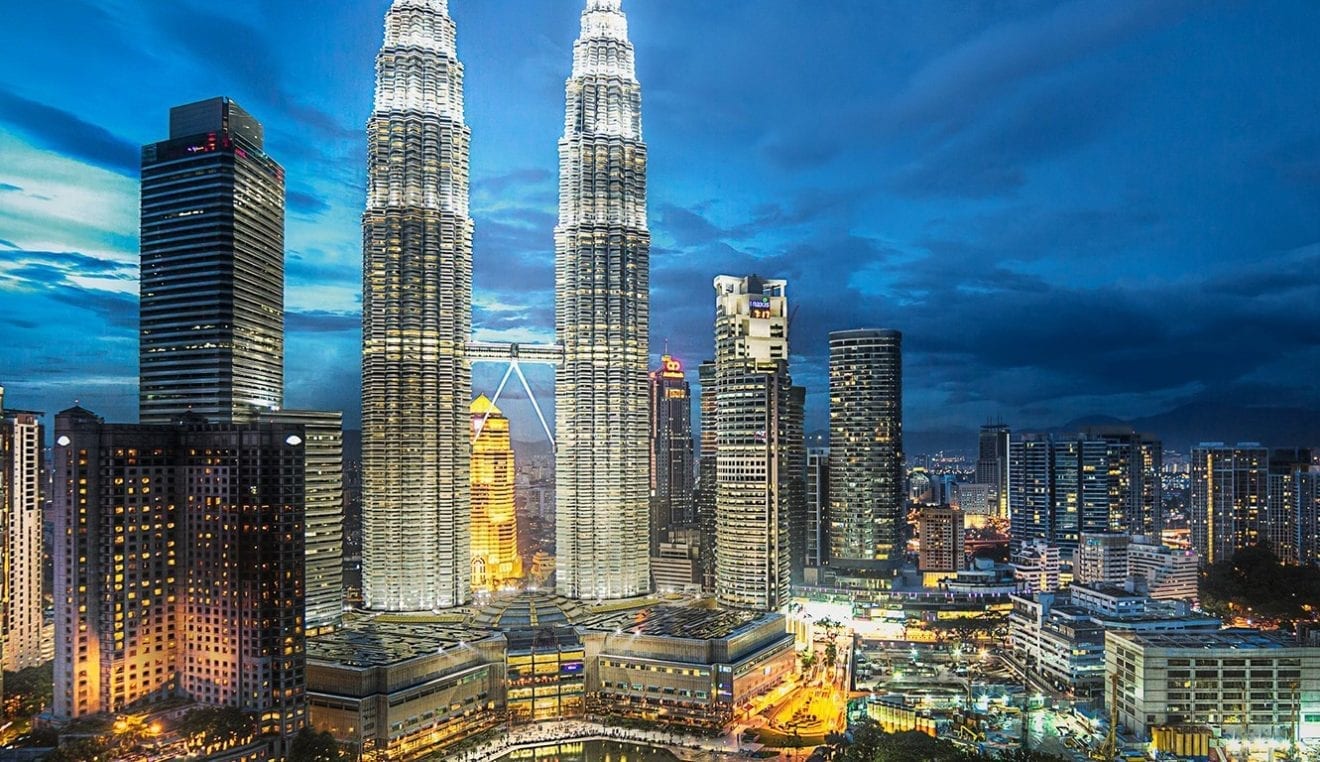
  • Formula 1’s Malaysian Comeback: An Economic Boost through Tourism and Global Exposure

    Formula 1’s Malaysian Comeback: An Economic Boost through Tourism and Global Exposure

    Malaysia is poised to host the Formula 1 Bahrain Grand Prix in October, an event that is projected to give a significant boost to the country’s economy through tourism and related sectors. Analysts believe that the race will have long-term economic benefits for the country, contributing to an increase in tourism, attracting more international investment, and promoting the organization of other world-class events.

    Race Details and Economic Impacts

    Deputy Prime Minister Ahmad Zahid Hamidi stated that the economic impacts of hosting such a prestigious event extend beyond simply increasing tourist numbers. The global media coverage and viewership that the race attracts will also greatly contribute to promoting Malaysia on an international scale. Formula 1 and the Fédération Internationale de l’Automobile (FIA) recently announced that Malaysia has been selected to host the Bahrain Grand Prix at the Sepang International Circuit (SIC) from October 2-4, 2026. This is contingent upon final agreements and official approval, including endorsement from the World Motor Sport Council.

    The upcoming race, set to take place between the Azerbaijan and Singapore Grands Prix, is a one-off replacement for the Bahrain GP, which has been postponed due to regional conflicts. Malaysia has been chosen as the host country due to the SIC having been the venue for F1 on numerous occasions between 1999 and 2017.

    Positive Reactions and Expectations

    The decision has been well-received in Malaysia, with former Sepang International Circuit CEO, Datuk Razlan Razali, stating that the choice of Malaysia as host makes strategic sense. Razali also believes that hosting the Bahrain GP will not pose any major operational challenges and that the SIC will not require any significant modifications for Formula 1.

    While the idea of Formula 1’s permanent return to Malaysia remains unlikely due to the high costs associated with hosting the championship, Razali is confident that the upcoming race will benefit domestic tourism and create opportunities for local suppliers and food and beverage businesses.

    Motorsports Association of Malaysia president Tan Sri Mokhzani Mahathir also welcomed the return of Formula 1 to Sepang, stating that it would be particularly meaningful for younger motorsport fans who missed the championship after it left Malaysia in 2017. Mahathir is optimistic that the hospitality, tourism, airline, and F&B sectors will all see benefits from the event.

    Questions & Answers

    What are the expected benefits of Malaysia hosting the Formula 1 Bahrain GP?
    Hosting the race is expected to boost Malaysia’s economy through increased tourism and related industries. In the long run, it could potentially attract more international investment and encourage organization of other world-class events.

    Why was Malaysia chosen to host the Bahrain GP?
    Malaysia was selected due to its successful track record of hosting F1 at the Sepang International Circuit, having done so 19 times between 1999 and 2017.

    Is there a possibility of Formula 1 permanently returning to Malaysia?
    The likelihood of a permanent return is currently considered remote due to the high costs associated with hosting the championship. However, this upcoming race could potentially pave the way for further discussions.

  • HCMC’s Overseas Remittances Drop 23% Amid Global Economic Challenges in H1 of 2026

    HCMC’s Overseas Remittances Drop 23% Amid Global Economic Challenges in H1 of 2026

    In the first half of 2026, Ho Chi Minh City (HCMC) received over $4 billion in remittances, marking a considerable decrease of almost 23% compared to the same period in the previous year. Factors contributing to this downward trend include a sluggish global economy, more restrictive immigration policies, and shifts in capital flows, all of which negatively affected overseas Vietnamese transfers.

    During the second quarter, remittances that were transferred via credit institutions and economic organizations amounted to $2.03 billion. Although this reflects a slight increase of 1.4% from the first quarter, it is a significant decrease of 27.9% compared to the same quarter last year, as reported by the State Bank of Vietnam (SBV)’s Region 2 Branch.

    Geographical Distribution of Remittances

    Tran Thi Ngoc Lien, the Deputy Director of the SBV’s Region 2 Branch, disclosed that Asia continued to be the most significant source of remittances, contributing over $1 billion, representing 49.3% of total inflows. This figure is up by 9.8% from the previous quarter. The Americas came in second, contributing $672.6 million, making up over 33% of the total.

    In the first quarter, remittances from Asia increased by 9.8%, becoming the primary force of recovery. However, inflows from Europe, the Americas, and Oceania decreased.

    For the first six months, Asia and the Americas remained the leading sources, accounting for over 81% of total remittances. Asia led the way with $1.92 billion, accounting for 47.5% of the total. The Americas followed with $1.38 billion, or 34.1%, and Oceania contributed $418.3 million or 10.4% of the total.

    Contributing Factors and Future Projections

    According to Lien, the decline in remittances is attributed to a mix of international and domestic factors. Slow global economic growth, the strong U.S. dollar, and stricter immigration policies in several countries have all affected employment and income, impeding the ability of overseas Vietnamese to send money home.

    Inflationary pressures, increased living costs, labor market changes, and tax policy adjustments related to certain money transfer transactions have also impacted the Americas, particularly the U.S. – a significant remittance market for HCMC.

    Domestically, the SBV’s Region 2 Branch pointed out that some investment channels have not been attractive enough to absorb remittance capital. Moreover, the interest rates for foreign currency deposits have remained at 0%, leading some overseas Vietnamese to keep their funds abroad or shift them to other investment assets.

    Nevertheless, the SBV’s Region 2 Branch predicts a potential recovery, provided the global economy avoids major disruptions, and the current recovery trend persists in the second half of the year. The projections suggest that HCMC’s total remittance inflows in 2026 could reach between $8.6 and $8.9 billion.

    Despite being below levels recorded in previous years, remittances are expected to recover more noticeably on a quarterly basis, bolstered by the easing of international interest rate conditions, exchange rate stability, and the continued effectiveness of banks’ remittance promotion programs.

    Questions & Answers

    Why have remittances to HCMC reduced significantly in the first half of 2026?
    The decline can be attributed to global economic challenges, tighter immigration policies, and shifts in capital flows that have affected overseas Vietnamese transfers.

    Which regions are the main contributors to remittances to HCMC?
    Asia and the Americas are the two principal sources of remittances to HCMC, collectively accounting for over 81% of total remittances.

    What are the expectations for HCMC’s remittances in the second half of 2026?
    If the global economy remains stable and the current recovery trend continues, HCMC’s total remittance inflows are projected to reach between $8.6 and $8.9 billion in 2026.

  • Vietnam’s Economic Surge: Standard Chartered Uplifts 2026 GDP Growth Forecast to 9.5%

    Vietnam’s Economic Surge: Standard Chartered Uplifts 2026 GDP Growth Forecast to 9.5%

    Standard Chartered has increased its projection for Vietnam’s economic growth in 2026 to 9.5%, a considerable increase from its previous estimate of 7.2%. This revision comes on the heels of Vietnam’s robust economic performance in the first half of the year, with key growth sectors showing continuing momentum. Moreover, the bank expects this positive trend to extend into 2027, anticipating a GDP growth of 11%. This revision signifies one of the most substantial forecast upgrades the bank has made for Vietnam in recent times.

    Forecast Adjustments and Economic Stability

    In tandem with this increased growth projection, Standard Chartered has decreased its inflation forecast for 2026 and 2027 to 4.4% and 3.3% respectively. This reduction comes as the bank predicts a further easing of price pressures. Consequently, the State Bank of Vietnam is expected to keep its policy rates unchanged, maintaining a balance between supporting economic growth and ensuring macroeconomic stability.

    According to Tim Leelahaphan, Senior Economist for Vietnam and Thailand at Standard Chartered, Vietnam has shown significant resilience and adaptability during the first half of 2026. Growth has exceeded expectations, largely due to the robust recovery of the manufacturing-processing industry, services, and investment sectors, as well as the beneficial impact of pro-growth policy measures.

    Outlook for the Future

    Despite existing global economic uncertainties and inflationary risks, Vietnam is stepping into the second half of the year with a solid foundation. Continuous domestic demand, persistent investment in infrastructure, enhanced production capacity, and ongoing economic restructuring are expected to cultivate a balanced and sustainable growth model. These factors are predicted to support the nation’s long-term development goals.

    With its revised 9.5% growth projection for 2026, Standard Chartered stands as one of the most optimistic international institutions regarding Vietnam’s economic future. Other international financial institutions have also echoed this upbeat outlook. This growing confidence in the resilience and prospects of the Vietnamese economy emphasizes the positive direction the country is headed in, despite varying forecasts. The principal factors supporting this economic expansion include recovering domestic demand, sustained investment inflows, pro-growth policies, and accelerated infrastructure development. However, external uncertainties still necessitate careful monitoring to ensure sustainable growth.

    Questions & Answers

    What is Standard Chartered’s revised economic growth projection for Vietnam in 2026?
    The bank has revised its growth projection to 9.5%, up from its previous forecast of 7.2%.

    What factors have contributed to Vietnam’s positive economic performance in the first half of 2026?
    The robust recovery of the manufacturing-processing industry, services, and investment sectors, along with the positive impact of pro-growth policy measures, have contributed to this positive performance.

    What are the main drivers expected to support the Vietnamese economy’s expansion in the coming years?
    Factors such as recovering domestic demand, sustained investment inflows, pro-growth policies, and accelerated infrastructure development are expected to remain the principal drivers supporting the country’s economic expansion.

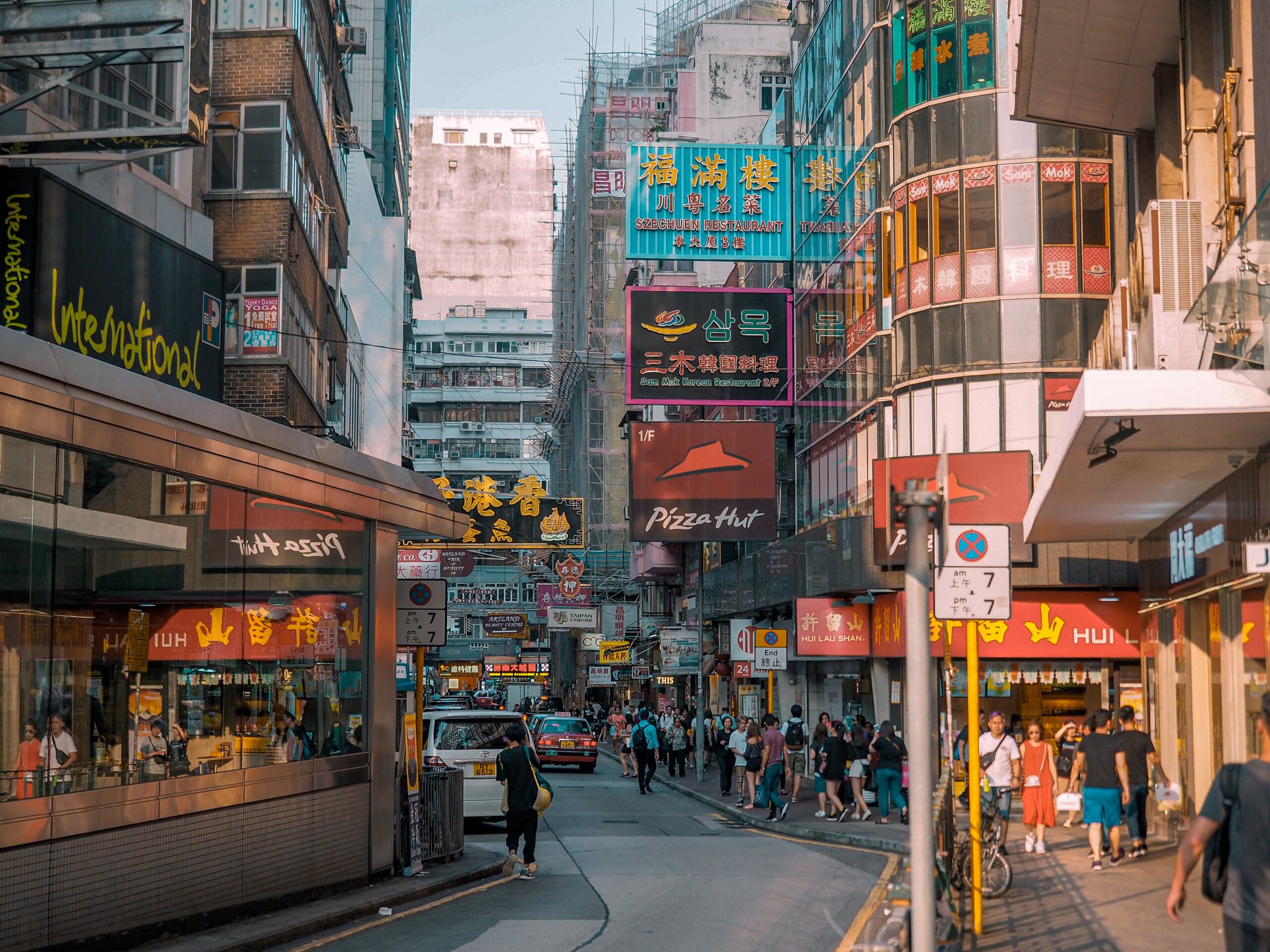
  • Booming Retail Sales in Hong Kong Predicted to Persist Amid Positive Economic Climate

    Booming Retail Sales in Hong Kong Predicted to Persist Amid Positive Economic Climate

    The retail sector in Hong Kong experienced a healthy growth in May, a trend that is anticipated to sustain, given the positive economic climate. Data from the Census and Statistics Department reveals a 7.9% year-on-year increase in retail sales, reaching HK$33.8 billion (US$4.3 billion) for the month of May. This extends the revised growth of 8.7% witnessed in April.

    Sales Performance in Different Retail Categories

    In the first five months of the year, retail sales showed an approximate increase of 10.6% compared to the same timeframe last year. When considering the effect of price changes over the same period, retail sales witnessed an improvement of 4.8% in May.

    A government representative stated that majority of the retail categories demonstrated gains in May, continuing the growth observed in the retail sector. The highest growth was seen in valuable gifts with a rise of 25.8%. This was followed by electrical goods and other consumer durable goods with a 13% increase, optical shops at 10.3%, and department store commodities at 9.2%.

    Meanwhile, other categories like apparel and footwear, cosmetics, and furniture experienced modest growth ranging between 3% and 5%.

    However, not all categories thrived. Fuels, Chinese medicines and herbs saw a significant decline in sales by 12.2% and 9.5% respectively. Food, alcoholic beverages, and tobacco also experienced a slight dip of 0.3%.

    Anticipated Trends and Government Overview

    Looking into the future, the government spokesperson is hopeful about the continued growth in the retail sector. The ongoing economic expansion, increasing local labour earnings, and a rise in inbound visitors are expected to keep benefiting retail businesses.

    The government, in response, has pledged to keep a close watch on any potential impact of changing external uncertainties on the local consumption market.

    Questions & Answers

    What was the growth rate for retail sales in Hong Kong in May?
    Retail sales in Hong Kong recorded a 7.9% year-on-year increase in May.

    Which retail category observed the highest growth?
    The highest growth was recorded in the category of valuable gifts, which saw a rise of 25.8%.

    What are the government’s expectations for the future of the retail market?
    The government anticipates continued growth in the retail market, backed by economic expansion, increasing local labour earnings, and a rise in inbound visitors.

  • Malaysia Soars to 15th Spot in Global Economic Competitiveness, Credits Boom in AI and Semiconductor Industry

    Malaysia Soars to 15th Spot in Global Economic Competitiveness, Credits Boom in AI and Semiconductor Industry

    In the most recent 2026 IMD World Competitiveness Ranking, Malaysia’s standing significantly improved, moving up eight spots to claim the 15th place. This notable advancement represents the country’s greatest leap in recent years. The International Institute for Management Development, the authority that published the ranking, attributed Malaysia’s enhanced position to advancements across all four pillars of competitiveness.

    The four pillars considered in the ranking include economic performance, government efficiency, business efficiency, and infrastructure. Malaysia demonstrated remarkable progress in all these areas. The country obtained 4th place worldwide for economic performance, while government efficiency ascended 11 places, reaching the 14th position. Business efficiency moved up 16 spots to the 16th position, and infrastructure experienced a slight boost, improving two spots to rank 33rd.

    An Examination of Sub-factors

    Looking deeper into the sub-factors, Malaysia’s domestic economy ranking ascended four places, achieving the 11th position, and the international trade ranking rose one spot to the 5th position. One significant leap was observed in the international investment sector, which climbed seven places to reach the 19th position.

    The IMD ranking evaluates 70 economies based on the aforementioned four fundamental pillars. Malaysia’s consistent improvement is evidenced by its steady ascent over the years. In the previous year, the nation jumped 11 places to secure the 23rd position among 69 economies. This was a marked improvement from the 34th position it held among 67 economies in 2024.

    According to economists, the critical factors contributing to Malaysia’s elevated ranking include a robust economic foundation, heightened trade competitiveness, improved public and business sector performance, and expanding opportunities within the technology sector.

    Stephen Innes, Managing Partner at SPI Asset Management, believes that Malaysia’s substantial boost in competitiveness is not merely indicative of a short-term recovery. Instead, he points to the rapid growth of artificial intelligence and the semiconductor industry as key drivers of this progress. Innes notes that Malaysia’s advantageous positioning across the electrical and electronics supply chain, coupled with its appeal in attracting investment in advanced packaging and data centers, makes it a natural beneficiary of global supply chain diversification.

    Questions & Answers

    What factors led to Malaysia’s improved ranking in the 2026 IMD World Competitiveness Ranking?
    Malaysia’s improvement is attributed to advancements in economic performance, government efficiency, business efficiency, and infrastructure. The rapid growth in artificial intelligence and the semiconductor industry were also highlighted as key contributors.

    How has Malaysia’s ranking evolved over the years?
    Malaysia has shown steady improvement in its standing, moving from 34th out of 67 economies in 2024, to 23rd out of 69 in 2025, and finally to 15th out of 70 economies in 2026.

    What sub-factors saw notable improvement in Malaysia’s ranking?
    Significant improvements were observed in the country’s domestic economy, international trade, and international investment rankings.

  • Pinduoduos Parent, PDD Holdings, Experiences Slump Amid Economic Weakness and Intense E-commerce Competition in China

    Pinduoduos Parent, PDD Holdings, Experiences Slump Amid Economic Weakness and Intense E-commerce Competition in China

    Chinese e-commerce powerhouse, PDD Holdings, recently experienced a significant drop in first-quarter profits along with revenues falling short of projections. This is largely attributed to a sluggish economy dampening demand for their domestic operations. The underperformance sent the company’s share value plummeting by 10% on Wednesday.

    China’s retail sector, being the world’s second-largest, has had difficulties drawing in consumers. This is primarily due to a protracted property crisis and worries over job security and wage growth, which have collectively undermined spending power. This, in turn, has negatively affected the demand for companies like PDD.

    Stiff Market Competition and Aggressive Investments

    PDD’s domestic discount marketplace, Pinduoduo, faces fierce competition from rivals such as JD, Alibaba, and other discount retailers like ByteDance’s Douyin. These competitors have been employing aggressive pricing strategies to attract customers.

    In addition to its domestic operations, PDD also manages the international e-commerce platform, Temu. The company has been making substantial investments in its supply chain network to enhance delivery speeds and broaden product categories, in hopes of enticing more shoppers.

    In an effort to build a new self-operated brand called Xinpinmu, the company announced in March that it would invest 100 billion yuan (US$14.8 billion) over the next three years. This move aims to integrate Pinduoduo’s supply chain resources with Temu.

    These aggressive investment strategies have resulted in a surge in PDD’s expenses, which in turn has weighed down its net income, causing a 15% reduction to 12.5 billion yuan for the quarter ending March 31.

    Regulatory Scrutiny and Model Feasibility

    Temu has grown in popularity as a platform for shoppers seeking low-priced items, capturing demand from lower-income households worldwide.

    However, the company’s model of delivering inexpensive goods directly to customers from China is encountering increased regulatory oversight. Temu’s operations have traditionally depended on duty waivers for low-value parcels in many jurisdictions.

    Changes in international regulations, such as the US abolition of the duty-free exemption on parcels valued under $800 last year, and the EU’s decision to eliminate its duty-free allowance on parcels under 150 euros ($174.57) as of July this year, pose questions about the sustainability of the current business model.

    Questions & Answers

    What is causing PDD’s revenue to fall short of estimates?
    The decrease in PDD’s revenue is primarily due to a sluggish economy that is affecting consumer demand for its domestic operations.

    How is PDD responding to the competitive e-commerce market?
    PDD is making substantial investments in its supply chain network to enhance delivery speeds and broaden product categories, in hopes of enticing more shoppers.

    How might changes in international duty regulations affect PDD’s business model?
    Changes in international regulations, such as the abolition of duty-free allowances on low-value parcels, could impact PDD’s current business model of delivering inexpensive goods directly from China and may require the company to adapt its operations accordingly.

  • JD.com Defies Odds with Rising Q1 Revenue Amidst Chinas Economic Headwinds

    JD.com Defies Odds with Rising Q1 Revenue Amidst Chinas Economic Headwinds

    JD.com, a major player in the Chinese e-commerce sector, has surpassed first-quarter revenue and profit expectations, provoking interest among investors about the role of Beijing’s subsidy program in maintaining this positive trend amidst rising tariffs and consumer demand issues.

    Shares of JD.com, listed in the US, showed a slight increase in early trading. CEO Sandy Xu informed analysts that although revenues from electronics and home appliances had decreased 8.4% year-on-year in the first quarter, there was still an observable sequential improvement.

    Despite facing external challenges in Q2, Xu expressed confidence in the potential for stronger performance in the electronics and home appliances sector in the latter half of the year.

    China, which holds the position of the world’s second-largest economy, continues to grapple with low consumer confidence. This is largely due to a protracted property slump and increased tariffs levied by the US on a variety of Chinese goods. The ongoing conflict between the US and Iran has also resulted in rising fuel prices and living costs, subsequently reducing consumer spending power.

    However, JD.com, the leading retailer of appliances and electronics, may have been able to moderate revenue losses with the help of subsidies from local governments. These subsidies encourage consumers to trade in their old appliances and electronics.

    Financial Implications

    The quarterly revenue for the period ending in March stood at $46.47 billion, outperforming the LSEG consensus estimate of $45.9 billion, which was calculated from the opinions of 15 analysts.

    Yet, increased expenses, including fulfillment costs, research and development, and marketing, led to a decrease in net income. JD.com’s net income attributable to its ordinary shareholders was $750.872, surpassing expectations of $496.164.8, but representing a 53% decline from the previous year.

    The preceding quarter saw a net loss of $398.993, partly attributable to significant investments in food delivery. As a means of generating new revenue sources amidst fierce e-commerce competition, the company ventured into the food delivery sector last year, going up against established competitors like Meituan and Alibaba. This move, however, added to the pressure on profits.

    Xu stated that the food delivery business of JD.com is already demonstrating its strategic value by contributing an additional 3% to advertising revenues in Q1. The company also reported that investment in JD Food Delivery has “significantly narrowed on a sequential basis.”

    Questions & Answers

    What were JD.com’s first-quarter revenue and profit results?
    The company exceeded first-quarter revenue and profit expectations, reporting a quarterly revenue of $46.47 billion.

    What challenges is JD.com facing in generating profits?
    JD.com is struggling with increased expenses in several areas, including fulfillment costs, research and development, and marketing. The company also faced a net loss in the preceding quarter due to heavy investments in food delivery.

    How is JD.com strategizing to combat these challenges and generate new revenue?
    JD.com entered the food delivery market last year to develop new revenue streams. Despite the high costs, the company’s food delivery business is already contributing an additional 3% to advertising revenues.

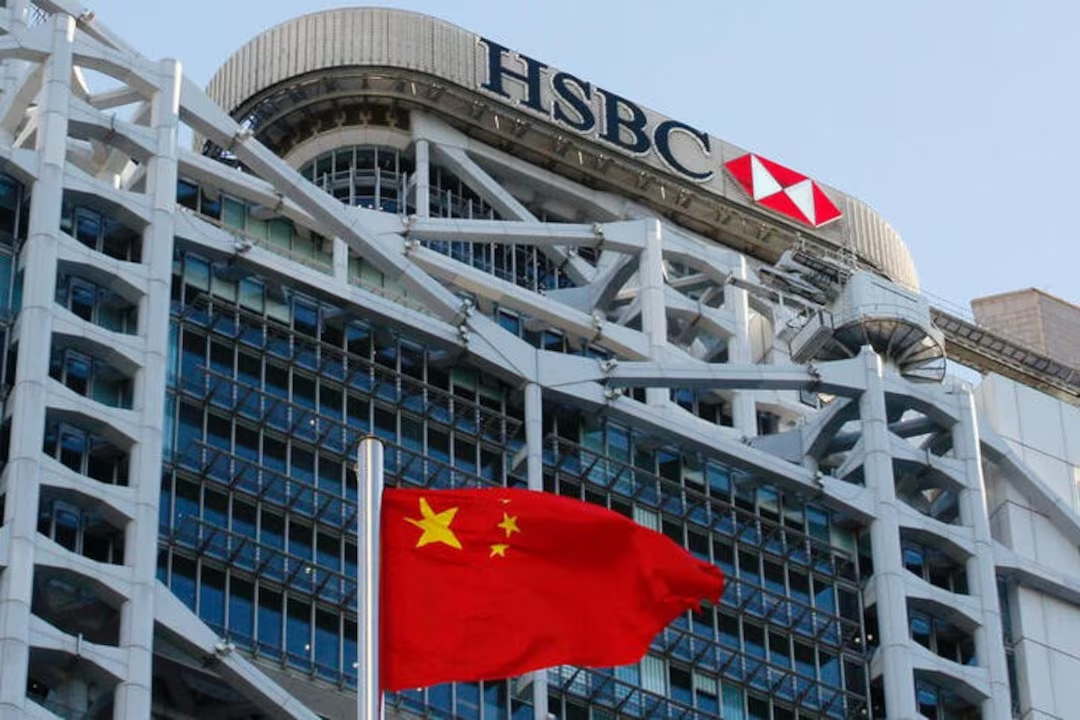
  • Unprecedented GDP Growth Spurs HSBC to Boost Hong Kong Economic Forecast

    Unprecedented GDP Growth Spurs HSBC to Boost Hong Kong Economic Forecast

    Hong Kong’s robust economic performance earlier this year has culminated in an improved financial forecast from HSBC, despite minimal influence from the Middle East conflict.

    Bright Economic Outlook and Impacts of Conflict

    HSBC’s Global Investment Research revised its GDP growth predictions for 2026 and 2027 from 2.7% and 2.8% to 3.8% and 3% respectively. This adjustment comes on the heels of Hong Kong recording a first-quarter GDP growth rate of 5.9%, a figure near a five-year high. Essential factors contributing to this positive outlook include the minimal direct effects of the Middle East conflict and evidence of domestic economic stability.

    Hong Kong’s economy is primarily service-based. Although most energy is imported, a significant amount originates from mainland China, while only a minor portion is sourced from the Middle East. To offset the potential impacts, the government has introduced direct support measures such as fuel subsidies and tunnel toll concessions. In the midst of increased uncertainty, Hong Kong’s reputation as a safe haven may draw in capital inflows seeking stability.

    Moreover, the surge in demand stimulated by advancements in AI and an uptick in trade with mainland China are expected to provide a safety net for trade activities this year. However, if the Middle East conflict continues and suppresses global demand, this could lead to potential economic risks.

    Recovery and Growth within Domestic Markets

    As for the domestic landscape, the residential property market’s recovery is creating positive wealth effects, and improvements in the labor market indicate signs of amplified consumption.

    HSBC predicts this year’s consumption to gravitate more towards discretionary goods and services. The swift enactment of major government projects such as the Northern Metropolis, in addition to AI-driven demand, will bolster investment activity. Fiscal support through infrastructure bonds and a relatively favorable monetary setting should also aid in maintaining investment momentum.

    Questions & Answers

    What factors contributed to the increased GDP growth predictions for Hong Kong?
    The first-quarter GDP growth reaching almost a five-year peak and the limited direct impact from the Middle East conflict contributed to the revised GDP growth predictions.

    How has the government aided in mitigating the impact of the Middle East conflict on the Hong Kong economy?
    The government has introduced direct support measures such as fuel subsidies and tunnel toll concessions.

    What is expected to drive consumption in Hong Kong this year?
    The consumption shift is predicted to lean towards discretionary goods and services, driven by the positive wealth effects from the recovering residential property market and improvements in the labor market.

  • Hermès Soars with Robust Q1 Sales Amid Global Economic Uncertainties: A Revealing Peek into Luxury Fashion Resilience

    Hermès Soars with Robust Q1 Sales Amid Global Economic Uncertainties: A Revealing Peek into Luxury Fashion Resilience

    Despite geopolitical tensions affecting the Middle East, Hermès, the renowned French luxury fashion brand, has reported a strong performance in its Q1 sales. The company’s consolidated revenue stood at €4.1 billion (US$4.8 billion) for the quarter ending March 31, marking a 6% increase at constant exchange rates. However, on a reported basis, revenue dipped by 1% due to the adverse effects of currency fluctuations.

    Regional Performance

    The company attributed much of its growth to impressive gains in Japan, the Americas, and Europe, excluding France. Japan saw a 10% increase in sales, while the Americas and Europe, excluding France, each reported a 17% and 10% sales increase, respectively.

    Sales in Asia, excluding Japan, also rose slightly by 2%, with Greater China maintaining its marginal growth. However, France’s revenue decreased by 3%, a decline influenced by a reduced tourist flow, particularly in March. This downturn is mainly linked to the unfolding situation in the Middle East.

    The Middle East, classified under the ‘Other’ region in the company’s report, experienced a 6% decline in sales. The geopolitical developments in countries such as the UAE, Kuwait, Qatar, and Bahrain have had a significant impact on the region’s performance.

    Sales Channels

    Despite these challenging conditions, sales in the group’s stores increased by 7%. In contrast, wholesale activity was significantly affected, recording lower sales to concession stores, especially in the Middle East and airports.

    According to Axel Dumas, Executive Chairman of Hermès, the brand remains steadfast in its long-term strategy, even amidst a tense geopolitical environment. The company’s abundant creativity, unwavering quality standards, and loyal customer base enable Hermès to continue its profitable growth trajectory into 2026 with confidence. He further emphasized that the fundamentals of the Hermès model are a distinguishing strength more than ever.

    In the medium term, the group has confirmed its goal to achieve revenue growth at constant exchange rates. This is notwithstanding the persistent economic, geopolitical, and monetary uncertainties that pervade the global landscape.

    Questions & Answers

    What were Hermès’ consolidated revenue figures for Q1?
    The consolidated revenue for Hermès in Q1 stood at €4.1 billion (US$4.8 billion), marking a 6% increase at constant exchange rates.

    Which regions reported the most growth for Hermès?
    The regions that reported the most growth for Hermès were Japan, the Americas, and Europe (excluding France), with sales increases of 10%, 17%, and 10% respectively.

    How did the geopolitical situation affect Hermès’ sales in the Middle East?
    The geopolitical situation in the Middle East led to a 6% decline in Hermès’ sales in the region. This was particularly notable in countries such as the UAE, Kuwait, Qatar, and Bahrain.

  • Thailand’s Economic Uncertainty: Four Possible Scenarios Amidst Middle East Crisis and Global Energy Market Turbulence

    Thailand’s Economic Uncertainty: Four Possible Scenarios Amidst Middle East Crisis and Global Energy Market Turbulence

    The economic future of Thailand is currently shrouded in uncertainty as the continuing conflict in the Middle East places significant strain on global energy markets. This has compelled authorities to revisit growth projections and caution about escalating risks of stagflation.

    The Impact of Ongoing Middle Eastern Conflict

    According to Danucha Pichayanan, Secretary-General of the National Economic and Social Development Council (NESDC), the ongoing conflict is pressing the global energy markets, instigating oil price instability despite nascent signs of negotiations between the U.S. and Iran.

    NESDC has proposed four potential scenarios to re-evaluate Thailand’s economic course for 2026.

    In the initial scenario, if the skirmishes extend to parts of the region but conclude within a couple of months, disruptions to oil transportation through the Strait of Hormuz and the Red Sea would be temporary, without additional damage to the energy infrastructure. This would lead to a gradual return of oil supply, with prices averaging $85-$95 per barrel for the year. Financial markets will remain unstable, with investors gravitating towards safer assets and the baht devaluing. Thailand’s GDP growth would decelerate to 1.4%, with inflation escalating to 2.7%.

    Before the conflict, Thailand’s economy was projected to grow about 2% this year.

    In the second scenario, if the conflict broadens to incorporate multiple countries and persists for three to five months, oil production infrastructure could potentially be damaged leading to extended supply disruptions. Average oil prices would inflate to $105-$115 per barrel. This would considerably constrict the global energy supply, trigger inflation, and disrupt industrial supply chains. Numerous economies, including Thailand, could enter a stagflationary phase characterized by slowing growth and inflating prices. Thailand’s GDP would deteriorate to 0.9%, with inflation rising to 4.4%.

    The third, more drastic scenario sees a conflict enduring six to nine months, with energy supply from the Middle East slow to recuperate even post-conflict. Oil prices could escalate to $135-$145 per barrel, possibly prompting a severe global recession marked by extensive supply chain disruptions, trade fragmentation, and shortages of both energy and food. In this scenario, Thailand’s GDP growth will sharply plummet to a meager 0.2%, while inflation will surge to 5.8%.

    In the grimmest scenario, if the conflict enlarges beyond the Middle East and intensifies globally, this would result in a prolonged global recession, widespread shortages, and the risk of conflict spilling into other regions. Forecasting oil prices, inflation, or economic growth for Thailand under these circumstances would be virtually impossible.

    NESDC cautioned that the conflict’s impact goes beyond energy prices, pushing up the cost of goods and undermining purchasing power. As demand diminishes amidst rising inflation, the risk of stagflation becomes more pronounced. Concurrently, supply chain disruptions, especially material shortages, could continue to impede production and industrial activity.

    Questions & Answers

    What are the factors driving Thailand’s economic uncertainty?
    The primary factor is the ongoing conflict in the Middle East, which is affecting global energy markets and leading to volatility in oil prices. This uncertainty is causing authorities to reassess Thailand’s growth projections and warn about the increasing risk of stagflation.

    What are the potential outcomes for Thailand’s economy based on the NESDC’s scenarios?
    The outcomes range from a slowdown in GDP growth and a rise in inflation to possible stagflation, severe recessions, and widespread supply chain disruptions depending on the length and spread of the Middle Eastern conflict.

    What is the broader impact of the Middle Eastern conflict on Thailand’s economy?
    Beyond affecting energy prices, the conflict is expected to drive up the cost of goods, reduce purchasing power, and increase the risk of stagflation. It could also lead to sustained supply chain disruptions, particularly due to material shortages, thus negatively affecting production and industrial activities.

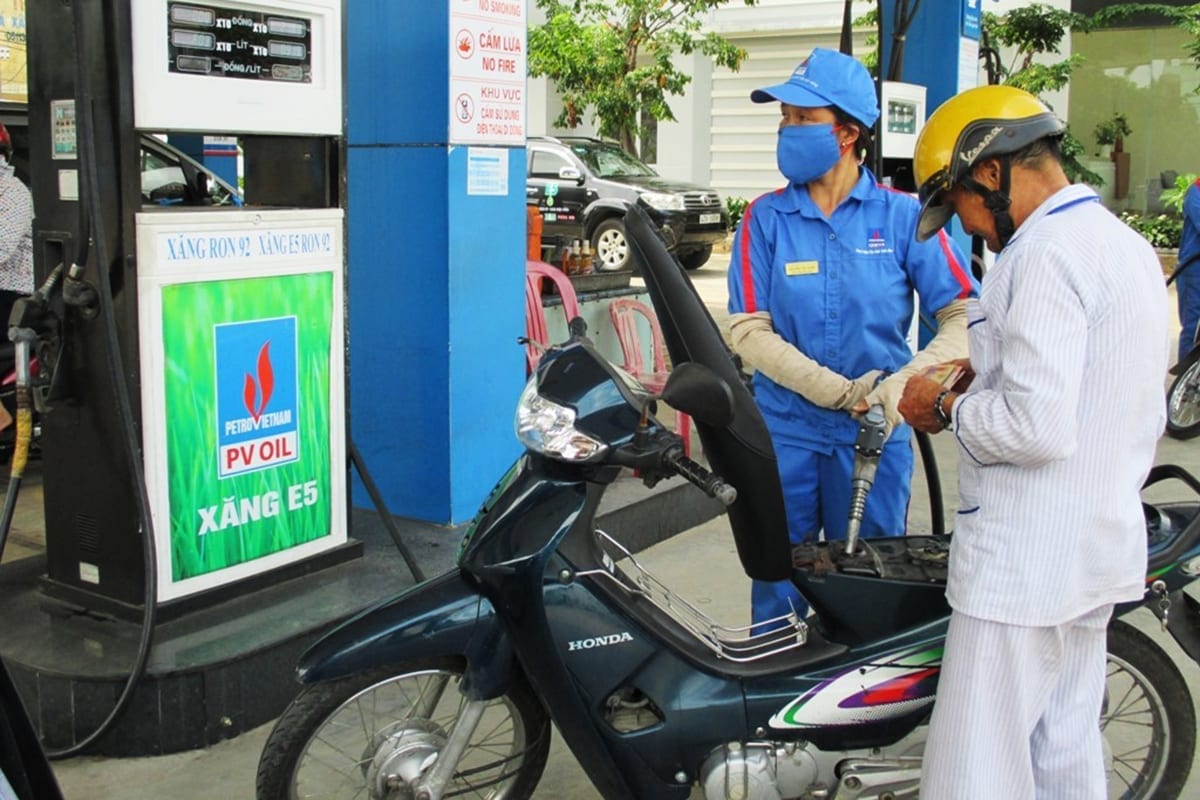
  • Vietnam’s Fuel Tax Annihilation: A Boost for Economic Recovery Amid Global Energy Crisis

    Vietnam’s Fuel Tax Annihilation: A Boost for Economic Recovery Amid Global Energy Crisis

    The National Assembly (NA) of Vietnam has sanctioned the reduction of all fuel-related taxes to zero until June 30, in a move to mitigate price pressures, stabilize markets, and bolster economic resurgence in the face of global energy instability. This means that all taxes on gasoline, oil, and aviation fuel, covering environmental protection tax, value-added tax (VAT), and special consumption tax will be eradicated, as decreed by a resolution passed by the NA.

    Tax Cuts and Impact on Businesses

    The environmental protection tax on gasoline (excluding ethanol), diesel, aviation fuel, kerosene, and mazut will be nullified, along with the special consumption tax on gasoline. Additionally, gasoline, diesel, and aviation fuel will be exempt from VAT declaration and payment, though input VAT will remain deductible.

    This tax policy will be effective from April 16 through June 30. Businesses and importers handling gasoline, oil products such as diesel, kerosene, and mazut, and aviation fuel will not be obliged to declare or pay VAT at either the import or sales stages. In the event of emergencies, the government reserves the right to modify the duration of the policy, either shortening or extending it, and will report any such changes to the NA at its forthcoming session.

    According to the Ministry of Industry and Trade, taxes make up a substantial portion of fuel base prices, with VAT accounting for around 7.4%, environmental protection tax 2.7-6%, and special consumption tax approximately 6.7%. The annulment of these taxes is viewed as a strategy to support socio-economic development goals and curb inflation.

    Implications of the Tax Cuts

    Environmental protection tax, VAT, and special consumption tax on gasoline (excluding ethanol), diesel, and aviation fuel have already been lowered to zero under an existing decree, effective through April 15. However, kerosene and mazut have remained subject to environmental protection taxes of VND600 and VND1,000 per liter or kilogram, respectively, in addition to a 10% VAT.

    A government report states that reducing environmental protection tax on all types of fuel to zero is likely to decrease state budget revenues by an average of VND7.3 trillion ($277.19 million) per month. Despite this, the government views this move as a “special fiscal measure applied in exceptional circumstances” to alleviate the impact of global energy price fluctuations and preserve macroeconomic stability and social security.

    The ongoing conflict in the Middle East has significantly impacted global energy markets, including Vietnam, leading to a surge in fuel prices. The government has also implemented additional measures to manage fuel prices and support businesses and consumers.

    Questions & Answers

    What is the significance of this policy change by the Vietnamese government?

    The nullification of all fuel-related taxes is aimed at mitigating price pressures, stabilizing markets, and bolstering economic resurgence amidst global energy instability.

    What are the potential fiscal implications of reducing all fuel-related taxes to zero?

    The government anticipates a reduction in state budget revenues by an average of VND7.3 trillion ($277.19 million) per month. Despite this expected shortfall, they view it as a necessary measure under the current global energy circumstances.

    How has the conflict in the Middle East impacted Vietnam’s fuel market?

    The ongoing strife has significantly impacted global energy markets, including Vietnam, leading to a surge in fuel prices. Consequently, the Vietnamese government has had to implement measures to manage fuel prices and support businesses and consumers.

  • Indonesia’s Economic Leap: Poised to Join Global Top 5 Economies by 2050

    Indonesia’s Economic Leap: Poised to Join Global Top 5 Economies by 2050

    According to the Coordinating Minister for Economic Affairs, Airlangga Hartarto, Indonesia possesses the potential to rank among the top five global economies by the year 2050 provided it continues its current growth trajectory and structural reformation efforts.

    Indonesia’s Economic Outlook

    Airlangga is optimistic for the short-term, forecasting a growth rate of around 5.4% for the Indonesian economy by 2026. He bases this prediction on the stability of the domestic economy, citing a 69-month long trade surplus, a healthy level of foreign currency reserves, and inflation successfully kept within target bounds.

    Government Strategy for Economic Growth

    The Indonesian government is currently focusing on fortifying coordination between public and private sectors, encouraging industrialization, digital transformation, and sustainable economic growth. Key policy areas include strategic infrastructure, downstream mineral resources, development of electric vehicles, renewable energy, and strengthening the domestic supply chain.

    Regional Partnerships and Global Economy

    Airlangga highlighted that Indonesia is eager to extend collaboration with regional partners, particularly within the Association of Southeast Asian Nations (ASEAN) framework and free trade agreements. This is with the aim of boosting the resilience of the global economy in the face of geopolitical fluctuations.

    Airlangga further noted that Asia has the capacity to emerge as the principal economic powerhouse globally, given its commitment to open and inclusive regional cooperation. He projected that by 2050, the region could contribute around 52% of the global GDP.

    Long-Term Economic Forecasts

    Long-term forecasts cited by Airlangga suggest that by 2050, China could have a GDP of US$58 trillion, India could reach $44 trillion, and Indonesia could achieve $10-11 trillion. These figures would place Indonesia third in Asia and among the top five economies worldwide.

    In order to actualize this, Indonesia needs to sustain an annual growth rate exceeding 5%, expedite institutional reforms, enhance the quality of its human resources, and boost labor productivity. The nation’s young population, large domestic market, and plentiful resources are seen as vital drivers for the expansion of Southeast Asia’s biggest economy.

    Questions & Answers

    What are the key factors driving Indonesia’s potential as a global economic powerhouse?
    Indonesia’s potential is driven by its young population, large domestic market, and abundant resources. Additionally, the government’s ongoing efforts towards industrialization, digital transformation, and green economic development have a significant role.

    What are the main policy areas of the Indonesian government?
    The main policy focus includes strategic infrastructure, downstream mineral resources, electric vehicle development, renewable energy, and strengthening the domestic supply chain.

    What is the projected GDP of Indonesia by 2050?
    It is projected that by 2050, Indonesia could reach a GDP of $10-11 trillion, potentially making it the third-largest economy in Asia and one of the five largest economies globally.

  • Aussie Beverage Sector Toasts to a Profitable Summer Despite Economic Hurdles

    Aussie Beverage Sector Toasts to a Profitable Summer Despite Economic Hurdles

    Despite global economic instability and the strain of domestic living costs, Australia’s food and beverage manufacturers experienced a surge in revenue during last summer, according to the most recent Manufacturing Health Index published by Unleashed Software. This upturn in profits, especially during the holiday season, highlights the continued demand for premium Australian-made consumer goods.

    Boost in Manufacturing Sector

    The survey, which compiled data from over 500 local manufacturing companies spanning various sectors, including food and beverage, clothing and fashion, and construction, revealed a significant increase in average earnings for beverage manufacturers. The final quarter of the year saw an average revenue of $627,000, marking an almost $200,000 rise from the previous quarter. This peak in earnings is the highest ever reported since Unleashed Software began its data collection. Simultaneously, the gross profit margin also experienced a surge, climbing to 35.9% from 31.9% in the previous quarter and 27.8% in the same period of the prior year.

    In the food sector, the average revenue reached $709,831, slightly lower than the $733,000 recorded in the third quarter but significantly higher than the $546,229 reported in the same quarter of the previous year.

    Shifting Inventory Strategies

    The report also indicates that Australian manufacturers are modifying their inventory strategies to accommodate tightening supply cycles. While businesses in Australia are fine-tuning inventory levels, their counterparts in the UK and New Zealand are boosting restocking.

    Jarrod Adam, the head of product at Unleashed Software, explains that there is a noticeable shift towards just-in-time replenishment in Australia. Companies are not hoarding cash in inventory but are buying precisely what they need to meet immediate demand. The construction sector, in particular, shows a marked shift towards this inventory model.

    Adam further highlights the critical role of technology in enhancing productivity and managing these tighter cycles to prevent stock shortages during periods of heightened demand without compromising efficiency.

    The Continued Impact of Interest Rates and Energy Costs

    The manufacturing sector’s performance in the coming year is expected to be influenced significantly by interest rates. In February, the Reserve Bank of Australia (RBA) hiked the cash rate to 3.85%, marking the first increase since a period of consistent rate holding or reduction in 2025. The RBA anticipates inflation to top out at about 4.2% mid-year before settling back down to the 2.5% midpoint target by mid-2028.

    Rising energy costs might also lead to higher material and transportation expenses, exerting additional pressure on company margins. Modifications to shipping operations could potentially impact lead times. Despite these challenges, manufacturers are shifting their focus from cost management to the expansion of operations. Firms are increasingly employing automation and real-time data systems to manage purchasing cycles. While smaller companies may be more susceptible to global economic fluctuations, they may also be better positioned to adapt their operations swiftly.

    Questions & Answers

    What caused the rise in revenue for Australia’s food and beverage manufacturers during the previous summer?
    The increase in revenue for Australia’s food and beverage manufacturers during the previous summer was primarily due to the continued demand for high-quality, Australian-made consumer goods, despite global economic instability and domestic cost-of-living pressures.

    How are Australian manufacturers adjusting their inventory strategies?
    Australian manufacturers are modifying their inventory strategies to cope with tightening supply cycles. The shift towards just-in-time replenishment allows companies to avoid keeping cash tied up in inventory by purchasing precisely what they need to meet immediate demand.

    What factors are expected to influence the performance of the manufacturing sector in the future?
    The future performance of the manufacturing sector is expected to be significantly influenced by interest and energy rates. Rising energy costs might lead to higher material and transportation expenses, exerting additional pressure on company margins. Interest rates are also expected to remain a key factor, with the Reserve Bank of Australia recently increasing the cash rate.

  • Gold Prices in Vietnam Bounce Back: An Afternoon Recovery Amidst Global Economic Uncertainty

    Gold Prices in Vietnam Bounce Back: An Afternoon Recovery Amidst Global Economic Uncertainty

    On Monday afternoon, gold prices in Vietnam witnessed a minor recovery following a more than 1% decline earlier in the session. After a challenging morning period, the Saigon Jewelry Company reported a 0.55% rise in their gold bar price, bringing it to VND184.1 million (US$6,965.01) per tael and reducing the day’s losses to 0.49%. For reference, a tael is equivalent to 37.5 grams or 1.2 ounces.

    Despite the global price for gold, the cost of the precious metal in Vietnam remains significantly higher. In particular, local bullion prices exceed the global rates by more than VND21 million per tael.

    The price of gold rings also rebounded on Monday, returning to VND183.8 million per tael, marking a 0.49% decrease for the day.

    Global Gold Market Conditions

    Internationally, spot gold fell 1.3% to $5,104 per ounce after a more than 2% decrease earlier in the session. This shift comes as geopolitical tensions in Iran escalate, resulting in a squeeze on world energy supplies. These circumstances also caused a boost in the dollar and a dampening in expectations for interest-rate cuts.

    The dollar is currently near a three-month high, which makes bullion more expensive for those dealing in other currencies. Inflation fears fueled by oil prices and expectations of delayed rate cuts likely strengthened U.S. yields and the dollar. This scenario outweighed the demand for safe-haven assets, pushing the price of gold downwards.

    However, gold prices have still risen approximately 18% this year, despite choppy trading conditions and stalled upward momentum.

    Christopher Wong, an OCBC strategist, commented on the situation. He noted that during periods of high geopolitical market stress, investors often sell assets like gold to raise cash. However, once this phase passes, the uncertainty usually continues to underpin demand for safe havens such as gold.

    Questions & Answers

    What was the gold price situation in Vietnam on Monday?
    On Monday, gold prices in Vietnam partially recovered following a more than 1% decrease earlier in the day. By the afternoon, the Saigon Jewelry Company’s gold bar price had risen 0.55%, taking it to VND184.1 million (US$6,965.01) per tael and reducing the day’s losses to 0.49%.

    What is the difference between local bullion prices and global rates in Vietnam?
    Despite global prices for gold, the cost in Vietnam remains significantly higher. More specifically, local bullion prices are more than VND21 million per tael higher than the global rates.

    What factors contributed to the global decrease in gold prices?
    The global decrease in gold prices was largely due to escalating geopolitical tensions in Iran, which resulted in a squeeze on world energy supplies, a stronger dollar, and lessened expectations for interest-rate cuts. This shift pushed the price of gold downwards, despite it being a safe-haven asset.

  • Japan Bolsters Benefits to Retain Vietnamese Workforce Amid Economic Shifts

    Japan Bolsters Benefits to Retain Vietnamese Workforce Amid Economic Shifts

    Yoshihisa Tawara, a Japanese business owner, is taking measures to improve benefits for his Vietnamese employees in order to secure their continued employment. Tawara’s concerns arise from the fear that rapid economic development in Vietnam, combined with an increasing yen, may discourage Vietnamese workers from seeking employment in Japan.

    On the Frontline of Japan’s Canning Industry

    At the Choshi fishing port in Chiba Prefecture, Ho Thi Thuy Nhung begins her shift at eight in the morning. In a display of raw skill and concentration, she deftly cuts off fish heads and tails and sends them down the grill line. Initially, she found the intricacy of the process overwhelming but has since fully adapted.

    Nhung is one of 16 Vietnamese employees who work alongside 64 others at the canning factory. Tawara, the factory’s general director, asserts the indispensable role of migrant workers in the functioning of leading industries in Chiba – particularly within the canning sector. They tackle a vast range of tasks, from fishing to unloading and processing.

    The Complexity of Migrant Work

    Nonetheless, Tawara is increasingly concerned about whether employees like Nhung will choose to continue working in Japan. His worries are not baseless. Japan’s population is aging, and Southeast Asian nations, notably Vietnam, are making leaps in economic advancement and offering increasingly competitive salaries.

    Nhung moved to Japan for work last summer, leaving behind her family in Vietnam. Despite working strenuously for 14 hours each day in Vietnam, she was only earning US$500 a month, barely managing to cover her family’s living expenses. Her husband was also struggling financially.

    The decision to take a $3,800 loan and relocate to Japan for work was a significant risk for Nhung. Despite the challenges, she felt compelled to secure a better future for her son. Today, she earns approximately $830 a month (after taxes and other deductions) and sends $510 back home.

    Improving Conditions for Migrant Workers

    Recognizing the importance of migrant workers such as Nhung, Tawara has initiated significant changes to his business. He transformed a three-story townhouse into a fully furnished dormitory for his employees and furnished it with all necessary amenities, including cooking appliances. Over the past three years, he has prioritized hiring women over 30, valuing their resilience and professional dedication.

    In light of the current situation, Japanese authorities are planning to overhaul the existing technical internship program, criticized for labor exploitation, with a new scheme in 2027 that will offer more benefits to workers.

    Nhung hopes to achieve financial stability and return to Vietnam within the next three years. In contrast, her colleague, Nguyen Thi Kim Thuan, has decided to stay longer to support her two children through college.

    According to Tawara, migrant workers don’t just come to Japan for work – they have lives and the right to make their own decisions. If they elect to stay, he believes employers have a duty to offer support and companionship on their journey.

    Questions & Answers

    What does Yoshihisa Tawara attribute the success of his canning factory to?
    Tawara believes that the significant contribution of migrant workers is fundamental to the smooth functioning of his canning factory.

    What are the main factors causing concern about Vietnamese migrant labor in Japan?
    The rapid economic growth in Vietnam and the weakening yen in Japan are the main factors causing concern about the future of Vietnamese migrant labor in Japan.

    What steps has Yoshihisa Tawara taken to improve the conditions for his Vietnamese workers?
    Tawara has provided a fully furnished dormitory for his workers, equipped with all necessary amenities. Additionally, he has prioritized hiring women over 30, recognizing their perseverance and professional commitment.