Retail News CRM

Tag: economic

  • Business Class Airfares Set to Skyrocket in 2026 Amid Robust Economic Conditions

    Business Class Airfares Set to Skyrocket in 2026 Amid Robust Economic Conditions

    The current solid economic situation is predicted to lead to a rise in the cost of business class travel during the year. Meanwhile, the prices for economy class are projected to stay relatively steady, according to market experts.

    American Express Global Business Travel Consulting has suggested that a robust demand may trigger a 7.4% surge in business class fares for routes from Asia to the Middle East.

    Routes from Asia to Europe could see a fare increase of around 4.8%, while a 3.4% hike is expected for Asia to Australia journeys.

    The consulting firm also noted that the highly popular route between India and Singapore might witness a significant rise in fares. The air passenger traffic on this route reached an all-time high in 2024, with more than 5.5 million passengers according to data from Singapore Changi Airport.

    American Express Global Business Travel Consulting further mentioned that a hike in business class fares from Singapore to the US is anticipated. From 2026 onwards, all flights departing from Singapore will be required to use sustainable aviation fuel.

    Predictions for the Future

    Linus Bauer, the founder of aviation consultancy BAA & Partners, anticipates that passenger traffic in the Asia-Pacific region will increase moderately by 4% to 6%, equivalent to 150-200 million passengers, taking the total tally to approximately 3.8 billion.

    He believes that 2026 will bring a more mature pricing environment where economy fares will gradually decline, while premium yields will remain relatively stable.

    In the high-density, price-sensitive markets of South-east Asia, South Asia and Oceania, Bauer anticipates that average economy fares will be 5% to 10% lower than in 2025. This decline is expected due to an increase in narrow-body capacity and a larger market share for budget airlines.

    On the other hand, business and first-class fares are projected to remain steady or improve modestly by 2% to 5%. This stability is predicted to be supported by a stronger demand for premium leisure travel and a resurgence in corporate travel.

    Challenges Ahead

    Rico Merkert, a transportation and supply chain management professor at the University of Sydney, warns that inflationary pressures, such as increased airport and labour costs, will burden airlines. These costs are likely to be passed on to passengers, resulting in higher airfares, unless jet fuel prices remain low.

    However, he adds that the continued expansion of budget airlines and new entrants into the low-cost segment should help maintain the affordability of air travel in the Asia-Pacific region in 2026.

    Questions & Answers

    What factors could potentially lead to a rise in business class fares?
    Strong demand and regulatory requirements to use sustainable aviation fuel are two factors that could drive up business class fares.

    What trends are expected in the economy class segment?
    Economy fares are projected to gradually decline due to increased competition from budget carriers and an increase in narrow-body capacity.

    How might inflationary pressures impact airfares?
    Inflationary pressures such as higher airport and labour costs could lead to a rise in airfares, as airlines are likely to pass these costs on to passengers.

  • Thailand’s Digital Leap: The Quest for Universal Internet Access & its Economic Impact

    Thailand’s Digital Leap: The Quest for Universal Internet Access & its Economic Impact

    Thailand’s mission is to provide universal access to affordable and dependable internet services, a goal reflective of a broader international accord. Over the past ten years, the nation has shifted from planning to action, spearheading campaigns such as the Village Broadband Internet (Net Pracharat) program and the Universal Service Obligation (USO) plan. These strategies harness the power of fiber, mobile, and satellite technologies, embodying the nation’s ultimate objective of digital inclusion to boost economic growth, strengthen social services and education, and enhance national competitiveness.

    The Current State of Universal Access in Thailand

    Thailand’s strategy for universal access comprises several critical elements:

    Primarily, the focus is on connecting rural villages and public institutions. The Net Pracharat project, overseen by the Ministry of Digital Economy and Society (MDES), has established fiber and Wi-Fi networks in numerous villages and public locations such as schools and health clinics. This project utilizes an open-access network (OAN) model, which permits licensed operators to share infrastructure for last-mile services. This approach reduces costs, prevents infrastructure duplication, and allows commercial providers to offer services via the government’s network.

    Thailand’s strategy is technology-agnostic, incorporating fiber, mobile, and satellite. Fiber is preferred for speed and reliability, but accessing remote islands, mountainous regions, and thinly populated agricultural areas necessitates a blend of mobile broadband and satellite or low-Earth-orbit (LEO) services. Thailand has already undertaken commercial trials with LEO satellite providers, and there are further plans for satellite coverage in Phase 3.

    Progress Thus Far

    Rapid, noticeable results have been achieved through Net Pracharat and other public initiatives. By December 2017, the MDES and the Telephone of Thailand Public Company Limited (TOT) had completed the deployment of fiber-optic cables to 24,700 rural villages as part of the Net Pracharat initiative. Complementing the fiber rollout, the government installed free public Wi-Fi hotspots in these villages, offering speeds up to 30/10 Mbps (download/upload). In November 2018, approximately 4.5 million users had registered to access Net Pracharat Wi-Fi.

    These enhancements have elevated national internet and mobile data coverage substantially compared to a decade ago. Even though some gaps persist, fixed-line providers are investing in fiber and 5G network upgrades, often in tandem with government initiatives to connect backbone routes and aggregation points. The National Broadcasting and Telecommunications Commission’s (NBTC) spectrum planning, including auctions aimed at 5G-Advanced bands, further exemplifies the policy environment that views broadband as both essential social infrastructure and an economic growth catalyst.

    New Tools in The Toolbox

    A significant development is the emergence of satellite broadband, both geostationary and increasingly LEO constellations, as a supplement to terrestrial infrastructure. Thai commercial agreements and trials with satellite vendors indicate that operators, such as True Corporation, are exploring direct-to-cell (D2C) and consumer LEO services for remote coverage. If these solutions are validated, they could expedite reach to islands and highlands where terrestrial backhaul is expensive or environmentally sensitive.

    Allowing licensed operators to utilize publicly funded backhaul without unjust fees helps Thailand avoid duplicating infrastructure and reduce the cost of acquiring new customers.

    Economic and Social Implications

    International institutions emphasize that digital connectivity is an economic multiplier, affecting productivity, digital services, foreign investment, and SME digitization.

    Thailand’s infrastructure planning aligns with the Thailand 4.0 transformation and its larger goal to attract data center and AI investment. Universal access supports education, health, financial inclusion, and civic participation. However, ongoing digital gaps exacerbate inequality as regions without reliable internet access experience slower growth and fewer opportunities to join the digital economy.

    Projected Near-Term Outcomes

    Thailand’s drive for universal internet access is among the most advanced in Southeast Asia. Armed with backbone fiber, open-access network principles, a growing USO fund, and receptiveness to satellite and mobile tech, the country is poised to bridge the rural-urban digital divide in the future.

    Despite the risks revolving around affordability, transparent procurement, and ensuring quality beyond basic coverage, the existing policies and robust participation from both local and foreign companies provide the necessary tools. If Phase 3 delivers significant infrastructure and the government combines investments with efforts to make the internet affordable and build digital skills, Thailand could transform near-universal access into genuine digital inclusion.

    Questions & Answers

    What is Thailand’s approach to achieving universal access to the internet?
    Thailand’s strategy involves connecting rural villages and public institutions, using an open-access network model, and leveraging fiber, mobile, and satellite technologies.

    How is Thailand utilizing satellite technology in its drive for universal internet access?
    Thailand is testing direct-to-cell and consumer Low-Earth-Orbit services for remote coverage. If validated, these solutions can expedite reach to isolated areas where terrestrial backhaul is expensive or environmentally sensitive.

    What are the potential outcomes of Thailand’s push for universal internet access?
    If successful, Thailand’s universal internet access initiative could result in improved education, health, financial inclusion, and civic participation. It could also bridge the rural-urban digital divide and lead to genuine digital inclusion.

  • China’s Economic Troubles Deepen: Factory Output, Retail Sales Experience Record Lows

    China’s Economic Troubles Deepen: Factory Output, Retail Sales Experience Record Lows

    In October, China’s factory output and retail sales experienced their slowest growth in over a year, which is placing increasing pressure on policy makers to overhaul the $19 trillion export-driven economy. This comes as the country faces growing supply and demand challenges that threaten to further hamper growth.

    China’s Economy Dilemma

    For several decades, the officials responsible for maintaining China’s bustling economy, the world’s second largest, have had the option to stimulate its extensive industrial sector to increase exports if domestic consumer spending slackens. Alternatively, they could dip into public funds to finance infrastructure projects to boost the country’s GDP.

    However, the ongoing tariff war initiated by former U.S President Donald Trump has underscored China’s dependence on the world’s largest consumer market. It emphasizes that even an economy as large as China’s can only derive limited growth from developing more industrial parks, power substations, and dams.

    Recent economic indicators offer little promise of a swift recovery. The more the economic data deteriorates month by month, the more urgent the need for reform becomes.

    Slowing Industrial Output and Retail Sales

    According to data from the National Bureau of Statistics (NBS), industrial output in October grew by only 4.9% year-on-year, marking the slowest annual pace since August 2024. This is lower than the 6.5% growth seen in September and falls short of the 5.5% increase forecasted by economists.

    Retail sales, an indicator of consumption, rose by a mere 2.9% last month, also marking their slowest pace since August of the previous year. This is a decrease from the 3.0% growth in September, although it surpassed the forecasted growth of 2.8%.

    Challenges and Potential Reforms

    Policy makers are acknowledging the need for changes to rectify historical supply-demand imbalances, enhance household consumption and address the massive local government debt. This debt is preventing provinces, many of which have economies as large as those of nations, from becoming self-sufficient.

    However, they also understand that structural reform will be painful and politically risky, particularly at a time when trade tensions have increased pressure on the economy.

    Another surprise was China’s auto sales, which despite expectations of a surge ahead of the phase-out of various tax breaks and government incentives, ended an eight-month growth streak.

    Economy Undermined by Structural Issues

    Fixed asset investment contracted by 1.7% in the first 10 months of the year compared to the same period in the previous year. This decrease was far more significant than the anticipated 0.8% drop.

    Furthermore, a prolonged downturn in the country’s vital property sector, a significant repository of household wealth, showed no signs of letting up, with new home prices falling at their most rapid monthly rate in a year.

    Despite these challenges, the ruling Communist Party of China has pledged to considerably increase household consumption’s share of GDP, while also emphasizing the need to strengthen its vast industrial base.

    Questions & Answers

    What is the status of China’s factory output and retail sales?
    In October, China experienced the slowest growth in factory output and retail sales in more than a year, which is placing increased pressure on the economy.

    Has China’s dependence on the world’s largest consumer market been highlighted recently?
    Yes, the ongoing tariff war initiated by former U.S. President Donald Trump has underscored China’s dependence on the world’s largest consumer market.

    What challenges is China’s economy currently facing?
    China’s economy is facing numerous challenges, including a slowdown in industrial output and retail sales, a prolonged downturn in the property sector, and the need for structural reform to rectify historical supply-demand imbalances.

  • China’s Singles’ Day Sales Fall Flat Amid Consumer Apathy and Economic Concerns

    China’s Singles’ Day Sales Fall Flat Amid Consumer Apathy and Economic Concerns

    With the conclusion of China’s Singles’ Day sales festival, the largest shopping event worldwide, it’s clear that the country’s most significant e-commerce platforms were unable to stimulate widespread consumer enthusiasm. This comes in light of the lingering property crisis in China and rising concerns over income security, making it increasingly challenging to convince consumers to part with their money.

    Retailers’ Response

    Retailers, in response to the economic climate, have amplified their efforts in providing year-round discounts, introducing billions in consumer subsidies and coupons, and extending the duration of sales events. For this year’s Singles’ Day, many platforms commenced their sales in early October, making it the longest festival yet.

    However, the response has been mixed, according to Josh Gardner, CEO of Kung Fu Data, a company that manages online stores in China for various global fashion and lifestyle brands. He described the sales sentiment during the Singles’ Day period as “muted,” noting that some brands had performed exceptionally well while others observed flat or minor changes compared to the previous year.

    Last year’s sales event, also known as “Double 11” in China, reached an impressive total of 1.44 trillion yuan (US$202 billion). However, the figures for this year remain undisclosed, as companies such as Alibaba and JD have stopped revealing their total Singles’ Day sales in recent years.

    Platform Sales Performance

    JD reported on Wednesday that its turnover reached a “new high,” with a 40% increase in the number of users placing orders and a nearly 60% increase in the number of orders. Several brands on JD.com, including Bellamy Organic baby products from Australia, the American pet brand Instinct, and French skincare brand Avène, saw a surge in sales by over 150% compared to the previous year.

    Meanwhile, Alibaba’s Tmall and Taobao platforms have continued their Double 11 deals until November 14, yet they have not released any information regarding their sales performance for the entire period.

    Gardner reported that the Singles’ Day sales surge is not as robust as it was in the past, but October and November still account for approximately 30% to 40% of annual revenue for the brands he manages.

    Strategies for Attracting High-Spenders and International Growth

    In an attempt to lure high-spenders, Alibaba pledged 50 billion yuan in subsidies specifically for its 53 million 88VIP members in October. The company reported a 39% increase in daily active buyers from the previous year during the festival among those members.

    Moreover, Alibaba’s Taobao introduced Singles’ Day-related sales in over 20 countries this year, signalling a widespread push from Chinese e-commerce firms for international growth. According to a report released by Bain in late October, it is crucial for Chinese e-commerce companies to pursue global growth, considering the lukewarm consumer outlook domestically.

    Questions & Answers

    What is Singles’ Day in China?
    Singles’ Day is a Chinese sales festival held annually on November 11. It’s considered the world’s largest shopping event, with massive discounts offered by e-commerce platforms to stimulate consumer spending.

    How did Singles’ Day perform this year?
    This year’s Singles’ Day results were mixed. Some brands reported exceeding sales expectations, while others experienced flat or minor changes compared to the previous year.

    What are some strategies adopted by retailers during Singles’ Day?
    Retailers have introduced year-round discounts, billions in consumer subsidies and coupons, and extended sales events. Some are also attempting to attract high-spenders with exclusive offers and expanding their sales to international markets.

  • UOB Bumps Up Vietnam’s Economic Growth Projection to 7.7%, Beating Previous Estimates Despite US Tariff Challenges

    UOB Bumps Up Vietnam’s Economic Growth Projection to 7.7%, Beating Previous Estimates Despite US Tariff Challenges

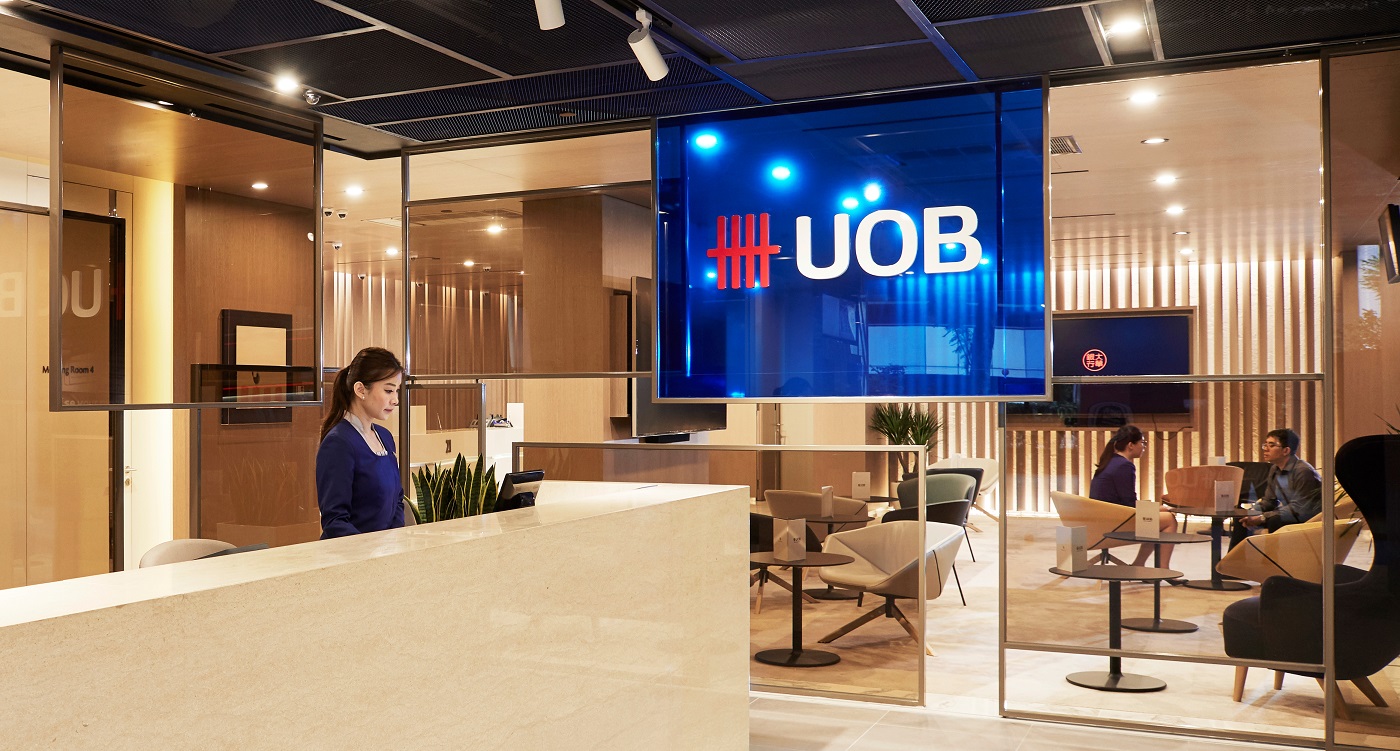
    United Overseas Bank (UOB) of Singapore has revised its predicted GDP growth rate for Vietnam upward, from 7.5% to 7.7%. This adjustment comes in response to Vietnam’s stronger-than-anticipated economic performance in the third quarter.

    Impressive Economic Performance Despite U.S. Tariff Threats

    Despite looming threats of U.S. tariffs, Vietnam showcased a robust economic performance by achieving a growth rate of 8.23% in the third quarter. This growth was primarily fueled by a surge in exports and manufacturing, according to UOB.

    In the year’s first nine months, exports soared by 16% year-on-year, while manufacturing rose by 10.8%. The Purchasing Managers’ Index also showed signs of recovery, expanding for three consecutive months following a three-month phase of contraction.

    Stabilized Outlook and Foreign Direct Investment

    The economic indicators suggest a stabilized economic outlook for Vietnam. This notion is further supported by the accelerated pace of foreign direct investment (FDI) into the country. FDI grew by 8.5% to reach $18.8 billion. If this trend continues, the year-end figures could potentially match 2024’s record-breaking total of $25.4 billion.

    However, UOB cautions that Vietnam’s open economy makes it susceptible to trade frictions. Exports of goods and services make up a significant 83% of Vietnam’s GDP, the second highest among ASEAN nations.

    Concerns Over the Impact of Tariffs and Exchange Rates

    Despite the robustness of Vietnam’s trade activities in the face of U.S. tariffs, there are concerns that export orders might dwindle as order frontloading eases and higher prices affect U.S. consumer demand in 2026.

    Another area requiring attention is the foreign exchange market. The Vietnamese dong was the second worst-performing Asian currency in the first nine months of 2025, depreciating 3.55% against the U.S. dollar. The currency that fared worse was the Indian rupee, which fell by 3.58%.

    Other Predictions of Vietnam’s Economic Growth

    Aside from UOB, other financial institutions have also revised their growth forecasts for Vietnam this year. HSBC, a British bank, predicts a growth figure of 7.9%, while the Asian Development Bank anticipates a growth rate of 6.7%.

    Vietnam’s Prime Minister, Pham Minh Chinh, expressed optimism last month, stating that with the current growth momentum, Vietnam could surpass its GDP growth target of 8% for this year, barring any major disruptions.

    Questions & Answers

    What is the revised GDP growth forecast for Vietnam by UOB?
    UOB has revised the GDP growth forecast for Vietnam from 7.5% to 7.7%.

    What factors are contributing to Vietnam’s economic growth?
    Strong exports, manufacturing, and foreign direct investment have been significant contributors to Vietnam’s economic growth.

    What concerns does UOB express regarding Vietnam’s economy?
    UOB has expressed concerns about possible trade friction due to Vietnam’s open economy. There are also concerns about the performance of the Vietnamese dong in the foreign exchange market.

  • Vietnam plans to open ‘outstanding’ special economic zones

    Vietnam plans to open ‘outstanding’ special economic zones

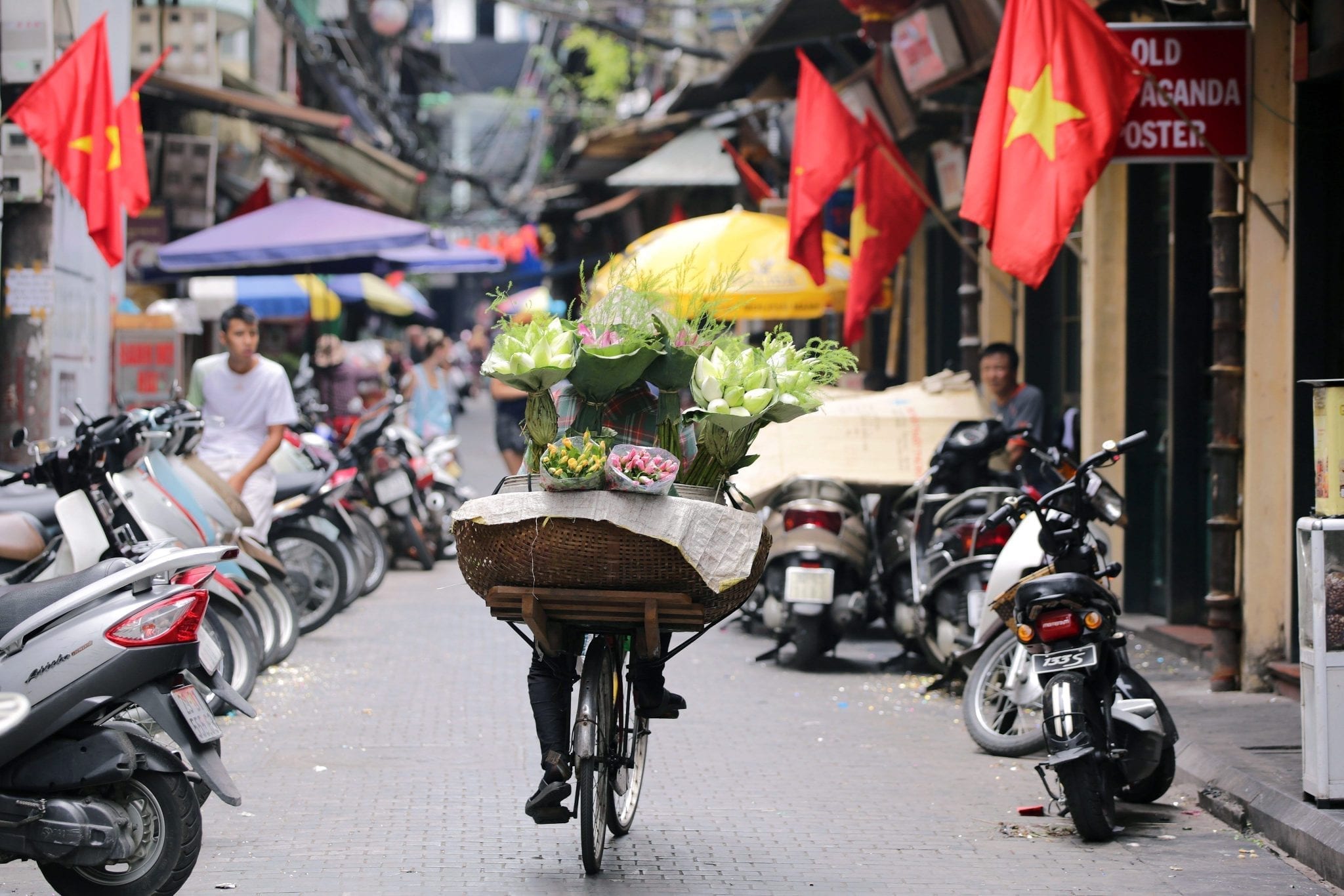
    The country is becoming more selective in the kind of investment it seeks, giving greater priority to high-tech and green sectors. Vietnam plans to open three special economic zones that offer investors greater incentives and fewer restrictions than available to date in the country, the investment minister said.

    Foreign direct investment, largely in manufacturing, has been key to Vietnam’s growth. It hit a record of $15.8 billion last year and has risen 6 percent in the first five months of 2017 from a year earlier.

    The new economic zones will be in the north, center and south of the 1,650-km (1,000 mile) long country, Planning and Investment Minister Nguyen Chi Dung told in an interview on Tuesday.

    The ministry is drafting a law for the zones in northern Quang Ninh province, central Khanh Hoa province and southern Phu Quoc province. Approval from lawmakers is expected by the end of 2017.

    Dung said the zones would be free from local regulations to make them competitive internationally.

    “It will be a massive attraction to investment and investment will boom next year,” Dung said. “It will be outstanding in everything: free and favourable in every aspect.”

    Vietnam currently has 18 economic zones, offering incentives for investors from free tariffs in selected items to lower personal income tax or reduced rent and fees. There are another 325 state-supported industrial parks, which have fewer incentives.

    Broadly positive investors

    A survey by ANZ Research last year said investors were broadly positive about the industrial parks because of tax incentives and the ease of customs clearance. Occupancy in operating industrial parks is more than 70 percent.

    Vietnam’s government this week reiterated its annual economic growth target at 6.7 percent, despite a drop to a three-year low of 5.1 percent in the first quarter. The government blamed the low rate on drought, salination issues and a temporary drop in production for Samsung Electronics due to its Note 7 battery woes.

    Dung said the government was confident of meeting its 2017 growth target given factors including improved weather, solid loan growth, a rise in tourism and rising numbers of new businesses.

    He expected Vietnam to continue drawing at least $10 billion a year in foreign direct investment for each of the next five years, while adding it was becoming more selective in the kind of investment sought. High tech and clean sectors are now a greater priority than low-cost industries, he said.

    “It’s no longer about quantity but more about quality,” Dung said.

  • Tourism a driving force behind Vietnam’s economic growth

    Tourism a driving force behind Vietnam’s economic growth

    The country is on track to welcome more than 10 million visitors this year.Driving economic growth in Vietnam, the country’s government portal reported yesterday.The country’s economic growth prospects are strongly driven by its travel and tourism sector, the EIU said.

    Foreign arrivals reached more than 9 million from January – November this year, a staggering 25 percent increase from a year ago, the EIU noted, citing official data from the National Tourism Administration.

    The country is on track to welcome more than 10 million visitors by the end of this year, the administration forecast, which would exceed the target by 17.6 percent and last year’s arrivals by 26 percent.

    The EIU said that tourism continues to make a significant contribution to Vietnam’s economy. The tourism sector has not only created job growth in the wider economy, but also supported the development of other sectors such as retail.

    The study attributed the tourism industry’s growth prospects partly to Vietnam’s efforts to relax its visa policy to pave the way for a bigger inflow of international tourists.

    It has already offered visa exemptions for tourists from South Korea, Japan and those from Southeast Asian countries, as well as extended its visa-free policy through to June next year for travelers from the United Kingdom, France, Germany, Spain and Italy.

    With the aim of giving the tourism industry an even bigger push, the Vietnamese government has approved much-touted online visas for travelers on short holidays or casual business visits. The new visa rule, which is expected to come into effect from February next year, but it will be limited to those arriving from Vietnam’s top tourist markets.

    Vietnam’s top 10 tourist markets include China, South Korea, Japan and the United States.

    According to the World Tourism and Travel Council, tourism revenue directly contributed 6.6 percent of Vietnam’s gross domestic product last year. If you take into account that tourism drives other areas like spa and wellness services, dining and retail, the sector contributed around 13.9 percent of GDP.

    EIU experts suggested the Vietnamese government should improve the quality of transport infrastructure, which will in turn further boost growth in the tourism sector.

  • Belgian King praises Indonesia`s economic development

    Belgian King praises Indonesia`s economic development

    “Indonesias economy is remarkable,” King of Belgium Philippe told President Joko Widodo (Jokowi) when they met at the Royal Palace in Brussels, the Belgian capital on April 21, 2016.

    He has followed the economic development of Indonesia closely, and he gave high credit to the progress, King Philippe claimed.

    He particularly expressed his support to the economic deregulation measures carried out by President Jokowi, who is expected to reveal his 12th economic stimulus package aimed at boosting investment and trade, in the very near future.

    Belgium is Indonesias key partner, in terms of trade and investment.

    Total trade between Indonesia and Belgium in 2015 reached US$1.67 billion, while investments amounted to US$7 million.

    The European countrys investments in Indonesia include those in diverse fields, ranging from power generation to the cocoa processing industry.

    Last March, the Belgian government sent a high-profile delegation to Indonesia, headed by Princess Astrid to strengthen bilateral economic relations, particularly in the fields of trade and investment.

    Princess Astrid, as representative of King Philippe, headed a 301-member delegation to Indonesia from March 12 to 18, 2016.

    In total, 127 companies and at least four ministers participated in the economic mission.

    The delegation is the largest-ever Belgian mission to come to Indonesia, and this is a landmark in the growing ties between the two nations, the Belgian government said on its official website.

    Some 25 Memoranda of Understanding (MoUs) and business contracts between business associations of both countries were signed during Princess Astrids visit to Jakarta.

    Jokowi and Princess Astrid, during their meeting at the Merdeka Palace in Jakarta, on March 15, 2016, agreed that the two nations should step up economic cooperation.

    The President expressed his optimism that Belgiums largest economic mission to Indonesia would help strengthen bilateral relations between both countries.

    The Head of State also called for expanding interactions between the business communities of both nations, and for expanding market access for Indonesian products, such as footwear, rubber, textiles, electronics and furniture, to enter Belgium.

    He also invited Belgian investors to start businesses in strategic sectors in Indonesia, such as infrastructure, telecommunications, the film industry, and raw materials.

    However, in the meeting with the Belgian King in Brussels, President Jokowi conveyed Indonesias worries on several discriminative measures from EU countries to Indonesian Crude Palm Oil products.

    “I believe Belgium will not take those discriminatory measures,” the President said.

    He also expressed his appreciation and gratitude for the decision to select Indonesia as the guest country for the 2017 Europalia Festival, as well as for the invitation to attend the inauguration of the festival.

    “The festival is an opportunity for Indonesia to show the richness of its culture. I hope Your Majesty will support us for the success of the event,” President Jokowi, who was accompanied by Coordinating Minister for the Economy Darmin Nasution, Minister of Foreign Affairs Retno L.P. Marsudi, Minister of Trade Thomas Lembong, and Cabinet Secretary Pramono Anung, said.

    Coinciding with the Presidents visit, a round-table meeting was organized and attended by CEOs of 15 Belgian companies in Brussels on April 21.

    Many people in the audience expressed interest in gaining insights into infrastructure development in Indonesia.

    Head of the Indonesian Investment Coordinating Board (BKPM) Franky Sibarani and Chairman of the Indonesian Chamber of Commerce and Industry (Kadin) Roesan Roslani briefed them on the progress of infrastructure development projects, such as seaports, toll roads, and airports.

    Most of the participating companies have invested in Indonesia and planned to expand their investments.

    “For instance, a company that produces steel fiber expanded its investment worth US$50 million in Karawang; a knife manufacturing company has planned to open a new plant in Bekasi; and a retail company has planned to expand its network,” Sibarani revealed.

    Belgiums investment in the country reached $132 million during the 2010-2015 period, placing the nation in the 27th position on the list of Indonesias foreign investors, according to the BKPM data.

    The European countrys investment commitment during the same period was recorded at $213.5 million comprising 64 projects.

    Furthermore, the BKPM identified a Belgian firm, which is keen to invest US$574.5 million, or some Rp7.1 trillion, in seaport development.

    The Belgian company had contacted a state-owned seaport operator to express its interest, Sibarani stated.

    “The company has also urged the investment board to facilitate its plan, including coordinating with other related ministries or institutions,” he remarked.

    Meanwhile, Trade Minister Thomas Lembong stated that a series of economic policy packages issued by the government had made Indonesia a favorite investment destination.

    “The policy packages have made Indonesia more attractive to foreign investors,” Thomas Lembong, accompanying President Jokowi on a European tour that covers Germany, Britain, Belgium, and the Netherlands, said.

    The policy packages had boosted trade cooperation between Indonesia and European countries, the minister believed.

    The Indonesian government has issued 11 economic policy packages over the past several months marked by massive deregulation.

  • IDX Expresses Optimism in Economic Growth

    IDX Expresses Optimism in Economic Growth

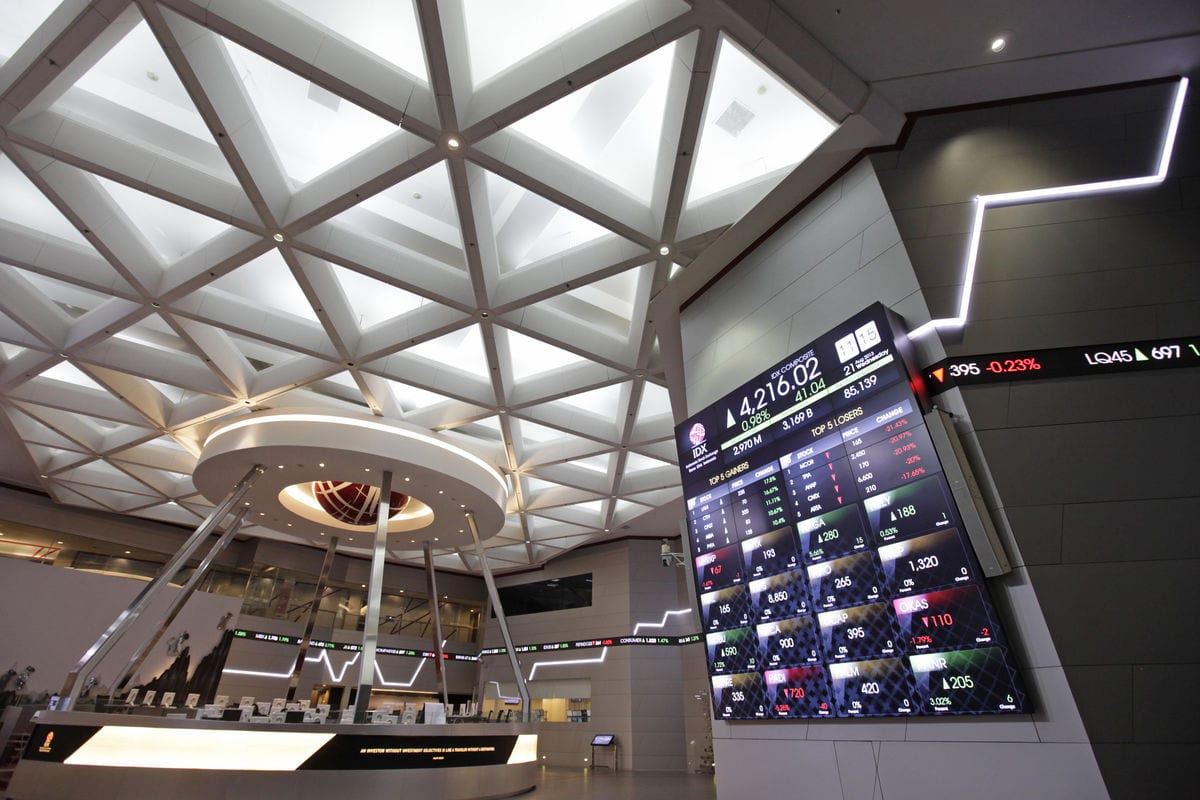
    The Indonesian Stock Exchange (IDX) expressed optimism that the companies listed on the IDX would provide positive results as the national economy was predicted to grow by above 5 percent.

    “In 2015, more than 75 percent of stock issuers at the IDX booked profits. Indeed, some of them in the commodity sector recorded somewhat significant drop. Meanwhile in 2016, we believe that the economic growth will be above 5 percent,” IDX president director Tito Sulistio said in Jakarta on Wednesday, April 13, 2016. Tito added that the Bank Indonesia (BI) rate cut to 6.75 percent and the potential of capital inflow following tax amnesty policy were among the factors that would support the national economic growth.

    “Hopefully, the tax amnesty [policy] will work. Therefore, it is expected that Indonesia will see a capital inflow of about Rp 3,000 trillion (US$220.6 billion) to build infrastructures that are important for the economy. The fund could also be invested in the capital market,” Tito explained.

    He promised that he would encourage domestic companies to obtain funds for expansion by, for instance, holding IPOs. Tito added that the IDX would call on state-owned companies to conduct privatization through the IPO mechanism.

    Earlier, IDX director of corporation assessment Samsul Hidayat said that a number of regional development banks planned to hold IPO in order to increase their capital and distribute credit to wider consumers. In addition to banks, Samsul revealed that a number of state-owned construction subsidiary companies, such as PT Waskita Beton Precast, mulled to hold an IPO.