Tag: electricity

  • India Launches Ambitious 5GW Renewable Energy Tender Initiative in August to Boost Sustainable Growth

    India Launches Ambitious 5GW Renewable Energy Tender Initiative in August to Boost Sustainable Growth

    Shifting consumer habits and an evolving retail landscape are pushing brands to rethink their strategies in Asia, particularly in the wake of a retail renaissance fueled by innovation and adaptability. As global giants and local players navigate an environment marked by increasing competition and shifting shopping behaviors, the need to stand out has never been more crucial.

    Engagement Strategies in High Demand

    Brands are tapping into new ways of engaging consumers, particularly through social media platforms. Recent reports indicate that nearly 75% of shoppers in Asia rely on social media for product inspiration. This trend sees retailers harnessing platforms like TikTok and Instagram to create immersive shopping experiences and foster deeper connections with consumers.

    Yet, it’s not just about flashy campaigns; authenticity remains vital. Companies that succeed are those that effectively communicate their values and provide engaging narratives that resonate with local consumers. High-profile collaborations, limited-edition releases, and interactive experiences have become common tools in the marketer’s kit. In a region where personalization holds the key to consumer hearts, brands are increasingly embracing tailored approaches to meet diverse preferences.

    The E-commerce Boom Continues

    E-commerce is riding a wave of growth in Asia, spurred by the pandemic’s acceleration of online shopping trends. Data shows that countries like China and India are at the forefront, with millions of consumers opting for digital marketplaces over traditional retail outlets. This evolution presents a promising landscape for both established players and newcomers eager to capture market share.

    One notable development is the rise of live shopping events, where brands combine entertainment with commerce, transforming how consumers interact with products. Striking a delicate balance between engagement, entertainment, and education has proven effective, as retailers look to bring a personal touch to the digital shopping experience. What’s more surprising is how these events can turn a simple product showcase into a thrilling, must-watch experience, reminiscent of a blockbuster movie premiere.

    Results Driven by Data

    The importance of leveraging data analytics has never been clearer. Retailers are increasingly utilizing insights from consumer behavior to drive decision-making, streamline inventory management, and even influence product design. Understanding the journey of the consumer—from initial interest to final purchase—enables brands to refine their strategies and enhance customer satisfaction.

    Companies that effectively integrate real-time data are more aligned with their customers’ evolving needs, making informed decisions that can drastically reduce overhead and increase profits. The modern retail battleground requires adaptability, and the wise brands are ensuring they remain a step ahead by making data their loyal ally.

    Challenges Ahead

    However, as retailers in Asia push for innovation, challenges abound. Navigating regulatory hurdles, adapting to rapidly changing consumer preferences, and addressing sustainability concerns complicate the path to success. Brands must be agile, ready to pivot in response to unforeseen circumstances while remaining committed to their long-term vision and values.

    In this dynamic landscape, partnerships and collaborations can provide the support needed to tackle these hurdles. Whether it’s teaming up with tech innovators or collaborating with local influencers, the right alliance could very well be the secret ingredient to thriving in Asia’s bustling retail sector.

    Questions & Answers

    How are retailers in Asia adapting to changing consumer habits?
    Retailers are increasingly leveraging social media for consumer engagement, focusing on authenticity and personalized experiences to stand out in a competitive market.

    What role is e-commerce playing in Asia’s retail landscape?
    E-commerce is booming in Asia, spurred by the pandemic, with innovations like live shopping events radically transforming the e-commerce experience and engaging consumers in new ways.

    What challenges do retailers face in this rapidly evolving market?
    Retailers grapple with regulatory hurdles, shifting consumer preferences, and sustainability concerns, all of which require agility and strategic partnerships to navigate successfully.
  • Global Wind Capacity Set to Soar with 170 GW Additions Expected by 2025

    Global Wind Capacity Set to Soar with 170 GW Additions Expected by 2025

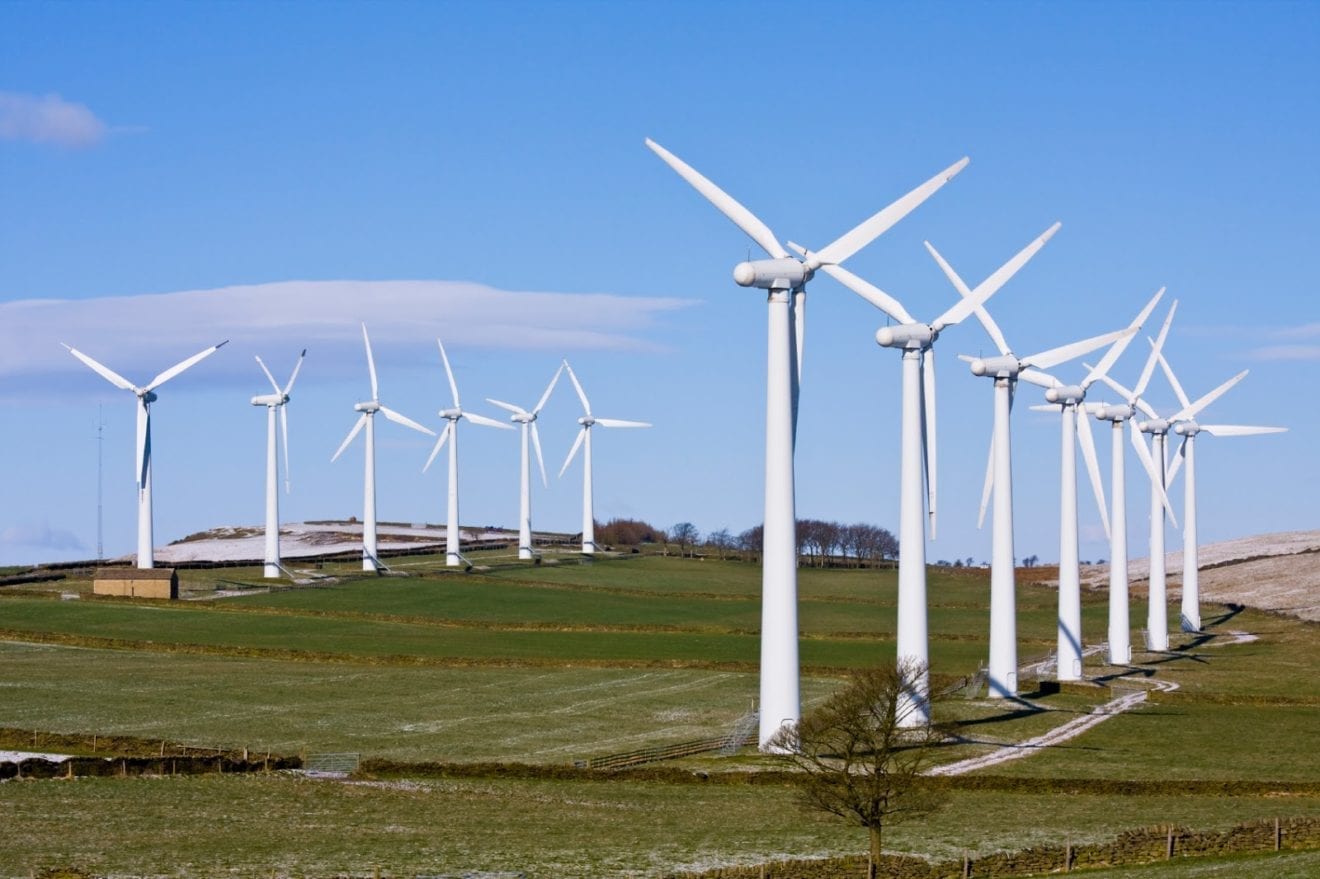
    China is poised to lead an unprecedented boom in the wind energy sector, as projections indicate that the industry will install a remarkable 170 gigawatts (GW) of new capacity by the end of 2025, according to the latest report from Wood Mackenzie. This surge is not just a ripple in the energy market; it suggests a tidal wave of change, with the global wind sector expected to connect more than 70 GW in a single quarter—setting a new benchmark for quarterly additions that surpass the annual totals of any year before 2020.

    A Record-Breaking Forecast

    This fresh market outlook reveals a robust 13% quarter-on-quarter increase largely driven by significant onshore growth in China. With such momentum, global wind capacity is projected to double from 2024 levels by as early as 2032, showcasing the country’s pivotal role in this renewable energy revolution.

    Resilience Amidst Uncertain Policies

    Despite facing obstacles in key markets like the United States, the wind industry is on track to achieve historic scale in the coming decade. By 2031, without considering China’s contributions, global cumulative wind capacity is set to hit a terawatt, eventually doubling from 2024 levels by 2034. However, the journey isn’t without its challenges. Policy frameworks that historically supported wind sector growth are now injecting uncertainty into major markets—an ominous cloud that threatens to dampen the industry’s rapid ascent.

    The Dynamics of Growth in China

    Sasha Bond-Smith, a research analyst at Wood Mackenzie, highlighted the “unparalleled concentration of growth in China,” which is fundamentally reshaping the wind energy landscape. Yet, not everything is smooth sailing: the offshore wind sector in China is grappling with significant hurdles, including sea-use conflicts that profoundly disrupt project timelines and even halt construction on ongoing projects.

    Global Progress and Emerging Challenges

    On the flip side, onshore projects are advancing across Europe, the Asia-Pacific region, and emerging markets, bolstered by favorable tender outcomes and strong project pipelines. Nevertheless, the sluggish pace of the green hydrogen market still casts a long shadow, limiting the potential spillover benefits into wind development.

    “Achieving this historic scale will require the industry to adeptly navigate this new geography of growth and adapt to changing policy landscapes,” cautioned Kárys Prado, a senior research analyst at Wood Mackenzie. In the world of wind energy, flexibility may just become the most valuable currency.

    Questions & Answers

    What role is China playing in the global wind energy market?
    China is set to account for a significant portion of the wind energy expansion, with projections indicating it will install 170 GW of new capacity by the end of 2025, reshaping the industry’s dynamics.

    Are there challenges that the offshore wind sector in China is facing?
    Yes, the offshore wind sector is experiencing considerable challenges due to sea-use conflicts, which are disrupting project timelines and stopping construction on some ongoing projects.

    What factors could influence the future growth of the wind industry?
    Future growth will depend on how effectively the industry adapts to evolving policy landscapes and navigates the challenges presented by international markets, particularly as policy uncertainties become more pronounced.

  • China’s Ambitious Hydropower Project: A Key Step Toward Decarbonisation with Significant Risks Ahead

    China’s Ambitious Hydropower Project: A Key Step Toward Decarbonisation with Significant Risks Ahead

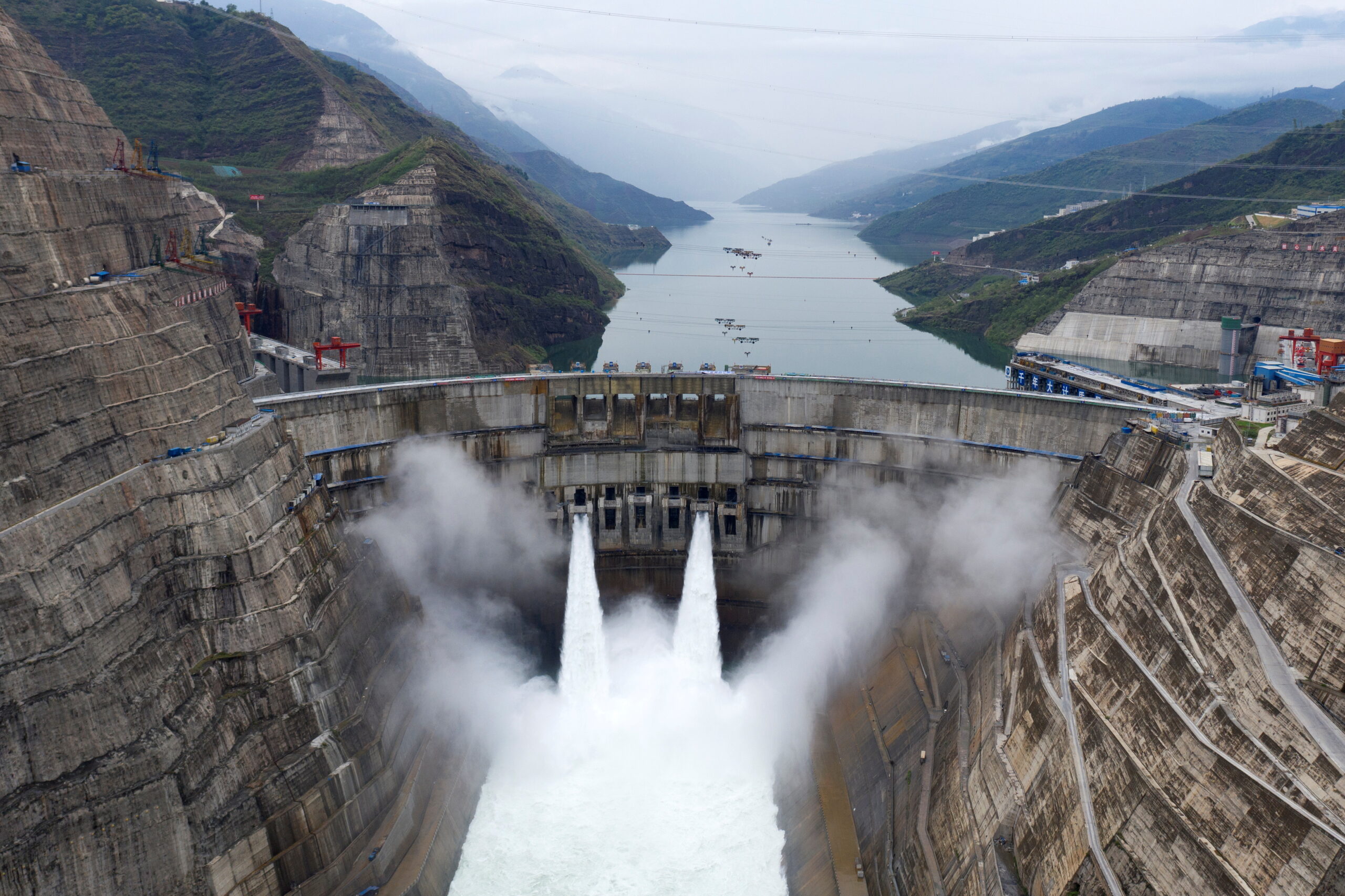
    China’s new hydropower project will be the world’s biggest and crucial for energy decarbonisation, but this will be expensive and challenging, S&P Global Ratings said.

    “The project will also be very risky. The geographic challenges will be unprecedented: it will be built in remote Tibet, with little existing infrastructure to move or shelter workers and equipment,” said S&P Global Ratings credit analyst Miranda Wang.

    The project will be completed in 10-15 years and will boost China’s hydropower capacity by 16% and generation by 22% with its 60 gigawatt capacity. It will have almost three times the capacity of the Three Gorges Dam, which generates 15% of Europe’s hydropower output.

    S&P Global Ratings noted that the central government is designating a new state-owned enterprise, China Yajiang Group Co. Ltd., to undertake all risks from this project.

    “We believe the establishment of the new entity isolates all execution risks from the existing rated power producers, which have limited financial headroom,” it said.

    The project will use novel engineering that will channel a river into a tunnel blasted through a mountain, thus spinning turbines and generating electricity. The government estimates construction costs at about $167b.

  • Onshore Wind Continues to Lead as 2024’s Most Affordable Energy Source

    Onshore Wind Continues to Lead as 2024’s Most Affordable Energy Source

    The remarkable growth of renewable energy in 2024 has a staggering backdrop: an impressive 582 gigawatts of new capacity has been added, significantly staving off fossil fuel consumption worth approximately $57 billion. According to the International Renewable Energy Agency (IRENA), onshore wind is leading the charge as the most economical option, priced at just $0.034 per kilowatt-hour (kWh), making it 53% cheaper than its most affordable fossil fuel counterparts.

    A Solar Surge in Affordability

    In the realm of solar energy, prices hit $0.043/kWh, which reflects an attractive 41% lower cost than fossil fuel alternatives, showcasing the competitive landscape of renewables. IRENA’s report, “Renewable Power Generation Costs in 2024,” emphasizes that a staggering 91% of the newly commissioned renewable projects last year outperformed any newly required fossil fuel options in terms of cost efficiency.

    Imminent Cost Trends Amid Challenges

    While the trend appears promising, the report also points out that technological advancements will likely continue to drive down costs. Yet, external challenges such as trade tariffs, raw material shortages, and shifts in manufacturing, particularly within China, could dampen progress and temporarily inflate prices.

    In Europe and North America, structural hurdles like permitting holdups and constrained grid capabilities are likely to perpetuate higher costs. In contrast, regions like Asia, Africa, and South America stand to benefit from enhanced learning curves and substantial renewable potential, paving the way for more pronounced cost reductions.

    Investment Stability as a Key Factor

    IRENA emphasizes the critical role of stable and predictable revenue frameworks to mitigate investment risks and attract the necessary capital. Despite the declining costs, new challenges have arisen—mainly concerning integration costs for renewable energy systems. Increasingly, wind and solar projects face delays due to bottlenecks in grid connections, sluggish permitting processes, and costly local supply chains.

    Financing remains a pivotal factor influencing project feasibility. In many developing Global South countries, high capital costs, exacerbated by macroeconomic conditions and perceived investment risk, significantly inflate the levelized cost of electricity (LCOE) for renewables.

    Technological Advances Fueling Future Growth

    However, the future looks promising as technological innovations beyond just energy generation continue to enhance the viability of renewables. Battery energy storage systems (BESS) have plummeted in cost by 93% since 2010, now sitting at $192/kWh for utility-scale applications, thanks to improved materials and streamlined manufacturing processes. Who knew that battery prices would fall faster than your last ability to remember your online passwords?

    Moreover, the advent of artificial intelligence (AI) is revolutionizing asset performance and grid responsiveness. Despite these advancements, the digital infrastructure and flexibility required for expansion and modernization present ongoing challenges, particularly in emerging markets where further investment is critical to unlock the full potential of renewable energy.

    Questions & Answers

    What is the significance of the 582 gigawatts of new renewable capacity added in 2024?
    The addition of 582 gigawatts of renewable capacity in 2024 not only avoided fossil fuel consumption valued at approximately $57 billion, but it also marks a significant shift towards more sustainable energy sources that are outperforming traditional fossil fuels economically.

    Which renewable energy source is currently the most affordable?
    Onshore wind is recognized as the most affordable renewable energy source, priced at $0.034 per kilowatt-hour, making it considerably cheaper than its fossil fuel counterparts.

    What challenges could potentially disrupt the decreasing costs of renewables?
    External challenges such as trade tariffs, raw material shortages, and changes in manufacturing practices pose risks that might temporarily elevate costs, particularly in established markets like Europe and North America.

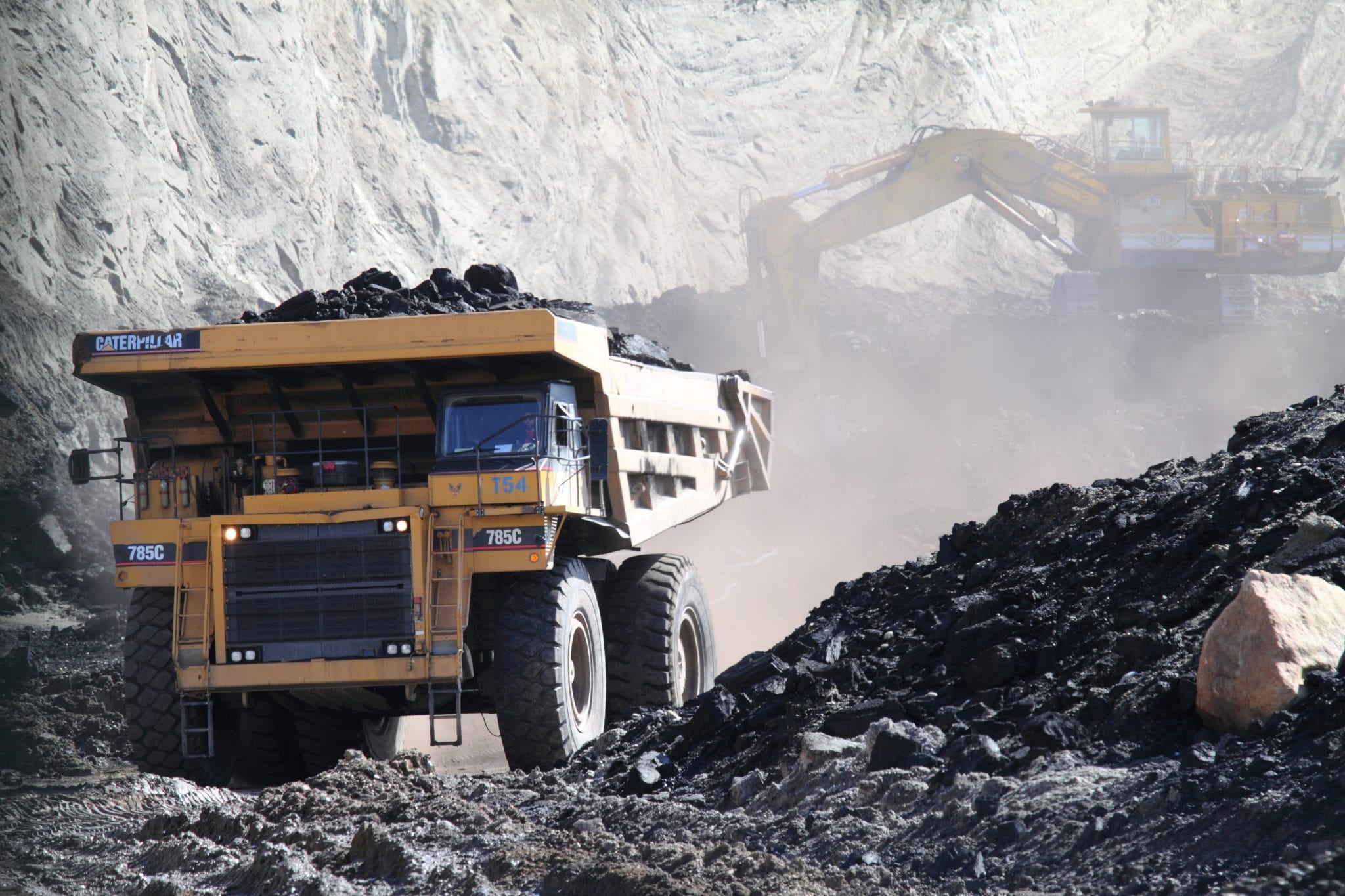
  • Vietnam to import coal from Laos

    Vietnam to import coal from Laos

    Vietnam has signed a deal with Laos to import around 20 million tons of coal a year for the next five years.

    The memorandum of understanding was signed for the purpose Thursday by the Vietnamese Ministry of Industry and Trade and the Lao Ministry of Energy and Mines.

    Laos has been an important supplier of coal and other minerals to Vietnam in recent years.

    Vietnam imported 1.8 million tons of ores and minerals for US$78.2 million from that country last year, and 900,000 tons worth $31.6 million in the first half of this year.

    The two also have many cooperation projects in energy such as building hydropower plants and connecting grids while Laos exports electricity to Vietnam.

    Vietnam has 220 kV lines linking Laos, and is set to import at least 3,000 MW of electricity by 2025 and 5,000 MW by 2030.

  • Philippines Aims for 69.4 TWh in Clean Power Generation by 2035: A Greener Future Awaits!

    Philippines Aims for 69.4 TWh in Clean Power Generation by 2035: A Greener Future Awaits!

    The Philippines is gearing up for a renewable energy revolution, driven by the power of geothermal and hydropower. By 2035, the nation’s renewable energy generation is projected to soar to an impressive 69.4 terawatt-hours, boasting a robust compound annual growth rate of 13.1% from 2024 through 2035.

    Rising Demand and Strategic Responses

    A recent report from GlobalData titled “Philippines Power Market Outlook to 2035, Update 2025 – Market Trends, Regulations, and Competitive Landscape” reveals that the country is witnessing a steady increase in electricity demand, fueled by economic expansion and the enhancement of digital infrastructure. “In response to this escalating need, the nation is executing a range of strategies, which include the development of infrastructure, diversification of energy sources, and the enactment of policy reforms,” notes Attaurrahman Ojindaram Saibasan, senior power analyst at GlobalData.

    Aiming for Renewables

    The Philippines has set ambitious targets, aiming for 35% of its energy to originate from renewable sources by 2030, and escalating that figure to 50% by 2040. However, fossil fuels aren’t going anywhere just yet, as thermal power is expected to retain a significant 62.7% share of the energy mix by 2035, while renewable sources will contribute 33%, and large hydro along with pumped storage will add another 4.3%.

    Investing in the Future

    In an impressive future-forward move, the Philippines is eyeing a 75% increase in geothermal capacity and a remarkable 160% growth in hydropower capacity. Wind power is also on the rise, with plans to expand to 2.3 gigawatts (GW), alongside a modest rise in biomass power by 0.3 GW, all by 2040. Investments are expected to flow abundantly into the energy sector, with Manila poised to secure $26.2 billion from 2025 to 2030. Solar energy alone is projected to account for 38.8% of this investment, followed by onshore wind at 19.4% and offshore wind at 17%.

    As the Philippines strides confidently into a greener future, one has to wonder: will solar panels soon outshine the sun itself?

    Questions & Answers

    What is the projected renewable energy generation for the Philippines by 2035? The renewable energy generation in the Philippines is expected to reach 69.4 terawatt-hours by 2035.

    What percentage of energy does the Philippines aim to generate from renewable sources by 2040? The country aims to achieve 50% of its energy generation from renewable sources by 2040.

    What is the expected investment in the energy sector from 2025 to 2030? Manila is expected to secure $26.2 billion in energy investments during that period.

  • Vietnam Seeks 4,000 Workers to Power Two Upcoming Nuclear Plants

    Vietnam Seeks 4,000 Workers to Power Two Upcoming Nuclear Plants

    Nearly 4,000 employees will be needed to operate Vietnam’s two proposed nuclear power plants, set to rise in the central province of Ninh Thuan by 2030. This ambitious initiative aims to bolster the nation’s energy landscape, but it also raises a significant demand for qualified personnel.

    Specialized Training Abroad

    Among the workforce needed, 670 individuals will undergo specialized training overseas to ensure they are well-prepared for the complexities of nuclear energy. The workforce will predominantly consist of engineers and holders of bachelor’s degrees, while the remainder will be equipped with two-year college qualifications. Those chosen for international training will primarily be graduates in relevant disciplines, committed to serving at the plants upon their return.

    Interestingly, the training program is broadening its net by considering first- and second-year university students eager to join post-training. This opens avenues for a fresh wave of talent ready to dive into the world of nuclear energy.

    Collaboration for Expertise

    To cultivate expertise in nuclear plant management and operations, civil servants, experts, and staff from various ministries will provide short-term training and internships. Moreover, around 120 lecturers are anticipated to be enlisted to teach nuclear science to aspiring master’s and doctoral students at local universities.

    In a strategic move, the Vietnamese government has revived plans for the Ninh Thuan nuclear power plants, with the National Assembly giving its enthusiastic endorsement in November. The first of these plants is earmarked to begin generating electricity by 2030, marking a pivotal moment in Vietnam’s energy journey.

    As the nation gears up for this nuclear adventure, it’s not just about numbers; it’s about preparing a workforce that can harness the power of the atom responsibly and effectively. Let’s hope they’re ready for the nuclear future—and maybe even a little fun along the way!

    Questions & Answers

    What is the timeline for the completion of the nuclear plants in Vietnam?
    The first nuclear plant is scheduled to begin generating electricity by 2030.

    How many workers will be needed for the nuclear power plants?
    Vietnam will require nearly 4,000 employees to operate the two planned nuclear facilities.

    What types of degrees will the workforce possess?
    The workforce will include a majority of engineers and individuals with bachelor’s degrees, alongside those with two-year college diplomas.

  • Vietnam electricity imports from China, Laos set to soar by 2030

    Vietnam electricity imports from China, Laos set to soar by 2030

    The Ministry of Industry and Trade plans to increase electricity imports from China and Laos by 1.6 to five times from between now and 2030.

    Vietnam’s electricity demand is set to rise by 12-14% annually as the government targets an ambitious double-digit growth rate annually to achieve high-income status for the country by 2045.

    This means by 2030 Vietnam’s power capacity would need to reach 210,000 megawatts, up 35% from the current nationwide power plan.

    Imports will therefore play an important role in meeting electricity demand.

    By 2030 imports might account for 5% of total supply as against 4% last year, according to the ministry.

    It wants to import up to 3,700 MW in capacity from China by 2030, a five-fold increase from now.

    But the two sides have made no agreement for this yet. “The governments need to negotiate and sign deals soon,” the ministry said.

    It also wants to buy 6,800 MW from Laos by 2030, 1.6 times the current import.

  • Government seeks monopoly over nuclear power

    Government seeks monopoly over nuclear power

    The government wants to retain its monopoly over nuclear power, proposed amendments to the Electricity Law show.

    The government wants to exclusively build nuclear power plants as these are considered critical to national security, Minister of Industry and Trade Nguyen Hong Dien said as he presented the amendments to the National Assembly Monday.

    The construction, operation and decommissioning of the plants and ensuring their safety must comply with the Atomic Energy Law and other relevant regulations.

    The plans for nuclear power generation must be integrated into the national power development plan to ensure energy security.

    Nuclear plants are required to use proven technologies.

    The government will create mechanisms for the investment, construction and operation of the nuclear plants.

    PM Pham Minh Chinh recently instructed government agencies to study the development of nuclear power and make amendments to the National Power Development Plan to include it.

    In 2009 the government had announced plans to build two nuclear power plants in the south-central province of Ninh Thuan at a cost of several billion dollars, but the National Assembly shot down the proposal in 2016 saying they were unaffordable.

  • Daily electricity consumption tops 1B kWh mark for first time

    Daily electricity consumption tops 1B kWh mark for first time

    Power consumption exceeded one billion kilowatt-hours in a day for the first time ever on May 28 amid high temperatures all over the country.

    But on that day power output did not exceed the peak achieved at the end of April, according to the National Load Dispatch Center.

    Hanoi, Da Nang City and Ho Chi Minh City are experiencing highs of 34-37 degrees Celsius these days.

    The center forecast that the maximum demand in the north might rise 17% from a record set last year in April-July to 27,481 megawatts.

    But production plus imports are expected to only rise by 10% year-on-year to 52.3 kilowatt-hours.

    The Ministry of Industry and Trade has been ensuring adequate supply to a region that experienced severe shortages last summer.

    A new 500 kilovolt transmission line is being installed to draw power from the central and southern regions.

    National utility Vietnam Electricity advises its customers to save power especially during peak hours. It also encourages setting air conditioners at a minimum of 26 degrees.

  • Power demand expected to surpass forecasts on early onset of hot weather

    Power demand expected to surpass forecasts on early onset of hot weather

    Power consumption in Vietnam this summer is expected to increase by 13% year-on-year between May and July, 9.6% higher than forecast, posing possible supply challenges.

    This is because the weather is expected to become hot sooner than normal, and this could cause pressure on supply, especially in the north, Nguyen Quoc Trung, deputy director of the National Load Dispatch Center, said at a forum Monday.

    The north needs around 25,000 MW of power, rising by 10% annually.

    This means every year a new Son La hydropower plant, with a capacity of around 2,500 MW, needs to be built, a major challenge to the power sector, Trung said.

    Between April and July this year peak demand in the region might reach 27,500 MW, up 17% year-on-year, while production would only rise 10%, he added.

    But Minister of Industry and Trade Nguyen Hong Dien has ordered state-owned power monopoly Vietnam Electricity (EVN) to “ensure there are no power shortages under any circumstances.”

    To ensure supply, the National Load Dispatch Center has been storing water in dams. There are now 11 billion cubic meters, 2.7 times higher than a year ago.

    EVN plans to generate higher-cost power such as from oil and liquefied natural gas.

    Vo Quang Lam, its deputy director, said the Vietnam requires three times power as the global average to create its GDP, and so all consumers should conserve electricity.

  • Electricity bills double for Hanoians on meter reading date change

    Electricity bills double for Hanoians on meter reading date change

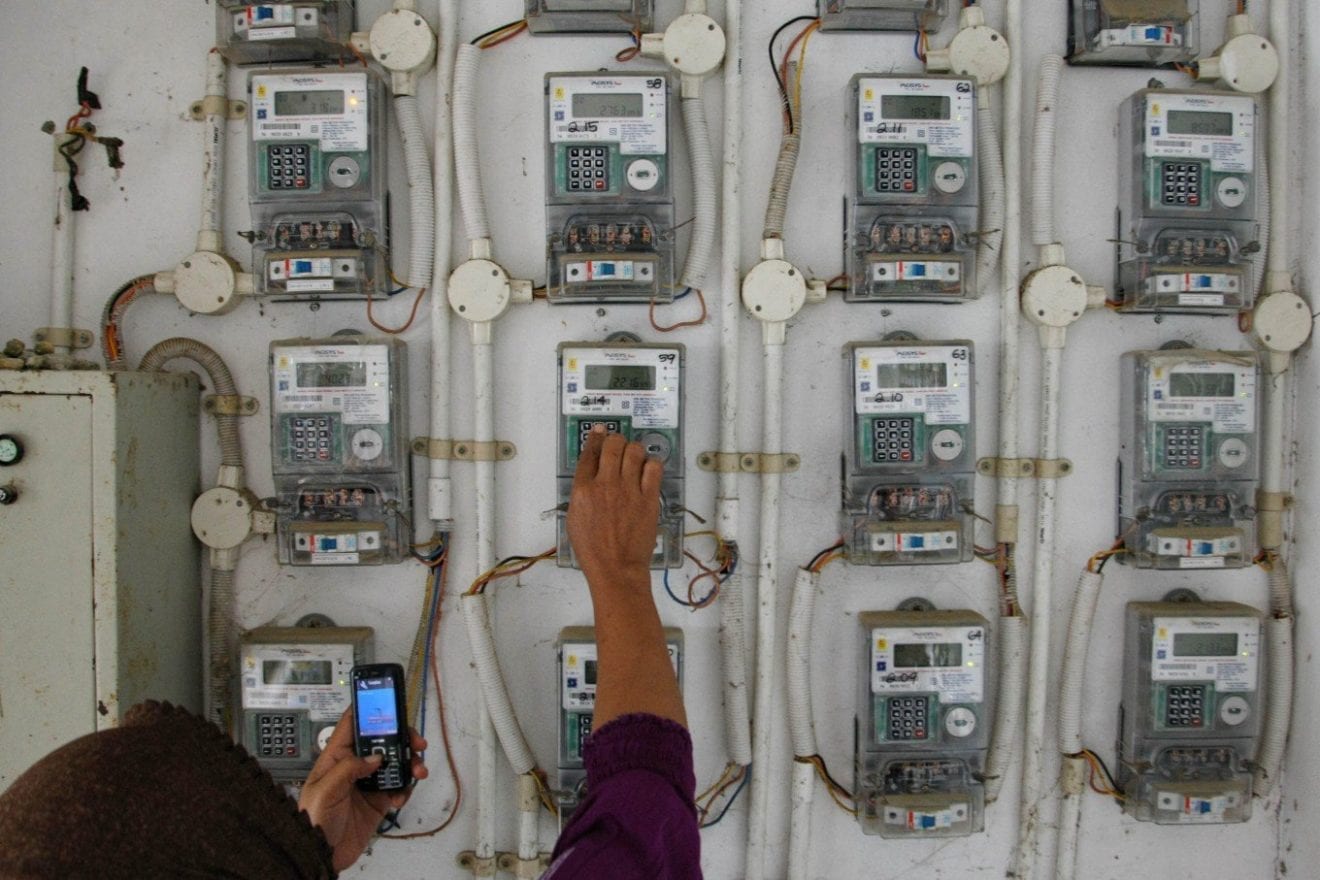
    Households in Hanoi have received electricity bills two or three times higher than usual this month after national utility Electricity Vietnam (EVN) postponed its meter reading date.

    Minh of Ha Dong District said the power consumed and bill for January are both more than double the usual at 2,127 kWh and VND6.7 million (US$271.4) though consumption has been completely normal and he bought no new electrical devices.

    The same thing has happened to Hanoi’s nearly 2.8 million electricity users, and EVN’s change in meter reading date seems to be the reason.

    The reading date has been moved to the end of each month from the beginning.

    Thus the January bill is for until Feb. 29 and not metered until Feb. 7 as used to be the case, meaning the bills are for two months.

    It is a one-time occurrence, EVN noted

    However, many consumers have correctly pointed out that combining two months’ bills would place their electricity usage in a higher tier. The pricing system is in slabs with higher per unit cost with increasing consumption.

    In Huong’s case, the first 350 kWh would be charged at multiple rates from tier 1 to 5 (VND1,806-3,050 per kWh).

    But if the extra 400 kWh is added, it would be charged entirely at tier 5 and 6 (VND3,050-3,151 per kWh) rates.

    EVN Hanoi has however reassured consumers it has made allowance for this, and the bills would be normal.

    For example, the tier 1 rate would be applied for the first 85 kWh instead of the usual 50, it said. Last year the reading date was changed in several provinces and cities. EVN had planned to effect the change in Hanoi last November but postponed it.

    EVN plans to apply the new date across the country by 2025, when electronic meters are installed in every household.

  • Laos wind farms offer Vietnam 4,150 MW of electricity

    Laos wind farms offer Vietnam 4,150 MW of electricity

    According to national utility Vietnam Electricity, seven Lao wind energy plants want to sell a total of 4,150 MW to Vietnam. It will be done in phases, with 682MW supplied before 2025 and the rest gradually after that.

    Vietnam will be keen on accepting the offer.

    If the National Energy Master Plan is carried out on schedule, the central and southern regions would have enough power until 2030, but the north is likely to face shortages from 2025, especially during the dry season from May to July, EVN said.

    Importing energy from Laos would help alleviate the shortfall, it said.

    Affordability is also a factor, with wind energy from Laos currently costing 6.95 cents per kilowatt-hour compared to Vietnam’s 8.5-9.8 cents, depending on whether the plant is on land or offshore.

    Vietnam has been importing energy, mainly hydroelectricity, from Laos since 2016 through intergovernmental agreements.

    Increasing electricity purchases from neighbors is in the trade ministry’s power plans for this year.

    However, there are certain challenges.

    Electricity from Laos is expected to pass through transmission lines in Quang Tri Province, meaning the quantity of purchase will largely depend on infrastructure in this area.

    EVN’s calculations show that the proposed 4,149 MW exceeds the capacity of the local power grid.

    Most of its 200 kV and 110 kV lines operate at 80-100% of capacity. The region can only manage a maximum of 300 MW of transmission during the dry season and even less at other times.

    “Before the Lao Bao 500 kV substation is put into operation, this area [Quang Tri Province] can hardly take in more electricity from Laos because all the existing 220 kV lines are operating at high loads,” EVN said.

    Once the grid infrastructure is improved, such as with the construction of the Huong Hoa 500 kV substation and connecting lines in late 2027, Vietnam can get 2,500 MW from Laos, which will still be 1,650 MW short of the quantity it is seeking to sell.

    Furthermore, adding more renewable energy to the national grid will throw plans out if kilter. Domestic renewable energy accounted for 27% of grid capacity at the end of 2023 and is only expected to grow to 34% by 2030, according to the National Energy Master Plan.

    So, to ensure grid stability, EVN said the trade ministry should only buy a maximum of 300 MW of wind power from Laos before 2025, and only during the peak demand season.

    From 2026 to 2030 a maximum of 2,500 MW could be bought, it said.

    It also urged the government to import more hydroelectricity to increase flexibility.

    More grid infrastructure and transmission lines, including 220 kV and 500 kV dual-circuit lines from the border to the Lao Bao substation, should be added to the national master plan, it added.

  • Ministry wants another electricity price hike

    Ministry wants another electricity price hike

    The Ministry of Industry and Trade has proposed a hike in electricity prices this year after pushing it up 7.5% last year to narrow down the loss of national utility Vietnam Electricity (EVN).

    The ministry eyes increasing prices in May this year to cover rising costs and help the state-owned EVN to pay for power generators. Vietnam allows an electricity price hike once every six months if production costs rise 3% or more. The last increase was in November last year, and before that, May.

    EVN recorded a combined loss of VND37 trillion ($1.5 billion) in 2022 and 2023. It also has VND14 trillion in debt incurred from previous years due to currency exchange rate changes.

    Last year, prices were raised 7.5% to VND2,092.78 per kilowatt-hour after years of staying flat.

    Analysts of Vietcobank Securities have recently anticipated an electricity price hike as the El Nino effect causes low water level at northern hydropower plants.

    Dinh Trong Thinh, an analyst from the Academy of Finance, said that raising prices was necessary to cover increasing costs but EVN needed to be transparent in its financial situation to avoid raising controversy among the public.

    Analyst Ngo Duc Lam, former head of the Energy Institution under the Ministry of Industry and Trade, said that Vietnam needed to be “very cautious” in raising electricity prices as it would push up the prices of transport and many essential goods.

    Phan The Cong, an analyst from Thuongmai University, said that two hikes last year have already had an impact on the economy and inflation, and therefore the timing of another hike needs to be considered carefully.

    Thinh added that in the long run electricity retail price needs to be regulated under market principles, which means it will rise when costs increase and fall when costs decrease. Changes in retail price therefore will become a normal part of people’s lives and will not have a major impact.

  • Vietnam Electricity eyes wind power import from Laos

    Vietnam Electricity eyes wind power import from Laos

    Vietnam Electricity wants to import wind power from Laos as it seeks to combat a looming shortage in the northern region.

    Several wind power investors in Laos with a combined capacity of 4,149 megawatts want to sell electricity to Vietnam, the national utility said in a report to the Ministry of Industry and Trade.

    The imports will help bridge a supply gap in the northern region between 2024 and 2030, especially in summer when water levels plummet in hydropower dams.

    Power Development Plan 8 focuses on the development of liquefied natural gas and renewable power sources, which are costly, and does not prioritize cheaper sources such as hydropower.

    This means importing power from Laos will help reduce costs somewhat.

    Laos’s maximum wind power feed-in tariff is 6.95 U.S. cents per kilowatt-hour for plants that become operational by the end of 2025, which is much more competitive than Vietnam’s 8.5 cents for onshore and 9.8 cents for offshore plants that went on stream before November 2021. But the Laos price is higher than for some plants in Vietnam that went on stream after that date. Their tariffs start at 6.42 cents.

    Some hydropower plants in Laos with whom it has signed purchase agreements would only begin generating power after 2025, meaning alternative sources are needed in the next two years, EVN said.

    It called on the government to install more transmission lines to increase imports from Laos.

    In the first 11 months of this year Vietnam’s electricity imports – from Laos but also China — accounted for 1.5% of total supply.