Retail News CRM

Tag: electricity

  • Indonesia, Norway to expand energy cooperation

    Indonesia, Norway to expand energy cooperation

    Indonesia and Norway have agreed to expand energy cooperation and business-to-business contacts in various sectors of energy development.

    The agreement was reached during an Indonesia-Norway bilateral energy meeting in Stavanger recently, according to Hartyo Harkomoyo, spokesman of the Indonesian Embassy in Oslo.

    Harkomoyo quoted Norwegian Oil and Energy Deputy Minister Ingvil Smines Tybring-Gjedde as saying at the meeting that the country was keen to share its expertise and experiences with Indonesia for the development of the energy sector.

    In response to the statement of the Norwegian oil and energy deputy minister, Energy and Natural Resources Ministrys director for oil and gas development program Agus Cahyono Adi, who led the Indonesian delegation at the meeting, noted that Indonesia was ready to host the Indonesia-Norway energy dialog in March 2017.

    Adi remarked that during the energy dialog, the two countries will discuss governance and regulation in oil and gas exploration, the use of Carbon Capture Storage technology and enhanced oil recovery to revive old wells, and the development of new and renewable energy, among others.

    In the meantime, Indonesian Ambassador to Norway Yuwono A. Putranto said energy is one of the key areas of cooperation in the partnership between Indonesia and Norway.

    In order to focus on the partnership, Indonesia and Norway have agreed on the mechanism to hold regular meetings through dialog in the energy sector every two years.
  • Electricity Prices May Decline

    Electricity Prices May Decline

    The National Energy Board (DEN) is asking state power company PLN to review its suggestion to formulate a new formula for the basic prices of electricity. The DEN believes a new price formula will bring benefits to the public.

    “Concept-wise, it is good. But PLN must first hold a price simulation to figure out how positive a new price scheme would be for the public. The tariffs could be a lot cheaper,” DEN member Abadi Purnomo told.

    He said the opportunity to lower electricity prices arrives from the abundant power supply generated by coal-fueled power plans, which accounted for 52.8 percent of the national energy mix last year. The second largest portion is gas energy use with 24.2 percent.

    PLN suggested a new price formula that will include energy mix component in the calculaton. Today’s tariffs calculations only refer to the Indonesian Crude Price (ICP), whereas the use of oil fuel for power-generation has declined from 11.7 percent in 2015 to just 6.7 percent this year.

    Another DEN member Sonny Keraf also supports PLN’s proposal. He asks the government to evaluate the current electricity price formula as a way to develop new renewable energy sources.

    A new, cheaper price electricity scheme will trigger industry growth, Sonny said. Industry players have always complained about Indonesia’s pricy electricity rates that prevent them from competing with other nations.

    PLN’s planning director Nicke Widyawati promised to bring their proposal to the DPR.

    Meanwhile, Acting Energy Minister Luhut Binsar Pandjaitan said his ministry is reviewing the suggestion.

  • Itron Smart Payment Solution Selected to Improve Nationwide Electrification in Indonesia

    Itron Smart Payment Solution Selected to Improve Nationwide Electrification in Indonesia

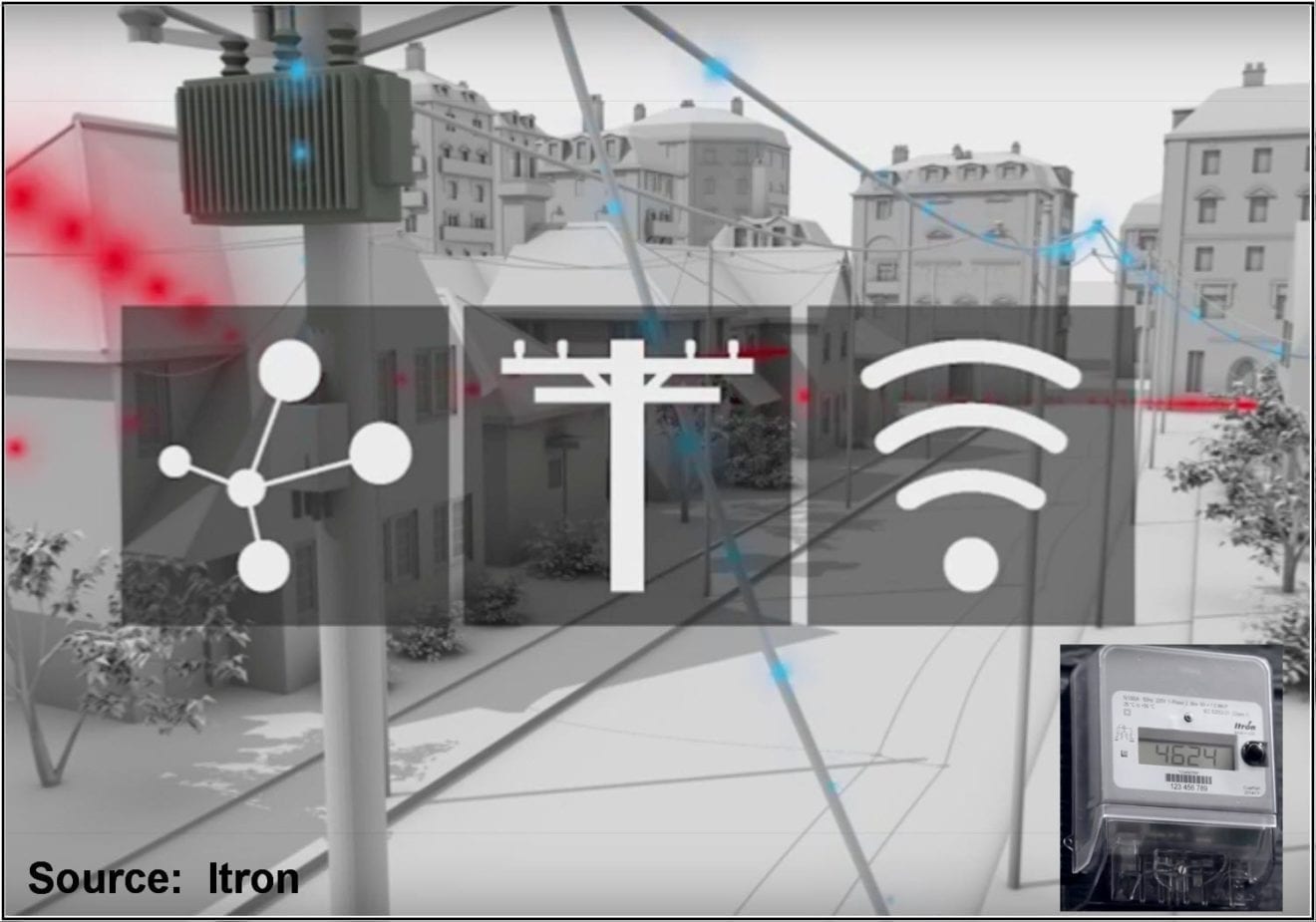
    Itron, a world-leading technology and services company dedicated to the resourceful use of energy and water, announced today that PT Mecoindo, a joint venture between Itron and a local partner, signed a contract with PT PLN (Persero), a state-owned utility company in Jakarta, Indonesia, to deploy 635,000 Itron smart payment meters. With this Itron solution, PT PLN will provide end-customers with a convenient, cost-effective way to prepay for electricity; thus improving electrification for Southeast Asia residents. Installation is expected to be complete by the end of 2016.

    Itron’s smart payment technology is designed to help utilities implement revenue protection measures as well as empower consumers to manage their electricity usage according to their budget and needs. Consumers have insight into how much money they have spent in a given period and how much they have left, reducing the likelihood of an untimely shut-off. In addition to these consumer-focused benefits, utility companies realize business value by simplifying utility customer service, lowering operational costs and reducing delinquent account risks, while improving cash flow.

    “We believe Itron’s products are the highest quality in the industry and the best fit for our electrification program,” said Septa Hamid, general manager of supply chain management at PT PLN (Persero). “Our goal is to provide convenient and affordable electricity services to more people in Indonesia, and with Itron’s smart payment solution, we are making that goal a reality.”

    “We are pleased Itron’s smart payment solution was selected by PT PLN. Itron’s technology will help PT PLN achieve its electrification goals and bring a greater understanding of energy use and costs for consumers,” said George Daenuwy, PT Mecoindo president director. “We look forward to contributing to this program, which truly demonstrates how we are helping utilities better manage resources for a more resourceful world.”

  • Singapore feeds first solar power into retail grid to reduce emissions

    Singapore feeds first solar power into retail grid to reduce emissions

    Singapore on Monday announced it had begun to feed solar power into its retail electric grid for the first time, as it seeks to reduce emissions and prepares to fully liberalize its electricity market.

    Singapore, one of the sunniest cities in the world, generates almost all its power from imported natural gas, with solar fuelling less than 1 percent.

    In countries like Germany and Japan, rooftop solar panels have helped boost capacity and bring record levels of renewable energy into the power mix.

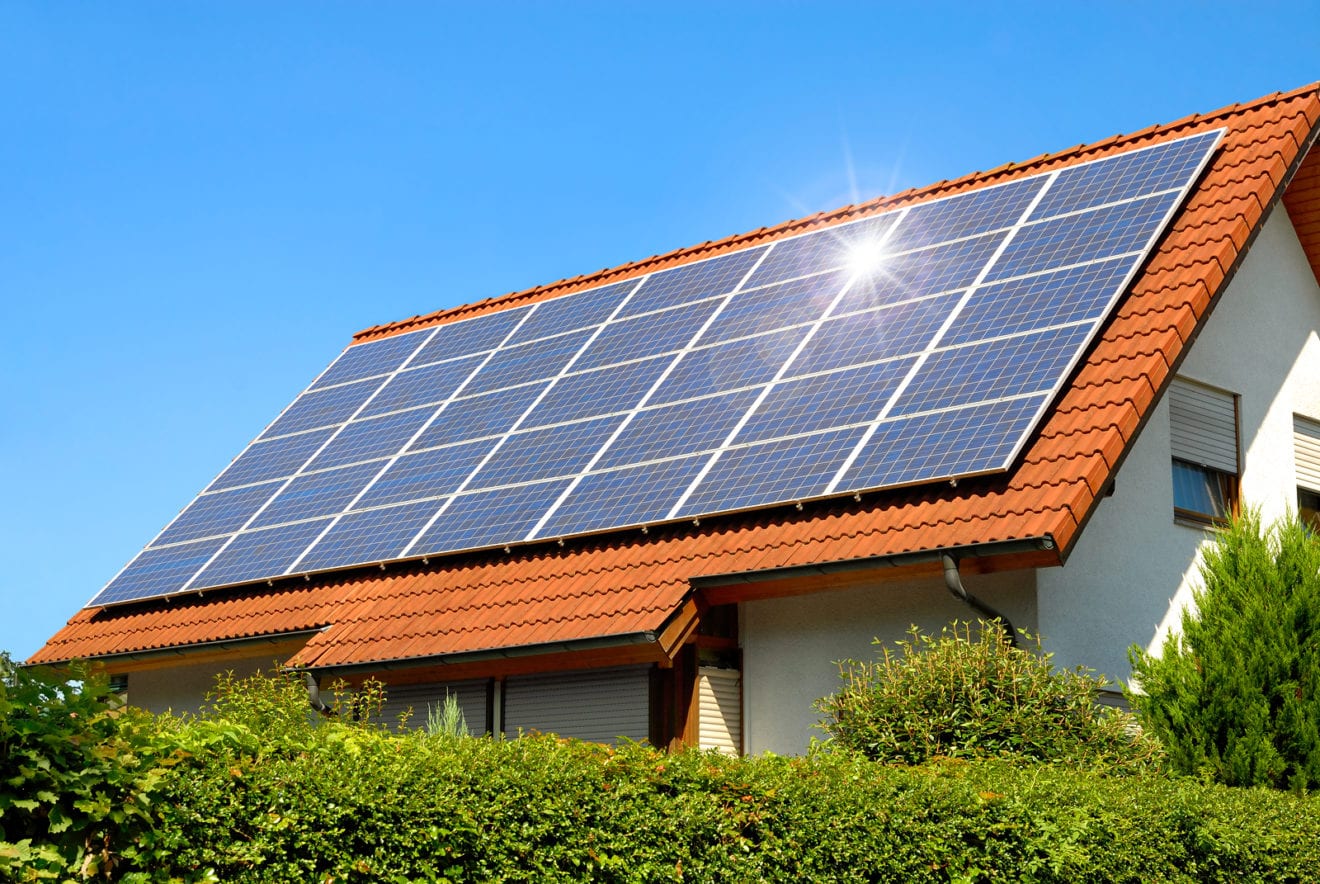
    Under Singapore’s plan, commercial and industrial power users can purchase solar-generated power from the power grid. The power is generated through rooftop solar panels owned and operated by Singapore’s Sun Electric, the first solar company given an electricity retail licence, it was announced at an event held by Sun Electric and Singapore’s electricity regulator, the Energy Market Authority (EMA).

    Building owners can agree to place Sun Electric panels on their sites and the power generated can be sold onto the electric grid.

    “The EMA will continue its efforts to facilitate the entry of independent electricity retailers,” said Loh Khum Yean, chairman of EMA.

    Singapore aims to fully liberalize its electricity retail market in the second half of 2018.

    Singapore’s installed photovoltaic capacity has increased from just 1.5 megawatt (MW) in 2009 to 43.8 MW by the end-2015, enough to power around 14,000 four-room flats.

    The government aims to increase capacity to 350 MW by 2020, or about 5 percent of projected peak electricity demand, up from less than 1 percent now, according to EMA.

    At the Paris climate change summit in December, Singapore pledged to reduce its emissions intensity by 36 percent from 2005 levels by 2030.


  • Siemens studies participation in Indonesia`s electricity program

    Siemens studies participation in Indonesia`s electricity program

    German company Siemens Energy Sector is studying the possibility of taking part in the governments program in the electricity sector.

    The government has a program to build power plants with a total capacity of 35,000 megawatts until 2019.

    Member of the board of management of Siemens Lisa Davis met Vice President M. Jusuf Kalla on Tuesday discussing Siemens interest in taking part in carrying out the program.

    Lisa said Siemens has long been venturing in Indonesia taking part in the government development program especially in development of power plants.

    She also expressed interest in cooperating with the state power utility company PLN in building power plants.

    “We discussed a lot of things in the energy sector such as in power generating plant, power transmission facility and distribution of power,” she said.

    She said involvement of Siemens in the 35,000 MW electric program would open many jobs in the country.

    Siemens has produced electrical components and Indonesia is a potential market for the products.

    “We see Indonesia a potential market for our manufactured products. That is the reason for our interest in cooperation with the Indonesian government,” she added.

    German Ambassador Georg Witschel, who accompanied Lisa at the meeting with the vice president, said Germany will also be ready to offer help for Indonesia in the implementation of its programs including in its electricity program.

  • Singapore’s electricity market to be fully liberalised in Q2 of 2018

    Singapore’s electricity market to be fully liberalised in Q2 of 2018

    Singapore’s electricity market will be fully liberalised in the second half of 2018, allowing households to have more choice in their power consumption, Minister of Trade and Industry (Industry) Mr S Iswaran said today (Oct 26).

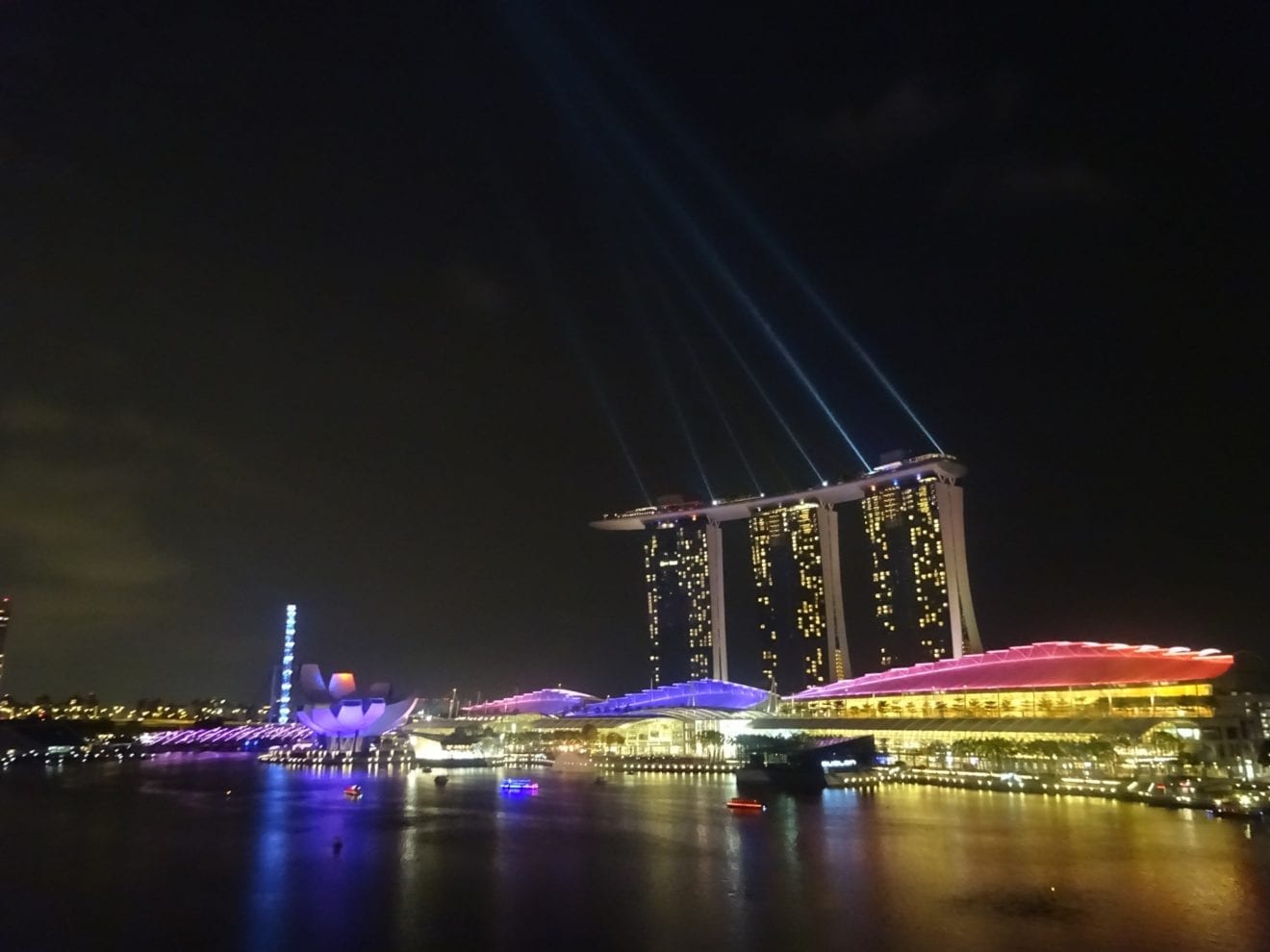
    The announcement came during Mr Iswaran’s opening address at the Singapore International Energy Week 2015 held at the Sands Expo and Convention Centre at Marina Bay Sands earlier today.

    Energy Market Authority (EMA) hopes to achieve “full retail competition” which will enable 1.3 million consumers – mostly households – to “have flexibility and choice in their electricity consumption”.

    Earlier this year on July 1, lowering the contestability threshold from 4MWh to 2 MWh allowed commercial and industrial (C&I) consumers – from large users such as petrochemical companies to smaller users like coffee shops and kindergartens – to participate in the contestable market and better manage their energy costs by purchasing from a retailer instead of remaining on the regulated tariff with SP services.

    EMA will release more details on the plans for full retail competition soon.

    The government also plans to establish a Secondary Gas Trading Market (SGTM) to allow gas buyers and sellers to trade gas on a short-term basis domestically.

    With an SGTM, EMA hopes to “enhance Singapore’s position as a hub for LNG and gas trading activities.”

    EMA will issue a consultation paper later today to seek industry feedback on the design for a domestic SGTM.

    Furthermore, EMA intends to “put out more information on the projected growth on the longer term energy market outlook in Singapore”.

    This would include information on the projected growth of electricity system demand, as well as a mix of sources coming from gas plants, solar and electricity imports by 2030.