Tag: Electronic

  • Schneider Electric Expands Home Electrical Portfolio to Meet Homeowners’ Aspirations for Smarter Living

    Schneider Electric Expands Home Electrical Portfolio to Meet Homeowners’ Aspirations for Smarter Living

    Schneider Electric, the global leader in digital transformation of energy management and automation, has reaffirmed its commitment to the home electricals market with a wide range of innovative new products to communicate the differentiated value proposition to homeowners, retailers, electricians, home builders, architects and more.

    With a sharp focus on innovation, localization, and category leadership, the company has identified homes as an important growth engine for its overall business. India’s residential market is projected to grow at a CAGR of over 10%[1], driven by rising incomes and greater demand for smarter living. Schneider Electric is leveraging this growth by expanding its consumer-focused portfolio and enhancing brand visibility, positioning itself to lead the smart home revolution in India.

    The company has unveiled its new integrated marketing campaign “Bring Home the Smart.” to communicate with the homeowners. The high-octane marketing campaign forges a deeper emotional connection with homeowners and other key stakeholders like retailers, builders, architects, and electricians. Rooted in the cultural shift where homes have become sanctuaries of peace, convenience, and care, the campaign redefines smart living as a source of ease, intelligence, and reliability. The campaign, thus, moves beyond the functional messaging to highlight Schneider Electric’s global strengths in technology and innovation to create meaningful offers for the Indian market.

    Schneider Electric’s direct engagement strategy is built on three core pillars: strengthening channel partnerships, launching differentiated products, and investing in consumer awareness and brand-building. At the heart of this strategy is a new campaign that highlights the company’s innovative home automation range. Key offerings include the Miluz Zeta switches with an industry-first Air Quality Indicator (AQI)—a unique feature that monitors indoor air quality in real time; Miluz Zeta motion-sensing LED foot lamps, designed to enhance safety and convenience throughout the home, lighting the way to safer nights where every step is guided; and the Wiser Smart Home Automation solution, which seamlessly adapts to diverse lifestyles. Wiser offers advanced features such as GPS-enabled appliance control and an energy management system, enabling smarter, more efficient living. These innovations exemplify Schneider Electric’s commitment to blending intuitive technology with everyday usability and elegant design.

    Ms. Sumati Sahgal, Vice President – Home & Distribution, Schneider Electric India, added: “This is a defining moment in our journey to build stronger brand affinity with Indian consumers. Our switches and home automation range are thoughtfully designed to meet the evolving needs of today’s households—where design, convenience, safety, and sustainability go hand in hand. With ‘Bring Home the Smart’ campaign we aim to make smart living more accessible, intuitive, and delightful for every Indian home.”

    Mr. Rajat Abbi, Vice President – Marketing, Greater India, Schneider Electric, said “With our new ‘Bring Home the Smart Campaign’, we’re redefining smart living by shifting the narrative from complexity to intuitive comfort — where intelligent technology seamlessly integrates into everyday life, empowering consumers to focus on what truly matters. Through this integrated marketing campaign, our aim is to creatively communicate the differentiated value proposition of our innovative offers to our customers.”

  • Vietnam to block payment for unlicensed games

    Vietnam to block payment for unlicensed games

    The Ministry of Information and Communications said it will deploy solutions to block the payment for unauthorized games in the country.

    There are hundreds of thousands of unauthorized games, card games, and gambling games which cause insecurity and disorder as well as bad consequences for the society, the ministry’s Authority of Broadcasting and Electronic Information said at a meeting on Thursday.

    The unauthorized games, mainly released on the App Store, Google Play, and online gaming platform Valse Stream, are estimated to generate an annual revenue of nearly VND5 trillion ($211.86 million), accounting for 30% of the total revenue of the game industry in Vietnam.

    The ministry is requiring organizations and businesses that provide intermediary payment services not to allow payment for unauthorized games through their systems.

    In the case of payments via IAP (in-app purchases), they should ask Apple and Google to provide sufficient information about the transaction to block the payment.

    Every month, the Authority of Broadcasting and Electronic Information will update the list of licensed and unlicensed games for payment intermediaries.

    The ministry also said it will require Google and Apple not to cooperate with intermediaries to pay for unauthorized games on their app stores.

    According to Le Quang Tu Do, the authority’s director, many games are being released across borders through the App Store and Play Store, while a number of Vietnamese e-wallets have been deployed on the two stores, making it easy for users to pay through intermediaries.

    The Ministry of Information and Communications has so far licensed some 200 game companies, but the number of licensed businesses that are actually providing games to the market is less than 30.

  • Vietnam to promote electronic bills via lottery

    Vietnam to promote electronic bills via lottery

    Vietnam is set to use lottery prizes to promote the use of electronic bills as the country seeks to boost digital transformation.

    Since April, seven billion electronic bills, or 93 percent of the total, have been recorded, and starting July 1 all businesses in the country will have to utilize electronic billing, Minister of Finance Ho Duc Phoc told the National Assembly on Wednesday.

    To promote electronic bills, the ministry will use lottery service Vietlott to award random people using the electronic billing code submitted to the national database whenever a customer purchases a product or service.

    Promoting electronic bills is among Vietnam’s latest efforts to create an e-government as its leaders have vocalized the need to digitally transform the country to boost economic growth.

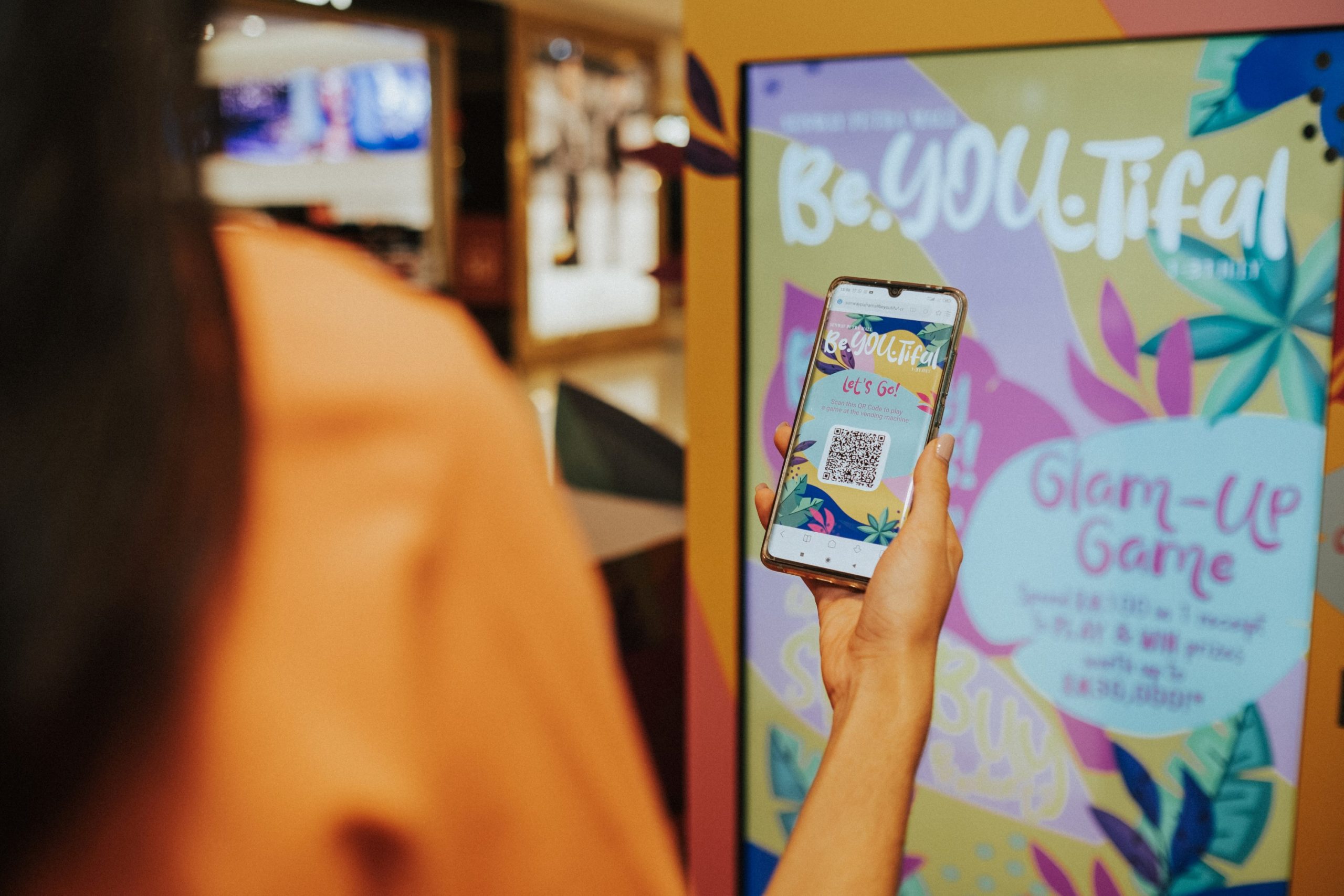
    Deputy Head of the General Department of Taxation Dang Ngoc Minh said earlier this month that tax payers can now scan a QR code to have tax bills delivered to their smartphone within 10 seconds.

  • Latest electronic news

    Latest electronic news

    Smartwatches and fitness trackers, for example, are difficult to deconstruct and recycle. As a result, when a new model is released, most consumers dispose of their old devices in hazardous waste streams. Unfortunately, this goes for many of the electronic sectors. Whether it’s a new iron or the latest online game, it’s all becoming a problem. Researchers have developed a two-metal nanocomposite for circuits that disintegrates when submerged in water, according to a study published in ACS Applied Materials & Interfaces. The circuits were presented in a prototype transitory device, which was a working smartwatch that disintegrated in 40 hours.

    Due to planned obsolescence and the rapid pace of technological advancements, new devices are constantly replacing older models, resulting in millions of tons of electronic waste generated each year. Recycling can help minimize the amount of e-waste produced and is required in many countries. On the other hand, small consumer electronics are generally not worth the effort to recycle because their pieces must be rescued by hand. However, some processing stages, such as open burning and acid leaching, can create health problems and pollution.

    Both of these issues could be solved by dissolvable gadgets that disintegrate on demand. Xian Huang and colleagues had previously developed a zinc-based nanocomposite that dissolved in water and could be used in temporary circuits. Still, it wasn’t conducive enough for consumer devices. As a result, they intended to improve the electrical properties of their dissolvable nanocomposite while also designing circuits that could withstand regular use.

    The researchers added silver nanowires to the zinc-based nanocomposite to solve this problem, which made it highly conductive. The circuits were then hardened through chemical processes driven by water droplets after being screen-printed onto a degradable polymer called polyvinyl alcohol.

    The watch’s components, such as an organic light-emitting diode (OLED) screen and microcontroller, as well as resistors and capacitors embedded into the circuits, were all that remained. According to the researchers, the two-metal nanocomposite may be used to make transitory devices with performance comparable to commercial ones, which could go a long way toward addressing the problem of small electronics waste.

    E-Waste Problem

    Only a portion of the problem is e-waste from discarded electrical and electronic equipment. Toxins released during mining and manufacturing are a substantial contribution to e-waste. Rare earth elements are currently essential components in high-tech electronics, yet their extraction is hazardous. Household appliances such as irons, vacuum cleaners, washing machines, and refrigerators are by far the major contributors to the amount of e-waste produced.

    However, as connectivity becomes integrated into daily products, the quickly developing “Internet of things” – internet-connected electronics – is predicted to generate more e-waste. E-waste handling is governed by rules. When selling a new version of the same product, sellers of electrical and electronic equipment (EEE) in the European Union must provide a mechanism for customers to dispose of their old household gadgets.

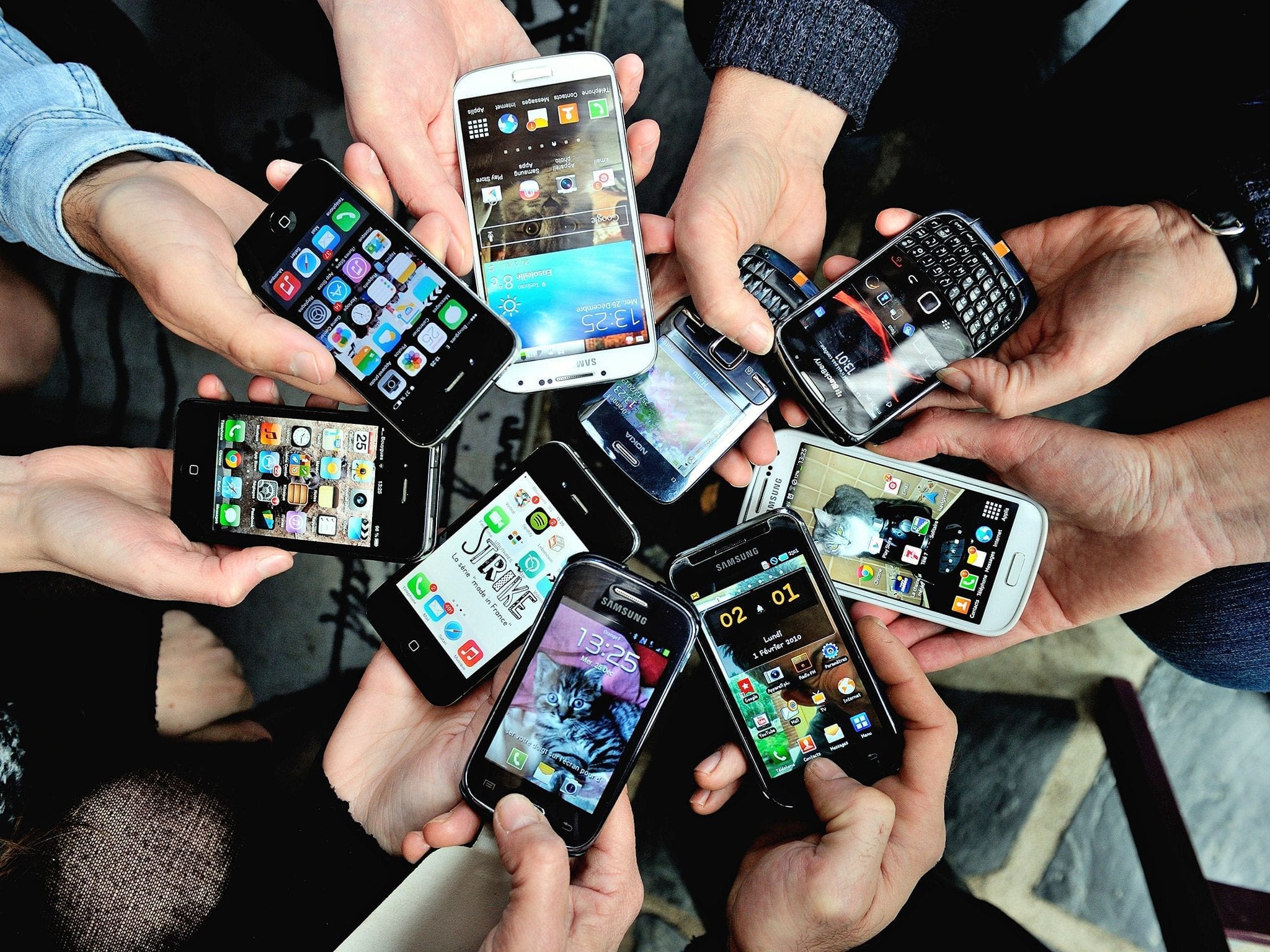
    Several well-known electronics businesses have been chastised for lack of spare parts or updates, as well as suspected built-in obsolescence. Apple revealed in 2017 that it had purposefully slowed down some iPhone models as they grew older. Customers felt this was to entice them to upgrade, but Apple claimed it was to extend the life of their devices. Daisy, the company’s robot, was released in 2018 and is designed to disassemble iPhones to recover and recycle minerals. Owners of Sonos speakers chastised the company in November 2019 for no longer providing software upgrades for some of its older devices. 

    What can we do?

    If you’re like most people, you’re probably stumped as to what to do with that drawer full of obsolete equipment. We all produce more electronic garbage than we can handle, which has been a big issue for the past decade. We should strive to limit the quantity of e-waste that ends up in landfills. With the advancement of technology, e-waste disposal will become a more critical issue. Because most consumer electronics, such as phones, computers, and televisions, contain hazardous chemicals and toxic elements like lead, mercury, and other heavy metals, when they are disposed of in local landfills, they endanger our soil, air, and waterways.

    Donate or sell – Selling your working devices is a simple approach to manage e-waste efficiently. You might be able to locate a buyer on eBay or Craigslist. Many of these purchasers will use, resell, or use/sell the components. Otherwise, recycling and comparison websites will give you a price for your old electronics and allow you to ship them off to be successfully repurposed or recycled.

    Think before you buy

    REDUCE is the most crucial of the three R’s (Reduce, Reuse, and Recycle). It’s so simple to get a new laptop, a smart TV, or the latest mobile phone. Most people don’t even consider whether they require them. Before purchasing anything, consider whether you genuinely need it. Why not upgrade the software instead of buying a new device if your old one is still in good working order? Instead of purchasing a new laptop, you can repair your existing one. Being a wise consumer will help you manage your household’s e-waste more effectively. 

    Online Data Storage

    Why utilise a memory stick or device when you can readily save significant amounts of data over the Internet? There are various cloud storage options available online, including Dropbox and Google Drive (free). In addition, some paid services provide a free 30-day trial period so you can see what works best for you.


  • Global firms dominate Vietnam electronics exports

    Global firms dominate Vietnam electronics exports

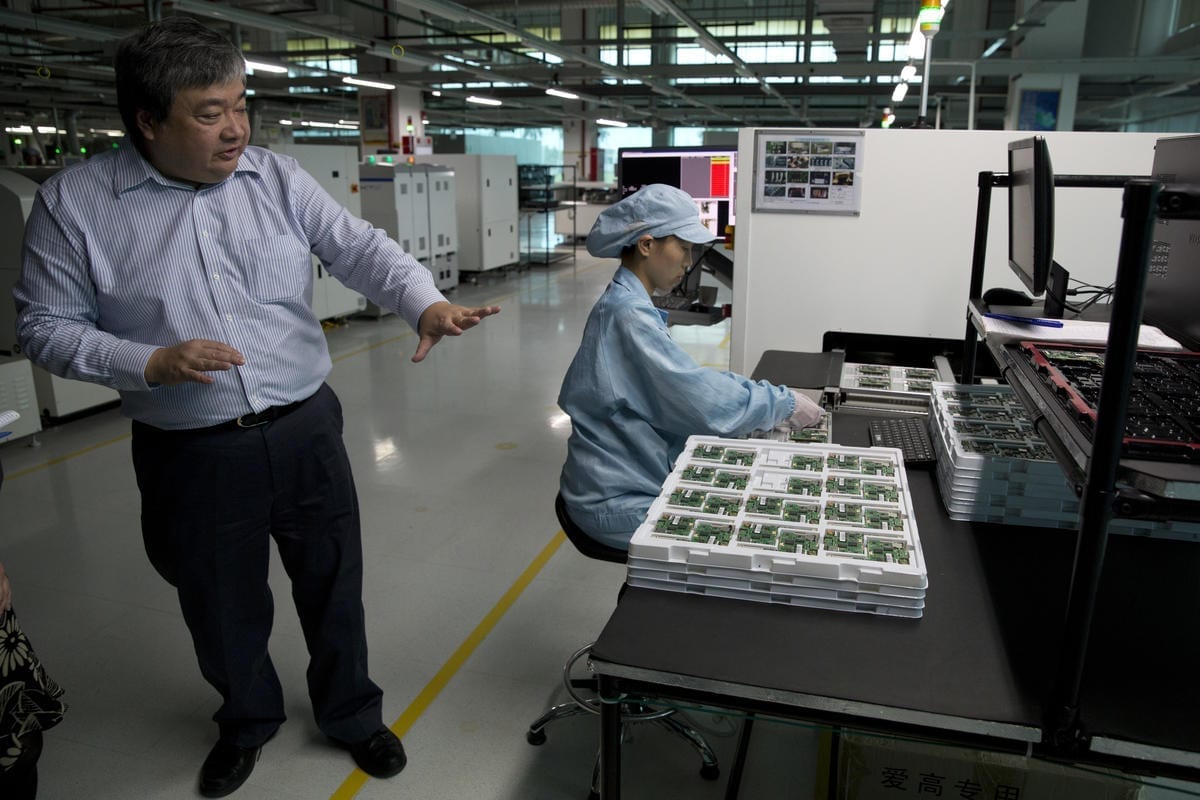
    In the first quarter this year, exports of phones and components were worth $14.1 billion, 99 percent of it by foreign firms.

    Exports of computers and parts exports topped $12 billion, with foreign companies accounting for 98 percent.

    The agency said the rate of use of local parts in the industry is 5-10 percent, with Vietnamese businesses in the supply chain mostly producing low added-value products.

    There are several domestic smartphone brands like Vsmart produced by VinSmart, a subsidiary of conglomerate Vingroup, and Bphone by cybersecurity company BKAV, but the market is dominated by foreign brands.

    The agency said: “The products made by domestic firms do not meet the demand in terms of quality or design. The linkages between foreign firms and their local counterparts remain weak.”

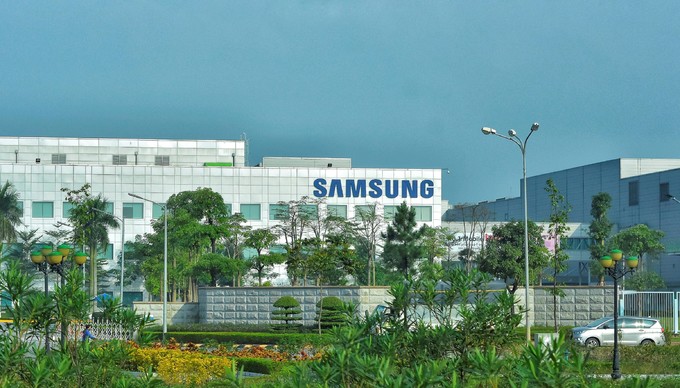
    But it admitted Vietnamese businesses have been striving to improve quality so that they could enter the supply chains of foreign companies, pointing out for instance that the number of local tier-1 suppliers (who supply products directly to a company without going through intermediaries) of Samsung had increased from four in 2014 to 35 last year.

    Local electronics firms should identify their core products, target their market segments, stay ahead of consumer trends, and keep up with the global technological development to create competitive products, it said.

    “They should take advantage of trade deals such as the EU–Vietnam Free Trade Agreement,” the agency stressed.

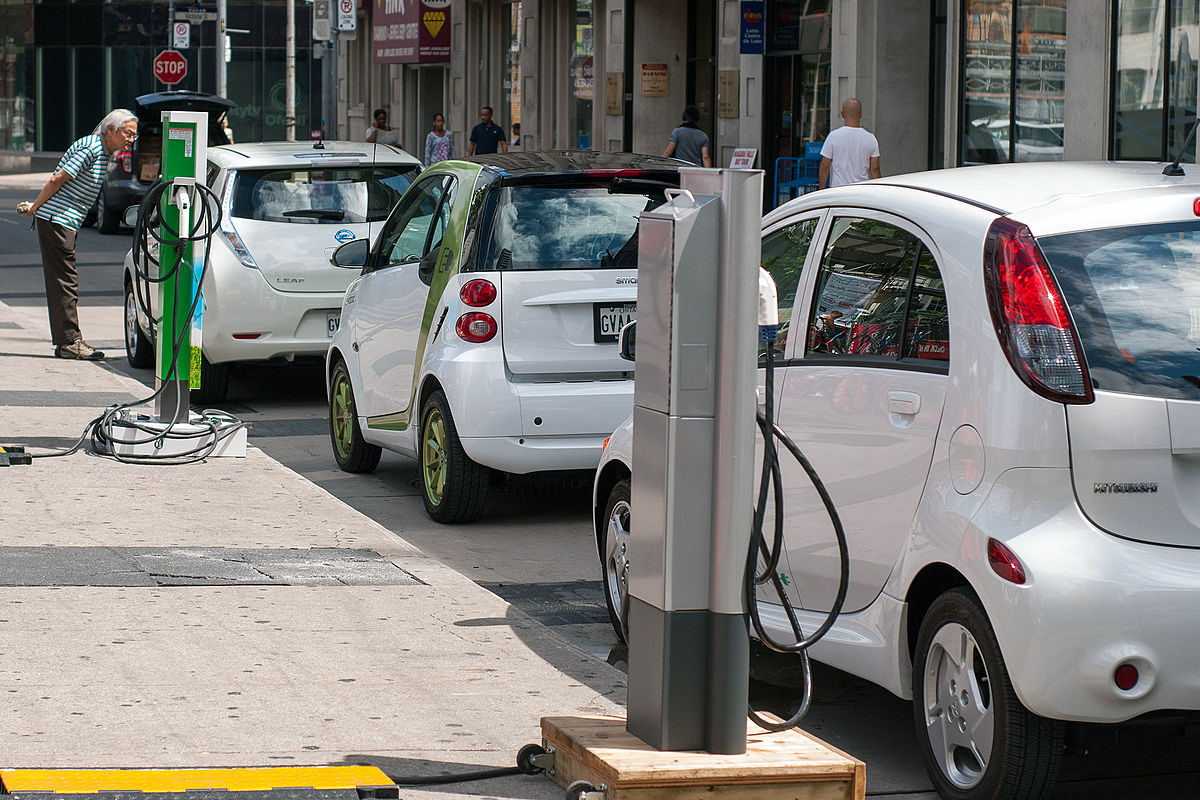
  • Asia In Charge Of Electric Car Battery Production

    Asia In Charge Of Electric Car Battery Production

    Global production of batteries for electric cars is concentrated in Asia, with Chinese, Japanese and South Korean firms dominating the sector and building factories in Europe to conserve their supremacy. However, Europe is looking to strike back, with France and Germany saying on Thursday they would form an alliance to develop next-generation batteries in a bid to counteract Asia’s dominance.

    Lithium-ion batteries are a — if not the — crucial component of electric vehicles, but few companies have ventured into actually making them given the huge cost of setting up manufacturing facilities and the still limited demand. Car manufacturers have prefered to have a choice of several specialised suppliers, especially as battery technology is rapidly evolving.

    China, where half of electric cars are currently being sold, requires car manufacturers to use locally-built batteries and is calling the shots in the industry with two-thirds of the world’s production capacity of lithium-ion cells for batteries. Only Asian firms appear in the top 10 of the industry: China’s Contemporary Amperex Technology (CATL) accounted for 23 percent of global production last year, edging out Japan’s Panasonic at 22 percent.

    China’s BYD followed at 13 percent and is the only car manufacturer to have prospered in making batteries. South Korea’s LG Chem came in at 10 percent while Samsung SDI had 5.5 percent, according to the US-based Center for Automotive Research (CAR). Europe accounts for only one percent of global production. The United States also remains marginal on a global scale despite the Gigafactory that Tesla developed with Panasonic.

    Another key factor in China’s supremacy: control over the raw materials needed to manufacture the batteries: lithium and cobalt.

    According to Bloomberg, the Chinese firms Ganfeng and Tianqi control 17 and 12 percent respectively of the world production of lithium thanks to their investments in mines in Australia and South America.

    Tianqi bought a 24 percent stake in Chilean miner SQM for $4.1 billion in December. Together with the US firm Albemarle it also controls the huge Greenbushes mine in Australia.

    Meanwhile, Chinese firms control at least half of the cobalt extracted in the Democratic Republic of Congo, where 70 percent of global output comes from, according to estimates cited by Bloomberg.

    China Molybdenum bought a major site from the US firm Freeport-McMoran for $2.65 billion in 2016. China also has 80 percent of the world’s capacity to produce refined cobalt using chemical processes.

    Concerned over their access to supplies, several carmakers have concluded long-term deals with Chinese firms: Volkswagen announced at the beginning of April a 10-year deal with Ganfeng for lithium that it can provide to battery manufacturers of its choice.

    According to the BCG consultancy, the global auto battery market could reach 45 billion euros in value in 2027, with Europe accounting for 20 to 30 percent, but Asian firms are expected to benefit most.

    CATL is investing some 240 million euros to build a factory in the central German city of Erfurt that will supply BMW from 2022. The luxury carmaker has concluded a contract worth four billion euros with CATL, including 1.5 billion from the Erfurt site.

    LG Chem has been manufacturing batteries for Daimler, Volvo, Audi and Renault from a site in Poland since last year.

    Samsung SDI has a factory in Hungary, where fellow South Korean firm SK Innovation is investing $1.5 billion into two factories that could end up serving Volkswagen.

    One of the rare European specialists in batteries is Swedish firm Northvolt. It is currently building what will be Europe’s largest facility in Sweden together with Germany’s Siemens.

    Expected to cost at least 1.6 billion euros, the facility is to begin turning out batteries in 2020 and when it reaches capacity in 2023, it should be double the volume of CATL’s German factory.

    Founded by two former Tesla employees, Northvolt joined forces with Volkswagen in March to create a “European Battery Union” to promote research. Northvolt also collaborates with BMW.

    Meanwhile the Dutch firm Lithium Werks, which has already built a massive factory in China, has been in talks to build a billion-euro facility in Poland.

  • Apple’s main chip supplier on track to make next-generation 5nm silicon

    Apple’s main chip supplier on track to make next-generation 5nm silicon

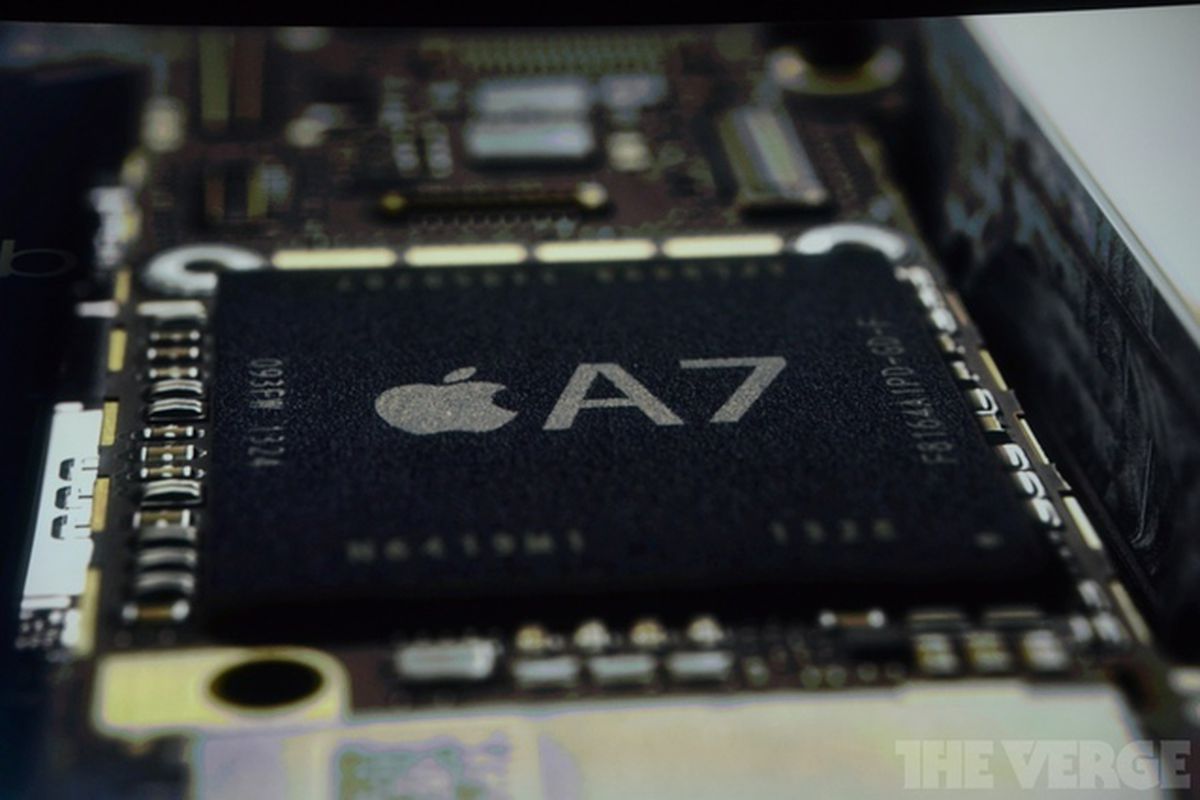
    Semiconductor manufacturers might not be following Moore’s law to a T, but that doesn’t mean they’re not making good progress. Last year, we saw the first mobile chips using the 7nm architecture: Apple’s A12 and HiSilicon’s Kirin 980, followed by the Snapdragon 855. It was expected that processors will remain on that level for a while, considering that producing smaller transistors gets exponentially harder with the reduction of their size.

    Turns out, we might not have to wait as long as we thought. News coming from Taiwan, raises hopes that the next jump might be just a year away. TSMC, one of the world’s biggest semiconductor manufacturers and the main chip supplier for Apple’s own A12 and upcoming A13 SoC, has announced that its design infrastructure for 5nm chips is now available for potential customers to download and start working with.

    This means that TSMC clients, such as Apple, now have the tools to design their next-generation chips. This will likely allow TSMC to secure orders from Apple for at least a couple of years. But what would the new architecture mean for performance?

    Exact gains are hard to predict, but what TSMC says is that it will be able to fit 1.8 times more transistors within the same surface and expects about 15% speed gain in ARM’s Cortex-A72 Cores. Power efficiency will also be higher than that of 7nm chips, which should lead to better battery life.

    TSMC is also proud of the progress it’s making in terms of yield, which was one of the main problems with the mass production of 5nm chips. Using EUV lithography, which replaced FinFET as the size decreased, the company is able to achieve yields comparable to those of its larger nodes when they were at the same stage of development. This means, of course, there’s still work to be done before the chips can enter mass production, but the important takeaway is that the technology is advancing on schedule.

    The potential arrival of the 5nm chips in 2020 is actually good news for Apple. This year we expect to see the major design changes coming with the iPhone 11, leaving the performance improvements to be the major selling point of the 2020 iPhone 11S. In other words, business as usual.

    Of course, other manufacturers will also be able to benefit from TSMC’s developments, but only if they manage to secure any of its production capacity, for which Apple is paying top dollar, we’re sure.

  • Struggling furniture retailer Otsuka Kagu forms tie-up with Yamada Denki

    Struggling furniture retailer Otsuka Kagu forms tie-up with Yamada Denki

    Struggling Japanese furniture retailer Otsuka Kagu has entered a partnership with electronics retailer Yamada Denki. The two firms have pledged to exchange sales knowledge in their respective industries as well as explore potential corporate sales opportunities. Otsuka Kagu will also sell 13.11 million new shares at ¥290.11 in an effort to raise ¥3.8 billion (US$34.39) in fresh capital. Funds will be earmarked for warehouse automation and optimising stores for e-commerce.

    Otsuka Kagu lost ¥3.24 billion ($29.32 million) last year, its third consecutive year of net losses.

    The company attracted attention over the past decade for its high-profile leadership struggle between brand founder Katsuhisa Otsuka and his eldest daughter Kumiko Otsuka, with their competing visions for the brand’s way forward.

  • DJI Introduces A Smart Remote Controller With Built-In Display at CES 2019

    DJI Introduces A Smart Remote Controller With Built-In Display at CES 2019

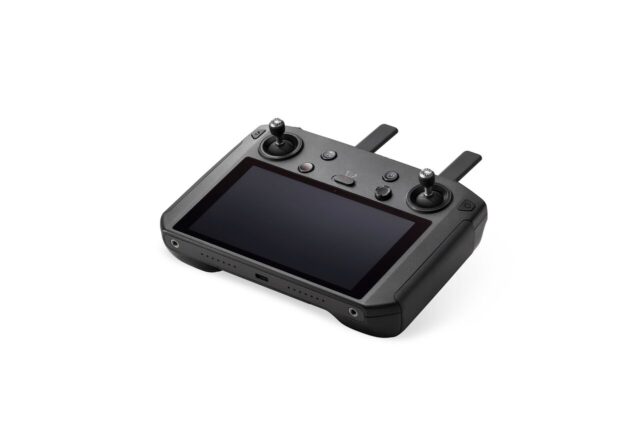
    DJI, the world’s leader in civilian drones and aerial imaging technology, continues its tradition of making aerial technology accessible to everyone by introducing a powerful new remote controller for its drones at CES 2019. The Smart Controller features an ultra-bright display screen and controls optimized for DJI drones, allowing pilots to fly the newest drones without using a smartphone or tablet. DJI will also be exhibiting its full lineup of consumer drones and handheld imaging products at its booth at CES 2019, including the new Osmo Pocket stabilized camera, and will host exciting workshops, hands-on product demonstrations and more. Attendees can find DJI in the South Hall of the Las Vegas Convention Center.


    Smart Controller Expands Pilot Options The DJI Smart Controller expands the ecosystem of accessories built around DJI’s industry leading drone technology. Using a crisp 5.5” screen built into the controller itself, the Smart Controller allows pilots to quickly get their drone in the air without the need to connect a mobile device. It can be paired with DJI’s newest drones including Mavic 2 Zoom and Mavic 2 Pro1 which use DJI’s OcuSync 2.0 video transmission system, displaying vivid images in Full HD resolution. Drone pilots can take advantage of its compact, highly portable design that has been optimized for use in direct sunlight. It features an ultra-bright display with an output of 1000 cd/m2, twice the brightness of standard smart phones. A customizable Android dashboard supports DJI GO 4, DJI Pilot2, along with various third-party apps such as editing programs. The DJI GO 4 app also touts several new features including SkyTalk, that allows pilots to livestream the drone’s camera feed to social channels including Facebook, Instagram and WeChat so that anyone can experience the thrill of flying a drone. Another new feature is DJI GO-Share which easily transfers imagery from the Controller to your mobile device. The DJI Smart Controller brings a new level of reliability when flying, with 2.5 hours of battery life and the ability to operate in adverse temperatures as cold as -4° Fahrenheit and as hot as 104° Fahrenheit.

  • Kutchina opens second store in Nepal

    Kutchina opens second store in Nepal

    Kutchina has opened its second store in Kathmandu spanning across 500 sq.ft. Targeting middle and higher income group customers, the store offers complete kitchen solutions including entire range of big appliances and modular kitchen. Look and feel of the store is a mixture of Kutchina’s modern concept with a traditional touch of Nepal’s rich culture. The walls of the store are given a look of Brick Mounting which resembles traditional houses of Nepal and adds that wow factor to the store.

    Designed by in-house designers, the store highlights all the elements of the products with the use of LED and Track lights. At present, the brand has 20 stores in India and 2 in Nepal.

  • Samsung plans to release robots this year

    Samsung plans to release robots this year

    Samsung robots are coming this year. Kim Hyun-suk, president and head of Samsung Electronics’ consumer electronics division, said the company has been conducting research on the robotics market and is now preparing to launch several robots this year during a press conference with reporters on Monday, a day prior to the opening of the Consumer Electronics Show (CES) in Las Vegas.

    Until now, Samsung Electronics has stayed mum on whether it is making robots. “To develop robots, it’s important to have an artificial intelligence [AI] platform ready [to mount on the robots],” Kim said. “That AI platform is almost ready.”

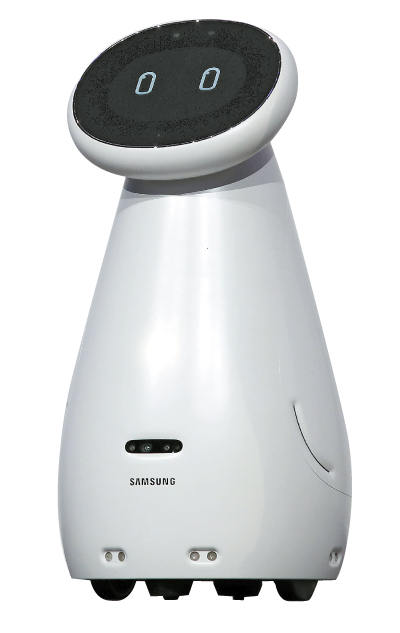
    Samsung unveiled three variations of its AI-based robot, dubbed Samsung Bot, at the briefing, revealing its robotics technology for the first time.

    The three Samsung Bots, labeled Care, Air and Retail, are designed to aid people’s health, and improve air quality and retail shop management. Samsung Bot Care, for instance, monitors users’ vitals like blood pressure and heartbeat and helps people take medicine at the right time. The robot can also call 119 and contact family members when it senses an emergency such as a heart attack.

    The electronics giant also introduced its wearable robot, dubbed GEMS. It assists people with difficulty walking due to weak muscles or injuries and reduces physical pain in the knees and ankles.

    “I can’t say for sure when the products introduced today will be commercialized,” Kim said. “There are possibilities that robot products not introduced yet could be commercialized first.”

    Kim added that demand for robots is expected to increase, especially due to societal aging, pointing out that robots like Samsung Bot Care will be useful for the elderly.

    “By exploiting Samsung’s know-how in AI, Internet of Things and developing multiple devices, we are considering our options for various types of robots,” Kim said.

    On concerns of whether Samsung’s own AI engine Bixby is losing ground due to the company’s AI partnerships with tech giants like Google and Amazon, Kim said that is a “misunderstanding.”

    Though Amazon’s Alexa AI assistant and Google Assistant may be a step ahead of Bixby in terms of technology and presence in the global market, Kim said partnerships make Bixby stronger, not weaker.
    The important thing, according to Kim, is that when people ask Bixby a question, the AI will be able to give out answers based on its own knowledge or by utilizing data from Google or Amazon.

    “No company has strengths in every aspect of business,” Kim said. “Though Bixby is a latecomer [to the AI assistant market], Samsung has relative strength in making devices compared to other tech companies, and Google and Amazon will focus on what they are good at.”

    Kim also commented on LG Electronics’ rollable TV that made headlines globally. LG’s rollable TV prototype can roll itself into a storage box that becomes a table with speakers.

    According to the Samsung president, there needs to be considerations on whether the product can be “economical.” He added that without the economic feasibility to commercialize the product, the prototype is a lot less meaningful.

    Brian Kwon, head of LG’s home entertainment division, said in a separate press briefing Tuesday in Las Vegas that the company will make rollable TVs its future growth engine.

    On concerns about the product’s cost, Kwon said while the price may be a barrier in widely expanding sales of the product right after launch, the company will strive to quickly improve the TV’s cost competitiveness.

  • Chinese Smartphone Realme Eyes to Expand Southeast Asia

    Chinese Smartphone Realme Eyes to Expand Southeast Asia

    BBK Electronics’ budget smartphone brand Realme is eyeing expansion into Southeast Asia, Africa and Europe. The company’s online distribution strategy has brought it success in the Indian market and makes broader expansion possible, according to Realme global CEO Sky Li Bingzhong. “The company’s asset-light operations and focus on online sales allow it to keep costs low. That way, more young consumers can afford its products, which makes the brand more competitive in the market,” said Li.

    Realme launched in India in May last year with handsets priced at INR8,990 (US$129) – becoming the second top-selling smartphone brand during the Diwali festival season from October to November. The brand has joined a number of Chinese phone manufacturers seeking to build strength in the Indian market as they challenge more established international competitors in more saturated markets.

    BBK also owns the Oppo, Vivo and OnePlus brands, selling mid- to high-end models. Independent Realme runs its own R&D operations, but partners with Oppo in smartphone production. Its expansion moves are indicative of Chinese phone manufacturers’ larger strategy to deploy varying brands that each target specific markets globally.

  • Samsung cooperates with Apple

    Samsung cooperates with Apple

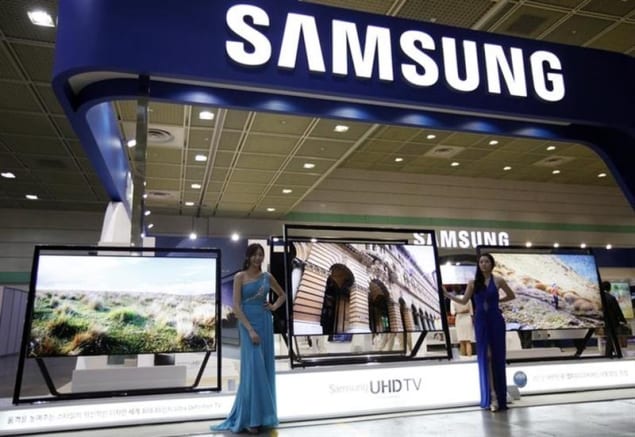
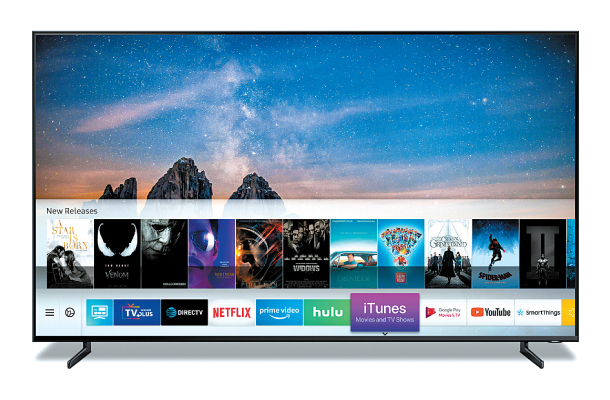
    Samsung Electronics is teaming with arch-rival Apple to enable its smart TVs to access video, audio and other programming from iTunes. It is the first time the two have cooperated on content. The partnership was announced Monday. Beginning this spring, Samsung smart TVs will have iTunes movies and TV as a default option, along with YouTube and Netflix. For customers with older versions of Samsung smart TVs, the service can be added with a software update.

    Apple’s new movie and TV streaming service is set for official introduction in March. Samsung Smart TVs will be the first non-Apple devices to have access to the service.

    Another feature to be made possible on Samsung TVs is AirPlay 2, a function that allows for wirelessly access to movies, photos, podcasts or music from Apple devices.

    Until recently, before Chinese manufacturers became smartphone leaders, Apple and Samsung competed intensely for domination in the market.

    The two were also embroiled in a seven-year patent battle that was only concluded last year.

    Despite the rivalry, they have continued to do business with each other. Samsung has supplied Apple with smartphone chips and displays.

    At an event held in Las Vegas Monday before the Consumer Electronics Show 2019, the president of the Samsung visual display business, Han Jong-hee said that the collaboration is a “win-win” for both companies while customers will benefit from a wider range of choices.

    “For now, the collaboration will be about content. But in the future, I expect there to be other fields in which we can work together as well,” said Han. According to another senior executive at the event, the project was initially suggested by Samsung.

    The company suggested that it is open to partnerships with other companies as well, saying in a press release that it aims to minimize the barriers between products and providers to offer a “rich selection of content.”

    For Samsung, Apple programming will give it an upper hand in attracting customers.

    The war in the TV market is now as much about what is available on devices as it is about brighter, more colorful and slimmer panels. How TVs seamlessly link to online resources is one of the major battlegrounds.

    The partnership also reflects how Apple is increasingly putting weight on services instead of hardware – the reason it came up with the iTunes video streaming service. Global iPhone sales are falling short of expectations as customers don’t change phones as frequently as before and many are being turned off by the high prices.

    Samsung brings with it the strength of being No. 1 in the global TV market, with more than a 40 percent share.

    “We look forward to bringing the iTunes and AirPlay 2 experience to even more customers around the world through Samsung smart TVs, so iPhone, iPad and Mac users have yet another way to enjoy all their favorite content on the biggest screen in their home,” said Eddy Cue, senior vice president of Internet Software and Services at Apple.

  • Wavy waterfall by LG

    Wavy waterfall by LG

    Models showcase LG Electronics’ 260 flexible OLED signage displays put together to form a waterfall at the company’s Consumer Electronics Show 2019 exhibition entrance in Las Vegas on Monday. The annual event, which will host over 4,000 companies this year, began yesterday.

  • Coupang to become an authorized Apple retailer

    Coupang to become an authorized Apple retailer

    Coupang, Korea’s top e-commerce platform, has been selected as an authorized retailer to sell Apple products, the company announced Friday. It said that the e-commerce giant was selected to become an authorized reseller of Apple products, and the service will begin sometime this month. The products that will be offered include iPad Pros, MacBooks and Apple Watches, as well as related accessories.

    Coupang said that its shoppers can get access to Apple products that carry a full Apple warranty and come with after-sales customer services from Apple.

    “Coupang will be an attractive purchase channel for customers who love or want to experience Apple products,” said Navid Veiseh, Coupang’s senior vice president of global e-commerce. “We will continue to expand the range of premium electronics brands like Apple, which, when combined with our Rocket delivery and RocketPay services, make Coupang the first place for customers to turn when shopping for premium electronics.”

    Coupang is known for its fast Rocket delivery service that sends items purchased the following day.