Tag: Electronic

  • Korean iPhone owners claim low trade-in prices

    Korean iPhone owners claim low trade-in prices

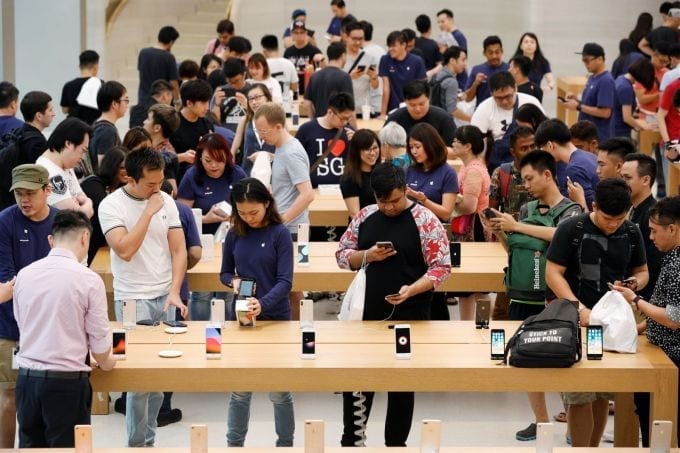
    iPhone users are accusing Apple of paying Korean customers less for their trade-ins than the devices are worth, while noting differences between promotions in other countries and those in Korea.  If an iPhone owner wants to return an older model when buying a new device, iPhone Korea said it will offer up to a 300,000-won ($268.56) discount on the latest smartphones, the iPhone XS and iPhone XR. Korean customers are outraged.

    They claim that the deal has been made available to them a full month later than in other countries. In the United States, Japan and China, trade-in opportunities started in late November. The amount in compensation is also said to be too low.

    Apple Korea announced on Dec. 24 that it is taking iPhone trade-ins at its retail store in Garosugil, Seoul, and will continue to do so until late January next year.

    If the user returns an older model, it is possible for them to buy the 990,000 won iPhone XR for 690,000 won and the 1.37 million won iPhone XS for 1.07 million won.

    Internet community Clien exploded with comments on Dec. 25, the day after the announcement. “I might as well sell it at the Gangbyeon Electronics Mart rather than returning it to Apple,” said one. Another added: “It is disrespecting the customers.”

    While iPhone Korea only compensates up to 300,000 won for an iPhone 7+ released two years ago, the price for an iPhone 7+ in the second-hand market near Gangbyeon and Sindorim is around 380,000 won, according to mobile community Cetizen.

    If the product is an S class with almost no cracks, the price goes up to 450,000 won.

    After typing in the serial number for a black iPhone 7 with 128 gigabytes into the trade-in page on Apple Korea’s website, a reporter received a quote of 174,000 won. In the second-hand market, users can sell the phone for at least at 289,000 won. Apple is offering 115,000 won less for the device.

    Lee Doo-hee, a programmer who enjoys using Apple products said, “I can get more money if I sell directly, so I do not feel any need to go to the Apple store in person and exchange my iPhone.”

    Apple U.S. announced that it is offering trade-ins of about $300 for those buying an iPhone XR and iPhone XS. This is about 10 percent more than in the Korean market.

    NTT Docomo, Japan’s No. 1 mobile company, is offering the iPhone XR for 25,920 yen ($235.05), around 260,000 won, for those signing a two-year contract. No similar discounts are offered in Korea.

    “For Apple, Korea is the home turf for Samsung Electronics, Apple’s old enemy,” according to a source in the sector.

    “Apple only has to get a fair amount of earnings from hard-core iPhone fans, which possibly account for 15 percent of all mobile communications users in Korea. That is why it is pursuing unfavorable policies, like excluding certain countries from promotions.”

    It is believed that the current promotion from Apple Korea is due to the slump in sales of recent iPhones. High prices are seen as the main cause of the recent slowing of sales growth.

    Kuo Ming-chi, a Taiwanese Apple expert as well as an analyst at TF International Securities, has revised his first-quarter 2019 sales volume estimate for iPhones from a 47 million to 52 million range to a 38 million to 42 million range.

    A report written by Kuo was titled: “Shipments of iPhones in 2019 could be below 190 million.”

    The market value of Apple exceeded one trillion dollars in September last year. It is now around $700 billion.
  • Galaxy A9 has a camera ready for every occasion

    Galaxy A9 has a camera ready for every occasion

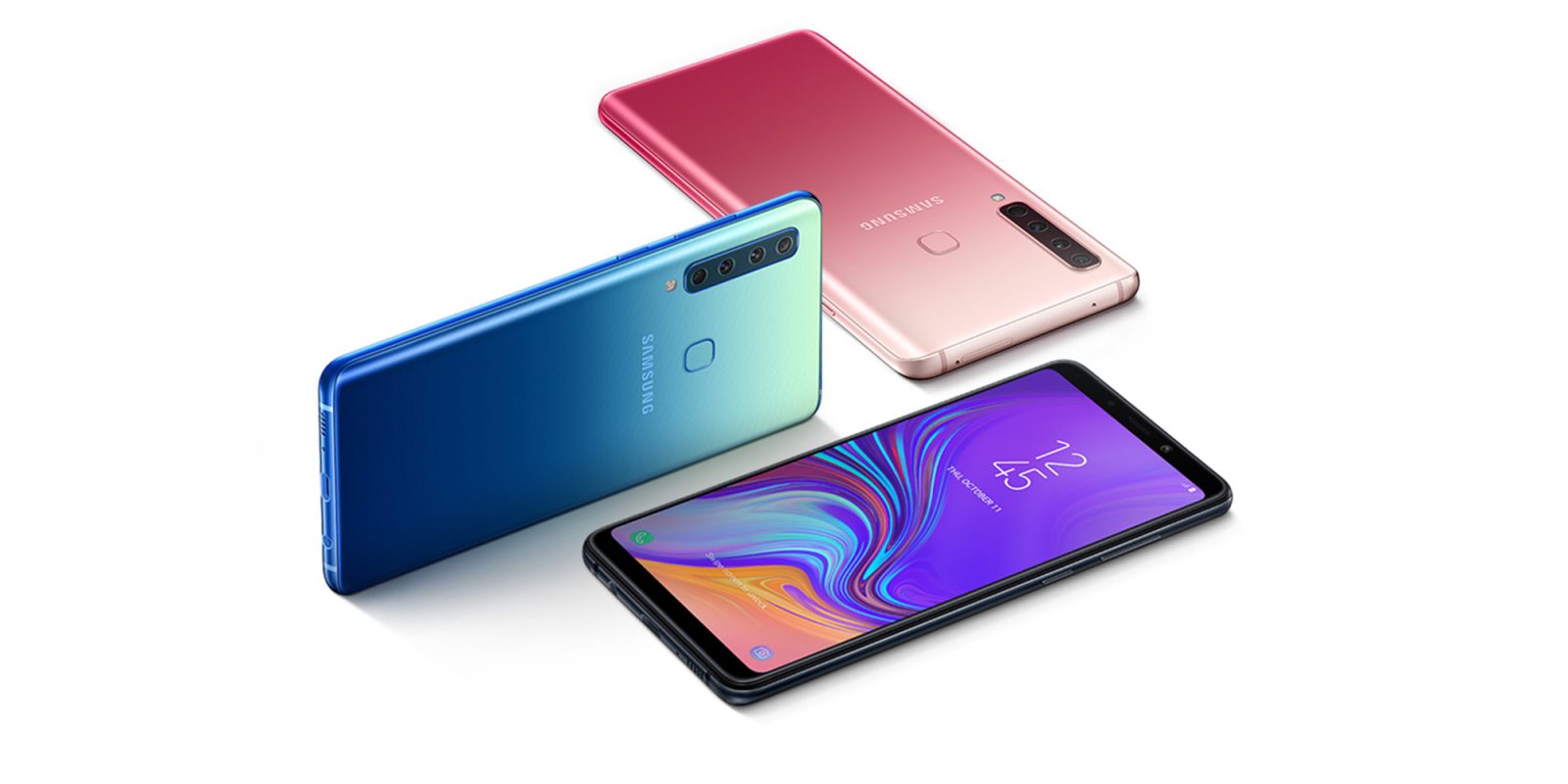
    Samsung Electronics started domestic sales of its mid-range Galaxy A9 smartphone today – the company’s first model to be equipped with four rear cameras. The Galaxy A9 was first revealed in October in Kuala Lumpur, Malaysia, and has already started sales in China, India and several countries across Southeast Asia and Europe. In Korea, the device will cost 599,500 won ($530), nearly half the price of Samsung’s most recent premium phone release, the Galaxy Note9.

    Overseas, the A9 comes with either six or eight gigabytes of RAM, but in Korea only the six-gigabyte option will be available. The device comes with 128 gigabytes of data storage, which is expandable to 512 gigabytes with a microSD card. There are three color options – black, blue and baby pink.

    Its most notable feature is its five cameras – one on the front and four on the back – which are the reason it is known as a “quad camera” smartphone. The front camera can take photos up to 24 megapixels and comes with a function to blur out the background when taking a selfie.

    Until a few years ago, Samsung was one of the top manufacturers of smartphones along with Apple. Recently, its global performance has dwindled as demand for up-scale premium phones have retreated. Another big threat is the advance of Chinese manufacturers like Huawei that upped their game in technology and released a wide range of mid-priced smartphones. Budget phones are especially important in that they cater to the massive Chinese and Indian markets, explaining why global smartphone makers are getting so competitive in the price sector. The main rear camera can also take photos up to 24 megapixels with a very low aperture of F1.7, which means the camera will perform better in darker environments. The other three cameras have slightly different functions.

    A 10-megapixel telephoto camera offers a 2X optical zoom lens, while an eight-megapixel ultra-wide camera can capture a up to 120 degrees. The final camera, a five-megapixel depth camera, is used to blur out the background of an image.

    Despite being a budget model, the A9 is equipped with smart camera functions normally found in top-of-the-range models. The “intelligent camera” function can optimize an image’s brightness and contrast after automatically recognizing the object or scene. It also alerts the user if the image is shaky or somebody blinks.

    Samsung said in a statement that it anticipates the five cameras to make the A9 “an optimal model for generations of ‘visual communication’ who mainly communicate with photos and videos.”

    The inclusion of quad cameras on a budget model reflects Samsung’s shifting smartphone strategy that Koh Dong-jin, CEO and head of the IT giant’s mobile business, stressed earlier this year – to apply state-of-the-art functions to mid-priced models.

    “In the past, I brought the new technology and differentiation to the flagship model and then moved to the mid-end. But I have changed my strategy from this year to bring technology and differentiation points starting from the mid-end,” Koh said to CNBC in an interview in October.

    The A9 isn’t the first affordable Samsung phone with high-end features. On Dec. 10, it unveiled the Galaxy A8s, a smartphone in the mid-price range and the first to have a so-called hole display. Its screen covers the phone’s entire front, except for a small hole in the display’s corner for the front camera. The unpacking event, which was Samsung’s first in China, also sent a signal that Samsung is determined to win back market share in the country.

    “You might think this is an ordinary unpacking event, but it’s more of an occasion to send an ambitious message to you all – Samsung Electronics will embark on a full-fledged competition with Chinese manufacturers,” said Kwon Gye-hyun, the company’s vice president for its China business, during the event.

  • Xiaomi Opens Over 500 Stores in Rural India

    Xiaomi Opens Over 500 Stores in Rural India

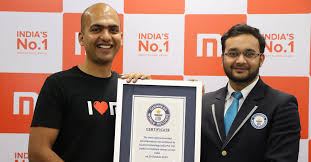
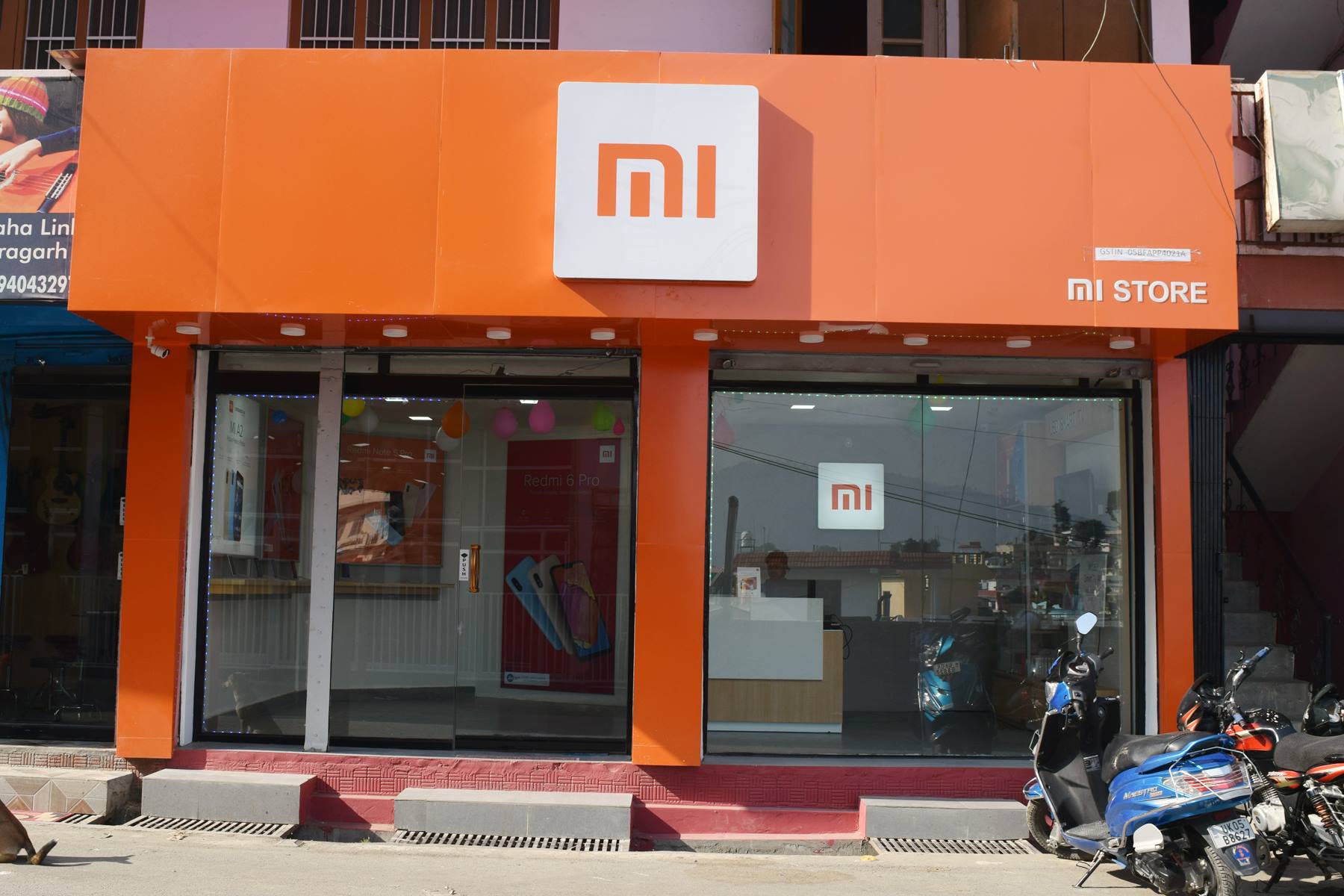
    Xiaomi India says it opened 500 retail stores in one day in India late last month. The Chinese electronics retailer has bannered the network Mi Stores – smaller, compact versions of the Mi Home stores, developed for mainly rural parts of India.

    “The company created a Guinness record for opening the maximum number of stores in one single day,” said Manu Kumar Jain, VP of Xiaomi Global and MD of Xiaomi India.


    “Xiaomi plans to open 5000 Mi Stores by the end of next year. This new business will forever change rural retail in India.”

    As well as the Mi Home stores, the company is continuing to roll out its larger flagships, the fourth of which opened in Bengaluru in September.

    Xiaomi India has been growing rapidly since it launched online, initially focusing on mobile phones. Since then it has expanded into other home electronics and is now moving into other retail categories such as luggage and apparel.

  • Appliance rentals prove popular

    Appliance rentals prove popular

    Home appliance companies are building their rental service businesses as the trend is for consumers to value experience more than ownership. With the growing size of the local home appliance rental market, some companies have started management services to take care of rental customers, while others have set up entire rental business subsidiaries.

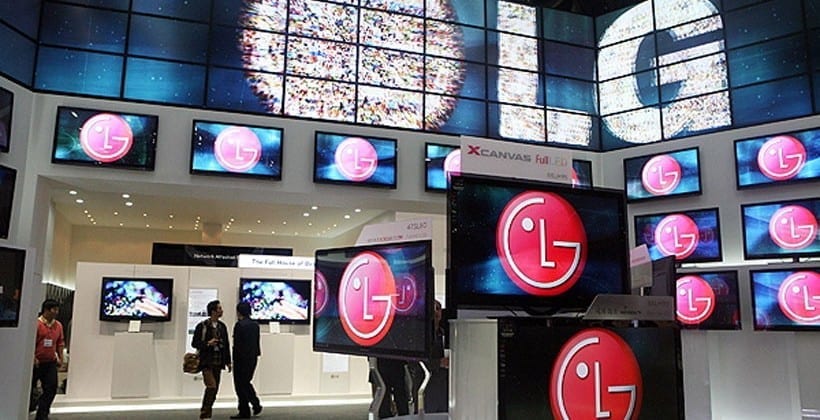
    On Nov. 17, LG Electronics announced the formation of “Care Solution,” which will manage home appliances for rental customers. While a rental management service existed before, the new offering goes beyond simply providing replacement parts and instead regularly replaces the main components of appliances.

    For rented water purifiers, LG Electronics will exchange filters and water pipes and inspect sensors. For those who rent its Tromm Styler home dry cleaning appliance, the company will replace water container components every two years and periodically provide scented aroma sheets.

    Cuckoo Electronics, known for rice cookers, jumped into the rental market last December when it established its Cuckoo Homesys subsidiary. Last month, the company introduced a new rental brand, “Inspure,” which focuses on water and air purifier products.

    Samsung Electronics has yet to launch a rental business on its own but has partnered with professional rental companies for its home appliance products. It started renting its products through Kyowon Wells last June and also joined hands with Hyundai Rental Care last July.

    Home appliance companies are focusing on the rental business as the market seems to be growing. According to the KT Economics & Management Research Institute, the rental market in Korea is expected to grow past 40 trillion won ($35.49 billion) by 2020 from 25 trillion won in 2016.

    LG Electronics recorded 128.2 billion won in rental-related sales in the first half of this year, more than doubling the 53.8 billion won reported two years ago. Operating profit for Cuckoo Homesys through the third quarter of this year was at 52.8 billion won, a 50 percent increase from the figure over the same period last year.

    With a sluggish job market and slowing economic growth in Korea, consumers are feeling the pinch and valuing experience over ownership. The result is an increase in demand for rental products.

    The rise of premium products, which have been developed by companies to stay competitive in the crowded home appliance market, has also contributed to the rental trend. As such products are expensive, consumers are looking toward rentals.

    For example, a 55-inch LG OLED TV costs 3.6 million won to buy outright, but it can be rented out at 59,900 won per month for 36 months. The price drops further when other discounts are applied, such as those offered by credit cards companies.

    “The need to use good products exists, but with troubling economic times, penny pinching is called for. Consumers are taking an interest in rentals that can meet their needs at a low cost at the moment,” said Jung Yeon-sung, a professor of business at Dankook University.

    The increase in one-person households has also contributed to the rise in rental services as it is difficult for a single person to afford appliances that could cost millions of won. According to government data, there were 5.5 million single-person households in Korea last year, accounting for 28.5 percent of the total number of households. The figure has doubled since 2000, when there were 2.22 million single-person households.

    For companies, the rental business doesn’t bring in big profits immediately, but it provides steady profits.

    “We plan to focus on management instead of just the leasing out products and help customers improve their quality of life,” said Choi Sang-gyu, head of domestic sales at LG Electronics.

  • Make Vietnam your largest strategic base, PM urges Samsung

    Make Vietnam your largest strategic base, PM urges Samsung

    PM Nguyen Xuan Phuc has suggested that Samsung expands its scale to make Vietnam the group’s largest strategic base. Receiving Lee Jae Yong, vice chairman of Samsung Group, in Hanoi on Tuesday, Phuc said Samsung should not just stop at making Vietnam its largest smartphone production base.

    He suggested the South Korean giant expands its business to other major fields like semiconductors, infrastructure and energy in Vietnam rather than focusing mainly on manufacturing and assembling electronic products, as it has been doing so far.

    A statement posted on the government’s website cited the prime minister as saying that Samsung should work towards building its largest strategic base in the country.

    He also wanted Samsung to continue providing practical support in terms of training and technology transfer to assist Vietnam’s supporting industry.

    As Samsung is making a significant contribution to developing e-government in South Korea, the PM suggested it does the same for Vietnam.

    He promised that the Vietnamese government will keep creating favorable conditions for Samsung’s operations in the country.

    Samsung Electronics Co. has invested $17.3 billion in eight factories and one research and development center in Vietnam, creating jobs for more than 160,000 locals.

    Exports from Samsung Electronics’ factories in Vietnam totaled $54 billion last year, it said.

    In April, CEO Koh Dong-jin of Samsung Electronics told PM Phuc that the company was determined to further expand production in Vietnam.

    He said Samsung will recruit more Vietnamese employees and develop electronics in smart cities in Bac Ninh province in the northern region and other places.

    Samsung is the largest foreign investor in Vietnam and accounts for around a quarter of the country’s total export revenue. It operates two cellphone factories in Bac Ninh and Thai Nguyen provinces in northern Vietnam.

    The factories produce around half of all the cellphones that Samsung supplies to the global market.

  • Shibuya Apple store reopens after a year of renovation

    Shibuya Apple store reopens after a year of renovation

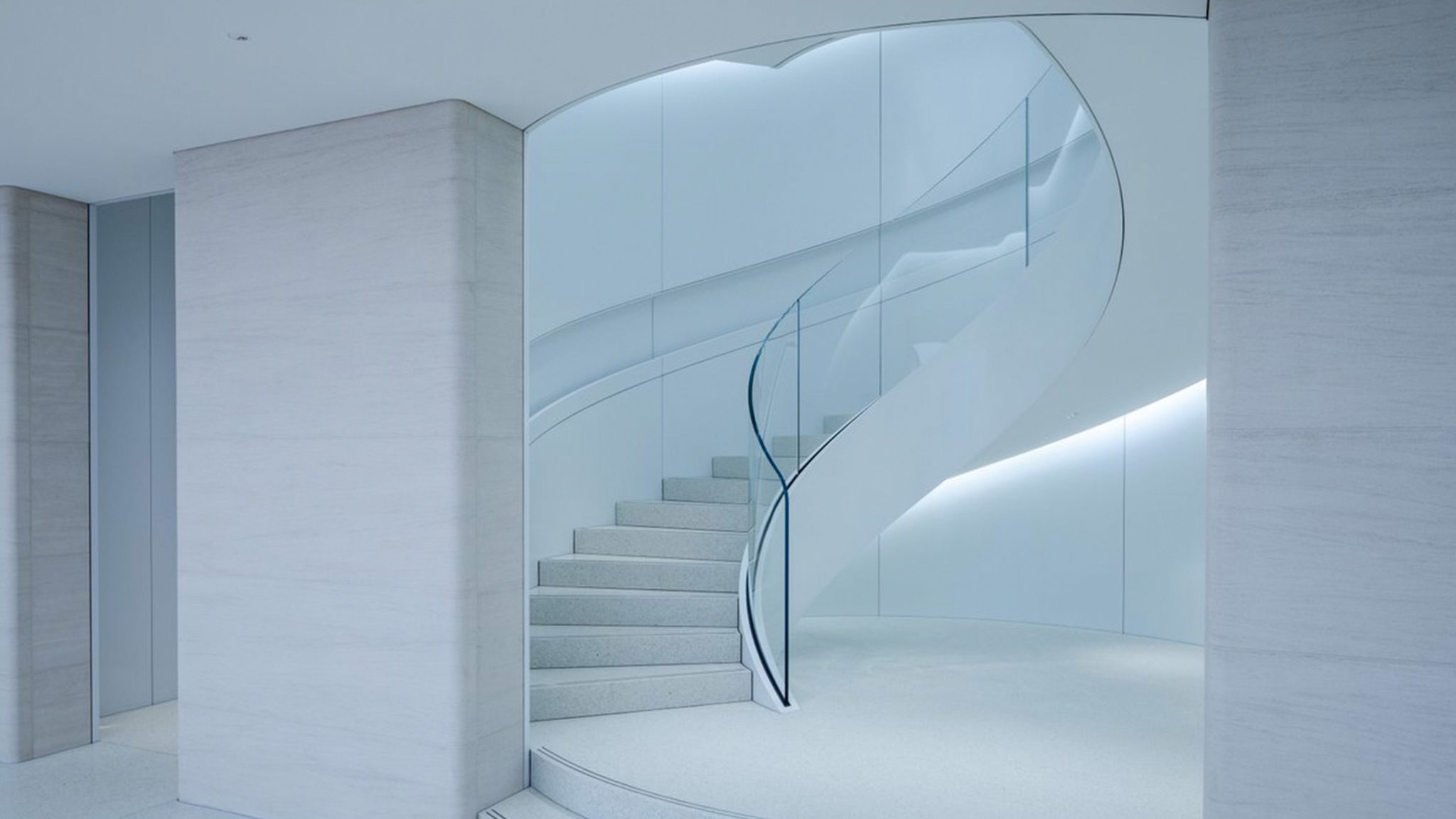
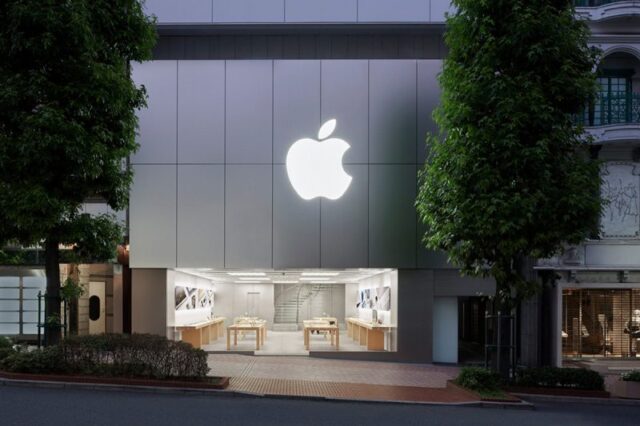
    The Shibuya Apple store in Tokyo has reopened today with striking modern styling, coinciding with the release of the iPhone XR. The new four-storey design features dramatic natural lighting and a new spiral staircase, described as “stunning” by local media. The store, which reserves substantial space for back-of-house activities, took 11 months to transform, during which time two further stores were opened in Japan.

    The original Shibuya store, which opened in 2005 as the fourth in Japan, was also well-known for its distinctive spiral staircase, reflective of Apple’s retail aesthetics at the time. The new design is closer in look to that of the Steve Jobs Theatre.

    Comparing the original design with the revamp offers a unique perspective into Apple’s evolving retail architecture. The earlier version of the store, optimised for the iPad era, has been enlarged vertically rather than relocated to more expansive premises, indicating the importance to Apple of the location over the venue’s suitability for the brand’s contemporary retail features such as its video wall, which is conspicuously absent in Shibuya.

  • Bank Indonesia is seeking to integrate electronic payment

    Bank Indonesia is seeking to integrate electronic payment

    Bank Indonesia (BI) is seeking to integrate electronic payment system of various banks and issuers on toll roads during the Eid al-Fitr homecoming in June.

    BI Transformation Center Executive Director Onny Widjanarko said that the central bank has done the trial on the electronic payment integration on the toll road between Surabaya and Sidoarjo. The next trial will be implemented in Cikopo-Palimanan (Cipali) toll booths.

    Onny added that the central bank has options to integrate electronic payment system on toll roads during homecoming. The use of hybrid cards is one of the options.

    The option will be taken if the integration of technical infrastructure for toll payments could not be realized in time before the homecoming season. However, Onny said that BI would need to consult with industry working group and another regulator i.e. the Public Works and Public Housing Ministry.

    “We had wanted to implement the integrated payment systems during lebaran (Eid) but we are still discussing it in the working group whether select toll gates could adopt hybrid cards but we have to consult with the government,” he said.

    Santoso, the director of private lender Bank Centra Asia (BCA), the issuer of BCA Flazz cards in Cipali, said the bank would allow other banks to join its toll road payment system.

    “In Cipali and Gresik, BCA has encouraged [other] banks to integrate their payment systems. Meanwhile, other toll roads which are operated by Bank Mandiri must first be discussed because Mandiri has a special partnership with other state-owned lenders and state-owned toll operator Jasa Marga,” Santoso.

  • Flatscreen TV sales slide in SE Asia

    Flatscreen TV sales slide in SE Asia

    The total sales volume of flat panel TV continues to slow in six key Southeast Asian markets monitored by research house GfK.

    But consumer demand for ultra-high definition (UHD) models has spiked exponentially in the past year to help fuel the strong growth of this segment as well as the overall value growth of the TV market.

    According to GfK’s point of sales tracking in Singapore, Malaysia, Thailand, Vietnam, Indonesia and the Philippines, the 11.8 million TV sets sold in April 2014 to March 2015 marks a 2.9 per cent drop compared with the same period a year ago. However, robust sales of the higher value UHD models managed to drive up dollar value generated by the entire TV market by 2.9 per cent.

    “With the near completion of switchover trend in developing Southeast Asian countries, consumers are now focusing on upgrading to the latest screen technology,” said Gerard Tan, account director for Digital World in GfK.

    “Manufacturers and retailers have been aggressively launching attractive promotions to stimulate take up rates.”

    The six individual countries reported surges in sales value of their respective UHD TV markets in the range of 20 to 77 per cent, with Singapore (77 per cent), Indonesia (67 per cent) and Vietnam (47 per cent) registering the fastest growth. In unit terms, sales volume from a year ago climbed  in the range of nine to 37 per cent – led by Singapore and Indonesia (37 per cent) and followed by Vietnam (23 per cent).

    According to GfK findings, the UHD segment contributed nearly eight per cent of the region’s TV sales dollars; accounting for US$354 million – an increment of 280 per cent over the same period the year before. Penetration is highest in the most developed market of Singapore, where more than one in every 10 (13 per cent) of sets sold UHD.

    The rising share of UHD in the TV market has also resulted in the average price of a UHD TV falling around 61 per cent, from US$5500 to $2160.

    Meanwhile, the most commonly purchased screen size for this segment is 41”-50”, making up 35 per cent in share of the UHD sales volume.

    “TV technology is constantly evolving, and with each new launch, we see the progression of consumers moving from small to big screens, with affordability increasing over time,” said Tan.

    “Moving forward into the rest of 2015, we can expect to see rising excitement in the UHD TV market as manufacturers battle for the consumer dollar with more offerings at more attractive prices; and at the end of the day, consumer s are the ones who get to enjoy the good deals resulting from the fierce competition,” he concluded.