Tag: employee

  • Revolutionizing Employee Health: LivWell Broadens Wellness Ecosystem in Vietnam with Innovative InsurTech Solutions

    Revolutionizing Employee Health: LivWell Broadens Wellness Ecosystem in Vietnam with Innovative InsurTech Solutions

    LivWell, a leading Singapore-based InsurTech firm, has announced plans to broaden its OneHealth employee benefits scheme in Vietnam. The expansion includes the development of specialized insurance solutions, focused on various health conditions.

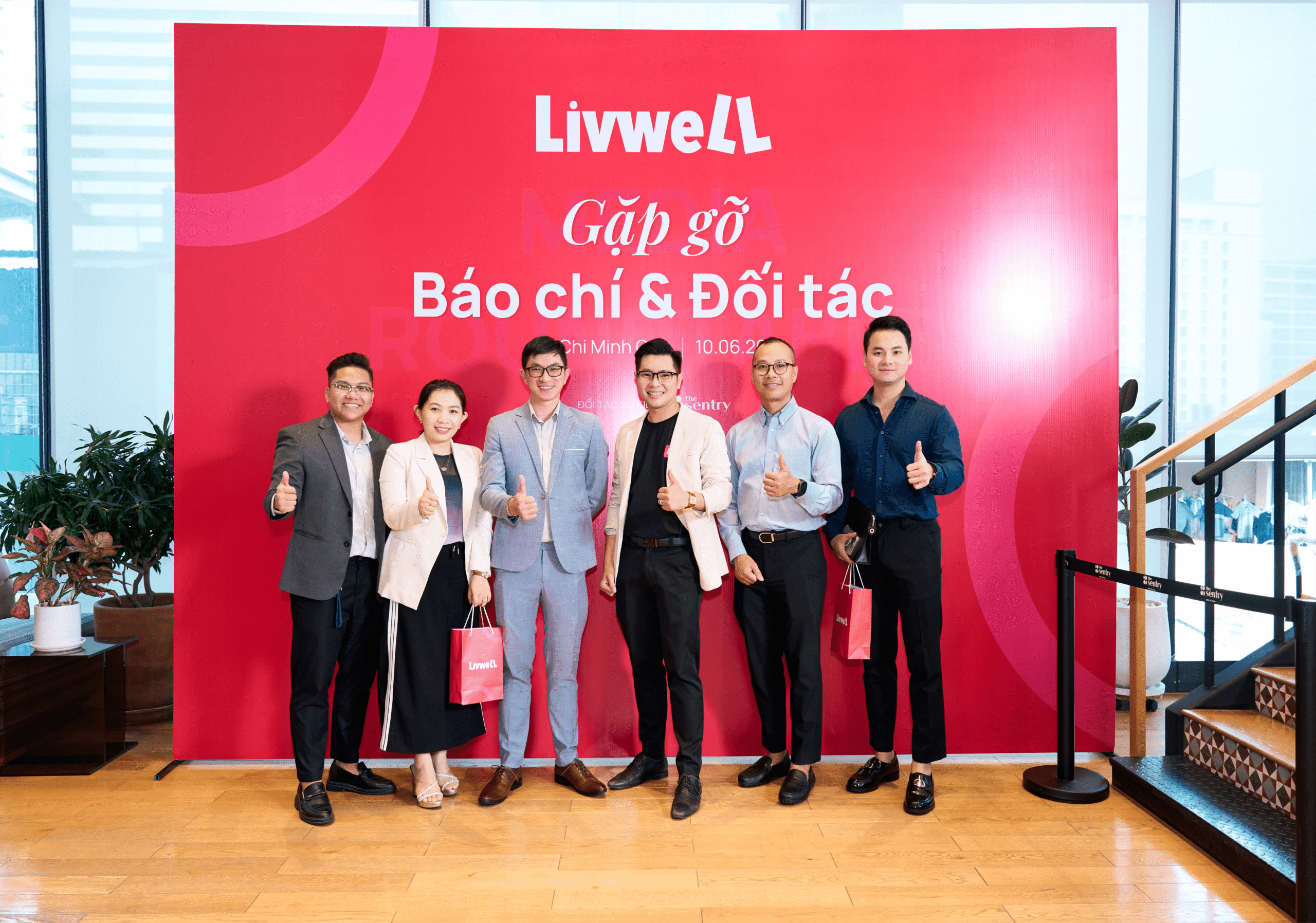
    The company’s decision to expand its services and offerings was announced during a strategic conference held in Ho Chi Minh City, where LivWell also revealed new partnership agreements with InSmart and DiaB.

    Revolutionising Health and Wellness Benefits

    LivWell aims to transform OneHealth from a traditional employee benefits solution, primarily focused on medical expense reimbursement, into a comprehensive healthcare platform. This integrated platform is aimed at consolidating preventive care, financial protection and long-term health support.

    This all-inclusive platform combines numerous elements of health, including insurance, healthcare services, wellness incentive programs, and health monitoring tools, all within a single application.

    For employers, OneHealth delivers a unified view of workforce health and benefits utilization, aiding benefits management. Meanwhile, employees can use the LivWell app to monitor their health indicators while availing themselves of health screenings, workplace wellness activities, and healthcare services.

    Emphasizing the need for proactive health management, Nikhil Verma, Co-Founder and Group CEO of LivWell, said, “We aim to help organizations cultivate healthier workplaces where health is proactively managed and every employee gets the necessary support throughout their wellness journey.”

    Enhancing Workplace Productivity and Reducing Out-of-Pocket Expenses

    LivWell cited studies to illustrate that a staggering 70% of adults believe wellness programs boost workplace productivity. However, Vietnamese households continue to pay nearly 39.5-40% of healthcare expenses out of pocket, despite having public and private health coverage. This figure starkly contrasts with the World Health Organization’s recommended out-of-pocket expenses in the range of 15-20%.

    LivWell’s partnerships with InSmart and DiaB aim to address these issues. The collaboration allows users to submit insurance claims and monitor benefits through the LivWell app, in addition to providing remote consultations, personalized nutrition guidance, and chronic disease management services.

    Additionally, LivWell announced plans to create insurance products specifically for individuals with certain health conditions, starting with cancer. Noting the financial burden of cancer treatment, the company mentioned that patients often pay up to 70% of the treatment cost by themselves.

    Balakrishnan Ambat, Co-Founder and CEO of LivWell Vietnam, reiterated the company’s commitment to not only providing for treatment costs but also encouraging healthier lifestyles to prevent illness.

    LivWell’s expanded ecosystem and future condition-focused insurance products intend to contribute to the evolution of employee health benefits in Vietnam, by aiding businesses in investing in workforce wellbeing and expanding access to healthcare services throughout different life stages.

    Since 2020, LivWell has served over 320,000 users and supported more than 450 businesses, including small and medium-sized enterprises, with employee benefits and wellness programs.

    Questions & Answers

    What is LivWell’s OneHealth?
    OneHealth is an employee benefits solution by LivWell. The company plans to transform it into a comprehensive healthcare platform integrating preventive care, financial protection, and long-term health support.

    What are some of the features of the OneHealth platform?
    OneHealth combines health insurance, healthcare services, wellness incentive programs, and health monitoring tools within a single application. It provides employees with health screenings, workplace wellness activities, and healthcare services.

    What is the aim of LivWell’s partnerships with InSmart and DiaB?
    The collaborations with InSmart and DiaB will allow users to submit insurance claims and monitor benefits through the LivWell app. They will also provide remote consultations, personalized nutrition guidance, and chronic disease management services.

  • HSBC Vietnam Employee Earnings Soar to $35,100, Despite Declining Bank Profits

    HSBC Vietnam Employee Earnings Soar to $35,100, Despite Declining Bank Profits

    Despite a decline in profits, the average earnings of employees at HSBC Vietnam increased by 6.6% to VND925 million (US $35,100) in the previous year. This expenditure on salaries and bonuses for its 1400-strong workforce amounted to around VND1.3 trillion, as revealed in the company’s most recent financial report.

    Comparative Income Analysis

    The increase in HSBC Vietnam’s average salaries brought the monthly income per employee to VND77 million, which is one of the highest in Vietnam. In contrast, the average monthly income at MB bank was VND49 million, Techcombank was VND48 million, and Vietinbank was VND45 million.

    Financial Performance

    However, despite the increased pay, HSBC Vietnam didn’t fare as well financially. The pre-tax profit for the British banking giant’s Vietnamese branch dropped by 7% to VND4.14 trillion, while the operating income remained constant at VND8.74 trillion.

    HSBC in Vietnam

    HSBC, one of the world’s leading financial institutions, established its legal presence in Vietnam in 2009, a full 14 years after it opened its first branch in the country.

    Foreign banks operating in Vietnam, like HSBC, often enjoy capital benefits due to support from their parent companies and primarily cater to corporate foreign clients or concentrate on retail banking.

    Questions & Answers

    What was the average income of employees at HSBC Vietnam last year?
    The average income of employees at HSBC Vietnam increased by 6.6% to VND925 million (US$35,100) last year.

    What is the average monthly income of HSBC Vietnam employees compared to other banks?
    The monthly income per employee at HSBC Vietnam is VND77 million, which is higher compared to MB bank at VND49 million, Techcombank at VND48 million, and Vietinbank at VND45 million.

    How did the pre-tax profit of HSBC Vietnam change last year?
    The pre-tax profit for HSBC Vietnam’s branch dropped by 7% to VND4.14 trillion.

  • Scoot Airline Employee Pilfers $31K from In-Flight Sales: A High-Flying Heist Unravelled

    Scoot Airline Employee Pilfers $31K from In-Flight Sales: A High-Flying Heist Unravelled

    A cabin crew member of Scoot, a low-cost airline based in Singapore, has been found guilty of misappropriating nearly SGD40,000 (approximately US$31,000) from the sales of food and beverages on the airline over the course of almost two years, as revealed by court documents.

    Criminal Breach of Trust

    Luqman Hakim Shahfawi, aged 31, had been serving as a complex leader, a high-ranking role within the cabin crew responsible for supervising inflight operations. Shahfawi admitted his guilt to one charge of criminal breach of trust, which pertained to over SGD22,000. The court is set to consider a second charge concerning the remaining sum of nearly SGD18,000 during the sentencing on February 3.

    Beginning of Misdeeds

    The court found that Shahfawi’s fraudulent actions commenced after he unintentionally lost two bags filled with cash from inflight food and beverage sales. Fearful of being found out by his superiors, he decided to retain the money when the initial loss went unnoticed.

    As a complex leader, Shahfawi was tasked with reconciling the items sold with the sales proceeds and logging this information into Scoot’s system at the conclusion of each flight. He was also responsible for delivering the cash bag to Scoot’s office and depositing it in a safe within 48 hours.

    Escalation of Fraud

    When Shahfawi lost two cash bags in 2023, he failed to report the losses to his superiors. He subsequently decided to keep the bags and the cash they contained, after all his flights, out of fear that his superiors would discover he lost the initial two bags.

    From July 2023 to March 2025, Shahfawi committed a total of 366 offenses. Investigation revealed that he utilized the stolen funds to repay debts he owed to unlicensed moneylenders. He confessed his actions to the company and was arrested in March 2025.

    Questions & Answers

    What was the role of the accused?
    Luqman Hakim Shahfawi served as a complex leader with Scoot, a role that involves supervising inflight operations.

    What led to Shahfawi’s fraudulent actions?
    Shahfawi’s fraudulent actions began after he misplaced two bags of cash from inflight sales and kept the money when the loss went unnoticed.

    What happened after his misdeeds were discovered?
    Shahfawi confessed to the company and was subsequently arrested in March 2025.

  • Revolutionizing Workplace Wellness: CelcomDigi Debuts 5G-Enhanced MediHub for Comprehensive Employee Healthcare

    Revolutionizing Workplace Wellness: CelcomDigi Debuts 5G-Enhanced MediHub for Comprehensive Employee Healthcare

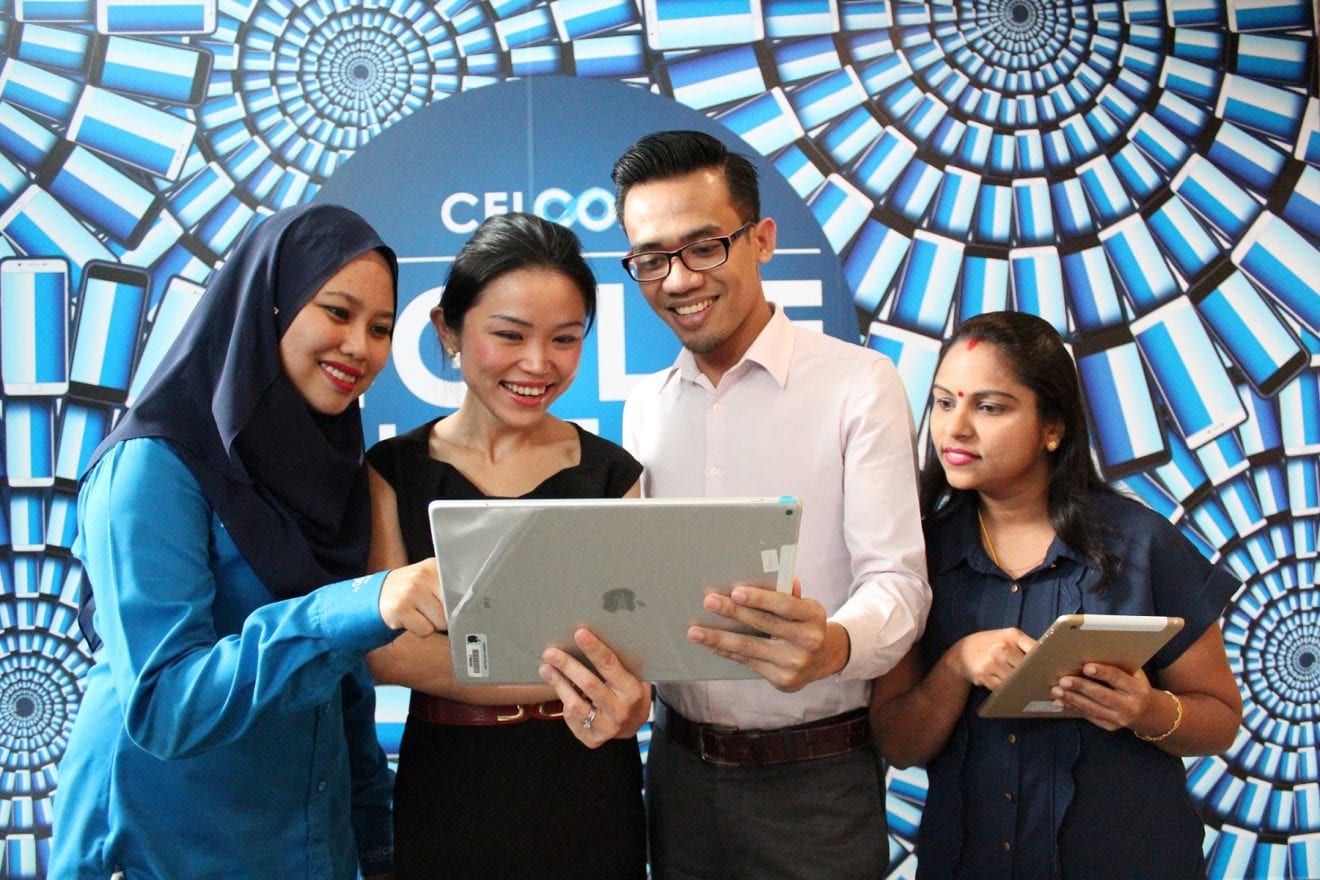
    CelcomDigi Berhad, a leading telecommunications company, has launched MediHub, a state-of-the-art healthcare facility utilizing 5G technology. The aim of this facility is to provide its employees with readily available professional healthcare services within their work environment.

    The MediHub: A Comprehensive Healthcare Solution

    MediHub, located within the CelcomDigi compound, is a comprehensive health solution offering both physical and mental health services. It functions as an accessible platform for employees to engage in virtual consultations with licensed healthcare professionals, including medical practitioners, psychiatrists, and psychologists. The primary objective of MediHub is not just to treat illnesses, but also to create a safe and supportive atmosphere for employees to thrive professionally.

    Specialized Areas within MediHub

    The facility comprises two main areas: the Care Room and the Mind Room. The former is a virtual clinic that allows employees to consult with licensed medical practitioners via MediDoc, a secure telehealth platform. As such, employees can receive medical advice, diagnoses, and prescriptions without leaving their workplace. Alongside this, the MediKiosk, a smart health station, performs quick vital checks and provides instant health reports to ensure accurate, real-time data forms the basis of each consultation.

    The Mind Room, on the other hand, focuses on mental wellness. It provides a private space for employees to receive counselling and emotional support from licensed psychiatrists and psychologists. This room also houses stress management sessions and a relaxation area. Moreover, the Mind Room offers self-assessment tools like DASS-21 (Depression, Anxiety, and Stress Scale-21) to help employees understand their emotional health and proactively work towards mental resilience.

    CelcomDigi’s Commitment to Employee Wellbeing

    T. Kugan, Chief Innovation Officer of CelcomDigi, emphasized the company’s dedication to utilizing technology for improving everyday healthcare for its employees. He highlighted how the integration of 5G connectivity with AI-driven solutions from CelcomDigi’s AI Experience Centre (AiX) can deliver accessible healthcare facilities. He further noted that these innovations are contributing to the betterment of Malaysian enterprises and the nation, as well as supporting the holistic wellbeing of their organization.

    CelcomDigi is deeply committed to the wellbeing of its employees and exemplifies this by consistently promoting an inclusive, high-performing work environment. In 2024, it became the first Malaysian organization to achieve ISO 45003:2021 certification, underlining its commitment to a resilient, people-centric culture.

    AiX Innovations in Healthcare

    MediHub represents the application of CelcomDigi’s AiX innovations, combining 5G connectivity and AI to deliver scalable and convenient healthcare solutions. With the support of over 56 local and international ecosystem partners, AiX integrates more than 61 solutions across eight verticals, with 28 use cases already in place. This initiative demonstrates the practical applications of digital healthcare in providing real-time connectivity, AI-driven insights, and a seamless experience.

    Questions & Answers

    What is the purpose of the MediHub?
    The MediHub is designed to provide accessible professional healthcare services to CelcomDigi’s employees within their workplace. It focuses not only on treating illnesses but also fostering a supportive environment for professional growth.

    What services does the MediHub offer?
    The MediHub offers both physical and mental health services. It enables virtual consultations with medical practitioners, psychiatrists, and psychologists. The hub also provides stress management sessions, a relaxation area, and self-assessment tools for mental health.

    How does CelcomDigi use technology to enhance healthcare?
    CelcomDigi utilizes 5G connectivity and AI-driven solutions to provide scalable and convenient healthcare services. The company’s AI Experience Centre (AiX) integrates these technologies to deliver real-time connectivity and insights, demonstrating the practical applications of digital healthcare.

  • Lululemon and employer branding

    Lululemon and employer branding

    Lululemon Athletica Inc. is beefing up benefits to attract and retain workers, offering full-time employees from three to six months of paid parental leave. The gender-neutral benefit awards three months of paid leave to full-time workers who have been at the yogawear company for two years. Employees with five or more years at the firm qualify for six paid months off. At Lululemon, workers are considered full-time if they work 24 hours a week.

    “When you think about an investment, there’s also all of those areas where it’s really hard to quantify because of the contribution and the return,” said Susan Gelinas, senior vice president for people and culture at Vancouver-based Lululemon. “We just see this as something that’s right to do for our people.”

    In the U.S., without any federal requirement for paid parental leave, it’s up to individual companies to offer a benefit, and about 35 percent do, according to a survey from the Society for Human Resource Management. Still, 84 percent of workers in the U.S. don’t have access to paid family leave, according to data from the Bureau of Labor Statistics.

    The majority of Lululemon’s full-time staffers in the U.S. have been with the company for two or more years, while one-fifth have worked there five or more years. As of January 2018, about 60 percent of Lululemon’s 13,400 workers were based in the U.S. The company declined to say how much the new policy would cost.

    Employees working in Canada already receive some paid parental leave, a portion of which comes from the government’s unemployment insurance program. That compensation is partial, and Lululemon’s offer there is a “paid top-up,” Gelinas said in an interview.

  • Thailand’s average employee salary to grow 5% in 2025

    Thailand’s average employee salary to grow 5% in 2025

    Thai employees’ average salary is expected to rise by 5% in 2025, maintaining the same growth rate as this year, according to a recent survey.

    Key factors that affect salary hikes are performances of individuals and organizations, salary range and the organization’s competitiveness in the job market, the Total Remuneration Survey 2024 by professional services company Mercer shows.

    Some 91% of the organizations polled reported having short-term incentive plans such as bonuses, said the survey, which was cited by The Bangkok Post.

    The ratio of businesses offering long-term incentives (such as stock options) grew by 1.8 percentage points to 80.7% this year.

    The auto industry is expected to award its employees with the highest short-term incentives which accounts for 23% of total remuneration packages.

    The highest paying sector is the life sciences industry which compensates 20% more than the average for annual base salaries.

    “The average salary increase of 5% in 2025 reflects an ongoing commitment by Thai organisations to invest in their workforces,” said Thira Laulathaphol, career principal at Mercer’s Thailand, as reported by The Nation.

    “With 100% of surveyed companies planning salary increases, it is clear that Thailand has a competitive job market.”

  • Nearly half of Aussie workers have experience with harassment

    Nearly half of Aussie workers have experience with harassment

    Australian workplaces have a long way to go in promoting diversity and inclusion, as a recent survey by recruitment company Hays revealed that nearly a half (45 per cent) of Australian professionals have experienced bullying or harassment at work due to gender, age, ethnicity, sexual orientation or disability.

    That’s just the tip of the iceberg, with the figure rising to 64 per cent of people living with a disclosed disability, 58 per cent of people who identify as LGBTIQ+, 50 per cent of women and 50 per cent of mature-age people.

    While less men reported this behaviour than women, the figure is still high at 37 per cent.

    The survey of over 1,000 people across Australia and New Zealand found that 41 per cent of respondents took no action in relation to the bullying or harassment. A further 15 per cent of those who experienced this behaviour chose to leave the organisation rather than report it.

    While some respondents raised the issue to HR, a team leader, supervisor or manager and it was resolved promptly to their satisfaction, this often involved mediation or the appointment of an investigator.

    “Measures range from the formal letter of the law, sanctions and workplace guides to day-to-day awareness of leaders and managers and the behaviours of all employees,” Nick Deligiannis, managing director of Hays Australia & New Zealand said.

    “However, given our findings, it seems that despite a growing awareness of the problem, more needs to be done to stop harassment and bullying at work – for all demographic groups.”

    The recruitment company suggests employers familiarise themselves with anti-bullying laws and follow the correct procedures.

    Free resources are available from Australia’s Fair Work Commission and Safe Work Australia.

  • JD to hire 15,000 new employees

    JD to hire 15,000 new employees

    Chinese e-commerce giant JD has announced it plans to recruit up to 15,000 staff this year – just a week after saying it would let go 10 per cent of its senior executives. The majority of positions expected to be filled this year will be in logistics, with up to 10,000 delivery and low-level management positions being recruited. Other staff will be hired to improve user experiences in the firm’s retail arm.

    JD pledged in its announcement to promote competent staff and offer more leadership training to young people as part of its contribution to society. The firm currently hires around 170,000 full-timers, according to last year’s estimates, and is moving to extend its supply network throughout every one of China’s county-level territories.

    Some 20,000 R&D staff were hired last year in an RMB8.64 billion (US$1.29 billion) investment in technology research.

  • Vietnamese airlines continue to be plagued by pilot shortage

    Vietnamese airlines continue to be plagued by pilot shortage

    With increasing demand for pilots as they expand, Vietnamese airlines have had to raise salaries, spend more on training and hire foreign pilots. Figures from the Civil Aviation Authority of Vietnam show that by 2020 Vietnam will need a total of 2,680 pilots for commercial flights, 1,320 more than now. Vietnam Airlines, the country’s flag carrier, needs to hire 193 more pilots to increase the number on its payroll to 1,293 pilots to meet demand in 2019, according to the carrier’s recent assessment report.

    The assessment forecast the demand to keep rising increasing to 1,340 by 2020 and 1,570 by 2025. This is a challenging number given the increasing shortage of pilots globally, according to industry insiders.

    According to a recent report from Boeing, the global aviation industry will need 790,000 new pilots by 2037, or double the current number, driven by an anticipated doubling of the commercial airplane fleet, record travel demand and tightening labor supply.

    Pilot training has always been extremely expensive, with stringent health and technical knowledge requirements, meaning that the number of pilots qualifying is always limited, according to industry insiders.

    A former Vietnam Airlines pilot revealed that because of the shortage, soon after he gave notice of termination he received many offers from airlines both domestic and foreign.

    He said many other pilots at Vietnam Airlines also constantly offered 15-25 percent higher salaries by head hunters.

    As a result the carrier has been focusing on hiring trainees. Duong Tri Thanh, its general director, said given the global shortage of pilots and carry out its expansion plans in time, Vietnam Airlines has been training internally and recruiting foreign pilots despite high costs.

    Similarly, Jetstar Pacific or Vietjet Air are facing difficulties filling their vacancies with pilots when trying to rapidly expand in South Korea, Japan, and other countries in Southeast Asia. Currently, the number of pilots at these firms is largely foreign due to limited domestic supply. Typically, at Jetstar Pacific, foreign pilots account for 80 percent of their fleet.

    However, foreign pilots can be hard to come by since many other companies in Asia can offer them better remuneration and working conditions.

    An aviation expert said airlines need to combat the pilot shortage by investing in training facilities and recruitment programs and subsidizing training for pilot trainees.

    Vietnam’s aviation industry has been growing rapidly in recent years. There were 12.5 million air passengers last year, up 14.4 percent from 2017.

    The number of flights in the country grew by 16 percent on average between 2010 and 2017, according to official data.

    Vienam’s five airlines are Vietnam Airlines, its low-cost carrier Jetstar Pacific, budget airline Vietjet Aviation, Bamboo Airways and Vietnam Air Services Co.

  • Vietnamese startup launches platform for hiring blockchain talents

    Vietnamese startup launches platform for hiring blockchain talents

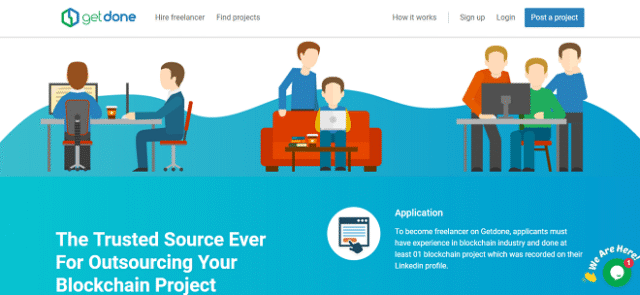
    Getdone is a platform that connects blockchain talents, who can work as full-time employees or freelancers, to global clients in blockchain industry. This platform is the universal version of freelancerviet.vn, a leading freelancer platform in Vietnam. It lists 300,000 freelancers in various categories, with a focus on blockchain and AI technology. Getdone provides innovative solutions based on a combination of the two emerging technologies to improve security and payment speed, transaction fees and reliability of talent profiles and overcome the language barrier.

    In Vietnam, the number of job searches related to cryptocurrency and blockchain doubled in 2018. However, blockchain engineers and developers currently account for only 2-5 percent of the IT workforce, according to TopDev’s annual report last August.

    Upwork’s newest quarterly index of the hottest skills in the U.S. freelance job market ranks blockchain first out of 20.

    For this reason, Getdone entered the market with the mission to be a part of the solution of hiring blockchain talent including engineers, developers, and others.The shortage of blockchain developers continued in the fourth quarter of last year even as blockchain products doubled. The demand for employees in blockchain is so high that employers and clients need to find ways to work around a shortage.

    The smart contract on the Getdone platform cuts off third parties’ intermediary role to reduce commissions and ensure security and quick payment.

    Besides, AI technology with self-recommendation function based on automatic data analysis will help connect clients and qualified job seekers.

    AI also proposes an average budget for a project to help clients understand reference budgets when they need to hire blockchain talents, and an average rate per hour of work based on a candidate’s profile.

    It will create a standard framework for the freelance job market, avoid devaluation and protect the benefits of both blockchain talents and clients.

    The new-user-support tool will help new applicants find jobs more easily through the test system. A new talent who joins the site and gets a high-test score will still get a job despite having no previous work history on Getdone.

    Getdone will provide a live language translation tool to break the language barrier and help talents work across the world. Getdone accepts payments in more than 20 cryptocurrencies and foreign currencies.

    A hedging mechanism helps stabilize the value of cryptocurrencies used at Getdone. When choosing a talent, the company deposits a sum of money with the crypto token by the time talents complete their work within a few days to several months.

    In 2018 freelancerviet won Ho Chi Minh City’s Best Innovation Project award and the Asian Rice Bowl Startup Award in the Best AI and Machine Learning Application category from NEF (New Enterprises Foundation) and MaGIC (Malaysian Global Innovation & Creativity Center).

    Getdone is also one of three Vietnamese representatives to beat thousands of competitors from across the world to qualify for the Elevator Pitch Competition, a global contest organized by the Hongkong Science and Technology Center.

  • GM Korea’s union has plan to get workers paid

    GM Korea’s union has plan to get workers paid

    GM Korea’s union is planning to request further government support for employees who took unpaid leave after the shutdown of the Gunsan manufacturing plant last year. The decision, outlined in a follow-up document detailing a GM Korea union meeting held on Jan. 22, could go back on the original arrangement with the company to share the cost burden of supporting employees who went on unpaid leave.

    Since GM Korea’s Gunsan plant closed last year, the government provided support for six months, until November, to hundreds of workers who took unpaid leave. The company and its union decided to each cover half of the support payments, or 1.125 million won ($1,000) for every worker, for 24 months after the end of the government support. According to the document, the union will work towards gaining further government support by recategorizing unpaid-leave workers as paid-leave workers.

    According to the Ministry of Employment and Labor, companies can apply for government support for workers on paid leave to partially cover their payment. If the company pays 70 percent of the pay for employees on paid leave, the government can provide around two-thirds the amount for up to 180 accounting days.

    The document said the change would require agreement from the company and approval from the Labor Ministry. GM Korea said it has paid what it owes to workers on unpaid leave. It declined to comment on the union’s plans. Korea Development Bank completed last month injection of $750 million into the struggling company.

  • Vietnam makes debut in Bloomberg innovative economy index

    Vietnam makes debut in Bloomberg innovative economy index

    Vietnam has for the first time entered the Bloomberg Innovation Index of the world’s 60 most innovative economies. It scored 45.92 out of 100 in the 2019 index. Other new entrants include India, Mexico and Saudi Arabia. Bloomberg said: “The index analyzes dozens of criteria using seven metrics, including research and development spending, manufacturing capability and concentration of high-tech public companies.”

    Vietnam’s highest rankings were 34th in high-tech density and 39th in patent activity. It ranked a lowly 59th in productivity.

    Its productivity in 2017 was among the lowest in Asia despite growth, according to the Vietnam Annual Economic Report released by the Vietnam Institute for Economic and Policy last year.

    An average Vietnamese worker made VND60.73 million ($2,600), lower than the rate for Cambodia, Indonesia Malaysia, the Philippines, and Thailand, it said.

    In the Bloomberg index, South Korea retained its top place from last year and was followed by Germany, Finland, Switzerland, and Israel.

    Other Southeast Asian countries were Singapore in sixth place, Malaysia (26th) and Thailand (40th).

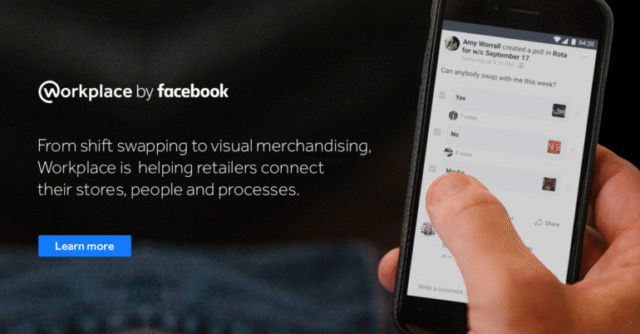
  • Miroglio and Workplace keep collaboration in fashion

    Miroglio and Workplace keep collaboration in fashion

    Miroglio Fashion is the women’s clothing arm of Miroglio Group – a 71-year-old Italian conglomerate operating in 22 countries. The group joined Workplace in 2016. Since then, says CEO Hans Hoegstedt, it has “revolutionized our way of working.” “Over the last few years, the role of the CEO has changed. It is crucial for a CEO today to create culture, to remove filters and blockers so there can be a transparent and constructive dialogue between everyone. I was confident that Workplace was a platform that would help us achieve this,” he explains.

    “We chose Workplace because everyone in the company knows how to use Facebook. And they just instinctively ‘got it’. Right from the first day, people began to spontaneously interact with each other in a genuine way with no training required. We launched Workplace at our annual convention two years ago. Over 1,100 stores in our various brands swung into action along with the head office. We set up all the Workplace groups that we use for various parts of the business, like visual merchandising, product, innovation, communication and so on”.

    The result was instant. Within a short space of time, barriers and distances disappeared. People who had found it difficult to make themselves heard by head office suddenly had a direct, filter-free channel. It has given the company a more innovative and efficient way of working.

    “A clear example is the visual merchandising team. Before Workplace, the team would create a model window and send it out to all the stores by email. With Workplace, the VM team now posts the image of the model window into a group. All the shops reply with their versions, comments, and suggestions. The VM team then provides instant feedback for the stores.

    This allows to have hundreds of examples of how to dress the window instead of just one, and people can take ideas and inspiration from the others. There is a better dialogue and smarter collaboration that results in better window displays.

    Hoegstedt continues “There are functions we did not use at the outset that have now become core features for us. Auto Translate was crucial when we extended the platform to our colleagues in Russia. Everyone posts in their own language and Workplace auto translates. Simple and effective. It’s a powerful way to create a vast international network, and we’ll be relying on the translations as we deploy Workplace in Romania, Spain, and France. We also now use Live Video whenever we present a new collection”.

    “For me, as a CEO, it is also a way of ‘taking the pulse’ of the company. Of getting a quick sense of how people are feeling. It’s a kind of mass collective intelligence.”

    From frontline to back office to HQ, Workplace connects entire retail organisations so they can share, collaborate and transform the customer experience with next-generation technology.

  • Vietnamese banks report solid profits, employees hopeful of high bonuses

    Vietnamese banks report solid profits, employees hopeful of high bonuses

    With Vietnamese banks reporting substantial profits last year many of their employees are expecting higher Lunar New Year bonuses. The banking sector’s overall profit before tax increased by 40 percent year-on-year, according to the National Financial Supervisory Commission. Vietcombank, the largest bank by market capitalization, said in a recent report that its consolidated pre-tax profit was up 62 percent to VND18.3 trillion ($789.55 million).

    TPBank said pre-tax profit doubled to VND2.26 trillion ($97.5 million), exceeding its target of VND2.2 trillion ($94.93 million). The lender’s profit has almost quadrupled against 2015.

    Sacombank’s profit before tax of VND2.2 trillion ($94.93 million) was 20 percent higher than its target.

    Bank employees are thrilled by the performance ahead of Tet, Vietnam’s Lunar New Year, which falls on February 5 this year.

    Mai, a Sacombank worker who asked to be identified only by her given name, said: “Our bank’s profit is a few times that of 2017, so we hope to have a higher bonus.”

    Minh Nhat of Orient Commercial Bank, said his bank determines Tet bonuses based on the performance of each branch and individual. Last year his most productive colleagues had received a five-month bonus, while everyone got at least a month’s salary as bonus. He hopes this year it would be even higher.

    Le Minh Tan, director of the Ho Chi Minh City Department of Labor, Invalids and Social Affairs, told VnExpress that the highest Tet bonus this year is by a HCMC-based bank — VND1.17 billion ($50,493) for an employee.

    Companies plan to pay VND3.4 million ($147) on average, 30 percent higher than last year, he added.

    Three bank leaders said they are still calculating the rewards.

    “We calculate rewards using personal KPI (key performance indicator) and branch productivity, so the bonus will vary between individuals,” one CEO said, adding that some employees would receive a three- or four-month bonus or even higher, while some would get nothing.

  • Nestlé launches Workplace by Facebook

    Nestlé launches Workplace by Facebook

    Nestlé has adopted Workplace by Facebook as its global internal communication tool, to connect its workforce and better serve consumers.  The announcement comes as the latest and largest wave of staff join the platform, part of a process that began only nine months ago. Today, around 210,000 of its employees worldwide use the platform to connect and collaborate. Nestlé has pledged to move quicker to turn good ideas into great products to meet fast-changing consumer demand. With the majority of its employees active on the platform, Workplace is already making a difference. Internal engagement is higher and responses faster. People are experimenting and collaborating more, as well as sharing information and ideas.

    Workplace offers familiar Facebook features such as News Feed, Groups, Chat, events and live streams, as well as seamless mobile integration.  Because Workplace is easy to use, it can connect everyone and reach employees where they are.

    The first wave of market adoption including Mexico, Brazil, the Middle East and South Africa saw 25 times higher engagement per post and very high rate of use on mobile devices. Amongst other advantages, managers can use Live video to connect directly with employees at different locations. Sales teams can also use Workplace for daily check-ins and to share information and best practice.

    Commenting on the move to Workplace, Nestlé Executive Vice President Chris Johnson, said: “Nestlé is a people-first environment. We really rely on our talented teams to manage more than 2,000 Nestlé brands worldwide. We help our employees develop and we give them the right tools, so Workplace is a perfect fit.”

    The move to Workplace is part of Nestlé’s commitment to empower people and sustain a high-performance culture. The company is moving more and more to offer open office configurations and more flexible working environments.

    Workplace is also a great example of Nestlé constantly embracing the best technology and systems. Filippo Catalano, Chief Information Officer at Nestlé: “Today, using Workplace by Facebook we are able to give our employees across the globe a platform to build connections, enabling faster and more engaging sharing of information.”

    Julien Codorniou, vice president of Workplace by Facebook said, “As the global work landscape continues to change and the demand for better collaboration, best-of-breed IT and mobile-first work increases, we are honored to partner with a company like Nestlé to help employees work together to allow for limitless innovation.”

    While a large majority of users has now joined the Workplace platform, the rollout will continue throughout 2019.