Retail News CRM

Tag: employee

  • Vietnam struggles with paucity of AI engineers

    Vietnam struggles with paucity of AI engineers

    IT firms are offering artificial intelligence (AI) engineers salaries of $22,000 a year, but are still struggling to recruit enough people. IT recruiting firm TopDev said in a recent report that companies are having difficulty finding the right people due to a paucity of talents. Salaries are going up as a result. An AI/machine learning engineer could earn up to $1,678 a month, or around $22,000 a year including bonuses and benefits.

    This is higher than what a data scientist ($1,537 a month) or DevOps engineer ($1,505) gets. The latter handles both the development and operations of a product.

    The report said the IT sector generally faces a big shortage as demand is set to go up from 320,000 engineers this year to 400,000 in 2020. The shortfall is 75,000 this year, and set to increase to 100,000 in 2020.

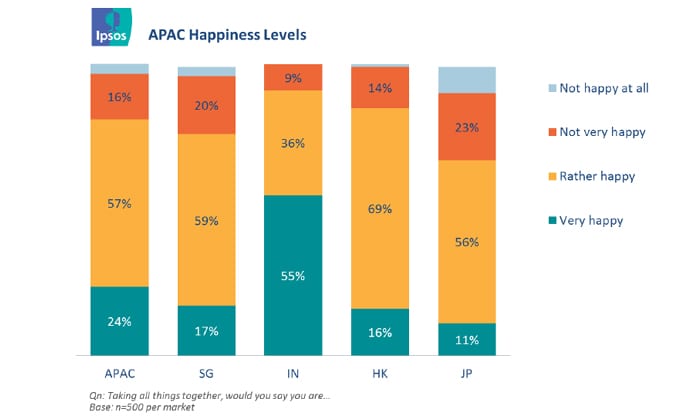
    But they face a struggle as 53 percent of 15,000 IT employees polled for the report are happy with their current job, and 59.8 percent do not want to change their job. This leaves employers considering paying higher salaries to lure away people. The average salary for experienced IT engineers now is $1,318.

    Managers with over five years’ experience can earn from $1,550 to $2,350, while directors with over 10 years’ experience earn at least $2,300.

    But there is a dearth of quality managers and engineers, the report added.

    Gaku Echizenya, general director of Navigos Group, a leading recruitment company, recently said: “The market is experiencing major changes with the fourth industrial revolution. Therefore, businesses need to keep up-to-date with market information from reputable sources to respond promptly to changes, allowing them to set out a strategy to recruit and attract talented people.”

    Employees need to actively educate themselves in IT and digital knowledge, and develop crucial skills such as cooperation with others and people management to increase their competitiveness, he added.
     

  • SsangYong Motor rehires 60% of its workers

    SsangYong Motor rehires 60% of its workers

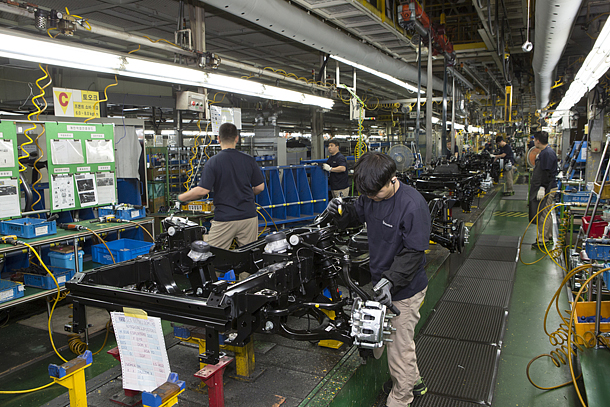
    SsangYong Motor said Monday that it has rehired 60 percent of workers who were sacked amid the carmaker’s restructuring efforts over a decade ago. The maker of the Rexton and Tivoli SUVs has been mired in protracted disputes with those who left the company against their will in 2009 after it was placed under court receivership. At that time, 900 workers who carried out a strike at the company’s main Pyeongtaek plant in Gyeonggi were ordered to choose between unpaid leave or voluntary retirement.

    Those who decided not to pick either option were later fired.

    In 2013, the 454 workers who had chosen unpaid leave were all reinstated, but the 165 fired workers were not permitted to return to work.

    After a series of negotiations in 2015, the company and its union agreed to gradually reinstate the fired workers, although some were left out of the agreement.

    In September 2018, the company and its union reached an agreement to rehire the remaining 119 fired workers by this year.

  • Average New Year bonuses in HCMC up 30 pct

    Average New Year bonuses in HCMC up 30 pct

    Average New Year bonus given by HCMC firms to an employee is VND3.4 million ($146), 30 percent higher than in 2018. For the 2019 Roman Calendar New Year, bonuses have been significantly higher than in 2018, Le Minh Tan, director of the HCMC Department of Labor, Invalids and Social Affairs said, citing a survey. The survey covered nearly 2,000 enterprises and 415,000 workers.

    On average, bonuses given by foreign invested enterprises for the New Year was VND9.4 million ($403.65), 70 percent higher than the last, the survey found.

    For this Roman Calendar New Year, the highest bonus was VND500 million ($21,470), given by a foreign-invested enterprise.

    For Lunar New Year (Tet), which falls in February, the highest reported bonus was VND1.17 billion ($50,343), coming from a bank headquartered in HCMC.

    The average reward for Tet offered by enterprises surveyed is over VND10 million ($430.78) per person. Only four respondent businesses reported facing difficulties and not giving Tet bonuses for employees.

    There are still some enterprises that have not announced Tet bonuses for workers, waiting for business results. These firms plan to announce their bonuses by mid-January.

    Last Tet, the highest Tet bonus in HCMC was VND855 million ($36,718), given by an unidentified private enterprise.

  • Vietnam labor costs highest among ASEAN comparators

    Vietnam labor costs highest among ASEAN comparators

    Vietnam’s labor cost is the highest among comparator countries in Southeast Asia, a World Bank report says.

    In a report on enhancing enterprise competitiveness and enhancing small and medium-sized enterprise (SME) linkages, it says Vietnam’s labor costs are higher than in comparable Southeast Asian peers.

    It defines labor costs for each firm as the cost of all payments to all workers divided by the number of workers.

    It says wage costs about $2,739 per worker for the median Vietnamese firm, about twice as high as in Laos, Myanmar and Malaysia, and about 30 to 45 percent higher than in Cambodia, Thailand and the Philippines.

    While Vietnam’s labor costs are higher than in the rest of the region, they seem in line with productivity levels and thus do not seem to be a major obstacle to competitiveness, the report says.

    The average manufacturing firm in Vietnam produces about $10,500 worth of value-added per worker per year, higher than in most countries in Southeast Asia. It is around $10,000 in Malaysia, and $5,000 in Cambodia.

    Vietnam’s relatively high value appears to be partly driven by high and growing use of capital, the report says.

    The report also breaks down labor productivity in the country by region. The north-central and central coastal regions of Vietnam have the highest productivity — of almost $16,000 value addition per worker — while the southeast comes in second at $14,000.

    The Red River Delta region has a productivity of only $7,000, and it is even lower in the Mekong River Delta at around $6,000.

    It also said that foreign-owned firms are generally more productive than domestic firms, which can be explained by their easier access to technology and finance through their parent companies.

    The World Bank report also says that capital productivity is low in Vietnam. The ratio of sales to value capital in Vietnam is around 160 percent, lower than in any of its peers in Southeast Asia. The bank’s data confirms that capital might not be used very efficiently in Vietnam.

  • Nike Korea blooms and upgraded its employees

    Nike Korea blooms and upgraded its employees

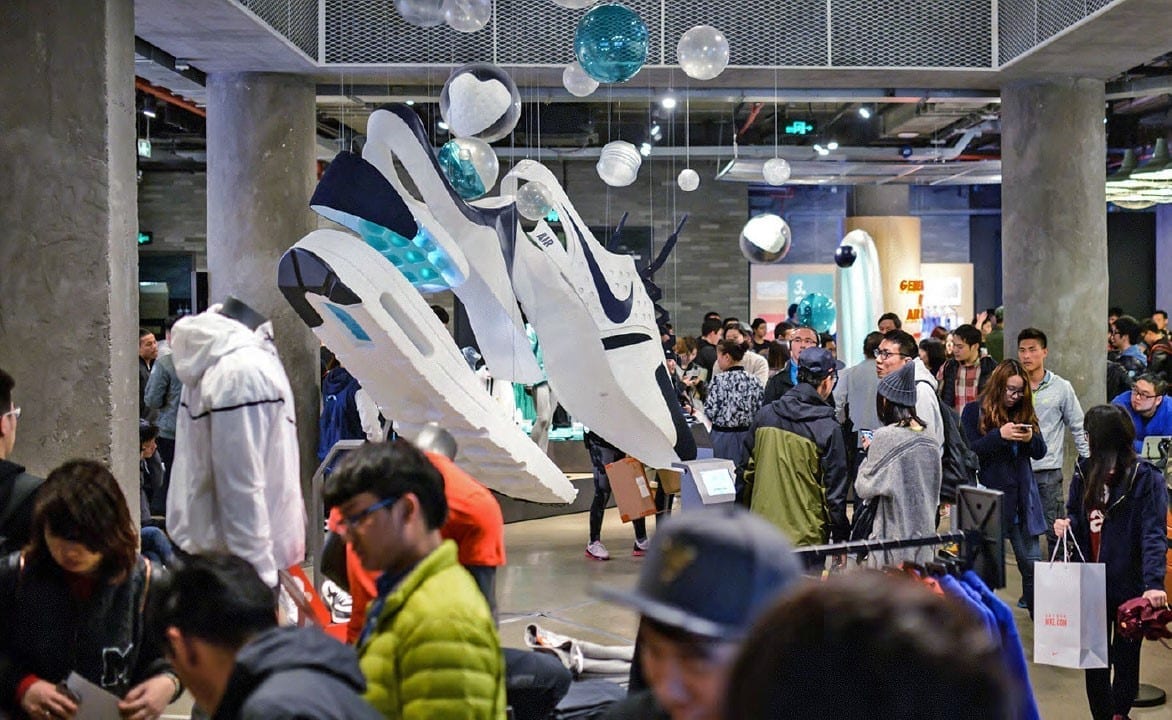
    Nike Korea’s revenue is forecast to exceed 1 trillion won ($884.27 million) in 2018. If all goes as expected, it will be the first sportswear company in Korea to achieve that milestone. Nike’s annual revenues in Korea have been rising by around 10 percent annually for the last two years, while competitors have only experienced average growth of 3 percent.

    Its sales have been strong across the board, both online and offline. But sales at the 15 company-owned offline stores were particularly strong, with revenues rising over 20 percent annually over the past two years.

    What’s behind the success? The company believes it was the decision to give permanent-employee status to its irregular workers.

    “Our company’s performance greatly improved after we upgraded irregular workers to permanent employees,” said a public relations officer at Nike Korea.

    Between November 2015 and May 2016, Nike Korea converted 654 of its irregular employees at company-owned stores to permanent employees.

    Prior to that, it had only had 310 permanent workers. The 654 new regular employees earned 20 percent more in wages after the change and gained access to a range of benefits, including tuition assistance for children. Labor costs for Nike Korea rose around 10 percent in total as a result of the move.

    Employees say that their new status as permanent workers made them more dedicated to the company.

    “Before, I used to say I work at a store when asked about my job, but now that I’m a regular employee, I confidently say I’m working for Nike Korea,” said 25-year-old Cho Hye-rim who works at a Nike outlet in Gimpo, Gyeonggi. “With a new sense of belonging and loyalty to the company, I began feeling a stronger sense of responsibility when dealing with customers.”

    “When I first heard that I was going to be a regular employee, I had to pinch my cheeks to check whether I was dreaming or not,” said 34-year-old Hwang Hyun-woo, who works at a Nike store in Myeong-dong, central Seoul. “With my experience working in sales at the store, I plan to try out an office job at the company headquarters as well.”

    Very few companies in Korea have converted irregular employees to permanent employees on the same scale as Nike.

    Exceptions include Homeplus, which converted around 1,000 cashiers and store assistants into regular workers this year, and SPC Group, which directly hired 800 workers from subcontracting firms.

    At Nike, the campaign to offer permanent-employee status to irregular workers was led by CEO David Wook-hwan Song, 48, after he took the top office at Nike Korea in 2015.

    He worked with the U.S. headquarters to achieve the transition.

    “I expected that performance would naturally improve if employees came together as a team and developed the pride and confidence that comes with being part of Nike, one the world’s best companies,” said Song.

    Song, who immigrated to Canada in his last year of high school, was hired by Nike Korea in 1994.

    He also earned an MBA from Harvard Business School and worked briefly at McKinsey.

    Last year, Nike included Seoul in its list of 12 key cities for growth.

    Seoul is Nike’s third-highest earning city after New York and LA.

  • Best companies for French citizens to work for in 2019

    Best companies for French citizens to work for in 2019

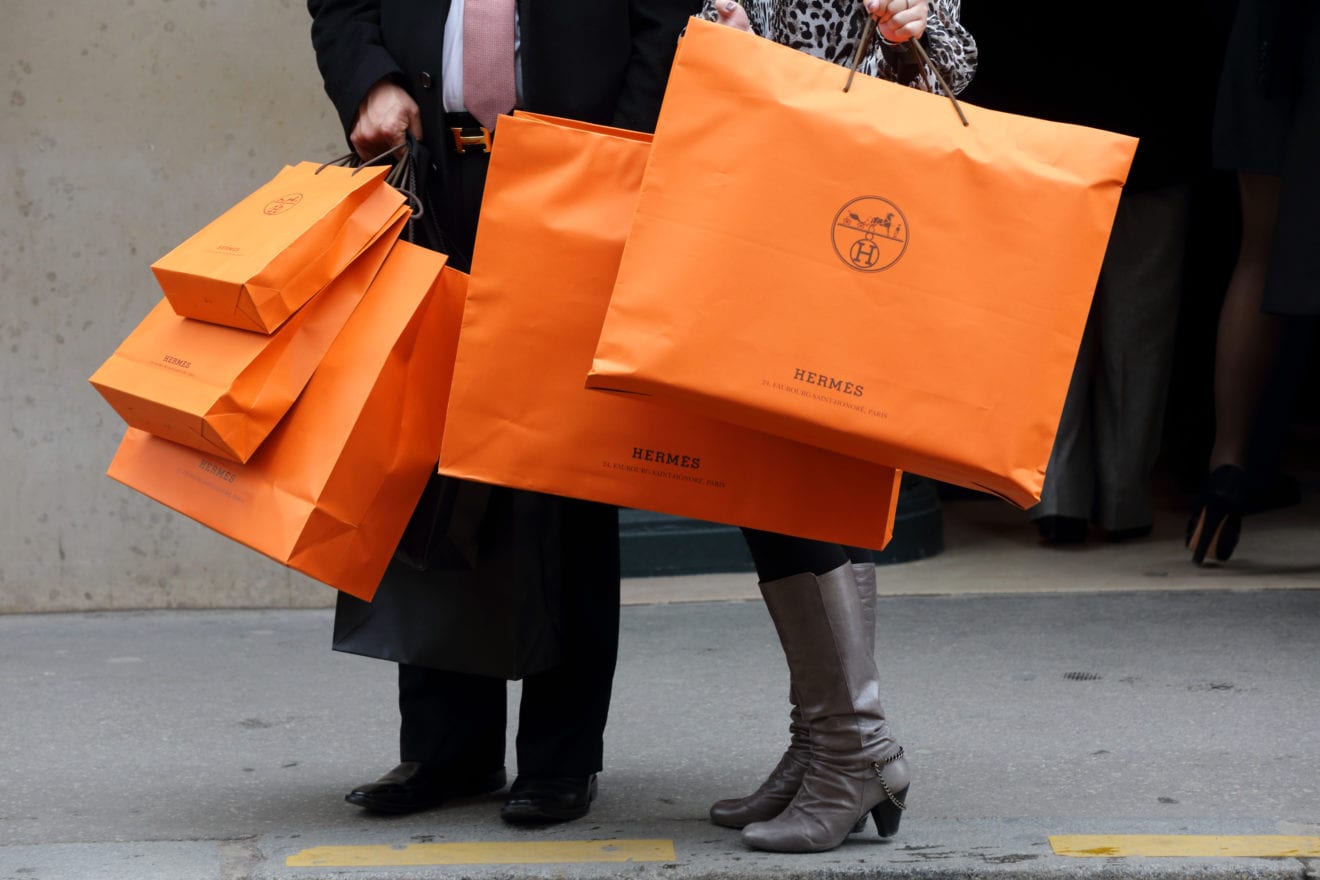
    In its fourth year of running a top employers list for France, Glassdoor has seen several companies — like Thales and Airbus — make a reappearance over the years. This December however, the company that’s been hailed as the best place to work for 2019 is a newcomer to France’s list: fashion designer Hermes.

    It’s fair to say that France is renowned for its luxury brands, yet Hermes is the only group from this field to make it into this year’s top 10, with Louis Vuitton and L’Oreal coming in at 11 and 16 respectively.

    Instead, a few other industries fill the top 10, including transportation and retail.

    To compile, Glassdoor assessed the input that workers give when offering feedback, in addition to recent ratings, which are on a scale from 1 to 5.

    The top 10 firms found in this Glassdoor list surpassed the average global rating of 3.4; with each group receiving a figure of 4.2 or higher.

    Below are the top 10 firms for this year’s ranking.

    10. Amazon

    Coming in at number 10 is e-commerce titan Amazon.

    With a global workforce of more than half a million, Amazon is renowned for its job creation with the e-commerce group stating that in the past five years, it’s created over 125 jobs every day in the States alone.

    While office perks vary from country to country, some benefits mentioned include access to medical care and career development programs.

    9. Leroy Merlin

    Another retailer that’s winning over workers as well as consumers is French-headquartered Leroy Merlin.

    The DIY group’s operations are featured in about a dozen countries, with 100,000 staff members employed to keep the retailer functioning around the clock.

    Having placed on Glassdoor’s “Best Employers” for France since the survey began in 2016, the retailer attributes one reason why it remains popular among employees, is that it sees people as the “central resource” of the business.

    8. Thales

    Moving up from last year’s no. 24 spot, Thales is all about being a responsible leader in the transport, security and defense spheres.

    While Thales has attributed “acting responsibly” as a crucial quality to its long-term success, it’s not the only qualities it aims to foster.

    Inside the firm, Thales is dedicated to supporting its staff, through promoting diversity, team collaboration and career development — it even has an in-house university to support employees through any part of their profession.

    7. AUTO1 Group

    From its small beginnings in 2012, AUTO1 Group has now become Europe’s leading car trading platform with its operations taking place in over 30 countries.

    Inside the company, more than 3,500 people from over 55 nationalities are employed — which AUTO1 attributes as one of its key strengths when it comes to keeping the company thriving on a financial level.

    6. onepoint

    When hiring, onepoint looks for talent that holds “cutting-edge skills, (a) strong commitment to the Group and an open frame of mind.”

    In return, onepoint dedicates a large amount of time on an employee’s first few weeks with its integration period strategy; which can include introducing them to partners, training and different teams.

    On Glassdoor, reviews indicate that the company offers an innovative atmosphere with a strong, upbeat culture.

    5. Saint-Gobain

    With more than 180,000 people hired worldwide, Saint-Gobain asks its large workforce to abide by five key values during each workday: to be agile, uphold the open and engaging culture, foster strong relationship with clients, constantly innovate and embrace their entrepreneurial abilities.

    In return, staff members have a range of work benefits on offer. In France, this can include personalized training and commercial discounts.

    4. Adrexo

    Making its debut in Glassdoor’s rankings for France, Adrexo is considered a leading private operator of advertising print in the country, having collaborated with the likes of McDonald’s and Haribo.

    Inside the firm, over 20,000 individuals in France have been employed by Adrexo and no matter what level they are at, the company wants to make sure it promotes each person’s leadership and entrepreneurial capabilities.

    3. Ubisoft

    The business that’s seen success from the likes of “Assassin’s Creed” and “Far Cry,” is winning over its employees as well as consumers.

    With more than 14,000 workers running its ship, Ubisoft is keen on hiring individuals who are innovative and ooze creativity.

    While game design is an important role at the videogaming firm, it’s not the only job in town, with Ubisoft offering a whole host of divisions including marketing, programming, finance and quality control.

    2. Criteo

    Last year’s winner Criteo has moved down to second place for 2019, yet the ad firm remains a top favorite — with employees applauding the staff who’ve been employed and the strong overall management seen, Glassdoor reviews reveal.

    From what began as a start-up in the mid-2000s, Criteo has now transformed into a business with dozens of international offices and several “success stories,” such as partnering up and helping the likes of Office Depot, Sephora, and Microsoft.

    1. Hermes

    When people think of this high-end luxury brand, the iconic, top-dollar Birkin bag often comes to mind. Yet that’s not the only product on offer at Hermes.

    The luxury group sells jewelry, fragrances, watches, accessories and more to customers across the globe, both in brick-and-mortar stores and online.

    Inside this designer world, over 12,000 people work hard to keep the brand running at full speed and are hired to keep true to its values: high standards and authenticity, imagination and daring, elegance and simplicity.

  • Tech, engineering to have great demand for workers in Vietnam: survey

    Tech, engineering to have great demand for workers in Vietnam: survey

    The technology and engineering sectors will see strong growth in human resources demand in Vietnam in the next five years. The growth is forecast by 90 percent of experts polled in a survey recently released by online recruitment website VietnamWorks.

    The survey was done in the second half of this year by polling more than 200 human resources professionals in management positions at multinationals and top Vietnamese companies.

    According to the survey, 62 percent forecast increased demand for arts, design, entertainment, sports, and media workers.

    Forty-two percent said there would be a decline in administrative and clerical work in five years though these are among the top three in terms of demand this year. VietnamWorks said this is because repetitive jobs like these are likely be replaced by machines.

    Fifty-nine percent of respondents believed developments in automation and information technology would be the most influential factors in the labour market in the next five years.

    Mobile Internet and cloud technology would be the next major factor, according to 57 percent, and processing power and big data, according to 54 percent.

    Forty percent said privacy issues and greater awareness of environmental responsibilities would have a great impact on the labor market demand.

    As socio-economic factors alter the nature of jobs, employers will require more sophisticated skills and abilities. The respondents expected cooperating with others, people management, emotional intelligence, and judgement and decision making to be the top cross-functional skills needed in future.

    Gaku Echizenya, general director of Navigos Group, which owns VietnamWorks, said: “The market is experiencing major changes with the fourth industrial revolution. Therefore, businesses need to keep up-to-date with market information from reputable sources to respond promptly to changes, allowing them to set out a strategy to recruit and attract talented people.”

    Employees need to actively educate themselves in IT and digital knowledge, and develop crucial skills such as cooperation with others and people management to increase their competitiveness, he added.
  • Plum food delivery to cut entire staff

    Plum food delivery to cut entire staff

    Food delivery startup Plum has laid off its entire staff, casting doubt on its continued operations in Singapore and its home market of Hong Kong. According to a report, Plum co-founder Desmond Clinton Cheung, who is also the company’s GM, said full-time contracts for all 110 workers, including his own, had been terminated. The company is creating a new structure which would give staff who wish to remain with the company an equity ownership.

    “In the past, they were salaried staff and they would become shareholders,” he said.

    Plum was founded in Hong Kong a year ago and Cheung said it may have grown “a bit fast”.

    Efforts to reduce losses, including laying off 40 staff several months ago, had not worked and Cheung said he believed the new company structure offered an opportunity for the company to continue trading on a more sustainable basis.

  • LG Display adds kiosks that let employees donate money

    LG Display adds kiosks that let employees donate money

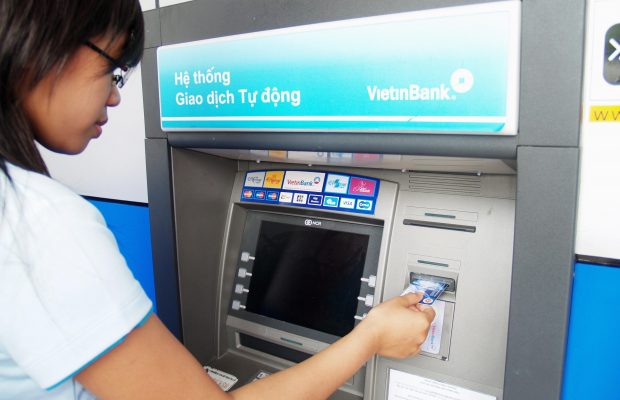
    LG Display said last Wednesday it has installed electronic kiosks in its facilities across the country, helping employees make donations easily. The company said employees can swipe their identity cards on the kiosks and make donations ranging from 1,000 won ($0.88) to 10,000 won, which will be automatically deducted from their paychecks.

    LG Display said the project was designed to encourage employees to participate in making contributions to the community.

    LG said 4,000 employees have participated so far in raising 60 million won.

  • Marriott International Wins AON Best Employer in APAC

    Marriott International Wins AON Best Employer in APAC

    Marriott International has once again been crowned Best Employer Asia Pacific by Aon plc (NYSE: AON). The company was also recognized as Aon Best Employer in 17 markets across APAC – an increase in four markets from last year. The accolades are testament to Marriott International’s commitment to its people and its active encouragement for them to be their best in both their professional and personal lives.

    Craig S. Smith, Marriott International’s President and Managing Director for Asia Pacific, said, “At Marriott International we put people first and take care of our associates so that they, in turn, take care of our guests. We are thrilled that this commitment to our people, which has been embedded in the company’s DNA from the outset, has been recognized yet again by Aon. We focus on training, developing and retaining our associates, creating a loyal and passionate workforce that is committed to offering the best service and experiences to our guests.”

    With over 680 properties across 23 brands in more than 20 markets and a further 530 plus properties in the pipeline, Asia Pacific is Marriott International’s second fastest-growing region. The organization’s approach to developing talent is central to this growth as increased opportunities in the company enable associates to progress their careers from within, retaining not only talent but also the legacy of service values and commitment to excellence throughout the entire operation.

    “We implement a systematic and purposeful approach to enable associates to realize their full potential through a structured human capital planning process,” said Regan Taikitsadaporn, Chief Human Resources Officer for Asia Pacific at Marriott International. “We see it as important to nurture and groom our talent with comprehensive training and leadership development programs to enable career growth and facilitate internal promotions that will empower the growth of our company. These initiatives help us attract best-in-class talent as well as create a positive and nurturing environment for all associates.”

    Marriott International also offers professional development programs for associates at every stage of their career, from the Global Voyage Leadership Development Program for recent university graduates to the Marriott Development Academy, which helps prepare aspiring and new managers for the leadership role of general managers. As part of its commitment to diversity and inclusion, Marriott also focuses on promoting and developing women leaders. In 2018 alone, the Asia Pacific region saw a 12 percent increase in the number of women general managers across Asia Pacific.

    Marriott International is the only company to receive global recognition consecutively since Aon began the program in 2014 – a testament to the group’s commitment to putting its people at the core of its business. In 2018, Marriott also achieved certification as Best Employer globally.

    With more than 15 years of experience in best employer studies across the world, backed by more than 20 years of experience in employee research, the Aon Best Employer program recognizes the achievements of organizations that demonstrate excellence in the workplace.

    The company’s research proves that Aon Best Employers drive a committed workforce and performance through a compelling employer brand, effective leadership, and a high performance culture and level of employee engagement.

    • Engagement: Employees speak positively about their employer, intend to stay, and are motivated to exert extra effort at work.
    • Leadership: Leaders treat employees as valued assets, engage employees in the vision, and lead the organization to success.
    • Performance Culture: Employees are aligned to organizational goals and are rewarded and recognized for their contribution.
    • Employer Brand: Employees are proud of being part of their organization and can clearly explain what makes their employer different from others.
  • Hyundai Department Store slashes workdays for sales staff

    Hyundai Department Store slashes workdays for sales staff

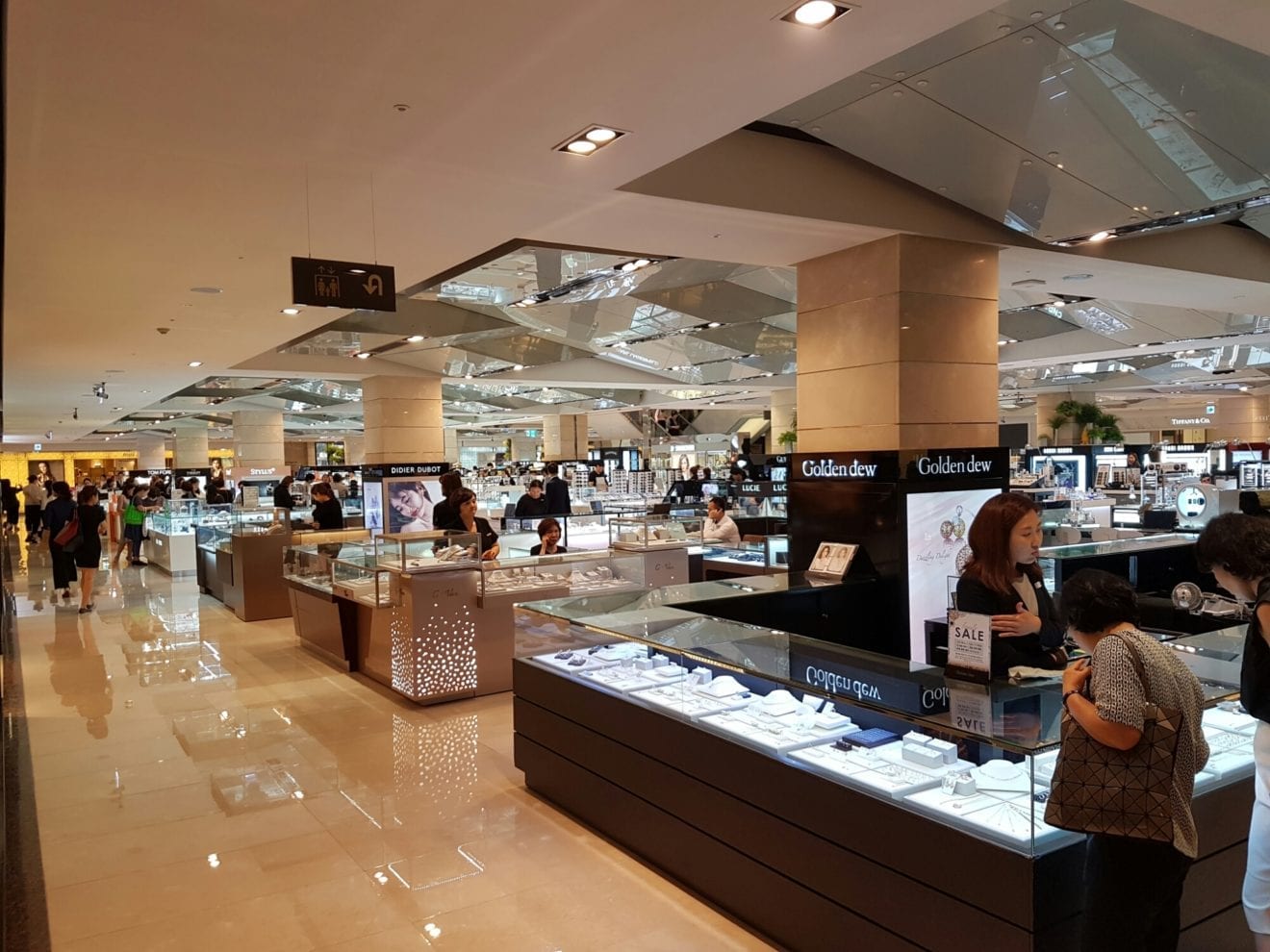
    Hyundai Department Store is introducing last-minute measures to comply with the new 52-hour workweek, which goes into effect next week.

    Korea’s third-largest department store chain is reducing the working hours of its sales staff by one hour, the company said on Thursday.

    “It’s a measure that will catch up with today’s social atmosphere that emphasizes work-life balance,” said the company in a statement.

    Fifteen department stores and four discount outlets nationwide will be affected by the measure. Sales workers who used to come to work at 10 a.m. and left at 8 p.m. will go home at 7 p.m. starting July 1.

    The stores’ operating hours, however, will remain 10:30 a.m. to 8 p.m. The one-hour vacuum left by the change will be filled in by the heads of each sales department and other workers taking turns in groups of 10.

    “We also took into account concerns among our business partners that their revenues will be hit hard when the operating hours shrink, as the economic slowdown is already continuing,” said a Hyundai spokesman.

    The company launched a pilot program that let sales employees leave work 30 minutes early in April, and the experiment was a success.

    Hyundai’s department store rivals – Lotte and Shinsegae – were quicker to slash either their working hours or operating hours, as they started to do so late in May. Hyundai is noted for its conservative work system, but it had to yield to the industry-wide trend, according to an insider.

    Shinsegae Department Store announced earlier this week that it would delay its opening time by one hour to 11 a.m. starting on July 2, with the exception of its main store in central Seoul and branches in Gangnam and South Chungcheong. Its closing hours will be the same as before, at 8 p.m. on weekdays and 8:30 p.m. on weekends. Lotte has yet to adjust the operating hours for its department stores.

    Lotte Confectionary, Lotte Chilsung, Lotte Liquor and Lotte Food also announced on Thursday that they hired 200 more manufacturing workers to cope with the new workweek. The additional workers make up more than 10 percent of the entire existing production work force.

    The four affiliates have also vowed to introduce a flexible working hour system based on a three-month basis, given that seasonal demand in the food business fluctuates heavily.

    Lotte, the fifth-largest conglomerate in Korea, has been particularly proactive about the government’s move to improve the country’s working environment.

    Thirty of its subsidiaries have designated hours that employee computers must be shut off to make sure employees cannot work before 9:30 a.m. or after 6:30 p.m.

  • Nike loses another one,  fourth executive in a week

    Nike loses another one, fourth executive in a week

    Nike’s vice president of footwear Greg Thompson will be the fourth executive to leave the sneaker giant in a week, joining a growing chorus of other vice presidents that have taken their leave recently amid a corporate culture shake-up.

    Thompson, who has been with the company for decades, follows VP of diversity and inclusion Antoine Andrews out the door, as well as longtime employees VP of global digital brand marketing innovation Daniel Tawiah and senior brand director for Nike Basketball Vikrant Singh.

    Only last month Nike announced the departure of two other senior executives, brand president Trevor Edwards and general manager of global categories Jayme Martin, in two consecutive days.

    Martin’s departure came after a report in the Wall Street Journal alleged that he had been involved in inappropriate conduct.

    It comes amid an investigation into workplace conduct at Nike under chief executive Mark Parker and the implementation of a new human resources strategy designed to better promote diversity.

    Earlier this month Nike’s human resources chief Monique Matheson issued a company memo conceding that the company had “failed” in promoting and hiring women and minorities to senior level positions within the company.

    “While we’ve spoken about this many times, and tried different ways to achieve change, we have failed to gain traction,”  the memo read.

    “Our hiring and promotion decisions are not changing senior-level representation as quickly as we have wanted.

    Currently only 29 per cent of Nike’s vice presidents are women while in the US only 16 per cent are people of colour.

    Nike will now renew its efforts to address this disparity with immediate effect, Matheson said.

    Nike has more than 70,000 employees worldwide and several hundred vice presidents.

  • Monthly salaries in Vietnam rise fastest in Southeast Asia

    Monthly salaries in Vietnam rise fastest in Southeast Asia

    Salaries in Vietnam are rising faster than in any other Southeast Asian country, according to a recent survey released by employment website Jobstreet.com.

    The average annual growth rate of Vietnam’s payroll stands at 20-24 percent, compared to 14-20 percent in Thailand, the Philippines, Indonesia, Myanmar and Singapore.

    In Vietnam, management and executive salaries grew fastest, at 26 and 35 percent respectively.

    The survey found that 68 percent of companies operating in Vietnam want to expand their businesses in the future, so they have high recruitment demands. Jobstreetforecast that salary growth will continue with this demand.

    Vietnam’s minimum wage, however, doesn’t enjoy such a large jump. On Monday, the prime minister signed off on a decree raising the minimum wage for 2018 by 6.5 percent, the lowest nominal bump in 11 years.

    The rise brings the minimum wage for Region I to VND3.98 million ($175) a month. Region II to VND3.53 million, Region III to VND3.09 million and Region IV to VND2.76 million.

    In Vietnam, there are four different minimum wage regions, which are supposed to reflect the cost of living in each area. Region I, including Hanoi and Ho Chi Minh City, has the highest minimum wage, while region IV, which is for rural areas, has the lowest.

  • LeEco Cuts 60 Jobs In Hong Kong

    LeEco Cuts 60 Jobs In Hong Kong

     LeEco may be one of the best-known Chinese smartphone vendors globally after Lenovo, Huawei and Xiaomi, but the company has been in severe financial stress in recent times. The Beijing-based firm recently ventured out of China to establish a global footprint, and towards that end, have entered quite a few new markets over the past couple of years, including India and the U.S.

    However, even as LeEco was marching ahead with its global ambitions, its holding company, Leishi Internet Information and Technology Corp, was struggling financially, with its shares recently halted from trading at the Shenzhen Stock exchange. LeEco itself has been facing a severe cash crunch, with the company’s CEO, Mr. Jia Yueting, even admitting that the expansion efforts “have gone too far”.

    With its finances starting to become a major issue, LeEco was recently rumored to have laid off 1,400 of its employees globally, with the bulk of the job cuts coming in India. While about 200 people at LeEco’s sports video-streaming subsidiary, LeSports, lost their jobs in China as part of an organizational restructuring, almost a thousand LeEco employees were reported to have been laid off in India, mostly in the company’s sales and retail divisions. Reports out of Hong Kong now suggests that the company is also laying off as many as 60 of its employees in its Hong Kong office, although, its existing businesses and membership services will all reportedly continue to function as usual.

    Even in the midst of all this doom and gloom, though, there is a glimmer of hope for LeEco if a recent interview by a senior company executive is anything to go by. According to the president of LeEco’s smart TV business, Mr. Liang Jun, the company has received a fresh round of funding from strategic investors, although, he’s refused to give out any specifics about the reported investments until now. Meanwhile, even though the company’s finances are in a mess right now, reports indicate that at least three LeEco devices with model numbers LE X920, LE X850 and LE X622 are all set to be launched in the coming months. Right now, there’s no timeframe for the launch, but it should happen sooner rather than later if everything goes well from here for the struggling company.

  • Retail employees in Singapore set for 4.5% salary hike in 2016

    Retail employees in Singapore set for 4.5% salary hike in 2016

    If you’re presently working in the retail line in Singapore, you can expect a greater boost in your salary next year.

    According to new findings by global professional services firm Towers Watson, retail employees are on track for a 4.5 per cent pay increase in 2016, higher than the 4.1 per cent jump they got this year. This will also be the largest wage increment of any sector here in 2016.

    After retail, the next two sectors that will see healthy salary increases next year are the high-tech and professional services industries, which are expected to rise by 4.3 per cent and 3.9 per cent, respectively (up from 4 per cent and 3.7 per cent in 2015).

    These latest numbers come a week after Towers Watson released its latest Asia-Pacific salary budget planning report, a bi-annual survey conducted in July involving 2,000 responses from 22 countries in the region.

    Among the many sectors polled were automotive, chemical, financial services, energy and natural resources, media, pharmaceutical and health sciences.

    al Affairs powered in Calgary to support the development, installation and stewardship of our Aboriginal interactions beliefs and guidelines. Along with this, we formed an Aboriginal Relations Network of 24 people to encourage the sharing of best patterns in Aboriginal interactions across the company.

    Things You Might Not Like About Singapore

    Temperatures throughout the the day hover around 32 degrees Celsius while the humidity level at around 84%. To take care of this issue, most universal places while universal transport in Singapore are air-conditioned; as unless you are outdoors you hardly definitely feel the hot temperature.
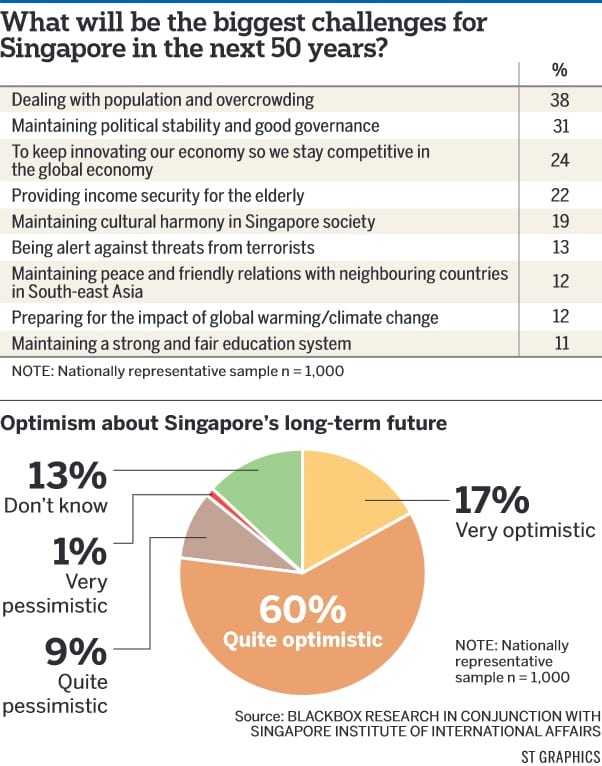
    Singaporeans high energy about country’s future

    Dr Khanna, any geopolitical strategist who co-wrote the SIIA submit with Mr Fang, said that for Singapore that will be resilient, the country should invest email diversifying its economy internally, once well once its economic and geopolitical relationships externally.


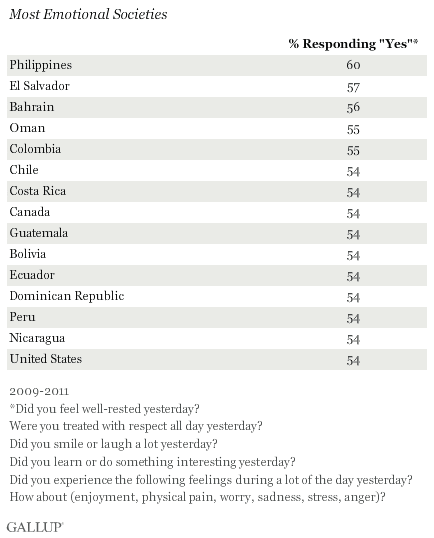
    Singapore Ranks as compared to Least Emotional Country in the World


    Most Singaporeans ascribed their hopelessness on their personal financial rang (62%), health (38%) so spouse (35%). Finances so health were also the two factors which often came out on top as key hopelessness drivers across the region.