Tag: employees

  • Meta Kickstarts Global Layoff of 8,000 Employees: The Dawn of AI Transformation Begins with 4 AM Emails in Singapore

    Meta Kickstarts Global Layoff of 8,000 Employees: The Dawn of AI Transformation Begins with 4 AM Emails in Singapore

    Meta, the global tech powerhouse, has initiated an extensive downsizing initiative, beginning with an announcement to its Singaporean employees. The company plans a 10% reduction of its workforce across the globe, also affecting team members in the US and the UK. As the process unfolds, employees have been advised to work remotely.

    This current layoff phase is projected to have a significant impact on Meta’s product and engineering teams. Insiders suggest that additional cuts could follow later in 2026. However, this information has not yet been made public.

    New Focus on AI

    As part of its strategic restructuring, Meta has reassigned approximately 7,000 employees to newly-formed teams. These groups are centered around artificial intelligence (AI) initiatives, including the development of AI products and agents.

    Committed to its AI focus, Meta has earmarked over US$100 billion for AI capital expenditures in 2026. As of March’s end, Meta’s employee count stood just shy of 80,000, prior to the announced layoffs and reassignments.

    Janelle Gale, Meta’s Head of People, has explained that these changes allow for a streamlined, efficient organizational structure. Smaller, agile teams or “pods” can work at a quicker pace and with a greater sense of ownership. Gale expressed confidence that this approach would bolster productivity and elevate job satisfaction.

    A History of Layoffs and Backlash

    Over recent years, Meta has repeatedly downsized its workforce as part of continuous efficiency pursuits, championed by CEO Mark Zuckerberg. He has urged engineers to leverage AI agents for coding and other functions, proposed device monitoring strategies to enhance technology, and developed his own AI-assistant for handling CEO-related tasks, such as collating employee feedback. The cumulative impact of these job cuts and reassignments is expected to affect approximately 20% of the company’s workforce.

    However, this drastic change has not been quietly accepted by all. Many Meta employees have expressed their dissent, distributing protest flyers at company offices and posting criticisms on its internal communications platform, Workplace. A petition against the proposed installation of mouse-tracking software — designed to train Meta’s AI models by monitoring human-computer interaction — has already garnered over 1,000 signatures.

    The wider tech industry is also wrestling with the implications of AI advancement. Rising stock prices and the burgeoning valuation of AI startups contrast starkly with the increasing job cuts. In 2026 alone, nearly 110,000 job positions have been eliminated across 137 tech companies, trending towards a repeat of the 2023 peak. That year, over 260,000 workers were laid off in the wake of the Covid-19 pandemic’s hiring surge.

    Questions & Answers

    Why is Meta initiating these layoffs?
    Meta is restructuring to focus on AI initiatives and streamline its structure, aiming for greater efficiency and productivity.

    What roles are affected by these layoffs?
    The layoffs are expected to significantly impact Meta’s engineering and product teams.

    How has the downsizing been received by the company’s employees?
    There has been considerable backlash among Meta employees, with protests and a petition against the proposed use of mouse-tracking software to train AI models.

  • Taiwan’s Nomura Holdings Surprises Employees with iPhone 17 Pro Max at Grand Year-End Celebration

    Taiwan’s Nomura Holdings Surprises Employees with iPhone 17 Pro Max at Grand Year-End Celebration

    In an unexpected grand gesture, Nomura Holdings Taiwan, a leading investment firm, gifted every one of its employees an iPhone 17 Pro Max at the company’s year-end party. This generous move, which left social media in shock, was not a raffle or dependent on performance rankings. Regardless of their position or tenure, each person present at the event received the same sought-after smartphone.

    Expressing Appreciation for Contributions

    The company’s decision to distribute these costly gifts was unveiled during a packed banquet in Taiwan. Projected onto a screen in the crowded hall, the announcement told attendees that the iPhones were a token of gratitude for their invaluable contributions during the year.

    Nomura Holdings Taiwan, a subsidiary of the Japanese financial services group Nomura Holdings, has been operational in Taiwan since 1998. Currently considered one of the top five foreign investment firms on the island, it boasts a registered capital of around US$11 million.

    Rewarding Success

    The company’s decision to reward its employees in such a lavish manner followed a period of record-breaking growth in Taiwan’s stock market and robust profits across the investment industry in 2025. The move was seen as a fitting way to thank staff for their hard work and dedication.

    The scale of the party was impressive, with an estimated 20 to 30 tables filling the room and around 300 employees in attendance. A bystander, claiming to work at the venue, described the iPhone giveaway as the most extravagant employee gift they had ever witnessed.

    Reaction to the Generosity

    Images from inside the banquet hall showed employees lifting their new iPhones in the air to record the announcement, sparking gasps and cheers of delight from the crowd.

    The online response was swift and widespread, with many expressing disbelief and jealousy at the grand gesture. Some even jokingly asked if there were any open positions at the company.

    To put the generosity of the gift into perspective, in Taiwan, an iPhone 17 Pro Max currently retails for approximately US$1,425.

    Questions & Answers

    What did Nomura Holdings Taiwan gift to its employees at the year-end party?
    Each employee received an iPhone 17 Pro Max.

    Why did the company decide to give out such generous gifts?
    The gifts were given to express gratitude for the employees’ contributions throughout the year, particularly in light of the record-high growth in Taiwan’s stock market and strong profits across the investment industry.

    What was the reaction to the company’s gesture?
    The in-person and online reaction was one of shock and admiration. Some online commenters even jokingly asked if the company was hiring.

  • Nestlé To Cut 16,000 Jobs Globally In Cost-cutting Initiative

    Nestlé To Cut 16,000 Jobs Globally In Cost-cutting Initiative

    Nestlé, a global leader in the food and beverage industry, has recently announced plans for a significant reduction in its worldwide workforce. Over the next two years, the company intends to eliminate approximately 16,000 positions as part of its ‘Fuel for Growth’ cost-cutting initiative.

    Workforce Reduction Plan

    In a bold move to streamline operations and achieve financial targets, Nestlé’s management has decided to cut costs by raising the ‘Fuel for Growth’ program’s objective to CHF 3.0 billion (equivalent to US$3.8 billion) from the previously set goal of CHF 2.5 billion (approximately $3.1 billion) by the close of 2027.

    The proposed downsizing, which will be implemented following applicable consultative processes, is expected to affect around 12,000 salaried professionals across various functions and geographical locations. The company believes that this measure will facilitate annual savings of up to CHF1 billion ($1.26 billion) by 2027.

    In addition, Nestlé plans to layoff 4,000 employees as part of ongoing productivity efforts in its manufacturing and supply chain operations.

    Adapting to Change

    “The world is evolving rapidly, and to stay ahead, Nestlé must adapt at an even faster pace,” stated CEO Philipp Navratil. He acknowledged the necessity of making tough decisions, including reducing staff numbers, over the coming two years.

    Emphasizing the company’s commitment to handling these changes with respect and transparency, Navratil affirmed that these actions are crucial to securing Nestlé’s future as a leader in its industry.

    Financial Focus

    Beyond workforce reduction, Nestlé also plans to intensify its focus on driving cash generation. This shift is designed to ensure sustainable returns to shareholders, with the aim of delivering free cash flow exceeding CHF8 billion within the current year.

    In terms of sales growth, Nestlé reported an organic growth of 4.3% in the third quarter. The company also noted ongoing challenges in the Greater China region, which is now managed by a new team focused on business transformation. The first nine months of the year saw organic sales growth of 3.3%, with real internal growth (RIG) at 0.6% and pricing at 2.8%. There were sequential improvements across major markets, global businesses, and categories during this period.

    Despite a more challenging comparison base expected in the fourth quarter, the company anticipates recording annual organic sales growth for the full year.

    Leadership Changes

    Earlier in the month, Nestlé’s chairman Paul Bulcke stepped down from the board ahead of schedule. Vice chairman Pablo Isla is set to assume the role.

    Questions & Answers

    What is Nestlé’s ‘Fuel for Growth’ program?
    This is the company’s cost-cutting strategy aimed at achieving financial targets by streamlining operations and reducing expenditures.

    How many employees will be affected by Nestlé’s workforce reduction plan?
    The plan entails a reduction of approximately 16,000 positions worldwide over the next two years.

    What other financial plans does Nestlé have in place?
    Aside from cost-cutting, the company also intends to concentrate on driving cash generation to ensure sustainable returns to shareholders.

  • Authenticity In Retail: How Employees Shape Brand Culture For Competitive Advantage

    Authenticity In Retail: How Employees Shape Brand Culture For Competitive Advantage

    In the dynamic world of retail, heritage brands and new entrants alike are recognizing the power of authenticity. This realization was notably demonstrated when a sponsored post by an employee reached a staggering 3.9 million views. In this case, the loss experienced by Chick-fil-A in terms of authenticity was compensated for by Shake Shack, which gained significantly in cultural credibility. This situation illuminated the compelling fact that employees can serve as highly effective cultural translators, particularly when they are empowered to express their unique perspectives.

    The Power of Culture

    Culture is not just a buzzword; it’s a unique element that sets one brand apart from another. While it is possible to invest considerable resources into marketing strategies, creating a ‘cool’ image is not something that can be purchased. Similarly, authenticity, a highly coveted trait in today’s retail environment, cannot be feigned.

    The implication for organizations is that they need to consider whether they are sufficiently courageous to allow their employees to mold, interpret, and enhance their culture. This approach necessitates an openness to divergent viewpoints and a willingness to relinquish a degree of control over the organizational narrative.

    Authenticity: A Critical Competitive Advantage

    In an increasingly cluttered retail landscape, authenticity allows brands to distinguish themselves from their competitors. An authentic culture resonates with consumers, who are increasingly seeking out genuine connections with the brands they support. This authenticity can be instrumental in fostering customer loyalty and driving business growth.

    While the concept of authenticity might seem intangible, it is deeply rooted in the actions and attitudes of an organization’s employees. By empowering employees to serve as cultural ambassadors, organizations can tap into their unique insights and perspectives, fostering an authentic culture that resonates with consumers.

    Questions & Answers

    What role do employees play in shaping a brand’s culture?
    Employees play a crucial role in shaping a brand’s culture. They can serve as cultural translators, offering unique insights and perspectives that can help define and enhance an organization’s culture.

    Why is authenticity important in today’s retail environment?
    Authenticity is important because it allows brands to distinguish themselves in an increasingly competitive market. Consumers are increasingly seeking genuine connections with the brands they support, making authenticity a critical factor in fostering customer loyalty and driving business growth.

    How can organizations foster an authentic culture?
    Organizations can foster an authentic culture by empowering their employees to express their unique perspectives, thereby shaping, interpreting, and enhancing the organizational culture.

  • Starbucks Announces Exciting Shift to 4-Day In-Office Workweek for Employees

    Starbucks Announces Exciting Shift to 4-Day In-Office Workweek for Employees

    Starbucks CEO Brian Niccol announced a transition that will require many employees to work in-office at least four days a week, an increase from the current three days. This new policy is set to roll out later this year.

    A Return to the Office: What It Means for Starbucks

    The updated policy will see common office days established from Monday to Thursday across support centers in Seattle and Toronto, as well as regional offices in North America, as outlined by Niccol in a recent message to partners on the company’s website.

    As Niccol approaches his one-year anniversary as CEO, he is dedicated to steering Starbucks back to its coffeehouse roots. His focus is on enhancing the in-store experience while lessening the company’s reliance on mobile and to-go orders, which, to some, is as vital as a morning cup of coffee. “Being in person also helps us build and strengthen our culture. As we work to turn the business around, all these things matter more than ever,” Niccol emphasized.

    Implementing Change and Encouraging Presence

    This shift to a four-day in-office work week is expected to take effect on September 29. Earlier this year, Starbucks took the initiative to urge remotely working vice president-level leadership to begin relocating to either Seattle or Toronto. Now, the call extends to all support center leaders, who must complete their moves within the next 12 months.

    As the coffee chain looks to combat rising inflation and navigate economic uncertainties, Starbucks is rapidly rolling out a new staffing and service model across its North American stores to boost sales growth.

    Questions & Answers

    What prompted Starbucks to increase in-office work days?
    The increase in in-office work days comes as part of CEO Brian Niccol’s strategy to strengthen company culture and enhance the in-store experience while reducing reliance on mobile and to-go orders.

    When will the new four-day work week policy take effect?
    The new policy is expected to take effect on September 29, 2025, requiring employees to work in the office four days a week.

    What changes has Starbucks made in response to economic pressures?
    In response to rising inflation and economic uncertainty, Starbucks has initiated a new staffing and service model across company-owned stores in North America to revive sales growth.

  • 45% of Singapore workers fear admitting to AI use

    45% of Singapore workers fear admitting to AI use

    Nearly half of employees in Singapore feel uncomfortable admitting to their managers that they use artificial intelligence (AI) in their jobs, a survey has found.

    The top concerns among these workers include the fear of being perceived as incompetent, lazy, or cheating, The Independent Singapore reported, citing AI-powered work management tool Slack’s Workforce Index report, which in August surveyed more than 17,000 workers across 15 countries, 1,008 of which are from Singapore.

    The report noted that workers, lacking clear guidance, are uncertain about when it is appropriate to use AI at work, leading many to hide their usage.

    Hence, employers should establish clear guidelines on which AI tools are considered “approved and trusted” for use in their organizations, as well as the specific tasks these tools are intended for, Christina Janzer, senior vice president of research and analytics at Slack.

    Too much of the burden today has been put on workers to figure out AI. It is important that leaders not only train workers to use AI, but encourage employees to talk about it and experiment with AI out in the open,” she said.

    Despite their concerns, 88% of employees in Singapore are keen to develop their AI skills and feel a pressing need to become experts in the field. However, 63% of them have spent fewer than five hours total learning how to use AI.

    Workers in the city-state are also prioritizing AI-enabled workplaces, with 87% viewing a company’s ability to provide and implement AI tools as a key consideration when searching for jobs.

    As a result, employers there must invest in AI training to attract and retain top talent.

    Globally, 30% of workers worldwide have not received any AI training, including self-guided learning or experimentation, according to Slack.

    Among those who did receive guidance on AI usage, adoption has increased by 13% since January, compared to just 2% for those without such training.

  • Nvidia looking to hire engineers and managers in Hanoi

    Nvidia looking to hire engineers and managers in Hanoi

    Chipmaker Nvidia is recruiting engineers and managers for its operations in Hanoi, where it seems set to design and produce graphic processing units.

    It is seeking to fill nine positions, including those of IT, senior production support and system test design engineers and two senior managers, according to job posts on recruitment platform LinkedIn.

    One position is in a factory in Bac Ninh, an industrial province next to Hanoi. The senior manager for manufacturing operations requires the candidate to “spearhead the development of an impactful team in Vietnam from the ground up.”

    Applicants for this position need a bachelor’s or master’s degree in engineering, business or equivalent experience along with 15 years of overall experience and five years of specific management experience.

    Hanoi HR professional Dam Trang said Nvidia’s moves indicate that it is in the process of starting operations in Hanoi.

    As Nvidia is a chip designer and does not own factories, the fact that it is looking for manufacturing personnel shows it wants its own people to supervise suppliers’ production, she said.

    Though most of the requirements for the candidates are typical for a large company, finding individuals with more than 10 years’ experience in semiconductors would be challenging as the industry has only seen significant growth in Vietnam in the last few years, she said.

    During his visit to Vietnam on Dec. 5, Nvidia CEO Jensen Huang signed an agreement with the government to establish an AI research and development center and an AI data center.

    He praised Vietnam’s strengths in STEM and its potential to produce AI talent.

    He also vowed to promote the local AI industry through infrastructure development, training and fostering an AI startup ecosystem.

  • Samsung, Vinpearl, Vinamilk among most popular recruiters in Vietnam

    Vinamilk, Vinpearl, Samsung Electronics HCMC and McDonald’s are among the most popular recruiters in Vietnam this year, according to recruitment platform CareerViet.

    The top five recruiters in the large business category are Vinamilk, Vinpearl, Samsung Electronics HCMC CE Complex, Masan Consumer and FPT IS, while the top five in the medium business category are McDonald’s, Guardian, Prep Technology, Nabati and Petrovietnam Securities Incorporated (PSI), according to a CareerViet survey on over 5,720 businesses from July 7 to October 31.

    Vinpearl is the leading recruiter in food and beverage, accommodations and tourism, while the Hoa Sen group is the leading recruiter in construction, architecture and interior design. PNJ is the leading recruiter in retail, while Bim Group is the leading recruiter in real estate.

    Popular recruiters are liked not only due to their attractive benefits, diverse working environments and incentives for personal development, but also thanks to their own brands, CareerViet said.

    The survey also revealed that while Gen X workers prioritize stability and long-term benefits, Gen Y values development and work-life balance while Gen Z focuses more on flexibility, salaries and personal development.

    83% of Gen Z workers surveyed said the main factors for them choosing their jobs are salaries and benefits, followed by working styles. They prefer workplaces that ensure holiday bonuses, have shorter working hours or offer hybrid working methods.

    “They love a job with high incomes and ensures flexibility. 90% of Gen Z workers want to be trained in new skills, including communication, problem-solving, foreign languages, management and leadership,” said Tran Lien Phuong, director of research and strategic consulting at Amco Vietnam.

    Workers’ perspectives from different generations will by a key factor for businesses to improve their HR policies, CareerViet said, adding that a workplace with different worker generations will help make it more competitive.

    “A business’s success is not only shown through its business performance, but also policies to attract, keep and develop talents,” CareerViet said.

  • Starbucks employees to receive 60% bonus amid firm’s worst year since 2020

    Starbucks employees to receive 60% bonus amid firm’s worst year since 2020

    Many corporate workers at U.S. coffee chain Starbucks will get just 60% of their total bonuses for the 2024 fiscal year amid the company’s first annual sales decline since 2020.

    The coffee giant’s poor performance in the fiscal year, which ended on September 29, cut into the overall bonus for employees who met their personal goals, a source familiar with the matter said.

    Bonuses for most employees are determined based on both individual performance and company results, with the latter calculated from revenue and operating income, a separate document shows.

    They are typically paid in December and, in the U.S., range from 5% of base pay for non-managerial employees to 45% for senior vice presidents.

    The reduced bonuses reflect the challenges Starbucks has faced this year as consumers, hit by widespread inflation, scaled back on their lattes.

    Its quarterly and yearly performances, reported late last month, show disappointing sales in its two largest markets, the U.S. and China, which fell short of analysts’ expectations.

    For the third consecutive quarter, Starbucks saw a decline in same-store sales, with a 7% drop this quarter—the steepest since the Covid-19 pandemic, according to CNBC.

    Net income attributable to the company for the fourth quarter was US$909.3 million, or 80 cents per share, down from $1.22 billion, or $1.06 per share, a year earlier. Net sales also decreased by 3% year-on-year to $9.07 billion.

    This was Starbucks’ first quarter under new CEO Brian Niccol, who joined the company in September to turn the business around.

    “It is clear we need to change our strategy to win back customers fundamentally,” he said in the report. “We have a clear plan and are moving quickly to return Starbucks to growth.”

    For the full fiscal year, global comparable store sales dropped by 2%, largely due to a 4% decline in comparable transactions, as shown in the firm’s report.

    This marked the second drop in the last 15 years, with the first occurring in 2020 due to Covid-19 restrictions.

  • Vietnamese are working too many hours

    Vietnamese are working too many hours

    Readers have expressed concerns that the working conditions in Vietnam are exhausting the younger generation, calling for more and longer holidays throughout the year to enhance both physical and mental well-being.

    “My husband and I are civil servants. We’re supposed to have two days off on weekends, but in reality, we still have to work, leaving us with almost no days off. My wife works at a land registration office, and every night she has to continue unresolved work from the office. It’s really tiring for us, and we can’t properly take care of our children. We need to modernize and liberate human labor. If additional days off are granted but there’s still too much work, laborers won’t be able to truly rest,” shared reader Vu Hai Nam regarding the working hours in Vietnam.

    Current labor laws stipulate that employees should work no more than 48 hours per week, allowing employers to require workers to put in at least six days per week, eight hours per day. However, according to data from the International Labor Organization (ILO), Vietnam ranks among the countries with the highest working hours globally. In 2023, the total working hours in Vietnam (excluding holidays) reached 2,320 hours—440 hours more than Indonesia, 184 hours more than Cambodia, and 176 hours more than Singapore.

    Commenting on the pressures faced by Vietnamese workers, reader Hung Minh said: “More than a decade ago, when I was single, I used to work 14 hours a day, including Saturdays. I was young and enthusiastic, so I worked a lot and earned a lot. But when I started a family and had children, I had to say goodbye to that work intensity.”

    Reader Mirae added, “People often cite low labor productivity in Vietnam as a reason against reducing working hours. But having worked with companies in Japan, Italy, and Korea, I’ve found that increasing labor productivity relies heavily on automation, not longer working hours. No one wants to work up to 12 hours a day.”

    Reader Vu noted, “Office workers like me actually work beyond office hours. Even when I go to shower, I have to take my phone to respond to potential work messages. Phone alerts have become a source of stress for me, and deadlines are overflowing. Besides, each worker nowadays needs to find time to upgrade their skills to stay competitive. We’re in a period where young people are physically and mentally exhausted. It’s crucial for management agencies to conduct systematic and comprehensive research to improve the working environment.”

    Reader Kid expressed frustration, saying, “I find it hard to understand some people’s argument that Vietnamese must work more to escape poverty. They fail to grasp that income is directly proportional to labor productivity, and productivity is greatly influenced by physical and mental health. The only way to improve these factors is to give workers more rest time. The number of holidays in Vietnam is currently among the lowest in the region and the world, far behind countries like Japan, Korea, and Germany, resulting in one of the highest numbers of working days. I strongly support the idea of more holidays. Ideally, there should be a vacation of about a week every three months, which would stimulate demand and give workers time to recuperate, ultimately boosting labor productivity.”

  • Employees twiddle thumbs after being overworked earlier this year

    Employees twiddle thumbs after being overworked earlier this year

    Roughly one year ago, when the Covid pandemic hard hit southern factories, Trinh and many other garment workers in the southern province of Binh Duong covered a distance of nearly 2,000 km to return to their hometown, the central province of Thanh Hoa.

    After Tet (Lunar New Year holiday) in early 2022, she intended to seek a job in the hometown to have conditions to take care of her little daughter. But her garment factory phoned her, telling her back to work because it was receiving more orders and facing a labor shortage.

    Many such a call were made as businesses started to resume full operation after the pandemic was put under control. Employers were afraid of encountering severe shortages of labor because a large number of workers had returned to their native provinces, and been reluctant to back to work.

    Nong Van Dung, deputy director of the Dong Nai Department of Labor, Invalids and Social Affairs, said the department’s officers went to the Central Highlands region and the Mekong Delta to persuade workers to come back to work in the southern province. At that time, factories in Dong Nai needed some 60,000 workers.

    Phi Ngoc Trinh, general director of Ho Guom Garment Company, said garment firms, which created 3 million jobs, received increasing orders, and they could choose the most suitable ones.

    Garment 10 Company even prepared materials for production slated for the next six months to serve big markets.

    However, some months later, everything suddenly changed.

    Garment 10 Company’s general director Than Duc Viet said 10-15% of foreign clients told his company to delay production, explaining that they had big inventories till Christmas, while the firm had already prepared materials for production.

    “Returning to this land (Binh Duong), I have never thought that we would be underemployed in the year-end like this,” garment worker Trinh said in late November, sitting in a boarding house in the province’s Di An City.

    After six months of working overtime, she and over 100 colleagues in the garment factory are now working only five days a week.

    Receiving fewer orders, a plethora of garment factories have had to scale down production. The number of orders, mainly from Japan’s Uniqlo and the U.S.’s Nike and Adidas, a garment firm in the northern province of Hai Duong received in October decreased 30% against October 2021, so it told workers to stop working overtime.

    In September, the firm planned to open a new factory, but now it has stopped the plan on hiring more workers, and tried to maintain the current workforce of 17,000 after laying off some 4,000 people.

    Truong Van Cam, president of the Vietnam Textile and Apparel Association, forecasted the order shortage will last till mid-2023 at the earliest.

    Like garment makers, footwear and construction materials firms faced the same gloomy situation.

    “We, footwear producers, have never seen such a strange market over the past 40 years. Orders have dropped en masse in a short period of time,” said a Vietnam Leather, Footwear and Handbag Association official.

    The official said that in June factories still received orders and hired more workers, but only one month later, orders started to decrease gradually. Most factories encountered order shortages of 50-70%, even some got no orders, he recalled.

    Dinh Hong Ky, vice president of the Vietnam Association for Building Materials, told VnExpress that construction material firms have recently laid off more workers than in early 2021 when the pandemic situation was serious.

    In April 2021, the firms also reduced their workforce and working hours, but mainly to follow pandemic prevention rules, while market demands remained stable, he explained.

    Ky’s firm, Secoin, whose nine factories produce bricks and tiles for export to 60 countries, has had to cut jobs. One of the factories has recently reduced its workforce by 40%.

    “In October, the first time in our company’s history, clients in Japan told us to stop production for new orders. They will only receive products for orders placed earlier,” he said, noting that even in the 2008-2009 Asian financial crisis, his company’s export to Japan did not decrease.

    “No one in the building materials industry, neither Vietnamese factories nor foreign customers, can confidently predict when the difficulties will end,” Ky said.

    According to Ky, unfavorable conditions for production include the uncertainties of geopolitical tensions, China’s unpredictability with anti-pandemic policies and high inflation, and Vietnam’s sluggish real estate market and tightened credit growth.

    Massive layoffs

    According to statistics from the Vietnam General Confederation of Labor, 472,000 workers have recently been fired or underemployed, with 41,500 people having their labor contracts terminated. Most of them worked in such labor-intensive industries as garment and textile, footwear, wood processing, seafood, electronic component and mechanics.

    Shrunken working hours and salaries have happened at not only blue-collar workers but also white-collar ones.

    In late November, a leading construction firm with a workforce of more than 5,000 asked office clerks to work only 40 hours a week, from Monday to Friday, and lowered salary-based allowances of managerial post holders.

    Hoai Anh, a communication staff of an advertisement company in Hanoi, was shocked last weekend when she was informed that her income would decrease by 30% starting in December due to the company’s receiving fewer customers. Smaller salary means smaller social insurance premium.

  • Tesla Sued By Former Employees Over ‘Mass Layoff’

    Tesla Sued By Former Employees Over ‘Mass Layoff’

    Former Tesla Inc employees have filed a lawsuit against the U.S. electric car company alleging its decision to carry out a “mass layoff” violated federal law as the company did not provide advance notice of the job cuts.

    The lawsuit was filed late Sunday in Texas by two workers who said they were terminated from Tesla’s gigafactory plant in Sparks, Nevada in June. According to the suit, more than 500 employees were terminated at the Nevada factory.

    The workers allege the company failed to adhere to federal laws on mass layoffs that require a 60-day notification period under the Worker Adjustment and Retraining Notification Act, according to the lawsuit.

    They are seeking class action status for all former Tesla employees throughout the United States who were laid off in May or June without advance notice.

    “Tesla has simply notified the employees that their terminations would be effective immediately,” the complaint said.

    Tesla, which has not commented on numbers of layoffs, did not immediately respond to requests for comment about the lawsuit.

    Musk, the world’s richest person, said earlier this month he had a “super bad feeling” about the economy and that Tesla needed to cut staff by about 10%.

    More than 20 people identifying themselves as Tesla employees said they were laid off, let go or had positions terminated this month, according to online postings and interviews with Reuters.

    The action filed by John Lynch and Daxton Hartsfield, who were fired on June 10 and June 15 respectively, seeks pay and benefits for the 60-day notification period.

    “It’s pretty shocking that Tesla would just blatantly violate federal labor law by laying off so many workers without providing the required notice,” Shannon Liss-Riordan, an attorney representing the workers told Reuters.

    She said Tesla is offering some employees only one week of severance, adding that she is preparing an emergency motion with a court to try to block Tesla from trying to get releases from employees in exchange for just one week of severance.

    The suit was filed in the U.S. District Court, Western District of Texas.

  • Amazon Australia invites dogs into the workspace

    Amazon Australia invites dogs into the workspace

    Amazon Australia will now permit employees to bring their pooches to work at its Sydney, Melbourne, Perth and Canberra offices. The global Dogs at Work (DAW) program currently has 8000 registered pooches. Having dogs at the workplace is shown to reduce stress levels, increase interaction between employees and boost morale.

    Independent research commissioned by Amazon Australia found that 23% of Australians welcomed a dog into their family during the pandemic while seven out of 10 dog owners want to take their pets to work.

    One in two owners feels anxious to leave their pets at home while more than 57% think their dogs will struggle when they return back to the office.

    Senior human resources business partner Laura Nemaz said the DAW program is already proving a ‘massive hit’ with employees.

    “Dogs add to our dynamic and collaborative workplace and we’ve found they are an unexpected mechanism for connection.”

    The most popular dog breeds among Amazon Australia employees are Labradors and King Charles Cavaliers. Other breeds that have been registered include Samoyeds, Dachshunds, Miniature Schnauzers, Border Collies, French Bulldogs, Vizslas, and Boston Terriers.

    In order to participate in this workplace benefit, dogs must be registered. Employees need to provide the dog’s name and breed, registration form, microchip, and vaccination certificates.

    Once registered, DAW pooches will each receive a ‘Woof Pack’ that includes a branded bag, a doggy mat for them to lie down, a water bowl and a key chain along with treats at each reception.

    Dogs will also have their own designated lift from the loading dock of the facility in order to not impact the other residents/tenants of the building.

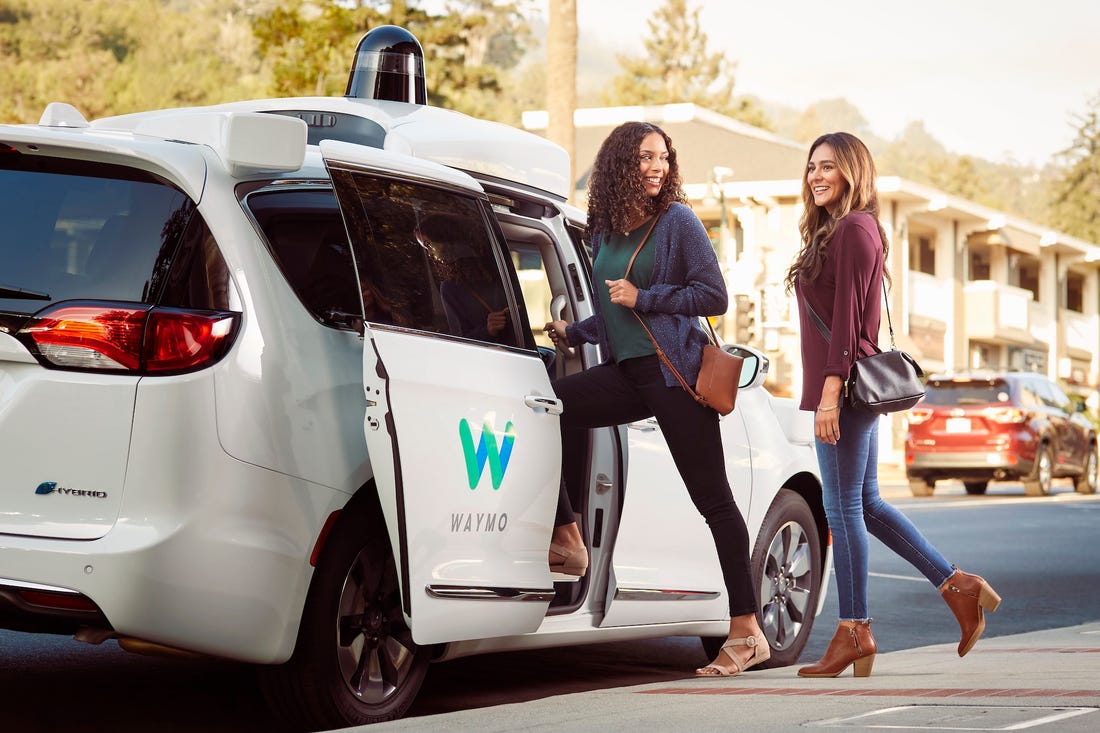
  • Waymo Offers Driverless Rides To San Francisco Employees, Expands In Phoenix

    Waymo Offers Driverless Rides To San Francisco Employees, Expands In Phoenix

    Alphabet Inc unit Waymo said on Wednesday it has started offering driverless rides to employees in San Francisco, accelerating a race with General Motors Co-backed rival Cruise to commercialize the technology in the dense city.

    Waymo also introduced autonomous rides to employees in downtown Phoenix with safety drivers behind the wheel, with a goal to open it to public testing.

    “Operating fully autonomously in multiple markets – in addition to Waymo’s growing trucking operations – is a critical validator of the scalability of Waymo’s operations and technology,” it said in a statement.

    A self-driving technology pioneer, Waymo started the first U.S. driverless taxi service in 2020, over a decade after it was born in 2009 as a project inside Google. While it gives paid rides to hundreds of people a week using Chrysler minivans, Waymo’s service has not expanded beyond suburban Phoenix areas that cover about 50 square miles (129.5 square kilometers).

    Waymo in August started giving autonomous rides free of charge to a limited number of people in San Francisco with safety drivers on board, using its Jaguar electric vehicles equipped with sensors such as spinning lidars on the top.

    Waymo needs to receive at least two more permits from the California Department of Motor Vehicles (DMV) and the California Public Utilities Commission (CPUC) to start charging passengers for driverless rides in San Francisco.

    Waymo declined to comment on whether it had applied for the permits.

    Cruise already is giving fully driverless rides to employees and members of the public free of charge in San Francisco. The company is seeking CPUC approval for commercial driverless service, with a goal to get permitted this year.

    Self-driving technology firms, which have attracted billions of dollars of investments, face challenges of scaling up their technology, after missing their earlier targets to launch commercial services.

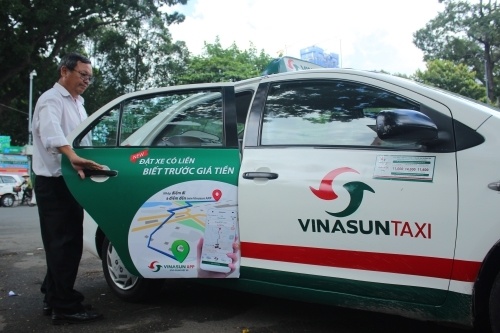
  • Taxi firm Vinasun lays off 2,500 employees

    Taxi firm Vinasun lays off 2,500 employees

    Taxi company Vinasun laid off more than 2,500 employees, including some 1,800 drivers last year with the Covid-19 pandemic causing the business to shrink significantly.

    According to its newly released financial report, Vinasun had 1,877 employees at the end of 2021, down more than 2,500 people against the beginning of the year. It laid off some 1,900 employees in the last quarter alone.

    The recovery of the transport market after the prolonged social distancing was not as fast as expected, resulting in low workload and a large number of cars idling in in parking lots, Vinasun deputy general director Ta Long Hy told VnExpress Saturday, explaining the downsizing,

    “Some people wanted to change jobs, return to their hometowns or were stranded in pandemic-hit areas, which was another contributing factor to the sharp increase in the people leaving their jobs,” he added.

    2021 is the third consecutive year Vinasun has drastically cut its staff. It had laid off approximately 1,000 and 1,400 people in 2019 and 2020, respectively.

    Vinasun recorded revenues of VND484 billion ($21 million) last year, down more than 50 percent against 2020, and made after-tax losses of VND280 billion, nearly four times its original estimate.

    The company has been making losses for two consecutive years and if the situation does not improve this year, its stock may be delisted on the Ho Chi Minh Stock Exchange.