Tag: energy

  • Vietnam’s Fuel Tax Annihilation: A Boost for Economic Recovery Amid Global Energy Crisis

    Vietnam’s Fuel Tax Annihilation: A Boost for Economic Recovery Amid Global Energy Crisis

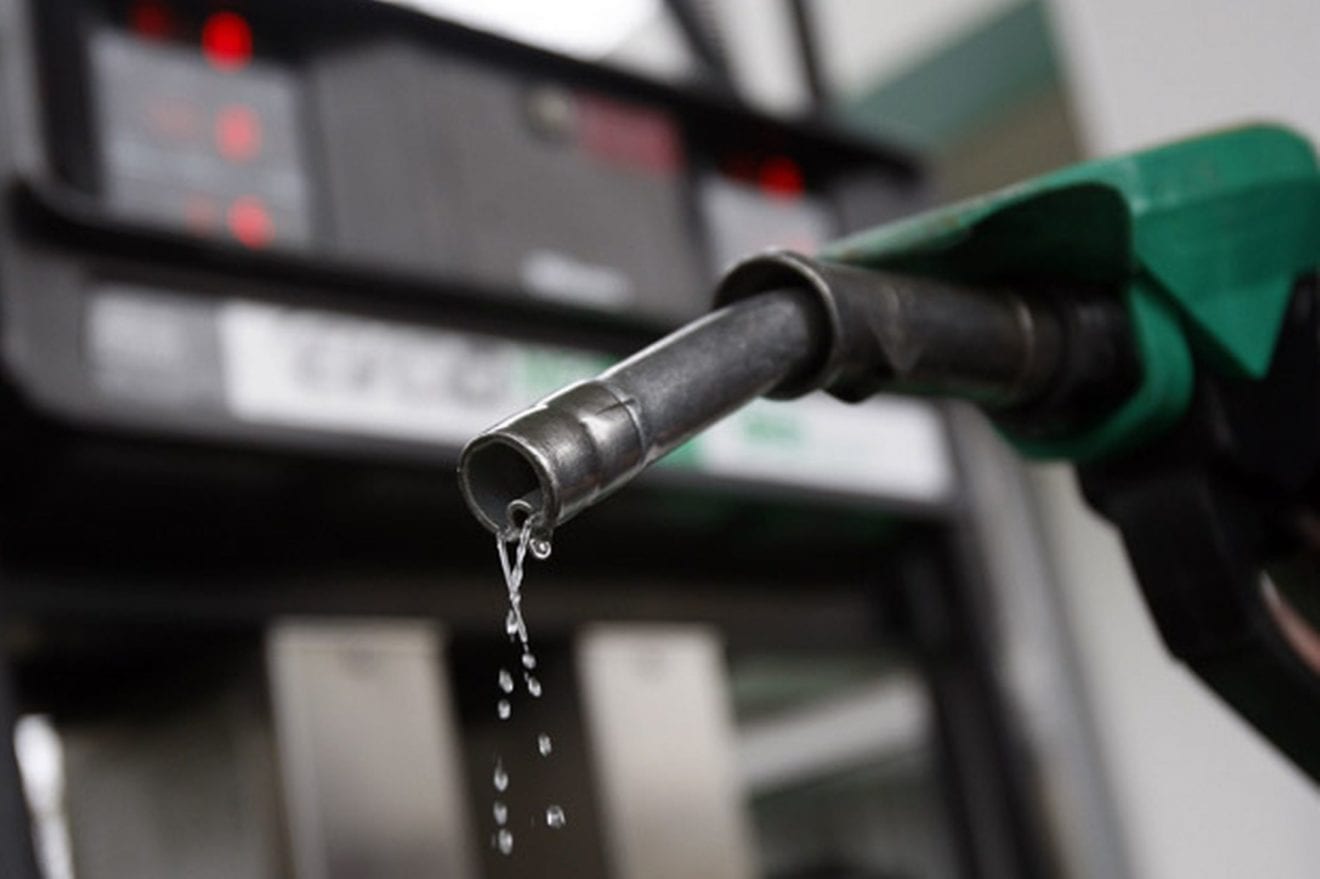
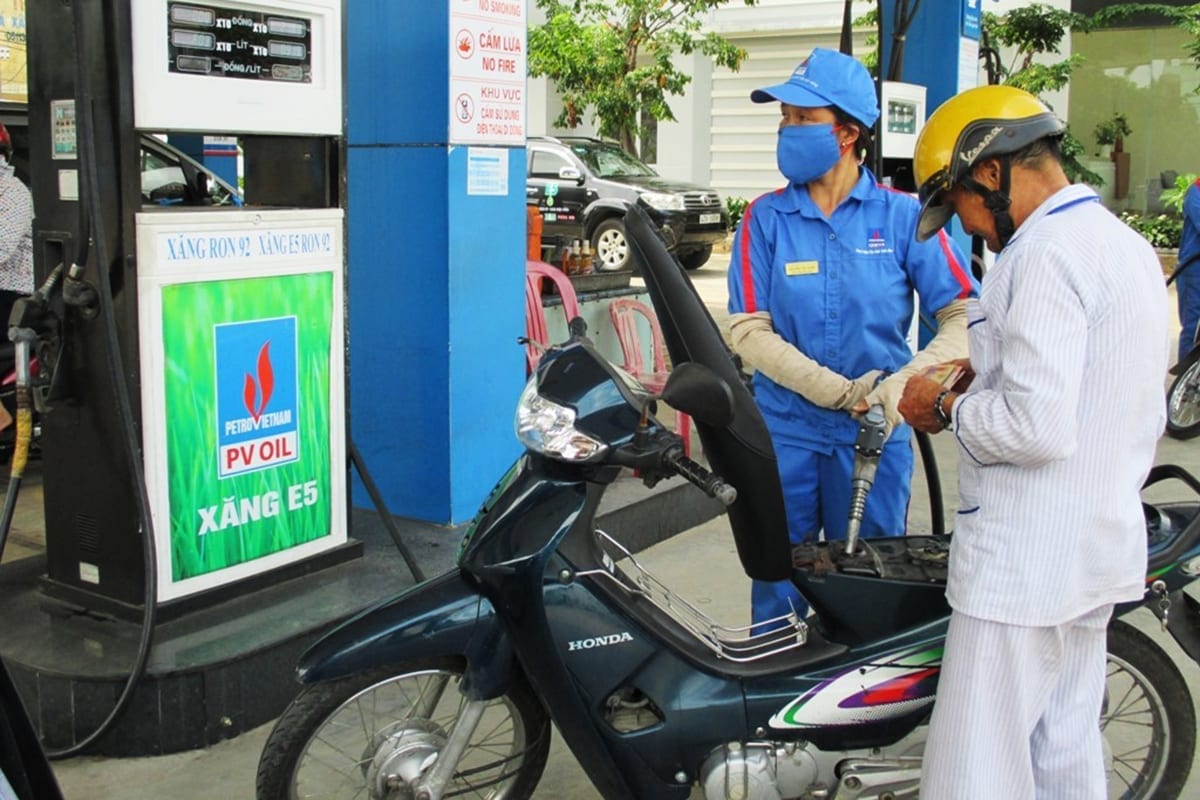
    The National Assembly (NA) of Vietnam has sanctioned the reduction of all fuel-related taxes to zero until June 30, in a move to mitigate price pressures, stabilize markets, and bolster economic resurgence in the face of global energy instability. This means that all taxes on gasoline, oil, and aviation fuel, covering environmental protection tax, value-added tax (VAT), and special consumption tax will be eradicated, as decreed by a resolution passed by the NA.

    Tax Cuts and Impact on Businesses

    The environmental protection tax on gasoline (excluding ethanol), diesel, aviation fuel, kerosene, and mazut will be nullified, along with the special consumption tax on gasoline. Additionally, gasoline, diesel, and aviation fuel will be exempt from VAT declaration and payment, though input VAT will remain deductible.

    This tax policy will be effective from April 16 through June 30. Businesses and importers handling gasoline, oil products such as diesel, kerosene, and mazut, and aviation fuel will not be obliged to declare or pay VAT at either the import or sales stages. In the event of emergencies, the government reserves the right to modify the duration of the policy, either shortening or extending it, and will report any such changes to the NA at its forthcoming session.

    According to the Ministry of Industry and Trade, taxes make up a substantial portion of fuel base prices, with VAT accounting for around 7.4%, environmental protection tax 2.7-6%, and special consumption tax approximately 6.7%. The annulment of these taxes is viewed as a strategy to support socio-economic development goals and curb inflation.

    Implications of the Tax Cuts

    Environmental protection tax, VAT, and special consumption tax on gasoline (excluding ethanol), diesel, and aviation fuel have already been lowered to zero under an existing decree, effective through April 15. However, kerosene and mazut have remained subject to environmental protection taxes of VND600 and VND1,000 per liter or kilogram, respectively, in addition to a 10% VAT.

    A government report states that reducing environmental protection tax on all types of fuel to zero is likely to decrease state budget revenues by an average of VND7.3 trillion ($277.19 million) per month. Despite this, the government views this move as a “special fiscal measure applied in exceptional circumstances” to alleviate the impact of global energy price fluctuations and preserve macroeconomic stability and social security.

    The ongoing conflict in the Middle East has significantly impacted global energy markets, including Vietnam, leading to a surge in fuel prices. The government has also implemented additional measures to manage fuel prices and support businesses and consumers.

    Questions & Answers

    What is the significance of this policy change by the Vietnamese government?

    The nullification of all fuel-related taxes is aimed at mitigating price pressures, stabilizing markets, and bolstering economic resurgence amidst global energy instability.

    What are the potential fiscal implications of reducing all fuel-related taxes to zero?

    The government anticipates a reduction in state budget revenues by an average of VND7.3 trillion ($277.19 million) per month. Despite this expected shortfall, they view it as a necessary measure under the current global energy circumstances.

    How has the conflict in the Middle East impacted Vietnam’s fuel market?

    The ongoing strife has significantly impacted global energy markets, including Vietnam, leading to a surge in fuel prices. Consequently, the Vietnamese government has had to implement measures to manage fuel prices and support businesses and consumers.

  • Green Milestone: FedEx Pioneers Solar Energy at Shanghai Hub, Amplifying Renewable Commitment in Asia Pacific

    Green Milestone: FedEx Pioneers Solar Energy at Shanghai Hub, Amplifying Renewable Commitment in Asia Pacific

    FedEx, a global leader in express transportation, is bolstering its commitment to sustainability across the Asia Pacific through the inauguration of a new solar installation at the FedEx Shanghai International Express and Cargo Hub. This marks a significant landmark in the company’s drive towards sustainable logistics infrastructure, cementing FedEx’s position as the first and, currently, the only logistics and freight company at the Shanghai Pudong International Airport cargo area to generate on-site solar energy.

    Harnessing Solar Power in Shanghai

    The new solar installation at the Shanghai Hub takes advantage of existing parking facilities, with over 4,000 square meters of solar panels installed. This system is anticipated to produce around 743,000 kilowatt-hours of electricity each year. When compared to coal-fired power generation of the same capacity, this renewable energy source is expected to prevent roughly 417 metric tons of carbon dioxide emissions annually. The system will also reduce about 2.1 tons of particulate matter and 4.21 tons of sulfur dioxide. The electricity generated will primarily support office operations at the hub, substantially increasing the proportion of clean energy used in the company’s day-to-day activities.

    Fostering Renewable Energy in the Asia Pacific

    The newly installed solar panels in Shanghai represent the latest addition to a growing catalogue of renewable energy initiatives supporting FedEx facilities across Asia Pacific. Since November 2022, the FedEx Incheon Gateway in South Korea has been harnessing power from 2,400 rooftop solar panels, supplying about 19% of the facility’s monthly energy requirements. The building also exclusively uses LED lighting, resulting in annual energy savings of more than 22,000 kW hours.

    Moreover, since January 2025, over 50 percent of the electricity consumed at the FedEx South Pacific Regional Hub in Singapore has been generated by on-site solar energy, which also powers the company’s local electric vehicle fleet.

    Advancing towards Low-Carbon Operations

    FedEx has produced over 31 GWh of solar energy at more than 30 locations worldwide to date. The company continues to promote energy conservation, emissions reduction, and low-carbon operations via a mix of emerging technologies, digital innovation, and community sustainability initiatives, including an expanded global electric vehicle fleet, innovative digital tools and the use of emerging technologies such as AI and IoT.

    FedEx also prioritizes sustainability-focused community programs through FedEx Cares, the company’s global community engagement program. Through collaborations with NGOs and local organizations across Asia Pacific, FedEx supports environmental restoration initiatives.

    Questions & Answers

    What is the estimated annual energy production of the new solar installation at the FedEx Shanghai Hub?
    The solar installation at the FedEx Shanghai Hub is projected to generate around 743,000 kilowatt-hours of electricity annually.

    What are some of the renewable energy initiatives across FedEx’s Asia Pacific facilities?
    Some initiatives include using electricity from 2,400 rooftop solar panels at the FedEx Incheon Gateway in South Korea, and supplying over 50% of the electricity at the FedEx South Pacific Regional Hub in Singapore via on-site solar energy.

    What are some of the sustainable initiatives that FedEx has implemented?
    FedEx has implemented a range of sustainable initiatives, including vehicle electrification, innovative digital tools for efficient shipping, deployment of emerging technologies like AI and IoT for operational efficiency, and engaging in sustainability-focused community programs.

  • Revitalizing Retail: Viva Energy Appoints Former Myer Exec Teresa Rendo as New CEO

    Revitalizing Retail: Viva Energy Appoints Former Myer Exec Teresa Rendo as New CEO

    Viva Energy Group, a prominent oil company, has announced the appointment of Teresa Rendo as the Chief Executive Officer (CEO) of its retail division, Convenience and Mobility.

    Experienced Retail Executive Joins Viva Energy

    Teresa Rendo joins Viva Energy with a treasure trove of experience amounting to more than 25 years. She has held significant roles at renowned retail giants like Big W and Woolworths. Her most recent role was as the Managing Director of Myer’s Apparel Brands.

    Scott Wyatt, the Managing Director and Group CEO of Viva Energy, expressed his pleasure in welcoming Teresa to the executive leadership team. He described her as a seasoned retail leader who boasts of in-depth expertise in diverse areas such as trading, product sourcing, and innovation, as well as operational efficiency in multi-brand environments.

    Rendo’s appointment comes during a challenging period for Viva Energy’s Convenience and Mobility business. Sales had seen a downturn of 11.4% in the most recent quarter compared to the same period last year. The company also had to undertake an extensive search for a CEO following the resignation of Jevan Bouzo in September of the previous year.

    High Expectations for the New CEO

    Wyatt has high expectations for Rendo in her new role. He stated that her focus on robust retail execution will be crucial in enhancing customer experience, stimulating revenue growth, and maintaining operational excellence.

    Rendo expressed her enthusiasm for developing a top-tier convenience business. Wyatt indicated his confidence in her ability, stating that he believes Rendo will significantly expedite the company’s progress towards achieving this objective.

    Rendo will assume her duties from the interim CEO, Jennifer Gray, starting in July.

    Questions & Answers

    Who has been appointed as the new CEO of Viva Energy’s Convenience and Mobility business?
    Teresa Rendo, a seasoned retail executive with over 25 years of experience, has been appointed the new CEO.

    What are the challenges she will face in her new role?
    Rendo is joining during a challenging period for the business, with recent sales falling by 11.4% from the previous year. She will also need to enhance customer experience, stimulate revenue growth, and maintain operational excellence.

    Who will Teresa Rendo be succeeding?
    Rendo will be assuming her responsibilities from the interim CEO, Jennifer Gray.

  • Vietnam’s First $1.4bn LNG Power Cluster to Ignite New Era of Clean Energy in 2022

    Vietnam’s First $1.4bn LNG Power Cluster to Ignite New Era of Clean Energy in 2022

    Vietnam’s first liquefied natural gas (LNG) power cluster, constructed at a cost of US$1.4 billion, is set to commence commercial operations on January 1. The Nhon Trach 3 and 4 LNG-fired plants are located in the southern province of Dong Nai and were launched by state-owned PV Power on a recent Sunday.

    Specifications of the Power Plants

    The two plants, which are designed to utilize imported LNG, boast an annual capacity of generating nine billion kilowatt-hours of electricity. The testing phase of the plants has been concluded, and they have received the necessary licensing to supply power to the grid, according to Nguyen Duy Giang, the Deputy General Director of PV Power, a subsidiary of PetroVietnam.

    Vietnam Electricity has pledged to purchase a minimum of 65% of the plants’ power output for a span of 10 years. This agreement is expected to yield revenues of approximately US$950 million (VND25 trillion) each year for the power plants. Additionally, their technology is designed to facilitate the use of hydrogen, exclusively if required.

    Significance of the LNG Power Cluster

    In a statement, Prime Minister Pham Minh Chinh recognized the significant role that the LNG power cluster plays in bolstering national energy security. He further encouraged the exploration and development of clean energy sources as a means of powering the country’s proposed investments in data centers, digital transformation initiatives, and semiconductor plants.

    As part of Vietnam’s revised power development plan, which was approved in April, LNG-to-power capacity is set to reach 22.5 gigawatts by 2030, a significant increase from less than 1 GW at present. This capacity would account for approximately 10% of the nation’s power mix.

    Questions & Answers

    What is the expected annual capacity of the Nhon Trach 3 and 4 LNG-fired plants?
    The plants are expected to generate nine billion kilowatt-hours of electricity annually.

    What is the financial outlook for these plants?
    Vietnam Electricity has committed to buying at least 65% of the power output from these plants for 10 years, which could generate about US$950 million in revenue each year.

    What contribution is expected from LNG-to-power capacity as per Vietnam’s revised power development plan?
    According to the revised plan, by 2030, LNG-to-power capacity is projected to reach 22.5 gigawatts, contributing roughly 10% to the country’s power mix.

  • Rosatom’s Advanced Nuclear Power Tech to Fuel Vietnam’s Energy Future: New Combined Efforts Revealed

    Rosatom’s Advanced Nuclear Power Tech to Fuel Vietnam’s Energy Future: New Combined Efforts Revealed

    Rosatom, Russia’s state-owned nuclear company, has proposed offering its cutting-edge technology to assist in the construction of Vietnam’s Ninh Thuan 1 nuclear power plant. In a recent phone call, Rosatom’s CEO, Alexey Likhachev, assured Vietnamese Prime Minister Pham Minh Chinh of the company’s commitment to reinforce collaboration and achieve the high-level agreements set between both countries.

    Rosatom’s Planned Delegation to Vietnam

    Rosatom has expressed interest in sending a delegation to Vietnam. The objective of this initiative is to discuss the potential transfer and development of nuclear technology for peaceful applications. Lately, Vietnam has been engaged in discussions with Russia about the Ninh Thuan 1 plant’s construction. This plant is one of two nuclear facilities planned to be developed within the country over the next five years.

    Strengthening Bilateral Relations

    Prime Minister Chinh has previously met with Russian President Vladimir Putin and PM Mikhail Mishustin to discuss the partnership. During his call with Rosatom, Chinh acknowledged Russia’s valuable contributions to the energy sector in Vietnam. This includes the peaceful use of nuclear energy, the education of scientists and experts, and the establishment of an essential foundation for Vietnam’s current nuclear energy sector.

    According to Chinh, Vietnam regards its Comprehensive Strategic Partnership with Russia highly and considers Russia as one of its key partners. The nation hopes to continue collaborating with Russia in all areas, including the peaceful utilization of nuclear energy. This collaboration is targeted not only for mutual benefit, but also to stimulate regional and global development.

    Requested Assistance from Rosatom

    Chinh has sought Rosatom’s assistance for strategic initiatives such as the Ninh Thuan 1 nuclear power plant and the Centre for Nuclear Science and Technology Research. Additionally, he has asked for assistance in overcoming challenges that may hinder the progress of both countries. He also requested Rosatom’s help in training human resources and fortifying the management of the nuclear industry. This includes developing other essential nuclear energy applications like nuclear medicine and irradiation.

    Vietnam is planning to construct two nuclear power plants in Khanh Hoa’s central province as part of its efforts to diversify energy sources. This revives the plan to develop nuclear energy, a plan that was initially discarded in 2016.

    Questions & Answers

    What is the role of Rosatom in Vietnam’s nuclear energy development?
    Rosatom, Russia’s state-owned nuclear company, has proposed to assist in the construction of the Ninh Thuan 1 nuclear power plant in Vietnam, offering its advanced technology and expertise.

    What are the key components of the partnership between Vietnam and Russia?
    The partnership includes the peaceful use and development of nuclear energy, training of scientists and experts, and strategic initiatives like the Ninh Thuan 1 nuclear power plant and the Centre for Nuclear Science and Technology Research.

    What is Vietnam’s future plan for nuclear energy?
    Vietnam plans to develop two nuclear power plants in the central province of Khanh Hoa. This is part of its strategy to diversify its energy sources and revive its previous plans for nuclear energy development.

  • Viva Energy reports convenience sales decline in third quarter

    Viva Energy reports convenience sales decline in third quarter

    Viva Energy’s Convenience and Mobility (C&M) division has experienced a decrease in both convenience sales and fuel volumes in the third quarter. This shrinkage is attributed to the ongoing challenges within the retail fuel industry, as well as a reduction in the number of operational stores.

    Fall in Convenience Sales

    The company has reported a 12.5% drop in convenience sales, slipping down to $392 million from $448 million compared to the same period last year. However, excluding tobacco sales, the figures remained stable. Tobacco sales, on another note, witnessed a 15% dip year on year, consistent with the overall declining trend for the product category. However, the tobacco sales remained consistent on a month-to-month basis for this quarter.

    Margin Increase and Cost Reductions

    Despite the drop in sales, the convenience gross margin saw an increase to 41%, a rise of 3.5 percentage points. This increase was primarily driven by alterations in the product mix, range, and pricing. Consequently, the company assured that it remains on target to achieve $35 million in cost reductions and synergies during the second half of the fiscal year, achieved through system and organization consolidation.

    Store Openings and Future Plans

    The company has opened 21 new On The Run (OTR) stores this year, with an additional 15 currently under construction, expected to be completed by the end of the year. Six conversions of Liberty Convenience are also planned for the fourth quarter, with a few openings rescheduled to January to better match seasonal demand.

    C&M also plans to expand its Scan Pump Save app across its express network during the fourth quarter, aiming to provide customers with a unified digital experience and the ability to pay at the pump at company-controlled sites.

    Leadership Changes

    In related news, Jennifer Gray has been appointed as the interim CEO of the C&M division. As the company begins the search for a permanent CEO, Gray will be supported by independent non-executive director John Joyce. Her primary focus will be to drive top-line growth, capture synergies and cost reductions, and leverage common systems to improve operational performance.

    Questions & Answers

    What caused the decline in Viva Energy’s convenience sales and fuel volumes?
    The decrease in both convenience sales and fuel volumes is attributed to the ongoing challenges within the retail fuel industry and a reduction in the number of operational stores.

    What is the key cause of the increase in the convenience gross margin?
    The increase in convenience gross margin was primarily driven by alterations in the product mix, range, and pricing.

    What is the future plan of the C&M division regarding the Scan Pump Save app?
    C&M plans to expand its Scan Pump Save app across its express network during the fourth quarter to provide customers with a unified digital experience and the ability to pay at the pump at company-controlled sites.

  • Thailand’s Bold Strategy: Unlocking $1.8 Billion in Power Generation Savings

    Thailand’s Bold Strategy: Unlocking $1.8 Billion in Power Generation Savings

    Thailand is on the brink of a transformative shift in its energy landscape, projected to save an impressive $1.8 billion in power generation costs from 2026 to 2037. This could be achieved by exceeding the current targets of its revised Power Development Plan (RPDP) with significant upgrades in solar and battery storage capacity.

    Unlocking Savings Through Solar and Battery Power

    In an enlightening analysis, Ember has suggested that by boosting solar capacity by 89% and battery storage by 60% beyond the existing RPDP targets, Thailand can realize substantial savings, enhance energy security, and attract vital investments. Currently, the RPDP aims for 36 gigawatts (GW) of solar and 10.5 GW of battery storage by 2037.

    A Proposal for Enhanced Capacity

    Ember’s proposal includes an additional 32 GW of solar capacity and 6 GW, or 15 gigawatt-hours, of battery storage over the plan’s existing goals, coupled with a reduction of 2 GW in new gas-fired capacity. This proactive approach not only aims to prevent the construction of excessive fossil fuel infrastructure but also slashes natural gas consumption by 11% and avoids the use of 2.4 million tonnes of coal.

    Investment for a Greener Future

    The analysis notes that while the total fixed expenditures for this cost-optimal pathway would reach $168 billion by 2037—higher than the RPDP’s estimate of $153 billion—the advantages of embracing solar and battery technology could lead to nearly $16 billion in avoided fossil fuel expenditure. As a result, net savings in power generation costs for Thailand would amount to $1.8 billion, including $0.8 billion saved in variable operation and maintenance costs.

    Rethinking Energy Sources

    Ember’s findings advocate for a robust deployment of solar and battery technologies as the most cost-effective strategy, recognizing the limited wind energy potential in Thailand. Yet, the interplay between wind and solar should not be overlooked, given the natural ebb and flow of solar generation.

    “The energy transition of Thailand towards home-grown renewables could lower energy costs, cut emissions, and strengthen energy security by mitigating dependence on fossil fuel imports,” remarked Lam Pham, the report’s author and energy analyst for Asia at Ember. In short, it looks like Thailand isn’t just aiming for energy independence; it’s gearing up to create its own renewable energy empire.

    Questions & Answers

    What role will solar and battery storage play in Thailand’s energy future?
    Solar and battery storage are set to significantly reduce reliance on fossil fuels, enhance energy security, and lead to considerable cost savings in power generation.

    How much could Thailand save by exceeding its current energy targets?
    By adding more solar and battery storage capacity, Thailand could save approximately $1.8 billion between 2026 and 2037.

    What does the Ember report suggest about gas-fired power plants?
    The report proposes reducing planned gas-fired capacity by 2 GW while increasing renewable capacity, indicating a strategic shift towards sustainability.

  • India Launches Ambitious 5GW Renewable Energy Tender Initiative in August to Boost Sustainable Growth

    India Launches Ambitious 5GW Renewable Energy Tender Initiative in August to Boost Sustainable Growth

    Shifting consumer habits and an evolving retail landscape are pushing brands to rethink their strategies in Asia, particularly in the wake of a retail renaissance fueled by innovation and adaptability. As global giants and local players navigate an environment marked by increasing competition and shifting shopping behaviors, the need to stand out has never been more crucial.

    Engagement Strategies in High Demand

    Brands are tapping into new ways of engaging consumers, particularly through social media platforms. Recent reports indicate that nearly 75% of shoppers in Asia rely on social media for product inspiration. This trend sees retailers harnessing platforms like TikTok and Instagram to create immersive shopping experiences and foster deeper connections with consumers.

    Yet, it’s not just about flashy campaigns; authenticity remains vital. Companies that succeed are those that effectively communicate their values and provide engaging narratives that resonate with local consumers. High-profile collaborations, limited-edition releases, and interactive experiences have become common tools in the marketer’s kit. In a region where personalization holds the key to consumer hearts, brands are increasingly embracing tailored approaches to meet diverse preferences.

    The E-commerce Boom Continues

    E-commerce is riding a wave of growth in Asia, spurred by the pandemic’s acceleration of online shopping trends. Data shows that countries like China and India are at the forefront, with millions of consumers opting for digital marketplaces over traditional retail outlets. This evolution presents a promising landscape for both established players and newcomers eager to capture market share.

    One notable development is the rise of live shopping events, where brands combine entertainment with commerce, transforming how consumers interact with products. Striking a delicate balance between engagement, entertainment, and education has proven effective, as retailers look to bring a personal touch to the digital shopping experience. What’s more surprising is how these events can turn a simple product showcase into a thrilling, must-watch experience, reminiscent of a blockbuster movie premiere.

    Results Driven by Data

    The importance of leveraging data analytics has never been clearer. Retailers are increasingly utilizing insights from consumer behavior to drive decision-making, streamline inventory management, and even influence product design. Understanding the journey of the consumer—from initial interest to final purchase—enables brands to refine their strategies and enhance customer satisfaction.

    Companies that effectively integrate real-time data are more aligned with their customers’ evolving needs, making informed decisions that can drastically reduce overhead and increase profits. The modern retail battleground requires adaptability, and the wise brands are ensuring they remain a step ahead by making data their loyal ally.

    Challenges Ahead

    However, as retailers in Asia push for innovation, challenges abound. Navigating regulatory hurdles, adapting to rapidly changing consumer preferences, and addressing sustainability concerns complicate the path to success. Brands must be agile, ready to pivot in response to unforeseen circumstances while remaining committed to their long-term vision and values.

    In this dynamic landscape, partnerships and collaborations can provide the support needed to tackle these hurdles. Whether it’s teaming up with tech innovators or collaborating with local influencers, the right alliance could very well be the secret ingredient to thriving in Asia’s bustling retail sector.

    Questions & Answers

    How are retailers in Asia adapting to changing consumer habits?
    Retailers are increasingly leveraging social media for consumer engagement, focusing on authenticity and personalized experiences to stand out in a competitive market.

    What role is e-commerce playing in Asia’s retail landscape?
    E-commerce is booming in Asia, spurred by the pandemic, with innovations like live shopping events radically transforming the e-commerce experience and engaging consumers in new ways.

    What challenges do retailers face in this rapidly evolving market?
    Retailers grapple with regulatory hurdles, shifting consumer preferences, and sustainability concerns, all of which require agility and strategic partnerships to navigate successfully.

  • Southeast Asia Poised for Wind Power Surge: 26 GW of Onshore Capacity Expected by 2030

    Southeast Asia Poised for Wind Power Surge: 26 GW of Onshore Capacity Expected by 2030

    Onshore wind capacity in Southeast Asia is set for a remarkable transformation, with projections indicating a surge to 26 gigawatts (GW) by 2030, according to Rystad Energy. This figure represents an impressive leap of 19.5 GW from the current 6.5 GW anticipated in 2024.

    Supportive Policies Fuel Expansion

    This soaring expansion is primarily driven by a combination of short-term policy initiatives, including auctions and project awards, paired with attractive feed-in tariffs (FITs). Additionally, the growing acceptance of mainland Chinese wind turbines is playing a significant role in this renaissance of onshore wind energy.

    Technological Advancements Empower Competition

    Raksit Pattanapitoon, lead renewables and power analyst for APAC at Rystad Energy, highlights that “with more mature technology, falling equipment costs, and improved performance at lower wind speeds, onshore wind is increasingly a competitive option for meeting renewable energy targets.”

    Vietnam Leads the Charge

    Currently, Vietnam stands out as the largest market in the region, despite facing some policy-induced fluctuations. It is trailed by the Philippines and Thailand in the onshore wind race. Notably, Laos has just made its entrance into this dynamic market with the commissioning of Southeast Asia’s largest wind project in August, designed specifically for power export to Vietnam.

    Learning from Regional Experiences

    Rystad emphasizes that countries such as Laos, Cambodia, and potentially Indonesia, have much to gain from the experiences of their more established neighbors like Vietnam, Thailand, and the Philippines. The experience in these countries has seen an initial rapid rollout of projects—around 4 GW in Vietnam, 1.5 GW in Thailand, and 400 MW in the Philippines—only to be followed by a frustrating drought of new developments. This stagnation occurred due to inconsistent policy frameworks, leaving Vietnam with no new construction since 2021, Thailand since 2019, and the Philippines since 2015.

    Strategies for Long-Term Success

    Looking forward, Rystad acknowledges that the long-term success of onshore wind in Southeast Asia will be contingent on several factors: consistent policies, stronger grid integration, and the establishment of local supply chains. As they aptly put it, “continued government support and collaboration within the industry are crucial to building a resilient wind market and ensuring wind energy becomes a key pillar of the region’s renewable transition.”

    Questions & Answers

    What is the projected onshore wind capacity in Southeast Asia by 2030?
    Southeast Asia’s onshore wind capacity is projected to reach 26 gigawatts (GW) by 2030, a significant increase from the current estimate of 6.5 GW in 2024.

    Which country currently leads in onshore wind energy development?
    Vietnam is currently the largest market for onshore wind energy in Southeast Asia, followed by the Philippines and Thailand.

    What factors are crucial for the long-term success of onshore wind in the region?
    Consistent government policies, improved grid integration, and the establishment of local supply chains are essential for the sustained growth of onshore wind energy in Southeast Asia.

  • V Energy Unveils Retro-inspired Zero-sugar Range In Bold New Flavors

    V Energy Unveils Retro-inspired Zero-sugar Range In Bold New Flavors

    Suntory Oceania has recently expanded V Energy’s ready-to-drink assortment by introducing a new zero-sugar range. Inspired by the Y2K aesthetic, the line features three exciting flavors: Strawberries & Cream, Watermelon Candy, and Cotton Candy. Available in 250ml cans, these beverages are now being sold across supermarkets and various retail outlets in Australia and New Zealand.

    The range breaks new ground in the energy drink market, embodying the spirit and identity of modern consumers who demand bold and expressive choices that make no compromises. Ruth Muller, the interim Chief Marketing Officer and Head of Research and Development at Suntory Oceania, commented on the new product line. She emphasized that the range is a reflection of a bold and fearless mindset, invoking a sense of nostalgia while remaining fresh and unprecedented.

    The packaging of these zero-sugar drinks takes inspiration from the Y2K era, sporting bold colors and metallic finishes. With this aesthetic, the company aims to appeal to a generation that is increasingly embracing retro culture.

    This is not the first innovative step by V Energy in the beverage market. The company had previously set a precedent by launching its first slow-release energy drink.

    Questions & Answers

    What is the new range of flavors introduced by Suntory Oceania for V Energy?
    The new zero-sugar range features three flavors: Strawberries & Cream, Watermelon Candy, and Cotton Candy.

    What is the inspiration behind the packaging of the new zero-sugar range?
    The packaging is inspired by the Y2K aesthetic, featuring bold colors and metallic finishes to appeal to a generation embracing retro culture.

    Where are these new zero-sugar energy drinks available?
    The products are available across supermarkets and various retail outlets in Australia and New Zealand.

  • Singaporean Enterprises Pave the Way for Renewable Energy Revolution Across APAC

    Singaporean Enterprises Pave the Way for Renewable Energy Revolution Across APAC

    Singapore is making significant strides in the renewable energy landscape, surpassing its regional counterparts regarding the integration of low-carbon energy sources. A recent survey by ABB’s Energy Industries division indicates that 30% of companies in Singapore source more than half of their energy from renewables, a figure that surpasses the 25% average for the Asia Pacific region.

    Looking to the future, a strong majority—82% of Singaporean firms—anticipate boosting their renewable energy consumption by more than 20% within the next five years, compared to 77% regionally. This commitment underscores a robust demand pipeline that aligns with Singapore’s decarbonisation ambitions, as noted by ABB.

    Capital Investments Fueling Energy Transition

    In a striking display of commitment, 68% of Singaporean companies plan to allocate over 10% of their capital expenditures to energy transition initiatives over the next five years. Notably, 26% of businesses expect to ramp up their investments in these efforts by more than 50% in the upcoming year, outpacing the 19% anticipated across the broader region.

    AI: The Unsung Hero of Renewable Energy

    The survey highlights artificial intelligence as a pivotal component in this energy transition, with 78% of respondents expressing confidence in its role. Companies are looking to harness AI for data-driven energy management, expedite investments in smart grid technologies, and enhance interoperability across systems.

    Leading the Charge with Solar Energy

    Importantly, solar energy is emerging as the front-runner in Singapore’s renewable push. A staggering 75% of respondents already rely on solar as a primary energy source, exceeding the 73% seen in the wider Asia Pacific region. When asked about the future, companies identified solar (60%), green hydrogen (46%), and wind (42%) as the top three game-changers for renewable energy in the next five years, showcasing a burgeoning optimism for innovative low-carbon technologies.

    As the world fixes its gaze on decarbonisation, Singapore is not just aiming for a greener future but also taking bold steps to lead the charge. It seems the city-state is not only investing in the earth but perhaps has also found a way to put the “green” back in “greenbacks.”

    Questions & Answers

    How does Singapore’s renewable energy sourcing compare to the broader Asia Pacific region?
    Singapore leads the charge with 30% of companies sourcing over half their energy from low-carbon sources, exceeding the 25% average for the Asia Pacific region.

    What percentage of companies in Singapore plan to increase their renewable energy use significantly?
    A remarkable 82% of companies in Singapore expect to boost their renewable energy consumption by more than 20% in the next five years, higher than the regional figure of 77%.

    Which renewable technologies do companies in Singapore view as the most promising for the future?
    Respondents identified solar (60%), green hydrogen (46%), and wind (42%) as the leading technologies likely to transform the renewable landscape in the next five years.

  • Global Wind Capacity Set to Soar with 170 GW Additions Expected by 2025

    Global Wind Capacity Set to Soar with 170 GW Additions Expected by 2025

    China is poised to lead an unprecedented boom in the wind energy sector, as projections indicate that the industry will install a remarkable 170 gigawatts (GW) of new capacity by the end of 2025, according to the latest report from Wood Mackenzie. This surge is not just a ripple in the energy market; it suggests a tidal wave of change, with the global wind sector expected to connect more than 70 GW in a single quarter—setting a new benchmark for quarterly additions that surpass the annual totals of any year before 2020.

    A Record-Breaking Forecast

    This fresh market outlook reveals a robust 13% quarter-on-quarter increase largely driven by significant onshore growth in China. With such momentum, global wind capacity is projected to double from 2024 levels by as early as 2032, showcasing the country’s pivotal role in this renewable energy revolution.

    Resilience Amidst Uncertain Policies

    Despite facing obstacles in key markets like the United States, the wind industry is on track to achieve historic scale in the coming decade. By 2031, without considering China’s contributions, global cumulative wind capacity is set to hit a terawatt, eventually doubling from 2024 levels by 2034. However, the journey isn’t without its challenges. Policy frameworks that historically supported wind sector growth are now injecting uncertainty into major markets—an ominous cloud that threatens to dampen the industry’s rapid ascent.

    The Dynamics of Growth in China

    Sasha Bond-Smith, a research analyst at Wood Mackenzie, highlighted the “unparalleled concentration of growth in China,” which is fundamentally reshaping the wind energy landscape. Yet, not everything is smooth sailing: the offshore wind sector in China is grappling with significant hurdles, including sea-use conflicts that profoundly disrupt project timelines and even halt construction on ongoing projects.

    Global Progress and Emerging Challenges

    On the flip side, onshore projects are advancing across Europe, the Asia-Pacific region, and emerging markets, bolstered by favorable tender outcomes and strong project pipelines. Nevertheless, the sluggish pace of the green hydrogen market still casts a long shadow, limiting the potential spillover benefits into wind development.

    “Achieving this historic scale will require the industry to adeptly navigate this new geography of growth and adapt to changing policy landscapes,” cautioned Kárys Prado, a senior research analyst at Wood Mackenzie. In the world of wind energy, flexibility may just become the most valuable currency.

    Questions & Answers

    What role is China playing in the global wind energy market?
    China is set to account for a significant portion of the wind energy expansion, with projections indicating it will install 170 GW of new capacity by the end of 2025, reshaping the industry’s dynamics.

    Are there challenges that the offshore wind sector in China is facing?
    Yes, the offshore wind sector is experiencing considerable challenges due to sea-use conflicts, which are disrupting project timelines and stopping construction on some ongoing projects.

    What factors could influence the future growth of the wind industry?
    Future growth will depend on how effectively the industry adapts to evolving policy landscapes and navigates the challenges presented by international markets, particularly as policy uncertainties become more pronounced.

  • Vietnam Set to Soar: Renewable Energy Capacity Targeted at 112 GW by 2035

    Vietnam Set to Soar: Renewable Energy Capacity Targeted at 112 GW by 2035

    Vietnam’s renewable energy landscape is set to bloom, with projections indicating that the country’s total renewable power capacity will soar to 112.1 gigawatts by 2035. This impressive growth reflects a compound annual growth rate (CAGR) of 14.3% from 2024 to 2035, signaling a robust commitment to greener energy solutions.

    According to GlobalData’s latest report, “Vietnam Power Market Outlook to 2035, Update 2025 – Market Trends, Regulations, and Competitive Landscape,” the Vietnamese power sector is ripe with opportunities. The report highlights how wind, solar, and biomass energy remain largely untapped resources with vast potential for expansion.

    Between 2020 and 2024, Vietnam’s renewable power generation is expected to leap from 21.1 terawatt-hours (TWh) to 38.5 TWh, marking an impressive CAGR of 16%. This upward trajectory is anticipated to continue, with expectations of generating 179.6 TWh by 2035, reflecting a healthy CAGR of 15%.

    The Vietnamese government has enacted a series of policies designed to foster this green energy revolution, including feed-in tariffs (FiTs) and the revised Power Development Plan 8 (PDP 8). This strategic plan aims for a diverse energy portfolio that encompasses natural gas, coal, hydroelectric, solar, and wind power, all while pursuing the ambitious target of achieving net-zero emissions by 2050.

    “These initiatives are crafted to triple the installed power capacity by 2030, boost renewable energy growth, and enhance national energy security,” says Attaurrahman Ojindaram Saibasan, senior power analyst at GlobalData. While hydropower resources are nearing full capacity, the true potential for wind, solar, and biomass energy remains largely uncharted.

    However, the journey towards a greener Vietnam isn’t without its challenges. “Large-scale renewable projects and liquefied natural gas (LNG) terminals demand significant capital investment,” Saibasan notes. He points out that financing hurdles continue to persist due to regulatory ambiguities, a lack of bankable power purchase agreements (PPAs), and limited access to favorable long-term financing. Fortunately, the government is actively seeking to alleviate these concerns through more investor-friendly policies.

    Questions & Answers

    What is Vietnam’s projected renewable power capacity by 2035?
    Vietnam’s renewable power capacity is expected to reach 112.1 gigawatts by 2035, reflecting a compound annual growth rate of 14.3% from 2024 to 2035.

    What are the key elements of Vietnam’s Power Development Plan 8?
    PDP 8 aims to create a diversified energy portfolio that includes natural gas, coal, hydroelectric, solar, and wind power, with a long-term goal of achieving net-zero emissions by 2050.

    What challenges does Vietnam face in developing its renewable energy sector?
    Key challenges include regulatory uncertainty, the absence of bankable power purchase agreements, and limited access to favorable long-term financing, which the government is seeking to address with new investor-friendly policies.

  • South Korea’s Nuclear Power Output Set to Hit 222.7 TWh by 2035: A Bright Energy Future Ahead!

    South Korea’s Nuclear Power Output Set to Hit 222.7 TWh by 2035: A Bright Energy Future Ahead!

    South Korea is gearing up for a significant boost in its nuclear power generation, with projections indicating an increase to 222.7 terawatt-hours by 2035. This growth reflects a compound annual growth rate (CAGR) of 2.4% from 2024 to 2035, according to insights from GlobalData.

    Rising Nuclear Capacity Amid Energy Demands

    The recent report titled “South Korea Power Market Outlook to 2035, Update 2025 – Market Trends, Regulations, and Competitive Landscape” reveals that the nation’s nuclear power capacity rose to 24.4 gigawatts (GW) in 2024, up from 23.2 GW in 2020. This capacity is expected to expand further to 29.8 GW by 2035, marking a steady growth of 1.8% over the same period.

    Nuclear Power: A Key Player in Electricity Consumption

    Nuclear energy plays a crucial role in fueling nearly one-third of South Korea’s electricity needs. Currently, the country operates 25 reactors, with four more under construction to help meet the escalating energy demands. Attaurrahman Ojindaram Saibasan, a senior power analyst at GlobalData, highlighted South Korea as a major energy consumer and one of the world’s top greenhouse gas emitters.

    Transitioning from Fossil Fuels

    Saibasan pointed out that while the nation depends heavily on both thermal and nuclear power to meet its electricity requirements, this approach contributes to rising emissions. The country’s reliance on fossil fuels for thermal power—compounded by limited natural resources—forces South Korea to import coal and gas, which can be a costly endeavor. It seems some compromises will have to be made on the path to cleaner energy.

    Aiming for Nuclear Leadership

    In line with its ambitious energy strategy, the South Korean government plans to enhance the share of nuclear power in its electricity generation to 35.2% by 2038. This target will be supported by the construction of three additional reactors along with a small modular reactor, contributing an extra 4.4 GW to the grid. Notably, South Korea is not just looking inward; the country aims to become a global leader in nuclear energy, aspiring to secure contracts for the construction of ten nuclear reactors overseas by 2030.

    Questions & Answers

    What is the projected nuclear power generation for South Korea by 2035?
    South Korea is expected to increase its nuclear power generation to 222.7 terawatt-hours by 2035.

    How much does nuclear energy currently contribute to South Korea’s electricity needs?
    Nuclear energy accounts for nearly one-third of South Korea’s electricity consumption.

    What are South Korea’s plans for nuclear energy exports by 2030?
    The country aims to become a leading exporter of nuclear energy, targeting contracts for the construction of ten nuclear reactors overseas by 2030.

  • Global Coal Demand Expected to Remain Steady Through 2025-2026, Analysis Reveals

    Global Coal Demand Expected to Remain Steady Through 2025-2026, Analysis Reveals

    China’s coal demand is anticipated to experience a modest decline this year, a turn of events that reflects broader trends in the global energy landscape. The International Energy Agency (IEA) projects that overall global coal consumption will remain stable, continuing on a plateau throughout 2024 and 2025, despite some short-term market fluctuations seen in the first half of 2025.

    Global Coal Demand Holds Steady

    “We expect the world’s coal consumption to remain broadly flat this year and next, as previously forecasted,” stated Keisuke Sadamori, the IEA Director of Energy Markets and Security. However, he cautioned that fluctuations related to weather and the unpredictable economic and geopolitical landscape could still arise.

    The IEA’s recent Coal Mid-Year Update revealed that global coal demand surged to an unprecedented high in 2024, climbing by 1.5% to reach 8.8 billion tonnes. This spike was largely fueled by increased usage in major coal-hungry nations like China, India, and Indonesia, effectively outweighing declines in advanced economies throughout Europe, North America, and Northeast Asia.

    Shifts in Energy Consumption Patterns

    Yet, the narrative took a twist in the first half of 2025, as demand in China and India softened, attributed to a slowdown in electricity consumption and a robust surge in power generation from renewable sources. On the other side of the globe, coal consumption in the United States saw an approximately 10% increase, driven by rising electricity demand and escalated natural gas prices prompting greater reliance on coal for power generation. Meanwhile, the European Union’s coal demand remained steady, balancing declines in industrial usage with heightened electricity generation needs.

    What Lies Ahead for Coal Production

    While the report acknowledges these transient shifts in demand, it underscores that the fundamental factors influencing global coal consumption are largely unchanged. The IEA forecasts a slight uptick in coal demand for 2025, followed by a subtle decrease in 2026, nudging demand just below 2024 levels. Specifically for China, coal demand is expected to dip slightly by less than 1% this year, maintaining the power sector as the primary driver for coal use both domestically and internationally.

    Looking forward, global coal production is set to reach a new peak in 2025, propelled by ongoing growth in output from China and India. However, by 2026, production is likely to decline as soaring stock levels and plummeting prices begin to impact supply. It appears that as renewables take the stage, coal may find itself igniting a slow fade.

    Questions & Answers

    What is the projected trend for China’s coal demand this year?
    Coal demand in China is expected to decline slightly by less than 1% this year, influenced by weaker electricity consumption and stronger growth in renewable energy sources.

    How did global coal demand perform in 2024?
    Global coal demand reached an all-time high in 2024, increasing by 1.5% to a total of 8.8 billion tonnes, largely due to rising consumption in major markets like China, India, and Indonesia.

    What are the expectations for coal production globally in the coming years?
    Global coal production is anticipated to hit a new record in 2025, propelled by ongoing increases in China and India, but is expected to decline by 2026 due to high stock levels and decreasing prices impacting supply.