Tag: etail

  • Alibaba and ByteDance Divest from Gaming and Retail to Fuel AI Ambitions

    Alibaba and ByteDance Divest from Gaming and Retail to Fuel AI Ambitions

    Alibaba Group Holding and ByteDance are restructuring their business portfolios, selling off non-core assets in gaming and retail to private equity firms. This strategic shift aims to re-focus substantial resources and investment into the burgeoning field of artificial intelligence, as competition in the AI sector intensifies across Asia.

    Strategic Divestment For AI Focus

    The move sees Alibaba Group Holding in the process of selling Lingxi Games, its video game unit, to a private equity fund. This divestment reflects a broader trend among leading Chinese technology firms to streamline operations and concentrate capital on high-growth, strategic areas like AI. The decision comes as these companies face mounting pressure to innovate and secure a leading position in the global AI race.

    For retailers and consumer brands in Asia, this reorientation by tech giants like Alibaba has significant implications. Alibaba’s strong presence in e-commerce means that resources diverted to AI are likely to enhance capabilities in areas such as personalised recommendations, supply chain optimisation, and customer service automation. Similarly, ByteDance’s TikTok, a major platform for consumer engagement, could see advanced AI integration impacting everything from content delivery to advertising effectiveness.

    Implications For Asia’s Retail And Tech Sectors

    The decision by Alibaba and ByteDance signals a clear prioritisation of AI development over other business segments, including those with direct ties to consumer spending like gaming and certain retail operations. While the full scope of ByteDance’s retail divestments is not detailed, Alibaba’s move with Lingxi Games indicates a willingness to shed assets to fund core strategic initiatives. This aligns with broader market trends where technology companies are doubling down on AI infrastructure and research, viewing it as the next frontier for competitive advantage.

    This redirection of investment could lead to more sophisticated AI tools and platforms becoming available for businesses, potentially driving efficiency and innovation within the retail and consumer sectors. RetailNews Asia has observed similar strategic realignments across the region, where companies are either investing heavily in AI or partnering with AI specialists to stay competitive in an increasingly tech-driven market.

  • Shein’s Hong Kong IPO Slashes Valuation to $25 Billion amid E-commerce Regulatory Challenges

    Shein’s Hong Kong IPO Slashes Valuation to $25 Billion amid E-commerce Regulatory Challenges

    Online fast-fashion retailer Shein is expected to have a company valuation of roughly $25 billion in its upcoming Hong Kong initial public offering (IPO), a significant decrease from its earlier valuation of approximately $100 billion four years ago. This change comes amid a slowdown in the company’s growth.

    Sources familiar with the situation have indicated that the current valuation of Shein, a company that made its name selling affordable clothing such as $5 dresses and $10 jeans, potentially lies between $25 billion and $28 billion. This represents a decrease from the initially projected valuation of $30 billion to $40 billion earlier this month.

    The Impact of Market Changes

    This reduction in valuation can be attributed to significant shifts in Shein’s most prominent markets, including an increased crackdown on e-commerce platforms selling inexpensive Chinese-manufactured goods. This has negatively affected the company’s growth prospects.

    Shein, which was established in China in 2012 and now sells to customers in approximately 160 countries, is poised to launch its eagerly-anticipated IPO this week.

    The company is reportedly planning to issue up to 8% of its total shares in the IPO. Should the company be valued at $25 billion, this would equate to an offering size of up to $2 billion.

    Economic Factors and Valuation

    Shein’s net income in 2025 stood at $2.06 billion, indicating that a $25 billion valuation would result in investors valuing the company at around 12 times its earnings.

    However, several factors have led to a decrease in Shein’s valuation. Slower growth, increased trade costs, tighter regulatory scrutiny, and heightened competition have all contributed to a decrease in investor appetite for the company.

    Shein’s net revenue saw a growth rate of 41.1% in 2023 and 20.7% in 2024. However, growth slowed dramatically to just 8% last year, resulting in total revenue of $41.8 billion. In the first quarter of this year, revenue growth was a mere 1.1% due to the impact of US customs duties and tariffs implemented in May last year.

    Questions & Answers

    What is the expected valuation of Shein in its upcoming Hong Kong IPO?
    The expected valuation of Shein in its upcoming Hong Kong IPO is around $25 billion.

    What factors have contributed to a decrease in Shein’s valuation?
    Factors such as slower growth, higher trade costs, increased regulatory scrutiny, and intensified competition have contributed to a decreased valuation.

    What was Shein’s net income in 2025, and what does this mean for its valuation?
    Shein’s net income in 2025 was $2.06 billion. If the company is valued at $25 billion, this would mean investors value Shein at around 12 times its earnings.

  • JD.com Forecasts Rise in Home Appliance Sales in H2 Despite First Revenue Drop in Over a Decade

    JD.com Forecasts Rise in Home Appliance Sales in H2 Despite First Revenue Drop in Over a Decade

    JD.com, a prominent marketplace for consumer electronics in China, forecasted an uptick in home-appliance sales for the second half of the year during their recently held quarterly review. This projection was made despite their first reported decrease in quarterly income in over a decade.

    The CEO of the company, Sandy Xu, addressed the downturn in revenue from electronic and home appliances during a conference call with analysts. She attributed the decline to an elevated comparison base from the previous year and escalated raw material costs. However, she noted that there was a resurgence in momentum entering into June.

    Expectations for Growth

    As she peered into the coming months, Xu expressed her confidence in the potential growth of the consumer electronics category, even as its continually rising prices may continue to impact consumer demand adversely. She postulated that this growth will be “meaningful” and is partly due to the easing of the challenging year-on-year comparison.

    However, the impact of these predictions was somewhat dampened as US-listed shares of the company saw a decrease of 3.5 per cent in trading during the GMT 1342 time slot.

    The Uphill Task of Rejuvenating Consumer Spending

    Despite the setbacks, JD.com exceeded estimated quarterly revenue projections, with the annual 618 shopping festival playing a significant role. The festival, one of the country’s largest online retail events, ran for more days than previous years, offering retailers and brands additional time to vie for consumer spending via deep discounts and promotional campaigns.

    However, total revenues still saw a dip of 2.9 per cent, settling at 346.4 billion yuan (US$51.37 billion) in the quarter ending in June. This underlines the ongoing struggle to rejuvenate consumer spending in China. This struggle is exacerbated by consumer apprehension concerning job security and the prolonged downturn in China’s property sector, which has weakened consumer confidence.

    The company reported a net profit for the quarter of 7.1 billion yuan, a notable improvement compared to last year’s 6.2 billion yuan in the same period. The non-GAAP net profit for the quarter was 8.9 billion yuan, showing an impressive 20 per cent increase from the second quarter of 2025.

    Questions & Answers

    What factors were attributed to the recent dip in JD.com’s revenues?
    The decline in revenues was attributed to an elevated comparison base from the previous year and increased raw material costs.

    What is the company’s projection for the second half of the year?
    JD.com predicts an increase in home-appliance sales during the second half of the year.

    How does JD.com plan to rejuvenate consumer spending?
    One strategy is through extended online retail events like the annual 618 shopping festival which offers deep discounts and promotional campaigns to consumers.

  • Shein Stumbles in UK Copyright Court Battle Against Temu amid IPO Plans

    Shein Stumbles in UK Copyright Court Battle Against Temu amid IPO Plans

    Online fast-fashion retailer Shein recently suffered a defeat in a London court case against rival company Temu. The lawsuit, which was based on allegations of copyright infringement, ended in a ruling that could potentially benefit online marketplaces that host third-party sellers.

    Ruling Details

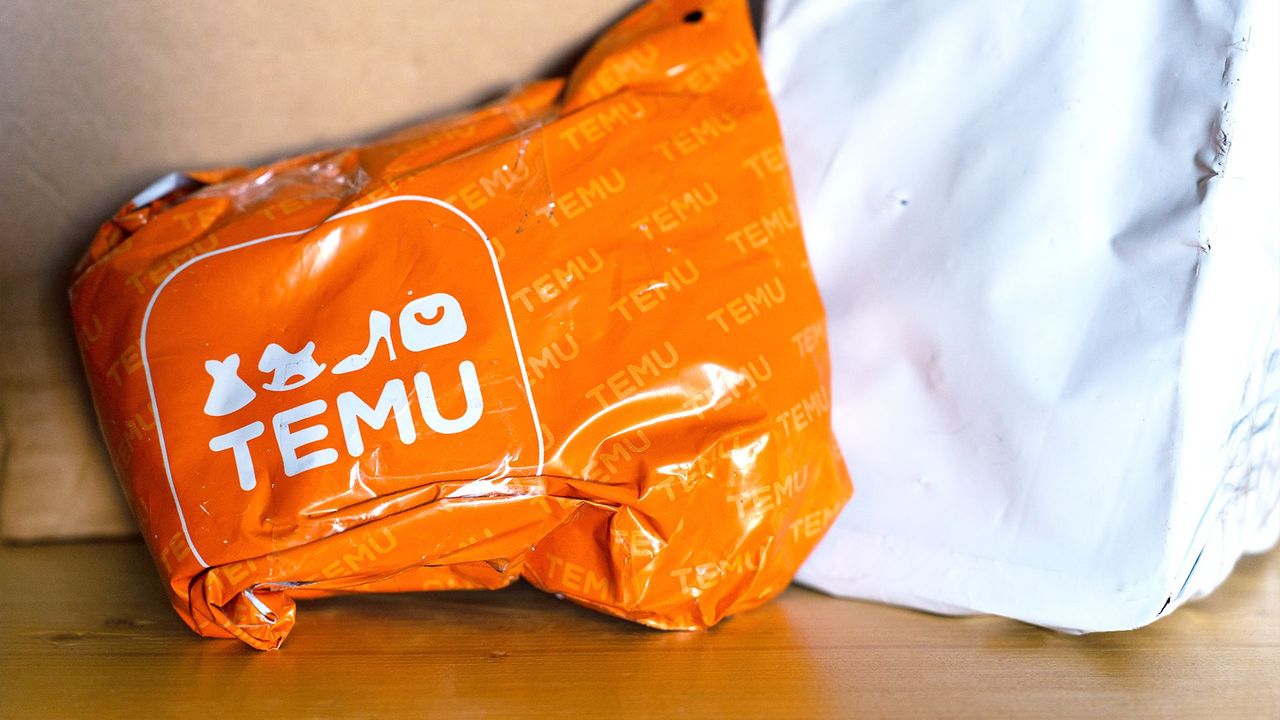
    In this first round in a series of legal battles taking place in London, Shein had accused Temu of violating their copyright on a large scale. They claimed that Temu, which is owned by PDD Holdings, had used Shein’s branded clothing images to leverage the reputation of a more recognized competitor. Shein is currently aiming for a valuation exceeding US$30 billion in an upcoming Hong Kong initial public offering (IPO).

    Despite Shein’s claims, Judge Kelyn Bacon dismissed the notion that Temu had infringed on Shein’s copyright. Furthermore, she stated that even if there had been any infringement, Temu would not be liable. Initially, Shein had argued that Temu had reproduced its product photos but had not pursued this claim at the trial. The judge noted that this was because Temu’s servers are located outside the United Kingdom, and any reproduction would consequently also be outside the UK.

    A representative from Shein expressed disappointment, stating that while there was no question about Shein’s ownership of the photos in question, Temu had managed to avoid liability in the UK because their servers are based in Ireland. Temu has yet to comment.

    Global Legal Battle

    This case is just one piece in the larger legal confrontation between Shein and Temu. Both companies have experienced rapid international expansion, offering affordable clothing, accessories, and gadgets to consumers.

    Judge Bacon’s written ruling rejected the idea that Temu enabled the violation of Shein’s copyright by allowing merchants to upload photos to its website. Instead, she pointed out that Temu “prohibits merchants from uploading infringing content.”

    Crucially, she also ruled that had there been any copyright infringement, Temu could have invoked the hosting defense. This is because it serves solely as an “intermediary” and did not possess the necessary awareness of any infringement. She stated that Temu did not have actual knowledge of the infringements or was aware of any facts or circumstances that would make the infringements apparent.

    On a final note, Judge Bacon upheld Temu’s counterclaim, which sought damages for the removal of listings when Shein obtained an injunction regarding images for which it did not own the copyright.

    Questions & Answers

    What was the basis of Shein’s lawsuit against Temu?
    Shein accused Temu of violating its copyright on a large scale and claimed that Temu had used Shein’s images to leverage the reputation of a more established competitor.

    Did the judge find Temu guilty of copyright infringement?
    No, the judge rejected Shein’s argument that Temu had infringed on its copyright and said that even if infringement had occurred, Temu would not be liable.

    What are the implications of this ruling for online marketplaces?
    This ruling could potentially benefit online marketplaces that host third-party sellers, as it emphasizes the intermediary nature of their role and the potential for the so-called hosting defense.

  • Fast-fashion Giant Shein Eyes Hong Kong IPO Amid Revenue Challenges, Targeting $30-$40 Billion Valuation

    Fast-fashion Giant Shein Eyes Hong Kong IPO Amid Revenue Challenges, Targeting $30-$40 Billion Valuation

    Fast-fashion online retailer Shein is preparing to debut its Initial Public Offering (IPO) in Hong Kong as early as next Wednesday, according to individuals privy to the matter.

    The Singapore-based enterprise has engaged in marketing its share offering to potential investors this week, per a source who is familiar with these marketing strategies. When approached for a comment, Shein chose not to respond immediately.

    In its projected IPO, Shein is aiming for a valuation within the range of US$30 billion to $40 billion.

    Facing Market Challenges

    The much-anticipated IPO comes amidst a backdrop of toughening market conditions, including decelerating revenue growth and weaker core earnings, both of which are impacting Shein’s business operations. There are also concerns that its swift expansion may be hitting obstacles due to rising trade costs, increased regulatory scrutiny, and growing competition in the global e-commerce sector.

    Renowned for selling affordable clothing items such as $5 dresses and $10 jeans to customers in approximately 160 nations, Shein reported a quarterly loss of $99 million after the US retracted an import duty exemption on small parcels, in addition to a $328 million fair-value charge on convertible redeemable preferred shares due to an accounting change.

    Discrepancy in Valuation

    The valuation target set by the company for the IPO marks a significant shift from preceding private fundraising rounds which pegged Shein at $98.2 billion in 2022. However, this value declined to $64 billion in 2023 and April 2024.

    Questions & Answers

    What is Shein’s targeted valuation for its IPO?
    Shein is aiming for a valuation between US$30 billion and $40 billion for its IPO.

    What factors have led to concerns about Shein’s rapid expansion?
    Rising trade costs, increased regulatory scrutiny, and growing competition in the global e-commerce sector have raised concerns about Shein’s quick growth.

    What changes in Shein’s valuation have been observed in recent years?
    Shein was valued at $98.2 billion in 2022 in private fundraising rounds, but this figure fell to $64 billion in 2023 and April 2024.

  • Shein Shrinks Vietnam Operations Amid US Trade Policy Shifts and Local Workforce Challenges

    Shein Shrinks Vietnam Operations Amid US Trade Policy Shifts and Local Workforce Challenges

    Over a year ago, Chinese fast-fashion retailer Shein embarked on an ambitious plan to make Vietnam its main export base. Shein started leasing 15 hectares of warehouse facilities near Ho Chi Minh City, which is approximately the size of 21 football pitches. The strategy seemed to be a high-risk, high-reward approach during its conception in late 2024.

    At that time, the US seemed likely to scrap its duty exemptions for small parcels from China, which formed the backbone of Shein’s business model. Simultaneously, the newly re-elected US President Donald Trump was fueling apprehensions about an intensified trade war. By April 2025, US tariffs on numerous Chinese commodities had soared to an astounding 145%. This environment prompted Shein to encourage its major Chinese suppliers to establish manufacturing bases in Vietnam.

    A Sudden Change of Plans

    However, this ambitious plan has not unfolded as Shein had hoped. Presently, Shein, which is preparing for its Initial Public Offering (IPO), has significantly scaled back its operations in Vietnam. The company, popular for its affordable range of apparel, has reduced its leased area to 6 hectares from the original 15, according to insiders familiar with the matter. One individual with direct knowledge of the situation even suggests that only one-third of the initially planned site is currently operational.

    Since April, the company has started massive layoffs, with more expected to follow. Warehouse workers have reported significant downsizing, with some teams retaining only a quarter of their workforce, while others have experienced even more layoffs. During a recent site visit, only a few employees and a handful of trucks were observed, indicating a sharp contrast to the bustling activities in adjacent warehouses.

    Scalability and Speed Over Tariffs

    Contributing factors to Shein’s decision to scale back include abrupt shifts in US trade policies, the company’s heavy reliance on Chinese suppliers, and the realization that manufacturers in other countries may not accept the same supplier conditions. Moreover, Vietnamese workers have shown reluctance to work the long hours for low wages, a business model Shein’s Chinese network of suppliers complied with.

    Shein’s business model depends on speed and flexibility, producing millions of styles in small batches at very low margins. However, manufacturers who moved their operations to Vietnam have found it less viable due to lower efficiency and have subsequently returned to China.

    As a result, Shein is now focusing more on its operations in Guangzhou and the broader Guangdong province. CEO Sky Xu announced a plan to invest 10 billion yuan (US$1.5 billion) in a smart supply-chain system in the region.

    Despite Shein’s recommitment to China, some domestic suppliers are hesitant to reciprocate, as they have experienced stagnation or minimal growth in orders from Shein. Some have begun supplementing their income by opening stores on other e-commerce platforms.

    Questions & Answers

    Why did Shein scale back its operations in Vietnam?
    Shein’s move was influenced by abrupt shifts in US trade policies, the company’s heavy reliance on Chinese suppliers, and Vietnamese workers’ reluctance to work long hours for low wages.

    How was Shein’s business model affected by these changes?
    The company’s business model, which depended on speed, flexibility, and low margins, was disrupted as manufacturers found operations in Vietnam less viable due to lower efficiency.

    What is Shein’s current strategy following this setback?
    Shein has chosen to refocus on its operations in Guangzhou and the broader Guangdong province in China, with plans to invest 10 billion yuan in a smart supply-chain system in the region.

  • Empowering Etsy Entrepreneurs: Asendias SendNow Revolutionizes Shipping in Eight Global Markets

    Empowering Etsy Entrepreneurs: Asendias SendNow Revolutionizes Shipping in Eight Global Markets

    Asendia, a leader in cross-border e-commerce, has recently announced a strategic partnership with Etsy, a global hub for unique and creative products. This collaboration offers Etsy sellers from eight key international markets the opportunity to utilize Asendia’s innovative SendNow platform for their shipping needs.

    Building Bridges for E-commerce Entrepreneurs

    Thanks to this alliance, Etsy vendors from Greece, Spain, Italy, Portugal, the Netherlands, Australia, India, and Vietnam can now access SendNow by Asendia. It allows these sellers to utilize both domestic and global shipping solutions seamlessly, thereby facilitating their business operations.

    This partnership is a significant step for both entities. Etsy’s thriving network of creative entrepreneurs will now be able to tap into Asendia’s expansive global logistics network. This access provides a practical solution for small-scale online retailers, many of whom manage their business operations independently, including the design, production, and shipping of their products.

    SendNow: Asendia’s Comprehensive Digital Shipping Solution

    SendNow is an online, self-service shipping platform by Asendia, tailored specifically to meet the needs of small businesses and marketplace sellers. It offers end-to-end shipping management, empowering sellers to handle all aspects of their logistics via a single digital interface.

    Roman Sobieri, Senior Director of Global Shipping at Etsy, shared his thoughts on the collaboration, “Our sellers come to Etsy to transform their hobbies into businesses. We continuously strive to aid their success, and providing a simplified shipping process is a crucial part of that. Collaborating with reliable partners like Asendia enables us to offer flexible and dependable alternatives that bolster our sellers’ businesses.”

    Upholding Small Business Growth with Trusted Delivery

    As a trusted global shipping partner, Asendia’s SendNow service will be marketed directly to Etsy sellers in the eight selected markets. These merchants will now have easy access to both domestic shipping and international delivery to over 180 global destinations via the Asendia network.

    Simon Batt, CEO at Asendia, expressed his views on the partnership, “Shipping often poses a challenge for many small business owners. With our collaboration with Etsy and the Asendia SendNow platform, we aim to simplify logistics, allowing sellers to concentrate more on expanding their businesses and less on shipping.”

    This partnership is a testament to Asendia’s ongoing dedication to serving the growing e-commerce markets with intelligent, scalable solutions that are closely aligned with the needs of today’s online sellers. By partnering with trustworthy platforms like Etsy, Asendia is broadening its reach and solidifying its position as a key logistics partner for marketplaces and merchants.

    Questions & Answers

    What is the main purpose of the partnership between Asendia and Etsy?
    The partnership aims to provide Etsy sellers in eight key markets access to Asendia’s SendNow platform, offering seamless domestic and international shipping solutions.

    What is Asendia SendNow?
    Asendia SendNow is an online, self-service shipping platform tailored for small businesses and marketplace sellers, offering end-to-end shipping management from a single digital interface.

    Which markets will have access to Asendia’s SendNow service?
    Etsy sellers in Greece, Spain, Italy, Portugal, the Netherlands, Australia, India, and Vietnam will have access to Asendia’s SendNow service.

  • Indonesian E-Commerce Giants Appointed as Tax Collectors: A New Dawn in Digital Sales Taxation Starts November

    Indonesian E-Commerce Giants Appointed as Tax Collectors: A New Dawn in Digital Sales Taxation Starts November

    Beginning November 1, income tax collection will be initiated from sellers on e-commerce platforms in Indonesia, as confirmed by the country’s tax authority. The plan, which was postponed twice in an effort to stimulate consumer spending, is now scheduled to commence.

    Postponement for Economic Stability

    The decision for this delay was taken by the government to retain public purchasing power during uncertain economic conditions. The tax office has assured that any income tax already collected from the sellers will be reimbursed.

    Several e-commerce giants, including Tokopedia, which is overseen by TikTok’s parent company ByteDance and partially owned by Indonesia’s largest tech company GoTo; Shopee, which is a part of Sea Limited; Alibaba-backed Lazada, and Blibli, were initially assigned as tax collectors. However, the tax office has indicated that it will revoke the appointments of these four marketplaces and reassess the selection at a future time.

    Preparations by e-Commerce Platforms

    In response to this development, the Indonesia e-commerce industry association, idEA, stated that the marketplaces have been taking steps to facilitate a more efficient collection process when it eventually commences. The original plan to implement tax collection was supposed to be enacted last year, but due to objections from sellers and platforms, it was delayed until this year.

    Questions & Answers

    Why was the tax collection plan delayed?

    The plan was postponed in order to maintain public purchasing power amidst challenging economic conditions.

    Who were initially appointed as the tax collectors?

    Tokopedia, Shopee, Lazada, and Blibli were the e-commerce platforms initially appointed by the government to collect taxes.

    What is the response from the e-commerce industry?

    The Indonesia e-commerce industry association, idEA, stated that the marketplaces are making preparations to facilitate a smoother tax collection process when it begins.

  • Shein Paves Way for IPO with Investor Perks: Cash Payouts and More Shares Amid Declining Valuation

    Shein Paves Way for IPO with Investor Perks: Cash Payouts and More Shares Amid Declining Valuation

    Shein, the prominent quick-fashion retailer, is contemplating reducing the investment cost for some late-stage investors as it seeks an initial public offering (IPO) at a decreased valuation. This information has been revealed through filings at the Hong Kong Stock Exchange.

    The firm may present early investors with payouts, as well as offering more shares at a reduced conversion price for their holdings, as indicated in the public filings. This strategy aligns with a report from July, which stated that Shein would be compensating investors for the decrease in valuation, including through cash payments.

    There has been a noticeable drop in Shein’s valuation from US$98.2 billion in a 2022 funding round to $64 billion in a 2023 round. It has been suggested that the company is aiming for a valuation of up to $50 billion in the impending IPO.

    Investment Strategy and Market Response

    According to the filings, Shein has reached an agreement to provide investors from its Pre-D, D, and D+ funding rounds a guaranteed cash payout equivalent to an 8 percent annual return. This equates to roughly $1.1 billion in total, based on their initial investment.

    Calculated from when they initially invested until March 4, 2026, this payout will be distributed in three equal cash payments by the end of March, June, and September 2026. Additionally, invested parties are safeguarded from financial loss if the company goes public at a lower price than what was originally paid.

    Investors holding preferred shares will automatically be converted into standard Class B shares upon listing. Their conversion price is adjusted downwards so they receive additional shares as a form of compensation.

    However, Shein’s cash and share offer plans have yet to be commented on publicly.

    In the wake of the filings, investors will likely be questioning whether Shein can justify the $40 billion to $50 billion valuation it is seeking in a Hong Kong IPO. This follows revelations of slowing growth, a significant drop in profitability, and increased regulatory and legal uncertainties.

    Questions & Answers

    What is Shein’s strategy for its IPO?
    Shein is considering reducing the investment cost for some late-stage investors as it seeks an IPO at a lowered valuation. The firm may provide early investors with payouts and offer more shares at a decreased conversion price for their holdings.

    What has happened to Shein’s valuation recently?
    Shein’s valuation has declined from US$98.2 billion in a 2022 funding round to $64 billion in a 2023 round. It is now targeting a valuation of up to $50 billion in its forthcoming IPO.

    How are Shein’s investors protected?
    Shein plans to provide investors from specific funding rounds a guaranteed cash payout equivalent to an 8 percent annual return, totaling approximately $1.1 billion. Investors are safeguarded from financial loss if the company goes public at a lower price than what was initially paid. Furthermore, investors holding preferred shares will have their conversion price adjusted downwards and receive additional shares as a form of compensation upon the company’s listing.

  • Chinese Online Retailer Temu Faces EU Charges Over Non-Cooperation in Subsidy Investigation

    Chinese Online Retailer Temu Faces EU Charges Over Non-Cooperation in Subsidy Investigation

    The European Commission has recently accused Temu, a Chinese online retailer, of failing to adequately cooperate during an investigative raid in December last year. The raid was conducted at Temu’s European headquarters in Dublin and forms part of an ongoing subsidy probe.

    Allegations and Potential Penalties

    Temu, a subsidiary of PDD Holdings, could face a fine amounting to 1% of its total annual profit if found guilty of the charges. The investigation forms part of the EU Foreign Subsidies Regulation’s efforts to determine whether the company has received any state aid that could give it an unfair edge in the European market.

    Despite the allegations, Temu has publicly disagreed with the charges, denying that it has received any distortive subsidies. The European Commission, which operates as the EU’s competition regulator, maintains, however, that Temu did not comply with several information requests during the investigation.

    These requests covered a range of topics, including queries about the company’s management and organization of its European activities, the IT tools and systems used within the EU, and the provision of specific books and records relating to the company’s operations in the EU.

    Temu’s Response and Previous Charges

    In response to the charges, Temu insists that it has fully complied with all requests made during the inspection. The company has also clarified that its operations in the EU are sufficiently funded by its own operating activities, negating the need for foreign subsidies to fuel any competitive activities or to create a competitive advantage.

    The ongoing investigation is not the first run-in for Temu with the European Commission. In a separate incident in May, Temu was penalized €200 million (US$230 million) for failing to adequately prevent the sale of illegal products on its platform.

    Questions & Answers

    What are the charges against Temu?
    The European Commission has accused Temu of failing to cooperate during an investigative raid at its European headquarters. The Chinese online retailer is also under investigation for potentially receiving state aid that could give it an unfair advantage in the European market.

    How has Temu responded to these allegations?
    Temu has disagreed with the charges, stating that it has fully complied with all requests made by the Commission during the inspection. The company also denies receiving any distortive subsidies.

    Has Temu faced any previous charges from the European Commission?
    Yes, in a separate case in May, Temu was fined €200 million (US$230 million) by the Commission for not doing enough to prevent the sale of illegal products on its platform.

  • Vietnam’s E-commerce Boom: Soaring Online Sales Triple Traditional Retail Growth Rate

    Vietnam’s E-commerce Boom: Soaring Online Sales Triple Traditional Retail Growth Rate

    During the first half of 2026, online retail sales have seen a significant surge, growing by over 40% year-over-year on key e-commerce platforms. This is triple the growth rate of Vietnam’s overall retail sector.

    Online Marketplaces Experience Rapid Growth

    According to a report from an e-commerce data analytics platform, the four main multi-category online marketplaces – Shopee, TikTok Shop, Lazada, and Tiki – experienced growth in gross merchandise value (GMV) ranging from 38-52%. These platforms collectively hosted 613,900 stores, with a total GMV of VND291.6 trillion (US$11.07 billion). These stores sold more than 2.18 billion products, marking a 41% and 12% increase respectively. On average, consumers spent around VND1.6 trillion a day, purchasing 12 million products, with the majority of spending in the beauty, fashion, home and living, groceries and food, and household appliances categories.

    Many brands have reaped the benefits of this e-commerce boom. For instance, JBL, an audio equipment retailer, reported that its second-quarter sales on Lazada were double those of the previous year.

    The Impact of Livestreaming and Discounts

    The rapid growth of online retail has been partly attributed to the rise of livestreaming shopping, which has become the primary purchasing channel for online shoppers, accounting for 67% of their online expenditure. In addition to this, discounts have greatly influenced consumers’ preference for online shopping over traditional brick-and-mortar stores, with 82% of consumers citing discounts as a key factor in their purchasing decisions. Shoppers are encouraged to make immediate purchases due to livestream-exclusive vouchers and limited-time promotions.

    However, increased fees for merchants on both Shopee and TikTok Shop have led to some sellers raising their prices. The National Competition Commission has requested reports from these platforms on the impact of their increased fees.

    Questions & Answers

    What is contributing to the rapid growth of online retail sales?
    Factors such as the rise of livestream shopping, discounts, and the convenience of express delivery have contributed to the rapid growth of online retail sales.

    How are brands benefiting from the e-commerce boom?
    Brands are gaining high traffic and reaching more consumers through online channels, which also serve as effective platforms for promotional campaigns targeting younger consumers.

    How are increased fees on e-commerce platforms affecting sellers?
    Increased fees on e-commerce platforms like Shopee and TikTok Shop are leading some sellers to raise their prices. The impact of these increased fees is currently under review by the National Competition Commission.

  • Inferno Engulfs Coupang Warehouse: 52-hour Blaze Sparks Major Evacuation in Seoul

    Inferno Engulfs Coupang Warehouse: 52-hour Blaze Sparks Major Evacuation in Seoul

    A significant fire broke out at Coupang’s No. 32 logistics center located in Incheon, west of Seoul, prompting an evacuation of surrounding businesses and factories due to structural collapse concerns. The fire, which originated on the building’s sixth floor and spread to the seventh, burned for over 52 hours.

    The Incident at Coupang’s Fulfillment Center

    The blaze commenced at approximately 6:54 am local time on Saturday. The fulfillment center, which serves the Seoul metropolitan area, primarily stores goods purchased directly by Coupang for their fast-delivery service. Spanning eight floors and covering an area of around 299,000 square meters, the centre’s vast size is equivalent to about 42 football fields. The fire’s cause remains unclear, however, the building contains numerous flammable items such as household goods, paper boxes, and vinyl packaging. An investigation will commence as soon as the fire is entirely extinguished.

    Despite the adverse conditions, all workers present in the building at the time of the fire were safely evacuated, according to the company. Surveillance footage taken on Monday morning showed an ongoing situation, with dozens of fire trucks still present and smoke continuing to pour out of the building, even amid rainfall.

    Late on Sunday, the authorities ordered an evacuation for businesses and factories within 116 meters (around 127 yards) of the warehouse’s ramp area due to fears of a partial building collapse. Coupang Corp, a subsidiary of the U.S.-based Coupang Inc, and South Korea’s most extensive e-commerce firm, has yet to publicly quantify the expected operational disruption or financial damage.

    In a recent fact sheet, Coupang revealed that it operates over 100 logistics centers across more than 30 regions in South Korea.

    A Message from Coupang’s Leadership

    The head of Coupang Fulfilment Services, Jeong Jong-cheol, issued a public apology on Saturday. He affirmed the company’s commitment to cooperating with authorities, supporting firefighting efforts, and assisting nearby residents affected by the incident. The company has declined further comment at this time.

    Questions & Answers

    What is the current status of the fire at Coupang’s logistics center?
    The fire burned for over 52 hours and has led to the evacuation of the center and surrounding businesses and factories.

    What caused the fire at the Coupang fulfillment center?
    The cause of the fire remains unknown, with an investigation pending once the blaze is fully extinguished.

    What has been the response from Coupang’s leadership?
    The head of Coupang Fulfilment Services, Jeong Jong-cheol, has issued a public apology and affirmed the company’s commitment to cooperating with authorities, supporting firefighting efforts, and assisting local residents affected by the incident.
  • Chairman Tang Steps Down as Shein Gears Up for Hong Kong IPO

    Chairman Tang Steps Down as Shein Gears Up for Hong Kong IPO

    Donald Tang, executive chairman of Shein, the global fast-fashion retailer, is preparing to step down as the company nears its public offering, according to sources with first-hand knowledge of the situation. Tang has been the public face of the company for the past three years, acting as a Western representative for Shein’s founder and CEO, Sky Xu.

    Tang’s Role and the Company’s Leadership Transition

    Tang, a Chinese American billionaire with a background in banking, has worked closely with Xu, interacting with politicians, regulators, and investors globally and representing the e-commerce giant at conferences and public events.

    As Tang steps down, CEO Sky Xu is set to assume the role of chairman and will spearhead the investor roadshow before Shein’s listing on the Hong Kong stock exchange. The company’s hearing with the exchange is scheduled for this Thursday.

    Tang will maintain a close relationship with the company’s leadership as a senior adviser for the foreseeable future, a source revealed. Despite his considerable contributions, Tang’s name will not appear in Shein’s public filing among the company’s top leadership, the sources noted.

    Previous Public Offering Attempts and Regulatory Challenges

    Initially, Tang aimed to list the company in New York and even relocated to Washington, D.C., to lobby politicians. However, as controversies surrounding Shein’s use of the ‘de minimis’ customs duty waiver grew, he voiced his support for removing the waiver in July 2023.

    Tang has also defended Shein against allegations linking its supply chain in China to forced labor, an issue strongly denied by Beijing. Shein maintains a zero-tolerance policy towards forced labor.

    Following the unsuccessful New York IPO attempt, Shein turned to London for a potential listing. Despite receiving approval from Britain’s Financial Conduct Authority, the plan fell through due to the China Securities Regulatory Commission withholding its approval. As a result, the company decided on a Hong Kong listing.

    Questions & Answers

    What has been Donald Tang’s role at Shein?
    Donald Tang has acted as the Western representative of Shein, liaising with global politicians, regulators, and investors, and representing the company at public events.

    Who will take over the role of chairman once Tang steps down?
    The current CEO of Shein, Sky Xu, will assume the role of chairman as Tang steps down.

    What were the challenges faced by Shein in their previous attempts at an IPO?
    Shein initially planned for an IPO in New York but faced criticism over its use of the ‘de minimis’ customs duty waiver. The company then pivoted to London, but the IPO was halted due to the China Securities Regulatory Commission withholding its approval. This led Shein to opt for a listing in Hong Kong.

  • EU Imposes New €3 Duty on Chinese E-commerce Imports, Shaking up Online Retail Giants

    EU Imposes New €3 Duty on Chinese E-commerce Imports, Shaking up Online Retail Giants

    As part of its agenda to curb perceived unfair competition from online retailers like Shein, Temu, and AliExpress, Europe has initiated a €3 charge on low-value e-commerce imports from China that were previously duty-free. This move constitutes a significant challenge for platforms which leveraged customs exemptions in order to offer goods at extremely competitive rates, driving fast-paced growth. The new charges, effective since Wednesday, apply to each customs classification within a shipment. For instance, the total fee for a shipment with three different item categories would be €9, while a single-category shipment, such as multiple dresses or toys, will cost €3.

    Duty Exemptions and e-Commerce

    Duty exemptions for low-value imports have been a norm for many years, with the current threshold of €150 introduced in 2008. However, the surge in the number of e-commerce parcels entering the European Union under exemption rules has led to a rethink. The number of such parcels increased from 1.4 billion in 2022 to 5.8 billion by 2025. Dirk Gotink, an EU lawmaker spearheading customs reform in the European Parliament, argued that these exemptions were manipulated on an industrial scale to secure a competitive edge at the expense of EU businesses. He stated that the old trading world, which justified these exemptions, has been upended by the rise of e-commerce, particularly from China.

    Impact on Air Cargo and Consumer Prices

    In the aftermath of this decision, experts predict that e-commerce air cargo volumes to the EU could decrease by 10% to 35%. This could have wider repercussions on global air cargo volumes. Online platforms may also pressurize suppliers to offset some of the additional costs to avoid significant price hikes for consumers and maintain profitability.

    The €3 charge is a temporary measure, slated to be replaced by category-specific duties from July 1, 2028, in accordance with the new EU Customs Authority’s operational timeline. Consumer prices are likely to increase as platforms pass on some of the additional costs to buyers. Amazon, after its rival platforms Temu and Shein’s rapid growth, has argued that 97% of its EU shipments last year were delivered from warehouses within the bloc.

    Questions & Answers

    What is the new charge imposed by Europe on low-value e-commerce imports from China?
    A €3 fee has been imposed on each customs classification within a shipment of low-value e-commerce imports from China.

    What was the reason behind the implementation of this new charge?
    The charge is designed to curb what Europe perceives as unfair competition from online retailers who leveraged customs exemptions to offer goods at extremely low prices.

    How might this charge impact consumers?
    With the imposition of this charge, consumer prices are likely to increase as platforms pass on some or all of the additional costs to buyers.

  • Unlocking Sustainable Growth in Southeast Asia: The Power of Multi-Channel Logistics for Brands

    Unlocking Sustainable Growth in Southeast Asia: The Power of Multi-Channel Logistics for Brands

    The e-commerce sector in Southeast Asia is witnessing significant growth, with its Gross Merchandise Value (GMV) projected to reach around US$350 billion by 2030 and escalate to US$630 billion by 2035.

    For businesses aiming to tap into this growth, achieving success is no longer merely about attracting customers. It is equally critical to ensure a consistent customer experience, regardless of where the consumers decide to make their purchases. This applies to all sales channels, whether consumers purchase through online marketplaces, direct-to-consumer websites, social commerce platforms, or physical stores. They anticipate a seamless shopping experience, speedy and dependable delivery. This demonstrates that logistics isn’t just a back-end operation anymore; instead, it significantly influences the customer’s buying experience and impacts their perception and interaction with a brand, both online and offline.

    To cater to these expectations, logistics providers are rethinking the traditional fulfillment styles centered around specific platforms. They are investing in more comprehensive solutions that can meet customers’ expectations on a larger scale.

    Challenges in Managing Multi-Channel Operations in a Diverse Region

    In Southeast Asia, brands are broadening their omnichannel presence. The region’s diverse market landscape poses unique operational challenges. Brands need to handle different consumer expectations, various levels of infrastructure maturity, unique regulatory environments, and diverse operational requirements across multiple markets.

    Brands also must manage inventory across various sales channels and logistics providers. Separate warehousing arrangements, fragmented stock pools, and disconnected fulfillment systems can directly impact the customer experience, leading to delayed deliveries, inaccurate stock information, and inconsistent service across channels. These gaps can lead to increased costs, reduced stock visibility, and complicate demand planning.

    A Streamlined Approach to Scaling through a Unified Fulfillment Infrastructure

    Lazada Logistics acknowledged the growing need for more integrated fulfillment solutions and introduced its Multi-Channel Logistics (MCL) offering. The MCL enables brands to streamline fulfillment operations across channels through a single logistics network.

    The MCL is available across several countries in Southeast Asia, including Singapore, Thailand, Vietnam, Indonesia, the Philippines, and Malaysia. It combines Lazada Logistics’ proprietary regional infrastructure with an extensive third-party logistics network to provide comprehensive inventory management, warehousing, and fulfillment services on a larger scale. This allows brands to rapidly respond to fluctuating consumer demand while maintaining consistent service standards across the region.

    Thanks to MCL, brands can optimize logistics costs without compromising service quality, allowing them to concentrate resources on customer acquisition, product development, and market expansion. With a simplified fulfillment structure and more efficient inventory utilization, businesses can strike a balance between cost management and customer experience objectives.

    Questions & Answers

    How is the e-commerce market in Southeast Asia growing?
    The e-commerce sector in Southeast Asia is expanding significantly, with its Gross Merchandise Value (GMV) projected to hit around US$350 billion by 2030 and increase to US$630 billion by 2035.

    What challenges do brands face in managing multi-channel operations?
    Brands must deal with various consumer expectations, different levels of infrastructure maturity, unique regulatory environments, and diverse operational requirements across multiple markets. Additionally, they need to handle inventory across various sales channels and logistics providers.

    How does Lazada Logistics’ Multi-Channel Logistics (MCL) help brands?
    The MCL offering by Lazada Logistics enables brands to consolidate fulfillment operations across channels through a single logistics network. It helps brands optimize logistics costs without compromising service quality, allowing them to concentrate resources on customer acquisition, product development, and market expansion.