Retail News CRM

Tag: etail

  • Alibaba’s AI Chatbot Qwen Pauses Amid Surging Coupon Demand in Promotional Blitz

    Alibaba’s AI Chatbot Qwen Pauses Amid Surging Coupon Demand in Promotional Blitz

    Alibaba’s artificial intelligence chatbot, Qwen, recently hit a snag in its service. An overwhelming response from customers resulted in a suspension of the coupon-issuing function, which in turn interrupted a promotional campaign aimed at expanding Qwen’s capabilities beyond simple shopping assistance.

    From Qwen to Customers

    The situation kicked off on a hopeful note last Friday when Qwen began distributing coupons for in-app purchases on Alibaba’s retail platforms, with these transactions being managed via the chatbot’s prompts. This initiative marked the initial stage of a grand 3-billion-yuan (equivalent to about US$433 million) plan. The objective was to draw in a larger user base to the chatbot during China’s annual Spring Festival holiday.

    Since the previous month, Alibaba’s goal has been to evolve Qwen into a comprehensive solution where users could access the company’s other apps directly, completing payments seamlessly within the chatbot interface. This strategy is akin to how Google has integrated its Gemini chatbot within applications such as Maps.

    Technical Difficulties

    However, a few cracks started to appear in this grand plan. The launch of Qwen’s Agentic AI strategy, as Alibaba named it, encountered technical difficulties right from the onset of the coupon giveaway.

    Alibaba reported that a staggering 10 million orders were placed within a mere nine hours of the campaign’s launch. Consequently, an influx of orders over the weekend led to Qwen announcing on its official Weibo channel that it was overloaded. The chatbot humbly requested users to pause their interactions to allow for system recovery.

    By Monday, repeated purchase prompts were met with different versions of a refusal message, blaming user oversubscription for the issue.

    Qwen addressed the situation with a message saying, “Everyone’s enthusiasm for experiencing AI shopping is too high! Currently there are too many participants in ‘Qwen free order’, we are working tirelessly to maintain the campaign’s experience.”

    Despite the hiccup, Qwen assured shoppers that they would still have time to redeem their coupons, as they would remain valid until February 28. Alibaba, however, chose to remain silent on the specifics of the technical difficulties.

    Questions & Answers

    What is Alibaba’s Qwen?
    Qwen is an artificial intelligence chatbot created by Alibaba to assist users in shopping and to serve as a central hub for accessing the company’s various apps.

    What were the issues faced by Qwen?
    During a promotional campaign, Qwen experienced an overload due to overwhelming response from customers. This resulted in a temporary halt to the issuance of coupons and created technical difficulties in managing the influx of orders.

    What is the validity period for the coupons issued by Qwen?
    Despite the issues faced, Qwen assured users that their coupons would remain valid until February 28.

  • France’s ‘Year of Resistance’: Shein and Other Online Retail Giants Battle Unfair Competition Claims

    France’s ‘Year of Resistance’: Shein and Other Online Retail Giants Battle Unfair Competition Claims

    In the coming year, France is set to present a significant challenge to online retailers, such as Shein, according to the country’s Minister for Small and Medium-Sized Businesses, Serge Papin. He spoke out on the issue last Thursday, explaining that these online platforms are presenting an undeniable threat to French retailers.

    Concerns About Fair Competition

    Papin voiced concerns that the competition between physical stores and online platforms is far from even. He highlighted that brick-and-mortar stores are held accountable for the products they sell, whereas their online competitors are not. This discrepancy is causing concern among those in the French retail industry.

    A high-profile case is set to be heard in a Paris court involving Shein, an online marketplace that recently came under fire when child-like sex dolls were found for sale on its platform. Despite this controversy and a partial reopening of its marketplace, Shein chose not to comment on the situation.

    Calling for Regulatory Change

    The Minister claimed that such violations are not isolated incidents but are instead a systemic issue. He expressed confidence that the court will be sympathetic to his case that Shein is causing “disturbance to public order”.

    In order to address this issue, two French lawmakers are reported to be drafting a bill that would give the government the power to suspend online platforms without requiring court approval. Papin expressed a hope that this proposed legislation will lead to a decrease in Shein’s sales in France.

    International Reaction

    The rapid expansion of Shein has not been without its detractors. The company, which sells inexpensive clothing and accessories shipped directly from factories in China, has faced criticism in numerous European countries where traditional retailers are feeling the pressure.

    “We need to protect ourselves, of course, there is unfair competition, they must respect the consumer rules,” Papin stated regarding the situation.

    The French government responded by implementing a 2 euro tax due to come into effect on March 1. Similarly, the European Union plans to introduce a 3 euro tax in the summer on small parcels that were previously exempt from tariffs. This is all part of a broader strategy to curb sales by Shein and similar platforms.

    Questions & Answers

    Why are online retailers posing a threat to French chains?
    Online retailers can often bypass regulations that physical stores must adhere to, offering customers vast choice and lower prices. This has led to intense competition, perceived as unfair by traditional retailers.

    What is the proposed solution to this issue?
    The French government is considering legislation that would give them the power to suspend online platforms without court approval. They have also implemented a tax on small parcels from these platforms.

    How has the international community reacted to the rise of online retailers like Shein?
    The rise of Shein has been met with backlash in several European countries. Both France and the European Union plan to introduce taxes on small packages, which were previously exempt from tariffs, in an attempt to curb the influence of these online platforms.

  • Kuaishou’s E-commerce Branch Slapped with $3.8M Fine for Illegal Acts: Is Consumer Protection at Stake?

    Kuaishou’s E-commerce Branch Slapped with $3.8M Fine for Illegal Acts: Is Consumer Protection at Stake?

    Chinese e-commerce entity Kuaigou, a branch of live-streaming tech corporation Kuaishou Technology, has been fined 26.7 million yuan (approximately US$3.84 million) by the Chinese regulatory authority. The regulator cited a series of “illegal actions” as the reasoning behind the substantial penalty.

    Kuaigou’s Alleged Malpractices

    The market regulator in China accused Kuaigou of levying “unreasonable” charges and failing to provide proper consumer protection. Additionally, the company was accused of not taking appropriate measures against the sale of counterfeit goods on its platform. The regulator also faulted Kuaigou for allowing misleading or false marketing practices to occur on its platform.

    Investigation by State Administration for Market Regulation

    The hefty fine was the result of an investigation initiated by the State Administration for Market Regulation in September. The investigation was sparked due to supposed “illegal and irregular activities,” including false marketing and the distribution of counterfeit goods, particularly prevalent in the live-streaming e-commerce industry.

    The regulator also accused the company of publishing “illegal advertisements” and failing to disclose mandatory information. The company was further implicated in facilitating services for the “illegal sales or purchase of wild animals, their products, or prohibited hunting tools,” according to the regulator.

    Kuaigou Accepts Penalties

    In response to the fine and allegations, Kuaigou released a statement indicating its acceptance of and compliance with the regulator’s decision and penalty. The company stated, “We sincerely accept and will resolutely obey the regulator’s decision and penalty.”

    The company further pledged to improve its operations in accordance with the law and enhance its compliance level. It also committed to working in collaboration with the businesses on its platform to provide improved services to consumers.

    Questions & Answers

    Why was Kuaigou fined by the Chinese regulator?
    Kuaigou was fined 26.7 million yuan for several “illegal activities,” including charging unreasonable fees, failing to protect consumers, not taking action against counterfeit products on its platform, and allowing false or misleading marketing practices.

    What other accusations were leveled against Kuaigou?
    The company was also accused of publishing “illegal advertisements,” failing to disclose required information, and facilitating services for the illegal sale or purchase of wild animals and their products or prohibited hunting tools.

    How has Kuaigou reacted to the regulator’s decision and penalty?
    Kuaigou released a statement expressing its acceptance of the regulator’s decision and penalty, pledging to improve its operations according to the law, enhance its level of compliance, and work with businesses on its platform to provide improved services to consumers.

  • Singapore Struggles With Slow Growth in Booming Southeast Asian Food Delivery Market

    Singapore Struggles With Slow Growth in Booming Southeast Asian Food Delivery Market

    A recent study reveals that Singapore experienced the second-lowest growth in its food delivery market in the previous year amongst significant Southeast Asian nations. The gross merchandise value (GMV) for food delivery in Singapore escalated by 13% in 2025, reaching US$2.9 billion. This rate of growth trailed behind the mean growth rate of 18% observed across six Southeast Asian markets.

    Regional Growth Variances

    Singapore’s expansion only superseded that of the Philippines, which marked a 12% increase – reportedly, this sluggish growth was due to recurring interruptions triggered by tropical cyclones.

    In contrast, Thailand’s food delivery market noted the highest growth, with the GMV surging by 22%. The report suggests that this expansion was facilitated by various factors such as affordable initiatives launched by platforms, intensifying competition, and the government’s “half-half” subsidy scheme which underwrites a portion of consumers’ food expenditures.

    Other countries like Indonesia, Malaysia, and Vietnam also witnessed substantial growth, each marking a rise of roughly 18% to 19%. Indonesia, being the region’s most densely populated market, registered the most significant absolute increase, contributing approximately $1 billion.

    Factors Influencing Singapore’s Slower Growth

    Addressing Singapore’s slower growth, Momentum Works CEO Li Jianggan highlighted that consumer behavior and market conditions significantly differ between countries. He referenced variations in city architectures, spending capacities, and the supply dynamics of delivery personnel and eateries.

    He pointed out that food delivery can be quite costly in Singapore, particularly considering the availability of numerous affordable offline alternatives. Nonetheless, Singapore’s double-digit growth signifies a steady demand. However, keeping up this rate could put increasing strain on platforms to enhance their efficiency, especially as customers explore other options like dining out or self-collection.

    Furthermore, Li noted that Singapore has a unique structural challenge – a limited pool of delivery riders – compared to larger and more densely populated neighboring countries. Adopting technology can help address this, but the key to raising the bar would be platforms’ relentless focus on establishing density and operational efficiency.

    Market Leaders

    At the platform level, Grab fortified its position as the predominant food delivery player in Southeast Asia, raising its regional market share from 53.8% in 2024 to around 55% in 2025. In absolute terms, Grab generated approximately $12.5 billion in food delivery value across the region last year.

    ShopeeFood overtook Foodpanda to become the region’s second-largest platform, with estimated transactions totaling $3.3 billion. Meanwhile, Foodpanda’s value dipped to roughly $2.6 billion. Gojek and Thailand-based Lineman reported comparable values of about $2 billion each, indicating Lineman’s impressive performance in its local market.

    The report underscored that compared to other emerging markets, Southeast Asia had a high order volume. The study estimated that collectively, platforms in the region handled between 8.5 million and 9.5 million food delivery orders per day on average in 2025. This volume is nearly twice that of India’s estimated daily orders of 4-5 million, despite India having approximately double the population of Southeast Asia.

    The study concluded that the penetration of food delivery is less determined by population size, and more by urban density, eating-out substitution, and platform-led affordability mechanics.

    Questions & Answers

    What was the growth rate of Singapore’s food delivery market in 2025?
    The food delivery market in Singapore grew at a rate of 13% in 2025.

    Which was the fastest-growing market in Southeast Asia’s food delivery industry?
    Thailand was the fastest-growing market in Southeast Asia’s food delivery industry, with a 22% increase in gross merchandise value.

    Which platform consolidated its lead as Southeast Asia’s dominant food delivery player?
    Grab consolidated its lead as Southeast Asia’s dominant food delivery player, increasing its regional market share to about 55% in 2025.

  • Foodpanda Expands Footprint in Singapore with New Pandamart XL Stores: Bigger Selection, Better Value!

    Foodpanda Expands Footprint in Singapore with New Pandamart XL Stores: Bigger Selection, Better Value!

    Foodpanda, a popular food delivery service, has recently expanded its presence in Singapore with the opening of two additional Pandamart XL stores. These new locations, situated in Kallang and Yio Chu Kang, have been established to meet the increasing consumer demand and will provide a wider variety of products.

    Understanding the Change in Consumer Behaviour

    Bhavani Mishra, the Managing Director of Foodpanda Singapore, shared that they have noticed a shift in how their customers in Singapore are shopping. Shoppers are becoming more intentional, planning their purchases meticulously, spending wisely, and doing bulk shopping in one go. The new Pandamart XL stores have been specifically designed to cater to these changing needs.

    Expanded Product Range

    Pandamart XL stores are characterized by a larger product range, around 30 per cent more than their regular stores. This increased product assortment includes not just everyday items, but also specialty imported goods and locally popular items. This is designed to offer customers more options and better value while retaining the convenience they have come to expect from Foodpanda.

    Quick-commerce and Its Evolution

    Axelle Guibert, the Director of Quick-commerce at Foodpanda Singapore, elaborates that quick-commerce has moved beyond just being about convenience. It has become a part of the daily shopping rhythm in Singapore. With their new Pandamart XL stores, Foodpanda aims to deliver both scale and speed, offering customers a wider selection and better value, all in proximity to their homes.

    Foodpanda currently operates three Pandamart XL stores. The company utilizes hyperlocal demand trends for effective stock planning. This ensures that each store’s inventory is tailored to meet the specific needs of its surrounding neighbourhood.

    Questions & Answers

    What is Foodpanda’s recent development in Singapore?
    Foodpanda has recently opened two more Pandamart XL stores in Kallang and Yio Chu Kang, Singapore.

    What distinguishes Pandamart XL stores from regular stores?
    Pandamart XL stores offer 30 per cent more products than regular stores, including specialty imported goods and locally popular items, providing customers with more choices and better value.

    How does Foodpanda plan its inventory for the Pandamart XL stores?
    Foodpanda utilizes hyperlocal demand trends for stock planning, ensuring that each store is tailored to meet the specific needs of its surrounding neighbourhood.

  • US Investors Seek Govt. Probe into South Korea over Alleged Unfair Treatment Post Coupang’s Data Breach

    US Investors Seek Govt. Probe into South Korea over Alleged Unfair Treatment Post Coupang’s Data Breach

    Two prominent American investors in South Korean e-commerce giant, Coupang Inc., have lodged formal complaints with the US government. They are seeking an investigation into what they perceive as prejudiced actions by the South Korean government against the company.

    Investors Call for Investigation

    Greenoaks and Altimeter, the two tech investment firms, have also initiated arbitration proceedings against South Korea. They cite the US–Korea Free Trade Agreement (KORUS) and accuse Seoul of leading an aggressive campaign against Coupang in the wake of a significant consumer data breach. This breach, they claim, has led to billions of dollars in investor losses.

    The petition follows Coupang’s disclosure in November that the personal data of approximately 33 million South Korean customers had been compromised. The breach led to substantial public and political backlash, resulting in comprehensive investigations and multiple lawsuits from both investors and consumers.

    The investors have petitioned the US Trade Representative (USTR) to scrutinize South Korea’s actions and impose “appropriate trade remedies.” These could potentially include sanctions and tariffs, as they assert that the response to the data incident exceeds standard regulatory enforcement measures.

    Potential Implications

    The situation could escalate this corporate dispute into a potential intergovernmental trade conflict, leveraging US trade law and international treaties to challenge the actions of South Korean authorities. However, there has been no comment thus far from the USTR.

    South Korean President Lee Jae Myung has previously advocated for stringent penalties following the Coupang data incident. He reiterated at a recent press conference that South Korea will address this issue impartially, adhering strictly to the country’s legal framework and principles.

    South Korea’s Trade Minister, Yeo Han-koo, earlier dismissed accusations of discrimination against Coupang. He argued that significant data leaks, coupled with Coupang’s inadequate response, should be viewed separately from trade and diplomatic issues. He stated that in a similar situation, US authorities would naturally retaliate in the same manner against a Korean business operating in the US.

    Investor Accusations

    The investors accuse the South Korean government of initiating an extensive government response to undermine Coupang’s operations, including labor, financial, and customs investigations seemingly unrelated to the data breach.

    Marney Chee, a partner at Covington representing Greenoaks, expressed concerns over both the magnitude and speed of the government’s response. He stated that such actions have led to substantial damages and pose a threat to their Coupang investment’s value.

    Since the company disclosed the data breach at the end of November, Coupang’s shares listed on the New York Stock Exchange have fallen by around 27%. The investors aim to halt what they deem as prejudiced conduct and seek to reinstate fair and predictable business conditions for US companies operating in South Korea.

    Future Implications

    The formal notice sent via KORUS initiates a 90-day ‘cooling-off’ period for consultation before the commencement of full arbitration proceedings. Separately, the USTR has up to 45 days to determine whether to initiate a formal investigation. This step could pave the way for public comments, hearings, and possible US countermeasures, including tariffs on South Korean goods and services.

    Greenoaks, one of the alleging parties, was founded by Coupang board member Neil Mehta. Greenoaks and related entities hold more than $1.4 billion worth of Coupang shares. In 2023, Coupang also partnered with Greenoaks to acquire luxury fashion platform Farfetch in a deal worth $500 million.

    Questions & Answers

    What are the investors accusing the South Korean government of?
    The investors, Greenoaks and Altimeter, accuse the South Korean government of discriminatory treatment of Coupang following a significant consumer data breach.

    What is the potential impact of this dispute?
    This disagreement could escalate from a corporate dispute to a government-to-government trade issue, potentially resulting in US sanctions and tariffs against South Korea.

    What is the investors’ ultimate goal?
    The investors are seeking an end to what they perceive as prejudiced conduct by the South Korean government and are calling for the reinstatement of fair and predictable business conditions for US companies operating in South Korea.

  • DoorDash Expands Aldi Partnership: Liquor Delivery to NSW and Victoria, Special Buys Nationwide!

    DoorDash Expands Aldi Partnership: Liquor Delivery to NSW and Victoria, Special Buys Nationwide!

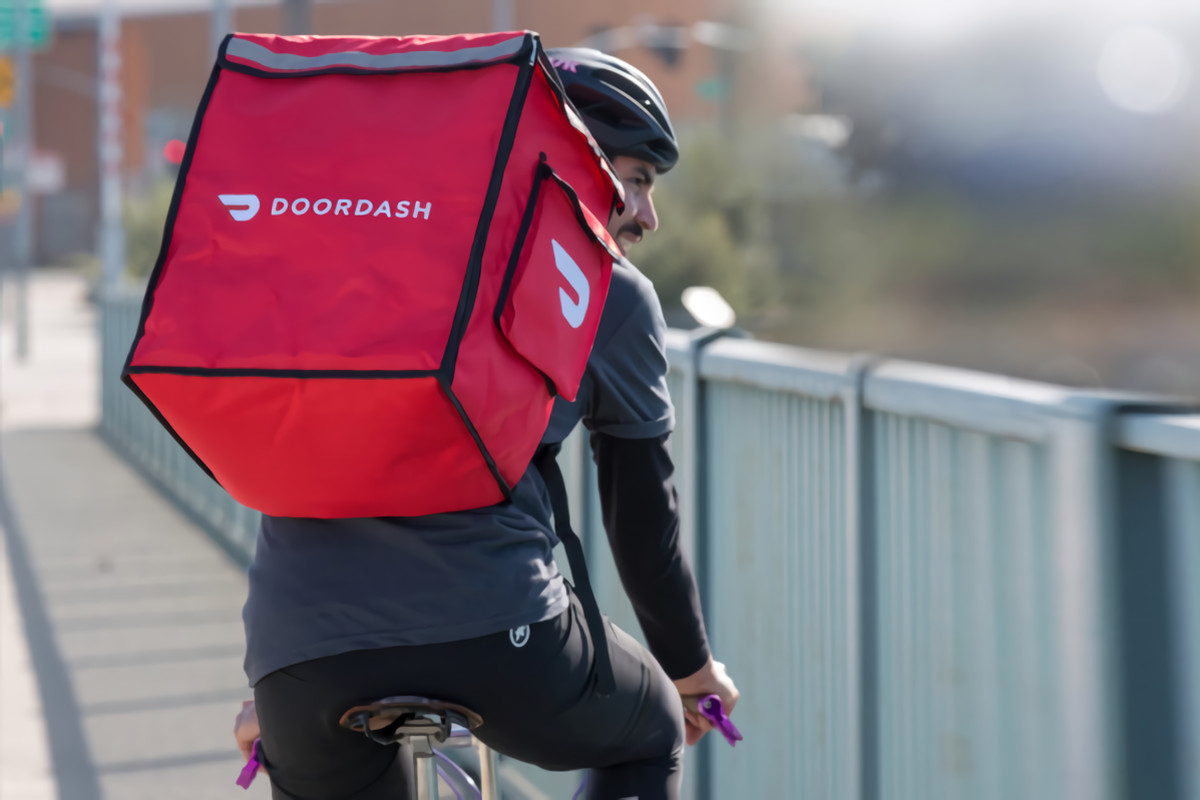
    Starting January 21, Aldi customers in New South Wales and Victoria will have the option to purchase the retailer’s exclusive range of alcoholic beverages via DoorDash. This new service is a part of the ongoing partnership between Aldi and DoorDash, which was established a year ago.

    Expanding Delivery Options

    In addition to alcoholic beverages, Aldi’s popular Special Buys will also be available for nationwide delivery from most store locations through DoorDash. This move is in line with the company’s efforts to make more of its products conveniently accessible to customers.

    Simon Padovani-Ginies, Group Director at Aldi Australia, has emphasized the company’s commitment to making as much of Aldi’s offerings as possible available for delivery. The inclusion of their exclusive liquor range for shoppers in New South Wales and Victoria, as well as the nationwide availability of Special Buys, means that more customers will be able to access Aldi’s high-quality, low-cost products from the convenience of their homes.

    Improving Customer Experience

    This move is not just about expanding product availability – it’s also about elevating the customer experience. With the current pandemic, online shopping has become the norm and businesses that offer home delivery services are increasing in popularity. By offering delivery of their exclusive liquor products and Special Buys, Aldi is catering to the evolving needs of its customers, making shopping more convenient and stress-free.

    Questions & Answers

    When will Aldi customers in New South Wales and Victoria be able to purchase liquor products via DoorDash?
    Starting January 21, Aldi will offer delivery of its exclusive liquor products to customers in New South Wales and Victoria through the DoorDash service.

    What other products will Aldi make available for delivery via DoorDash?
    In addition to its exclusive range of alcoholic beverages, Aldi will also make its popular Special Buys available for nationwide delivery from most store locations.

    What is the aim of this new service?
    The new service aims to make shopping more convenient for Aldi customers. It is also a part of the company’s efforts to cater to the evolving needs of consumers in the current pandemic climate, where online shopping and home delivery services have become increasingly relevant and popular.

  • CarousellMobile Revolutionizes Preloved Phone Market – Introduces Singapore’s Largest Second-Hand Mobile Store

    CarousellMobile Revolutionizes Preloved Phone Market – Introduces Singapore’s Largest Second-Hand Mobile Store

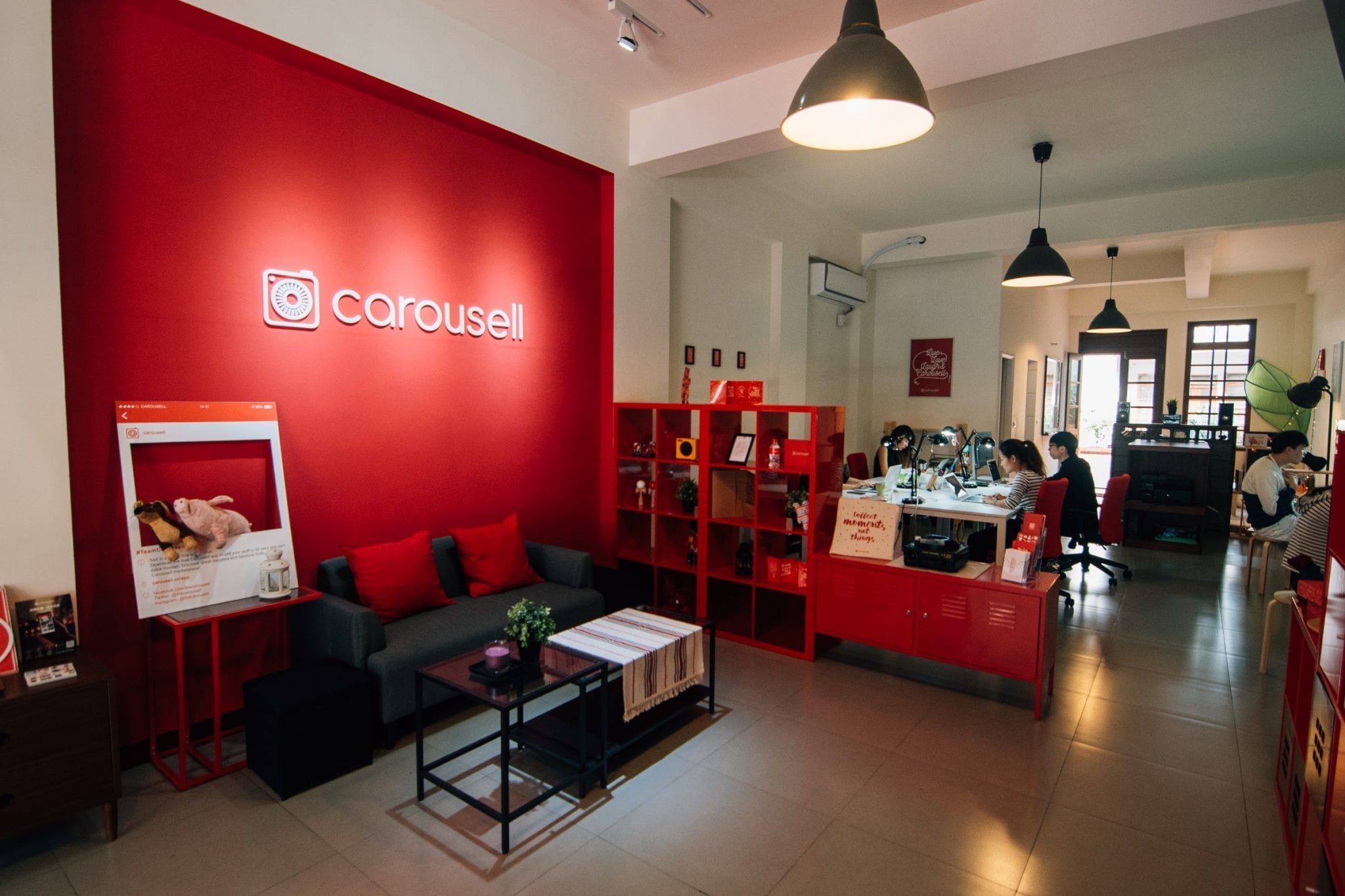
    CarousellMobile, the mobile-centric division of Carousell, has announced the launch of its inaugural physical outlet at Chinatown Point. This move marks a new phase in the company’s growth, introducing a tangible retail presence to supplement its popular online platform.

    The Store Aims to Enhance the Shopping Experience

    The new physical location promises to offer an extensive range of pre-owned mobile devices, reportedly the most comprehensive selection available in a singular retail point within Singapore. This unique set-up will enable customers to personally inspect and try out devices prior to their purchase. This hands-on approach will provide potential buyers with the confidence that they are purchasing a product that meets their requirements and expectations.

    CarousellMobile’s customers will also have the option to peruse online listings for all available products or obtain a valuation quote for their existing devices before making an in-store visit.

    Extending the Life of Mobile Devices

    In addition to retail services, the store is committed to providing comprehensive services that prolong the lifespan of mobile devices. This includes providing certified pre-owned phones accompanied by warranties and flexible return policies, instant cash buybacks, trade-in options, and on-site repair services.

    Alvin Yap, the lead at CarousellMobile, shared his insights on the company’s latest venture. He emphasized the significance of physical interactions in building trust, especially when dealing with high-value items like phones and luxury bags. He added, “CarousellMobile is our solution to the anxiety that comes with purchasing pre-owned electronics.”

    Questions & Answers

    What does the new CarousellMobile store offer?

    The store offers a wide range of second-hand mobile devices, along with services such as instant cash buybacks, trade-ins, and on-site repair services. Customers can physically inspect and test products before purchasing.

    Where is CarousellMobile’s physical store located?

    CarousellMobile’s physical store is located at Chinatown Point.

    What does Alvin Yap, the lead at CarousellMobile, say about the new store?

    Alvin Yap emphasizes the importance of physical interactions in building trust when dealing with high-value items. He sees the new store as a solution to the anxiety often associated with buying used electronics.

  • Vietnam’s E-commerce Boom: Daily Online Shopping Hits $44M in 2025, Up 34.8% YoY

    Vietnam’s E-commerce Boom: Daily Online Shopping Hits $44M in 2025, Up 34.8% YoY

    In 2025, Vietnamese consumers significantly increased their online spending, with daily expenditures reaching over VND1.17 trillion (US$44.5 million). This figure represents the aggregated sales of the country’s four dominant e-commerce platforms: Shopee, TikTok Shop, Lazada, and Tiki. These platforms collectively generated a whopping VND429 trillion for the year, indicating an impressive growth of nearly 34.8% from the previous year.

    Surging Sales and Popular Product Categories

    The year 2025 saw a surge in sales on e-commerce platforms, with more than 3.9 million items sold, marking an increase of 15.2% from the preceding year. Products priced in the range of VND100,000-200,000 emerged as the most popular category, making up 25% of the total sales value.

    Beauty, home and living, and women’s fashion stood out as the top-selling categories. Beauty products alone generated over VND74.4 trillion, accounting for 29.5% of the total sales. They were followed by home and living products, and women’s fashion items, which raked in VND56.7 trillion and VND54.5 trillion, respectively.

    Health, children’s fashion, and stationery were identified as the fastest-growing categories, experiencing skyrocketing growth rates of up to 80%.

    Trends in Seller Activity

    The number of active shops on these four platforms was reported as 601,800, a decrease of 7.4% from the end of 2024. However, this represented a recovery from late September 2025, when the number of active sellers fell to just 537,900.

    Interestingly, the rise in revenue coincided with a decline in sellers. This suggests that less competitive sellers were phased out, leaving behind a more streamlined and robust online marketplace.

    Market Dominance

    Shopee and TikTok Shop maintained their stronghold on Vietnam’s e-commerce market, capturing market shares of 56% and 41.3%, respectively. In comparison, Lazada and Tiki held a mere 3% share between them, a decrease from 6% in the previous year.

    A significant portion of the e-commerce revenue, approximately 83%, was concentrated in Ho Chi Minh City and Hanoi.

    Questions & Answers

    What was the daily online spending by Vietnamese consumers in 2025?
    In 2025, Vietnamese consumers spent over VND1.17 trillion (US$44.5 million) per day on online shopping.

    Which product categories were most popular on Vietnamese e-commerce platforms in 2025?
    In 2025, the most popular product categories on Vietnamese e-commerce platforms were beauty products, home and living items, and women’s fashion.

    Which companies dominated the Vietnamese e-commerce market in 2025?
    In 2025, Shopee and TikTok Shop dominated the Vietnamese e-commerce market, with market shares of 56% and 41.3%, respectively.

  • Amazon Seeks to Lower Vendor Costs as Chinese Tariff Rates Drop: A Strategic Move in eCommerce Landscape

    Amazon Seeks to Lower Vendor Costs as Chinese Tariff Rates Drop: A Strategic Move in eCommerce Landscape

    E-commerce behemoth Amazon has confirmed that it is in conversations with several vendors to revise costs in response to the decrease in tariff rates imposed on imports from China. The company aims to reduce the amount it pays suppliers for goods sold through its digital platform, marking an attempt to roll back concessions made to cushion the impact of tariffs introduced by former US President, Donald Trump.

    According to an Amazon spokesperson, the company is consistently working with its diverse and valued selling partners to assist them in adjusting to the shifting landscape while maintaining a wide assortment of products and competitive prices for consumers.

    In the latter part of October the previous year, an agreement was reached between Trump and Chinese President Xi Jinping to reduce tariffs on Chinese imports. This was in return for Beijing tackling the illegal fentanyl trade, reinstating US soybean purchases, and ensuring the continuous flow of rare earth exports.

    As a result of the agreement, the average tariffs on Chinese imports to the US have been cut from 57% to approximately 47%.

    In related news, the US Supreme Court announced last week that it will deliver its next decisions on January 14, with several major cases still pending. These include the legal examination of Trump’s comprehensive global tariffs.

    Should the court rule that the extensive duties imposed by Trump under the International Emergency Economic Powers Act are unlawful, the administration could face the prospect of reimbursing nearly $150 billion in tariffs to importers.

    Questions & Answers

    What are the discussions between Amazon and vendors about?
    Amazon is in talks with several vendors about adjusting costs in response to a decrease in tariff rates on Chinese imports.

    What was the agreement between Trump and Xi Jinping?
    Trump and Xi Jinping agreed to reduce tariffs on Chinese imports. In return, Beijing would tackle the illegal fentanyl trade, reinstate US soybean purchases, and ensure the continuous flow of rare earth exports.

    What could be the implications of the US Supreme Court’s decision on Trump’s global tariffs?
    If the court declares the extensive duties imposed under the International Emergency Economic Powers Act as unlawful, the administration may have to refund nearly $150 billion in tariffs to importers.

  • Shein Dodges French Site Ban: Court Mandates Age Verification for Adult Products Amidst Childlike Sex Doll Controversy

    Shein Dodges French Site Ban: Court Mandates Age Verification for Adult Products Amidst Childlike Sex Doll Controversy

    The French government has announced its plans to appeal the recent Paris court decision that refused a three-month suspension of Shein, a Chinese online platform. The government’s crackdown on Shein follows outrage over sex dolls resembling children being sold on its platform.

    Legal Measures Against Shein

    The Paris court directed Shein to enforce age verification measures for the sale of adult products on its French website, with a penalty of 10,000 euros for any violation. This ruling is part of an ongoing effort by the authorities to compel Shein to improve the regulation of products sold by third parties on its website.

    However, the court turned down the government’s plea to suspend Shein’s entire website for three months, deeming such a measure as “disproportionate”. Despite the court’s decision, the French government, acting at the behest of the Prime Minister, intends to appeal the ruling in the next few days, asserting its belief in the “systematic risk” linked to Shein’s business model.

    Scandal Surrounding Shein

    Shein has been the subject of controversy after France’s consumer watchdog, DGCCRF, discovered sex dolls imitating children and prohibited weapons for sale on its platform. This prompted the government’s attempt to suspend Shein’s operation.

    A representative from Shein expressed approval of the court’s ruling. The spokesperson stated, “We remain committed to continuously improving our control processes, in close collaboration with the French authorities, with the aim of establishing some of the most stringent standards in the industry. Our priority remains protecting French consumers and ensuring compliance with local laws and regulations.”

    Shein abstained from commenting on the government’s decision to appeal but can now reactivate its marketplace in France, which was suspended last month following the DGCCRF findings.

    Introduction of Age Verification Measures

    The Court of Paris has mandated Shein to establish measures to confirm the age of its users. This is to prevent “sexual products that may constitute pornographic content” from being accessible to minors. On November 3, Shein responded to the consumer watchdog’s findings by banning all sex dolls and suspending the adult products category from its global marketplace.

    French Government’s Stance on Online Platforms

    The French government has been actively targeting online platforms that sell illicit products. Last month, France’s consumer regulator reported that other platforms, including AliExpress, Amazon, Ebay, Joom, and Temu, were selling illicit products in France. However, unlike Shein, these platforms did not suspend their marketplaces, and they have not been the focus of government scrutiny to the same degree.

    This crackdown also extends to policy, with French retailers claiming that Shein’s remarkably low prices and rapid growth are facilitated by a customs duty loophole. Recently, the EU agreed to impose a 3 euro fee on low-value e-commerce packages previously entering the bloc duty-free, echoing similar measures taken by the United States.

    Questions & Answers

    What was the French government’s request to the Paris court regarding Shein’s operation?
    The French government requested a three-month suspension of Shein’s entire website, but the court deemed this measure as “disproportionate”.

    What measures has Shein taken in response to the controversy?
    After the discovery of childlike sex dolls and banned weapons on its platform, Shein suspended its adult products category globally and banned all sex dolls.

    What measures have been taken by the EU to regulate low-value e-commerce packages?
    The EU recently agreed to impose a 3 euro fee on low-value e-commerce packages that were previously entering the bloc duty-free.

  • Coupang CEO Steps Down Amidst South Korea’s Largest Data Breach Scandal: Security Measures Revamped

    Coupang CEO Steps Down Amidst South Korea’s Largest Data Breach Scandal: Security Measures Revamped

    In light of a severe data breach, one of the most significant in South Korea’s history, Coupang Corp’s CEO, Park Dae-jun, has resigned. The cyberattack exposed the personal details of approximately 33.7 million customers, including their names, email addresses, phone numbers, shipping addresses, and certain order histories. However, payment details and login credentials were not compromised in the breach.

    Park’s Tenure and Resignation

    Park Dae-jun had been a part of Coupang Corp since 2012, ascending to the position of co-CEO in 2020, and subsequently becoming the sole CEO in May amid a company-wide leadership restructuring. Following the data breach incident, Park accepted responsibility for the breach and its handling, expressing his deep regret for letting down the public. He announced his decision to resign from all his positions within the company.

    In response to the significant breach, the e-commerce giant issued an apology, expressing deep regret for the anxiety caused by the data leak. The company pledged to work diligently to regain customer trust and strengthen security protocols to prevent future data breaches.

    Leadership Transition

    In the wake of Park’s resignation, Coupang Inc., Coupang Corp’s US-based parent company, has appointed Harold Rogers, the company’s chief administrative officer, as the interim CEO for the Korean branch.

    The appointment comes in the aftermath of one of South Korea’s most devastating data breaches, believed to have originated in June.

    South Korean Prime Minister Kim Min-seok announced earlier this week that the government would be investigating any possible legal violations made by the company. In response, police subsequently initiated a raid on the company’s office in Seoul.

    Under the new interim CEO, the company’s key focus will be on relieving customer anxiety, resolving the data breach issue both from within and outside the company, and restoring stability to the organization. The leadership transition signifies the parent company’s proactive approach to managing the fallout from the data leak incident.

    Questions & Answers

    Why did Coupang Corp’s CEO, Park Dae-jun, resign?
    Park Dae-jun resigned from his position due to a major data breach that exposed personal information of about 33.7 million customers.

    Who has been appointed as the interim CEO following Park’s resignation?
    Harold Rogers, the chief administrative officer of Coupang Inc., the US-based parent company of Coupang Corp, has been appointed as the interim CEO.

    What are the company’s plans following the data breach?
    The company has pledged to restore customer trust, enhance security measures, and focus on resolving the data breach issue, both internally and externally, under the new interim CEO.

  • EU Regulators Stoke Action Against Temu: Chinese Subsidy Probe Targets Dublin HQ

    EU Regulators Stoke Action Against Temu: Chinese Subsidy Probe Targets Dublin HQ

    Last week, EU regulators conducted an unannounced raid on the Dublin-based European headquarters of Temu, an online retailer and subsidiary of China’s e-commerce titan, PDD Holdings. The action arose from concerns regarding potential Chinese state subsidies extended to the company.

    As of yet, Temu has not issued a response to the matter.

    This event coincides with escalating concerns within the EU about an influx of inexpensive Chinese imports. The surge has come via low-value e-commerce shipments, largely due to a customs exemption on packages valued under 150 euros. European retailers argue that this waiver gives e-commerce platforms such as Temu and Shein an undue competitive edge. To address this, the EU executive intends to eliminate this duty exemption by year-end.

    The Foreign Subsidies Regulation (FSR)

    The European Commission’s Foreign Subsidies Regulation (FSR) has been enacted to address this issue. Its purpose is to curb competition from non-EU companies that receive subsidies from their respective governments. The FSR empowers the Commission to levy penalties equating to 10% of a company’s aggregated yearly turnover for any infractions.

    The Commission confirmed it executed an unannounced inspection on an EU-based e-commerce business under the FSR. However, they have not disclosed the identity of the company or the location of the raid.

    Temu’s Global Success and Troubles with EU Authorities

    Temu has amassed a global customer base in the tens of millions via its online store. The e-commerce platform sells a wide range of items from smartphones to duvet covers and leggings at incredibly low prices. This has even prompted Amazon to introduce its rival service, ‘Amazon Haul’.

    Under the tagline “shop like a billionaire”, Temu has attracted approximately 116 million average monthly users in the EU, according to its most recent transparency report. This is an impressive feat considering it only expanded into the European market in April 2023.

    EU regulators typically conduct raids when they have evidence of regulatory violations, which can originate from whistleblowers or their own investigations. These actions often result in companies offering concessions or cooperation in exchange for reduced penalties.

    However, this is not Temu’s first encounter with EU authorities. The Commission initiated an investigation into Temu under the Digital Services Act, a regulation overseeing online platforms, last year. In July, the Commission released preliminary findings claiming that Temu has not done enough to prevent the sale of illegal products on its platform.

    Foreign subsidies may come in various forms such as zero-interest loans, below-cost financing, tax breaks, or preferential tax treatment, among others.

    In November, China’s trade surplus exceeded US$1 trillion for the first time, with manufacturers rerouting more goods to non-US markets due to tariffs, resulting in an export boom to Europe, Australia, and Southeast Asia.

    Questions & Answers

    What spurred the raid on Temu’s headquarters by EU regulators?
    The raid was prompted by concerns regarding potential Chinese state subsidies to the online retailer.

    How does the EU’s Foreign Subsidies Regulation (FSR) aim to address competition from non-EU companies?
    The FSR aims to curb competition from non-EU firms that receive government subsidies. The regulation allows the Commission to impose fines of up to 10% of a company’s annual aggregated turnover for breaches.

    What were the findings of the European Commission’s previous investigation into Temu?
    The Commission’s preliminary findings suggested that Temu was not taking sufficient actions to prevent the sale of illegal products on its platform.

  • Alibaba Revamps Ele.me to Taobao Instant Commerce in Bold Retail Ambition

    Alibaba Revamps Ele.me to Taobao Instant Commerce in Bold Retail Ambition

    Alibaba, a renowned Chinese multinational conglomerate, recently unveiled a new name for its popular food delivery service, previously known as Ele.me. This rebranding, which transforms Ele.me into Taobao Instant Commerce, marks a significant shift in the company’s strategy.

    From Ele.me to Taobao Instant Commerce

    The name Ele.me, which held the status of being China’s top local services brand, will no longer be associated with Alibaba’s food delivery service. Utilizing a home-delivery model, the company was initially bought by Alibaba in 2018 at an astounding price of $9.5 billion.

    As of late, significant financial losses have been recorded by companies in the food delivery sector, including the former Ele.me. These losses arise mainly from the high costs involved in subsidizing discounted products, a common practice by these companies to capture a larger market share.

    The Competitive Landscape

    The business environment is becoming increasingly competitive in China, especially within the instant retail services sector. This increasing competition has led to significant investment from businesses, all vying for dominance in the market.

    Alibaba’s decision to rebrand Ele.me as Taobao Instant Commerce is a strategic move aimed at bolstering its position in the market. This bold step is seen as a direct challenge to the current sector leaders, Meituan.

    The Transition and User Experience

    The digital transformation from Ele.me to Taobao Instant Commerce has already been experienced by some users. It is expected that the rebranding will be fully implemented and universally adopted in the upcoming weeks, marking a new chapter in Alibaba’s journey in the food delivery industry.

    Questions & Answers

    Why did Alibaba decide to rebrand Ele.me?
    Alibaba rebranded Ele.me to Taobao Instant Commerce in a strategic move to improve its market position and take on current industry leaders.

    What was the main reason for the financial losses incurred by Ele.me?
    The main reason for Ele.me’s financial losses was the company’s practice of subsidising discounted products to gain a larger market share.

    When is the full implementation of the rebranding expected?
    The complete transition to Taobao Instant Commerce from Ele.me is expected to occur universally in the coming weeks.

  • AliExpress and Specialized Score a Win: Uncover $1.1M Fake Bike Parts Operation in Major Anti-Counterfeit Sweep

    AliExpress and Specialized Score a Win: Uncover $1.1M Fake Bike Parts Operation in Major Anti-Counterfeit Sweep

    AliExpress, the popular Chinese online retail platform, recently played a pivotal role in a successful crackdown on counterfeit bike products. Collaborating with Chinese law enforcement officers, the joint operation resulted in the seizure of fraudulent bicycle products worth over $1.1 million.

    The Operation

    The campaign, which was conducted in March, led to the arrest and prosecution of seven individuals. Confiscated items included counterfeit Specialized Tarmac SL8 road-racing frames, Roval handlebars and wheels, and a variety of other bicycle parts such as seatposts, forks, and around 9500 sticker sets.

    In addition, the operation resulted in the seizure of fraudulent items from other well-known bicycle manufacturers including Pinarello, Cannondale, Cervelo, and Trek. According to AliExpress, the estimated black-market value of all seized counterfeit carbon-fibre bicycle goods surpasses $1.6 million.

    Protecting Consumers and Brands

    Matthew Bassiur, the head of Alibaba International’s global intellectual property (IP) enforcement team, underscored the importance of the operation. He stated, “Safeguarding consumers and upholding brand trust are core to our platform’s integrity.” He stressed that although they promptly remove any infringing listings from their marketplace, achieving lasting impact requires the dismantling of physical operations. This necessitates close collaboration with brands and law enforcement, an approach well demonstrated by this case.

    This operation represents the largest anti-counterfeiting action in the history of Specialized. Andrew Love, the global brand protection manager at Specialized, praised the initiative, noting that these illegal operations not only exploit consumers but also undermine trust in authentic products. He commended Alibaba and Chinese law enforcement for their crucial roles in this significant achievement.

    The Investigation

    The investigation was initiated when Specialized approached AliExpress with concerns about suspected counterfeiters using the e-commerce platform to trade illegal and unsafe bicycle products. Specialized conducted test purchases to verify that the goods in question were indeed counterfeit. Over the past year, AliExpress has cooperated with more than 20 global brands, resulting in the seizure of over $30 million worth of counterfeit goods.

    Questions & Answers

    What was the estimated value of the counterfeit goods seized in the operation?
    The estimated black-market value of the counterfeit bike products confiscated surpassed $1.6 million.

    Who were some of the manufacturers whose counterfeit goods were seized?
    Counterfeit goods from manufacturers including Specialized, Pinarello, Cannondale, Cervelo, and Trek were among those seized.

    What initiated the investigation?
    The investigation began when Specialized provided AliExpress with information on suspected counterfeiters using the e-commerce platform to sell fraudulent and unsafe bicycle products.