Retail News CRM

Tag: etail

  • Former Flipkart Executive, Jeyandran Venugopal, Named New CEO of India’s Reliance Retail

    Former Flipkart Executive, Jeyandran Venugopal, Named New CEO of India’s Reliance Retail

    Reliance Retail Ventures (RRVL), the parent company of Reliance Retail, has just announced the appointment of Jeyandran Venugopal as its new President and CEO. Venugopal is a former executive of Flipkart, bringing with him over 25 years of global leadership experience in retail, e-commerce, and technology.

    A New Era with Venugopal

    Venugopal’s previous roles include serving as the Chief Product and Technology Officer at Flipkart. He has also assumed senior positions at Myntra and Jabong, where he supervised product, engineering, and data functions. These positions allowed him to gain invaluable experience during periods of rapid growth and profitability enhancement.

    In his new role, Venugopal is set to collaborate closely with RRVL’s Director, Isha Ambani. Together, they aim to enhance the company’s retail strategy, expand its capabilities across all channels, and fortify both operational and technology functions throughout RRVL’s value chain.

    Ambani expressed confidence in Venugopal’s expertise and anticipates it to be significant in the company’s next growth stage. “Venugopal’s deep understanding of consumer behaviour, commercial acumen, and technology-led retail transformation will be pivotal as we shape the next phase of RRVL’s growth journey,” Ambani added.

    Questions & Answers

    Who is Reliance Retail Ventures’ new CEO and President?
    Jeyandran Venugopal, a former executive of Flipkart, has been appointed as the new CEO and President of Reliance Retail Ventures.

    What experience does Venugopal bring to RRVL?
    Venugopal carries with him over 25 years of global leadership experience in retail, e-commerce, and technology. He has previously served as the Chief Product and Technology Officer at Flipkart and held senior roles at Myntra and Jabong.

    What role will Venugopal play in RRVL’s growth?
    Venugopal is expected to play a central role in the next phase of RRVL’s growth. His deep understanding of consumer behavior, commercial acumen, and experience in technology-led retail transformation will be a critical asset as RRVL shapes its future growth strategy.

  • Coupang Executives Under Scrutiny for Stock Sales Post-Major Data Breach: A Potential Insider Trading Scandal?

    Coupang Executives Under Scrutiny for Stock Sales Post-Major Data Breach: A Potential Insider Trading Scandal?

    Concern is mounting over potential insider trading at Coupang, following the sale of company stock by two senior executives occurring after a massive data breach and before its public acknowledgment.

    Executives Sell Shares After Data Breach

    On November 10, Coupang’s Chief Financial Officer, Gaurav Anand, sold 75,350 shares at $29.0195 each, a transaction that reached approximately $2.19 million (around 3.2 billion won). Pranam Kholari, a former senior vice president with responsibilities for search and recommendations, also sold shares. On November 17, Kholari offloaded 27,388 shares for about $772,000 (1.13 billion won). Noteworthy to mention, Kholari resigned from his position just three days prior, on November 14.

    Interestingly, both transactions occurred after the unauthorized access to user accounts took place, but before the company went public with the extent of the breach. This timing has intensified scrutiny over the possibility of executives acting on nonpublic information.

    Massive Data Breach at Coupang

    Coupang, on November 29, announced that around 33.7 million customer accounts had been compromised in the data breach. The affected information included names, emails, phone numbers, addresses, and selected order details. Prior to this, on November 18, the company had reported a smaller breach affecting about 4,500 users.

    A report submitted to the Korea Internet & Security Agency reveals that Coupang detected the unauthorized access on November 6 at 6:38 p.m. However, the company did not identify the data breach until November 18, a 12-day delay that has invited questions from lawmakers and regulators.

    The timing of the stock sales and the subsequent delay in acknowledging the breach are expected to be a focal point of investigations into the data leak, which has been one of the largest in Korea’s e-commerce sector.

    Questions & Answers

    What are the implications of the stock sales by Coupang’s executives?
    The stock sales, given their timing, have raised concerns over potential insider trading, with both transactions occurring after the data breach but before its public acknowledgment.

    What information was compromised in the Coupang data breach?
    The compromised information includes customers’ names, emails, phone numbers, addresses, and selected order details, with approximately 33.7 million customer accounts affected.

    What prompted questions from lawmakers and regulators regarding the data breach?
    The company’s delay in identifying and disclosing the data breach, which was detected on November 6 but not formally acknowledged until November 18, has led to queries from regulatory bodies and lawmakers.

  • Amazon and Flipkart Set to Disrupt India’s Banking Sector with Innovative Consumer Loan Products

    Amazon and Flipkart Set to Disrupt India’s Banking Sector with Innovative Consumer Loan Products

    E-commerce heavyweights, Amazon and Flipkart, are planning to venture into the financial services sector in India, by offering loans and buy-now, pay-later (BNPL) options. This strategic move is poised to challenge the traditional banking sector.

    Amazon’s Plans

    Earlier this year, Amazon purchased Axio, a non-bank lender based in Bengaluru. The company primarily focuses on BNPL and personal loans. However, with Amazon’s acquisition, Axio is expected to recommence providing credit facilities for small businesses and initiate cash management services.

    Mahendra Nerurkar, VP for payments for emerging markets at Amazon, emphasized the potential for expanding credit growth, especially among digitally engaged customers and small businesses operating outside of major cities. He further revealed that the company has plans to develop specialized lending propositions to enhance cash flow management efficiency and unlock capital for merchants and small businesses.

    Flipkart’s Interest

    Flipkart, which boasts a significant stake by Walmart, has registered Flipkart Finance, its non-bank lending branch. The company is awaiting final approval from the Reserve Bank of India (RBI) for its business strategy. The plans feature two types of pay-later offerings:

    1. No-cost monthly installment loans for online shoppers ranging from 3 to 24 months.
    2. Loans for consumer durables at an interest rate of 18 per cent–26 per cent per annum.

    Typically, interest rates on loans for consumer durables from traditional lenders oscillate between 12 per cent and 22 per cent. A confidential source revealed that Flipkart aims to launch these financial products in the coming year.

    Growth of the Consumer Loan Market

    Data from credit bureau CRIF High Mark shows that India’s consumer loan market has expanded from nearly US$80 billion in March 2020 to approximately US$212 billion by March 2025. However, there are indications of a slowdown in recent quarters. Consumer loans encompass unsecured personal loans, credit cards, and loans for consumer durables.

    Both Amazon and Flipkart operate apps ranking in the top 10 platforms for payments via India’s Unified Payments Interface. Earlier this year, the RBI granted them the ability to lend directly to customers, marking a significant step towards opening India’s financial services market to foreign-backed tech firms.

    Rohan Lakhiyar, partner at consultancy Grant Thornton Bharat’s financial services risk division, stated that given their access to both supply-side and demand-side customer data, both Amazon and Flipkart have immense potential to disrupt the sector. However, he stressed that execution would be crucial as they expand beyond core retail.

    Amazon has also partnered with several local lenders to offer fixed deposit savings products with minimum amounts of 1000 rupees (US$11) to customers on its Amazon Pay platform, according to Nerurkar.

    Questions & Answers

    What are Amazon’s plans in the financial services sector in India?
    Amazon plans to offer credit to small businesses and provide cash management services through Bengaluru-based non-bank lender Axio. They also aim to develop specialized lending propositions to help improve cash flow management efficiency and release capital for merchants and small businesses.

    What types of financial products is Flipkart planning to offer?
    Flipkart intends to offer two types of pay-later offerings – no-cost monthly installment loans for online shoppers, and loans for consumer durables at an interest rate of 18 per cent–26 per cent per annum.

    What is the current status of the consumer loan market in India?
    The consumer loan market in India has grown from nearly US$80 billion in March 2020 to around US$212 billion by March 2025, according to data from credit bureau CRIF High Mark. However, recent quarters have shown signs of a slowdown in growth.

  • Meituan Faces First Quarterly Loss Amid Alibaba-JD Price War: Future Challenges Expected

    Meituan Faces First Quarterly Loss Amid Alibaba-JD Price War: Future Challenges Expected

    Meituan, China’s leading food delivery conglomerate, has recorded its first quarterly loss since the final quarter of 2022. This is due to a fierce pricing battle with competitors Alibaba and JD. Further losses are predicted for the upcoming quarter as these price wars continue to affect profit margins.

    Financial Struggles Amid Competitive Tensions

    Meituan posted an adjusted net loss of 16 billion yuan ($2.26 billion USD) for the quarter concluding September 30. This figure contrasts significantly with the adjusted net profit of 12.8 billion yuan from the previous year. This marks the first occasion of a quarterly loss since December 2022.

    CEO Wang Xing has regarded the price competition in the food delivery sector as unsustainable, describing it as a classic case of “bad money driving out good money”. However, he reassured that Meituan continues to hold its leading position for medium to high-priced orders. He stated, “Our market share exceeded two-thirds for recent orders with a payment above 15 yuan, and over 70 per cent for orders valued over 30 yuan.”

    Increased Competition and Future Prospects

    Meituan has also cited intense competition as a significant factor affecting its financial performance. It is expected that operational losses will persist into the fourth quarter of 2022 for both the corporation as a whole and its primary local commerce sector. Meituan has invested heavily to protect its nearly 70 per cent market share from Alibaba and JD, who are also spending large sums on customer acquisition.

    This intense rivalry has been especially evident in the space of instant retail, a sector where goods are delivered within an hour. Meituan’s venture into JD’s main electronics and smartphone sales resulted in JD launching its own food delivery platform. Similarly, Alibaba, the e-commerce market leader, has increased its efforts in the instant retail sector.

    Changes in the Market

    Analysts predict that the price war will begin to soften by next year. As companies start to minimize subsidies and logistics costs decrease, Meituan’s unit economics are expected to become positive by the first or second quarter of next year.

    Regulatory bodies have suggested new pricing regulations to safeguard smaller retailers. All three companies have agreed to restrict price wars. Simultaneously, Meituan is fast-tracking the international expansion of its Keeta app into markets such as Hong Kong, the Middle East, and Brazil.

    Despite the challenges, Meituan’s quarterly revenue has risen by 2 per cent, surpassing analyst predictions. However, the company’s shares have experienced a drop of over 30 per cent so far this year.

    Questions & Answers

    What has caused Meituan’s first quarterly loss since 2022?
    Intense price competition with rivals Alibaba and JD has led to Meituan’s first quarterly loss in recent years.

    Has the price war affected the food delivery sector overall?
    Yes, the price war has been described as unsustainable and appears to have negatively affected the sector overall, with companies experiencing financial losses and reduced profit margins.

    What are the future prospects for Meituan according to market analysts?
    Analysts predict the price war will ease by next year and Meituan’s unit economics are expected to become positive by the first or second quarter of next year, indicating a potential financial recovery.

  • AliExpress Joins Forces with Homart to Boost Wellness Category with Quality Australian Products

    AliExpress Joins Forces with Homart to Boost Wellness Category with Quality Australian Products

    AliExpress, a renowned e-commerce platform, recently announced a strategic alliance with Homart Group, a prominent Australian health and wellness manufacturer. This collaboration seeks to enhance AliExpress’s local product offerings through the inclusion of Homart Group’s products.

    Strengthening Local Product Offerings

    As part of the agreement, AliExpress will assist Homart in establishing and promoting its primary store on the platform. The store’s initial launch will feature approximately 40 products from four distinct brands, namely, Top Life, Spring Leaf, Grandpawpaw, and Cheri. The plan is to broaden this to encompass around 200 products over the course of the next three years.

    The product offering will span across different categories, including vitamins, skincare, and wellness products.

    Lynn Yeh, CEO of the Homart Group, expressed excitement about the partnership with AliExpress. She underscored the importance of showcasing the merits of Australian-made products, which are known for their quality, reliability, and innovation, to both local and international consumers.

    Health and Wellness Category

    AliExpress has a dedicated health and wellness category designed to provide Australian consumers with access to regulated supplements and lifestyle products. The collaboration with Homart is in alignment with AliExpress’s larger agenda of investing in Australian businesses.

    The partnership is projected to create numerous opportunities for local brands and distributors to gain international exposure and marketing support via AliExpress’s campaigns. These campaigns include initiatives like 6.18, Double 11, and Black Friday.

    Alfy Zhang, the country manager for AliExpress ANZ, stated that the partnership with Homart is a significant progression in AliExpress’s effort to bring more reliable, Australian-made health and lifestyle products to local consumers. He further added that the blend of AliExpress’s international reach and digital prowess with Homart’s solid product reputation would facilitate the growth of local brands. At the same time, it would provide Australians with access to credible, high-quality products that cater to their daily needs.

    The agreement was officially ratified last week at the China International Import Expo in Shanghai. This was followed by a ribbon-cutting ceremony at Homart’s booth.

    Questions & Answers

    What is the aim of the strategic collaboration between AliExpress and Homart Group?
    The primary goal of the partnership is to broaden AliExpress’s local product offerings by including Homart Group’s health and wellness products.

    What will the product range offered by Homart on AliExpress encompass?
    The product range will initially contain around 40 items from four brands, spanning categories such as vitamins, skincare, and wellness. The plan is to expand this selection to around 200 products within the next three years.

    What are the potential benefits of this agreement for local Australian brands and distributors?
    The partnership is anticipated to provide local brands and distributors with opportunities for global exposure and marketing support through campaigns by AliExpress.

  • Alibaba’s Revenue Surges, Thanks to Fast Delivery and AI Investments: Outpaces Quarterly Estimates

    Alibaba’s Revenue Surges, Thanks to Fast Delivery and AI Investments: Outpaces Quarterly Estimates

    In Tuesday’s quarterly report, Alibaba, the Chinese e-commerce behemoth, exceeded analysts’ revenue predictions. This success was primarily attributed to the company’s significant investments in one-hour delivery services, which attracted more users to its shopping applications. Additionally, the company’s cloud division demonstrated remarkable growth.

    Share Performance and Revenue

    Following the announcement, the company’s US-listed shares increased by 2% in initial trading. Alibaba reported a second-quarter revenue of 247.80 billion yuan (approximately US$35 billion). This figure surpassed the anticipated revenue of 242.65 billion yuan. However, the adjusted profit of 4.36 yuan per American Depository Share fell short of an estimated 5.49 yuan.

    Fierce Competition in the Quick Commerce Sector

    Alibaba’s performance comes amidst an expensive competition in China’s ‘instant retail’ or ‘quick commerce’ sector. Here, major corporations are investing billions in expedited delivery services to secure a larger market share. Simultaneously, Alibaba has been making significant investments in artificial intelligence (AI), positioning itself as a frontrunner in the industry within China.

    Investment in AI

    The company announced in February plans to allocate 380 billion yuan over three years to AI and cloud investments. However, CEO Eddie Wu hinted at potential additional investments to address supply chain challenges while meeting customer demand. Indicating the company’s aggressive stance on AI investment, Wu suggested that the planned investment may be insufficient given the scale of customer demand.

    Profit Impacts

    Despite the investments causing a 53% reduction in net profit to 20.61 billion yuan, this figure still surpassed analysts’ predictions. These investments, particularly in AI, are anticipated to establish long-term competitive advantages, notwithstanding the immediate pressure on profit margins.

    Instant Retail Sector

    In the instant retail sector, aggressive discounting and subsidies from Alibaba and its competitors have led to concerns over margins and substantial cash expenditure. However, with its diversified business model and significant resources, Alibaba is less vulnerable than its rivals. The company projects that the instant retail sector could add 1 trillion yuan in yearly gross merchandise value over the next three years. Notably, Alibaba’s instant retail business has significantly improved unit economics recently, with cost per order decreasing by half since summer.

    Singles’ Day Subsidies

    The Singles’ Day sales period, stretching from early October to November 11, witnessed considerable subsidies and discounting by retailers to stimulate demand. Sales across major platforms during this period escalated to 1.70 trillion yuan, an increase from 1.44 trillion yuan the previous year.

    Expansion into Consumer AI

    Alibaba has also recently intensified efforts to penetrate the consumer AI market, a sector where it has been comparably less active due to its greater emphasis on enterprise clients. Despite launching a free app, which gained 10 million downloads within its first week, it remains behind the market leader, ByteDance’s Doubao, which boasts 150 million users. Consequently, an ongoing price war in China’s domestic AI market, triggered by competitors focusing on affordable computing and app development, has forced Alibaba to reduce prices.

    Questions & Answers

    What led to Alibaba exceeding analysts’ revenue expectations?
    Alibaba’s investments in one-hour delivery services attracted more users to its shopping apps, leading to increased revenue.

    What challenges is Alibaba facing in the quick commerce sector?
    The sector is highly competitive, with corporations investing billions in expedited delivery services to secure a larger market share.

    How is Alibaba responding to competition in the consumer AI market?
    Alibaba has intensified efforts to penetrate the consumer AI market and launched a free app that gained 10 million downloads within its first week. It has also reduced its prices to remain competitive.

  • Shein’s Brick-and-Mortar Debut: A Lifeline or Death Blow for Department Stores?

    Shein’s Brick-and-Mortar Debut: A Lifeline or Death Blow for Department Stores?

    The recent entry of Chinese budget retailer Shein into the flagship BHV in Paris has stirred up a political storm, adding to the ongoing struggles of department stores worldwide. These traditional retail outlets are grappling with the seismic shift of consumers towards online shopping and ultra-fast fashion.

    Shein opened its inaugural brick-and-mortar shop in the BHV department store, situated on the Rue de Rivoli in the heart of Paris, earlier this month. This move sparked a backlash from lawmakers and fellow retailers, who argue that Shein’s low-cost business model has been detrimental to the traditional shopping streets of France.

    For BHV, a store recognized for its diverse array of products, this partnership was a strategic move designed to lure younger consumers. This demographic has increasingly turned to online platforms, such as Shein, for a variety of needs, ranging from cosmetics to fashion.

    The shift to online shopping, further exacerbated by the pandemic, has posed a significant challenge to department stores around the globe, with many still struggling to recover from a steep decline in physical footfall during the crisis.

    New Threat from Ultra-Fast Fashion

    Laetitia Henry, general manager of the iconic Printemps Haussmann store in Paris, noted that while competition from other large local department stores was once the norm, the rise of online platforms has led to a new international threat. Ultra-fast fashion can replicate a designer dress in as little as three weeks and sell it for a fraction of the original cost.

    This competitive landscape has prompted top-tier department stores like Macy’s to close outlets, while Saks Fifth Avenue’s parent company, Saks Global, is exploring divestments to manage its debt.

    The Société des Grands Magasins (SGM), which acquired BHV from the Galeries Lafayette group two years ago, is banking on its partnership with Shein to safeguard its future. On the day of Shein’s launch at BHV, store traffic surged by 50%, with a quarter of Shein’s customers going on to make additional purchases at BHV.

    Department Stores Innovate to Attract Consumers

    Several prominent French department stores, including Printemps, Galeries Lafayette, and LVMH-owned Le Bon Marché, have sought to redefine themselves as lifestyle destinations. They are aiming to attract more shoppers by offering unique luxury experiences.

    Le Bon Marché, for instance, organizes regular events such as concerts and dance performances. Printemps offers fine dining and beauty treatments, even featuring an in-store ice rink during the holiday season. Galeries Lafayette invested over 100 million euros (approximately US$115.06 million) in renovations during the pandemic, which helped boost visitors and foot traffic.

    However, these innovative strategies have not been as successful for mid-range stores trying to break into the luxury experience market. These stores are keenly observing the publicity generated by Shein’s partnership with BHV.

    Late payments to brands at BHV have resulted in product shortages, impacting sales and causing job security concerns among workers. Despite these challenges, SGM president Frederic Merlin maintains that retailers should collaborate with new models like Shein’s. He argues that moving forward is vital, even in the face of criticism.

    However, the launch of Shein’s physical outlets hasn’t been without controversy. When Shein’s Paris store opened, France temporarily suspended its French marketplace after discovering inappropriate items for sale on the platform.

    Questions & Answers

    Has the shift towards online shopping affected traditional department stores?

    Yes, the move towards online retailers and ultra-fast fashion has posed a significant challenge to traditional department stores, many of which are still struggling to recover from the pandemic-induced drop in footfall.

    What strategies have department stores adopted to stay relevant in the market?

    Department stores have been attempting to innovate in various ways. Some are partnering with online retailers like Shein to attract customers, while others are reinventing themselves as lifestyle destinations, offering unique luxury experiences such as concerts, fine dining, and beauty treatments.

    Did the opening of Shein’s store in BHV increase footfall?

    Yes, the launch of Shein’s shop in BHV led to a surge in store traffic by 50%, with a quarter of Shein’s customers making additional purchases at BHV.
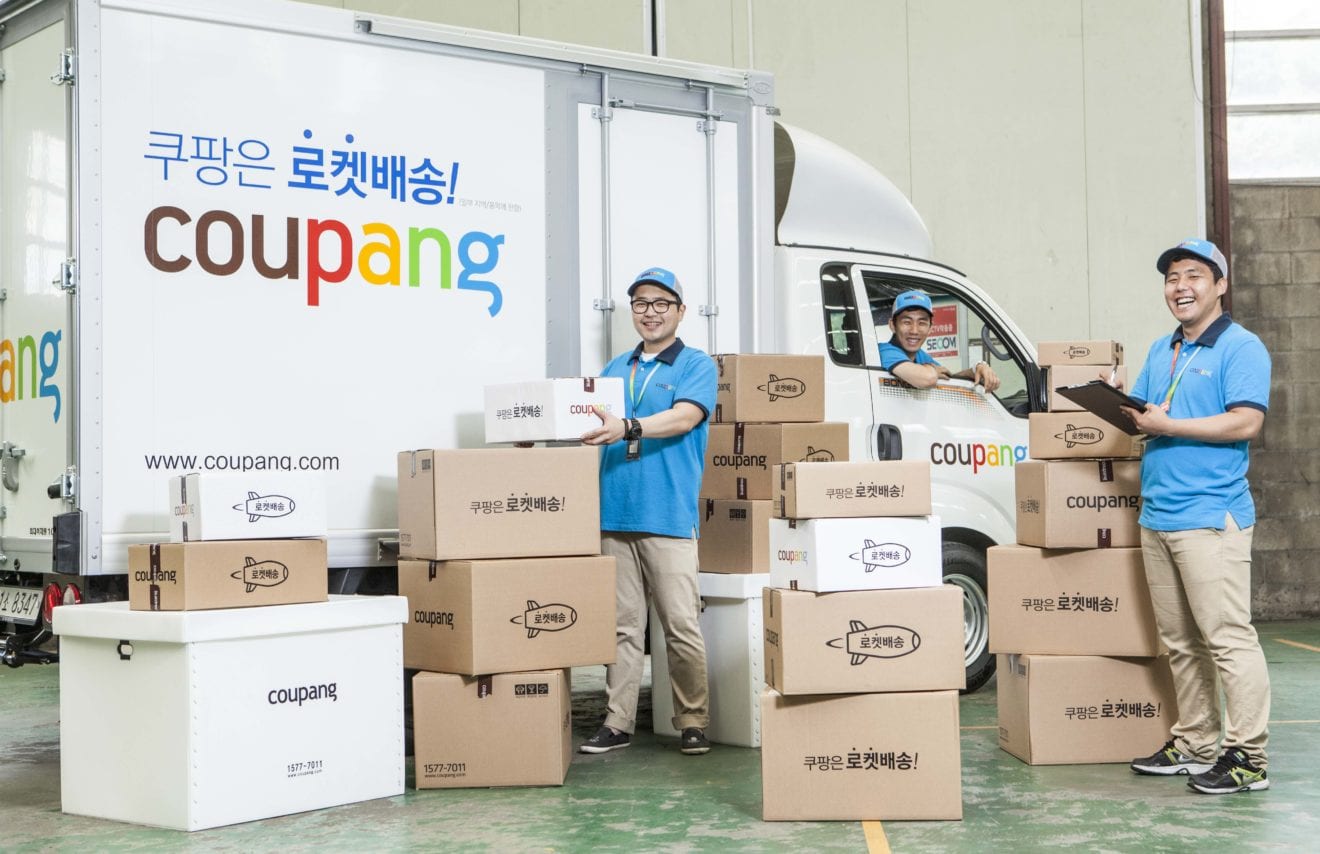
  • Unveiling Coupang’s Winning Strategy: Streak of Profits and Global Expansion Rooted in Operational Innovation and Taiwanese Traction

    Unveiling Coupang’s Winning Strategy: Streak of Profits and Global Expansion Rooted in Operational Innovation and Taiwanese Traction

    Coupang, a South Korean e-commerce giant, has experienced substantial growth, recording a record quarterly revenue of $9.3 billion during the three months leading up to September – a 20% year-on-year increase. This growth not only signifies the company’s third profitable quarter in a row since being listed on the New York Stock Exchange in 2021, but also a significant 51% leap in operating income to $162 million.

    Boosted by Local and Overseas Markets

    Coupang’s financial gain is attributed to both sustained growth in its domestic market and successful expansion into Taiwan. The company’s CEO, Bom Kim, expressed satisfaction with the progress, particularly in the Korean market, which he believes to be a largely untapped opportunity for further growth. He also noted a strong and varied customer base that continues to support the company.

    Domestic Strength and Expansion

    Coupang’s Product Commerce sector, encompassing Rocket Delivery, Rocket Fresh, Rocket Growth, and Marketplace, saw an 18% increase in net revenue to $8 billion. The company’s adjusted EBITDA also went up by a remarkable 50% to $705 million. This positive performance propelled Coupang’s gross profit margin, reaching a record 29.4%, largely due to supply chain efficiencies and the expansion of higher-margin categories. Furthermore, the company reported that it ended the quarter with 24.7 million active customers, a 10% increase from the previous year, and a 7% rise in revenue per active customer to $329.

    Taiwan as a New Growth Engine

    In recent times, Taiwan has emerged as a significant growth engine for Coupang. The company’s Developing Offerings segment, which includes Taiwan, Coupang Eats, Coupang Play, and Farfetch, experienced a 32% annual growth to $1.3 billion. The Taiwan business itself reportedly experienced growth in the “triple digits,” largely driven by the increased adoption of Rocket Delivery and the newly launched third-party marketplace.

    Strategic Investments and Operational Innovations

    Despite the widening losses in the Developing Offerings segment, Coupang’s management stated that this reflects strategic investments rather than operational shortcomings. The company is accelerating the deployment of automation technologies across its logistics and fulfillment network, which is expected to improve service levels and operating costs.

    In addition to operational innovation, Coupang is also investing in sustainability. The company expanded its reusable ‘ecobag’ program to cover a wider range of deliveries, reducing packaging waste and enhancing the customer experience.

    Broadening Offerings

    Coupang’s Fulfillment and Logistics by Coupang (FLC) service continues to grow, which not only allows merchants to utilize the same logistics infrastructure that powers Rocket Delivery, but also helps to deepen merchant relationships and diversify revenue streams. Kim believes that one of the biggest opportunities for Coupang’s future growth lies in broadening the selection across both first-party and marketplace offerings.

    Questions & Answers

    What contributed to Coupang’s record quarterly revenue?
    Coupang’s record quarterly revenue of $9.3 billion results from steady growth in the South Korean market as well as successful expansion into Taiwan.

    What is the strategic direction of Coupang’s operational innovation?
    Coupang aims to improve service levels and reduce operating costs by accelerating the deployment of automation technologies across its logistics and fulfillment network.

    How is Coupang’s expanding its customer value proposition?
    Coupang plans to expand its customer value proposition by broadening the selection across both first-party and marketplace offerings, which is expected to drive future growth.

  • PDD Holdings Outpaces Forecasts with 14% Earnings Surge Amid E-Commerce Boom in China

    PDD Holdings Outpaces Forecasts with 14% Earnings Surge Amid E-Commerce Boom in China

    China-based e-commerce giant PDD Holdings exceeded expectations on Tuesday, reporting a 14% increase in third-quarter adjusted earnings. This indicates that the company’s aggressive marketing strategies and considerable discounts have successfully fueled demand within its domestic market.

    Surpassing Predictions

    PDD reported an adjusted earnings per share of 21.08 yuan (US$2.97), surpassing the average analyst forecast of 16.84 yuan. Despite these encouraging results, PDD’s US-listed shares, which operate the Pinduoduo platform in China and Temu internationally, experienced a 5% drop in early trading.

    Prominent Chinese retailers like PDD, Alibaba, and JD have been enticing local consumers with significant price reductions and billions of dollars’ worth of subsidized promotions. This strategy is in response to a lengthened period of diminished consumer confidence, caused by employment concerns and a weak property market. While these tactics have resulted in elevated sales, they are not reaching PDD’s usual high double-digit growth rates of past years.

    Moderating Revenue Growth

    PDD stated that its revenue increased by 9% in the quarter, while JD reported consistent sales growth in the previous week, demonstrating a robust demand for general merchandise and staples.

    PDD’s Co-CEO, Zhao Jiazhen, highlighted the competitive nature of the industry, noting, “We have witnessed many industry peers investing considerable capital into developing new business models, leading to increasingly fierce competition.” He further emphasized the company’s intention to continue investing in merchant support programs and platform upgrades, leading to expected financial fluctuations in future quarters.

    International Challenges

    Globally, cross-border platforms like Temu and Shein, known for selling inexpensive goods from China to the rest of the world, are facing increasing pressure. This comes after the US abolished duty-free exemptions on parcels worth less than US$800, and the EU announced plans to impose duties on low-cost packages beginning next year. Furthermore, Temu was recently flagged by a French consumer watchdog for selling illegal products.

    Co-CEO Chen Lei voiced concerns over the evolving trade barriers, stating, “We are witnessing a significant shift in the regulatory environment for the global business. We will inevitably face greater challenges and uncertainties.”

    For the quarter ending September 30, PDD reported revenue of 108.28 billion yuan, slightly lower than the 108.41 billion yuan average of 15 analyst estimates compiled by LSEG. Adjusted net income attributable to PDD’s shareholders was 31.38 billion yuan, an increase from 27.46 billion yuan a year earlier.

    Subdued Singles’ Day Sales

    China’s biggest shopping event, the Singles’ Day sales festival, concluded on a quiet note this year. Many retailers started offering discounts in the first half of October, which made it the longest festival to date. Pinduoduo saw an 11.7% sales growth in this period, while JD and Alibaba reported increases of 8.3% and 9.3% respectively.

    Questions & Answers

    What has led to PDD’s increased earnings in the third quarter?
    The rise in PDD’s earnings can be attributed to heavy marketing spending and steep discounts which bolstered demand in its home market.

    What challenges are PDD and other cross-border platforms facing?
    These platforms are facing regulatory pressure, with the US scrapping duty-free exemptions on low-value parcels and the EU planning to introduce duties on low-cost packages starting next year. There are also concerns over the sale of illicit products.

    How did the major Chinese retailers perform during the Singles’ Day sales festival?
    Despite being the longest festival to date, the event ended on a subdued note. Pinduoduo, JD, and Alibaba saw sales growth of 11.7%, 8.3%, and 9.3% respectively.

  • Diminished Excitement Dampens China’s Singles Day Sales: A Deep Dive into the World’s Largest Shopping Festival

    Diminished Excitement Dampens China’s Singles Day Sales: A Deep Dive into the World’s Largest Shopping Festival

    China’s annual Singles’ Day shopping bonanza is drawing to a close following more than a month of promotional strategies across the nation’s main e-commerce platforms. However, this year’s event failed to generate the same level of consumer enthusiasm as previous editions due to an ongoing property crisis and increasing concerns about income security, resulting in a considerable drop in spending.

    Overcoming the Shopping Slump

    In an attempt to counteract the reduced spending, retailers have resorted to more aggressive discounting strategies throughout the year. Sales events have been extended, with billions of yuan being provided in the form of consumer subsidies and coupons. This year’s Singles’ Day, which occurs on November 11 and is also referred to as “Double 11,” started in early October, making it the longest-running event in its history.

    Josh Gardner, CEO of Kung Fu Data, a firm that handles online stores in China for global fashion and lifestyle brands, commented on the event’s performance. According to him, the results have been mixed, and the term ‘muted’ might best describe the overall public sentiment and sales outcome of this Singles’ Day event.

    Sales Performance: A Mixed Bag

    “Sales performance varied widely among brands. While some brands significantly exceeded their sales expectations, others experienced flat sales or a minor increase or decrease compared to the previous year,” Gardner said. Last year, the event generated a staggering 1.44 trillion yuan (US$202 billion) in sales, marking it as the longest-running event to date.

    In the past, major platforms, including Alibaba and JD, held extravagant celebrations to announce their record-breaking sales. Unfortunately, these companies haven’t disclosed their total Single’s Day sales for the past few years. However, JD announced that its turnover reached a new high this year, with a 40% increase in users placing orders and a nearly 60% surge in the number of orders.

    Attracting High-Spending Consumers

    In a strategic move to attract high-spending consumers, Alibaba pledged to provide 50 billion yuan in subsidies to its 88VIP members, who currently number around 53 million. Alibaba reported a 39% increase in daily active buyers from the previous year during the festival.

    Jacob Cooke, co-founder and CEO of WPIC Marketing + Technologies, mentioned that targeting 88VIP consumers is crucial. He said, “These consumers are high-spend and high-frequency buyers, which helps maintain consumption at the upper-end of the market.”

    Expanding Internationally

    Chinese e-commerce companies have been making significant efforts to expand globally. For instance, Alibaba’s Taobao extended Singles’ Day-related sales to over 20 countries this year. According to a report released in October by Bain, Chinese e-commerce companies should focus on global expansion given the lackluster consumer outlook at home.

    Questions & Answers

    Why has consumer excitement decreased during Singles’ Day?
    A slump in consumer spending has been observed due to an ongoing property crisis and concerns about income security in China.

    What strategies have retailers adopted to counteract the reduced spending?
    Retailers have implemented aggressive discounting strategies throughout the year, extended the duration of sales events, and offered billions in consumer subsidies and coupons.

    What is Alibaba’s strategy to attract high-spending consumers?
    Alibaba has pledged to provide 50 billion yuan in subsidies specifically for its 88VIP members in an effort to attract high-spending consumers.

  • Thailand to Levy Taxes on All Foreign Online Purchases in Boost to Local Businesses

    Thailand to Levy Taxes on All Foreign Online Purchases in Boost to Local Businesses

    Beginning January next year, Thailand will impose taxes on all foreign goods sold through online platforms, thereby ending the current exemption on low-value imports priced under 1500 baht (US$46.30).

    Creating a Fair Market

    According to Panthong Loikulnan, the Director-General of the Customs Department, the objective of this move is to level the competition for local businesses and increase government revenue. The current situation gives foreign goods an edge over Thai businesses, putting Small and Medium-sized Enterprises (SMEs) at a disadvantage.

    New Tax System for Imports

    The newly instated system will subject all imported goods, regardless of their value, to customs duties and Value-Added Tax (VAT) as required by the law. This change supersedes the existing tariff exemption, which will be phased out by the end of this year.

    Goods priced below 1500 baht currently represent over 30 billion baht ($927 million) in annual imports. Loikulnan estimates that imposing an average 10 per cent duty could generate at least an additional 3 billion baht ($92.7 million) in government revenue each year.

    The proposed system will primarily rely on data verification from online platforms and random inspections to ensure compliance. Furthermore, Thailand’s customs department is currently in discussions with major e-commerce operators to directly link their sales and import data.

    Protecting Domestic Retailers

    Loikulnan believes that this reform will help establish a fair market for domestic retailers who are already paying taxes and are particularly impacted by the wave of low-cost imported products.

    In his opinion, delaying the implementation of such a system would put Thailand at a disadvantage since many other countries are grappling with the same issue: domestic sellers pay taxes, while foreign goods are imported tax-free.

    Lump-sum Tax Proposal

    For the long term, Loikulnan suggests introducing a “lump-sum tax”, which implies a flat rate of 20 to 30 per cent per imported package. This would simplify the system and increase efficiency. However, he acknowledges that such a change would necessitate legislative amendments and would take time to implement.

    Questions & Answers

    What is the objective of Thailand’s new tax system?
    The aim is to level the playing field for local businesses and increase government revenue.

    How will the new system work?
    All imported goods, regardless of their value, will be subject to customs duties and VAT. The system will rely on data verification from online platforms and random inspections to ensure compliance.

    What is the proposed “lump-sum tax”?
    The “lump-sum tax” refers to a flat rate of 20 to 30 per cent per imported package, suggested as a long-term solution to simplify the system and increase efficiency.

  • Amazon’s Budget-Friendly Haul Takes on Asian Market: A Thrifty Revolution in E-commerce

    Amazon’s Budget-Friendly Haul Takes on Asian Market: A Thrifty Revolution in E-commerce

    Amazon disclosed its expansion plans for its cost-effective e-commerce service, Amazon Bazaar, on a recent Friday. Known in the United States as Haul, the service is now available in 14 new markets, intensifying competition with Chinese counterparts like Shein and PDD Holdings’ Temu in the worldwide race to sell budget-friendly products such as $10 dresses and $5 accessories.

    Impact of Import Tariffs

    The import tariffs imposed by former U.S. President Donald Trump made a noticeable dent in consumer sentiment, more so among the lower-income groups, who are frequently on the lookout for economical deals.

    Amazon Bazaar Versus Amazon Haul

    Amazon Bazaar operates through a standalone app, offering merchandise akin to Amazon Haul. The latter is a budget-conscious shopping section within the primary Amazon app, which was launched in the prior year.

    Having made its debut in Mexico last year, Amazon Bazaar is set to deliver the majority of its products, priced under $10 and some as low as $2, to its newest markets. These markets span a range of categories, from home goods to fashion, as per the e-commerce behemoth.

    Amazon Bazaar’s New Markets

    Amazon Bazaar’s low-cost e-commerce service has ventured into newer markets such as Hong Kong, the Philippines, Nigeria, and Taiwan. Following its launch in Mexico, the service expanded to Saudi Arabia and the United Arab Emirates.

    DA Davidson & Co analyst Gil Luria highlighted the significance of Amazon Bazaar’s expansion, noting it as a crucial step in Amazon’s international growth strategy. According to Luria, Amazon only ventures into a market if it can scale up to a level that both delights consumers and builds a profitable business.

    Luria further mentioned that the company often takes several years to achieve profitability when entering new countries and markets. Amazon recently reported its third-quarter international revenue at $40.9 billion, witnessing a 10% growth from the same period last year, excluding the impact of foreign exchange fluctuations.

    Luria also posited that if Amazon can successfully build a business around selling a small selection of inexpensive items with appealing service levels, it could potentially extend its services beyond its core 23 markets to nearly every other country globally.

    Global Fulfilment Centers and Service Partners

    Amazon stated that products on Amazon Bazaar are shipped directly from the company’s global fulfillment centers to the designated destinations and delivered to customers via its network of service partners.

    Expansion of Competitors

    Shein and Temu, Amazon’s rivals in the space, have also accelerated their expansion outside the United States. While Shein operates in over 160 countries, including the U.S., Brazil, Ireland, and Southern China, Temu ships to at least 70 countries.

    The Launch and Expansion of Amazon Haul

    In 2024, Amazon launched Haul in the U.S., which has since expanded the in-app service to Britain, Germany, France, Italy, Spain, Japan, and Australia.

    Questions & Answers

    What is Amazon Bazaar?
    Amazon Bazaar is a low-cost e-commerce service by Amazon, known as Haul in the U.S., which sells a wide range of budget-friendly products.

    Which new markets has Amazon Bazaar entered recently?
    Amazon Bazaar has recently expanded its services to 14 new markets, including Hong Kong, the Philippines, Nigeria, and Taiwan.

    How does Amazon Bazaar operate?
    Amazon Bazaar operates through a standalone app and ships products to customers directly from Amazon’s global fulfillment centers via its network of service partners.

  • Coolmate, Vietnam’s Digital Fashion Powerhouse, Secures Series C Funding for Global Expansion and Women’s Line Launch

    Coolmate, Vietnam’s Digital Fashion Powerhouse, Secures Series C Funding for Global Expansion and Women’s Line Launch

    Coolmate, a Vietnamese brand known for its digital-first approach in fashion, has successfully completed its latest Series C financing. The specific details of the funding have been kept under wraps, but it is understood that the funds will be used to fuel both global expansion and the brand’s entrance into women’s fashion.

    The fundraising effort was spearheaded by Vertex Growth Fund and saw contributions from Cool Japan Fund, YoungOne CVC, and other pre-existing investors such as Vertex Ventures SEA & India and Kairous Capital.

    Nhu Chi Pham, the CEO and founder of Coolmate, expressed her gratitude for the investment. She asserted, “This financial boost enables us to further endorse our vision, break into new markets, and continue to cultivate a brand that is a true symbol of Vietnamese ingenuity.”

    A Look at Coolmate’s Journey

    Established in 2019, Coolmate has quickly made its mark on the industry, having already fulfilled over 5 million orders across the nation. It operates using a technology-aided local supply chain, allowing for efficient and effective business transactions.

    This latest influx of capital will be strategically funneled into three main areas: Women’s fashion, global market penetration, and the establishment of physical retail outlets.

    Detailed Expansion Plans

    Coolmate launched its “Go Women” initiative in March, introducing a new line of activewear for women. The company has a 2030 target of generating 40% of its total revenue from women’s products.

    The “Go Global” strategy has been initiated with Coolmate’s debut on Amazon US where it has quickly gained a “Best Seller” status and now processes over 25,000 orders monthly. The next phase of this strategy involves expanding throughout Southeast Asia in an effort to reach 30% international revenue by the year 2030.

    Finally, with the “Go Offline” strategy, Coolmate plans to open brick-and-mortar stores, aiming to enhance customer experience, and projecting to obtain 40% of its revenue from offline sales by 2030.

    It’s worth noting that Coolmate secured a $6 million investment in a Series B fundraising round last year, led by Vertex Venture Southeast Asia and India.

    Questions & Answers

    What is Coolmate’s business model?
    Coolmate operates with a digital-first approach in fashion, utilizing a technology-enabled local supply chain to conduct business transactions efficiently.

    What are the future expansion plans of Coolmate?
    Coolmate plans to venture into women’s fashion, expand its brand globally, and establish physical retail outlets to enhance customer experience.

    What are the goals set for 2030 by Coolmate?
    Coolmate aims to achieve 40% of its total revenue from women’s products, 30% international revenue, and 40% of its revenue from offline sales by 2030.

  • Surging Sales Propel Coupang’s Q3 Profits: Detailed Insights into the South Korean E-commerce Giant’s Stellar Performance

    Surging Sales Propel Coupang’s Q3 Profits: Detailed Insights into the South Korean E-commerce Giant’s Stellar Performance

    South Korea’s premier online retailer, Coupang, has witnessed an increase in profits in the third quarter, reflecting a sustained momentum in sales growth.

    Revenue and Profit Analysis

    The firm’s net revenues have experienced an 18% upsurge to reach $9.3 billion for the quarter that ended on September 30, marking a 20% rise when assessed on a constant currency basis. The net income and net income attributable to Coupang shareholders have also witnessed notable growth, with a 48% and 36% increment respectively, to reach $95 million.

    Segment Details

    The product commerce segment of the company’s operations reported a 16% surge in net revenues, amounting to $8 billion. This was matched by a 10% increment in active customers, bringing the total to 24.7 million.

    The developing offerings segment, encompassing international operations and innovative initiatives like Eats, Play, Fintech, and Farfetch, recorded commendable growth with a 32% rise in revenues, equating to $1.3 billion.

    Profit Margins

    The gross profit margins of the company expanded over 50 basis points, touching 29.4%. This was primarily driven by the product commerce segment. Additionally, the adjusted EBITDA margins saw an increase of 10 basis points, reaching 4.5%.

    CEO’s Statement

    Bom Kim, the CEO of Coupang, has expressed optimism and conviction in the consistent performance and growth potential of the Korean market. “Korea remains a remarkably durable growth opportunity with a largely untapped runway ahead,” he stated. He further emphasized the company’s continued strength across all customer segments.

    Kim also noted the firm’s accelerating progress in Taiwan, highlighting impressive year-over-year and quarter-over-quarter revenue growth. The levels of customer adoption in Taiwan, he added, are reminiscent of the early stages of their retail business in Korea, reinforcing the company’s confidence in Taiwan’s long-term potential.

    Questions & Answers

    What was the net revenue reported by Coupang for the third quarter?
    The net revenue reported by Coupang for the third quarter was $9.3 billion.

    How much did the company’s active customer base grow in the product commerce segment?
    In the product commerce segment, Coupang’s active customer base grew by 10%.

    What are the key factors behind the expansion of Coupang’s gross profit margins?
    The expansion of Coupang’s gross profit margins was primarily driven by the product commerce segment.

  • Shein Yanks Controversial Child-like Dolls Off Shelves Following French Regulatory Intervention

    Shein Yanks Controversial Child-like Dolls Off Shelves Following French Regulatory Intervention

    Chinese e-commerce giant Shein recently removed a questionable product line, featuring childlike sex dolls, from its online platform. This action was prompted by the discovery and notification from France’s Directorate-General for Competition, Consumer Affairs, and Fraud Control (DGCCRF). The French authority voiced concerns over the products, which were suggestive of child pornography.

    Initiative from French Consumer Watchdog

    The DGCCRF found, apart from the childlike sex dolls, several other inappropriate items, including adult-looking sex dolls. They promptly reported their findings to the legal authorities. The DGCCRF stated that the product descriptions and the doll’s categorization on the website clearly indicated the pornographic nature of the content.

    The agency further noted that the website did not have any effective filtering measures in place to restrict minors and sensitive audiences from accessing such adult content.

    Shein’s Response

    In response, Shein immediately took action to remove the implicated products from its platform. A spokesperson for the company communicated via email that they had acted promptly upon becoming aware of these significant issues.

    The company stressed its strict policy against content or products violating its internal standards or legal requirements, emphasizing its commitment to a zero-tolerance policy in such matters.

    Physical Expansion in France

    Shein, a fast-fashion enterprise based in China, is planning to establish its first physical store in France. The store is scheduled to open on Wednesday at the Bazar de l’Hôtel de Ville (BVH) in Paris. The company’s aggressive pricing strategy has caused some disquiet among traditional French apparel retailers, who feel that Shein is undermining their business model.

    Additionally, Shein has announced plans to open five more stores within France.

    Questions & Answers

    What was the response of Shein to the discovery of inappropriate products on their platform?
    Shein immediately removed the products upon being notified by the DGCCRF.

    What is Shein’s policy regarding content or products that breach its principles or laws?
    Shein has a strict no-tolerance policy towards any content or products that infringe upon its internal policies or applicable laws.

    What are Shein’s expansion plans in France?
    Shein is planning to open its first physical store in Paris and has plans to open five more stores within France.