Tag: etail

  • Prime Day Phenomenon: How Amazon’s Mega Sale Is Reshaping The Retail Calendar

    Prime Day Phenomenon: How Amazon’s Mega Sale Is Reshaping The Retail Calendar

    The Evolution of Prime Day

    In the United States, Black Friday has long been seen as the ultimate shopping event. However, Amazon’s Prime Day has been increasingly gaining momentum among consumers since its inception. Launched on June 15, 2015, as part of Amazon’s 20th-anniversary celebrations, it initially offered a 24-hour window of exclusive deals to Prime members.

    Over the past decade, Prime Day has evolved from a one-day sales event to a multi-day shopping frenzy, significantly reshaping the US retail calendar. Melissa Minkow, Global Director of Retail Strategy at CI&T, observed that Prime Day has become an exceptional event where consumers feel inclined to splurge due to the impressive marketing around the event as a significant savings opportunity.

    This year, Amazon extended its Prime Day sale to four days, from July 8th to 11th, making it the longest sale in the company’s history. It is estimated that in 2024, Amazon achieved record sales of $14.2 billion during the 48-hour event, increasing 11 per cent year-over-year. This year’s extended Prime Day event is projected to drive $23.8 billion in spending, a rise of 28.4 per cent compared to the previous year.

    An Adobe spokesperson likened the event to “two Black Fridays,” which brought in $10.8 billion in online spending during the 2024 holiday shopping season. However, Amazon isn’t the only retailer capitalizing on this alternative “Black Friday” shopping season.

    Impact on Other Retailers

    Prime Day has become a pivotal date in the retail calendar, according to Neil Saunders, MD of GlobalData. He noted that many consumers eagerly anticipate the event to secure deals and bargains.

    To keep up with Amazon, other retailers such as Best Buy and Target have devised competing events like ‘Black Friday in July’ and ‘Target Circle Week.’ These events aim to attract consumers already excited by Amazon’s Prime Day.

    Recent data revealed that during Prime Day, 53.4 per cent of consumers intended to explore retailers other than Amazon. Furthermore, a 2024 survey revealed that 35 per cent of Prime members also shopped during Target Circle Week, another 35 per cent participated in the Walmart Deals event, and 12 per cent took part in Best Buy’s ‘Black Friday in July.’

    In response to Amazon’s Prime Day extension, competitors like Walmart and TikTok Shop have also extended their sales events. However, as noted by Daniel Reid, Senior Insights Analyst at Similarweb, merely extending the duration of discount periods isn’t enough to maintain competitiveness. Retailers must also provide a unique and credible value proposition that consumers cannot find elsewhere.

    The Competitive Landscape

    Many retailers, including Target, have adopted strategies such as releasing different deals each day to keep customers engaged and curious about what’s coming next. This year, retailers introduced new promotions to further attract consumers, such as Target allowing its Circle 360 members early access to Circle Week deals, TikTok Shop offering cash back to customers who watch ‘Deals For You Days’ live streams and find a lower price for a featured product elsewhere, and Walmart hosting its Deals event both in-person and online for the first time.

    While it’s unlikely that these retailers will match the sales numbers achieved by Prime Day, it’s evident that they must continue innovating to capture consumers’ attention during this busy shopping period.

    Questions & Answers

    How long was Amazon’s Prime Day event this year?
    Amazon extended its Prime Day event to four days, from July 8th to 11th, marking the longest sale in the company’s history.

    What strategies are other retailers adopting to compete with Amazon’s Prime Day?
    Retailers like Best Buy and Target are creating rival events, while others are extending their discount periods to match Amazon’s. Some are also releasing new deals daily to keep customers engaged and curious.

    What new promotions are retailers offering this year to attract consumers?
    Retailers are offering new promotions such as early access to deals for members, cashback offers, and hosting events both in-person and online.

  • Umall Acquires Asian Grocer Online: A Strategic Leap In Multicultural Grocery Sector

    Umall Acquires Asian Grocer Online: A Strategic Leap In Multicultural Grocery Sector

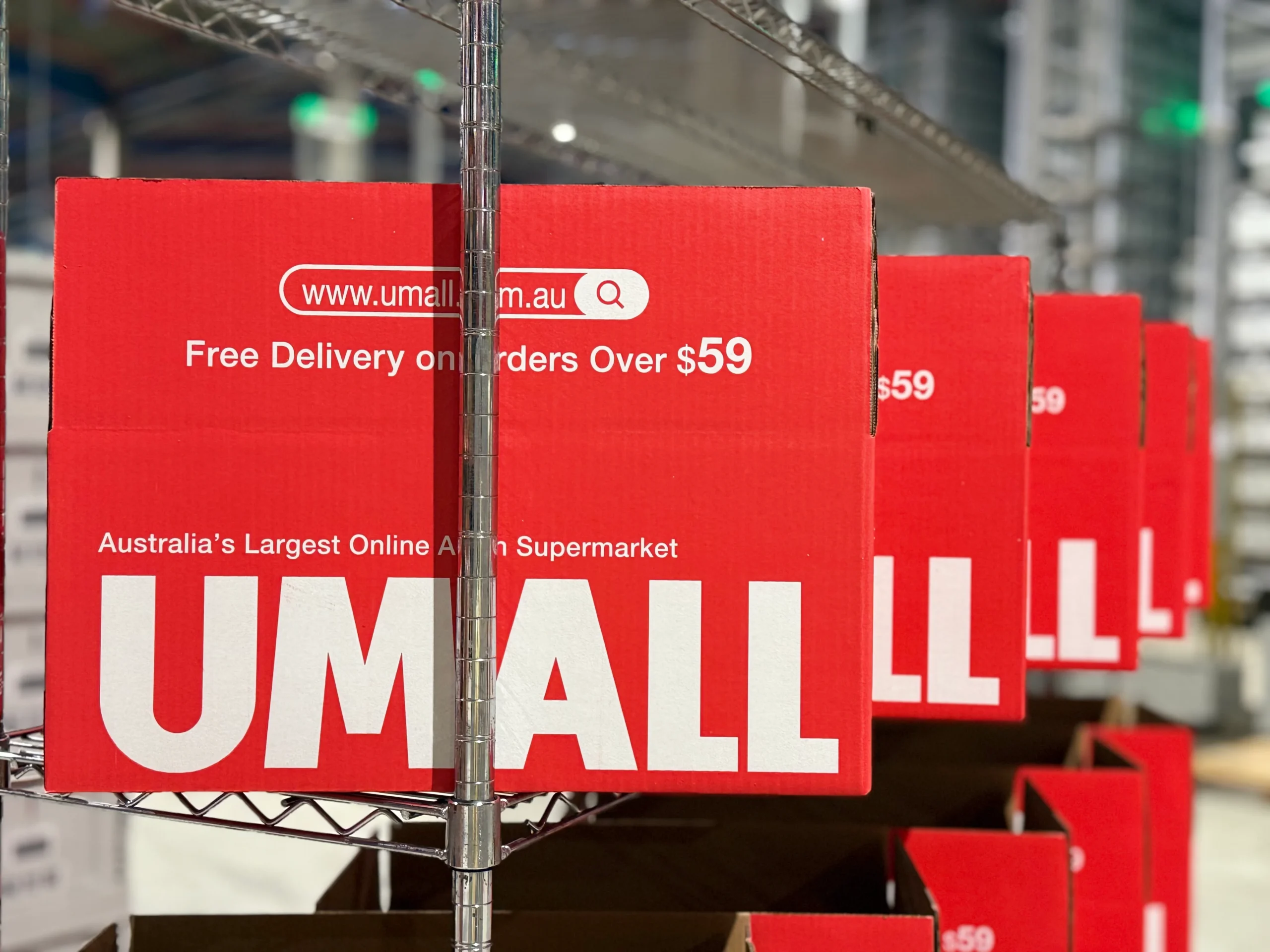
    Umall, an Australian e-commerce platform, recently announced its acquisition of Asian Grocer Online (AGO) in a bid to expand its presence in the multicultural grocery sector.

    Strategic Acquisition

    This acquisition represents a significant development in Umall’s ongoing expansion efforts. The company refers to this move as a “key milestone” in its growth trajectory. As part of this acquisition, AGO’s website is currently unavailable due to system enhancements. However, the company is working towards launching a fully refurbished, unified platform that combines the strengths of both brands.

    Expanding Reach

    With the integration of AGO’s category expertise and dedicated customer base, Umall aims to solidify its leadership position in the multicultural grocery space. The company intends to broaden its reach across Australia, providing a more diverse range of products to its customers.

    New Online Asian Supermarket

    The acquisition of AGO comes on the heels of Umall’s recent launch of a new online Asian supermarket. This venture seeks to provide a broader array of culturally diverse products, all delivered straight to customers’ homes.

    Investments in Technology

    Umall attributes much of its rapid growth to its significant investments in advanced technologies such as AI, automation, and robotics. The company maintains that these technologies have enabled it to provide faster, fresher, and more efficient service in comparison to traditional retailers.

    Questions & Answers

    What does Umall’s acquisition of AGO indicate?
    This acquisition suggests Umall’s strategic plan to extend its influence in the multicultural grocery sector and solidify its leadership position.

    What is the plan following the acquisition?
    The current plan is to launch a fully revamped, unified platform that leverages the strengths of both Umall and AGO. This integrated platform aims to provide a wider array of culturally diverse products.

    What has contributed to Umall’s rapid growth?
    Umall attributes a significant part of its rapid expansion to its substantial investments in AI, automation, and robotics. These technologies, according to the company, allow it to provide faster and more efficient service than traditional retailers.

  • Vietnamese Online Shopping Soars: Consumers Shell Out $16B, Leading Southeast Asia’s Retail Surge!

    Vietnamese Online Shopping Soars: Consumers Shell Out $16B, Leading Southeast Asia’s Retail Surge!

    Vietnamese consumers spent an estimated US$16 billion on online purchases via platforms such as Shopee, Lazada, and TikTok Shop in 2024, placing the country among the top three e-commerce markets in Southeast Asia.

    The recently unveiled Southeast Asia E-commerce 3.0 report from Momentum Works highlights a booming digital shopping landscape in the region, which saw a total gross merchandise value (GMV) of $128.4 billion in 2024—marking a 12% year-on-year increase. Remarkably, Southeast Asia processed an average of 43.6 million online orders daily, nearing the scale of the U.S. market, a fact that could make any retailer’s heart race.

    Shopee, Lazada, and TikTok Shop dominate the market, accounting for over 90% of all orders, while Vietnam joins the ranks of top five e-commerce powerhouses, alongside Thailand, which leads with $23.5 billion, Malaysia at $11.5 billion, the Philippines matching Vietnam at $16 billion, and Singapore standing at $4.9 billion. Thailand and Malaysia stand out for their impressive growth figures, with increases of 22% and 20%, respectively.

    Indonesia remains the titan of the region, boasting a staggering $56.5 billion in GMV and a commanding 44% market share. However, its growth has tempered to just 5%, a reflection of ongoing platform mergers that have caused a few hiccups.

    In Vietnam, e-commerce is predominantly led by three major platforms. Shopee significantly leads the charge with a 65% market share, translating to about $10.4 billion in GMV. TikTok Shop follows with a growing presence at 28% ($4.5 billion), while Lazada holds 6% ($1 billion) and Tiki trails with 1% ($200 million). This online tussle illustrates a dynamic market, indicative of a region that is rapidly evolving.

    Beyond these major players, other digital channels like brand websites, multi-brand retailers, and social media platforms, including WhatsApp, have contributed an impressive $16.8 billion to the region’s total e-commerce value.

    The report also indicates a noteworthy comeback for Chinese consumer brands in Southeast Asia. These businesses are returning with revitalized products and localized strategies aimed at seizing essential market segments, proving that what goes around comes around—especially in retail.

    Looking ahead, Momentum Works projects that Southeast Asia’s e-commerce sector could generate an additional $131 billion in transaction value by 2030 if companies effectively leverage artificial intelligence across sales, operations, logistics, and customer service.

    Questions & Answers

    How much did Vietnamese consumers spend on online shopping in 2024?
    Vietnamese consumers spent approximately US$16 billion on online purchases in 2024.

    Which platforms dominated e-commerce in Vietnam?
    Shopee, TikTok Shop, and Lazada were the dominant platforms, accounting for over 90% of the total order volume.

    What future growth is anticipated for Southeast Asia’s e-commerce sector?
    Momentum Works forecasts that the sector could generate an additional $131 billion in transaction value by 2030, driven by the adoption of artificial intelligence.

  • Alibaba And JD Revolutionize E-commerce In Asia: A Leap Towards Digital Shopping And Smart Logistics

    Alibaba And JD Revolutionize E-commerce In Asia: A Leap Towards Digital Shopping And Smart Logistics

    The retail landscape in Asia is witnessing a bustling surge as major players like Alibaba and JD.com continue to innovate the e-commerce experience. Recently, the two giants sparked excitement among consumers and investors alike with their ambitious plans to enhance digital shopping and logistics. As countries across the region increasingly embrace online retail, these companies are determined to capture larger shares of the market.

    Alibaba’s Expanding Footprint

    Alibaba is not simply resting on its laurels; the company is constantly fine-tuning its platform to create a more immersive shopping experience. With initiatives ranging from augmented reality features to AI-driven recommendations, the tech titan is ensuring that it stays relevant in a fast-evolving consumer environment. Moreover, its investment in advanced delivery networks promises faster and more efficient service, which is a boon for the ever-demanding shoppers in Asia.

    JD.com Sets New Standards

    Meanwhile, JD.com is breaking new ground with an impressive rollout of smart logistics. With an eye on technological advancements, the company is leveraging drones and self-driving vehicles to streamline deliveries, setting a new benchmark for efficiency. This commitment to innovation not only enhances customer satisfaction but also positions JD.com as a leader in redefining China’s logistics landscape.

    The Competitive Spirit Fuels Growth

    The intense rivalry between these giants feeds into the broader ecosystem, prompting smaller retailers to adapt as well. The competition is driving improvements across all levels of the retail sector, encouraging businesses to experiment with online strategies, bolster their digital presence, and enhance customer engagement. As competition heats up, consumers are the ultimate winners, enjoying better prices and more options than ever before.

    In this dynamic atmosphere, Asia’s retail sector is transforming at lightning speed, creating a thrilling narrative for both companies and consumers alike. Will you be ready for the retail revolution?

    Questions & Answers

    What are Alibaba’s recent initiatives to enhance the shopping experience?
    Alibaba is leveraging augmented reality features and AI-driven recommendations to create a more immersive shopping platform, while also improving its delivery networks for efficiency.

    How is JD.com innovating in logistics?
    JD.com is pioneering the use of drones and self-driving vehicles to streamline delivery processes, which significantly enhances efficiency and sets industry benchmarks.

    How does competition between these giants impact smaller retailers?
    The fierce rivalry encourages smaller retailers to innovate and improve their digital presence, leading to better options and pricing for consumers, ultimately benefiting the retail landscape as a whole.

  • Amazon Extends Prime Day To Four Days: New Features Introduced For Personalized Shopping Experience

    Amazon Extends Prime Day To Four Days: New Features Introduced For Personalized Shopping Experience

    Amazon is expanding its yearly Prime Day event from two to four days, providing exclusive offers to Prime members from July 8 to July 14 in 22 markets worldwide. Notable markets include the United States, United Kingdom, Canada, Germany, Australia, Singapore, and Japan.

    Length of Prime Day in Different Markets

    While the duration of Prime Day has been extended in most markets, it has been shortened by two days in Singapore, where the event lasted for six days in the previous year.

    Jamil Ghani, Vice President for Amazon Prime, emphasized that the extended sales period allows Prime members more opportunities to access deals across a variety of categories. These include fashion, pantry essentials, home improvement, personal care, toys, school supplies, and premium goods.

    “Prime Day is dedicated to celebrating our members by offering them remarkable savings and expedient delivery,” Ghani remarked. He further announced that this year’s event would also feature exclusive deals like fuel discounts.

    New Features and Personalized Experience

    Amazon is introducing a new feature named ‘Today’s Big Deals.’ These daily themed offers will start at midnight, and special deals will be released every five minutes during selected periods throughout the event.

    Moreover, Amazon aims to leverage its AI capabilities to provide a more personalized shopping experience. Prime members can utilize Amazon’s AI shopping assistant, Rufus, to investigate product categories and identify relevant deals. Other tools, including ‘Interests’ and ‘Buy Again’ lists, enable users to monitor discounts on items they have previously purchased or frequently viewed.

    Prime Day’s Global Reach

    Prime Day will commence on July 8 in numerous countries including Australia, Austria, Belgium, Canada, Colombia, France, Germany, Italy, Ireland, Japan, Luxembourg, the Netherlands, Poland, Portugal, Singapore, Spain, Sweden, Turkey, the United States, and the United Kingdom. Prime members in Brazil, Egypt, India, Mexico, Saudi Arabia, and the United Arab Emirates will have the chance to shop Prime Day deals later this summer.

    Questions & Answers

    When will Amazon Prime Day take place in 2022?
    Amazon Prime Day will take place from July 8 to July 14.

    What are the new features introduced by Amazon for Prime Day 2022?
    Amazon has introduced ‘Today’s Big Deals,’ a feature that provides themed offers daily, and Rufus, an AI shopping assistant to help members find relevant deals.

    Which countries will have the opportunity to shop Prime Day deals later this summer?
    Prime members in Brazil, Egypt, India, Mexico, Saudi Arabia, and the United Arab Emirates will have the opportunity to shop Prime Day deals later this summer.

  • Amazon extends hourly wage bump for warehouse workers in light of the coronavirus

    Amazon extends hourly wage bump for warehouse workers in light of the coronavirus

    Amazon is extending the hourly wage increase that it announced previously to support workers during the coronavirus pandemic. The company had added $2 for each hour worked on top of the minimum hourly wage of $15. In the UK and European countries, the increase amounted to £2 per hour and €2 per hour respectively. For Canada, it was C$2 per hour worked. These revised rates were to last through the end of this month initially.

    Under the new announcement, the increased rate will apply through May 16. Moreover, the company has also extended double overtime pay in the US and Canada.

    Amazon says that this extension will increase its investment in pay during the outbreak to around $700 million. While this sure sounds great, it is also worth highlighting here that unlike most other companies, Amazon’s business is not suffering because of COVID-19. In fact, sales have apparently skyrocketed, and the company is also on a hiring spree, which goes on to show that demand for its services has increased during the pandemic.

    Unlike corporate office employees, warehouse workers cannot work from home. And thus, it makes sense to provide them an incentive so they keep working during these testing times. An Amazon warehouse worker has already died because of the virus, and many have tested positive.

    The e-commerce giant is also giving flexibility with leave of absence options. However, it hasn’t said if it will also extend the unlimited unpaid time off policy that was announced last month. This policy enabled workers to take some unpaid time off without having to worry about any consequences such as penalties. However, it seems like beginning next month, workers who wish to stay home will have to use their accrued time off i.e. the leaves they have remaining or ask for a leave of absence, which will be granted if a worker has an existing health condition or lives with someone who does. That’s because such individuals are more susceptible to coronavirus. Other workers will apparently have to get back to work.

  • Global giants crave for pieces in Vietnam e-commerce market

    Global giants crave for pieces in Vietnam e-commerce market

    Foreign investors have been pouring billions of dollars into the e-commerce market, seeking to change shopping habits in Vietnam and eventually profit from a likely online boom.

    Since the pandemic began, Tran Thi Linh in Hanoi has picked up a new habit of lying on her couch for hours to browse through e-commerce apps, looking for promotions.

    “With social distancing, I became reluctant to leave the house, and I realize it is more convenient to shop for certain items online,” the 47-year-old housewife said.

    With the apps she no longer has to carry heavy bags of detergents and rice from the supermarket to her apartment, while the coffee her husband drinks is cheaper online.

    “I read reviews and watch videos to make shopping decisions. I still go to the supermarket but less often.”

    Linh is among many Vietnamese that have become more familiar with e-commerce platforms and saw their shopping habits changed during the pandemic, a goal that that Vietnamese and foreign companies have spent billions of dollars to achieve as they seek to claim a bigger share in a booming industry.

    Vietnam’s digital economy is forecast to grow by 29 percent annually from 2020 to $52 billion by 2025, according to a study by Google, Temasek Holdings and Bain & Co.

    But data from Euromonitor International estimates e-commerce accounted for only 3 percent of the nation’s retail market last year, the smallest amount in Southeast Asia.

    This is why major global companies have been making moves to secure a place in the market. From 2016 to the first half of 2020, investors poured $1.9 billion into Vietnam’s online sector, the study by Google, Temasek and Bain showed.

    The latest deals include a $400 investment by an Alibaba Group-led consortium into a unit of conglomerate Masan Group, which is set to team with Lazada as part of the deal to win Vietnam’s e-commerce market.

    Equity firm Warburg Pincus in January poured more than $100 million into M-Service JSC, a Vietnamese startup that operates the MoMo payment app.

    Domestic platform Tiki had earlier raised $192.5 million from Japan’s Sumitomo Corp and China’s JD.com.

    “Vietnam is at the beginning of becoming a digitalized society with a young population that loves technology,” Bloomberg cited Ralf Matthaes, managing director of Ho Chi Minh City-based Infocus Mekong Research, as saying.

    “So all these companies are tripping over themselves to offer these services.”

    But changing Vietnamese people’s shopping habit while dominating the market in the process is easier said than done.

    Linh, the Hanoi housewife, said that until now she only pays for online orders by cash, because she does not know how to link her shopping account with her debit card.

    “Another reason is that I can refuse to accept orders if they do not meet the quality I expect. There are many online shopping frauds and I want to be careful.”

    Cash remains the most popular payment method in Vietnam with around 80 percent of the population preferring it in daily transactions, according to the Ministry of Industry and Trade.

    “Cashless payment remains unpopular in Vietnam because people prefer to see and touch products before paying for them,” said Le Xuan Vu, board member of Military Bank, adding that if local banks can guarantee to compensate customers for fraud and fake products, they will trust cashless payment and use them more regularly.

    Dominating the market remains a challenging task for e-commerce firms with so many players seeking a piece of the pie. Among four major platforms, Shopee, Tiki, Lazada and Sendo, none has been able to secure a paramount position to become the go-to marketplace for every need.

    Electronic companies like Mobile World, FPT and CellphoneS have also established their own platforms so not to be left behind in the race.

    “I have apps of Tiki, Shopee and Lazada and use them all. I don’t feel the need to commit to only one platform,” said Nguyen Duc Anh, who works for an advertising agency in Hanoi.

    Duc Anh often compares prices and reviews of a product on all three platforms to make the decision. Usually the platform with the highest number of purchases and offers the best price and delivery time wins.

    “For now I’m having the best of several worlds.”

    This is why e-commerce companies are trying different strategies to make its platform the best and the only.

    Almost every month Shopee offers a period of major discount with a variety of items priced as low as VND1,000 (4.3 U.S. cents).

    Tiki has been working to remove counterfeit products and increase the number of items eligible for a two-hour delivery. It also offers up-to-30-day return policy for certain electronics products to gain customers’ trust.

    In the new partnership with Lazada, Masan seeks to blend offline and online shopping into one experience by making its 2,200 VinMart+ outlets the pickup points for purchases on the platform.

    But while platforms race to win more customers, people like Linh are still reluctant to abandon the traditional shopping method.

    The other day she used online platforms to check prices of an air purifier but ended up driving her motorbike to an electronics store to make the purchase even though it was priced slightly higher there.

    “I still need to touch it. I want to see it with my own eyes.”

  • Vietnam’s E-Commerce Revolution: Platforms Embrace Immersive Experiences Over Discounts for Engaging Shopping Journeys

    Vietnam’s E-Commerce Revolution: Platforms Embrace Immersive Experiences Over Discounts for Engaging Shopping Journeys

    Double-day events—dates like 6/6, 9/9, and 11/11—have historically served as prime opportunities for online retailers, marked by aggressive promotions and a flurry of sales. However, growing indications of diminishing returns, especially among Gen Z, are nudging platforms to rethink their marketing strategies.

    According to TikTok’s What’s Next 2023 report, a remarkable 72% of Gen Z users trust product recommendations from content creators more than traditional ads. In a striking revelation, 83% confessed to making purchases after enjoying a livestream. These figures underscore a notable shift towards authentic, personalized content over conventional sales pitches.

    Younger consumers are now leaning towards emotional connections, real-life narratives, and product discovery through relatable influencers and entertaining content.

    Transforming Transactions into Engagement

    In response to these emerging trends, many e-commerce platforms are reimagining their strategies. Livestreams, once primarily seen as direct sales mechanisms, are evolving to emphasize storytelling, interactivity, and community connection.

    Take Lazada’s recent 6.6 campaign, for instance. It featured an innovative livestream series titled Kinh LazTo, inspired by the traditional Vietnamese bingo-style game, lo to. Running from June 3 to 6, the show artfully entwined modern e-commerce with cultural flair, creating a vibrant atmosphere that invited viewer participation while seamlessly promoting featured products.

    Rather than merely showcasing discounts, hosts cleverly introduced sale items through interactive gameplay, allowing viewers to add them to their carts in real time. The experience resembled a live festival, complete with a digital bingo machine, dazzling visual effects, and lively commentary. Viewers didn’t just watch; they engaged, responding enthusiastically to each draw and forming connections with the products on display.

    A Shifting Competitive Landscape

    In an ever-crowded e-commerce environment, the old trick of discounting loses its charm and differentiation. As consumer expectations continue to shift, brands are venturing into new territories that place a premium on emotional resonance, entertainment, and engagement.

    Initiatives like Lazada’s bingo-inspired livestream illustrate how platforms are inventively enhancing customer experience while ensuring sales performance. While discounts still play a role in the equation, there’s a growing focus on long-term engagement strategies that aim to foster loyalty and distinguish brands in today’s competitive digital marketplace.

    As we navigate this transformed retail world, one can’t help but wonder: Could the next shopping trend be an old-school carnival game come to life in a virtual format?

    Questions & Answers

    What is the main takeaway from the TikTok report regarding Gen Z?
    The report reveals that a significant 72% of Gen Z users prefer product recommendations from content creators over traditional advertisements, indicating a shift towards authentic marketing approaches.

    How did Lazada integrate cultural elements into its 6.6 campaign?
    Lazada’s campaign incorporated the traditional game of lo to, blending it with modern sales tactics to create a lively and engaging livestream event that resonated with viewers culturally and emotionally.

    What does the shift in e-commerce strategy suggest about future trends?
    The growing emphasis on interactive and emotionally resonant content suggests that future trends in e-commerce will prioritize community-driven experiences and personalized marketing over mere discounting strategies.

  • JD Super Boosts Meat Imports with Dynamic New Global Partnerships

    JD Super Boosts Meat Imports with Dynamic New Global Partnerships

    Bringing Premier International Meat Brands to Chinese Consumers

    JD Super, the supermarket arm of JD.com, is stepping up its game by forming strategic alliances with Argentina’s Beef Promotion Institute (IPCVA) and the influential frozen meat importer, Linking Fresh. This initiative aims to broaden the supply of high-quality imported meat throughout China.

    The partnership with IPCVA will enhance the distribution of Argentine grass-fed beef on JD’s platform, capitalizing on its expansive logistics network and a loyal customer base of over 600 million.

    In addition, JD Super’s collaboration with Linking Fresh, which boasts ties to over 300 global meat suppliers and annual imports surpassing RMB15 billion, will usher in a selection of notable international brands, including Brazil’s BRF and Marfrig, Australia’s Kilcoy, Argentina’s Arre Beef, and Chile’s Agrosuper.

    To raise awareness and stimulate sales, JD Super and Linking Fresh will launch vibrant marketing campaigns, featuring special events like “Argentine Beef Week.” After all, who could resist a week dedicated to delectable beef?

    Questions & Answers

    What is JD Super’s recent initiative focused on?
    JD Super’s initiative is aimed at expanding the supply of high-quality imported meat into China through partnerships with the Argentine Beef Promotion Institute and Linking Fresh.

    What international brands will be introduced to the Chinese market?
    The partnership will bring prominent brands such as BRF and Marfrig from Brazil, Kilcoy from Australia, Arre Beef from Argentina, and Agrosuper from Chile.

    How does JD Super plan to promote these products?
    JD Super will employ targeted marketing campaigns, including themed events like “Argentine Beef Week,” to enhance consumer awareness and drive sales.

  • Retailer Temu’s daily US users halve following end of ‘de minimis’ loophole

    Retailer Temu’s daily US users halve following end of ‘de minimis’ loophole

    PDD Holdings’ international discount e-commerce platform, Temu, reported a 58 per cent decrease in daily US users in May. This downturn is just one of the challenges the online retailer is grappling with in the face of the US-China trade war.

    Temu made the strategic decision to cut advertising expenses in the US and alter its order fulfillment approach after the cessation of the “de minimis” practice by the White House on May 2. This regulation had previously granted Chinese companies the ability to ship low-value packages to the United States without incurring tariffs.

    For years, Temu and the large fast-fashion company, Shein, had availed themselves of this provision. This allowed them to deliver items directly from suppliers in China to consumers in the US, thereby maintaining low prices.

    Since the announcement of sweeping trade tariffs by US President Donald Trump, both Temu and Shein have noted a marked decline in sales growth and customer acquisition rates. However, according to data gathered by consultancy firm, Bain & Company, Temu’s downward trends surpass those of its competitor.

    Both platforms were forced to increase prices due to tariffs, yet Shein has managed to raise the amount of money spent per customer in comparison to the previous year, data indicated. Conversely, Temu has grappled with this challenge.

    Temu declined to comment on the drop in daily US users or the challenges it is encountering in the US market.

    According to a May note from Morgan Stanley equity analyst Simeon Gutman, engagement on Temu has significantly decreased following the termination of the de minimis exemption.

    Gutman expressed his belief that, if the current tariff conditions remain unchanged for an extended period, Temu’s competitive position is likely to continue to weaken.

    PDD’s first quarter earnings were recently reported and failed to meet growth expectations. In a post-earnings call, executives stated that tariffs had imposed significant pressure on its merchants.

    They reaffirmed Temu’s prior commitment to maintain stable prices and collaborate with merchants across regions, highlighting a move towards a local fulfilment model announced at the start of May.

    Previously, Temu’s business model held merchants accountable for ordering and supplying their products, while the China-based company managed the majority of logistics, pricing, and marketing.

    Under the new model, Temu’s merchants “can ship individual orders from China to Temu-partnered US warehouses, but they would need to address tariffs and customs charges and paperwork”. Temu continues to handle order fulfillment close to consumers, pricing, and online operations.

    Despite these difficulties, HSBC analysts reported last week that Temu’s growth in non-US markets has increased, with non-US users constituting 90 per cent of its 405 million global monthly active users in the second quarter.

    Questions & Answers

    What factors contributed to the decrease in daily US users of PDD Holdings’ platform, Temu?
    The US-China trade war and the cessation of the “de minimis” practice, which allowed tariff-free shipping of low-value packages to the US, contributed to this decline.

    How have changes in global trade conditions affected Temu?
    The company has been forced to alter its order fulfillment strategy and increase prices. Additionally, it has experienced a decrease in sales growth and customer acquisition rates.

    What adaptations has Temu made in light of these challenges?
    Temu has shifted to a local fulfillment model in the US and is working collaboratively with its merchants. It continues to manage logistics, pricing, and online operations, despite the changes in market conditions.

  • Lazada Unveils Ambitious $100 Million Annual Investment to Boost Affiliate Program

    Lazada Unveils Ambitious $100 Million Annual Investment to Boost Affiliate Program

    Lazada is ramping up its efforts in the affiliate marketing sphere, announcing a bold $100 million annual investment into its Lazada Affiliate Programme. This move aims to further establish affiliate marketing as a pivotal growth engine across Southeast Asia’s rapidly evolving eCommerce landscape.

    In 2024, a remarkable 82% of consumers in Southeast Asia are expected to base their purchasing decisions on influencer recommendations, marking a 3% rise from the previous year. This trend underscores the rising significance of affiliate marketing as a key sales driver, contributing about 20% to the region’s online sales—roughly translating to a staggering US$15 billion in Net Merchandise Value.

    The influx of funds is poised to empower both brands and creators by transforming recommendations into tangible revenue. To enhance the user experience and overall performance of the LazAffiliate Programme, Lazada is rolling out an array of updates. These include a revamped affiliate interface, customized storefronts showcasing curated products, and seasonal campaign boosters that offer not just higher commissions but also gamified challenges and attractive bonuses.

    As excitement builds for the upcoming 6.6 sale, affiliates are in for a treat—earning up to 36% commission when promoting brands through store vouchers. A curated list of high-commission products, along with a real-time performance dashboard, will help affiliates hone their strategies and focus on what sells best.

    Lazada is not stopping there; it plans to implement co-developed, performance-based strategies designed to maximize the impact of influencer marketing, turning it into scalable sales. This strategy includes Lazada-funded vouchers and access to an expansive network of influencers, content creators, and key opinion consumers (KOCs).

    Kicking off with the highly anticipated 6.6 Mega Sale, the affiliate programme will feature gamified challenges and a rewarding pool of $100,000 for the top 10 affiliates in the region. Over 80 brands, particularly those in the fashion and beauty sectors, are set to join in on the action.

    Jared Chan, head of regional affiliate at Lazada Group, emphasized that this investment is about unlocking new income opportunities for creators and forging stronger, localized connections between brands and consumers. Notably, the LazAffiliate Programme is open to all, welcoming participants without any minimum follower requirements.

    Questions & Answers

    What is the significance of Lazada’s $100 million investment?
    This investment is aimed at enhancing Lazada’s affiliate marketing program, turning it into a performance-driven growth channel across Southeast Asia, which is crucial for eCommerce success in the region.

    How does Lazada support its affiliates?
    Lazada provides affiliates with a redesigned interface, customized storefronts, and tools like a performance dashboard to help them optimize their strategies. They also offer opportunities for higher commissions and bonuses during promotional campaigns.

    Is there a minimum follower requirement to join the LazAffiliate Programme?
    No, the LazAffiliate Programme is open to everyone, allowing individuals with any follower count to participate and benefit from the growing field of affiliate marketing.

  • Southeast Asia’s E-Commerce Market Poised to Soar to $140 Billion by 2030

    Southeast Asia’s E-Commerce Market Poised to Soar to $140 Billion by 2030

    Southeast Asia’s e-commerce landscape is on a meteoric rise, with sales soaring an astonishing 46 times since 2012. A report titled Nextwave Southeast Asia 2025, released by DBS and market insights firm Cube, forecasts that the region’s e-commerce market will more than double from $184 billion in 2024 to an impressive $410 billion by 2030. This surge indicates a robust compound annual growth rate of 14%.

    Major Players Make Profits Amid Market Evolution

    As the sector matures, numerous key players have already achieved profitability, thanks to market consolidation, increased platform fees, and a sharper focus on core offerings. Many companies are also venturing into logistics and last-mile delivery, enhancing their operational efficiency to meet the growing consumer demand.

    The maturation of the market is prompting businesses to pivot towards cost control, reliable revenue streams, and the retention of customers. Companies that provide personalized and engaging shopping experiences are set to solidify their grip on market share, proving that a tailor-made approach is the name of the game.

    AI Takes the Spotlight in Retail

    Artificial intelligence is emerging as a game-changer, transitioning from backend operations to the forefront of consumer engagement by facilitating personalized recommendations and immersive shopping experiences. New entrants leveraging AI and offering seamless payment solutions are poised to disrupt established players, capturing both market attention and investment.

    Funding Strategies Shift in the Tech Realm

    The report highlights a noteworthy shift in the funding landscape for tech companies. Start-ups and scale-ups are looking to decrease their reliance on venture capital, opting instead for credit-backed financing. This evolution reflects the changing market dynamics and a broader commitment to long-term sustainability in Southeast Asia’s burgeoning digital economy.

    In the thrilling chase for e-commerce supremacy, it seems the stakes are never higher—and just like a good sale, there are surprises around every corner!

    Questions & Answers

    What is the projected growth for Southeast Asia’s e-commerce market by 2030?
    The e-commerce market is expected to grow from $184 billion in 2024 to $410 billion by 2030.

    What factors are driving profitability among e-commerce players?
    Market consolidation, increased platform fees, and a focus on core offerings are key drivers of profitability.

    How is artificial intelligence changing the shopping experience?
    AI is facilitating personalized recommendations and creating immersive shopping journeys, enhancing consumer engagement.

  • Mail&More – the world’s first GSA dedicated to mail and e-commerce

    Mail&More – the world’s first GSA dedicated to mail and e-commerce

    Mail&More offers a fully scalable solution to all airlines seeking to participate in the rapidly growing e-commerce and small parcel logistics niche. It removes the challenges and complexity that non-traditional cargo such as mail or e-commerce bring to an airline’s operational processes. Mail&More assumes responsibility on the airline’s behalf for all related commercial operations through to capacity sourcing and allocation, and is supported by innovative Mail EDI software.

    E-commerce features in every air cargo conference as the disruptor and fastest-growing commodity in air cargo. And it is one that requires specialized expertise given the sheer volumes of AWBs it generates as well as the last-mile network complexity of small parcels with very diverse end destinations. Mail&More has developed a tailored service that has continuously seen annual growth rates of 50% since it was officially introduced in 2022 and today caters to a growing network of 20 postal operators and 30 airlines across the globe, with a strong footprint in Europe and Asia.

    Mail & More is unique. It bridges the gap between postal operators on one hand, who are always looking for the best possible network solutions for the e-commerce platforms, consolidators and vendors that they serve, and airlines, on the other, seeking to optimize their capacity utilisation and load factors – and their process efficiency. Mail&More matches the two and develops market shares, constructs routings, oversees and coordinates transport operations, while advising its customers on cross-border alternatives or other measures they can take to increase their base loads on certain routes. Because of its experience and understanding of regulatory bodies, customer expectations and airline processes in this product niche, Mail&More is a strong partner for airlines of any size seeking to improve or even launch their e-commerce strategy. What’s more, it is the only company in the world currently offering this service.

    Mail&More offers audits, strategic guidance, solution recommendations, and operational support tailored to each airline’s size and structural focus—whether large carriers aiming to further optimize and digitalize their e-commerce strategy, mid-sized airlines developing their parcel business with the right tools, or smaller and leisure airlines still defining their strategic direction. Leveraging innovative cloud-based MAIL EDI software, the Mail&More team assists airlines in efficiently developing their e-commerce service both in terms of costs and return on investment. Once established, it assists in digitalizing the airline’s respective processes to ensure complete product positioning, visibility and control over its operations.

    2025 will be a year of consolidation for Mail&More, following growing interest from airlines over the past two years. Many carriers have recognized the need to position their e-commerce and parcel services with the same strategic importance as established special products such as pharmaceuticals, dangerous goods, or perishables. However, due to its rapid development, this segment presents challenges—particularly in terms of return on investment. This is where Mail&More adds value, offering extensive network coverage, strong partner connections, market visibility, digital tools, operational efficiencies, and ongoing performance monitoring. By providing a comprehensive and centralized commodity strategy, Mail&More acts as a long-term, plug-and-play business solution.

  • Indonesia’s e-commerce market tipped to exceed $46 billion

    Indonesia’s e-commerce market tipped to exceed $46 billion

    E-commerce transaction values are growing steadily in Indonesia, with the market size up from $18.2 billion in 2020 to $40.8 billion last year.

    According to data and analytics company GlobalData, this represents a compound annual growth rate (CAGR) of 22.3 per cent.

    With such a growth pace, GlobalData forecasts the Indonesian e-commerce market to reach $46.6 billion in value this year.

    Government initiatives to improve digital infrastructure and online transaction security have contributed to this market growth, the research house reports.

    To protect traditional businesses and online marketplaces, and to reduce online fraud, the Indonesian Ministry of Trade issued a ban on social media e-commerce transactions in 2023, improving consumer confidence.

    GlobalData’s 2024 Financial Services Consumer Survey found that alternate payment methods held a market share of 49.3 per cent in the e-commerce payment landscape due to their convenience, speed, and security.

    Mobile wallets such as GoPay and Dana have gained popularity among consumers, with GoPay seeing 30 million downloads last July.

    The survey found that bank transfers held a 30.2 percent market share, particularly for high-value transactions, attributed to perceived security and the direct nature of the process.

    The use of cards for e-commerce transactions was just 7.5 percent, according to the survey.

    A preference for credit cards was seen due to the benefits offered, such as reward programs, cashback, interest-free installment payment options, and discounts.

    “Looking ahead, Indonesia’s e-commerce market value is projected to grow at CAGR of 12 per cent from 2025 to 2029. The growth will be driven by several key trends, including the continued expansion of digital payment solutions, the increasing penetration of smartphones and internet connectivity, and the rising demand for convenient and secure online shopping experiences,” said GlobalData banking and payments analyst Siddharth Das.

  • China pressures Shein against shifting its supply chain

    China pressures Shein against shifting its supply chain

    Fast-fashion retailer Shein is facing opposition from the Chinese government over its plans to shift some production out of the country, Bloomberg News reported on Tuesday, citing people familiar with the matter.

    China’s Ministry of Commerce has reached out to Shein and other companies, advising them against diversifying supply chains by sourcing from other countries, one person familiar with the matter told Bloomberg News.

    Bloomberg News said it wasn’t immediately clear which other firms were contacted by the commerce ministry.

    The requests came in the run-up to US President Donald Trump’s announcement on reciprocal tariffs that have sent firms scrambling for alternative ways to avoid additional import levies, the person told Bloomberg News.

    Shein did not immediately respond to a Reuters request for comment on the report.

    Trump’s harsher-than-expected tariffs have roiled markets globally, wiping trillions of dollars in value across assets, and elicited strong rebuke from China and additional tariffs of 34 per cent on all US goods.