Retail News CRM

Tag: etailers

  • Alibaba buys into furniture chain Macalline

    Alibaba buys into furniture chain Macalline

    Alibaba has invested US$640 million in Red Star Macalline Group, the largest furniture retail chain in China. Signalling a renewed interest in the home improvement business, Alibaba made the investment in the form of convertible bonds issued by Macalline’s controlling shareholder. The transaction will see Alibaba taking a 10 per cent shareholding of Macalline’s Shanghai listing if fully converted. Alibaba has also taken 3.7 per cent of Macalline’s Hong Kong-traded shares.

    The investment will see emerging cooperation in the furnishings business between the two parties, a move that follows several other plays into the lucrative sector by the e-commerce giant.

    Macalline currently has 364 stores in almost 200 cities.

  • Two million Shoppers to receive first eBay catalogue

    Two million Shoppers to receive first eBay catalogue

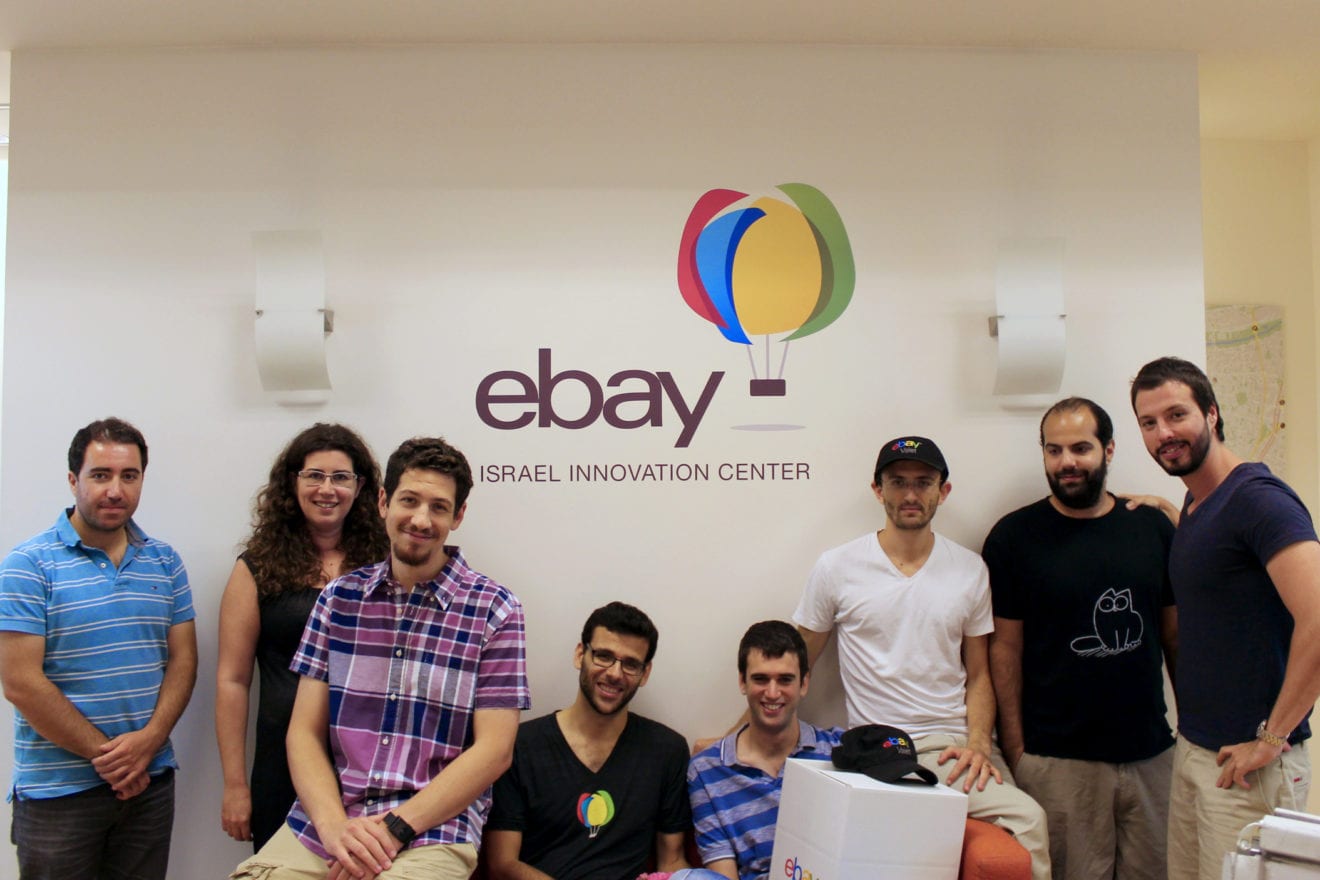
    EBay Australia is mailing its first-ever printed catalog to two million Australian households on Tuesday to remind customers that 90 percent of the products on its platform is brand new.

    The 16-page catalog contains over 100 items from the 40,000 Australian retailers that sell on the online marketplace, which is by far the most visited e-commerce site in the country.

    It features items from a range of categories, including electronics and technology, men’s and women’s fashion, heating, bedding, kitchen and cleaning, appliances, liquor, glassware, toys and gaming, entertainment, backyard, and garage.

    EBay selected items to reflect the range and value it offers compared to bricks-and-mortar retailers.

    “We partnered with our sellers to get the best deals on a variety of items including brands like Dyson, KitchenAid, and Apple – reflecting the unbeatable range and value on eBay,” Julie Nestor, chief marketing officer at eBay Australia said.

    “The product selection is also seasonal, showcasing our top picks for the winter months,” she said, hinting at the possibility of more seasonal catalogs to come.

    The catalog provides a way for eBay to reach customers offline. It’s another example of the growing trend of pure-play retailers branching out into the physical world, as they come to understand that shoppers don’t stick to a single channel.

    “We’re adopting a similar strategy many traditional bricks-and-mortar retailers have – by having both a physical and online presence,” Nestor said in an email announcing the catalog.

    EBay is also launching a shoppable digital catalog from May 21.

    Nestor declined to say whether the printed catalog is a precursor to other offline initiatives, such as a pop-up or bricks-and-mortar store, in future.

    “As Australia’s number one online shopping destination, eBay is always looking for new ways to engage with buyers and empower its seller community,” she said.

    “Both online and physical channels will continue to be important. “

    The two million households receiving the catalog are located across metro Sydney, Melbourne, Brisbane, and Perth and include existing buyers as well as those who may not have considered eBay before, Nestor said.

  • JD.com Closes Australian branch Store

    JD.com Closes Australian branch Store

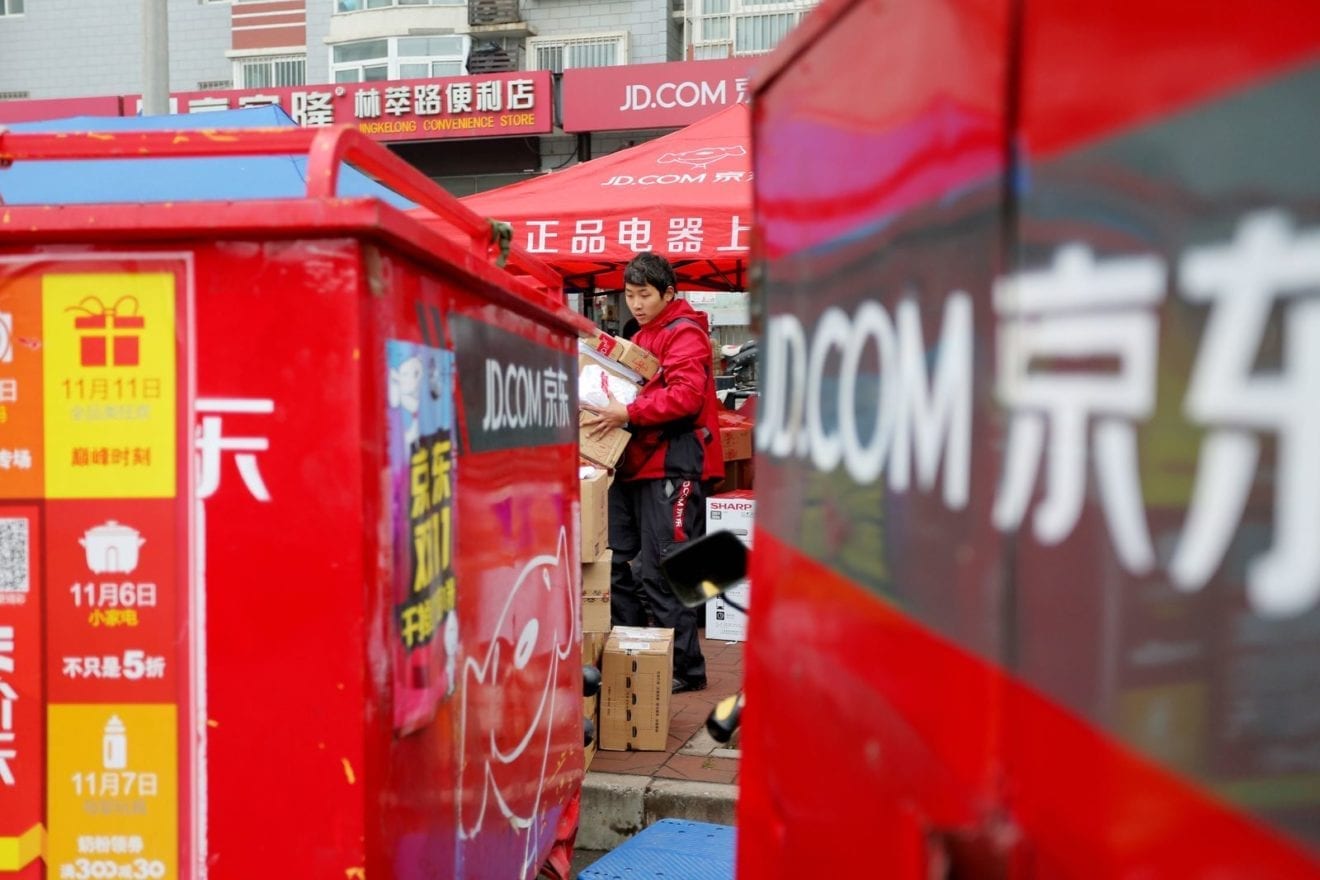
    Chinese online marketplace JD.com has closed its local branch after only 15 months in the market.

    The e-commerce giant launched its Australian office in Melbourne in February 2018, after its competitor Alibaba opened an office in Melbourne in 2017.

    At the time, the opening was seen as a way for JD.com to work more closely with the Australian and New Zealand brands on its platform, and to pitch its business to new brands looking to expand into China.

    A JD.com spokesperson confirmed that the online marketplace is integrating its Australian office into the business in China. The spokesperson said the move didn’t reflect the business’s performance in Australia, nor the region’s importance.

    The retailer’s head of Australian operations Patrick Nestrel is no longer with the business, likely in an effort to ensure management in China is able to fully integrate Australian operations.

    The online retailer is set to report its first-quarter sales results on May 10. It has had a difficult few months recently after founder Richard Liu was arrested in September 2018 in the US for sexual misconduct. He was not charged.

    In April, the Chinese university student who accused Liu of misconduct filed a civil lawsuit against him.

  • Pricing Tactics to Boost Sales in E-Commerce

    Pricing Tactics to Boost Sales in E-Commerce

    More than 80% of the purchasing decision depends on price. Especially in the ultra-fast e-commerce arena where businesses showcase and change their prices every 3 to 6 hours. But before changing prices out of the blue you must know that there are certain conditions to do that. Decrease your prices to very low and you’ll leave a lot of money on the table raise them up high and you’ll end up hunting flies.

    The Importance of Pricing

    Let’s start by going through each insight down below to understand why pricing needs more attention ever than before.

    • 90% of consumers invest their time to hunt the best online deals.
    • 80% of “first-time” consumers say it’s important to be able to see and compare prices from different sellers.
    • 70% of consumers believe they’ll get a better deal online than in brick&mortar stores.
    • 50% of consumers will purchase products left in shopping carts if those products are offered at a lower price.

    As you can see pricing is very, very important.

    Let’s get into some tactics on how you can approach pricing to increase your profits margins and sales numbers.

    Charm Pricing

    Have you ever heard about the power of 9s? That is the strategy, where you end a price with a “9” instead of a “0” on the price tag. This is a very common tactic especially in physical stores, but you may also come across it in online stores as well.

    Here’s why! Our brain perceives $50.00 and $49.99 as different values. According to consumer perception, $49.99 seems closer to $40.00, which is cheaper than $50.00 and product prices ending with a “9” are considered “the” deal to not miss.

    Prestige Pricing

    This is suitable for high-end, luxury, emotion-triggering products, where you should apply round prices such as $500, $750, opposite of charm pricing. Setting round prices on products which evokes emotions converts better.

    A study by Kuangjie Zhang and Monica Wadhwa, claims that “A rounded price ($100.00) encourages consumers to rely on feelings when evaluating products, while a non-rounded price ($98.76) encourages consumers to rely on reason. When a purchase is driven by feelings, rounded prices lead to a subjective experience of feeling right,”

    Bundle Pricing

    This psychological trick makes online shoppers search for getting an extra item with the purchased product at the same price. This presents a golden opportunity for the wise e-commerce seller. To reduce this pain and encourage online shoppers to buy your products, use bundling, set your prices accordingly and get these customers to reach deeper into their pockets.

    For example, Amazon has an advanced bundling strategy; it always suggests two or three related items that you may want to purchase at the same time. Most of the online shoppers jump onto these types of offers because they’re amazed by the simplicity of purchasing them all at the same time. Bundle two or three items together with a single price set an adequate discount, and you can start selling less-popular items.

    What’s Next?

    All of the tactics above are some part of the common approaches laid out from the people of Prisync. To learn more about other pricing strategies take the time to read most of their blog posts. When you’ve successfully implemented a strategy, you’ll either address your customer’s emotions or logic. Either way, you will start winning and boosting your conversion rates, sales, and eventually revenue. And if you want to automate that, we recommend you start using a pricing software sooner before its too late.

  • Ebay launches e-commerce training program in Singapore

    Ebay launches e-commerce training program in Singapore

    Ebay Singapore and the Institute of Retail Studies have partnered in an e-commerce training program.

    Called “Let’s Ebay with SIRS”, the full-day workshop aims to help aspiring entrepreneurs kickstart their e-commerce business and connect with the global marketplace of active buyers.

    The program was designed for small businesses and entrepreneurs who have little or no e-commerce experience but want to learn directly from the source.

    Singapore’s e-commerce market is expected to grow by 48 per cent to S$10.04 billion by 2022.

    “Singapore’s cross-border trade continues to grow and there is a huge opportunity for more small businesses to join the ranks of Ebay sellers,” said Wong Mei Inn, Ebay‘s head of Southeast Asia seller growth.

    “By listing their products on Ebay’s global marketplace, Singaporean businesses can reach 180 million active buyers all around the world.”

    SMEs contribute to 72 per cent of Singapore’s employment, and added a nominal value of $213.6 billion, or 48 per cent to the economy last year.

    “E-commerce has been recognised as one of the key growth opportunities under the 2020 vision of the Retail Industry Transformation Map launched by Spring Singapore (now Enterprise Singapore),” said Megan Ong, Nanyang Polytechnic’s Singapore Institute of Retail Studies director.

    “By partnering with Ebay, we will be able to encourage retailers in Singapore to adopt e-commerce and omnichannel strategies to succeed in today’s digital context.”

    Following the workshop, the two parties launched an Ebay onboarding program which further enables SMEs to optimise cross-border selling and manage operations.

  • Pomelo Fashion Beefs Up Management Team with Key Hires from Across SEA

    Pomelo Fashion Beefs Up Management Team with Key Hires from Across SEA

    Pomelo, a leading omnichannel fashion company headquartered in Bangkok, announced the appointment of Jim Boland, former CFO of RedMart, to Pomelo’s core team as its new CFO. As part of Pomelo’s strategic approach to recent key hires, Boland’s appointment will see him
    building up Pomelo’s financial infrastructure to drive profitability while enabling rapid growth across the region. Boland has successfully led finance organisations in fast-growing ecommerce businesses for over 19 years in leadership roles at Amazon, Dell and Alibaba-owned RedMart.
    ”I am delighted to join this innovative company which has designed a business model strategically suited to grow fast and profitably.

    As a digitally native, vertically integrated omnichannel brand, Pomelo presents an exciting opportunity to leverage my past experience with vertical integration, retail, and ecommerce, especially during the critical scaling up phase.” said Boland. With Boland’s new role as CFO, Pomelo’s Co-founder and former CFO, Casey Liang transitions to enhance Pomelo’s growth team which encompasses the performance marketing and business intelligence teams. This cross-functional team will work closely with the engineering, design, and product teams to accelerate customer acquisition and retention.

    “As we continue in this period of rapid expansion, I am excited to foster more coordination between our creative and technical teams to further accelerate our growth rate and help more customers to experience Pomelo’s unique value proposition“ said Liang. Commenting on Pomelo’s spate of new hires, David Jou, CEO of Pomelo says “We’re excited to have Jim on-board as we continue on the path of building the first global fast fashion brand out of Asia.” Jim Boland’s appointment reinforces Pomelo’s commitment to investing in key talent across Southeast Asia.

    In Q4 2018, Pomelo also welcomed aboard Cathriona Nolan as its AVP of Creative Operations, and Vorada Hiransomboon as its AVP of Buying. Previously from Burberry, Nolan brings extensive creative experience in brand development and marketing to the table to strengthen Pomelo’s creative direction, while Hiransomboon, most recently former Head of Buying at Inditex, leads the buying and merchandising team with her keen knowledge of market trends and efficient supply chain management.

  • Online retail sales growth stagnates in Philippines

    Online retail sales growth stagnates in Philippines

    The Philippines is lagging behind its neighbours in online retail sales growth, says a new report.

    Despite having the second-largest population of Southeast Asia, the Philippines has turned in the lowest B2C e-commerce sales growth figures, according to Research & Markets’ Philippines B2C E-Commerce Market 2018 report.

    Among hurdles to overcome to foster growth in the online retail sector are comparatively low internet use, few credit card holders and restricted consumer confidence in online shopping.

    Online retail sales in the Philippines are expected to rise at a double-digit rate for the next few years even in the face of challenges, says the report. An increasing share of the large population is connecting to the internet, many though mobile devices.

    M-commerce is contributing to the rise in online retail, with mobile making up about three-quarters of connections to e-commerce websites. The Philippine government has done its part to help expand online retail sales by aiming to create a favourable administrative environment.

    Leading online merchants in the Philippines include Lazada and Shopee, both with headquarters in Singapore. Local companies Ayala Group and JG Summit are expanding their online presence.

  • Priceza Indonesia data shows Ramadan boom

    Priceza Indonesia data shows Ramadan boom

    Ramadan month is the most popular time for online shopping in Indonesia, data from shopping search engine and price comparison platform Priceza Indonesia shows.

    Click rates increased by 26 per cent compared to the previous month, its figures show, while transaction values rose by as much as 16 per cent.

    Priceza Indonesia says this is in line with conventional shopping, where the turnover of traditional traders can double and even triple in some cases as Lebaran (Eid Al Fitr) approaches.

    During the Ramadan period to its peak on Lebaran day there was a “significant transaction boom”, says Priceza Indonesia co-founder/country head Bayu Irawan.

    “This means the traditional month of Ramadan is still going to be effective for e-commerce promotional programs.”

    Indonesian consumers tend to spend their time shopping online during the holiday, says Priceza Indonesia. Its data shows the top three categories during the month are fashion, electronics and smartphones.

    Priceza was established in Thailand in 2010, with the Indonesian offshoot starting in 2013 with nearly 4.5 million users a month. The platform is also active in Malaysia, Singapore, Philippines and Vietnam.

  • Zilingo raises $54 million in a new funding round

    Zilingo raises $54 million in a new funding round

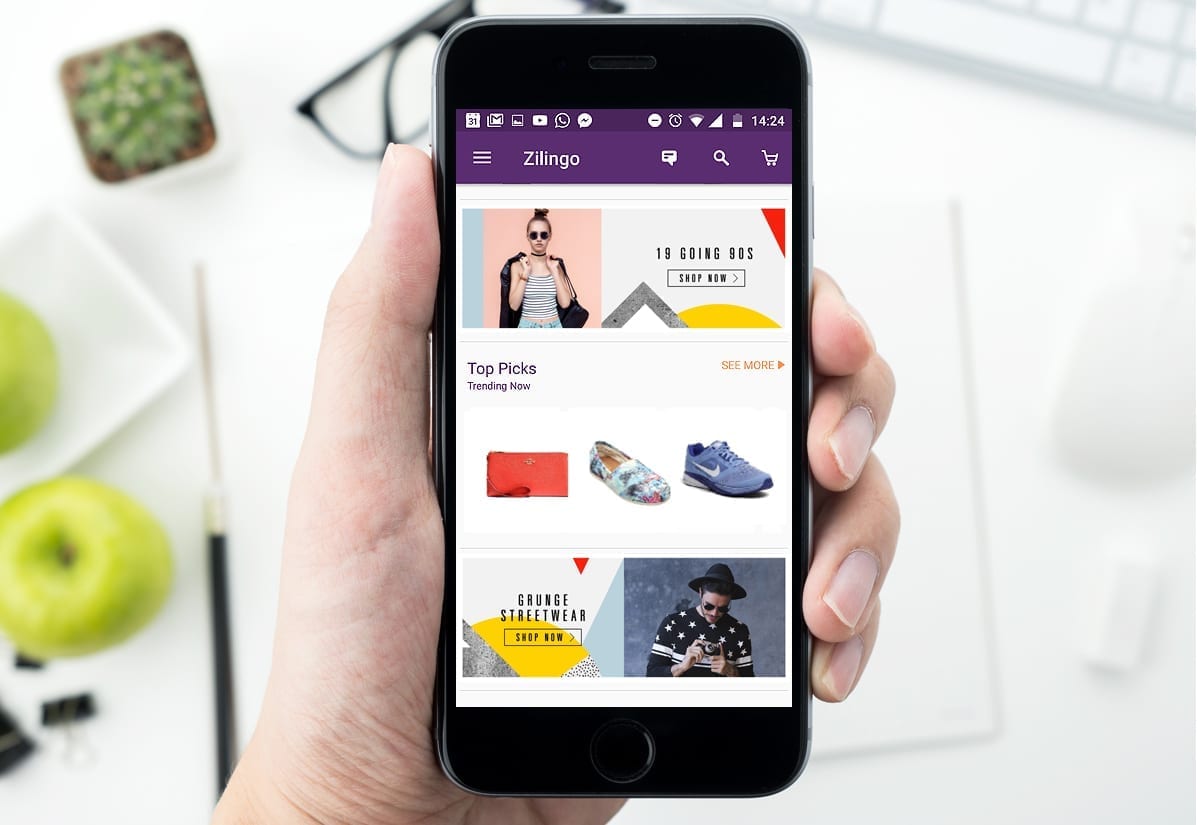
    Singapore-based lifestyle marketplace Zilingo has raised US$54 million in series-C funding, taking its total capital raised to $82 million.

    Zilingo was founded in October 2015 by Dhruv Kapoor and Ankiti Bose, who was inspired after seeing the clothing stalls in labyrinthine markets while backpacking across Indonesia and Thailand.

    Their idea was to connect a fragmented landscape of fashion supply for buyers across Asia.

    “Nowhere in the world has a horizontal e-commerce company also cracked fashion,” says Bose. “It’s a unique, high-margin category that is highly dependent on fast-moving cycles and has its own nuances. Unlike buying detergent or electronics, fashion is much more about your choice, individuality and trends. It requires a different approach than the rest of e-commerce.”

    Bose and Kapoor set out to build a proprietary platform where merchants could upload and manage their inventory in any language, using any currency, connecting them through 25 interfaces with logistics, warehousing and payment providers, as well as services like loans, cataloguing and insurance.

    They launched their B2C sites and apps in November 2015 across Southeast Asia, followed by their B2B business, Zilingo’s AsiaMall, where merchants internationally can buy wholesale from Asian suppliers.

    Zilingo is now selling in Indonesia, Singapore and Thailand, and ships internationally to four further countries. As well as Indonesia, Singapore and Thailand, Zilingo has supply bases in Bangladesh, Cambodia, China and Vietnam. There are more than 10,000 independent merchants using the platform to sell to millions of customers around Asia and the world.

    Revenue growth has growth tenfold, and during the past year Zilingo has launched a TV campaign in Indonesia and expanded its merchant ecosystem.

    Zilingo’s latest capital injection follows a $17 million series-B round five months ago.

    “We think the market is showing us the right signs in terms of adoption and retention, so it’s good to double down,” says Bose.

    Each Zilingo office has local leadership, and half the top leadership team are women. “Having so many women at the leadership level, despite being a tech company, gives us a special edge while scaling,” says Bose,

    “Our leadership team comes from 10 different countries in Asia, Europe and North America, and 15 languages are spoken. The cultural diversity gives the team a unique perspective on how to solve challenges creatively.”

  • Bukalapak teams up with TIKI to ease delivery

    Bukalapak teams up with TIKI to ease delivery

    E-commerce platform Bukalapak kicked off on Wednesday the expansion of its partnership with courier service and logistics company TIKI to facilitate small and medium enterprises (SMEs) in selling their products.

    The new partnership will enable vendors to accelerate product delivery.

    For instance, TIKI provides a “booking code” feature in which vendors can fill in the data of senders and receivers online before sending the packages. When vendors arrive at a TIKI branch, they do not need to wait for TIKI employees to fill in the information anymore.

    “There will be [system] integration between Bukalapak and TIKI. The new features will be launched soon,” Bukalapak co-founder and chief financial officer Muhammad Fajrin Rasyid told at its headquarters in Kemang, South Jakarta.

    Another new feature offered to vendors is pick-up service that allows TIKI couriers to pick up goods from the vendors’ locations. Bukalapak has more than 1.7 million vendors with more than 38 million products offered on its online marketplace. About 500,000 vendors at Bukalapak use TIKI’s services.

  • Retailers in South East Asia brace as Amazon makes debut in Australia

    Retailers in South East Asia brace as Amazon makes debut in Australia

    U.S. internet giant Amazon launched in Australia on Tuesday with retailers scrambling to cut costs and boost their online offerings as they brace for an expected shake-up of the sector.

    The arrival of the behemoth — which has grown from being an online bookstore to one of the world’s largest firms — poses a threat to a market already grappling with weak consumer confidence amid tepid wage growth.

    “Focusing on customers and the long term are key principles in Amazon’s approach to retailing,” Amazon Australia country manager Rocco Braeuniger said in a statement. “By concentrating on providing a great shopping experience and by constantly innovating on behalf of customers, we hope to earn the trust and the custom of Australian shoppers in the years to come.”

    The American giant is offering millions of products from well-known Australian brands as well as small and medium-size Australian businesses selling on Amazon Marketplace.

    Online shopping only accounts for 8 to 13 percent of total sales in Australia, leaving room for growth in a sector estimated to be worth more than 300 billion Australian dollars ($227 billion) annually.

    “We believe Amazon’s full entry into Australia will likely be a success,” UBS analysts said in a note ahead of the launch, adding that Australia was an “attractive market where online is under-penetrated.”

    “Australian online shoppers spend the third-most globally of Amazon’s markets,” UBS said.

    Retail categories most likely to be hurt by Amazon’s entry include electrical, appliances, apparel and cosmetics, UBS added.

    Amazon might also be willing to absorb losses initially to boost its market share, IBISWorld senior analyst Kim Do said, pressuring the profitability and margins of its competitors.

    Several top Australian retailers have recently succumbed to pressure from foreign giants, including Japan’s Uniqlo and Sephora of France, while others have cut back on brick-and-mortar stores.

    But Australian Retailers Association executive director Russell Zimmerman welcomed Amazon’s arrival, saying it provides an additional platform to boost sales.

    “With over 300 million active users already on Amazon’s Marketplace, the majority of Australian retailers view Amazon’s platform as a supplementary channel to their current retail offering,” he said.

    Some analysts warned that Amazon will face challenges such as low access to broadband and the large size of the island continent.

    “A key reason why Australia lags behind its peers (in the development of the e-commerce sector) is the low access to broadband,” BMI Research, Fitch Group’s research arm, said in a note.

    Broadband subscriptions in Australia stand at 57.3 per 100 people, rising to a forecast 60 in 2021, in contrast to markets like Singapore which is projected to have subscriptions of 75.3 per 100 that year, BMI said.

    “Slower delivery speeds due to the large geographic size of the country and as a result, more costly delivery services … will not bode well for the success of an e-commerce company.”

    Retail analyst Brian Walker said that according to his research, Amazon is “producing a positive return” in just one-third of the countries it is operating in outside of the U.S.

    “The rest are still in the various stages of growing. And that is the point about Amazon,” Walker said. “They will take in our view of somewhere between two and five years to hit any form of scale in Australia.”

    Amazon, a Seattle-based company, has expanded far beyond its roots as a digital bookstore, moving into the groceries and other retail sectors as well as cloud computing, streaming video, artificial intelligence and more.

    It has become one of the most valuable companies on the planet alongside U.S. tech rivals Apple, Facebook and Google parent Alphabet, and in October reported third-quarter profits of $256 million.


  • South Korean shoppers set new mobile spending record

    South Korean shoppers set new mobile spending record

    South Korean shoppers set a new record for the volume of purchases made through mobile devices during September.

    Government data says mobile transactions through smartphones and tablets reached a new high of 4.04 trillion won (US$3.5 billion) in August, up 29.5 per cent from a year earlier.  Statistics Korea says the trend is being fuelled by the growing amount of time consumers are spending on their handsets.

    Mobile transactions accounted for 61.9 per cent of all online purchases made during the month.

    Shopping by mobile phone in South Korea has been on a steep rise for years as smart devices are widening their presence in the world’s most-wired country. They are rapidly replacing computers as a means of conducting online transactions.

    Mobile bookings for travel and movie tickets surged 35.5 per cent in August from a year earlier to a record 755.8 billion won in the summer vacation season, while South Korean shoppers spent 344.8 billion won on cosmetics during the month, up 20.7 per cent.

    Food delivery services increased 38.2 per cent year-on-year to 610.3 billion won last month, while 381 billion won worth of electronic goods was sold through smartphones, up 18.3 per cent from a year earlier.

  • Ho Chi Minh City to crack down on tax-evading Facebook retailers

    Ho Chi Minh City to crack down on tax-evading Facebook retailers

    The tax man is threatening to shut down social media accounts, but savvy retailers know that it’s an empty threat. Ho Chi Minh City sent out tax demands to nearly 13,500 Facebook retailers over a month ago, but a representative from the city’s Tax Department told that so far only around 1,000 of them have responded.

    As a result, the city’s tax authorities have decided to work on tougher solutions to crack down on potential tax-evading online retailers, and have asked the Ministry of Finance to finalize regulations regarding tax declarations and deductions at source, as well as the supervision of online business activities.

    The city’s tax department also said it is considering a name-and-shame approach to individuals and organizations that refuse to pay tax.

    To combat retailers that open multiple Facebook accounts to avoid detection, the department claimed it had come up with multiple solutions, such as closing down accounts or sending officials posing as customers to confront them in person.

    It also said it would ask the State Bank of Vietnam for copies of retailers’ bank statements to determine their incomes, and courier companies would be asked to provide information on the quantity and value of the goods they transport for them.

    However, many online retailers say that the tax man has no authority over Facebook.

    Nguyen Thi Cuc, who chairs the Vietnam Tax Consultants’ Association, also told that Vietnam does not have a comprehensive tax policy for online businesses, and that collecting taxes is difficult because most transactions are conducted in cash.

    Many retailers claim they already have business licenses and have declared tax, and only use Facebook to advertise their products, while others say they earn less than VND100 million ($4,400) annually so they are not required to declare tax by law.

  • e-retail brands out of the social media loop in SE Asia

    e-retail brands out of the social media loop in SE Asia

    Over 85% of consumers in Singapore, Malaysia and Indonesia, who mention e-retailer brand names in their social media posts don’t tag brand handles, according to Digimind.

    This means brands need to be vigilant in monitoring their brand reputation in the wider social media space to ensure they aren’t missing out on key conversations and trends, and are able to act upon any customer service concerns quickly.

    With the rise of empowered consumers and an increasing adoption of online shopping, e-retailers need to adopt customer-centric strategies in order to thrive. With so much of our daily conversations happening online, data from social media can provide key insights for e-retailers wishing to optimize customer experiences.

    Digimind’s study, Social Shopping in 2017, assessed the state of the e-retail industry in the three countries by monitoring 15 local and regional e-retailers, including Lazada, Zalora, and Berrybenka.

    “It’s no secret that brands who implement customer-centric strategies are excelling. With 2.8 billion active social media users in Southeast Asia, it is crucial for e-retailers to listen to what is being said about their brand, competitors and the industry online,” said Stephen Dale, general manager of APAC at Digimind.

    “Understanding what consumers are saying on social media can provide companies with an arsenal of insights that can be used to develop content strategies, improve customer service, build brand advocacy, and increase sales,” said Dale.

    He added that when analyzed in conjunction with other data such as web page visits and browsing behavior, this can further inform marketing plans and Voice of the Customer programs.

    The study also revealed that while the majority of e-retailer’s followers in the countries studied were on Facebook, consumers were most actively publicly posting their opinions and experiences on e-retailers on Instagram and Twitter.

    This means while Facebook is the ideal channel for brands to communicate with followers, Instagram and Twitter are key channels for community engagement.

  • Vietnamese consumers among most demanding on e-commerce

    Vietnamese consumers among most demanding on e-commerce

    Nielsen has forecast that the Vietnamese e-commerce market will grow 22 per cent this year and 13.2 per cent by 2020.

    According to the Vietnam E-commerce Association (VECOM), the local e-commerce sector will become a 10-billion-dollar business in the next five years.

    However, local consumers are also demanding, with many complaints about price, product information and authorisation, which should be addressed by merchants to improve customers’ trust.

    A research conducted by iPrice and Trusted Company based on more than 30,000 reviews on 5,000 websites in Viet Nam, Malaysia, Singapore, Indonesia and the Philippines found that Vietnamese customers have the lowest trust on e-commerce and spend less money on shopping online.

    Vietnamese customers complain the most about “fake products”, 15 per cent higher than Thailand, the country with the second maximum complaints, given that fact that Thailand ranked 4th worldwide in the fake goods trade.

    The second maximum complaints on e-commerce sites by Vietnamese customers are about the price of products. Despite being an aggressive promotion hunter, the Vietnamese still think products listed by e-commerce merchants are overpriced.

    Given that 80 per cent of consumers prefer cash on delivery (COD) payment, the country also has the highest order cancellation rate, with 30 per cent of products not being accepted due to product failure, the research said.

    Unlike consumers in other Southeast Asian countries such as Singapore and Indonesia that have shared concerns on buying products, the most common queries of the Vietnamese are on product authorisation (store address) and availability. They are revealed to often use feedback forms to ask about products.

    Of all Southeast Asian countries, Viet Nam has an average rating of 3.7 out of five stars, the research has revealed. This is due to the fact that only large merchants have developed a rating scheme for a better shopping experience for consumers.