Tag: expansion

  • Hana Bank reveals Vietnam expansion plan

    Hana Bank reveals Vietnam expansion plan

    South Korean banks are setting themselves up to score big in Vietnam as foreign ownership limits would be loosened. South Korea’s second-largest lender by assets, KEB Hana Bank, is interested in buying a 17.65 percent stake in the Bank for Investment and Development of Vietnam (BIDV), a source said. BIDV is currently the second-largest state-owned lender in Vietnam by assets. 95.28 percent of its equity belongs to the country’s central bank, the State Bank of Vietnam (SBV).

    The SBV has “proposed to sell” the stake to KEB Hana for 30 billion won ($26.6 million), said the source, who requested anonymity.

    Last year, Shinhan Bank, a commercial banking unit under Seoul-based Shinhan Financial Group, acquired ANZ Vietnam’s retail unit, bringing along the Australian bank’s 95,000 credit card customers.

    Shinhan Bank has recently become the largest foreign bank in Vietnam with $3.3 billion in assets, surpassing HSBC.

    Vietnam presented a draft securities law in Hanoi earlier this month that would remove the current 49 percent foreign ownership cap in many sectors, allowing majority or even 100 percent ownership of a company.

    Although the limit for banks remains at 30 percent, government economic advisor Can Van Luc said at the draft presentation forum on November 7 that authorities would consider raising this limit for banks on a case-by-case basis, Reuters reported.

    Analysts say Vietnam’s growth potential and deregulation plans make it an attractive market for South Korean banks.

    “Vietnam is the most desirable market among emerging countries,” said Seo Young-soo, an analyst at Kiwoom Securities.

    “It has more advanced urbanization, and its market is more concentrated compared to Indonesia. Its government-driven economic development model is also familiar to South Korean banks, which have grown under the same strategy,” Seo said.

    Data from the Seoul-based regulator Financial Supervisory Service (FSS) show that total assets held by South Korean banks in Vietnam increased 18.9 percent last year to $5.7 billion.

    This ratio is higher than that of foreign lenders overall, whose combined total assets increased 12.9 percent to $42 billion during the same period, FSS said. South Korean lenders’ combined net profit in Vietnam also jumped 28.9 percent last year to $61 million.

    Vietnam has nine wholly-owned foreign banks, four state-owned banks and 31 domestic joint-stock banks.
  • Casa Perú Opens Its Doors In Beijing Mall

    Casa Perú Opens Its Doors In Beijing Mall

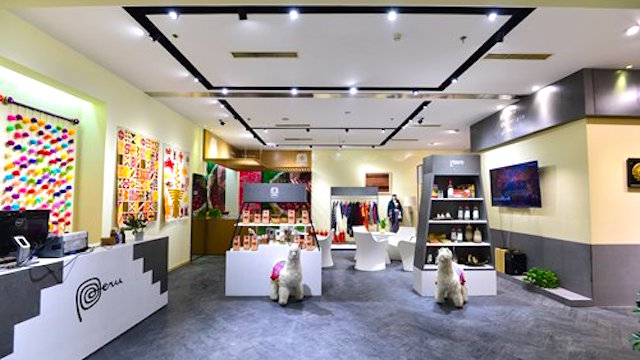
    The Peruvian Ministry of Foreign Commerce venture House of Peru has opened a store in Beijing. The outlet, which opened in Shimao Gongsan Plaza, Sanlitun, serves as a promotional platform for products from the South American nation as well as to popularise tourism in the region among consumers in China.

    Local store representative Huang Zhaohui commented that Peru is well-known for its alpaca wool clothing. The warm, light material has been promoted globally by Peru since establishing the Alpaca label in 2014.

    At the opening ceremony, Huang Zhaohui was awarded the title of “Peru-china Friendship Envoy” by the foreign trade and tourism minister of Peru to honour her contribution to the trade and exchanges between both countries.

    The store also retails food, coffee and Pisco wine.

  • Xiaomi aims at 5,000 stores in India by the end of 2019

    Xiaomi aims at 5,000 stores in India by the end of 2019

    Chinese tech giant Xiaomi is looking to cement its status as India’s leading smartphone provider by opening thousands of stores before the end of 2019. The company announced it would increase its presence in India from 500 retail stores to 5,000 by 2020. “It’s been over a year since we started offering our products through offline retail and we have seen strong growth there,” said Manu Jain, Xiaomi vice president and managing director for India.

    “Offline retail is a huge segment in our country with nearly 40 percent of the offline market focused in rural regions, and all of this should increase our offline sales and account for 50 percent of the company’s revenue by the end of next year.”

    In a Twitter post, the smartphone maker invited people to apply to run one of the franchised stores, which will be based on its Mi retail model.

    “It’s been over a year since we started offering our products through offline retail and we have seen strong growth there,” – Manu Jain

    “Mi store is the ‘new retail’ model for rural India that gives flagship store experience to our rural customers,” Xiaomi said on Twitter, adding that the new stores would generate more than 15,000 jobs.

    India is one of Xiaomi’s fastest-growing markets, according to Reuters, where it has had success with its budget Redmi phone series.

    The firm is the country’s leading smartphone provider, with 30 percent of market share. It entered the market in 2014 as an online-only retailer, before opening physical stores across India. Samsung and Vivo are its closest competitors there.

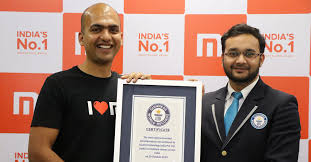
    Xiaomi was awarded a Guinness World Record on Tuesday for opening the largest number of retail stores in India simultaneously. The company also operates in Asia, Europe, the Middle East, Africa, and Mexico.

  • Takashimaya opens in Bangkok megamall

    Takashimaya opens in Bangkok megamall

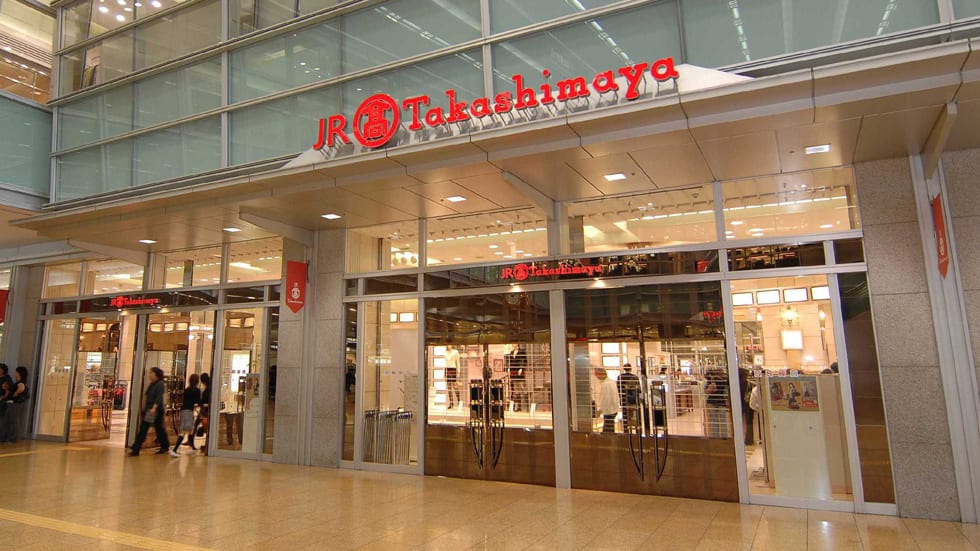
    Japanese department store operator Takashimaya has opened inside a brand new shopping mall in Thailand, opting for the capital city of Bangkok to bring the Japanese way of luxury retailing to the nation. Scaling seven floors, the newly named and opened Siam Takashimaya will form just a small part of the $1.7 billion megamall, which also houses the entertainment development project, Iconsiam.

    The Iconsiam is a sprawling 525,000-square-metre complex developed by Siam Piwat and Charoen Pokphand Group, which includes two residential towers over 50 floors high, a movie theatre, a concert auditorium and a variety of retail options, outside of Takashimaya.

    The mall location looks to serve as draw card for the Japanese retailer, whose expansion into Thailand comes at a time when Japanese physical retail is shrinking back home and consumer tastes are moving toward online shopping.

    The shift means Takashimaya  — and other Japanese department stores like it – are entering nearby Asian economies where tourism is high, and retail is burgeoning, in order to survive.

    “Southeast Asia and China are growing economically, so in order to increase our sales we have to go to these types of markets,” said Hironobu Hanai, a Takashimaya representative.

    “That is one of the reasons why we are opening a store in Thailand.”

    Takashimaya has already witnessed great success with its Singapore store opening some 25 years ago, and it is hoping to replicate the same in Thailand – bringing the best of Japan to rich Thais.

    To date, the Singapore store accounts for around 20% of the group’s operating profit, at 6.1 billion yen ($54 million).

    The department store’s complete offerings include a large proportion of Made in Japan, with 30% of the 530 brands, on sale at the new Siam Takashimaya, originating in Japan.

    An entire floor is dedicated to Japanese food, including a supermarket selling luxury products and premium restaurants.

    Another floor of Siam Takashimaya is devoted to beauty products and perfume along, as well as cosmetic services, in addition to floors for women’s and menswear.

    Finally, the last floor sells kid’s products and homewares and will host more restaurants.

    Siam Takashimaya expects to turn its first profit in the year ending February 2020.

  • Mumuso to open 300 stores in India by 2022

    Mumuso to open 300 stores in India by 2022

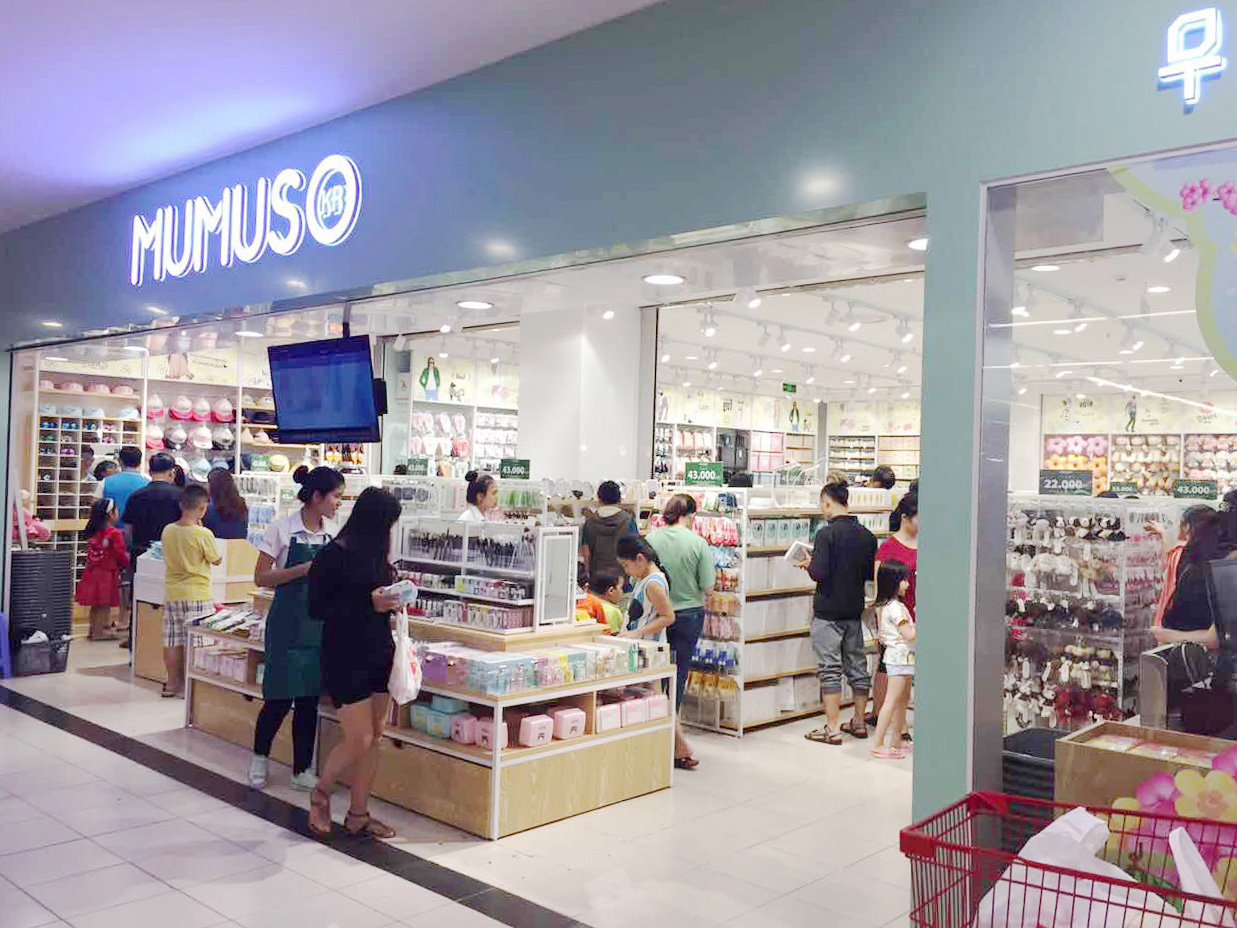
    Korean lifestyle brand Mumuso has announced its plan to open 300 stores across India by 2022. The lifestyle brand, currently present in 30 countries, entered the Indian market in September with a flagship store in Kolkata’s Park Street. “Mumuso is eyeing the Indian market aggressively with new stores in different parts of the country” said Raunak Agarwal, Managing Director of Mumuso India.

    “Mumuso is eyeing the Indian market aggressively with new stores in different parts of the country” said Raunak Agarwal, Managing Director of Mumuso India.

    “India has seen a sharp rise in the demand for lifestyle products in the recent years”, he added.

    Mr. Agarwal said each Mumuso store will offer 1200 unique items across eight categories and there will be an investment of Rs 80 lakh to Rs 1.2 crore in opening the stores.

    The next stores to open will reportedly be in Hyderabad, Siliguri, Bangalore, Delhi, Mumbai, Surat, Durgapur and Chenna.

    Out of the 300 stores planned, 10 are said to be launched in the current calendar year.

    Mr. Agarwal added the company would take the franchisee route to achieve its target of 300 stores, but the tier 1 and tier 2 cities will have at least one flagship Mumuso store.

    Company officials said the brand was expected to grow at a 12 to 13% rate in eastern India in the next four years.

    Mumuso currently has only one warehouse of 50,000 square feet on the Bombay Road in West Bengal but it plans on having more warehouses with future expansions.

  • India’s Spencer’s opens 9 stores in 90 days

    India’s Spencer’s opens 9 stores in 90 days

    Spencer’s Retail, the multi-format retailer from RP-Sanjiv Goenka Group is on an expansion spree. It is presently focussing to expand the store count in existing clusters in east, south and north of India.nIn this effort, Spencer’s essentially opened one store in every 10 days and thereby augmented the retail network of the chain recently by adding 9 new stores in 90 days. With this expansion, the store count of Spencer’s has now reached 146 across 37 cities.

    The strength of Spencer’s lies in its retail network which is constantly growing. It is an endeavour of Spencer’s to become more accessible to the customers and after receiving positive feedback from the clusters it operates in, the chain is poised to explore new territories.

    In this phase, Spencer’s launched stores in existing cities and its adjoining areas like Rajarhat in Kolkata, Maheshtala (South 24 Parganas), City Mall (Gomti Nagar) in Lucknow, Raheja Mall (Sector 47) in Gurugram, Sector 48 in Noida, Madeenaguda in Hyderabad, and at Howrah’s Aurobindo Mall.

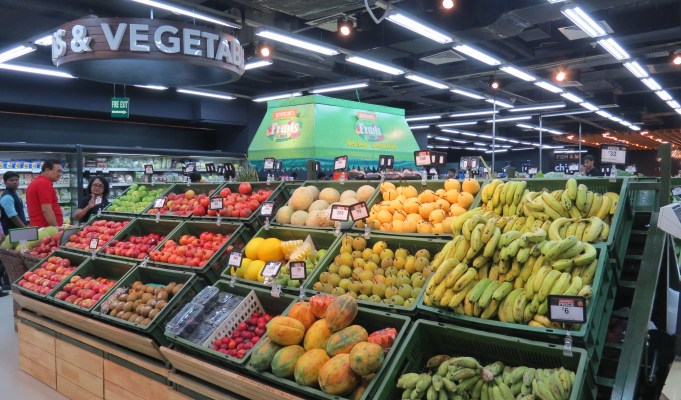
    The size of these stores varies between 2,000 sq. ft. to 15,000 sq. ft.. The stores offer a wide range of assortment from different categories including Fresh Fruits & Vegetables, Fish & Meat, Staples and Groceries, FMCG, Dairy and Frozen products, Organic Food items, Dry Fruits, Apparels, Electronics and Electricals and Home Essentials. The product range in each of the new store has been meticulously planned to suit the tastes and preferences of the local neighbourhood.

    According to the Spencer’s spokesperson, “To consolidate the business, Spencer’s is dedicatedly selecting 360 degree catchments where the customers are looking for aspirational products in an affordable range. The expansion of Spencer’s currently is focussed at metros as well as in Tier I and II cities. In this FY we are further concentrating at spreading our network in the profitable zones like West Bengal, Delhi NCR, East UP and down south in Hyderabad and Chennai. In terms of product range, with more than 25,000 SKU’s (Stock Keeping Units), Spencer’s is constantly evolving in terms of its offing at each store. It is not only limited to food category but Spencer’s has extended a similar experience in the non-food and general merchandise space.”

    Spencer’s has been redefining the Indian retail landscape since 1863 and with the brand proposition ‘Makes Fine Living Affordable’, it continues to inculcate the same kind of trust and patronage among its millions of consumers across India.

  • Five Guys and Shake Shack go head to head in Central HK

    Five Guys and Shake Shack go head to head in Central HK

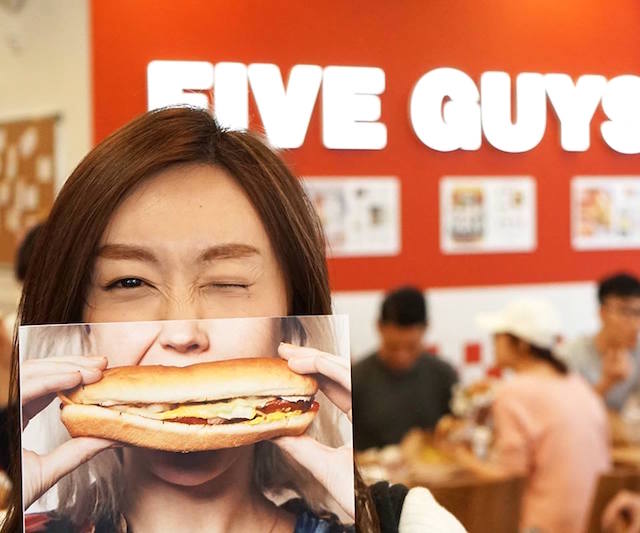
    American burger franchises Five Guys and Shake Shack have opened new stores in Hong Kong this week. Launching on Johnston Road in Wan Chai this week, in premises formerly home to Tommy Bahama, Five Guys is known for its made-to-order beef burgers, creamy shakes and thick-cut Cajun fries.

    The move is part of an aggressive global expansion plan for the US fast-food chain. Founded in 1986 in Virginia, Five Guys first expanded outside the US in 2003 and now has almost 1500 outlets worldwide, in the US, Canada, UK, Europe and the Middle East.

    The company says it has another 1500 outlets under development as the brand has built “a cult-like following around the world”.

    New York’s Shake Shack opened at the Pacific Place Admiralty yesterday to queues of more than 200 fans and local residents. The first 200 people in line were awarded Shake Shack tote bags in celebration of the launch. It’s the chain’s second store, the first located at IFC mall.

    Shake Shack is a modern day “roadside” burger stand known for its Angus beef burgers, chicken sandwiches and flat-top Vienna beef dogs. The franchise also serves craft beer and wine. It was brought to Hong Kong by Maxim’s Group.

    Shake Shack originally opened in 2004 in Madison Square Park, and has since expanded to more than 180 locations in the US and more than 70 international locations.

  • Urban Outfitters China plans to expand

    Urban Outfitters China plans to expand

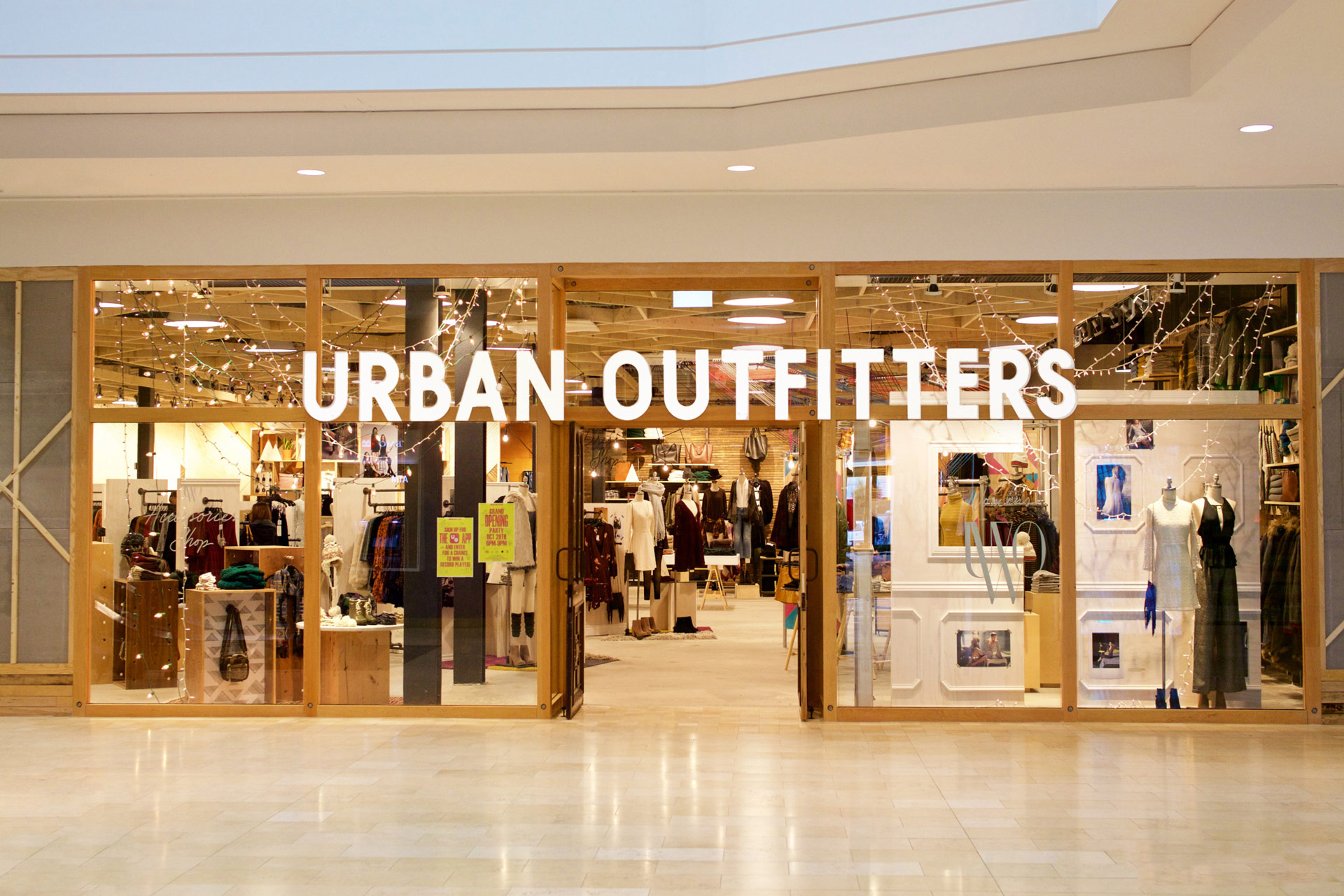
    US retailer Urban Outfitters has announced global expansion plans which involve a broadened commitment to China. According to a statement from the brand’s CEO Richard Hayne, Urban Outfitters China will be housing inventory while the company opens new locations in Europe and the Middle East, as well as taking on new distribution partners.

    The brand’s parent firm Urbn recently posted third quarter net sales of US$973.5 million, a 9 per cent increase over the same period last year.

    Urban Outfitters enjoyed strong sales while participating in the singles day shopping spree on e-tail platform Tmall.

    “We plan to establish a larger presence [in China] by mid-next year. To do this we will switch to the much larger Tmall Classic platform, hold inventory in-country and fulfill orders through a third-party service provider in China. In addition, we plan to sign leases for several stores to open in calendar year 2020,” said Hayne.

    Urbn will be expanding its network of 61 stores in Europe to 100 within three years, and will operate more than 10 stores in the Middle East by 2020.

  • One new store a week for Ralph Lauren China

    One new store a week for Ralph Lauren China

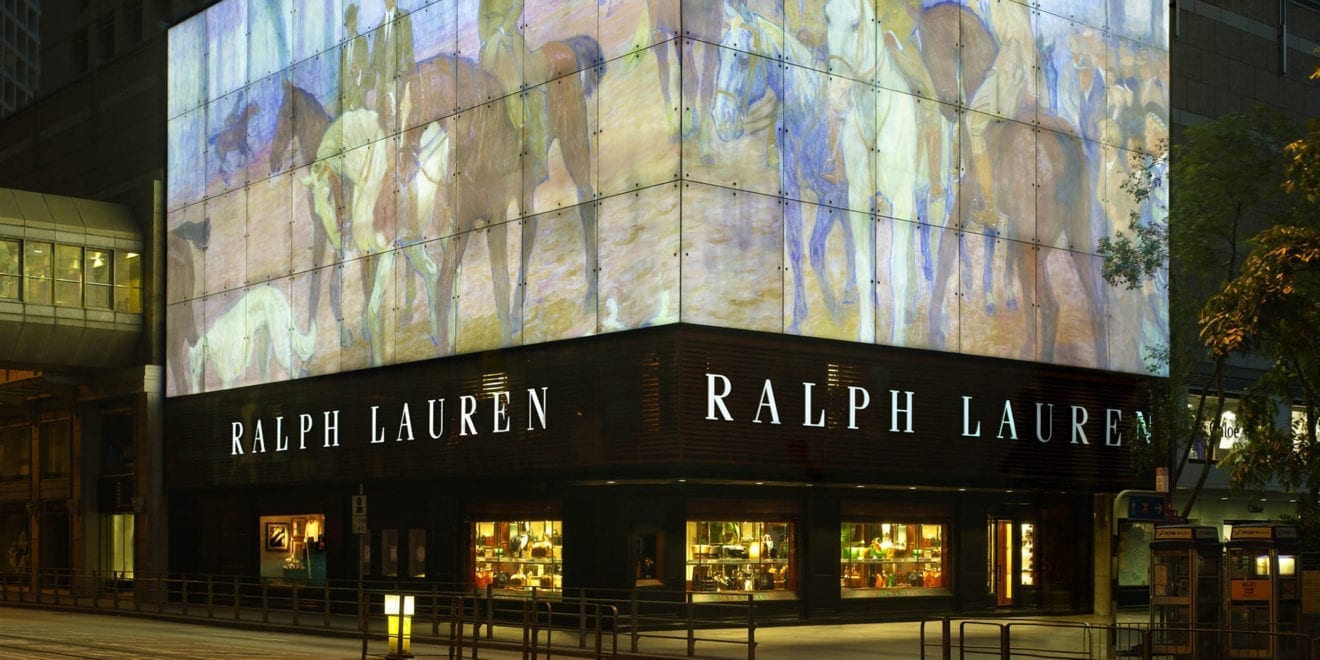
    Ralph Lauren CEO Patrice Louvet has promised to open a store a week in China. Speaking at The New York Times Luxury Conference in Hong Kong last week, Louvet said stores “are crucial for projecting the company as aspirational” which is why Ralph Lauren China is committed to expanding its network despite widespread concerns over an economic slowdown.

    “We concluded that we are in the dream business,” Louvet told the conference. “So to some extent, we think we are closer to a company like Disney than we are to other apparel brands … we don’t believe we are just selling stuff, we are selling a dream, a lifestyle, we are offering worlds that customers can be a part of.

    “[So] for us to provide those experiences, we need both the digital world and the brick-and-mortar world.”

    That is part of the philosophy behind the launch of the Ralph cafe, the brand’s first coffee shop, which opened recently in Hong Kong.

    In the latest quarter, Ralph Lauren’s sales in Greater China rose more than 20 per cent, with the mainland growth rate double that.

    Ralph Lauren is targeting $500 million in revenue from Greater China within five years.

  • 7Fresh to open store in Shanghai

    7Fresh to open store in Shanghai

    E-commerce giant JD’s offline retail store 7Fresh is set to launch at Shangbin Plaza in Shanghai’s Hongkou District. The move is regarded as a step towards expansion nationwide beyond the firm’s home base in Beijing, as well as an attempt to follow recent trends to diversify from online-only business models. The high spending power of Shanghai residents was key in determining the store’s location.

    JD expects to be operating 1000 outlets with three to five years, using insights learnt from trading online to tailor product ranges popular locally. It will be taking on rival Alibaba’s Hema Market, which has already grown to more than 100 outlets.

    JD’s senior VP Wang Xiaosong said: “JD’s online fresh food business provides an advantage in terms of merchandise selection when we’re expanding into offline retail.”

    Shangbin Plaza is due to open early next year.

  • Bath & Body Works to open third store in India

    Bath & Body Works to open third store in India

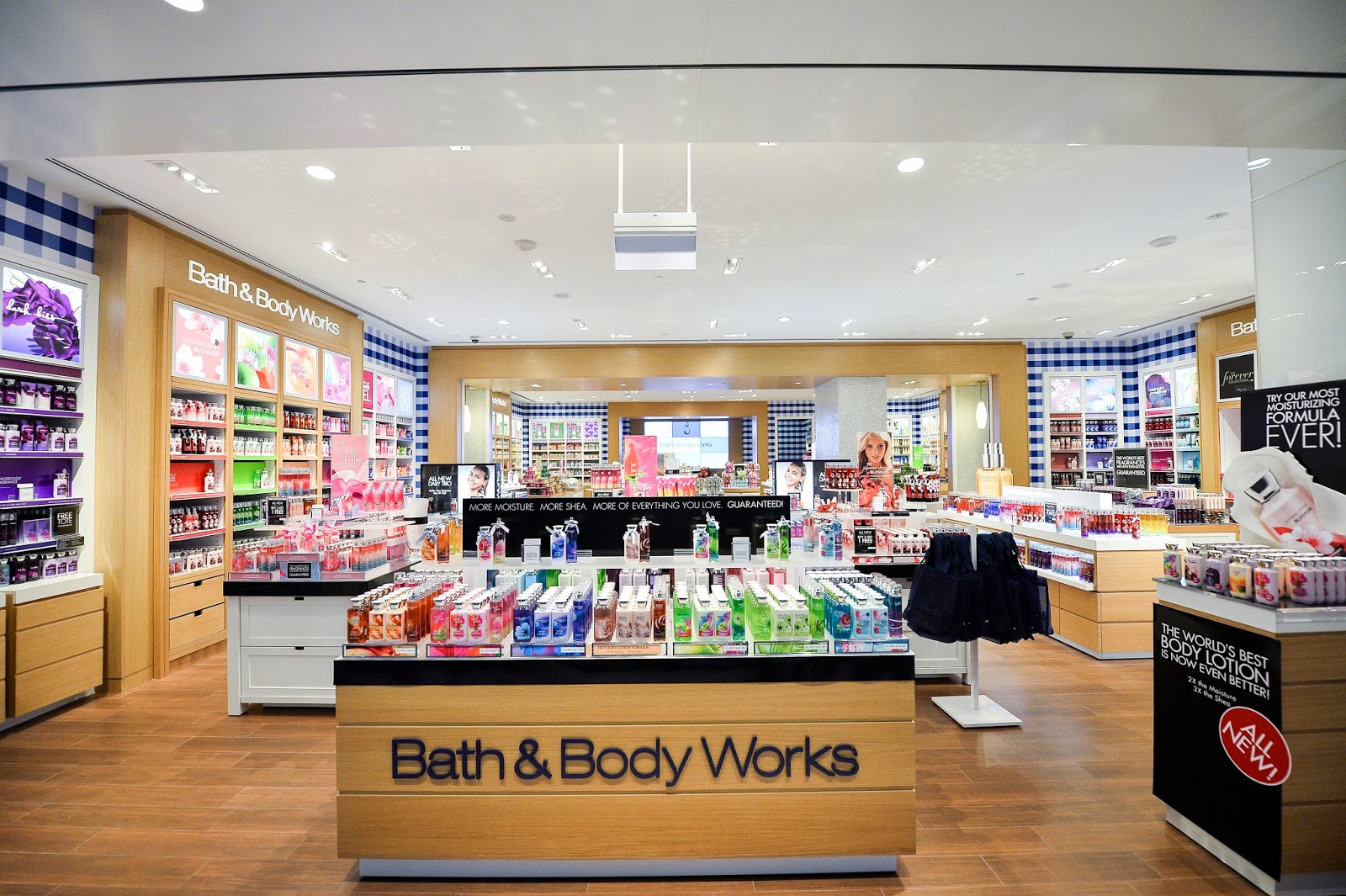
    Bath & Body Works, one of the world’s leading specialty retailers of fragrant products for the body, hands, and home for more than 20 years, is launching its third store at Ambience Mall, Gurugram on November 25. Earlier this year the brand launched in India with two stores in New Delhi at Select Citywalk and DLF Mall of India.

    In keeping with international formats, the Bath & Body Works stores in India showcase latest trends as well as the newest, freshest fragrances for body, hand, and home.

    From light-hearted and flirty scents to sophisticated and exotic fragrances, the Bath & Body Works store at Gurugram will be all about fun with world-class fragrances, with a special launch offers.

    Having established itself as one of the best and most sought after Personal Essentials and Home Fragrance brands, the Bath & Body Works store in Gurugram will be spread over approx. 1,200 sq.ft that will allow customers to enjoy an extensive array of fragrances: Body Crèmes, Shower Gels, Body Lotion, Bath Frizzies, Fragrances Mists, Hand Creams, Hand Washes, Hand Sanitizers, Candles and Gift Sets.

  • Xiaomi Opens Over 500 Stores in Rural India

    Xiaomi Opens Over 500 Stores in Rural India

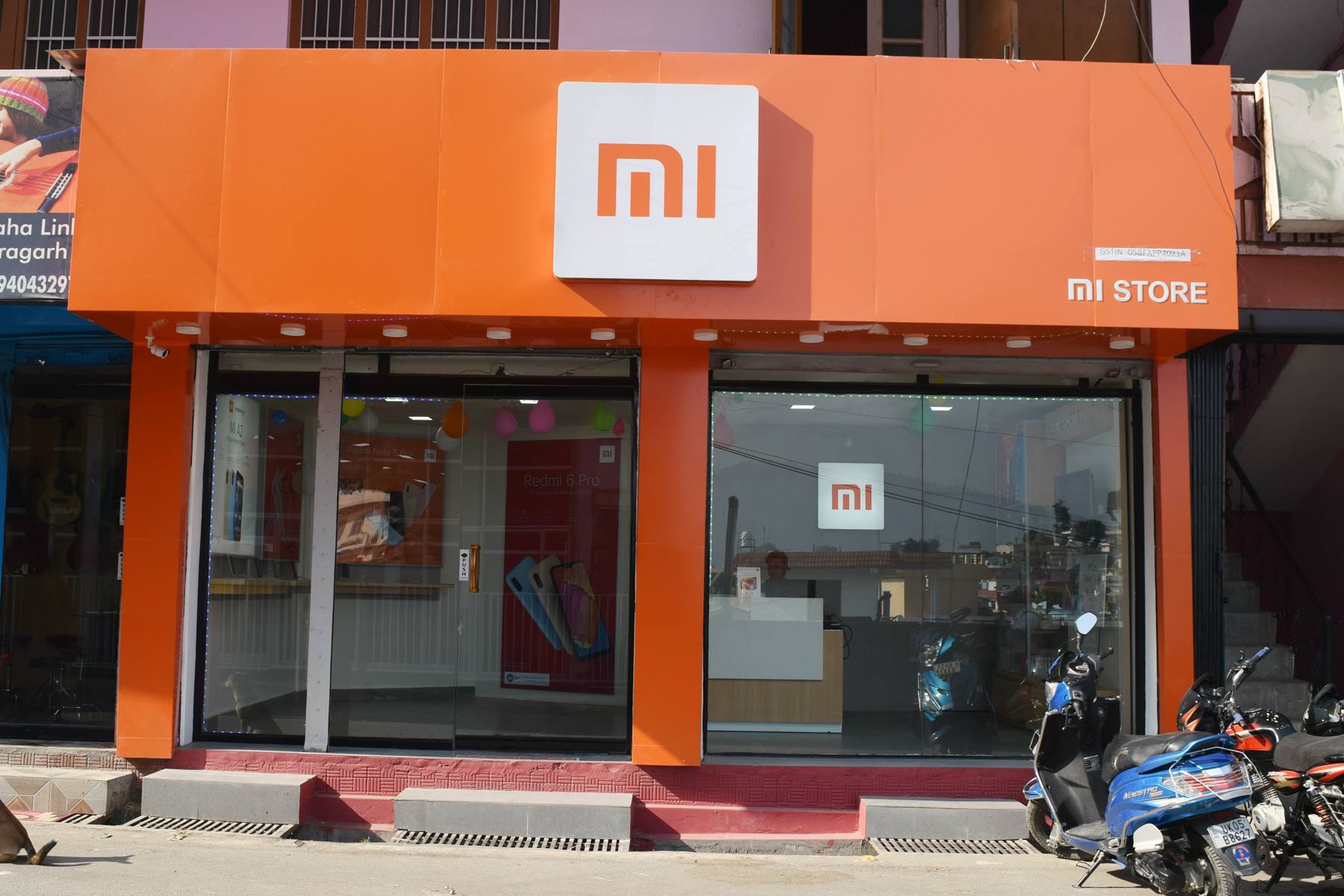
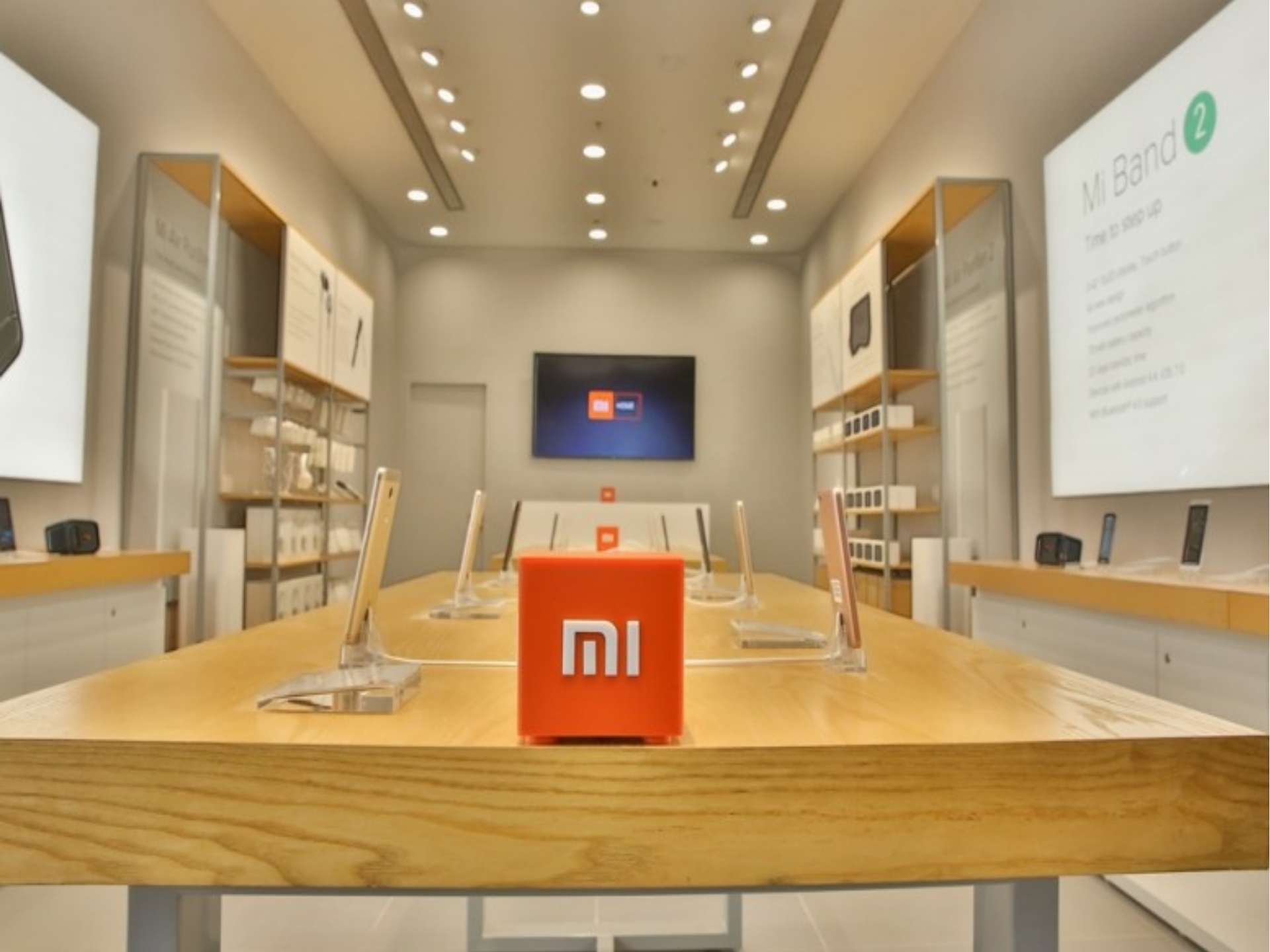
    Xiaomi India says it opened 500 retail stores in one day in India late last month. The Chinese electronics retailer has bannered the network Mi Stores – smaller, compact versions of the Mi Home stores, developed for mainly rural parts of India.

    “The company created a Guinness record for opening the maximum number of stores in one single day,” said Manu Kumar Jain, VP of Xiaomi Global and MD of Xiaomi India.


    “Xiaomi plans to open 5000 Mi Stores by the end of next year. This new business will forever change rural retail in India.”

    As well as the Mi Home stores, the company is continuing to roll out its larger flagships, the fourth of which opened in Bengaluru in September.

    Xiaomi India has been growing rapidly since it launched online, initially focusing on mobile phones. Since then it has expanded into other home electronics and is now moving into other retail categories such as luggage and apparel.

  • IKEA announces new retail direction globally; to hire aggressively in India

    IKEA announces new retail direction globally; to hire aggressively in India

    Ingka Group (Ingka Holding B.V and its controlled entities) is accelerating its transformation, stepping up investments in new and existing IKEA stores and fulfilment centres, developing city centre formats and focusing on its e-commerce platform, to better meet the needs of its customers and be more convenient and affordable to many more people.

    Building on many years of solid growth and as part of a transformation, Ingka Group is assessing all parts of the organisation and is simplifying to enable a greater focus on adding value to its customers. As a result, in the coming 2 years 11,500 new jobs will be created globally, through opening around 30 new IKEA touchpoints, investments in its fulfilment network and in digital capabilities. At the same time 7,500 jobs may become redundant globally, out of the current 160,000 jobs, mainly focusing on global functions and offices in 30 markets.

    Jesper Brodin, Chief Executive Officer, Ingka Group says: “We continue to grow and perform strongly. At the same time, we recognise that the retail landscape is transforming at a scale and pace we’ve never seen before. As customer behaviours change rapidly, we are investing and developing our business to meet their needs in better and newer ways. We will put greater emphasis on making our existing stores even better and taking the opportunity to renew and reinvent our business in a way that is inspired by our history, culture and values. Together these elements guide our work and build our inclusive, open and honest culture, and we’re going to support our co-workers in the best possible way throughout this change.”

    To support the biggest transformation in the history of the Ingka Group, IKEA India has already adopted its expansion approach. Through its expansion in India, it will create many more direct and indirect jobs. The number of co-workers is expected to grow from the current strength of 1,500 co-workers to over 15,000 co-workers in the future, out of which 50 percent will be women. Besides jobs in the stores and new city centres, the company will also create a lot of new roles in areas such as digital, data analytics, diversified fulfilment networks and personalisation. Certain existing roles will change and the company confirmed that all its co-workers will get to explore new opportunities in the new organisation. 3,000 new jobs are expected to be created in the next two years in line with its growth plans and transformation.

    Peter Betzel, Chief Executive Officer, IKEA India says, “We are in an exciting time at IKEA India. We have recently embarked on our retail journey here and have the unique opportunity to implement our new retail direction from the beginning itself. The India organisation will align with the new global structure and competencies to build a future ready organisation in terms of skill sets. IKEA India will hire many more people, both in terms of direct and indirect employment, and as we start our digitisation journey, we will add many more co-workers with different skill sets, while also creating avenues for our existing co-workers to grow in many new roles.”

    IKEA India, part of the Ingka group and one of its most recent retail markets is as one of its most important long term markets. It is on track to invest Euros 1.5 billion and aims to be present in many Indian cities in the coming years. Mumbai will be the first megacity in India to offer the full in India including city centre formats, large stores and a strong digital offering next year. IKEA intends to reach 200 million Indians in the coming three years through different channels. Globally in Ingka’s top 30 mega city strategies, three Indian cities – Mumbai, Bangalore and Delhi are included which reinforces IKEA’s belief in the potential of India.

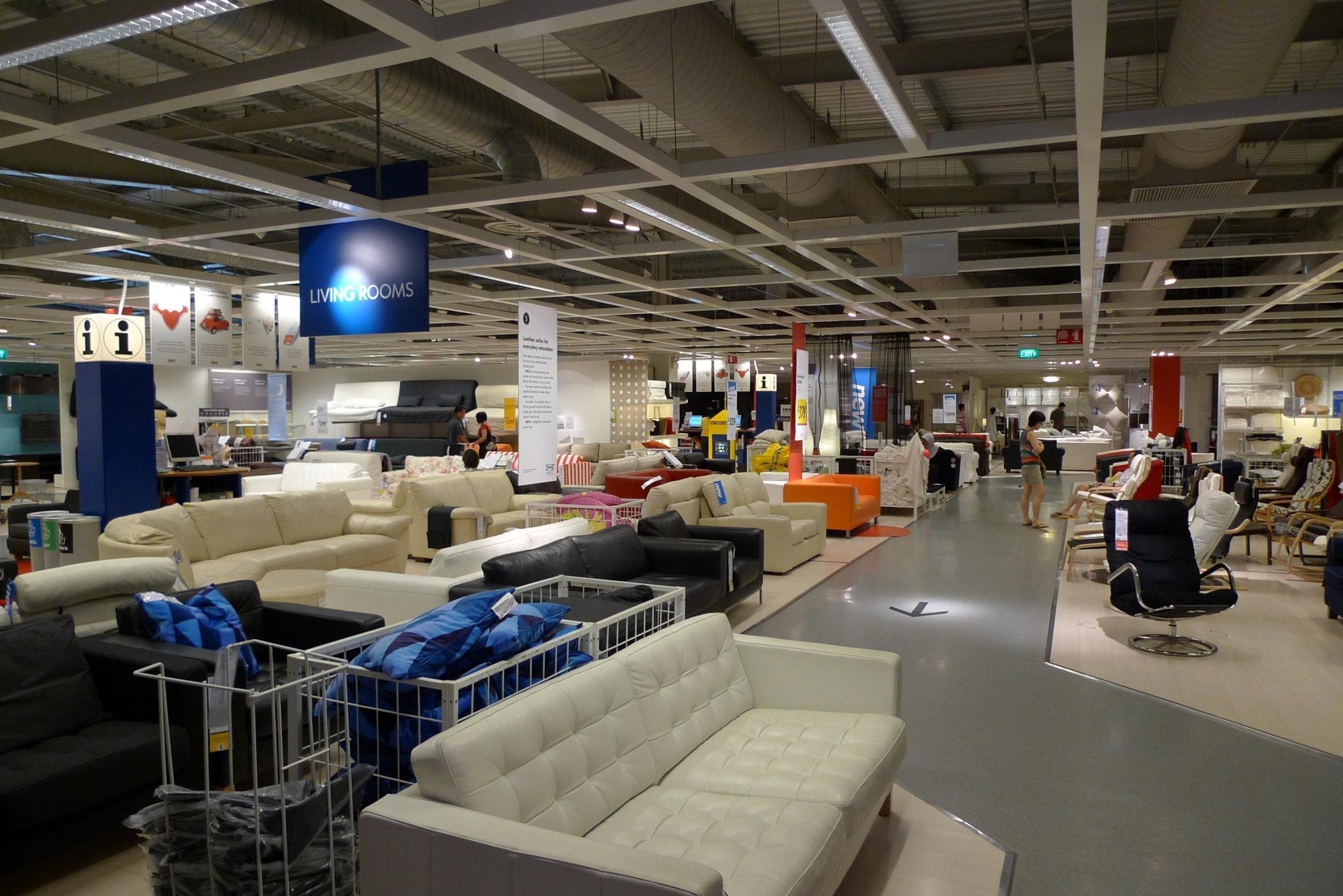
    In August 2018, it opened its first India store in Hyderabad and will enter Mumbai next with online and stores.

    IKEA has been present in India with IKEA Purchasing and IKEA Foundation businesses. The purchasing organisation has been sourcing from India for close to 35 years for its global stores. Currently it has 55+ suppliers with 45,000 direct employees and 400,000 people in the extended supply chain. The long term goal is to maximise local sourcing to increase affordability and also tap into the many sustainable raw material India has to offer to create more sustainable products in its range. It also works with 1500 women artisans through two social entrepreneurs, one of who is based in Karnataka.

    IKEA Foundation, its philanthropic arm has been working with the communities for 18 years. It has partnered with public and private organisations for the DISHA skill development program to empower one million marginalised Indian women to join the retail workforce. The IKEA Hyderabad store that recently opened has employed around 100 women from this program.

  • Uno Chicago Bar & Grill to opens stores in India

    Uno Chicago Bar & Grill to opens stores in India

    Ambuja Neotia Group’s hospitality vertical has recently introduced globally recognized American casual dining chain, Uno Chicago Bar & Grill in India through franchise route. The first outlet has opened at Gardens Galleria Mall, Noida.

    Harshavardhan Neotia, Chairman of the Ambuja Neotia Group says, “We feel that the Indian consumer is a well-travelled consumer who has an acquired taste to world cuisine. The Indian market is yet untapped with immense potential and it is an exciting time to enter India.”

    “As an authentic American Bar & Grill concept, the brand is positioned to be a smart casual dining restaurant in India, where people can enjoy a truly American cuisine paired with crafted drinks and entertainment with live performances. Anchored by vibrant culinary heritage, strong craft culture in food and beverages and deeply mindful of wellness, Uno is bringing Deep Dish and New Americana to India. As an ‘Eat-ertainment’ driven casual dining space, it is inclusive and welcoming for all generations – millennial, the young-at-heart and kid. The restaurants will operate as a family style full service restaurant,” he adds.

    Each restaurant in India, which will spread across 2,500-3,000 square feet with the interiors same as of any other Uno Pizzeria & Grill restaurant in the US, will be opened with an approximate capex of Rs 4-5 crore.

    “This year, the brand is opening outlets in region of NCR, Kolkata and Bengaluru. The group has signed a franchise agreement with the food chain to open about 70 outlets across the country over the next seven years spreading across Tier I and II cities,” states Neotia.

    The brand is planning to open 12-15 outlets in the next 3 years with estimated investments upwards of Rs 60 crore.

    Tracing Brands’ History

    Uno Chicago Bar & Grill’s entry in India also coincides with its 75 years of successful global operations. Globally, the brand is recognized for its fun and welcoming Chicago inspired environment. The dining experience is relaxed, casual and family friendly as the brand places great emphasis on hospitality and service. The brand is synonymous with pizza but the menu extends to pastas, grills, salads, burgers, sandwiches and special curated menus. The chain also gives special emphasis to bar and alcohol offerings.

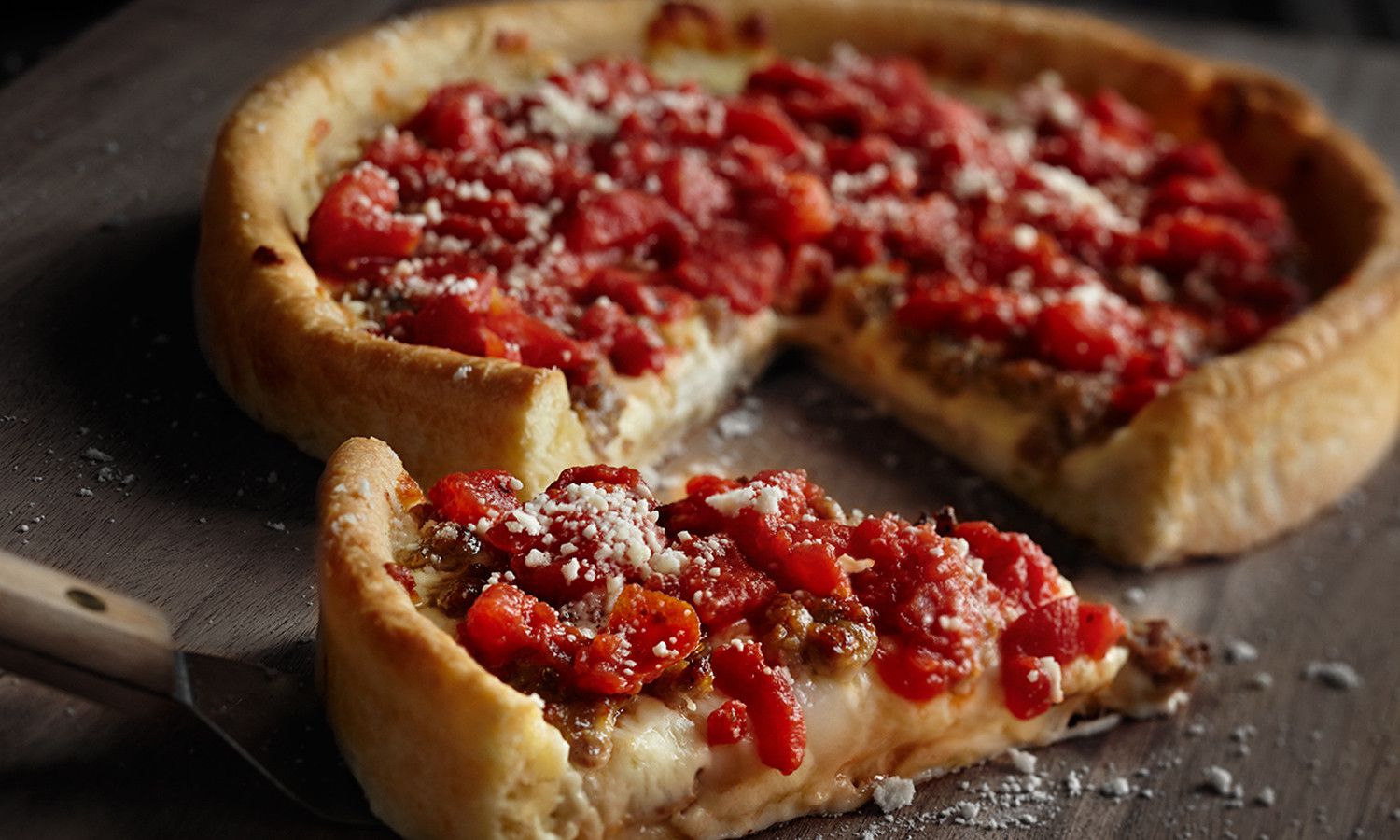
    Famous for inventing Deep Dish Pizza in 1943, Uno’s mission is to deliver big, bold flavors, rich, rewarding experiences and unbelievably delicious pizza and a range of other delectable menu creations.

    According to Neotia, “The UNO story began in Chicago in 1943 when Ike Sewell developed deep-dish pizza and opened a new type of restaurant at the corner of Ohio and Wabash. It was here that Ike served a pizza unlike any that had been served before. He figured that if some of Italy’s old, authentic recipes with impressive quantities of the finest meats, fresh cheeses, ripe vegetables and flavourful spices is combined with pizza, it could become a hearty meal. That was the start of an American tradition – the Chicago Deep Dish Pizza. Today, 75 years later, UNO continues to be undisputed creators of original Deep Dish Pizza, bringing its legacy to India.”

    The Boston, Massachusetts-based brand has 110 company-owned and franchised restaurants located in 21 states of the US. Apart from this, the brand has international presence through franchise outlets in the District of Columbia, the United Arab Emirates, Honduras and Saudi Arabia.

  • Philippine’s La Lola to open in Singapore

    Philippine’s La Lola to open in Singapore

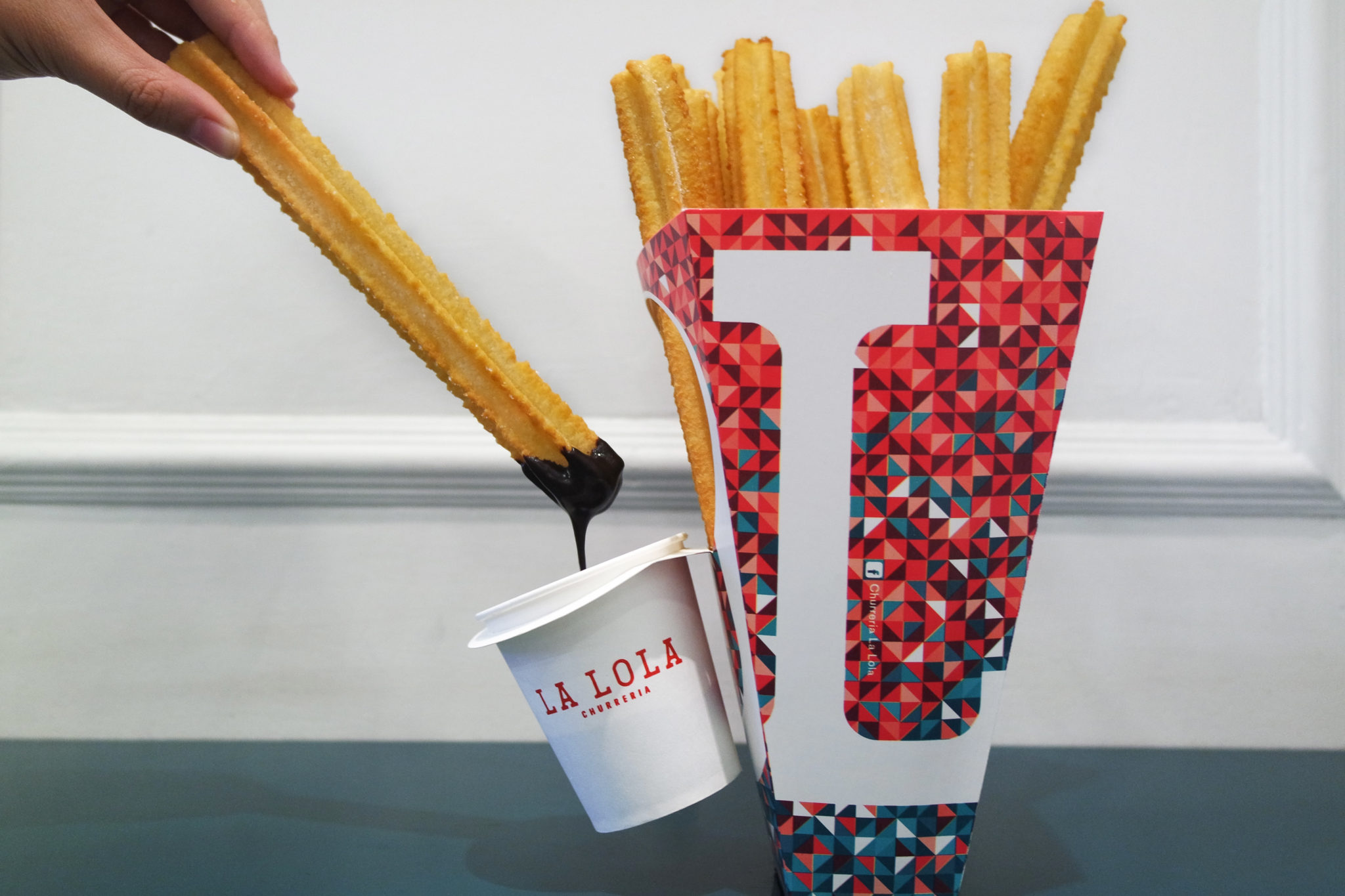
    La Lola Churreria will soon open its first store in Singapore at Clarke Quay Central. The Brazilian-inspired food-retailing concept is being brought to the city by MFT Group of the Philippines, in partnership with Bistronomia which opened the first La Lola store in the upmarket Manila Power Plant Mall at Rockwell.

    The Clarke Quay site was chosen for its close proximity to the MRT and bus stations.

    MFT Group chief marketing officer Chiqui Tan said the company chose Singapore because of locals’ dessert-driven palette and openness to new concepts.

    A former employee of the Philippines’ SM group, Tan says she has been watching La Lola with interest for several years.
    “We’ve been fans of the brand ever since they started. We thought it was genius that something so simple can be done so well. I saw the speed and the scale they grew the brand,” she said in an interview.

    “La Lola churros are so global in flavour that [the concept] can be taken anywhere and will have a strong chance of succeeding,” she said.

    The two companies are planning multiple outlets across Singapore and MFT Group is also actively looking for more food concepts to launch.

    The MFT Group, a private equity investor, has already successfully taken Singaporean chain Salad Stop to Spain. And it plans to open branches of that brand in Vietnam soon.