Retail News CRM

Tag: expansion

  • Uniqlo Targets Massive Expansion in India with Over 100 Stores by 2031

    Uniqlo Targets Massive Expansion in India with Over 100 Stores by 2031

    Uniqlo, a highly recognized retail brand, is set to embark on a substantial expansion plan in India. The company’s strategy involves a fivefold increase in its store network, boosting the number from 20 to over 100 within the next five years.

    The company’s expansion will primarily concentrate on New Delhi and other significant urban areas, as per inside sources. Uniqlo, a division of the Japanese retail powerhouse Fast Retailing, has a presence in more than 25 markets and boasts a global network of over 2,500 stores.

    Local Production and Global Expansion

    In line with local regulations, Uniqlo will not only import clothes from Asian factories but will also initiate production within India. This move is consistent with the company’s broader strategy to expand its influence in the Global South, encompassing South Asia and Southeast Asia.

    The retail brand’s presence in Southeast Asia is considerably more extensive than in India. Uniqlo operates 81 stores in the Philippines, 78 in Indonesia, 73 in Thailand, 60 in Malaysia, and approximately 30 in both Singapore and Vietnam.

    Impressive Sales Growth

    Uniqlo’s consolidated sales in South Korea, Southeast Asia, India and Australia experienced a surge of 32 per cent for the initial nine months ending in May. Sales in India and Southeast Asia alone continued to demonstrate double-digit growth. “We see Asia as the next global growth centre in the long term,” stated Takeshi Okazaki, CFO of Fast Retailing. The brand aims to bolster its reputation in Asia, with plans to enhance its product lineup and store operations.

    Questions & Answers

    What is Uniqlo’s expansion plan in India?
    Uniqlo plans to expand its store network in India fivefold, from 20 to over 100 stores within the next five years.

    What strategy will Uniqlo employ to meet local regulations?
    To adhere to local regulations, Uniqlo will not only import clothes from Asian factories but will also begin manufacturing in India.

    How has Uniqlo performed in other Asian markets?
    Uniqlo has seen significant growth in Southeast Asia. The brand operates numerous stores in the Philippines, Indonesia, Thailand, Malaysia, Singapore and Vietnam, and has experienced a 32% increase in sales in South Korea, Southeast Asia, India and Australia.
  • Costco Leverages JD.com for Bold China Expansion, Boosts Online Presence Beyond Warehouses

    Costco Leverages JD.com for Bold China Expansion, Boosts Online Presence Beyond Warehouses

    Costco, the multi-national corporation recognized for its warehouse club model, has embarked on an exciting new venture in China. Costco has launched an online flagship store on JD, one of China’s largest online retailers, thereby marking a significant point in its expansion in the Chinese market. This strategic move aims to augment Costco’s digital presence beyond the parameters of its existing network of physical warehouses.

    A Growing Online Presence

    The collaboration with JD makes it possible for consumers across China to access approximately 700 products. The diverse range of offerings includes grocery items, household essentials, health supplements, beauty products, and Costco’s private-label range, Kirkland Signature. Notably, the online store allows Costco to penetrate cities where it currently does not have a physical presence.

    The launching of the flagship store on JD represents a crucial milestone for Costco in China. It signifies a significant shift in strategy that emphasizes the importance of online retail in the current market scenario. Costco China says, “By leveraging JD’s well-established online platform and extensive logistics network, we are able to overcome regional limitations and extend our reach into broader markets. This allows us to effectively deliver Costco’s signature merchandise and service value to consumers across the country.”

    Impressive Initial Response and Expansion Plans

    The online store first underwent a trial phase in late May. It was met with an overwhelmingly positive response, attracting over 30 million visits and almost 200,000 followers in just the first month. This underscores strong consumer interest and sets the stage for an optimistic official launch.

    Costco’s strategic move is part of its cautious yet continuous expansion in Mainland China. Since the opening of its first warehouse in Shanghai in 2019, Costco has added a few more stores in major cities. However, the emphasis has increasingly been on using digital channels to further expand its market reach.

    Questions & Answers

    What does Costco’s partnership with JD aim to achieve?
    Through the partnership with JD, Costco aims to overcome regional limitations and expand its reach into broader markets in China. It also allows Costco to deliver its signature merchandise and service value to consumers nationwide.

    What range of products will be available in Costco’s online flagship store on JD?
    The online store will offer around 700 products, including grocery items, household essentials, health supplements, beauty products, and Costco’s private-label range, Kirkland Signature.

    How has the initial response been to the trial phase of Costco’s online store on JD?
    The initial response has been overwhelmingly positive, with the store attracting over 30 million visits and nearly 200,000 followers in the first month.

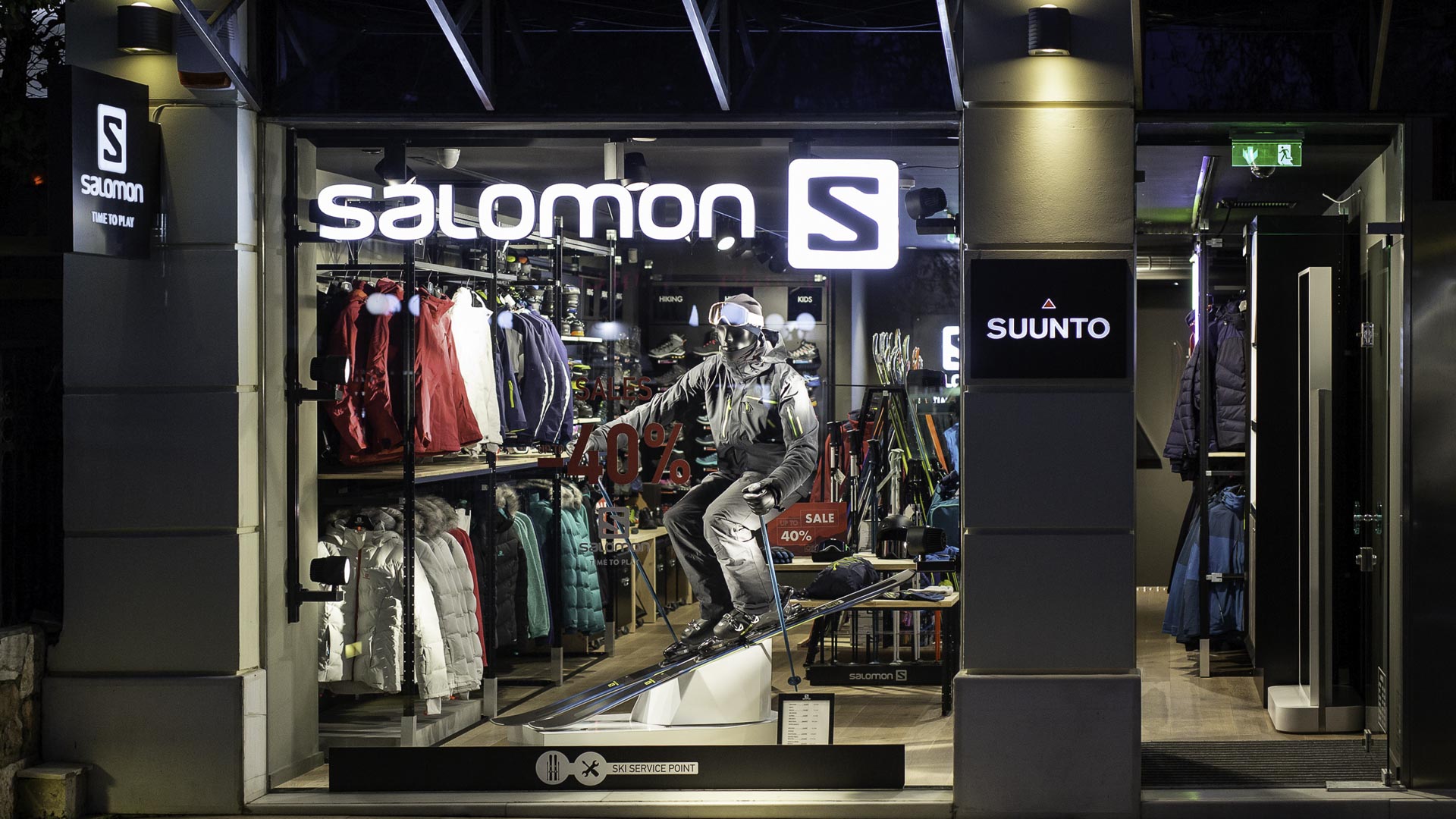
  • Vincent Du: Trailblazing Salomon’s Expansion in Greater China as New Senior VP

    Vincent Du: Trailblazing Salomon’s Expansion in Greater China as New Senior VP

    Renowned sports apparel and goods company, Salomon, has announced the appointment of Vincent Du as the new senior Vice President and General Manager for their Greater China division. Du’s appointment is seen as a strategic move, considering his extensive industry experience spanning over two decades.

    Key Industry Experience

    Vincent Du is recognized for his significant contribution to the sporting goods industry. Before joining Salomon, Du served in crucial product development roles with Nike Global. His tenure at the company saw him contributing to the launch of several influential global footwear models, which have made considerable impact in the market.

    Future Endeavors and Focus

    In his new role, Du is expected to supervise various aspects of Salomon’s business operations across the Greater China region. This includes managing the brand, overseeing business operations, and leading the company’s strategic initiatives in the region.

    Salomon’s primary goal is to hasten retail expansion, strengthen its leadership in trail running, and create momentum across all divisions, including Run All Terrain, Apparel, Sportstyle, and Digital. With this in mind, the company aims to become the leading modern mountain sports lifestyle brand in China.

    Questions & Answers

    Who is the newly appointed senior Vice President and General Manager for Salomon in Greater China?
    Vincent Du is the newly appointed senior Vice President and General Manager for Salomon in Greater China.

    What is Vincent Du’s background in the sporting goods industry?
    Before joining Salomon, Vincent Du held key product development roles at Nike Global and contributed to the launch of several global footwear models.

    What are the key areas of focus for Salomon under Vincent Du’s leadership?
    Under Vincent Du’s leadership, Salomon aims to accelerate retail expansion, strengthen its position in trail running, and build momentum across Run All Terrain, Apparel, Sportstyle, and Digital divisions to become the leading modern mountain sports lifestyle brand in China.

  • Chinese Hotpot Giant, Banu, Ignites Global Expansion with First Hong Kong Outlet

    Chinese Hotpot Giant, Banu, Ignites Global Expansion with First Hong Kong Outlet

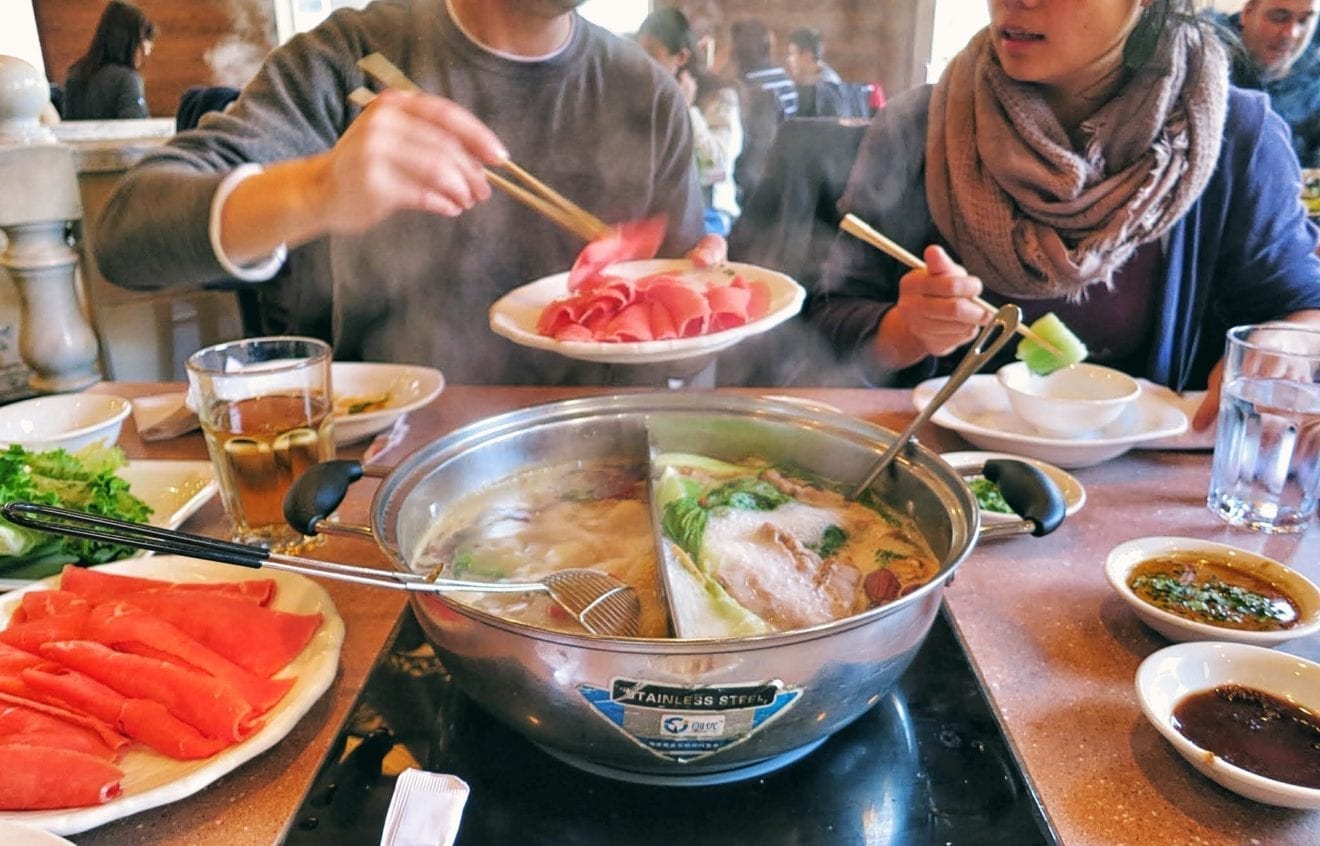
    Banu, a premier hotpot brand originating from Mainland China, has broadened its horizons by launching its very first establishment in Hong Kong.

    Established in 2001, Banu has seen rapid expansion, operating over 200 outlets across Mainland China. The brand’s debut in Hong Kong, with its maiden store located in Hysan Place, Causeway Bay, signifies the commencement of its ambitious global expansion plan.

    A Market Leader

    Banu is recognized as the largest revenue-generating brand in China’s premium hotpot market, recently ascending to occupy the second spot in the country’s overall hotpot market standings. The previous year witnessed an impressive 88.7% year-on-year surge in profits, alongside the opening of 44 new locations.

    In anticipation of its Hong Kong debut, Banu acknowledged the region’s reputation as a global culinary hub, boasting a mature catering industry with stringent standards for ingredient quality and culinary processes. They noted that Hong Kong’s hotpot market is distinctly divided: budget brands compete for footfall with their value-for-money offerings, while high-end establishments focus on deluxe seafood offerings. However, they believe there is a yet unexplored niche for boutique hotpot that harmoniously blends authentic Sichuan flavors with meticulous ingredient selection, all packaged within a sophisticated premium dining experience.

    Future Plans

    Towards aiding its global expansion, Banu is considering an initial public offering (IPO) in Hong Kong. Current market data indicates that themed restaurants, such as Banu, account for one-third of Hong Kong’s hotpot market.

    The brand’s unique positioning, centered around their signature beef tripe, is anticipated to unlock new growth opportunities in the market.

    Questions & Answers

    What is Banu’s market position in China’s hotpot market?
    Banu is recognized as the largest revenue-generating brand in China’s premium hotpot market and holds the second position in the country’s overall hotpot market standings.

    What is Banu’s expansion strategy?
    Banu is considering an initial public offering (IPO) in Hong Kong to aid its global expansion. It aims to explore the untapped niche for boutique hotpot that blends authentic Sichuan flavors with meticulous ingredient selection in a premium dining experience.

    What is Banu’s unique selling proposition?
    Banu’s unique selling proposition is its signature beef tripe, which it hopes will unlock new growth opportunities in the market.

  • Moncler Soars High: Luxury Retailer Rides the Wave of Asia Market Expansion With Robust Sales Growth

    Moncler Soars High: Luxury Retailer Rides the Wave of Asia Market Expansion With Robust Sales Growth

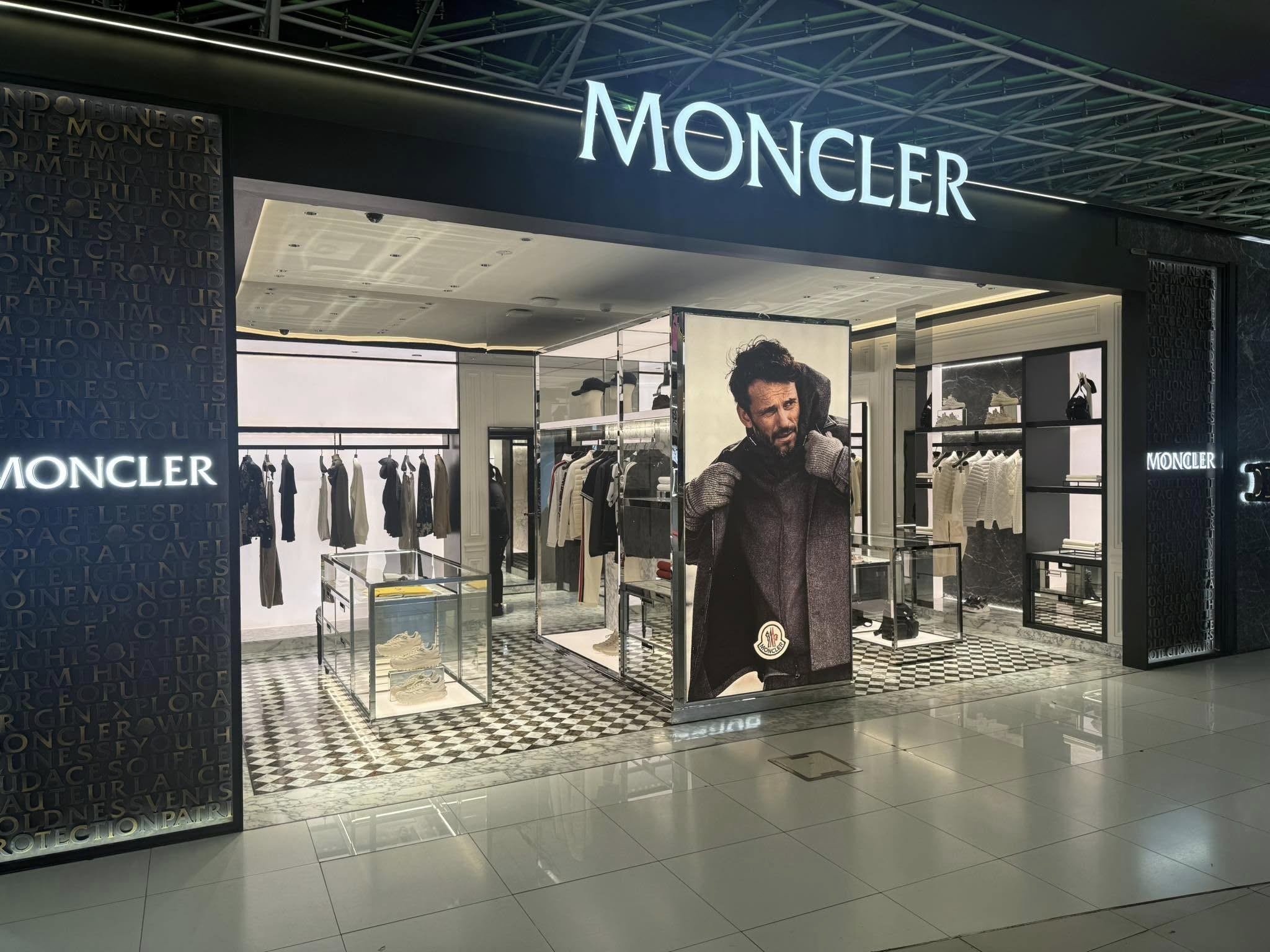
    Luxury fashion retailer Moncler has reported a strong momentum in sales growth, driven predominantly by its expanding presence in Asia.

    Strong Performance Across Moncler and Stone Island Brands

    The first half of their financial year saw a significant rise in revenues across its Moncler and Stone Island brands, with increases of 9% and 11% respectively. This strong performance for both brands contributed to a combined first-half group revenue of $1.47 billion and earnings before interest of $280 million.

    Remo Ruffini, Moncler’s Executive Chairman, is of the view that the group’s resilience stems not solely from its ability to swiftly adjust to changes, but also from staying true to its identity and maintaining close ties with the communities they serve. “In the first half of the year we delivered solid growth and profitability across both our brands, staying focused on our products, the creativity that characterizes our brands and the collective energy we share with our audiences,” he said.

    Moncler’s Rapid Growth in Asia

    Asia has proven to be the fastest-growing market for Moncler Group, now representing 54.4% of total sales. In comparison, the share of sales in Europe, the Middle East, Africa, and the Americas has seen a decline.

    Ruffini added that the group is continuously seeking innovative ways to remain relevant throughout the year, beyond the core season. Despite the complex and unpredictable operating environment, he believes these challenging times test their ability to be sharper, bolder, while maintaining discipline and staying grounded. “We approach the second half of the year and the opportunities ahead with this same spirit, and with a clear sense of direction,” he concluded.

    Questions & Answers

    What has driven Moncler’s recent sales growth?
    Moncler’s sales growth was primarily driven by its expansion in Asia, contributing to 54.4% of total sales.

    How did Moncler and Stone Island brands perform in the first half of the year?
    Both brands showed significant growth with their revenues increasing by 9% and 11% respectively, leading to a combined first-half group revenue of $1.47 billion.

    What strategy does Moncler implement to stay competitive in the market?
    Moncler strives to remain relevant throughout the year by continuously seeking innovative ways to engage audiences, focusing on their products and the creativity that characterizes their brands while staying true to their identity and maintaining close ties with the communities they serve.

  • China’s Coffee Giant Luckin Coffee Brews Rapid Expansion in Malaysias Johor Bahru with Trio of New Outlets

    China’s Coffee Giant Luckin Coffee Brews Rapid Expansion in Malaysias Johor Bahru with Trio of New Outlets

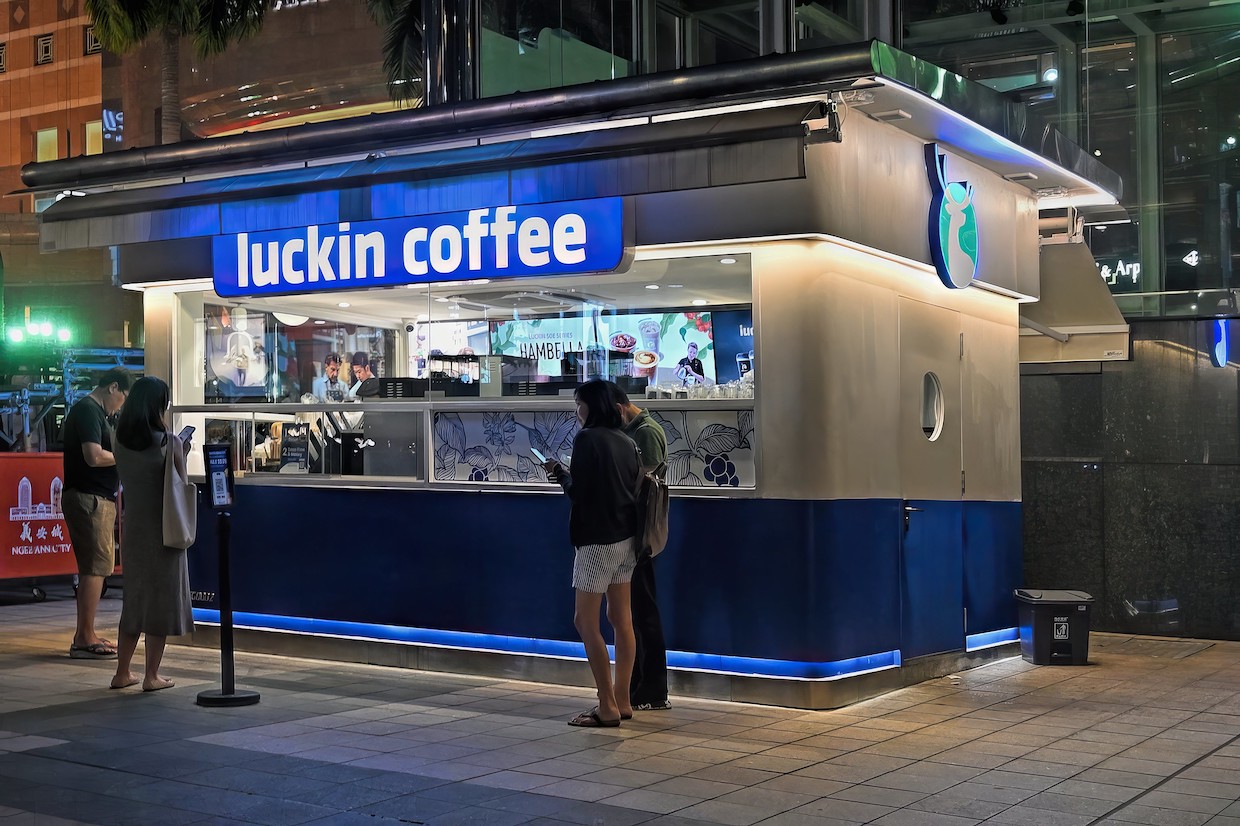
    Luckin Coffee, the largest cafe chain in China, has bolstered its presence in Malaysia by establishing three new outlets in the city of Johor Bahru last July. The first two branches were launched at Sutera Mall and Austin Heights early in the month, followed by a grand opening at the Sutera Mall location. A third branch was then opened in Taman Ungku Tun Aminah.

    Targeting Growth in Johor

    Dr. Jeff Lim, the CEO of Luckin Coffee Malaysia, has highlighted the strategic importance of Johor, Malaysia’s southernmost state, to the company’s expansion plans. He mentioned the potential of a more localized supply chain, job opportunities, and wider access to their digital-first coffee retail experience as key elements supporting the company’s growth in the region.

    Luckin Coffee was established in 2017 by a former tech executive and soon became a notable competitor to Starbucks in China due to its unique, app-driven cafes. Despite a setback in 2019 when the company was delisted due to an accounting scandal and subsequently filed for bankruptcy in 2021, it has made a robust recovery.

    Global Expansion and Achievements

    Luckin Coffee’s expansion efforts have seen it spread to over 300 cities in China, with most of its outlets located there. The company has also made inroads into international markets, such as Singapore, Malaysia, and the U.S. In February, just over eight years after its inception, Luckin Coffee opened its 30,000th store worldwide, an accomplishment achieved six times faster than Starbucks.

    As of the first quarter of 2026, the company has seen further growth with a total of 33,596 stores globally after adding more than 2,500 outlets during the quarter. Luckin Coffee made its debut in Malaysia last year and has since been growing rapidly. With the addition of the new outlets in Johor, the total number of stores across the country has now exceeded 120.

    Questions & Answers

    What is the significance of the Johor market for Luckin Coffee?
    Johor, being the southernmost state of Malaysia, is seen as a key market that can support Luckin Coffee’s growth through a more localized supply chain, job creation, and wider access to its digital-first coffee retail experience.

    How many outlets does Luckin Coffee have globally?
    As of the first quarter of 2026, Luckin Coffee has 33,596 stores across the globe.

    When did Luckin Coffee enter the Malaysian market and how many outlets does it have in the country?
    Luckin Coffee entered the Malaysian market last year and with the addition of new stores in Johor, it now operates more than 120 outlets in the country.

  • Aussie Swimwear Sensation Seafolly Dives into China Market: A Global Expansion Milestone

    Aussie Swimwear Sensation Seafolly Dives into China Market: A Global Expansion Milestone

    Seafolly, the renowned Australian swimwear brand, has officially entered the Chinese market, marking another significant milestone in its ongoing global expansion. This move trails closely behind the brand’s recent launches in the United States and the United Arab Emirates.

    Engaging the Chinese Market with a Tailored Strategy

    Recognizing the increasing demand for high-quality swimwear in China, Seafolly has developed a unique ‘go-to-market’ strategy. This approach is designed to facilitate consumer discovery and engagement with the brand while promoting its shopping experience.

    To bolster this expansion, Seafolly has laid the groundwork by inaugurating an office in Shanghai. This move equips the brand with an on-site team to manage local operations, forge partnerships, and steer the brand’s development in the Chinese market.

    In addition, Seafolly has marked its presence on popular Chinese social commerce platforms such as Rednote, Douyin, and Tmall. This digital outreach aims to leverage the advantages of these platforms to introduce the brand to potential customers and engage with them effectively.

    Creating Connections through Influencer Partnerships

    As part of its introductory phase, Seafolly has partnered with influencers and launched livestream campaigns. These initiatives have already garnered high engagement rates and positive consumer sentiment, paving the way for a successful official launch.

    Brendan Santamaria, CEO of Seafolly, commented on the expansion, stating that their international markets have demonstrated impressive momentum, and there is a growing affinity for premium Australian lifestyle brands in China. He further added that having a local base in Shanghai enables the brand to establish an authentic connection with its consumers and build the brand effectively.

    In the coming months, Seafolly plans to launch physical stores in China, providing a tangible, immersive experience to its customers.

    Questions & Answers

    What is Seafolly’s strategy for its expansion into China?
    Seafolly’s approach is a locally tailored ‘go-to-market’ strategy, aimed at helping Chinese consumers discover and engage with the brand. The company has also opened an office in Shanghai to manage local operations and brand development.

    How is Seafolly leveraging digital platforms in its Chinese market entry?
    Seafolly has marked its presence on multiple Chinese social commerce platforms, including Rednote, Douyin, and Tmall. It has also established partnerships with influencers and launched livestream campaigns, which have generated strong consumer engagement.

    What are Seafolly’s future plans in China?
    In addition to its digital outreach, Seafolly plans to establish physical stores in China later this year, providing customers with a more immersive, tangible brand experience.

  • Every Halfs $8M Series A Brews Excitement for Vietnamese Coffee Sector Expansion

    Every Halfs $8M Series A Brews Excitement for Vietnamese Coffee Sector Expansion

    Every Half, a Vietnamese coffee chain, recently raised $8 million in a Series A funding round with participation from current investors Openspace Capital and DSG Consumer Partners. This funding will be utilized to fuel the company’s expansion across Vietnam, enhance its vertically integrated supply chain, and extend its packaged coffee business.

    Diversifying Operations and Expanding Reach

    Simultaneously, the company is diversifying its portfolio beyond traditional coffee shops. It is investing in coffee farming, proprietary fermentation technologies, e-commerce, and business-to-business distribution. Currently, 36 stores are operating under the Every Half umbrella in various Vietnamese cities such as Ho Chi Minh City, Hanoi, Danang, and Hoi An. The company is predicted to nearly triple its revenue this year. In addition to its in-store offerings, Every Half has broadened its consumer product selection, selling roasted coffee beans and brewing tools online and exporting to countries like Singapore, Thailand, and Taiwan.

    The recent funding round builds upon prior investments made by Openspace and DSG Consumer Partners, following an undisclosed seed round in 2024 and a pre-Series A financing round worth $3 million last year.

    Every Half was established in 2021 by ex-executives of The Coffee House, Vo Duy Phu and Tran Le Minh Truc. The company aims to promote Vietnamese specialty coffee globally through a business model that covers sourcing, processing, roasting, and retailing.

    Transforming Vietnamese Coffee Industry

    When Openspace invested in Every Half in 2024, it praised the company’s vision of transforming Vietnamese coffee from a simple exported commodity into a globally recognized premium brand. The investment firm also praised the founders’ expertise in coffee sourcing, product development, and retailing. DSG Consumer Partners shared a similar sentiment, highlighting the company’s focus on specialty coffee, sustainable sourcing, and brand building as primary drivers of its long-term growth.

    Questions & Answers

    What will the recently secured funds be used for by Every Half?
    The funds will be used to accelerate Every Half’s expansion across Vietnam, deepen investment in its vertically integrated supply chain, and scale its packaged coffee business.

    What diversification strategies is Every Half employing?
    Every Half is expanding its operations beyond cafes to include coffee farming, proprietary fermentation technology, e-commerce, and business-to-business distribution.

    What was the vision behind the founding of Every Half?
    Founded by Vo Duy Phu and Tran Le Minh Truc, Every Half was created with the aim of showcasing Vietnamese-grown specialty coffee on a global scale, traversing operations from sourcing, processing, and roasting to retail.

  • Ikea Fuels Indian Expansion with $2.2B Investment by 2030

    Ikea Fuels Indian Expansion with $2.2B Investment by 2030

    Swedish furniture giant, Ikea, anticipates a substantial increase in its investment in India, aiming to reach a total of US$2.2 billion by 2030 as part of its aggressive expansion strategy.

    Doubling Investments

    Patrik Antoni, the CEO of Ikea India, revealed that the company has already surpassed the initial commitment of $1.1 billion made in 2013 post the approval to establish single-brand retail outlets in India. He added, “We will likely double this investment in future. By 2030, we should have at least accomplished that.”

    The additional investment is set to be utilized to facilitate the expansion of Ikea’s physical store footprint and develop mixed-use retail centers. Further, it will support increased local sourcing, renewable energy ventures, and advanced technology capabilities.

    Future Expansion Plans

    The upcoming major projects include the inauguration of a large-format store in Noida next year, with another planned in Gurgaon for 2028. In tandem with its retail growth, Ikea also plans to enhance local manufacturing to bolster domestic sales and exports. Antoni concluded by stating, “We plan to produce more and also increase our exports. Thus, we hope to do a lot more.”

    Questions & Answers

    What is Ikea’s investment plan for India by 2030?
    Ikea plans to more than double its investment in India to reach US$2.2 billion by 2030.

    What will the additional investment be used for?
    The additional investment will be used to expand Ikea’s physical store network, develop mixed-use retail centers, increase local sourcing, fund renewable energy projects, and enhance technology capabilities.

    What are Ikea’s future expansion plans in India?
    The company plans to open a large-format store in Noida next year, followed by another in Gurgaon in 2028. It also plans to increase local manufacturing to support domestic sales and exports.

  • Vicca Ng Steps into COO Role at Hextar Retail: Driving Expansion and Strategic Partnerships

    Vicca Ng Steps into COO Role at Hextar Retail: Driving Expansion and Strategic Partnerships

    Vicca Ng has been appointed as the Chief Operating Officer (COO) of Hextar Retail, a Malaysian retail conglomerate. Ng’s new role takes effect immediately and she will continue to supervise the group’s retail operations, in addition to serving as an executive director.

    Vicca Ng’s Role in Hextar Retail

    Ng has been instrumental in the expansion of Hextar Retail. She has successfully managed the brand’s growth, fostered strategic partnerships, and developed retail operations across a growing portfolio. Her background encompasses business expansion, retail operations, and commercial development. In her new role as COO and Executive Director, Hextar Retail looks forward to Ng’s continued leadership as the company evolves and expands.

    Hextar Retail, initially established in 1988 as Classic Scenic Berhad, was rebranded in 2024. The company is a subsidiary of the larger Malaysian conglomerate, the Hextar Group. The Hextar Retail portfolio covers a range of sectors, including lifestyle, apparel, food and beverage, as well as convenience retail sectors.

    Questions & Answers

    What is the new role of Vicca Ng in Hextar Retail?
    Vicca Ng has been appointed as the Chief Operating Officer and will function as an Executive Director. She will supervise the group’s retail operations.

    What role has Vicca Ng played in the expansion of Hextar Retail?
    Ng has been instrumental in the company’s expansion, overseeing brand growth, fostering strategic partnerships, and developing retail operations across the growing portfolio.

    What sectors does Hextar Retail’s portfolio cover?
    Hextar Retail’s portfolio spans a wide range of sectors, including lifestyle, apparel, food and beverage, and convenience retail sectors.

  • Five Guys Burgers Set for Beijing Expansion Amid Uptick in US Fast-Food Foothold in China

    Five Guys Burgers Set for Beijing Expansion Amid Uptick in US Fast-Food Foothold in China

    Next month, the renowned American burger establishment, Five Guys, is all set to launch in Beijing. This event signifies the continued expansion of U.S. restaurant brands in China, undeterred by the escalating competition in the market.

    Five Guys plans to establish three eateries in Beijing’s shopping centers, strategically located in areas favored by the younger demographics. The brand’s entry into Mainland China came about in 2021, facilitated through a collaboration with local franchise operator, JumboFive. The inaugural restaurant, located at Shanghai’s Printemps Mall on Huaihai Middle Road, attracted considerable consumer attention. The brand reported that customers started lining up from as early as 2 am, enduring waits of over three hours on the opening day.

    The rapid expansion of Five Guys in China aligns with a larger trend noticed among American fast-food companies. These organizations are seeking growth opportunities in China as the prospects in the U.S. become more saturated. Domino’s Pizza China serves as a representative example, recently extending its franchise network to encompass 1550 stores. The pizza chain added a net of 235 new outlets in the first half of the year, concurrently reporting a surge in sales during the second quarter.

    In an akin move, Yum China recently decided to purchase the Pizza Hut business in mainland China from U.S.-based Yum Brands. The deal, worth US$1.2 billion in cash, aims to tap into the potential of Pizza Hut as the country’s largest casual dining restaurant brand. Last year, Pizza Hut generated a substantial revenue of $2.3 billion and an operating profit of $183 million.

    Questions & Answers

    What is Five Guys’ plan for expansion in Beijing?
    Five Guys plans to open three restaurants in Beijing, targeting shopping malls frequented by young consumers.

    How was Five Guys’ entry into Mainland China facilitated?
    Five Guys entered Mainland China in 2021 through a collaboration with the local franchise operator, JumboFive.

    What are some other examples of American fast-food chains expanding in China?
    Additional examples include Domino’s Pizza China, which expanded its network to 1550 stores recently, and Yum China, which acquired the Pizza Hut business in mainland China.

  • Jaspal Ropes in Globally-experienced Damien Corcoran as New CEO to Bolster International Expansion

    Jaspal Ropes in Globally-experienced Damien Corcoran as New CEO to Bolster International Expansion

    Renowned Thai retailer Jaspal has announced the appointment of Damien Corcoran as their new Chief Executive Officer with immediate effect. Corcoran boasts an impressive background in international leadership, with extensive experience in retail and consumer sectors spanning Europe, the Middle East, and Asia.

    A Proven Leader

    Corcoran’s most recent role was at the helm of the Isle of Man Meat Company, serving as chairperson. Earlier, he demonstrated his leadership prowess as the CEO of Grandiose Supermarkets and Catering in Dubai. Corcoran also held the position of international vice-president at Whole Foods Market, where he guided the company through expansion into international markets in the wake of its acquisition by Amazon.

    His expertise lies in a number of areas, including business transformation, retail operations, commercial strategy, and international growth – all skills that will prove invaluable in his new role.

    Steering Jaspal Towards Future Growth

    As Jaspal’s new CEO, Corcoran will spearhead the business’s ongoing efforts to solidify its market position and extend its international reach. Jaspal’s portfolio is home to 19 brands, showcasing popular in-house labels such as Jaspal, CPS, Lyn, CC Double O, Lyn Around, Jelly Bunny, and CPS Coffee.

    In addition, Jaspal holds distribution rights for a number of international brands like Fred Perry, Asics, Diesel, Puma, Melissa, Marithé + François Girbaud, and Satur. The company operates over 400 retail outlets and points of sale globally, complemented by its robust e-commerce platforms.

    Jaspal expressed that Corcoran’s appointment marks a significant stride in its long-term growth strategy, aimed at bolstering its competitive stance and opening up new avenues of opportunity across the region.

    Questions & Answers

    Who is the new CEO of Jaspal?
    Damien Corcoran has been appointed as the new CEO of Jaspal.

    What previous roles has Damien Corcoran held?
    Corcoran has previously served as the chairman of the Isle of Man Meat Company, CEO of Grandiose Supermarkets and Catering in Dubai, and international vice-president at Whole Foods Market.

    What is Jaspal’s growth strategy under Corcoran’s leadership?
    Under Corcoran’s leadership, Jaspal aims to strengthen its market position and expand its global presence.

  • Luxshare Skyrockets, Raking in $3bn from Hong Kong Listing for AI and Auto Tech Expansion

    Luxshare Skyrockets, Raking in $3bn from Hong Kong Listing for AI and Auto Tech Expansion

    Luxshare Precision Industry, headquartered in China, announced on Tuesday that its Hong Kong listing has been priced at the upper limit of its target range, resulting in the raising of approximately HK$24.27 billion (US$3.09 billion).

    The Apple supplier, listed in Shenzhen, revealed the offer price was set at HK$63.28 per H-share, resulting in the sale of 383.5 million shares.

    Luxshare plans to use the proceeds from the listing to enhance its manufacturing capacity within the automotive and consumer electronics sectors. The raised capital will also be used to fund artificial intelligence-powered factory upgrades, facilitate potential acquisitions, repay existing debt, and bolster the firm’s working capital.

    A significant part of the raised funds will be dedicated to the expansion of Luxshare’s automotive electronics business. This is indicative of the firm’s strategic move beyond consumer electronics and into the rapidly expanding field of intelligent vehicle supply chain.

    Luxshare revealed that it anticipates announcing the level of investor demand for its international offering, as well as the allocation results, on July 8. The company’s shares are expected to commence trading on the Hong Kong Stock Exchange at 9:00am local time on July 9.

    Luxshare was founded by Chinese billionaire Wang Laichun and is counted among Apple’s largest suppliers. The firm is responsible for the manufacturing of a range of electronic devices, comprising routers, wireless charging modules, and video conferencing equipment.

    Questions & Answers

    What does Luxshare Precision Industry plan to do with the proceeds from its Hong Kong listing?
    Luxshare plans to use the raised capital to expand its manufacturing capacity, fund factory upgrades, pursue acquisitions, repay debt, and support working capital.

    How is the company expanding its business?
    Luxshare is looking to move beyond the sphere of consumer electronics and delve deeper into the rapidly growing intelligent vehicle supply chain.

    When does Luxshare plan to begin trading its shares?
    Trading of Luxshare’s shares is expected to begin on the Hong Kong Stock Exchange at 9:00am local time on July 9.

  • Jollibee Billionaire-Backed Hotel101 Pours $200M into Thai Hotel Expansion

    Jollibee Billionaire-Backed Hotel101 Pours $200M into Thai Hotel Expansion

    Hotel101 Global, a venture supported by Jollibee Foods founder Tony Tan Caktiong, is marking its expansion into Thailand with an investment of US$200 million. This investment is aimed at the development of three new hotels in Southeast Asia’s top tourist destination.

    Expansion and Development Plans

    The company plans to launch these developments over the next three years. The first hotel will be situated in Bangkok, with the subsequent projects planned for Pattaya and Phuket. Collectively, these three hotels are expected to provide over 2,000 rooms.

    Hotel101 Global is a division of DoubleDragon, a collaborative enterprise between Caktiong, who has a net worth of $1.1 billion, and property tycoon Edgar Sia II, who holds $310 million in assets.

    Hotel101-Bangkok is projected to produce 1.9 billion baht ($57 million) in sales once all units are sold. This hotel is set to be completed by 2029 and will occupy an 8,336-square-meter site on Phahon Yothin Road, close to Don Mueang International Airport. Guests can expect a variety of amenities, including meeting spaces, a conference center, modern rooms, all-day dining, a swimming pool, a full-size gym, a business center, a children’s pool, parking, and luggage storage.

    Hotel101, which inaugurated its first property in the Philippines in 2016, joined Nasdaq in July of the previous year. This listing is anticipated to aid Sia in his ambition of constructing 1 million hotel rooms across 100 countries by 2050.

    Existing Ventures and Future Projects

    At present, the company runs two hotels in the Philippines, which together comprise 1,124 rooms. As part of its global expansion, Hotel101 unveiled its first international property, the 680-room Hotel101-Madrid, in March. The 482-room Hotel101-Niseko in Hokkaido, Japan, is set to open in December.

    This year, the company is also planning to launch the 519-room Hotel101-Davao and the 548-room Hotel101 Cebu in the Philippines. According to Hotel101, these new additions, along with Hotel101-Niseko, will introduce a record 2,229 new hotel rooms by 2026.

    In addition to these, Hotel101 is working on projects in Los Angeles and Saudi Arabia, where it aims to construct 10,000 rooms worth $2.5 billion across several cities.

    The company’s approach is centered on building a global hotel network characterized by identical, standardized rooms at all of its properties to enhance efficiency and affordability.

    Questions & Answers

    What is the investment plan of Hotel101 for their expansion into Thailand?
    Hotel101 Global plans to invest US$200 million to develop three hotels in Bangkok, Pattaya, and Phuket.

    What amenities can guests expect at the new hotels?
    Guests can anticipate amenities such as meeting spaces, a conference center, modern rooms, all-day dining, a swimming pool, a full-size gym, a business center, a children’s pool, parking, and luggage storage.

    What is the company’s long-term goal?
    The long-term goal of Hotel101 is to develop 1 million hotel rooms across 100 countries by 2050, as facilitated by their listing on Nasdaq.

  • Domino’s Pizza China Hits 1550 Outlets: Unveils Expansion Strategy and Partners with Megamall Operator SCPG Group

    Domino’s Pizza China Hits 1550 Outlets: Unveils Expansion Strategy and Partners with Megamall Operator SCPG Group

    Domino’s Pizza China has made significant strides in expanding its presence across the country, with its total number of outlets now reaching 1550. This was achieved through the addition of 235 new stores during the first half of the year, a move that has led to an increase in sales momentum as reported in the second quarter.

    The growth of the pizza chain has been overseen by DPC Dash, who moved into 15 fresh urban markets within this six-month period. This has brought the total number of cities with a Domino’s presence to 75. The brand’s expansion strategy, dubbed ‘Go Deeper, Go Broader’, has proven successful, focusing on amplifying store density in current markets while simultaneously branching out into new ones. Lower-tier markets now account for 1018 stores, leaving 532 in Tier 1 cities.

    Strategic Partnerships and Expansion Targets

    DPC Dash formed a strategic alliance with SCPG Group, one of the largest shopping mall operators in China, within the quarter to hasten their store launch process. This collaboration will facilitate Domino’s expansion into new markets while reinforcing its presence in the cities it already operates in. By the end of June, the number of stores that were opened, under construction, or signed for accounted for about 89% of DPC Dash’s full-year 2026 opening target. This was a progressive leap from the 65% recorded at the end of the first quarter.

    Domino’s now considers mainland China as its second-largest international market in terms of store count. The company now holds all top 70 positions in the first 30-day sales ranking, illustrating the potential of China’s market, and the efficacy of DPC Dash’s store execution model.

    The successful performance has been credited to its ‘4D’ strategy, a blend of network expansion, value-oriented products, effective delivery capabilities, and a robust digital investment.

    Leadership Changes and Future Plans

    On the personnel front, DPC Dash bolstered its leadership team during the quarter, by appointing Joanne Xie as the new Chief Marketing Officer. Xie, who has previously held senior positions at McDonald’s China, Coca-Cola, and Mondelez, will now be responsible for brand strategy, digital marketing, customer engagement, and product innovation.

    Looking forward, the company anticipates maintaining its expansion momentum for the remainder of the year while continuing its investment in operations, product development, and enhancing the customer experience.

    Questions & Answers

    What is Domino’s expansion strategy in China?
    Domino’s expansion strategy in China, supervised by DPC Dash, is titled ‘Go Deeper, Go Broader’. It focuses on increasing store density in existing markets and extending into new cities.

    Who is the new Chief Marketing Officer of DPC Dash?
    Joanne Xie has been appointed as the new Chief Marketing Officer of DPC Dash. She has previously held senior roles at McDonald’s China, Coca-Cola, and Mondelez.

    What does Domino’s ‘4D’ strategy entail?
    Domino’s ‘4D’ strategy combines four elements: network expansion, value-focused products, delivery capabilities, and digital investment.