Retail News CRM

Tag: expansion

  • Bread Ahead Bakes Up Asian Expansion: Launches First Store in Bangkok with Exclusive Doughnut Delights

    Bread Ahead Bakes Up Asian Expansion: Launches First Store in Bangkok with Exclusive Doughnut Delights

    UK-based bakery company, Bread Ahead, has initiated its Asian expansion strategy with the inauguration of its first outlet in Thailand, located in Siam Paragon, on May 30. This marks a significant milestone for the brand as it looks to expand its footprint in the region.

    The Bangkok store, a result of a collaboration with Passion Restaurant Group, represents the first step of the brand’s comprehensive growth plan in this region. The company has revealed plans to inaugurate six more stores in the coming 12 months.

    Introducing the ‘Hot Doughnut Theatre’

    The new store, situated on the ground floor in Gourmet Eats, will showcase Bread Ahead’s innovative ‘Hot Doughnut Theatre’ concept to Thai consumers. This unique approach offers customers the experience of watching their doughnuts being freshly made, filled, and finished live throughout the day.

    The menu primarily features Bread Ahead’s distinctive doughnut range, with a particular emphasis on two flavours which will be exclusive to the Thai market: Matcha & White Chocolate and Hojicha & Dark Chocolate.

    According to Bread Ahead’s founder, Matthew Jones, “Bangkok is an incredibly vibrant city known for its food, creativity, and hospitality. Siam Paragon is the perfect location for our first Asian bakery. This is an enormous moment for us as we open in Asia for the first time. It feels like the beginning of a very unique journey. We are proud to introduce Bread Ahead to Bangkok first, and we consider this as the initiation of a much grander journey – with Thailand leading the way as we continue our expansion across Asia. This is an incredibly exciting time for the brand, and we are eagerly looking forward to what the future holds.”

    Successful Growth Story

    Bread Ahead, established in 2013, has emerged as one of the most distinguished brands in the UK, boasting six bakery outlets across London. The brand also disclosed ambitions last year to extend its presence to the Philippines.

    Questions & Answers

    What is the ‘Hot Doughnut Theatre’ concept?
    The ‘Hot Doughnut Theatre’ is a unique approach by Bread Ahead where customers can watch their doughnuts being freshly made, filled, and finished live throughout the day.

    What flavours will be exclusive to the Thai market?
    Bread Ahead’s Thai menu will feature two exclusive doughnut flavours – Matcha & White Chocolate and Hojicha & Dark Chocolate.

    What are Bread Ahead’s expansion plans in Asia?
    Bread Ahead has kicked off its Asian expansion with the launch of its first store in Thailand. The brand plans to open six more outlets in the region over the next 12 months and has also shown interest in the Philippines.


  • Jollibees Aggressive Franchise Expansion in Vietnam Bolsters Quick-Service Restaurant Market Dominance

    Jollibees Aggressive Franchise Expansion in Vietnam Bolsters Quick-Service Restaurant Market Dominance

    Jollibee, a leading Philippine fast-food company, is stepping up its franchising efforts in Vietnam, aiming to expand its presence in one of Southeast Asia’s most fiercely contested quick-service restaurant (QSR) markets. The move follows the brand’s prestigious recognition as Vietnam’s foremost QSR brand by Euromonitor International.

    Franchising Expansion Strategy

    Jollibee launched its franchising model in Vietnam in 2015, effectively inviting capable local investors to manage Jollibee-branded outlets under a standardized operating system. Initial expansion was carried out cautiously as the brand worked to establish scale and maintain operational control. However, the company has now shifted gears to a more assertive growth phase, primarily targeting quicker network expansion.

    Franchising not only facilitates the company’s accelerated growth but also generates more employment opportunities, fortifies the domestic supply chain, and aids in the advancement of Vietnam’s food and beverage service industry, according to a representative from the company.

    This renewed drive towards franchising is spurred by Jollibee’s recent accolade as Vietnam’s top QSR brand in terms of turnover, as awarded by Euromonitor International.

    Growing Footprints Across Vietnam

    Since the establishment of its first store in Ho Chi Minh City in 2005, Jollibee Vietnam has grown to encompass more than 250 locations dispersed across over 50 provinces and cities. The company’s expansion has been fueled by a diverse strategy that includes outlets in shopping malls, street-front locations, and delivery-centric stores.

    Ernesto Tanmantiong, Global President and CEO of Jollibee Group, attributed the brand’s success to its understanding of local consumers and its adherence to fundamental business practices. He asserted that the company’s progress underscores the potency of merging a popular brand with a profound local understanding and consistent execution. It further strengthens their belief that sustainable growth in international markets stems from remaining relevant to consumers while establishing solid operational foundations.

    Questions & Answers

    When did Jollibee first introduce franchising in Vietnam?
    Jollibee introduced franchising in Vietnam in 2015.

    What factors have supported Jollibee’s expansion in Vietnam?
    Jollibee’s expansion has been supported by a multi-format strategy that includes outlets in shopping malls, street-front locations, and delivery-centric stores.

    What is the significance of franchising for Jollibee’s growth?
    Franchising not only facilitates Jollibee’s accelerated growth but also generates more employment opportunities, fortifies the domestic supply chain, and aids in the advancement of Vietnam’s food and beverage service industry.

  • Thai Fragrance Powerhouse PanPuri Unleashes Bold Expansion across Asia, Eyes Luxury Retail Hubs in Nine Countries

    Thai Fragrance Powerhouse PanPuri Unleashes Bold Expansion across Asia, Eyes Luxury Retail Hubs in Nine Countries

    Panpuri, a prominent fragrance brand from Thailand, has recently announced an aggressive expansion plan that aims to establish 16 new retail outlets across Asia within the year.

    This initiative marks a significant step in the company’s comprehensive growth blueprint, which envisions over 80 retail locations spread across nine countries by the end of the decade. The new establishments will primarily be located in high-end shopping centers and bustling business districts.

    Since 2024, Panpuri has successfully penetrated markets in Hong Kong, Singapore, and Macau. In line with their expansion plans this year, the company intends to make substantial inroads into the Japanese market, launching first in Tokyo before branching out into other major cities. The fourth quarter will see the brand’s debut in China, with initial focus areas being Shanghai and Beijing.

    Vorravit Siripark, the founder and CEO of Puri Company Limited, stated, “Japan and China are crucial markets for us.” He added, “Consumers in these markets have a keen eye for craftsmanship, detailing, ambiance, and emotional values – qualities that align closely with Panpuri’s brand essence.”

    Siripark emphasized the role of localization in the company’s growth strategy. Every store will be designed to resonate with the culture and pace of the city it is located in, while ensuring the brand’s unique atmosphere is maintained.

    The upcoming Panpuri stores will prioritize immersive sensory experiences, marrying fragrance narratives with aspects of wellness, hospitality, and emotive design.

    North Asia’s contribution to Panpuri’s total revenue is projected to reach 30 per cent by 2029, with the brand aiming for a total revenue of THB 3 billion (approximately US$92 million). While North Asia holds prominence in the company’s plans, Siripark stressed that Southeast Asia will continue to be a cornerstone of their long-term vision.

    In Siripark’s words, “Thailand will always be our home, the hub of our creativity, and the source of our emotional grounding.” He further stated, “We persist in making considerable investments here, especially in wellness experiences and next-gen retail concepts. We also see immense potential in cities like Singapore, where there is a growing fondness for fragrance, ritualistic experiences, and more emotive forms of luxury living.”

    Questions & Answers

    What is Panpuri’s expansion plan for this year?
    Panpuri intends to open 16 new stores across Asia as part of its expansion plan for the year.

    What is the key focus of the next generation of Panpuri stores?
    The next generation of Panpuri stores will prioritize immersive sensorial experiences, marrying fragrance narratives with aspects of wellness, hospitality, and emotive design.

    What is the company’s revenue target by 2029?
    Panpuri aims to generate a total revenue of THB 3 billion (approximately US$92 million) by 2029.

  • Grab Powers Through 2026 with Record Q1 Results and Bold Expansion Beyond Southeast Asia

    Grab Powers Through 2026 with Record Q1 Results and Bold Expansion Beyond Southeast Asia

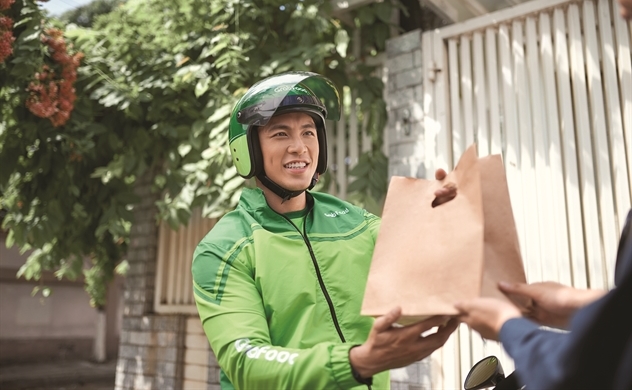
    Southeast Asian superapp, Grab, has reported its strongest first quarter to date, with plans to expand beyond its home market for the first time. It plans to do so with an investment of $600 million.

    Grab’s CEO and co-founder, Anthony Tan, expressed his satisfaction with the results, stating that the company achieved its objective of starting 2026 robustly. Grab recorded a revenue of US$955 million for the first quarter, which ended on March 31, representing a year-on-year increase of 24%. Its adjusted EBITDA reached US$154 million, up by 46% from the same period in the previous year, marking the company’s seventeenth consecutive quarter of EBITDA growth.

    Despite the period being typically quiet due to the Ramadan fasting month and Lunar New Year celebrations, the company managed to increase its number of monthly transacting users by 16% to 51.6 million.

    Growth Across Segments

    The overall gross merchandise value of Grab’s deliveries and mobility segments rose to US$6.1 billion in the quarter, with the delivery sector growing by 25% and mobility by 23%, year-on-year. The company’s financial services also observed a 43% leap in revenue to US$107 million.

    However, the company faces operational challenges due to the regional surge in fuel prices—an issue with no straightforward solution for a business model that depends on daily refuelling by millions of driver-partners. To navigate this issue, Grab launched various initiatives in March, including multi-partner fuel discount programs and restructuring incentive models to maximize driver earnings. Grab also collaborated with governments to ensure driver-partners could access available transport-worker fuel subsidies.

    Recently, Grab became the first platform to offer point-to-point cross-border taxi services between Singapore and Malaysia, one of the world’s busiest international land border crossings.

    Expansion Plans

    During the quarter, Grab agreed to acquire Delivery Hero’s foodpanda delivery business in Taiwan for US$600 million in cash. This represents Grab’s first expansion beyond Southeast Asia in its 14-year history. The acquisition is expected to be finalised in the second half of the year, expanding Grab’s presence across 21 cities. Upon completion, Grab would hold a market share of just over 50%, positioning it as a formidable competitor to Uber Eats.

    Moving forward, Grab’s full-year guidance remains unchanged, with predictions of 20% to 22% growth in revenue and 40% to 44% growth in adjusted EBITDA. The company expects in-demand GMV growth in each remaining quarter of this year.

    Questions & Answers

    What is Grab’s first quarter revenue for 2026?
    Grab reported a revenue of US$955 million for the first quarter of 2026.

    What operational challenges is Grab facing?
    Grab is facing operational challenges due to the regional surge in fuel prices affecting millions of its driver-partners.

    What is Grab’s expansion plan?
    Grab plans to acquire Delivery Hero’s foodpanda delivery business in Taiwan, marking its first expansion beyond Southeast Asia.

  • Ikea’s Strategic Shift: Smaller Stores Propel China Expansion

    Ikea’s Strategic Shift: Smaller Stores Propel China Expansion

    Swedish furniture giant, Ikea, is intensifying its expansion strategy in China by launching a more compact store model in the eastern part of Beijing. This move is part of the company’s shift from its traditional large-scale stores towards smaller and more accessible locations.

    The New Small-Format Store

    The new Ikea outlet is managed by the Ingka Group and situated in Beijing’s Tongzhou District. It spans over an area of approximately 1,500 square meters, quite a downsize from the standard Ikea store which generally covers around 30,000 square meters. Despite its smaller size, the store still offers an impressive assortment of about 3,000 products.

    Ikea’s latest outlet puts more emphasis on services like home planning, rather than maintaining a large-scale inventory on-site. This innovative approach marks Ikea’s fifth presence in Beijing, and its inaugural location in the city’s eastern region. It also signifies a broader shift in the way the company is tackling the market.

    Shifting from Megastores to Compact, Accessible Locations

    Instead of depending on large-scale destination stores, Ikea is pivoting towards smaller, more accessible locations that are in closer proximity to residential areas.

    Javier Quiñones, the global commercial manager at Ingka Group, commented on this strategic shift. He noted, “The one-size-fits-all approach no longer applies. This makes our current expansion more relevant. We are getting closer to more people than ever, and continually learning how to fine-tune our offerings and presence.”

    This compact store model has already been successfully piloted in Shenzhen, with plans to introduce similar outlets across other major cities.

    Ikea’s Global Expansion

    So far in the current year, Ikea has inaugurated 21 new outlets worldwide, with sizes ranging from a few hundred square meters to over 4,000 square meters. These new outlets are spread across Europe, North America, and Asia. The company also plans to unveil additional locations in forthcoming months.

    Questions & Answers

    What is the size of the new Ikea store in eastern Beijing?

    The new Ikea store in eastern Beijing covers approximately 1,500 square meters.

    What differentiates the new Ikea store from the traditional ones?

    The new Ikea store emphasizes more on services like home planning rather than maintaining a large on-site inventory, and it’s located closer to residential areas.

    How many new Ikea locations have opened globally this year?

    Ikea has opened 21 new locations globally this year.

  • Vivaia Amplifies US Expansion with Offline Stores, Catering Sustainable Luxury Footwear to New Markets

    Vivaia Amplifies US Expansion with Offline Stores, Catering Sustainable Luxury Footwear to New Markets

    Vivaia, a footwear brand originating from China, is extending its footprint in the United States with the launch of two new retail locations, highlighting the company’s ongoing commitment to increasing its physical availability globally.

    The first location was recently inaugurated at the Roosevelt Field Mall in Long Island, while the second store is scheduled to commence operations in late May at the Garden State Plaza in New Jersey.

    The Long Island outlet, encompassing 650 square feet, is architecturally fashioned after the ‘wabi-sabi’ principles. An inherent Japanese philosophy, wabi-sabi underscores minimalistic and pared-down aesthetics. The store boasts an ambiance marked by light wood finishes and soothing illumination, aimed at facilitating a serene shopping experience for the customers.

    Each store will showcase a handpicked assortment of Vivaia’s footwear offerings. The product line-up includes the Margot Mary Jane, Healing Garden Slingback Heels, and the Satin Sneakerina.

    Jeff Chan, Vivaia’s Co-founder, shared his insights on the brand’s US expansion strategy. He said, “Given that the United States constitutes our principal market and fuels our online growth, branching out beyond New York was a logical progression for us.” He added, “By synergising our robust digital presence with tangible retail outlets, we can better cater to our customers and make our comfort-centric, environmentally-friendly merchandise more accessible to them.”

    Established in 2020, Vivaia has garnered recognition for its footwear that seamlessly melds comfort and sustainability. The brand employs recycled materials in its manufacturing process, such as yarns derived from PET bottles, and leverages 3D knitting technology to minimise waste.

    Questions & Answers

    What is Vivaia’s expansion plan in the US?
    Vivaia plans to increase its US presence by opening two new retail outlets. The first store has already opened in Long Island’s Roosevelt Field Mall, and the second one is set to launch in late May at the Garden State Plaza in New Jersey.

    What are the principles behind the design of Vivaia’s Long Island store?
    The Long Island store is designed following ‘wabi-sabi’ principles, a Japanese philosophy that embraces minimalism and simplicity. The store is characterized by light wood finishes and soft lighting to provide a tranquil shopping experience.

    What is unique about Vivaia’s product offerings?
    Vivaia is known for its comfort-based and sustainably produced footwear. The brand uses recycled materials, including yarns made from PET bottles, along with 3D knitting technology to decrease waste.

  • US-Based Carlyle Group Acquires KFC Korea: Sets Sight on Nationwide Expansion

    US-Based Carlyle Group Acquires KFC Korea: Sets Sight on Nationwide Expansion

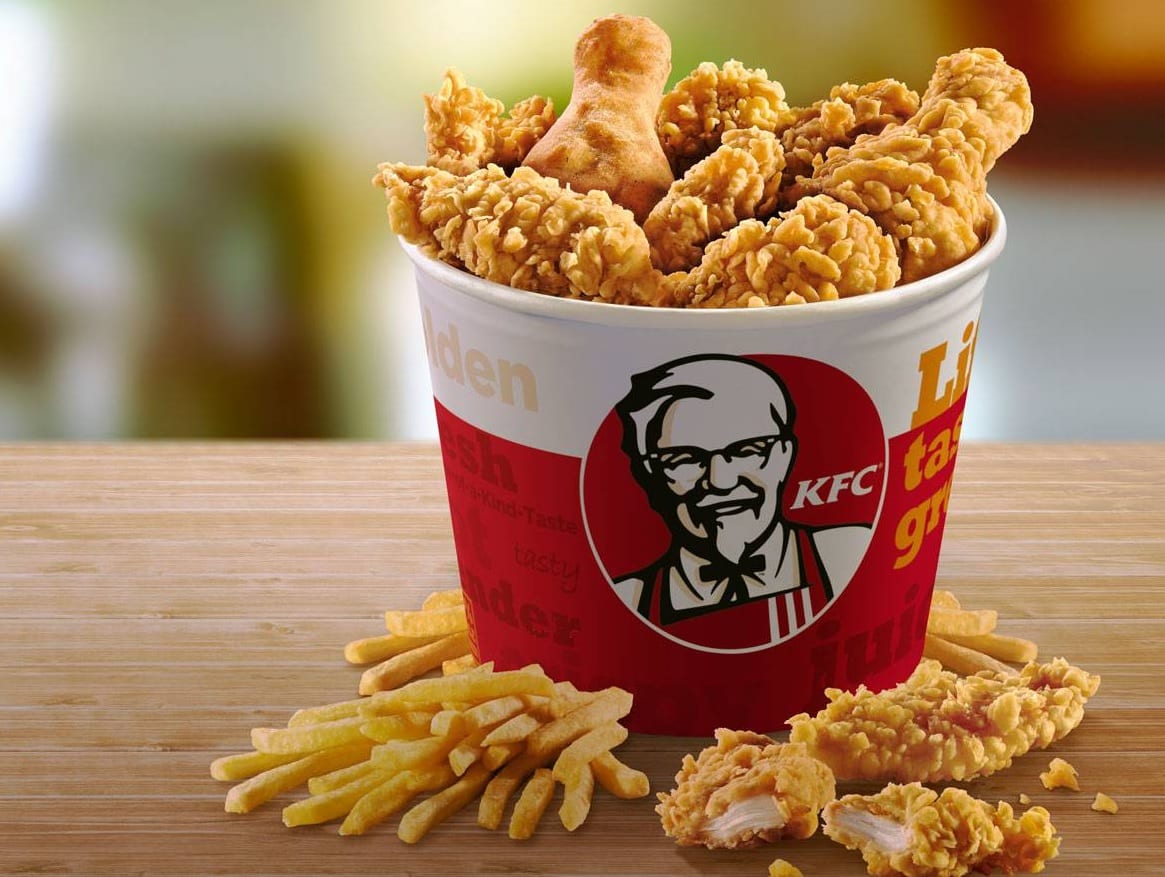
    The US-based private equity firm, The Carlyle Group, has successfully acquired KFC Korea. With this acquisition, the firm aims to expand the existing 200-store portfolio of the popular restaurant chain in South Korea.

    The deal, which was initially announced in December, has now been finalized, with Carlyle gaining full ownership of KFC Korea. KFC Korea operates in South Korea under a master franchise agreement with Yum! Brands. The Carlyle Group bought the stake from Orchestra Private Equity.

    Envisioning Growth and Expansion

    John Kim, a partner and the head of Carlyle Korea, expressed enthusiasm about the partnership with Yum Brands. Kim said that Carlyle is eager to work with KFC Korea’s management team to grow the iconic brand in South Korea.

    Kim spoke highly of KFC Korea, stating that the brand’s strong heritage and market position make it ripe for expansion. He also mentioned the growing demand for quick-service dining among Korean consumers, which KFC Korea could effectively cater to.

    Carlyle’s current holdings include A Twosome Place, a dessert cafe chain boasting over 1700 stores in South Korea, as well as KFC in Japan.

    An Exciting Milestone

    Tony Shin, CEO of KFC Korea, also voiced his excitement about the partnership with Carlyle. He highlighted Carlyle’s extensive experience in the quick-service restaurant and F&B sectors, expressing optimism that the partnership will drive continued growth and innovation.

    Questions & Answers

    Who has acquired KFC Korea?
    The Carlyle Group, a US-based private equity firm, has acquired KFC Korea.

    What is the Carlyle Group’s plan for KFC Korea?
    The Carlyle Group plans to expand the restaurant chain’s existing 200-store portfolio in South Korea.

    Who previously owned the stake in KFC Korea that The Carlyle Group purchased?
    The stake was purchased from Orchestra Private Equity.

  • Pop Mart Unleashes Exciting Expansion: Beijing’s Pop Land Theme Park Reveals New Attractions and Diversification Strategy

    Pop Mart Unleashes Exciting Expansion: Beijing’s Pop Land Theme Park Reveals New Attractions and Diversification Strategy

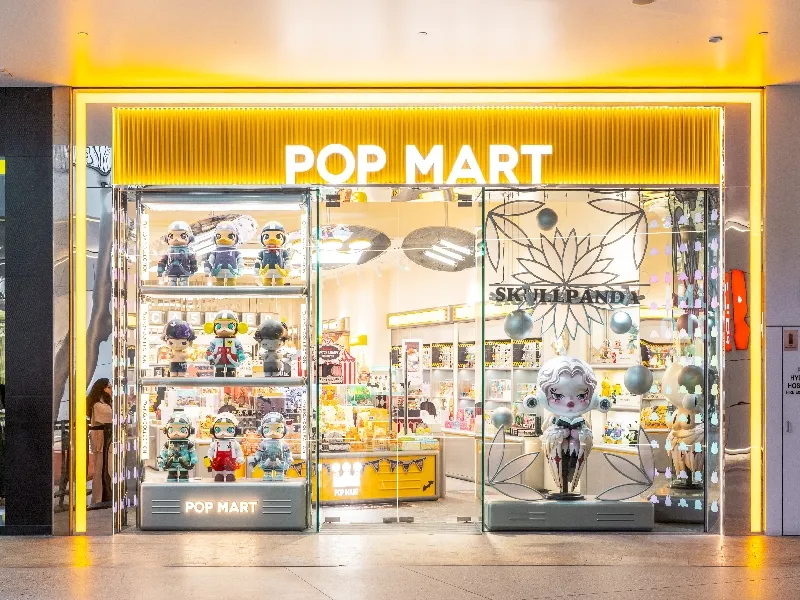
    Pop Mart, a Hong Kong-based firm known for their popular ‘blind box’ collectible toys, including the iconic Labubu, has recently updated and broadened its range at its Beijing-based theme park, Pop Land.

    A Revamped Experience

    After a year of significant renovations, the Labubu Forest Zone is set to reopen to the public on April 30th, the company announced during a recent event. This conversion includes several new amusement park rides, engaging carnival games, live entertainment, food vendors, and retail outlets featuring beloved characters such as Dimoo and the The Monsters series, including fan-favorite Labubu.

    A Gradual and Strategic Expansion

    During a press conference, Pop Mart’s Vice President, Jeffrey Hu, shared his insights on the company’s growth strategy. After examining both Chinese and global markets, Hu believes there are ample opportunities for expansion. However, he indicated that the company wishes to focus on perfecting one theme park before duplicating the concept elsewhere.

    The evolution of Pop Land, which initially opened its doors in 2023, represents a shift in Pop Mart’s strategy. Moving away from a sole reliance on toys, the company aims to diversify its business by capitalizing on a wider selection of intellectual properties featuring its characters. To further this strategic diversification, a Labubu-themed film in collaboration with Sony Pictures is also in development.

    Impressive Financial Growth

    In terms of financial performance, Pop Mart reported a nearly three-fold increase in its 2025 revenue. The company’s revenue surged to 37.12 billion yuan, up from 13.04 billion yuan a year earlier. The firm’s profit also witnessed a substantial growth, soaring by 308 percent to reach 12.78 billion yuan.

    Questions & Answers

    What are the new features in the renovated Labubu Forest Zone?
    The newly renovated Labubu Forest Zone offers new amusement park rides, carnival games, live performances, food outlets, and retail stores featuring popular characters like Dimoo and Labubu.

    What is Pop Mart’s current growth strategy?
    Pop Mart is focusing on expanding its intellectual property portfolio and diversifying its offerings beyond toys. This includes the development of a theme park and a movie in collaboration with Sony Pictures.

    How did Pop Mart perform financially in 2025?
    Pop Mart reported a nearly three-fold increase in its 2025 revenue, which rose to 37.12 billion yuan from 13.04 billion yuan a year earlier. The company’s profit also witnessed a substantial growth of 308 percent, amounting to 12.78 billion yuan.

  • LVMH Navigates Middle East Tensions: Q1 Revenue Slips but Expansion and Innovation Remain Steady

    LVMH Navigates Middle East Tensions: Q1 Revenue Slips but Expansion and Innovation Remain Steady

    In the first quarter, LVMH reported revenues of €19.1 billion (US$22.4 billion), marking a decrease of 6%. This decline is largely attributed to various geopolitical tensions impacting business operations across the globe.

    Geopolitical Impacts on Revenue

    LVMH noted that its robust presence in key markets, specifically in the US and Asia, significantly helped in mitigating the disruptions arising from economic instability and conflict in the Middle East.

    Performance Across Different Business Segments

    Looking at the performance of various business segments, wines and spirits showcased revenues of $1.49 billion, showing a decrease of 2% as compared to the previous year. The fashion and leather goods segment, which is the largest division of the group, witnessed a revenue of $10.8 billion, marking a decline of 9%.

    Simultaneously, revenues from perfumes and cosmetics amounted to $2.39 billion, representing a drop of 6%, while watches and jewellery brought in $2.86 billion, a decrease of 2%.

    Expanding Retail Network and Portfolio Optimization

    Furthermore, LVMH has been proactive in expanding its retail network, especially in the UK, and advancing portfolio optimization initiatives within its duty-free business. DFS, a division of LVMH, entered into an agreement with China Tourism Group Duty Free to vend its Greater China operations, which includes the Gallerias located in Hong Kong and Macau. The group also offloaded airport concessions in Los Angeles and San Francisco to Duty Free Americas.

    In spite of the challenging geopolitical and economic environment, mainly due to the conflict in the Middle East, the company remains watchful yet confident.

    LVMH said, “The group stays committed to the growth of its brands, propelled by a consistent policy of innovation and investment along with a continuous pursuit for quality in its designs, their appeal, and their selective distribution.”

    Questions & Answers

    What was LVMH’s reported revenue in the first quarter?
    LVMH reported revenue of €19.1 billion (US$22.4 billion) in the first quarter.

    Which business segment is LVMH’s largest division, and how did it perform?
    LVMH’s largest division is its fashion and leather goods segment, which reported a revenue of $10.8 billion, marking a decline of 9%.

    What is LVMH’s outlook amidst the challenging geopolitical and economic environment?
    Despite the challenging conditions, LVMH remains vigilant yet confident. The group is committed to the growth of its brands, propelled by a consistent policy of innovation and investment and a continuous pursuit of quality in its designs.

  • TikTok’s $125M Digital Expansion: Chinese Giant to Bolster HCMC’s Tech Sector

    TikTok’s $125M Digital Expansion: Chinese Giant to Bolster HCMC’s Tech Sector

    TikTok, the renowned Chinese social media platform, has pledged an investment of $125 million in Ho Chi Minh City. The funds are intended to boost logistics services, digital commerce, and digital payment systems in the bustling Vietnamese metropolis.

    Pledged Investment

    According to an announcement published by the Ho Chi Minh City Department of Finance last Thursday, the commitment was made by TikTok’s investment arm based in Singapore. The department, however, did not provide any details regarding the expected timeline of the project.

    The decision followed several meetings between city officials and TikTok’s executive team, which took place at the end of last year. TikTok’s intention is to set up three business entities within the Ho Chi Minh City International Financial Center.

    Q1 Foreign Direct Investment Round-Up

    The Department of Finance stated that the city has attracted almost $2.9 billion in foreign direct investment (FDI) during the first quarter of this year, a significant increase of 220% compared to the same period last year.

    Among the prominent projects contributing to this FDI surge include a new manufacturing facility by Techtronic Industries Company based in Singapore, which will require an investment of $81 million. Other contributors include the Dutch firm MSD Animal Health ($80 million), Singapore’s SP Vietnam ($67 million), and Indonesia’s Momogi Group ($55 million).

    The Department credited this substantial uptick in investment to the confidence of foreign investors in the city’s business environment, despite the currently volatile global economy.

    Ho Chi Minh City’s strategic goal for this year is to attract $11 billion in FDI. The city’s primary focuses are high-tech, innovation-driven projects, data centers, logistics, and green growth initiatives.

    Questions & Answers

    What is the purpose of TikTok’s $125 million investment in Ho Chi Minh City?
    The social media giant aims to enhance logistics services, digital commerce, and digital payment systems in the city.

    What are some of the key projects contributing to Ho Chi Minh City’s Q1 foreign direct investment?
    Noteworthy projects include a new manufacturing facility by Techtronic Industries Company, expansions by MSD Animal Health, SP Vietnam, and Momogi Group.

    What are Ho Chi Minh City’s investment priorities for this year?
    The city plans to attract $11 billion in FDI, focusing on high-tech, innovation-driven projects, data centers, logistics, and green growth initiatives.

  • Ikea’s Grand Expansion: 25 New Stores to Enliven India’s Retail Landscape by 2027

    Ikea’s Grand Expansion: 25 New Stores to Enliven India’s Retail Landscape by 2027

    Swedish furniture giant Ikea is broadening its reach in India with the inauguration of a new 3000 square foot store in Pune. This move is a continuation of the company’s assertive expansion across the country, adding to its already established locations in prominent cities such as Hyderabad, Navi Mumbai, Bengaluru, Mumbai, and New Delhi.

    Growth Plans in India

    Over the next half-decade, Ingka Group, Ikea’s parent company, has outlined its plans to establish an additional 25 small and medium-sized stores nationwide. This is part of the company’s aggressive multi-format growth strategy that aims to expand their influence in the Indian market.

    In addition to these smaller shops, large-format stores are also in the works as part of Ikea-owned shopping centres in the outskirts of New Delhi. The first of these larger establishments is scheduled to open in Gurugram, with Noida following suit.

    A Strong Understanding of the Local Market

    Ikea India’s CEO, Patrik Antoni, is confident in the company’s understanding of the local market. This confidence stems from the successful navigation of unique customer needs in different regions across the country.

    Antoni stated, “We can inspire more people to make the most of their living situations – offering ideas and solutions that may be new to many people in India. Expanding our network and becoming more accessible is key to that.”

    Questions & Answers

    What is Ikea’s expansion plan in India?
    Over the next five years, Ingka Group, Ikea’s parent company, plans to establish 25 small to medium-sized stores across the country. They are also developing large-format stores outside New Delhi as part of Ikea-owned shopping centres.

    Where are Ikea’s new large-format stores being built?
    The new large-format stores are being planned outside of New Delhi. The first of these stores is set to open in Gurugram, followed by Noida.

    What is Ikea’s approach to the Indian market?
    Ikea aims to inspire more people in India to optimize their living situations by introducing them to novel ideas and solutions. They believe that expanding their network and enhancing their accessibility is the key to achieving this objective.

  • Domino’s China Soars High: Record Revenue and Aggressive Expansion Mark FY25 Success

    Domino’s China Soars High: Record Revenue and Aggressive Expansion Mark FY25 Success

    DPC Dash, the firm in charge of Domino’s operations in China, has noted a substantial revenue increase as well as an ambitious expansion of stores across the country for the fiscal year 2025. The firm’s recorded revenue growth constituted a 24.8% increase year-over-year, amounting to RMB 5.38 billion (approximately US$778 million).

    Consolidating and Expanding Market Presence

    The company has persistently followed a strategic ‘Go Deeper, Go Broader’ approach, emphasizing its expansion into new markets and simultaneously fortifying its foothold in already established markets. Aileen Wang, CEO of DPC Dash, reiterated the firm’s strategic approach during an earnings call, where she noted the company’s disciplined expansion strategy of broadening its reach into new markets and deepening penetration in already existing ones.

    According to Wang, DPC Dash has noticed impressive performance in newly established stores in emerging markets. The daily sales of these stores have surpassed historical averages, clearly reflecting the attractive economic aspects of each unit and the capital efficiency of their developmental model.

    Record Breaking Expansion

    Last year, DPC Dash launched an impressive 307 new stores, extending its reach to 21 fresh cities and bringing the total count of its network to 1315 stores across 60 cities. Notably, the company recorded positive same-store sales growth throughout the year in Tier 1 cities. Furthermore, as of January 31, the company held all top positions in global Domino’s records for the first 30-day sales of new stores.

    DPC Dash’s CFO, Helen Wu, stated that the company has managed to leverage its scale and efficiency gains to strengthen profitability and establish a solid foundation for sustainable, long-term success.

    Loyalty Program Success and Future Goals

    DPC Dash also reported a strong engagement with its loyalty program, noting that the program’s membership increased by 45.3%, from 24.5 million in 2024 to 35.6 million last year.

    Looking forward, DPC Dash anticipates the opening of approximately 350 new stores in the fiscal year 2026. As of March 20, the company had already opened 140 new stores, with 14 under construction and 65 under contract for future development.

    Questions & Answers

    What was the percentage increase in DPC Dash’s revenue year-over-year?
    DPC Dash recorded a 24.8% increase in its revenue year-over-year.

    How many new stores did DPC Dash open in 2025 and in how many new cities?
    DPC Dash opened 307 new stores in 2025, expanding into 21 new cities.

    What is the projected number of new stores DPC Dash plans to open in 2026?
    DPC Dash plans to open approximately 350 new stores in 2026.

  • Domino’s China Ignites Growth with Aggressive Store Expansion: A Story of Record Revenues and National Penetration

    Domino’s China Ignites Growth with Aggressive Store Expansion: A Story of Record Revenues and National Penetration

    DPC Dash, the franchisee responsible for operating Domino’s outlets across China, has announced significant revenue growth and an ambitious store expansion campaign throughout the country in 2025.

    Impressive Revenue Growth

    DPC Dash declared a 24.8% rise in revenue on a year-over-year basis, amounting to RMB 5.38 billion, equivalent to approximately US$778 million. This robust growth is a testament to the company’s thriving operations and successful market strategies.

    ‘Go Deeper, Go Broader’

    In terms of expansion, the company has continued to adopt a disciplined strategy titled ‘Go Deeper, Go Broader’. This strategy involves penetrating deeper into existing cities while also stretching out to new locations. Aileen Wang, CEO of DPC Dash, confirmed this during the earnings call, stating that the company had effectively extended its infiltration in existing cities and extended its footprint to new areas.

    Strong performance was observed in the newly opened stores within these growth markets. These outlets have recorded average daily sales that surpass the historical averages, thereby illustrating the appealing unit economics and capital efficiency of the franchise’s development model.

    Aggressive Expansion and Store Performance

    DPC Dash launched 307 additional stores in 2025, thereby entering 21 new cities and expanding its network to a total of 1315 stores across 60 cities. The franchise’s Tier 1 city markets witnessed positive same-store sales growth throughout the year. Furthermore, the first 30-day sales records of new stores held all top spots globally within Domino’s records as of the end of January.

    Helen Wu, CFO of DPC Dash, highlighted the company’s gains in efficiency and the benefits of scale, stating that these elements have enhanced profitability and laid a robust foundation for long-lasting, sustainable success.

    Loyalty Program and Future Plans

    DPC Dash also reported a surge in engagement in its loyalty program, which grew by 45.3% in 2025, up from 24.5 million members in 2024 to 35.6 million members.

    Looking forward, DPC Dash plans to inaugurate approximately 350 new stores in the fiscal year 2026. As of March 20, the company has already opened 140 new stores, with 14 under construction and 65 signed for future development.

    Questions & Answers

    What is DPC Dash’s ‘Go Deeper, Go Broader’ strategy?
    This is a disciplined expansion plan that focuses on deepening the penetration into existing cities and extending reach into new markets.

    What is the overall growth of DPC Dash’s loyalty program?
    The company’s loyalty program grew by 45.3% in 2025, reaching a total of 35.6 million members.

    What are the future expansion plans of DPC Dash?
    DPC Dash plans to open approximately 350 new stores in the fiscal year 2026, with a significant number already opened, under construction or assigned for future development.

  • Gap Eyes China Expansion: Plans 50 New Stores, Hong Kong Comeback and Australia Re-Entry

    Gap Eyes China Expansion: Plans 50 New Stores, Hong Kong Comeback and Australia Re-Entry

    Gap, the prominent American clothing retailer, is said to be significantly expanding its footprint in Greater China. The company’s plans include opening 50 fresh storefronts throughout mainland China during the current year, as well as reestablishing its presence in Hong Kong.

    This expansion initiative follows in the wake of Gap’s first-ever quarterly break-even performance in China. This success has been credited to Baozun, the local operator who assumed control of the business in 2022. Under Baozun’s leadership, the company completed a comprehensive overhaul of its supply chains, merchandising, and digital channels.

    The forthcoming new stores are not confined to the established business hubs of Shanghai and Beijing. Indeed, locations span from tier-one cities to tier-three cities, broadening the brand’s geographical reach.

    Baozun has set a target of approximately 30% annual growth over the coming two years. The strategy for achieving this ambitious goal blends physical retail development with a fortified online presence.

    Vincent Qiu, the chairman and CEO of Baozun, has publically expressed the brand’s readiness to “accelerate the business and scale it to a bigger size” within the next three-year period.

    In addition to its expansion in Greater China, Gap is also gearing up to make a return to the Australian market. The company will do so through a collaborative partnership with Myer. Despite forming part of its wider international strategy, this Australian venture remains secondary to Gap’s primary focus on Greater China.

    Questions & Answers

    What plans does Gap have for expansion in Greater China?
    Gap plans to open 50 new stores across mainland China this year and re-enter the Hong Kong market.

    What is Baozun’s growth target for the next two years?
    Baozun aims to achieve around 30% annual growth over the next two years by combining physical retail expansion with a stronger online presence.

    Is Gap planning to re-enter any other markets?
    Yes, Gap is preparing to re-enter the Australian market through a partnership with Myer as part of its broader international strategy. However, this remains secondary to the company’s focus on Greater China.

  • Grab Acquires Foodpanda Taiwan in $600M Deal: A Bold Leap in Global Expansion Strategy

    Grab Acquires Foodpanda Taiwan in $600M Deal: A Bold Leap in Global Expansion Strategy

    In an ambitious move towards global expansion, Grab, Southeast Asia’s leading ride-hailing and delivery company, has announced its first venture beyond its home territory. The Singapore-based firm will acquire the Taiwan branch of Delivery Hero’s Foodpanda service in a cash transaction amounting to $600 million.

    Acquiring a Strong Foothold in Taiwan

    By acquiring Foodpanda Taiwan, Grab gains a significant operational presence outside of Southeast Asia. This acquisition is seen as a strategic part of Grab’s broader expansion plan, which is primarily focused on artificial intelligence, introducing new services, and making selective overseas deals.

    Grab’s group CEO and co-founder, Anthony Tan, believes that the company’s vast experience in the Southeast Asian market will be a perfect match for the Taiwanese market. “This is a natural next step for Grab,” he said.

    Deal Details and Future Prospects

    The expected completion of the deal, which is subject to regulatory approval and other closing conditions, is slated for the latter half of 2026. The venture is anticipated to contribute at least $60 million in incremental adjusted core earnings (EBITDA) by 2028.

    In Taiwan, Foodpanda generated around $1.8 billion in gross merchandise value in 2025 and was profitable before Delivery Hero group cost allocations.

    Earlier this year, it was reported that Grab has set targets for its revenue growth, aiming for more than 20% annually over the next three years. The company also plans to triple its EBITDA to $1.5 billion by 2028.

    Grab also reaffirmed its 2026 adjusted EBITDA guidance of $700 million to $720 million. The acquisition is projected to enhance its 2026 group revenue forecast, which currently stands between $4.04 billion and $4.10 billion.

    The company plans to complete the migration of users, merchants, and drivers to the Grab application by early 2027.

    Delivery Hero’s Strategic Move

    The CEO of Delivery Hero, Niklas Oestberg, stated that the sale of the Taiwan branch is a crucial first step in reviewing the group’s activities strategically. The proceeds from the deal will be used to pay off the company’s debts.

    Despite facing criticism from shareholders, most notably Aspex Management, for the company’s perceived slow progress in strategic review and a near one-third decrease in share value, Delivery Hero’s shares rose nearly 11% following the announcement of the deal.

    Aspex Management released a statement saying that while divesting assets is a positive step, more needs to be done for Delivery Hero to regain trust from capital markets, particularly as it continues to accumulate regulatory fines and inefficiently manage capital.

    Questions & Answers

    What will be the value of the acquisition deal between Grab and Foodpanda Taiwan?
    Grab will pay $600 million in cash to acquire Foodpanda Taiwan.

    When is Grab expected to complete the migration of users, merchants, and drivers to its app?
    The migration process is expected to be completed by early 2027.

    What will be the use of the proceeds from the sale of Foodpanda Taiwan?
    Delivery Hero plans to use the proceeds from the sale to repay its debts.