Retail News CRM

Tag: expansion

  • Grab Seals $600M Deal for Foodpanda Taiwan, Marks Historic Expansion Beyond Southeast Asia

    Grab Seals $600M Deal for Foodpanda Taiwan, Marks Historic Expansion Beyond Southeast Asia

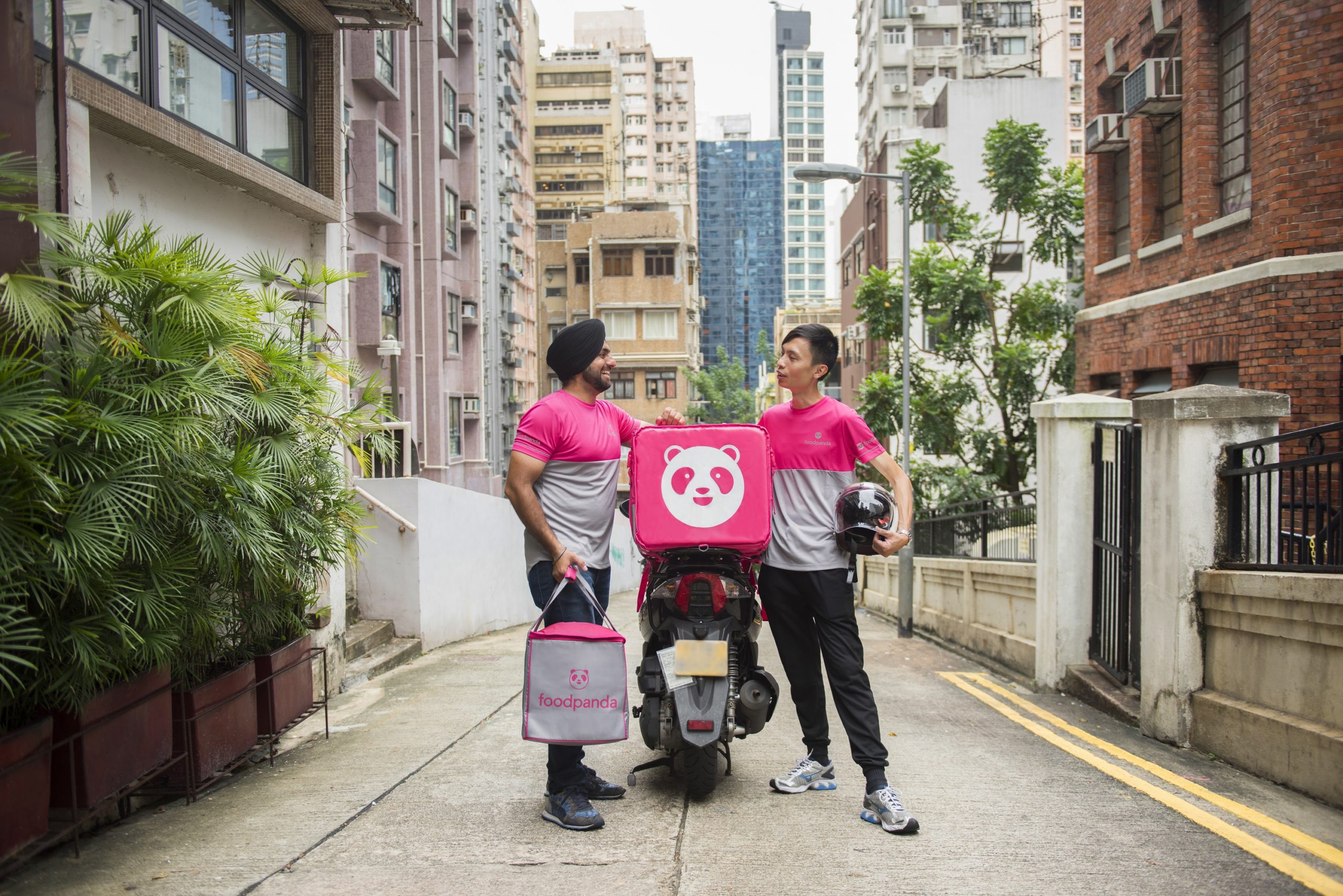
    The Singapore-founded super app, Grab, has declared its venture beyond Southeast Asia with a proposed acquisition of Foodpanda’s Taiwan operation, owned by Delivery Hero, for a cash sum of US$600 million. This acquisition is anticipated to conclude in the second half of the current year, pending regulatory approvals, and will be conducted on a cash-free, debt-free basis.

    Integrating Foodpanda

    Following the acquisition, Grab intends to incorporate Foodpanda Taiwan into its extensive delivery ecosystem. The company has plans to introduce its AI-driven logistics, mapping, and personalisation tools to improve service quality for consumers, merchants, and delivery associates. The aim is to deliver these improvements by leveraging its advanced technology and extensive experience in managing complex delivery logistics for densely populated and high-traffic cities.

    An Exciting Expansion

    The acquisition signifies Grab’s initial expansion outside Southeast Asia, making Taiwan the company’s ninth market. Anthony Tan, Group CEO and co-founder of Grab, expressed his enthusiasm for the expansion, stating that their experience in Southeast Asia makes Taiwan a logical next step. He also commented on how their expertise in dealing with complex delivery logistics in bustling cities is perfectly tailored for Taiwan’s thriving urban centres.

    Upon completion of the acquisition, Grab will be operational in 21 cities across Taiwan. It’s worth noting that Foodpanda Taiwan reported approximately US$1.8 billion in Gross Merchandise Value (GMV) last year, and was profitable on an adjusted EBITDA basis, excluding group costs from Delivery Hero.

    Continuity and Transition

    Until the deal is finalised, Delivery Hero will proceed with the regular operation of Foodpanda Taiwan. Grab has outlined plans to shift users, merchant partners, and driver partners over to the Grab app by the start of next year. The strategy aims to ensure a smooth transition while consolidating its position in the Taiwanese delivery market.

    Questions & Answers

    What is Grab’s plan following the acquisition of Foodpanda Taiwan?
    Grab intends to incorporate Foodpanda Taiwan into its delivery ecosystem and introduce its AI-powered logistics, mapping, and personalisation tools to enhance service quality for consumers, merchants, and delivery associates.

    How does Grab view its expansion into Taiwan?
    Anthony Tan, Group CEO and co-founder of Grab, considers the expansion into Taiwan as a logical next step, given their experience in Southeast Asia. He also mentioned that their expertise in managing complex delivery logistics is well-suited for Taiwan’s bustling urban centres.

    What are the plans for Foodpanda Taiwan users and partners after the acquisition?
    Grab plans to migrate users, merchant partners, and driver partners over to the Grab app by the start of next year. The aim is to ensure a smooth transition and strengthen its position in the Taiwanese delivery market.
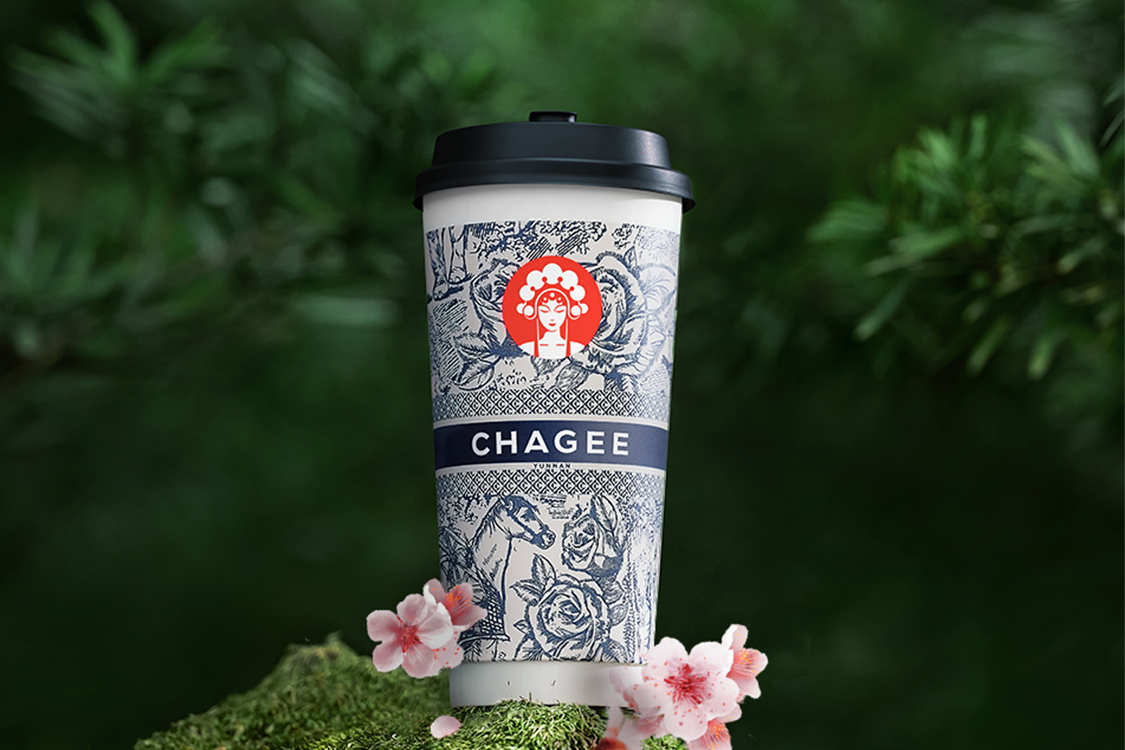

  • Chagee Brews Up Asia-Pacific Expansion: Chinese Milk Tea Giant to Debut in Seoul

    Chagee Brews Up Asia-Pacific Expansion: Chinese Milk Tea Giant to Debut in Seoul

    The popular Chinese milk tea franchise, Chagee, will be making its first appearance in South Korea during this quarter. Three branches of the chain will be opened concurrently in the districts of Gangnam, Yongsan, and Sinchon in Seoul. This move is part of Chagee’s overarching strategy to increase its presence in the Asia-Pacific market.

    Chagee has reported a surge in interest from South Korean consumers ahead of the opening. The company is confident that it will introduce a unique, premium tea experience that is fresh and exciting.

    The Gangnam location will serve as the flagship store for Chagee. The store’s exterior is planned to feature arched greenery against a semi-transparent glass façade. In the center of this design, there will be an oversized, signature cup. Chagee’s design aims to create an illusion of walking into an urban forest, embodying its ‘Modern Tea House’ concept.

    The Yongsan and Sinchon branches will also leave their mark with graphic displays that are customized to their specific locations.

    As a way to engage customers before the official opening, Chagee is launching a QR code-based campaign. Customers who visit the store, scan the QR code displayed on the exterior, and successfully complete a short quiz will be rewarded with a 50% discount coupon.

    Questions & Answers

    What is the overall expansion strategy of Chagee?
    Chagee is looking to increase its presence in the Asia-Pacific market, starting with the opening of three stores in Seoul, South Korea.

    What unique feature will the Gangnam store have?
    The Gangnam store, serving as the flagship location, will have an exterior design featuring arch-shaped greenery against a semi-transparent glass façade, with a giant signature cup in the center. This design is meant to represent the company’s ‘Modern Tea House’ concept.

    How is Chagee engaging customers ahead of its store openings in South Korea?
    Chagee is encouraging customer engagement through a QR code-based campaign. Visitors who scan the QR code on the store’s exterior display and complete a short quiz will receive a 50% discount coupon.

  • NewRee Sports Tapped to Boost Reebok’s Expansion in Greater China: A New Era for Athletic Footwear

    NewRee Sports Tapped to Boost Reebok’s Expansion in Greater China: A New Era for Athletic Footwear

    Authentic Brands Group has teamed up with NewRee Sports, designating them as the primary operating collaborator for Reebok in Mainland China, Hong Kong, and Macau.

    Details of the Partnership

    As per the agreement, NewRee Sports is charged with the supervision of the production, importation, distribution, and sales of Reebok products across the three markets. This encompasses a broad range of products, including footwear and attire for both adults and children.

    The initiation of this partnership comes subsequent to the early dissolution of Reebok’s former licensing accord with Tristate Holdings. As per the details disclosed, the agreement with Tristate Holdings came to an end on December 31st.

    A New Chapter for Reebok

    Authentic Brands Group took the reins of Reebok from Adidas in 2021 and since then, it has adopted a strategy of collaborating with regional partners to boost the brand’s presence in pivotal markets.

    Established in 1895, Reebok has built a reputation for its longstanding heritage in athletic footwear and sports culture. In the present era, it aligns itself at the crossroads of sport, activewear, and lifestyle.

    The collaboration with NewRee Sports signifies a new chapter in Reebok’s evolution in Greater China. Authentic Brands Group is perpetuating the expansion of the brand’s presence via local operating partners.

    Questions & Answers

    What is the role of NewRee Sports in this partnership?
    NewRee Sports will supervise the production, importation, distribution, and sales of Reebok products in Mainland China, Hong Kong, and Macau.

    When did the previous agreement with Tristate Holdings end?
    The agreement with Tristate Holdings ended on December 31st.

    What is the current position of Reebok in the market?
    Reebok, having a strong legacy in athletic footwear and sports culture, currently places itself at the intersection of sport, activewear, and lifestyle.

  • Central Retail Amplifies Vietnam Presence: Plans for 30 New Stores to Bolster Retail Expansio

    Central Retail Amplifies Vietnam Presence: Plans for 30 New Stores to Bolster Retail Expansio

    Thailand’s Central Retail, a notable force in the retail industry, is gearing up to increase its investments in Vietnam. The company has announced its intentions to initiate the launch of over 30 new large-format stores in the country within the upcoming years.

    Expansion Plans

    In its expansion blueprint, Central Retail plans to introduce 10 to 12 Go! malls and hypermarkets as well as 23 to 25 mini Go! stores in Vietnam. This ambitious expansion project is set to span from 2026 to 2028. The move is indicative of Vietnam’s rapidly growing retail market, which has attracted several international and local retail entities. Companies like Japan’s Aeon, South Korea’s Lotte, and Vietnam’s own WinMart have been escalating their presence to leverage the increasing household expenditure.

    Central Retail’s Growth in Vietnam

    Central Retail made its debut in the Vietnamese market in 2012, starting with a fashion retail business. Since then, the company has evolved into one of the most prominent foreign multi-format retailers in the country. As of now, Central Retail manages 43 Go! hypermarkets, 16 mini Go! malls, nine Tops Market supermarkets, and 23 LanChi Mart stores across Vietnam.

    Digital Capabilities Strengthening

    In addition to its physical expansion, Central Retail is also dedicated to bolstering its digital capabilities. However, the company has identified several challenges that could potentially hinder its growth. Complex land procedures and the intricate licensing requirements for foreign-invested shopping mall projects could potentially impact the development timelines.

    Earlier this year, marking a shift in its business strategy, Central Retail divested its entire stake in Nguyen Kim Electronics. This move saw the company pull out of Vietnam’s consumer electronics segment after enduring years of financial losses.

    Questions & Answers

    When did Central Retail first enter the Vietnamese market?
    Central Retail made its foray into the Vietnamese market in 2012 with a fashion retail business.

    What is Central Retail’s current footprint in Vietnam?
    Central Retail currently operates 43 Go! hypermarkets, 16 mini Go! malls, nine Tops Market supermarkets, and 23 LanChi Mart stores across Vietnam.

    What challenges does Central Retail foresee in its expansion in Vietnam?
    According to Central Retail, complex land procedures and intricate licensing requirements for foreign-invested shopping mall projects could potentially impede its growth and affect its development timelines.

  • Centurium Capital Brews Expansion with Acquisition of Blue Bottle Coffee from Nestlé

    Centurium Capital Brews Expansion with Acquisition of Blue Bottle Coffee from Nestlé

    In a strategic move, Centurium Capital, a private equity firm based in China and a significant investor in Luckin Coffee, has reportedly purchased the specialty coffee chain Blue Bottle Coffee from multi-national conglomerate Nestlé.

    Acquisition Details

    Reportedly, Centurium Capital is set to acquire Blue Bottle’s worldwide cafe operations at a price point under US$400 million. It’s anticipated that Nestlé will maintain ownership of other business components, which include Blue Bottle-branded coffee machines, capsule systems, and packaged coffee products.

    Inside sources have confirmed that an agreement has been signed, although the deal is still in the process of being formally closed.

    Luckin Coffee’s Expansion

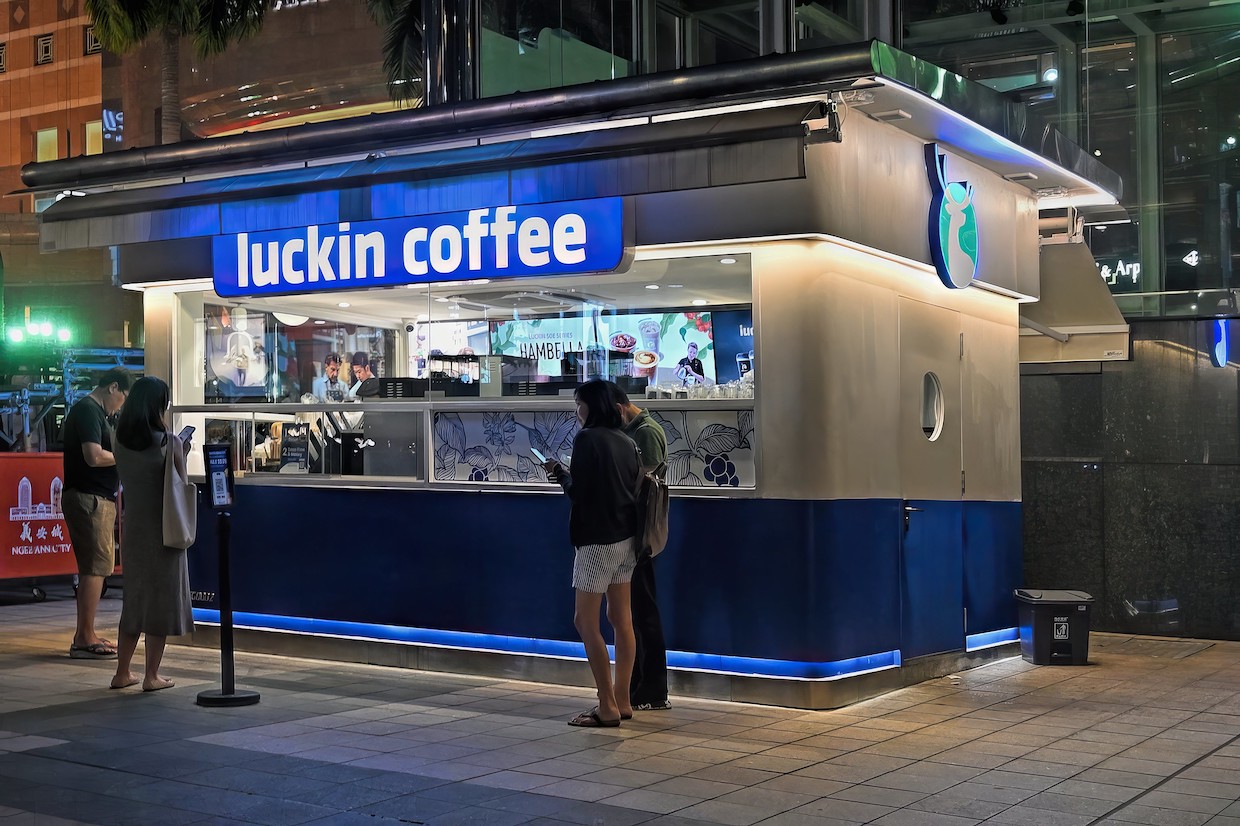
    This acquisition occurs as Luckin Coffee continues its swift global expansion, now operating over 30,000 stores worldwide. The purchase of Blue Bottle is expected to bolster Luckin’s efforts to expedite its entry into the premium coffee market segment.

    Established in California in 2002, Blue Bottle has garnered a reputation in the specialty coffee market. Nestlé took a controlling stake in the brand in 2017 for an approximate sum of US$425 million.

    As of now, Blue Bottle oversees more than 100 locations across Asia and the United States.

    Previous Acquisition Considerations

    In the previous year, it was reported that Luckin Coffee was contemplating a bid for Blue Bottle, while Nestlé was reportedly collaborating with Morgan Stanley to evaluate a potential sale of the business.

    Questions & Answers

    What company has Centurium Capital reportedly purchased?
    Centurium Capital has reportedly acquired the specialty coffee chain Blue Bottle Coffee.

    What parts of the business will Nestlé retain?
    Nestlé is expected to retain Blue Bottle-branded coffee machines, capsule systems, and packaged coffee products.

    What effect will this acquisition have on Luckin Coffee’s market position?
    The acquisition of Blue Bottle is expected to support Luckin Coffee’s efforts to expedite its entry into the premium coffee market segment.

  • Robust Growth for Luckin Coffee Driven by Strategic Network Expansion and New Store Openings

    Robust Growth for Luckin Coffee Driven by Strategic Network Expansion and New Store Openings

    Luckin Coffee, a reputable coffee chain, has disclosed another quarter of impressive double-digit revenue growth. This growth is mainly attributed to the company’s strategic focus on expanding its reach across various regions.

    Growth Metrics

    In the fourth quarter, which concluded on December 31, the company’s net revenues climbed by 32.9 per cent, reaching RMB12.7 billion (US$1.8 billion). The primary driver of this growth was the net opening of 1834 new stores, of which 1792 are in China, 13 in Singapore, 25 in Malaysia, and four in the United States. By the end of the quarter, the total count of stores stood at 31,048. This includes 20,234 company-operated stores and 10,814 locations in partnership.

    The same-store sales of company-operated outlets grew by 1.2 per cent. This presents a significant improvement from the 3.4 per cent decrease experienced in the same period last year.

    During the quarter, the Gross Merchandise Value (GMV) witnessed a 32.8 per cent rise. Concurrently, the average number of monthly transacting customers surged by 26.5 per cent.

    Financial Performance

    However, the GAAP operating income demonstrated an 18 per cent fall, amounting to RMB821.4 million. Additionally, the net income decreased by 39 per cent to RMB518.2 million.

    For the entire year, the net revenues escalated by 43 per cent, reaching RMB49.2 billion. This increase was accompanied by the opening of 8708 net new stores. The net income demonstrated a 22 per cent rise, standing at RMB3.6 billion.

    Leadership Insights

    Jinyi Guo, the co-founder and CEO of Luckin Coffee, offered insights into the company’s performance. Guo highlighted the strength of the company’s execution focused on scale, which enabled it to achieve robust growth amidst fluctuating market dynamics.

    Guo stated, “We concluded the year on a strong note, achieving the milestone of our 30,000th store and expanding our cumulative transacting customer base to over 450 million.”

    He further noted that the company’s increased scale strengthened its market leadership and boosted its capability to harness the structural tailwinds of China’s coffee market.

    Questions & Answers

    What contributed to Luckin Coffee’s impressive growth in the fourth quarter?
    The company’s significant growth was primarily driven by the net opening of 1834 new stores across various regions.

    How did the company’s financial performance fare in this period?
    Despite the impressive revenue growth, Luckin Coffee saw a decrease in GAAP operating income by 18 per cent and net income by 39 per cent.

    What does the company’s expansion signify?
    The expansion of Luckin Coffee’s scale has fortified its market leadership and equipped it to tap into the structural tailwinds of China’s coffee market effectively.

  • Jago Coffee Brews up $12.5M in Series B Funding for Nationwide Mobile Expansion

    Jago Coffee Brews up $12.5M in Series B Funding for Nationwide Mobile Expansion

    Jago Coffee, an Indonesian-based mobile coffee startup, recently secured a significant financial boost of US$12.5 million in a Series B funding round. This recent round of funding will enable the company to progress with its expansion plans. The focus is on increasing its fully electric coffee cart network and bolstering its proprietary technology platform across Indonesia.

    Investment Details

    The Series B round received significant support from a trio of investors, namely Beenext, Intudo Ventures, and Orzon Ventures. This follows a Series A round, which saw Jago Coffee secure US$6 million in funding in 2024.

    Jago Coffee’s Business Model

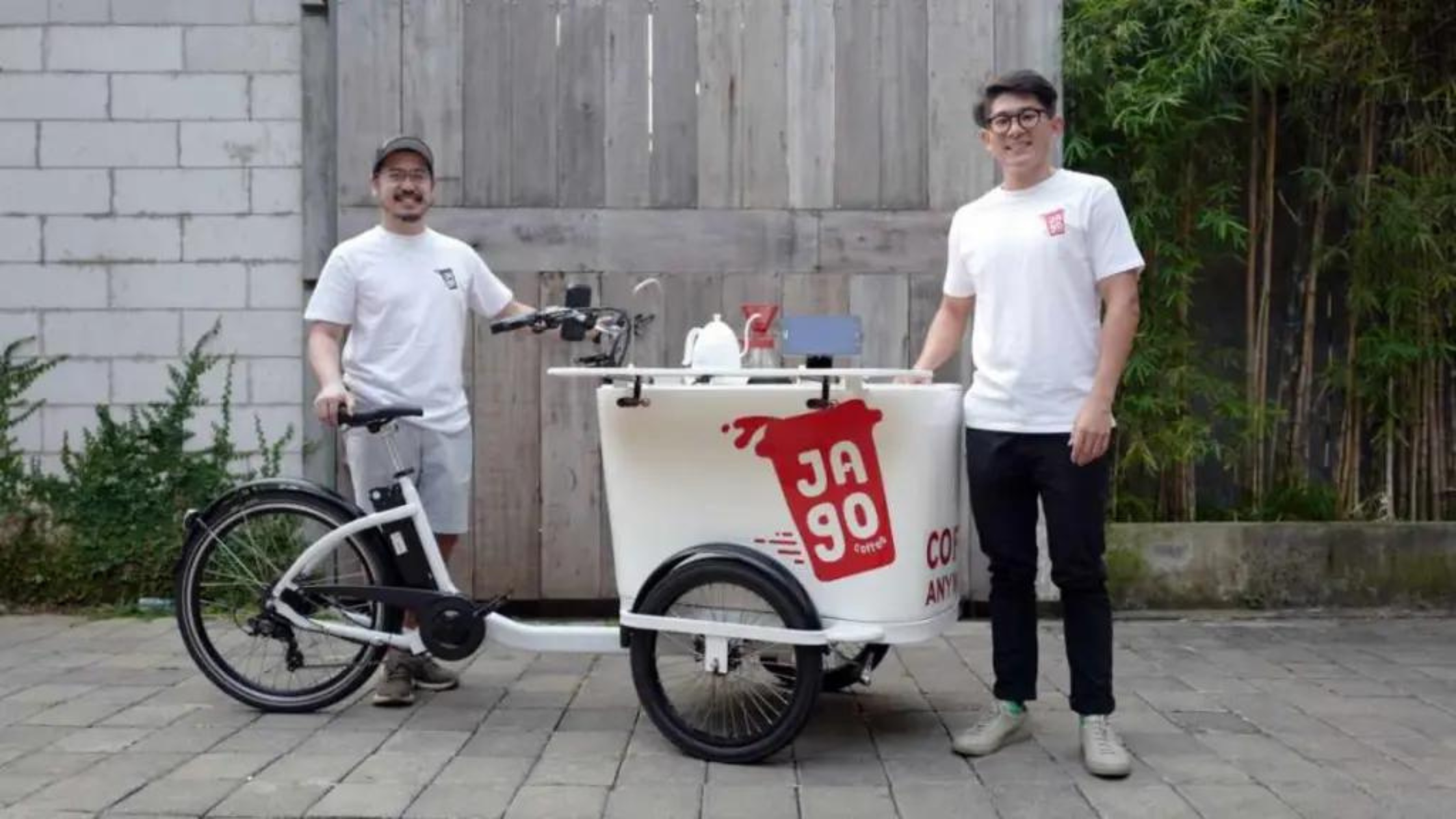
    Founded in Jakarta, Jago Coffee operates an extensive network of fully electric carts. These mobile units serve fresh, cafe-quality beverages in various settings, from residential neighbourhoods to commercial districts and transit hubs.

    The coffee startup’s strategy is to offer high-quality beverages at competitive prices, targeting a mass-market consumer base. The company’s innovative service model eliminates the overhead costs associated with traditional brick-and-mortar storefronts. It prioritizes convenience and accessibility while maintaining cost efficiency.

    Customers have two options to order from Jago Coffee. They can either purchase directly from the mobile carts or use the company’s dedicated app. The app allows customers to request the nearest barista to be dispatched directly to their location.

    Questions & Answers

    What is the business model of Jago Coffee?
    Jago Coffee operates a fleet of fully electric coffee carts that serve fresh beverages in various locations. The company targets mass-market consumers with cafe-quality drinks at affordable prices. It emphasizes convenience, accessibility, and cost efficiency by eliminating the need for physical storefronts.

    Who led the recent funding round for Jago Coffee?
    The latest funding round, Series B, was led by Beenext, with participation from Intudo Ventures and Orzon Ventures.

    How do customers order from Jago Coffee?
    Customers have two options for ordering from Jago Coffee. They can either order directly from the roaming coffee carts or use the company’s dedicated app to have the nearest barista delivered to their location.

  • Lawson’s Bold Expansion: 10,000 Stores Unveiled for India by 2050

    Lawson’s Bold Expansion: 10,000 Stores Unveiled for India by 2050

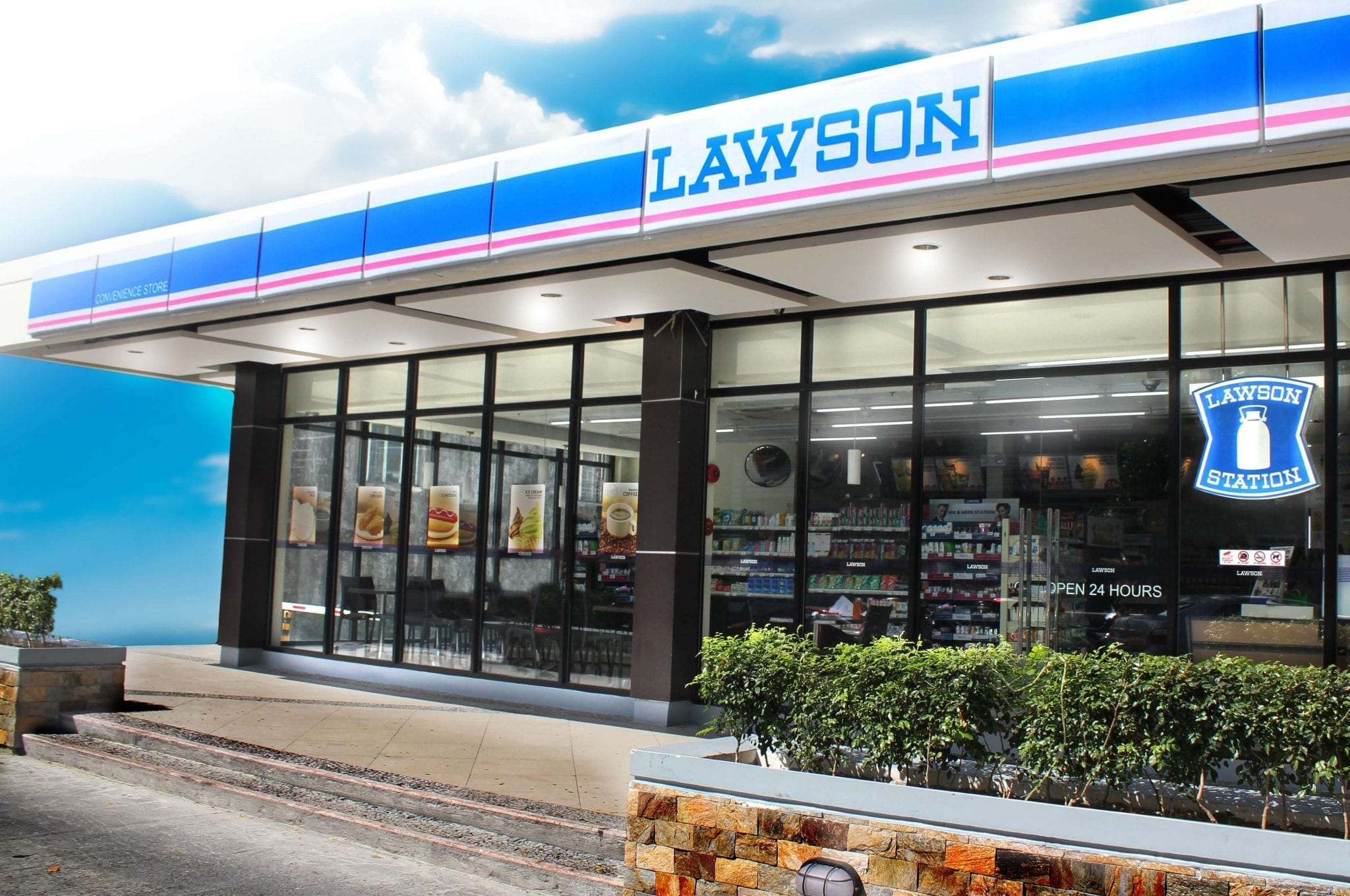
    Lawson, a convenience store chain co-owned by Mitsubishi Corp and KDDI, has announced its ambitious expansion plan into India. The company aims to establish a network of 10,000 stores across the country by 2050. This strategic shift towards India is driven by the saturation of Lawson’s domestic market and the desire for additional growth avenues.

    Initial Steps in India

    Lawson plans to establish its presence in India by initially launching five directly operated stores in Mumbai in the coming year. This is set to be followed by a more extensive roll-out through franchise and licensing agreements. With a goal of 100 stores by 2030, Lawson is keen to position India as a major contributor to its earnings, similar to its operations in China.

    Subsidiary Establishment and Product Localization

    To manage the site selection, supply chain development, and merchandising for its India operations, Lawson intends to set up a wholly-owned subsidiary in India this year. The company will outsource production and distribution to local partners in a bid to streamline operations.

    In response to local consumer preferences, Lawson will offer a specially curated product range. The retailer plans to accommodate dietary and religious practices with an expanded selection of meat-free and egg-free products. The stores will feature Lawson’s signature Japanese convenience items like onigiri rice balls and ready meals, along with locally popular items such as freshly brewed coffee and hot dishes.

    Global Expansion Plan

    Currently, Lawson operates over 7,000 stores in five countries including China, the Philippines, Thailand, and Indonesia. The company is set on doubling its international footprint to around 14,000 stores by as early as 2030.

    Entering the Indian market is a natural progression after Lawson’s efforts to speed up its expansion in Southeast Asia last year. This included signing franchise agreements with local retail partners and increasing the number of directly managed stores.

    Questions & Answers

    What is Lawson’s expansion plan in India?
    Lawson aims to establish a 10,000-store network across India by 2050, with the first five outlets launching in Mumbai in the coming year.

    How will Lawson cater to the Indian market?
    Lawson plans to tailor its product range to local tastes, offering an expanded selection of meat-free and egg-free products in line with dietary and religious practices.

    What is Lawson’s global expansion strategy?
    Lawson is planning to double its number of overseas stores to around 14,000 by 2030. This includes its recent expansion into Southeast Asia and the upcoming foray into the Indian market.

  • Jollibee Amplifies Asian Footprint with Hot Pot Acquisition and Compose Coffee Expansion

    Jollibee Amplifies Asian Footprint with Hot Pot Acquisition and Compose Coffee Expansion

    Jollibee Foods Corporation (JFC) is accelerating its expansion across Asia with the purchase of a South Korean hot pot buffet chain and the impending introduction of a rapidly expanding Korean coffee brand into the Philippines.

    Acquisition of Shabu All Day

    JFC has secured a 70% majority stake in All Day Fresh Co, the company that operates Shabu All Day, through its subsidiary Jolli-K Co. Shabu All Day, established in 2014, has since blossomed into a chain of 169 stores throughout South Korea, acquired for an approximate total of $87 million.

    Growth in Beverage and Dining Segments

    Already part of JFC’s Korean platform is the coffee chain Compose Coffee. This diversifies the corporation’s portfolio, enabling it to have a presence in both beverage-led and full-service dining sectors.

    Introduction of Compose Coffee to the Philippines

    JFC is set to bring Compose Coffee to Philippine consumers under a master franchise agreement via its subsidiary Fresh N’ Famous Foods. Initial stores are expected to commence operations later in the year. Compose Coffee, founded in Busan in 2014, has undergone rapid growth to almost 3000 stores, establishing itself as one of Korea’s top value-oriented coffee chains. In 2024, JFC obtained a 70% stake in the coffee chain. This move is part of JFC’s ongoing efforts to make inroads into the rapidly growing coffee and tea segment, where it already operates brands such as Highlands Coffee, The Coffee Bean & Tea Leaf, and Milksha.

    Company Growth Amid Record Sales

    JFC has reported record preliminary systemwide sales of ₱122.3 billion (approximately $2.1 billion) in the fourth quarter of 2025, a 12% year-on-year increase. Throughout the year, the company’s total network of stores grew by 5.9% to 10,341 outlets, the highest number of new store openings in JFC’s history. This includes 3504 stores in the Philippines and 6837 international locations, demonstrating ongoing expansion in key markets.

    Globally, JFC operates 576 stores in China, 348 in North America, and 437 across Europe, the Middle East, Asia, and Australia. The company’s portfolio includes 985 Highlands Coffee outlets, 1079 The Coffee Bean & Tea Leaf stores, 357 Milksha locations, 2972 Compose Coffee stores, and 83 Tim Ho Wan branches.

    Questions & Answers

    What is JFC’s strategy for expansion in Asia?
    JFC is expanding its presence in Asia through acquisitions, such as the recent purchase of the South Korean hot pot buffet chain Shabu All Day, and launching new brands, like the upcoming introduction of Compose Coffee in the Philippines.

    What are some notable brands under JFC?
    JFC operates several well-known brands, including Highlands Coffee, The Coffee Bean & Tea Leaf, Milksha, Compose Coffee, and Tim Ho Wan.

    What has been the growth of JFC in recent years?
    JFC has experienced significant growth, with record systemwide sales in the fourth quarter of 2025 and a 5.9% increase in its total store network. This growth is reflected in its ongoing expansion in both domestic and international markets.

  • Asics Shatters Fiscal Records in 2025: A Year of Exponential Growth and Expansion

    Asics Shatters Fiscal Records in 2025: A Year of Exponential Growth and Expansion

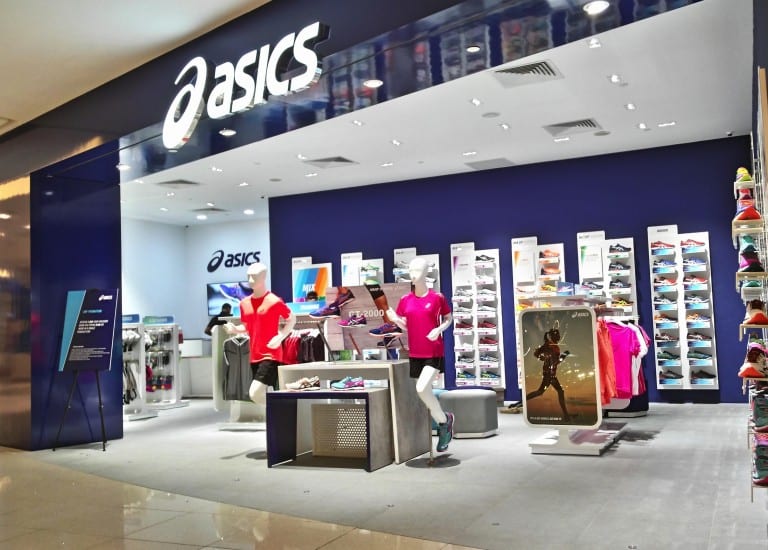
    Asics, a renowned Japanese firm specializing in footwear and apparel, has hit an all-time high in the 2025 fiscal year, demonstrating growth across all aspects of its operation.

    Stellar Financial Performance

    The fiscal year that ended on December 31, 2025, saw Asics garner as much as ¥810.9 billion (US$5.298 billion), marking a 19.5 per cent surge in growth from the previous year. The firm also recorded an operating profit of ¥14.2 billion ($92.8 million), an impressive figure by any standard.

    For four consecutive years, Asics has consistently set new records in terms of net sales and operating profit. Notably, 2025 was the year when the company’s Sport Style and Onitsuka Tiger brands crossed the ¥100 billion milestone in net sales.

    Brand Expansion and Innovative Projects

    Onitsuka Tiger, the luxury lifestyle label hailing from Japan, debuted its flagship stores in notable European cities such as Barcelona, London, and Paris in 2025. This move is part of Asics’ strategy to further strengthen its market presence. Simultaneously, the company has initiated the construction of the Onitsuka Innovative Factory, located in Sakaiminato City.

    Asics reported a 34.7 per cent increase in domestic sales on a year-on-year basis, attributing this to the 84 per cent boost in sales derived from tourists visiting Japan. This surge in domestic growth was mirrored by a 33.4 per cent rise in sales in Southeast and South Asia, underpinned by the opening of a flagship store in New Delhi.

    Despite initial concerns, Asics saw its sales in Greater China grow by 19.9 per cent.

    Supporting Global Athletic Events

    As the official partner of the 2025 World Athletics Championships held in Tokyo, Asics successfully executed targeted product launches in Japan, thereby solidifying its position among runners and athletes.

    Questions & Answers

    How much did Asics earn in the 2025 fiscal year?
    Asics reported earnings of ¥810.9 billion (US$5.298 billion) in the 2025 fiscal year.

    Which brands of Asics surpassed the ¥100 billion mark in net sales?
    Asics’ Sport Style and Onitsuka Tiger brands crossed the ¥100 billion milestone in net sales in 2025.

    What was the percentage increase in Asics’ domestic sales in 2025?
    In 2025, Asics recorded a 34.7 per cent increase in domestic sales from the previous year.

  • South Korean Coffee Giant, The Venti, Brews Expansion into Middle East through Key Franchise Agreement

    South Korean Coffee Giant, The Venti, Brews Expansion into Middle East through Key Franchise Agreement

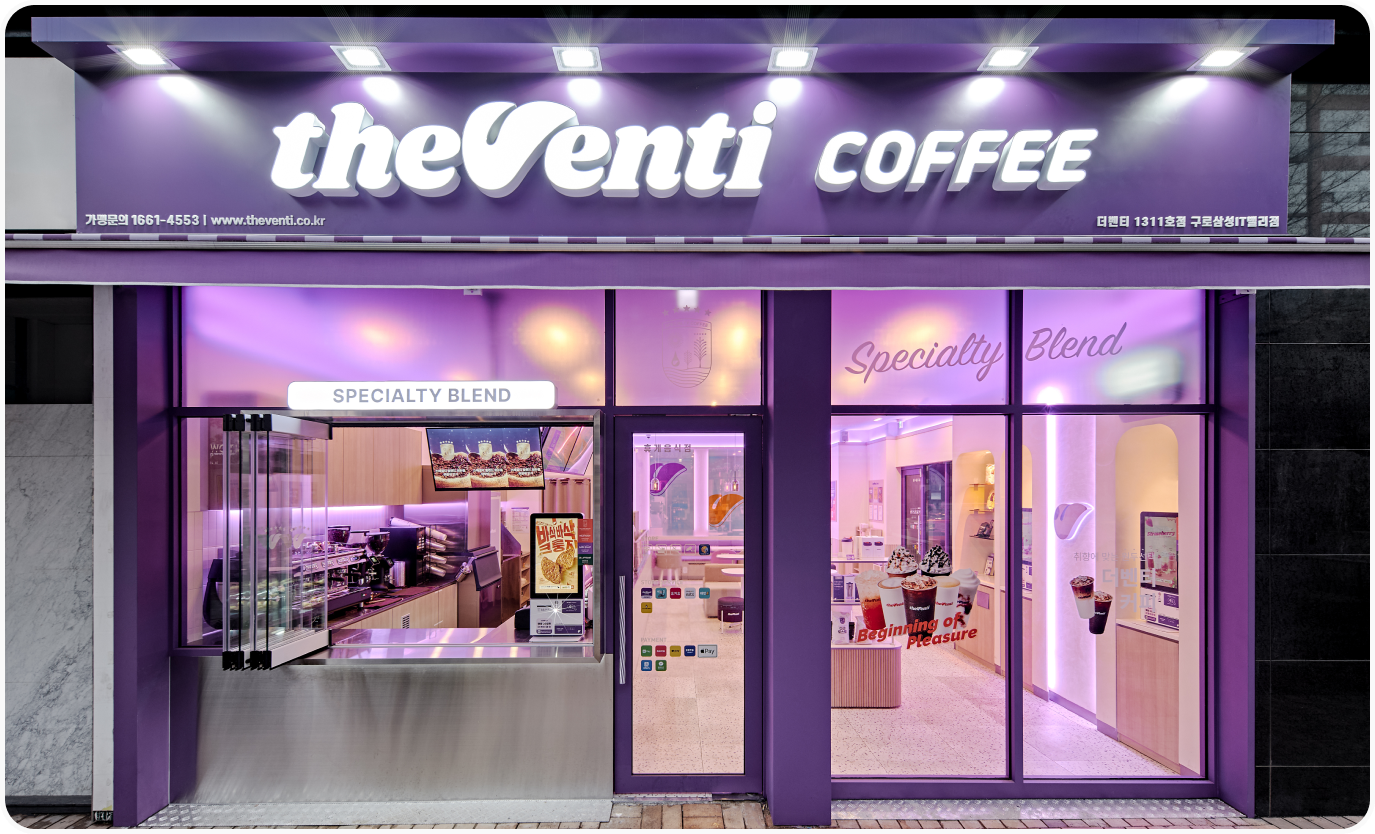
    South Korean coffee powerhouse, The Venti, has recently entered into a strategic master franchising agreement with JKT Networks. This strategic partnership aims at further expanding The Venti’s presence into the Middle Eastern market.

    First Steps Into the Middle East

    Established in Busan in March 2014, The Venti has made its first foray into the Middle East with the opening of a new outlet in Amman, Jordan. The move is part of the company’s broader strategy to expand its footprint beyond Asia, further into the Middle East and North Africa.

    A spokesperson for The Venti explained the significance of this market entry, stating, “This entry into Jordan serves as a strategic foothold aimed at expanding beyond Asia into the Middle East and North Africa. It will mark an important milestone in The Venti’s global roadmap.”

    The Venti’s Global Aspirations

    The Venti has clear intentions to become a sensory brand that forms connections between the global and local. The company is committed to respecting the cultural sensitivities of each country it operates in and strives to provide consistent brand value to its customers worldwide.

    JKT Networks: The Ideal Partner

    JKT Networks, a distributor of Korean products, is The Venti’s chosen partner for its expansion into the Jordanian market. JKT Networks’ core competency lies in catering to markets in Jordan, making it an ideal fit for The Venti. Its partner, UiL Trading, exports over 20,000 Korean products, adding further value to the partnership.

    Questions & Answers

    What is the significance of The Venti’s entry into the Middle East?
    The entry marks an important milestone in The Venti’s global expansion roadmap, serving as a strategic foothold for further expansion into the Middle East and North Africa.

    Who is The Venti’s partner for its Middle East expansion?
    The Venti has entered into a partnership with JKT Networks for its expansion into the Middle Eastern market.

    What are The Venti’s global aspirations?
    The Venti aims to become a sensory brand that connects the global and local by respecting the cultural sensitivities of each country it operates in while providing consistent brand value to customers worldwide.

  • McDonald’s Malaysia Unveils $254M Expansion: 100 New Restaurants, Digital Boost, and 10,000 Jobs on the Horizon

    McDonald’s Malaysia Unveils $254M Expansion: 100 New Restaurants, Digital Boost, and 10,000 Jobs on the Horizon

    McDonald’s Malaysia has announced an aggressive expansion plan that involves an investment of RM1 billion (approximately $254 million) over the next five years. The investment will be used to open 100 new outlets, revamp existing restaurants, and enhance the company’s digital capabilities.

    Allocation of Funds and Expansion Strategy

    Datuk Azmir Jaafar, Managing Director and Local Operating Partner, shared that a majority of the investment, around 60%, will be used for the launch of new restaurants. 20% of the funds will be directed towards the modernization of over 150 existing branches of McDonald’s in Malaysia. The remaining 20% will be invested in technology and digitalization initiatives.

    The expansion plan was revealed during a press conference following the reopening of the first McDonald’s drive-thru outlet in the country, located at Jalan Pahang, Titiwangsa. Jaafar expressed the company’s intention to broaden its reach in Sabah, Sarawak, and throughout Peninsular Malaysia, with a specific focus on areas with high demand and those popular among tourists.

    Jaafar explained, “There is considerable growth potential in Sabah and Sarawak, as these regions have many towns that are yet to house a McDonald’s outlet. We also aim to expand in the Klang Valley and in other high-growth locations within Peninsular Malaysia.”

    Building a Strong Franchise Network

    Additionally, McDonald’s Malaysia intends to enhance its franchise network. Currently, 11 franchisees nationwide operate 25 outlets. The goal is to establish between 70 and 100 restaurants within the next five to ten years.

    Jaafar underscored the promising return on investment in franchising. “A substantial investment of about MYR5 million to MYR7 million is needed per restaurant. The payback period is typically three to five years, indicating a healthy return,” he stated.

    Job Creation and Operational Efficiency

    This ambitious expansion is expected to generate over 10,000 new job opportunities for locals, in line with McDonald’s Malaysia’s hiring policy of employing only local workers.

    Despite a challenging business environment, the quick-service restaurant chain has already witnessed a 26% year-on-year growth in 2025, operating more than 370 outlets across the country.

    Jaafar stressed the importance of operational efficiency to maintain competitive menu prices. “In 2025, our menu price increase was about half of Malaysia’s inflation rate. This was due to continuous improvements in supply chain efficiency and restaurant operations,” he elaborated.

    After being a part of the Malaysian landscape for 43 years, McDonald’s Malaysia continues to contribute towards nation-building. The company aims to do so by creating jobs, providing skills training, supporting local suppliers, and getting involved in community activities.

    Questions & Answers

    What is the investment plan of McDonald’s Malaysia?
    McDonald’s Malaysia plans to invest RM1 billion over the next five years to open 100 new restaurants, upgrade existing outlets, and enhance its digital capabilities.

    How does McDonald’s Malaysia plan to allocate the investment funds?
    60% of the funds will be used to open new restaurants, 20% will be allocated towards the modernization of existing branches, and the remaining 20% will be invested in technology and digitalization initiatives.

    What is McDonald’s Malaysia’s franchising plan?
    McDonald’s Malaysia aims to expand its franchise network from the current 25 outlets run by 11 franchisees nationwide to between 70 and 100 restaurants over the next five to ten years.

  • Bacha Coffee Brews Global Expansion with Luxury Launches in Beijing and Saudi Arabia

    Bacha Coffee Brews Global Expansion with Luxury Launches in Beijing and Saudi Arabia

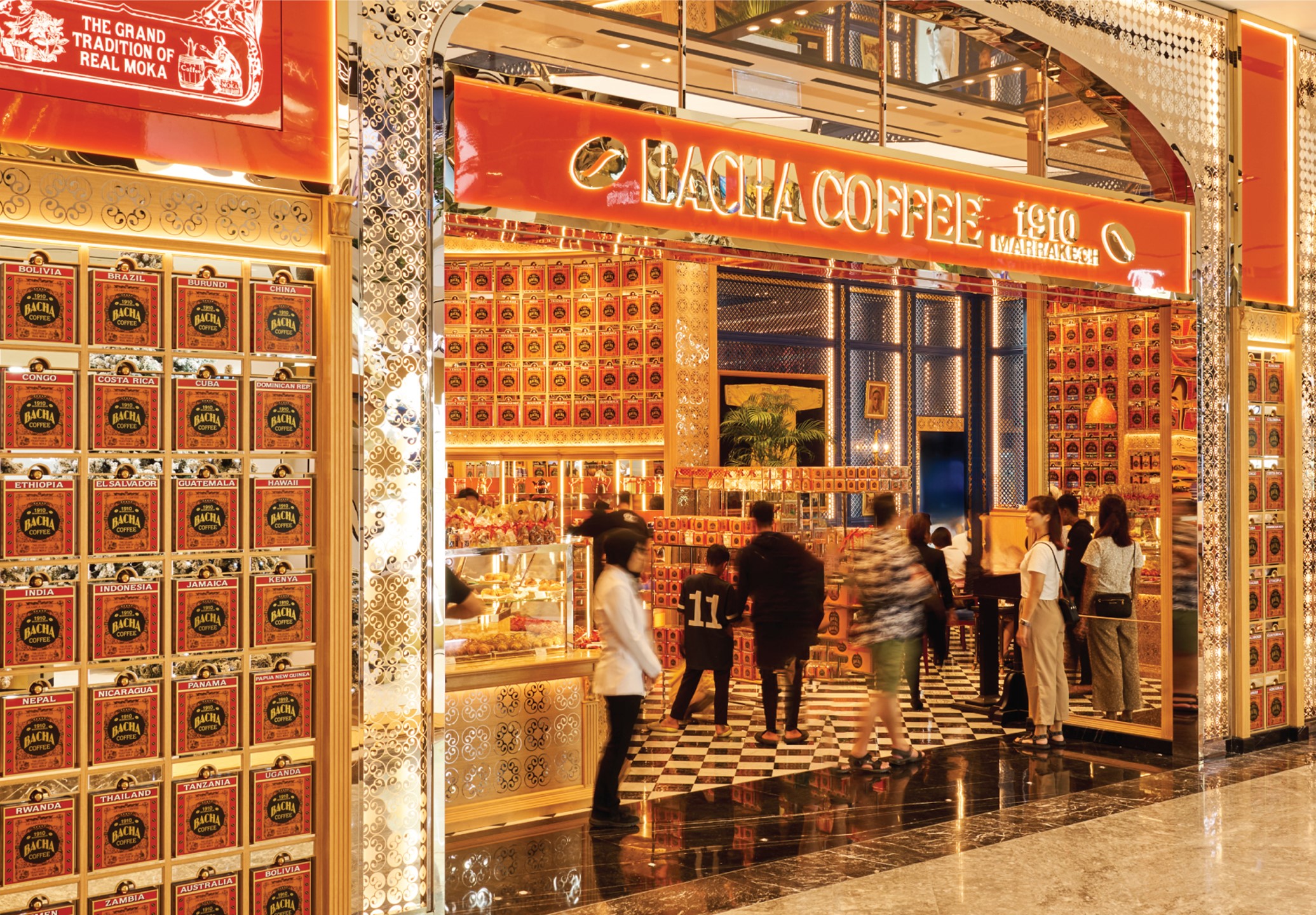
    Bacha Coffee, a Moroccan coffee house established in Marrakech in 1910, has further expanded its global footprint with its entry into two new markets, Beijing and Saudi Arabia. This development is a part of the brand’s consistent international growth trajectory.

    In Beijing, the brand has set up shop at the China World Mall, offering a multi-dimensional experience that integrates retail, takeaway, and a cozy Coffee Room seating area. This location showcases the brand’s extensive selection of over 200 specialty coffees, all of which are brewed using 100% Arabica beans sourced from 35 coffee-growing regions worldwide.

    The 210-square-meter Beijing store features a boutique that sells loose and packaged coffees, gift boxes, and accessories. Coffee Masters are readily available to assist customers and grind coffee beans on demand. The store also includes a 25-seat Coffee Room, featuring design elements inspired by the brand’s Moroccan heritage.

    Taha Bouqdib, President and CEO of V3 Gourmet, expressed his excitement over this latest expansion. “Our new location is designed to spark the curiosity of our guests, much like how coffee takes us on journeys to distant locales,” he said. “We’ve blended the old with the new in a single experience, honoring our past while paving the way for the future, with 100% Arabica specialty coffee taking center stage in this vibrant scene of life.”

    The latest openings in Beijing and Riyadh are part of Bacha Coffee’s extensive expansion across Asia, Europe, and the Middle East. The brand currently operates 42 stores in 16 cities globally, including Paris, Tokyo, Seoul, Dubai, Singapore, Hong Kong, and Taipei. In addition, the brand made its debut in Thailand last year.

    Questions & Answers

    How many specialty coffees does Bacha Coffee offer?
    Bacha Coffee offers an extensive selection of over 200 specialty coffees.

    Where are the newest Bacha Coffee stores located?
    The newest Bacha Coffee stores are located in Beijing, China, and Riyadh, Saudi Arabia.

    How many locations does Bacha Coffee operate worldwide?
    Bacha Coffee currently operates 42 locations in 16 cities worldwide.

  • Cotti Coffee Takes on the UK: China’s Rapidly Growing Chain Brews Up European Expansion

    Cotti Coffee Takes on the UK: China’s Rapidly Growing Chain Brews Up European Expansion

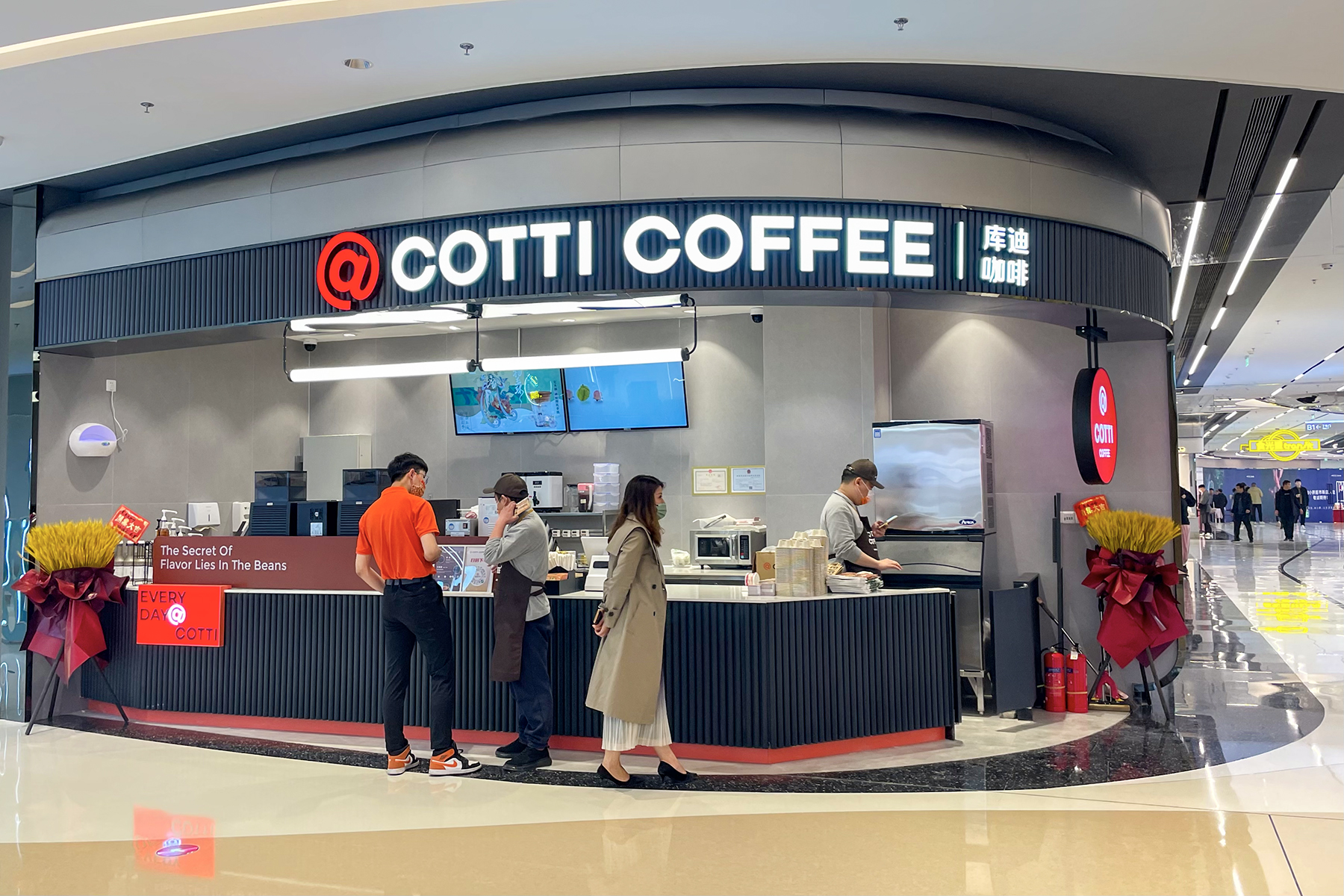
    Cotti Coffee, a rapidly expanding Chinese coffee chain, has announced plans to venture into the UK market. This move is part of a wider strategy to accelerate the brand’s growth across Europe.

    Unveiling in London

    The budget-friendly coffee chain will make its UK debut with two stores in London, set to open on Middlesex Street and Camden High Street. This comes after Cotti Coffee’s recent successful launches in European cities such as Paris, Cologne, Düsseldorf, Hamburg, Barcelona, and Madrid. These continental outlets mark the brand’s first steps into the European market.

    Digital-First Strategy

    Cotti Coffee operates with a digital-first, small-format store model and is noted for offering aggressive discounts. This approach has earned the brand recognition in its home country of China, where it is seen as a key competitor to Luckin Coffee.

    Future Expansion Plans

    Beyond the UK, Cotti Coffee has plans for further expansion into several other European countries, including Italy, Belgium, Portugal, and the Netherlands.

    Cotti Coffee was established in 2022 by a pair of former Luckin Coffee executives. Today, the brand is operational in 28 countries worldwide, including locations in Vietnam, South Korea, Australia, and Malaysia.

    Questions & Answers

    Question 1: What is Cotti Coffee’s store model?
    Answer: Cotti Coffee operates a digital-first, small-format store model, which means they prioritize their online presence and compact store locations.

    Question 2: Where is Cotti Coffee planning to expand in Europe?
    Answer: The company has plans to expand into Italy, Belgium, Portugal, and the Netherlands as part of its broader European growth strategy.

    Question 3: Who founded Cotti Coffee and when was it established?
    Answer: Cotti Coffee was founded in 2022 by two former executives from Luckin Coffee, another major coffee chain in China.

  • Starbucks Eyes Major Global Expansion: China in Spotlight Despite Market Challenges

    Starbucks Eyes Major Global Expansion: China in Spotlight Despite Market Challenges

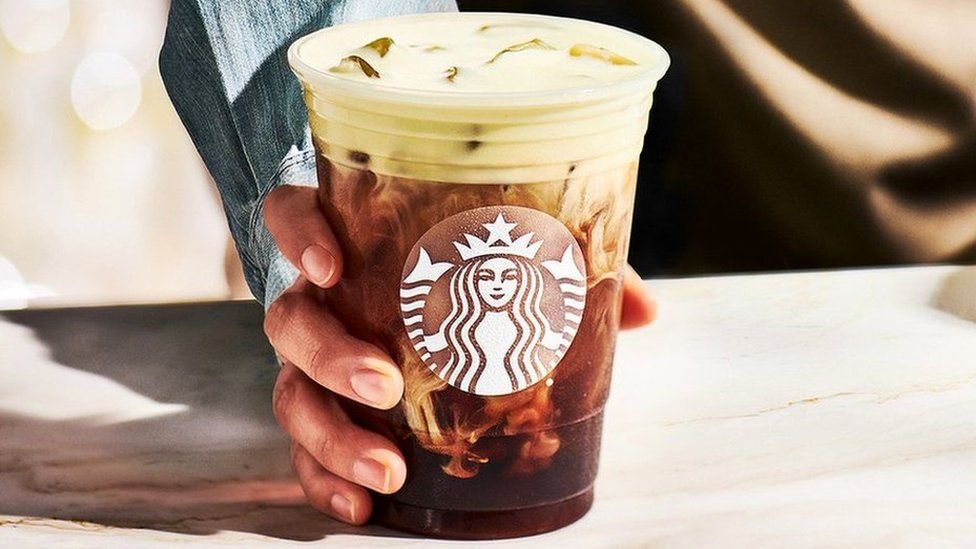
    Starbucks, the renowned coffee chain, is fast-tracking global expansion plans that extend beyond fiscal year 2028. The company considers China as the bedrock of its long-term development strategy, notwithstanding the increasingly competitive landscape and looming economic challenges.

    During the 2026 Investor Day, the coffee behemoth announced plans for significant expansion in both domestic and international markets.

    International Growth

    Starbucks intends to double its international cafe presence over time, aiming for nearly 40,000 non-US stores. China is anticipated to play a major role in this planned growth. Starbucks plans to open between 15,000 and 20,000 additional stores in the Chinese market over the long term.

    Brady Brewer, CEO at Starbucks International, provided insights on the company’s international strategy. He stated, “Our international business fills a very clear role. We are an asset-light growth driver for Starbucks that bolsters the company’s margins.”

    Challenges and Opportunities in China

    China, while being a strategic priority, continues to be one of the most challenging markets for Starbucks. Local competitors such as Luckin Coffee and Cotti Coffee are gaining traction via aggressive pricing strategies, swift expansion, and localized innovation. Simultaneously, economic slowdown is causing increased price sensitivity, challenging Starbucks’ premium positioning.

    In response to these challenges, Starbucks has reorganized its operations in China. The company has established a joint venture with Boyu Capital, transitioning to a licensed business model while maintaining a 40% stake.

    First Quarter Financials

    For the first quarter of fiscal 2026, Starbucks reported a revenue of US$9.9 billion. This shows an upward sales trajectory and continuous growth across the coffee giant’s global network of stores.

    Questions & Answers

    What is Starbucks’ plan for international growth?
    Starbucks intends to double its international store presence, targeting nearly 40,000 non-US locations.

    What role does China play in Starbucks’ expansion strategy?
    China is expected to account for a major portion of Starbucks’ international expansion. The company plans to open between 15,000 and 20,000 additional stores in the Chinese market.

    What changes has Starbucks made in its China operations?
    In response to increasing competition and economic challenges, Starbucks has restructured its China operations through a joint venture with Boyu Capital, transitioning to a licensed business model and retaining a 40% stake.