Retail News CRM

Tag: expansion

  • Tea Tonic: Australian Organic Tea Brand Brews Up Expansion in Malaysia with Aeon Retail Partnership

    Tea Tonic: Australian Organic Tea Brand Brews Up Expansion in Malaysia with Aeon Retail Partnership

    Tea Tonic, a renowned Australian organic tea brand, is marking its arrival in Aeon Group’s Malaysian outlets, a move that is part of its broader strategy to expand across Southeast Asia.

    Support from Global Victoria

    The brand’s expansion into Malaysia is a result of the support it has received from Global Victoria. This assistance has enabled the Melbourne-based firm to extend its export reach to several countries, including Singapore, Thailand, New Zealand, and now Malaysia.

    About Tea Tonic

    Tea Tonic has its roots in 1998 when it was founded by Lisa Hilbert, a naturopath and herbalist. The brand prides itself on producing certified organic teas that are naturopath-formulated and made from natural ingredients that are Australian-certified organic.

    The company offers its products in two formats – loose-leaf and individually wrapped teabags. Additionally, it also provides tea accessories and gift sets.

    Some of the brand’s most popular blends are the Apple Tree Tea, Blue Magic Tea (with butterfly pea), Body Reset Tea, Chocolate Chai Tea, Chamomile Tea, and French Earl Grey Tea.

    Message from Tea Tonic

    Tea Tonic expressed its excitement about the launch in Malaysia, stating, “Malaysian consumers can now enjoy our colourful range of Melbourne-crafted teas made with organic ingredients that celebrate both flavour and wellbeing.”

    Questions & Answers

    Question: What is Tea Tonic’s expansion strategy?
    Answer: Tea Tonic’s expansion strategy focuses on broadening its reach across Southeast Asia, and its recent launch in Malaysia’s Aeon Group outlets is a part of this plan.

    Question: Who is the founder of Tea Tonic?
    Answer: The Australian organic tea brand, Tea Tonic, was founded by Lisa Hilbert, a naturopath and herbalist, in 1998.

    Question: What products does Tea Tonic offer?
    Answer: Apart from offering a wide variety of tea blends like Apple Tree Tea, Blue Magic Tea, Body Reset Tea, Chocolate Chai Tea, Chamomile Tea, and French Earl Grey Tea, the brand also provides loose-leaf tea, individually wrapped teabags, tea accessories and gift sets.

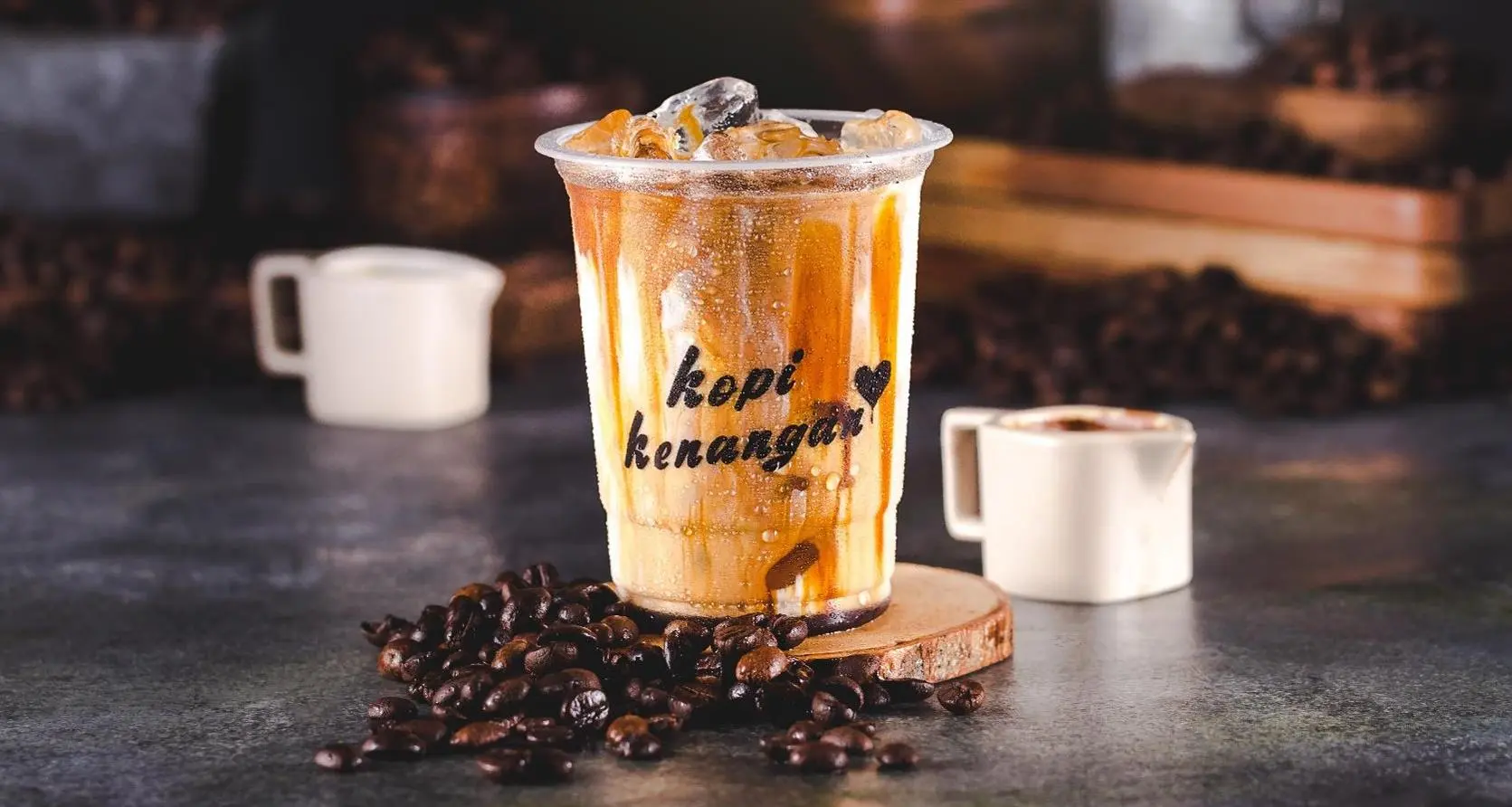
  • Kopi Kenangan Brews Global Expansion Plan After Tasting Success in Malaysia

    Kopi Kenangan Brews Global Expansion Plan After Tasting Success in Malaysia

    Kopi Kenangan, an Indonesian coffee chain, is broadening its presence in Asia, subsequent to achieving profitability in Malaysia, three years after its market launch. Edward Tirtanata, the co-founder and CEO of the company, anticipates closing the current year with 150 branches in Malaysia, before broadening that number to 200 venues next year.

    Tirtanata shared that the company has been persistently opening more than one location per day this year, with approximately 70 new stores expected to launch within the next month.

    Continuing its regional expansion, Kopi Kenangan is planning to penetrate the markets of Taiwan and a Gulf Cooperation Council (GCC) country by mid-next year. Earlier this year, the brand made its first appearance in Australia and anticipates having four stores in operation by the end of the year. Meanwhile, roughly 20 additional outlets are scheduled to open in the Philippines in the latter part of this year and early next year.

    The third quarter of this year saw the company’s revenue increase by 40% year-on-year, a growth attributed to its strategy of adapting flavors, recipes, and prices to accommodate local markets. Tirtanata stated, “If you drink our coffee in Singapore, Jakarta, Malaysia, or New Delhi, it will taste different.” He further emphasized the company’s readiness to innovate and revise their recipes to cater to their diverse customer base.

    Questions & Answers

    What is the planned expansion of Kopi Kenangan within the next year?
    Kopi Kenangan aims to increase its Malaysian outlets to 200 stores. Also planned is the opening of approximately 70 new stores within the next month. Furthermore, the company is set to launch in Taiwan and a Gulf Cooperation Council (GCC) country by mid-next year.

    What contributes to Kopi Kenangan’s revenue growth?
    The company’s strategy of adapting its coffee flavors, recipes, and pricing to fit local markets has played a significant role in its revenue increase of 40% year-on-year in the third quarter.

    What differentiates Kopi Kenangan’s coffee in various locations?
    Kopi Kenangan’s coffee taste differs in various locations such as Singapore, Jakarta, Malaysia, and New Delhi. This is due to the company’s strategy of innovating and revising their recipes to cater to local tastes and preferences.

  • UBS Eyes Nationwide Expansion in US: A Game-Changer in Wealth Management Services

    UBS Eyes Nationwide Expansion in US: A Game-Changer in Wealth Management Services

    UBS, a Swiss multinational investment bank and financial services company, has signaled its plans to significantly expand its footprint in the United States’ financial market. This move demonstrates UBS’s dedication to deepening its presence across the American financial landscape.

    Existing Limitations and Expansion Plans

    With its current state-level charter, UBS has been able to offer its wealth management clients in the US a variety of banking services, including cash management, credit cards, and securities-based lending. However, the state-level charter also imposes certain limitations on the range of services the bank can offer.

    To expand its wealth management arsenal, UBS Bank USA, a subsidiary of UBS, has applied to the Office of the Comptroller of the Currency (OCC). The approval of this application would allow UBS to provide a more comprehensive portfolio of banking and lending services, including traditional checking and savings accounts.

    In essence, UBS is striving to deliver a full suite of banking services to its wealth management clients in the United States. This will make it easier for these clients to manage their finances in one location. The license is expected to facilitate a gradual expansion of the bank’s current range of services.

    A Testament to Long-Term Commitment

    UBS anticipates gaining regulatory approval in 2026, a process which is subject to review by the US authorities. This strategic move comes at a time when UBS is strengthening its status as the world’s largest wealth manager. This followed its acquisition of Credit Suisse and reflects its effort to balance its global scale with a deeper penetration in key markets, including the United States.

    Questions & Answers

    What does UBS’s application to the OCC imply?
    It signifies the bank’s intent to offer a broader range of banking and lending services, including traditional checking and savings accounts, to its wealth management clients in the US.

    What factors have provoked UBS’s decision to expand its services in the US?
    The decision is a reflection of UBS’s strategy to strengthen its position as the world’s largest wealth manager, following its acquisition of Credit Suisse, and to deepen its roots in key markets such as the US.

    When does UBS anticipate gaining regulatory approval for the expansion?
    UBS expects to gain regulatory approval by 2026, a process that is subject to a review by the US authorities.

  • Malaysia’s OldTown White Coffee ramps up Philippine expansion

    Malaysia’s OldTown White Coffee ramps up Philippine expansion

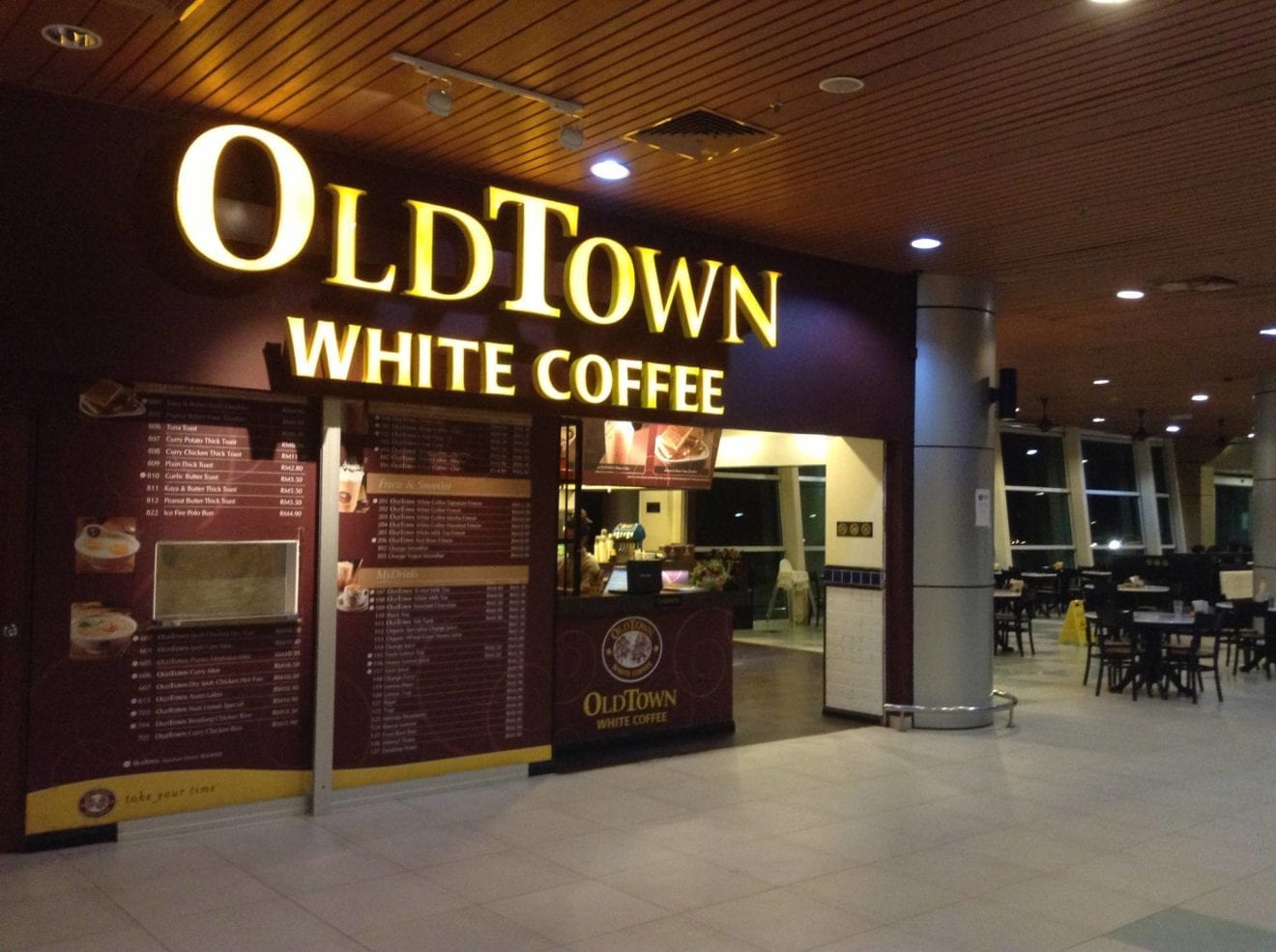
    OldTown White Coffee, a renowned Malaysian coffee brand, is charting an ambitious growth trajectory in the Philippines with a hefty investment amounting to US$21 million (PHP400 million). The funding will facilitate the introduction of 20 additional outlets over the next half-decade.

    This strategic expansion is spearheaded by the brand’s Philippine licensee, Del Mundo Group. This follows hot on the heels of the inauguration of OldTown’s inaugural branch in Zamboanga City. This new entrant marks the 11th OldTown outlet in the Philippines and the first in Western Mindanao.

    The new café, nestled in Tumaga’s Pasonanca Road, is the entrepreneurial venture of Pherhan and Jhulie Saiddi. The duo aims to enrich Zamboanga’s vibrant food and beverage landscape with their venture.

    “We aspire to introduce a global brand to Zamboanga that resonates with quality and cultural authenticity. OldTown White Coffee encapsulates this aspiration perfectly,” expressed the Saiddis.

    Debuting in 1999, OldTown White Coffee has earned a name for its signature roasted white coffee and authentic Malaysian cuisine. With more than 200 outlets across Malaysia, the brand has extended its footprint to Singapore, Indonesia, and Hong Kong.

    The Philippine chapter of OldTown White Coffee began in 2023, under the aegis of Del Mundo Group. The group is also known for managing brands like Mesa Filipino Moderne, Ramen Bari Uma, Buchiton, Hayashi Yakiniku, and Cravy.

    Matt Ablis, the COO of Del Mundo Group, revealed the group’s intention to penetrate key provincial markets with burgeoning consumer demand and local economic growth. “This expansion is not just about opening new stores, it extends to bringing OldTown’s established café format and menu to previously untapped regions,” he shared.

    Questions & Answers

    What is OldTown White Coffee planning for the Philippines?
    OldTown White Coffee aims to expand its presence in the Philippines with a US$21 million investment, planning to open 20 more outlets over the next five years.

    Who is leading the expansion of OldTown White Coffee in the Philippines?
    The expansion of OldTown White Coffee in the Philippines is being spearheaded by the Del Mundo Group.

    What is the vision of the owners of the new café in Zamboanga City?
    The owners of the new café in Zamboanga City aim to enrich the city’s food and beverage scene by introducing OldTown White Coffee, which they believe encapsulates quality and cultural authenticity.

  • Kuehne+nagel Boosts India’s Logistics Sector With Five New Fulfilment Centres, Creating 1,500 Jobs

    Kuehne+nagel Boosts India’s Logistics Sector With Five New Fulfilment Centres, Creating 1,500 Jobs

    Kuehne+Nagel, the international logistics firm, is expanding its operations in India with the establishment of five new fulfilment centres. The locations for these centres include Gurgaon, Kolkata, Nagpur, Mumbai, and Rajpura. This expansion will provide 100,000 square meters of additional capacity, raising the company’s total fulfillment centre footprint in the country to nearly 500,000 square meters. The new centres will create over 1,500 jobs nationwide, supporting local economic growth.

    India’s Economic Potential

    India is expected to rise to the position of the world’s third-largest economy by 2030, underpinned by robust growth in industries such as high-tech, automotive, consumer goods, and healthcare. As these sectors continue to expand, there’s an increasing demand for a scalable, efficient logistics infrastructure.

    Automation and Boosting Order Handling Capacity

    The new fulfilment centres will employ advanced automation technologies like telescopic conveyors and high-performance sorting systems. These will facilitate an increase in peak order handling capacity by 75%.

    City Selection and Industry Growth

    The locations of the new centres cover the spectrum of Indian cities. This includes tier-1 cities like Mumbai and Kolkata, tier-2 hubs Gurgaon and Nagpur, and the tier-3 city, Rajpura. The diverse location selection aligns with India’s industrial growth across multiple cities. Gurgaon and Nagpur are emerging as growth centres for various industries, while Rajpura is experiencing a surge in manufacturing and distribution.

    Strategic Investment

    Damian Raczynski, Senior Vice President of Contract Logistics at Kuehne+Nagel Asia Pacific, expressed his optimistic views regarding the company’s expansion. He shared that India is a crucial growth market for Kuehne+Nagel and that they invest where their customers are. He further emphasized that this expansion enhances their ability to serve high-demand sectors, like consumer and healthcare. The goal is to deliver a service that’s characterized by speed, reliability, and flexibility.

    Questions & Answers

    What is the purpose of Kuehne+Nagel’s expansion in India?
    The expansion aims to meet the growing demand for efficient logistics infrastructure in India’s expanding industries such as high-tech, automotive, consumer goods, and healthcare.

    What additional features will the new fulfilment centres have?
    The new centres will incorporate advanced automation technologies such as telescopic conveyors and high-performance sorting systems, which will boost peak order handling capacity by 75%.

    How will this expansion benefit the local economy?
    The expansion will generate over 1,500 new jobs nationwide, contributing positively to the growth of local economies.

  • Fintech Giant Icapital Plans Major Expansion In Asia-pacific Amid Growing Wealth Management Opportunities

    Fintech Giant Icapital Plans Major Expansion In Asia-pacific Amid Growing Wealth Management Opportunities

    Fintech platform, iCapital, is reportedly planning to expand its presence in the Asia-Pacific region, including in cities such as Hong Kong, Singapore, and Australia.

    Expansion in Singapore

    iCapital is currently relocating to a larger office in Singapore, fueled by an expanding team and increased client activity. The firm’s Head of International, Marco Bizzozero, reported that around 30 staff members are employed in the city-state, which constitutes half of the total headcount in Asia.

    Moving to Larger Spaces

    The fintech platform is also seeking a larger office in Hong Kong as part of its expansion strategy. The goal is to acquire more sales staff in both markets to support its growing operations. In addition to this, the firm is planning to open its first Australian office.

    The Wealth Management Market

    Marco Bizzozero pointed out that the wealth management sector is still in its early stages when it comes to integrating private markets into client portfolios. He noted that current allocations to private markets by the wealth management sector are low, averaging at around three percent. However, most wealth managers are now aiming for allocations between 10 and 20 percent. This trend presents significant opportunities for firms like iCapital.

    Questions & Answers

    What is iCapital’s expansion strategy in Asia-Pacific?
    iCapital plans to expand its presence by relocating to larger offices in Singapore and Hong Kong. It is also looking to hire more sales staff in these markets and open an office in Australia.

    How many staff members does iCapital currently employ in Singapore?
    The fintech platform currently employs around 30 staff members in Singapore, which makes up half of its total headcount in Asia.

    What trends in the wealth management sector present opportunities for firms like iCapital?
    The wealth management sector is still in its infancy in terms of integrating private markets into client portfolios. However, with most wealth managers now targeting allocations between 10 and 20 percent to private markets, firms like iCapital stand to benefit significantly.

  • Muji Amplifies Global Presence With Major Flagship Store Launches In Southeast Asia And Europe

    Muji Amplifies Global Presence With Major Flagship Store Launches In Southeast Asia And Europe

    Japanese retail giant Muji is stepping up its global expansion efforts with key flagship store launches in Southeast Asia and Europe. This move is part of the company’s wider plan for international growth.

    Major Store Openings in Southeast Asia

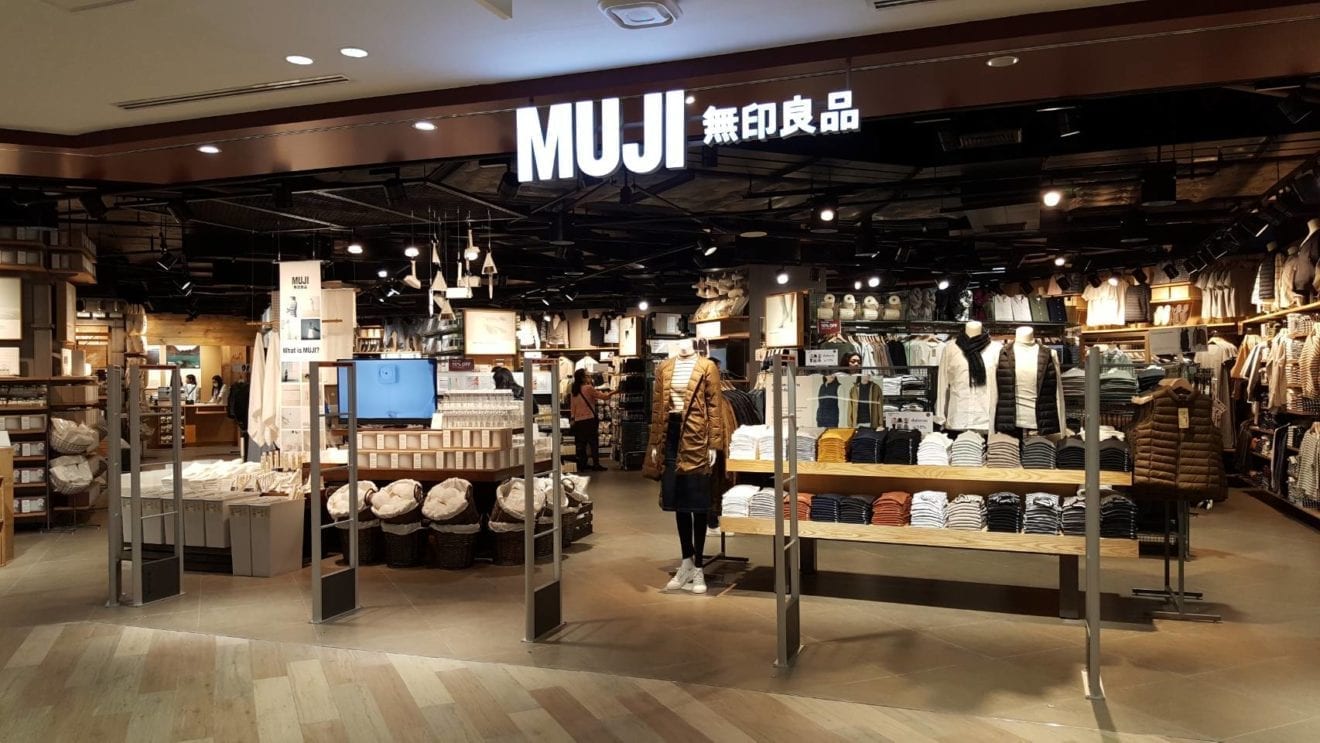
    Muji, under the management of Ryohin Keikaku Co., is set to open its biggest Southeast Asian store at Central World in Bangkok on November 28. The spacious 3270 square meter store will provide customers with Muji’s complete range of products, from clothing and furniture to household items and food. Additionally, the store will stock locally developed products designed to reflect Thai lifestyles.

    Muji presently operates a network of 39 stores across Thailand.

    Expansion in Vietnam

    In Vietnam, Muji is refurbishing and enlarging its original store in Ho Chi Minh City to cover a sprawling area of 2990 square meters. This renovation will result in the brand’s largest store in Vietnam. The reopening of the store is scheduled for later this year, in alignment with Muji’s fifth-year anniversary in the country. Apart from its usual offering, the revamped store will also feature a wider range of locally sourced and developed products.

    Muji’s expansion in Southeast Asia is a part of its overall strategy to amplify its global presence. As of August, Muji had a total of 1474 stores worldwide, which includes 717 outlets in Japan and 757 spread across various international locations.

    European Expansion

    Looking beyond Asia, Muji is also reviving its European growth strategy. A flagship store is scheduled to open on Rue de Rivoli in Paris towards the end of next year.

    Earlier this year, Muji also launched its largest domestic store in Kashihara City, Nara Prefecture. This store is approximately 10 times larger than its previous outlets.

    Questions & Answers

    What is the global expansion strategy of Japanese retailer Muji?
    Muji is expanding its global presence by opening flagship stores in key locations in Southeast Asia and Europe.

    What is the size and product range of the new Muji store opening in Bangkok?
    The new Muji store in Bangkok spans 3270 square meters and will stock the full range of Muji products, including locally developed items tailored to Thai lifestyles.

    What are Muji’s plans for expansion in Europe?
    Muji is set to resume its expansion in Europe with the opening of a flagship store on Rue de Rivoli in Paris by the end of next year.

  • Singapore: The Springboard For Chinese F&b Brands Eyeing Global Expansion Amid Domestic Challenges

    Singapore: The Springboard For Chinese F&b Brands Eyeing Global Expansion Amid Domestic Challenges

    In the last year, an unprecedented influx of Chinese restaurants and cafes has made their mark in Singapore. These establishments view the island as an ideal launchpad for their global expansion plans, largely spurred by lackluster consumer demand, fierce price competition, and extremely tight profit margins in their domestic market.

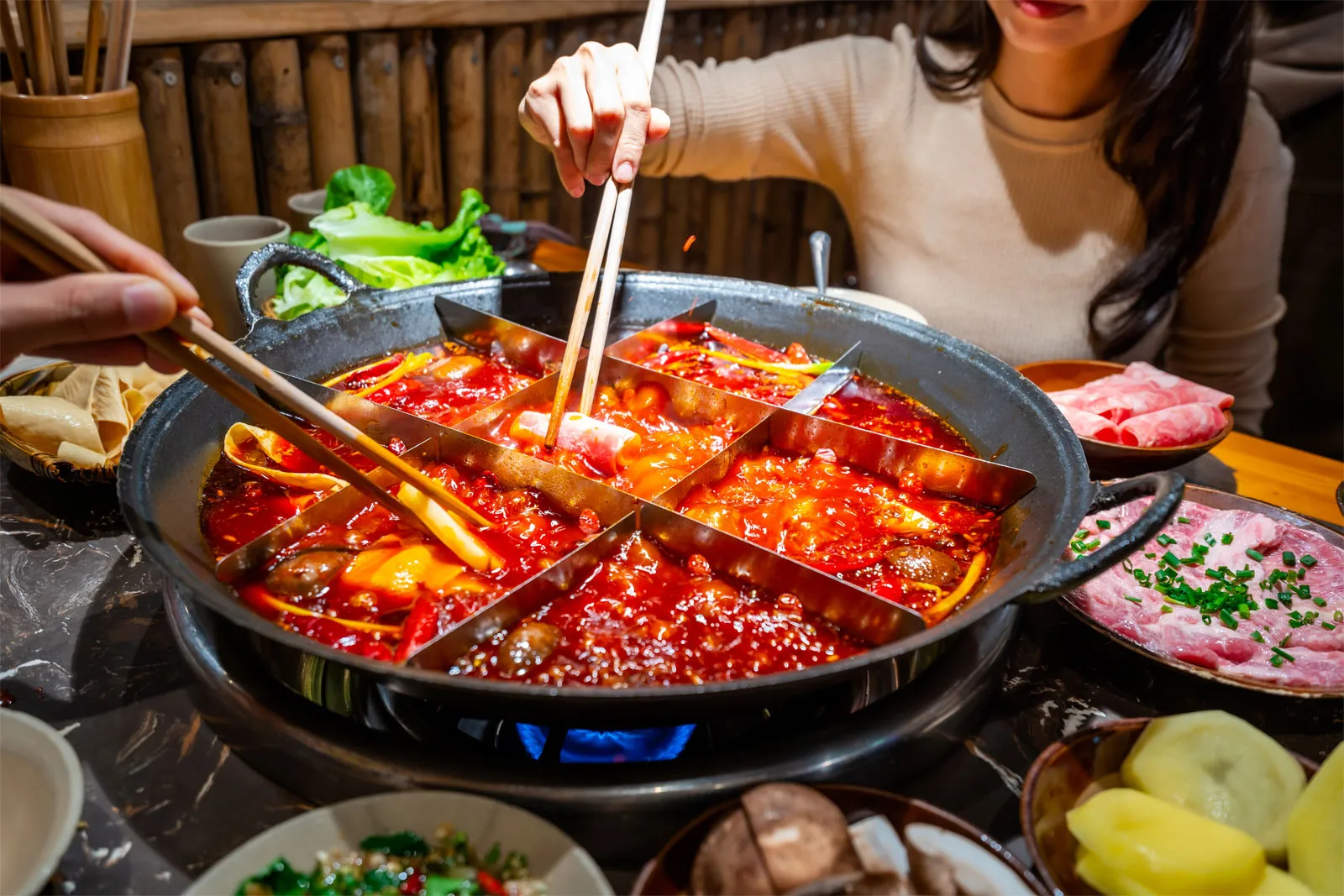
    Popular Chinese companies like Luckin Coffee and Mixue, a major bubble tea player, have joined a wave of hotpot and mala restaurants setting up shop overseas following the pandemic. They aim to leverage the international allure of the city-state, a trend that industry experts and executives predict will only gain momentum.

    Challenges in the Domestic Market

    According to Josie Zhou, the overseas general manager of Hunan cuisine restaurant Nong Geng Ji, the challenging business environment in China has prompted many brands to consider international expansion. Nong Geng Ji chose Singapore as the first stop in its global growth strategy.

    Persistent price wars have compelled Chinese food and beverage companies to seek new growth models abroad, says Joanna Jia, Singapore manager of bubble tea chain ChaPanda. The chain opened two franchisee tearooms in the city in July and is planning for more.

    Stagnant demand, exacerbated by a prolonged property market slump and US tariffs on Chinese goods, has hampered growth in China since the end of the Covid-19 lockdown nearly three years ago. This has intensified price wars across various sectors, leading to increasing deflationary pressure.

    Singapore: A Stepping Stone for Global Expansion

    Culturally similar Singapore has often served as a gateway for Chinese companies aiming to expand globally. As of August, about 85 Chinese food and beverage brands were operating approximately 405 outlets in Singapore, a considerable increase from the 32 brands that had 184 outlets in June of the previous year, according to data from consultancy firm Momentum Works.

    This rapid growth unfolds as local operators, including low-cost hawker stalls and Michelin-star restaurants, grapple with rising costs and lower consumer spending. However, Chinese brands remain optimistic about their prospects in Singapore, confident in their lean business models and supply chain management practices that allowed them to weather the storm in their home market.

    For example, tearoom chain Chagee can prepare a customized iced milk tea in just eight seconds using machines developed in-house, according to Jonathan Ng, Chagee’s director of government and public affairs for the Asia-Pacific region. This kind of agility has helped companies like Luckin and Mixue withstand the growth of Western competitors such as Starbucks in China.

    Backlash from Local Businesses

    These ready-made models have not been well received by all, however. Singapore Tenants United for Fairness, which represents 700 local business owners, stated in June that domestic companies struggle to compete with these larger Chinese entrants.

    “They are not even in the same stadium,” said the cooperative, implying the vast disparity between the resources of local SMEs and those of their Chinese counterparts.

    Gateway Singapore

    Singapore is often seen as a bridge between Eastern and Western cultures and is viewed as an attractive platform for expansion, especially given its 6.1 million predominantly Chinese population. Furthermore, Singapore’s reputation as a wealthy, fashionable location can significantly enhance a brand’s image.

    “If we can build up our brand in Singapore, the brand awareness can go to Malaysia and Vietnam, even Indonesia,” said ChaPanda’s Jia.

    Some smaller Chinese firms are often backed by deep-pocketed investors, giving them a competitive edge when it comes to securing prime locations. However, an influx of investment from large Chinese conglomerates has resulted in increased rents, especially in high-traffic areas, according to Ethan Hsu, head of retail for real estate firm Knight Frank.

    Questions & Answers

    Why are Chinese restaurants and cafes expanding to Singapore?
    A challenging business environment in China, characterized by fierce price competition and weak consumer demand, has prompted these businesses to explore new growth opportunities abroad. Singapore, with its cultural similarities to China and globally-oriented market, presents an attractive option for expansion.

    How are Chinese companies faring in the competitive Singaporean market?
    Despite the challenges faced by local operators, Chinese brands are optimistic about their prospects in Singapore. Their lean business models and robust supply chain management practices, which have been tested in their home market, provide them with a competitive edge.

    Is there any backlash against the influx of Chinese companies in Singapore?
    Yes, there has been some backlash, particularly from local businesses. Singapore Tenants United for Fairness, representing 700 business owners, has voiced concerns about the ability of local companies to compete effectively against their larger Chinese counterparts.

  • H&M Eyes Expansion In Ho Chi Minh City Amid Southeast Asia Growth Strategy

    H&M Eyes Expansion In Ho Chi Minh City Amid Southeast Asia Growth Strategy

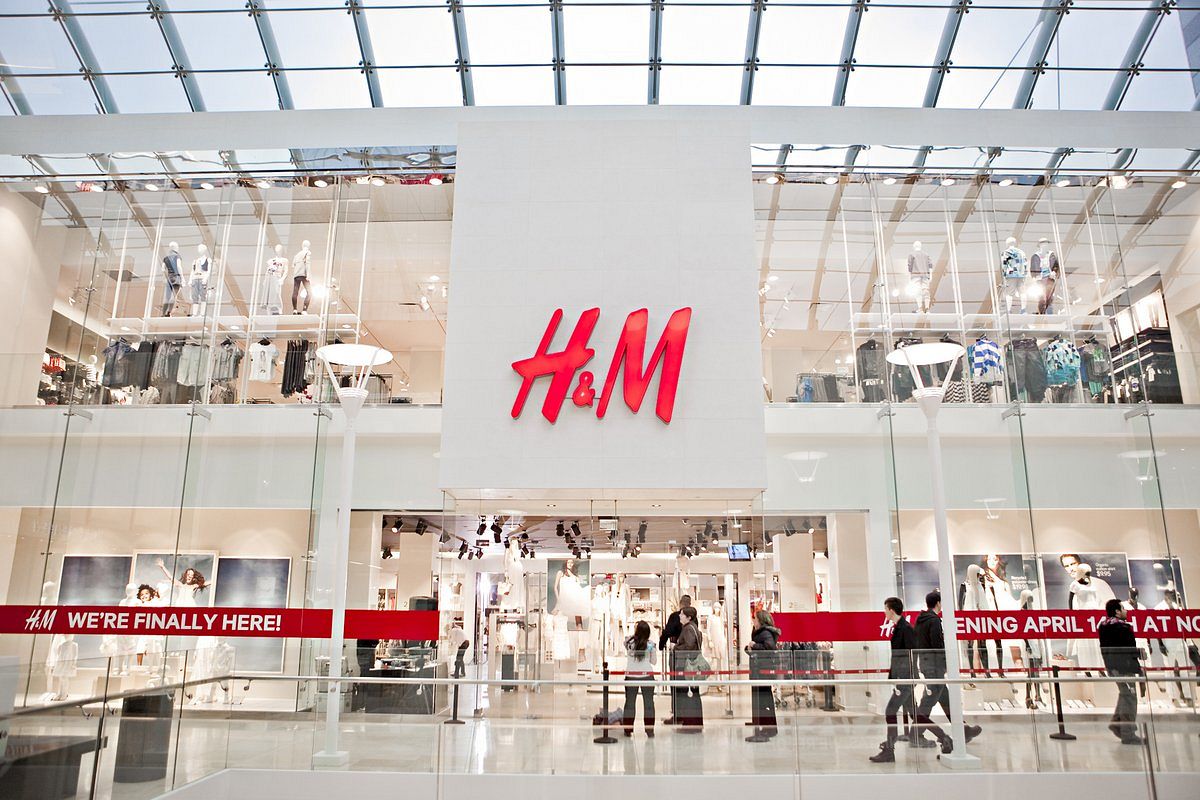
    The Swedish fast-fashion behemoth, H&M, is set to broaden its reach in Ho Chi Minh City, a bustling retail hotspot in Vietnam, as a crucial part of its larger growth strategy for Southeast Asia.

    Expansion Plans for H&M in Vietnam

    According to local sources, H&M Vietnam is actively scouting for opportunities to inaugurate new stores in the city’s prime commercial hubs. As it stands, the brand runs 14 stores throughout the country, with plans to increase this to 20 in the upcoming years. A significant emphasis is being placed on the city center of Ho Chi Minh City for these new store openings.

    In order to ensure a smooth expansion, H&M is diligently navigating local lease processes and adhering to regulatory requirements.

    H&M’s Growth in Vietnam and Beyond

    H&M ventured into the Vietnamese market in 2017. Despite this, its store count remains small when stacked against other markets in the region, such as Malaysia, Thailand, and the Philippines.

    However, it’s worth noting that the brand is experiencing a global resurgence, with its operating profit witnessing a 40 percent surge to US$523 million in this year’s third quarter. Additionally, their operating margin has also seen a rise, going up from 5.9 to 8.6 percent.

    Questions & Answers

    When did H&M first enter the Vietnamese market?
    H&M first entered the Vietnamese market in 2017.

    How many stores does H&M currently operate in Vietnam?
    At present, H&M operates 14 stores across Vietnam.

    What are H&M’s expansion plans in Vietnam?
    H&M plans to grow its presence in Vietnam by increasing its store count from 14 to 20 in the coming years, with a particular focus on central Ho Chi Minh City.

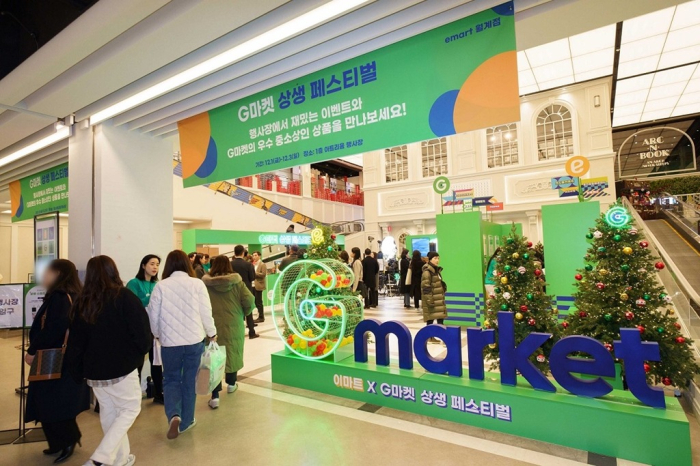
  • Gmarket Joins Forces With Lazada For Southeast Asian Expansion: A Strategic Alliance To Ease Global Trade

    Gmarket Joins Forces With Lazada For Southeast Asian Expansion: A Strategic Alliance To Ease Global Trade

    Gmarket, an e-commerce platform owned by Shinsegae, has entered into a strategic alliance with Lazada, a leading online marketplace in Southeast Asia, to facilitate its expansion on the international front.

    Expanding Horizons

    The partnership allows sellers using Gmarket to add over 20 million items directly to Lazada’s platform. This will potentially reach about 160 million users all over Singapore, Malaysia, Vietnam, Thailand, and the Philippines. This signifies Gmarket’s inaugural foray into the Southeast Asian market using a local platform.

    Smooth Integration

    The integration, which is designed for ease and convenience, allows Korean sellers to participate via Gmarket’s ESM Plus system. This system enables synchronized product information, order processing, and logistics on both platforms.

    Sellers only need to ship their products to Lazada’s warehouse in Incheon as product listings are automatically translated into local languages. Both Gmarket and Lazada will jointly manage international shipping and customer support.

    Commitment to Sellers

    A representative from Gmarket emphasized that the cooperation with Lazada aims to assist domestic sellers in their efforts to enter foreign markets in a more stable and straightforward way. They further stressed the platform’s commitment to support its high-quality sellers in tapping opportunities to increase sales in overseas markets.

    Future Expansion

    In addition to its Southeast Asian initiative, Gmarket is planning to expand to Europe, South Asia, Latin America, and the US. The ultimate goal is to reach more than 200 countries and regions within Alibaba’s global network.

    Questions & Answers

    What does the strategic partnership between Gmarket and Lazada entail?
    The partnership enables Gmarket’s sellers to list their products directly on Lazada, reaching its approximately 160 million users across Southeast Asia.

    How will the integration of the two platforms work?
    Gmarket sellers can opt in via the ESM Plus system for synchronized product data, order processing, and logistics across both platforms. Listings are automatically translated, and the products are shipped to Lazada’s Incheon warehouse.

    What are Gmarket’s future expansion plans?
    Gmarket aims to broaden its reach to Europe, South Asia, Latin America, and the US, with the ultimate goal of targeting more than 200 countries and regions within Alibaba’s global network.

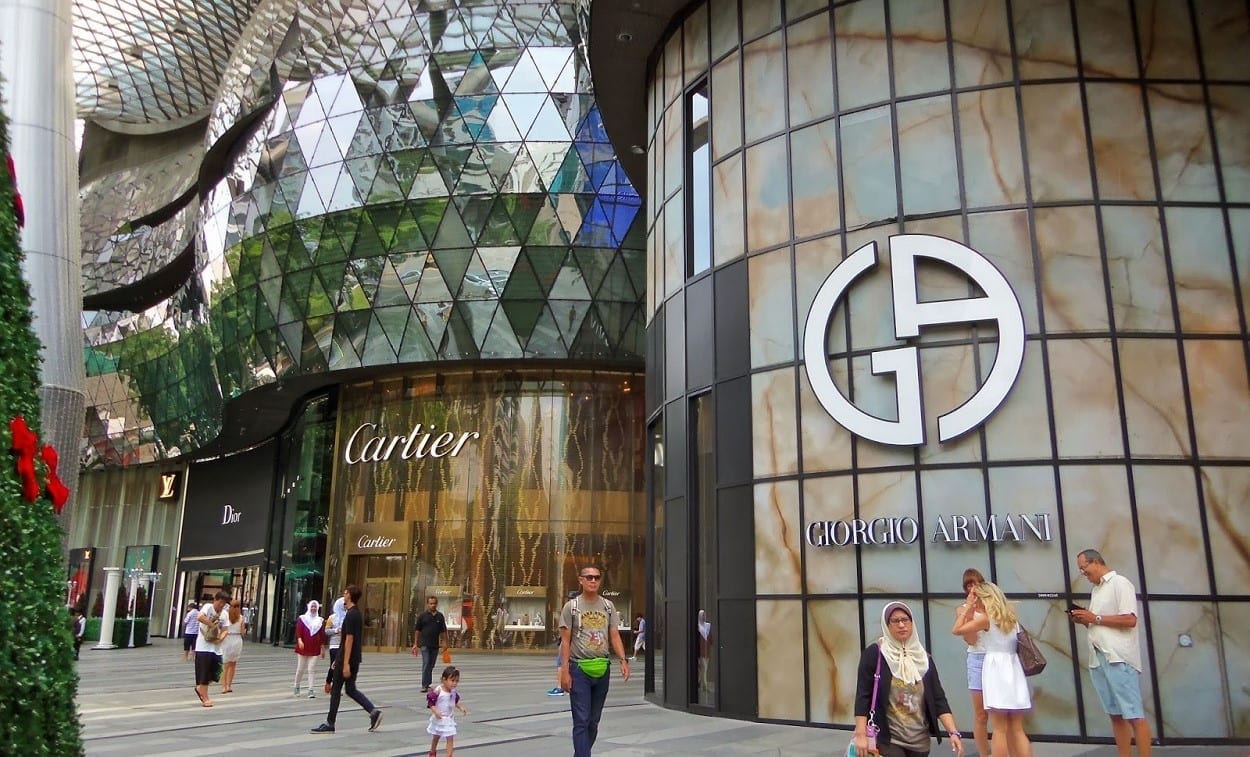
  • Dior Amplifies Luxury Retail Presence With Innovative Boutique In Bangkok’s Iconsiam

    Dior Amplifies Luxury Retail Presence With Innovative Boutique In Bangkok’s Iconsiam

    In a bold move that underscores the dynamic landscape of Asian retail, luxury fashion powerhouse Dior has announced plans to open a stunning new boutique in Bangkok’s prestigious Iconsiam shopping complex. Set to launch in early 2024, the new store will not only showcase Dior’s exquisite collections but also serve as a gathering place for fashion aficionados and tourists alike in the Thai capital.

    A New Landmark for Luxury Shopping

    Positioned on the banks of the Chao Phraya River, Iconsiam is already a hub of luxury and culture, drawing both locals and international visitors with its impressive range of high-end brands and artistic installations. Dior’s upcoming boutique will feature a design that harmonizes seamlessly with the complex’s contemporary architecture while paying homage to traditional Thai craftsmanship, reinforcing the brand’s commitment to cultural appreciation.

    Dior’s Personal Touch in Bangkok

    This new store is expected to provide a personalized shopping experience, complete with exclusive collections tailored for the Asian market. The boutique’s layout will invite customers to explore Dior’s iconic lines, ranging from haute couture to the latest handbags and accessories, all while enjoying a luxurious atmosphere that promises to seduce the senses. As an exciting twist, rumor has it that the opening could feature a surprise performance by a renowned artist, turning retail into a theatrical experience.

    Embracing the Asian Retail Renaissance

    Dior’s Bangkok foray is part of a broader strategy to deepen its roots in Asia, a region where luxury spending continues to flourish. Data indicates that Asian consumers are increasingly becoming the frontrunners in global luxury consumption, driven by an appetite for both brand heritage and modern innovation. With this move, Dior not only aims to capture a larger share of the market but also to provide a platform for cultural dialogue, showcasing how fashion can bridge borders.

    As the retail landscape continues to evolve, brands like Dior are embracing opportunities to not just sell, but also engage with their audience in meaningful ways. The buzz surrounding the store’s launch is palpable, and with it comes the promise of elevating Bangkok as a key player on the global luxury map.

    Questions & Answers

    What makes Iconsiam a prime location for the new Dior boutique?
    Iconsiam is positioned along the Chao Phraya River and is known for its luxurious ambiance, attracting both local shoppers and international tourists, making it an ideal site for high-end brands like Dior.

    What can customers expect from Dior’s new boutique in Bangkok?
    Customers can look forward to exclusive collections designed specifically for the Asian market, alongside a personalized shopping experience that merges luxury with cultural elements of Thailand.

    How does Dior’s expansion in Asia reflect broader retail trends?
    Dior’s expansion in Asia capitalizes on the region’s booming luxury market, where consumers increasingly desire both traditional brand heritage and innovative experiences, positioning themselves as key players in the global luxury scene.

  • NY Streetwear Brand Fried Rice Launches Pop-up Store In China, Signifying Asian Market Expansion

    NY Streetwear Brand Fried Rice Launches Pop-up Store In China, Signifying Asian Market Expansion

    Fried Rice, a renowned streetwear brand headquartered in New York, has made its debut in China with a pop-up store. This marks the brand’s initial steps towards expanding its presence in the Asian market.

    A New Venture in Shenzhen

    Strategically located in Shenzhen’s K11 Ecoast, the pop-up store opened its doors on August 30. It will continue its operations for approximately a year until next August, providing customers with the opportunity to experience Fried Rice’s unique offerings firsthand.

    The brand, created by the acclaimed designer Maya Wang, is celebrated globally for its cutting-edge, gender-neutral streetwear line that creatively blends innovative design details with superior fabric quality.

    On discussing the new venture, Wang, who also serves as the brand’s creative director, noted that the collaboration with K11 was a natural progression in Fried Rice’s pursuit of establishing itself in Asia. She added, “Our purpose here is to learn, to collaborate, and to celebrate creative aspirations with the individuals we interact with during this journey. This pop-up is as much about forging personal relationships as it is a shopping destination.”

    Expansion Plans in Asia

    The brand views the store’s launch as a strategic move, providing a firm base for their projected expansion across the Asian market. The central focus of this expansion is to build strong ties with regional creative communities that share the brand’s vision and values.

    Currently, Fried Rice is exploring numerous growth avenues within the region, including distribution, live retail broadcasting, and retail licensing partnership opportunities. For its initial endeavors, the brand is primarily targeting markets in Japan, China, and South Korea.

    Fried Rice has also announced plans for a pop-up store in Tokyo next year. Additionally, the brand aims to mark its presence at the third consecutive Asia ComplexCon in Hong Kong in the early part of the coming year.

    Questions & Answers

    What is the brand Fried Rice known for?
    Fried Rice is a New York-based streetwear brand recognized for its innovative, gender-neutral clothing collections that feature creative design elements and high-quality materials.

    What is the focus of Fried Rice’s expansion in Asia?
    Fried Rice intends to connect with local creative communities that align with its brand values as part of its expansion in Asia. The brand is also exploring opportunities in distribution, live retail broadcasting, and retail licensing partnerships.

    What are some of Fried Rice’s upcoming plans in Asia?
    In addition to the recently launched pop-up store in Shenzhen, Fried Rice has plans for a Tokyo pop-up store the following year. The brand will also participate in its third consecutive Asia ComplexCon in Hong Kong early next year.

  • Potato Corner Debuts In Taiwan: Strategic Expansion Into 16th International Market

    Potato Corner Debuts In Taiwan: Strategic Expansion Into 16th International Market

    Potato Corner, a popular flavored fries chain, has made its debut in the Taiwan market. The brand’s inaugural store was launched at the Uni-President Department Store, located in Taipei’s Xinyi District.

    Collaboration with Local F&B Operator

    The launch in Taiwan was made possible through a strategic partnership with Fujin Tree Group, a local operator in the lifestyle and food & beverage sectors. Vicente Gregorio, the president and CEO of Shakey’s Pizza Asia Ventures (Spavi) which owns Potato Corner, expressed confidence in their collaboration with Fujin Tree Group. He emphasized its strategic importance in the brand’s international expansion plan, saying, “We anticipate enhancing and expanding our brand visibility in Taiwan with the robust backing of our partner, Fujin Tree.”

    Expansion Plans

    Jay Wu, the founder of Fujin Tree Group, corroborated this sentiment, stating that more Potato Corner stores are in the pipeline and expected to open before the end of the year. Following its acquisition by Spavi in 2022, Potato Corner has seen significant growth, boasting 2345 outlets across the globe. The entry into Taiwan marks the brand’s penetration into its 16th international market.

    Brand Value

    Gregorio iterated his pride in bringing Potato Corner to new international markets, highlighting the importance of this milestone for the brand. He said, “Potato Corner’s debut in Taipei is a notable moment not just for our flavored fries, but for our group’s vision of wowing more guests around the globe.”

    Questions & Answers

    What is the significance of Potato Corner’s launch in Taiwan?
    The launch marks Potato Corner’s entry into its 16th international market, further expanding its global footprint.

    Who is Potato Corner’s local partner in Taiwan?
    Potato Corner has partnered with the Fujin Tree Group, a Taiwan-based operator in the lifestyle and food & beverage sectors.

    What are the future expansion plans for Potato Corner in Taiwan?
    In collaboration with Fujin Tree Group, Potato Corner plans to open additional stores in Taiwan by the end of the year.

  • Domino’s Pizza China Reports Record Half-year Revenue, Loyalty Program Membership Soars

    Domino’s Pizza China Reports Record Half-year Revenue, Loyalty Program Membership Soars

    Domino’s Pizza in China has announced an impressive 27% surge in its half-yearly revenue, reaching RMB2.59 billion (US$363.2 million). This continued the firm’s trend of double-digit growth year on year.

    Impressive Profit Growth

    The company’s net profit growth was also highly commendable, registering an increase of 504.4% to RMB65.9 million. Additionally, the adjusted net profit saw a significant increase of 79.6% year on year, reaching RMB91.42 million.

    Loyalty Program Boost

    The first half of the year saw 30.1 million people signing up for Domino’s China’s loyalty program, representing a substantial 55.2% increase compared to the previous year. The revenue generated by the loyalty members constituted an increased percentage of the company’s total revenue, moving from 63.6% to 66%. This development indicates a growing scale, and a deepening engagement and loyalty from the customers.

    Expanding Store Network

    Since the third quarter of 2017, Domino’s China has been rapidly expanding its store network through its ‘go-deeper, go-broader’ approach. This has led to the company increasing its store count from merely 100 stores to 1198 stores spread across 48 cities on the Chinese mainland.

    Domino’s attributes its successful expansion to stringent site evaluation standards. The company ensures that each new store meets the requirements for long-term profitability. This has helped the firm maintain its store closure rate below the industry benchmarks.

    Questions & Answers

    What was the increase in Domino’s Pizza China’s half-year revenue?
    The half-year revenue of Domino’s Pizza China increased by 27%, amounting to RMB2.59 billion (US$363.2 million).

    How many people signed up for Domino’s China’s loyalty program in the first half of the year?
    In the first half of the year, 30.1 million people signed up for Domino’s China’s loyalty program.

    How many stores does Domino’s China currently have?
    Domino’s China currently has 1198 stores across 48 cities on the Chinese mainland.

  • Allegro Funds Invests In Be Campbell: A Strategic Move To Modernise And Expand Operations

    Allegro Funds Invests In Be Campbell: A Strategic Move To Modernise And Expand Operations

    BE Campbell, an Australian pork processing company, has recently obtained an investment from Allegro Funds as part of their growth strategy. The Sydney-based, third-generation family business employs over 750 individuals and provides services to supermarkets, butchers, foodservice operators, and distributors throughout Australia.

    Investment for Expansion

    The capital acquired from Allegro Funds will be utilized to modernise BE Campbell’s processing operations, diversify its product offerings, and enhance its commercial platform. Ted Campbell, the company’s chairman, expressed that the investment is seen as an avenue to fortify the company whilst preserving its legacy and long-standing relationships within the supply chain.

    “Over the past 55 years, our business has seen consistent growth,” he said. “We are eager to continue working closely with our dedicated growers, suppliers, customers, and staff to deliver top-tier products to Australian consumers.”

    Stake Ownership

    Allegro Funds will hold the majority stake in BE Campbell. However, the Campbell family will maintain a significant but undisclosed stake and continue to participate in the company’s management.

    Jeffrey Largier, Managing Director of Allegro Funds, expressed their excitement at the prospect of the partnership with Ted Campbell, the Campbell family, and the entire BE Campbell team. According to Largier, BE Campbell’s established market position and strong track record were key attractors for the investment firm.

    Questions & Answers

    What will the investment from Allegro Funds be used for within BE Campbell?
    The investment will be used to modernise BE Campbell’s processing operations, diversify its product offerings, and expand its commercial platform.

    Who will hold the majority stake in BE Campbell post-investment?
    Allegro Funds will hold the majority stake in the company post-investment.

    Will the Campbell family remain involved in the company’s management post-investment?
    Yes, the Campbell family will retain a significant stake and continue participating in the company’s management.