Retail News CRM

Tag: expansion

  • Indian lingerie Clovia eyes international expansion over 5 years

    Indian lingerie Clovia eyes international expansion over 5 years

    Founder and Director, Neha Kant, says that apart from the 10 EBOs in Delhi, the brand has 2 EBOs in Gujarat and 1 in West Bengal. The average size of a Clovia store is between 275 and 400 sq. ft. “Aside from this, we are also present in 50+ shop-in-shops in these three states in India.” “We have also introduced a new distribution model – Clovia Partnership Program. Under this program, we invite women around the country to educate other women about sizing and fits and run their enterprise by selling Clovia products from the comfort of their home. At present, we have around 3,000 members on board,” she adds.

    Operating Model

    The lingerie brand sells through direct sales channels including exclusive brand e-store, partner websites like Myntra, Jabong, Flipkart and Amazon among others and also through offline retail outlets.

    “As a brand we want to be present at every customer touch point and offline was a natural progression for us. The intent was to make product touch-points that can be brand builders and self-sustaining at the same time. While online continues to grow profitably, offline helped us capture a completely complementary user base, while continuing to build the brand,” asserts Kant.
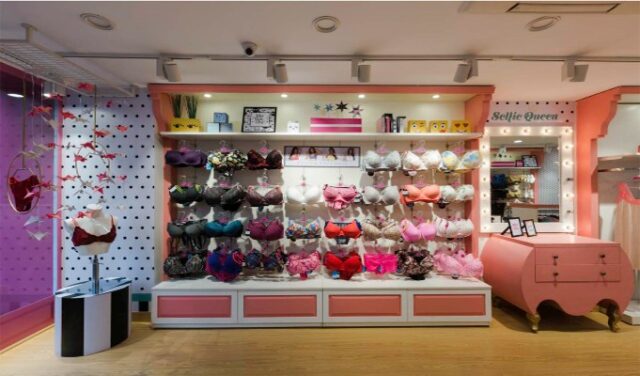
    “Our Noida office is also the central design hub. Designs and raw materials are shipped out to exclusive third party manufacturing units which have been incubated by us and work exclusively with us. Our skillful use of technology helps us ensure the industry’s most efficient mind-to-market and extremely tight inventory management. On the online front, we’ve innovated to deliver some of the best sales conversion rates. These innovations have ensured the company is operationally profitable since inception,” she adds.

    TG & Product Portfolio

    The brand’s target audience includes working women between the ages of 25-35 years and young girls aged between 18 to 24 who are either in college or have just entered the workforce.

    The brand designs, manufactures and sells premium fashion lingerie, innerwear, nightwear and shapewear. Tier II and III contribute to over 60 percent of Clovia’s orders.

    “Clovia has redefined the lingerie market by going beyond standard fits, colours and sizes. We offer customers a wide variety of choices in ‘everyday essentials’, along with ‘fashion solutions’ keeping up with customer’s evolving wardrobes,” says Kant.

    “As a brand which lives on feedback, and iterates its entire portfolio basis that, we are focused on a few major categories for now and have been slowly expanding our category focus. Clovia, started predominantly as a ‘bra & brief’ brand which extended into nightwear, shapewear and loungewear with time and demand. Within the categories, we’ve identified a lot of verticals for example: in bras, we have ranges for beginners and nursing mothers, as well as sizes till 44F. We launch 200+ new options including colours and prints per month across women’s bras, briefs, nightwear, shapewear, lounge wear, resort wear, swim wear, leisure wear and active wear categories,” she explains.

    The brand, which produces all its products in India, offers 2,000+ plus styles across categories.

    Supply Chain & Production Capacity

    Clovia is a full stack lingerie brand that controls every part of its supply chain from mind-to-wardrobe.

    “We procure raw material, design in-house, manufacture in third-party facilities working exclusively for us, ensure our own 4-level quality control and sell through a host of direct sale channels. Every product we create is first made in small quantities, monitored via state-of-the-art backend technology, which predicts future sales (based on sales patterns and customer feedback) and recommends what further quantities should be produced,” states Kant.

    At the moment, the brand is manufacturing almost a million units per month and ship close to 2 million units in a quarter.

    “We deliver pan India across 970 cities and to over 13,000 pin codes,” she says, adding, “Clovia has an established operating infrastructure with a 30,000 sq. ft. capacity warehouse and a wide distribution network with logistic partners pan India.”

    A Technology Forward Company

    Clovia uses smart technology and big data analytics for smart management of inventory ensuring that they have a highly consumer-relevant range all times with high sell-through rates resulting in industry best inventory holding.

    “We have set up a unique distribution system (both online and offline) which is based on direct interaction with customers, getting their direct feedback and using the same in planning the next product range. Big data played a big role here and this led to an extremely strong connect with our customers, leading to creation of a brand on the back of experience and not pure-play marketing,” she says.

    “We use smart technology and big data analytics to plan consumptions and purchase patterns. We stock the maximum number of SKUs in the industry with minimum inventory holding. Also, using technology for geographical understanding of tastes, we’re bringing structure to a traditionally unorganised market,” she further states.

    Future Plans

    The lingerie brand is expanding both in the online and the offline space with equal vigour. The brand is putting in the effort to understand audiences and nuances of each channel to ensure a true Omnichannel experience for customers and sellers. This is the key focus for Clovia over the next five to six quarters.

    “We have been operationally profitable,” she says.

    The brand currently generates around 15 percent of its revenue from offline channels and expects the revenue to witness a 50 percent growth in the current financial year.

    “Clovia gets over 55 percent of its total online sales through its own website which will maintain its share. The rest comes from online marketplaces such as Amazon,” Kant concludes.

  • Don’t Yell At Me starts selling in Hong Kong

    Don’t Yell At Me starts selling in Hong Kong

    Operations director Tony Wang said: “When people visit Don’t Yell At Me, we hope that they are not here just for our teas, but here for our message and the positivity. We hope that through our daily teas will inspire our customers so that they can carry this attitude forward no matter what they are facing.”

  • LOEWE’s 4th store in Korea opens

    LOEWE’s 4th store in Korea opens

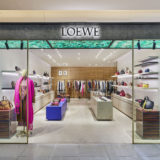
    Spanish brands LOEWE opened a women’s store on the second floor of the Hyundai Department Store. LOEWE is a Spanish leather brand with over 170 years of history and is now attracting the attention of global fashion people, led by designer Jonathan Anderson.

    According to LOEWE, the store is the 4th one to open in Korea, and Loewe plans on developing women’s bags, clothing, accessories and eye-wear in its newly opened store. In addition, the brand will present exclusive products for Hyundai Department Store in commemoration of the store opening.

    The concept of this store is known as ‘Casa Loewe’, designed by Brand Creative Director Jonathan Anderson, using materials such as Spanish limestone, walnut wood and concrete to feature strong mood.

    Eye-catching furniture exclusive to the store are displayed around the space. The brand had a specially-made carpet to show the LOEWE DNA “craftsmanship”.

    With the upcoming holiday season, LOEWE plans on releasing its “Mackintosh” capsule collection. Some items of the collection are exclusive to the Hyundai department store.

    While the newly opened store is one for women, LOEWE opened the men’s store in Galleria department store last October.

    View gallery below for pictures (5 images) :

  • Apple to open (mini) India stores

    Apple to open (mini) India stores

    Apple is about to open its first retail stores in India.

    But unlike in other international markets, the Apple India stores will be a joint venture with local electronics chain, Croma. And they’ll be considerably smaller than elsewhere.

    India has strict laws regulating single brand foreign retailing, which would require Apple to source a percentage of its products’ components within India.

    Media sources in India say the new stores – the first of which will open around the time of next month’s Diwali Festival – will feature the same signature wooden tables and counters of full scale Apple stores elsewhere in the world and staff will be trained in the US.

    Croma, a subsidiary of Infiniti Retail, in turn owned by industrial giant Tata, will open six stores in an initial trial, all in greater Mumbai.

    Infiniti Retail CEO Avijit Mitra said in a statement: “We are proud to partner [with] Apple to launch the Apple Store in India and extremely bullish about it.

    “These stores will be modelled on the global design and will offer the best experience to consumers, showcasing the entire range of Apple products,” he said.

    The first stores will comprise a mere 46 sqm, a fraction of the size of the tech giant’s global flagships, in reality resembling little more than a concession. But it marks a significant strategic step from Apple’s previous india strategy of selling through authorised resellers or mobile phone networks.

    Apple’s iPhone 6s model goes on sale in India this week, with the 16GB version priced at 62,000 rupees, about US$960).

  • Geely Defies Global Expansion Pause with Plans for New Auto Plant in Vietnam

    Geely Defies Global Expansion Pause with Plans for New Auto Plant in Vietnam

    Geely’s ambitious plan is to construct a US$168-million manufacturing plant in northern Vietnam is set to unfold as scheduled, despite broader concerns cast by its chairman and founder, Li Shufu. Just last Saturday, Shufu pointed out the global automotive industry is grappling with a “serious overcapacity,” leading Geely to pause new plant constructions and expansions at existing facilities, according to British news agency Reuters.

    Geely’s Promising Venture in Vietnam

    The Vietnam plant is a collaboration between Geely and local distributor Tasco, with Geely holding a significant 64% stake. Groundbreaking is slated for this quarter in Thai Binh Province, where a sprawling 30-hectare site will eventually operate at a capacity of 75,000 vehicles annually in its initial phase.

    These vehicles will include models from Geely and its Chinese counterpart, Lynk & Co, specifically designed to cater to domestic demand and facilitate exports to countries with free trade agreements with Vietnam. The factory holds the potential for future expansion as it may begin assembling a wider variety of Geely vehicles.

    All cars produced at the plant will be constructed from “completely knocked down” kits—meaning they are assembled from parts sourced from various locations. The first vehicles are expected to hit the Vietnamese market early next year, while Geely currently offers the Coolray CUV imported from Malaysia.

    Geely is a prominent player in China’s automotive sector, boasting a diverse portfolio that includes brands like Zeekr and Galaxy, along with a stake in the premium Swedish manufacturer Volvo. With 22 factories in China and three spread across the globe, Geely’s growth ambitions are clear.

    The Race for Automotive Investment in Vietnam

    Interestingly, Geely isn’t the only Chinese automaker eyeing Vietnam. Chery, another industry titan, plans to break ground on their own factory in Thai Binh Province in the third quarter through its partner Geleximco. With an investment of $800 million, Chery’s venture will focus on producing Omoda and Jaecoo models, with other potential vehicles in the pipeline.

    While Chery sets its sights on this strategic investment, major players such as BYD and SAIC have also explored opportunities in Vietnam but have yet to make significant moves. At present, the majority of Chinese passenger vehicles sold in Vietnam are imported from China, Thailand, or Malaysia.

    In a noteworthy development, the number of Chinese automotive brands in Vietnam jumped to 14 last year, surpassing Japan’s nine for the first time. However, their market presence remains relatively small compared to established Japanese and Korean brands, as well as the domestic contender, VinFast.

    As Geely prepares to roll out its manufacturing plant, the automotive landscape in Vietnam is likely to get even more interesting—where the thrill of competition could soon turn up the heat among industry giants.

    Questions & Answers

    What is Geely’s investment in the Vietnam plant?
    Geely is investing US$168 million in its new manufacturing facility in northern Vietnam.

    What models will be produced at the new plant?
    Initially, the factory will produce vehicles from Geely and Lynk & Co, catering to both domestic and export markets.

    When will the first vehicle arrive for Vietnamese consumers?
    The first vehicle is expected to be available to Vietnamese customers early next year.

  • One-Third of Asian Companies Set Their Sights on Expanding Trade with South Asia

    One-Third of Asian Companies Set Their Sights on Expanding Trade with South Asia

    According to a comprehensive 2025 survey conducted by HSBC, over a third of Asian companies are shifting their trade focus towards South Asia and Europe, while more than a quarter are scaling back their dealings with North America. The poll, encompassing over 2,750 international firms across seven Asian markets, reveals a striking trend: around 83% of respondents have begun reevaluating their long-term business strategies in light of recent changes in trade policies.

    This seismic shift in approach is fueled by a pervasive sense of uncertainty, with 81% of businesses expressing increased caution regarding expansion and investments. Amid these challenges, many Asian firms are bracing for an average revenue decline of 18% due to persistent supply chain delays. Aditya Gahlaut, the region head of Global Trade Solutions, Asia at HSBC, notes, “In the face of trade uncertainty, numerous companies are hitting the pause button on capital expenditure to better assess the evolving landscape.” His insights hint that while capital expenditures may take time to devise, one constant remains: “Wherever trade flows, investment follows.”

    Breaking down the numbers, 38% of Asian firms are eager to boost trade with South Asia, while 36% are targeting increased business with Europe. Interestingly, North America presents a mixed bag; although 28% intend to decrease trade with the region, a separate 23% still pursue greater engagement. The survey further indicates that over the next two years, more than half of Asian firms (52%) are considering or actively moving production to, or increasing production in, China. Following closely behind, 39% are eyeing South Asia, with Europe at 35%, the US at 29%, and the Middle East at 28%.

    However, rising costs are casting a shadow over this new trade landscape, with 51% of firms expressing concerns linked to tariffs and other trade-related expenses. A significant number (34%) have already adjusted prices to offset these increased costs, and another 51% plan to follow suit. In a world of shifting trade dynamics, it seems companies are not only navigating the currents but also learning to ride the waves.

    Questions & Answers

    What percentage of Asian companies are planning to increase trade with South Asia? 38% of Asian firms are looking to enhance their trade relations with South Asia.

    How many firms expressed concern about rising costs? Over 51% of Asian companies are worried about increased costs due to tariffs and trade-related factors.

    What trend is observed regarding North American trade? While 28% of firms plan to reduce trade with North America, 23% remain optimistic and seek to expand their business in the region.

  • Alo Yoga Launches First Store in the Philippines, Expanding Its Global Reach

    Alo Yoga Launches First Store in the Philippines, Expanding Its Global Reach

    Alo Yoga’s Southeast Asian Adventure Begins

    Global wellness and lifestyle brand Alo Yoga has officially made its mark in the Philippines with the grand opening of its debut store at Greenbelt 5. Spanning an impressive 235.5 square meters, the flagship store showcases Alo Yoga’s extensive range of premium activewear and lifestyle apparel for women, men, and unisex enthusiasts alike.

    This milestone not only highlights Alo Yoga’s commitment to luxury activewear but also cements its status as a leader in holistic wellness across Southeast Asia.

    The opening event, hosted in collaboration with SSI Group, Inc., attracted Manila’s luminaries from the worlds of fashion, wellness, and vibrant content creation, making it a sparkling affair to remember. Best of all? The store is officially open for business!

    Questions & Answers

    What product range is available at the new Alo Yoga store?
    Alo Yoga’s new store features a comprehensive collection of premium activewear and lifestyle apparel suitable for women, men, and unisex.

    Who partnered with Alo Yoga for the store opening event?
    The opening event was organized in collaboration with SSI Group, Inc., bringing together Manila’s fashion, wellness, and content creation elite.

    When did the Alo Yoga store officially open its doors?
    The store is now officially open to the public, welcoming customers to explore its offerings and indulge in the brand’s luxurious lifestyle.

  • Lumen Capital Welcomes Former UBS Executives to Enhance Its Dynamic Team

    Lumen Capital Welcomes Former UBS Executives to Enhance Its Dynamic Team

    In an exciting development for the financial services landscape in Switzerland, former UBS executives are joining the dynamic team at Lumen Capital, an independent asset management firm based in Zurich. This move signifies Lumen Capital’s ambitious growth strategy as it seeks to enhance its offerings in wealth management.

    Wealth Management Expertise Taking Center Stage

    Leading the charge is Haas, who brings more than two decades of experience in wealth management, both within Switzerland and on an international scale. Since kicking off his career in 2004 with UBS’s international wealth management division, he has amassed a wealth of knowledge that places him in a prime position to contribute to Lumen Capital’s success.

    From 2010 to 2014, he played a pivotal role in establishing a private bank in Zurich, managing its private banking operations. Following this venture, he dedicated a decade to advising affluent Swiss clients at UBS as a Senior Client Advisor, eventually taking the helm as Team Leader. “At Lumen Capital, I can offer my clients tailored, conflict-free advice. Active listening is key for me to fully grasp their needs,” Haas explained, painting a picture of client-centric service.

    His academic credentials include a Master’s degree in Economics from the University of St. Gallen and a Chartered Alternative Investment Analyst (CAIA) diploma. Additionally, he is recognized as a Certified Wealth Management Advisor (CWMA) for the Swiss market—a trifecta of qualifications that bolsters his expertise.

    A Fresh Voice in Lumen’s Advisory Board

    In an equally exciting development, Lumen Capital has welcomed Matthias Krauland to its Advisory Board. A distinguished figure in the financial realm, Krauland previously held positions at UBS before moving to Deutsche Bank, where he continues to lend his insights as an Advisor.

    Boasting more than 18 years at Eisenmann SE, where he served as CEO for over twelve years and is now Chairman of the Board, Krauland brings a wealth of experience from the world of manufacturing, particularly serving the automotive industry from his base in Böblingen, Germany. His diverse background enriches Lumen Capital’s strategic direction, melding finance with industrial insights.

    This intriguing mix of talent at Lumen Capital promises a robust and innovative approach to asset management that could change the game in the Swiss market.

    Questions & Answers

    What is Lumen Capital’s strategy for growth? Lumen Capital aims to expand its service offerings by leveraging the extensive experience of its newly appointed team members, focusing on tailored, conflict-free wealth management.

    Who is leading the wealth management efforts at Lumen Capital? Haas, with his rich background of over 20 years in wealth management, is spearheading wealth management at Lumen Capital, emphasizing individualized client experiences.

    How does Matthias Krauland contribute to Lumen Capital? As an Advisory Board member, Krauland provides strategic insights drawn from his extensive experience in the financial sector and as an industry leader at Eisenmann SE.

  • Trip.com Sets Sights on Expanding Its Horizons in Vibrant Vietnam Travel Market

    Trip.com Sets Sights on Expanding Its Horizons in Vibrant Vietnam Travel Market

    In a bold push toward expansion, Trip.com Group has set its sights on Vietnam, Indonesia, and the Philippines, said Boon Sian Chai, managing director and vice president of international markets, during a recent event. This ambitious growth phase emphasizes enhancing services and ramping up their workforce in Vietnam.

    New Offices in Vietnam

    “We’ve opened an office in Hanoi in the past year and are looking into establishing another one in Da Nang, if feasible,” Chai revealed. Trip.com has been steadily enhancing its offerings in Vietnam, which include hotel bookings, flight tickets, and tours, since before the pandemic.

    Impressive Market Position

    With a market cap surpassing US$43 billion, Trip.com ranks third after Booking Holdings and Airbnb. The company’s presence in Vietnam has notably intensified in 2024 through strategic investments and partnerships, including a recent $10 million stake in M Village, a hotel chain founded by former Coffee House CEO Nguyen Hai Ninh. “This is currently the most efficient hotel chain on our platform,” Chai noted.

    Strategic Partnerships and Growth Opportunities

    In addition to its investment in M Village, the company forged alliances with Vietjet and established a strategic partnership with Vinpearl. During a meeting with Vietnamese Prime Minister Pham Minh Chinh at the World Economic Forum in Davos, Switzerland, Trip.com CEO Jane Sun expressed a keen interest in exploring more investment opportunities within Vietnam’s thriving tourism landscape.

    The Booming Tourism Sector

    The motivation behind this focus lies in the flourishing tourism sector. In the first four months of 2025, Vietnam welcomed 7.67 million foreign visitors, marking a 23.8% increase compared to the same period last year, according to the General Statistics Office. Notably, China topped the list of source markets with 1.95 million visitors, accounting for 25.4% of total arrivals.

    “Demand for travel to Vietnam has surged by nearly triple digits in our observation,” Chai asserted, adding that key markets contributing to this growth include South Korea, Russia, Taiwan, and China. Customers have expressed high satisfaction with the services available in Vietnam.

    Future Projections

    As per Google, Temasek, and Bain & Company, Vietnam’s online travel market is experiencing double-digit growth, expected to rise from US$4 billion in 2023 to US$5 billion in 2024. Indian market researcher Mordor Intelligence highlights Vietnam’s position among the top five in the Asia-Pacific travel market, with potential to reach an estimated US$10 billion by the end of the decade. Yet, Chai cautioned that Vietnam poses unique challenges, particularly concerning language and payment systems.

    “Nonetheless, we are committed to investing in this market to foster growth, attract international tourists to Vietnam, bolster domestic tourism, and facilitate outbound travel,” he concluded. With a footprint in 39 markets, Trip.com reported revenues of CNY53.29 billion (US$7.5 billion) in 2024, showcasing a robust 19.7% increase from the previous year.

    As travelers dig through Vietnam’s rich culture and stunning landscapes, Trip.com is poised to make quite an impression—will they start offering guided tours by elephants next?

    Questions & Answers

    What is Trip.com Group’s growth strategy in Vietnam?
    Trip.com aims to expand its services and workforce in Vietnam, including the establishment of new offices in major cities.

    How significant is Trip.com’s market position?
    With a market cap of over US$43 billion, Trip.com is the third-largest player in the online travel market, following Booking Holdings and Airbnb.

    What challenges does Trip.com face in Vietnam?
    The company faces unique challenges, particularly related to language barriers and payment methods, but remains committed to investing in the Vietnamese market.

  • CJ Foods Expands Global Footprint with New Mandu Factory in Japan

    CJ Foods Expands Global Footprint with New Mandu Factory in Japan

    In an ambitious move to expand its culinary footprint, South Korea’s CJ Foods has announced a significant investment of approximately $73 million (KRW 100 billion) to establish a new mandu (Korean dumpling) factory in Chiba Prefecture, Japan. This state-of-the-art facility will cover 42,000 square meters and is equipped with cutting-edge production lines. Construction is on track to wrap up by July, with production slated to kick off in September.

    Strengthening Its Presence in Japan

    This initiative is designed to enhance CJ Foods’ presence in Japan’s lucrative frozen dumpling market, which boasts an impressive annual value of around $800 million (JPY 114 billion). The factory will be churning out popular items such as bibigo mandu, alongside innovative convenience products aimed at nationwide distribution.

    A Blossoming Market for Korean Cuisine

    Japan is a crucial market for CJ Foods, where beloved offerings like bibigo mandu and gimbap are already available at major retailers such as AEON, Costco, Amazon, and Rakuten. Notably, in 2023, bibigo gimbap sold 2.5 million units in Japan, showcasing the growing appetite for Korean cuisine.

    Global Expansion Plans

    But the excitement doesn’t stop in Japan. CJ Foods is also pushing the envelope with plans for a new factory in Hungary by late 2026 and a grand Asian food complex in South Dakota, USA, set to debut in 2027. Currently, the company operates 20 plants across the United States, four mandu factories in Japan, and production bases in Germany, Vietnam, and Australia.

    This expansion strategy underscores CJ Foods’ mission to elevate its global K-food business by boosting local production capacity and satisfying the surging demand for its delectable offerings. And with this rapid growth, one can’t help but wonder what tasty delights CJ Foods will dream up next!

    Questions & Answers

    • What type of products will the new factory in Japan produce? The factory will produce popular items like bibigo mandu and other convenience products for nationwide distribution.
    • When will production at the new factory begin? Production is expected to start in September, following the completion of construction in July.
    • Where else is CJ Foods expanding aside from Japan? CJ Foods is planning to open a new factory in Hungary by late 2026 and is developing a large Asian food complex in South Dakota, USA, projected to open in 2027.
  • Vietjet Expands Fleet with Exciting Order of 20 Airbus A330neo Wide-Body Aircraft!

    Vietjet Expands Fleet with Exciting Order of 20 Airbus A330neo Wide-Body Aircraft!

    The signing ceremony held on Monday brought together Vietnamese State President Luong Cuong and French President Emmanuel Macron, marking a significant milestone during the latter’s state visit to Vietnam. This pact paves the way for Vietjet to expand its international route network across the Asia-Pacific region, ramping up operations on high-demand routes while laying the groundwork for future long-haul services to Europe.

    Fueling Modernization and Growth

    Vietjet Chairwoman and CEO Nguyen Thi Phuong Thao emphasized that the modern Airbus aircraft, known for their advanced performance and fuel efficiency, play a crucial role in Vietjet’s growth journey. She reaffirmed the airline’s commitment to a long-term investment in a contemporary fleet, aiming to enhance economic and technological ties between Vietnam and France.

    A Leap Forward in Orders

    President Wouter van Wersch of Airbus International proudly announced Vietjet’s rise as one of the globe’s fastest-growing airlines. The latest agreement sees Vietjet doubling its confirmed orders for the A330neo family to a staggering 40 aircraft. In addition, the airline already has an order for 96 single-aisle aircraft from the A320neo family, and currently operates an all-Airbus fleet of 115 planes, including 108 from the A320 family and seven A330-300s.

    A330-900: The Avionics Marvel

    The A330-900, boasting the state-of-the-art Rolls-Royce Trent 7000 engines, poses an impressive maximum range of 13,300 kilometers. With Airbus’s award-winning Airspace cabin design, passengers can expect an elevated flying experience characterized by increased comfort, ample space, and exquisite design features such as larger personal areas, expanded overhead storage, advanced lighting, and top-tier in-flight entertainment and connectivity systems.

    Sustainability Takes Flight

    As of April 2025, the A330 family has secured over 1,800 confirmed orders from more than 130 customers globally. Like all Airbus aircraft, the A330neo is capable of operating on blends of up to 50% sustainable aviation fuel (SAF), with ambitions of achieving 100% SAF capability by 2030, taking sustainability to new heights.

    Expanding Horizons

    Vietjet’s A330 fleet is currently deployed on international routes to Australia, India, and Kazakhstan, offering premium travel options, especially in business class. This significant expansion will empower the airline to reach new destinations and adapt to the evolving travel demands of passengers around the world.

    Questions & Answers

    What recent agreement did Vietjet sign during President Macron’s visit?
    Vietjet signed a significant contract to double its confirmed orders of the A330neo family to 40 aircraft, enhancing its fleet’s capabilities.

    How does the A330-900 enhance passenger experience?
    The A330-900 features the award-winning Airspace cabin, providing an improved flying experience with greater comfort, personal space, and advanced entertainment options.

    What is Vietjet’s commitment towards sustainability?
    Vietjet aims to utilize sustainable aviation fuel, planning to achieve 100% capability by 2030, while currently accommodating blends of up to 50% SAF in their operations.

  • Myntra Launches ‘Myntra Global’ as it Expands into the Singapore Market

    Myntra Launches ‘Myntra Global’ as it Expands into the Singapore Market

    Indian e-commerce powerhouse Myntra has made a splash in Singapore with the launch of Myntra Global, its first foray into the international market. This strategic move aims to cater to the vast Indian diaspora in the city-state, which numbers around 650,000 individuals, by offering a diverse selection of Indian fashion and lifestyle products.

    A Treasure Trove of Indian Styles

    With a staggering 35,000 styles from 100 renowned Indian brands, including favorites like Aurelia, Global Desi, Libas, W, House of Pataudi, and Chumbak, Myntra is set to create waves. Shoppers can explore categories that span apparel, footwear, home décor, and accessories—all designed to resonate with the cultural sensibilities of the Indian community in Singapore.

    Organic Growth Sparks Expansion

    Before the official launch, Myntra witnessed an impressive organic interest from Singapore, attracting nearly 30,000 users eager for Indian styles. The company’s ambition is to provide not just a shopping platform, but a seamless and dependable experience that answers the demand for culturally-rich fashion.

    Championing ‘Made in India’

    This expansion underscores Myntra’s long-term vision to tap into new consumer markets while enhancing global visibility for Indian brands. Furthermore, it aligns with India’s larger initiative to promote ‘Made in India’ products on an international scale, showcasing the rich cultural tapestry of Indian fashion.

    So, Singaporean shoppers, prepare yourself! You might just find yourself falling head over heels for styles that blend tradition with contemporary flair.

    Questions & Answers

    What types of products will Myntra Global offer in Singapore?

    Myntra Global will feature a variety of products, including apparel, footwear, home décor, and accessories from popular Indian brands.

    How many styles can customers expect from different brands?

    Shoppers can look forward to an impressive collection of about 35,000 styles from 100 diverse Indian brands.

    What is Myntra’s broader goal with this international expansion?

    The expansion is part of Myntra’s strategy to reach new customer bases, increase global visibility for Indian brands, and promote ‘Made in India’ products worldwide.

  • Shakey’s Pizza Sets Ambitious Goal: 430 New Locations Planned for 2025 Expansion

    Shakey’s Pizza Sets Ambitious Goal: 430 New Locations Planned for 2025 Expansion

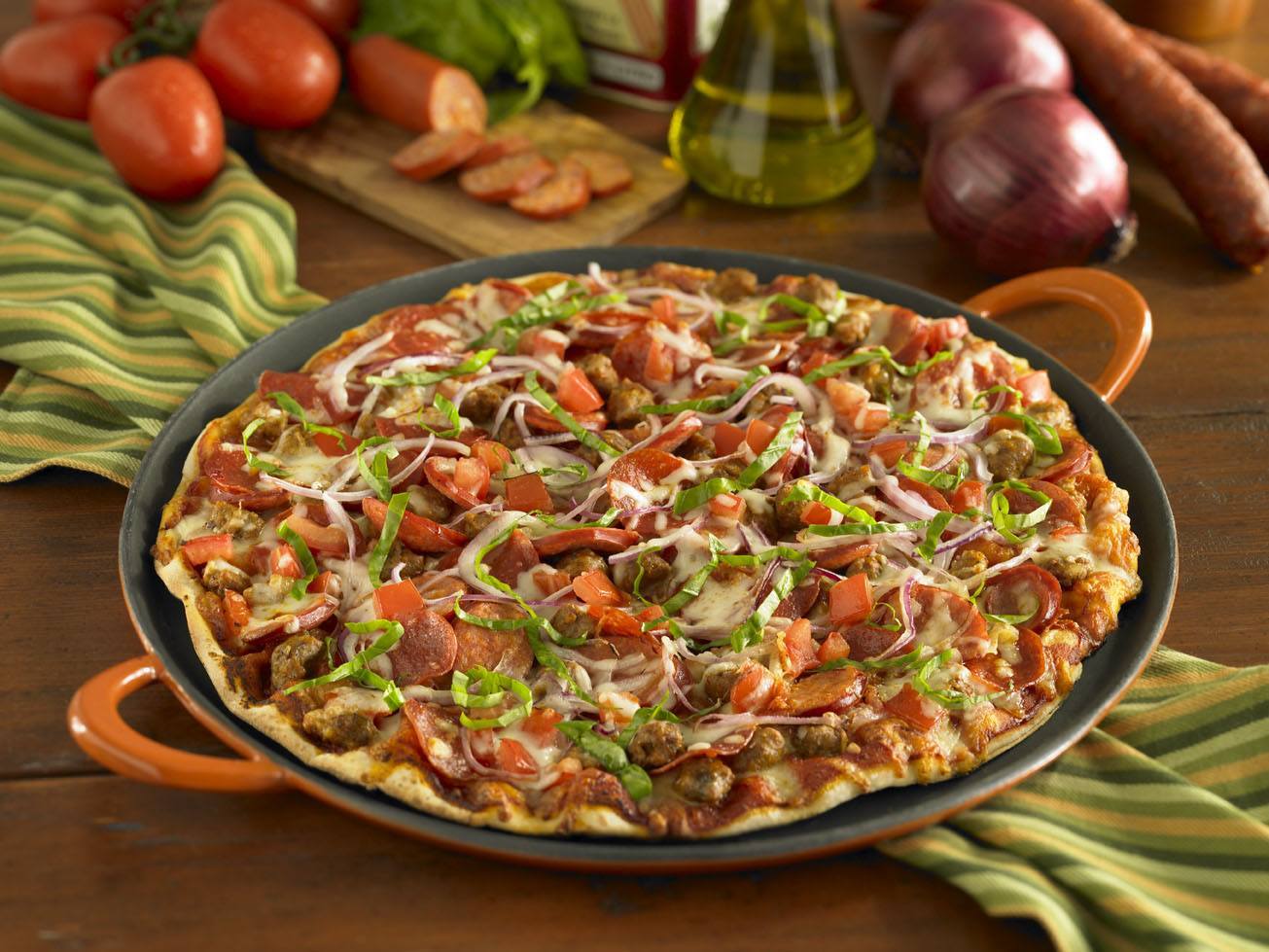
    Shakey’s Pizza Asia Ventures Inc. (SPAVI) is on a sizeable growth trajectory, aiming to launch an impressive 430 new stores this year. Following the first quarter, the company reported a global total of 2,671 stores, buoyed by the addition of 52 outlets primarily under the popular Potato Corner brand.

    Since Q1 2024, SPAVI has expanded its footprint with 439 new openings, including 130 international locations, bringing its overseas branches to nearly 20% of its total network. This push means more pizza lovers can enjoy their slices far and wide!

    During the first quarter, SPAVI announced a net income after tax of PHP182 million—a tantalizing 6% increase from the previous year. Same-store sales also saw a positive uptick, growing by 2%, or an adjusted 4% considering the leap year and the early Easter holiday in 2024. The company has also rolled out its 50th anniversary campaign, which aims to attract even more customers as they celebrate this milestone.

    Looking ahead, SPAVI remains optimistic about reaching its ambitious targets for double-digit revenue and profit growth by 2025. One can almost hear the pizza ovens heating up in anticipation!

    Questions & Answers

    What is the total number of stores SPAVI plans to open this year?
    SPAVI is poised to open 430 new stores in 2024.

    How much was the net income after tax for Q1 2024?
    The company reported a net income of PHP182 million for the first quarter.

    What percentage of SPAVI’s network is made up of international branches?
    International branches now account for nearly 20% of SPAVI’s total store network.

  • Lalamove Expands Horizons: Launches Into the Ride-Hailing Market

    Lalamove Expands Horizons: Launches Into the Ride-Hailing Market

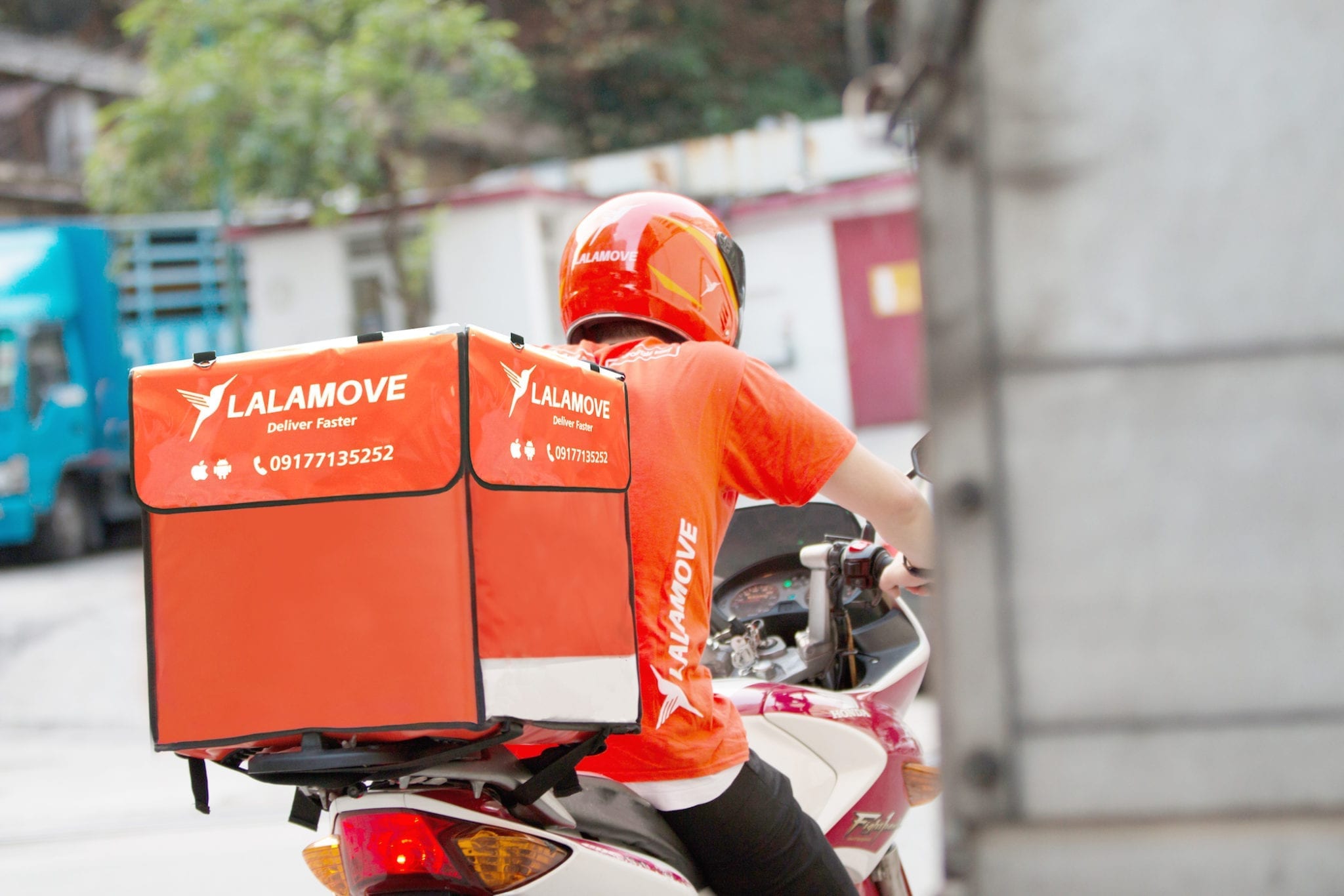
    The exciting landscape of ride-hailing in Vietnam just got a little more dynamic. Lalamove, a Hong Kong-based logistics company, recently launched its ride-hailing services in Ho Chi Minh City, which are available for both motorbike and car rides (four- and seven-seaters) through the Lalamove app.

    Nguyen Hai Dang, CEO of Lalamove Vietnam, expressed the company’s commitment to meeting consumer demand for more affordable travel options while simultaneously enhancing driver incomes. Although he remained tight-lipped about the fleet size, he did hint at plans to expand these services to other regions shortly.

    Founded in Hong Kong in 2013, Lalamove has established a strong footprint across 14 markets, including Asia, Europe, and beyond. Since its entry into the Vietnamese market in 2017, the company has primarily focused on round-the-clock delivery services catering to both individuals and businesses, particularly in Ho Chi Minh City. Lalamove also boasts ride-hailing services in countries like Indonesia, Thailand, and the Philippines.

    The growth potential in Vietnam’s ride-hailing and delivery markets is impressive. According to the “e-Conomy SEA 2024” report from Google, Temasek, and Bain & Company, the market is expected to soar from US$4 billion in 2024 to a whopping $9 billion by 2030. Furthermore, Mordor Intelligence predicts that the passenger transport market alone will grow from $1.05 billion this year to $2.56 billion by 2030.

    The competitive landscape is rapidly evolving, with established players such as Grab, Xanh SM, be, and Tada jostling for market share. Xanh SM currently leads the ride-hailing segment with a commanding 39.85% market share, closely followed by Grab at 35.57%. As Mordor Intelligence points out, this growth can be attributed to factors such as rapid urbanization, the demand for convenient mobility solutions, and a tech-savvy younger generation, all amidst an influx of tourists in Vietnam.

    Yet the competition is fierce. The Google report highlights how local companies are making significant strides, impacting even Gojek’s decision to exit Vietnam in September 2024. “Competition is expected to heat up, potentially transforming the industry and speeding up the transition to electric vehicles,” it notes.

    Safety and affordability are vital in users’ service preferences, especially for motorbike rides, according to a survey by Q&Me, an online market research platform. Other factors that weigh in include respectful drivers, quick response times, ease of booking, and overall vehicle quality.

    As Lalamove gears up to make waves in this vibrant market, the question arises: will it be smooth sailing or a bumpy ride ahead?

    Questions & Answers

    What services is Lalamove launching in Ho Chi Minh City?
    Lalamove is introducing ride-hailing services for motorbikes and four- and seven-seat cars, available for booking via the Lalamove app.

    What are the growth projections for Vietnam’s ride-hailing market?
    The ride-hailing and delivery market in Vietnam is anticipated to grow from US$4 billion in 2024 to $9 billion by 2030, while the passenger transport market is expected to expand from $1.05 billion to $2.56 billion in the same timeframe.

    Which companies are the major players in Vietnam’s ride-hailing market?
    Key participants include Grab, Xanh SM, be, and Tada, with Xanh SM currently leading the market share, closely followed by Grab.

  • Vietnam Airlines Eyes Ambitious Expansion with Demand for 50 New Aircraft

    Vietnam Airlines Eyes Ambitious Expansion with Demand for 50 New Aircraft

    Vietnam Airlines is soaring to new heights, aiming to bolster its fleet with a minimum of 50 additional aircraft as part of a robust strategy to expand its operations amidst a global jet shortage. During an extraordinary general meeting on Thursday, Chairman Dang Ngoc Hoa revealed that these acquisitions are vital for the airline’s recovery from the pandemic, as it prepares to launch or resume services on 15 international routes this year.

    As part of its ambitious plans, the state-owned carrier recently received government approval for the procurement of 50 narrow-body aircraft and 10 spare engines, with an eye-popping price tag of nearly US$3.7 billion. Currently boasting a fleet of 100 aircraft, Vietnam Airlines anticipates reaching 137 by 2030 and 164 by 2035.

    However, the clock is ticking. With soaring global demand for commercial aircraft, the airline must act swiftly to place orders that ensure delivery before 2030. Failing to do so may push Vietnam Airlines into a tricky situation, where it will have to lease planes starting in 2027—a scenario none would prefer.

    Adding to the urgency are ongoing technical difficulties with Pratt & Whitney engines, which have grounded 15 narrow-body Airbus A321 aircraft while four wide-body Airbus A350 are undergoing maintenance. As a result of this aircraft shortage, the remaining planes are working overtime, averaging 11.5 flight hours each day—a significant jump from the pre-Covid average of 10 hours.

    In a nod to its expansion ambitions, shareholders have also endorsed a move for Vietnam Airlines to issue more shares, raising VND22 trillion (approximately $848 million) in 2025 and 2026.

    With eyes set firmly on the future, the airline not only hopes to strengthen its fleet but also to reclaim its position as a key player in the competitive skies.

    Who knew managing a fleet could be as complex as a game of chess?

    Questions & Answers

    What is the purpose of Vietnam Airlines’ plan to acquire new aircraft?
    The plan to acquire new aircraft aims to support the airline’s ambitious expansion plans and boost its recovery post-Covid by launching or resuming services on 15 international routes this year.

    What approval did Vietnam Airlines recently receive?
    Vietnam Airlines received government approval for the purchase of 50 narrow-body aircraft and 10 spare engines at a cost nearing US$3.7 billion.

    How many aircraft does Vietnam Airlines currently operate?
    The airline currently operates a fleet of 100 aircraft and plans to expand to 137 by 2030 and 164 by 2035.