Tag: expansion

  • Aeon Plans 100 Large Retail Stores in Vietnam by 2030

    Aeon Plans 100 Large Retail Stores in Vietnam by 2030

    Aeon Targets 100 Large-Scale Stores in Vietnam by 2030: A Major Brand Expansion in Retail News

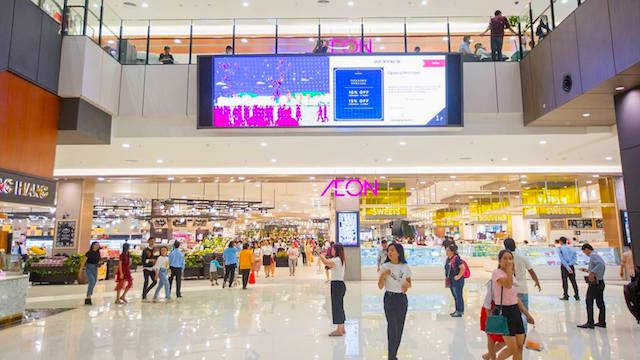
    Japan’s leading retailer, Aeon, is setting its sights on a substantial growth trajectory in Vietnam, with ambitious plans to establish 100 large-scale supermarkets and general merchandise locations by 2030. This expansion marks a significant eightfold increase in its footprint across the country and aims to redefine the retail landscape.

    Expanding the Retail Experience

    In a strategy driven by rising consumer demand, Aeon intends to introduce a novel concept of “super-supermarkets” that seamlessly blend grocery shopping with general merchandise offerings. These stores will feature food courts and beauty sections, enhancing the shopping experience for Vietnamese consumers.

    Yasuyuki Furusawa, who has recently transitioned to President of Aeon Retail, emphasized the need for this expansion to stay competitive against other key players in the market, such as Thailand’s Central. In addition to the larger stores, Aeon is also planning to grow its network of smaller grocery outlets, targeting an extensive reach of 200 locations throughout Vietnam.

    Current Operations and Future Plans

    As of February 2025, Aeon operates 12 general merchandise stores in Vietnam—including three super-supermarkets—and 36 standard supermarkets, which includes the Citimart stores managed by its subsidiary. With a strategic investment of approximately $1.5 billion over the past decade, Vietnam has become Aeon’s second most crucial market after Japan.

    In 2024, Aeon Mall reported a profit of JPY 4.23 billion (around $29.6 million) from its Vietnamese operations, achieving revenues of JPY 17.3 billion. This success positions Vietnam as Aeon’s top-performing market in Southeast Asia and the second largest after China, underscoring the country’s potential for retail growth.

    Retail Landscape in Vietnam

    Vietnam’s retail sales recorded an impressive 8% increase, totaling VND 4.92 quadrillion last year, capturing the attention of international brands, particularly Japanese firms. According to a survey conducted by the Japan External Trade Organization (Jetro), over 60% of Japanese companies operating in Vietnam reported profitability in 2024, the highest rate seen in five years. Additionally, about 56% of these businesses plan to expand their operations within the next two years, highlighting a robust demand for growth in the region.

    Ozasa Haruhiko, the chief representative of Jetro Hanoi, commented, “This is the highest rate in ASEAN, indicating that Vietnam has one of the strongest potentials for growth.”

    Conclusion: A Shift in Consumer Trends

    Aeon’s significant investment and expansion plans could reshape Vietnam’s retail sector, enhancing consumer choice and access to high-quality products. As the company reinforces its presence, consumers can expect a retail experience that combines convenience with a variety of options, signalling positive growth in the industry.

    Questions & Answers

    1. What are Aeon’s expansion plans in Vietnam? Aeon plans to increase its network to 100 large-scale supermarkets and general merchandise stores by 2030, alongside growing its smaller grocery outlets to 200 locations.
    2. How has Aeon’s performance been in the Vietnamese market? Aeon reported a profit of JPY 4.23 billion ($29.6 million) from its Vietnamese operations last year, making it the top-performing market in Southeast Asia for the brand.
    3. What trends are influencing retail in Vietnam? Vietnam’s retail sales rose by 8% last year, attracting international brands, particularly from Japan. A significant percentage of Japanese businesses reported profitability and plan to expand operations, highlighting a strong market potential.
  • CapitaLand Development Expands Presence in Thriving Vietnam Market

    CapitaLand Development Expands Presence in Thriving Vietnam Market

    CapitaLand Development (CLD) has officially partnered with Vingroup Joint Stock Company, marking a significant step in the collaborative efforts towards large-scale urban development within Vietnam. The partnership, unveiled at a signing ceremony led by CLD CEO Jonathan Yap and Vingroup chairman Pham Nhat Vuong, is expected to channel extensive capital into the Vietnamese real estate market, enhances both companies’ roles amid increasing consumer demand for modern living spaces.

    Doubling Down on Investment

    Tan Wee Hsien, CEO of CLD Vietnam and International, emphasized Vietnam’s critical role as a core market alongside Singapore and China. With a strategic vision to more than double its capital investment in Vietnam over the next five years, the partnership looks set to bolster CLD’s influence in the nation’s evolving real estate landscape. “By merging Vinhomes’ local expertise with CLD’s regional know-how in design and asset management, we are well-equipped to meet the growing demands for quality urban living,” Tan stated.

    Elevating Vinhomes’ Urban Development Strategy

    According to Nguyen Dieu Linh, vice chairwoman of Vingroup and board member of Vinhomes, this collaboration is pivotal for executing Vinhomes’ ambitious development strategy. By aligning efforts with CLD, the partnership aims to create high-quality urban spaces that foster livable, modern communities reflective of international standards.

    Introducing The Fullton: A New Residential Milestone

    In tandem with the announcement, CLD debuted The Fullton, its inaugural low-rise residential project located in the burgeoning Hung Yen Province, part of the expansive Vinhomes Ocean Park 3 complex. With a residential development portfolio now exceeding 19,000 units across 19 projects in Vietnam, The Fullton showcases a commitment to quality living solutions.

    Strategic Location and Diverse Offerings

    Situated just east of Hanoi, The Fullton boasts excellent connectivity to major infrastructure routes, including National Highway 5A and the forthcoming Tran Hung Dao Street. The project will comprise various residential options such as shophouses, cluster villas, and single villas set within a gated community, catering to a multitude of lifestyles and preferences.

    Spanning 25 hectares and developed in two phases, The Fullton’s first phase will offer 342 units with completion aimed for 2026, while an additional 350 units will follow in the second phase by 2027. The development will include a Central Park and an array of amenities designed to enrich the quality of life for its residents.

    Designing for a Sustainable Future

    An eco-conscious design philosophy underpins The Fullton, featuring terraced landscaping that harmonizes with Vietnam’s natural terrain. By integrating green spaces, CLD emphasizes a commitment to livability and sustainability within the residential framework.


    This partnership represents a significant advancement in urban development, promising to enhance the quality and availability of housing options in Vietnam. As brands like CLD and Vingroup expand their presence, consumers can anticipate improved, sustainable living environments that cater to modern lifestyles.

    Questions & Answers

    1. What is the purpose of the partnership between CapitaLand Development and Vingroup? The partnership aims to explore joint ventures in urban development and significantly increase CLD’s capital investment in Vietnam over the next five years.
    2. What is The Fullton project and its significance? The Fullton is CLD’s first low-rise residential project in Hung Yen Province, which expands their portfolio by adding a diverse range of over 19,000 residential units in Vietnam.
    3. How does The Fullton plan to integrate sustainability into its design? The Fullton will feature terraced landscaping inspired by Vietnam’s natural environment, with ample green spaces incorporated into residential living to promote sustainability and a quality lifestyle.
  • Vincom Mega Mall Ocean City Launches Exciting AEON Supermarket & General Merchandise Store

    Vincom Mega Mall Ocean City Launches Exciting AEON Supermarket & General Merchandise Store

    AEON General Merchandise Store & Supermarket Set to Open at Vincom Mega Mall Ocean City: A New Era for Retail in Hanoi

    In a move poised to reshape the retail landscape in Hanoi, Vincom has announced the grand opening of AEON General Merchandise Store & Supermarket within its Vincom Mega Mall Ocean City. This expansive 7,550 square meter store represents the inaugural collaboration between AEON and Vincom, highlighting an ambitious strategy for brand expansion in one of northern Vietnam’s most dynamic commercial zones.

    Strategic Collaboration Enhances Retail Offerings

    Vincom is already a well-established name in retail real estate, partnering with leading brands such as WinMart, Co.opXtra, and Annam Gourmet to create seamless shopping experiences nationwide. The addition of AEON’s General Merchandise Store aligns with Vincom’s commitment to diversify its tenant portfolio and elevate consumer experiences, reinforcing emerging consumer trends in Vietnam’s retail sector.

    Hagino Tatsuya, Senior Director of Project Development and Construction at AEON Vietnam Co., Ltd., expressed enthusiasm at the partnership, stating, “We aim to deliver a comprehensive, modern shopping and leisure destination that promotes a safe, convenient, and high-quality retail environment.” He added that this collaboration marks a promising start for future joint projects that will benefit the community.

    Transformative Consumer Experience at Ocean City

    Vincom Mega Mall Ocean City is pioneering the One-Stop Shoppertainment model, strategically located in the rapidly growing Ocean City mega-urban complex. With an existing population of over 70,000 and projections of reaching 300,000, the mall is on track to become a vibrant hub for consumption, entertainment, and community engagement.

    Spanning nearly 70,000 square meters, Vincom Mega Mall Ocean City is designed to not only meet retail needs but also provide an integrated venue for cultural, culinary, and leisure experiences. By fostering brand-customer engagement through its experiential offerings, the center is set to become a premier destination in the region.

    Innovative Amenities Cater to Diverse Audiences

    In addition to AEON, Vincom Mega Mall Ocean City will host notable brands such as CGV Cinemas, Phuong Nam Book City, S.Fitness, and Kidzoona. The project is set to impress with unique amenities that are unprecedented in Vietnamese shopping centers, including the VinPalace Theater, offering a 4,100-seat venue for international concerts and community events, a luxurious Korean-style spa, and Gourmet Avenue, featuring a variety of gourmet international dining options.

    The VinPalace Theatre, located on the third floor, is envisioned as a dedicated performance space that celebrates Vietnamese culture while inviting global audiences to enjoy curated arts experiences enhanced by state-of-the-art technology.

    A Promising Future for Retail in Hanoi

    The strategic decisions made by AEON General Merchandise Store & Supermarket, along with other international brands looking to join Vincom Mega Mall Ocean City, highlight the burgeoning potential of Hanoi’s eastern corridor. This collaboration reinforces Vincom Retail’s commitment to comprehensive investment strategies that resonate with the evolving preferences of Vietnamese consumers. As the retail landscape continues to evolve, the collaboration promises to set new standards and enrich the shopping experience for both residents and visitors in Hanoi.

  • A&M Boosts Brand Growth with New Permanent Office in Vietnam

    A&M Boosts Brand Growth with New Permanent Office in Vietnam

    Alvarez & Marsal (A&M) has officially inaugurated its new office in Ho Chi Minh City, enhancing its presence in Southeast Asia. This strategic move comes as Vietnam emerges as a key market characterized by substantial economic transformation and evolving consumer trends, particularly in financial services, retail, and manufacturing sectors.

    A Strategic Expansion Into a Thriving Market

    As A&M broadens its influence throughout Southeast Asia, with established offices in Australia, Singapore, Indonesia, and Malaysia, the firm identifies Vietnam as a vital hub ripe with opportunities. “Vietnam has reached a pivotal moment in its economic journey,” said Utsav Garg, Managing Director and Head of Southeast Asia and Australia. “Our decision to establish a permanent presence in the country reflects our belief in Vietnam’s long-term growth potential and our commitment to supporting companies in achieving sustainable success.”

    Addressing the Complexities of Business Growth

    With Vietnam increasingly integrating into global supply chains, local enterprises are recognizing the need for robust advisory support. A&M offers a suite of services focused on corporate transformation, performance enhancement, and restructuring. As Douglas Jackson, Managing Director and Head of Vietnam at A&M, emphasizes, “We do not merely provide recommendations; we engage closely to implement strategies that yield tangible results.”

    Focus on Practical Solutions with a Hands-On Approach

    Differentiating itself from typical consulting firms, A&M’s “Muddy Boots” philosophy champions active collaboration with clients to develop and execute practical solutions. This approach aligns perfectly with Vietnam’s competitive economic landscape, where actionable insights are paramount.

    Jackson noted that the Ho Chi Minh City office has seen about 50% annual growth, underscoring the increasing demand for A&M’s services. The firm is committed to building a robust local workforce by combining Vietnamese talent with global industry experts, ensuring a balance of local insights and international best practices.

    Dedicated to Supporting Vietnam’s Economic Resilience

    The diverse challenges and opportunities in Vietnam—ranging from regulatory changes to digital advancements—necessitate a reliable partner like A&M. With over 300 professionals across Southeast Asia and Australia, including 70 senior directors with significant industry experience, A&M is poised to deliver both strategic insights and practical solutions tailored to the unique market needs.

    Moving forward, A&M’s continued investment in local talent and its dedication to execution will further position the firm as a trusted ally for businesses navigating Vietnam’s dynamic economic landscape. This expansion not only supports A&M’s growth strategy but also speaks to the potential for enhanced resilience and value creation within the retail sector and beyond.

  • IKEA Unveils First Mixed-Use Store in South Korea, Boosting Retail Growth

    IKEA Unveils First Mixed-Use Store in South Korea, Boosting Retail Growth

    IKEA Expands Footprint in South Korea with New Mixed-Use Store

    Dive into IKEA’s latest venture in Seoul as the global home furnishings giant enhances its local presence in a rapidly evolving retail landscape.

    A Strategic Investment in South Korea

    IKEA has officially opened its fifth store in South Korea, a significant milestone that is part of the brand’s ambitious strategy to invest over $341 million (approximately €300 million) in the country. This latest store, located in the Gangdong I-Park The River complex in eastern Seoul, marks IKEA’s first foray into a mixed-use facility, innovatively combining shopping, entertainment, and business spaces.

    Innovative Offerings for Modern Consumers

    The IKEA Gangdong store showcases a robust selection of 7,400 products, with 3,700 available for immediate purchase. Among its notable features are a sustainable living shop, designed to promote eco-friendly practices, and a circular hub that encourages recycling and repurposing. Furthermore, the introduction of electric vehicle deliveries aligns with IKEA’s commitment to achieving zero emissions and underscores its dedication to addressing emerging consumer trends toward sustainability.

    Reinforcing Digital and Physical Presence

    This opening is a key component of IKEA’s broader strategy to deepen its engagement within the South Korean market. The company is focused not only on expanding its physical stores but also on enhancing its digital presence to cater to the evolving needs of consumers. With this investment, IKEA aims to provide an elevated shopping experience that meets the demands of today’s discerning customers.

    Impact on the Retail Sector

    IKEA’s strategic expansion in South Korea reflects a dynamic shift in the retail landscape, responding to the rising consumer demand for integrated shopping experiences. As brands evolve to embrace sustainability and innovation, the implications for consumers and the broader retail sector are significant, paving the way for more versatile shopping environments that foster convenience and eco-consciousness.

  • Levi’s Expands Brand Growth with New Flagship Store in Nagoya

    Levi’s Expands Brand Growth with New Flagship Store in Nagoya

    Levi Strauss & Co. Unveils Its Largest Store in Asia Pacific to Boost Consumer Connection in Japan

    Levi Strauss & Co., a trailblazer in denim and casual wear, has strategically expanded its footprint by opening its largest single-floor store in the Asia Pacific region—located at Nagoya ZERO GATE, Japan. This launch is a significant step in the brand’s effort to enhance customer experience and embrace local culture.

    Expanding Brand Presence with Innovative Store Features

    Spanning an impressive 5,380 square feet, the new flagship store in Nagoya is not only about size but also about offering unique experiences. It hosts the first Levi’s Tailor Shop in the Tokai region, where customers can enjoy personalized services such as embroidery, fabric paneling, and repairs—tailored to their tastes and preferences.

    Adding to the consumer experience, the store features an upscale lounge area, integrates digital elements for a seamless shopping experience, and proudly stands as the brand’s inaugural data shop in the city. This launch aligns well with Levi’s direct-to-consumer (DTC) strategy which prioritizes immersive brand experiences to foster deeper customer relationships.

    A Strategic Choice for Consumer Engagement

    Nuholt Huisamen, Managing Director & Senior Vice President, APAC at Levi Strauss & Co., explained that choosing Nagoya — one of Japan’s largest cities known for its rich history and vibrant culture — was a strategic decision. This location aligns perfectly with Levi’s goal to always be at the cultural epicenter, thus reinforcing the brand’s presence in significant urban landscapes.

    “The store is strategically positioned to show the fullest expression of our assortment, enabling consumers in Nagoya to fully immerize themselves in the Levi’s lifestyle brand. This is a direct reflection of our ambition,” Huisamen added.

    Expectations for Market Reception

    Following robust performances in major Japanese cities like Tokyo, Osaka, and Kyoto, expectations are high for the Nagoya store. Huisamen expressed optimism about the new store’s potential, given the Japanese consumers’ profound appreciation for heritage denim and the Levi’s brand overall. This indicates a promising future for Levi’s in strengthening its market position through direct engagements and tailored retail experiences.

    Potential Impact on the Retail Sector

    This expansion not only solidifies Levi’s commitment to enhancing consumer interactions through a DTC strategy but also sets a benchmark in the retail sector for combining traditional shopping with personalized and digital experiences. The move could inspire similar strategies across the industry, potentially reshaping retail interactions and consumer expectations in the region.

  • PLDT Secures Social Loan for Fiber Expansion

    PLDT Secures Social Loan for Fiber Expansion

    Social loans are financing solutions that are implemented to generate positive social outcomes, such as improving access to affordable basic infrastructure and essential services.

    In a filing with the Philippine Stock Exchange, PLDT announced that its recently secured social loan will facilitate the expansion of its fiber network infrastructure to fourth through sixth-class municipalities across the Philippines. This initiative aims to improve internet connectivity in geographically isolated and disadvantaged areas (GIDAs) that currently lack access to reliable internet services.

    PLDT reported that its fiber network currently reaches 59% of the fourth through sixth-class municipalities. However, out of more than 7,000 geographically isolated and disadvantaged areas (GIDAs) in the country, only 767 have been connected to fiber.

    The company has announced plans to further extend its fiber services to additional municipalities in the coming years, focusing on areas with the greatest need for improved connectivity.

    President Ferdinand R. Marcos Jr. has urged the telecommunications industry to prioritize connectivity in geographically isolated and disadvantaged areas (GIDAs) as part of a comprehensive strategy to advance the government’s digitalization objectives. The emphasis has largely been on improving wireless connectivity.

    In April 2024, the Private Sector Advisory Council (PSAC), created by Marcos Jr. two years ago to encourage public-private collaboration, suggested that the government set aside at least PHP 240 billion to build 35,000 new tower sites for GIDAs. However, installing these towers will also need fiber infrastructure.

    According to PLDT’s Chief Sustainability Officer, Melissa Vergel de Dios, fiber will not only enhance wireless connectivity but also play a vital role in ensuring equitable access to education, healthcare, and economic opportunities for underserved communities.

    “By expanding our presence in GIDAs and low-income municipalities, we are helping to foster inclusive growth and development in some of the most remote parts of the country,” Vergel de Dios said in a statement.

    HSBC Philippines’ Head of Wholesale Banking, Mimi Concha, noted that the deal represents the bank’s inaugural approval of a social loan for a telecommunications company in the Philippines.

    Concha emphasized that the project aims to enhance internet access for Filipinos in underserved areas, enabling them to actively engage in, and compete within, the digital economy.

    This financing agreement marks PLDT’s second collaboration with HSBC this year, following a PHP 1 billion (USD 17.2 million) green loan approved in March 2024. This earlier loan aims to facilitate the upgrade of PLDT’s network from copper to fiber, as fiber networks are considered more environmentally friendly due to their lower electricity consumption compared to copper.

  • National Policies and Projects Driving Fiber Expansion in APAC

    National Policies and Projects Driving Fiber Expansion in APAC

    With optical fiber networks now reaching the majority of households in many markets, the region’s fiber broadband subscriptions surpassed the 500-million mark at the end of 2022. This figure represents an impressive 85.1% share of the entire residential fixed-line broadband subscriber base, showcasing the scale of fiber adoption across the region.

    However, despite this extensive network reach, fiber broadband service take-up rates in most markets remain below 50%, indicating that there is still considerable potential for growth and increased utilization.

    Mainland China leads the way in fiber deployment, and boasted 59.6 million kilometers of installed fiber lines at the end of 2022. This extensive network has positioned China as a global leader in fiber infrastructure, and the country’s commitment to expanding broadband access is set to continue.

    Kagan estimates that by 2027, fiber broadband subscribers will account for at least 90% of all broadband users in China. The push for fiber expansion has been spearheaded by China Mobile Ltd., which alone deployed around 19.4 million kilometers of fiber cables. These efforts form part of the government’s broader strategy to ensure ubiquitous broadband access, which will be critical for supporting China’s digital economy and future technologies like 5G and IoT.

    China’s fiber deployment strategy is supported by multiple national policies and initiatives. The Broadband China Strategy (2013) set the foundation for expanding fiber-optic networks, focusing on increasing broadband coverage in rural and underserved areas. China’s 5G and fiber network integration aims to provide 1,000 Mbps speeds to all counties and township seats by 2025, enhancing connectivity across the country. The East-to-West Computing Resource Transfer Project is strengthening data transmission between regions by expanding fiber networks. The China Optical Fiber and Cable Development Plan, part of the “13th Five-Year Plan,” is enhaning the manufacturing and deployment of fiber-optic cables.

    In India, the Fiber-to-the-Home (FTTH) market is experiencing rapid growth, led by companies such as Reliance Jio Infocomm Ltd. and Bharti Airtel Ltd. Within two years of its launch, Reliance Jio became the market leader, connecting over 7.6 million residences to its FTTH network by the end of 2022. Bharti Airtel, the second-largest player in the market, expanded its FTTH services to over 500 new towns during the same period.

    This surge in fiber expansion aligns with India’s Digital India initiative, which aims to transform the country into a digitally empowered society and knowledge economy. Government support and favorable policies have been instrumental in accelerating the deployment of fiber infrastructure in urban and semi-urban areas, though rural penetration remains a challenge.

    The BharatNet project, spearheaded by Bharat Broadband Network Limited (BBNL), aims to connect 250,000 gram panchayats with high-speed internet through fiber optic cables, supporting governance, e-services, and digital inclusion across rural areas. Furthermore, the National Digital Communications Policy (NDCP) 2018 emphasizes fiberization to boost 5G readiness and the overall telecommunications framework. Make in India supports the domestic manufacturing of fiber optic equipment, while the Smart Cities Mission ensures fiber-based infrastructure is utilized in urban areas for smart city services.

    Japan and South Korea, which were among the first countries to adopt nationwide fiber broadband services in the early 2000s, continue to lead in terms of advanced fiber technologies. The focus in these mature markets has shifted to improving network speeds and power efficiency in long-distance signal transmission.

    Despite the sophistication of its fiber infrastructure, Japan faces challenges in expanding coverage to remote areas due to geographical barriers and natural disasters. To address these issues, companies like NTT and KDDI have partnered with SpaceX to explore wireless space broadband solutions for hard-to-reach regions.

    In Japan, the Infrastructure Development Plan for a Digital Garden City Nation (revised in 2023) aims to reach 99.90% fiber-optic coverage by 2027, focusing on bridging regional disparities in broadband access. The Society 5.0 initiative, a core element of Japan’s vision for future digital society, emphasizes integrating advanced technologies like AI, IoT, and quantum computing with fiber infrastructure, aiming to solve societal problems while fostering economic growth. The Integrated Innovation Strategy 2022 supports the expansion of fiber networks to facilitate the creation of smart cities, enhance communication systems, and further digitalization efforts across industries. The 6th Science, Technology, and Innovation Basic Plan underscores the importance of infrastructure improvements, particularly for a highly digital and data-driven economy.

    South Korea has long been a global leader in fiber deployment, driven by comprehensive policies and initiatives to ensure universal high-speed broadband access. Key policies include the Korean Information Infrastructure (KII), launched in the late 1990s, which laid the groundwork for widespread fiber networks. This was followed by the IT839 Strategy, which focused on broadband convergence, establishing an environment conducive to the development of high-speed networks, fiber expansion, and 5G readiness. More recently, the Giga-KOREA Project aims to deliver gigabit-speed internet that is 40 times faster across the country. South Korea’s Broadband Convergence Network (BcN) policy is another significant initiative, enabling ultra-high-speed broadband connections nationwide and promoting infrastructure sharing between telecom operators, reducing costs and ensuring competitiveness in fiber deployment.

    Southeast Asian countries are also actively pursuing fiber expansion, with national policies playing a crucial role in accelerating deployment.

    In Indonesia, for instance, Perusahaan Perseroan (Persero) PT Telekomunikasi Indonesia Tbk (Telkom Indonesia) upgraded copper-based connections to fiber in 459 cities and districts by the end of 2022. However, broadband penetration remains low in rural and remote areas, where Fixed Wireless Access (FWA) and satellite solutions are often used to extend coverage. The collaboration between Kacific Broadband Satellites Ltd., PT Bis Data Indonesia (BIGNET), and PT Primacom Interbuana (Primacom) to build 2,500 satellite internet sites illustrates efforts to overcome these connectivity challenges.

    Indonesia’s fiber deployment efforts are anchored by several significant policies and initiatives. The Palapa Ring Project is a key government-led initiative that aims to establish a nationwide fiber optic backbone, connecting remote regions and providing reliable broadband services. Another initiative is the National Medium-Term Development Plan (RPJMN) 2020-2025, which promotes broadband expansion, particularly targeting public facilities like schools and healthcare centers to boost e-education, e-health, and e-government.

    The Philippines has made significant strides in fiber expansion, with PLDT Inc. and Converge ICT Solutions Inc. leading the charge. PLDT reached 17.2 million homes by early 2023, while Converge ICT passed 15.1 million.

    In the Philippines, the National Broadband Plan (NBP), spearheaded by the Department of Information and Communications Technology (DICT), aims to establish a nationwide government-owned broadband network. The plan is supported by the National Fiber Backbone (NFB) project, which was launched in 2024. Phase 1 of the NFB spans 1,245 kilometers and connects various provinces, Metro Manila, and eco-zones, enhancing government operations and expanding internet access. The entire NBP, set for completion by 2026, will increase internet penetration from 33% to 65% and lower connectivity costs. To further accelerate deployment, the DPWH Policy on

    In Malaysia, the Jalinan Digital Negara (JENDELA) initiative, launched by the government, aims to enhance digital infrastructure across the country. By the end of 2022, the project had connected 7.7 million premises to fiber, improving the broadband landscape. Moreover, Malaysia’s National Fiberization and Connectivity Plan (NFCP), launched in September 2019, aims to provide robust and affordable digital connectivity nationwide with a budget of MYR 21.6 billion (approximately USD 5.16 billion).

    Similarly, Singapore’s Nationwide Broadband Network, supported by NetLink NBN Trust, has reached over 1.5 million households, offering fiber plans with speeds up to 2.5 Gbps. Singapore’s Digital Connectivity Blueprint (DCB) aims to maintain world-class digital infrastructure and includes objectives like doubling submarine cable landings in the next decade and achieving seamless 10 Gbps domestic connectivity within five years. The Next Generation Nationwide Broadband Network (Next Gen NBN) advocated for high-speed fiber connectivity, and required the network to cover 95% of homes and businesses by 2012, which it achieved ahead of schedule. Furthermore, the SMEs Go Digital Program encourages small and medium enterprises to adopt digital solutions, including fiber-based services.

    Thailand’s Digital Thailand policy has also facilitated significant fiber expansion, with ISPs like True Corp. and Advanced Info Service PCL connecting more than 23 million households in 2022. Thailand’s National Broadband Network (NBN) is a significant initiative aimed at delivering high-speed internet access nationwide, particularly targeting affordability and coverage for all citizens. Additionally, the 8-Step Strategy unveiled by the National Digital Economy and Society Commission (ONDE) in 2023 seeks to accelerate digital transformation by integrating various sectors, including fiber expansion and deployment.

    In Vietnam, the three major ISPs—VNPT, Viettel., and FPT Telecom—collectively reached 18 million fiber subscribers by year-end in 2022. The country’s fiber infrastructure uses advanced technologies such as Synchronous Digital Hierarchy (SDH) and Dense Wavelength Division Multiplexing (DWDM) to handle high data volumes, supporting the growth of digital services.

    Vietnam has implemented several national policies and initiatives aimed at enhancing fiber deployment across the country. The Decision No. 977/QĐ-BTTTT, initiated in June 2024, outlines the Strategy for Developing Vietnam’s International Fiber Optic Cable System with ambitious goals, including the activation of new submarine cable routes by 2027 and a total designed capacity of at least 350 Tbps by 2030. Additionally, Vietnam’s Smart City project in Hanoi aims to leverage fiber technology to enhance urban infrastructure, improve services, and promote digital governance, ultimately fostering a more connected society.

    Challenges and the Road Ahead

    While APAC has made remarkable progress in fiber expansion, challenges remain. Rural and geographically isolated areas continue to pose difficulties for fiber deployment due to high costs and logistical issues. To bridge these gaps, countries are exploring hybrid solutions, including Fixed Wireless Access (FWA), satellite, and even space-based broadband technologies. As governments continue to prioritize broadband infrastructure development, the region is well-positioned to achieve higher fiber adoption rates and drive digital transformation.

    As evident in the above, national policies have been pivotal in shaping the fiber landscape in APAC, and sustained efforts will be crucial in a

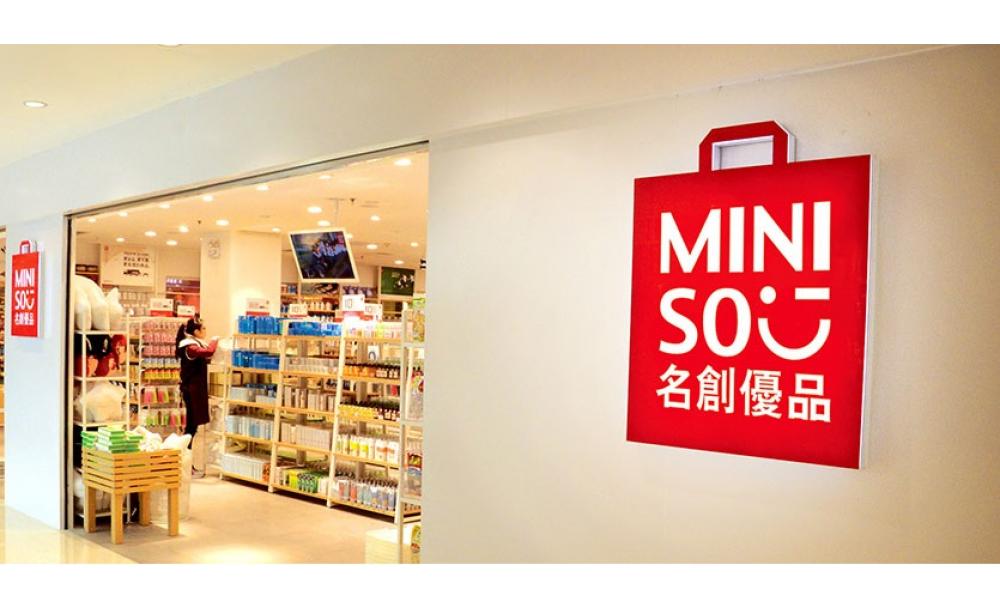
  • Miniso’s revenue and profit soar as footprint expands

    Miniso’s revenue and profit soar as footprint expands

    Value retailer Miniso has posted double-digit increases in both revenue and profit for the quarter ended March 31, driven by the higher number of stores across all markets.

    The company’s revenue rose 26 percent year over year to US$515.7 million, attributed to the increase in average store count and an around 9 percent same-store sales growth. Revenue generated from mainland China was up 16.2 percent to US$346.5 million, while revenue from overseas markets jumped 52.6 percent to US$169.2 million.

    Operating profit was US$102.9 million, up 29.1 percent, while adjusted net profit increased 27.7 percent to US$85.4 million.

    The company opened 217 net new stores during the quarter, raising the store count to 6630, comprising 4034 in Mainland China and 2596 in overseas markets.

    “This past March quarter has seen our fastest pace of store openings for the first quarters ever, establishing a robust foundation towards our goal of a net addition of 900 to 1100 stores in 2024,” said Guofu Ye, founder, chairman and CEO of Miniso.

    “We also embarked on our path towards our five-year strategic goal with a stronger March quarter compared to the high base of the same period in 2023.”

    The company expects sales growth to continue in the June quarter, driven by better store-level performance and store network expansion.

  • Japanese restaurant chain Kura Sushi accelerates international expansion

    Japanese restaurant chain Kura Sushi accelerates international expansion

    Kura Sushi, a leading Japanese conveyor-belt sushi chain, opened its first outlet in Mainland China in June 2023, as part of its global expansion plans. With this, it joins the ranks of several Japanese restaurant operators who are aggressively scaling up their overseas presence. Besides targeting revenue growth in the immediate future, the diversification move is part of the Japanese operator’s long-term play to ensure business continuity. Japanese operators are accelerating overseas expansion even as the domestic foodservice sector is set to expand by a value compound annual growth rate (CAGR) of 10% over 2023–27*, according to GlobalData, a leading data and analytics company.

    Bobby Verghese, Consumer Analyst at GlobalData, comments: “Kura Sushi operates 541 conveyor-belt sushi (Kaiten-zushi) outlets in Japan, 47 in the US, and 51 in Taiwan (Province of China). The company’s new China outlet is located in a bustling shopping center in Shanghai close to three subway lines. The restaurant is fully automated, with robot sushi chefs preparing dishes, circular conveyor belts that carry dishes to diners, and contactless ordering and payments. Kura Sushi offers a menu comprising a mix of Japanese dishes and China-only dishes. The company plans to source 80% of its ingredients locally to optimize costs. Kura Sushi aims to open 100 stores across China by the end of the decade, in line with its plan to expand its overseas locations to 400 stores, and worldwide network to 1,000 outlets by 2030.”

    Tim Hill, Key Account Director at GlobalData Singapore, remarks: “With consumers dining out more often, the Japanese foodservice sector is recuperating from the impact of the pandemic. However, inflationary pressures and economic uncertainty are stifling consumer spending. As they operate at a higher cost-price ratio than conventional sushi restaurants, Kaiten-zushi restaurants are bearing the brunt of the surge in seafood prices due to the Russia–Ukraine conflict, rising competition with China for seafood catch and supplies, and the global climate change phenomenon. Moreover, fierce competition among outlets and an ongoing labor crunch are constraining the growth of per-outlet transaction revenues. The rapidly greying populace and shrinking working class cloud the long-term outlook of sushi quick service restaurants (QSRs).”

    Verghese notes: “In sharp contrast to Japan, both the Chinese and US foodservice sectors rebounded from the pandemic lull in 2021 and 2022, respectively, in terms of transaction numbers and revenues. As a result, Japanese foodservice operators are setting their sights on bluer oceans abroad, particularly larger overseas markets with high-spending crowds, such as China and the US, which offer more dollar revenue opportunities than Japan. By expanding overseas, these operators can thereby accelerate their post-COVID-19 recovery and ensure long-term business continuity.”

    Hill concludes: “Due to their high-tech ambiance and fresh offerings, conveyor-belt sushi chains have rapidly gained popularity in Taiwan (Province of China), Hong Kong, Singapore, Mainland China, and the US over the past decade. Among these, China holds the highest potential owing to the similarities between Japanese and Chinese cuisines. While Japan is the larger market for sushi QSRs, the Chinese market is set to narrow the gap significantly in the coming years. However, any fresh geopolitical conflicts between Japan and China can mar the performance of the Chinese outlets.”

  • Lotte to focus on Vietnam expansion

    Lotte to focus on Vietnam expansion

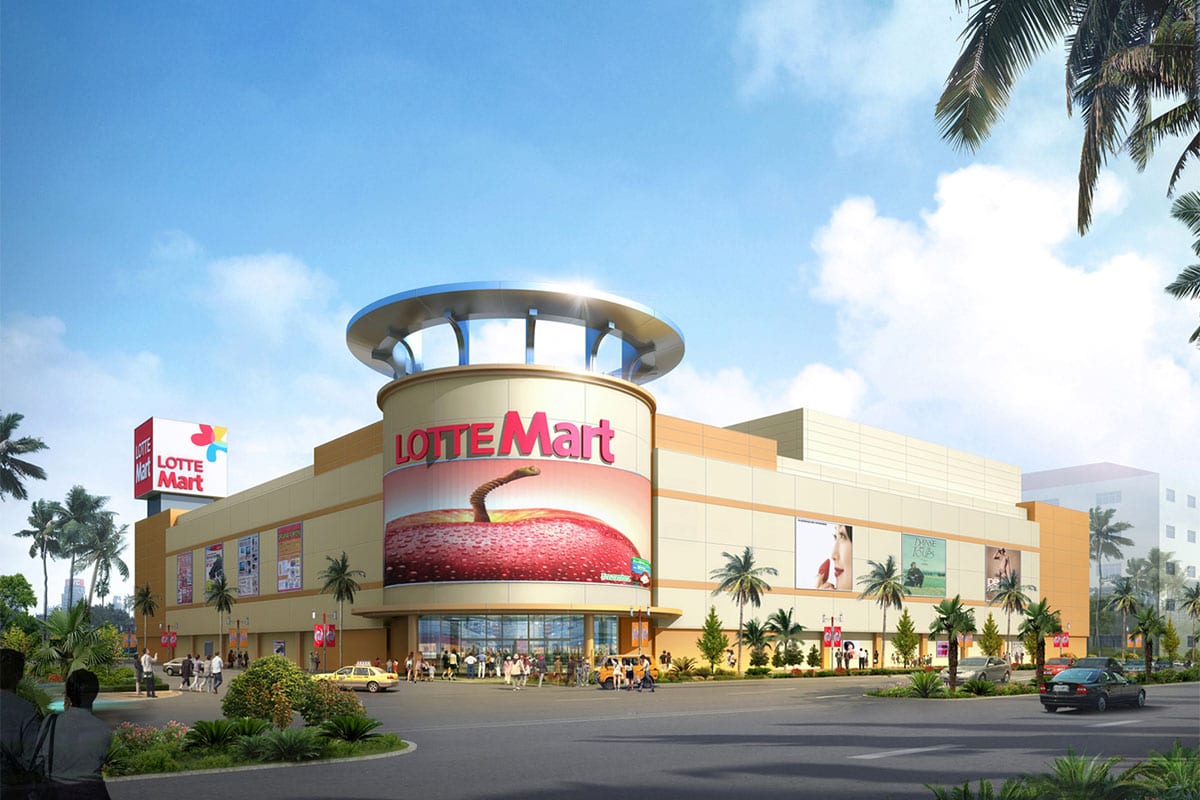
    South Korea’s fifth largest conglomerate Lotte Group is picking up the pace of expansion in Vietnam’s retail and F&B industries as it pulls out of China.

    Its chairman, Shin Dong-bin, recently released from jail, is set to visit Vietnam for his first overseas business trip after receiving a presidential pardon on Liberation Day on Aug. 15.

    The trip “shows how serious (South) Korea’s fifth-largest business group is about doing business” in its “third-most important market […] after S. Korea and Japan” as it is near completion of withdrawal from China, The Korea Times said.

    A number of Lotte CEOs, including Kim Sang-hyun of Lotte Shopping, Jung Jun-ho of Lotte Department Store and Kang Sung-hyun of Lotte Mart, have visited Vietnam this year to check on their businesses.

    The Korea Times quoted a Lotte Shopping official as saying: “We are actively operating in Vietnam and Indonesia currently. The Vietnamese market in particular shows steep growth in the retail business and there is still room to grow. Korea has a good reputation in Vietnam that helps with our business there and people’s income levels are rapidly growing too.”

    Lotte has 270 Lotteria fast-food restaurants and 15 Lotte Mart hypermarkets in Vietnam. Its other subsidiaries are also building shopping complexes and residential apartments in Hanoi and HCMC.

    It established Lotte Ventures Vietnam last year, the first foreign venture capital firm to be approved in the country.

    Meanwhile, Lotte is planning to sell its last department store in China and pull completely out of the country after 14 years of doing business.

    China allegedly retaliated against South Korean firms there after the deployment of the U.S.’s THAAD anti-ballistic missile defense system in 2017.

    Shin was sentenced to 30 months in prison in a bribery case involving former president Park Geun-hye, and spent seven months in jail.

  • Bamboo Airways appoints new chairman to drive international expansion

    Bamboo Airways appoints new chairman to drive international expansion

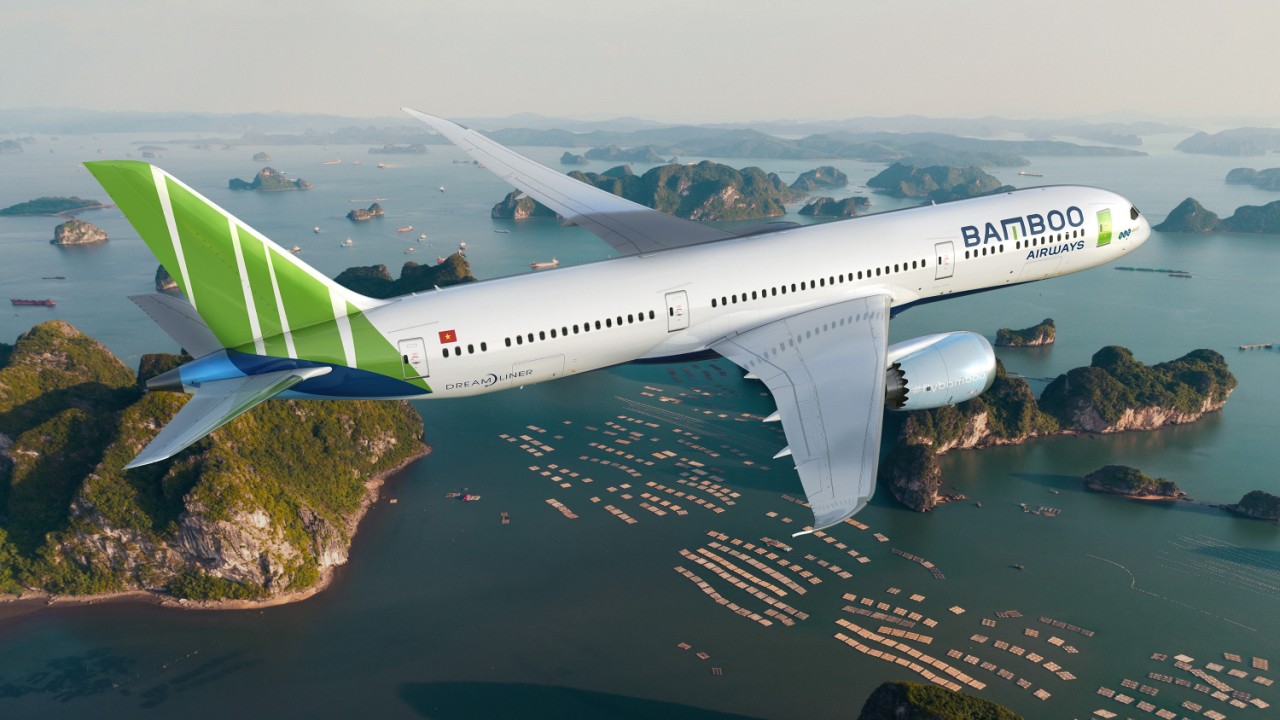
    Bamboo Airways on Saturday appointed Nguyen Ngoc Trong who has worked for the airline since the early days of establishment as its new chairman.

    Trong, 65, took the new position after his predecessor Dang Tat Thang resigned as chairman and general director.

    Trong served as the first deputy general director of Bamboo Airways from 2018.

    In April this year, he was appointed vice chairman after a series of senior leaders were arrested for allegedly manipulating the stock market.

    He has more than 40 years of working experience in the aviation industry and has held many senior management positions at major firms like Vietnam Airlines, Vietnam Airlines Engineering Company, Vietnam Air Petrol Company Limited and Noi Bai Airport Services JSC.

    Bamboo Airways currently operates nearly 170 flights a day on 40 domestic and 12 international routes.

    The carrier plans to continue launching new international services to tourism markets in Asia, Europe and Australia.

    It also plans to increase its fleet to 35 by the end of this year and triple its fleet size to 100 aircraft by 2028.

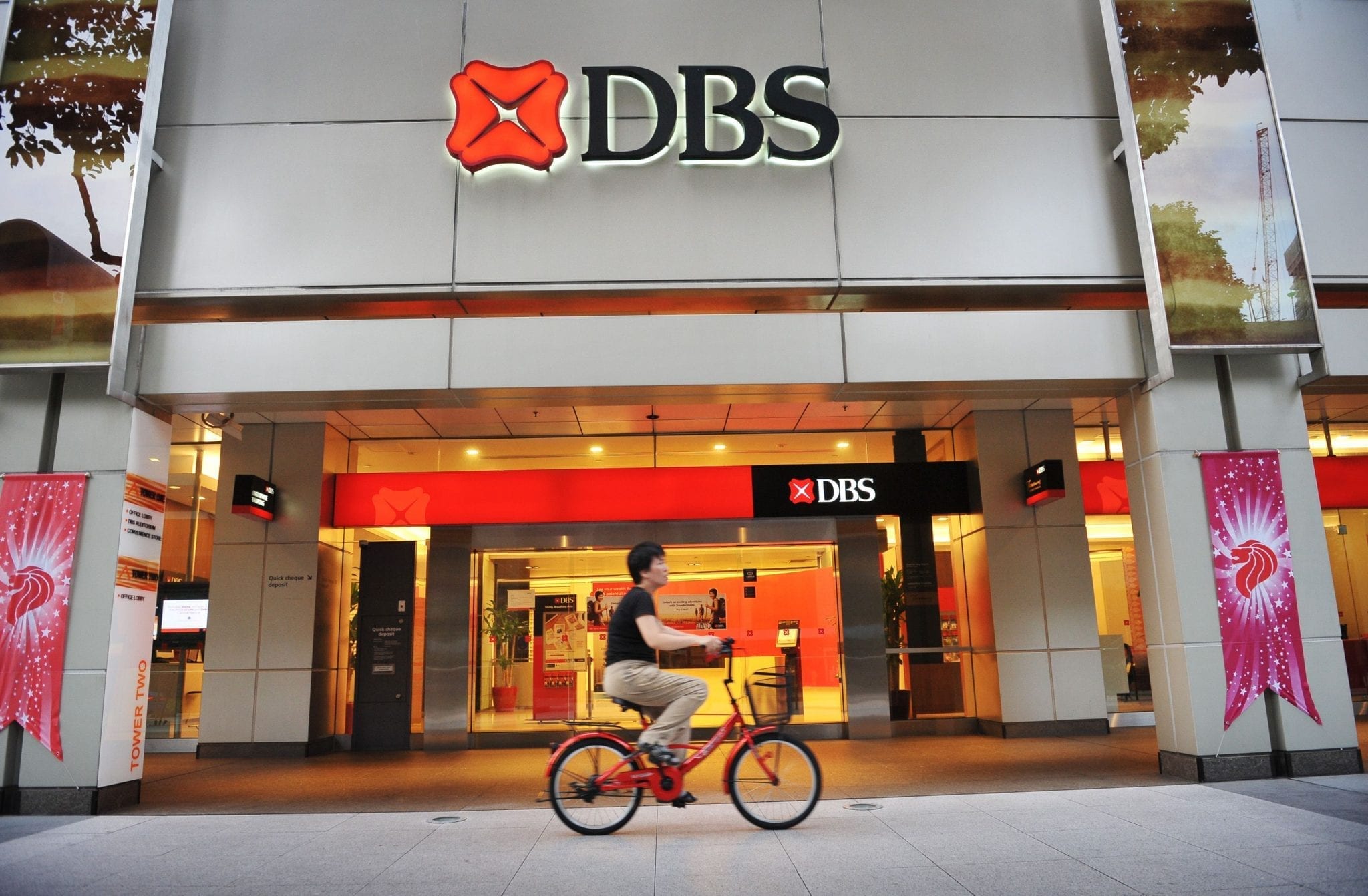
  • DBS Expands Digital Exchange Offering

    DBS Expands Digital Exchange Offering

    DBS expands the offering on its digital exchange with its first-ever bond issuance via security token offering.

    DBS has issued a S$15 million ($11.35 million) bond through a security token offering (STO) on its digital exchange, according to a statement.

    The bond has a six-month tenor with a coupon rate of 0.60 percent per annum.

    The issuance was executed via private placement and DBS was the sole bookrunner for the transaction.

    According to the bank, asset tokenization enabled the digital bond can be traded at a significantly smaller minimum of S$10,000 per board lot, further driving liquidity and lowering barriers for investor access.

    While most bond tokenization exercises announced in Asia to date tend to be repackaged forms of a conventional bond issue, the current transaction directly combines existing legal and tax infrastructure requirements with a direct issuance on the digital exchange in smaller lot sizes, said DBS’ global head of fixed income Clifford Lee.

    This bond token structure was only made possible because of the progressive development of Singapore’s legal and tax infrastructure, which can facilitate more STO issuances to broaden and deepen our capital markets.

    According to DBS’ group head of capital markets Eng-Kwok Seat Moey, the bank expects more issuers to leverage asset tokenization for fundraising.

    Our maiden STO listing on the DBS Digital Exchange is a significant milestone, as it highlights the strength of our digital asset ecosystem in facilitating new ways of unlocking value for issuers and investors, he said.

    We expect asset tokenization to increasingly become more mainstream as more of our clients start to embrace security token issuance as part of their capital fundraising exercise which we believe will boost Singapore’s ambitions to be a digital asset hub in Asia.

    DBS’ digital exchange – DDEx – launched in December 2020 with an initial offering that covered cryptocurrency trading.

    Daily trading volumes have increased 10-fold compared to the initial week of the launch, the bank said, with over 120 participants on the exchange and S$80 million of digital assets in custody.

    Earlier this month, the bank launched a crypto trust offering that combined wealth planning services with emerging digital currencies.

  • Allianz Partners Hong Kong Fintech Expansion

    Allianz Partners Hong Kong Fintech Expansion

    The investment will be used to finance WeLab’s further expansion and, in particular, enable the ongoing development of its technological platform.

    Allianz X, the digital investment unit of Allianz, has joined the Series C funding round for WeLab, with a $75 million investment, it announced in a statement this week.

    The investment aims to enable business expansion and tech platform development, as WeLab has close to 50 million private and business clients in Hong Kong and China, which are key growth markets for Allianz.

    The German insurance and asset management firm will cooperate with the unicorn on insurance and investment products, including digital wealth management solutions in Hong Kong. An expansion of the partnership is planned for the Greater Bay Area, and to Indonesia and Southeast Asia at a later stage, the announcement said.

    Asia is home to some of the most dynamic wealth management and banking markets of the world. Hong Kong, in particular, is a significant market for us, Desmond Ng, Allianz Global Investors head of Asia Pacific, said in the statement.

    Allianz X has already made several other investments in the region, including telemedicine company Halodoc, digital real estate brokerage 99.co, ride-hailing and lifestyle services platform GoJek, and BIMA, which provides digital insurance in emerging and developing markets.

    Established in 2013, WeLab provides digital banking services and loans for private customers, a digital lending platform to connect lenders and borrowers, as well as a number of technology-driven services. It has close to 50 million retail customers and 600 corporate customers in China, Hong Kong and Indonesia.

    In July 2020, WeLab Bank became the third of eight licensed virtual banks to launch in Hong Kong

  • Amazon expands anti-counterfeit project to Singapore

    Amazon expands anti-counterfeit project to Singapore

    Amazon has expanded its anti-counterfeit program Project Zero to seven new countries, including Singapore and Australia, taking the number of operational territories to 17.

    The project combines Amazon’s technologies with brands’ knowledge of their own intellectual property to counter the trade in forged products. The system works by scanning the more than 5 billion attempted daily product listings on Amazon for suspicious products, using a machine-learning algorithm that is constantly improving.

    Project Zero also provides a self-service tool allowing brands to directly remove counterfeit goods listings from Amazon stores.

    More than 10,000 brands have already enrolled in the initiative.

    “Amazon is committed to protecting our customers and the brands we collaborate with worldwide,” said the firm’s VP of worldwide customer trust and partner support Dharmesh Mehta.

    “Project Zero has been a leap forward in protecting brands, especially for those that use all three of its components.”

    Brands currently using Project Zero that already have a trademark enrolled in one of the newly added countries can use it automatically in their additional stores.