Retail News CRM

Tag: expansion

  • Jollibee Billionaire-Backed Hotel101 Pours $200M into Thai Hotel Expansion

    Jollibee Billionaire-Backed Hotel101 Pours $200M into Thai Hotel Expansion

    Hotel101 Global, a venture supported by Jollibee Foods founder Tony Tan Caktiong, is marking its expansion into Thailand with an investment of US$200 million. This investment is aimed at the development of three new hotels in Southeast Asia’s top tourist destination.

    Expansion and Development Plans

    The company plans to launch these developments over the next three years. The first hotel will be situated in Bangkok, with the subsequent projects planned for Pattaya and Phuket. Collectively, these three hotels are expected to provide over 2,000 rooms.

    Hotel101 Global is a division of DoubleDragon, a collaborative enterprise between Caktiong, who has a net worth of $1.1 billion, and property tycoon Edgar Sia II, who holds $310 million in assets.

    Hotel101-Bangkok is projected to produce 1.9 billion baht ($57 million) in sales once all units are sold. This hotel is set to be completed by 2029 and will occupy an 8,336-square-meter site on Phahon Yothin Road, close to Don Mueang International Airport. Guests can expect a variety of amenities, including meeting spaces, a conference center, modern rooms, all-day dining, a swimming pool, a full-size gym, a business center, a children’s pool, parking, and luggage storage.

    Hotel101, which inaugurated its first property in the Philippines in 2016, joined Nasdaq in July of the previous year. This listing is anticipated to aid Sia in his ambition of constructing 1 million hotel rooms across 100 countries by 2050.

    Existing Ventures and Future Projects

    At present, the company runs two hotels in the Philippines, which together comprise 1,124 rooms. As part of its global expansion, Hotel101 unveiled its first international property, the 680-room Hotel101-Madrid, in March. The 482-room Hotel101-Niseko in Hokkaido, Japan, is set to open in December.

    This year, the company is also planning to launch the 519-room Hotel101-Davao and the 548-room Hotel101 Cebu in the Philippines. According to Hotel101, these new additions, along with Hotel101-Niseko, will introduce a record 2,229 new hotel rooms by 2026.

    In addition to these, Hotel101 is working on projects in Los Angeles and Saudi Arabia, where it aims to construct 10,000 rooms worth $2.5 billion across several cities.

    The company’s approach is centered on building a global hotel network characterized by identical, standardized rooms at all of its properties to enhance efficiency and affordability.

    Questions & Answers

    What is the investment plan of Hotel101 for their expansion into Thailand?
    Hotel101 Global plans to invest US$200 million to develop three hotels in Bangkok, Pattaya, and Phuket.

    What amenities can guests expect at the new hotels?
    Guests can anticipate amenities such as meeting spaces, a conference center, modern rooms, all-day dining, a swimming pool, a full-size gym, a business center, a children’s pool, parking, and luggage storage.

    What is the company’s long-term goal?
    The long-term goal of Hotel101 is to develop 1 million hotel rooms across 100 countries by 2050, as facilitated by their listing on Nasdaq.
  • Domino’s Pizza China Hits 1550 Outlets: Unveils Expansion Strategy and Partners with Megamall Operator SCPG Group

    Domino’s Pizza China Hits 1550 Outlets: Unveils Expansion Strategy and Partners with Megamall Operator SCPG Group

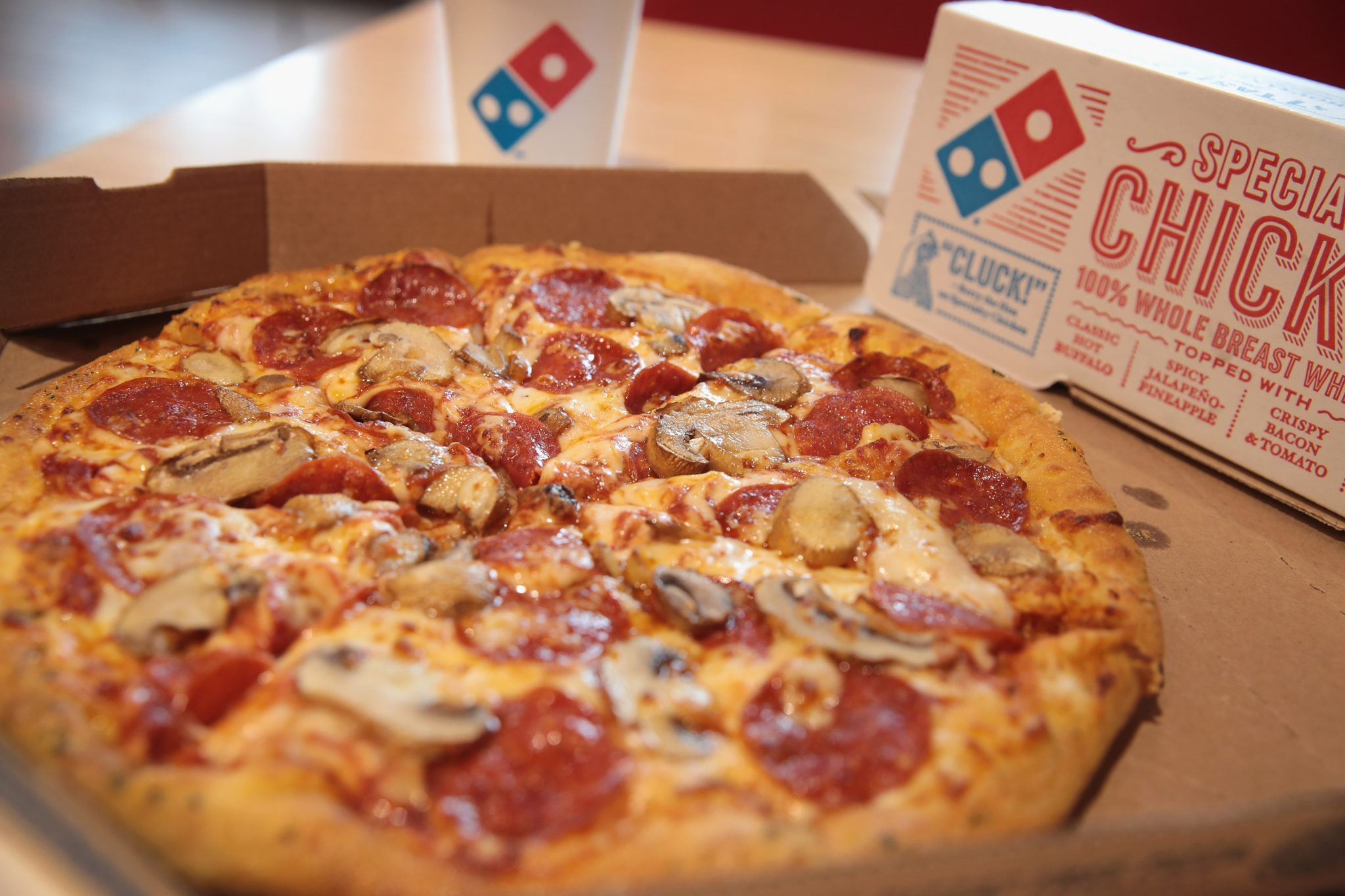
    Domino’s Pizza China has made significant strides in expanding its presence across the country, with its total number of outlets now reaching 1550. This was achieved through the addition of 235 new stores during the first half of the year, a move that has led to an increase in sales momentum as reported in the second quarter.

    The growth of the pizza chain has been overseen by DPC Dash, who moved into 15 fresh urban markets within this six-month period. This has brought the total number of cities with a Domino’s presence to 75. The brand’s expansion strategy, dubbed ‘Go Deeper, Go Broader’, has proven successful, focusing on amplifying store density in current markets while simultaneously branching out into new ones. Lower-tier markets now account for 1018 stores, leaving 532 in Tier 1 cities.

    Strategic Partnerships and Expansion Targets

    DPC Dash formed a strategic alliance with SCPG Group, one of the largest shopping mall operators in China, within the quarter to hasten their store launch process. This collaboration will facilitate Domino’s expansion into new markets while reinforcing its presence in the cities it already operates in. By the end of June, the number of stores that were opened, under construction, or signed for accounted for about 89% of DPC Dash’s full-year 2026 opening target. This was a progressive leap from the 65% recorded at the end of the first quarter.

    Domino’s now considers mainland China as its second-largest international market in terms of store count. The company now holds all top 70 positions in the first 30-day sales ranking, illustrating the potential of China’s market, and the efficacy of DPC Dash’s store execution model.

    The successful performance has been credited to its ‘4D’ strategy, a blend of network expansion, value-oriented products, effective delivery capabilities, and a robust digital investment.

    Leadership Changes and Future Plans

    On the personnel front, DPC Dash bolstered its leadership team during the quarter, by appointing Joanne Xie as the new Chief Marketing Officer. Xie, who has previously held senior positions at McDonald’s China, Coca-Cola, and Mondelez, will now be responsible for brand strategy, digital marketing, customer engagement, and product innovation.

    Looking forward, the company anticipates maintaining its expansion momentum for the remainder of the year while continuing its investment in operations, product development, and enhancing the customer experience.

    Questions & Answers

    What is Domino’s expansion strategy in China?
    Domino’s expansion strategy in China, supervised by DPC Dash, is titled ‘Go Deeper, Go Broader’. It focuses on increasing store density in existing markets and extending into new cities.

    Who is the new Chief Marketing Officer of DPC Dash?
    Joanne Xie has been appointed as the new Chief Marketing Officer of DPC Dash. She has previously held senior roles at McDonald’s China, Coca-Cola, and Mondelez.

    What does Domino’s ‘4D’ strategy entail?
    Domino’s ‘4D’ strategy combines four elements: network expansion, value-focused products, delivery capabilities, and digital investment.

  • Korean Coffee Giant, TheVenti, Brews up Philippine Expansion with Local Franchise Deal

    Korean Coffee Giant, TheVenti, Brews up Philippine Expansion with Local Franchise Deal

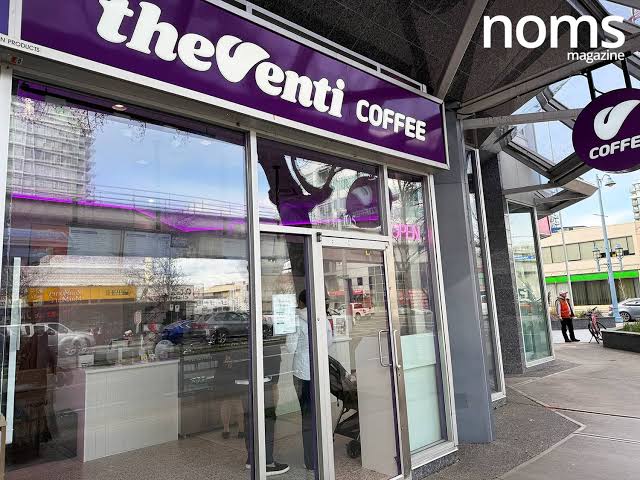
    TheVenti, a leading coffee chain from South Korea, has recently announced its introduction to the Philippine market in partnership with JJR Brothers, a local distributor of food and beverages.

    Known for its large 20-ounce servings, TheVenti was established in 2014 and has since become popular for its unique offerings such as espresso drinks, Korean grain lattes, and fruit teas. It currently operates over 1,600 stores in South Korea and has expanded its footprint to various international markets including Vietnam, Canada, and Jordan.

    Adapting to Local Preferences

    The coffee chain has shared plans to adjust its menu and store operations progressively in line with local consumer tastes and trade locations. This initiative aims to strengthen its foothold in the country and ensure the successful integration of its brand into the local market.

    TheVenti views its Philippine venture as a stepping stone towards further expansion in the Southeast Asian market. “We are thrilled to introduce TheVenti’s unique coffee and beverage experience to local consumers, with the goal of progressively augmenting our global brand’s competitive edge,” stated the company spokesperson.

    TheVenti is set to open its inaugural Philippine store in the third quarter of this year.

    Questions & Answers

    What is TheVenti known for?
    TheVenti is renowned for its sizeable 20-ounce servings and a unique menu that includes espresso drinks, Korean grain lattes, and fruit teas.

    What is TheVenti’s plan for the Philippines?
    TheVenti plans to adapt its menu and store operations gradually in line with local tastes and trading locations in the Philippines. It aims to build its presence by catering to local consumer preferences.

    When is TheVenti opening its first store in the Philippines?
    TheVenti plans to open its first store in the Philippines in the third quarter of this year.

  • Harlan + Holden Brews $12M Expansion Deal for Southeast Asia Presence

    Harlan + Holden Brews $12M Expansion Deal for Southeast Asia Presence

    Harlan + Holden, a lifestyle and coffee brand, is reportedly close to finalizing a funding round estimated to be around US$12 million. This capital injection is intended to propel the brand’s expansion strategy across Southeast Asia.

    Harlan + Holden: From Clothing to Coffee

    Established in Manila in 2015, Harlan + Holden has built a retail presence in Indonesia and the Philippines and runs its own online store. Initially, the brand focused solely on fashion, but it later branched out into the specialty coffee market.

    Investor Interest and Use of Proceeds

    The impending funding round is expected to attract notable angel investors and venture capital firms. Among the potential backers are Michael Soerijadji, co-founder of AC Ventures; Willix Halim, former CEO of e-commerce powerhouse Bukalapak; and Trihill Capital.

    The funds raised will be allocated to expanding the brand’s store network and enhancing its footprint in critical regional markets.

    Investors are demonstrating increased interest in Southeast Asia’s rapidly growing coffee and tea sector. Earlier this year, the budget coffee chain Pickup Coffee in the Philippines reportedly secured up to $8 million in convertible notes from Venturi Partners and new investor Antler. Meanwhile, Indonesian mobile coffee startup Jago Coffee raised $12.5 million in a Series B round led by Beenext.

    Questions & Answers

    What is Harlan + Holden?
    Harlan + Holden is a lifestyle and coffee brand that began as a clothing company in Manila in 2015 before expanding into the specialty coffee market.

    How much is Harlan + Holden expected to raise in its upcoming funding round, and what will the funds be used for?
    Harlan + Holden is reportedly nearing the completion of a US$12 million funding round. The capital raised will be used to broaden the brand’s store network and strengthen its presence in key regional markets.

    Who are the potential investors in Harlan + Holden’s funding round?
    Prominent angel investors and venture capital firms are anticipated to back the funding round. Potential investors include Michael Soerijadji, co-founder of AC Ventures; Willix Halim, former CEO of e-commerce giant Bukalapak; and Trihill Capital.

  • Starbucks Brews Major Expansion in India: Targets 100 New Stores Annually

    Starbucks Brews Major Expansion in India: Targets 100 New Stores Annually

    Starbucks has announced ambitious plans to open up to 100 outlets annually in India, marking an accelerated expansion in one of the company’s most rapidly growing global markets.

    Sushant Dash, CEO of Tata Starbucks, emphasized the potential for significant expansion in India, despite the country’s dominant tea culture. Coffee remains a smaller category, but the industry size and potential for growth cannot be overlooked.

    Tata Starbucks, a successful joint venture between Starbucks and the Tata Group, presently manages more than 500 outlets across India, accounting for roughly 30% of the nation’s structured coffee market. The partnership plans to amplify its presence by inaugurating between 50 to 100 stores each year.

    According to Dash, India ranks as one of Starbucks’ fastest expanding markets globally. The renowned coffee chain has more than doubled its number of stores in the country within the last four to five years.

    This aggressive expansion comes in response to the observed increase in coffee consumption amongst the youth and urban consumers in India. This uptick has sparked intensified competition from both local and international brands.

    To seize this opportunity, Tata Starbucks is considering a multi-format expansion strategy that includes drive-through outlets, highway locations, kiosks, and experiential stores. The company has also invested in its Starbucks Reserve concept, with six locations currently operating across major cities like Mumbai, Delhi, and Kolkata.

    This most recent expansion supports the company’s aspiration to reach 1,000 stores in India by 2028. In line with this goal, Tata Starbucks aims to increase its workforce to approximately 8,600 partners and further extend its network of drive-through outlets, airport cafes, and 24-hour locations.

    Notably, the company’s expansion plans extend beyond metropolitan areas. Tata Starbucks seeks to tap into India’s next wave of consumer growth by stepping up its presence in Tier 2 and Tier 3 cities.

    Questions & Answers

    What are Starbucks’ expansion plans in India?
    Starbucks plans to open between 50 to 100 outlets annually in India, aiming to reach 1,000 stores in the country by 2028.

    Is coffee popular in India?
    Despite India’s tea-dominant culture, the consumption of coffee is rising, particularly among the younger and urban demographics, leading to a surge in growth opportunities for coffee retailers.

    How does Starbucks plan to capture the growing coffee market in India?
    Starbucks, through its joint venture with the Tata Group, aims to leverage the growing coffee market in India by expanding its network of drive-through outlets, airport cafes, and 24-hour locations. The company is also broadening its reach to Tier 2 and Tier 3 cities.

  • Starbucks Brews Plan for India Expansion, Aiming for 100 New Stores Annually in the Tea Land

    Starbucks Brews Plan for India Expansion, Aiming for 100 New Stores Annually in the Tea Land

    Starbucks is setting its sights on India, one of its fastest-growing markets worldwide, with plans to launch up to 100 stores per year. The renowned coffee chain, despite coffee being a less popular choice than tea in India, sees substantial potential for growth in the region.

    Tata Starbucks, a joint venture between Starbucks and the Tata Group, currently boasts over 500 stores across India, holding around 30% of the country’s structured coffee market. It intends to continue expanding its footprint by adding 50 to 100 outlets each year.

    Sushant Dash, Tata Starbucks CEO, highlighted the significant growth rate India represents for Starbucks on a global scale. He noted that the store count in India has more than doubled over the last four to five years. This growth coincides with the rise in coffee consumption among younger and urban consumers, which has sparked competition from both local and international entrants.

    Adapting to Local Consumer Needs

    To seize the emerging opportunities, Tata Starbucks is broadening its horizons by diversifying its store formats, including drive-through stores, highway locations, kiosks, and experiential outlets. The company is investing in the Starbucks Reserve concept, now operating in six different locations in Mumbai, Delhi, and Kolkata.

    This expansion aligns with the company’s ambition to operate 1,000 retailers in India by 2028. In line with this aspiration, Tata Starbucks intends to increase its workforce to approximately 8,600 partners and extend its network of drive-through stores, airport cafes, and 24-hour locations.

    In addition, the company is exploring opportunities beyond major metropolitan areas, intending to extend its presence in Tier 2 and Tier 3 cities to capitalize on India’s upcoming wave of consumer growth.

    Questions & Answers

    What is Starbucks’ growth plan for India?
    Starbucks plans to open up to 100 stores per year in India, aiming to operate 1,000 stores by 2028.

    How is Tata Starbucks adapting to the Indian market?
    Tata Starbucks is diversifying its store formats to meet local needs, including drive-through stores, highway locations, kiosks, and experiential outlets. It is also expanding its presence in Tier 2 and Tier 3 cities.

    What is the current position of Starbucks in the Indian coffee market?
    Starbucks, through its joint venture with the Tata Group, Tata Starbucks, currently operates over 500 stores and holds about 30% of the country’s structured coffee market.

  • JD.com Ignites Hong Kong Expansion with Launch of Citys First JD Mall

    JD.com Ignites Hong Kong Expansion with Launch of Citys First JD Mall

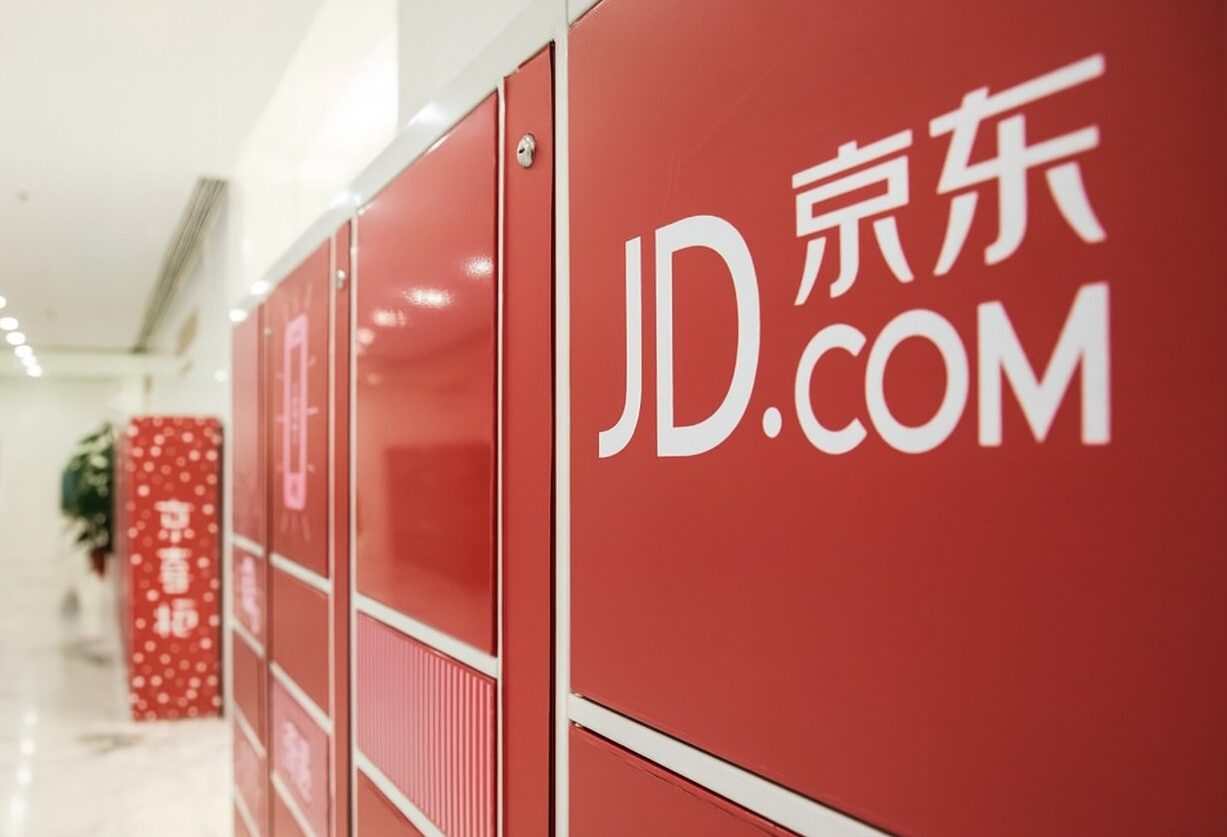
    JD.com, a prominent Chinese e-commerce company, has inaugurated its first physical JD Mall in Hong Kong. This venture marks the beginning of an ambitious expansion strategy, which projects the opening of 6 to 8 more stores across the city over the forthcoming three years.

    The retail store, located in Wan Chai, boasts a sprawling 30,000 square feet area, making it one of the largest home appliances and consumer electronics specialists in Hong Kong. Notably, this is the first JD Mall branch established outside of mainland China, adding to the over 30 stores already operating across the country.

    The decision to open a physical store in Hong Kong followed an announcement by JD.com last year about its quest for an ideal location. The company’s offline retail concept integrates product displays, interactive experiences, and post-sale services.

    JD.com’s expansion blueprint includes the addition of six to eight JD Mall branches in Hong Kong. Future locations are expected to be in prominent districts like Sha Tin, Mong Kok, and Tuen Mun.

    The Wan Chai store offers an extensive array of products, from home appliances and consumer electronics to smart home systems, AI-enabled devices, and robotics. JD.com asserts that the store adheres to a “sourced in Hong Kong, sold in Hong Kong” policy. This is supported by local suppliers and products designed based on local market needs.

    A spokesperson for JD Mall labelled Hong Kong as a significant gateway to the Greater Bay Area. The city’s mature consumer market and robust retail ecosystem were also cited as the reasons for this expansion.

    The spokesperson highlighted that JD Mall will leverage JD.com’s strong supply chain capabilities, digital operations expertise, and experience-led retail model. They also assured that the store would comply with local regulations and cater to consumer preferences.

    The spokesperson added, “Through our local operations, we will deliver high-quality products, innovative retail experiences, and exceptional service to Hong Kong consumers, while contributing to the continued diversification and upgrading of the local retail sector.”

    JD.com also revealed plans to broaden omnichannel retail services in the city, and to reinforce partnerships with other businesses within the JD.com ecosystem.

    Questions & Answers

    What is the expansion plan of JD.com in Hong Kong?
    JD.com plans to open six to eight more physical JD Mall locations across the city over the next three years.

    What is unique about the new JD Mall store in Hong Kong?
    The store is unique because it offers a wide variety of products, including home appliances, consumer electronics, smart home systems, AI-enabled devices, and robotics. Moreover, it follows a ‘sourced in Hong Kong, sold in Hong Kong’ approach.

    How does JD.com plan to cater to the Hong Kong market?
    JD.com plans to cater to the Hong Kong market by aligning with local compliance standards and consumer preferences. It also aims to strengthen collaboration with other businesses within the JD.com ecosystem and to expand omnichannel retail services in the city.

  • Muji’s Expansion in China: Winning Over Consumers with Localization Strategy

    Muji’s Expansion in China: Winning Over Consumers with Localization Strategy

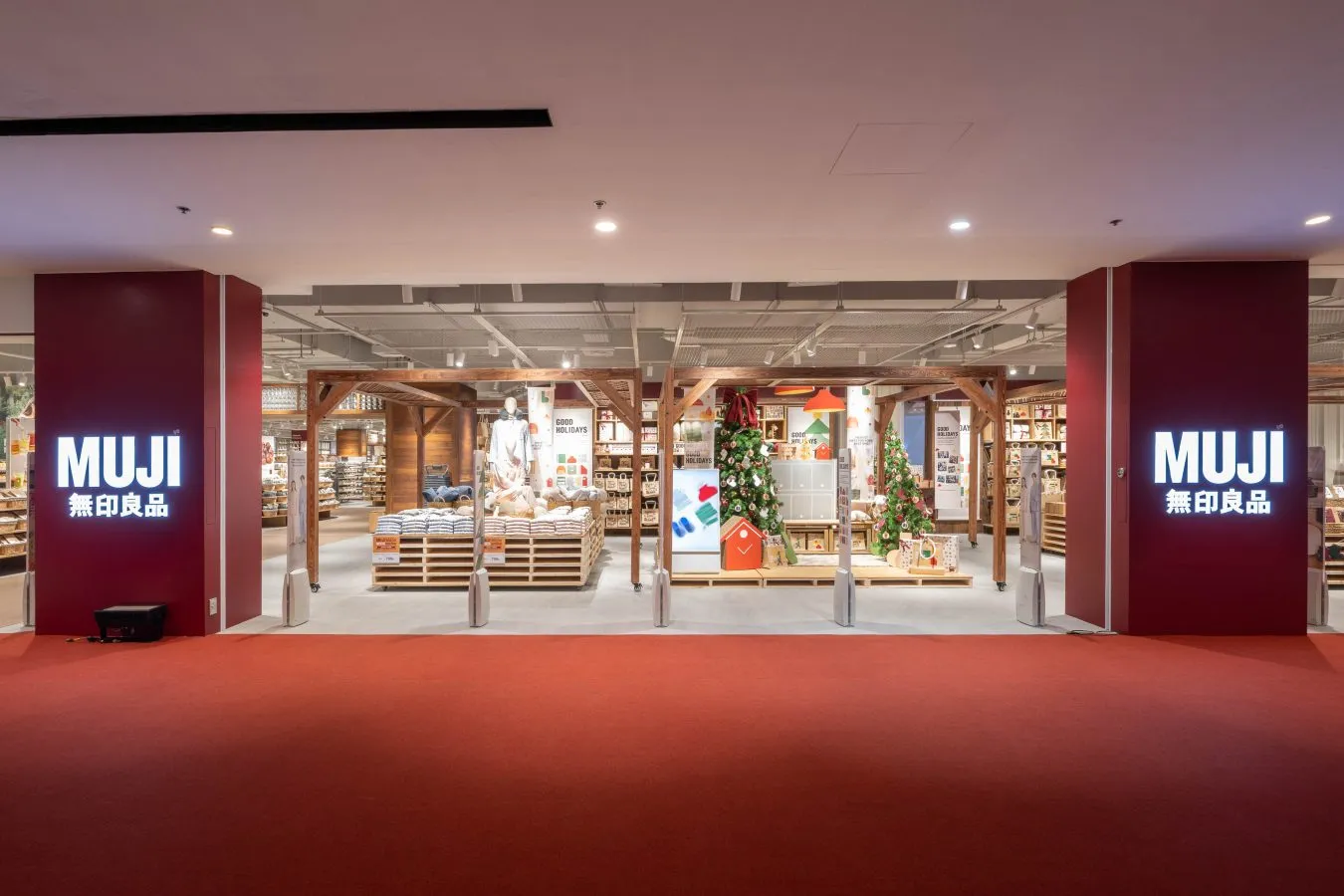
    In 2005, Muji, the Japanese lifestyle retailer, established its first store in Mainland China at one of Shanghai’s prime retail destinations, Nanjing West Road. Today, 20 years later, the company has adopted a subtler growth approach in China. Despite making adjustments to its store network, including closing some retail locations as part of its standard optimization, Muji’s focus remains on expansion, localisation, and fostering a deeper engagement with customers.

    China is currently Muji’s largest foreign market with over 400 stores. The brand’s growth strategy in the region is increasingly focusing on local product development, flagship store experiences, and the integration of online and offline retail.

    Muji’s Strategic Approach

    According to Shu Wu, a board member and CMO, China, the focus is not only on launching more stores but also ensuring that the brand remains relevant as Chinese consumer behaviour transforms.

    “Muji strives to be a fundamental brand for a superior lifestyle,” Wu stated. She highlighted that the brand’s intention is to support a lifestyle that is both materially and spiritually rich while using as few resources as possible. The brand’s philosophy is centred around the ‘Power of Nature’ concept, which manifests in the production of goods from natural materials and minimal disturbance of nature, resulting in a sustainable and truthful lifestyle for everyone.

    Moreover, Wu emphasized that expressing this philosophy in China requires a stronger local connection. She stated, “In the local market, while staying true to this positioning and approach, Muji places even greater emphasis on local connections. With respect for Chinese nature, culture, and society, we continue to deepen our roots here.”

    Competitive Stance and Digital Growth

    In an increasingly competitive market with brands such as Miniso and other lower-cost alternatives, Muji’s approach is not to compete solely on price. Instead, the company focuses on reinforcing product quality, purpose, and relevance.

    Furthermore, as the brand continues to invest in physical stores, China’s digital ecosystem has become a significant part of its overall retail strategy. Wu revealed that e-commerce now accounts for more than 20% of Muji’s total sales in the local market. The company views online and offline channels as complementary, enhancing the consumer experience instead of competing with each other.

    Muji sees its next stage of growth in China as less about defending its existing position and more about adjusting its global brand philosophy to a changing local market.

    Questions & Answers

    What is Muji’s growth strategy in China?
    Muji’s growth strategy in China focuses on expansion, localisation, and fostering deeper engagement with customers. The company aims to stay relevant as Chinese consumer behaviour transforms.

    How is Muji competing in an increasingly competitive market?
    Muji’s approach to competition is not to compete solely on price. Instead, the company focuses on reinforcing product quality, purpose, and relevance.

    What role does digital growth play in Muji’s strategy?
    Digital growth plays a significant role in Muji’s strategy. With e-commerce accounting for over 20% of Muji’s total sales in the local market, the company views online and offline channels as complementary, not competitive. The brand aims to enhance the customer experience across all platforms.

  • VinFast Powers Green SMs Global Expansion with One Million Electric Cars by 2030

    VinFast Powers Green SMs Global Expansion with One Million Electric Cars by 2030

    VinFast, a prominent electric car manufacturer, has unveiled a bold strategy to supply one million electric vehicles (EVs) to Green SM, a rising ride-hailing service, by 2030. In addition to this, the deal stipulates the addition of four million electric motorcycles to Green SM’s fleet. The announcement was made in VinFast’s first quarter financial report.

    Strategic Collaboration for Global Impact

    The venture is viewed as a strategic collaboration between the two companies, with anticipated benefits for both parties. For VinFast, this partnership signifies a promising opportunity to broaden its international distribution network and augment its brand recognition. Concurrently, it bolsters Green SM’s ambitions to expand its global reach.

    Green SM has recently initiated taxi services in India, marking its fourth international market entry, following Laos, Indonesia, and the Philippines. Pham Nhat Vuong, recognised as Southeast Asia’s wealthiest individual, controls both companies. Green SM was launched in 2023 with a starting capital of $113.9 million, which has since grown exponentially to $1.94 billion.

    Initially, Green SM focused on taxi services and technology-based ride-hailing services, exclusively using VinFast vehicles. However, the company has expanded its offerings to include services such as food and parcel delivery, as well as car and motorcycle rentals.

    Positive Outlook for VinFast

    VinFast experienced substantial financial success in the first quarter, reporting a revenue increase of 42% to $1.04 billion. This surge was primarily attributable to a marked increase in electric vehicle sales both within Vietnam and in international markets, including Indonesia and the Philippines.

    Within the first quarter, VinFast sold 58,600 electric cars, reflecting a year-on-year increase of 61%. Moreover, the company sold 143,000 electric motorcycles and bicycles in the same period. Despite this success, VinFast reported a loss exceeding $1.26 billion, an increase from the previous figure of $798 million.

    In 2023, Vuong anticipated that the company would experience losses for several years. However, there is now a more optimistic outlook, as the company expects to break even next year following the decision to spin off its manufacturing operations to a separate company owned by a consortium of private investors.

    Questions & Answers

    What is VinFast’s strategy for its collaboration with Green SM?
    VinFast plans to supply one million electric vehicles and four million electric motorcycles to Green SM by 2030, expanding its international distribution network and enhancing brand recognition.

    What services does Green SM offer?
    Green SM provides taxi services and technology-based ride-hailing services. The company has also expanded to offer food and parcel delivery, as well as car and motorcycle rentals.

    What is the financial outlook for VinFast?
    Despite experiencing losses, the company anticipates breaking even next year. This follows a decision to spin off manufacturing operations to a separate company owned by private investors.

  • ZWC Partners Fuels Global Expansion of Korean Lifestyle Group Iicombined and Flagship Brand Gentle Monster

    ZWC Partners Fuels Global Expansion of Korean Lifestyle Group Iicombined and Flagship Brand Gentle Monster

    Asian private equity firm, ZWC Partners, has recently made an investment in the South Korea-based company, Iicombined, the force behind the renowned eyewear brand, Gentle Monster. This move is part of the firm’s plan to expedite its global expansion across the fashion, beauty, and experiential retail sectors.

    Investment to Bolster International Growth

    Established in 2011 and based in Seoul, Iicombined has evolved from being a single eyewear brand to a multi-brand lifestyle conglomerate. Its diverse portfolio includes the fragrance and beauty brand Tamburins, the experiential cafe concept Nudake, the headwear label Atiissu, and the tableware brand Nuflaat. These are in addition to its flagship business, Gentle Monster.

    The investment is intended to facilitate the group’s ongoing global growth, especially across Asia, encompassing regions such as China and Southeast Asia. Moreover, it aims to further the expansion into European and North American markets.

    ZWC Partners has expressed strong confidence in Iicombined’s capability to expand globally whilst preserving its design-first identity. According to Michael Yao, a partner at ZWC Partners, the firm believes that Iicombined is favorably positioned for rapid expansion, primarily in thriving consumer sectors like eyewear and fragrances, across China and Southeast Asia. This perspective aligns well with ZWC Partners’ long-standing emphasis on consumer and technology sectors.

    Driving Forward a Global Fashion Powerhouse

    Yao further stated that with the support of their offices and resources in Europe, Japan, and other key Asian markets, they are excited to aid Iicombined’s expansion across the Asia-Pacific region and further afield. Their assistance will include providing prime retail locations and brand elevation support as the group continues its journey towards becoming a global fashion powerhouse.

    The deal enhances ZWC Partners’ consumer portfolio, which already encompasses investments in global sports group Amer Sports, which owns brands such as Arc’teryx and Salomon, and the Italian luxury linen brand Frette. It also includes logistics, technology, and cross-border commerce companies such as J&T Express, GoTo, and Vevor. The financial specifics of the deal have not been disclosed.

    Questions & Answers

    **What is Iicombined’s flagship business?**

    Iicombined’s flagship business is the eyewear brand Gentle Monster.

    **How is ZWC Partners assisting Iicombined’s expansion?**

    ZWC Partners is aiding Iicombined’s expansion by providing prime retail locations, brand elevation support, and leveraging their offices and resources in key markets.

    **What are some other brands in ZWC Partners’ consumer portfolio?**

    ZWC Partners’ consumer portfolio includes global sports group Amer Sports, Italian luxury linen brand Frette, and logistics and technology companies like J&T Express, GoTo, and Vevor.

  • Chagees Expansion Spree Boosts Revenue but Dents Profits: Inside the Chinese Tea Giants Strategy

    Chagees Expansion Spree Boosts Revenue but Dents Profits: Inside the Chinese Tea Giants Strategy

    Chagee, the acclaimed Chinese tea chain, has experienced yet another boost in revenues, despite the ongoing expansion of its stores seeming to take a toll on its profit margins.

    Currently, Chagee owns a staggering 7531 teahouses, located primarily in Greater China, but also expanding internationally. Ending its first fiscal quarter of the year on a high note, Chagee reported revenues of RMB3.54 billion (US$514.1 million), indicating a rise from RMB3.39 billion during the same quarter in the previous year. Nonetheless, despite the hike in revenues, the company faced a 33.9 per cent dip in profits during the same period.

    Teahouse Business Dynamics

    Franchise-owned teahouses form the core of Chagee’s business model, contributing to a significant 77.4 per cent of the total revenue, while the remaining revenue comes from teahouses directly owned by the company.

    Although the Greater China region constitutes a whopping 95 per cent of Chagee’s business operations, by the end of the quarter, Chagee had marked its presence in seven additional countries. The most recent expansions saw Chagee breaking into markets in the United States, Vietnam, and the Philippines.

    Chagee’s Vision for the Future

    Founder and CEO of Chagee, Zhang Junjie, shared his view for the company’s future with investors. He expressed his commitment to focus on operational details, emphasizing that these granular aspects hold significant value to their consumers. He noted that the company’s ability to weather various business cycles is directly tied to genuine consumer recognition, and this forms the cornerstone of their objective for the current year – to perfect every single consumer touchpoint.

    Zhang Junjie expressed his confidence that Chagee is entering a phase of mature, steady, and sustainable growth. He ended his remarks by stating his assurance in every step the company is undertaking towards the future.

    Questions & Answers

    What is the revenue of Chagee for the first fiscal quarter of the year?
    Chagee reported revenues of RMB3.54 billion (US$514.1 million) for the first fiscal quarter of the year.

    What percentage of Chagee’s total revenue comes from franchised teahouses?
    Franchise-owned teahouses contribute to 77.4 per cent of Chagee’s total revenue.

    What is the major goal of Chagee for the current year?
    Chagee’s major goal for the current year is to perfect every single consumer touchpoint, according to founder and CEO Zhang Junjie.

  • Modella Capital Scoops Up Danish Retailer Flying Tiger, Eyeing Global Expansion

    Modella Capital Scoops Up Danish Retailer Flying Tiger, Eyeing Global Expansion

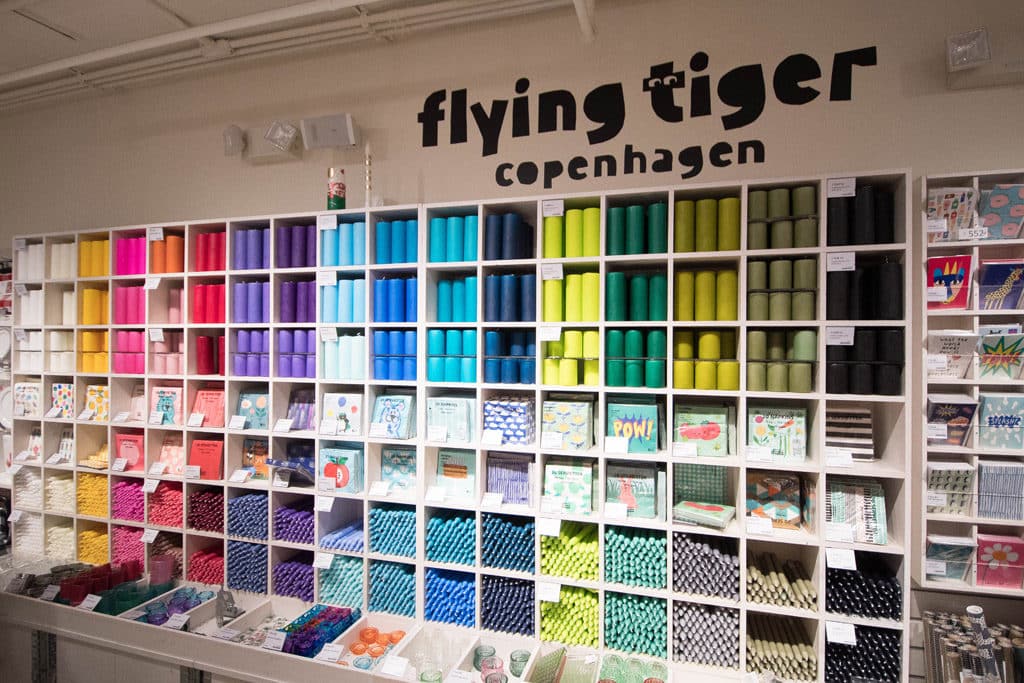
    Flying Tiger Copenhagen, a Danish variety store chain renowned for its affordable home goods and craft kits, has been acquired by Modella Capital, a UK-based private equity firm. Established in 1995, Flying Tiger Copenhagen operates nearly 1000 outlets in over 40 markets. Since last year, the chain has been managed by Danske Bank, Nordea, and its leadership team as part of a debt restructuring effort.

    Modella Capital’s First Acquisition Outside The UK

    TG Jones’s owner, Modella Capital, also owns Claire’s and The Original Factory Shop, both of which declared bankruptcy earlier this year. This acquisition of Flying Tiger Copenhagen signifies Modella’s initial venture beyond the UK.

    Modella’s Managing Director, Joseph Price, lauded Flying Tiger Copenhagen’s unique product offering and strong retail brand, which has garnered a loyal customer base spanning over 40 countries. “Flying Tiger Copenhagen is a business with tremendous potential. We are delighted to invest in its future, and we eagerly anticipate collaborating closely with the management team to furnish the stability, capital, and retail expertise the business requires to realize its growth plan,” stated Price.

    The chair of Flying Tiger, John Dueholm, declared that the management team had been dedicated to identifying the most suitable long-term proprietor for the business. He expressed confidence that Modella is “exceptionally well-positioned” as the new primary shareholder.

    Modella Capital pledged to back Flying Tiger’s expansion strategy, which includes adding over 700 franchise stores by the year 2030. The financial conditions of the agreement were not made public.

    Questions & Answers

    What does Flying Tiger Copenhagen specialize in?
    Flying Tiger Copenhagen is a variety store chain recognized for its affordable home goods and craft kits.

    Who has purchased Flying Tiger Copenhagen?
    The UK-based private equity investor, Modella Capital has acquired Flying Tiger Copenhagen.

    How does Modella Capital plan to support Flying Tiger Copenhagen’s growth?
    Modella Capital plans to support Flying Tiger’s expansion strategy, including the addition of more than 700 franchise outlets by 2030.

  • Skims Embarks on Global Expansion, Set to Unveil First Greater China Flagship Store in Hong Kong

    Skims Embarks on Global Expansion, Set to Unveil First Greater China Flagship Store in Hong Kong

    As part of its ongoing global growth strategy, Skims, the shapewear and apparel brand, has announced plans to launch its first flagship store in Greater China. This major milestone will be located in Hong Kong’s bustling Times Square in Causeway Bay, with the opening scheduled for November later this year. The venture will be a collaboration with renowned retailer Lane Crawford.

    Skims, renowned for its signature neutral-toned interiors and minimalist store design, is looking forward to making a significant mark on the retail landscape in Hong Kong. The brand’s co-founder and CEO, Jens Grede, has pinpointed the city as a prime spot for the brand’s physical retail growth. Skims’ commitment to this strategic expansion underscores the importance of Hong Kong as a key player in the global market.

    Launched in 2019 by Kim Kardashian, Emma Grede, and Jens Grede, Skims initially focused on providing direct-to-consumer shapewear. However, the brand has since diversified its offerings to include underwear, loungewear, and general apparel. Skims prides itself on producing items that cater to a wide selection of body types, placing a particular emphasis on technical fabric development and product innovation.

    The upcoming opening in Hong Kong builds upon the strong partnership between Skims and Lane Crawford, which has been pivotal in expanding the brand’s reach. In 2024, Skims made its debut in Mainland China, thanks to a pop-up activation at the Chengdu International Finance Square, facilitated by this partnership.

    Lane Crawford, headquartered in Hong Kong, operates six department stores – four in Hong Kong and two in Mainland China. The retailer, with a robust online presence, specializes in fashion, accessories, jewelry, beauty, and homewares.

    This development coincides with a resurgence of international fashion and lifestyle brands seeking prime retail locations in Hong Kong’s main shopping districts. This trend has been buoyed by a recovery in both tourism and consumer spending in the region.

    Questions & Answers

    When and where will Skims open its first Greater China flagship store?
    The store is scheduled to open in November at Times Square in Causeway Bay, Hong Kong.

    Who are the founders of Skims?
    Skims was founded in 2019 by Kim Kardashian, Emma Grede and Jens Grede.

    What is the focus of Skims products?
    Skims focuses on products designed for a broad range of body types, with an emphasis on technical fabric development and product innovation.

  • Xiaomi Eyes Global Market Expansion Amidst Local Turbulence and Rising Component Costs

    Xiaomi Eyes Global Market Expansion Amidst Local Turbulence and Rising Component Costs

    Xiaomi Corp., a leading Chinese tech firm known for smartphones and electric vehicles, announced a 43% decrease in net profit in the first quarter of 2022. A variety of factors such as increased memory and other component costs, domestic competition, and investment in new ventures have resulted in a decline in the company’s smartphone segment.

    Expansion Plans Amidst Challenges

    For the first quarter, Xiaomi reported an adjusted net profit of 6.1 billion yuan (around US$899 million), slightly less than the average analyst prediction of 6.4 billion yuan. In order to counterbalance the increased costs of components and heightened competition, Xiaomi plans to extend its reach further into foreign markets.

    According to Xiaomi’s president, William Lu, the industry is adjusting to the “new normal,” comprised of higher memory costs. However, the surge in memory costs is forecasted to decrease starting in the third quarter.

    Xiaomi has been channeling resources into electric vehicles and artificial intelligence, in an effort to diversify its revenue streams outside its main smartphone business. Although the electric vehicle segment continues to grow and contribute to the company’s income, it is impacting earnings due to high investment and lower margins.

    Financial Performance and Future Outlook

    In the first quarter, the company’s electric vehicle business generated revenue of 19 billion yuan, a 5.1% increase from the previous year. However, operations related to electric vehicles, artificial intelligence, and other new initiatives resulted in losses amounting to 3.1 billion yuan.

    During this period, Xiaomi distributed 80,856 electric vehicles, a significant drop from the 145,115 units delivered in the fourth quarter. However, this still represents a 6.6% rise from the previous year.

    The first-quarter revenue was reported to be 99.1 billion yuan, slightly below the average analyst estimate of 103.4 billion yuan. Recently, the company launched a new, more affordable version of its flagship YU7 SUV series, priced around 8% lower than its predecessor, intensifying the competition with Tesla in China’s car market. The company has further plans to expand into European markets by 2027.

    Xiaomi, currently the world’s third-largest smartphone manufacturer, saw a 19% decrease in smartphone units shipped in the quarterly period. Revenue from the smartphone division fell by 12.5% to 44.3 billion yuan, mainly due to elevated component prices and increased domestic competition.

    Questions & Answers

    What are Xiaomi’s plans to cope with the slump in net profit?
    To offset higher component costs and tougher competition, Xiaomi aims to expand further into overseas markets.

    What is Xiaomi’s “new normal”?
    The “new normal” refers to the industry’s adaptation to higher memory costs, as stated by Xiaomi’s president, William Lu.

    What is Xiaomi’s future outlook in the smartphone market?
    The outlook remains weak due to the ongoing memory chip shortage, which is expected to last until late 2027, and geopolitical tensions in the Middle East impacting consumer sentiment.

  • UOB Private Bank Intensifies Greater China Expansion with Appointment of New Market Head

    UOB Private Bank Intensifies Greater China Expansion with Appointment of New Market Head

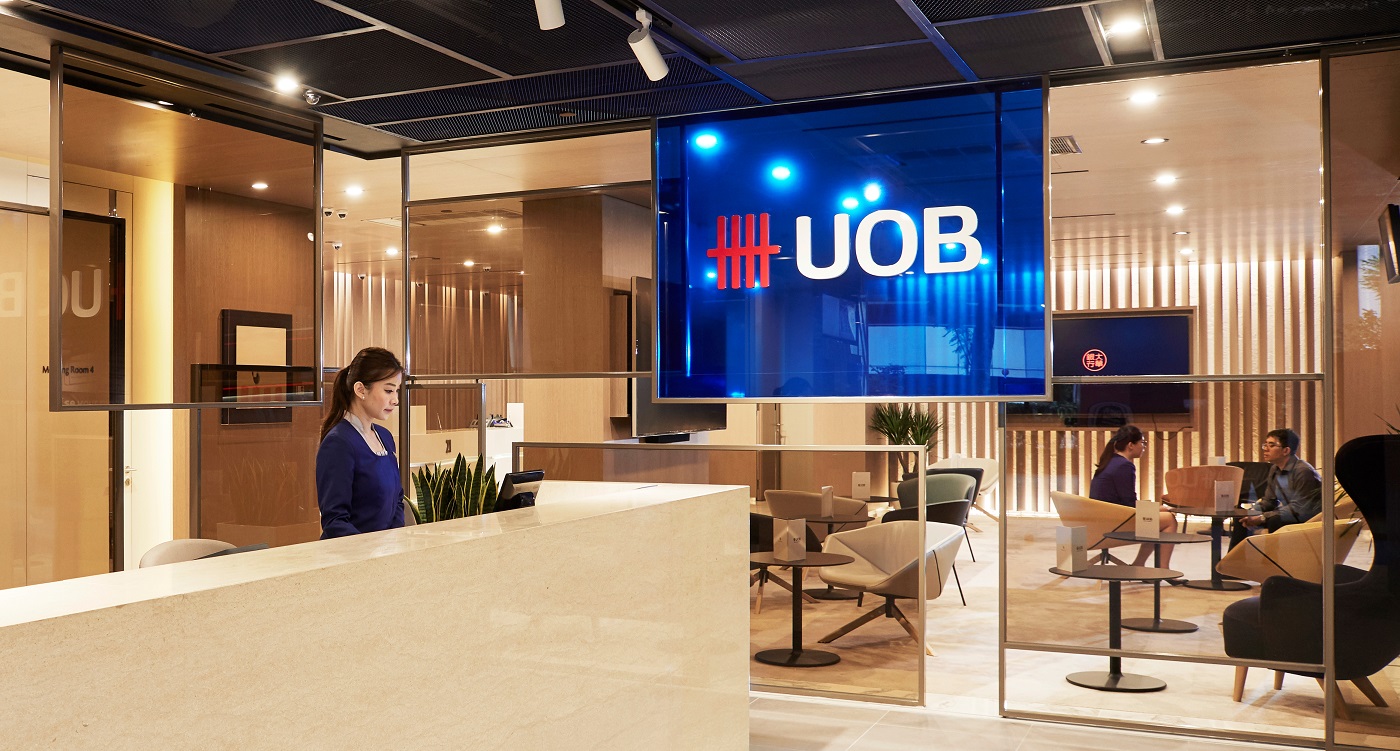
    United Overseas Bank (UOB) Private Bank has announced the appointment of seasoned banker Paul Zhou as the Market Head for Greater China. This strategic move is aimed at accelerating the bank’s expansion plans in one of Asia’s most fiercely contested wealth management markets.

    Effective from May 11, 2026, Zhou will spearhead the growth and strategic planning of UOB Private Bank’s Greater China business, according to a company statement released on Monday.

    Decades of Experience in Private Banking

    Zhou brings to the table over two decades of robust experience in private banking, wealth management, and sales leadership. Prior to this appointment, Zhou was part of UOB China, where he has been serving as the Head of Sales and Distribution since 2018.

    In his previous role, Zhou led the bank’s wealth management and secured lending sales teams, as well as the specialist investment and insurance divisions. His dynamic leadership was instrumental in expanding the bank’s customer base, increasing assets under management and deposits while ensuring strict adherence to governance and compliance standards.

    Before joining UOB China, Zhou held key leadership roles at Ping An Trust and Citibank. He managed private banking teams and directed investment and sales strategies across multiple major Chinese cities. In the early stages of his career, he worked at The Bank of Tokyo-Mitsubishi and HSBC, gaining expertise in investment advisory, wealth management, and cross-border banking solutions.

    Zhou holds an undergraduate degree in Finance and Banking from the Finance and Banking Institution of China in Beijing.

    A Strategy to Reinforce Greater China Franchise

    Zhou’s appointment forms part of a wider strategy by UOB Private Bank to fortify its Greater China franchise. The bank has announced plans to hire a number of seasoned relationship managers and team leads in May and June. This initiative is aimed at enhancing client engagement and supporting the growth of the business in the region.

    The planned expansion underscores the continued competition among local and global banks to tap into the growing wealth creation opportunities in Greater China, despite the ongoing economic uncertainties and unpredictable market volatility.

    Questions & Answers

    Who has UOB Private Bank appointed as the Market Head for Greater China?
    Paul Zhou, a veteran banker with over two decades of experience in private banking, wealth management, and sales leadership.

    What is the strategic objective behind this appointment?
    The appointment aims to accelerate UOB Private Bank’s expansion strategy in Greater China, one of Asia’s most competitive wealth management markets.

    What plans does UOB Private Bank have to fortify its Greater China franchise?
    UOB Private Bank plans to recruit several experienced relationship managers and team leaders over May and June to further enhance client engagement and support business growth in the region.