Tag: expansion

  • Starbucks to open first store in Cambodia

    Starbucks to open first store in Cambodia

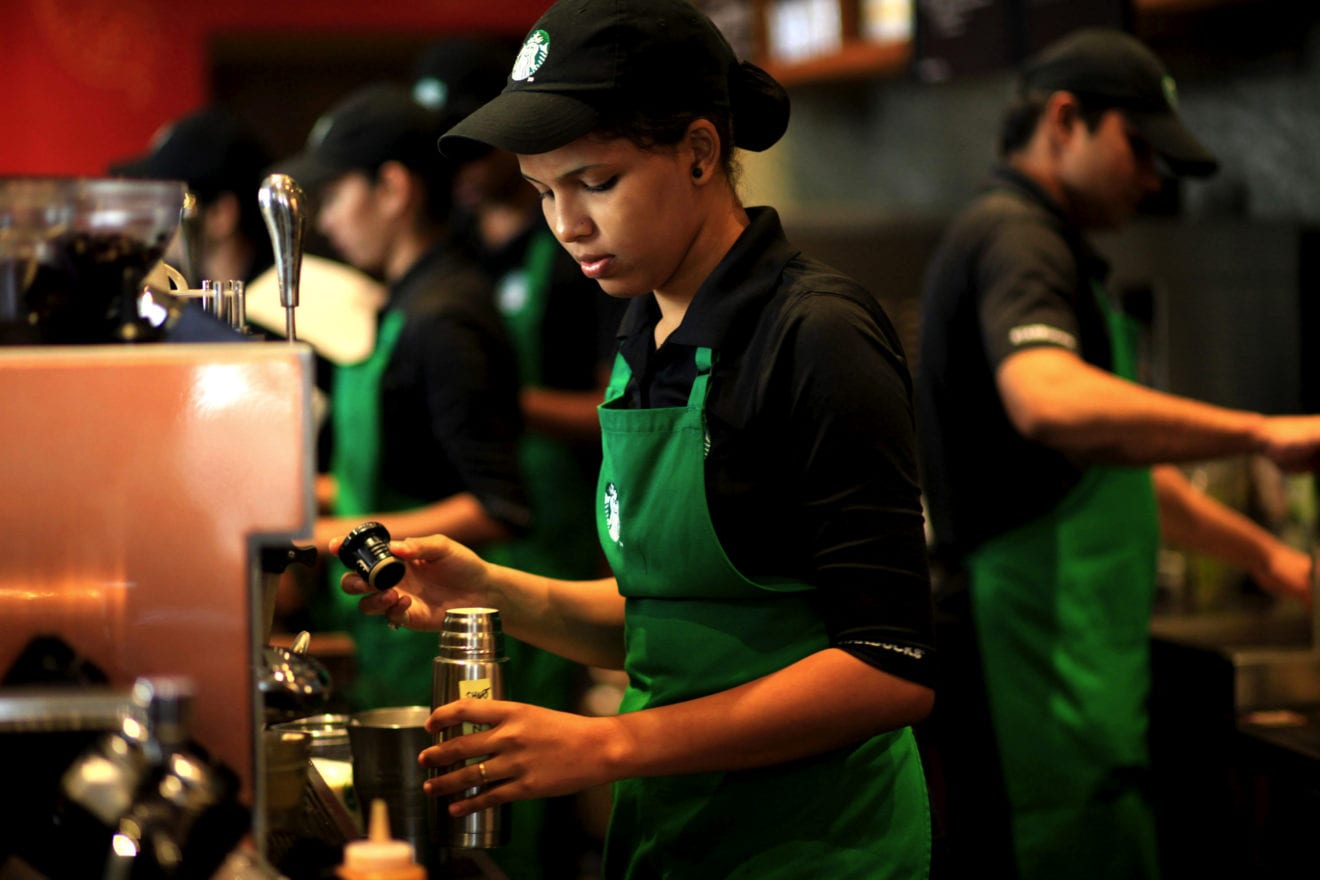
    Starbucks Coffee Company is set to open its first location in Cambodia by the end of 2015, making the country its 16th market in the fast-growing China/Asia-Pacific (CAP) region.

    The store opening is made possible through its licensing agreement with Coffee Concepts (Cambodia) Limited, which is part of Hong Kong Maxim’s Group.

    The first location will open at the newly expanded Phnom Penh International Airport and will be followed by the second store opening in early 2016 in downtown Phnom Penh.

    “Cambodia is a vibrant country with a rich cultural heritage, and we are proud to bring the  Starbucks Experience to this market,” said John Culver, group president, China/Asia Pacific, Channel Development and Emerging Brands, Starbucks Coffee Company.

    Starbucks currently operates more than 5,200 stores and employs more than 80,000 employees in the CAP region. It operates more than 150 stores in Hong Kong and Macau and 15 stores in Vietnam through Viet Idea Food and Beverages Limited, a sub-licensee of Coffee Concepts (Vietnam) Limited, also a subsidiary of Hong Kong Maxim’s Group.

    “We look forward to becoming a part of Cambodia’s local coffee culture, embracing its traditions and sharing our deep passion and knowledge of the best coffees from around the world,” Culver added.

  • Pantaloons to invest Rs 125 cr this fiscal, add up to 35 stores

    Pantaloons to invest Rs 125 cr this fiscal, add up to 35 stores

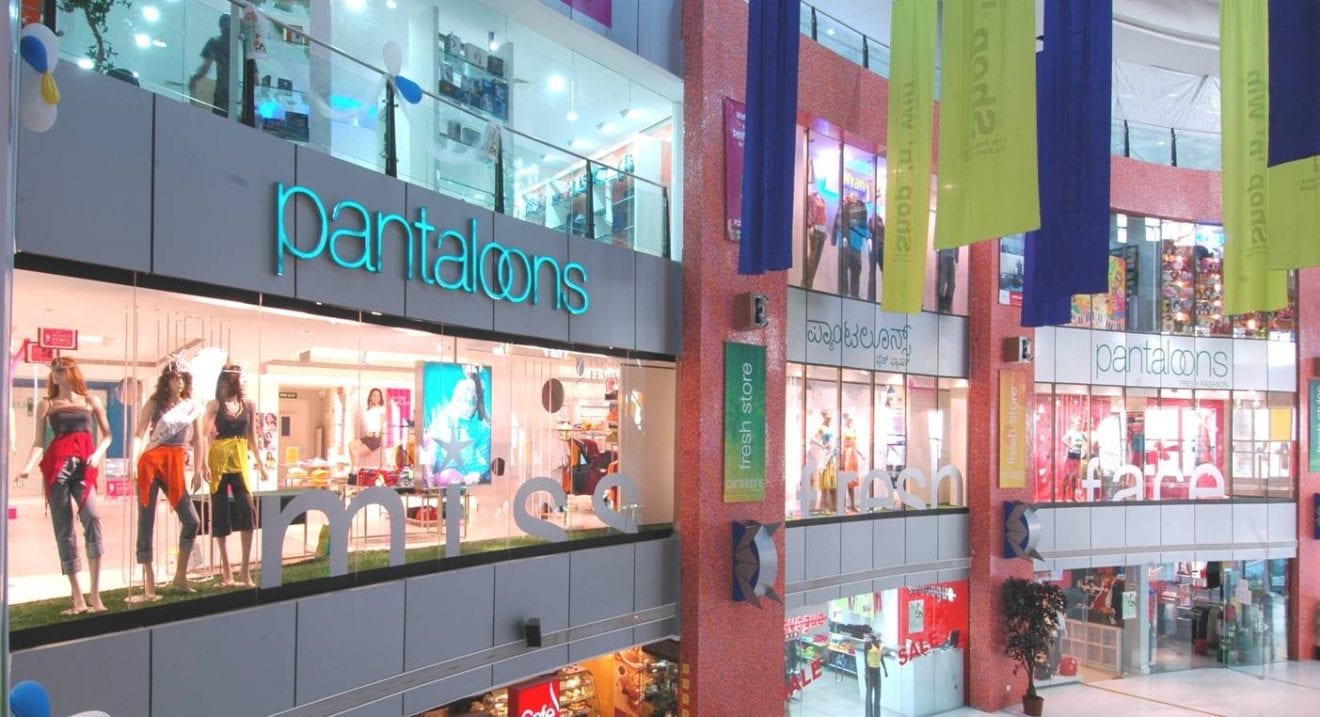
    Retail chain Pantaloons plans to invest Rs 125 crore this fiscal as it plans to add up to 35 stores across the country.

    In an investor update, Pantaloons Fashion & Retail’s parent company Aditya Birla Nuvo said: “Financial year 2015-16 capex guidance (for Pantaloons) stands at about Rs 125 crore mainly towards launch of new stores.”

    “The company is targeting to launch 30-35 stores during 2015-16 and focus will be on expanding customer reach and portfolio enrichment,” it said.

    Pantaloons, which has over 100 stores across the country, reported net sales of Rs 433.70 crore for the quarter ended June 30, 2015.

    In May, in a major restructuring exercise, Aditya Birla Group announced merger of all its branded apparel businesses into one entity, Aditya Birla Fashion and Retail Ltd.

    Under the scheme of arrangement, the apparel businesses of group holding company Aditya Birla Nuvo and of another group firm Madura Garments Lifestyle Retail would be demerged into listed firm Pantaloons Fashion & Retail Ltd (PFRL).

    Madura owns and retails brands such as Louis Philippe, Van Heusen, Allen Solly, Peter England and People and operates 1,759 stores across the country.

    In 2012, Aditya Birla Nuvo had entered into an agreement with the Future Group to infuse Rs 1,600 crore into Pantaloons and acquire a majority stake in the store chain.

  • Roll Mafia plans India roll-out

    Roll Mafia plans India roll-out

    An Indian quick service restaurant concept Roll Mafia has raised $151,000 in seed funding to commence a roll out in major Indian cities.

    Parent SLS Cuisines India plans 50 restaurants in six cities by March next year after attracting investment from Singapore’s Equentia Natural Resources and a group of private investors.

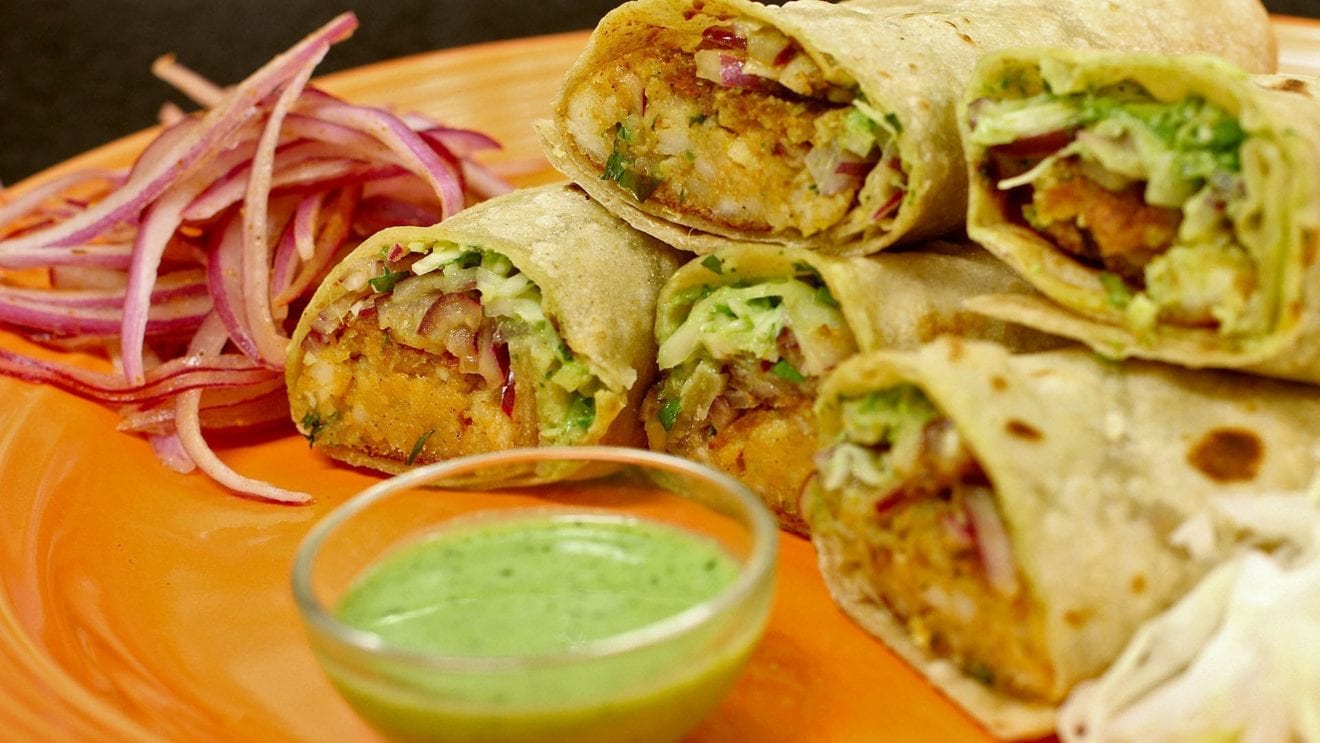
    Roll Mafia currently operates eight outlets in Pune and three in Patna, cooking and selling Indian food such as Kathi Rolls and Dum Biryani.

    “We are looking to open 50 more outlets in Mumbai, Chandigarh, Baroda, Bangalore, Delhi and Gurgaon by March 2016,” said Varun Sahay, co-founder of Roll Mafia.

    The new outlets will boost its workforce from the current 70 to around 250.

    Roll Mafia was founded in 201 by brothers Varun and Vishal Sahay. It provides delivery in some market, via an online portal, as well as takeaway and dine-in facilities.

  • Israel’s Teva Naot expands in Japan

    Israel’s Teva Naot expands in Japan

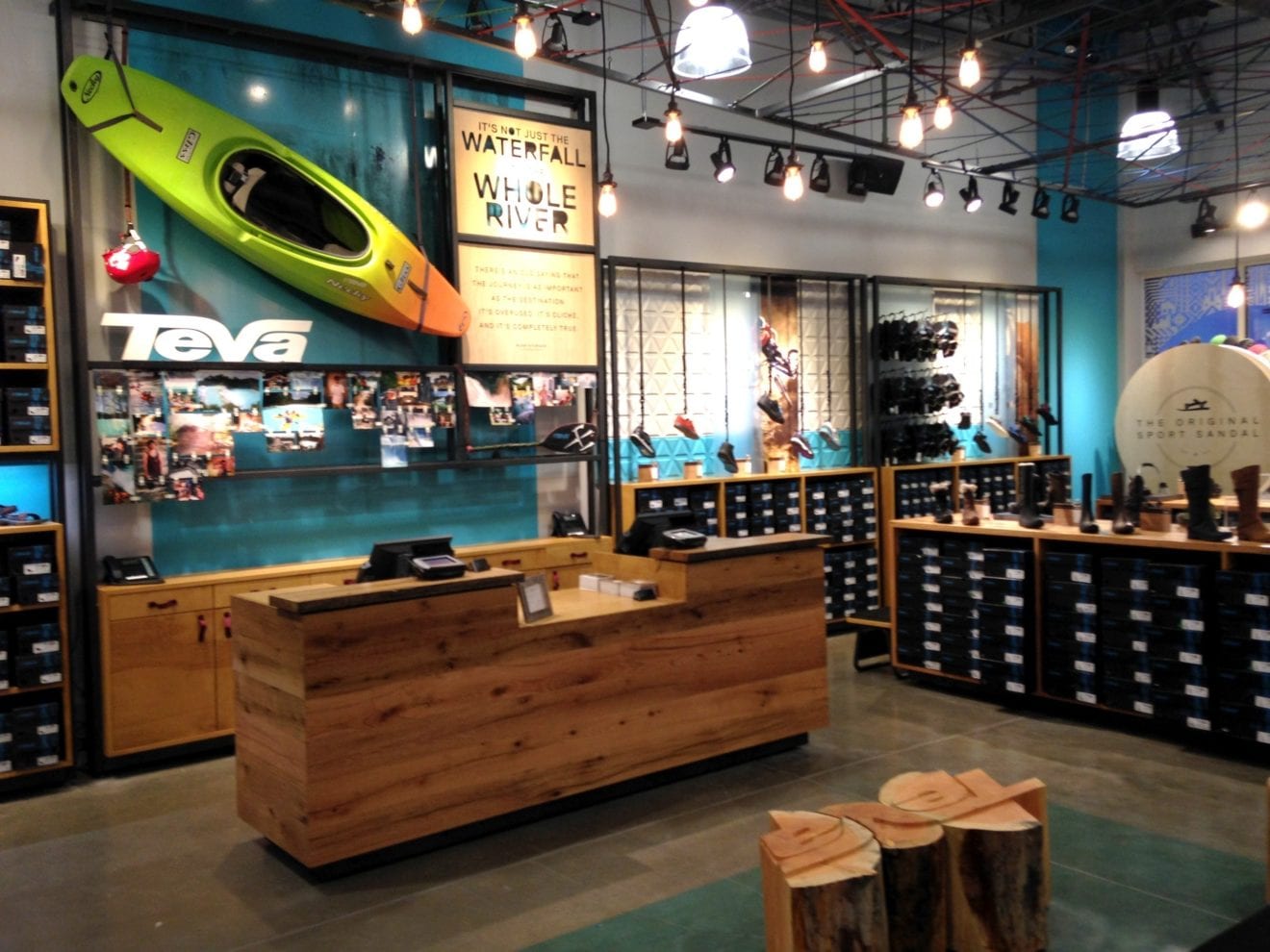
    Israeli sandal maker and retailer Teva Naot is gaining a cult following in Japan.

    The footwear brand has just opened its fifth “high class boutique” in Japan, and plans even more stores as it wins the hearts and wallets of Japanese.

    The company already has three stores in Tokyo and one in Nara in the Kansai region of Japan’s south. The new store will be in Tokyo.

    CEO, Michael Iluz,says its shoes have become extremely popular among Japan’s business and celebrity class.

    Teva Naot shoes are handmade from high quality materials and positioned at the premium end of the market. It has designed a range of 20 sandals specifically for the Japanese market to reflect local tastes, fit and trends. The stores are designed to evoke a ‘high class, luxury’ shopping experience.

    The Israeli newspaper Maariv reports the company sold more than $3.6 million worth of shoes in Japan this financial year and expects sales to reach as high as $5 million in 2016.

    Teva Naot has also met with success in South Korea.

  • K11 mall founder to build 17 more centres

    K11 mall founder to build 17 more centres

    The founder of the K11 mall concept which debuted in Hong Kong and then was replicated in Shanghai is now planning 17 more centres in Mainland China.

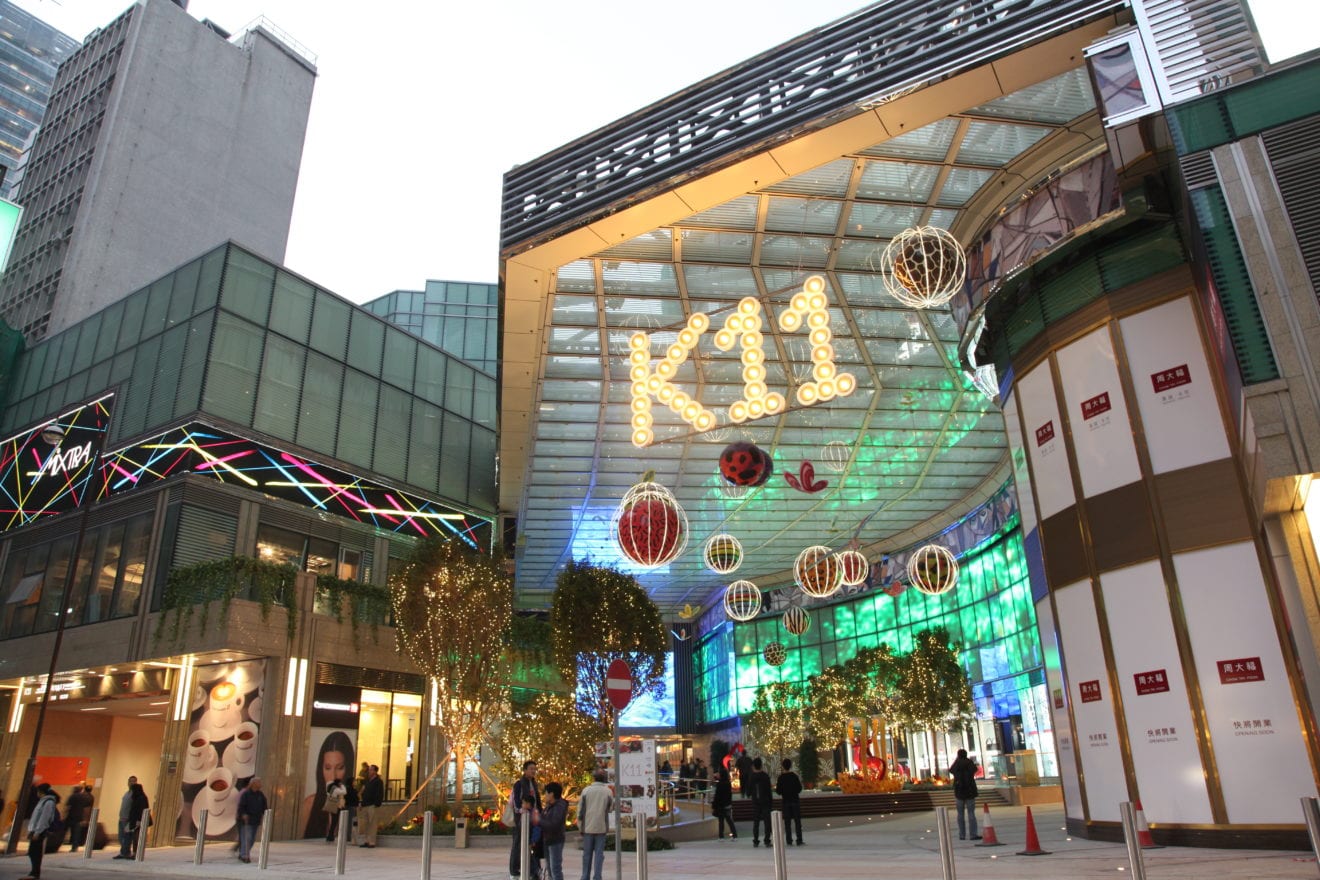
    Chinese billionaire Adrian Cheng founded the nonprofit K11 Art Foundation in 2010,  and subsequently opened the K11 shopping centre in the heart of Kowloon, atop the Tsim Sha Tsui railway station.

    Like its successor in Shanghai, the K11 mall features frequently-changing art installations and exhibitions, merging art gallery with a retail and dining space. Works by artists including Olafur Eliasson, Damien Hirst and Yoshitomo Nara can be found in the malls.

    A spokesman for Cheng’s business New World Development Company says the grand plan is to have 19 K11 spaces – mostly retail centres but also offices.

    Cheng is ranked among the world’s top 20 billionaires aged under 35 with an estimated worth of US$1.4 billion.

  • Jamie Oliver heads to India

    Jamie Oliver heads to India

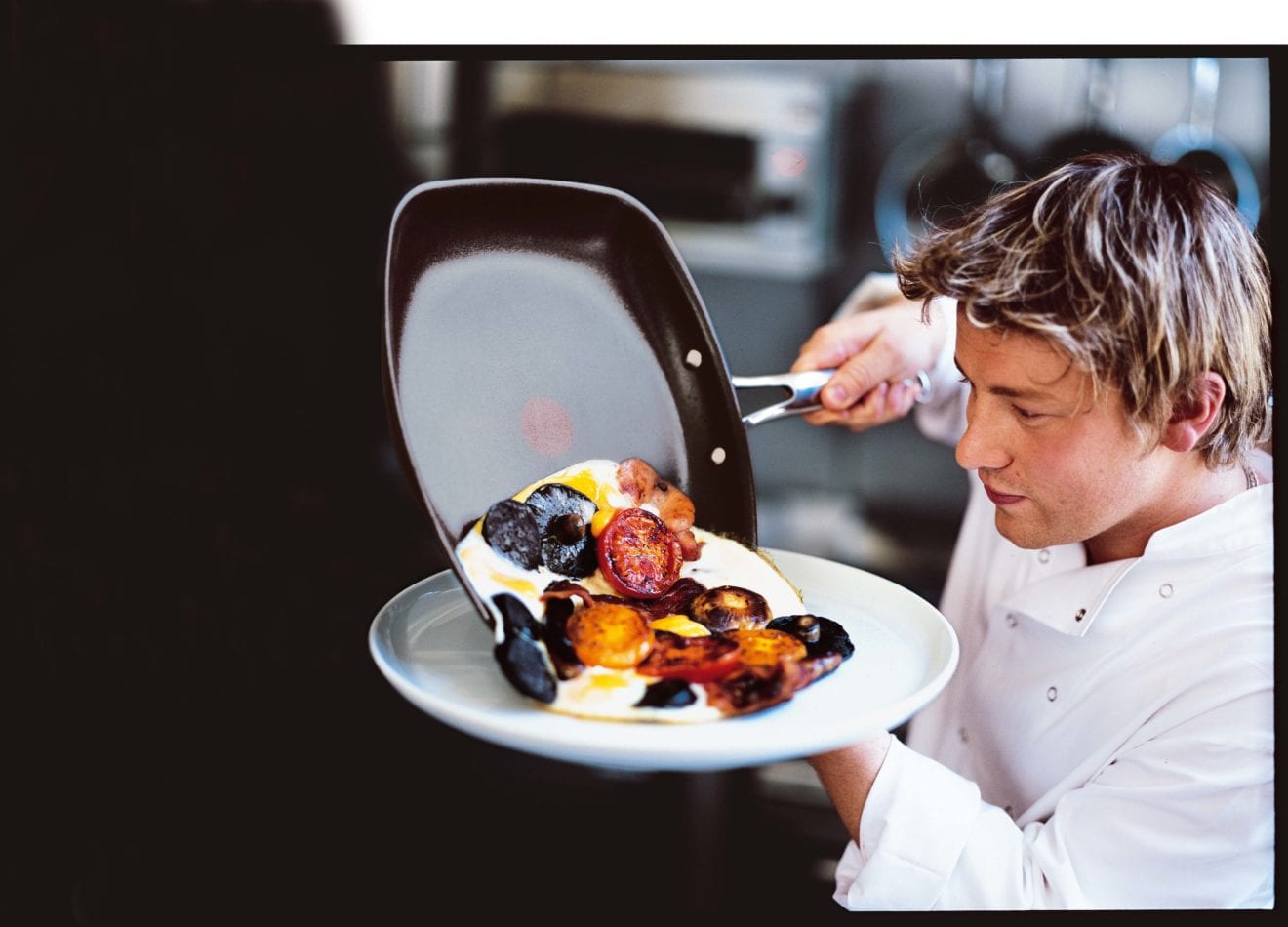
    UK celebrity chef Jamie Oliver is to open his first restaurant in India.

    Jamie’s Pizzeria, a 60 seat restaurant serving pizzas, salads, sides and desserts, will open in Delhi this autumn.

    “I can’t tell you how excited I am to be bringing Jamie’s Italian and Jamie’s Pizzeria to India. Delhi is a vibrant, colourful, buzzing city with an already incredible food scene, so to be opening two restaurants there is a huge honour,” Oliver said in a statement.

    The pizzeria will be the first of several planned for major Indian cities. Oliver already runs 30 restaurants globally, including in the UK, Dubai, Hong Kong, Russia, Australia, Singapore and Toronto.

    The Indian business is a joint venture between Delhi-based Carnation Hospitality, which operates Wendy’s and Barista franchises in India, and UK-based International Market Management.

    “We chose Delhi because we found a great launch site and feel that we can offer something new to the market, this is to say highly accessible, affordable restaurants serving great quality Italian food sourced with the greatest care,” said Jasper Reid, IMM’s founder, in an interview.

    “It’s a fun and easy-going place offering customers the highest quality but at amazing value. The plan is for customers to get a yummy pizza and a drink for around Rs 400 to Rs 450. We feel there may be a gap in the market for this quality and this price,” Reid said.

    He added that the partnership will launch the other Jamie Oliver brand, Jamie’s Italian, in India as well.

  • Marimekko Asia continues expansion

    Marimekko Asia continues expansion

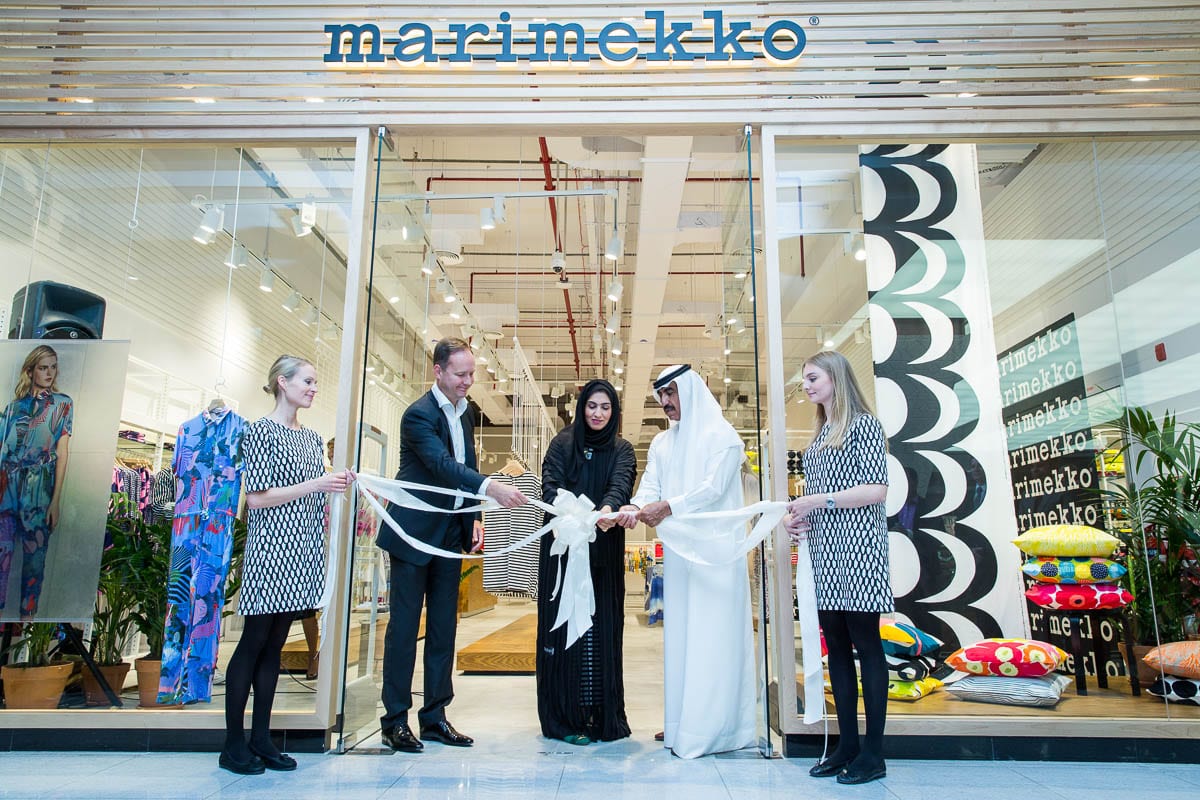
    Finnish homewares retailer Marimekko says it will stick to its Asia and Middle East expansion program despite declining profits.

    “We continue our expansion in line with our internationalisation strategy, particularly in the Asia-Pacific region,” said Marimekko president Tiina Alahuhta-Kasko.

    “This year, new markets have opened up in Bangkok and Singapore as well as Dubai in the Middle East. Deliveries to Japan and the rest of Asia were on a good level in the second quarter, although sales for the whole year are forecast to be lower than in 2014.”

    Marimekko has reported a net sales growth of six per cent globally in the six months to June 30, to euro 43.6 million, driven by new stores and the development of discount outlet stores and an online shop in Finland, together with the stronger US dollar.

    Besides building its Marimekko Asia operations, the company is focusing on its eCommecre offer.

    “The development of digital business is an important part of the current stage in our strategy,” explained Alahuhta-Kasko.

    “The trend in our online sales has continued to be positive and we will continue to focus on enhancing the customer experience to make it even more inspiring and more seamless between our online and offline stores. As part of this process, we are also updating our store and service concept.”

  • Uniqlo Malaysia plans seven new stores

    Uniqlo Malaysia plans seven new stores

    Japanese retail giant Fast Retailing is planning to open seven new Uniqlo Malaysia stores.

    Two of the stores are planned for Sabah and Sarawak in eastern Malaysia and will mark the brand’s first foray into the eastern region after establishing a strong network of stores in central Malaysia.

    The seven stores will begin trading between September and November this year.

    Uniqlo said they will be located in the Klang Valley (The Curve), Perak (Aeon Klebang), Kedah (Aman Sentral), Sabah (Imago KK Times Square and Suria Sabah) and Sarawak (The Spring Mall and Vivacity Megamall).

    “The new store openings mark Uniqlo Malaysia’s first entry into East Malaysia, as it looks to provide more Malaysians with high quality, comfortable and stylish clothing at affordable prices,” the company said in a statement.

    Uniqlo Malaysia currently has 25 stores located within the Klang Valley, Johor, Malacca, Pahang and Penang.

    “We are excited with the upcoming new store openings, as it means more Malaysians will be able to purchase and experience our product offerings,” said Uniqlo Malaysia’s co-COO Jocelyn Ng.

    “We remain committed to provide the best shopping experience and make our innovative products, such as Airism and Heattech, more accessible to the communities in these locations.”

  • Marks & Spencer Vietnam opens second store

    Marks & Spencer Vietnam opens second store

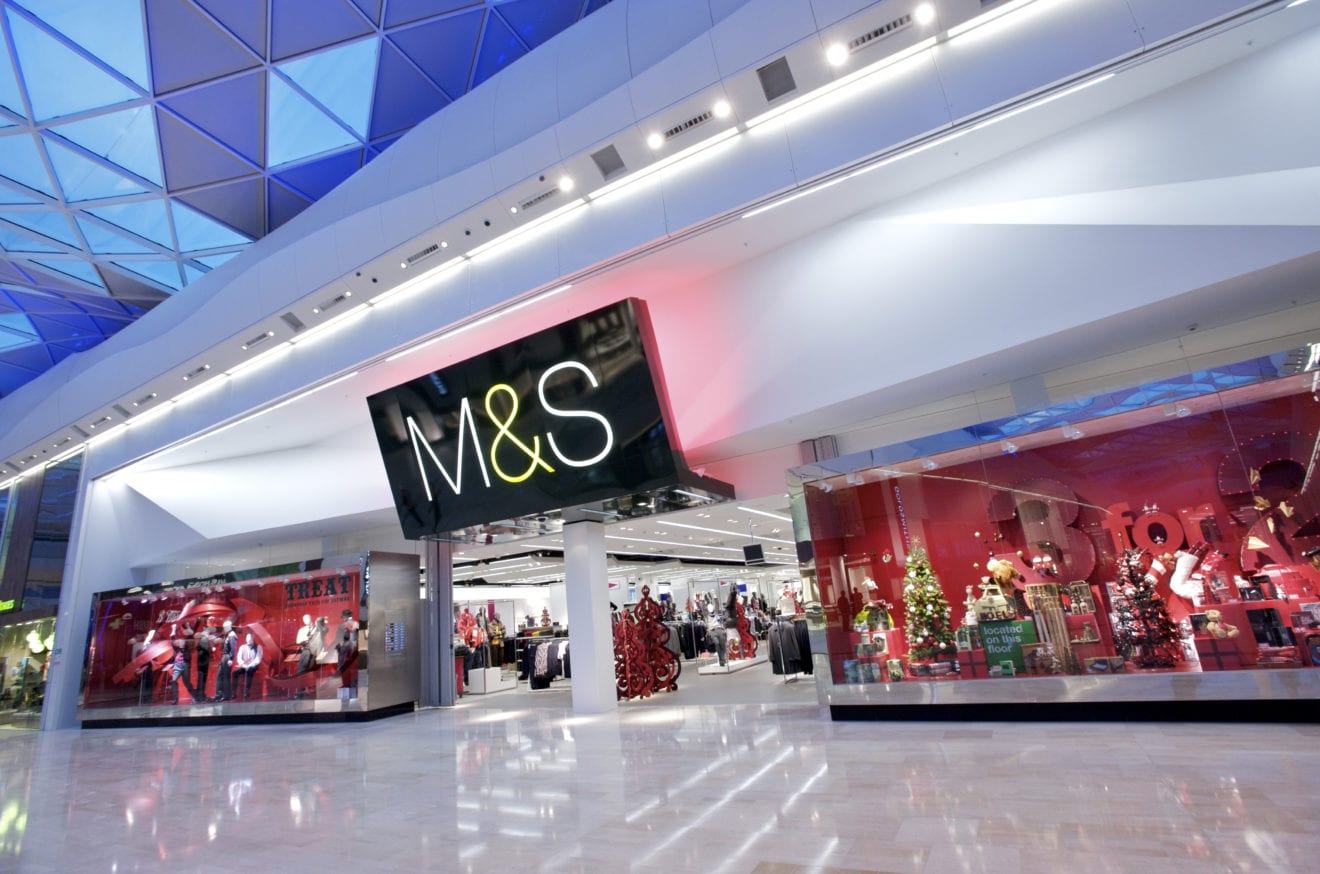
    UK-based department store retailer Marks & Spencer has opened a second store in Vietnam’s largest city, Ho Chi Minh.

    Marks & Spencer Vietnam plans to have 20 stores trading in the country by 2020, focused on selling womenswear and menswear.

    The new store is at Crescent Mall in Ho Chi Minh City’s District 7, a four year old mall which also hosts a newly opened Robins Department store.

    It is operated by Marks & Spencer’s long-term franchise partner, Thailand-based Central Retail Corporation, a member of Central Group, which also owns Robins.

    The first Marks & Spencer Vietnam store opened in a 1200 sqm space in the Vincom Center in downtown Ho Chi Minh City last year, the site previously occupied by UK rival Debenhams.

    M&S now has over 800 stores in the UK and more than 460 international stores across 56 markets in Europe, the Middle East and Asia.

  • Missha expands in Vietnam

    Missha expands in Vietnam

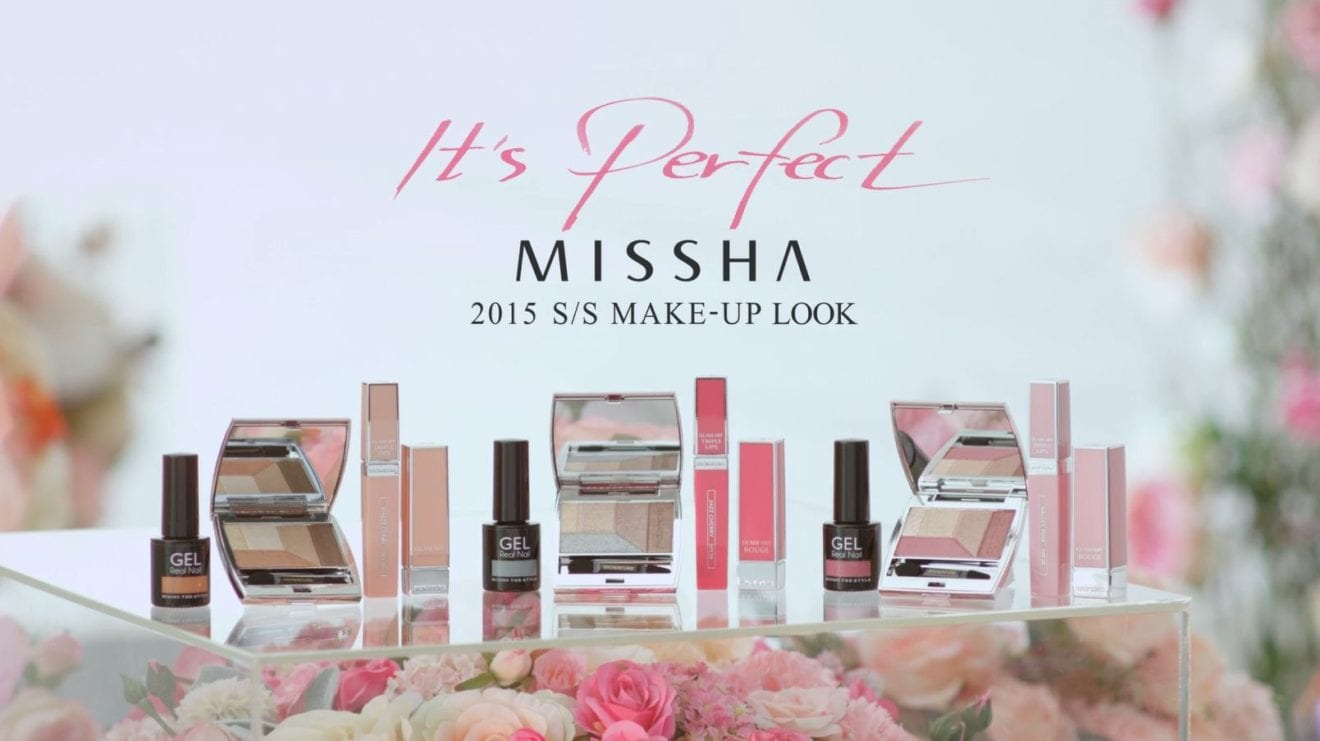
    Korean cosmetics retailer Missha has opened its 15th retail store in Vietnam.

    The newest store, at Cach Mang Thang St in downtown Ho Chi Minh City, is located in a neighbourhood popular with tourists and locals.

    Besides its focus on Vietnam’s most populous city, Missha is expanding in other Vietnamese cities. In April it opened in the holiday resort of Danang

    Missha Korea has 1650 stores in 29 countries including about 110 in Southeast Asian markets including Indonesia, Thailand and Singapore.

    The company says it sold US$570,000 worth of products in Vietnam in the first half of 2015, up 32.5 per cent on the same time last year.

    The Korea Cosmetics Industry Institute predicts Vietnam’s cosmetics markets will grow by 17.5 per cent this year, making it the second fastest growing market in Asia, behind India.

    “With Missha’s main items of makeup cosmetics, including mascaras and BB creams, we will accelerate the market invasion in Vietnam,” said Lee Kwang-sup, chief manager of Missha’s overseas business unit.

    “As Missha has already been established as one of the most popular brands in the country, we will dominate the market in advance by actively expanding stores.”

  • Jollibee opens 3000th store

    Jollibee opens 3000th store

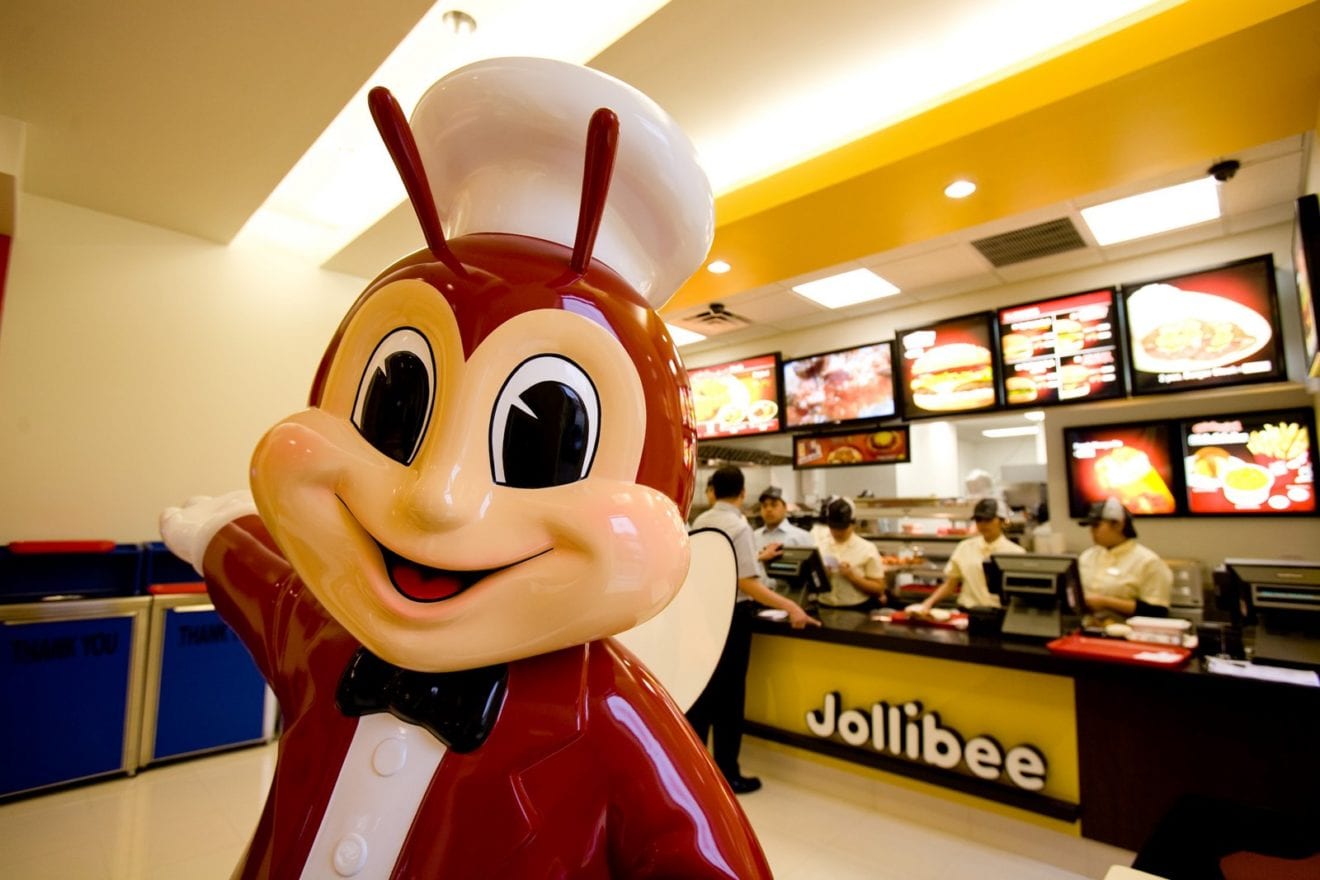
    Philippines-based fast food chain operator Jollibee Foods has surpassed the 3000 store milestone as it reports a 7.4 per cent increase in net income for the first half of 2015, to P2.7 billion (US$58.5 million).

    Sales rose 9.5 per cent, but increased cost of raw materials squeezed profit growth.

    Having reached the 3000 store milestone, the company has no plans to slow its growth.

    “We are on track to open at least 200 new stores in one year in the Philippines, the first time we will able to do so,” said JFC CEO Ernesto Tanmantiong said in a statement.

    “Historically, we were opening 100 new stores per year in the country. We look forward to opening 300 new stores worldwide this year, also a first in our history, with 100 abroad, the bulk of which will be in the People’s Republic of China,” he added.

    “We look forward to JFC’s resurgence to double-digit sales growth in the quarters and years ahead.”

    CFO Ysmael V. Baysa said the group hopes to achieve double-digit growth in 2016 due to the network expansion and improved margins.

    “Raw materials prices are [now] declining, however their benefits on profit margins have been offset by high levels of inventories of materials with still high prices. We deliberately increased our inventories in the Philippines starting in 2014 as a safety measure during a major new system implementation, and as a way of dealing with the logistics and delivery challenges in the country,” Baysa said.

    Jollibee has 2374 outlets in the Philippines and 627 overseas – 3001 in total.

  • Hugo Boss shareholder says group will boost presence in China

    Hugo Boss shareholder says group will boost presence in China

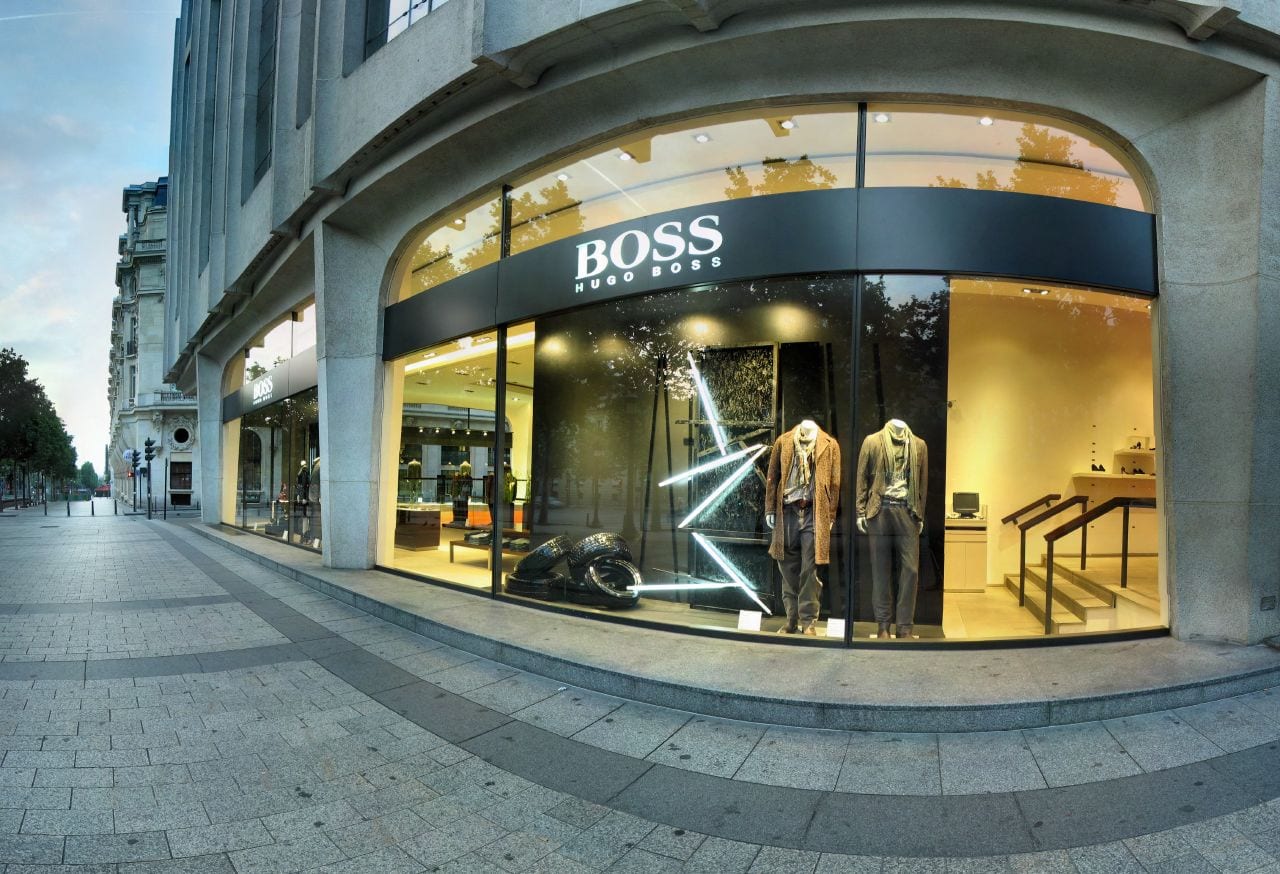
    German fashion house Hugo Boss will expand its presence in China, key shareholder Gaetano Marzotto said in an interview in newspaper Welt am Sonntag.

    Despite slowing growth in the world’s second-largest economy, Marzotto told the paper that he saw the potential for higher sales in China.

    “Up until now China accounts for less than 10 percent of group sales, this could be ramped up,” Marzotto said in an advance extract of an interview to be published on Sunday.

    His family clan holds a 7.95 percent stake in Hugo Boss, making it the company’s biggest shareholder.

    The Chinese are the world’s biggest buyers of luxury goods and have been increasingly shopping abroad as big shifts in exchange rates make luxury items much cheaper for them in Europe than at home.

    Hugo Boss’s currency adjusted sales in the country increased 1 percent in the six months through June versus a decline of 2 percent in the prior year period.

    Finance chief Mark Langer said earlier this month he did not expect an improvement soon in China, which contributes about 8 percent of group sales.

    Hugo Boss recently took over 21 stores in China, previously operated by a partner, to strengthen its brand in the market.

    The group has been spending heavily on expanding its own store network, where sales are more profitable than through other retailers’ shops.

  • Fusionex eyes Philippines, fuelled by 26% jump in revenue

    Fusionex eyes Philippines, fuelled by 26% jump in revenue

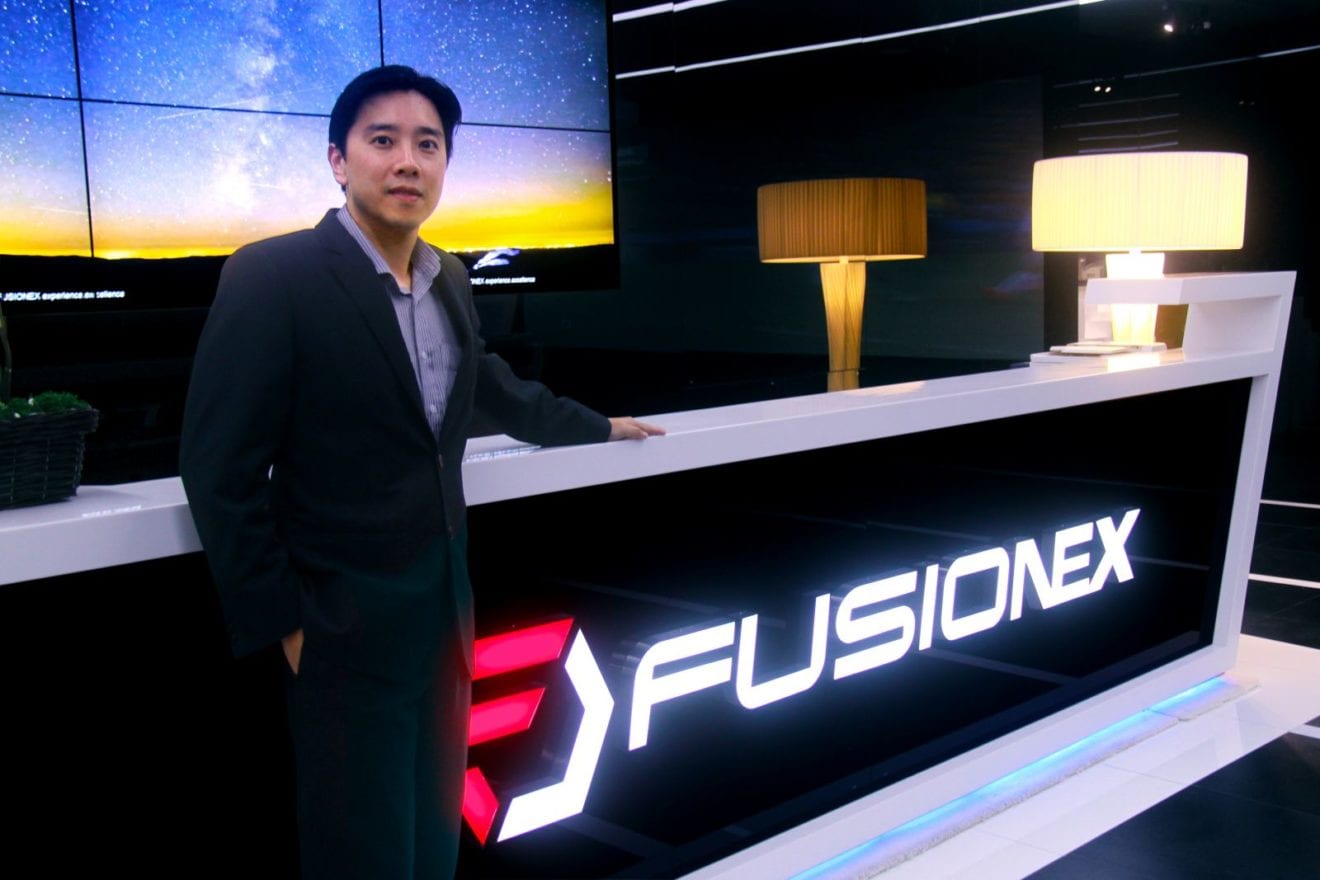
    BIG data and analytics software company Fusionex International Plc will be widening its footprint in South-East Asia by expanding to the Philippines over the next few months, its fourth market in the region.
    The company, listed on the London Stock Exchange’s Alternative Investment Market (AIM), has a presence in Hong Kong, Macau, the United Kingdom and the United States; as well as its home base of Malaysia and South-East Asian neighbours Singapore and Thailand.

    Its expansion strategy is somewhat conservative, but it is already close to securing an anchor customer, Fusionex cofounder and managing director Ivan Teh told Digital News Asia (DNA) in Kuala Lumpur recently.

    “We have been spending time to ensure that we got the right partner, the right place, the right kind of ecosystem, infrastructure and setup.

    “We want to know the market first, so we don’t want to go in and waste two years only to realise the market is not suitable,” he said.

    One may wonder why Fusionex is eyeing the Philippines, where ICT spending is significantly lower than its home market even though its population is triple Malaysia’s.

    According to an IDC report, Philippines’ ICT spending is expected to reach US$6.76 billion this year. In contrast, according to a Gartner report, Malaysia’s ICT spending is estimated to be around RM65.1 billion (US$16.42 billion).

    But Teh, an inaugural DNA Digerati50, said Philippines is a good expansion destination for various reasons.

    “The retail market is booming over there. The shared services and outsourcing markets are exploding too,” he argued.

    According to a Manila Bulletin report, citing the Philippines Retailers Association, the country is expected to see 40 new malls open in 2014 and 2015. The association projected retail sales would reach P1.61 trillion (US$35 billion) by 2016 and P1.78 trillion (US$38 billion) by 2017.

    “Malaysia will remain to be our centre of excellence – a lot of the research and development will be done from Malaysia. Nevertheless, the Philippines is undeniably a booming market,” said Teh.

    For the six months ended March 31, 2015, Fusionex’s revenue increased 26% to RM31.6 million, while gross profit jumped 31% to RM24.9 million. [RM1=US$0.25 at current rates]

    The strong performance was mainly driven by its flagship big data analytics product Fusionex Giant , which has found over 25 customer wins since launch. These companies include the domestic unit Japanese retailer Aeon.

    Fusionex has managed to get other big-name customers this year, including AirAsia; Brother Industries Ltd, a multinational electronics and electrical equipment company headquartered in Nagoya, Japan; and Islamic insurer Syarikat Takaful Malaysia Bhd in Malaysia.

    But for now, all of Teh’s attention will be on ensuring its Philippines expansion goes according to plan, and also that the business runs smoothly post-launch.

    “It’s important for us to set up the right team and to hire the right people. We will also get some of our Malaysian employees to be there for a period of time, just to make sure we have a cultural transition.

    “Then, we want to grow the local talent as well,” he said.
  • Alibaba spends $4.6-billion on Chinese electronics retailer Suning

    Alibaba spends $4.6-billion on Chinese electronics retailer Suning

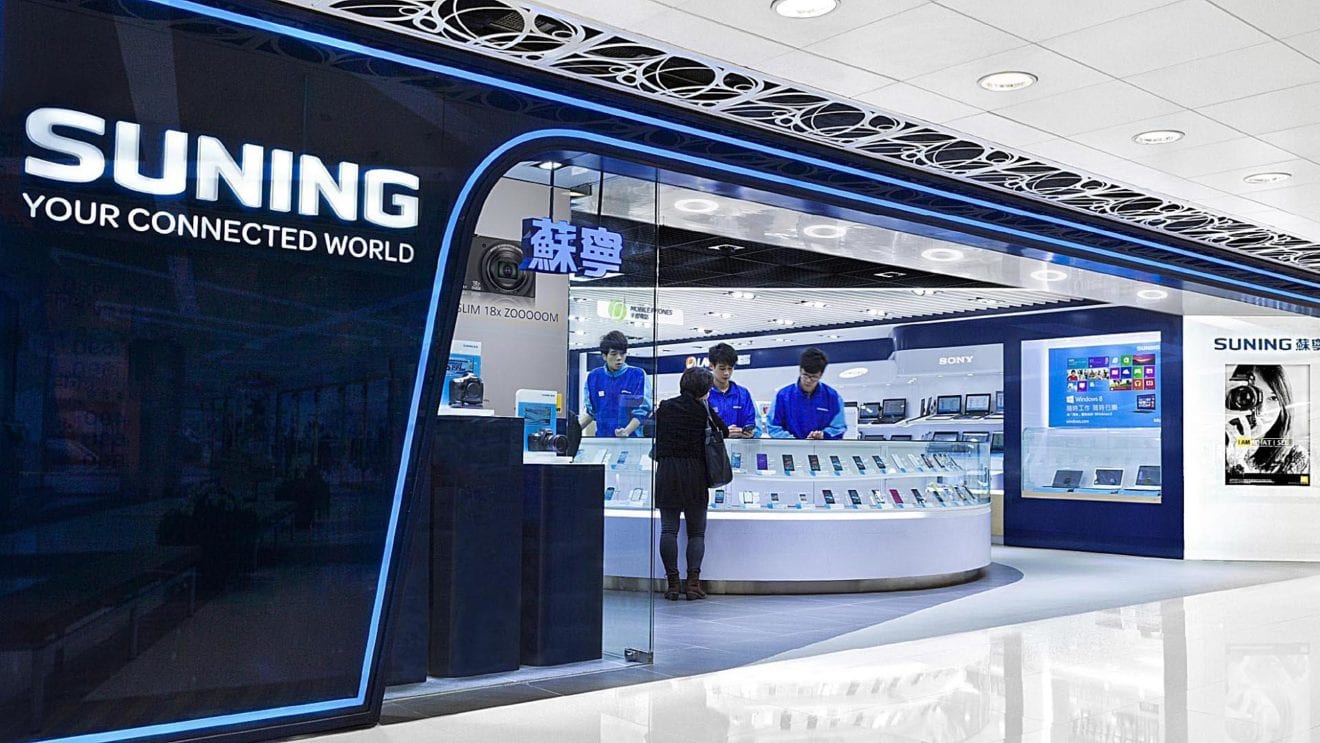
    Alibaba Group Holding Ltd. will spend 28.3 billion yuan ($4.6-billion) for a stake in Suning Commerce Group Ltd. as China’s biggest e-commerce operator adds a network of electronics stores in its biggest deal ever.

    Alibaba will buy a 19.99 per cent stake in Suning, which in turn will spend as much as 14 billion yuan for shares in the e– commerce company, according to a Business Wire statement on Monday. The companies will partner in logistics and online sales to target deliveries as fast as two hours.

    Alibaba Chairman Jack Ma is beefing up his retail presence after a 24 per cent drop in the company’s market value this year, bolstering the appeal of e-commerce operations facing slowing growth in China. Adding Suning to a partnership with department store operator Intime Retail Group Co. helps Alibaba compete with JD.com Inc., which specializes in selling electronics and has surged in New York trading this year.

    “Suning has one of the largest physical networks for selling appliances and that would help Alibaba’s location-based services,” said John Choi, an analyst at Daiwa Securities Group Inc. in Hong Kong. “Alibaba is becoming much more involved in offline retail through investments.”

    Alibaba’s American depositary receipts gained about 1 per cent to $79.62 at 9:45 a.m. in New York on Monday. The stock has declined about 23 per cent this year.

    Suning has more than 1,600 outlets in about 290 cities in China selling appliances, books and baby products. Alibaba will become the second-largest investor in the Nanjing-based retailer, trailing only Chairman Zhang Jindong.

    Logistics Partnership

    Alibaba is paying 15.23 yuan a share for the stake, which is about 10 per cent more than Suning’s closing price on July 31, its last day of trading before being halted. Shares are up 53 per cent this year.

    “We’re going to be able to leverage on Suning’s physical infrastructure,” Alibaba Vice Chairman Joseph Tsai said during a conference call.

    The companies will link their customer databases so they can tailor services such as in-store mobile payments, Chief Executive Officer Daniel Zhang said.

    The acquisition is Alibaba’s biggest-ever, excluding a $7.1-billion share buyback in 2012 from Yahoo! Inc.

    Alibaba has quickened the pace of its deals this year as its share price plummets in New York trading. Since January, Alibaba has announced 22 deals at a total value of $9.1-billion, compared with 25 deals all of last year at a value of $5.9-billion.

    The Suning partnership will help Alibaba expand in an electronics and appliance retail market forecast to grow 23 per cent to 1.1 trillion yuan by 2018, according to researcher Euromonitor.

    Ground Teams

    Suning will partner with Alibaba’s Cainiao logistics affiliate, enabling the companies to cover almost all of the 2,800 counties and districts in China.

    “Retail e-commerce also needs the ground teams to serve its customers, especially for the electronics appliances,” said Ray Zhao, an analyst at Guotai Junan Securities Co. “It’s difficult for e-commerce players to acquire more good logistics land.”

    Suning’s No. 1 rival, Gome Electrical Appliances Holding Ltd., has taken a different direction in its strategy. Two weeks ago, the Beijing-based company signed a deal to buy a company owned by jailed founder Huang Guangyu for HK$11.3-billion ($1.5-billion). That would help it increase the number of outlets by 50 per cent to 1,714 in 436 cities, exceeding those owned by Suning.

    Alibaba is scheduled to report fiscal first-quarter earnings on Wednesday.

  • Max’s Group takes Yellow Cab Pizza to UAE

    Max’s Group takes Yellow Cab Pizza to UAE

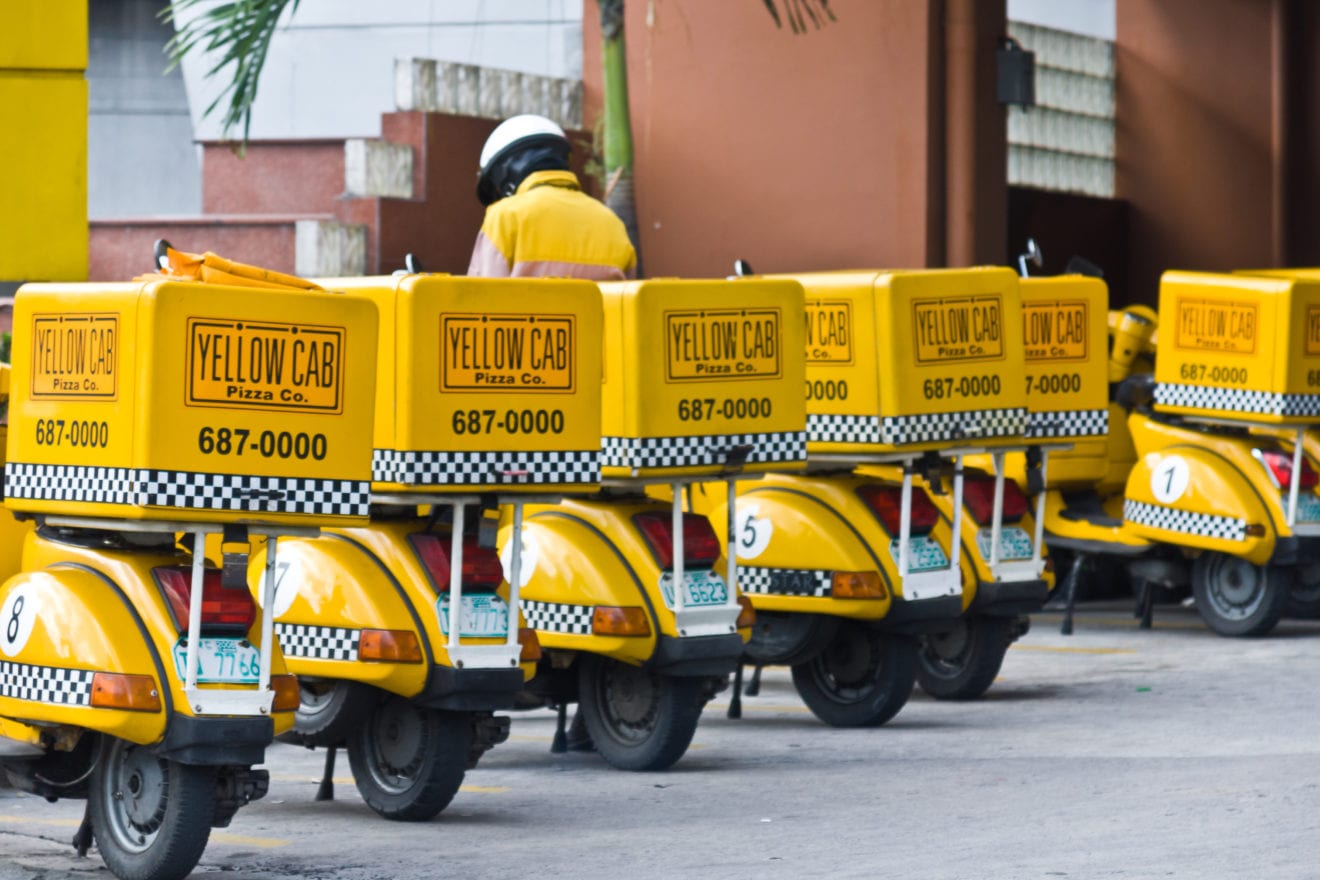
    Philippines-based Max’s Group is to launch its Yellow Cab Pizza chain in the UAE after signing a partnership with Cartoon Fashion Group.

    Cartoon will open 10 Yellow Cab outlets in the UAE over the next five years. IT’s the second overseas market for the Filipino brand, following six stores in Qatar.

    Yellow Cab specialises in New York style pizzas and has 112 branches in the Philippines.

    President and CEO of Max’s Group, Robert Trota, said the Cartoon Fashion Group had a proven track record and solid reputation in the UAE. “We knew they were the best partner for this endeavor.”

    Dubai-based Cartoon Fashion is one of UAE’s largest retail and hospitality consortiums, operating local franchises for brands including Adidas, Ed Hardy and French Connection.