Retail News CRM

Tag: experience

  • School House creates La Mer retail experience in Shanghai

    School House creates La Mer retail experience in Shanghai

    New York-based creative agency School House has partnered with cosmetics brand La Mer for its Edge of the Sea campaign exhibition at Shanghai’s Power Station of Art.

    The immersive, multi-sensory campaign activation is “designed to explore the joyful, powerfully truthful story of the sea and its role in discovery, healing and recollection,” according to School House.

    “This was the first international exhibition that School House has had the opportunity to conceptualize and produce,” said School House founder and principal Christopher Skinner. “It required us to bridge strategic thinking, retail experience and brand storytelling in a new way, for a new market.”

    Located within and upon the canvas of the Power Station of Art (home of the Shanghai Biennale), Edge of the Sea celebrates La Mer’s signature Creme de la Mer through immersive storytelling art. Inspired by the colliding force of two artistic lenses, the activation features a collaboration by father and daughter photographers Mario and Gray Sorrenti – across two generations and two perspectives, the Sorrentis have captured the impact of the sea and shore on our collective and individual imaginations.

    For the project, School House suspended a projection ring of Sorrenti content, in which consumers could pass through and sit within the 360-degree visual and audio sea-going memories of the father-daughter duo.

    Edge of the Sea opened October 9 and can be experienced through October 23 at Shanghai’s Power Station of Art.

  • Zalora Partners with FarEye to Enhance the Customer Shopping Experience

    Zalora Partners with FarEye to Enhance the Customer Shopping Experience

    Zalora, Asia’s leading online fashion destination partnered with FarEye, a SaaS platform for visibility, to improve its logistics operations and help ZALORA achieve cost-effective deliveries. As one of the region’s largest and fastest-growing fashion e-commerce companies, it is important for ZALORA to optimize its operations to satisfy the growing volume of orders in the region and continue to delight consumers with a reliable delivery service.

    By using the FarEye tool, ZALORA was able to automate logistics processes and refine the delivery operations with complete visibility. FarEye ensures that once parcels are scanned, job orders get created automatically and are sent to delivery executives through an easy-to-use mobile application. It is seamlessly integrated with ZALORA’s in-house warehouse technology infrastructure and digitized delivery processes including generating run-sheets and allocating tasks for operations team members, ensuring seamless transportation of products from warehouses and distribution centers to end customers.

    This enables ZALORA customers to get real-time updates on delivery status along with the details of the courier, allowing personalization of deliveries, leading to an improved overall Delivery Happiness Score and a much-reduced Customer Anxiety Index.

    Silvia Thom, ZALORA Group’s Chief Technology Officer shared, “FarEye’s platform is flexible, easily configurable, scalable, and future-ready. It’s helping us provide delightful delivery experiences to our customers by making delivery processes transparent and personalized. FarEye improved the number of successful deliveries that we do in a day while reducing overall logistics expenses.”

    “Southeast Asia is one of the fastest-growing eCommerce markets in the world. As per a recent report, the online retail market in the region is expected to reach $53 billion in 2023. On-time and in good condition deliveries become essential in such a hyper-growth market as deliveries are the first brand touchpoint for customers. We see that businesses globally are having a tough time keeping up with evolving customer expectations. In such a competitive landscape, we are thrilled to partner with Zalora and empower them to achieve exceptional levels of operational efficiencies and provide delightful customer experience,” said Kushal Nahata, CEO & co-founder, FarEye.

    FarEye is also enabling Zalora to enhance hub-to-hub logistics operations to ensure ZALORA Marketplace sellers can receive returned products without any hassle. It also helps create a customer-friendly delivery journey, for example, to guarantee that in cases of failure during the first delivery attempt, an approval process is immediately set-up before the second delivery attempt is triggered. FarEye created intelligent processes, helping ZALORA improve cash reconciliation, reduce dependency on paperwork and shrink their carbon footprint.

  • Walmart-owned Flipkart opens experience centre

    Walmart-owned Flipkart opens experience centre

    Indian e-commerce platform Flipkart has opened a physical furniture experience centre in Bengaluru.

    The Walmart-owned firm’s 1800sqft store will retail around nine furniture brands, and is likely to be followed by two more similar outlets in the country.

    “The furniture category has traditionally had a strong presence offline,” said VP of furniture, electronics and private labels Adarsh Menon, “because customers like to see and touch the products they are buying. We understand the requirements of customers and hence ‘FurniSure’”.

    Industry competitor Ikea launched in India last year, attracting extensive queues.

    Flipkart is also seeking to launch an offline supermarket.

  • Alibaba’s 618 Mid-year Shopping Festival targets Specific China Regions

    Alibaba’s 618 Mid-year Shopping Festival targets Specific China Regions

    Alibaba Group has launched this year’s 618 Mid-year Shopping Festival from Taobao and Tmall, allowing brands and merchants to tap into China’s less-developed regions with 1.5 million new products and multiple promotions.

    This year’s festival aims to engage customers in emerging cities, counties and villages across China. To do so, Taobao and Tmall are boosting promotional resources to elevate excitement and help brands reach this rapidly growing market. Altogether, more than 200,000 brands and retailers will participate in the shopping event.

    The shopping event officially started on June 1 and will continue though June 18. Within the first hour, from midnight to 1am, gross merchandise volume (GMV) exceeded that of the first 10 hours last year. And at 11.23am, less than 12 hours after the start, total GMV surpassed last year’s full-day figure.

    Branded products are so far proving extremely popular. Top brands like Apple, Xiaomi, Haier, Aux, Midea, L ‘Oreal, Lancome, Nike and Adidas each notched more than RMB100 million in sales in the first hour. Among them, Apple sold over RMB100 million worth of products in two minutes and 45 seconds, while Midea and Nike both hit that mark in four minutes.

    “In addition to rising discretionary spending, consumers in China’s less-developed regions are becoming more-sophisticated shoppers who are looking for lifestyle upgrades,” said president of Taobao and Tmall Jiang Fan. “This increased consumption potential could mean bright prospects for our merchants. People in these areas might have less access to physical shopping facilities than those in big cities, and this year we are working closely with our partners to address their needs and offer them the same good quality products on our platforms with innovative and fun programs.”

    The number of people living in smaller cities and rural areas accounts for nearly 70 per cent of China’s total population, according to Chinese market-research firm Analysys. These consumers are catching up with first- and second-tier markets in valuing quality over price. Tmall’s figures also show that more than half of the sales generated on its Luxury Pavilion comes from customers outside China’s first- and second-tier cities.

    In view of this trend, Taobao and Tmall are leveraging Alibaba Group’s ecosystem and technology and an array of marketing channels and tools to build momentum from early June. Key initiatives to offer opportunities in fast-growing markets and enhance customer engagement include:

    Tmall product debuts – About 1.5 million products will debut on Tmall during the festival with customers enjoying heavyweight promotional offers on these items. Many were developed by brands on an accelerated cycle, thanks to consumer insights provided by Tmall. In addition to deals on the 1.5 million new products, brands are offering millions of other products at a discount. All products are available to consumers nationwide, but brands are paying special attention to the needs and desires of customers in lower-tier Chinese cities.

    Flash Sales – Alibaba’s flash sales channel, Juhuasuan, allows brands to offer deep discounts to reach new customers in fast-growing markets. Juhuasuan will organise dozens of 618-themed group-selling campaigns featuring must-buy items recommended by brands. Statistics show that Juhuasuan is a tried-and-true channel for brands to attract first-time buyers. Since last year, 80 per cent of the transactions for branded goods through Juhuasuan were from new customers, and nearly half were from lower-tier cities.

    Taobao Livestreaming – Few marketing tools have proved more effective than livestreaming for brands to introduce and recommend 618 products to potential consumers in less-developed regions. Last year, sales generated by Taobao Livestreaming exceeded RMB100 billion. This year, US brands, including Stadium Goods, the streetwear and sneaker resale store backed by LVMH Luxury Ventures; Korean beauty brands, like Laneige and Innisfree; and Japanese cosmetics brands Shiseido will host livestreams for 618.

    Daily Deals – This channel on the Taobao app provides special offerings directly from manufacturers and is highly popular among consumers from less-developed areas in China. Equipped with insights from consumer preferences and behaviors, manufacturers are able to adjust their production processes on a real time basis to meet consumer demands. These manufacturers will introduce 100,000 promotional items for the 618 celebration.

    With a reach of 654 million annual active consumers in China, strong technical support and in-depth market knowledge, Alibaba’s ecosystem is offering a strong growth potential for brands.

    Alibaba Group’s annual results this year reflect that growth potential, with more than 70 per cent of the more than 100 million new active users added during the year ended March 31, 2019 coming from less-developed cities.


  • Long wait times driving bad CX experiences

    Long wait times driving bad CX experiences

    Nine out of 10 customers say a bad experience with a company impacts their future buying decisions, with 42 percent saying it stops them buying from a brand altogether, according to new research by customer service software company Zendesk.

    The firm’s Quantifying the Business Impact of Customer Service in Australia Report found that companies that fail to deliver quality customer service experiences may be losing loyal customers, as well as sales.

    “Businesses are always competing to offer the latest and greatest products or services,” said Zendesk ANZ managing director Amy Foo. “But what is often overlooked is how quality customer service remains to be a cornerstone of business success.”

    “What this data suggests is that businesses can no longer afford to overlook the importance of delivering consistent excellence in customer service.”

    The research also found that customers are four times as likely to remember an unfavorable experience compared to a positive one for as long as two years, dramatically impacting a customer’s desire to return to a store.

    Some customer service lowlights include being expected to wait too long or failing to have an issue resolved at all. Highlights, on the other hand, include fast service and not having to explain an issue multiple times.

    “Providing positive experiences can mean the difference between poor, short-term and positive, long-standing customer relationships,” Foo said.

    “This inevitably has a significant impact on sales and revenue in the long-term.”

  • CX is Critical to Cuccessful for Etailers

    CX is Critical to Cuccessful for Etailers

    Why a personalised and convenient engagement with shoppers is critical in online stores. Consumers are expecting more personalised and convenient experiences from retailers and brands in the B2B space.

    Research shows 58 per cent of online shoppers expect retailers to provide a more personalised user experience while 64 per cent of consumers have purchased online because of free shipping.

    That’s one of the key conclusions shared at a recent seminar in Hong Kong jointly organised by digital retail-experience agency Moni and e-commerce platform Magento, to share best practices in the industry and guide retailers on successful strategies for rolling out an e-commerce platform in Asia.

    Ensuring a superior customer experience cannot be achieved by adopting a one-size-fits-all prospect. It is critical to deliver consumers an excellent experience across every channel, including e-commerce.

    “Experience-driven commerce provides a comprehensive and flexible platform to make every moment personal and every experience shoppable,” says Mel Lim, enterprise sales manager – APAC at Adobe Magento.

    Delivering a personalised, customised experience of providing product recommendations based on a customer’s browsing history, presenting a dynamic call to action and saving abandoned carts, for example, are just some of the prime goals for online retailers in today’s multi-channel environment.

    Today, 77 per cent of consumers expect retailers to provide an end-to-end, connected experience which is consistent and integrates in-store and online.

    “Designing a true omnichannel experience is to provide customers what they want, when they want and where they want it – by delivering seamless experiences across all channels,” says David Francois, MD at Moni.

    The success of an omnichannel initiative depends on a combination of the brand’s presence – not only through an e-commerce store, but also on marketplaces, by initiating social commerce and by how well the online and offline experience is in sync, he says.

    Marketing automation can boost sales

    Cart abandonment is a constant challenge for e-commerce companies worldwide, with US$4.6 trillion worth of merchandise left unpurchased in online carts every year. The 77-per-cent cart-abandonment rate can be minimised by optimising an online store, taking steps such as simplifying the check-out processes and implementing marketing-automation tools to capture the lost sales.

    Magento has more than 4400 extensions to empower the platform, including an abandoned-cart automation tool powered by Dotmailer that produces professional, personalised email communications and reports user data from a company’s Magento store.

  • Central Phuket opens luxury VIP Zone

    Central Phuket opens luxury VIP Zone

    Thai property developer and the operator of Central Phuket shopping centre, CPN, has celebrated a new luxury zone with the launch of a range of world-class brands.

    The company says the new stores are being introduced in line with “the rapid growth and high demand of the affluent world tourist market in support of Thailand’s tourism industry’s move to elevate Phuket city as a global beach lifestyle destination comparable to the French Riviera, Miami, and Hawaii”.

    “As a global player, we aim to elevate Central Phuket to become one of the most complete travel destinations in the world,” said CPN deputy CEO Wallaya Chirathivat. “Central Phuket has the concept of ‘The Magnitude of Luxury & Leisure Resort Shopping Destination’ in the form of a ‘Beach Lifestyle’, which perfectly matches with Phuket as a beach city comparable to the world’s greatest beach cities. We truly appreciate that the global luxury brands have placed trust and confidence in our project as the first luxury mall located outside Bangkok, Thailand.”

    To mark the occasion, Central Phuket held a grand celebration entitled “The Unveiling of the New World of Luxury” highlighting the prestigious “Universe of Sirivannavari: The First View from Paris to Phuket” exhibition. HRH Princess Sirivannavari Nariratana allowed the exhibition to be held for the first time in Thailand at Central Phuket Floresta from April 28 to May 26.

  • Walmart trials new Online Store Format

    Walmart trials new Online Store Format

    Supermarket retailer Walmart has launched a new technology called Intelligent Retail Lab (IRL) that allows it to monitor its physical stores more efficiently and keep costs under control.

    The retail giant is testing this new technology, which includes artificial intelligence-enabled cameras, interactive displays and a massive data centre, in its 50,000-square-foot neighborhood market grocery store in Levittown, New York.

    According to IRL CEO Mike Hanrahan, the location is one of Walmart’s busiest stores and has more than 30,000 items and this allows them to test out the new technology concept in a real-world environment.

    “We’ve got 50,000 square feet of real retail space. The scope of what we can do operationally is so exciting,” Hanrahan said.

    IRL is set up to gather information about what’s happening inside the store through an array of sensors, cameras and processors. It has a combination of cameras and real-time analytics that will automatically trigger out-of-stock notifications to internal apps that alert associates when to re-stock, detect the products on the shelf and compare the quantities, among others.

    Hanrahan said the first thing this equipment will help the team focus on is product inventory and availability. In short, the team will use real-time information to explore efficiencies that will allow associates to know more precisely when to restock products, so items are available on shelves when they’re needed.

    “Customers can be confident about products being there, about the freshness of produce and meat. Those are the types of things that AI can really help with,” Hanrahan said.

    Walmart said with its new IRL technology, customers can trust that the products they need will be available during the times they shop.

  • Nubia’s new Gaming handset has Fresh Features

    Nubia’s new Gaming handset has Fresh Features

    Remember when there was all that concern about the Qualcomm Snapdragon 810 SoC overheating? The fear was so real that Samsung decided to power the Galaxy S6 line with its own Exynos 7420 chipset, even in the U.S. where it usually equips its phones with a Snapdragon chip. Some manufacturers started using small (.6mm) heat pipes in order to dissipate the heat generated inside a smartphone.

    Nubia announced the first smartphone to be equipped with a cooling fan, the Red Magic 3 gaming phone. To keep the handset’s internals cool, the device combines what the company calls “state-of-the-art liquid cooling technology” with an internal fan. Nubia says that this combination increases heat transfer by 500%; not only does this keep the phone cool in the user’s hand, it also boosts the performance of the device providing a smoother experience.

    While the Nubia Red Magic 3 will launch on May 3rd in China, it also will be available next month in the U.S., Canada and Europe (including the U.K.). Pricing has not yet been announced, but the phone does feature high-end specs. The device comes with a 6.65-inch AMOLED screen with an FHD+ resolution. With a refresh rate of 90Hz (most phones refresh at 60Hz) the Red Magic 3 will offer users smooth gameplay. The Snapdragon 855 Mobile Platform is under the hood, and there will be three different memory/storage configurations (6GB RAM/128GB storage, 8GB RAM/128GB storage and 12GB RAM/256GB storage). In addition, the phone features dual front-facing stereo speakers, DTS:X and 3D sound. This creates a “cinematic soundscape” with or without headphones. Instead of having to use a gamepad accessory, the handset has touch-sensitive shoulders that can be customized.

    The Red Magic 3 is more than just a gaming phone. It happens to be pre-installed with a nearly stock version of Android 9 Pie. On the back is a 48MP camera using Sony’s IMX586 sensor, and in front is a 16MP selfie snapper. With a 5000mAh battery inside, you won’t have to worry about finding an outlet in the middle of the day, and perhaps the next day as well. And if you happen to be an ardant gamer, the RedMagicGameSpace2.0 dashboard allows you to quick-launch games, optimize settings and the fan speeds, check the temperature inside the phone, and record in-game videos. It also allows you to block notifications so that you can enjoy uninterrupted game play. The Red Magic 3 will be available in Black or Red.

    Starting tomorrow, April 29th, consumers can sign up to win an opportunity to unbox the Red Magic 3 by visiting this website. Three first prize winners will receive the Red Magic 3 before the release date, and will get to do a live unboxing and hands-on over the Red Magic website and Nubia’s social media channels. Three second prize winners will have the opportunity to buy the Red Magic 3 at 50% off and four third prize winners get to take 20% off the price of the phone.

    Back in February, Nubia launched the Red Magic Mars gaming phone in the U.S. That model features a 6-inch LCD screen with a 1080 x 2160 resolution. While Nubia called this device a gaming phone and a daily driver in one unit (which it also says about the Red Magic 3), the $399 price surely caught the eye of smartphone buyers in the states. We don’t know the price of the Red Magic 3 yet; if Nubia keeps it low, it will be hard for U.S. consumers, unlike the phone, to keep cool.

  • JHP designs the first Hyundai Duty Free store

    JHP designs the first Hyundai Duty Free store

    Hyundai Department Store has opened its first ever downtown duty free store on top of its flagship in Seoul, South Korea.

    The 14,250sqm outlet was designed by JHP after an international design competition to help them integrate the duty free shopping experience into the city. It offers three floors of shopping for a selection of international luxury brands across the beauty, fashion, F&B and technology industries.

    The unique store features rich natural finishes, textured surfaces and filtered light to integrate a sense of the excitement of Seoul into the store.

    Hyundai’s duty-free store is expecting to generate KRW670 billion (US$593 million) in sales revenue this year and more than KRW1 trillion ($885 million) in 2020.

  • March delivers biggest month in Winning’s 113-year history

    March delivers biggest month in Winning’s 113-year history

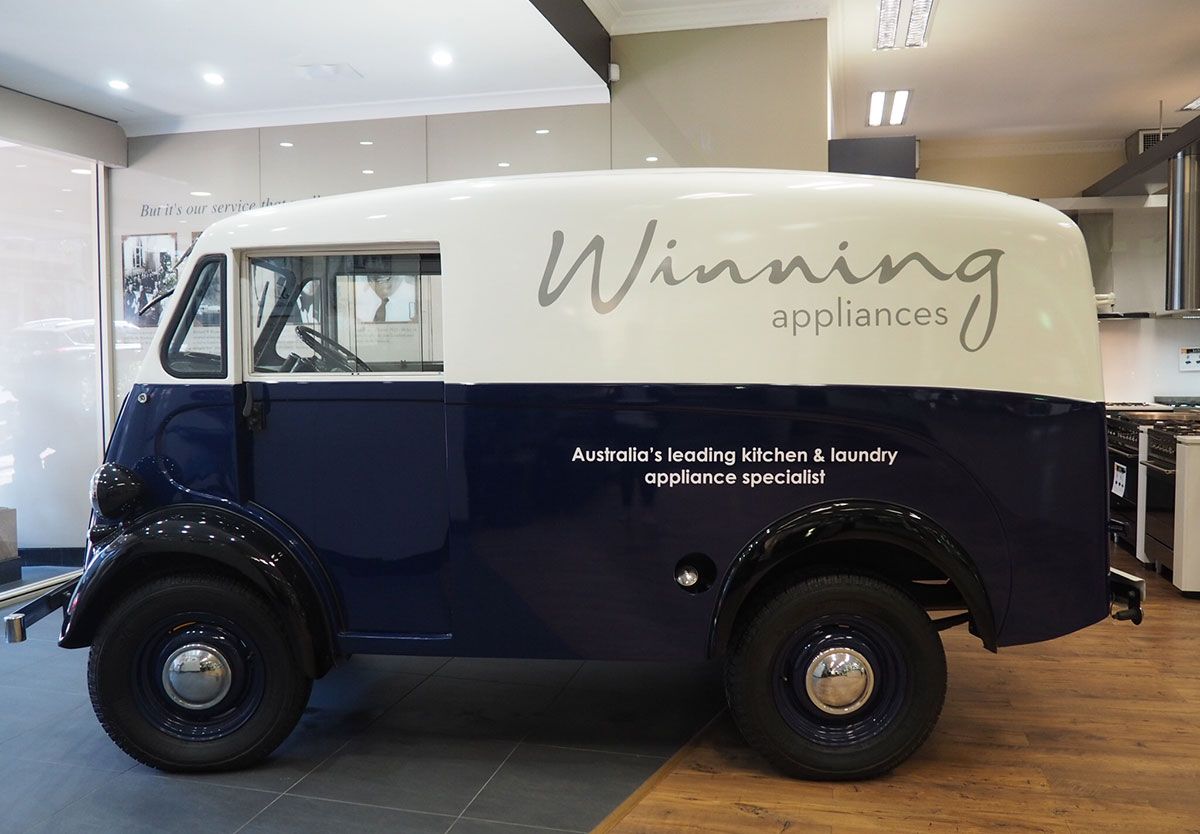
    Winning Group chief executive John Winning credits “good old-fashioned customer service” with delivering what he says was the biggest month in Winning Appliance’s 113-year history.

    According to the CEO, March sales were up 42 per cent on last year’s written sales, and same-store sales were up 32 per cent on the same period last year.

    While the company has acquired Melbourne appliances business Michael’s Appliance Centre and opened a new showroom in Western Australia over the last year, Winning said the sales increase was the result of its customer-centric approach to business, rather than a bigger footprint.

    “At Winning Appliances we focus on providing an exceptional customer experience from the minute someone steps foot in our store or goes onto our website, until well after they have received their appliance,” he told.

    “We provide good old fashioned customer service in a modern context.”

    Customer-centric approach

    The family business operates 15 showrooms across the country, including seven in NSW, two in Queensland, four in WA, one in the ACT and two in Victoria. It is set to open a new flagship in Richmond, Victoria, this year, and also operates an e-commerce business, Appliances Online.

    The retailer recorded $478.26 million in revenue for the financial year ended June 30, 2018, according to documents lodged with Australian Securities & Investments Commission.

    Winning Appliances says it is focused on providing the best customer experience possible. Its parent company Winning Group last year changed the corporate motto to, “we say ‘yes’ in a ‘no’ world”.

    This mentality extends across the in-store experience, where all showrooms have working kitchens and customers can get one-on-one demonstrations of product features, to the delivery of customer service, where the support team is available 24/7 to speak to the manufacturer and arrange service calls on behalf of customers.

    “We don’t work on commissions, so customers know that when they come to Winning Appliances, they receive unbiased advice that is based on their needs and how they like to live in their homes,” Winning said.

    “We have the world’s best appliances available at every budget and our showrooms are designed with a distinct focus on customer interaction, which provides customers with an experience beyond browsing and buying.

    “We have also recently introduced 30-minute training sessions each morning, which allows each of our product experts to learn about the new technologies within the appliances and other features and benefits that can help customers get the best use out of their appliances.”

    While 2019 may be proving challenging for other retailers, Winning said the family business’s old-fashioned approach is delivering results. Sales have been on an upwards trajectory since the beginning of the year, he said, despite some analysts predicting a slowdown in the home furnishing sector due to the property slump.

  • AirAsia becomes Brisbane Broncos Official Airline

    AirAsia becomes Brisbane Broncos Official Airline

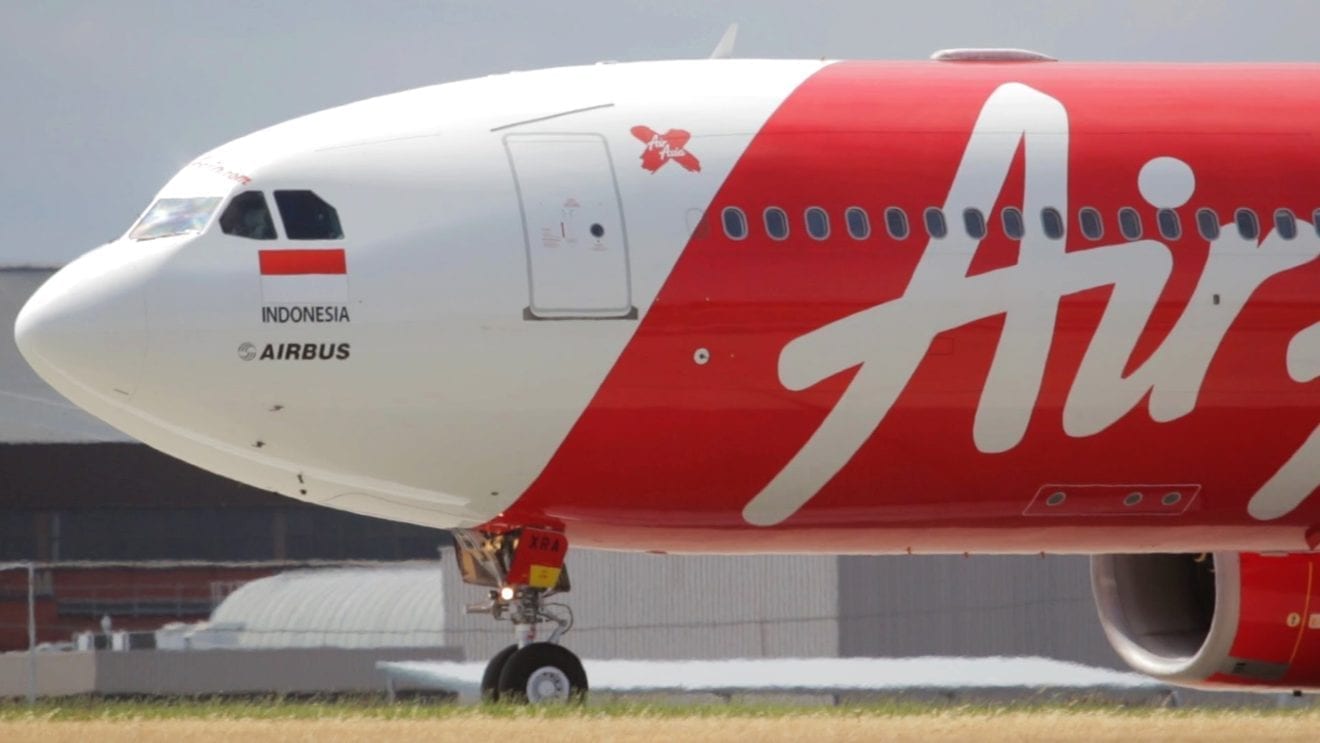
    AirAsia has formalised a deal to become the Brisbane Broncos’ official airline, along with promotions held at every Broncos home game and special discounts for fans.

    The deal is centred around the launch of the new ‘The Buck Stops Here’ campaign, to celebrate AirAsia the airline’s new services from Brisbane to Bangkok, which are set to commence on 26 June.

    AirAsia Group Head of Branding, Rudy Khaw, said AirAsia is excited to partner with the Brisbane Broncos.

    “We are thrilled to partner with Queensland’s number one sports team, and National Rugby League favourites, the Brisbane Broncos.

    “Queensland is an integral part of our Australian network, and since commencing flights to the Gold Coast in November 2007, we’ve flown more than 2 million passengers through the sunshine state,” Mr Khaw said.

    “Our new services from Brisbane will soon become the most affordable and convenient way to travel to Thailand’s capital, and with the help of the Brisbane Broncos, we hope to see demand for these new flights grow even more.”

    As part of the partnership, AirAsia will run events and giveaways at Brisbane Broncos home games over the 2019 NRL season, as well as provide fans advanced notice on AirAsia promotional offers.

    Brisbane Broncos CEO, Paul White, said the partnership reflects a shared culture for both organisations.

    “Our partnership with AirAsia reflects a shared culture of delivering a fantastic experience at exceptional value for fans, whether it’s a night at the footy or choosing your next holiday.

    “The Broncos look forward to seeing how the beloved Buck is made part of this exciting plan to further enhance the fan experience and showcase AirAsia and their exciting destinations,” Mr White said.

    The deal, which was announced during the Broncos home game against the West Tigers at Suncorp Stadium last night, has already seen one fan receive return flights for two to Bangkok, Thailand.

  • SM Group introduces first Customer Service Robot

    SM Group introduces first Customer Service Robot

    SM Group has employed its first in-mall customer service robot, at SM Megamall.

    Named Sam, the AI humanoid robot is designed to help customers with directions and information about the latest mall deals, promotions and events.

    “Innovation is what SM strives for in providing better customer service to all and we are proud to introduce our latest innovation yet,” said Steven Tan, SM Supermalls COO.

    “Sam is easy to approach and has answers to almost everything SM mall related, making shopping more seamless and fun for our customers.”

    Equipped with an advanced face-recognition technology, Sam can also make personalised greetings to customers at Mega Atrium, Mega Fashion Hall and Bank Drive.

    Customers can also chat with Sam through the SM Supermalls Facebook page 24/7 to get information on branch locations, mall schedules and promotions.

    Created in partnership with the Cal-Comp Technology, Sam will be upgraded with more functions to provide a more fun and engaging shopping experience.

  • Benoy completes design work of Jewel Changi

    Benoy completes design work of Jewel Changi

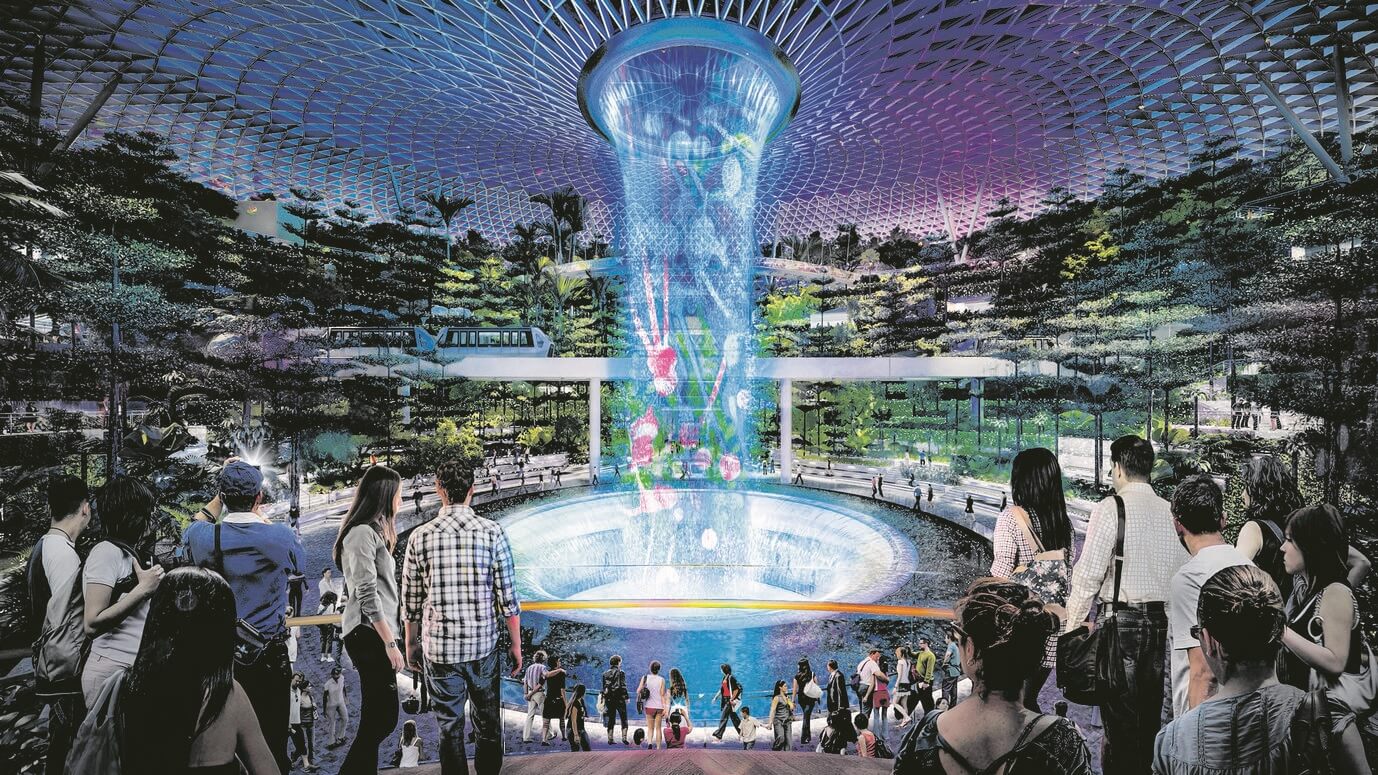
    International architecture and design firm Benoy has completed work on the interiors for Singapore’s new airport shopping centre, Jewel Changi.

    Opening its doors on April 17, the new 137,000sqm space connects three of Changi Airport’s current four terminals, making it easily accessible to the public and passengers. With more than 65 million passengers passing through Changi Airport last year, Jewel is designed to establish a new airport typology as a destination promoting community, commerce and entertainment.

    “We are incredibly proud of the work we have done for Jewel,” said Benoy director and head of Singapore studio Terence Seah. “We’ve created a dynamic environment that becomes a unique place for travellers and residents alike. This addresses the important question of place making in the aviation context.

    “In the process too, Jewel has enhanced the Changi experience. We are confident that other cities will be inspired to rethink the future of airports.”

    Benoy has drawn its capacities in retail, mixed-use, hospitality and leisure to deliver an experience-led destination for the city, offering a renewed sense of place for locals and visitors in connecting the city to the airport. The interiors navigate the many interfaces between aviation facilities and the retail centre.

    Celebrating the natural light offered by the forest valley at Jewel’s core, the retail design enables visitors to experience the vastness of the open space and the intimacy of nature throughout their elliptical journey of the building, reinterpreting the traditional sense of the commercial space.

    The expanded Terminal 1 also offers new pedestrian linkages to other terminals and the MRT via Jewel, improving connectivity and accessibility for all.

  • Brands say customers are to blame for bad CX

    Brands say customers are to blame for bad CX

    There is a significant disconnect between the way brands and customers perceive trends in the customer experience, according to a recent survey by InMoment.

    While 36 per cent of brands believe their customer experience is definitely improving, only 13 per cent of customers felt the same way.

    The survey also found that brands are failing to take responsibility for their CX shortcomings, with 40 per cent of brands saying customers are “very” responsible for creating better experiences in-store, and 11 per cent saying customers are “completely” responsible.

    On the other hand, customers believe a good CX is a shared endeavour.

    “It’s evident that there’s a significant divide in Australia between how brands and customers rate the experience they are delivering and receiving, respectfully,” InMoment vice president of APAC Claire Fastier said.

    “This gulf in perception should be ringing alarm bells for brands who need to better understand customer expectation and deliver strong CX.”

    According to the report, the simplest way to solve this disconnect is to ask customers what they want directly – nearly 78 per cent of customers said this was the most important method of improving customer experience, while only 43 per cent of brands agreed.

    “Open channels for direct feedback between you and your customers,” the report reads.

    “Make it as easy as possible for them to tell you how they feel about your brand. Don’t shy away from asking them the important questions, and be sure to weigh both asking and listening wisely.”

    Additionally, retaining a human element is incredibly important, with half of customers stating that better service from staff was the most important thing brands can do to improve the customer experience. This is at odds with the brand perception, with only 29 per cent ranking this first in importance.

    Personalising service with purpose, neglecting customers without an intent to purchase, and taking constructive criticism as a positive metric are all further ways that brands can improve customer experience moving forward according to the report.