Tag: exports

  • Vietnam Poised to Boost Market Access for U.S. Exports, Reveals Economic Minister

    Vietnam Poised to Boost Market Access for U.S. Exports, Reveals Economic Minister

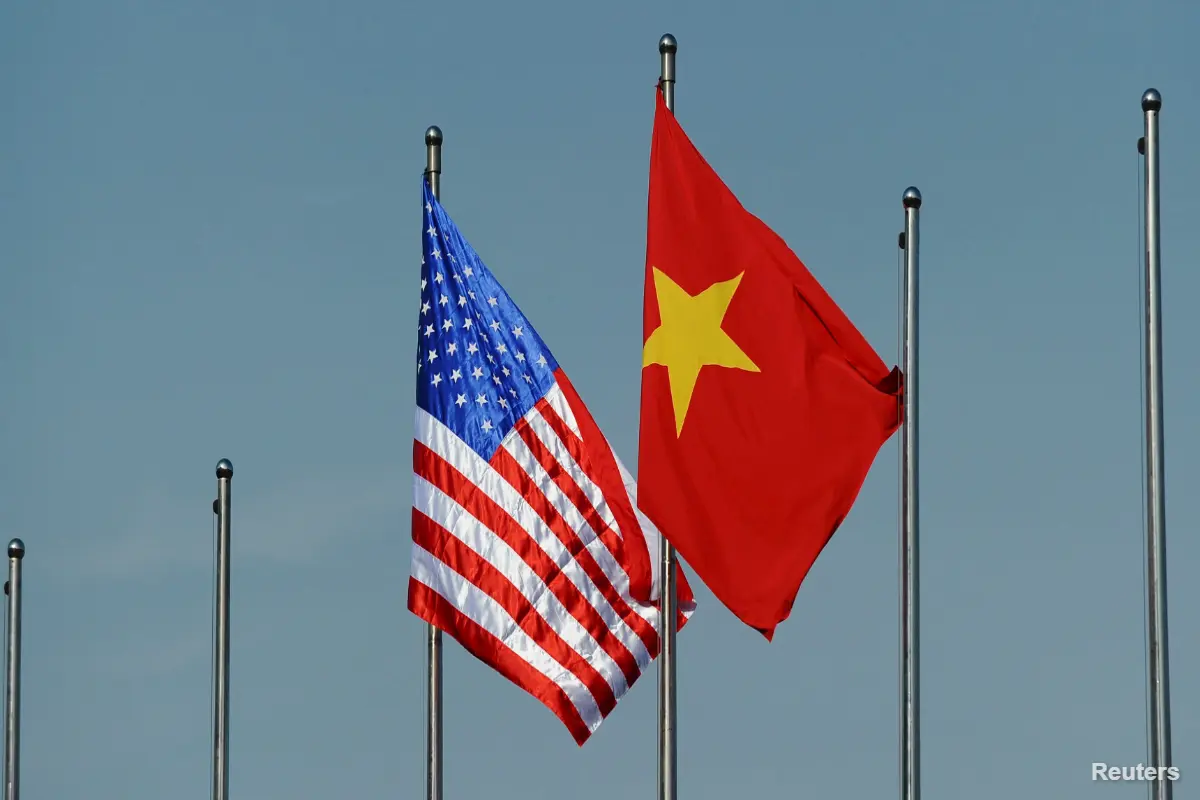
    During a pivotal meeting with Senator Roger Marshall in Washington D.C. on Wednesday, Vietnam’s Minister of Industry and Trade reaffirmed the nation’s commitment to strengthening its Comprehensive Strategic Partnership with the United States. This bold step aims to bolster economic and trade cooperation, benefiting both countries’ citizens and businesses.

    Negotiating New Trade Horizons

    At the heart of the discussions was the ongoing Reciprocal Trade Agreement talks between the two nations. The minister emphasized Vietnam’s steadfast commitment to pursuing these negotiations based on mutual respect for sovereignty and political systems, as well as a balance of interests, all in line with international commitments and the developmental statuses of both nations.

    He expressed confidence that Senator Marshall would leverage his influential standing within the Republican Party, along with his deep knowledge in trade, agriculture, and innovation, to champion Vietnam’s interests throughout the negotiation process. The minister also called on Marshall to foster cooperation between Vietnam and Kansas, particularly in sectors where the state excels, such as agriculture, aerospace, and biotechnology.

    Building Stronger Partnerships

    Senator Marshall responded positively, noting Vietnam’s proactive stance and integrity in the negotiations. He pledged to discuss the matter with the President and relevant Cabinet members, anticipating fruitful results from both parties. He also commended the minister’s visit, recognizing it as a doorway to enhanced collaboration across various fields.

    Later that same day, the Vietnamese minister engaged with leaders from Nike and Walmart, both of which have made significant investments and maintained substantial operations within Vietnam. During his discussion with Nike executives, he commended the company’s long-term commitment to the country, where nearly half of Nike’s global footwear is produced, generating over 450,000 jobs for locals. Addressing potential concerns regarding the impact of current tariff policies, he proposed strategic initiatives to support Nike’s continued success in Vietnam, emphasizing that the company is viewed not just as an investor but as a vital strategic partner in Vietnam’s sustainable development and international integration.

    Boosting Walmart’s Commitment

    In his talks with Walmart, the world’s largest retail corporation, the minister recognized the company’s role in promoting Vietnamese goods worldwide. He encouraged Walmart to amplify its procurement of high-value, environmentally friendly products and even consider creating a strategic sourcing hub in Vietnam. Furthermore, he highlighted the importance of strengthening supplier capacity by sharing technical standards and offering training initiatives.

    Addressing the challenges Walmart has encountered in Vietnam, the minister assured that the Ministry of Industry and Trade, along with the Ministry of Finance and other relevant agencies, would work together to enhance policies for better transparency and alignment with global practices.

    As negotiations for the Reciprocal Trade Agreement reach a crucial stage, the minister called on Nike and Walmart to actively champion the process and foster a fair, balanced, and sustainable agreement between the U.S. and Vietnam. He reiterated that Vietnam not only wishes for these companies to flourish in its market but also sees them as key allies in creating a green, transparent, and sustainable supply chain, enhancing economic ties between the two nations.

    Earlier, on June 10, the minister had a productive meeting with ExxonMobil executives regarding ongoing collaborations in energy projects in Vietnam, highlighting the significance of ExxonMobil’s commitment to providing reliable energy while minimizing greenhouse gas emissions, thus aligning with Vietnam’s carbon neutrality goals. The ExxonMobil representatives expressed strong confidence in Vietnam’s economic growth prospects, a testament to their commitment to developing multiple projects in the region.

    Questions & Answers

    What key message did the Vietnamese minister convey to Senator Marshall?
    The minister emphasized Vietnam’s determination to enhance its partnership with the U.S. and focus on economic and trade cooperation for mutual benefits.

    How does Vietnam view its relationship with Nike and Walmart?
    Vietnam sees both companies as strategic partners, essential for sustainable development rather than just as investors.

    What specific areas did Vietnam hope to collaborate on with Kansas state?
    The minister called for cooperation particularly in agriculture, aerospace, and biotechnology, where Kansas has significant strengths.
  • Thai Farmers Rally for PM to Enlist Blackpink’s Lisa in Boosting Fruit Exports

    Thai Farmers Rally for PM to Enlist Blackpink’s Lisa in Boosting Fruit Exports

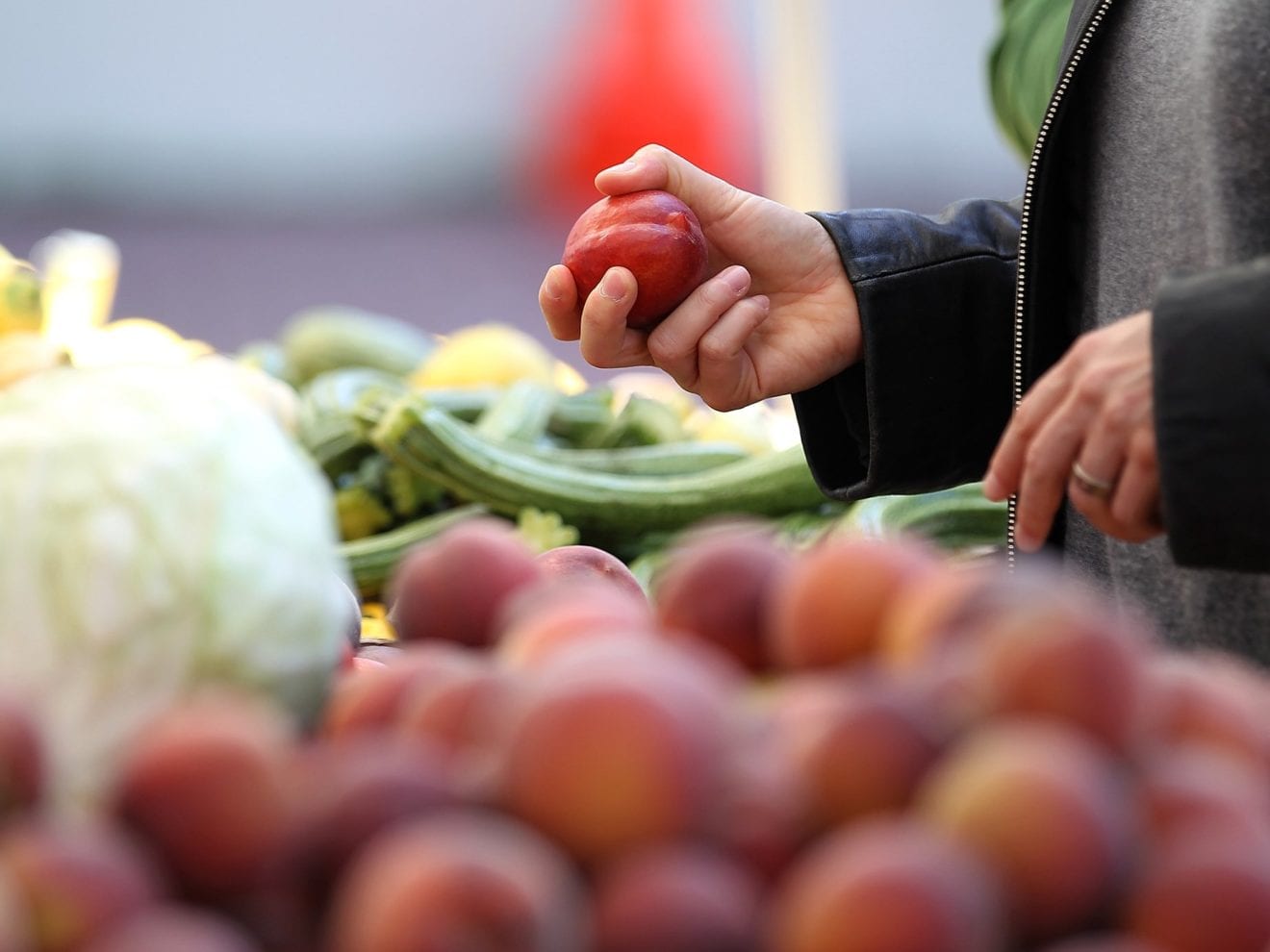
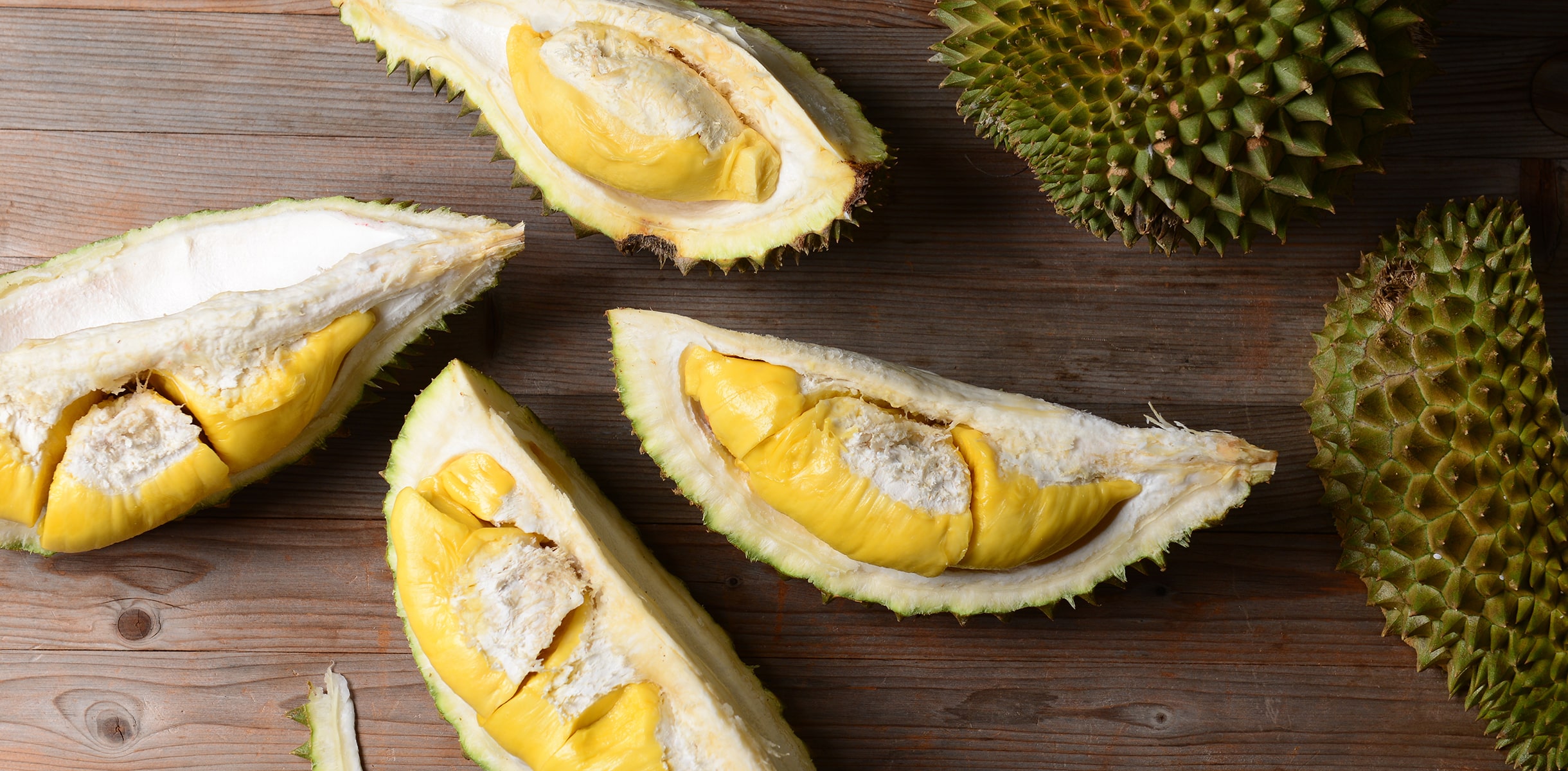
    Thai fruit growers have turned to Prime Minister Paetongtarn Shinawatra with an innovative proposal: enlist K-pop sensation Lisa (Lalisa Manoban) of Blackpink to champion the global promotion of Thai fruits. This request came during the Prime Minister’s recent visit to Chanthaburi province, where farmers highlighted Lisa’s star power as a key to accessing new markets beyond China.

    The farmers passionately argued that Lisa’s endorsement could significantly boost Thailand’s fruit exports, potentially generating over THB 500 billion (approximately US$15 billion) annually. Currently, the nation’s fruit export revenue stands at a considerably lower THB 200–300 billion. With Lisa’s impressive global presence—she boasts over 105 million Instagram followers and holds ambassadorial roles with luxury brands like Celine and Bulgari—the farmers believe her involvement could elevate Thai products on the international stage.

    During the meeting, farmers addressed several pressing challenges, including the critical need for faster customs clearance at border checkpoints, where shipments can face delays of up to 12 days. They urged for clearer regulations to combat premature harvesting of durians, which negatively affects both weight and quality. In addition, they advocated for better policies to address labor shortages, suggesting the extension of work permits for migrant laborers and enabling them to move between provinces for job opportunities. A proposed THB 100 million compensation fund for durian farmers and locals affected by wild elephant incursions also featured prominently in their discussions.

    In response, Prime Minister Paetongtarn assured the farmers that the government is working with companies to purchase surplus produce, thereby minimizing waste. She pledged to streamline export processes and confirmed that the Ministry of Labour will tackle agricultural workforce shortages. As part of her visit, the Prime Minister explored an exhibition by the Young Smart Farmer group, where innovative durian sales through livestreaming were showcased. She also took part in a durian-cutting event, highlighting her commitment to the fruit sector.

    Who knew a K-pop star could be the missing ingredient in boosting Thailand’s fruit exports?

    Questions & Answers

    What was the main request from Thai fruit growers to the Prime Minister?
    They urged Prime Minister Paetongtarn Shinawatra to invite K-pop star Lisa to promote Thai fruits globally, believing her popularity could enhance exports.

    What challenges did the farmers discuss during their meeting?
    They highlighted customs delays, premature harvesting regulations, labor shortages, and proposed a compensation fund for those affected by wild elephants.

    How did the Prime Minister respond to their concerns?
    She committed to improving export processes, addressing labor shortages, and collaborating with companies to purchase surplus produce to reduce waste.

  • Durian Exports to China Experience Dramatic 74% Decline

    Durian Exports to China Experience Dramatic 74% Decline

    Vietnam’s durian exports to China have taken a dramatic nosedive, plummeting 74% year-on-year to just $130 million in the first four months of 2025. In light of this steep decline, the Vietnamese government is scrambling to find solutions to remove the technical barriers that are hampering cross-border shipments.

    Technical Hurdles and Government Action

    Minister of Agriculture and Environment Do Duc Duy is spearheading efforts to align with Chinese customs to tackle the issues that are obstructing Vietnam’s durian exports. He highlighted that the sharp decrease can be traced to a maze of unclear legal frameworks, inefficient quarantine procedures, and insufficient quality management systems. Moreover, the certification of codes for farms, packing facilities, and laboratory systems has failed to meet China’s increasingly rigorous standards.

    To address these pressing concerns, Duy emphasized the need for improved cooperation with Chinese authorities to eliminate these technical roadblocks. The issuance of codes for farms and packing facilities must accelerate, and quarantine processes should be revamped urgently to boost exports and adjust plans in response to market demands.

    Looking ahead, Duy advocated for a comprehensive overhaul of the legal structures governing agricultural exports alongside a rigorous enhancement of technical standards throughout the entire supply chain—from cultivation and harvesting to processing and export. He underscored the urgency of restructuring the durian industry towards a more sustainable future.

    Additionally, Duy encouraged the development of value-added durian products, such as frozen variations, to increase overall value and decrease dependency on fresh fruit exports.

    Amidst these challenges, Vietnam’s total exports of fruits and vegetables reached $1.62 billion during the same period, reflecting a 14% decrease from the previous year. In the domestic market, durian prices have also taken a hit, falling to around VND35,000–40,000 (approximately $1.35–$1.54) per kilogram at the farm level—only one-third of what they were during the same time last year.

    Turns out that despite being dubbed the “king of fruits,” durians are having a hard time reigning in the export market!

    Questions & Answers

    What caused the 74% drop in Vietnam’s durian exports to China?
    The significant drop is attributed to unclear legal frameworks, inadequate quarantine procedures, and insufficient quality management, coupled with the failure to meet China’s stringent requirements for certification and codes.

    What actions is the Vietnamese government taking to improve exports?
    The government is enhancing cooperation with Chinese customs, expediting the issuance of codes for growing areas and packing facilities, and improving quarantine processes to boost export potential.

    What is being suggested to enhance the value of durians moving forward?
    There are recommendations to develop value-added products such as frozen durians, allowing for a higher value addition and less reliance on fresh durian exports.

  • Global rice crisis nothing like in 2008

    Global rice crisis nothing like in 2008

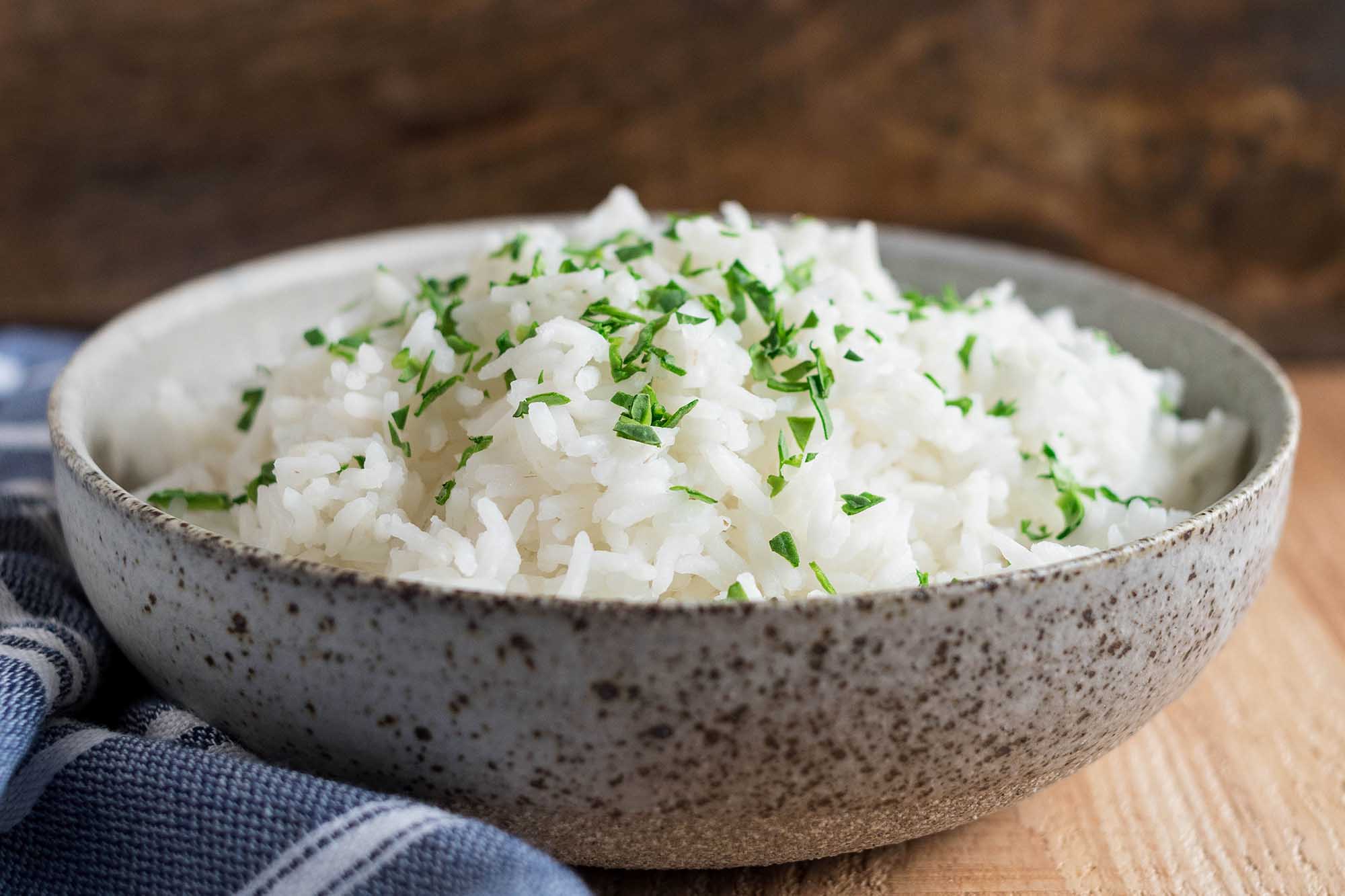
    After India banned rice exports, prices of the grain have shot up but are unlikely to top the US$1,000 per ton levels reached in 2008 in the current scenario.

    India prohibited the export of non-Basmati rice varieties in late July, driving up global prices.

    The export prices of Vietnam’s 5% broken rice jumped by $25 per ton.

    In some Vietnamese rice-growing areas, traders have been scrambling to buy the grain to fulfill contracts they have signed, pushing up prices steadily.

    Do Ha Nam, vice president of the Vietnam Food Association, said export prices climbed to $700 per ton on August 10, the highest since 2008.

    On August 17, following reports that India would soon lift the ban, the prices began to edge down again.

    In Vietnam, retail prices jumped by VND3,000-5,000 per kilogram in August to VND18,000-20,000 ($0.76-0.84).

    For many people, the developments are redolent of 2008.

    Vo Tong Xuan, a scientist who created many award-winning rice varieties, said in 2008 export prices reached 100-year highs of more than $1,000 a ton.

    The world faced a food shortage that year.

    The weather was unfavorable, oil prices were high, food reserves were low, and demand was rising in countries such as China and India.

    Xuan said the Vietnamese government at that time ordered exporters not to sign new contracts and capped exports for the year at 4.5 million tons.

    But, worried about the rising prices and low supply, people rushed to buy and hoard rice, but traders refused to sell, waiting for prices to climb further.

    In the event, prices skyrocketed from VND12,000 to VND20,000 per kilogram.

    Xuan said that scenario is unlikely to reoccur even though both times India, which accounts for 40% of the world’s supply, banned rice exports.

    In 2008, global rice reserves fell and demand exceeded supply, he said.

    According to the United Nations Food and Agriculture Organization, Asia’s rice stocks at that time were low, falling from 140 million tons to 60 million tons in 2007 before recovering to 105 million tons a year later.

    At least 37 countries faced a food crisis as prices suddenly increased from $550 to $1,000.

    Xuan said this year global rice stocks have decreased but not significantly.

    India banned exports on July 20, but the latest reports from that country show that rainfall has increased again since the beginning of August and is conducive for sowing the summer-autumn crop.

    Data from the Indian Ministry of Agriculture shows that, as of August 4, 28.3 million hectares had been sown, 3.4% more than a year ago.

    India has 24.6 million tons of rice and 13 million tons of paddy in reserve, three times target set by the government.

    India is therefore expected to lift the ban soon, and this would quickly bring rice prices down.

    Nam said the world market would adjust soon. In 2008 global stocks had been the lowest in 30 years, but now they are only marginally lower than last year, he said.

    Global production is forecast to increase by 2% to 520 million tons.

    Thailand and Vietnam, the world’s second and third largest exporters, are encouraging exports.

    “Supply from these two countries is abundant,” Nam said.

    In Vietnam, the area under autumn-winter rice in the Mekong Delta, Vietnam’s rice basket region, has been increased from 650,000 hectares to 700,000 ha.

    Thailand and China, having learned lessons from 2008, are well prepared this time.

    China, the world’s largest rice consumer, has recovered more than 170,000 hectares of land since 2021 for farming to move toward self-sufficiency in feeding 1.4 billion people.

    Last year, President Xi Jinping called for ensuring there are 120 million hectares of arable land across the country, a number his government considers sufficient to ensure domestic supply.

    China has urged farmers to reduce cultivation of fruits and increase production of food crops, including paddy.

    Analysts expect global rice prices to increase this year, but only to around $600-800 per ton.

    “It is very difficult to reach the $1,000 mark like in 2008,” Xuan said.

    According to Bui Chi Buu, former director of the Institute of Agricultural Science for Southern Vietnam, businesses should take advantage of the opportunity to export the grain and not hoard it.

    “If they hoard in and speculate, businesses are at risk of making losses when India lifts the ban. Rice inventories will surge while the shelf life of rice is only three to six months.”

    Experts said since domestic prices are now higher than global prices, farmers, traders and exporters need to be cautious.

    Minister of Industry and Trade Nguyen Hong Dien recently instructed relevant authorities to inspect businesses and warehouses to monitor supply of rice and prevent speculation and hoarding to keep prices in check.

    This year Vietnam has some 7.1 million hectares under the grain and expects to grow 43 million tons of paddy, equivalent to 27-28 million tons of rice.

    The country exported nearly 4.9 million tons of rice worth more than $2.6 billion in the first seven months of the year, a year-on-year increase of 31% in value.

  • Rice export prices reach 10-year high

    Rice export prices reach 10-year high

    The global decline of the rice supply and the impact of El Nino climate pattern have led to a sharp increase in the price of rice for export.

    Latest data from General Department of Vietnam Customs shows that in the first half of the year, rice exports reached more than 4.2 million tons and are valued at $2.26 billion, up over 21% in volume and 32% in value over the same period last year.

    The export price of rice in June reached an average of $650 per ton, up 9.4% compared to May and 20.8% higher than the same period last year.

    In the first six months of 2023, the export price of rice is estimated at $539 per ton, up more than 10% over the same period in 2022 and the highest of the past 10 years.

    According to the Ministry of Agriculture and Rural Development, the reason for the sharp increase is the decrease in supply. The emergence of El Nino has also forced many countries to increase rice purchases to stock up.

    The Philippines’ Department of Agriculture forecasts that El Nino will return and severely affect their domestic food production. Indonesia predicts that it may cause widespread drought in the country, so the July-August harvest for agricultural products may drop significantly.

    In the first five months of the year, rice exports to the main markets – Philippines and China, both grew strongly at double digits. In addition, rice exports to new markets such as Indonesia, Chile, Turkey, and Senegal recorded a surge from 1,100-16,000% over the same period last year.

    The Indian government is banning the export of all rice that is not Basmati (a popular rice in South Asia), as prices have been on the rise and they want to control inflation.

    Retail rice prices in New Delhi have increased by 15% this year, while the domestic average price has increased by 8%, according to India’s Ministry of Consumer Affairs, Food and Public Distribution.

    Vietnam Food Association and enterprises believe that if this ban is implemented, global rice prices will increase. In the near future, Vietnamese rice will not only benefit in price but also be favorable for exports.

    An enterprise based in Can Tho in Vietnam’s Mekong Delta said that export orders were abundant and the price of fragrant rice was increasing the most. This enterprise does not even have enough supply to meet the orders. It is forecast that the rice export market in the second half of the year will reach a peak value.

    To ensure domestic and export demand, the agriculture ministry has directed key rice production areas, especially the Mekong Delta, to actively cultivate and prioritize short-duration rice varieties as well as high-quality and fragrant rice varieties suitable for market demand.

    Vietnamese rice has been exported to 156 countries and territories, including many high-end rice markets.

  • Rice export prices reach 10-year high

    Rice export prices reach 10-year high

    The global decline of the rice supply and the impact of El Nino climate pattern have led to a sharp increase in the price of rice for export.

    Latest data from General Department of Vietnam Customs shows that in the first half of the year, rice exports reached more than 4.2 million tons and are valued at $2.26 billion, up over 21% in volume and 32% in value over the same period last year.

    The export price of rice in June reached an average of $650 per ton, up 9.4% compared to May and 20.8% higher than the same period last year.

    In the first six months of 2023, the export price of rice is estimated at $539 per ton, up more than 10% over the same period in 2022 and the highest of the past 10 years.

    According to the Ministry of Agriculture and Rural Development, the reason for the sharp increase is the decrease in supply. The emergence of El Nino has also forced many countries to increase rice purchases to stock up.

    The Philippines’ Department of Agriculture forecasts that El Nino will return and severely affect their domestic food production. Indonesia predicts that it may cause widespread drought in the country, so the July-August harvest for agricultural products may drop significantly.

    In the first five months of the year, rice exports to the main markets – Philippines and China, both grew strongly at double digits. In addition, rice exports to new markets such as Indonesia, Chile, Turkey, and Senegal recorded a surge from 1,100-16,000% over the same period last year.

    Bloomberg reported this week that the Indian government is banning the export of all rice that is not Basmati (a popular rice in South Asia), as prices have been on the rise and they want to control inflation.

    Retail rice prices in New Delhi have increased by 15% this year, while the domestic average price has increased by 8%, according to India’s Ministry of Consumer Affairs, Food and Public Distribution.

    Vietnam Food Association and enterprises believe that if this ban is implemented, global rice prices will increase. In the near future, Vietnamese rice will not only benefit in price but also be favorable for exports.

    An enterprise based in Can Tho in Vietnam’s Mekong Delta said that export orders were abundant and the price of fragrant rice was increasing the most. This enterprise does not even have enough supply to meet the orders. It is forecast that the rice export market in the second half of the year will reach a peak value.

    To ensure domestic and export demand, the agriculture ministry has directed key rice production areas, especially the Mekong Delta, to actively cultivate and prioritize short-duration rice varieties as well as high-quality and fragrant rice varieties suitable for market demand.

    Vietnamese rice has been exported to 156 countries and territories, including many high-end rice markets.

  • Shrimp prices plummet on stubbornly low global demand

    Shrimp prices plummet on stubbornly low global demand

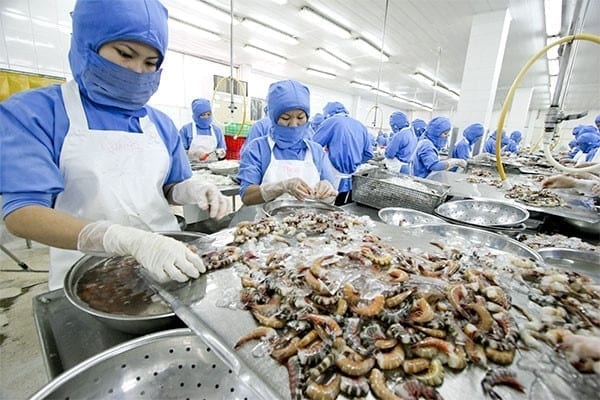
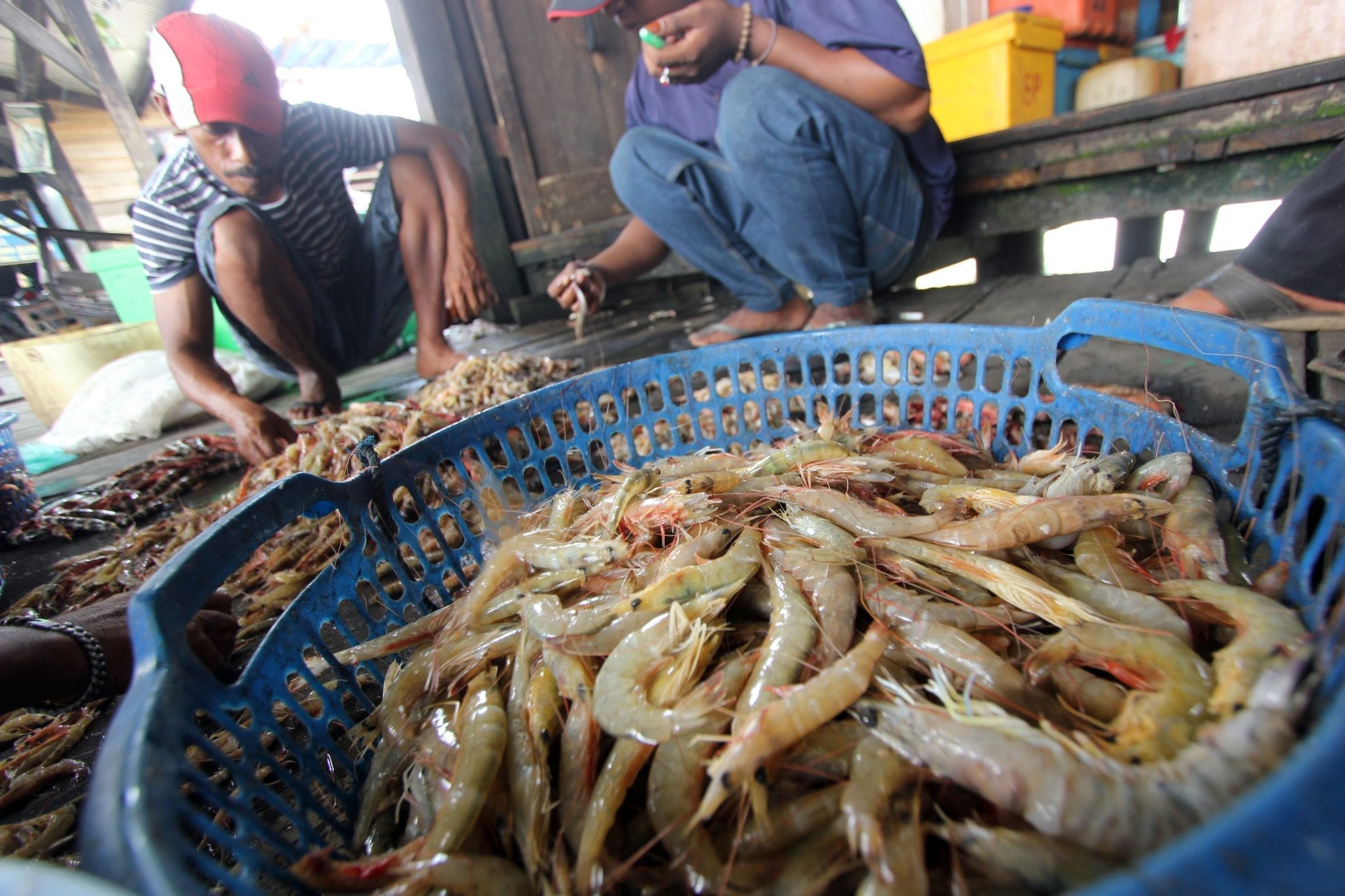
    Shrimp prices have fallen by up to 30% within a month, and threaten to cause losses to southern farmers.

    In the Mekong Delta provinces of Tien Giang and Ca Mau, the prices of shrimp sized 100 to a kilogram have declined by a third from four weeks ago to VND70,000-80,000 (US$3-3.41).

    Larger ones, sized 30 to a kilogram, are priced at VND108,000, down 20%.

    Minh, a farmer in Ca Mau, said with prices dropping by 20-30%, he is not earning profits.

    “I have been trying to cut expenses, but at these prices I might record a loss.”

    Trong in Tien Giang Province faces potential losses of hundreds of millions of dong (VND100 million = $4,260).

    Other farmers are saying on online forums that they had been expecting prices to rise for weeks and are hit by the decline.

    The fall has been caused by lower demand in major export markets while supply has been rising in Vietnam, the Ministry of Agriculture and Rural Development said in a recent report.

    Rising inflation has caused a drop in consumption in the E.U. and the U.S., two main export markets, the Vietnam Association of Seafood Exporters and Producers said.

    Exports to China fell by 40% year-on-year in the first quarter to $54 million, according to Vietnam Customs.

  • Vietnam rice exports plummet on lower global demand

    Vietnam rice exports plummet on lower global demand

    Rice exports fell 17.4% year-on-year in January to US$203 million as global demand shrank.

    In volume terms, they declined by 20.9% to 400,000 tons, according to the Ministry of Agriculture and Rural Development.

    Global demand was lower since inventories remained high in many countries, it said.

    The U.S. Department of Agriculture said in its January report that the global rice trade is set to fall by 4% this year to 54.4 million tons, the first drop since 2019.

    The Thai Rice Exporters Association has lowered the export target for this year from 8 million tons to 7.5 million tons, fearing global crises would affect trade.

    Vietnam expects exports to recover by the end of March as the Thai baht continues to gain against the U.S. dollar, making that country’s rice less competitive.

  • Seafood exports growth slows due to global inflation

    Seafood exports growth slows due to global inflation

    Vietnam’s seafood exports have been slowing down since July as inflation takes a toll on consumption in the U.S., E.U. and U.K.

    Exports to the U.S. declined by 30.5% year-on-year in July after inflation in that country hit a 41-year high the previous month, according to the Vietnam Association of Seafood Exporters and Producers (VASEP).

    Black tiger shrimp exports were down 69% and that of pangasius fish, 4%. But tuna shipments increased by 34% and that of squid by 90%. But exports were up 30% in the year-to-date.

    Exports to the E.U. rose by 18% year-on-year in July, well down from the 31% in the second quarter.

    Inflation has been skyrocketing in the bloc, with the Russia – Ukraine tension causing food prices to climb, VASEP said, adding that the falling euro also contributed to declining consumption.

    Exports to the U.K. fell by 12% year-on-year in the second quarter and 18% in July, as inflation raged at a 40-year high.

    Shrimp and tuna exports were down 27% and 54%.

    Exports to China rose by 25% in July, but authorities there are still monitoring the spread of Covid-19 closely at the border and will ban any exporter whose cargo is found infected.

    With seafood exports reaching nearly reached $6.7 billion in the first seven months, VASEP is optimistic about achieving $10 billion for the year.

  • Rice export prices continue to drop

    Rice export prices continue to drop

    Average rice export prices fell for a second straight month to US$415-420 a ton, resulting in a marginal year-on-year decline in revenues for Vietnam despite higher volumes.

    The country exported 2.86 million tons for $1.39 billion in the year to date, up 10.3 percent in volume but down 1 percent in value, according to data from the Ministry of Agriculture and Rural Development.

    Global prices have been falling due to abundant supply, with Thai 5 percent broken rice becoming $5 per ton cheaper at $445.

    The Philippines remained Vietnam’s top market, importing 915,000 tons for $422.2 million, up 28.3 percent and 11 percent.

    But domestic prices rose slightly in early June as there was a drop in supply between the winter-spring and summer-autumn crops.

  • Northern province blocks fruit trucks headed for China border

    Northern province blocks fruit trucks headed for China border

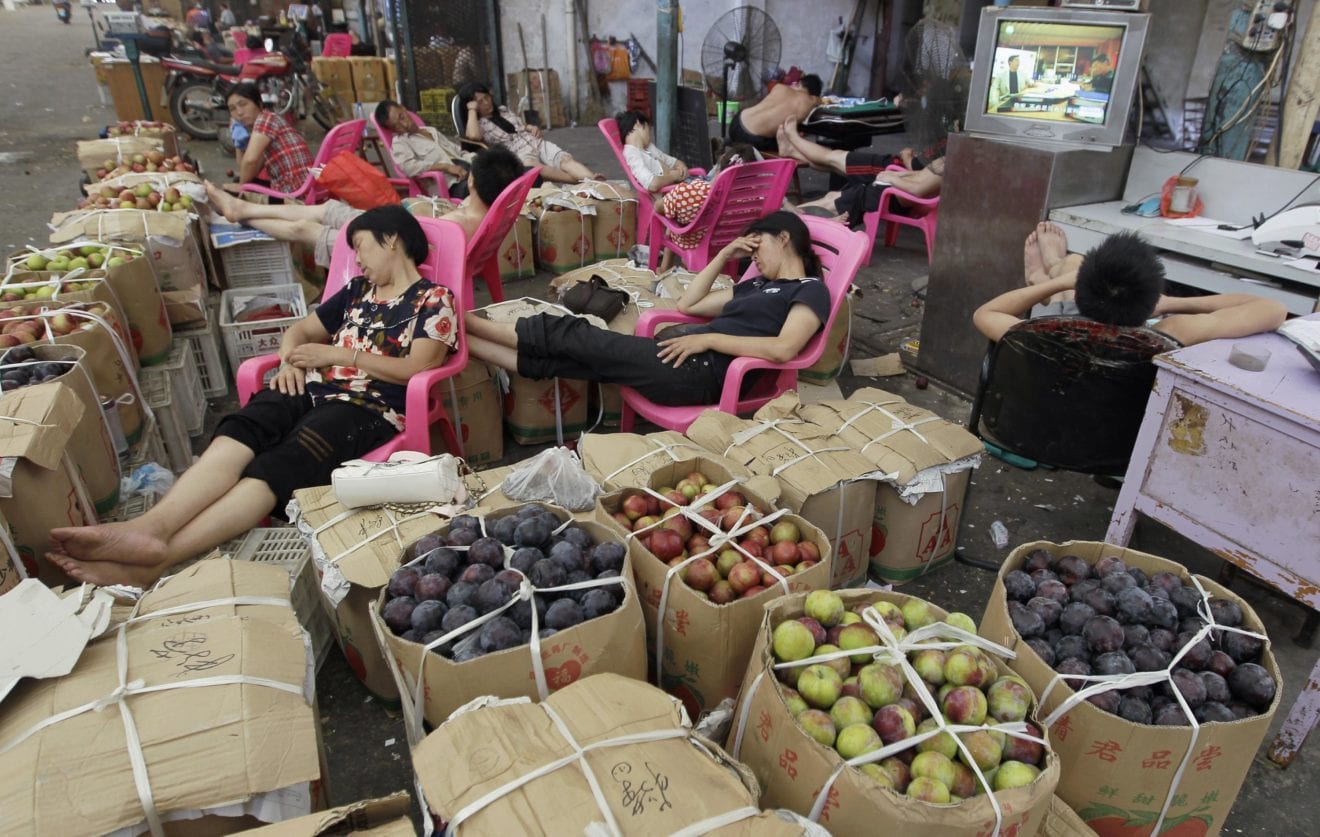
    Lang Son has decided to stop receiving fruit trucks headed for the China border for ten days starting February 16 as over 1,000 trucks are still stuck in the province.

    The provincial Department of Industry and Trade said that as of Friday morning, the total number of trucks waiting at the three border gates of Huu Nghi, Tan Thanh and Chi Ma was 1,640, of which 1,390 were carrying fresh fruit, accounting for nearly 85 percent.

    Due to China’s strict Covid-19 measures, customs clearance efficiency has been very low, with just 70-90 trucks able to cross the borders a day.

    Meanwhile, around 160 to 180 trucks reach the border gate every day, most of them carrying fresh fruits like dragonfruit, watermelon, jackfruit and mango. This will further worsen congestion at the border and damage businesses as well as farmers, officials said.

    The congestion at the northern border gates started in December 2021 after China strengthened its anti-Covid prevention measures. By mid-January 2022, afraid that their fruits would rot, many business owners had returned to the domestic market and sold them at very cheap prices.

    The government, ministries, branches and localities have had held many meetings on the issue but an effective solution to the problem has remained elusive.

    According to the General Department of Vietnam Customs, Vietnam earned $1.75 billion from exporting fruits and vegetables to China in the first 11 months of 2021, up 3.6 percent year-on-year despite Covid-19 impacts.

    China remained Vietnam’s top fruits and vegetables export market with a market share of 54 percent in the 11-month period

  • Steel exports surge 130 pct as global demand shoots up

    Steel exports surge 130 pct as global demand shoots up

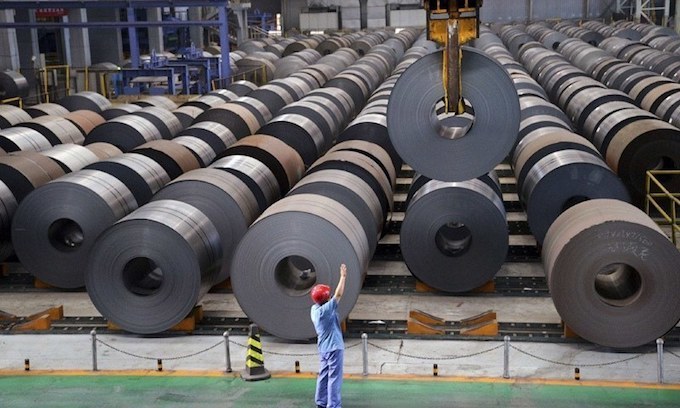
    Steel exports rose by nearly 130 percent in the first 11 months of this year to US$10.8 billion, according to the Vietnam Steel Association.

    Hoa Phat exported 914,000 tons of finished construction steel products, a year-on-year rise of 90 percent. It plans to export over one million tons, double the volume it shipped last year.

    The association expected exports to be robust this month due to rising global demand and a temporary shortage in China.

    Vietcombank Securities Company explained that China is gradually reducing its steel exports.

    The association said Vietnam has a production capacity of around 24 million tons a year, and output this year is expected to reach 21.2 million tons, enough to fully meet domestic and export needs.

  • Major seafood firm reports 25 pct profit fall

    Major seafood firm reports 25 pct profit fall

    It attributed the falling profit to a 20 percent drop in income from financial activities and a 27 percent increase in cost of goods sold during the period.

    The company also said that the pandemic has changed consumer behavior in its main export markets like the U.S., Japan, Canada, Australia and New Zealand. They have prioritized buying essential products.

    Seafood exports to these markets fell by half in the first quarter of the year, contributing to a year-on-year revenue drop of 12 percent to VND1.6 trillion.

    The company aims to export $638 million worth of shrimp this year.

    Its total asset value at the end of March was nearly VND7.4 trillion.

    It has targeted revenues of VND15.7 trillion and post-tax profit of VND1.4 trillion this year.

  • Global firms dominate Vietnam electronics exports

    Global firms dominate Vietnam electronics exports

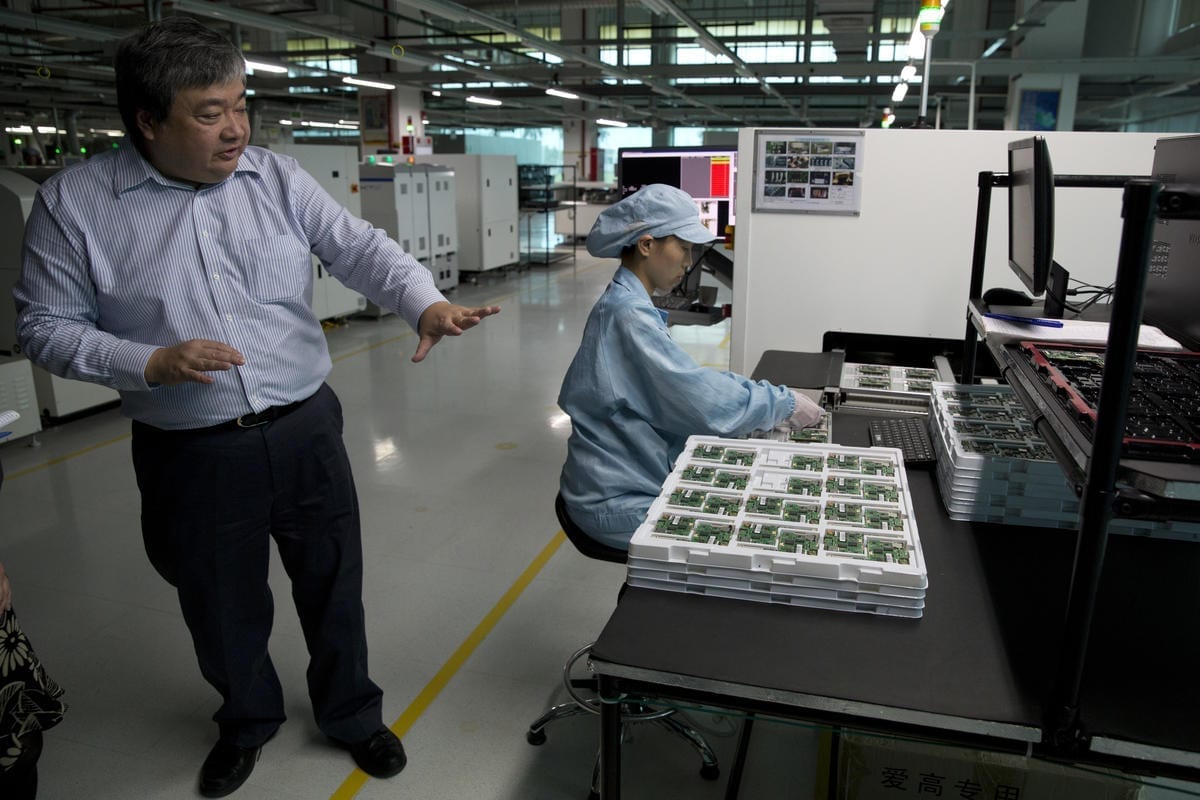
    In the first quarter this year, exports of phones and components were worth $14.1 billion, 99 percent of it by foreign firms.

    Exports of computers and parts exports topped $12 billion, with foreign companies accounting for 98 percent.

    The agency said the rate of use of local parts in the industry is 5-10 percent, with Vietnamese businesses in the supply chain mostly producing low added-value products.

    There are several domestic smartphone brands like Vsmart produced by VinSmart, a subsidiary of conglomerate Vingroup, and Bphone by cybersecurity company BKAV, but the market is dominated by foreign brands.

    The agency said: “The products made by domestic firms do not meet the demand in terms of quality or design. The linkages between foreign firms and their local counterparts remain weak.”

    But it admitted Vietnamese businesses have been striving to improve quality so that they could enter the supply chains of foreign companies, pointing out for instance that the number of local tier-1 suppliers (who supply products directly to a company without going through intermediaries) of Samsung had increased from four in 2014 to 35 last year.

    Local electronics firms should identify their core products, target their market segments, stay ahead of consumer trends, and keep up with the global technological development to create competitive products, it said.

    “They should take advantage of trade deals such as the EU–Vietnam Free Trade Agreement,” the agency stressed.

  • Vietnam eyes $4 bln in shrimp exports

    Vietnam eyes $4 bln in shrimp exports

    Vietnam targets a 5 percent increase in shrimp exports this year to $4 billion.

    It also targets output of 930,000 tons and having 740,000 hectares of shrimp farms, said Tran Dinh Luan, director of the Directorate of Fisheries, said at the VietShrimp Aquaculture International Fair in Can Tho City on Wednesday.

    He expected Vietnam to become the world’s biggest producer of farmed shrimp by 2045 with an output of four million tons and a 25 percent global market share.

    Now there are 200,000 hectares of high-tech shrimp farms, 95 percent of them in the Mekong provinces of Bac Lieu and Soc Trang, mostly belonging to foreign companies.

    Shrimp exports face difficulties since costs have risen by 20 percent due to a 200-500 percent jump in transport costs, Luan said, pointing out that shipping a container of shrimp to Europe has increased from $1,500 to $6,500, and even $7,500.

    Last year, shrimp exports were up 11.7 percent to $3.8 billion, and output had been 900,000 tons.