Retail News CRM

Tag: exports

  • Seafood exports growth slows due to global inflation

    Seafood exports growth slows due to global inflation

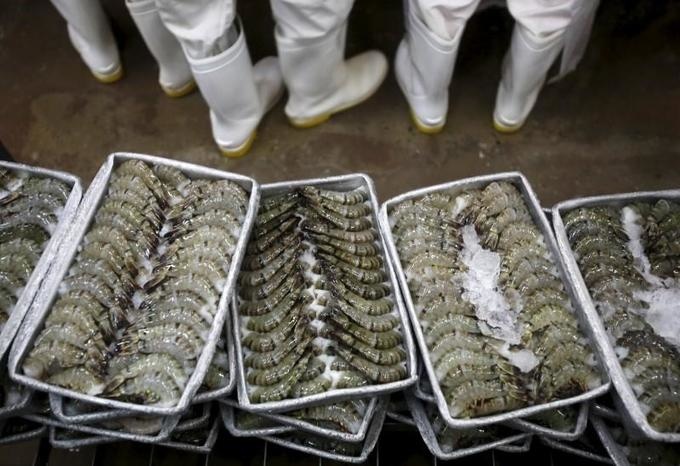
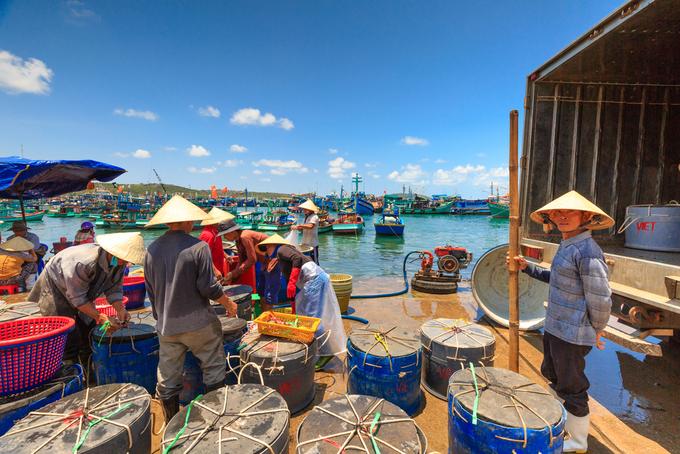
    Vietnam’s seafood exports have been slowing down since July as inflation takes a toll on consumption in the U.S., E.U. and U.K.

    Exports to the U.S. declined by 30.5% year-on-year in July after inflation in that country hit a 41-year high the previous month, according to the Vietnam Association of Seafood Exporters and Producers (VASEP).

    Black tiger shrimp exports were down 69% and that of pangasius fish, 4%. But tuna shipments increased by 34% and that of squid by 90%. But exports were up 30% in the year-to-date.

    Exports to the E.U. rose by 18% year-on-year in July, well down from the 31% in the second quarter.

    Inflation has been skyrocketing in the bloc, with the Russia – Ukraine tension causing food prices to climb, VASEP said, adding that the falling euro also contributed to declining consumption.

    Exports to the U.K. fell by 12% year-on-year in the second quarter and 18% in July, as inflation raged at a 40-year high.

    Shrimp and tuna exports were down 27% and 54%.

    Exports to China rose by 25% in July, but authorities there are still monitoring the spread of Covid-19 closely at the border and will ban any exporter whose cargo is found infected.

    With seafood exports reaching nearly reached $6.7 billion in the first seven months, VASEP is optimistic about achieving $10 billion for the year.

  • Rice export prices continue to drop

    Rice export prices continue to drop

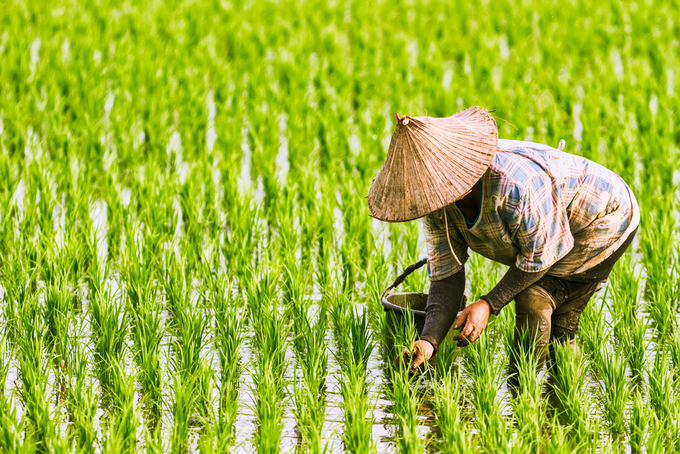
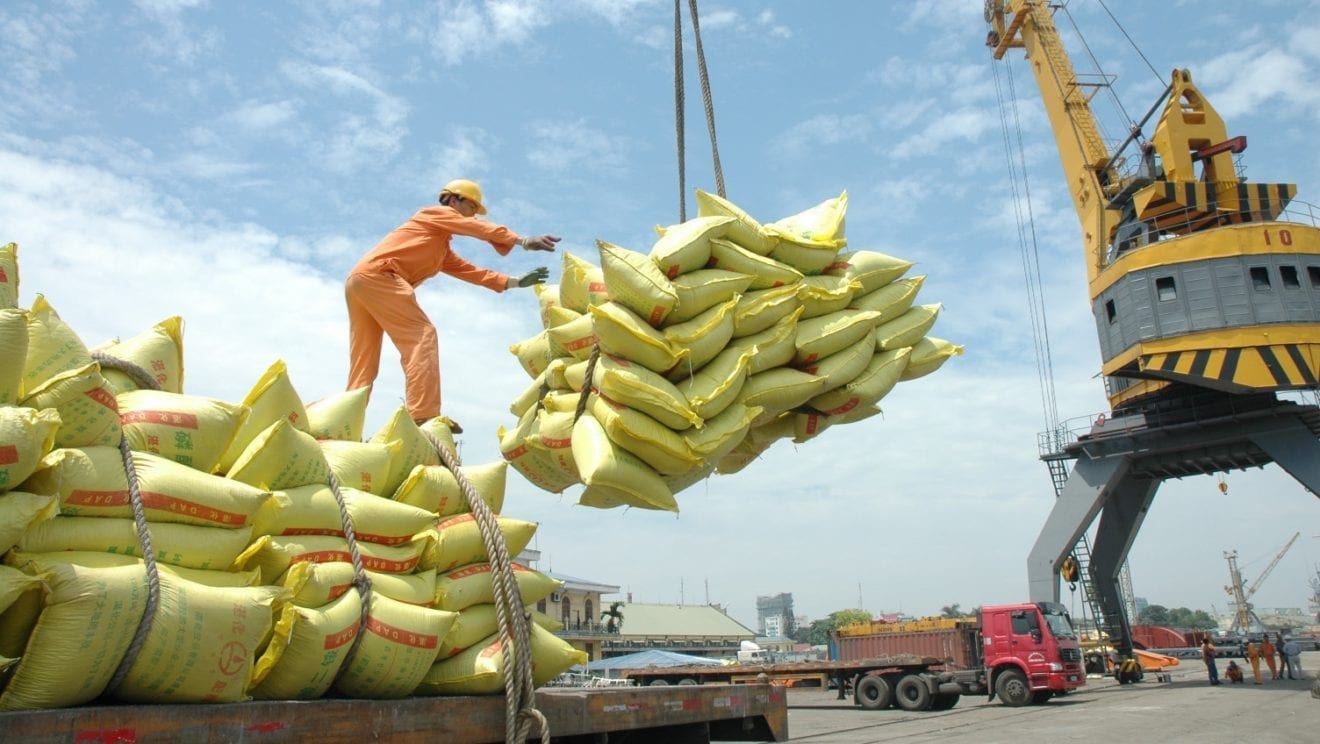
    Average rice export prices fell for a second straight month to US$415-420 a ton, resulting in a marginal year-on-year decline in revenues for Vietnam despite higher volumes.

    The country exported 2.86 million tons for $1.39 billion in the year to date, up 10.3 percent in volume but down 1 percent in value, according to data from the Ministry of Agriculture and Rural Development.

    Global prices have been falling due to abundant supply, with Thai 5 percent broken rice becoming $5 per ton cheaper at $445.

    The Philippines remained Vietnam’s top market, importing 915,000 tons for $422.2 million, up 28.3 percent and 11 percent.

    But domestic prices rose slightly in early June as there was a drop in supply between the winter-spring and summer-autumn crops.

  • Northern province blocks fruit trucks headed for China border

    Northern province blocks fruit trucks headed for China border

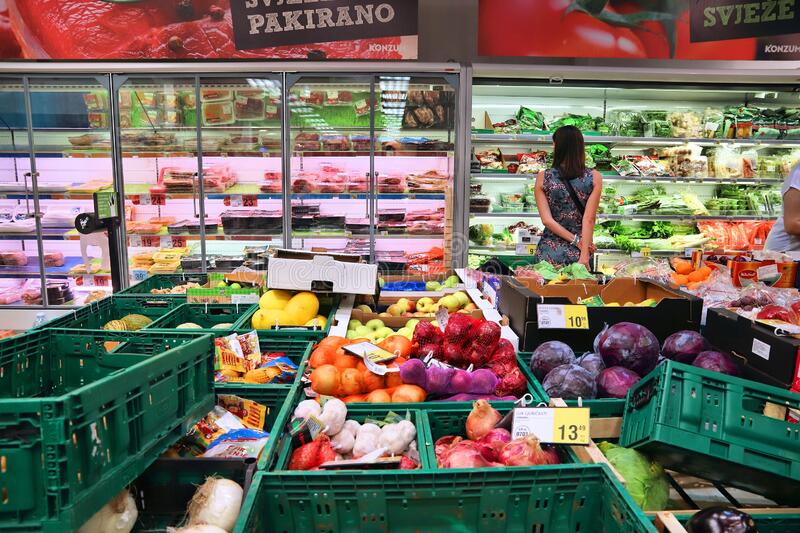
    Lang Son has decided to stop receiving fruit trucks headed for the China border for ten days starting February 16 as over 1,000 trucks are still stuck in the province.

    The provincial Department of Industry and Trade said that as of Friday morning, the total number of trucks waiting at the three border gates of Huu Nghi, Tan Thanh and Chi Ma was 1,640, of which 1,390 were carrying fresh fruit, accounting for nearly 85 percent.

    Due to China’s strict Covid-19 measures, customs clearance efficiency has been very low, with just 70-90 trucks able to cross the borders a day.

    Meanwhile, around 160 to 180 trucks reach the border gate every day, most of them carrying fresh fruits like dragonfruit, watermelon, jackfruit and mango. This will further worsen congestion at the border and damage businesses as well as farmers, officials said.

    The congestion at the northern border gates started in December 2021 after China strengthened its anti-Covid prevention measures. By mid-January 2022, afraid that their fruits would rot, many business owners had returned to the domestic market and sold them at very cheap prices.

    The government, ministries, branches and localities have had held many meetings on the issue but an effective solution to the problem has remained elusive.

    According to the General Department of Vietnam Customs, Vietnam earned $1.75 billion from exporting fruits and vegetables to China in the first 11 months of 2021, up 3.6 percent year-on-year despite Covid-19 impacts.

    China remained Vietnam’s top fruits and vegetables export market with a market share of 54 percent in the 11-month period

  • Steel exports surge 130 pct as global demand shoots up

    Steel exports surge 130 pct as global demand shoots up

    Steel exports rose by nearly 130 percent in the first 11 months of this year to US$10.8 billion, according to the Vietnam Steel Association.

    Hoa Phat exported 914,000 tons of finished construction steel products, a year-on-year rise of 90 percent. It plans to export over one million tons, double the volume it shipped last year.

    The association expected exports to be robust this month due to rising global demand and a temporary shortage in China.

    Vietcombank Securities Company explained that China is gradually reducing its steel exports.

    The association said Vietnam has a production capacity of around 24 million tons a year, and output this year is expected to reach 21.2 million tons, enough to fully meet domestic and export needs.

  • Major seafood firm reports 25 pct profit fall

    Major seafood firm reports 25 pct profit fall

    It attributed the falling profit to a 20 percent drop in income from financial activities and a 27 percent increase in cost of goods sold during the period.

    The company also said that the pandemic has changed consumer behavior in its main export markets like the U.S., Japan, Canada, Australia and New Zealand. They have prioritized buying essential products.

    Seafood exports to these markets fell by half in the first quarter of the year, contributing to a year-on-year revenue drop of 12 percent to VND1.6 trillion.

    The company aims to export $638 million worth of shrimp this year.

    Its total asset value at the end of March was nearly VND7.4 trillion.

    It has targeted revenues of VND15.7 trillion and post-tax profit of VND1.4 trillion this year.

  • Global firms dominate Vietnam electronics exports

    Global firms dominate Vietnam electronics exports

    In the first quarter this year, exports of phones and components were worth $14.1 billion, 99 percent of it by foreign firms.

    Exports of computers and parts exports topped $12 billion, with foreign companies accounting for 98 percent.

    The agency said the rate of use of local parts in the industry is 5-10 percent, with Vietnamese businesses in the supply chain mostly producing low added-value products.

    There are several domestic smartphone brands like Vsmart produced by VinSmart, a subsidiary of conglomerate Vingroup, and Bphone by cybersecurity company BKAV, but the market is dominated by foreign brands.

    The agency said: “The products made by domestic firms do not meet the demand in terms of quality or design. The linkages between foreign firms and their local counterparts remain weak.”

    But it admitted Vietnamese businesses have been striving to improve quality so that they could enter the supply chains of foreign companies, pointing out for instance that the number of local tier-1 suppliers (who supply products directly to a company without going through intermediaries) of Samsung had increased from four in 2014 to 35 last year.

    Local electronics firms should identify their core products, target their market segments, stay ahead of consumer trends, and keep up with the global technological development to create competitive products, it said.

    “They should take advantage of trade deals such as the EU–Vietnam Free Trade Agreement,” the agency stressed.

  • Vietnam eyes $4 bln in shrimp exports

    Vietnam eyes $4 bln in shrimp exports

    Vietnam targets a 5 percent increase in shrimp exports this year to $4 billion.

    It also targets output of 930,000 tons and having 740,000 hectares of shrimp farms, said Tran Dinh Luan, director of the Directorate of Fisheries, said at the VietShrimp Aquaculture International Fair in Can Tho City on Wednesday.

    He expected Vietnam to become the world’s biggest producer of farmed shrimp by 2045 with an output of four million tons and a 25 percent global market share.

    Now there are 200,000 hectares of high-tech shrimp farms, 95 percent of them in the Mekong provinces of Bac Lieu and Soc Trang, mostly belonging to foreign companies.

    Shrimp exports face difficulties since costs have risen by 20 percent due to a 200-500 percent jump in transport costs, Luan said, pointing out that shipping a container of shrimp to Europe has increased from $1,500 to $6,500, and even $7,500.

    Last year, shrimp exports were up 11.7 percent to $3.8 billion, and output had been 900,000 tons.

  • Saudi Arabia to temporarily suspend Vietnamese fish imports

    Saudi Arabia to temporarily suspend Vietnamese fish imports

    Saudi Food and Drug Authority (SFDA) has decided to temporarily suspend the import of fish and shrimps from Việt Nam.

    The ban, effective from March 1, is in accordance with the regulatory procedure for fish and other aquaculture export establishments of SFDA, according to a note published on the Saudi Aquaculture Society’s website.

    The decision came after a delegation of several regulators, including SFDA, Ministry of Environment, Water and Agriculture and Saudi Aquaculture Society conducted an inspection tour last month to 24 Vietnamese facilities that exported to Saudi Arabia.

    The delegation found that only nine facilities met the hygiene requirements of Saudia Arabia.

    The suspension will be in place until the facilities complied to Saudi Arabia’s requirements.

    This is one of the most serious actions by Saudi Arabia against Vietnamese exporting firms.

    The Việt Nam Sanitary and Phytosanitary Notification Authority and Enquiry Point under the Ministry of Agriculture and Rural Development on January 30 also announced the SFDA’s notice about the temporary ban.

    The notice said that Saudi Arabia was instituting the emergency measure to prevent the introduction of white sport disease and acute hepatopancreatic necrosis disease into the country.

    The Việt Nam Sanitary and Phytosanitary Notification Authority and Enquiry Point urged relevant agencies to raise appropriate measures to tackle this problem.

    SFDA has also temporarily suspended the import of aquaculture products from Bangladesh and Myanmar and farmed fish from India, according to Saudi Aquaculture Society.


  • Indonesia`s exports up 15.68 percent in March 2017

    Indonesia`s exports up 15.68 percent in March 2017

    Indonesias exports were up 15.68 percent in March, from US$12.61 billion in the previous month to $14.59 billion, according to Central Bureau of Statistics (BPS) here on Monday.

    BPS chief Suhariyanto stated at a press conference that the hike was dominated by an increase in the non-oil and gas exports reaching $13.11 billion, or up 14.86 percent, from the previous month.

    “The export value in March 2017 was recorded at $14.59 billion, up 15.68 percent from Feb. Compared to March 2016, the hike reached 23.55 percent,” he noted.

    The hike in the non-oil and gas exports in March was contributed by an increase in the exports of mineral fuels reaching $459.4 million, or 32.84 percent, he noted, adding that the exports of chemical products were down 9.05 percent, or $31.8 million.

    Non-oil and gas export destination countries in March 2017 include China, with exports to the country reaching $1.7 billion; the US, reaching $1.51 billion; and Japan, recorded at $1.26 billion. All of them contributed 34.72 percent of the total exports. Exports to Europe or 28 countries reached $1.46 billion.

    In total, Indonesias exports from Jan to March 2017 reached $40.61 billion, or rose 20.84 percent from the same period in 2016.

    Non-oil and gas exports in the period were recorded at $36.66 billion, comprising 90.27 percent of the countrys total exports.

    In terms of sectors, exports from processing industries from Jan to March 2017 rose 19.93 percent from the same period in 2016, while agricultural exports jumped 22.84 percent and mining products and others rose 32.26 percent.

    With region provinces of origin, most of the countrys exports were from West Java, valued at $7.00 billion, or 17.23 percent of the total; followed by East Java at $4.43 billion, or 10.90 percent; and Riau at $4.40 billion, or 10.83 percent.

    Indonesias non-oil and gas markets in the period from Jan to March 2017 include China, worth $4.96 billion, or 12.79 percent; the US, worth $4.29 billion, or 11.70 percent; and India, worth $3.41 billion, or 9.29 percent.

  • Rising exports to China portend greater risks

    Rising exports to China portend greater risks

    Despite China’s retaliatory moves against Seoul’s hosting of a US missile defense system, South Korea has seen its exports to the world’s No. 2 economy increasing in recent months.

    The country’s shipments to China rose by 16.4 percent from a year earlier during the first 20 days of this month, following four consecutive months of on-year increases, according to the latest customs data. In February, the growth rate was 28.7 percent, the highest since late 2010.

    This continuous increase in shipments of South Korean goods to China, which betrays a widening range of retaliatory steps taken by Beijing, reflects the structure of bilateral trade between the two countries.

    More than 70 percent of South Korean products shipped to China are intermediary goods, including semiconductors and flat-panel displays, which Chinese manufacturers need to make their key export items.

    The on-year increase in South Korea-made semiconductors to China accelerated from 5.5 percent in November to 75.9 percent last month, according to data from the Ministry of Trade, Industry and Energy.

    Mentioning the dominant position of the country’s chipmakers, a South Korean proposed in a recent newspaper contribution that Seoul consider banning exports of semiconductors to China in response to Beijing’s moves, though many here dismissed the idea as destructive to both economies.

    China’s retaliatory measures have so far targeted consumer goods such as cosmetics and food, cultural content, package tours and retail stores run by a South Korean business group that agreed to offer land for the installment of a US anti-missile battery.

    But Beijing has shied away from imposing restrictions on imports of key manufactured items from South Korea to avoid doing direct damage to its own economy.

    China also seems to be trying to stop short of violating international trade rules in an outright manner, which would hamper its efforts to be granted the most favored nation status by the US and other major advanced countries.

    The Chinese Commerce Ministry on Thursday said China valued trade with South Korea and was respecting World Trade Organization rules. The statement came in response to an earlier appeal by South Korea to the WTO service council to determine if the Chinese measures are in conflict with WTO regulations.

    “Both economies are mutually dependent, so wisdom is needed to approach political and economic matters separately,” said Yu Byoung-gyu, head of the Korea Institute for Industrial Economics and Trade.

    China’s reliance on manufacturing components and equipment from South Korea has led observers to see Beijing’s efforts to affect Seoul’s security policy by applying economic pressure is just doomed to fail.

    A report released last week by the state-run Korea Development Bank estimated the escalation of China’s retaliation against the deployment of the anti-missile shield officially called Terminal High Altitude Area Defense would result in South Korea suffering about $20 billion in economic losses, mostly in the tourism and duty-free sectors.

    But the amount of loss would be far from painful enough to get Seoul to reconsider THAAD deployment aimed at countering nuclear and missile threats from North Korea.

    In an apparent reflection of growing resentment against Beijing’s retaliatory measures, the proportion of South Koreans opposing the installment of the missile defense shield dropped from 40 percent in January to 34.7 percent in March, according to surveys by local pollsters.

    A recent study by a local research institute also showed South Koreans feeling less favorable toward China than Japan.

    Some observers see China’s moves against the South may be subdued ahead of President Xi Jinping’s planned visit to the US in April for his first meeting with President Donald Trump.

    A group of US House of Representatives legislators last week introduced a bipartisan resolution condemning and calling for an immediate end to China’s retaliatory measures against South Korea.

    The move was viewed as a warning that Beijing’s inappropriate pressure against Seoul would not be left unaddressed by Washington.

    China’s retaliation, even if eased sooner than later, is set to be serving as a decisive occasion to prompt South Korean firms to be more earnest in their efforts to reduce reliance on the Chinese market.

    “Regardless of the fallout from the THAAD dispute, the country’s companies are in the final stages of gaining profits from rising demand from China,” said a Trade Ministry official, asking not to be named.

    China accounted for 26.9 percent of South Korea’s total exports last month, the largest proportion ever. This hefty dependence is simply unsustainable as China is striving to curtail processing trade and expand domestic supply chains by pushing for a plan to transform itself into a global manufacturing power in high-tech sectors by 2025.

    Shin Seung-kwan, a chief researcher at the Korea International Trade Association, said South Korean companies need to focus on maintaining competitive edges over Chinese rivals in certain intermediary goods while diverting shipments to other emerging markets.

    He noted it is also necessary to increase exports of high-end consumer goods to China to offset a possible decrease in demand for intermediary goods. But those items would still remain easy targets for China’s boycotts in the future.

    South Korean companies would likely face broader and more fundamental risks from China unless they diversify export markets and production bases to other regions, including Southeast Asia and India, with a greater sense of urgency, experts say.

  • China set to cut into India, Vietnam rice exports in 2017

    China set to cut into India, Vietnam rice exports in 2017

    Falling demand and overseas competition are expected to bite into Vietnam’s rice exports. India and Vietnam, the world’s leading rice exporters, may see overseas sales fall below previously expected levels due to slowing demand and rising competition from China, the U.S. Department of Agriculture (USDA) said in a recent report.

    India’s rice exports year could fall by 300,000 tons to only 10 million tons “on slower pace and stronger competition in West Africa”, the USDA said in its March report, putting it on a par with shipments expected from Thailand.

    It more than doubled its forecast for China’s rice exports this year to 500,000 tons from 225,000 tons, the report said, citing rising sales in East Asia and West Africa.

    The USDA also cut Vietnam’s rice export forecast by 3.6 percent to 5.6 million tons this year, citing “reduced trade to Southeast Asia and Africa”.

    With the lower projections, India and Thailand will share the world’s largest rice exporter title this year, followed by Vietnam and Pakistan. Last year, India was the world’s biggest rice exporter, followed by Thailand.

    Vietnam’s rice exports in the first two months of this year fell 23.5 percent from the same period in 2016 to 738,000 tons, based on data from Vietnam Customs released this week.

    Rice exports in the two-month month period brought in $314 million, 24.7 percent below the corresponding period in 2016, data showed.

    On a brighter note, Mexico has given the green light for 150,000 tons of rice to be imported at a zero percent tariff, starting from March 1, to meet domestic demand and diversify its supply sources, a move that would cut the market share currently held by the U.S. and open the door to Vietnamese rice.

    “The United States is expected to remain the dominant supplier (for Mexico), but recent history suggests that other suppliers will likely gain additional sales,” the USDA said.

  • Vietnam rice exports set to face another tough year

    Vietnam rice exports set to face another tough year

    Despite facing difficulties, Việt Nam will strive to achieve rice exports of more than 5 million tonnes this year, the Việt Nam Food Association has said.

    Speaking at a meeting to review the VFA’s performance last year in HCM City on Monday, its secretary, Huỳnh Minh Huệ, said last year only 4.89 million tonnes were exported for $2.12 billion, a 25.5 per cent fall in volume and 20.57 per cent decline in value.

    There was excessive supply in the global market last year, and there has been a recent trend of major importing countries increasing domestic production to reduce imports, he said.

    Việt Nam’s rice exports are likely to face another difficult year as supply outstrips demand and global competition intensifies, he said.

    He quoted the US Department of Agriculture as saying global rice output in 2016/17 is estimated to increase by 1.6 per cent from last year to 480 million tonnes due to an expansion in the area under rice in many countries including Australia, Myanmar, Brazil, India, Indonesia, North Korea, Pakistan, Thailand, and the US, he said.

    Global exports are expected to rise by one million tonnes or 2.6 per cent to 40.6 million tonnes, he said.

    Stockpiles have been increasing for the last three years and are expected to reach the highest levels since 2001/02 crop, he said.

    Huỳnh Thế Năng, VFA chairman, said despite the hurdles, rice businesses would strive to export higher volumes than last year to ensure farmers can sell off as much of their outputs as possible.

    In the long term the domestic rice sector targets exports of high-value rice to affluent markets, he said.

    He said the Plant Protection Department and other relevant agencies should take measures to improve the hygiene and food safety of Vietnamese rice to enable more exports to choosy markets.

    The association said rice exporters should meet hygiene and food safety standards and strengthen linkages with farmers to ensure a steady source of the grain to meet market demand.

    Huệ called on the Ministry of Agriculture and Rural Development to build an international standard laboratory in Cần Thơ to help exporters check their rice quality, especially look for plant protection chemical residues, instead of sending to other countries for analysis as is done now.

    Năng said authorities in rice growing localities need to do more to instruct farmers in producing rice meeting safety standards, encourage them to use more certified rice seedlings and improve technical and financial support systems.

    Đỗ Hà Nam, chairman and general director of Intimex Group Joint Stock Company — one of the country’s 10 largest rice exporters — said while exports of other kinds were down, exports of Japonica and sticky rice went up by 136.95 per cent and 96.59 per cent.

    “But farmers have since rushed to grow more sticky rice, which [poses a] risk.”

    He said the Government should work with China to facilitate exports of Vietnamese rice to that country.

    “We face severe competition in terms of price from Pakistan and India.

    “There may be difficulties but if we choose to invest in varieties like fragrant rice and sticky rice, there will be opportunities.”

    Lê Thanh Tùng of the Crop Production Department said Việt Nam has the potential to boost exports of sticky, fragrant, Japonica and high-quality rice varieties.

    Besides improving quality, Vietnamese firms should also focus on building brands, he said.

    Rice stockpile

    The association on Monday called on the Government to approve a programme to stockpile rice temporarily from the winter-spring crop to ensure farmers do not lose.

    Tùng said the Ministry of Agriculture and Rural Development, based on rice production and consumption in February and March, would make specific recommendations for it.

    The quality in the 2016/17 winter-spring crop would be better than last year’s, he added.

  • Wood exports inch up, but prospects cloudy

    Wood exports inch up, but prospects cloudy

    iệt Nam estimated to gain US$7.3 billion from the export value of wood and wooden products this year, a slight increase of 1 per cent year on year, reported the Ministry of Agriculture and Rural Development’s General Department of Forestry.

    Nguyễn Bá Ngãi, deputy director of the general department, said this year, export value of forest products gained growth of 5-10 per cent depending on different products but the export value of wood and wooden products rose by 1 per cent against last year, reported Hải Quan (Customs) newspaper.

    The slight growth was due to strong reduction in the export value of wooden chips compared with last year, or 61 per cent of the export value of wooden chips in 2015, he said.

    Decrease in exports of wooden chips this year was due to a fall in demand for this product on the world market, especially China, said Ngãi, adding that Vietnamese wooden chip products have faced competition with similar products from other countries such as Thailand, Australia and some African nations.

    This year, Việt Nam promoted diversification of the export market to increase market shares on the world market, Ngãi said. Especially, Việt Nam has completed negotiations on the Voluntary Partnership Agreement on Forest Law Enforcement, Governance and Trade (VPA/FLEGT) between Việt Nam and the European Union, opening many opportunities on market development in the future.

    Lack of material

    Experts also said Việt Nam’s wood processing industry would continue development in production and business over the coming years.

    However, wood processing enterprises said the industry had fallen due to a lack of material for production.

    Bùi Như Việt, vice chairman of the Bình Dương Wood Association, said enterprises in the South were lacking material for production because in the past, many Chinese enterprises had come to purchase large volumes of wood.

    Trương Mộng Trinh, director of Mộc Lục Wood Company, also said more and more foreign enterprises had purchased wooden material, leading to a lower supply of the material for local processing companies and a higher price for wood, from VNĐ2-3 million per cubic metre to VNĐ5 million at present.

    Đỗ Xuân Lập, chairman of Bình Định Wood Association, said now, the price of rubber wood had increased by 20-25 per cent and there was strong competition for wood on the local market.

    This put pressure of procuring enough wood for production on enterprises in HCM City, Bình Dương, Đồng Nai and Bình Định provinces, he said.

    Local wood producers said the Government had solutions on avoiding the lack of material for wood processing but export tariff rates at present had not limited export activities for wood, especially exports to China, reported Công Thương newspaper.

    To ensure sustainable supply of this material in the future, the local enterprises expect the Ministry of Agriculture and Rural Development and the Việt Nam Wood and Forest Products Association to propose solutions to the Government on limiting exports of material for wood processing.

    Especially, the enterprises proposed increasing export tariffs for timber and sawn timber to 20 per cent as one of the efficient solutions to limit exports of timber for processing wooden products.

    Dương Phương Thảo, deputy head of the Import and Export Department from the Ministry of Industry and Trade, said in the future, the State should control exports of wood while also creating favourable conditions for local enterprises to exploit wood in foreign countries.

    That meant the Government would work with Việt Nam’s enterprises to grow trees for supplying wood in Cambodia and Laos as well as the governments of the two countries to import the material to Việt Nam, she said.

  • Indonesia sees jump in October palm oil exports

    Indonesia sees jump in October palm oil exports

    Indonesia saw the exports of its palm oil products, which include crude palm oil (CPO), biodiesel and oleochemical, increase by 34 percent month-on-month to 2.45 million tons in October, thanks to rising demand from major export destinations.

    In September, the world’s largest producer of palm oil shipped 1.89 million tons of products overseas.

    Indonesian Palm Oil Producers Association (GAPKI) executive director Fadhil Hasan said exports to India had increased by 31.64 percent month-on-month (mom) in October to 608,510 tons, while exports to China were slightly up by 2.17 percent to 316,450 tons.

    Exports to the European Union (EU) market, meanwhile, increased by 75.51 percent mom to 380,150 tons, not long after France revoked their CPO multiple taxes plan.

    “The traders took the chance to buy at cheaper prices, as they were anticipating a possible price hike in November amid increasing demand ahead of Christmas and New Year,” Fadhil said in a statement on Wednesday.

  • New EU funding to help boost Myanmar garment exports

    New EU funding to help boost Myanmar garment exports

    Myanmar’s garment sector is targeting a 300% increase in garment exports to the European Union (EU) by end of 2019 thanks to a EUR2.8m (US$3m) funding boost as the second phase of the SMART Myanmar project gets underway.

    The EU-funded SMART Myanmar project – SMEs for Environmental Accountability, Responsibility and Transparency – aims to build the sustainable recovery of the Southeast Asian country’s garment industry.

    Phase two of the initiative launched last week, with the goal of boosting productivity and creating over 300,000 jobs for low-skilled workers during the next four years. It has been implemented by a consortium of partners including Germany’s Sequa, the Foreign Trade Association of German Retail Trade (AVE), sustainable fashion group Made-by, the Myanmar Garment Manufacturers Association (MGMA), and the Association of Development Financing Institutions in Asia and the Pacific (ADFIAP).

    More specifically, Jacob Clere, team leader with SMART Myanmar II, told just-style: “The project focus is on improving social and environmental compliance in garment factories, in particular, upscaling and mainstreaming some of the activities piloted and launched during the first project phase from 2013-2015. We’re targeting social compliance improvements in 100 factories during the next four years, as well as delivering HR management to 400 factory managers. As well, we plan to continue capacity building activities with the MGMA and with the training of local technical staff on compliance issues.”

    Other activities will include educating factory workers on labour and OHS laws, working with the government on public procurement procedures, and educating local banks on financial products and services – including introducing the concept of green finance.

    The ultimate goal of the SMART project, which has been running for three years, is to help Myanmar’s garment industry compete in the global market. At its inception, EUR2m was invested in a bid to improve the production and consumption of sustainably manufactured garments in the country.

    Project partners hope other results will be achieved, such as a 20% reduction in waste production in 100 garment factories. Garment exports are also targeted for a 300% increase from 2015 to the end of 2019.

    The consortium is also expecting that at least 150 garment factories will improve their working conditions as a consequence of participating in the SMART Compliance Academies, and that up to 30 banks will take part in at least eight workshops on green finance. In addition, the programme is targeting the training of 15 Safer Consumer Products (SCP) consultants to advanced level to deliver factory improvement programmes. And it is hoping the initiative will create new business opportunities, such as joint ventures between factories in Myanmar and EU brands.

    Speaking at the launch ceremony, EU Ambassador Roland Kobia celebrated the achievements of Myanmar’s garment industry, noting that the value of garment exports has more than doubled in recent years, making it “a catalytic sector of Myanmar’s economic transition”.

    SMART Myanmar is an EU-funded SWITCH Asia project, which, while promoting and supporting the sustainable production of ‘Made in Myanmar’ garments, strives to increase the international competitiveness of small and medium enterprises (SMEs) in the sector. It works alongside companies and business support organisations located in the country, helping build capacity and increase skills and knowledge in local partner organisations, facilitating the development of marketing and export strategies for the garment sector.

    From 2013-2015 the project engaged with dozens of local garment factories on social and environmental compliance issues, providing technical support and capacity building. The project also assisted in boosting the capacity of business associations, helping the Myanmar Garment Manufacturers Association (MGMA) draft a first-ever Code of Conduct for its members.

    Project director Simone Lehmann said at the press conference in Yangon that the focus of the next phase will be on “technical support and capacity building” through workshops engaging dozens of factory employers. She added that there will not be a focus on labour disputes in the sector, but instead, “developing the sector and providing professional support for MGMA”.

    She added: “The garment sector has quickly become Myanmar’s main export sector after oil and gas. The value of exports has more than doubled in less than two years and is projected to continue to grow almost exponentially for the next several years. The growth of the garment sector will contribute to the growth of the industrial sector and create many new jobs.”